The Cantonese Connection

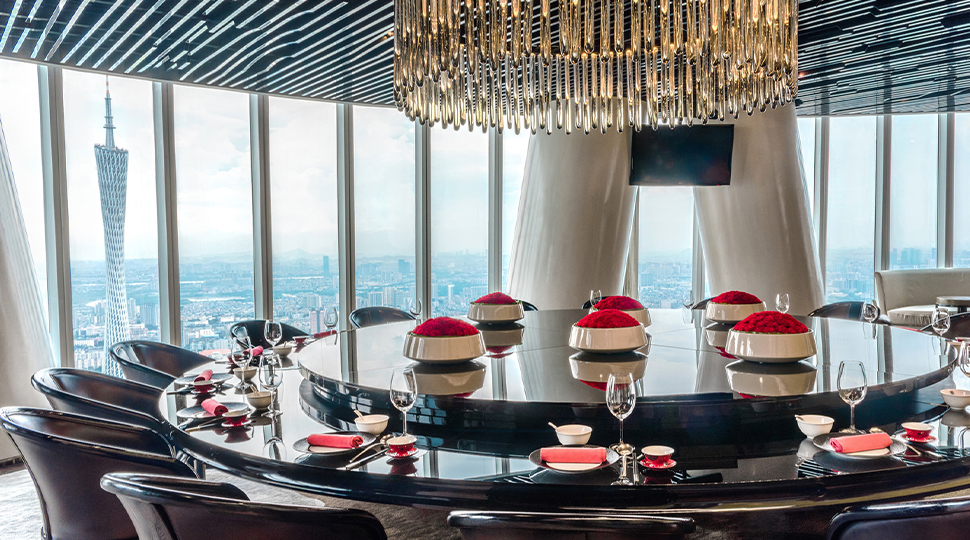
It was the first day of our Cantonese food adventures, and my Hong Kong Chinese friends had arranged a lunch in the Nan Yuan (“South Garden” in English), one of the grand old restaurants of Guangzhou, China. We wandered through the colonnaded gardens and halls resplendent in stained glass of many colours to our private dining room, where the feast began beneath a glittering chandelier. 

The menu was like a roll call of classic Cantonese cooking. We began with a warming soup brewed from pork stomach and kudzu root (an ingredient in traditional Chinese medicine) that was satiny on the tongue, before the waiter brought in a whole roast goose that had been chopped and then reassembled on the plate, its tender flesh crowned with dark amber skin that was meltingly crisp. Soon, there was sticky, wobbly fish maw, one of the dried seafood delicacies so adored in this region; a whole steamed grouper with glistening flesh; chicken and abalone stewed in a clay pot; stir-fried greens; and, to finish, sticky rice balls stuffed with bird’s nest (a delicacy made from the saliva of swiftlets) in a red bean soup that just murmured of sweetness. 
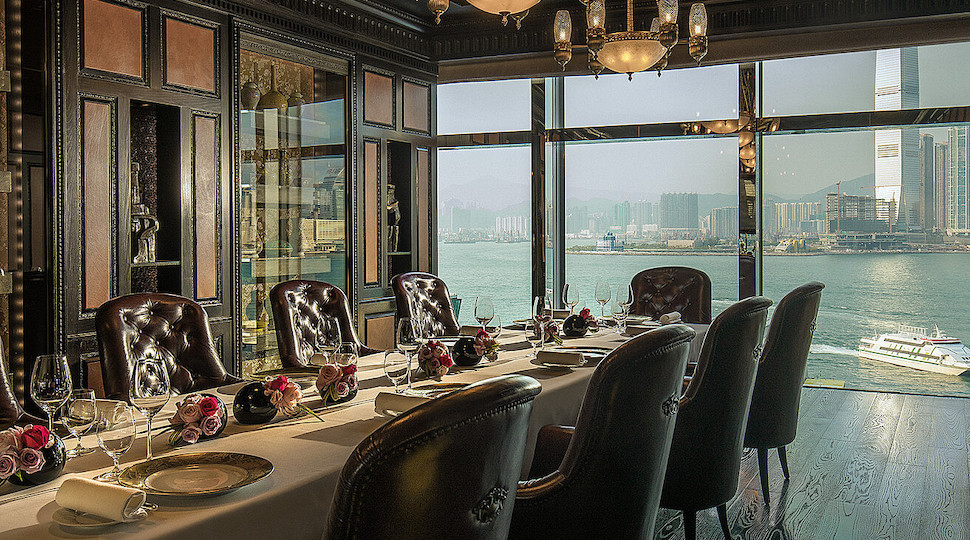
Lung King Heen at Four Seasons Hong Kong
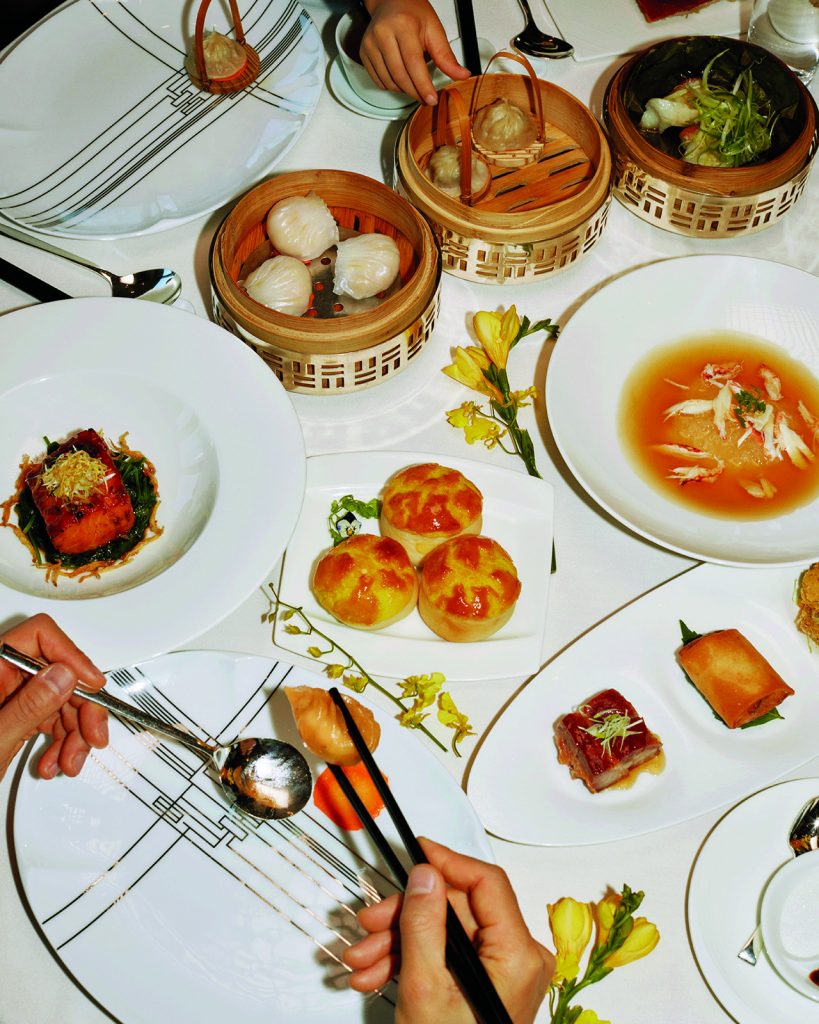
A feast at Lung King Heen at Four Seasons Hotel Hong Kong.
Lung King Heen at Four Seasons Hong Kong
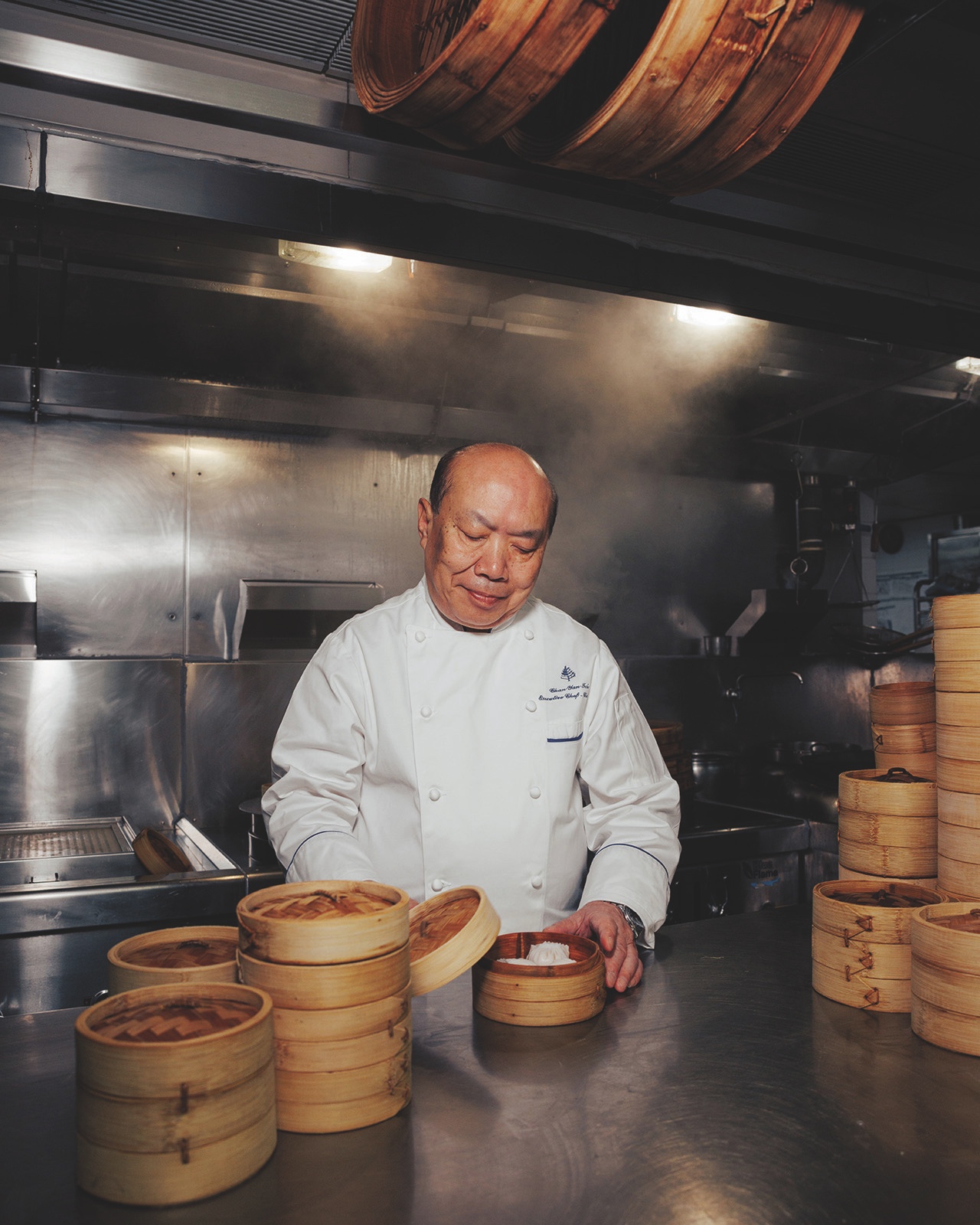
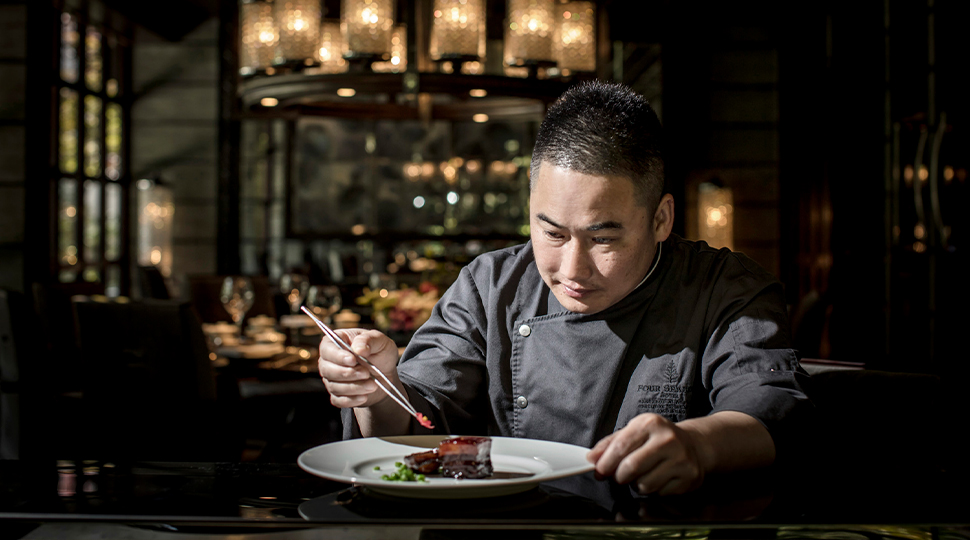
Chef Chan Yan Tak’s Lung King Heen was the first-ever Chinese restaurant in the world to garner three Michelin stars.

Cantonese is one of the world’s most familiar cuisines, yet also one of its least understood. It was the Chinese food first encountered by foreigners in modern times, in the trading enclaves of Macau and Canton (now Guangzhou). It was here, in Guangzhou, that chefs are said to have invented—to suit the tastes of visiting foreigners—the boneless sweet-and-sour pork dish that would become a staple of international Chinese menus. Later, emigrants from the Cantonese-​speaking south of China would voyage to America to work the mines and build the railroads, carrying with them the flavours of their homeland.  

Cantonese immigrants opened restaurants across America and in many other countries and invented what much of the world would come to know as Chinese food. It was a formula rooted in Cantonese tradition but heavily adapted to Western palates: tasty, inexpensive, and devoid of awkward bones and wobbly textures. Instead of steamed fish, vibrant vegetables, and gentle soups, there were fried noodles and boneless meats. This hybrid cuisine was to become wildly popular but also the victim of its own success. Outside of China, Chinese cooking, so diverse and complex, was rarely considered to be sophisticated. Instead, it was branded as cheap, lowbrow, and unhealthy.  

It’s one of the great ironies of history that China’s great gastronomic culture, along with one of its most esteemed regional traditions, should be so underestimated. Within China, Cantonese is regarded as one of the country’s Four Great Cuisines, along with those of Sichuan, Shandong, and the Jiangnan region around Shanghai. Although you wouldn’t guess it from the deep-fried tidbits and sweet-sour flavours that characterize Chinese food abroad, Cantonese cooks are renowned for their insistence on fresh ingredients, their light touch with seasonings, and their precise command of heat and timing.  
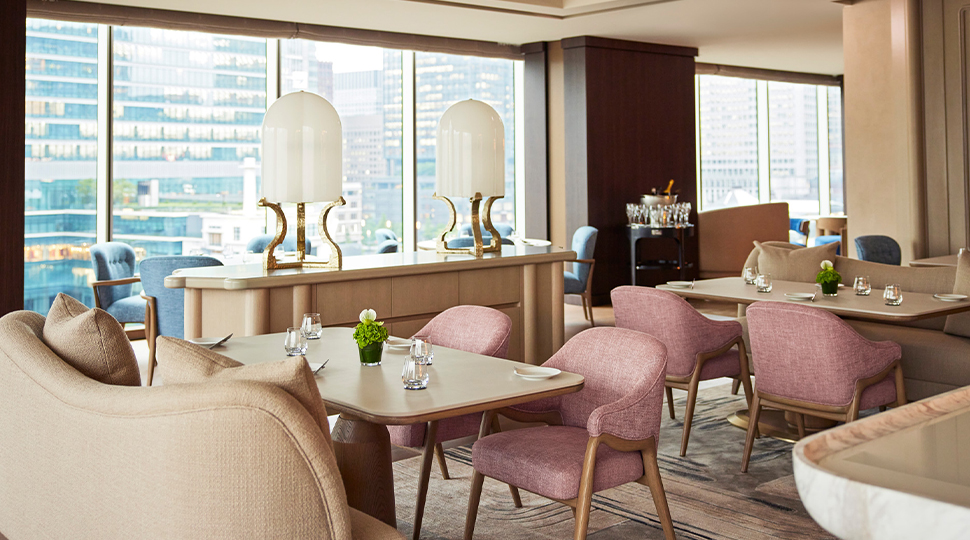
Yu Yue Heen at Four Seasons Guangzhou
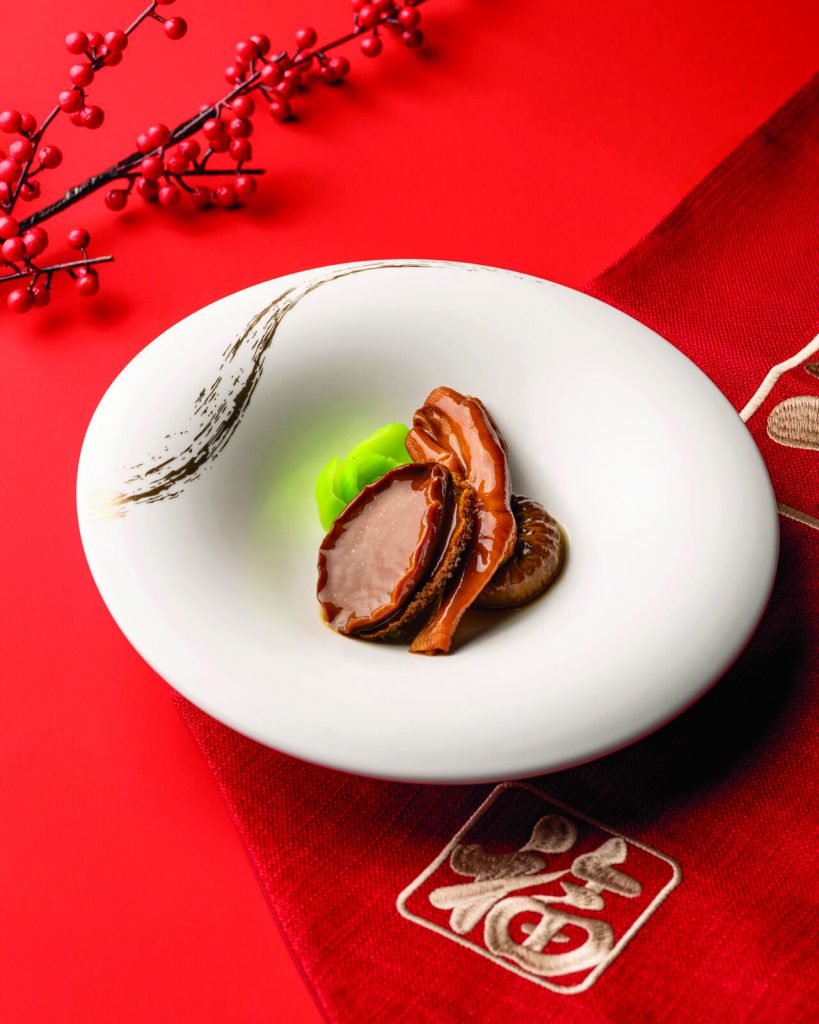
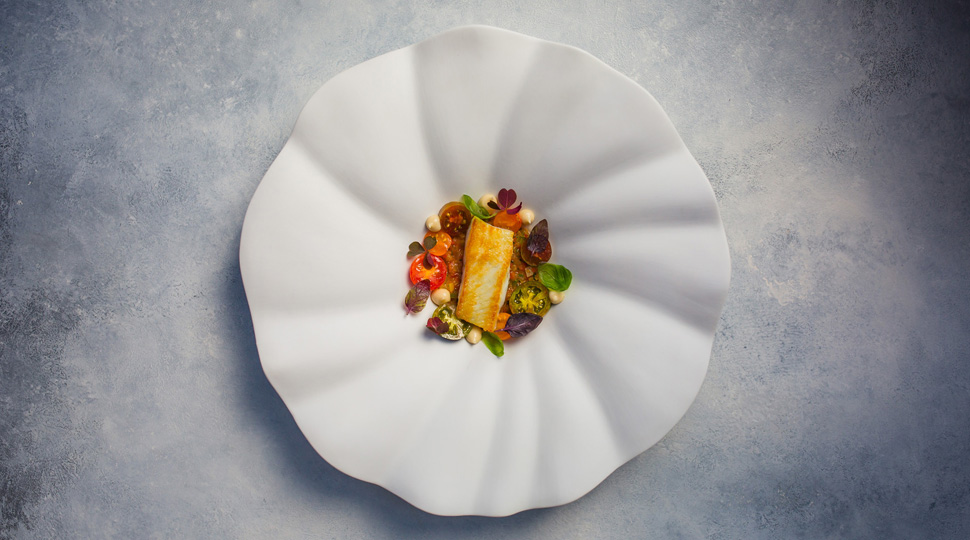
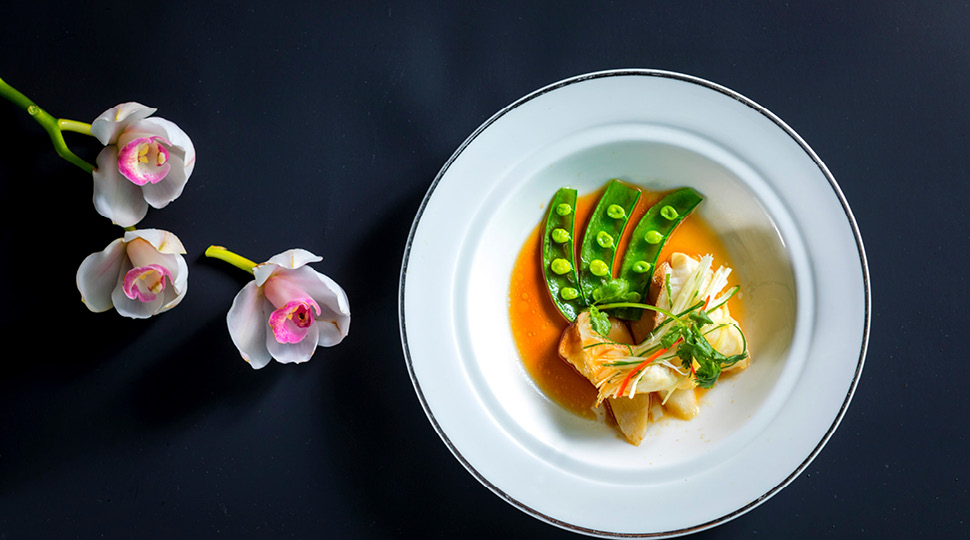
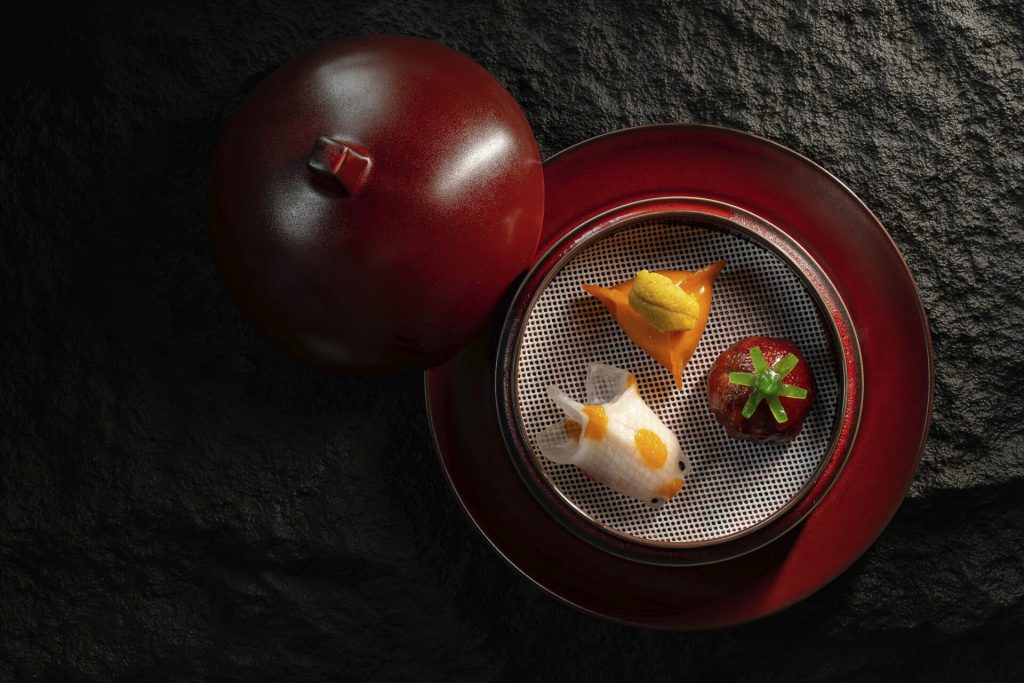
Artful delicacies at Yu Yue Heen at Four Seasons Hotel Guangzhou.

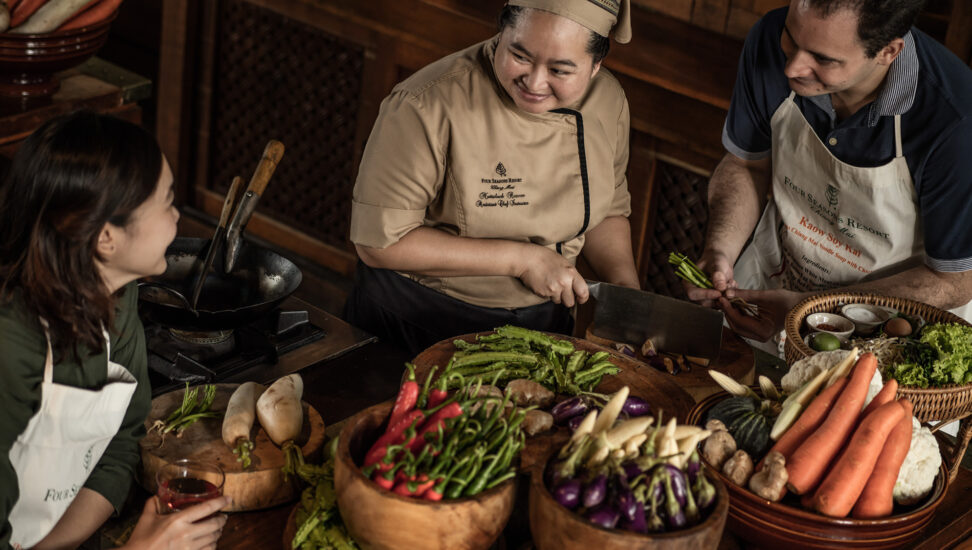
“Cantonese food is all about the essential tastes of ingredients,” says chef Yongsheng Li of the Michelin-starred Yu Yue Heen restaurant at Four Seasons Hotel Guangzhou. “With a fine steamed fish, we might season it with nothing but oil and salt because we don’t want to cover up its natural flavour. And we insist on eating foods in their proper seasons: lamb in winter, for example, toon shoots [from the Chinese mahogany tree] and other sprouting vegetables in spring.” Soups, made with ingredients designed to maintain health in every season, have a particularly important role in local meals. 

One of the most representative local dishes, says Li, is white cut chicken. “The key to this dish is to choose the right breed and age of chicken and cook it within hours of slaughter,” he says. Like many Cantonese dishes, it appears plain but is technically complex: the bird must be poached at a carefully controlled temperature, like an artisanal sous vide, resulting in taut skin and flesh that is brisk but juicy, with a little pinkness in the bones.  

The flavours of Cantonese cuisine are more discreet than, say, the fire and spice of Sichuan. Ginger, spring onions, and aged tangerine peel are favoured seasonings, along with soy sauce and black fermented soybeans. Certain cooking methods and culinary creations are regarded as quintessentially Cantonese: the delicate steaming of seafood; fastidious roasting techniques that give pork and poultry tempting aromas and crisp textures; translucent shrimp dumplings and a whole gamut of delicate dim sum. There are flash stir-fries imbued with wok hei (“the breath of the wok”); nourishing desserts that often take the form of soups; and hearty claypot dishes. Cantonese eaters take particular delight in the textures of their foods, which is why they enjoy so many ingredients that can perplex foreigners, like slippery-crunchy jellyfish.  
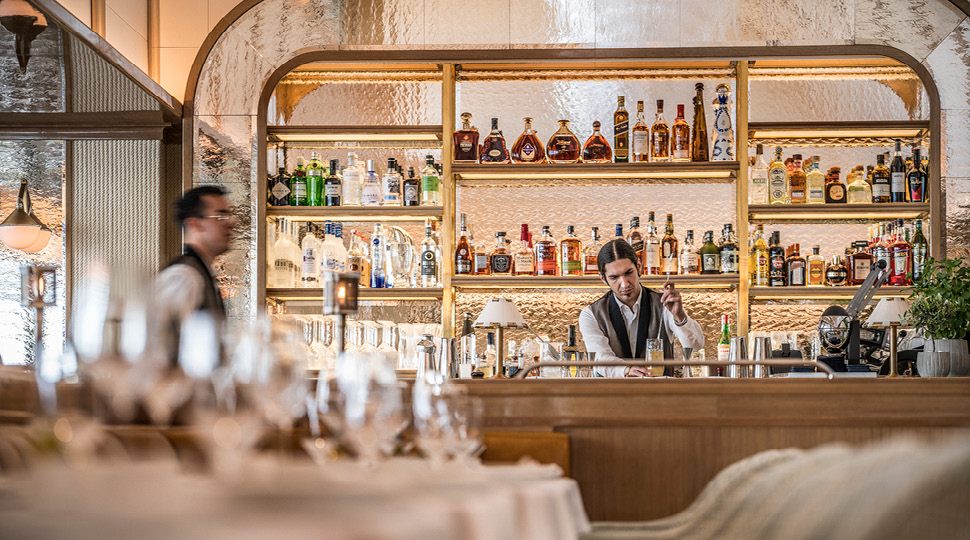
The Chairman
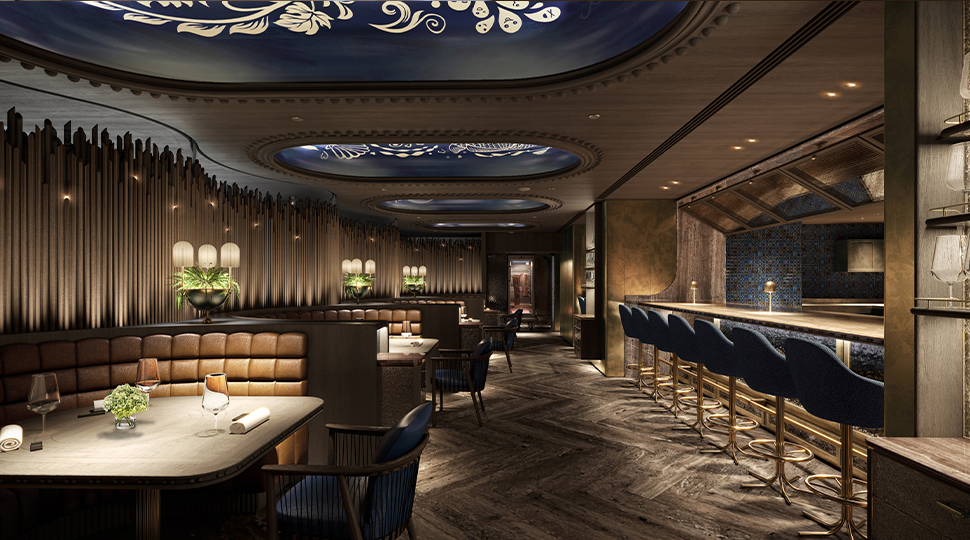
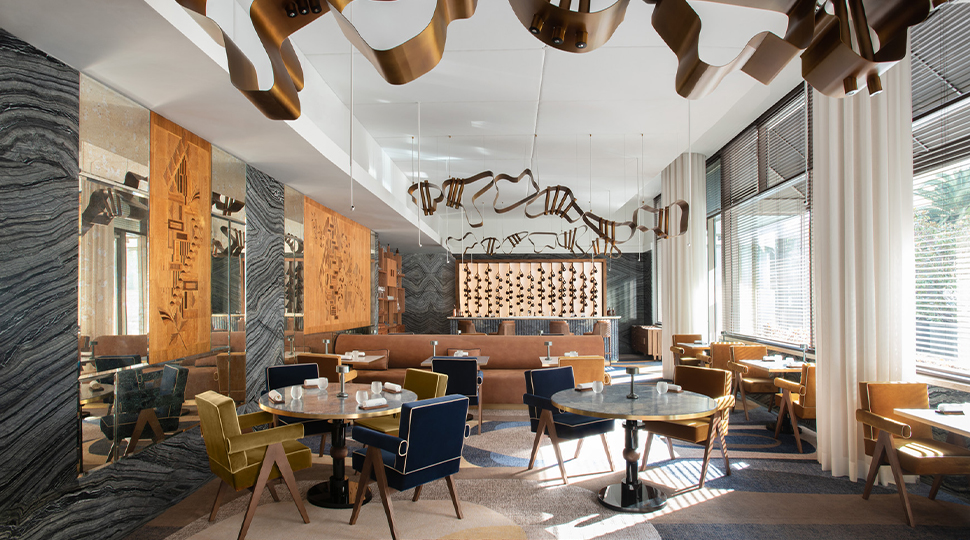
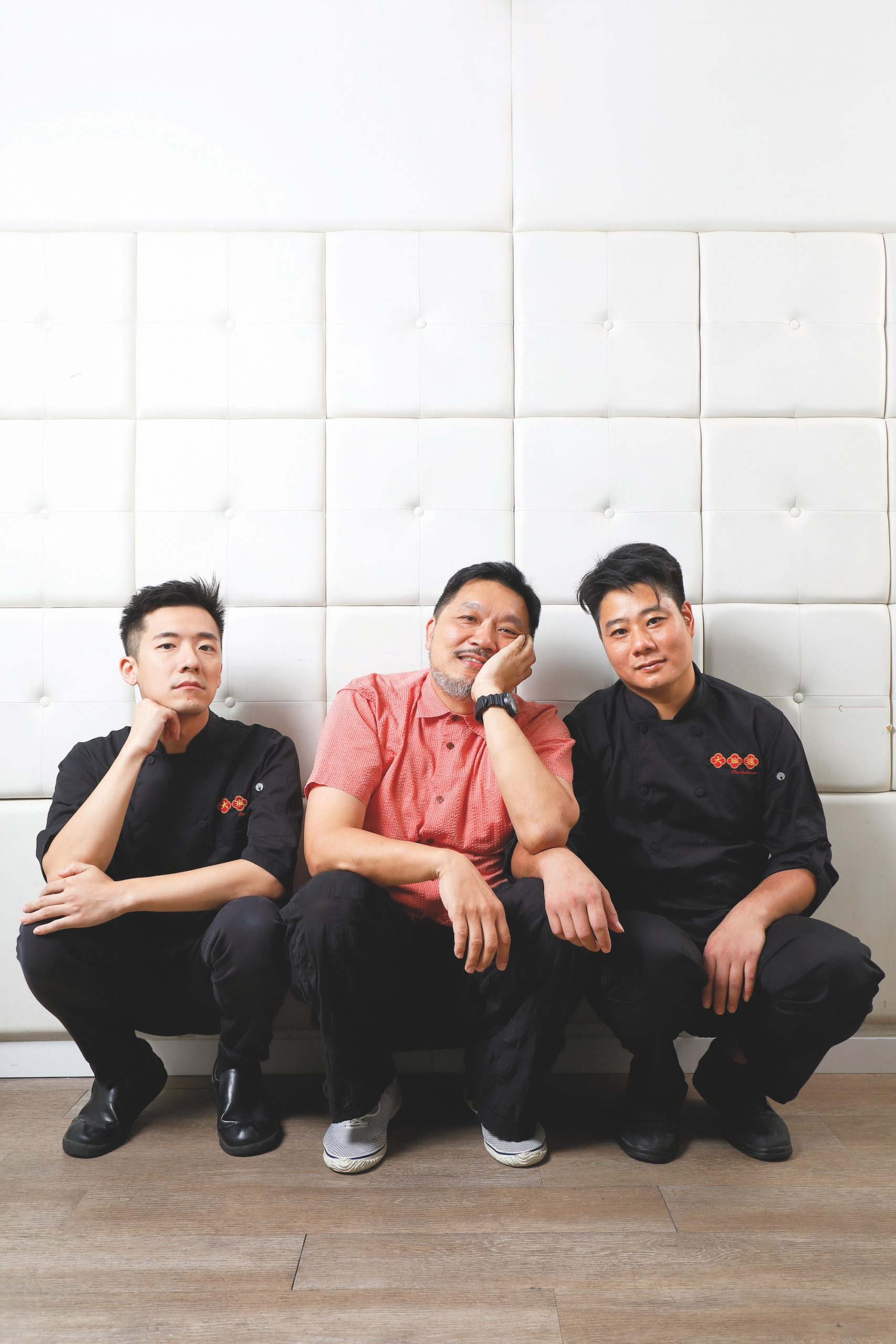
The Chairman chefs, including Danny Yip, at center.
The Chairman
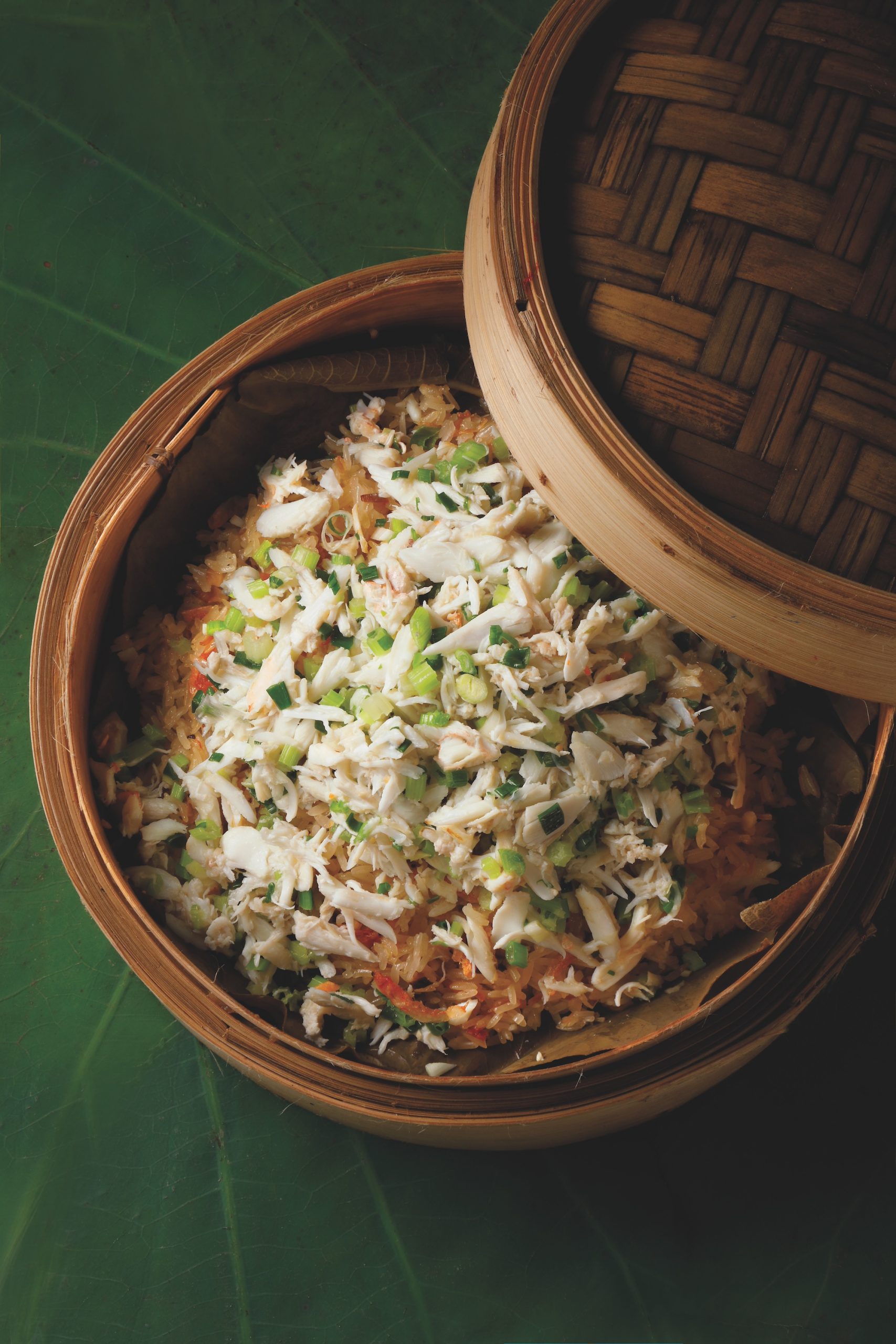
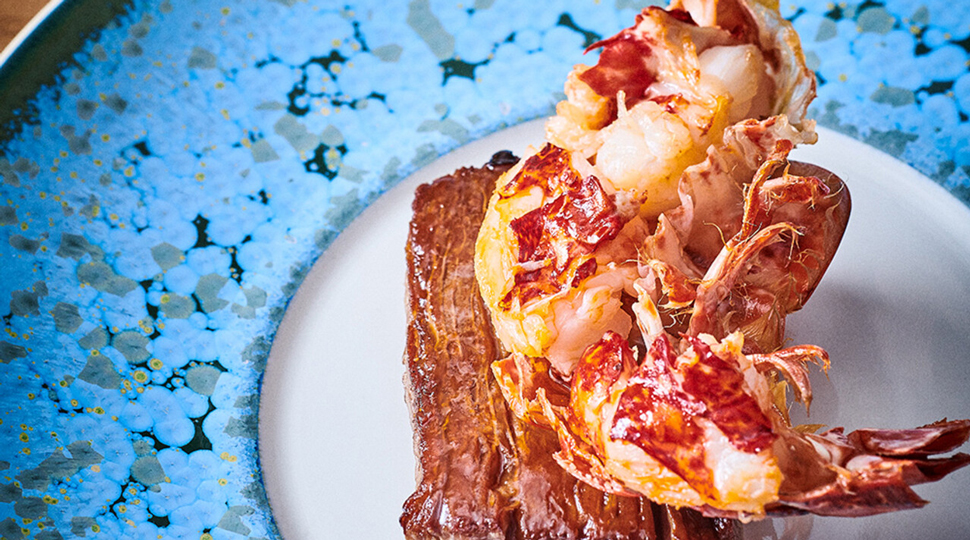
Sticky rice pairing steamed crab with tiny pink shrimp at the Chairman.

Cantonese food itself is diverse and wide-ranging. In Guangzhou, you could spend days exploring dim sum alone, popping into a tiny café that serves fresh cheung fun (noodle rolls made with steamed sheets of rice pasta) or brunching on dozens of dumplings in the gorgeous Tao Tao Ju restaurant in the heart of the old town. You might lap up some turtle broth from a blue-and-white china pot at Dayang, a hole-in-the-wall conspicuous for its towers of steamers, each layer filled with pots of a different kind of soup. At the other end of the social scale, you could spend a fortune on abalone and other prized delicacies. (And if you’d like a taste of the origins of Westernized Chinese food, you could go to the Guangzhou Restaurant for what they call their “nostalgic” sweet-and-sour pork with chunks of pineapple.)  

Any local gourmet can tell you that Cantonese isn’t even a single cuisine. It encompasses not just the rich gastronomic traditions of Guangzhou, the provincial capital, but also the distinctive foods of Shunde, known for its unusual dairy foods made from buffalo milk, and of the Chiu Chow region in the east, with its extravagant seafood, hearty peasant stews, and desserts such as sweet, lardy taro porridge. Another element is the rustic tradition of the Hakka people, whose classic dishes include stuffed tofu and pork belly steamed with salty vegetable preserves. And in Hong Kong, with its wealth and cosmopolitanism, Cantonese food mixes with the flavours of the world.   

For many years, Chinese food of any kind was neglected by the international arbiters of taste. Until the end of the 20th century, China itself was largely off the international travel map, and most Chinese restaurants abroad were of the cheap-and-cheerful variety. 

“Foreigners misunderstand Cantonese cuisine because they only encounter the basic stuff and never have the chance to taste more elevated versions,” says veteran Hong Kong food writer and restaurateur Lau Kin-wai. “Most Chinese restaurants abroad just serve Chinese food as it exists in foreigners’ imaginations.” 
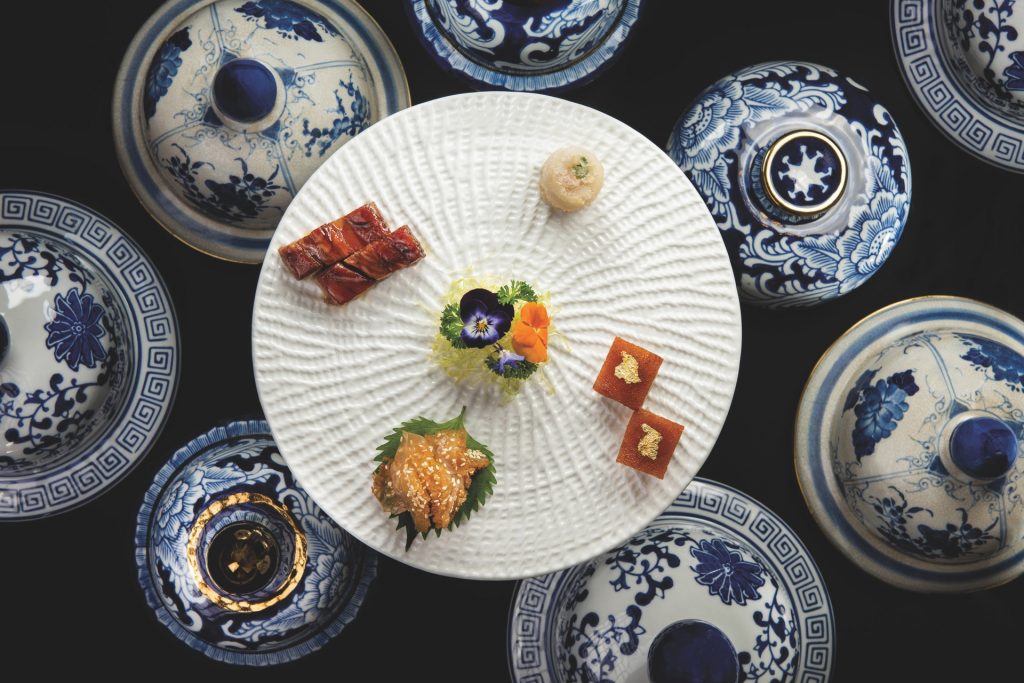
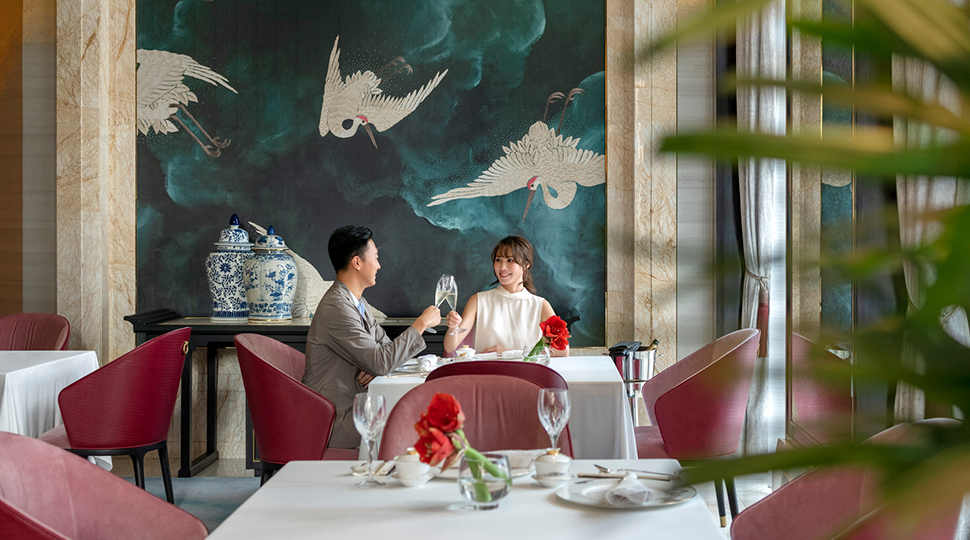
Zi Yat Heen at Four Seasons Macao
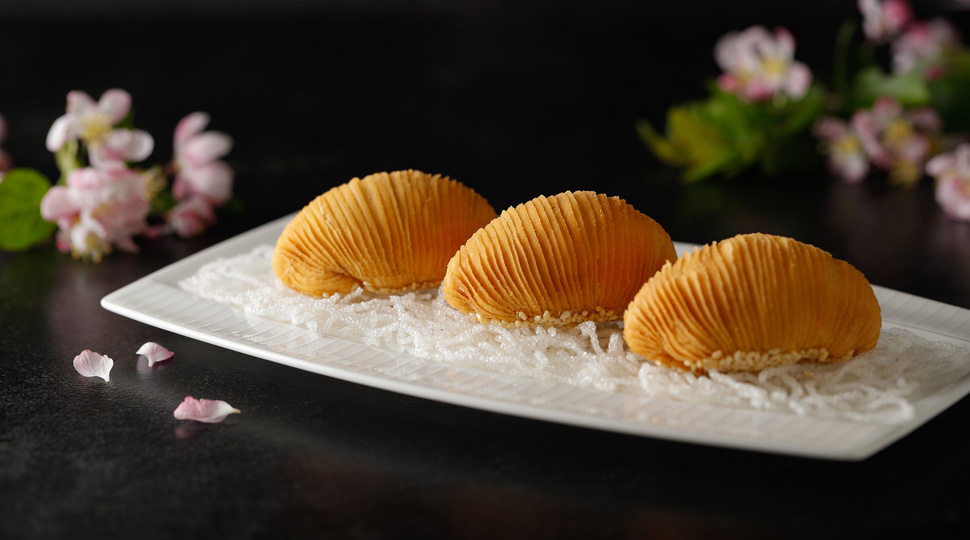
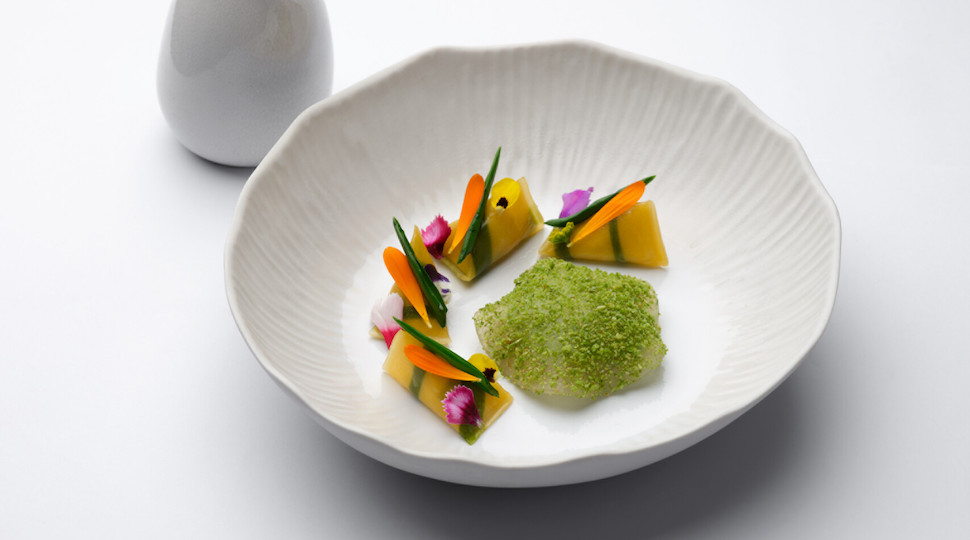
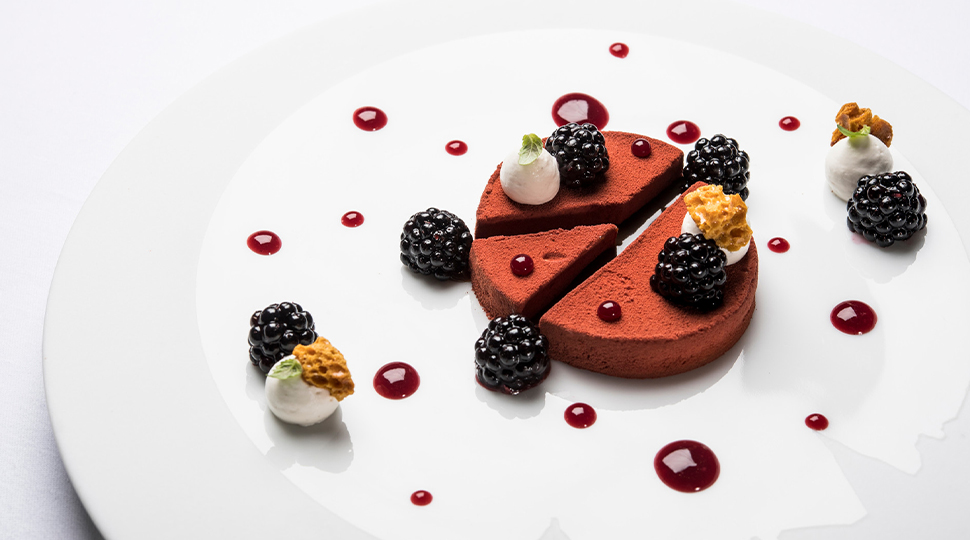
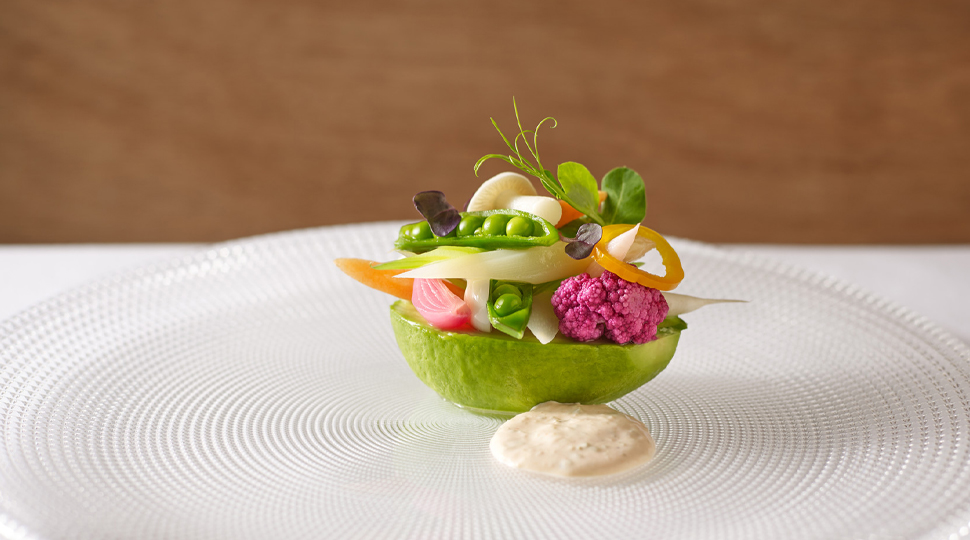
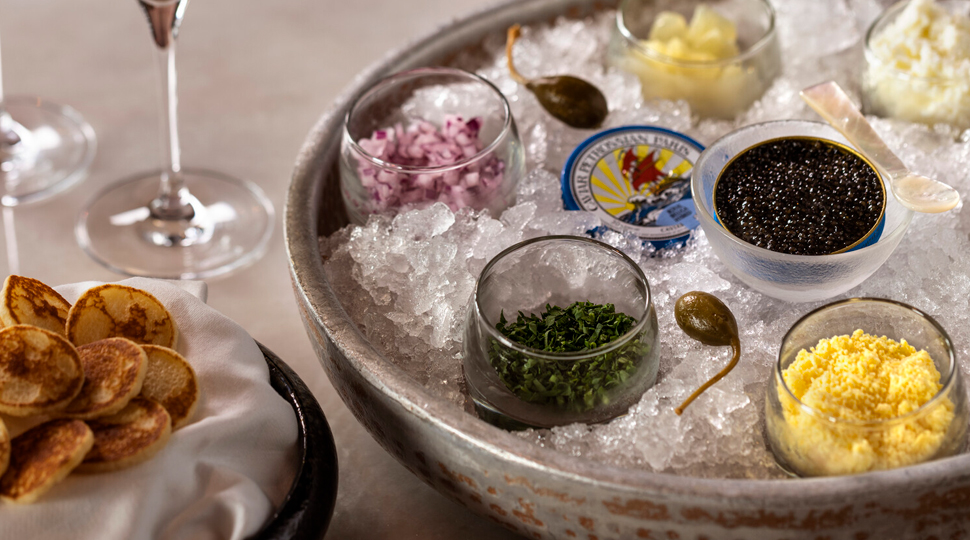
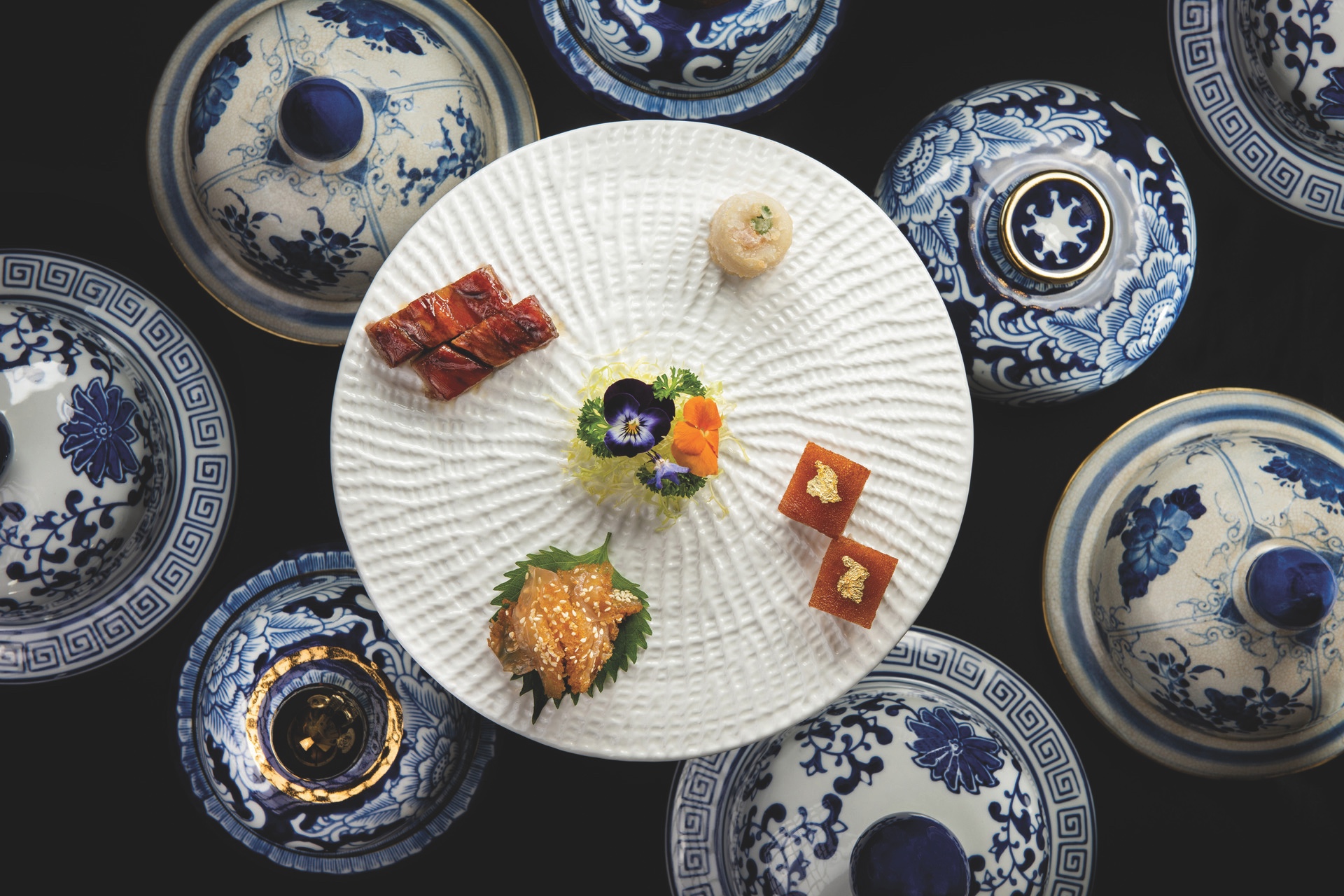
The appetizer plate at Michelin-starred Zi Yat Heen at Four Seasons Hotel Macao. “We imagine Cantonese classics with finesse, accenting them with global luxuries,” says Chef Anthony Ho.

Over the last couple of decades, the outside world has begun to wake up to the possibilities of Chinese food. Increased travel and emigration by people from many parts of China (not just from the Cantonese south) have spurred the development of a more authentic Chinese dining scene in Western cities. Sichuan cuisine has exploded in global popularity, shattering the idea of Chinese as a monolithic food culture, while the flavours of northern Xi’an, spicy Hunan, and the Shanghai region have also begun to attract attention. And China’s rise in wealth and power on the international stage is inevitably starting to raise the status of Chinese food and culture more generally.  

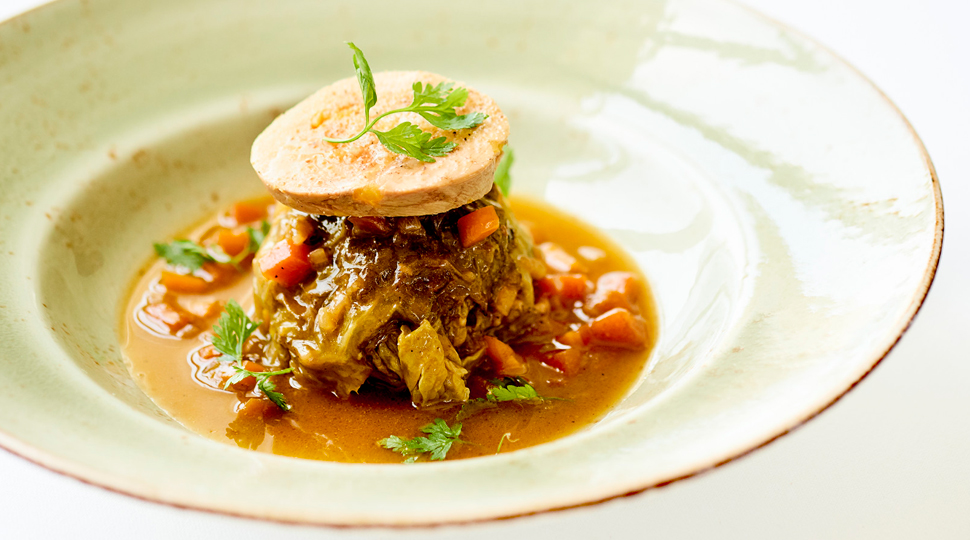
In 2009, Michelin for the first time awarded three stars to a Chinese restaurant, Lung King Heen at Four Seasons Hotel Hong Kong, which was then, as now, under the stewardship of veteran chef Chan Yan Tak. It was a belated acknowledgment that Chinese food could be both fine and expensive, and a seismic moment for a restaurant specializing in classic Cantonese cuisine. “I was taken aback, but also honoured by the recognition,” says Tak. The restaurant’s specialities include Superior Pottage, a rich, nutritious soup that distills the flavour essences of lean pork, Yunnan ham, and fine local chickens. This local delicacy is light-years away from the kind of food served in American Chinese diners.  

The same year, 2009, another Cantonese restaurant, the Chairman, opened in a quiet backstreet in Hong Kong and began to make waves. While living in Australia, its owner, Danny Yip, had been infuriated with the lowly reputation of Chinese food. After returning to his native Hong Kong, he decided to take a fresh look at traditional Cantonese food and produce “a fine version of home cooking.” He and his team applied themselves to reinventing humble dishes, like congee and claypot rice, using premium ingredients and spending months developing individual recipes, such as their now-classic steamed flowery crab with Shaoxing wine. In 2021, the Chairman was the first Chinese restaurant to top the annual list of Asia’s 50 Best Restaurants. 

The spotlight brought by these international accolades has opened the door to greater global recognition of Chinese cuisine. It has also helped to give other Cantonese chefs the confidence to take a fresh look at their traditions. After all, Cantonese food is in many ways perfectly suited to contemporary tastes and trends, with its emphasis on lightness and balance and its attention to fine, seasonal ingredients. 
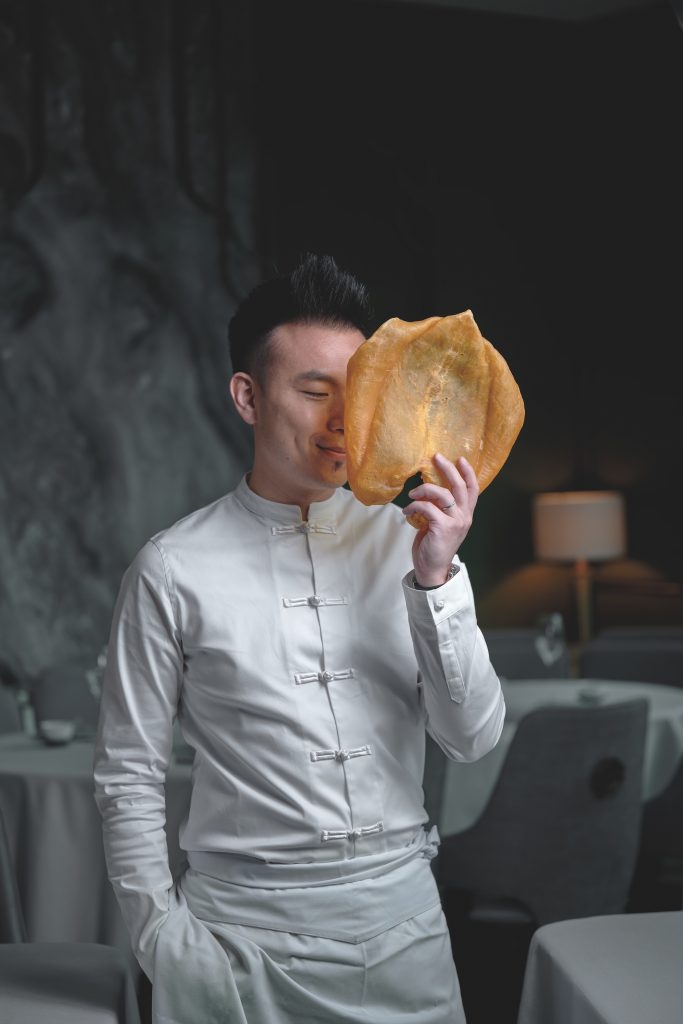
One chef who is helping to reshape perceptions of Chinese food is Vicky Cheng. Although Hong Kong born, he grew up in Canada, where his ambition was to become a famous French-trained chef because, he says, “I always believed French cuisine was the epitome of fine dining.” After years spent working in French kitchens, he realized, he says, that there was an essential contradiction in his life, because “I was craving Asian food every day.” So, he returned to Hong Kong for exposure to Asian flavours. His first restaurant, VEA, presented a fusion of his French and Chinese influences, and then in 2021, he opened Wing, a new kind of Chinese restaurant. 

“In the beginning, I knew nothing about Cantonese food because all my training had been French,” he says. He applied himself to studying the local culinary arts through a process of trial and error: in particular, he wanted to master dried seafood delicacies, such as sea cucumber and fish maw. “I knew I would combine French technique with local ingredients and felt that if I was going to tackle a fine dining approach, I needed to conquer these important delicacies, the Chinese equivalents of French caviar and truffles.” Now, he says, he cooks in a “boundaryless” way, without the baggage of traditional rules.  

Affluent Hong Kong Cantonese may be the world’s most discerning diners, well versed in both Chinese and international cuisines, and Cheng’s novel approach faced a certain amount of initial skepticism. A few years in, he has converted many of his critics, while his eclectic cooking seems perfectly suited to a culinary region that has long been China’s window onto the world. In 2025, Wing is in third position on the Asia’s 50 Best list.  

“We are just so happy that we are now on the international map, bringing the attention of the international crowd to Chinese food,” says Cheng. “And I hope this recognition on the world stage is just the beginning, not just for myself but for Chinese cuisine.”  
A Meal to Remember: Luxury Dining with Four Seasons

An extraordinary meal endures in our memory, not only for the artful cuisine but also for the experience around it. When we take our seat at the table with friends or loved ones, time slows down: We’re fully present, together, in the moment, with all our senses engaged.

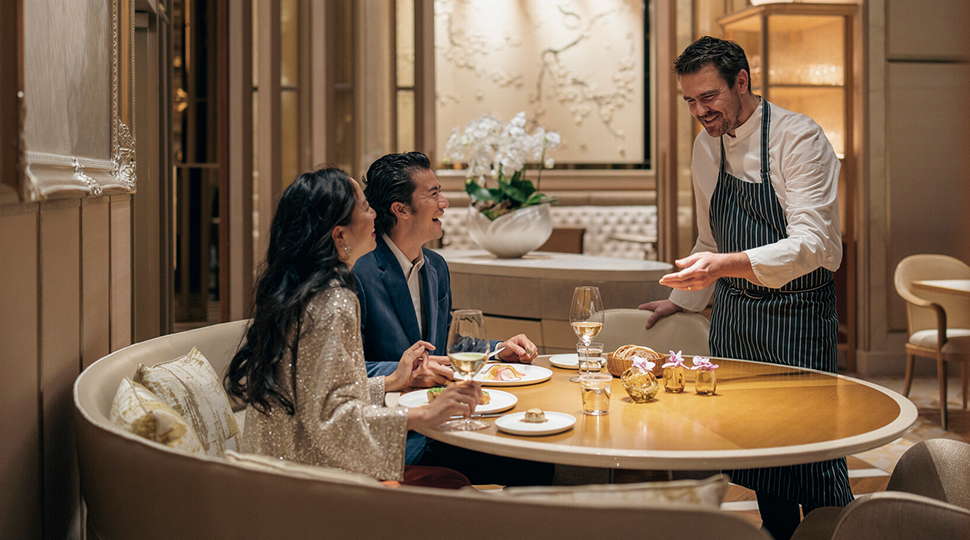
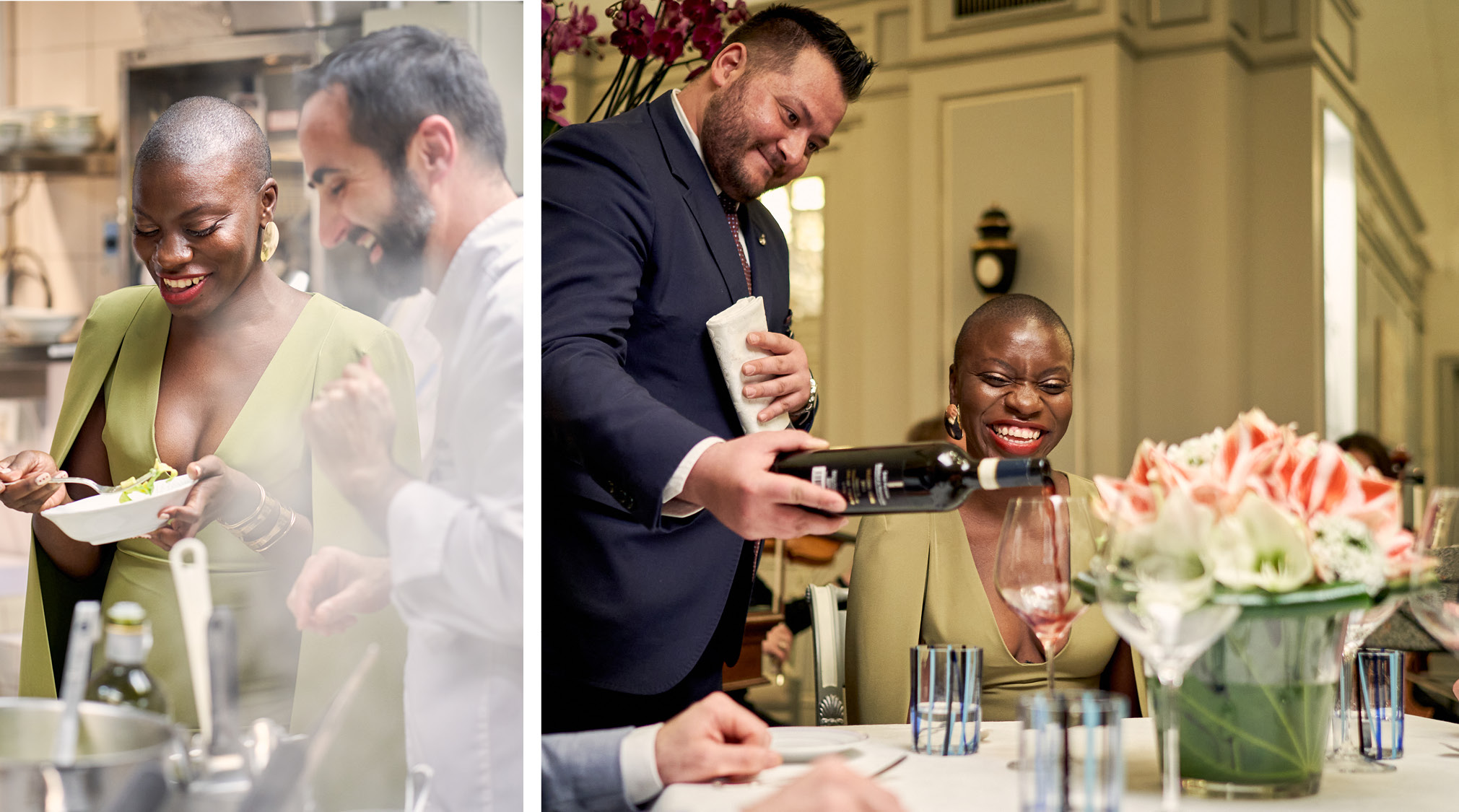
Fans of award-winning fine dining will feel at home at Four Seasons, whose 25 restaurants with Michelin stars across 20 Four Seasons hotels and resorts have 34 stars and counting – the most of any luxury hospitality brand – and a host of accolades from arbiters of excellence like Black Pearl and Gault&Millau. Along with outstanding cuisine, there’s another important aspect of every meal: the warm, personalized service Four Seasons is known for.

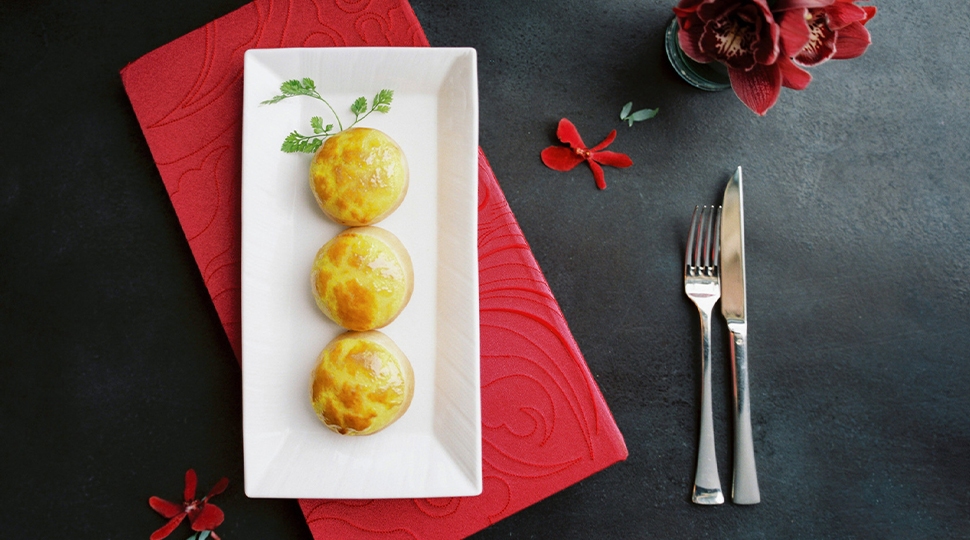
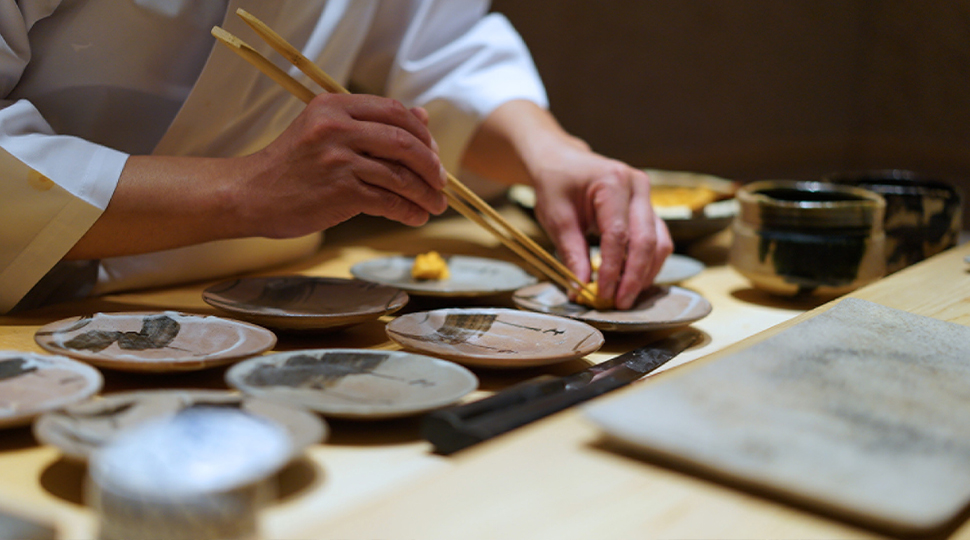
Those looking for fine dining in Hong Kong will find a variety of exceptional cuisine all under one roof. Four Seasons Hotel Hong Kong alone holds eight Michelin stars for impeccable French cuisine at Caprice (three stars), Cantonese at Lung King Heen (two), Italian at Noi (two) and Japanese at Sushi Saito (one), while ARGO is honoured on the list of the World’s 50 Best Bars. One of the most celebrated Chinese restaurants anywhere, Lung King Heen shines in dishes like Pineapple Pork Buns, with ingredients personally sourced and inventively prepared by Executive Chinese Chef Chan Yan Tak.

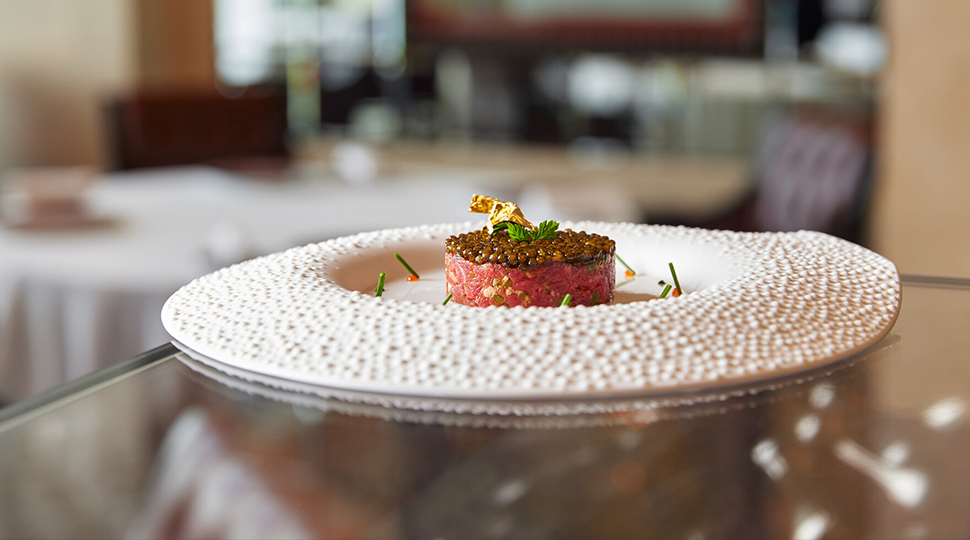
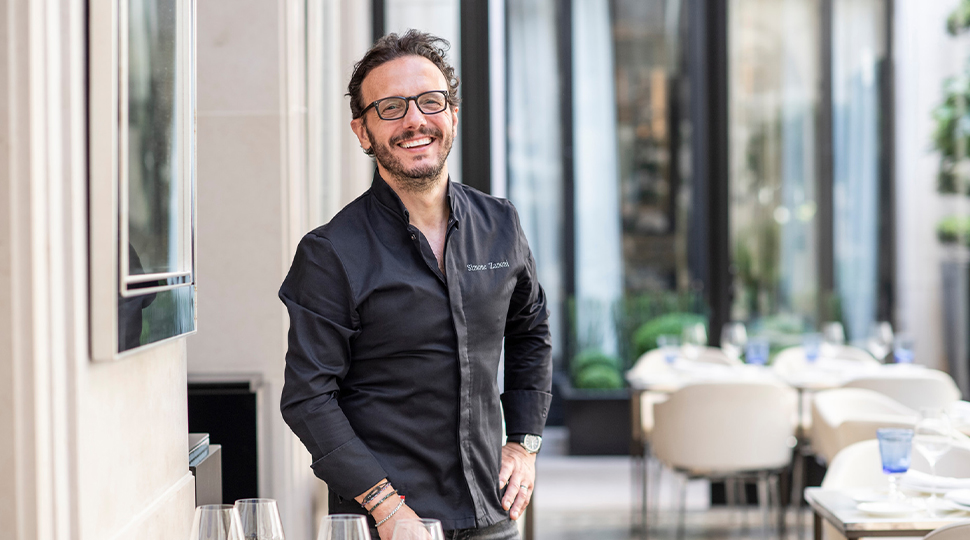
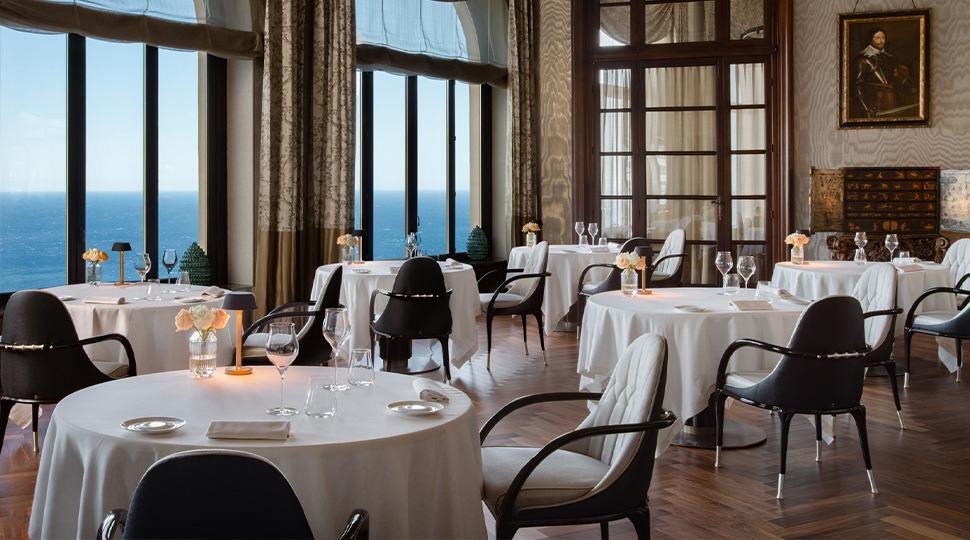
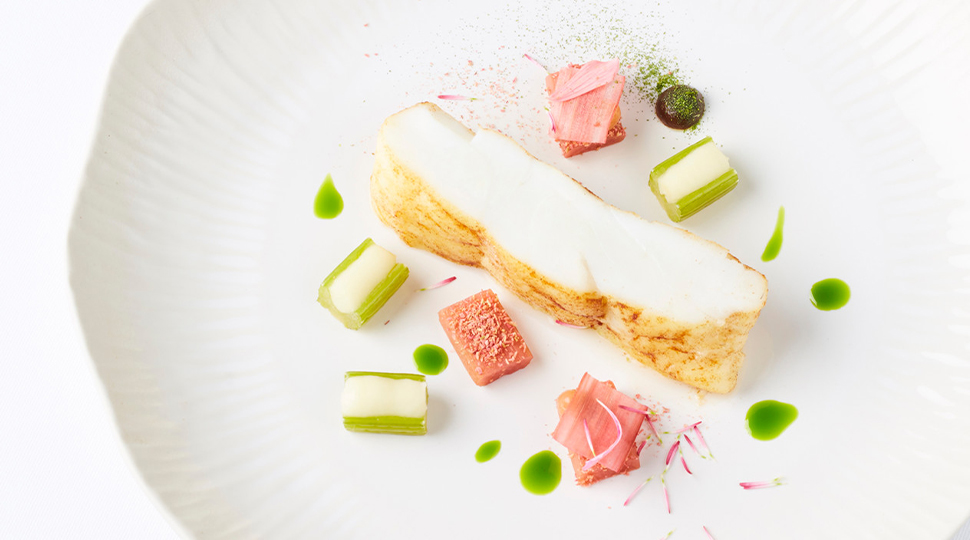
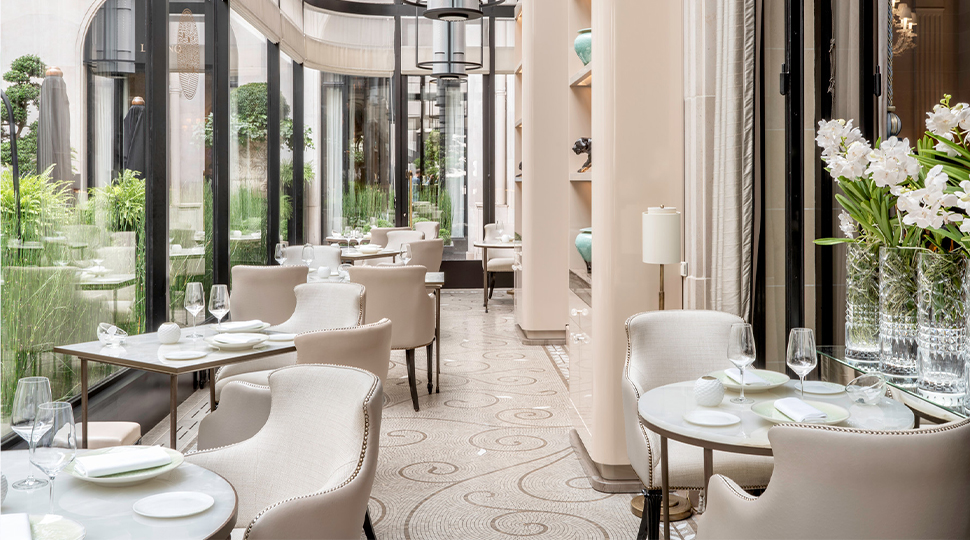
At Four Seasons Hotel George V, Paris, Michelin-star dining captivates at modern French Le Cinq (three stars), plant-focused L’Orangerie (two) and Italian-Mediterranean Le George (one). In Le Cinq dishes such as Line-Fished Sea Bass, Executive Chef Christian Le Squer marries elegant and personally meaningful flavours like caviar with buttermilk that nods to his childhood in Brittany. The team’s service, notes Michelin, “is a model of empathy and style that is close to perfection.” And the experience at Le George, which also holds a Michelin green star for its commitment to sustainable gastronomy, extends beyond the dining room: Guests can join Chef Simone Zanoni for a visit to the organic kitchen garden in Versailles, followed by a private cooking class, taking fine dining in Paris to new experiential heights.

While legends like Le Cinq have been celebrated for decades, even the newest Four Seasons restaurants are earning acclaim. Pavyllon London, the debut London restaurant from multi-Michelin-award-winning Chef Yannick Alléno set within Four Seasons Hotel London at Park Lane, has also received its first star just six months after opening in July 2023. Chef Alléno and his world-class kitchen team have drawn inspiration from seasonal British produce as well as a passion for innovative French cuisine to create “an interactive, less formal, neighbourhood dining experience centred around countertop seating and great food,” just as Alléno intended.

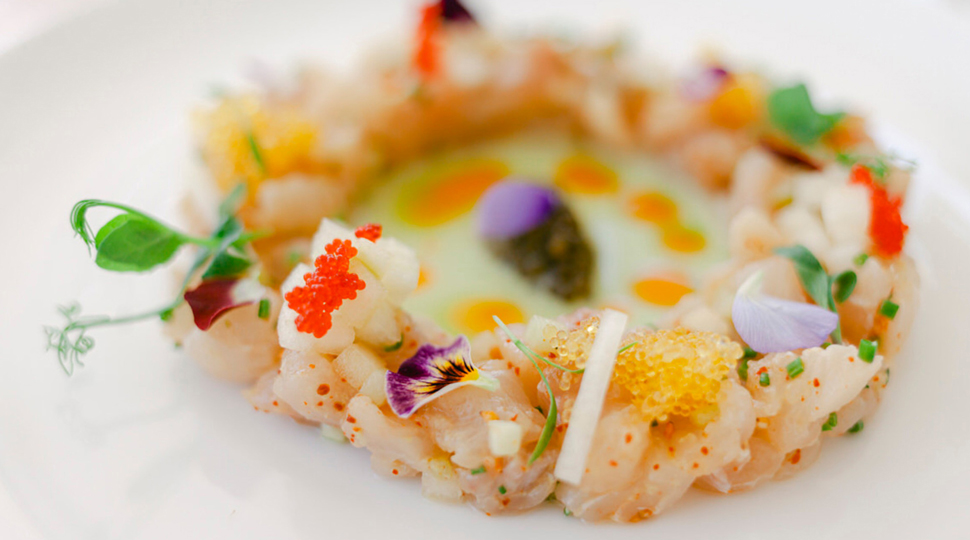
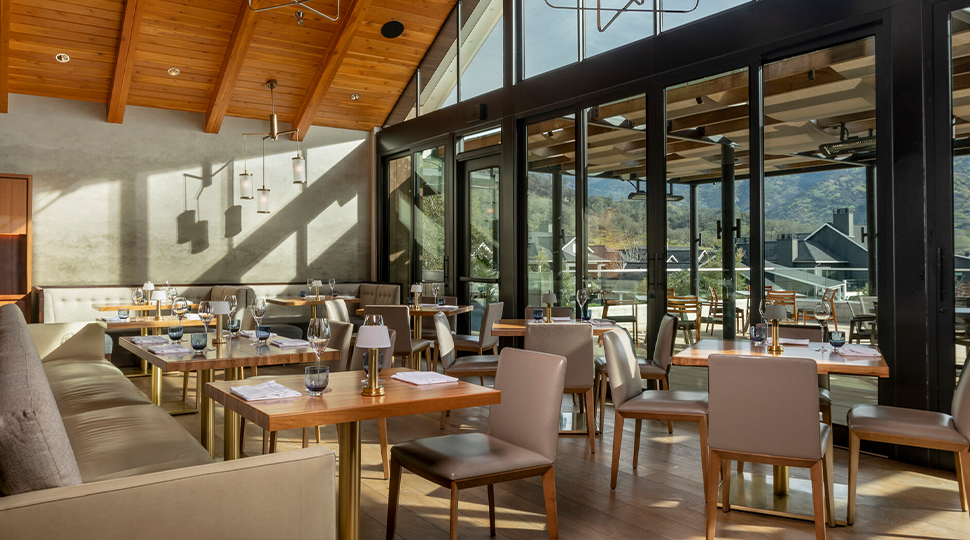
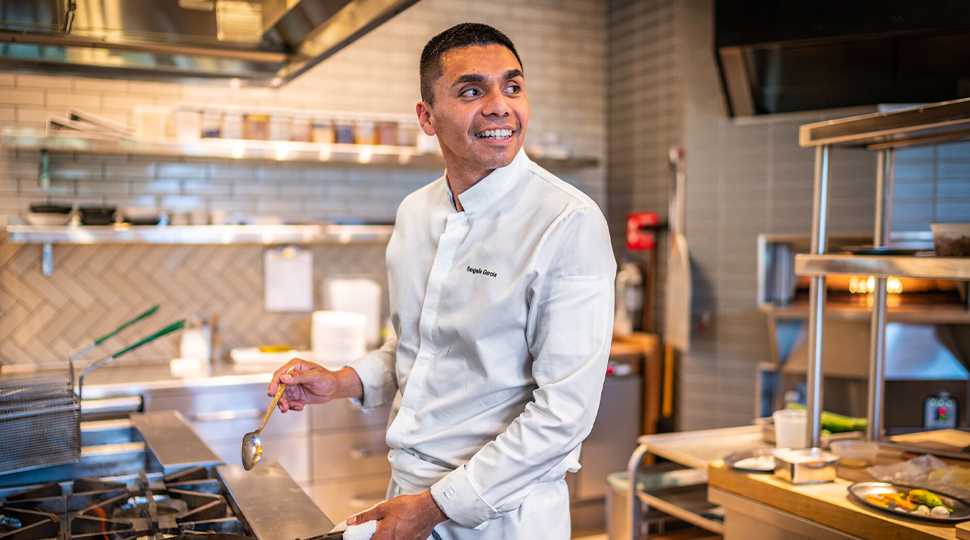
Set within a working vineyard, Four Seasons Resort and Residences Napa Valley is an immersive culinary experience in and of itself, and its Auro restaurant was awarded a Michelin star within a year of opening, as well as a “Wine Spectator” Best of Award of Excellence. Executive Chef Rogelio Garcia draws from seasonal and personal inspirations to develop dishes like Dry-Aged Shima Aji, a flower-shaped creation that entices the eyes and the palate with its bright citrus, spicy and salty flavours. Guests can also enjoy wine dinner series, harvest festivities and other special events. Here, though, as at all Four Seasons restaurants, coming together over unforgettable food and drink can become its own kind of special occasion.

Iconic dining experiences in iconic settings

YOUR JOURNEY BEGINS HERE

Where will your next unforgettable meal take place?

Hong Kong skyline

Flavours That Inspire

Food has the power to transport us: One bite of a beloved dish and we’re instantly reminded of big moments in our lives, from joyful celebrations with family to epic adventures while exploring new destinations. Here, Four Seasons chefs share their most memorable culinary moments – and offer suggestions for guests to make their own memories.

An Emotional Connection in Seattle

FOUR SEASONS HOTEL SEATTLE
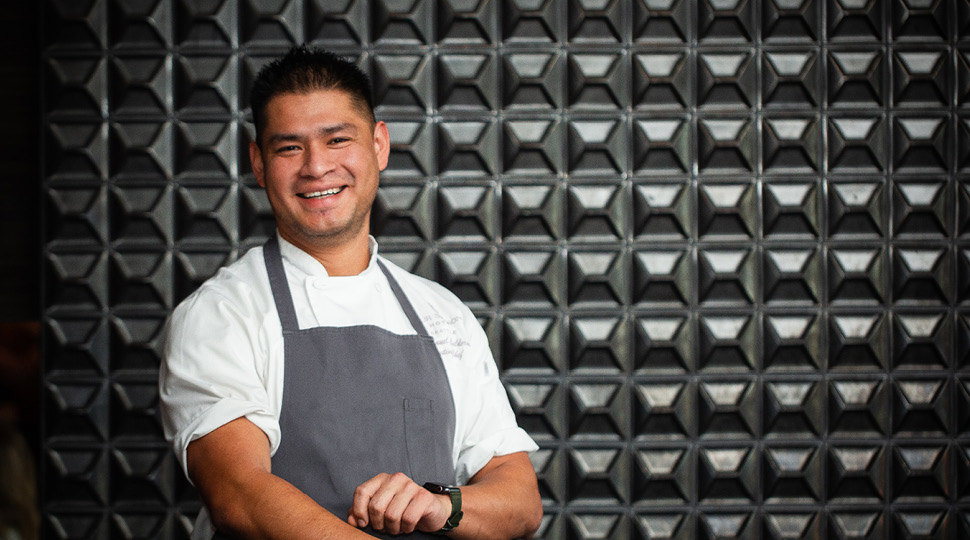
EXECUTIVE CHEF EMMANUEL CALDERON, GOLDFINCH TAVERN

His Most Memorable Ingredient: “When I think of achiote, also known as annatto seeds, I’m taken back to my childhood and some of my favourite dishes from Mexico’s Yucatán Peninsula, like cochinita pibil – slow-roasted pork that gets its vivid orange colour from a citrus-achiote marinade – and pescado à la tikin xic – fish marinated in achiote and sour oranges, then wrapped in banana leaves and roasted. Achiote reminds me of grilling fresh-caught fish at the beach with family or stopping for torta de cochinita pibil with my friends after a night out.”

Sew 834 970x540

Four Seasons Hotel Seattle

How It Inspires Him: “Achiote isn’t just the main ingredient of some of my favourite dishes, it is a perfect complement to other ingredients I love, like fresh seafood and habanero peppers, so it’s easy to use it. The most important thing to me is to share the emotions that the ingredients inspire. I want guests to remember not just the specific dish but also the special moment.”

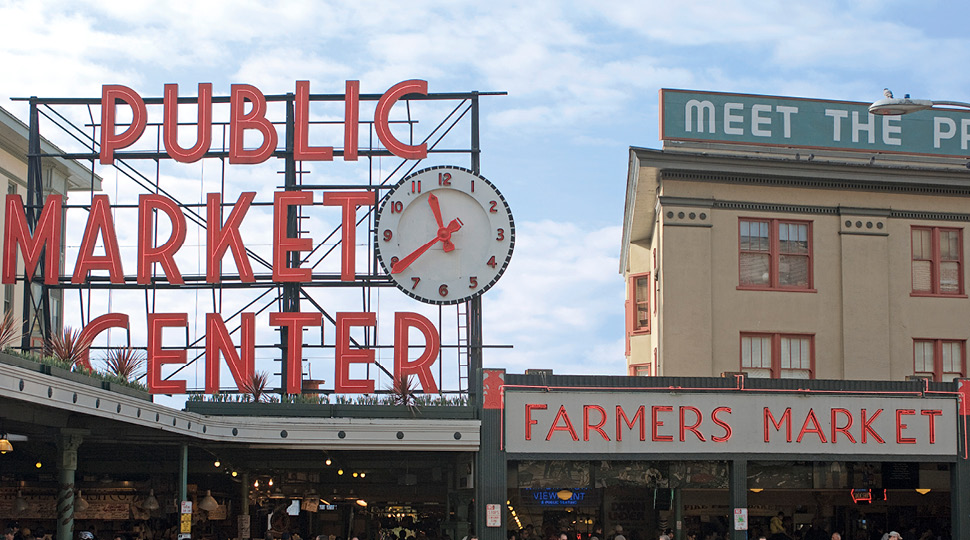
His Can’t-Miss Dining Experience: “We’re very fortunate to have a world-class market just a block away. Join me for a shopping trip to Pike Place Market, where we’ll find ingredients that will inspire us to create a one-of-a-kind, multi-course menu just for you and your guests. It’s a beautiful trip to an iconic Seattle market that will become one of the best parts of your day.”

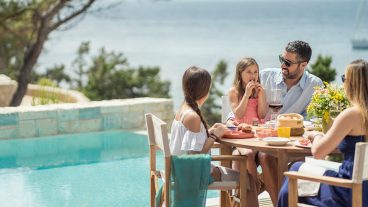
A Taste of Summer in Athens

FOUR SEASONS ASTIR PALACE HOTEL ATHENS 
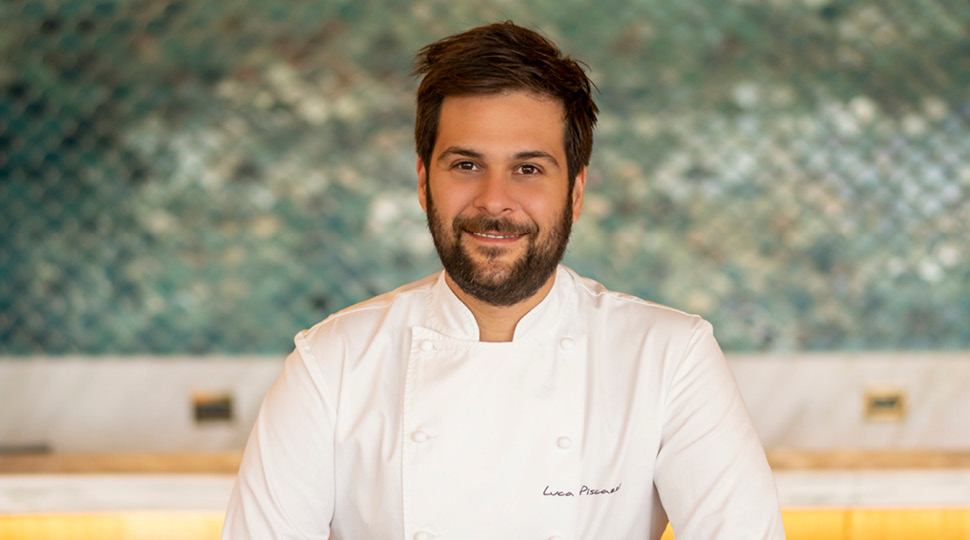
CHEF LUCA PISCAZZI, PELAGOS

His Most Memorable Meal: “I can’t eat spaghetti vongole without thinking of family vacations to the south of Italy. My parents and I spent summers exploring the region and visited many local restaurants. I always ordered spaghetti vongole – pasta served in a rich sauce of briny clams, white wine and garlic – as a cold appetizer or even as a main dish. When I eat it today, I’m reminded of long summer days and spending time with family.”

Apl 385 970x540

Four Seasons Astir Palace Hotel Athens

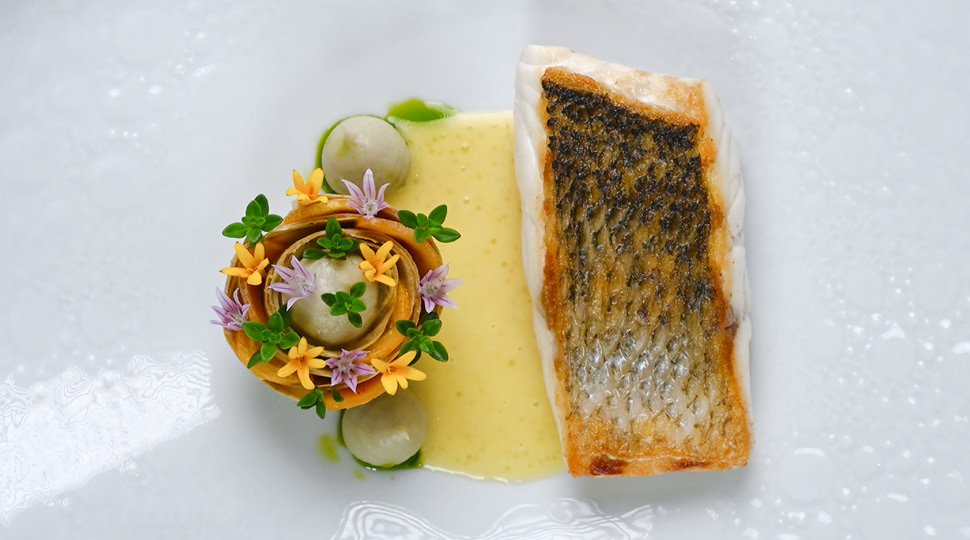
How It Inspires Him: “These memories are the inspiration behind the chilled Mancini spaghetti with crystal caviar on the menu at Pelagos. But I also want guests to create their own memories, so our menu features local ingredients and flavours from our peninsula – lavender, lemon, fresh basil, tomatoes from our garden, wild fish caught by local fishermen.”

His Can’t-Miss Dining Experience: “Pelagos is the newest addition to the Hotel’s collection of dining outlets and offers innovative seafood dishes. For a truly unique experience, let us arrange a magical lunch on the beach: Start with saganakipan-seared Greek cheese with lemon – and then try our mouth-watering tarama salad – salted and cured fish roe, olive oil and lemon.”

A Seasonal Palette in Guangzhou

FOUR SEASONS HOTEL GUANGZHOU 
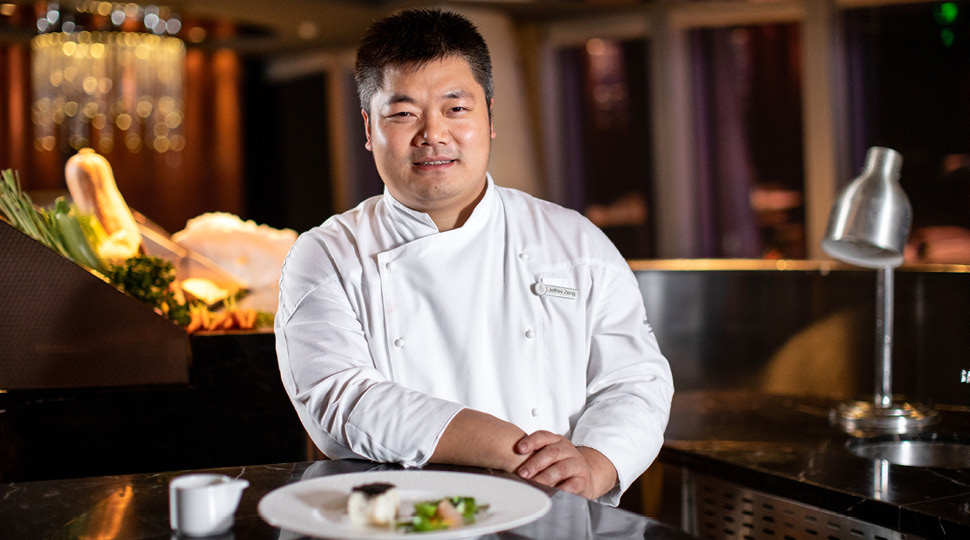
CHEF JEFFREY ZENG, CATCH

His Most Memorable Meal: “Crystallized Ginger and Poached Eggs is a very popular homestyle dish in China, and it reminds me of my home town in Hunan Province. In China, foods are eaten as much for their taste as for their health benefits, which is likely why the origin of this dish and why my mother prepared it for me so much when I was younger. Ginger is incredibly good for you, even when it’s crystallized and sugary, but when I eat this, all I’m thinking about is home.”
Gua 961 970x540

Four Seasons Hotel Guangzhou

How It Inspires Him: “Though I specialize in Western cuisine, I like to combine an interesting selection of local Chinese ingredients in my dishes – including crystallized ginger. It’s in my velvety smooth Pumpkin Velouté, along with coconut milk.”
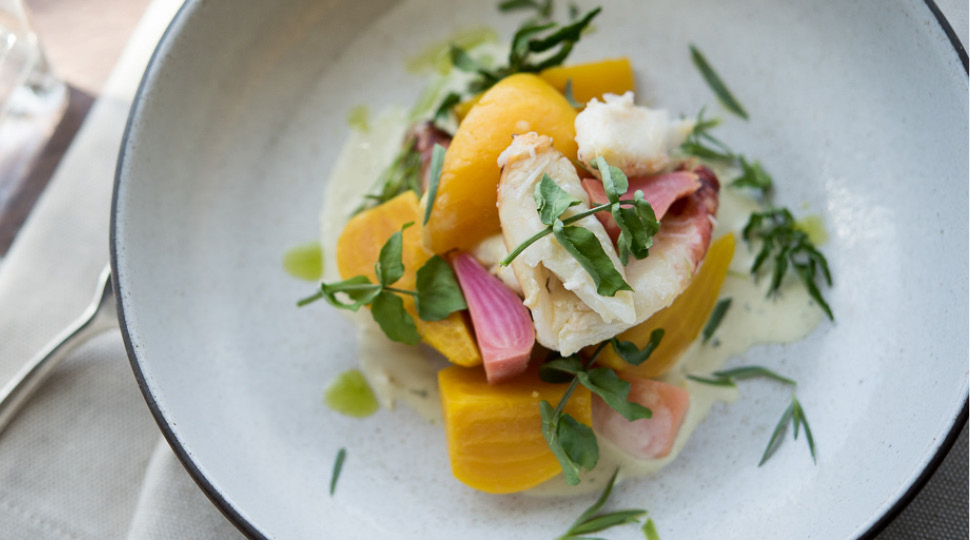
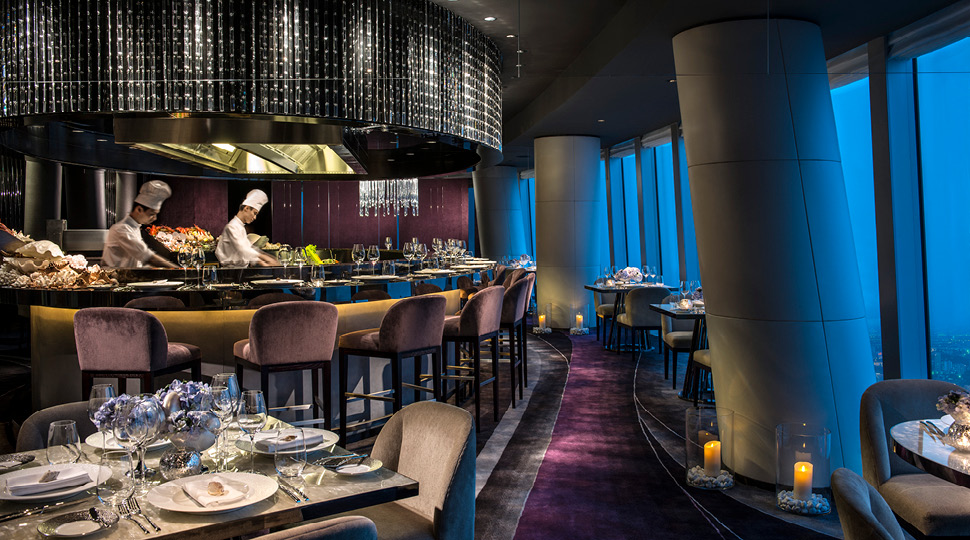
His Can’t-Miss Dining Experience: “Chinese cuisine reflects the seasons, with specific ingredients and flavours that should be eaten each season for balance and harmony. My favourite season is autumn, which according to tradition is the season to nourish your body. The best way to do that? Seared duck breast, caramelized foie gras and pear coulis, served with caramel miso sauce. Enjoy this special dish as you gaze at the Guangzhou skyline from high above Pearl River at Catch, on the Hotel’s 100th storey.”
Surprising Flavours on the French Riviera

GRAND-HÔTEL DU CAP-FERRAT, A FOUR SEASONS HOTEL
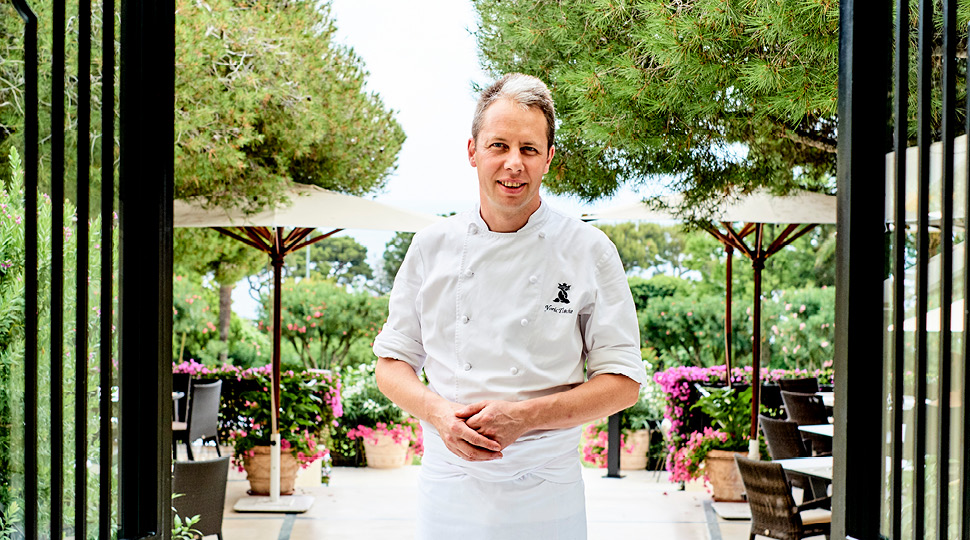
EXECUTIVE CHEF YORIC TIÈCHE

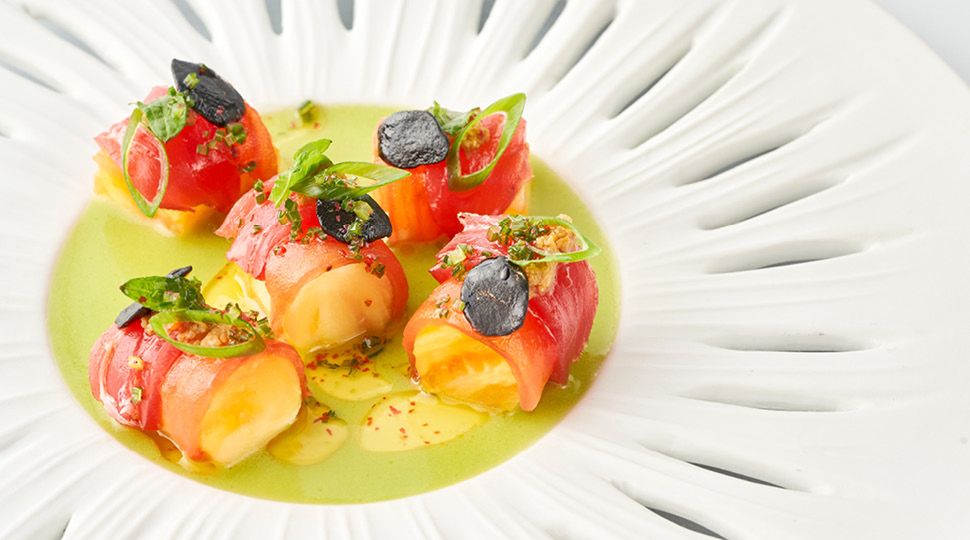
His Most Memorable Ingredient: “When I was 10, my father was working on La Réunion Island, an overseas territory. I spent two weeks visiting him, and the first night he surprised me with lychee. I had never seen the fruit before and at first tried to eat it without removing its rough skin. Since then, lychee has become one of my favourite fruits, and I’m always reminded of this moment when I eat it.”


Ghf 1065 970x540

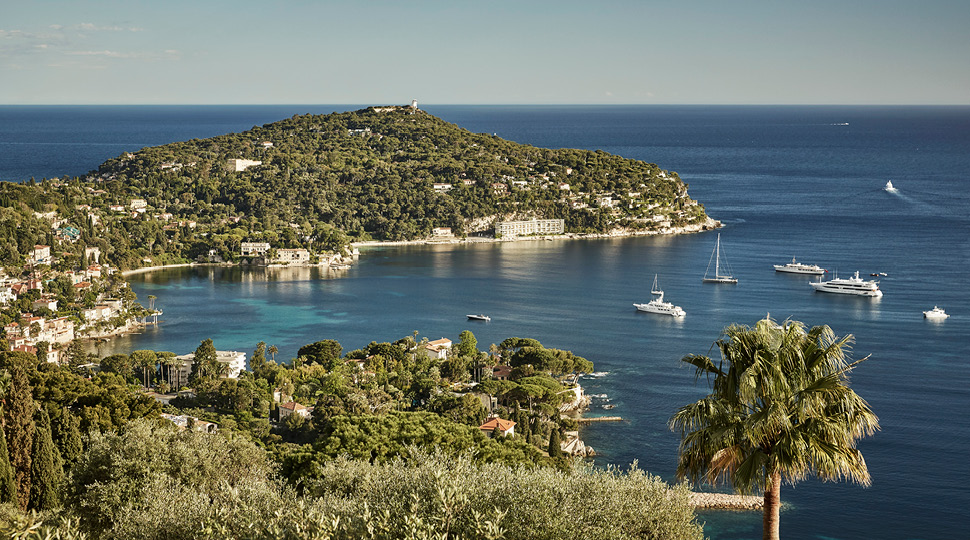
Grand-Hotel du Cap-Ferrat, A Four Seasons Hotel

How It Inspires Him: “I never miss an opportunity to include lychee in my menus, especially because it pairs so well with other flavours. I love to pair it with game meats during hunting season – the sweetness of the lychee is a perfect balance to the bold, gamy taste of the meat.”

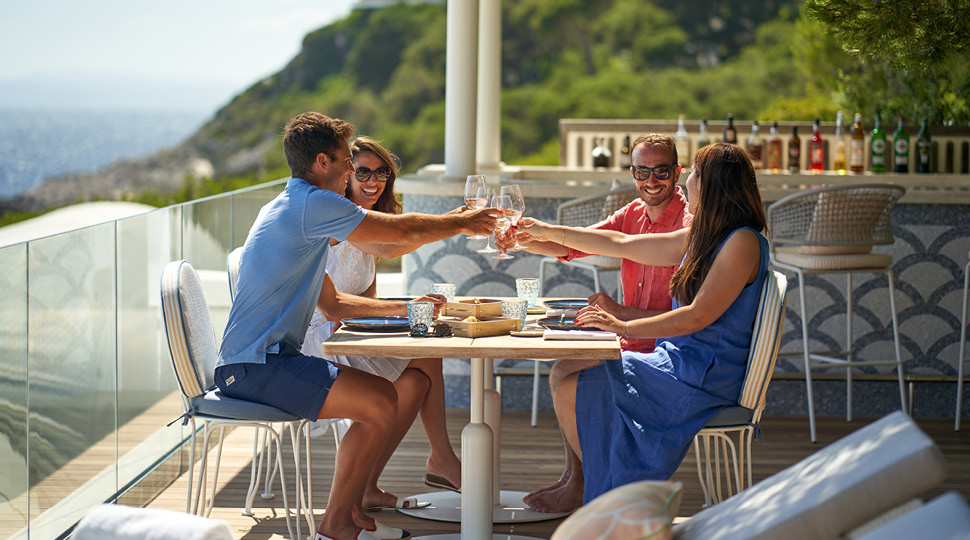
His Can’t-Miss Dining Experience: The French Riviera Ultimate Dinner is one of the most exclusive dining experiences in the French Riviera; it’s truly unique. After consulting with our guests, I create a customized menu for the occasion, served in one of our private cabanas at Club Dauphin, offering spectacular views of the Mediterranean.”

Sweet Moments in Tokyo

FOUR SEASONS HOTEL TOKYO AT OTEMACHI
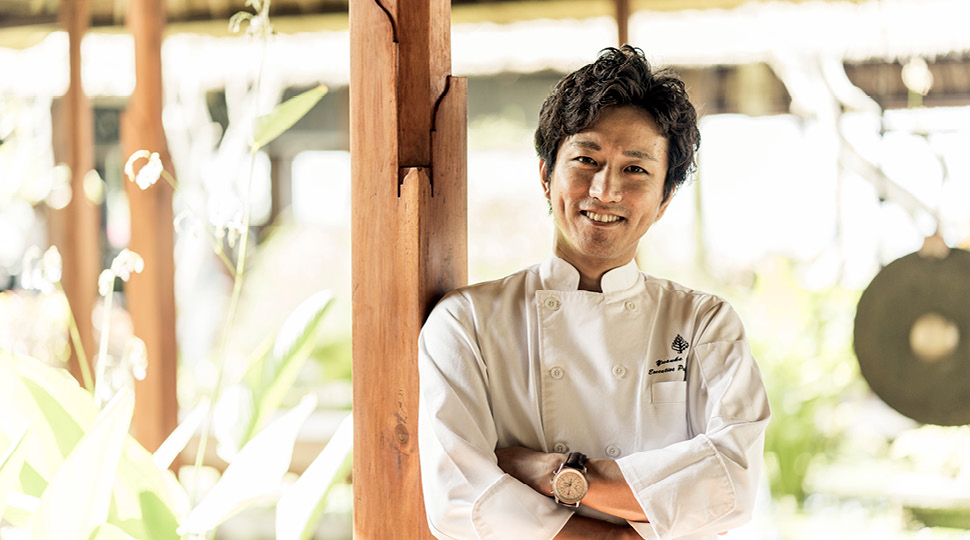
EXECUTIVE PASTRY CHEF YUSUKE AOKI

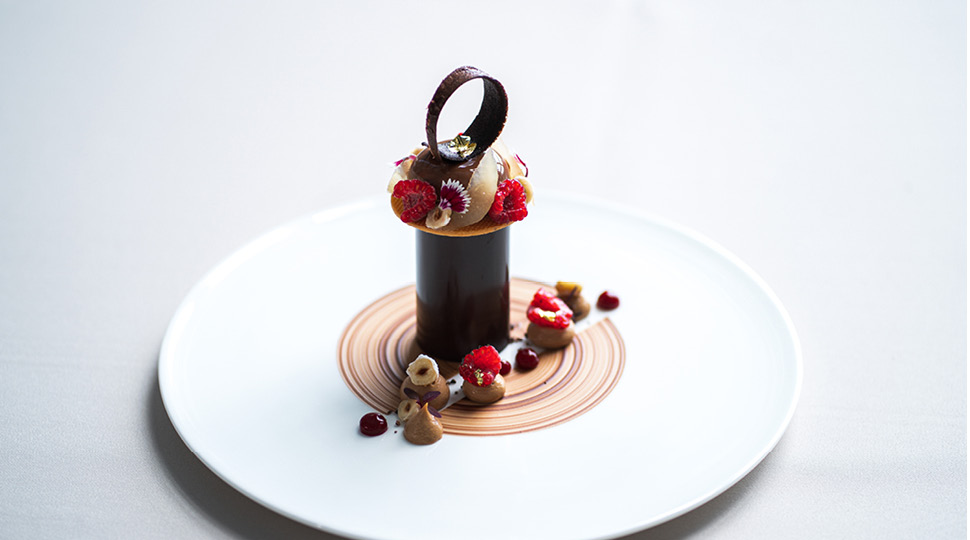
His Most Memorable Meal: “I got my start at Four Seasons Resort Bali at Jimbaran Bay, where the team encouraged me to go for my dreams and supported my decision to enter an international pastry competition, Valrhona Chocolate. The dish I created, the Smoked Chocolate Fig, earned me first place, and today is a reminder of my success and how valued and supported I felt thanks to my team.”

Ote 033 970x540

Four Seasons Hotel Tokyo at Otemachi

How It Inspires Him: “I brought the Smoked Chocolate Fig to The Lounge at Four Seasons Hotel Tokyo at Otemachi, and the team here has continued to encourage me to pursue my passion for chocolate. For Valentine’s Day, we experimented with crafting limited-edition, small-batch chocolate bonbons using seasonal ingredients like yuzu and kiyomi orange – a special memento for guests to mark the occasion.”

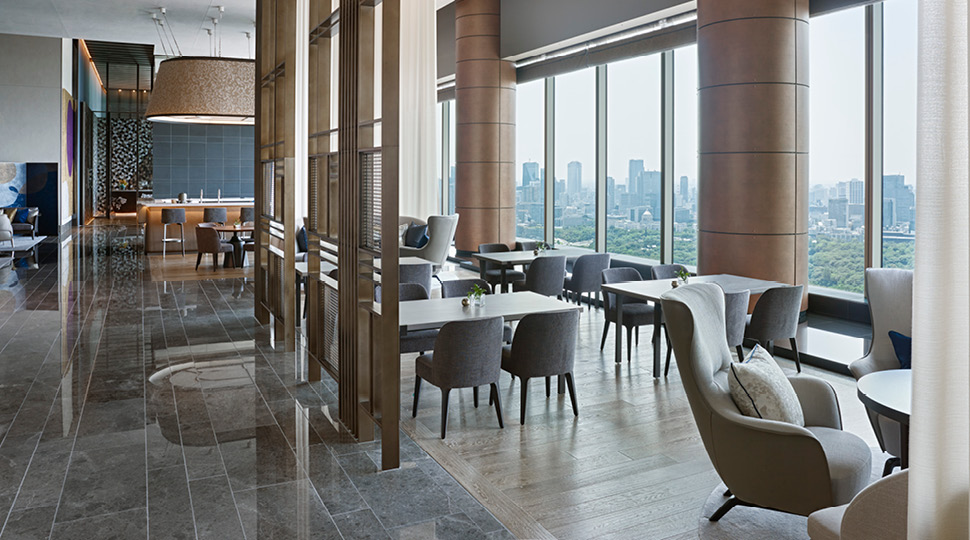
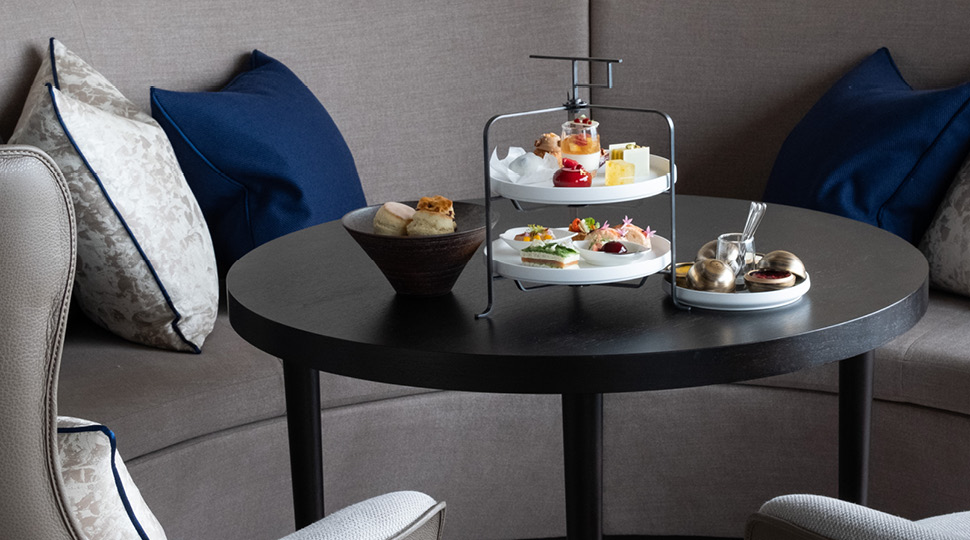
His Can’t-Miss Dining Experience: “Guests should be sure to indulge in afternoon tea and parfait. I suggest the last seating at 3:30 pm at The Lounge, so you can watch the sun set over Tokyo and the Imperial Palace gardens. The menu is seasonal, so there’s always something fresh for guests, and we offer 12 types of tea exclusively from Japan. It’s a wonderful way to spend the afternoon.

YOUR JOURNEY BEGINS HERE

Where will your appetite for exploration take you?

Concierge

A New Season in Napa: Fall Fashion
Inspired by Wine Country

California’s Napa Valley is ideally suited for Cabernet Sauvignon grapes: The region offers a sunny, warm climate; good drainage; and volcanic soils that add an earthy, rich complexity to its wines. At the new Four Seasons Resort and Residences Napa Valley, where the vineyard is protected by the Palisades mountains and oak-covered hills, world-class winemaker Thomas Rivers Brown and his team at the on-site Elusa Winery have carefully designed and planted it to intensify the grapes’ flavour. Take part in the winemaking process, from harvesting grapes to blending and ageing the wine, or learn about Calistoga’s unique terroir during a tasting session – the Resort provides the most complete grape-to-glass experience in Napa.

“The moment guests step foot on the property, they are welcomed into an extraordinary wine country oasis,” says General Manager Mehdi Eftekari. “Awe-inspiring views of the vineyards and Palisades Mountains are an idyllic backdrop to enriching experiences at TRUSS Restaurant + Bar and Elusa Winery. In guests’ suites, the vines are mere inches from their terraces and balconies.”


The dramatic scenery of North America’s wine capital – and the Resort, set to open later this year – also provide an idyllic background for the season’s most stylish new fashions. The looks pair perfectly with the Resort’s natural colour palette, rich textures and easy elegance.

Explore Napa Valley with Four Seasons

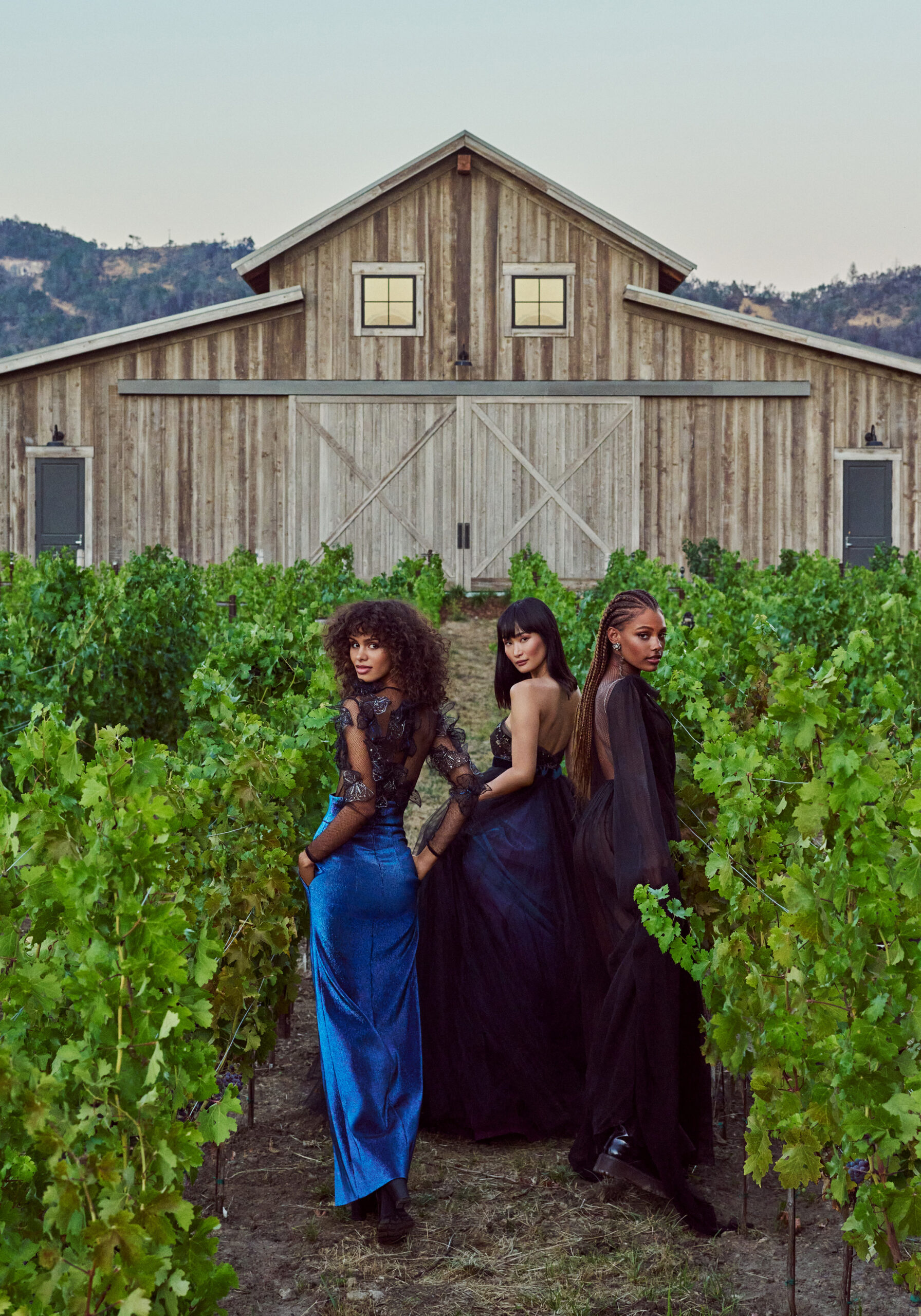
2021 Fs Fall Fashion V2 1400x2000

The Resort spreads across 22.5 acres (9 hectares), offering dramatic scenery and viticultural discovery at every turn. It’s a natural hideaway for relaxation and indulgence, framed by picturesque forests and majestic mountains.

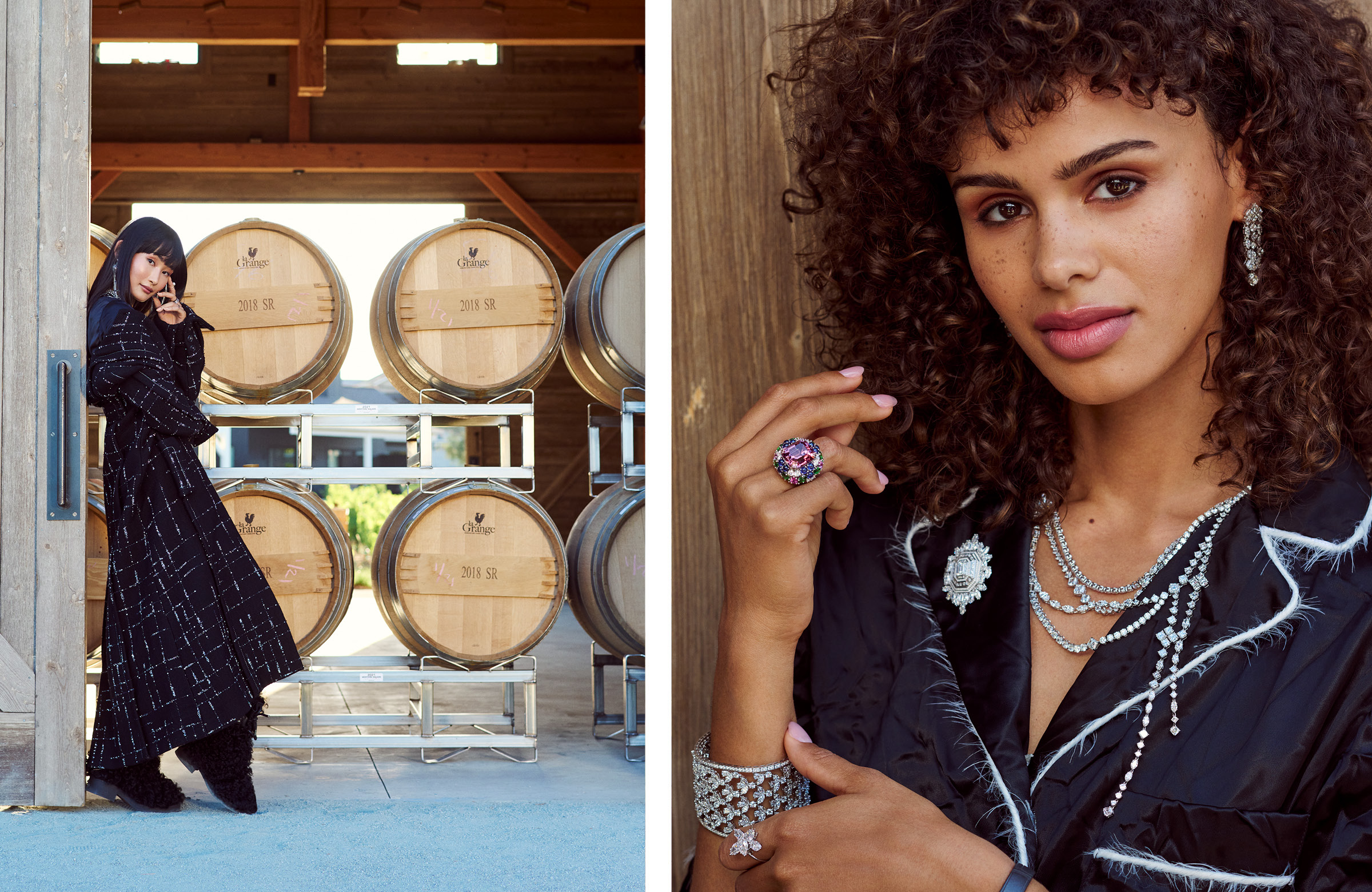
Left to right: On Julia: Genny top and skirt; Alexander McQueen boots. On Miki: Reem Acra dress. On Breanna: Valentino gown, Sethi Couture earrings.

2021 Fs Fall Fashion Collage1 1152x749

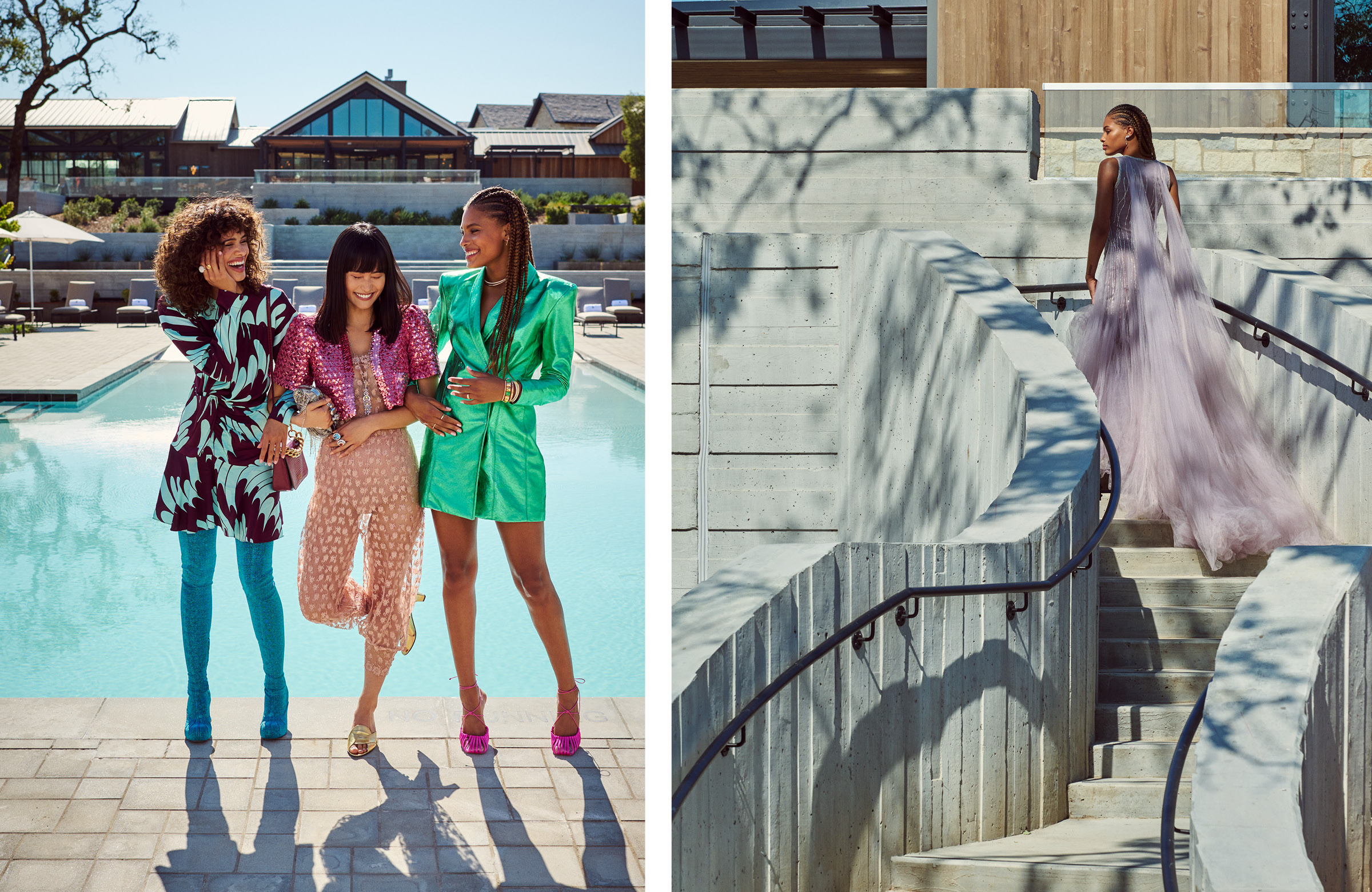
Make the most of Napa’s idyllic setting with a swim in the Resort’s two outdoor pools – the adults-only pool overlooks the vineyard, while the Resort Pool features shallow splashing areas that are perfect for families. Or celebrate the sunshine with elevated Napa cuisine at the modern TRUSS Restaurant + Bar or Cal-Mexican favourites at open-air Campo Poolside.

Left image, left to right: On Julia: Stella McCartney dress and boots; JYE ring (index finger); Sethi Couture ring (middle finger); Guess bag. On Miki: Gucci cardigan, jumpsuit and sandals; Wolford undergarments; Alexander McQueen clutch; Fabergé necklace and rings. On Breanna: Alyson Eastman dress; Chelsea Paris shoes; Tiffany & Co. necklace; Grace Lee ring (index finger); Katkim rings (ring fingers); Vhernier pink gold and jade bracelet; Sethi Couture bangles (near hand); JYE bangle (near sleeve). Right image: On Breanna: Reem Acra dress; JYE earrings.

Taste the Flavours of Napa

2021 Fs Fall Fashion 1152x749

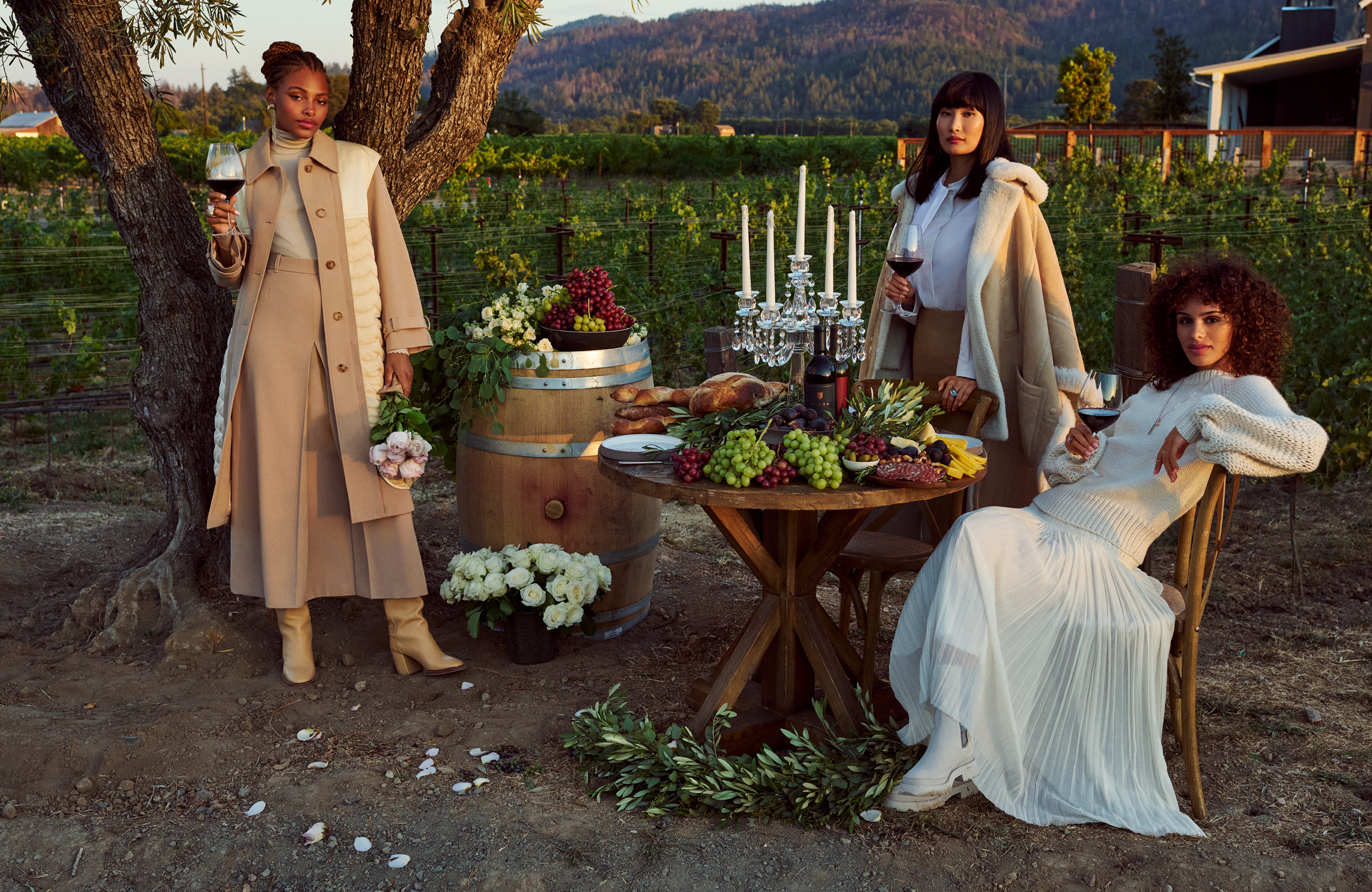
Elusa winemaker Thomas Rivers Brown is celebrated for his non-interventionalist approach, letting the vineyard’s character shine. It’s a style that has paid off: Renowned wine critic Robert Parker Jr. has awarded him 23 perfect 100-point scores for his Cabernet Sauvignon projects over the past decade.

Left to right: On Breanna: Chloé coat, skirt, top and boots; Adeam earrings and ring. On Miki: Chloé poncho; Partow dress; Michael Kors Collection skirt; JYE ring (right hand); Vhernier ring (left hand). On Julia: Chloé jumper and skirt; Brunello Cucinelli boots; Sethi Couture necklaces, rings and earrings.

Savour Napa Valley wines

2021 Fs Fall Fashion Image 1152x749

Spa Talisa celebrates Napa’s rich vineyard heritage with treatments incorporating grape seeds – long recognized for their potent antioxidants and skin-pleasing polyphenols, flavonoids and anthocyanins. Try an exfoliating scrub of sugar and grape seeds to give your skin a soft, luminous glow. “Spa Talisa is rooted in Calistoga’s 150-year history as a wellness destination,” says Eftekari. “Guests can enjoy holistic treatments and private patios, or head to the steam decks for a locally-inspired steam experience.”

On Breanna: Gucci jacket, vest and trousers; Tory Burch ring.

Relax at Spa Talisa

2021 Fs Fall Fashion Collage3 1152x749

Century-old olive trees dot the Resort, adding character to the rustic yet elegant ambience indoors and out. Acres of vineyards, farmhouse-chic villas and romantic private terraces: It’s California wine country at its finest.

Left image: On Breanna: Brunello Cucinelli dress and cardigan; Katkim earring; Sethi Couture band (left hand) and stacked rings (right hand); Tiffany & Co. ring (middle finger). Right image, left to right: On Breanna: Dolce & Gabbana jacket, skirt and earrings; Akris top; Dior sunglasses. On Julia: Prada dress, top and stole; Tory Burch necklace; Katkim earring and rings (index and middle fingers); Grace Lee ring (index finger); Aaron Basha ring (right hand) and beaded bracelet; Vhernier gold and carnelian bracelet; Dior pearl necklace worn as bracelet; Stella McCartney sunglasses. On Miki: Altuzarra dress; Tory Burch top; Dior scarf; Max Mara head scarf; Dolce & Gabbana earrings; Alexander McQueen sunglasses.

2021 Fs Fall Fashion Collage4 1152x749

The Resort’s Vineyard Barn – with lofty beamed ceilings and prime views of the vines – is a coveted venue for weddings and events. Say “I do” in the vineyard, or gather with friends and family for a dinner party in The Cork Room, with floor-to-ceiling windows overlooking the winery.

Left image: On Miki: Chanel coat, boots and earrings; Grace Lee ring (index finger); Sethi Couture rings (middle finger). Right image: On Julia: Harry Winston earrings, necklace, brooch, ring and cuff; Marina Moscone pajama shirt.

Photographer: Eric Ray Davidson

Stylist: Julie Matos

Assistant Stylists: Alyson Eastman and Johanna Houska

Makeup: Karina Moore

Hair: James Harris Jr.

YOUR JOURNEY BEGINS HERE

Where will you explore next?

Nvc 025 1280x480

Reconnect With the World:
How Travel Can Transform Your Outlook

Human brains are hard-wired to connect. It’s how we learn about the world around us and how we learn about ourselves. And in the series of moments that make up our lives, it’s moments of genuine personal connection that shine the brightest. This is never more true than when we travel.

For Jessica Nabongo, writer, entrepreneur and the first Black woman to visit every country in the world, making those connections is one of the most important and cherished parts of her journey not only throughout the globe, but through life.

“One question I ask people a lot is, what makes you happy?” Nabongo says. “Whether I’m talking to royalty or if I’m talking to someone who has nearly nothing living in a village, the messages remain very, very similar. It’s all about our personal relationships.”

Flo Jessica Nabongo V2 970x540

The daughter of Ugandan immigrants, Nabongo has been travelling internationally since she was 4 years old. In 2008, she left her corporate job and moved to Japan to teach English. She ended up living abroad for seven years, with stints in London, Benin and Rome, before returning to her hometown of Detroit, Michigan. But in 2017, with 60 countries already under her belt, Nabongo decided that she would set out to visit every single country in the world and share it all on Instagram under the handle @jessicanabongo. Two years and 136 countries later, she accomplished her record-breaking feat.


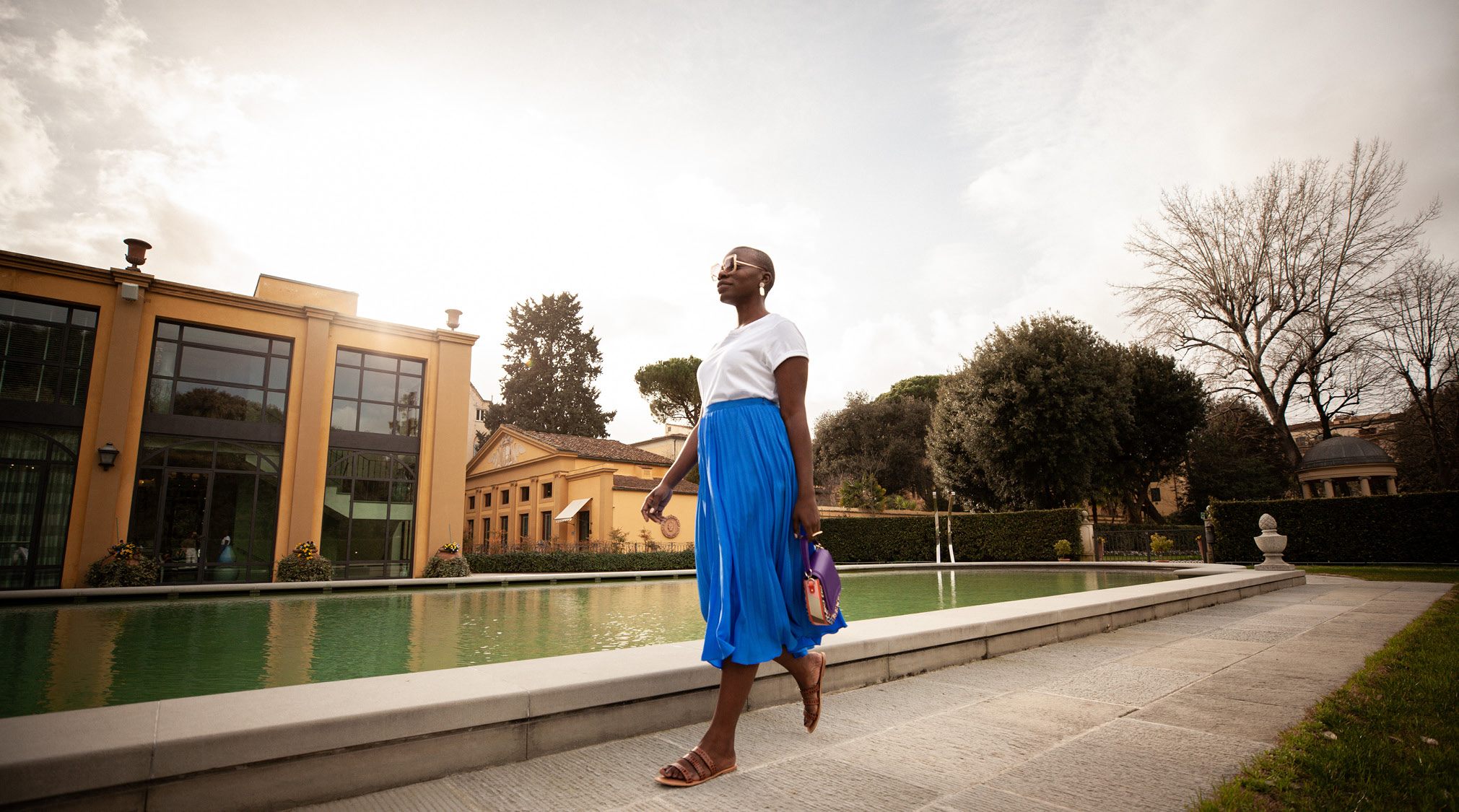
Recently, she connected with Florence, one of Italy’s most beautiful cities and centre of the art and culture of the Italian Renaissance, during a visit with Alicia Miller Corbett – editor of Four Seasons Magazine – to record a podcast sharing more about her personal journey and perspective on connection.

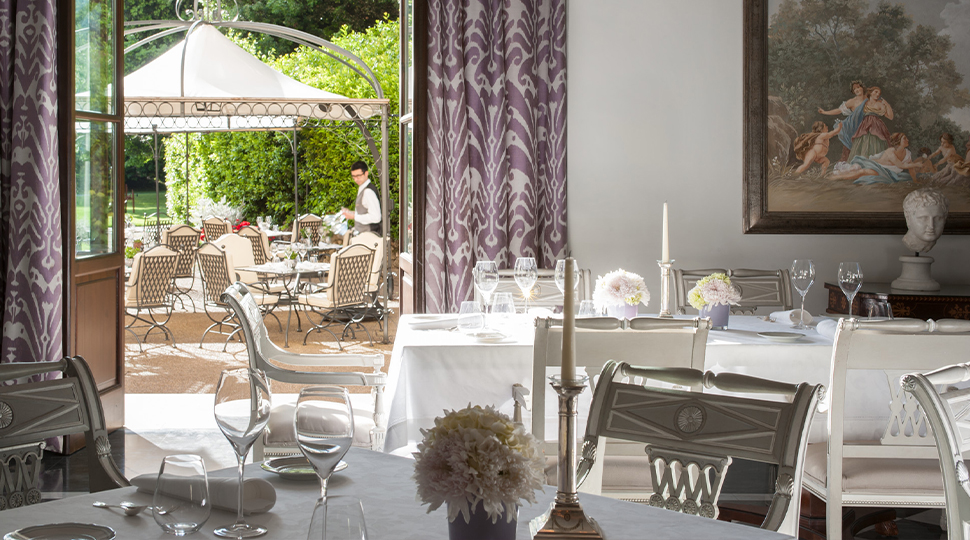
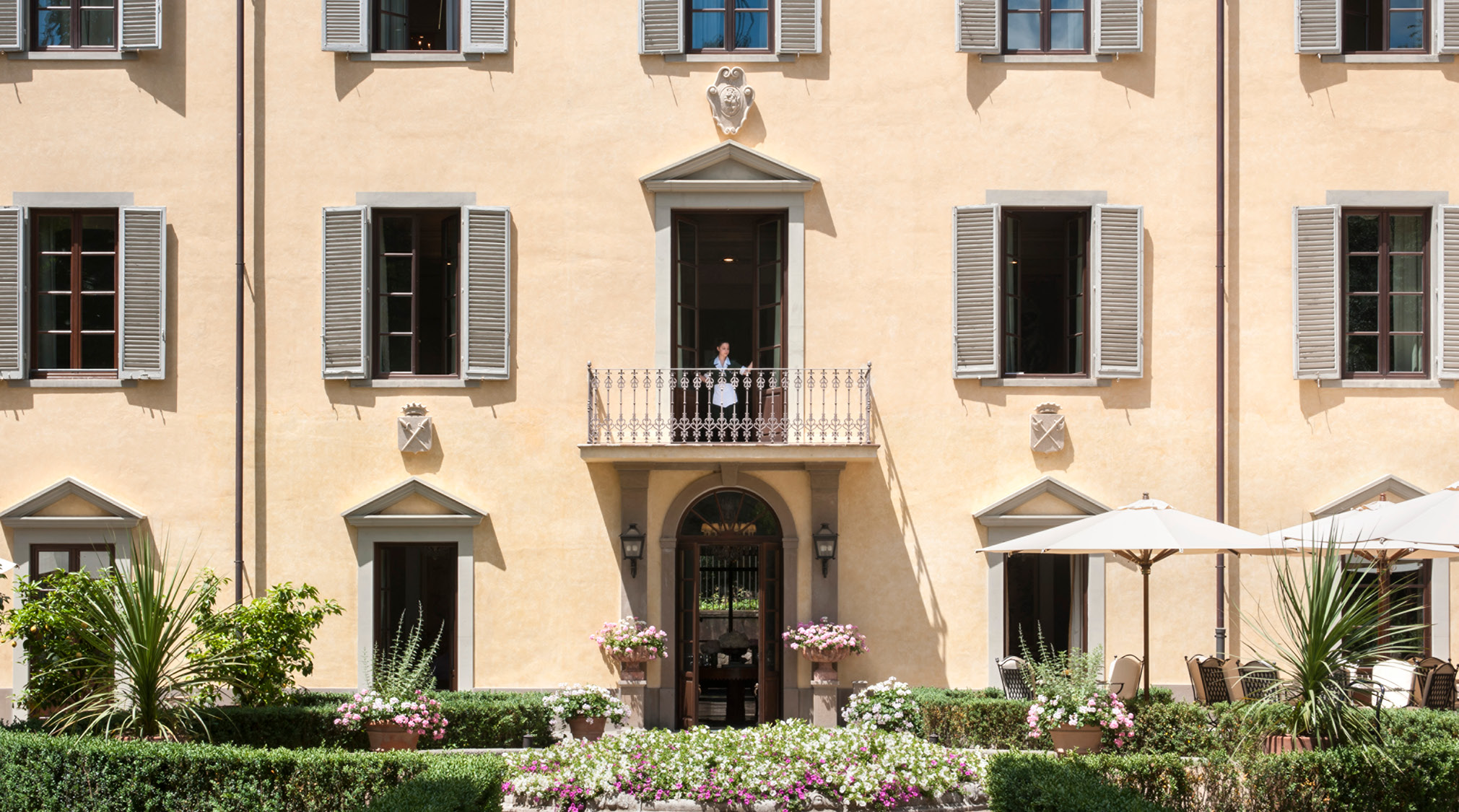
At Four Seasons Hotel Firenze, centuries of history lie within reach in the Hotel’s expansive private garden – the largest in the city. Originally planted in the 15th century and filled with statues, fountains and a small Ionic temple, the garden retains its ancient beauty and charm. After a stroll under centuries-old trees and a Michelin-starred dinner garnished with views of iconic landmarks like the Duomo, Nabongo could maintain the Renaissance mood in her guest room, where frescoes and original architecture bridge the gap between their time and ours.

Flo 2023 Fs Florence 067 970x540

Explore With Your Heart

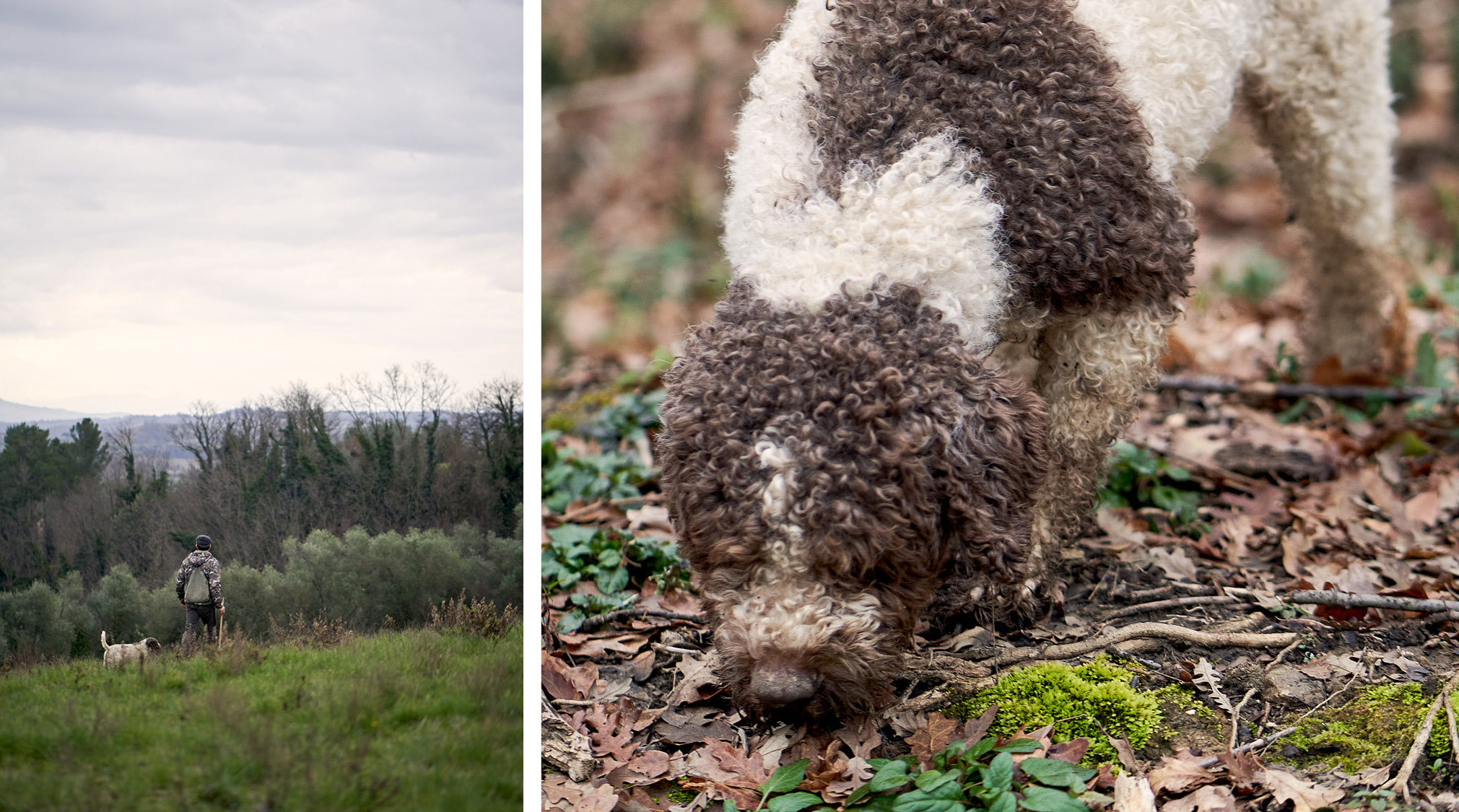
Deep in the Tuscan countryside, Giotto, a curly-haired Lagotto Romagnolo, goes sniffing through the woods in search of the elusive truffle. His owner, Luca, is close by. About an hour’s drive from Four Seasons Hotel Firenze, this truffle-hunting expedition offers Nabongo a rare glimpse into the rural heart of the region, both through the bucolic scenery and, later, through the cuisine. “To learn so much about the history of truffles, and to learn about it through [Luca’s] clear passion for it, it was such an amazing experience,” she says.

Explore Florence with Four Seasons

Extending an exploration beyond the major cities is one of the best ways to get know a new country. And for Nabongo, experiencing a destination is much more than a change in geography. “I think even beyond going outside the main cities, it’s about how you explore any place you visit,” she says. “My passport into a country – my entry point – is always the people.”

What happens if you don’t speak the language? No problem, says Nabongo. Her philosophy? “I speak with my heart and not with my mind.”

Flo 718 970x540

Get Out of Your Comfort Zone

Whether you’re worried about travelling alone, visiting certain countries or even sampling the street food, Nabongo always encourages people to leave their fears at home. “I would say that my travel philosophy is to travel without fear. And to travel with positive energy,” she says. “I always say positive energy coats my stomach, because I’ve never had food poisoning!”

It’s true that one of the easiest ways to connect with a new culture – and with new people – is to sit down for a meal. In Florence, it could be a four-course gourmet meal designed by the Hotel’s Michelin-starred chef and served on the famed Ponte Vecchio – an experience available exclusively to Hotel guests – or standing in line with the locals for an order of trippa or lampredotto at one of the city’s ubiquitous food stands. Either way, being open to new foods and new people doesn’t just satisfy your body, it satisfies your soul.

Explore the World with Four Seasons

“I’m constantly living outside of my comfort zone. I think my comfort zone is discomfort,” Nabongo says, laughing. “Even beyond travel, my life philosophy is to live fearlessly – and live a life without limits.” By documenting and writing about her travels, she hopes that her journey and everything she shares can help inspire people to move past their limits, whatever they may be. “Because for me, I feel like I’ve created the life that I want to live,” she says. “And I feel that the reason I was able to do that is because I realized everything that I need is already inside of me.”

Fs Florence Collage V2 970x540

Redefine Your Idea of Home

Connections, expected or unexpected, can help inform how we interact with the world. And that can ripple out beyond us. A friendly encounter at a restaurant may inspire you to recommend it to a friend who’s visiting the same city. A conversation with a tour guide or fellow traveller might change your itinerary for the better. Or a new dish or drink is shared with you and you in turn share it with your family back home.

Nabongo can think of many of these moments that have impacted her throughout her travels, particularly when it comes to hospitality. “I think that hospitality comes from the experiences that I’ve had because so many strangers around the world have welcomed me into their home and cooked me meals,” she says. “As I’ve gotten older, I’ve made sure to sort of perfect how I’m welcoming people in my home. And honestly, it’s also redefined my definition of home. For me, now, home is in people. Yes, I physically live in Detroit, but I have homes in London, Accra, Dakar, Bangkok, Rome – I can think of so many places that I have homes because my people are there.”

To feel at home in the world. What more could a traveller – or a human, for that matter – ask?

RECONNECT THROUGH LIFE-CHANGING TRAVEL

Your journey begins here

Ponte Santa Trinita