The Season’s Best Jewellery Comes to Tea in London

 
Trends may ebb and flow, but afternoon tea will forever remain the social jewel in England’s gastronomic crown.

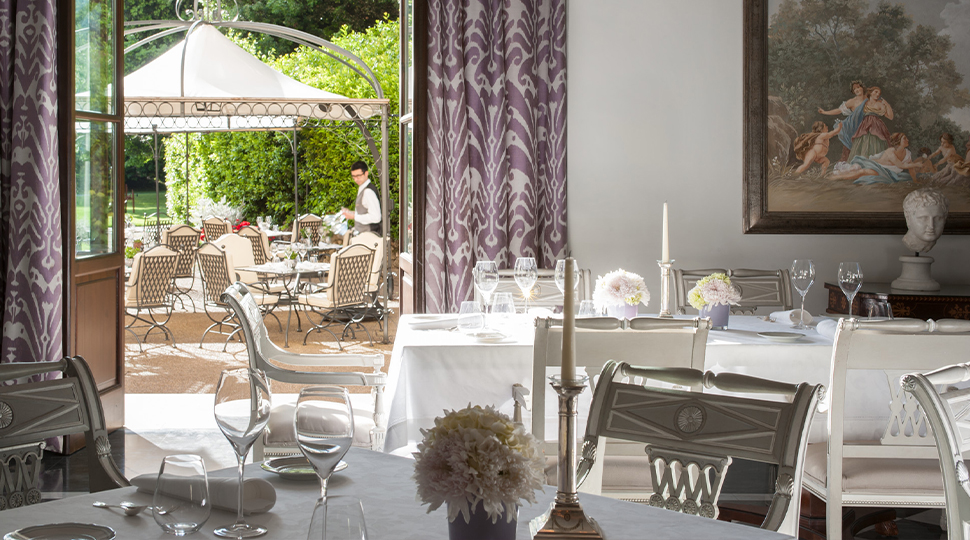
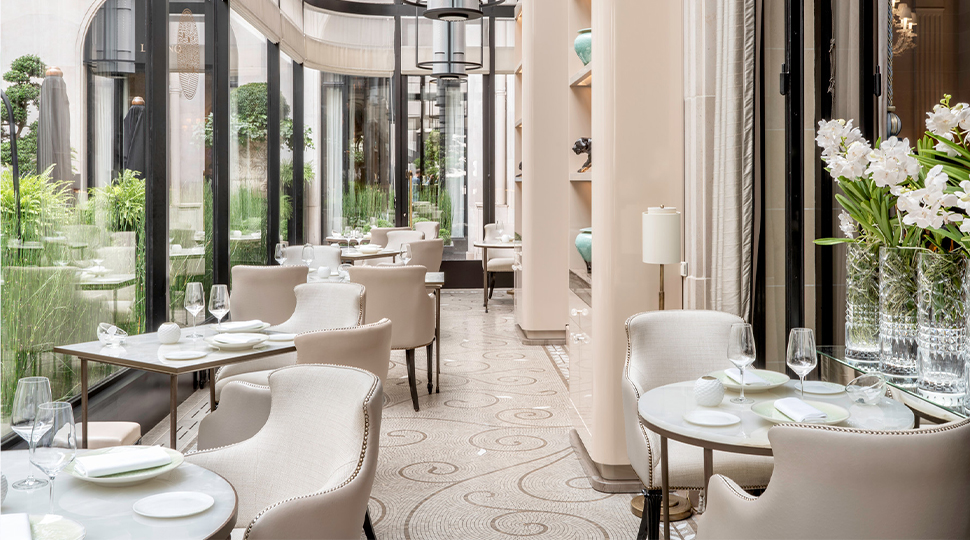
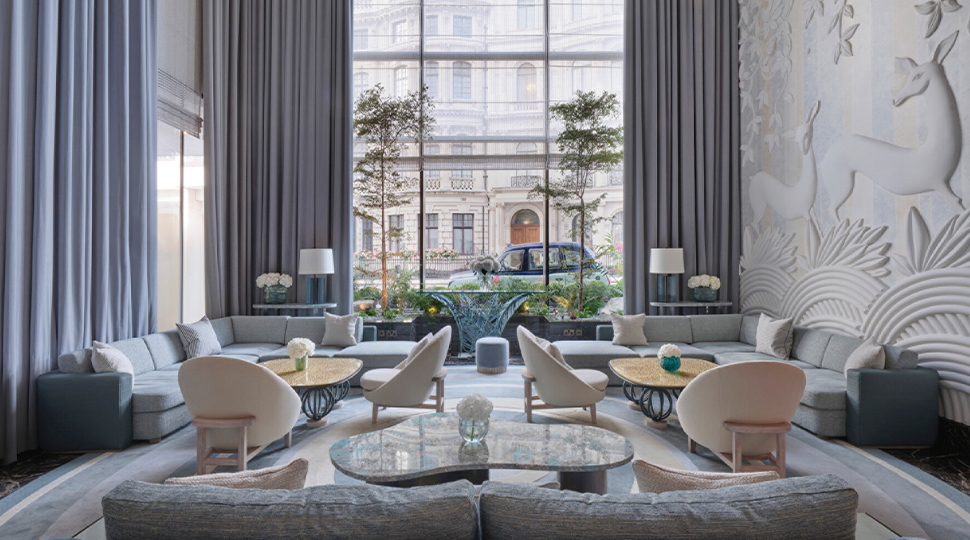
At Pavyllon, the Michelin-starred restaurant at Four Seasons Hotel London at Park Lane, the afternoon tea served in the Pavyllon Lounge from Friday through Sunday comes tinged with a French accent, courtesy of consulting chef Yannick Alléno. Savoury dishes on the menu include aged Comté cheese gougère and a Beaufort sandwich with pear and black pepper jam, while sweet options include chocolate tarte soufflé and brioche with praline rose and Isigny cream.

England being England, more traditional palates will be drawn to the roast chicken sandwich with mustard and celery and “So British” scones served with strawberry jam and Paddington-approved orange marmalade. Basking in the glow of the serene and sunlit lounge, one can easily see why, as Henry James mused in The Portrait of a Lady, “there are few hours in life more agreeable than the hour dedicated to the ceremony known as afternoon tea.” —Pavia Rosati

Here, the season’s best high jewellery comes to London for high tea at Pavyllon. Photographs by Serena Becker, set design by Johanne Mills, words by Laurie Brookins.


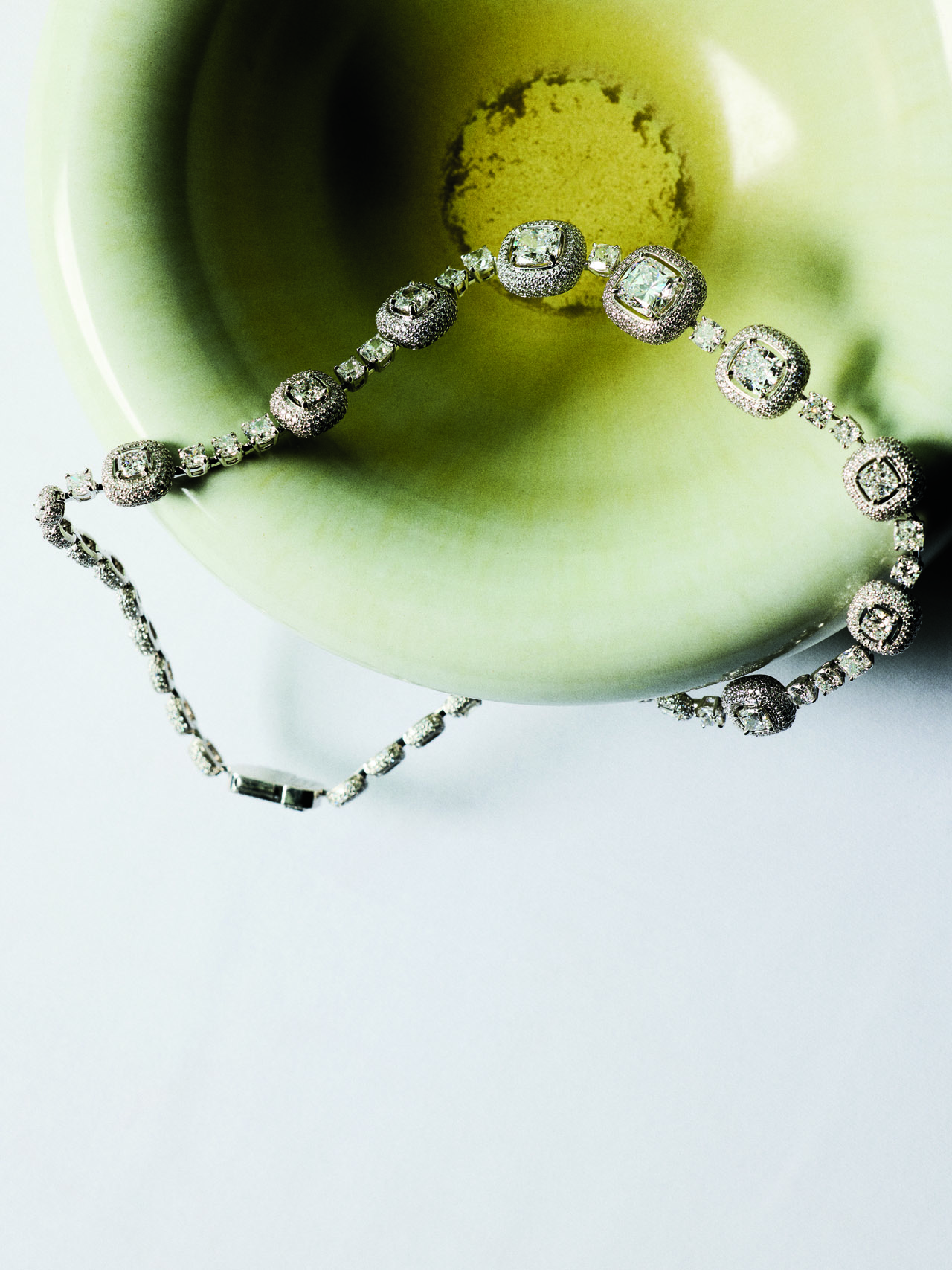
Messika

Messika’s Mille Feux High Jewelry necklace (pictured above) featuring diamonds in 18-karat white gold and a Jaune de Chrome dish handmade in Limoges are studies in French craftsmanship. 
Bulgari Tubogas necklace
Chanel Soleil de Chanel ring
 

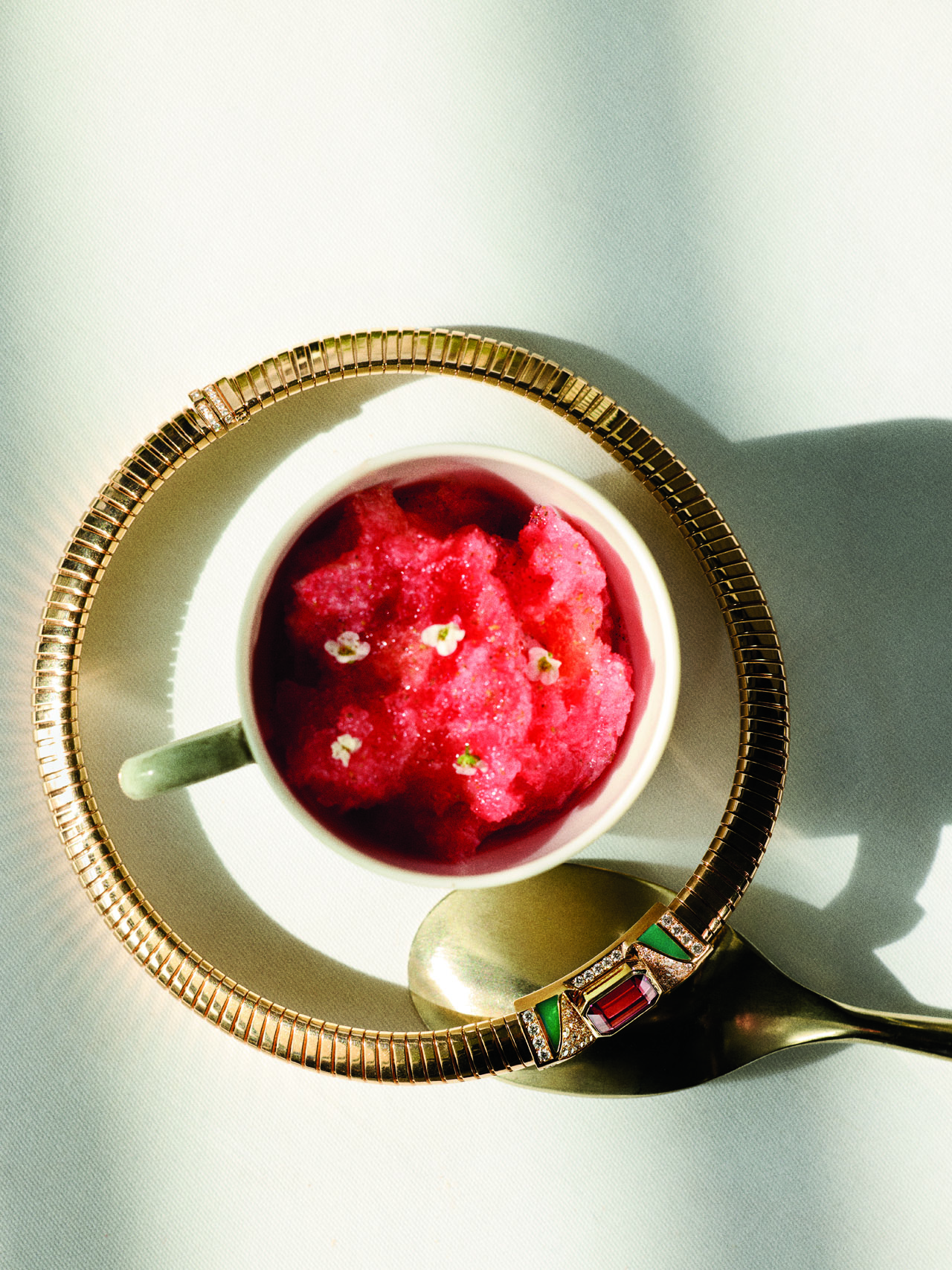
Bulgari

Bulgari’s Tubogas necklace—with a central rubellite, chrysoprase inserts, and diamonds set in 18-karat rose gold—shares the table with a cup of Glacee Rhubarb featuring rhubarb granita and aloe vera and olive oil compote. It’s on the afternoon tea ​menu at Pavyllon Lounge inside Four Seasons Hotel London at Park Lane.

Chanel

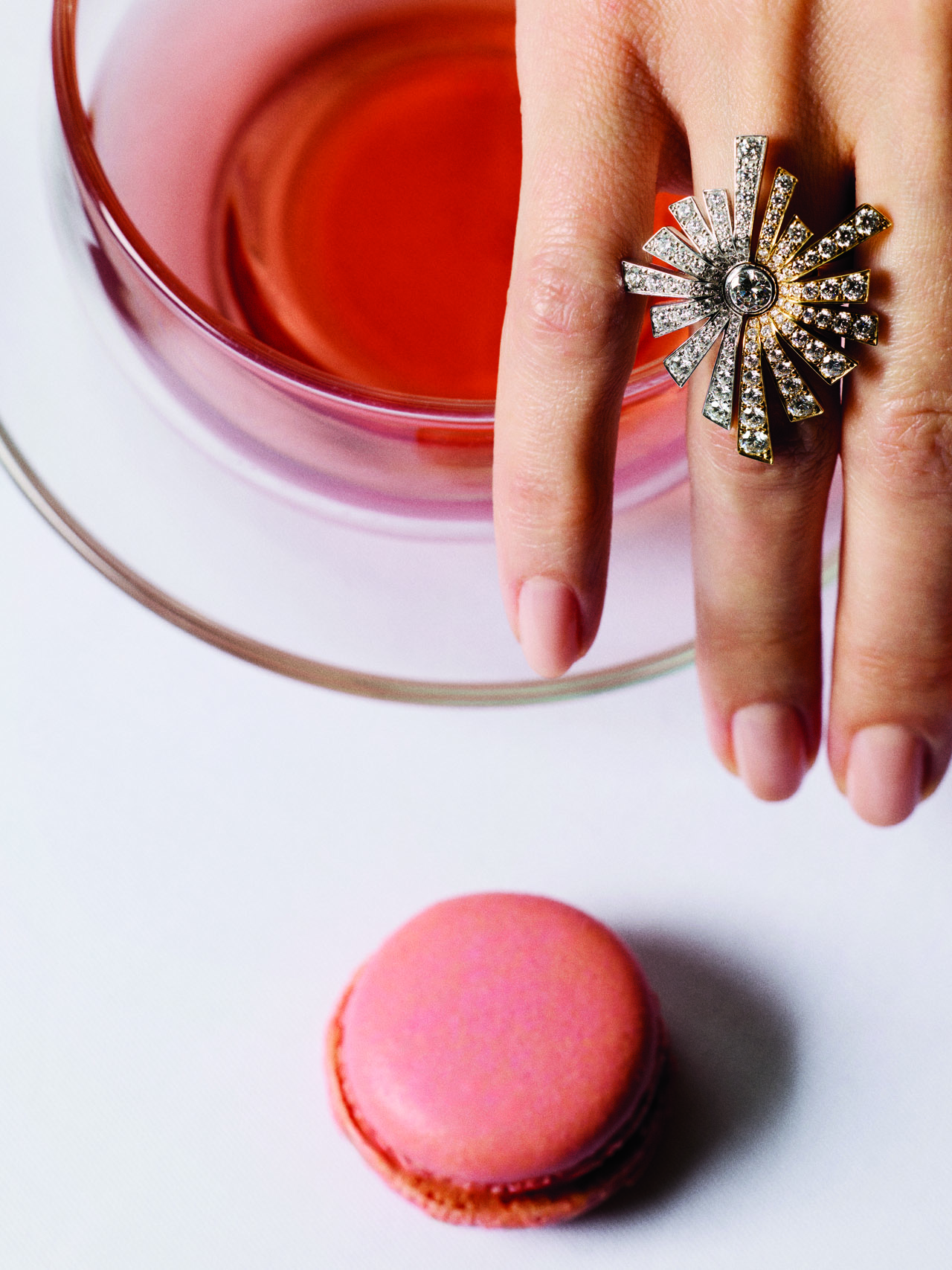
Chanel’s Soleil de Chanel transformable ring in 18-karat yellow and white gold embellished with diamonds, served alongside a raspberry macaron and tea from the British brand Jing.
Cartier rings and Van Cleef & Arpels bracelet
Temple St. Clair bracelet
 

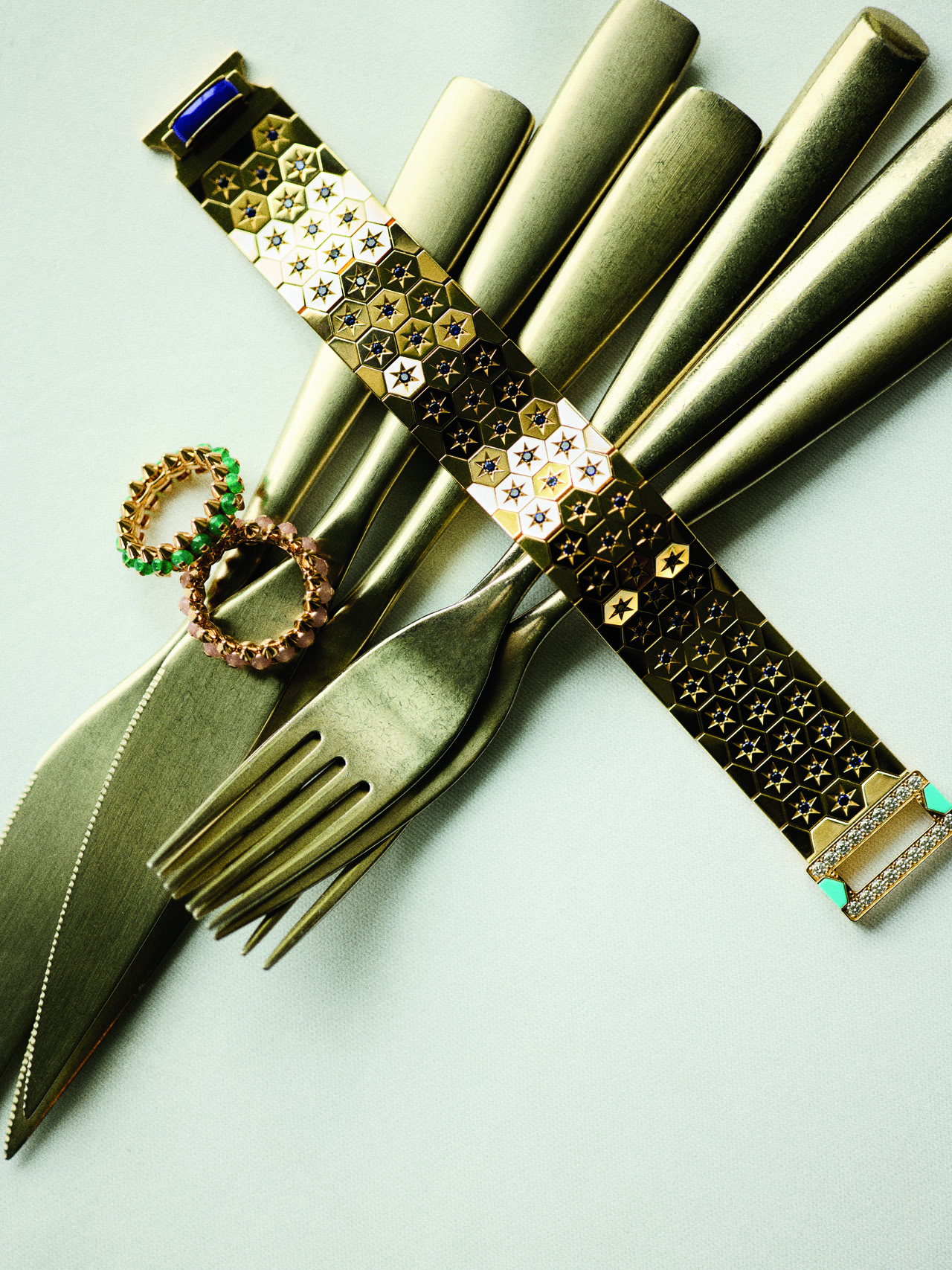
Cartier and Van Cleef & Arpels

Setting the table with Cartier’s Clash de Cartier rings (in 18-karat rose gold set with agate, left, and chalcedony) and Van Cleef & Arpels’s Ludo bracelet in 18-karat yellow gold with sapphires, lapis lazuli, turquoise, and diamonds.

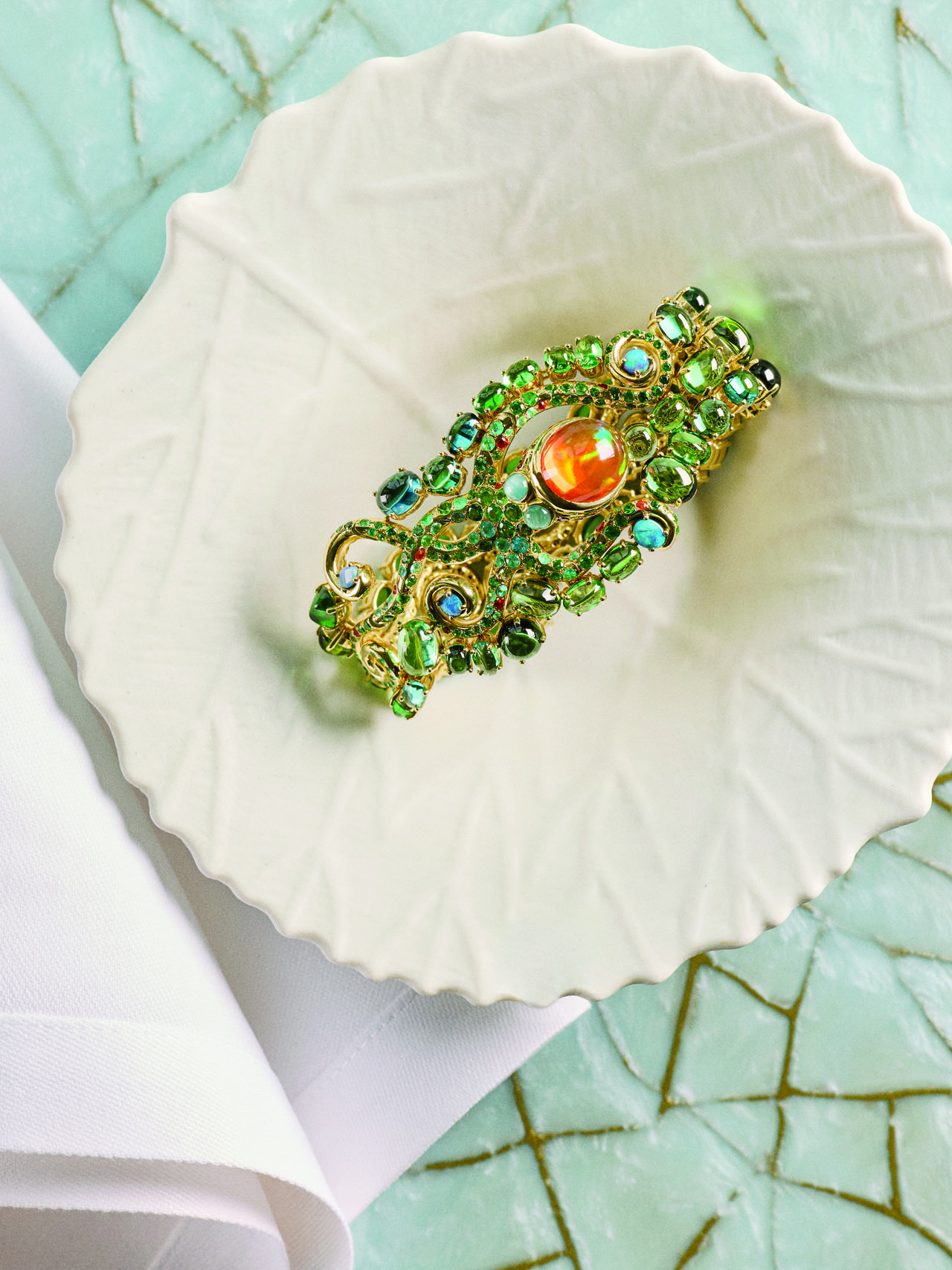
Temple St. Clair

A main dish: Temple St. Clair’s Octopus bracelet highlights an 11.18-carat Mexican fire opal surrounded by garnets, tourmalines, orange sapphires, rubies, and emeralds set in 18-karat gold.
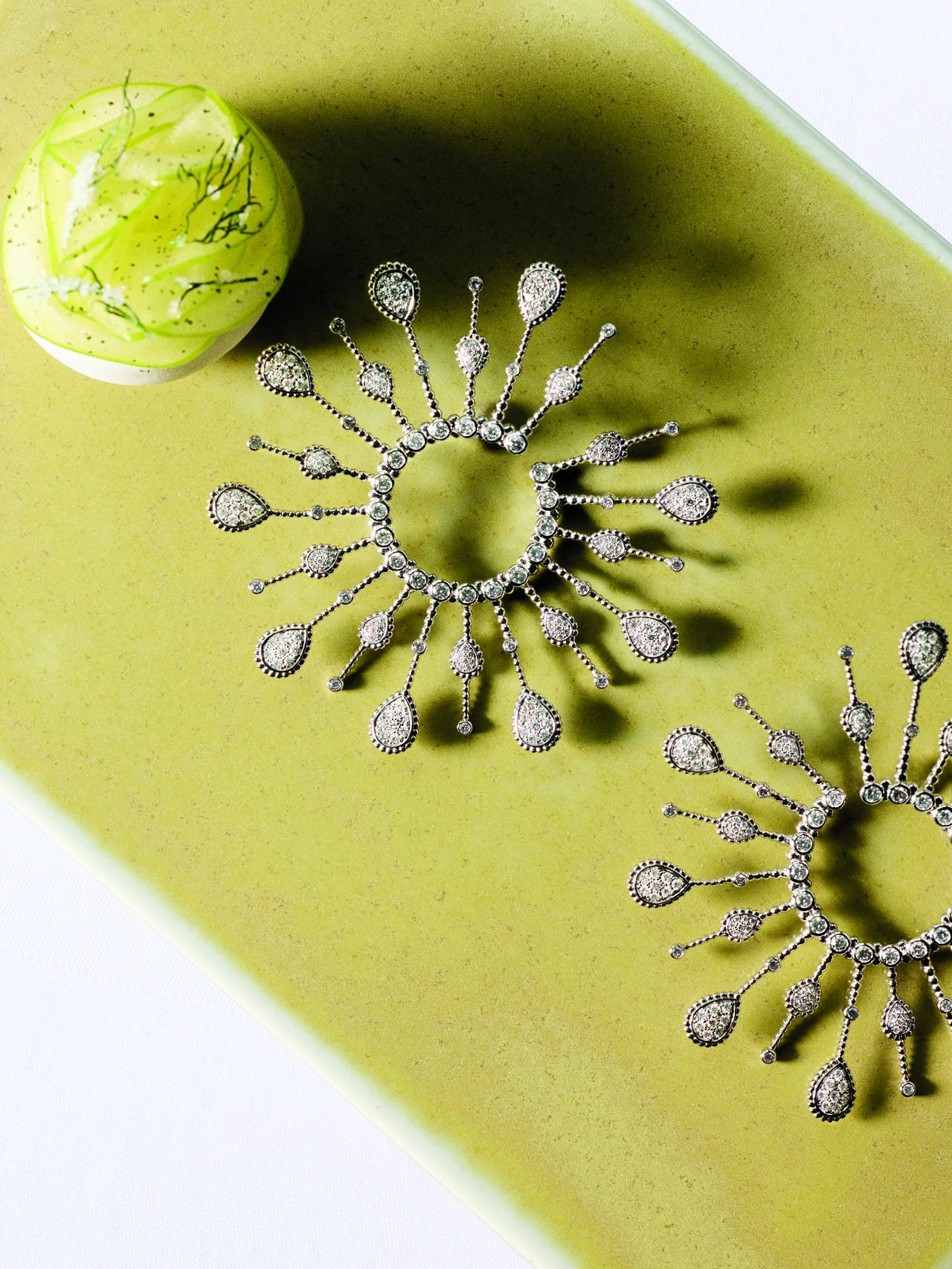
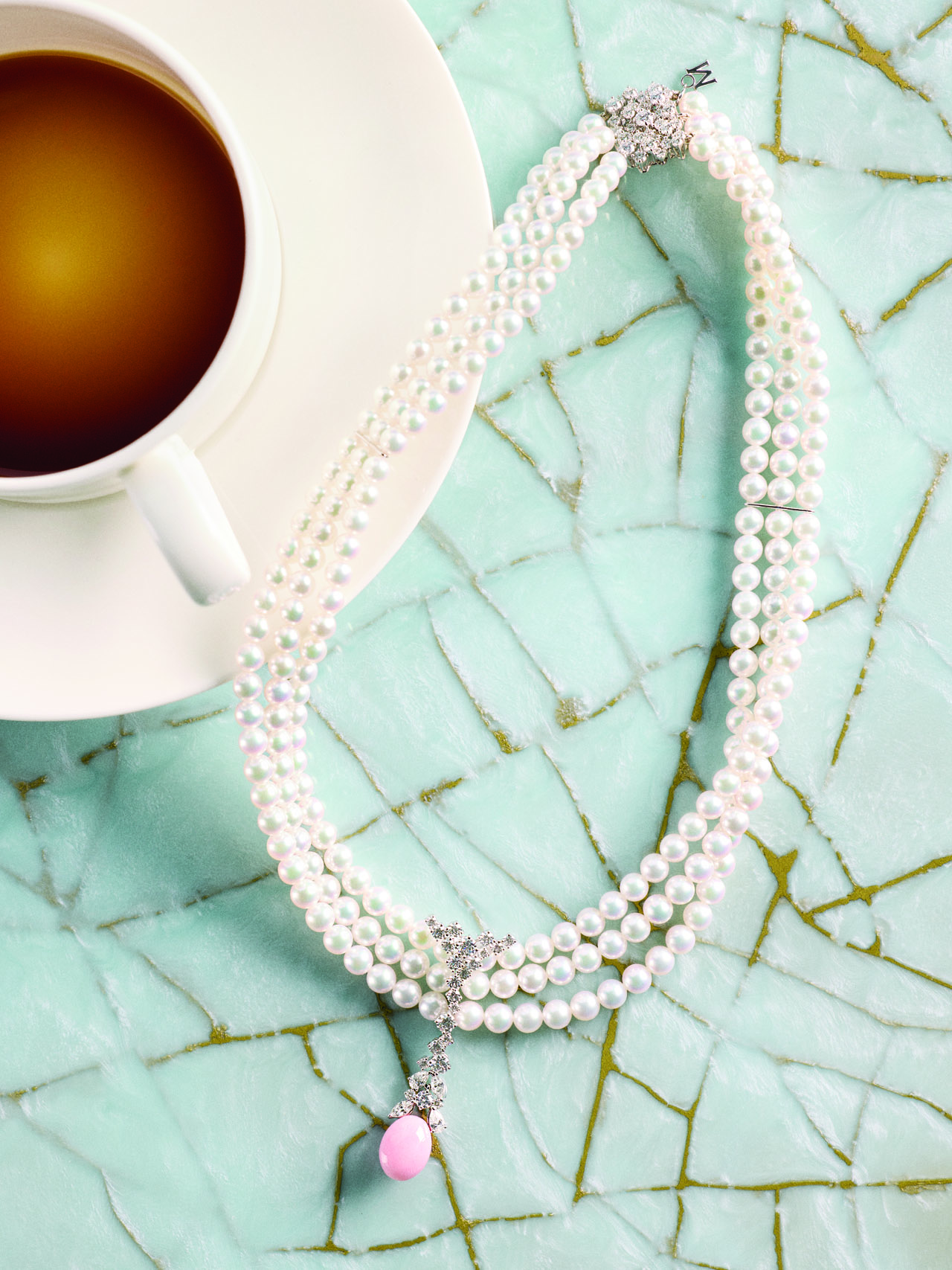
Boucheron Serpent Bohème Solarité hoop earrings
Serpent Bohème Solarité hoop earrings
Mikimoto conch pearl necklace
 

Boucheron

Boucheron’s sun-inspired Serpent Bohème Solarité hoop earrings (with 380 round diamonds set in 18-karat white gold) are exquisite accompaniments to Pavyllon Lounge’s Granny Smith Pavlova with apple cream, apple compote, and dill gel in a meringue basket.

Mikimoto

Mikimoto’s conch pearl necklace—spotlighting a 6.30-carat conch pearl framed by diamonds and Akoya cultured pearls set in 18-karat white gold—glimmers beside tea from Jing served in Wedgwood china.
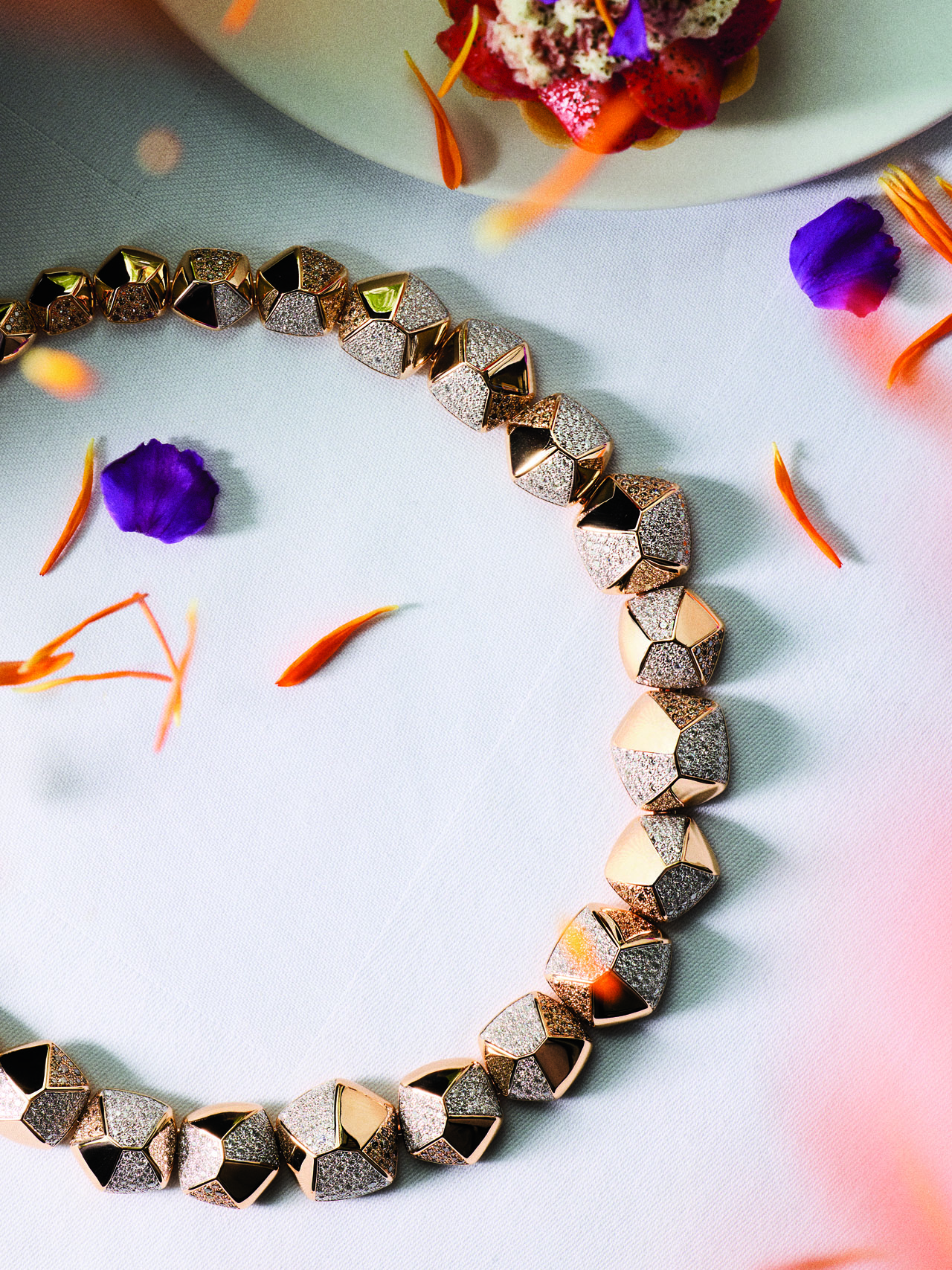
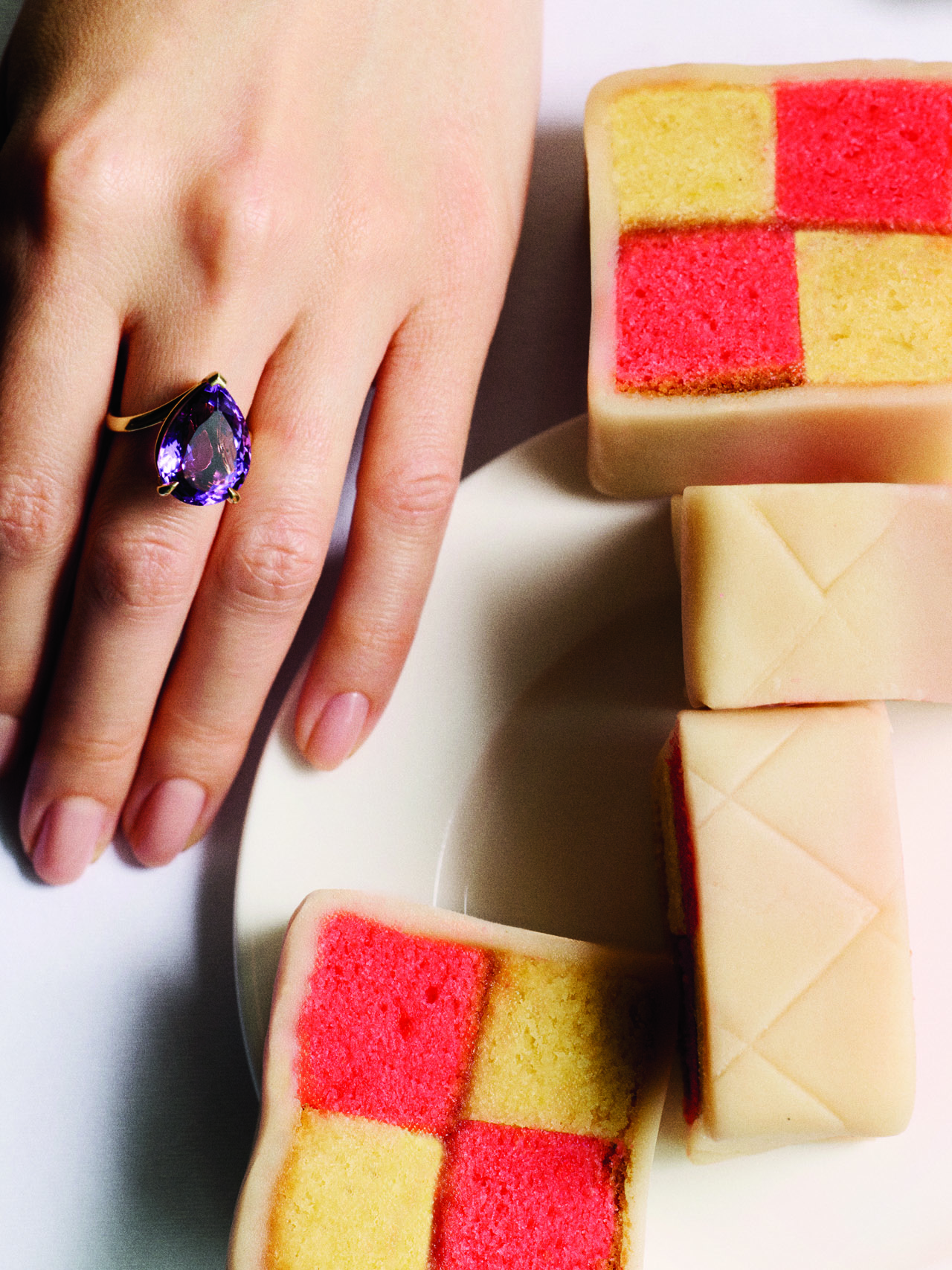
Pomellato Pentagoni necklace
Gabriel & Co Pear Shape Ladies Ring
 

Pomellato

Twin confections: Pomellato’s Pentagoni necklace in 18-karat rose gold set with 1,035 white diamonds and 434 brown diamonds, and Pavyllon Lounge’s Strawberry Fontainebleau basket with fresh berries and almond cream.

Gabriel & Co.

Gabriel & Co.’s Pear Shape Ladies Ring set in 14-karat yellow gold is a colourful counterpoint to slices of Battenberg cake, a classic British checkerboard-pattern sponge cake.
David Morris Atlantis cuff
 

David Morris

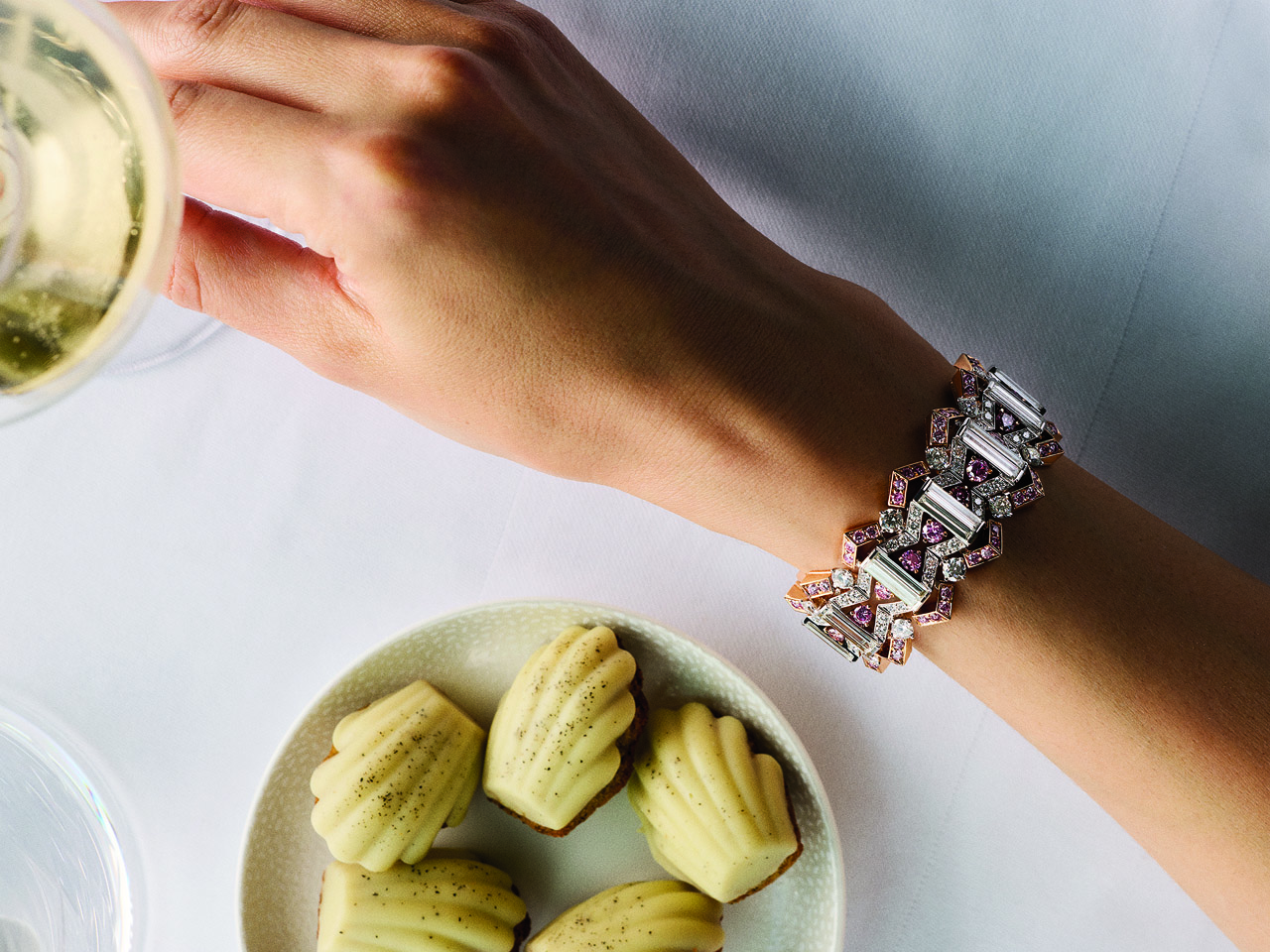
Raise a glass of Ruinart Champagne to David Morris’s Atlantis cuff embellished with pink and white diamonds set in 18-karat rose and white gold, served with lemon and Earl Grey madeleines.

MODEL: ROXANNE / BMA HANDS; MANICURIST: SAFFRON GODDARD; CASTING: VITTORIO VANZULLI / MODCAST
The Evolving Soul of Creole

 
Few words are richer or more difficult to define than Creole.

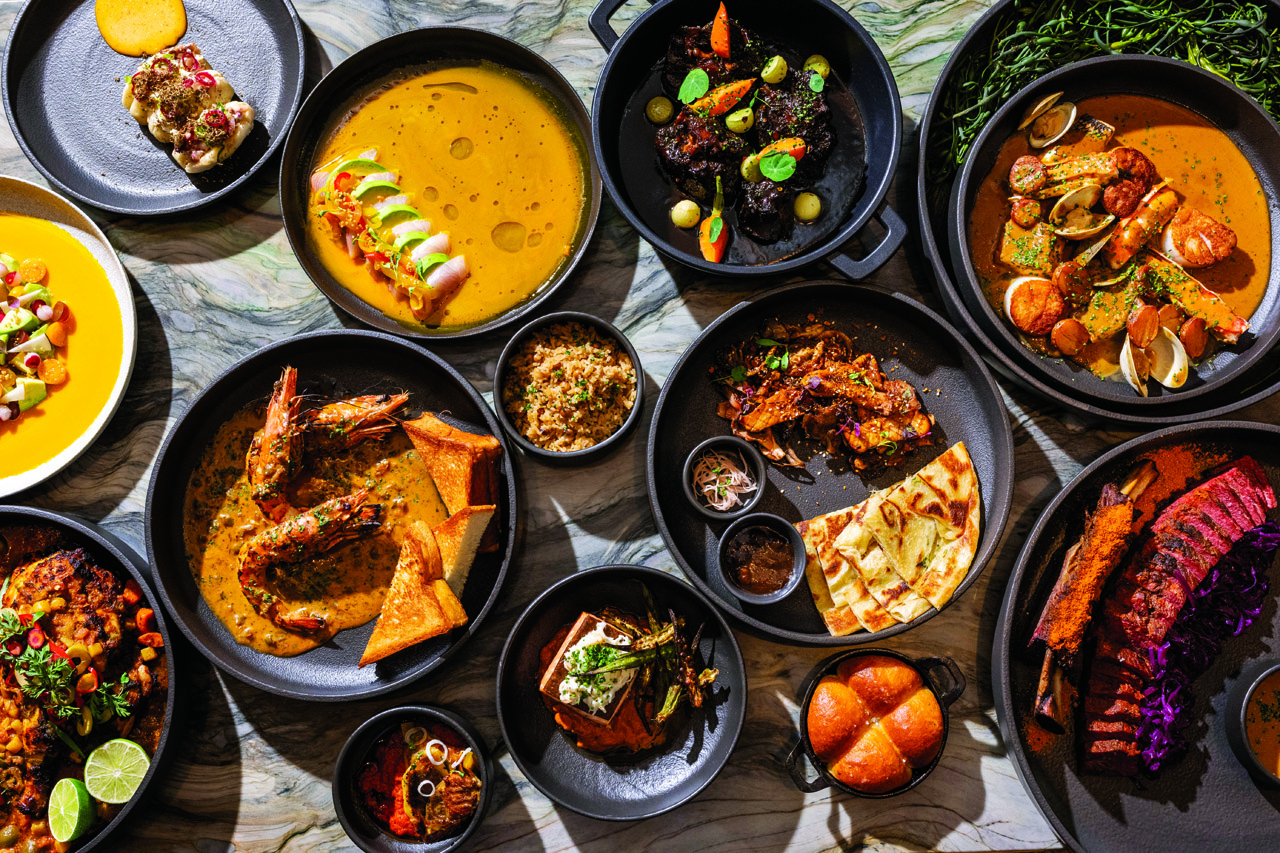
In New Orleans, Louisiana, it is a virtuoso scraping his washboard to the driving, syncopated rhythm of zydeco music, but it is also the complex flavours in a bowl of gumbo. In the Bahamas, it is a cuisine that is a mélange of British, African, and Caribbean influences starring peas, pastries, and aromatic stews cooked for hours over low heat, as well as a primarily English dialect known as Bahamian Creole that combines languages from three disparate continents. And, half a world away, on the islands of the Indian Ocean that make up the Seychelles, Creole is a way of life: joyful gatherings on the beach; a musical language—this time mixing French with East African dialects—and a cuisine in which indigenous ingredients like coconut milk and octopus meet the spices and slow-cooked curries of South Asia.

“Creole isn’t about a specific skin tone or country; it’s about a culture.” This is how Mona Lisa Saloy, author of the poetry collection Black Creole Chronicles, described it to me in 2023.

“It’s food, it’s music, it’s architecture, it’s style, and it’s traditions,” she added. “There are millions of Creole people in countries across the world, and we create beautiful cultures everywhere we go.”

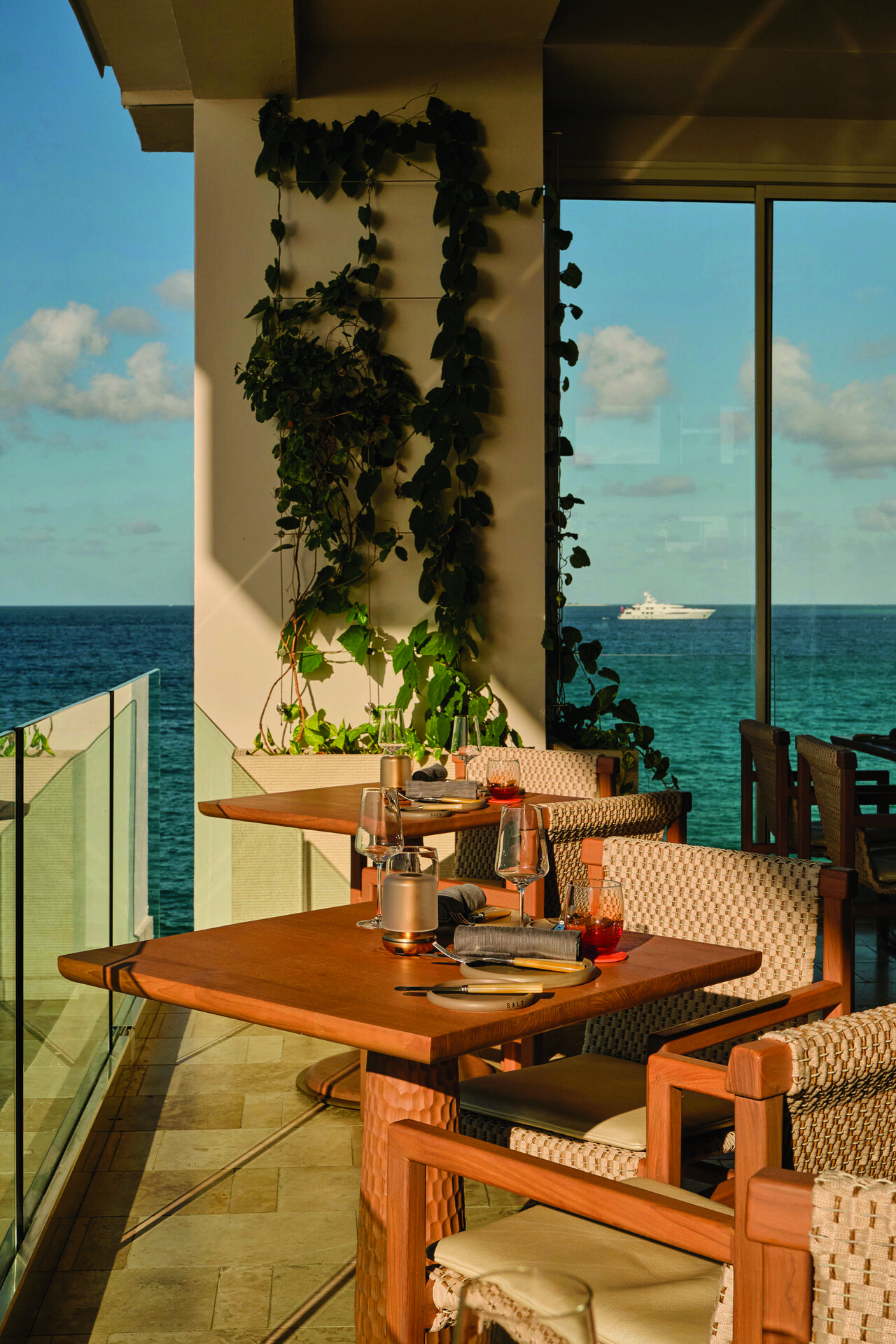
Salt Restaurant at Four Seasons Resort and Residences Anguilla
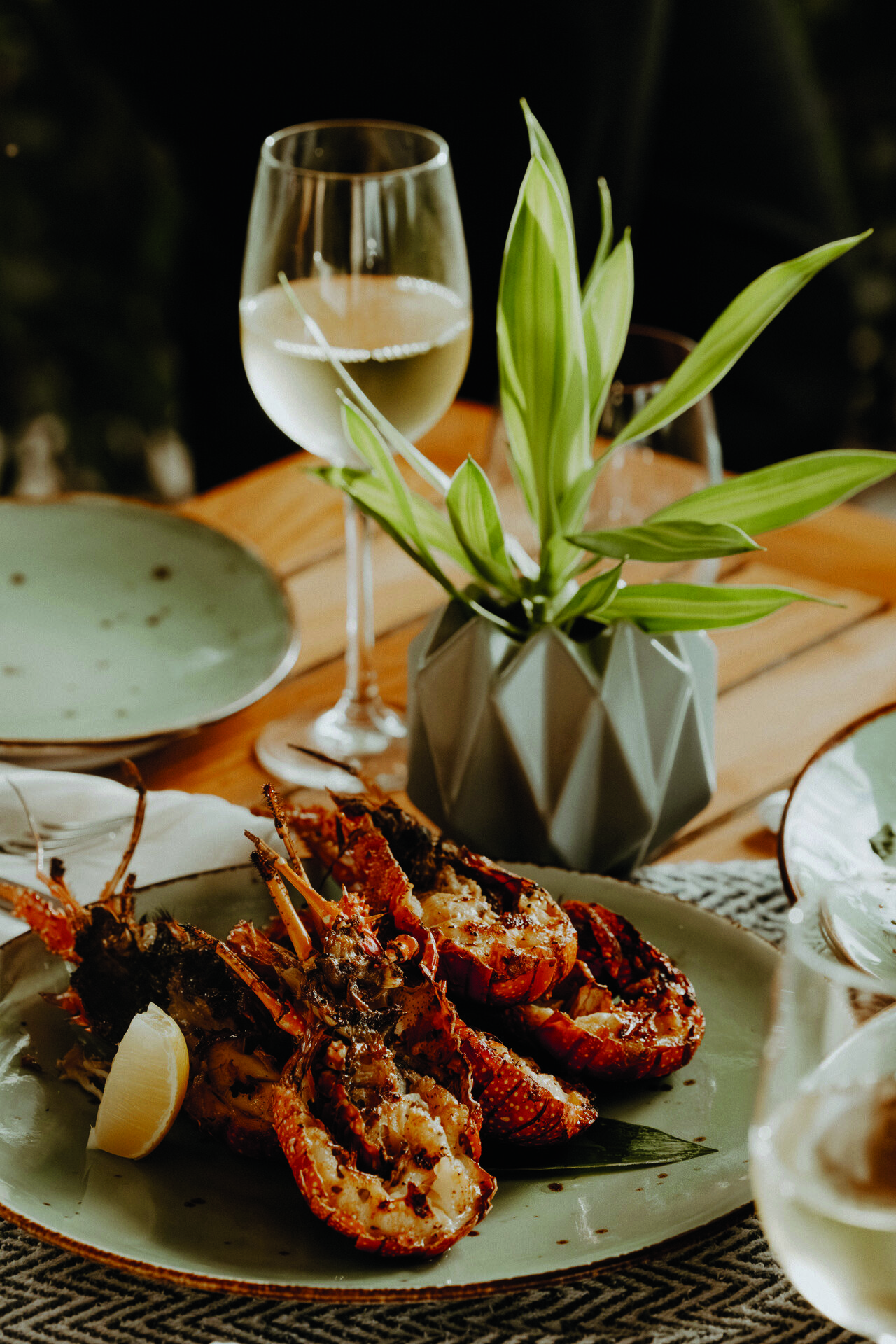
Spiny lobster at Four Seasons Resort and Residences Anguilla
 

Over the past few decades, the exploration of Creole identity and, most visibly, Creole cuisine has been on the rise. You can see that popularity as tourists flock to local restaurants in Creole destinations as far-flung as the Treme neighbourhood of New Orleans, the soul-stirring streets of Port Louis, Mauritius, and the tropical islands and islets of Anguilla. But the demand for Creole dining experiences has extended beyond its usual hubs to regions and settings previously uncharted. Restaurants serving this unique and flavourful cuisine exist in places with little prior history of the culture—from Tokyo to Chicago—and superstar chefs, such as Kwame Onwuachi, Julia de Laguarigue, and Jacob Kenedy, in cities like Paris, London, New York, and Washington, D.C., are being awarded the world’s highest culinary honours for their exploration of this important food.

While the recipes and flavours at these restaurants can vary from country to country and kitchen to kitchen, there are certain traits that connect them.

“To be Creole is to invent,” explains David Beriss, professor of anthropology at the University of New Orleans and author of Black Skins, French Voices: Caribbean Ethnicity and Activism in Urban France. “What makes it difficult to define is that, by definition, it is always evolving toward something—beautiful, I think—that hadn’t previously existed in the world.”

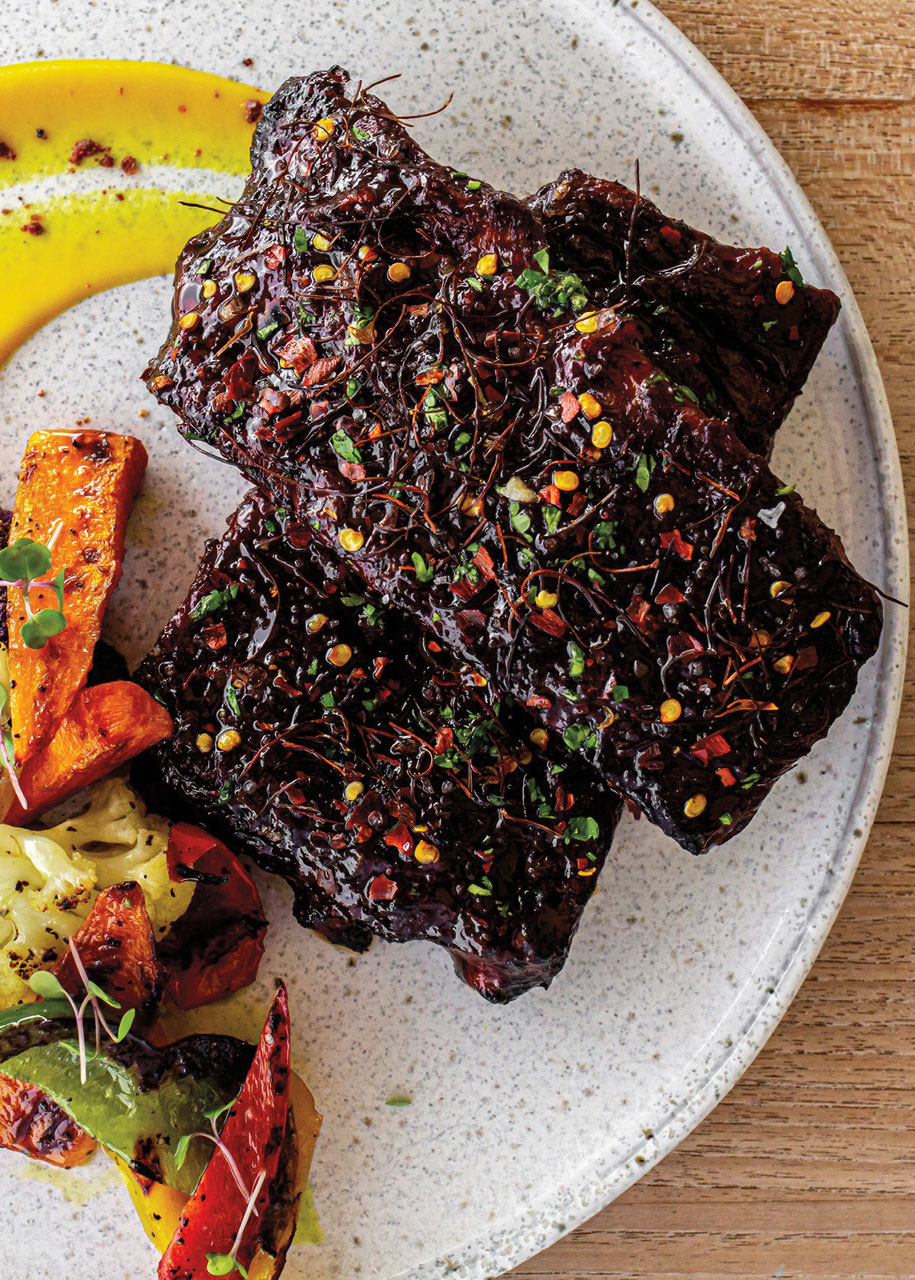
BBQ Ribs at Four Seasons Resort Nevis

BBQ Ribs at Four Seasons Resort Nevis

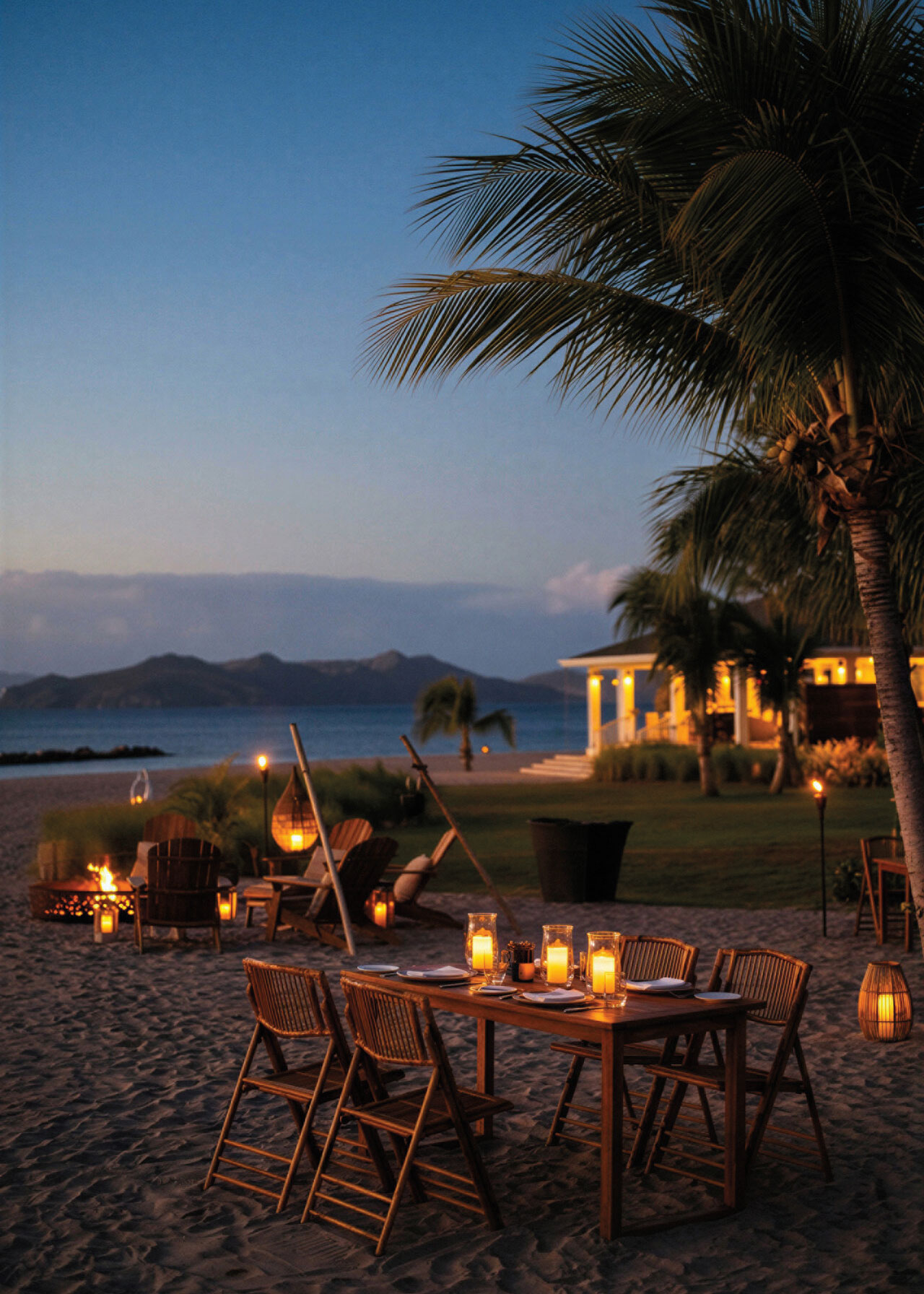
Private beach dining at Four Seasons Resort Nevis

Private beach dining at Four Seasons Resort Nevis
 

Defining Creole

As the growing powers of Europe attempted to colonize the globe in the 15th century, they encountered cultures that were previously unknown to them. Countries like Portugal, England, and France exchanged goods and ideas with the Indigenous peoples of these newly discovered lands.

Of course, the full story is more fraught. Between 1625 and 1867, European countries enslaved and transported nearly 12 million Africans to the New World alone. This is when the term Creole first entered the lexicon, to differentiate an enslaved person born in the New World from someone born in Africa.

But Creole comes from the Portuguese word crioulo, which itself derives from the Latin creare, meaning “to create.” To be Creole in places like the Caribbean now refers to this unique mixture of three influences: European, African, and Indigenous.

What was being created, explains Peggy Brunache, a Haitian American food historian and lecturer at the University of Glasgow, was a new culture, albeit one not without its atrocities and tragedies.

“These civilizations didn’t come together easily—there was enslavement, sexual violence, and genocide,” she says.

Hundreds of years later and against all odds, one result of that frightening cruelty is a triumphant gift to the world. Brunache says that is especially evident in the cuisine from these regions.

“Cooking techniques from the Europeans met indigenous ingredients from the land that were grown, cooked, and developed by enslaved Africans,” she says. “Much of it was considered ‘slave food,’ but for Black people at the time, their food was one of their few joys in life. That it is still enjoyed, by white people and by Black people, all these years later, feels like a testament to what they created here.”

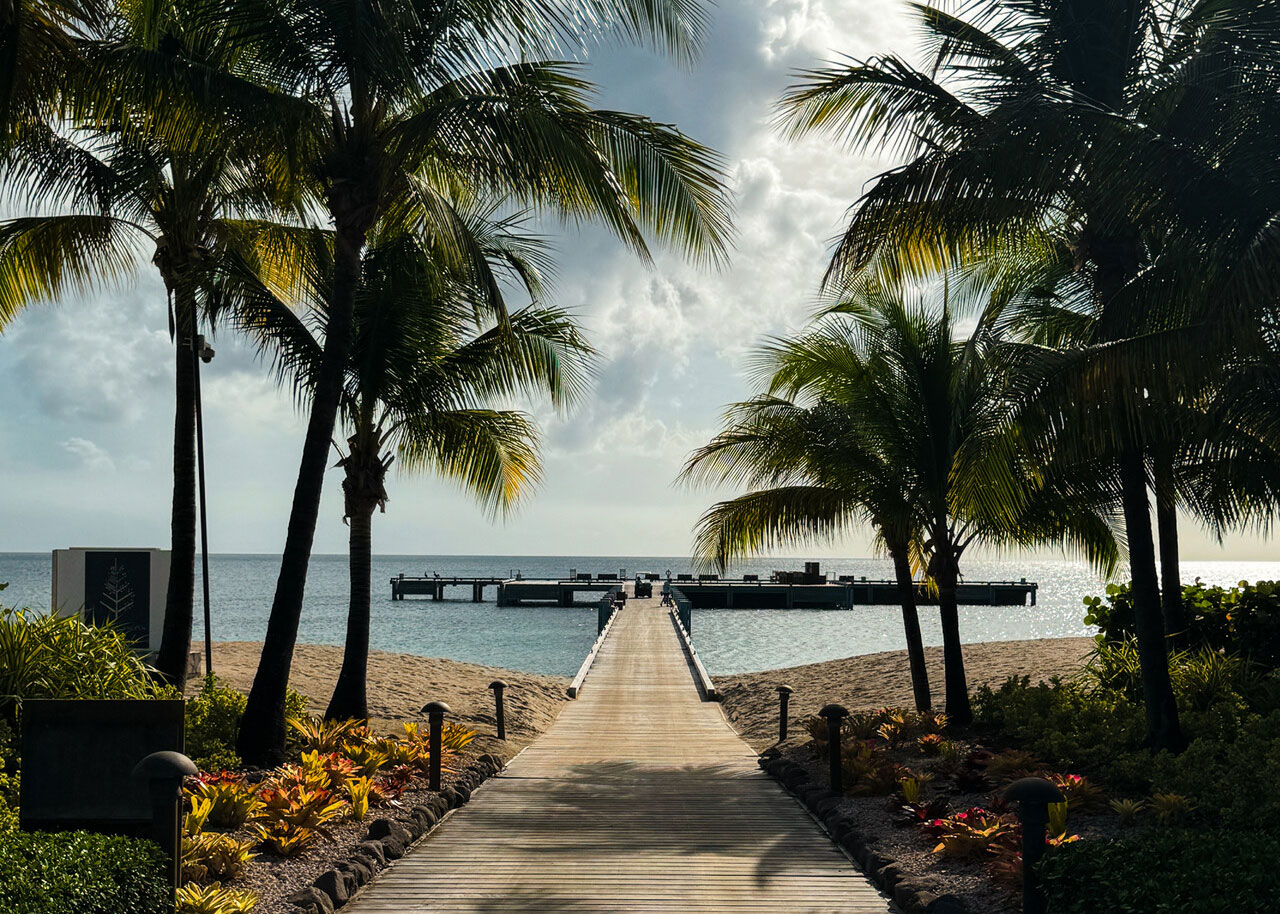
Four Seasons Resort Nevis
 

Callaloo in the Caribbean

In the West Indies, specific staples and dishes have been part of the Creole diet for hundreds of years. Breadfruit, a starchy, nutritious fruit versatile enough to be eaten at any time of day, was originally grown by the British to sustain their enslaved labourers. Similarly, oxtails, cow feet, pig tails, and trotters were undesirable pieces of meat passed on to enslaved Africans, who slow cooked the meats to make them tender for flavourful stews, which now define the cuisine, or boiled them down and incorporated them into the regionally ubiquitous leafy green soup known as callaloo.

Today, these dishes and others are so popular that many of them—uniquely flavoured by the region’s bounty and famous for their rustically home-cooked one-pot preparation—are found not only in the Caribbean’s casual restaurants but also throughout the islands’ high-end resorts.

“These foods had humble beginnings, but trying our island’s version of Creole cuisine is part of why guests come to our property,” says Methly Faucher, sous-chef at Four Seasons Resort Nevis, West Indies, a beachfront oasis on 350 acres in Nevis, in the two-island nation of Saint Kitts and Nevis.

In Nevis, Faucher says, Creole cooking means combining local ingredients like fish, tomatoes, thyme, and Scotch bonnet chili peppers with French cooking techniques such as sautéing.

Guests, he says, are eager to try these flavours at the property’s Caribbean restaurant, Mango. “Spiny lobster and shrimp in citrus-coconut milk, or potato dumplings with callaloo and local herbs, or an oven-baked whole fish with escabeche and coconut rice: They want new culinary experiences,” says Faucher.

Those experiences can include tasting Nevis’s traditional goat water stew or a popular breakfast of salt fish, eggs, and johnnycakes; or even learning in a Creole fish-preparation class at the resort. But culinary adventures are possible throughout the Caribbean. At Four Seasons Resort and Residences Anguilla, a serene Mediterranean-style property overlooking a pair of spectacular beaches, ceviche-making classes with Creole seasonings and a beachfront barbecue with fish and traditional accompaniments allow guests to relax like locals.

In the Bahamas—as with all Four Seasons resorts in the Caribbean—diners can try a cuisine that shares Creole characteristics of aromatic vegetables, layered spices, seafood, and bright flavours, while showcasing local produce. “Our love of spice, stews, peppers, tomatoes, onions, and slow-cooked dishes comes directly from Creole-style cooking,” says Lester Dean, executive chef of The Ocean Club, A Four Seasons Resort, Bahamas. “Bahamian cuisine is still its own identity, but the similarities speak for themselves.”

And at the luxurious new Four Seasons Resort and Residences Puerto Rico—located on a two-mile stretch of golden sand on the north of the island—a mofongo cooking class teaches guests the art of preparing a dish that is essential to criollo cooking: weaving together the African tradition of mashing starchy produce (in this case, indigenous Taino plantains) and the Spanish technique of making a sofrito by cooking chopped ingredients, like garlic, onions, peppers, tomatoes, and herbs, with olive oil to impart flavour.

“That mixture of ingredients is what Creole is,” Faucher says, “but Creole isn’t only a mixture of ingredients—it’s also a mixture of cultures. To taste the various components of our food is to learn our history.”


The Big Easy’s Red Beans, Rice, and Gumbo

Creole identity is far from homogeneous, varying across regions. While being Creole in the Caribbean refers to someone of a unique blend of ethnicities, in New Orleans, the term historically had less to do with skin colour and race and more to do with being considered native to Louisiana.

“You had to be born here,” says Vance Vaucresson, third-generation owner of the city’s Vaucresson Sausage Company, in business in one form or another since 1899.

In the 18th and 19th centuries, white people with recent European ancestry—specifically from France and Spain, the two countries that had colonized the area—were just as likely as Black and mixed-race residents with family from Africa to call themselves Creole.

“Being in the Creole class was a unifier,” Vaucresson explains. “It was arguably more important than skin colour at the time.”

But over the course of the 19th century, after the Louisiana Purchase and as New Orleans transitioned into a more traditionally American city, the Civil War and the Reconstruction led to racial tensions that frequently boiled over. The result was that white New Orleanians were no longer eager to claim an identity associated with their Black neighbours.

To this day, Black residents are far more likely to consider themselves Creole.

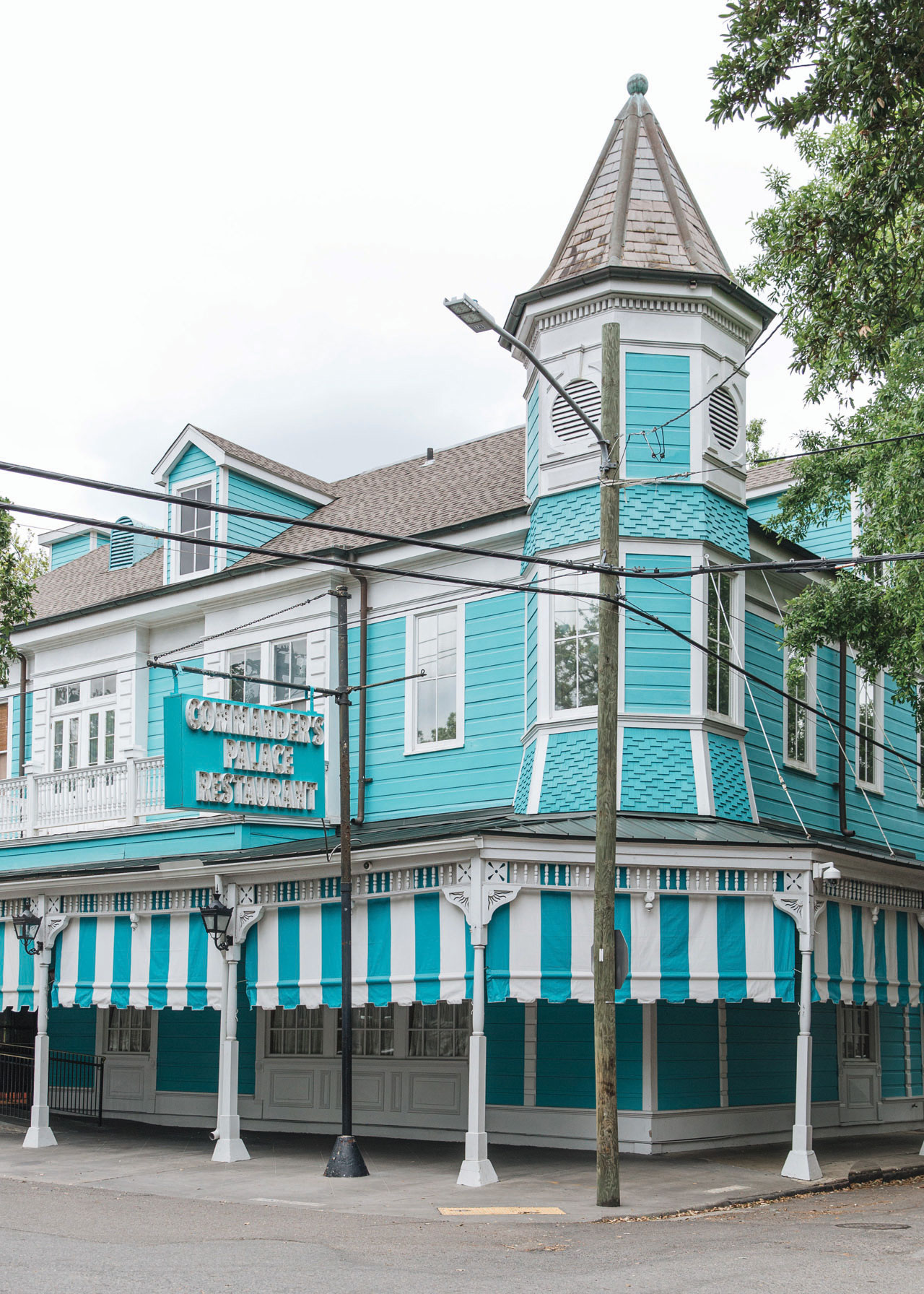
Commander’s Palace in New Orleans

Commander’s Palace in New Orleans

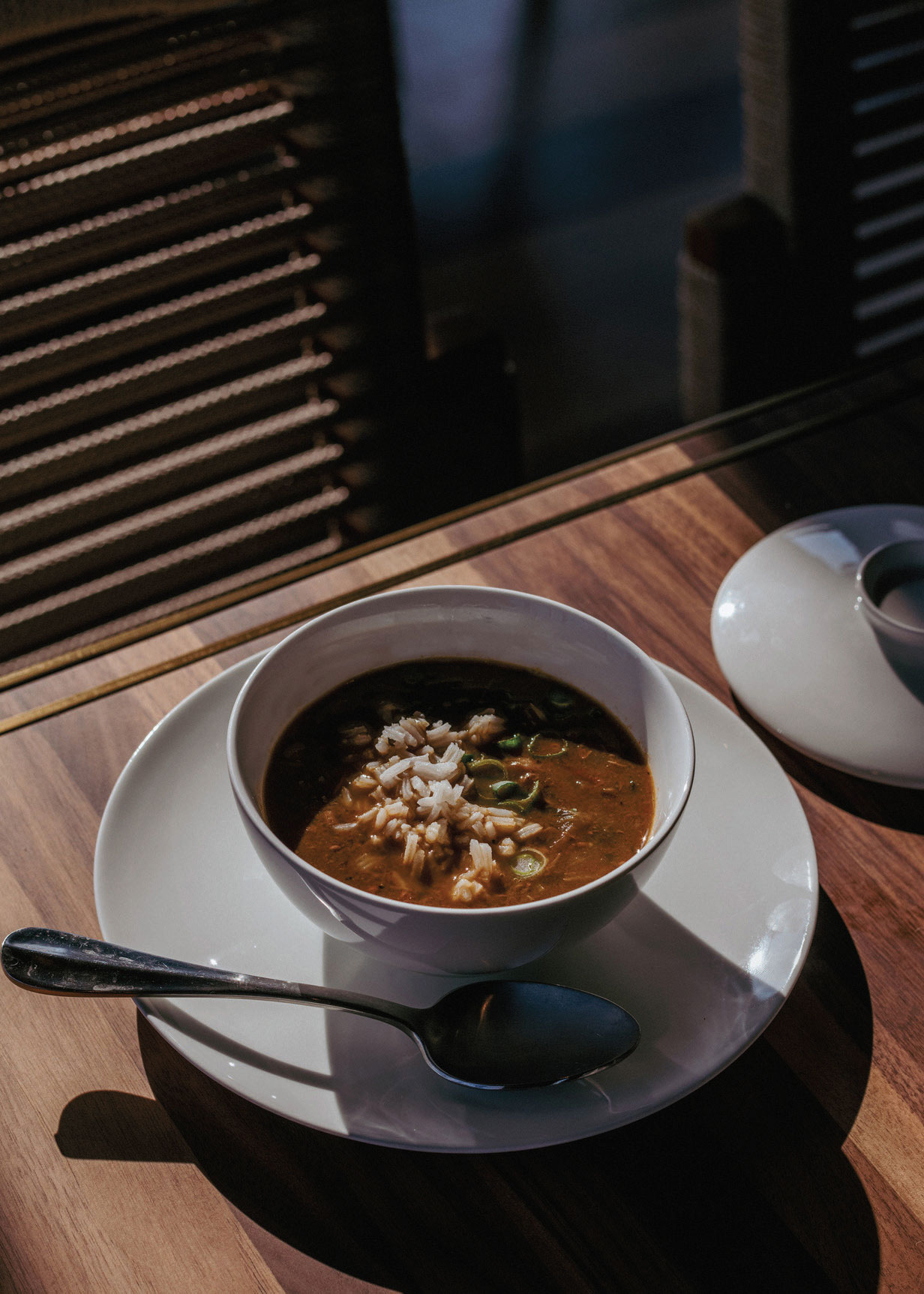
Seafood gumbo at Chemin à la Mer, Four Seasons Hotel New Orleans

Seafood gumbo at Chemin à la Mer, Four Seasons Hotel New Orleans
 

However, when it comes to food in the area, Creole cuisine refers to the same blend of influences—part African, part European, and part Indigenous—that define it elsewhere. Red beans and rice, hot sausage, and jambalaya; crawfish étouffée, grits and grillades, and trout meunière. These are just a few of the many Creole specialties made famous in Louisiana’s kitchens, including at the acclaimed restaurants Commander’s Palace, Li’l Dizzy’s Cafe, and Emeril’s.

Perhaps no single dish is more legendary here than gumbo. A tapestry of influences comes together to create this flavourful stew, melding rice cultivation from West Africa, the use of spices and peppers from Spain, the “Holy Trinity” of onion, celery, and bell pepper from France, and sausage from Germany, then thickened by techniques perfected—depending on your preferred style of gumbo—by the French, Africans, or Indigenous Americans.

“It’s why we offer two different kinds of gumbo,” says Dario Montelvere, hotel executive chef at Four Seasons Hotel New Orleans, which is located within a landmark modernist tower at the edge of the renowned French Quarter.

At the hotel’s Miss River restaurant, the gumbo “features duck and andouille sausage and is thickened with a roux, which is a French technique,” explains Montelvere. Meanwhile, the property’s Chemin à la Mer Steakhouse & Seafood Bar takes a different approach, offering a seafood-based version thickened with okra. “Which is the way Africans perfected it over many generations,” says Montelvere. “We want our guests to learn and experience just how nuanced and interesting Creole cuisine really is.”

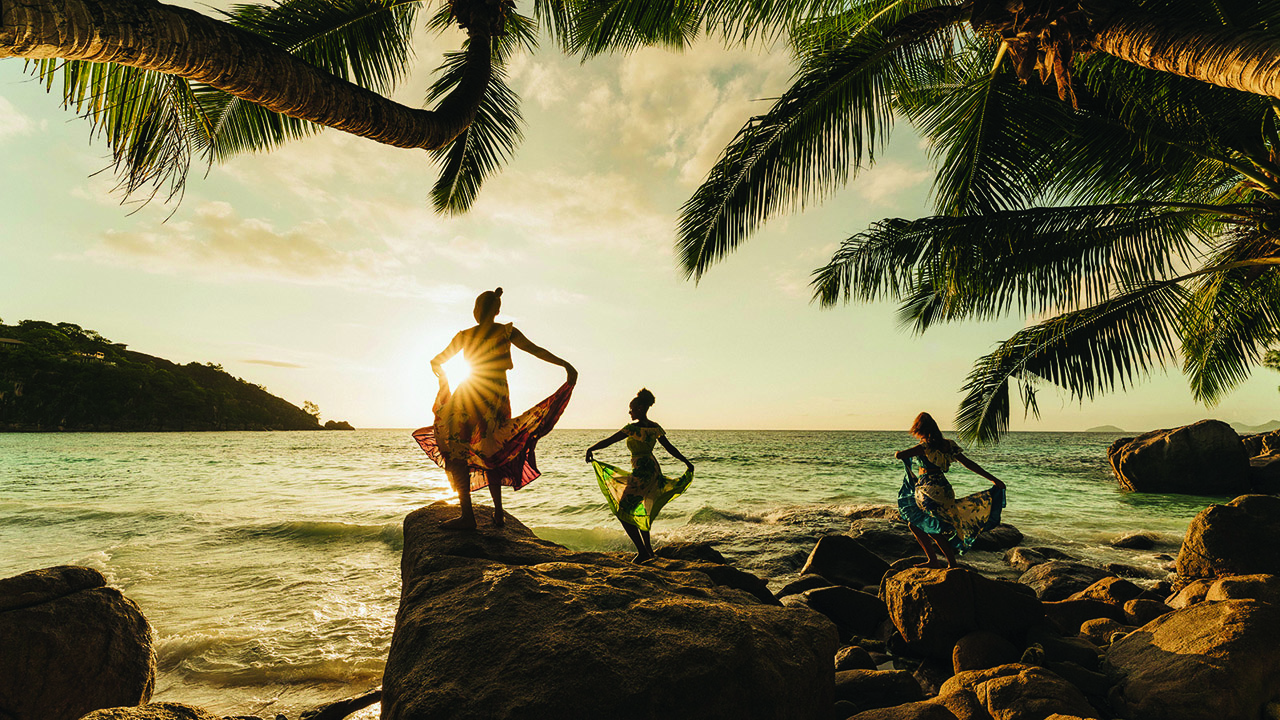
Moutya dancers at Four Seasons Resort Seychelles.
 

Sweet and Spicy in the Indian Ocean

Creole identity exists outside the Western Hemisphere as well. In the Indian Ocean, off the eastern coast of Africa, on islands such as Mauritius, the Seychelles, and Réunion, the Creole characteristic of mixing cultures to create something new is alive and well. The specific influences on these islands, however, are predictably different from what you would find half a world away.

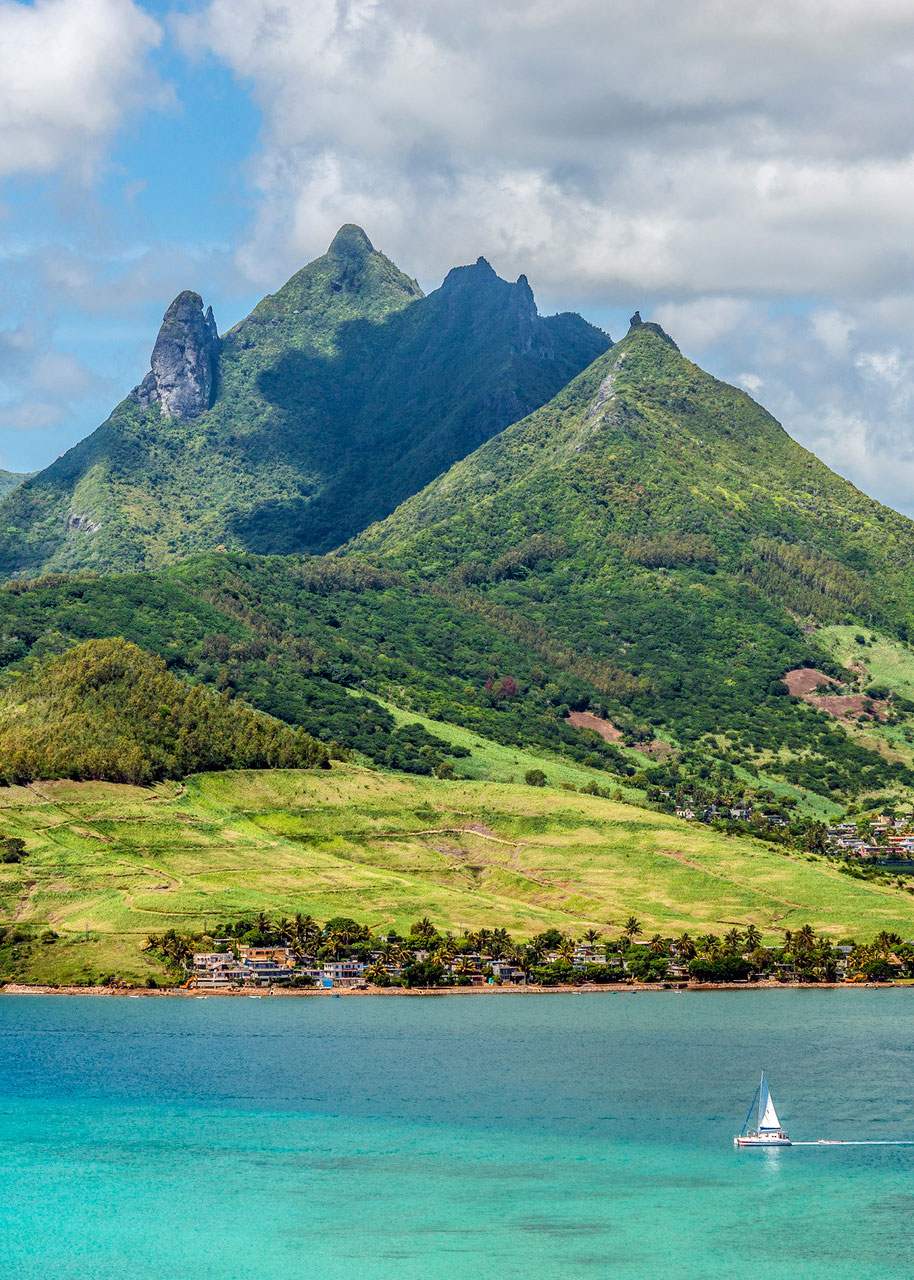
“We are very proud to be Creole on Mauritius—as an identity and also with our French-Creole language and with our food,” says Patrick Soochit, executive sous-chef at Four Seasons Resort Mauritius at Anahita, where 136 villas and private residences sit amid lush gardens.

The island’s food, as in the Americas, includes components derived from European colonial powers and the Indigenous people they encountered. The difference is that most of the enslaved people brought to this region by the Dutch, French, and British were from eastern Africa, including the Malagasy peoples of Madagascar. Later, when the British outlawed slavery in the 1830s, hundreds of thousands of indentured servants from India and China arrived on the islands to work on its sugar plantations for low wages.

The result, Soochit says, is a cuisine that blends cooking techniques from Europe with local ingredients and seafood, as well as a few twists.

“Our food is spicy, thanks to the spices from India and China,” explains Soochit, “but, because of the Malagasy, it also features stews like rougaille and sweetness from coconut milk and vanilla.”

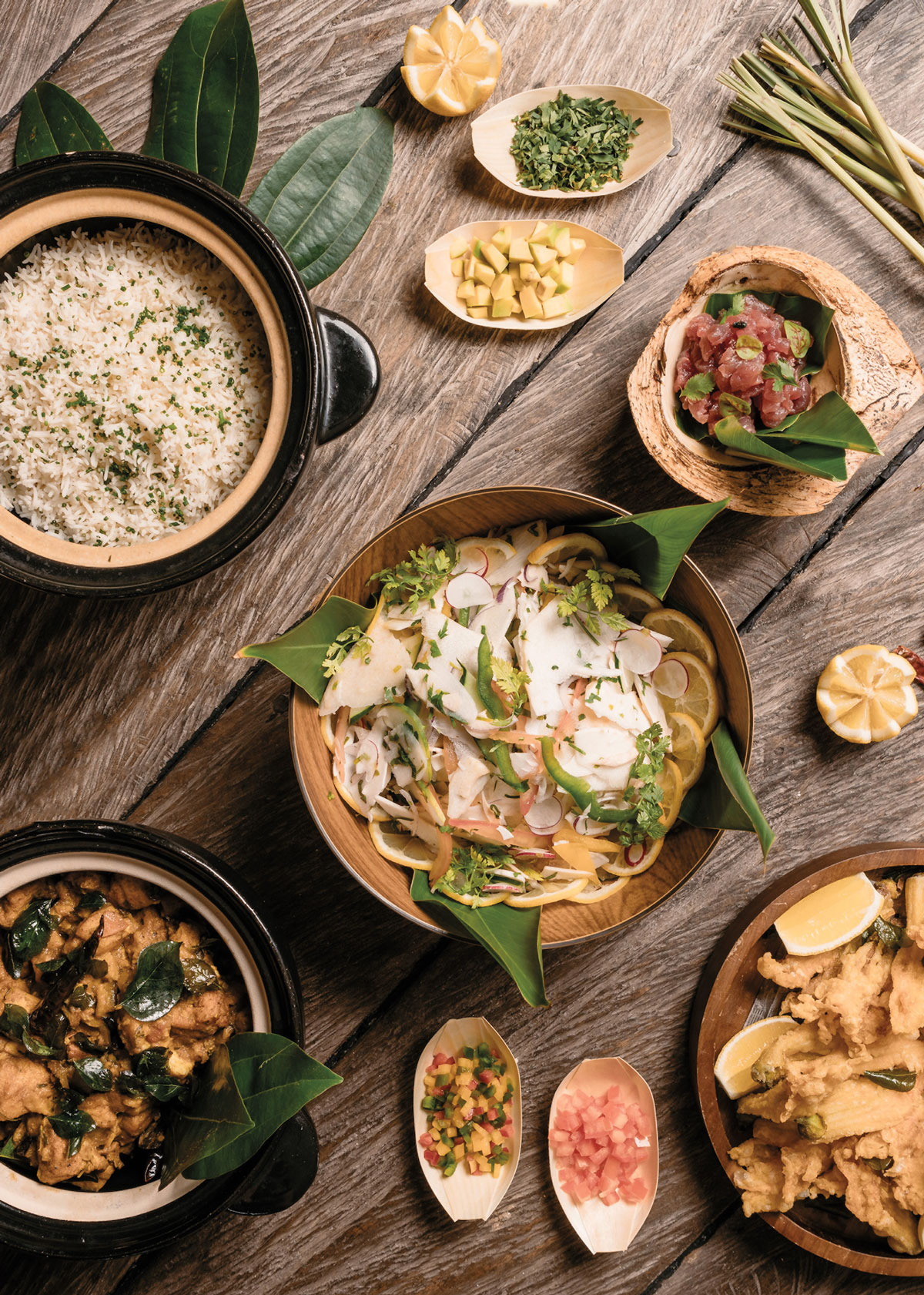
Dishes, including chicken curry and palmist salad, from the Sware Kreol dining experience at Four Seasons Resort Seychelles
Four Seasons Resort Mauritius at Anahita
 

In Mauritius and in the Seychelles, Four Seasons properties are eager to show guests this unique blend of influences. Whether through food items, like dhol buri, coconut milk octopus curry, or Creole-style prawns with stewed ​tomatoes and peppers; or through language, music, dance, and beachside social gatherings with friends and family, the Creole experience is everywhere.

“We want to show it to you, because we are proud of it,” says Perry Poris, sous-chef at Four Seasons Resort Seychelles at Desroches Island, which hosts a weekly dining experience, La Tous Kreol. “Not just because we are Seychellois, but because that means we are part French and part English, part Asian, and part African. We are a culture made from the world.”

Last summer, Four Seasons Resort Seychelles debuted its own weekly dining ​experience, Sware Kreol, featuring live authentic music, traditional Moutya and Sega dancing around a bonfire, barbecue, and Creole curries. Chef Marlene “Mama” Adesoyede helps lead the event, which she calls a “labor of love.”

“Guests can taste my octopus curry and fresh meat and fish,” Adesoyede says. “They can enjoy our music and learn our way of dancing. Seychellois Creole culture is beautiful and unique. You have to come experience it.”

 
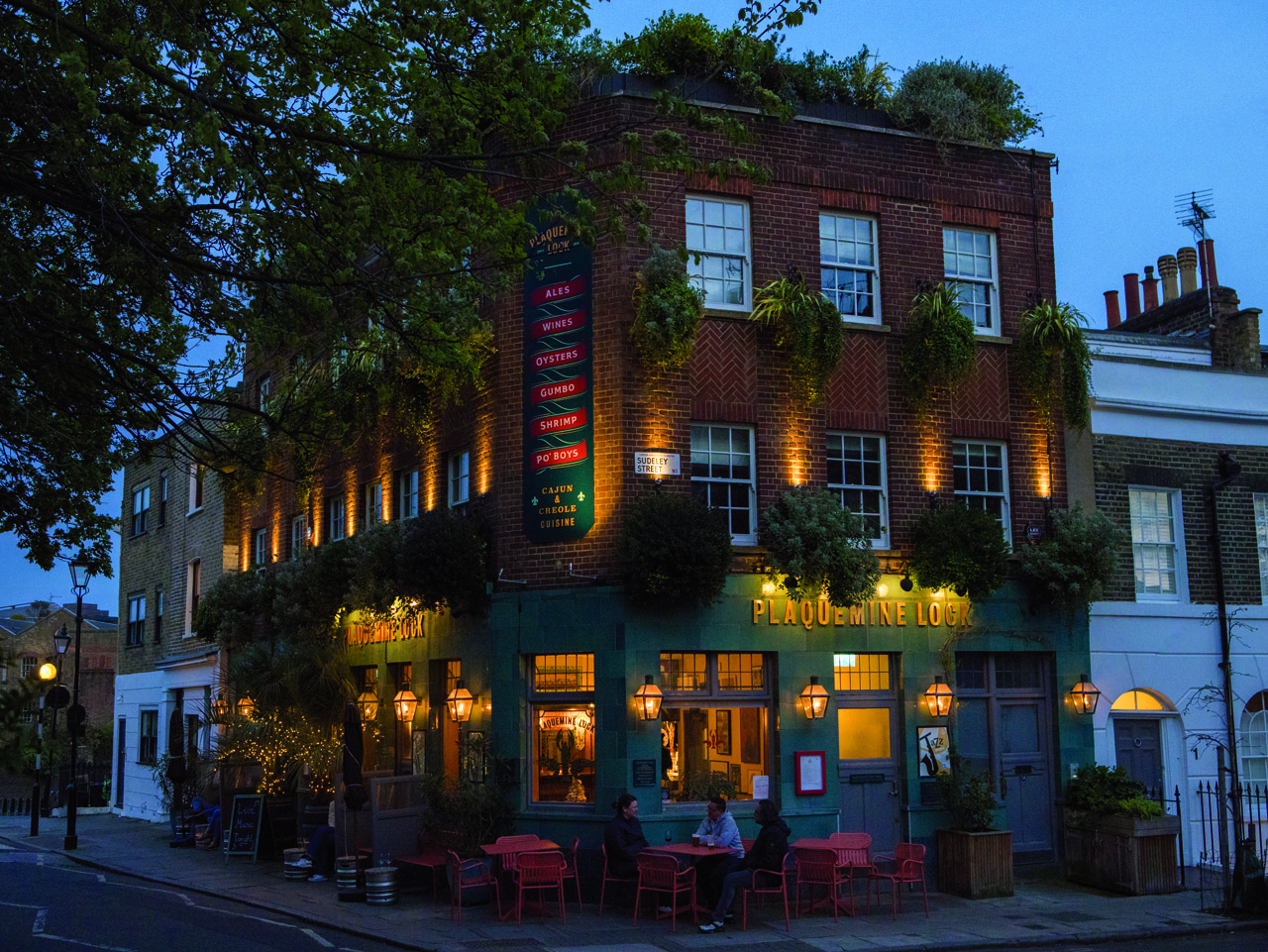
Plaquemine Lock in London
 

Something New

“Cultural purity is a thing of the past,” says Professor Beriss. “Creoleism is just one piece of proof. Almost everywhere you look on this planet, cultures are colliding and Creole-izing to create new cuisines—and I think that’s a very exciting thing to experience.”

In South Africa, for example, Afrikaans is a language that mixed the languages of Dutch settlers, the Indigenous Khoisan, and enslaved Southeast Asian and African peoples. The food, says Rudi Liebenberg, executive chef at Four Seasons Hotel The Westcliff Johannesburg, has been similarly Creole-ized. “It’s sweet because of influences from the enslaved Malay, but spicy because of labourers from India,” he explains. “The European settlers brought stews and baking and wine, and the Indigenous African people brought a culture of open-fire roasting—we call it braai—that South Africa is famous for. Our cuisine as we know it today wouldn’t be possible without all of this, which is the beauty of cultures coming together.”

Diners around the world are recognizing that beauty. Chef Kwame Onwuachi is serving Creole-inspired cuisine to rave reviews at his restaurants Tatiana in New York City and Dōgon in Washington, D.C., while chef Jacob Kenedy’s Plaquemine Lock, awarded Michelin Bib Gourmand status, is introducing London to the food of Louisiana. In Tokyo, Soul Food House is giving diners the chance to dig into Creole favourites like seafood gumbo and blackened shrimp (in tacos).

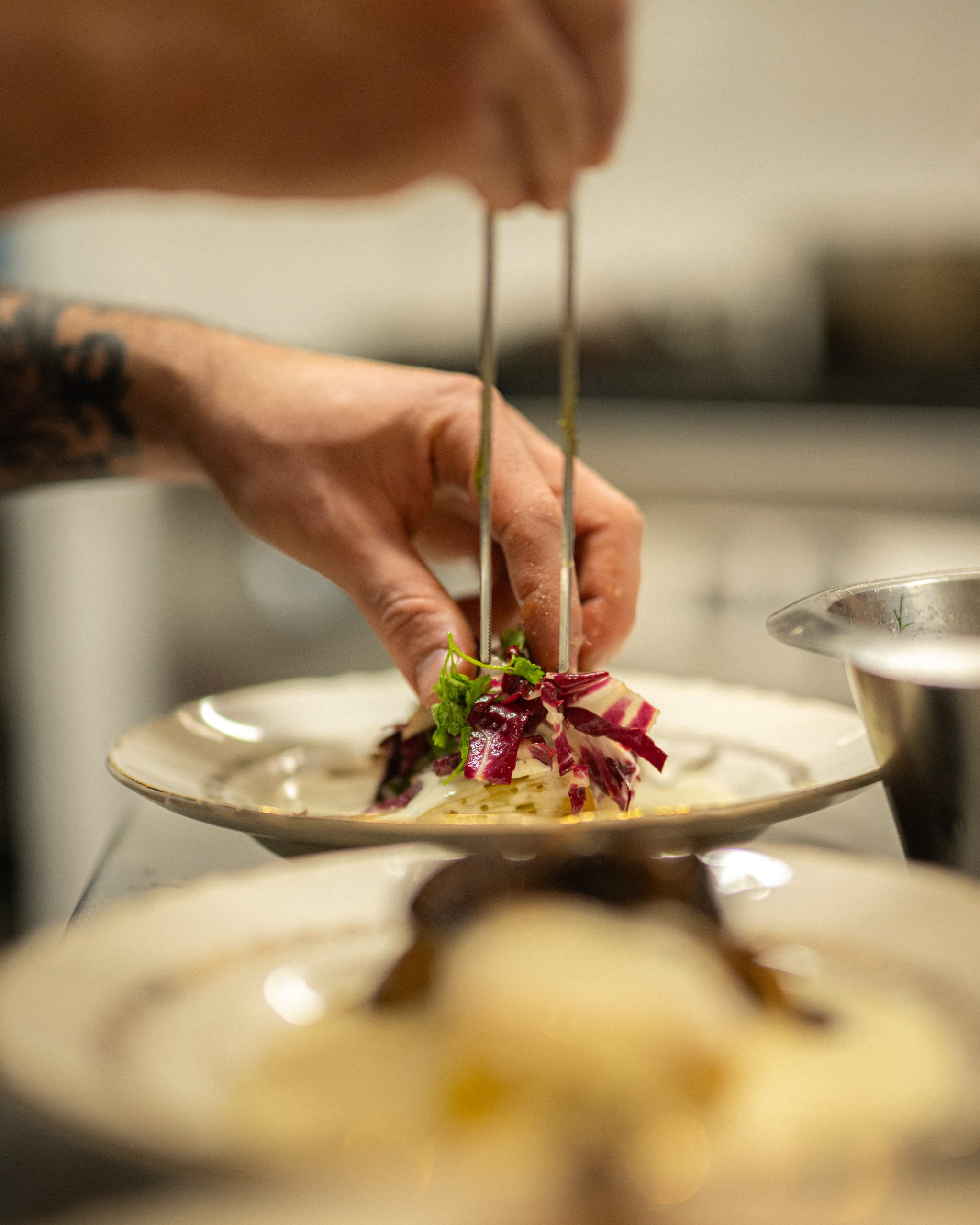
plating at BRU paris
Photos by Charles Hemon. Plating at BRU in Paris
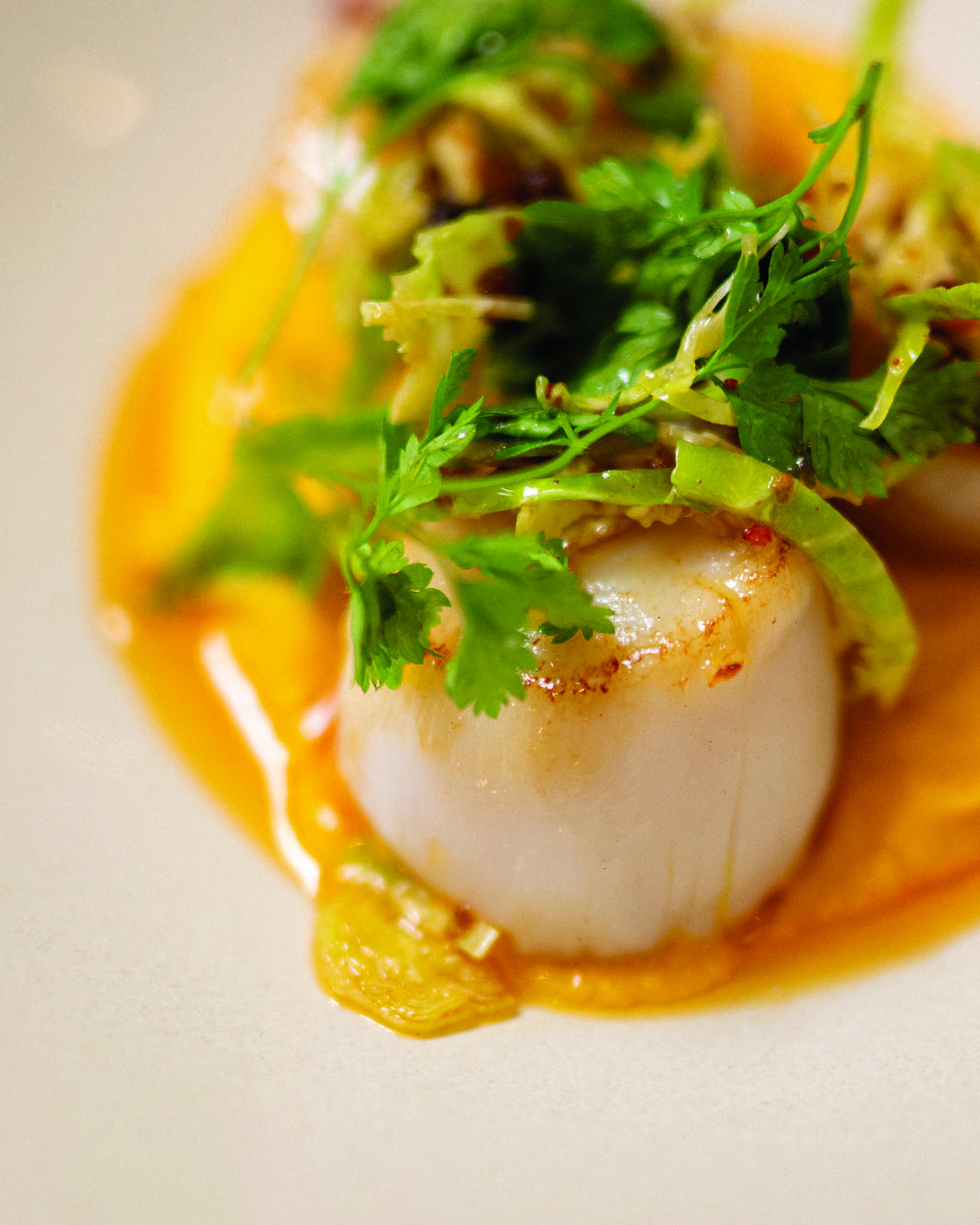
Scallops at Bru in Paris
 

And in Paris, chef Julia de Laguarigue is bringing the cuisine from her Caribbean home of Martinique to her Bib Gourmand–recognized restaurant BRU, located in a classic neighbourhood bistro space. Her intention is to share the vibrant, balanced, and layered flavours of her Creole upbringing with a new audience. At the same time, she wants her food to taste like it belongs in France, so she is allowing it to continue to evolve and mix in its present environment.

“Cooking in Martinique is something we do together,” she says. “It’s about sharing, gathering, and passing things down from one generation to another. I wanted diners in France to enjoy that experience and our flavours without [these elements] feeling out of place.”

So she and her team experiment. One dish combines plantains with wild garlic, while another is a more refined version of the West Indian stew ​colombo. “There are combinations of flavours at our restaurant [that] you would probably never find in the Caribbean,” de Laguarigue says.

But that is exactly what Creole cuisine has always been about—combining disparate traditions to create something new, thrilling, and delicious.

A Meal to Remember: Luxury Dining with Four Seasons

An extraordinary meal endures in our memory, not only for the artful cuisine but also for the experience around it. When we take our seat at the table with friends or loved ones, time slows down: We’re fully present, together, in the moment, with all our senses engaged.

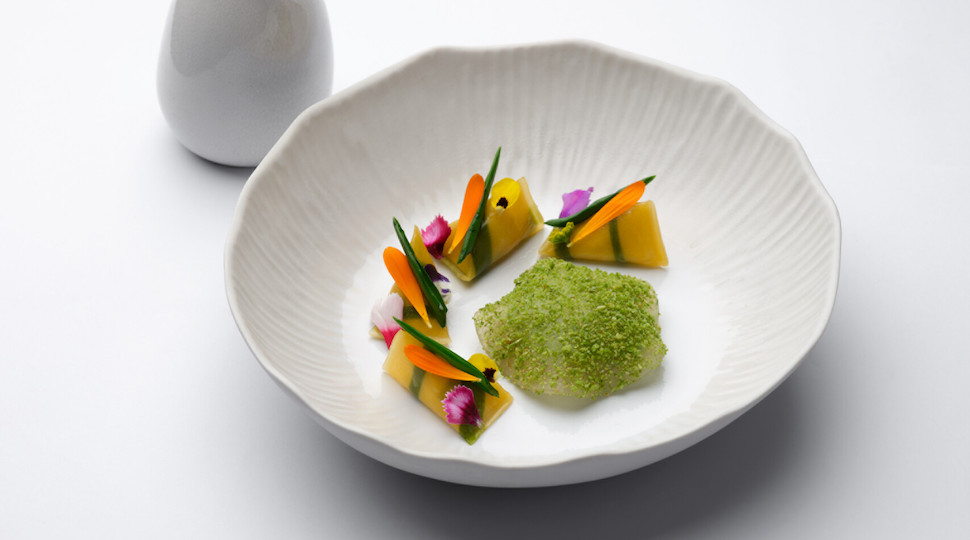
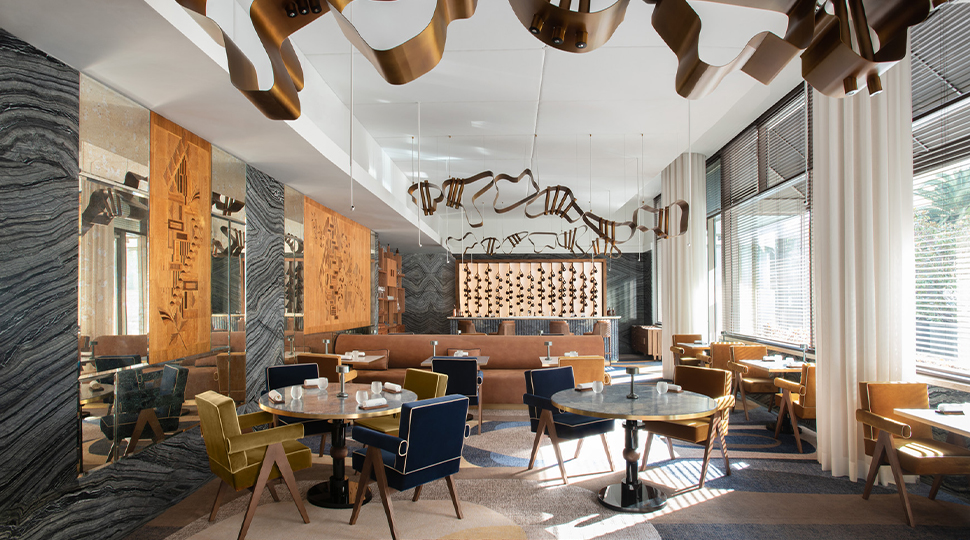
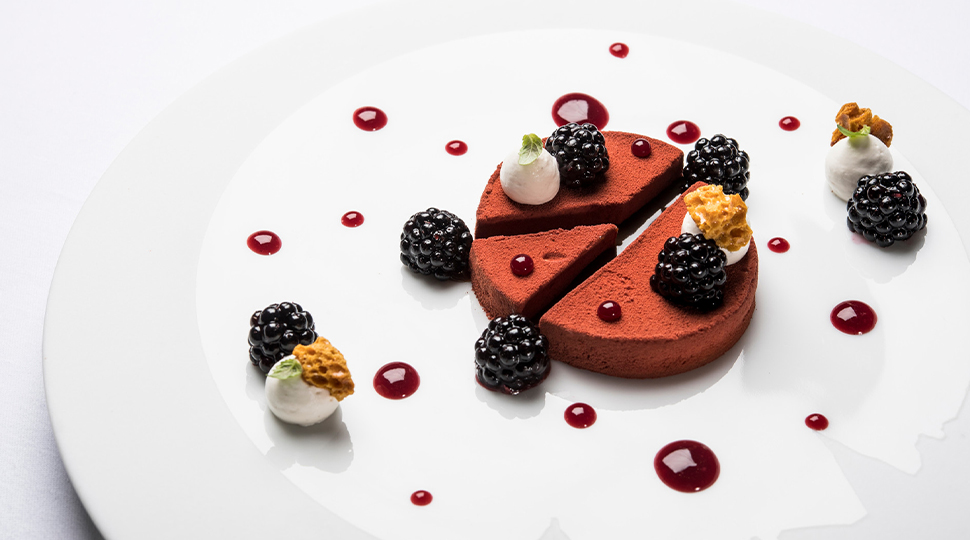
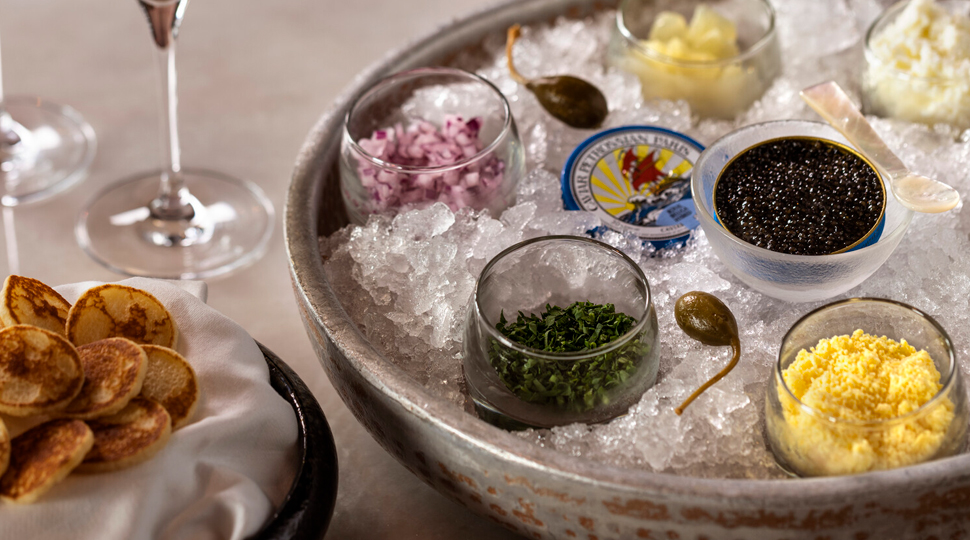
Fans of award-winning fine dining will feel at home at Four Seasons, whose 25 restaurants with Michelin stars across 20 Four Seasons hotels and resorts have 34 stars and counting – the most of any luxury hospitality brand – and a host of accolades from arbiters of excellence like Black Pearl and Gault&Millau. Along with outstanding cuisine, there’s another important aspect of every meal: the warm, personalized service Four Seasons is known for.

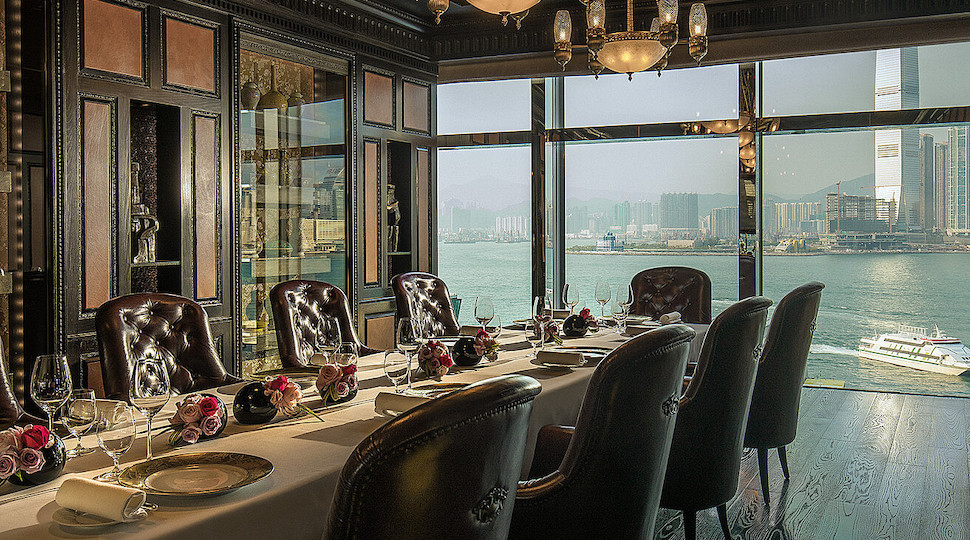
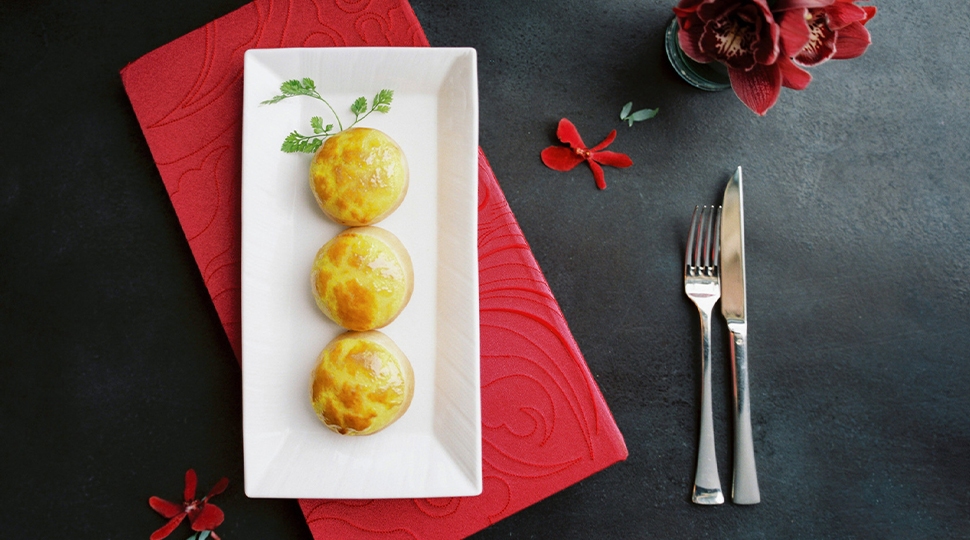
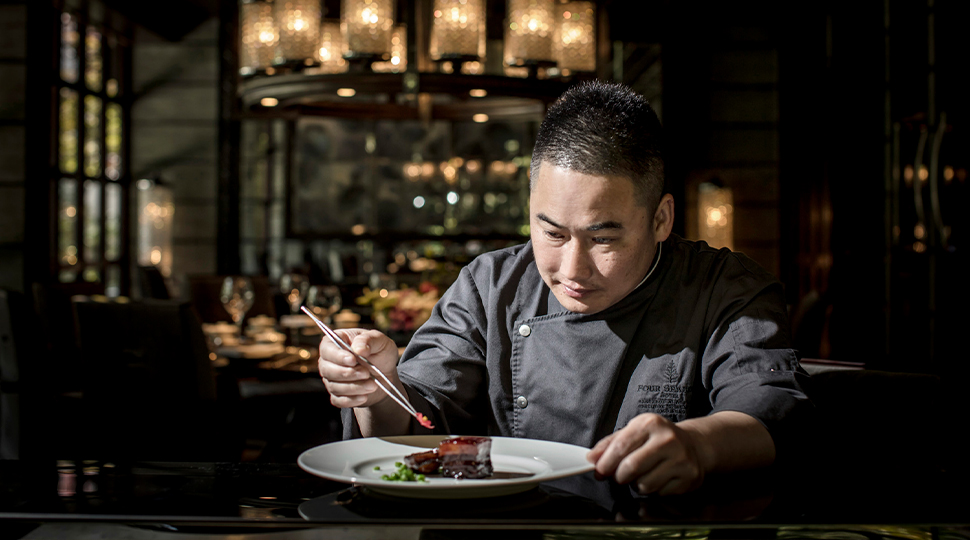
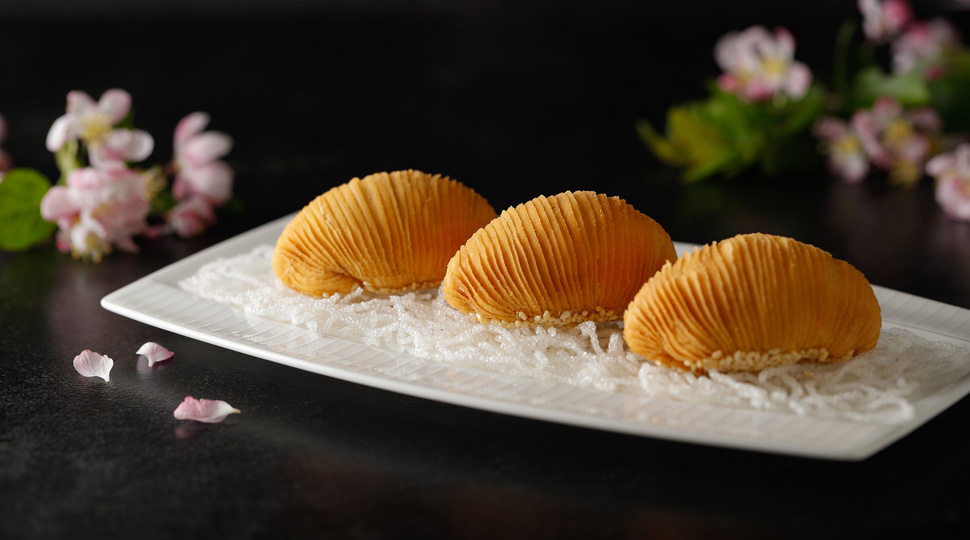
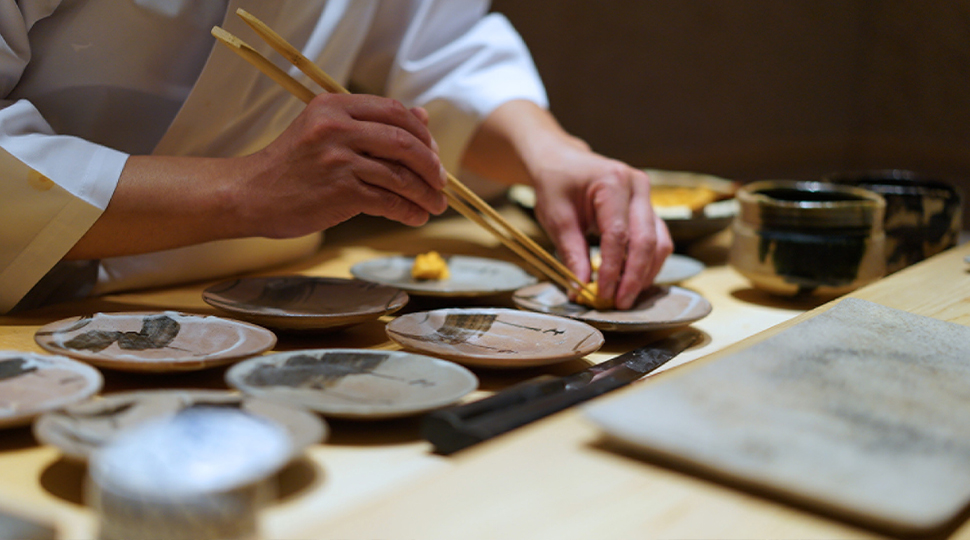
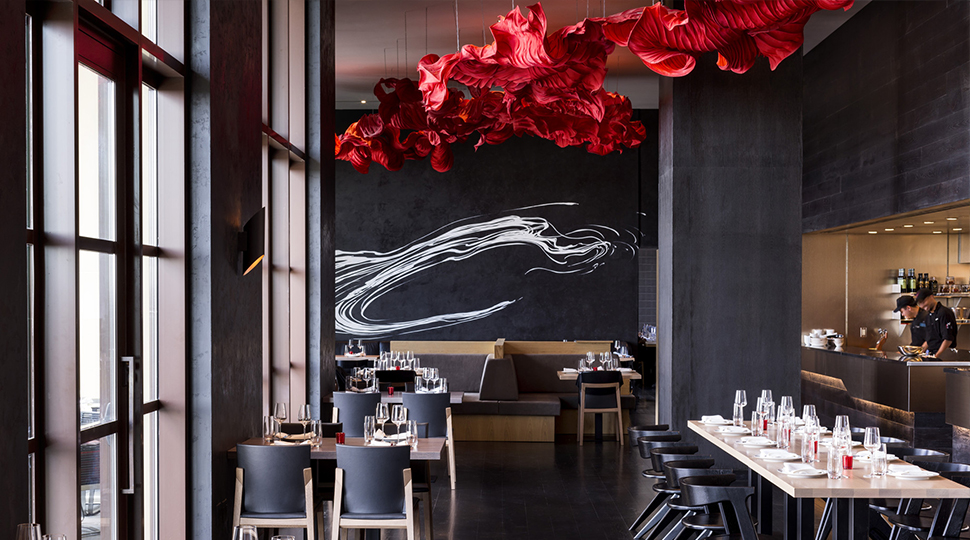
Those looking for fine dining in Hong Kong will find a variety of exceptional cuisine all under one roof. Four Seasons Hotel Hong Kong alone holds eight Michelin stars for impeccable French cuisine at Caprice (three stars), Cantonese at Lung King Heen (two), Italian at Noi (two) and Japanese at Sushi Saito (one), while ARGO is honoured on the list of the World’s 50 Best Bars. One of the most celebrated Chinese restaurants anywhere, Lung King Heen shines in dishes like Pineapple Pork Buns, with ingredients personally sourced and inventively prepared by Executive Chinese Chef Chan Yan Tak.

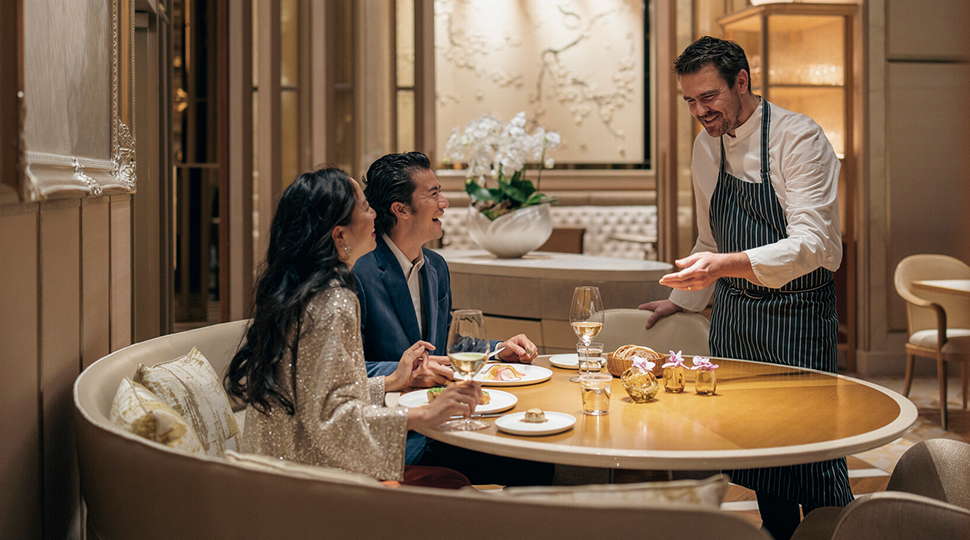
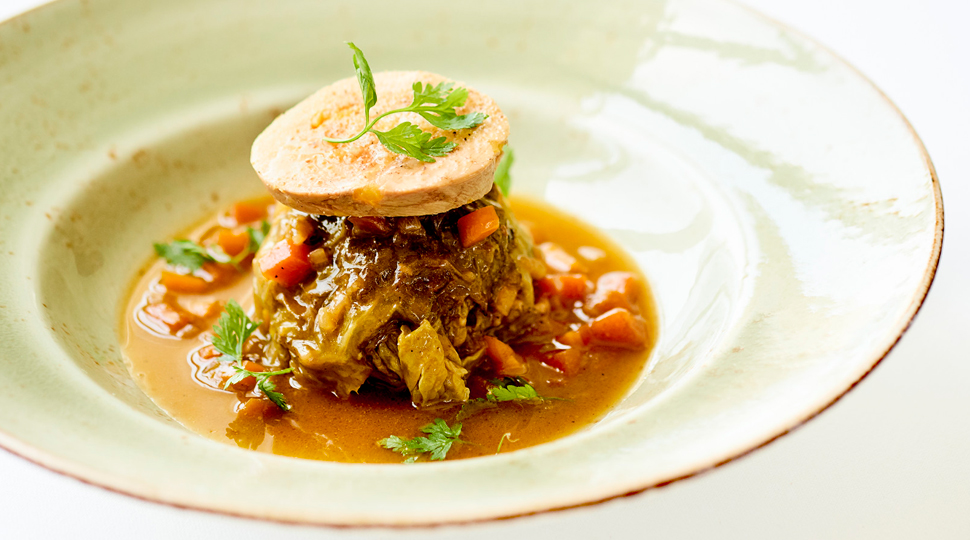
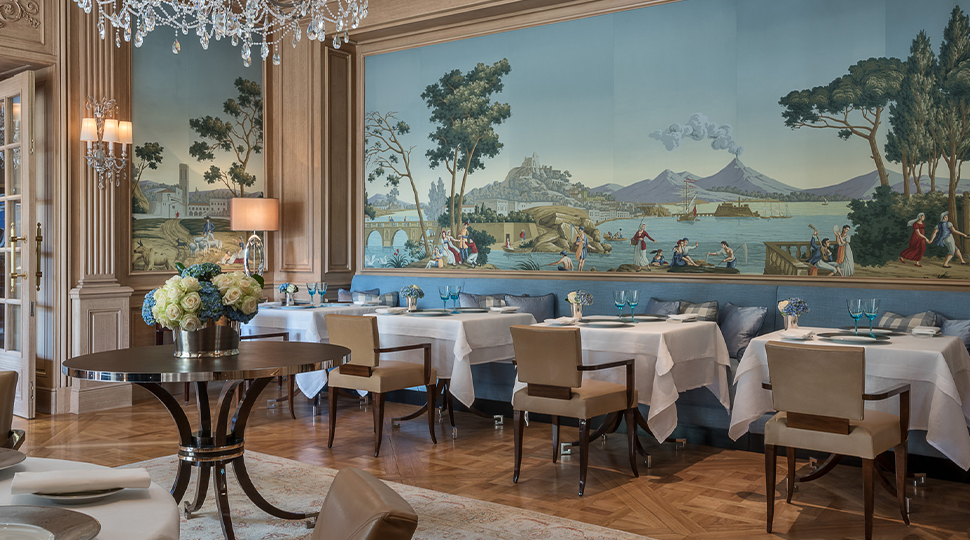
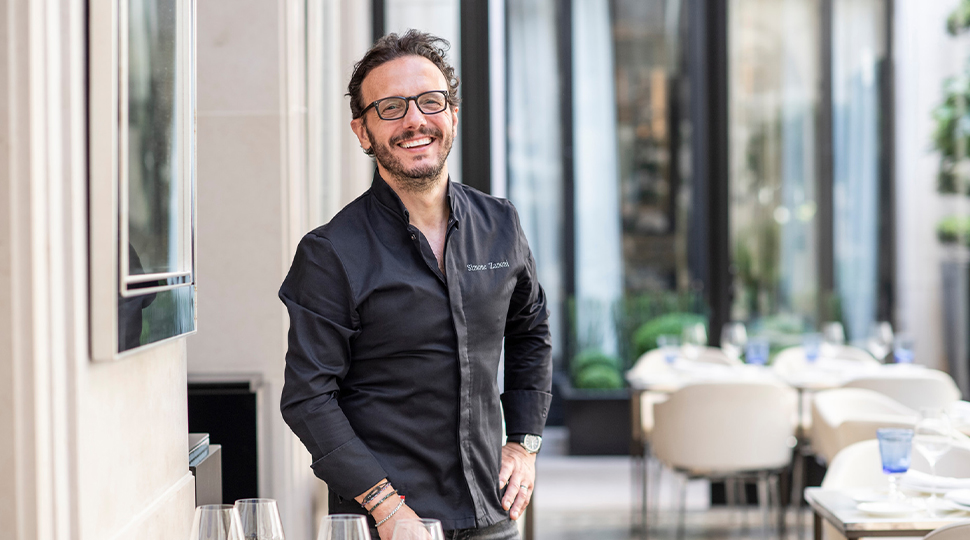
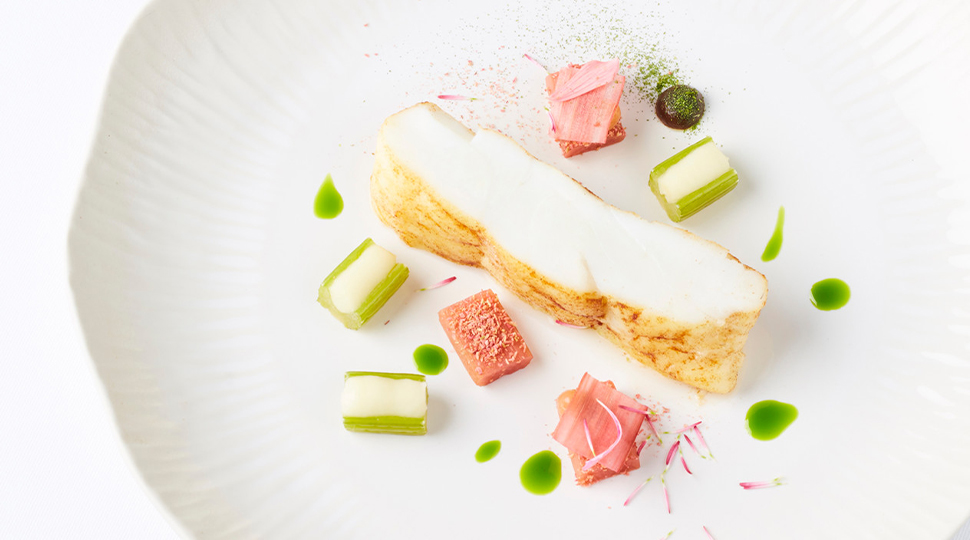
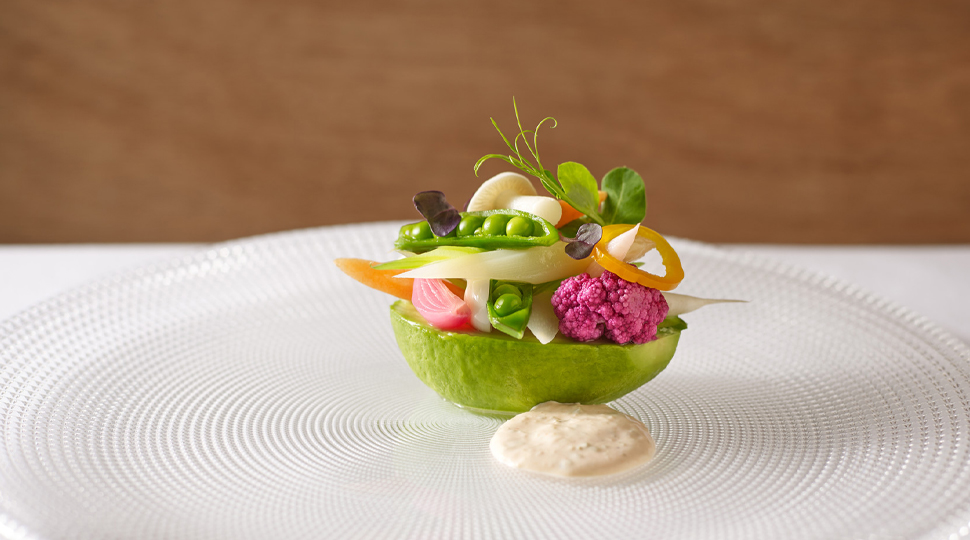
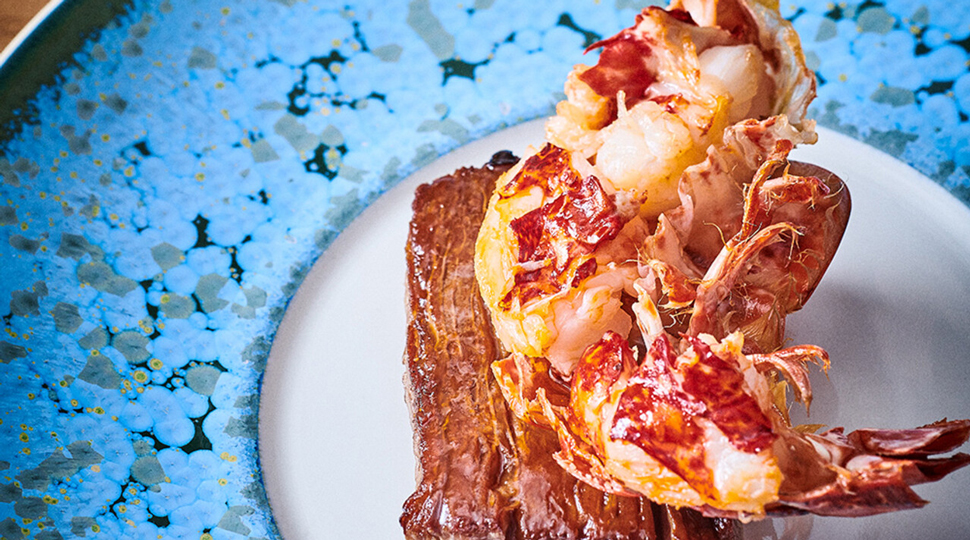
At Four Seasons Hotel George V, Paris, Michelin-star dining captivates at modern French Le Cinq (three stars), plant-focused L’Orangerie (two) and Italian-Mediterranean Le George (one). In Le Cinq dishes such as Line-Fished Sea Bass, Executive Chef Christian Le Squer marries elegant and personally meaningful flavours like caviar with buttermilk that nods to his childhood in Brittany. The team’s service, notes Michelin, “is a model of empathy and style that is close to perfection.” And the experience at Le George, which also holds a Michelin green star for its commitment to sustainable gastronomy, extends beyond the dining room: Guests can join Chef Simone Zanoni for a visit to the organic kitchen garden in Versailles, followed by a private cooking class, taking fine dining in Paris to new experiential heights.

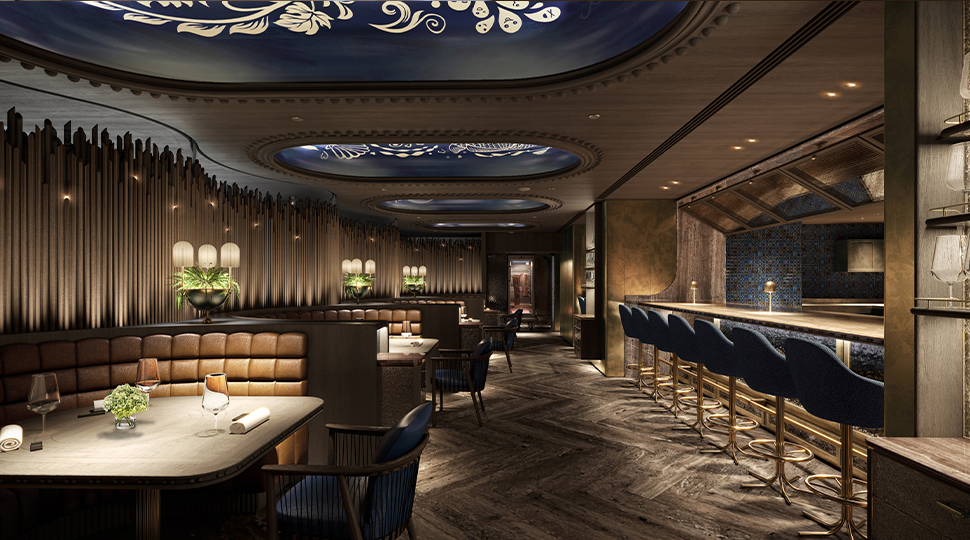
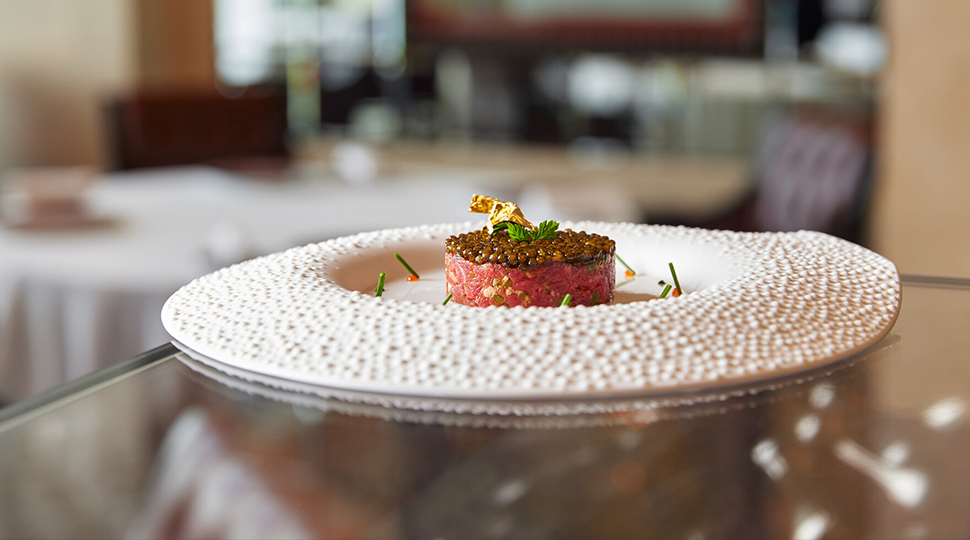
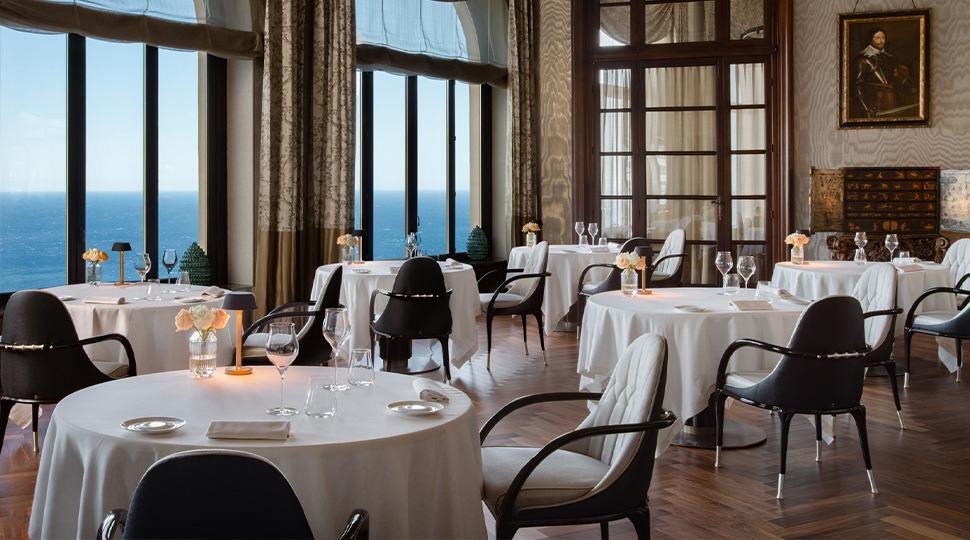
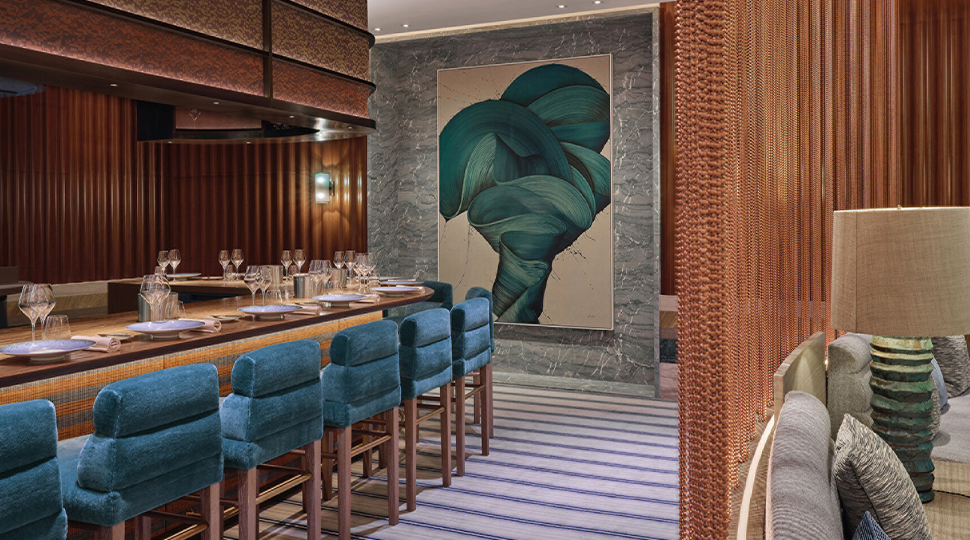
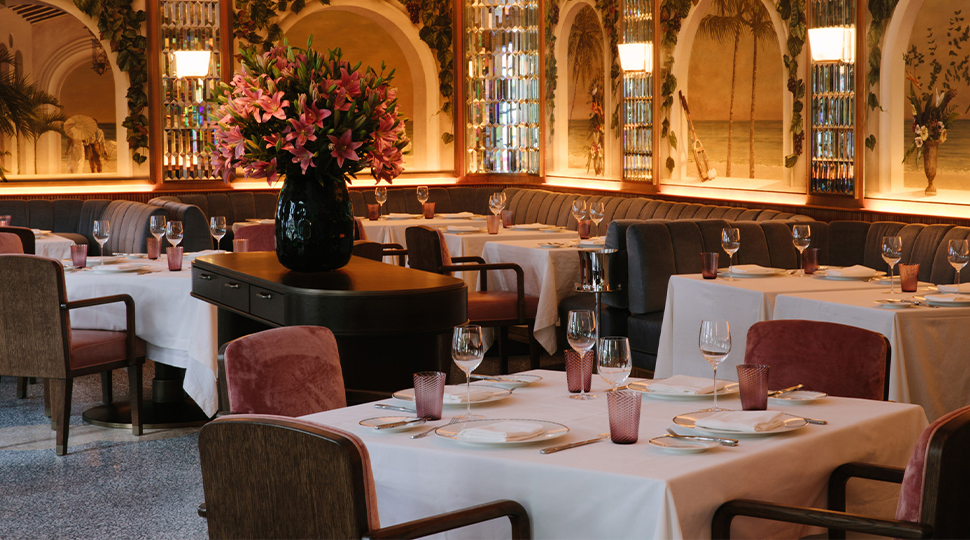
While legends like Le Cinq have been celebrated for decades, even the newest Four Seasons restaurants are earning acclaim. Pavyllon London, the debut London restaurant from multi-Michelin-award-winning Chef Yannick Alléno set within Four Seasons Hotel London at Park Lane, has also received its first star just six months after opening in July 2023. Chef Alléno and his world-class kitchen team have drawn inspiration from seasonal British produce as well as a passion for innovative French cuisine to create “an interactive, less formal, neighbourhood dining experience centred around countertop seating and great food,” just as Alléno intended.

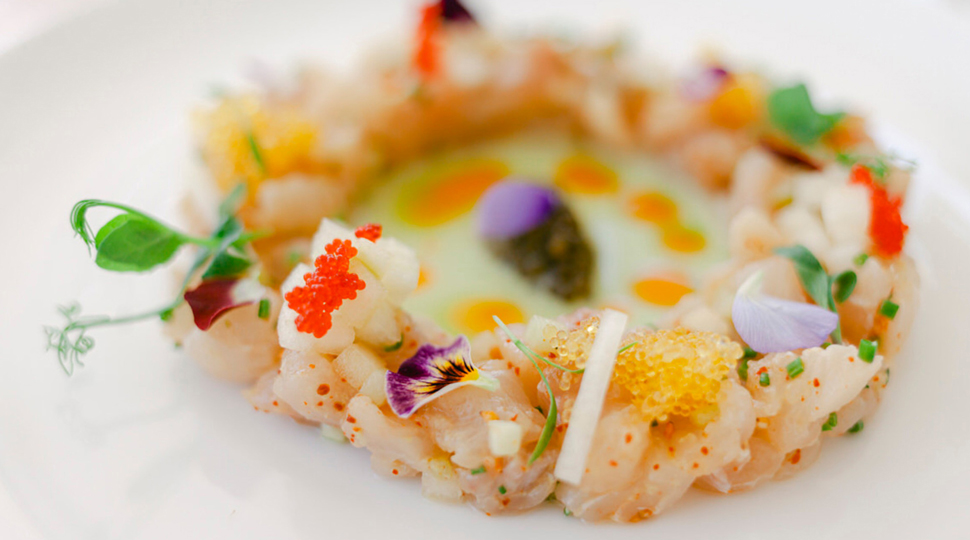
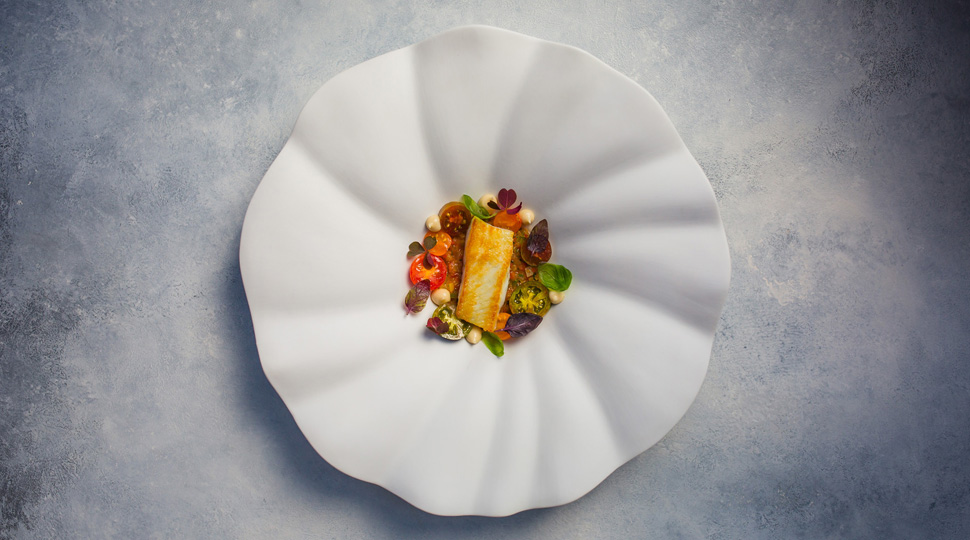
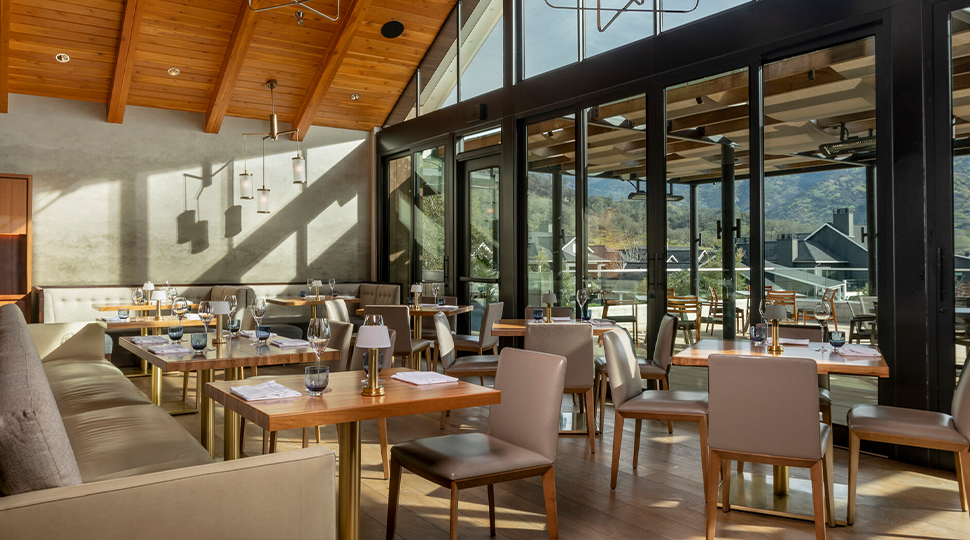
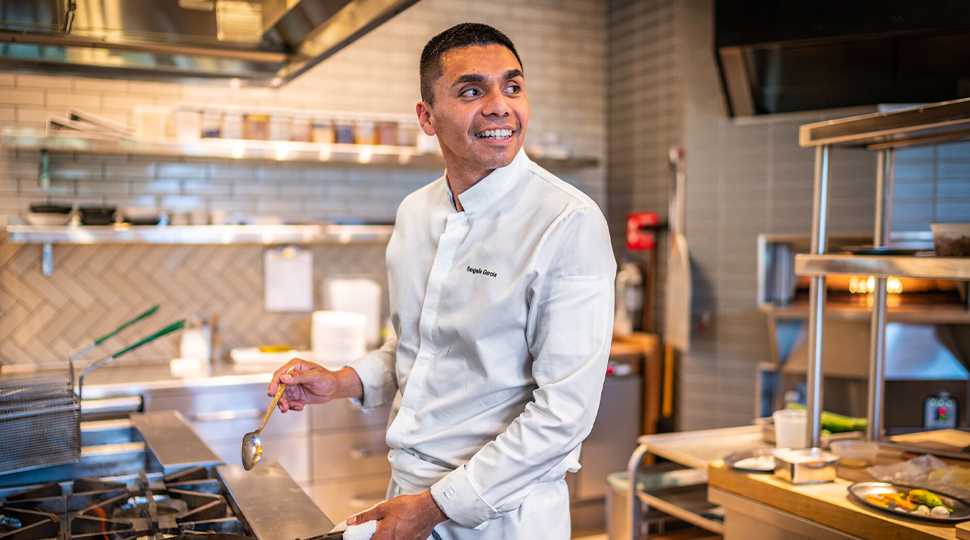
Set within a working vineyard, Four Seasons Resort and Residences Napa Valley is an immersive culinary experience in and of itself, and its Auro restaurant was awarded a Michelin star within a year of opening, as well as a “Wine Spectator” Best of Award of Excellence. Executive Chef Rogelio Garcia draws from seasonal and personal inspirations to develop dishes like Dry-Aged Shima Aji, a flower-shaped creation that entices the eyes and the palate with its bright citrus, spicy and salty flavours. Guests can also enjoy wine dinner series, harvest festivities and other special events. Here, though, as at all Four Seasons restaurants, coming together over unforgettable food and drink can become its own kind of special occasion.

Iconic dining experiences in iconic settings

YOUR JOURNEY BEGINS HERE

Where will your next unforgettable meal take place?

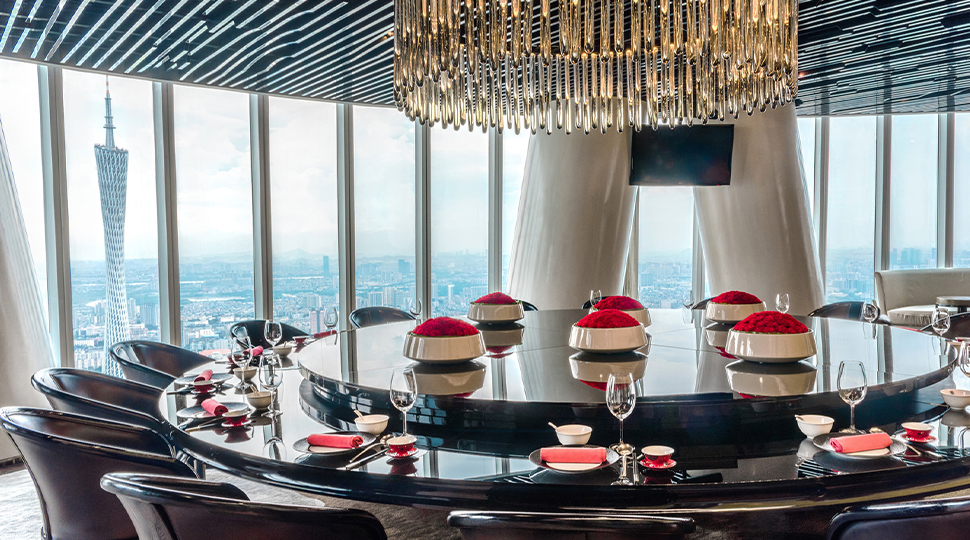
Hong Kong skyline