Japan’s Kissaten Coffee Culture

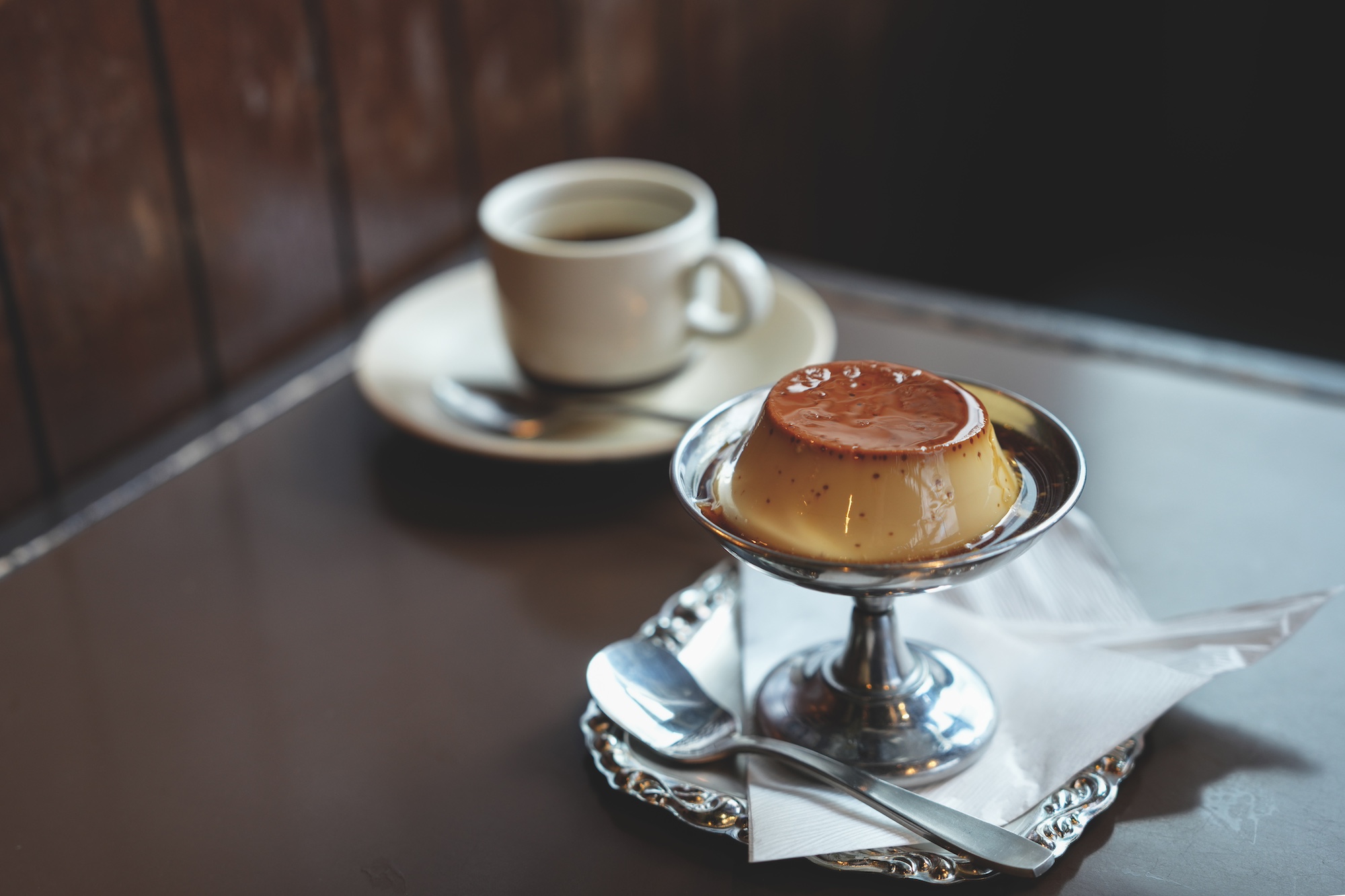
Matcha is having its moment, with the appetite for the beverage having grown exponentially outside Japan in recent years. Travellers looking for matcha and a meaningful, meditative cultural practice are able to immerse themselves through the art of chado (Japanese tea ceremony), deepening their appreciation through an experience that engages the senses on both a physical and a spiritual level. However, for visitors to Japan who don’t find the flavour of matcha to be quite their cup of tea, Japanese coffee culture might suit the palate. Inspired by 19th-century Western literary salons, retro-style cafés or kissatens invite quiet contemplation through attentive service and nostalgia-inducing Shōwa-era aesthetics often soundtracked by either classical music (meikyoku kissa) or jazz (jazz kissa). Almost always independently owned and operated, kissatens are the result of thoughtful and careful curation. 

Here are five kissatens, each with its own distinctive vibe, to check out the next time you’re in Japan.

Elevated Elegance
Photograph by Ooki Jingu.

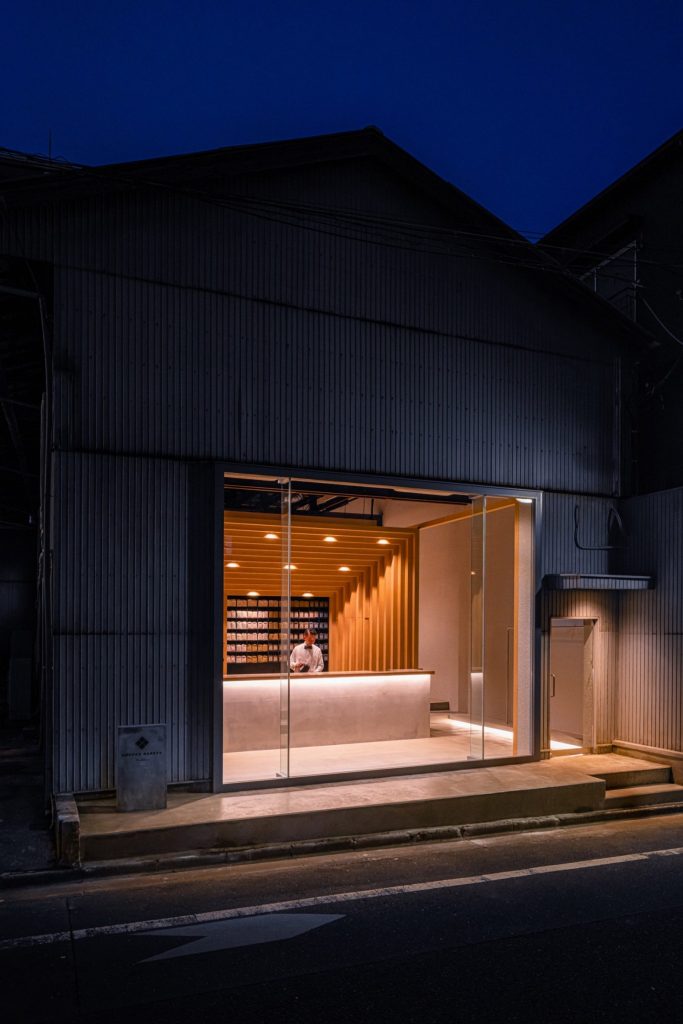
Koffee Mameya Kakeru (Tokyo): Reservations are required for this truly unique coffee establishment, more akin to an omakase tasting menu. Located a 10- to 15-minute drive from Four Seasons Hotel Tokyo at Marunouchi and Four Seasons Hotel Tokyo at Otemachi, it’s housed in a former warehouse and has recently hosted events with coffee growers from Brazil, Panama, and Santa Barbara, California. 

Vintage Appeal

Monozuki (Tokyo): Time travel feels possible at Monozuki (founded in 1975), with its antique clocks that add to the mid-century charm of the venue, which focuses on black coffee. Just how old-school is it? Monozuki has no website or Instagram account. You can find it in real life at 3 Chome-12-10 Nishiogikita, Suginami City, Tokyo.

Hip and Moody
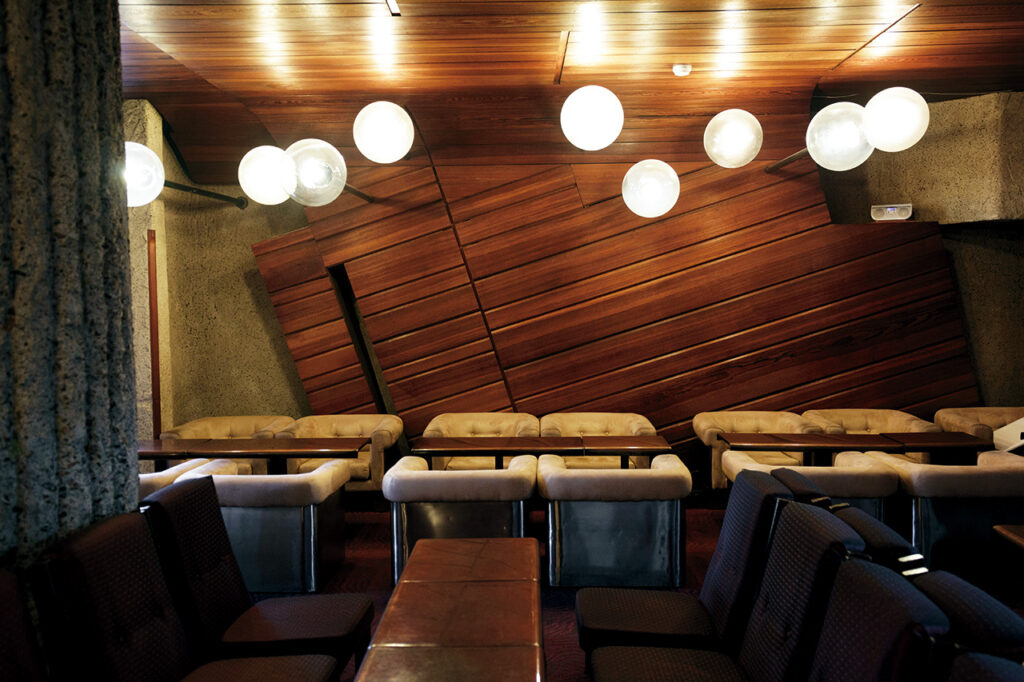
Gion Ishi Kissaten (Kyoto): Escape the crowds at Yasaka Shrine and enjoy a cup inside a distinctive Brutalist building that is also home to a jewelry, fossil, and mineral store (five minutes by car from Four Seasons Hotel Kyoto). The spot’s 1970s-style decor features impressive cypress-wood wall panelling.  

Considered Design
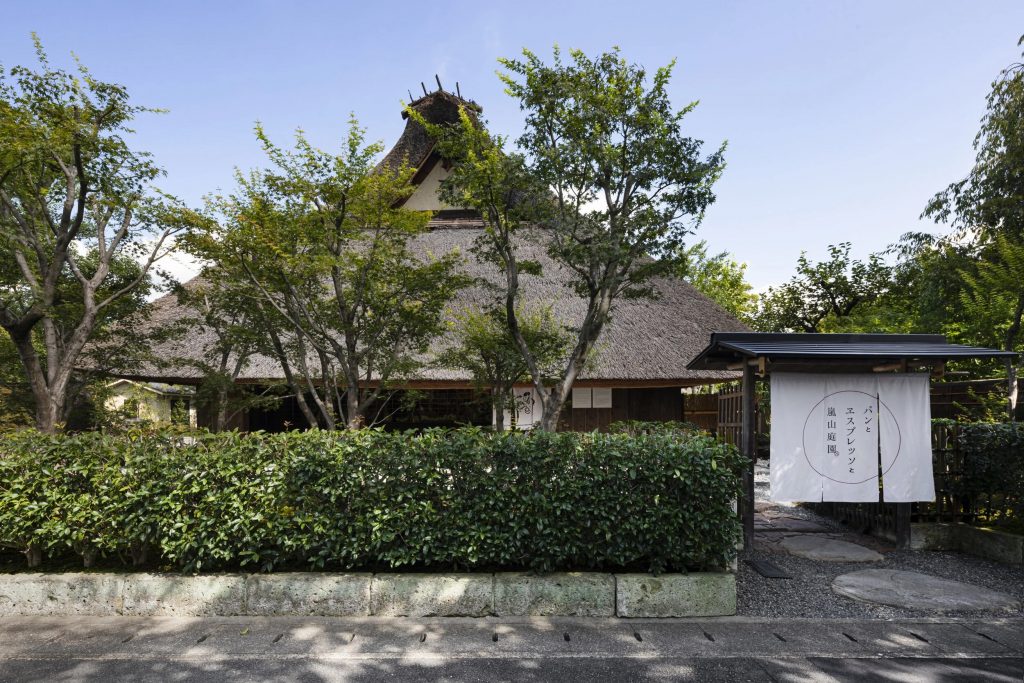
Bread, Espresso & Arashiyama Garden (Kyoto): A 210-year-old thatched-roof home takes on a new life (with coffee beans roasted on-site) through the vision skillfully executed by the Kimoto Yosuke Architectural Design Room, which was shortlisted for the Sky Design Awards for its work. Patrons can choose from sitting Japanese style (shoes off, at low tables on the floor) or in the Western fashion, both with views of the stunning garden. Can’t make it to Kyoto? The cafe just opened its first U.S. outpost, in Redondo Beach, California.

Diner-Chic Charm
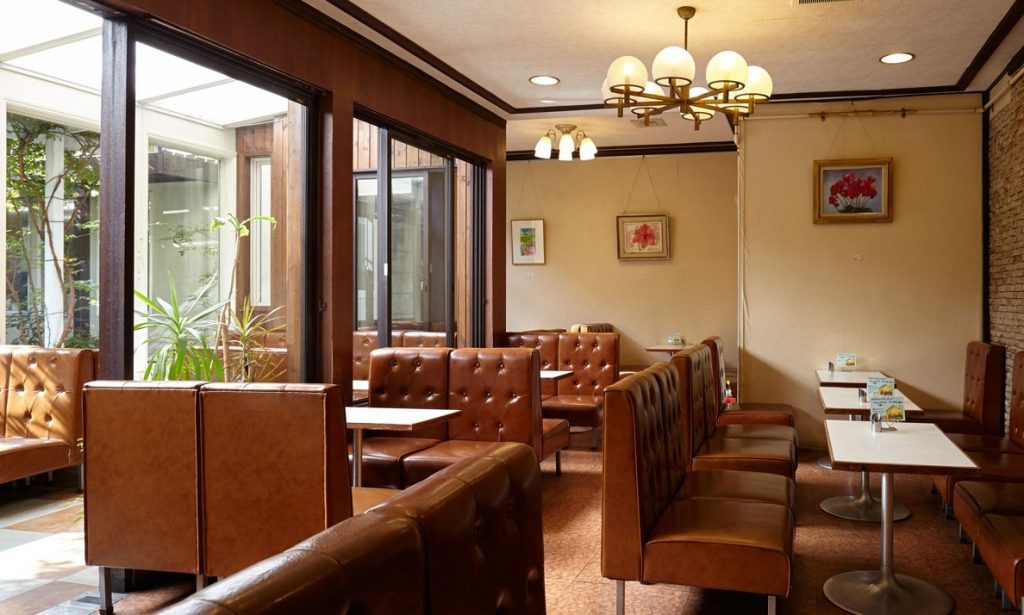
Iwata Coffee (Kamakura): A popular day trip from Tokyo, coastal Kamakura is home to Iwata Coffee, established in 1945. This café on Komachi Street has a long literary history (and was even visited by John Lennon and Yoko Ono). It specializes in “nel drip” coffee, a brewing method invented in Japan that brings out the flavour of the beans by filtering it through cotton flannel (or “nel”) for a mellow finish. 
Thai Tranquility

With a short and steady sweep, the therapist pushed the bamboo stick over my calves like a rolling pin working a lump of roti dough on a food cart’s counter. The scents of ginger and jasmine hung thick in the air. With every roll of the bamboo stick, I could feel the tension in my muscles loosen. When the therapist switched from the stick to her hands, she found my sore spots quickly, pressing her thumbs into tendons with pinpoint precision. The soft pling-plong tune of a wooden ranat ek, a traditional Thai xylophone, seeped from the speakers, droning in my head like a meditative hymn. 

I was lying face down on a padded table inside the Urban Wellness Centre at Four Seasons Hotel Bangkok at Chao Phraya River, a dimly lit cocoon of dark woods and soft linens that feels worlds away from the city’s unending buzz. But the therapist’s routine, one of unfaltering kneads and gentle stretches, is a well-honed choreography I’ve encountered all over the country. 

There are few cultures as synonymous with wellness as Thailand’s. Walk down any Bangkok soi (alleyway) or up any southern Thai beach road and the offerings are hard to miss: Foot-reflexology chairs line up on the pavement, and laminated menus advertise herbal compresses, Tiger Balm massages, and scrubs made with coconut oil and tamarind. 

FS Tented Camp Golden Triangle, by Mailee Osten-Tan
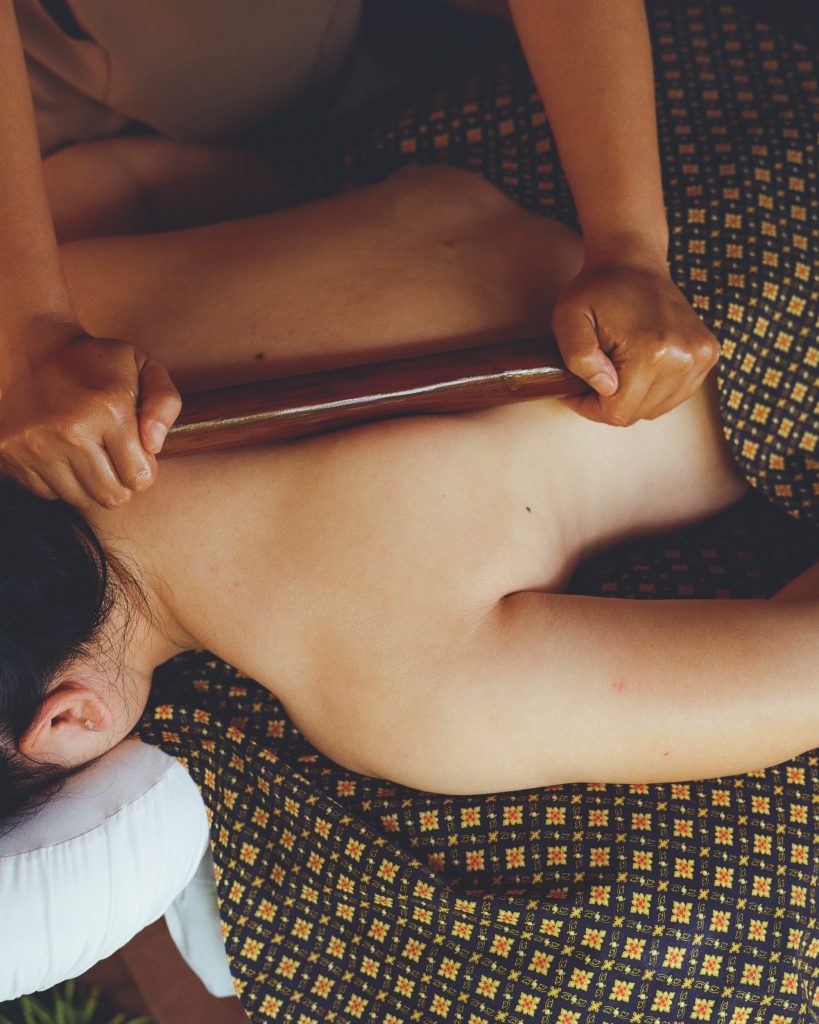
The Ruak Bamboo massage at the spa at Four Seasons Tented Camp Golden Triangle, Chiang Rai. Photograph by Mailee Osten-Tan.
FS Thailand, by Mailee Osten-Tan
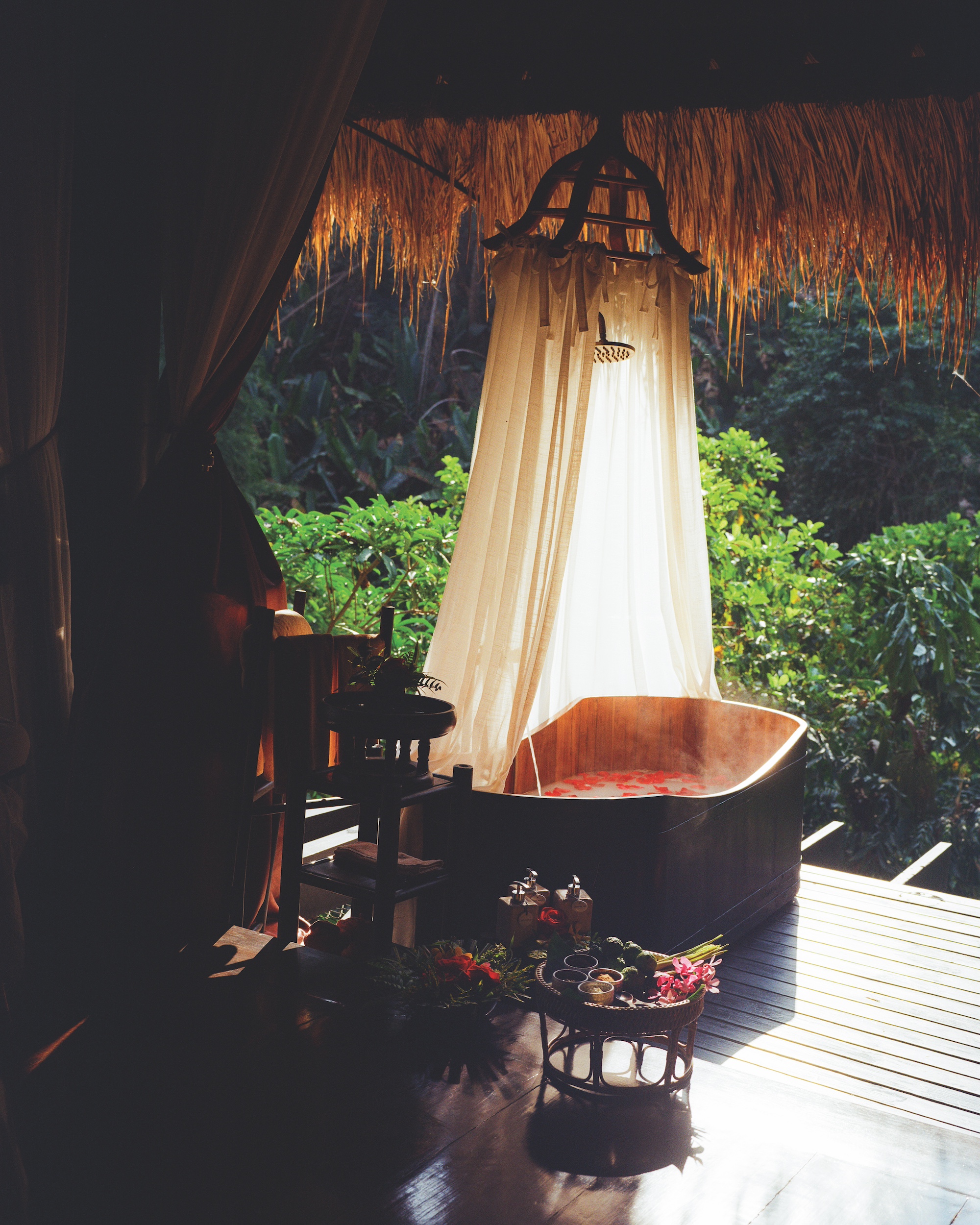
A floral milk bath at Tented Camp Golden Triangle. Photograph by Mailee Osten-Tan.

That ubiquity has deep roots. From its early beginning as a scattering of kingdoms to its growth into a multiethnic Southeast Asian powerhouse, Thailand has always sat at a cultural crossroads, and its wellness practices absorbed ideas as they passed through. Ayurvedic concepts of holistic health and inner energy pathways blew over from India, while Chinese migrants brought along acupressure techniques and herbal knowledge. Buddhism and indigenous animistic wisdom shaped spiritual beliefs and mental-health approaches. Over time, these influences fused into Thai Traditional Medicine (TTM), which still forms the foundation of Thai spa menus today. 

“Wellness has long been part of everyday life here,” says Kotchaphan Mekloy, director of spa at Four Seasons Resort Koh Samui, a secluded, all-villa beach retreat on the palm-pinned northwestern tip of Thailand’s Koh Samui island. “It reflects the way Thai people have always lived, in close connection with nature and their community. Growing up, many families relied on home remedies passed down through generations. Our grandparents would warm herbal compresses of lemongrass and camphor to relieve muscle aches or drink infusions of pandan and galangal to boost immunity.”  

But TTM’s fortunes weren’t always so rosy. As Western medicine gained ground in the 20th century, traditional Thai practices were increasingly dismissed as inadequate. Much of the ancient knowledge survived solely in homes and temples. It was only with the opening of Thailand’s first official school of Traditional Thai Medicine in Bangkok’s Wat Pho temple (home to Bangkok’s postcard-famous Reclining Buddha) in 1955 that TTM slowly reclaimed its stake in the modern healthcare system. Today, herbal remedies and massage therapies are taught and practised alongside modern medicine, and just last year, state hospitals began swapping select synthetic drugs for local herbal alternatives. 

FS Thailand, by Mailee Osten-Tan
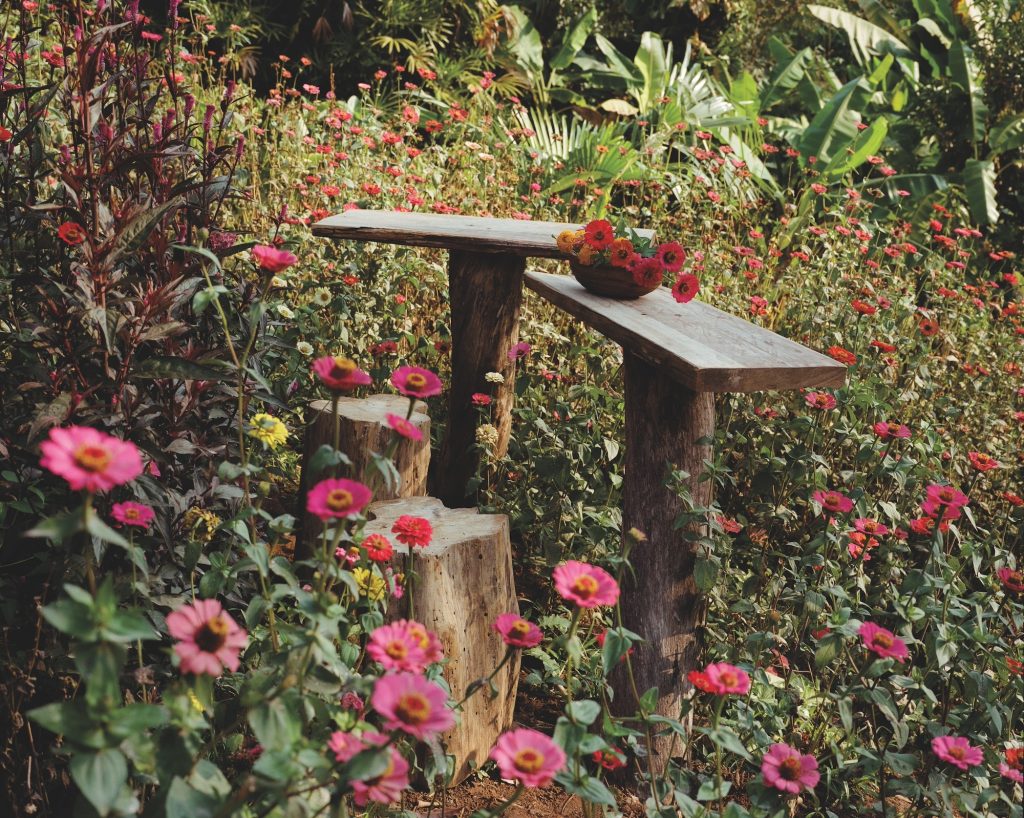
The flower garden at Tented Camp Golden Triangle. Photograph by Mailee Osten-Tan.

Stretch and Fold

Traditional Thai massage, or nuad phaen boran (ancient-style massage) as it’s locally known, is Thailand’s most emblematic wellness export. From marble-​clad hotel spas to breezy bamboo salas on the beach, this stretch-heavy technique is so deeply embedded in the country’s spa culture that UNESCO added it to its Intangible Cultural Heritage list in 2019.  

The recognition may be recent; the practice itself, with roots in Indian yoga and Chinese acupressure, is anything but. According to legend, Shivago Komarpaj, the northern Indian doctor who is said to have healed Buddha himself, laid the foundation for these yoga-like techniques some 2,500 years ago. References to massage therapies also appear in 13th-century stone inscriptions dating to the Sukhothai kingdom, the former capital of the Thai empire. A French ambassador to the kingdom wrote down his observations of “sick persons’ bodies being stretched and trampled under experts’ feet” back in the 17th century. Formal institutionalization came much later, with the launch of a Thai massage course at Wat Pho’s Traditional Thai Medicine School, which helped standardize techniques and train generations of massage therapists who would eventually carry the practice to almost every corner of the globe. 

For guests accustomed to oil massages, the experience can come as a surprise. There’s no oil, for starters. Instead, guests change into loose-fitting pajamas and lie down on a padded floor mat rather than a raised massage table. The therapist works along sen lines (energy pathways), folding limbs into deep stretches, kneading muscles with elbows and forearms, and sometimes even using their body weight by stepping onto guests’ backs. 

“It’s like yoga without doing the work,” says Mekloy. “A session should leave you feeling lighter and balanced. I often tell guests: ‘If you want to relax, choose an oil massage; but if you want to reenergize, try the traditional Thai massage.’ ” 

FS Thailand, by Mailee Osten-Tan
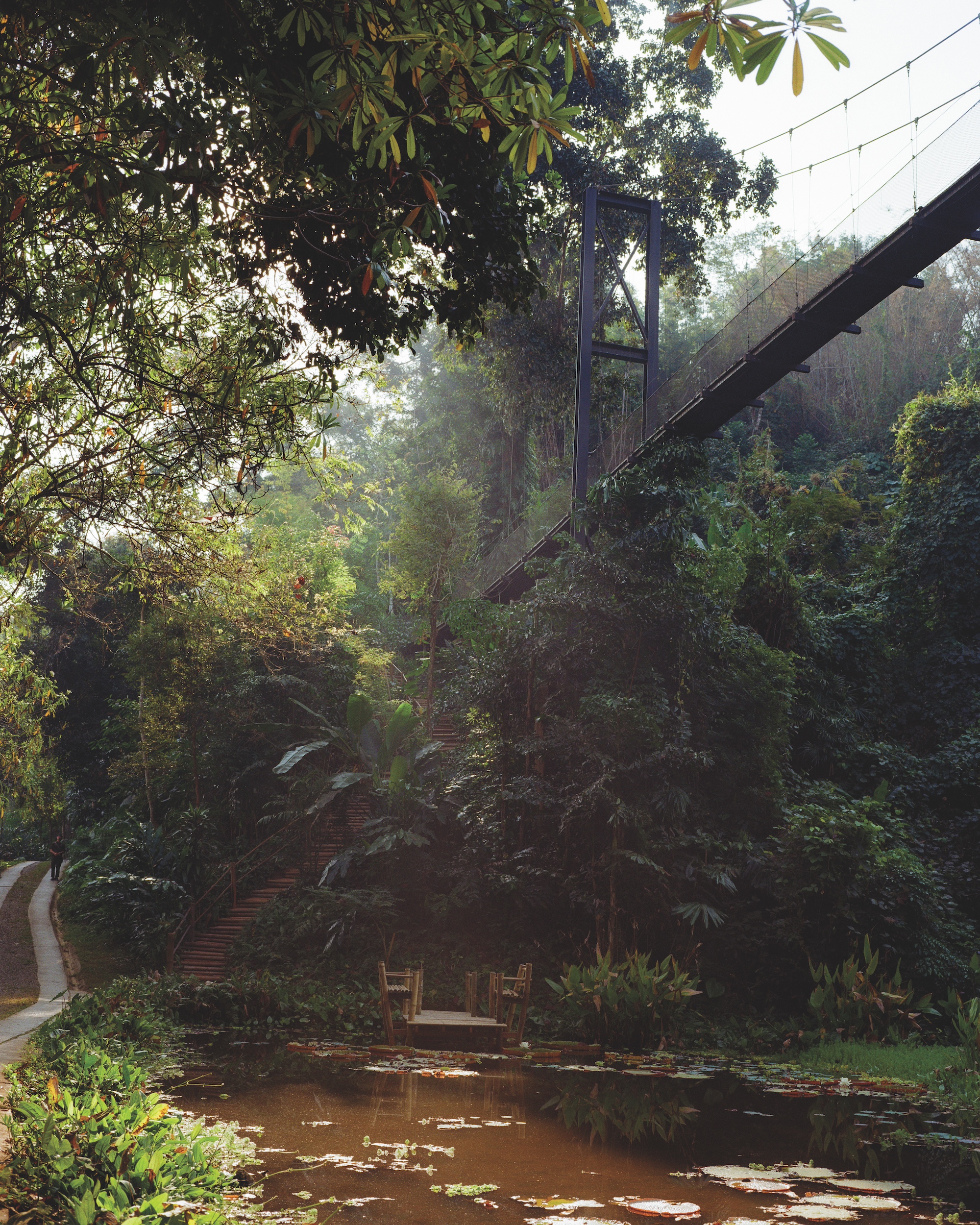
The suspension bridge and lotus pond at Tented Camp Golden Triangle. Photograph by Mailee Osten-Tan.
FS Thailand, by Mailee Osten-Tan
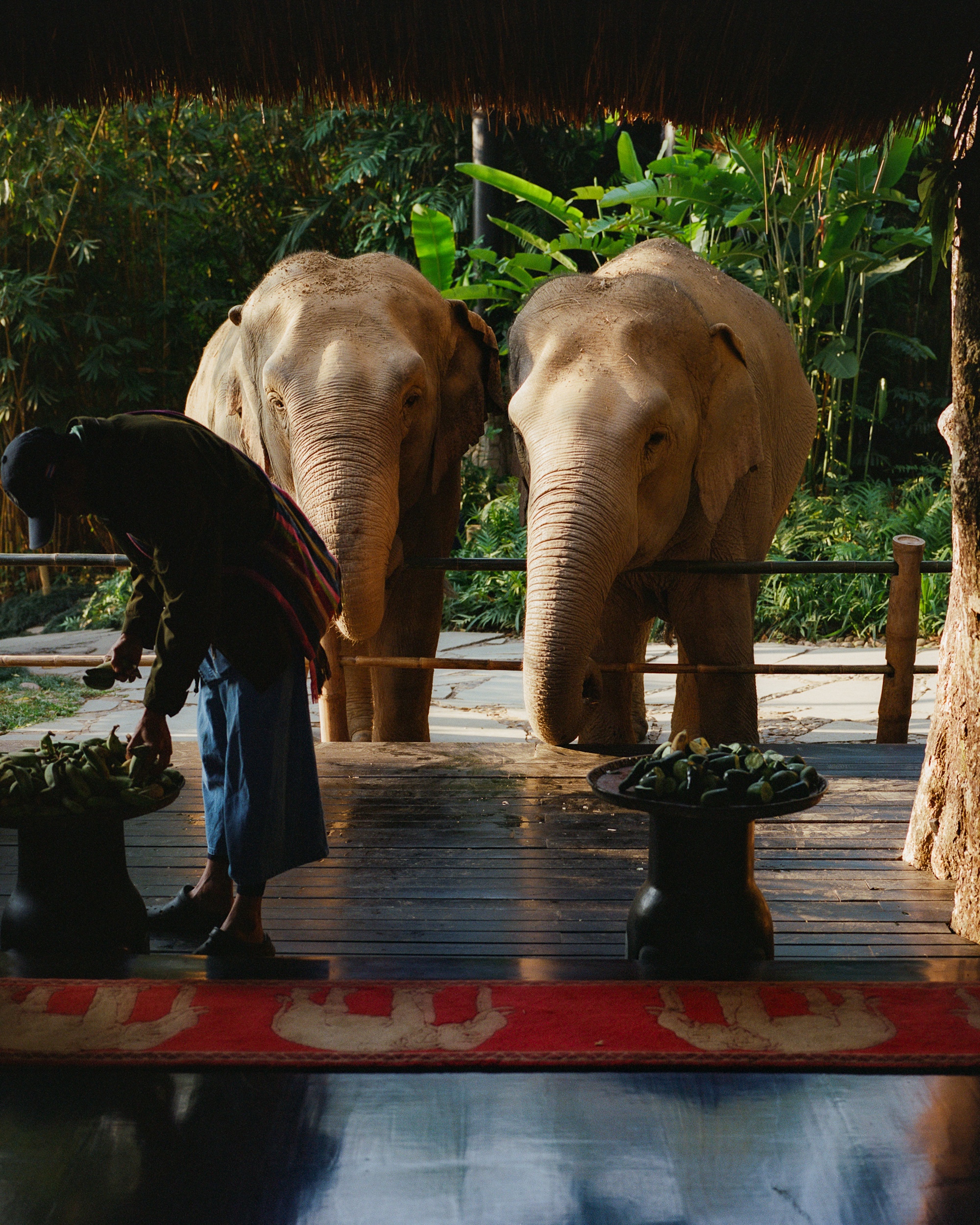
Two of the resident elephants. Photograph by Mailee Osten-Tan.

Herbal Healing

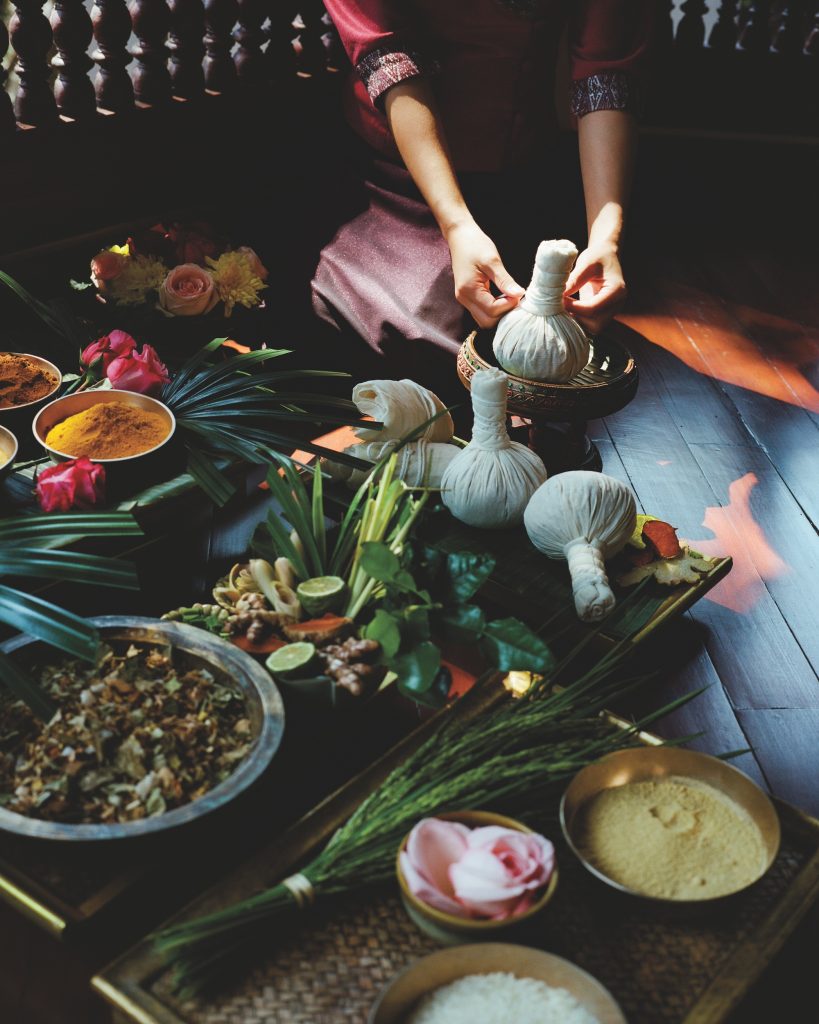
If Thai wellness had a signature scent, it would be a blend of lemongrass, turmeric, and kaffir lime. These familiar notes are released when an herbal compress, or luk pra kob, is steamed and pressed onto the body, coating the skin in a dewy, citrusy warmth that relaxes muscles and melts away anxiety and stress.  

Herbs have long played an important role in Thai healing. Roots, leaves, and peels were staples in village kitchens, where they were turned into poultices for aching muscles, balms to soothe inflamed skin, and infusions to restore appetite. “Many Thai herbs are anti-inflammatory: When they’re combined with heat and pressure, they help relieve muscle tension, improve blood circulation, and reduce swelling,” says Jutatip Sakulpanitcharoen, spa supervisor at Four Seasons Tented Camp Golden Triangle, which features 15 luxury tented accommodations set in the mountainous, elephant-populated far north of Thailand. 

Luk pra kob treatments harness the herbs’ healing properties in tight, cloth-bound bundles, which are steam-warmed until pleasantly hot, then pressed across the body in slow movements. The heat opens the pores, allowing the active compounds to sink in more effectively, while the pressure boosts circulation. Herbal blends vary depending on the desired outcome: Turmeric fights inflammation and supports joint health, while plai, a close relative of ginger, is prized for easing muscle pain and swelling. At Four Seasons Resort Koh Samui, poultices with grated coconut help revive sun-damaged skin.  

The scent, too, works wonders. “Certain aromas can relax the mind,” Sakulpanitcharoen says, explaining that dried pandanus, locally grown and unique to the Golden Triangle’s spa menu, helps release stress, while whiffs of camphor and bergamot can clear nasal congestion. 

FS Thailand, by Mailee Osten-Tan
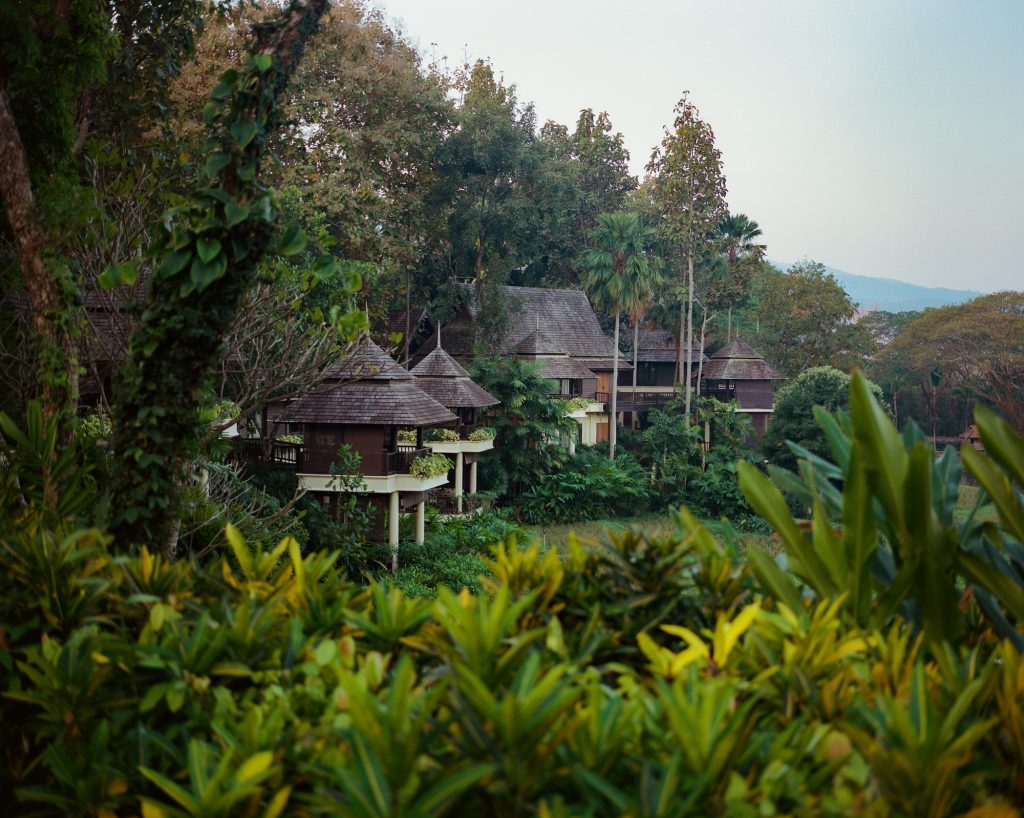
Four Seasons Resort Chiang Mai. Photograph by Mailee Osten-Tan.

Kicking It Up

Muay Thai, or Thai boxing, may not belong to the Thai medicine kit in the traditional sense, but its benefits reach well beyond toned muscles and sharpened reflexes. Conceived more than a millennium ago as a battlefield combat between warring tribes, it has gradually earned its place in Thailand’s wider wellness landscape, sitting easily alongside body scrubs and Thai massages on treatment menus. 

“Muay Thai is an excellent holistic workout,” says Somchai Homyok, a former professional fighter who coaches guests at Four Seasons Hotel Bangkok at Chao Phraya River, a resort-like urban oasis with sprawling swimming pools and rooms draped in creamy linens. “It engages the entire body, especially the cardiovascular system. But more than that, it requires absolute presence. You can’t throw a proper kick while thinking about your inbox.”  

Known as the art of eight limbs (a nod to the use of fists, elbows, knees, and shins), Muay Thai evolved from military training into a spectator sport during the Ayutthaya era (1351 to 1767), when royal tournaments and matches at local festivals drew large crowds. Dedicated stadiums, such as Bangkok’s Rajadamnern Stadium, popped up all over Thailand after World War II, kick-starting a global popularity that still endures today.  

Take away the spectacle, however, and the sport becomes, as Homyok puts it, “a form of active meditation.” Sessions typically begin with the wai khru, a deeply spiritual dance of respect to the opponent, before continuing with structured rounds that prioritize balance, timing, and technique. “While it may appear aggressive from the outside, a well-guided session focuses on proper biomechanics,” Homyok says. “It’s energizing, but it also clears the mental clutter.” 

Mind Over Matter

Whether it’s a Muay Thai workout or traditional massage, sati (mindfulness) is a thread woven into almost every Thai wellness repertoire. It lingers in the stillness after a session or the therapist’s instructions to “take a deep breath” before they start stretching.  

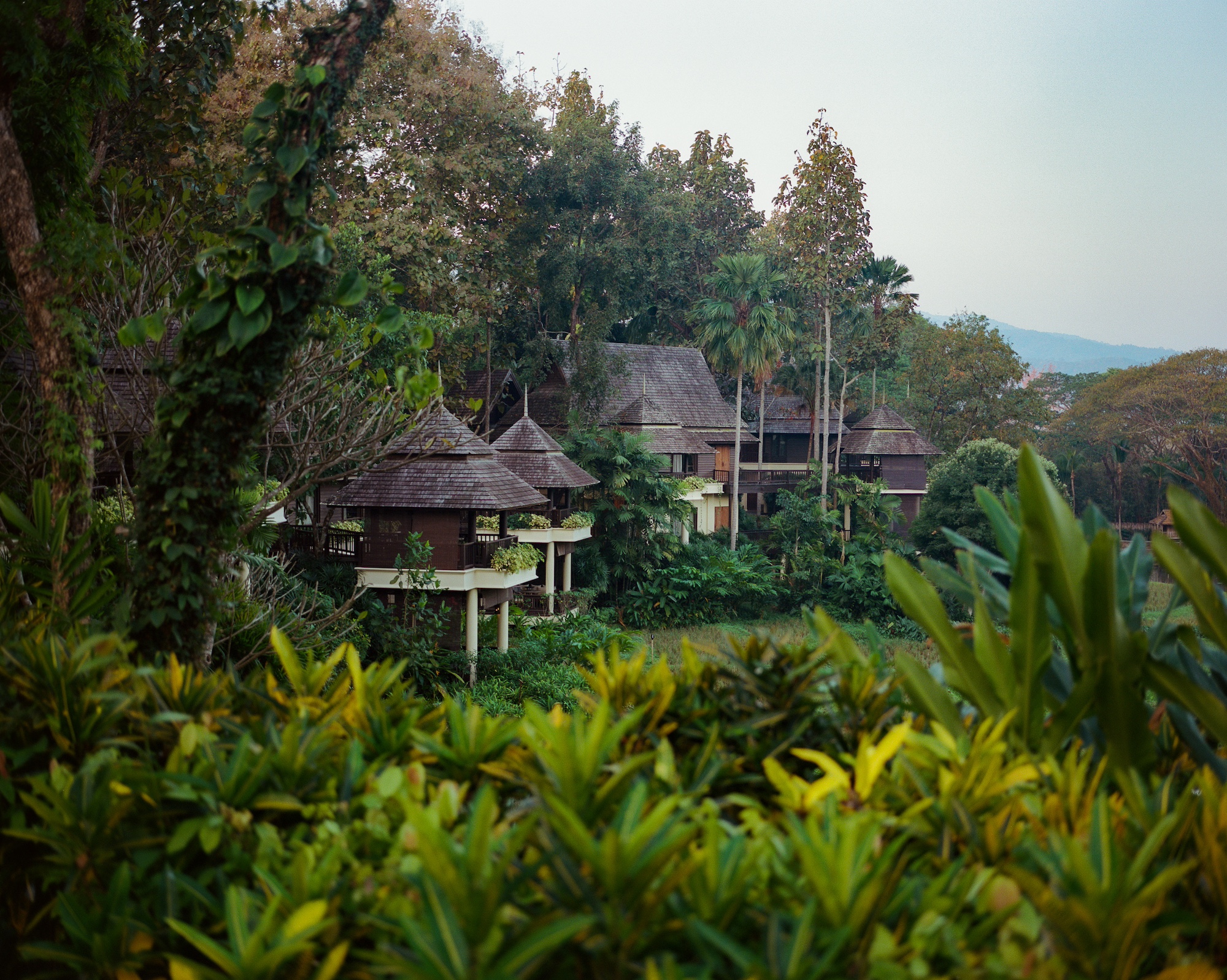
“Meditation and mindfulness are at the core of Thai wellness. They’re traditionally rooted in Buddhist practice and were used to cultivate inner calm, mental clarity, and spiritual balance,” says Dheeraj Singh Patwal, health and wellness manager at Four Seasons Resort Chiang Mai, where teak-wood buildings inspired by northern Thailand’s Lanna heritage are set amid bamboo forests and rice paddies. 

In Thailand, these practices are more inclusive than ever. Temples such as Bangkok’s Wat Mahathat Yuwarat Rangsarit and Wat Suan Dok and Wat Umong in Chiang Mai have evolved into meditation centres where everyone, Buddhist or not, is welcome to give mindfulness a try. 

At Four Seasons Resort Chiang Mai, Patwal brings a similar spirit of openness into the spa’s wellness programming. He organizes chats with monks from the nearby Wat Pa Dara Phirom temple, where guests take part in incense offerings, listen to chants, and discuss Buddhist teachings about the purpose of life before drifting off in a guided meditation. 

For those who prefer something more physical, there are sunrise yoga sessions overlooking the resort’s rice fields, as well as guided pranayama breathwork workshops designed to calm the nervous system and release emotional tension. “It doesn’t have to be a rigorous spiritual undertaking,” Patwal says. “Even a short experience can spark insight, a new way of noticing emotions or a deeper awareness of the body. It’s about carrying a small but lasting bit of peace and presence back home.”  

Mix It Up: Where to Go for a Taste of Kuala Lumpur’s Rich Culture

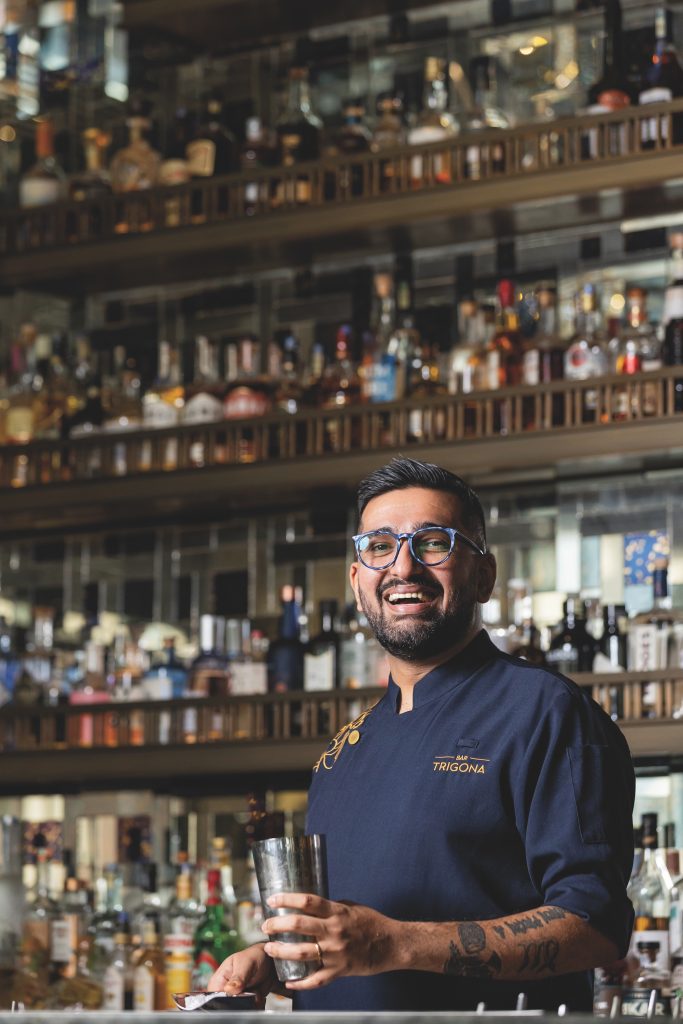
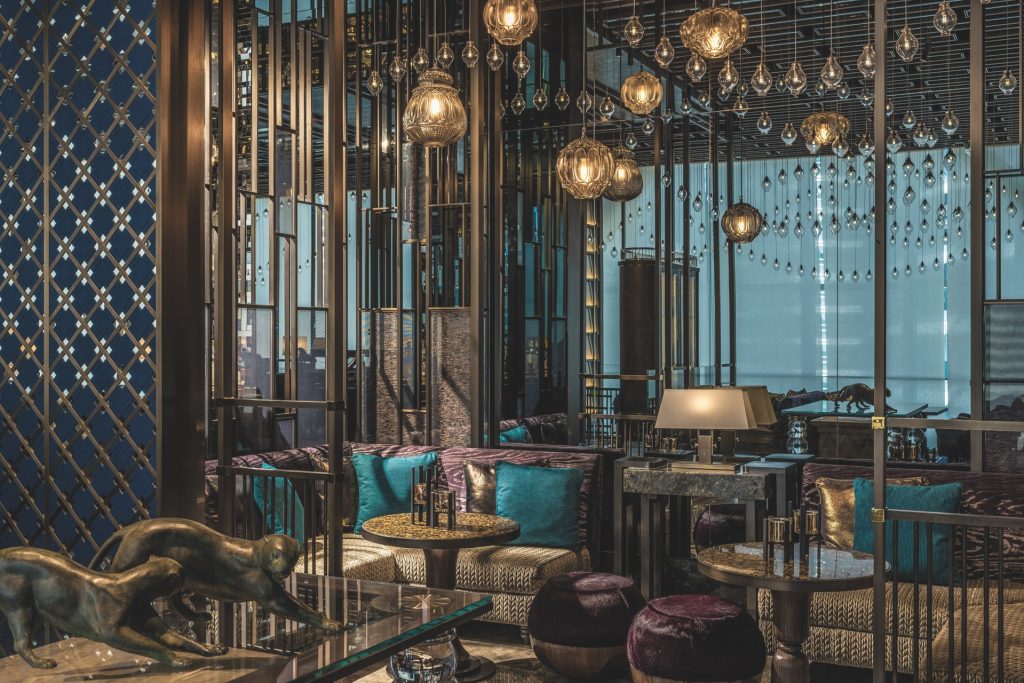
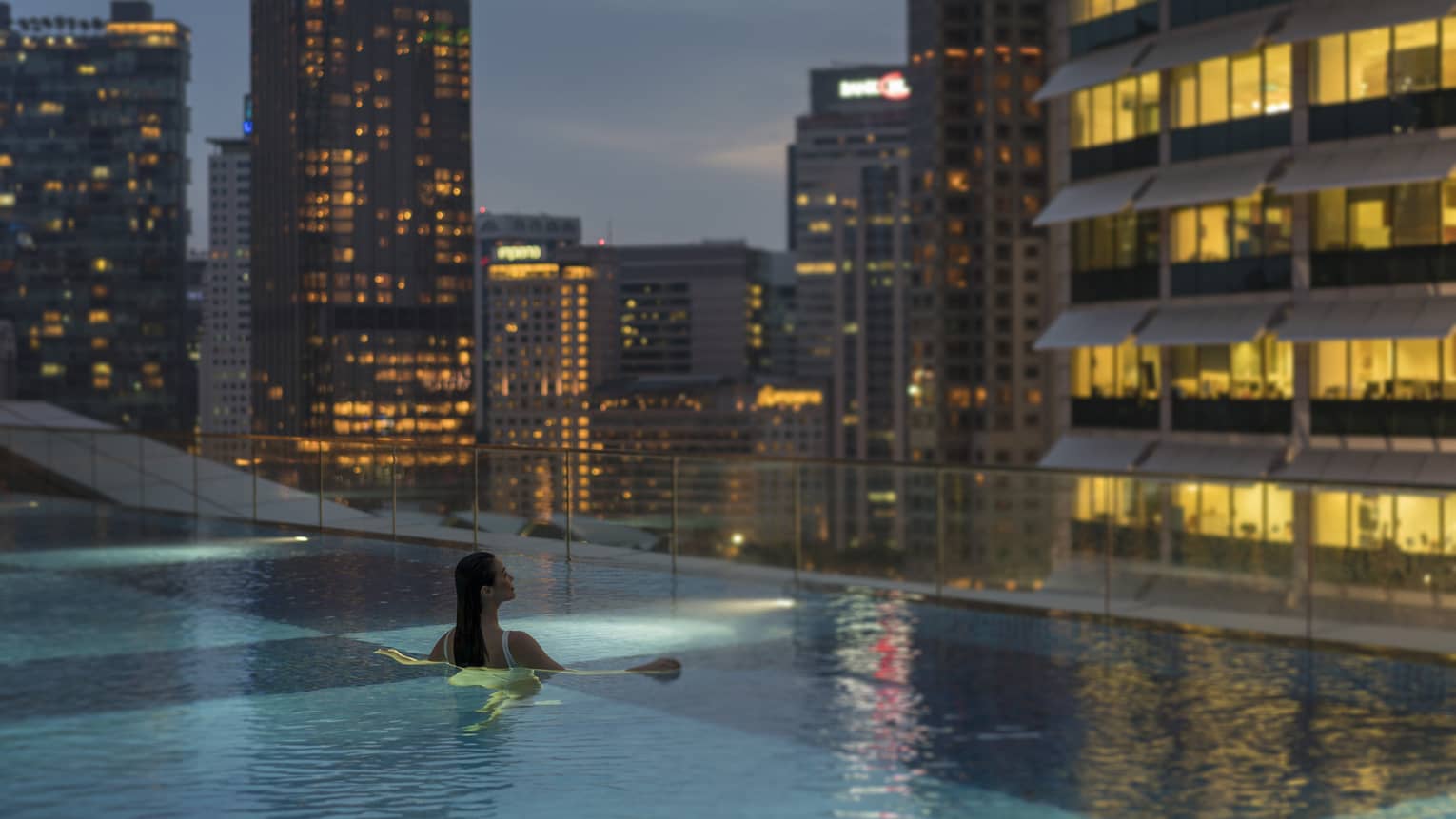
For seven consecutive years, the Art Deco–style Bar Trigona at Four Seasons Hotel Kuala Lumpur has earned recognition as one of Asia’s 50 Best Bars. Under the creative direction of head bartender Rohan Matmary, who also serves as the hotel’s beverage manager, the bar distinguishes itself not only for its unforgettable cocktails, but also for a deep commitment to local ingredients and sustainability. Through its Tree-Volution initiative, the property supports tree planting in Malaysia, including at Trigona Farm, which grows produce exclusively for Bar Trigona. 

Originally from Mumbai, India, Matmary brings both innovation and heart to his work, along with a love of Malaysia’s capital city. “Kuala Lumpur has a sense of community,” he says. “There is a unique joy and unity in the way people of different origins come together to celebrate the country’s rich heritage.” 

Below, he shares his favourite go-to spots in Kuala Lumpur.

Rohan Matmary, Kuala Lumpur
Matmary at Bar Trigona

Neighbour Club by JWC: “This is one of my favourite coffee spots. What sets them apart is the way they approach coffee with the kind of precision you would expect in a cocktail bar, yet they make it accessible to everyone. I also admire that they highlight locally sourced Malaysian coffee, which is still relatively rare to find in cafés across the city.” 

Bar Trigona
Bar Trigona at Four Seasons Hotel Kuala Lumpur

Bar Trigona: “One of the initiatives I am most proud of is Bar Trigona’s Single Origin section on the cocktail menu. Each drink in this series celebrates a single ingredient harvested at Trigona Farm, using every part of the plant. A recent standout is Banana, built entirely around the Pisang Mas tree. We vacuum cook the fruit with Tuak, a traditional Malaysian rice wine, to create a light yet complex serve that has quickly become a symbol of Bar Trigona’s new identity: cocktails that are conscious, creative, and deeply connected.” 

Penrose
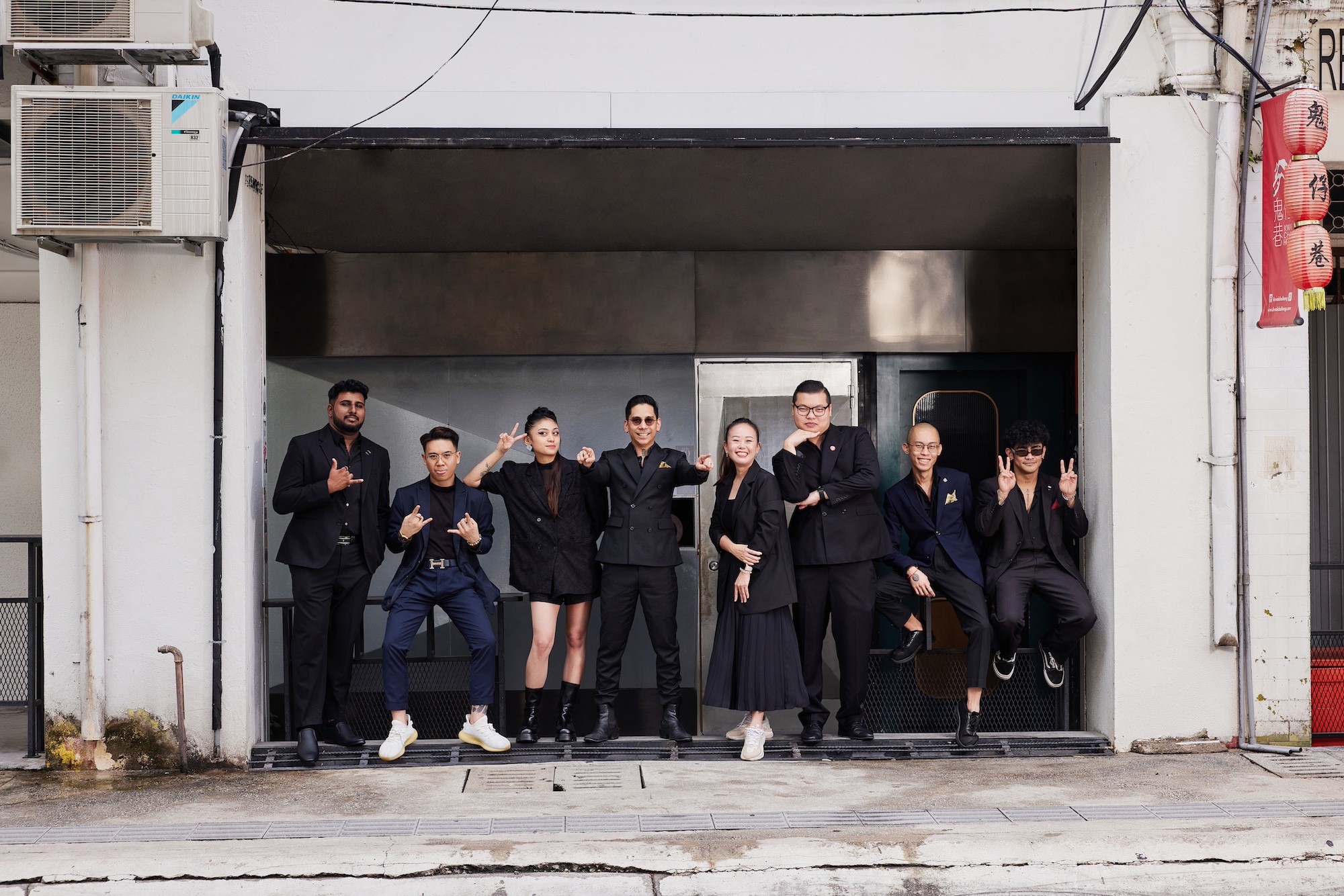
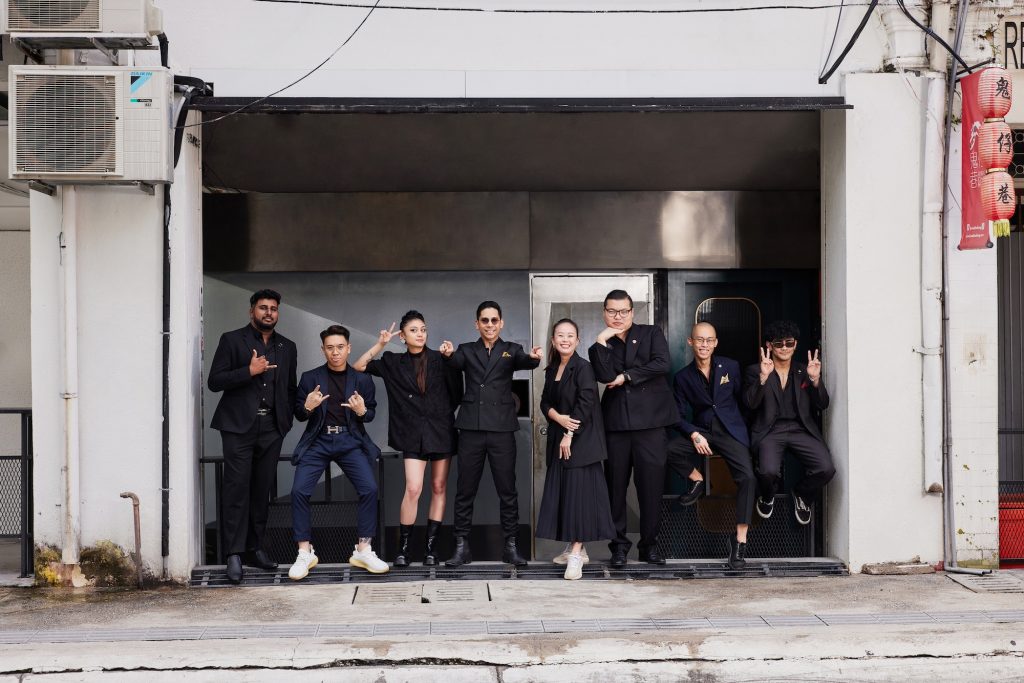
The Penrose team

Penrose: “Among my favourite [bars] is Penrose, where the hospitality is consistently warm and the cocktails are crafted to an international standard.” (Matmary notes that he also enjoys Three x Co and Cabinet 8, “both of which bring a refined touch to mixology,” and “for a distinctly Malaysian perspective,” he says, “I often turn to Coley and Reka.”) 

Ruma“I find inspiration in Ruma, a Malaysian brand that draws on Scandinavian minimalism. Their designs are simple yet sophisticated.” 

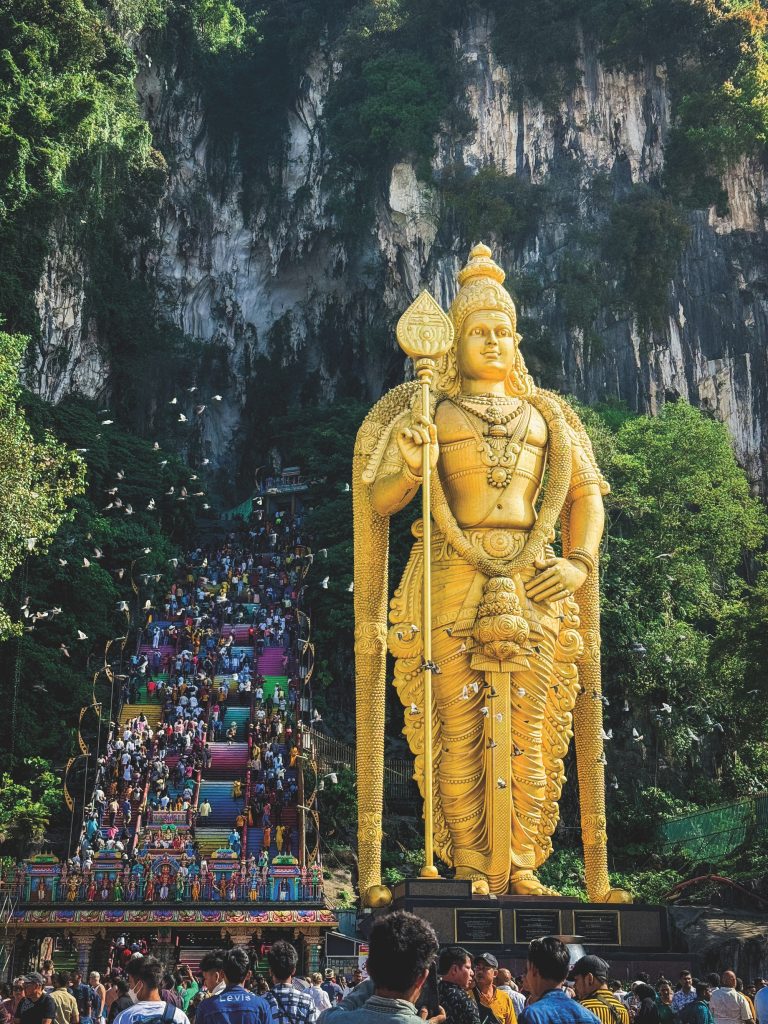
Batu Caves
The 140-foot-tall Murugan statue at Batu Caves. Photograph by Ravin Rau / Unsplash.

Batu Caves: “I enjoy starting my mornings here. Arriving early, when the air is cool and filled with the aroma of morning dew and temple rituals, creates a serene atmosphere. The 272-step climb feels both invigorating and rewarding, offering a perspective of the city that is hard to match.” 

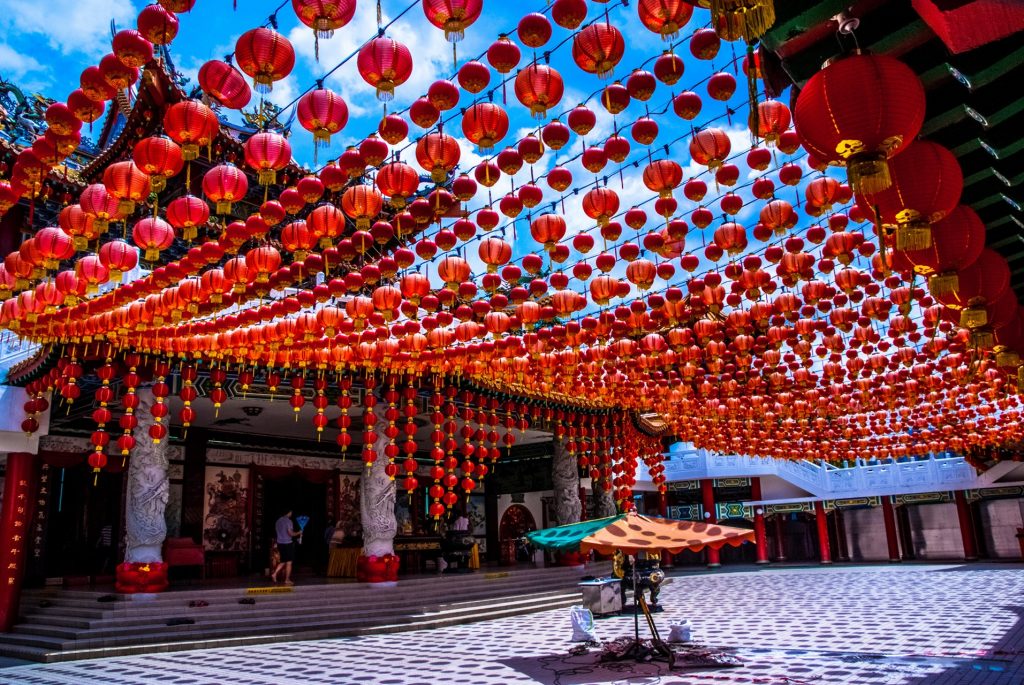
Chinatown, Kuala Lumpur
Thean Hou Temple in Chinatown

Chinatown: “One of my favourite experiences [offered by Four Seasons Hotel Kuala Lumpur] is Evenings in Chinatown, which brings together the energy of a hip neighbourhood with the rich food-and-beverage culture that makes Kuala Lumpur so unique.” 

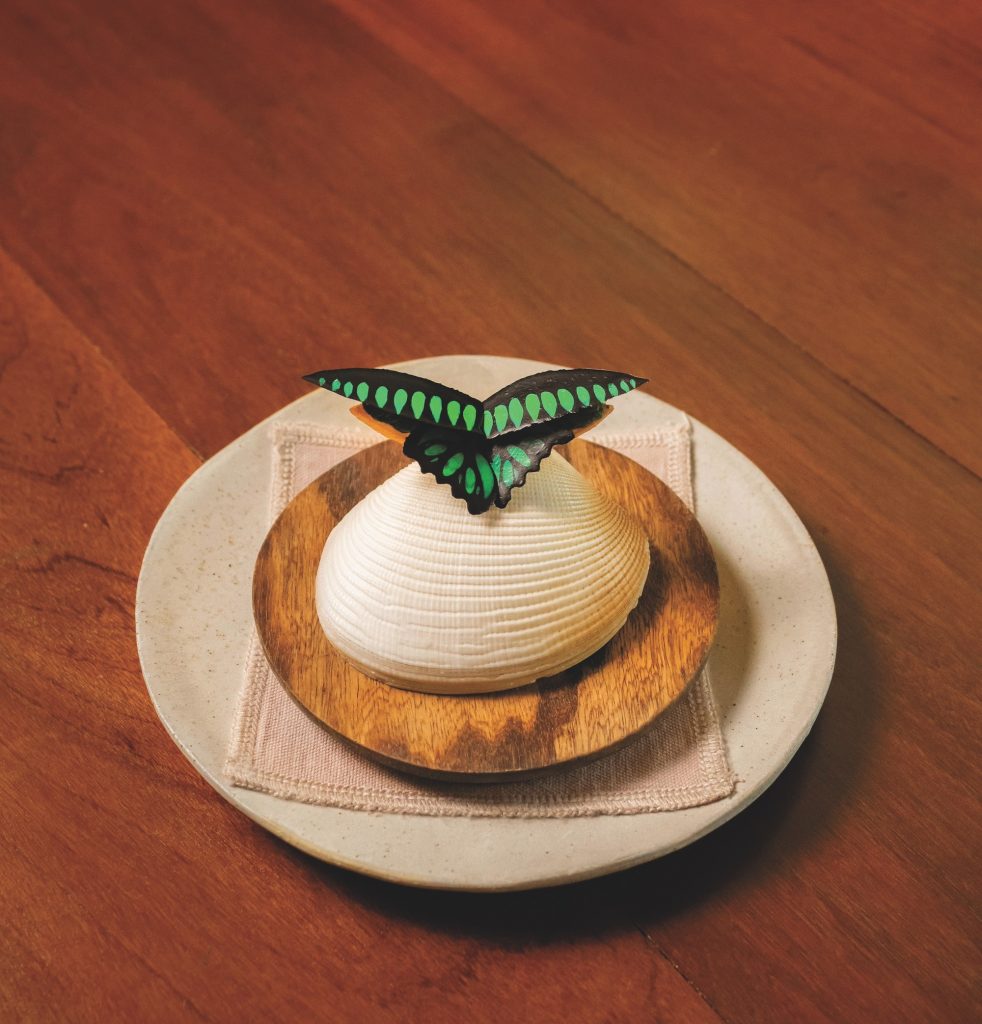
Dewakan
A signature snack (with chayote paste and wild mango) inspired by Rajah Brooke’s Birdwing, the national butterfly of Malaysia, at Dewakan

Dewakan: “This is [among] my most recommended dining experiences in Kuala Lumpur. The tasting menus celebrate local harvests with creativity and finesse, using indigenous ingredients in thoughtful, seasonal expressions. The setting on the 48th floor, with sweeping city views, makes it an experience that feels both rooted in Malaysia and elevated to a global stage.” 

Nadodi: “The restaurant resonates with me on a cultural level, as it reimagines the flavours of South India in an avant-garde style. It delivers refined, region-inspired curations that feel both personal and innovative. Overlooking the [Petronas] Twin Towers, it creates an intimate setting that beautifully balances heritage with modernity.”  

Kuala Lumpur FS
Kuala Lumpur FS

World Class

Near or far, family travel is a chance to connect, explore, and turn curiosity into discovery. Certain destinations can even extend school study, bringing ancient civilizations and different cultures up close. Here’s our select global guide to places where textbook lessons come to life. 

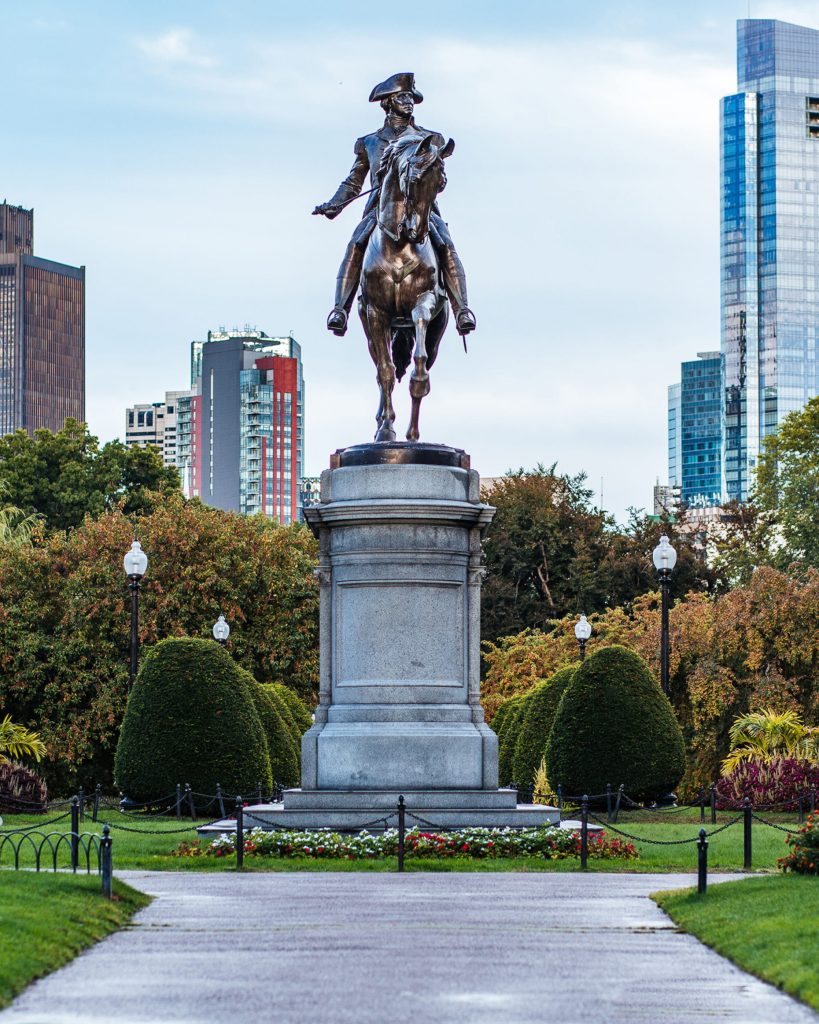
Boston 

Best for older grade-schoolers 

The Paul Revere Mall

What’s New: Ask AI-supported holographic figures about their experiences during the American Revolution as part of the Museum of African American History’s ongoing exhibit Black Voices of the Revolution, which spotlights the roles of enslaved and free Black men and women in America’s struggle for independence. 

Extra Credit: Both Four Seasons Hotel One Dalton Street, Boston, and Four Seasons Hotel Boston offer private walking tours of the Freedom Trail, where historic sites include the Paul Revere House, the Old North Church, and more. 

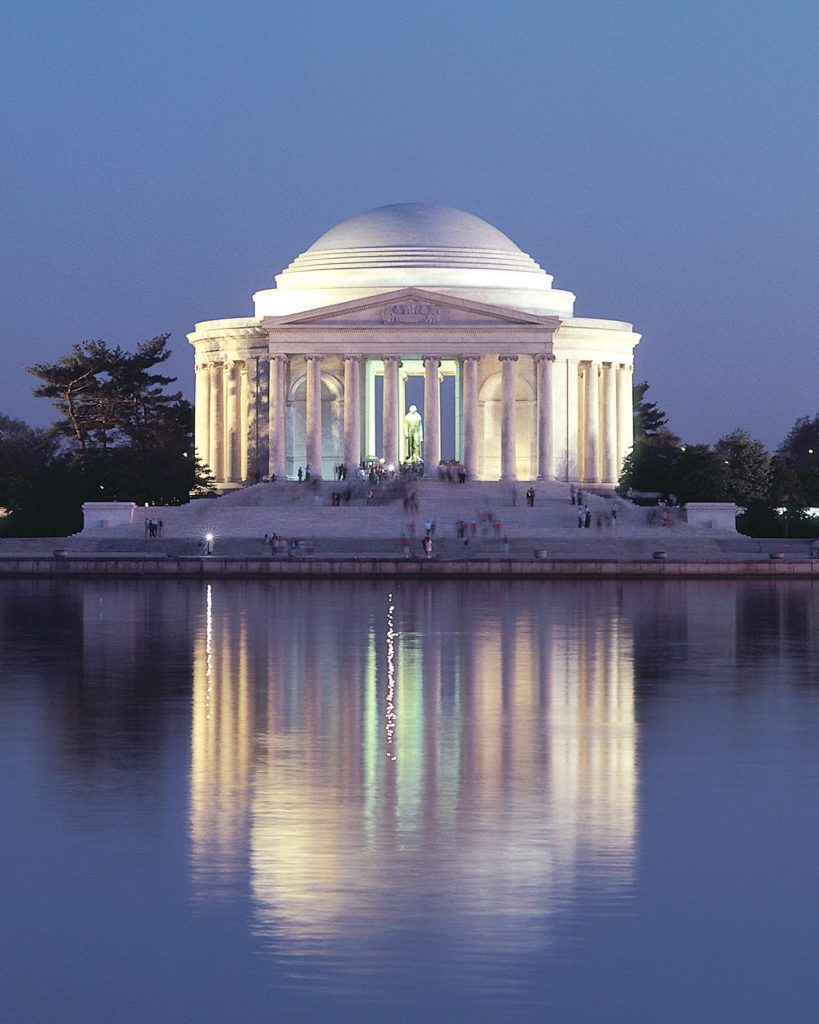
Washington, D.C. 

Best for middle school students 

Jefferson Monument

What’s New: Coinciding with the 250th anniversary of the United States in 2026, Washington, D.C., is poised for two major openings: the undercroft of the Lincoln Memorial, a behemoth subterranean space including a theatre presentation and interactive exhibits, and the expansive National Geographic Museum of Exploration

Extra Credit: Marvel at the monuments and memorials lit up at night on a private driving tour—with stops for photos—organized by Four Seasons Hotel Washington, D.C. 

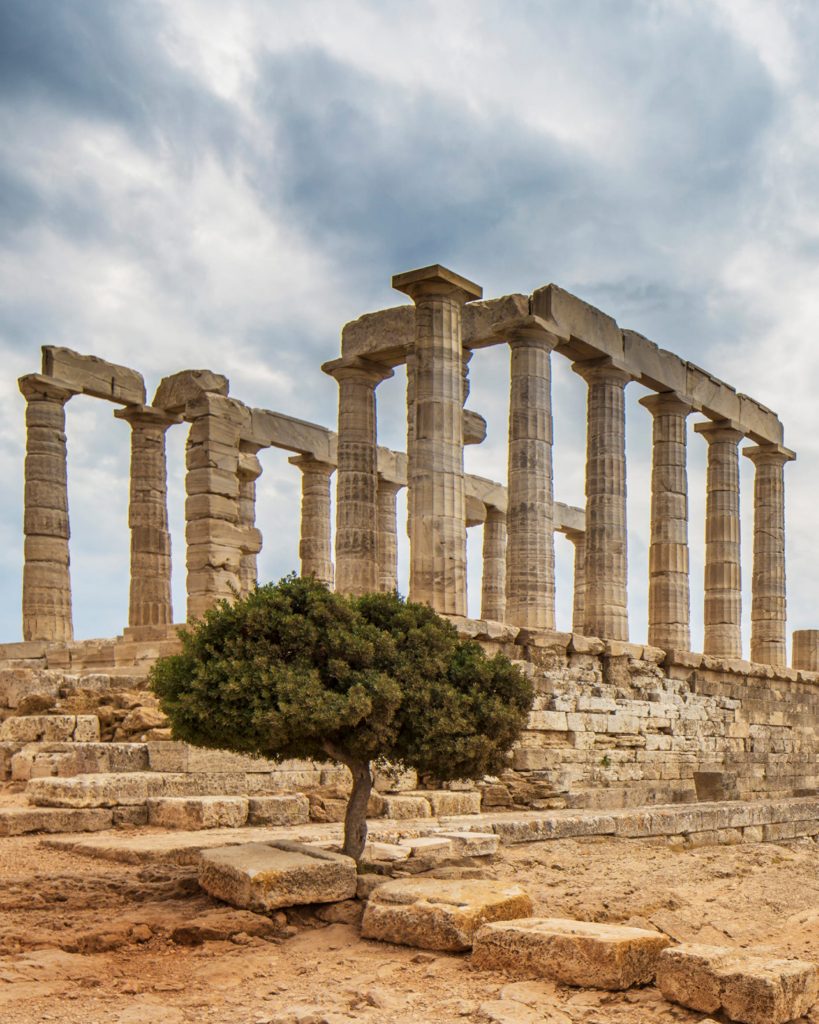
Athens 

Best for middle school students 

The Temple of Poseidon

What’s New: When it opens in 2026, the National Museum of Underwater Antiquities in Piraeus, near Athens, will highlight Greece’s maritime history with more than 2,500 artifacts, including a replica of a trireme.     

Extra Credit: Let the team at Four Seasons Astir Palace Hotel Athens take you and your crew on a guided visit to the Temple of Poseidon, at Cape Sounion. It’s sure to be a big hit with Percy Jackson fans. 

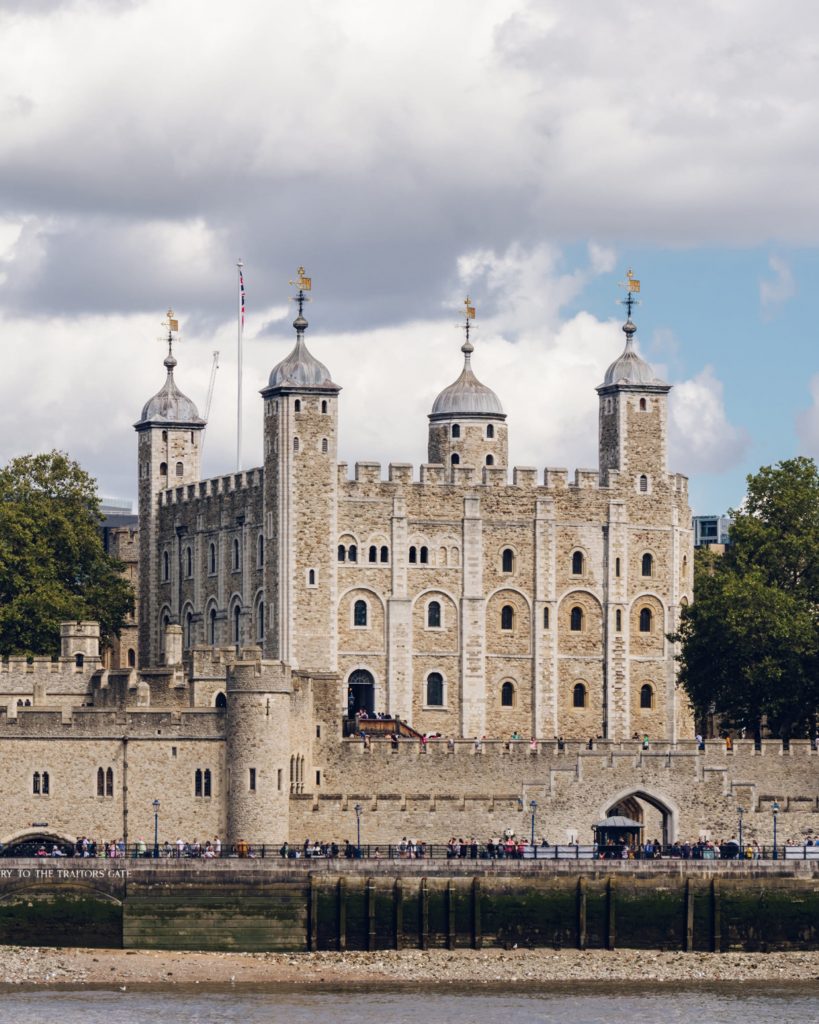
London  

Best for high school students 

The Tower of London

What’s New: The Bayeux Tapestry—a depiction of the Norman Conquest of England in 1066, including the critical Battle of Hastings—goes on view at the British Museum in the fall of 2026, on loan from France.  

Extra Credit: Explore the Tower of London on a private guided tour arranged by Four Seasons Hotel London at Tower Bridge, seeing the Crown Jewels and learning about imprisonments, executions, and a recent excavation of 14th-century burials that may be tied to the Black Death. 

Petra and Amman, Jordan 

Best for high school students 

The ancient city of Petra

What’s New: Archaeologists continue to make discoveries in the ancient city of Petra; a 2024 dig revealed a 2,000-year-old tomb with 12 skeletons, one of which was holding a ceramic cup, an example of Nabataean pottery.  

Extra Credit: Along with guided visits to Petra, Four Seasons Hotel Amman offers such unique experiences as painting at the Roman ruins of Pella. 

Kyoto, Japan 

Best for middle school students 

Higashiyama
The Higashiyama district, home to the Kiyomizu-dera Temple

What’s New: Kyoto’s famous Kiyomizu-dera and Toji temples are known for their illuminated night displays. Pair a visit to one of them with an immersive experience at the new teamLab museum Biovortex, where multisensory digital art exhibits include Forest of Resonating Lamps: One Stroke, whose illumination changes in response to human presence.  

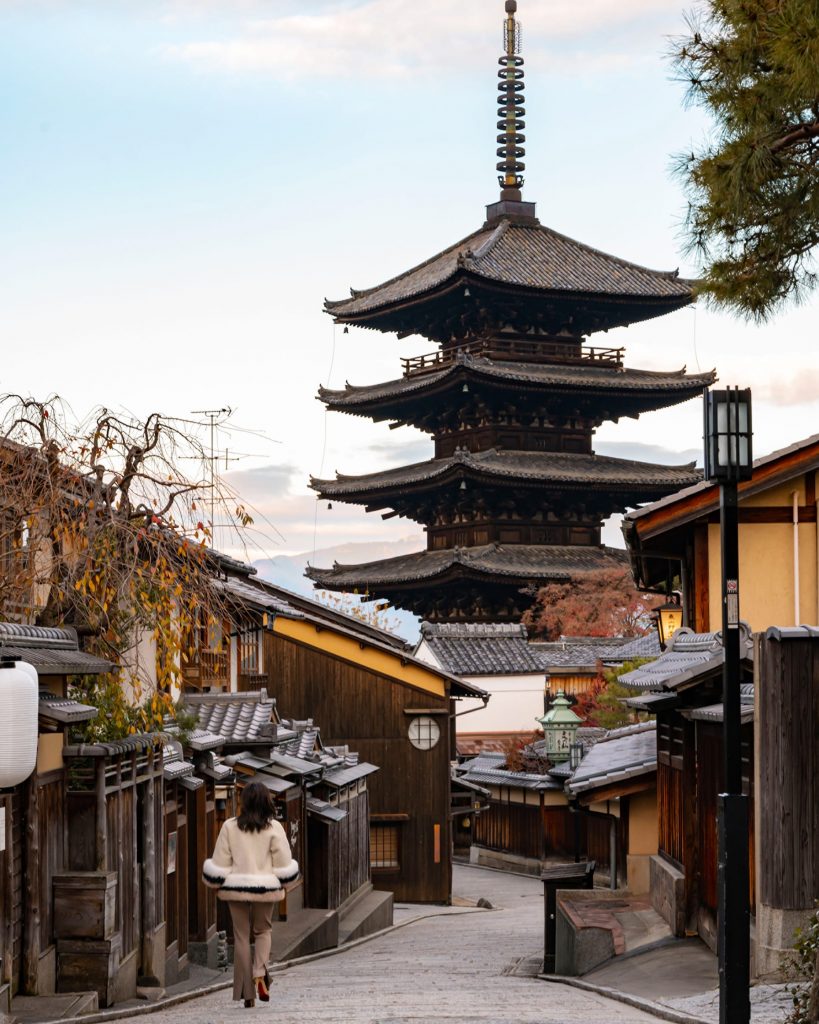
Extra Credit: Four Seasons Hotel Kyoto offers a host of special tours, which can include visits to the feudal-era Nijō Castle and the Yasaka Pagoda or an after-hours tour of the imperial gardens at Sennyū-ji Temple. 

Mexico City 

Best for older grade-schoolers 

Hot-air balloons over the Teotihuacán pyramids

What’s New: The recently opened Museo Casa Kahlo focuses on iconic artist Frida Kahlo’s early family life, highlighting never-before-seen letters, childhood photos, and clothing, as well as a recently discovered mural. It’s a few blocks from the famed cobalt blue Museo Frida Kahlo, which showcases Kahlo’s artwork and marriage to Diego Rivera. 

Extra Credit: Have the team at Four Seasons Hotel Mexico City arrange a private hot-air balloon ride over the spectacular Teotihuacán pyramids, where a major pre-Columbian city once flourished.  

The Cantonese Connection

It was the first day of our Cantonese food adventures, and my Hong Kong Chinese friends had arranged a lunch in the Nan Yuan (“South Garden” in English), one of the grand old restaurants of Guangzhou, China. We wandered through the colonnaded gardens and halls resplendent in stained glass of many colours to our private dining room, where the feast began beneath a glittering chandelier. 

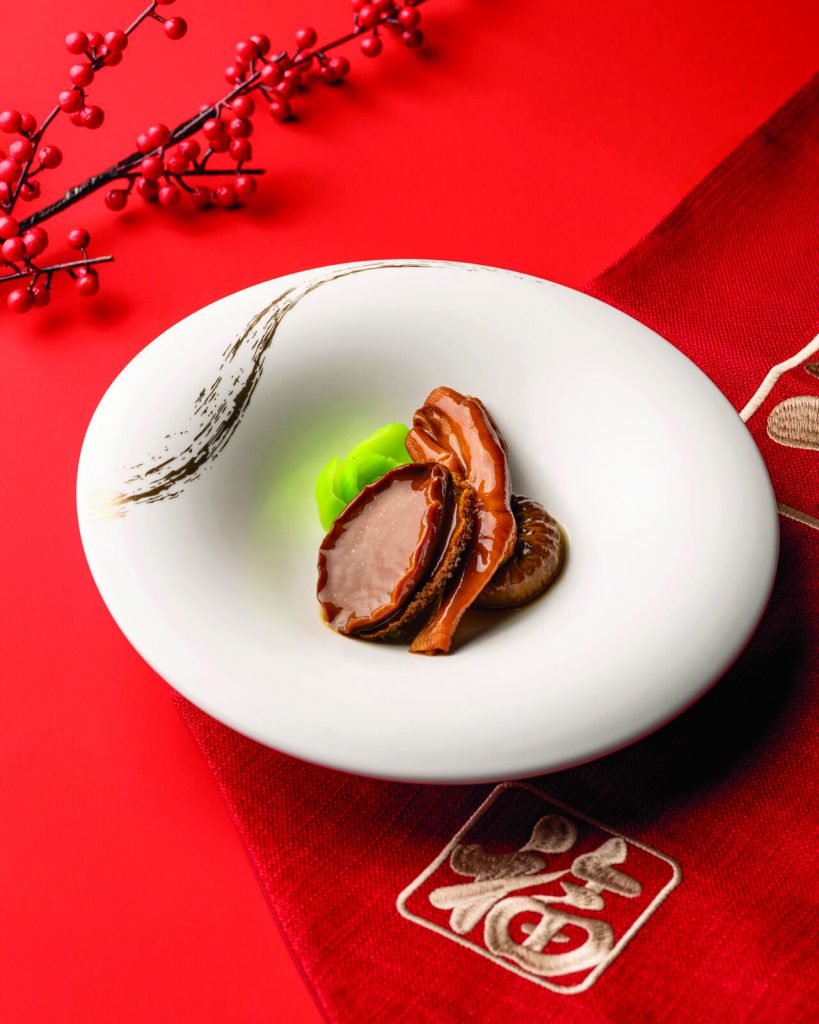
The menu was like a roll call of classic Cantonese cooking. We began with a warming soup brewed from pork stomach and kudzu root (an ingredient in traditional Chinese medicine) that was satiny on the tongue, before the waiter brought in a whole roast goose that had been chopped and then reassembled on the plate, its tender flesh crowned with dark amber skin that was meltingly crisp. Soon, there was sticky, wobbly fish maw, one of the dried seafood delicacies so adored in this region; a whole steamed grouper with glistening flesh; chicken and abalone stewed in a clay pot; stir-fried greens; and, to finish, sticky rice balls stuffed with bird’s nest (a delicacy made from the saliva of swiftlets) in a red bean soup that just murmured of sweetness. 

Lung King Heen at Four Seasons Hong Kong
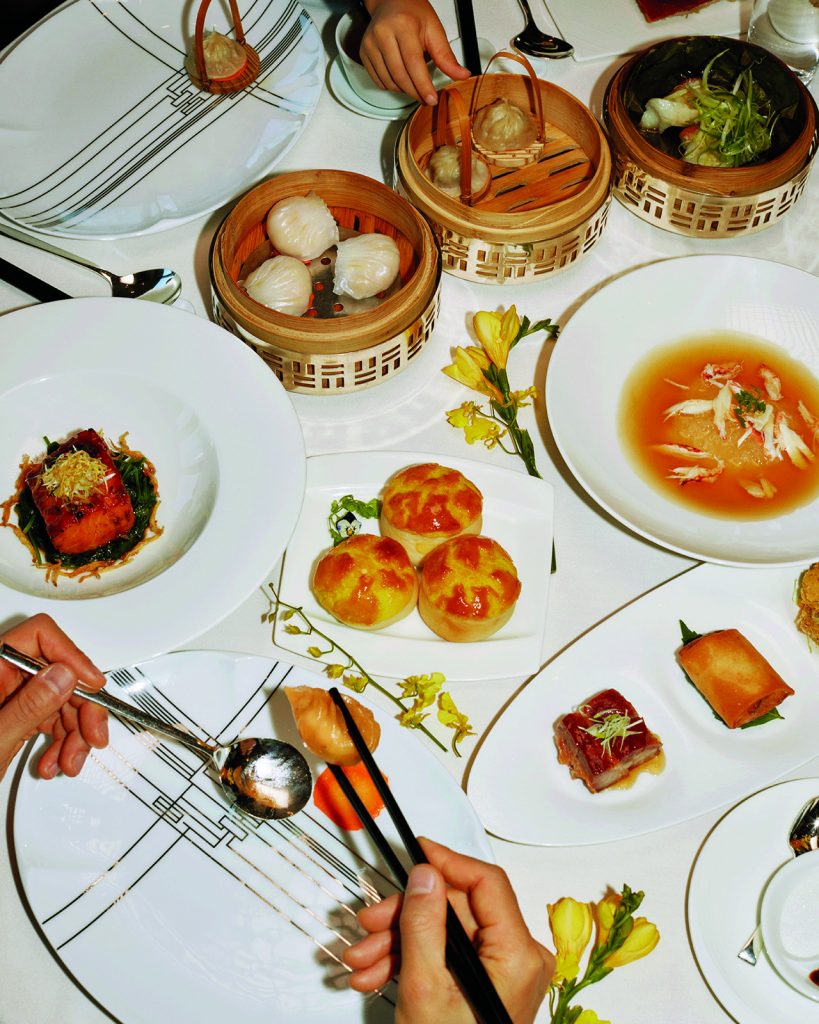
A feast at Lung King Heen at Four Seasons Hotel Hong Kong.
Lung King Heen at Four Seasons Hong Kong
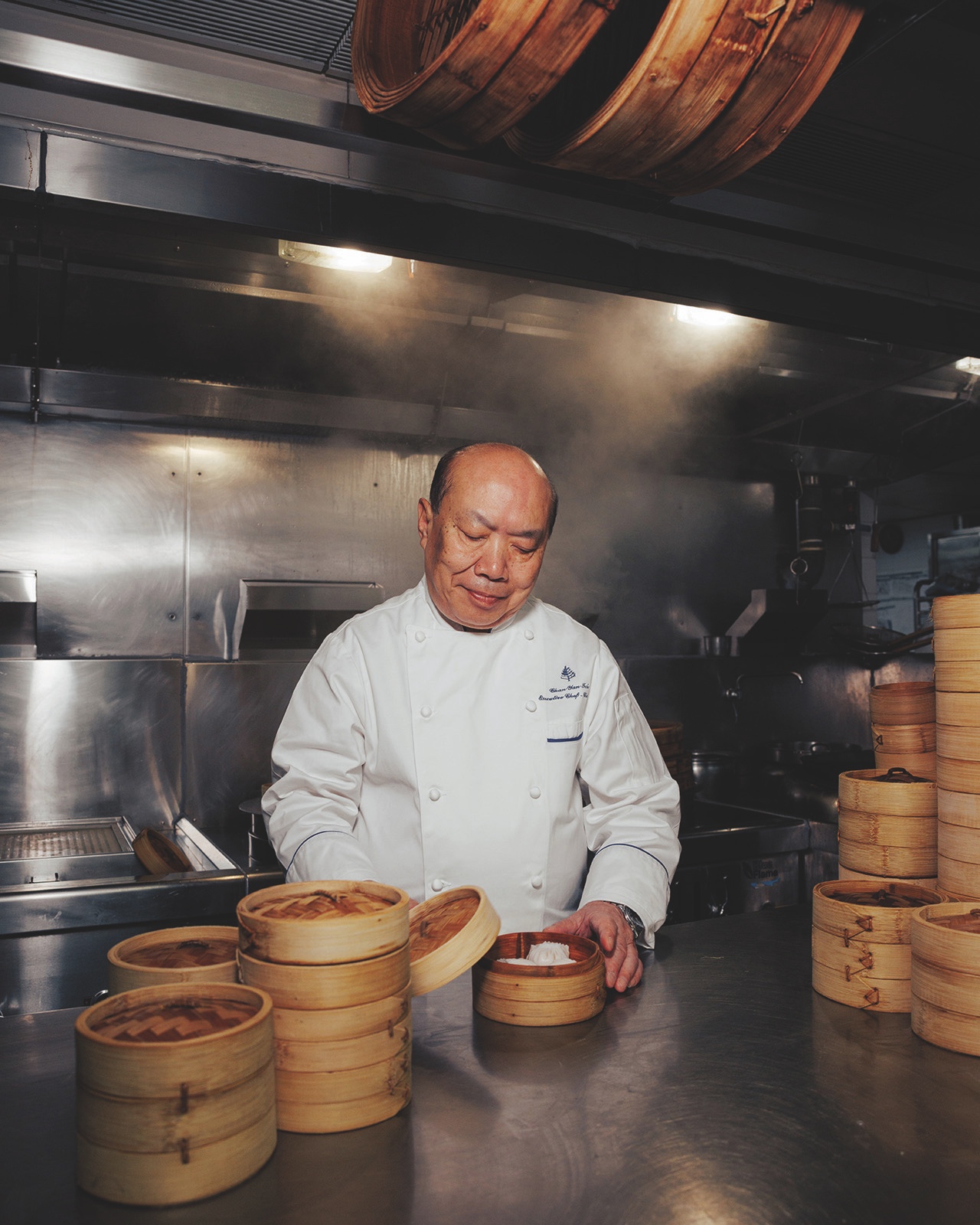
Chef Chan Yan Tak’s Lung King Heen was the first-ever Chinese restaurant in the world to garner three Michelin stars.

Cantonese is one of the world’s most familiar cuisines, yet also one of its least understood. It was the Chinese food first encountered by foreigners in modern times, in the trading enclaves of Macau and Canton (now Guangzhou). It was here, in Guangzhou, that chefs are said to have invented—to suit the tastes of visiting foreigners—the boneless sweet-and-sour pork dish that would become a staple of international Chinese menus. Later, emigrants from the Cantonese-​speaking south of China would voyage to America to work the mines and build the railroads, carrying with them the flavours of their homeland.  

Cantonese immigrants opened restaurants across America and in many other countries and invented what much of the world would come to know as Chinese food. It was a formula rooted in Cantonese tradition but heavily adapted to Western palates: tasty, inexpensive, and devoid of awkward bones and wobbly textures. Instead of steamed fish, vibrant vegetables, and gentle soups, there were fried noodles and boneless meats. This hybrid cuisine was to become wildly popular but also the victim of its own success. Outside of China, Chinese cooking, so diverse and complex, was rarely considered to be sophisticated. Instead, it was branded as cheap, lowbrow, and unhealthy.  

It’s one of the great ironies of history that China’s great gastronomic culture, along with one of its most esteemed regional traditions, should be so underestimated. Within China, Cantonese is regarded as one of the country’s Four Great Cuisines, along with those of Sichuan, Shandong, and the Jiangnan region around Shanghai. Although you wouldn’t guess it from the deep-fried tidbits and sweet-sour flavours that characterize Chinese food abroad, Cantonese cooks are renowned for their insistence on fresh ingredients, their light touch with seasonings, and their precise command of heat and timing.  

Yu Yue Heen at Four Seasons Guangzhou
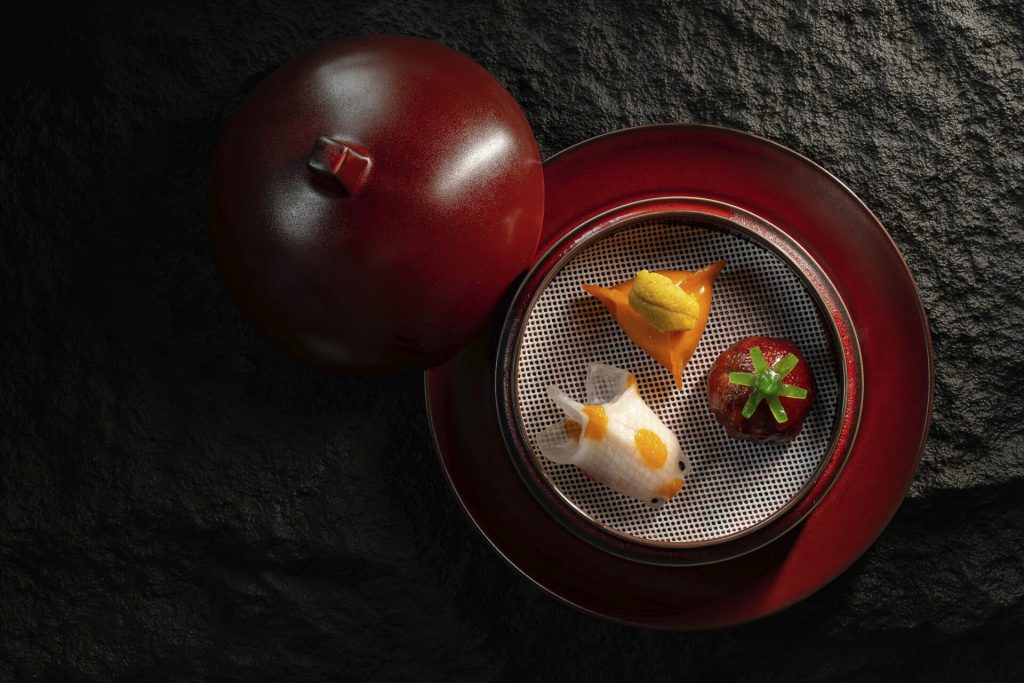
Artful delicacies at Yu Yue Heen at Four Seasons Hotel Guangzhou.

“Cantonese food is all about the essential tastes of ingredients,” says chef Yongsheng Li of the Michelin-starred Yu Yue Heen restaurant at Four Seasons Hotel Guangzhou. “With a fine steamed fish, we might season it with nothing but oil and salt because we don’t want to cover up its natural flavour. And we insist on eating foods in their proper seasons: lamb in winter, for example, toon shoots [from the Chinese mahogany tree] and other sprouting vegetables in spring.” Soups, made with ingredients designed to maintain health in every season, have a particularly important role in local meals. 

One of the most representative local dishes, says Li, is white cut chicken. “The key to this dish is to choose the right breed and age of chicken and cook it within hours of slaughter,” he says. Like many Cantonese dishes, it appears plain but is technically complex: the bird must be poached at a carefully controlled temperature, like an artisanal sous vide, resulting in taut skin and flesh that is brisk but juicy, with a little pinkness in the bones.  

The flavours of Cantonese cuisine are more discreet than, say, the fire and spice of Sichuan. Ginger, spring onions, and aged tangerine peel are favoured seasonings, along with soy sauce and black fermented soybeans. Certain cooking methods and culinary creations are regarded as quintessentially Cantonese: the delicate steaming of seafood; fastidious roasting techniques that give pork and poultry tempting aromas and crisp textures; translucent shrimp dumplings and a whole gamut of delicate dim sum. There are flash stir-fries imbued with wok hei (“the breath of the wok”); nourishing desserts that often take the form of soups; and hearty claypot dishes. Cantonese eaters take particular delight in the textures of their foods, which is why they enjoy so many ingredients that can perplex foreigners, like slippery-crunchy jellyfish.  

The Chairman
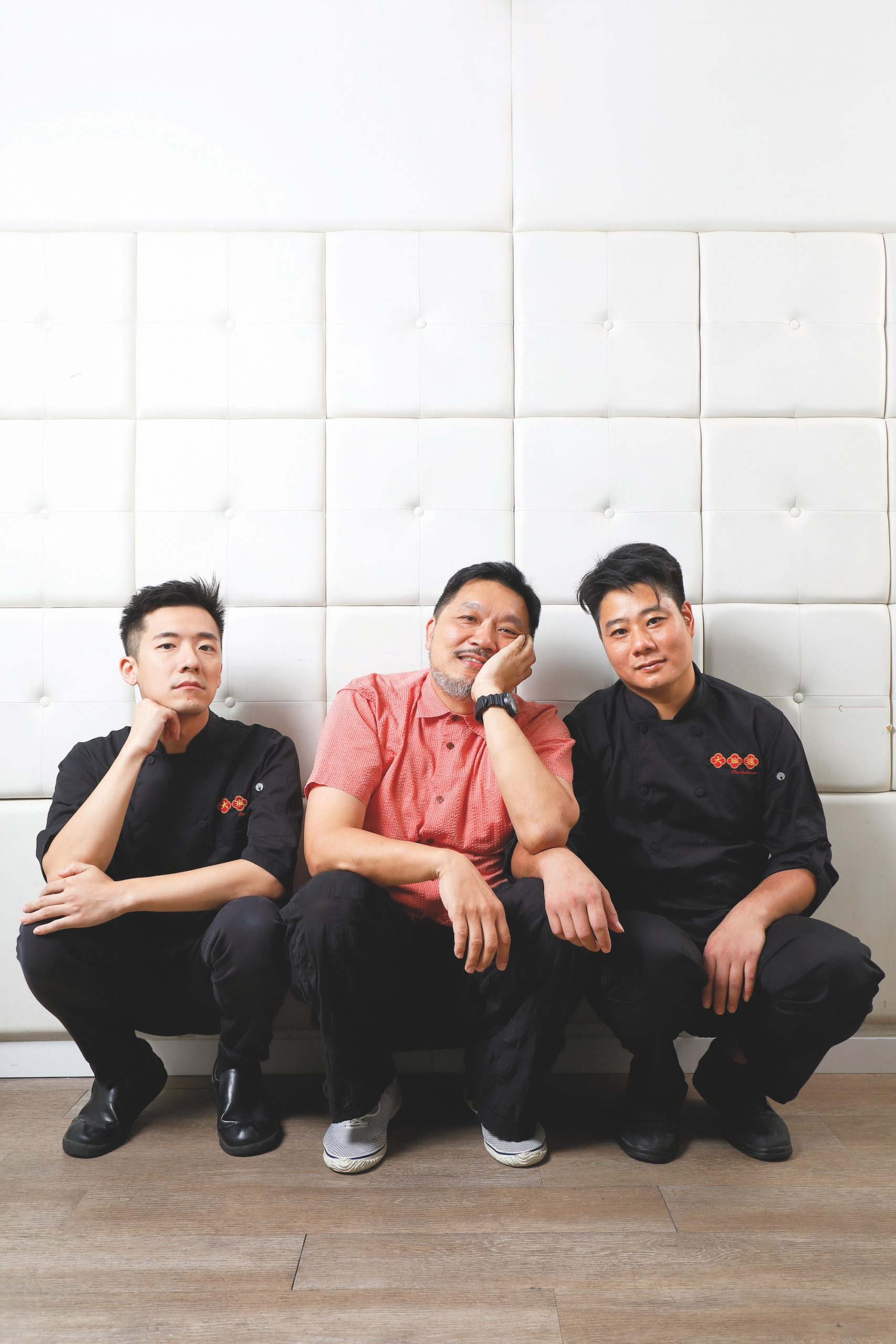
The Chairman chefs, including Danny Yip, at center.
The Chairman
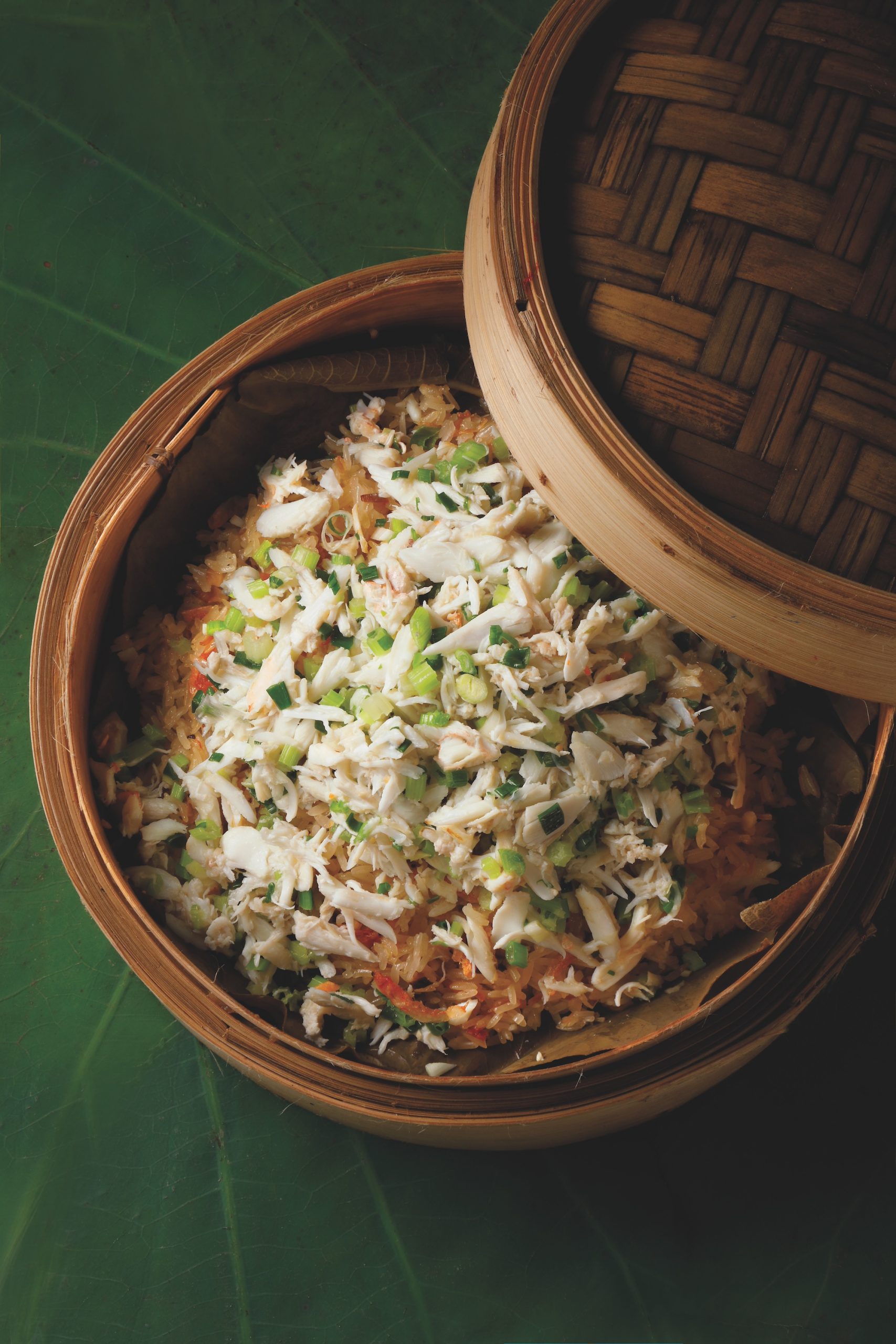
Sticky rice pairing steamed crab with tiny pink shrimp at the Chairman.

Cantonese food itself is diverse and wide-ranging. In Guangzhou, you could spend days exploring dim sum alone, popping into a tiny café that serves fresh cheung fun (noodle rolls made with steamed sheets of rice pasta) or brunching on dozens of dumplings in the gorgeous Tao Tao Ju restaurant in the heart of the old town. You might lap up some turtle broth from a blue-and-white china pot at Dayang, a hole-in-the-wall conspicuous for its towers of steamers, each layer filled with pots of a different kind of soup. At the other end of the social scale, you could spend a fortune on abalone and other prized delicacies. (And if you’d like a taste of the origins of Westernized Chinese food, you could go to the Guangzhou Restaurant for what they call their “nostalgic” sweet-and-sour pork with chunks of pineapple.)  

Any local gourmet can tell you that Cantonese isn’t even a single cuisine. It encompasses not just the rich gastronomic traditions of Guangzhou, the provincial capital, but also the distinctive foods of Shunde, known for its unusual dairy foods made from buffalo milk, and of the Chiu Chow region in the east, with its extravagant seafood, hearty peasant stews, and desserts such as sweet, lardy taro porridge. Another element is the rustic tradition of the Hakka people, whose classic dishes include stuffed tofu and pork belly steamed with salty vegetable preserves. And in Hong Kong, with its wealth and cosmopolitanism, Cantonese food mixes with the flavours of the world.   

For many years, Chinese food of any kind was neglected by the international arbiters of taste. Until the end of the 20th century, China itself was largely off the international travel map, and most Chinese restaurants abroad were of the cheap-and-cheerful variety. 

“Foreigners misunderstand Cantonese cuisine because they only encounter the basic stuff and never have the chance to taste more elevated versions,” says veteran Hong Kong food writer and restaurateur Lau Kin-wai. “Most Chinese restaurants abroad just serve Chinese food as it exists in foreigners’ imaginations.” 

Zi Yat Heen at Four Seasons Macao
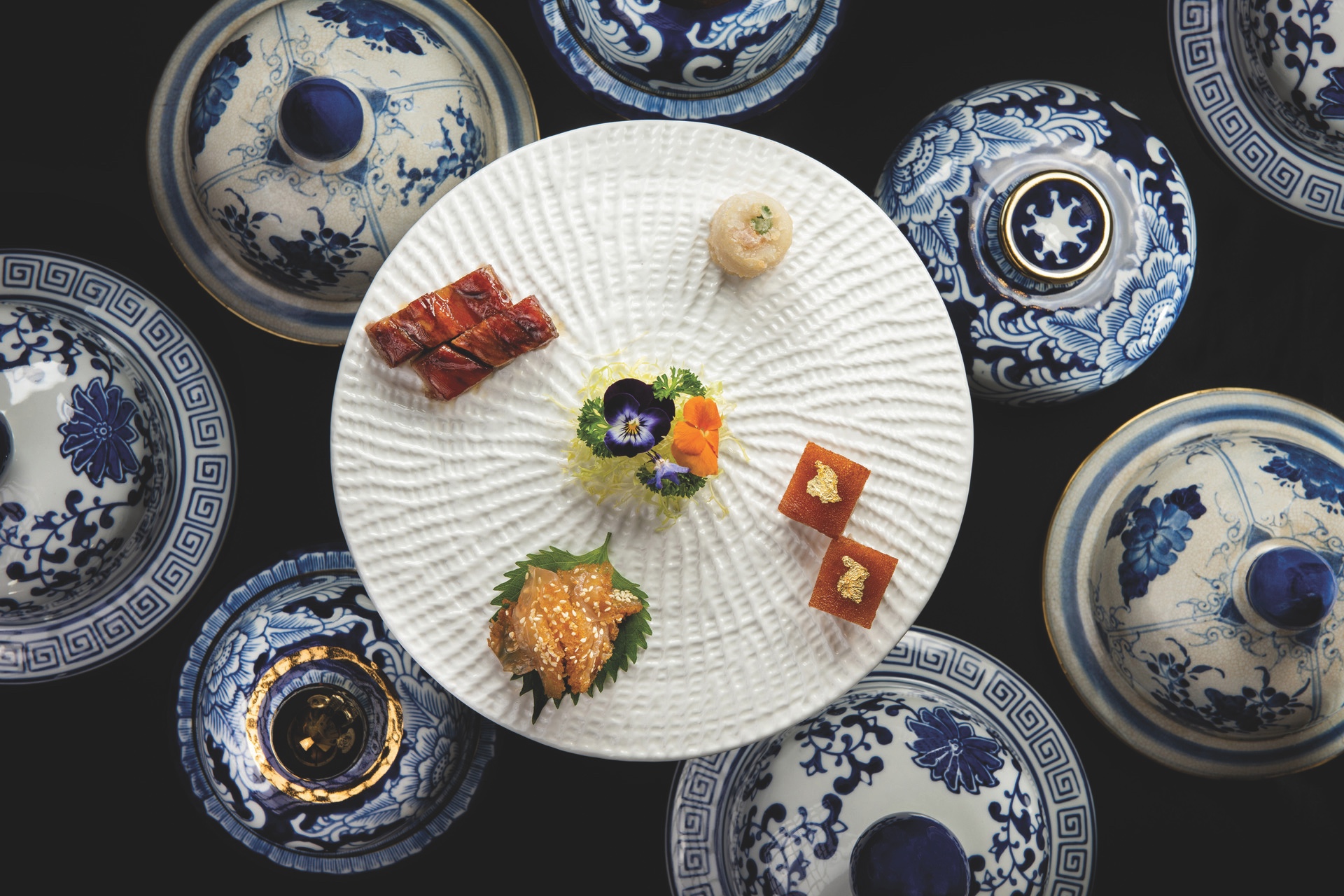
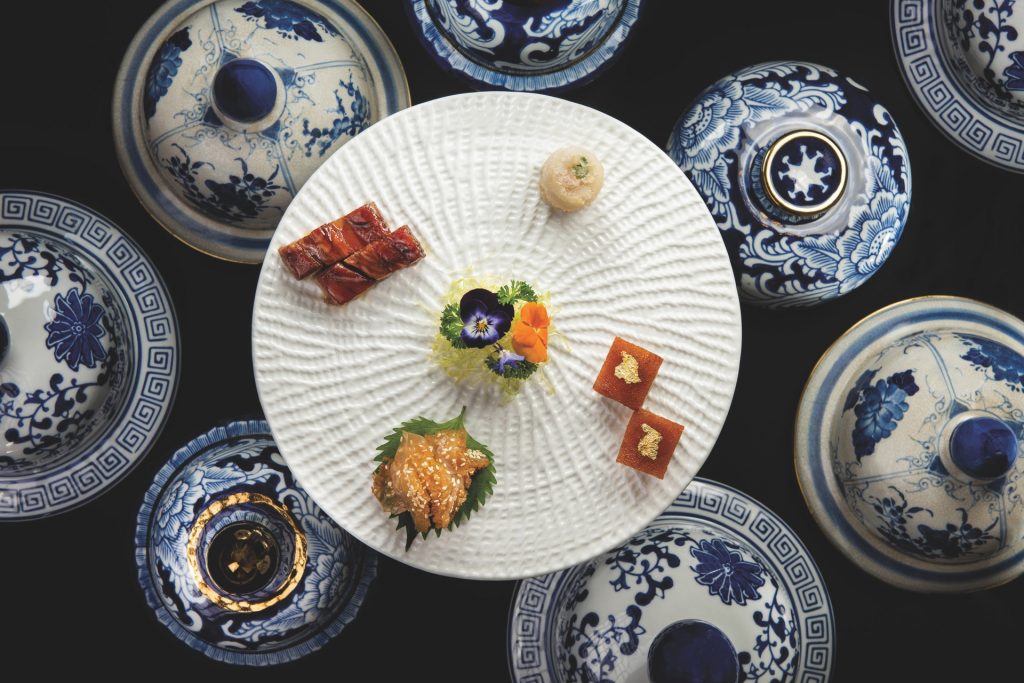
The appetizer plate at Michelin-starred Zi Yat Heen at Four Seasons Hotel Macao. “We imagine Cantonese classics with finesse, accenting them with global luxuries,” says Chef Anthony Ho.

Over the last couple of decades, the outside world has begun to wake up to the possibilities of Chinese food. Increased travel and emigration by people from many parts of China (not just from the Cantonese south) have spurred the development of a more authentic Chinese dining scene in Western cities. Sichuan cuisine has exploded in global popularity, shattering the idea of Chinese as a monolithic food culture, while the flavours of northern Xi’an, spicy Hunan, and the Shanghai region have also begun to attract attention. And China’s rise in wealth and power on the international stage is inevitably starting to raise the status of Chinese food and culture more generally.  

In 2009, Michelin for the first time awarded three stars to a Chinese restaurant, Lung King Heen at Four Seasons Hotel Hong Kong, which was then, as now, under the stewardship of veteran chef Chan Yan Tak. It was a belated acknowledgment that Chinese food could be both fine and expensive, and a seismic moment for a restaurant specializing in classic Cantonese cuisine. “I was taken aback, but also honoured by the recognition,” says Tak. The restaurant’s specialities include Superior Pottage, a rich, nutritious soup that distills the flavour essences of lean pork, Yunnan ham, and fine local chickens. This local delicacy is light-years away from the kind of food served in American Chinese diners.  

The same year, 2009, another Cantonese restaurant, the Chairman, opened in a quiet backstreet in Hong Kong and began to make waves. While living in Australia, its owner, Danny Yip, had been infuriated with the lowly reputation of Chinese food. After returning to his native Hong Kong, he decided to take a fresh look at traditional Cantonese food and produce “a fine version of home cooking.” He and his team applied themselves to reinventing humble dishes, like congee and claypot rice, using premium ingredients and spending months developing individual recipes, such as their now-classic steamed flowery crab with Shaoxing wine. In 2021, the Chairman was the first Chinese restaurant to top the annual list of Asia’s 50 Best Restaurants. 

The spotlight brought by these international accolades has opened the door to greater global recognition of Chinese cuisine. It has also helped to give other Cantonese chefs the confidence to take a fresh look at their traditions. After all, Cantonese food is in many ways perfectly suited to contemporary tastes and trends, with its emphasis on lightness and balance and its attention to fine, seasonal ingredients. 

One chef who is helping to reshape perceptions of Chinese food is Vicky Cheng. Although Hong Kong born, he grew up in Canada, where his ambition was to become a famous French-trained chef because, he says, “I always believed French cuisine was the epitome of fine dining.” After years spent working in French kitchens, he realized, he says, that there was an essential contradiction in his life, because “I was craving Asian food every day.” So, he returned to Hong Kong for exposure to Asian flavours. His first restaurant, VEA, presented a fusion of his French and Chinese influences, and then in 2021, he opened Wing, a new kind of Chinese restaurant. 

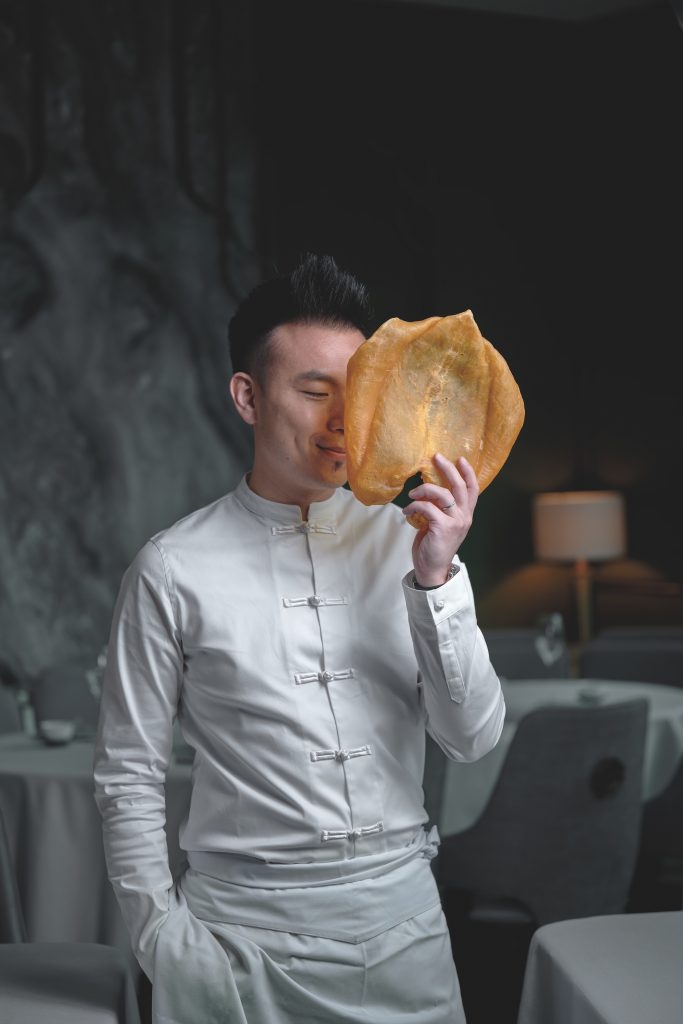
“In the beginning, I knew nothing about Cantonese food because all my training had been French,” he says. He applied himself to studying the local culinary arts through a process of trial and error: in particular, he wanted to master dried seafood delicacies, such as sea cucumber and fish maw. “I knew I would combine French technique with local ingredients and felt that if I was going to tackle a fine dining approach, I needed to conquer these important delicacies, the Chinese equivalents of French caviar and truffles.” Now, he says, he cooks in a “boundaryless” way, without the baggage of traditional rules.  

Affluent Hong Kong Cantonese may be the world’s most discerning diners, well versed in both Chinese and international cuisines, and Cheng’s novel approach faced a certain amount of initial skepticism. A few years in, he has converted many of his critics, while his eclectic cooking seems perfectly suited to a culinary region that has long been China’s window onto the world. In 2025, Wing is in third position on the Asia’s 50 Best list.  

“We are just so happy that we are now on the international map, bringing the attention of the international crowd to Chinese food,” says Cheng. “And I hope this recognition on the world stage is just the beginning, not just for myself but for Chinese cuisine.”