The Evolving Soul of Creole

 
Few words are richer or more difficult to define than Creole.

In New Orleans, Louisiana, it is a virtuoso scraping his washboard to the driving, syncopated rhythm of zydeco music, but it is also the complex flavours in a bowl of gumbo. In the Bahamas, it is a cuisine that is a mélange of British, African, and Caribbean influences starring peas, pastries, and aromatic stews cooked for hours over low heat, as well as a primarily English dialect known as Bahamian Creole that combines languages from three disparate continents. And, half a world away, on the islands of the Indian Ocean that make up the Seychelles, Creole is a way of life: joyful gatherings on the beach; a musical language—this time mixing French with East African dialects—and a cuisine in which indigenous ingredients like coconut milk and octopus meet the spices and slow-cooked curries of South Asia.

“Creole isn’t about a specific skin tone or country; it’s about a culture.” This is how Mona Lisa Saloy, author of the poetry collection Black Creole Chronicles, described it to me in 2023.

“It’s food, it’s music, it’s architecture, it’s style, and it’s traditions,” she added. “There are millions of Creole people in countries across the world, and we create beautiful cultures everywhere we go.”
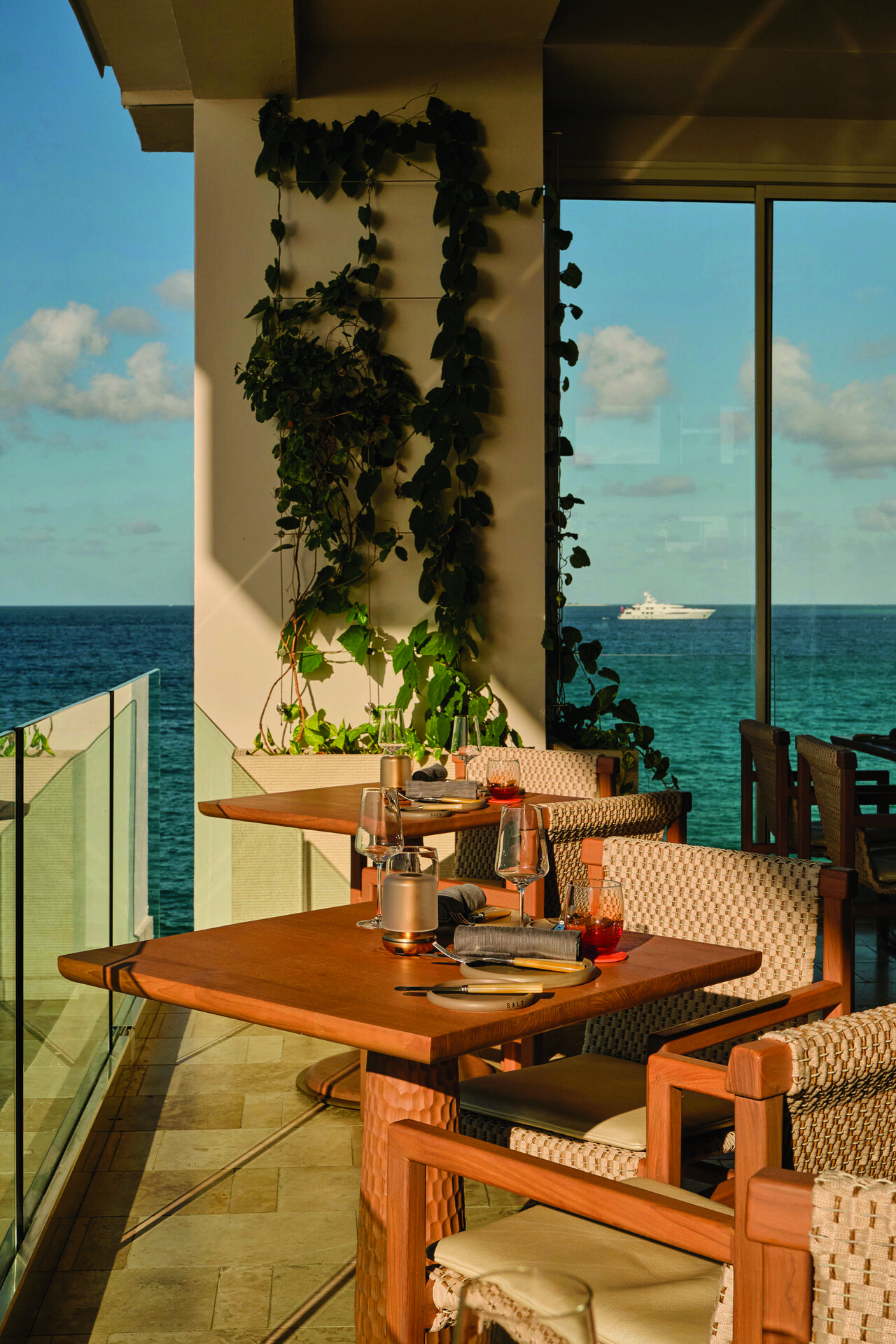
Salt Restaurant at Four Seasons Resort and Residences Anguilla
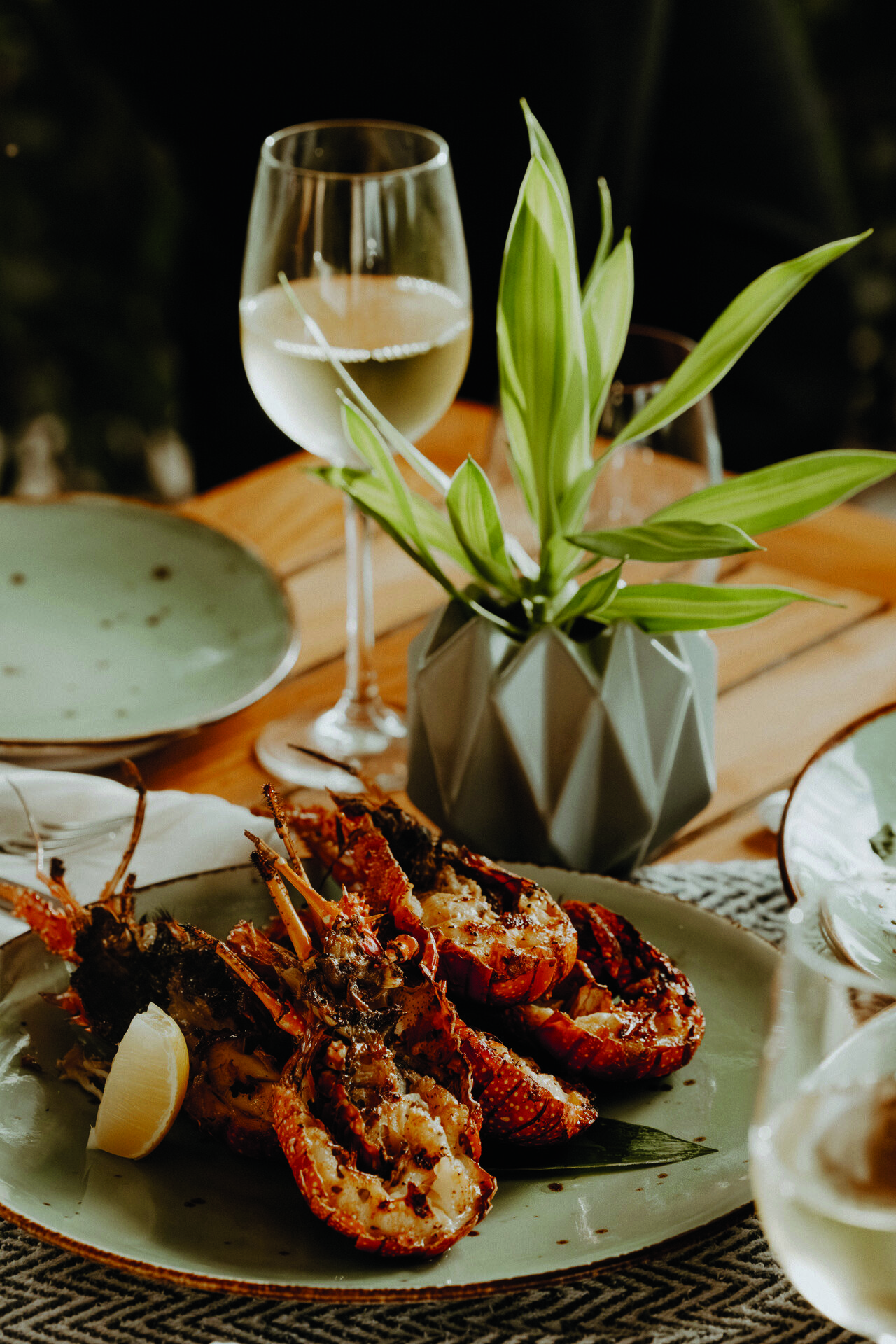
Spiny lobster at Four Seasons Resort and Residences Anguilla
 

Over the past few decades, the exploration of Creole identity and, most visibly, Creole cuisine has been on the rise. You can see that popularity as tourists flock to local restaurants in Creole destinations as far-flung as the Treme neighbourhood of New Orleans, the soul-stirring streets of Port Louis, Mauritius, and the tropical islands and islets of Anguilla. But the demand for Creole dining experiences has extended beyond its usual hubs to regions and settings previously uncharted. Restaurants serving this unique and flavourful cuisine exist in places with little prior history of the culture—from Tokyo to Chicago—and superstar chefs, such as Kwame Onwuachi, Julia de Laguarigue, and Jacob Kenedy, in cities like Paris, London, New York, and Washington, D.C., are being awarded the world’s highest culinary honours for their exploration of this important food.

While the recipes and flavours at these restaurants can vary from country to country and kitchen to kitchen, there are certain traits that connect them.

“To be Creole is to invent,” explains David Beriss, professor of anthropology at the University of New Orleans and author of Black Skins, French Voices: Caribbean Ethnicity and Activism in Urban France. “What makes it difficult to define is that, by definition, it is always evolving toward something—beautiful, I think—that hadn’t previously existed in the world.”
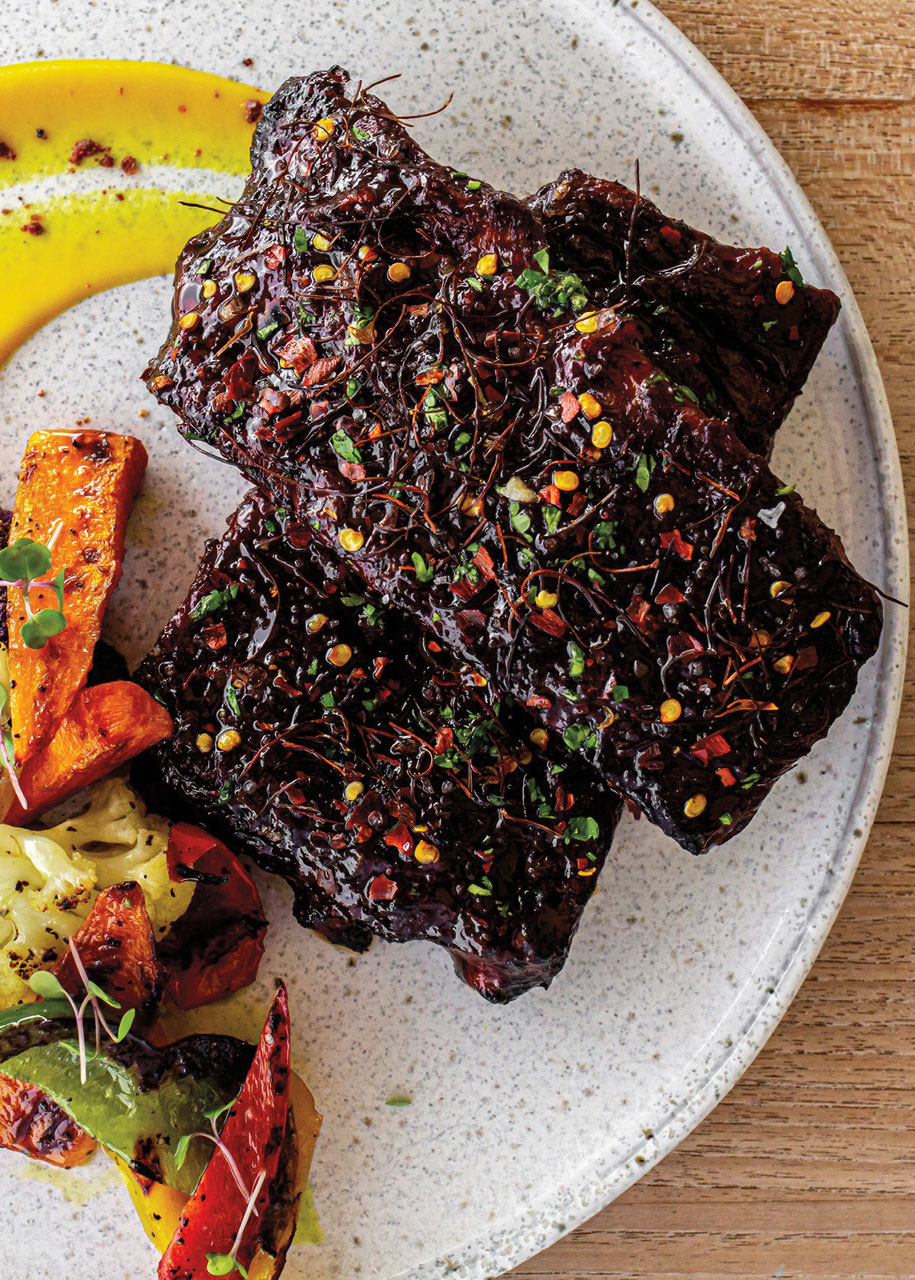
BBQ Ribs at Four Seasons Resort Nevis

BBQ Ribs at Four Seasons Resort Nevis

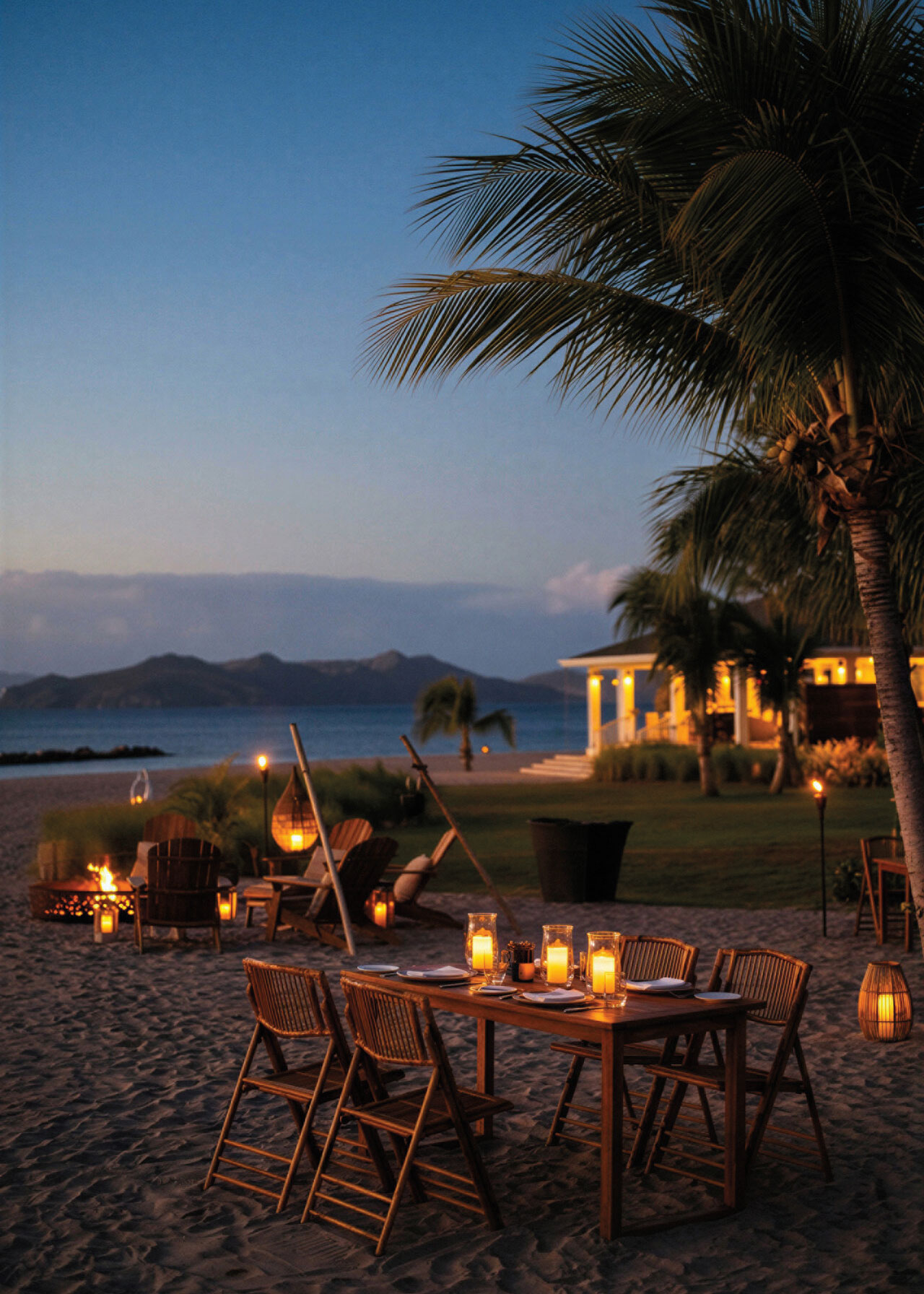
Private beach dining at Four Seasons Resort Nevis

Private beach dining at Four Seasons Resort Nevis
 

Defining Creole

As the growing powers of Europe attempted to colonize the globe in the 15th century, they encountered cultures that were previously unknown to them. Countries like Portugal, England, and France exchanged goods and ideas with the Indigenous peoples of these newly discovered lands.

Of course, the full story is more fraught. Between 1625 and 1867, European countries enslaved and transported nearly 12 million Africans to the New World alone. This is when the term Creole first entered the lexicon, to differentiate an enslaved person born in the New World from someone born in Africa.

But Creole comes from the Portuguese word crioulo, which itself derives from the Latin creare, meaning “to create.” To be Creole in places like the Caribbean now refers to this unique mixture of three influences: European, African, and Indigenous.

What was being created, explains Peggy Brunache, a Haitian American food historian and lecturer at the University of Glasgow, was a new culture, albeit one not without its atrocities and tragedies.

“These civilizations didn’t come together easily—there was enslavement, sexual violence, and genocide,” she says.

Hundreds of years later and against all odds, one result of that frightening cruelty is a triumphant gift to the world. Brunache says that is especially evident in the cuisine from these regions.

“Cooking techniques from the Europeans met indigenous ingredients from the land that were grown, cooked, and developed by enslaved Africans,” she says. “Much of it was considered ‘slave food,’ but for Black people at the time, their food was one of their few joys in life. That it is still enjoyed, by white people and by Black people, all these years later, feels like a testament to what they created here.”
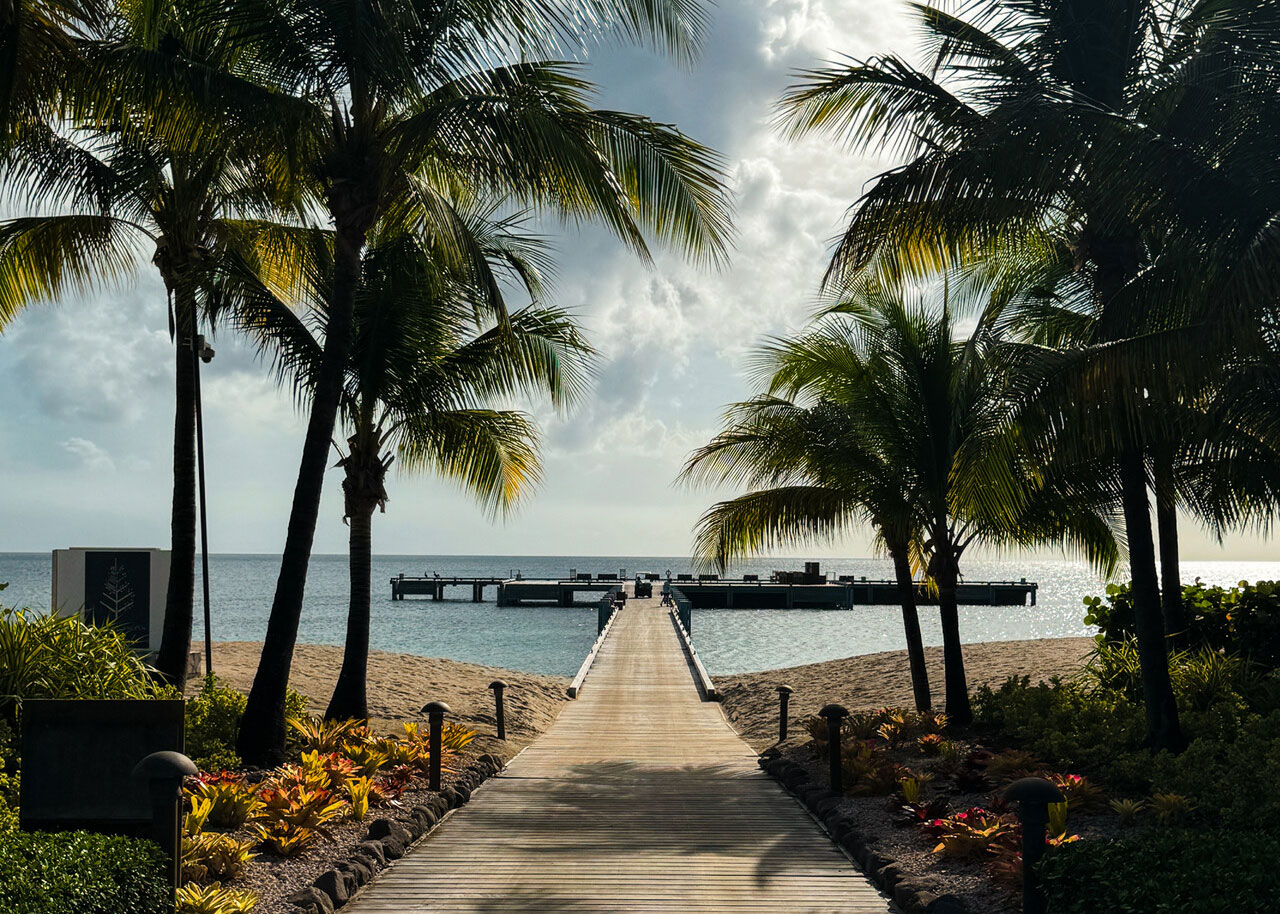
Four Seasons Resort Nevis
 

Callaloo in the Caribbean

In the West Indies, specific staples and dishes have been part of the Creole diet for hundreds of years. Breadfruit, a starchy, nutritious fruit versatile enough to be eaten at any time of day, was originally grown by the British to sustain their enslaved labourers. Similarly, oxtails, cow feet, pig tails, and trotters were undesirable pieces of meat passed on to enslaved Africans, who slow cooked the meats to make them tender for flavourful stews, which now define the cuisine, or boiled them down and incorporated them into the regionally ubiquitous leafy green soup known as callaloo.

Today, these dishes and others are so popular that many of them—uniquely flavoured by the region’s bounty and famous for their rustically home-cooked one-pot preparation—are found not only in the Caribbean’s casual restaurants but also throughout the islands’ high-end resorts.

“These foods had humble beginnings, but trying our island’s version of Creole cuisine is part of why guests come to our property,” says Methly Faucher, sous-chef at Four Seasons Resort Nevis, West Indies, a beachfront oasis on 350 acres in Nevis, in the two-island nation of Saint Kitts and Nevis.

In Nevis, Faucher says, Creole cooking means combining local ingredients like fish, tomatoes, thyme, and Scotch bonnet chili peppers with French cooking techniques such as sautéing.

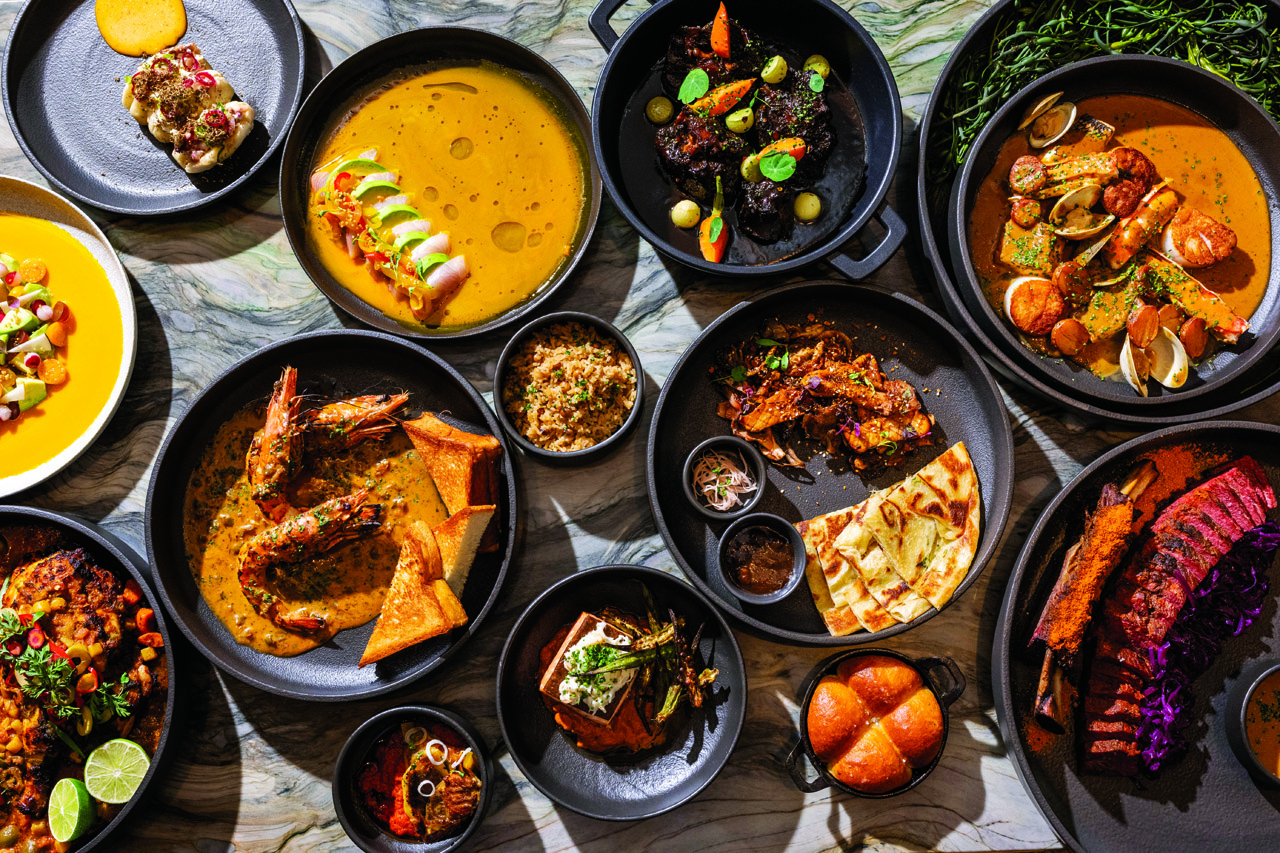
Guests, he says, are eager to try these flavours at the property’s Caribbean restaurant, Mango. “Spiny lobster and shrimp in citrus-coconut milk, or potato dumplings with callaloo and local herbs, or an oven-baked whole fish with escabeche and coconut rice: They want new culinary experiences,” says Faucher.

Those experiences can include tasting Nevis’s traditional goat water stew or a popular breakfast of salt fish, eggs, and johnnycakes; or even learning in a Creole fish-preparation class at the resort. But culinary adventures are possible throughout the Caribbean. At Four Seasons Resort and Residences Anguilla, a serene Mediterranean-style property overlooking a pair of spectacular beaches, ceviche-making classes with Creole seasonings and a beachfront barbecue with fish and traditional accompaniments allow guests to relax like locals.

In the Bahamas—as with all Four Seasons resorts in the Caribbean—diners can try a cuisine that shares Creole characteristics of aromatic vegetables, layered spices, seafood, and bright flavours, while showcasing local produce. “Our love of spice, stews, peppers, tomatoes, onions, and slow-cooked dishes comes directly from Creole-style cooking,” says Lester Dean, executive chef of The Ocean Club, A Four Seasons Resort, Bahamas. “Bahamian cuisine is still its own identity, but the similarities speak for themselves.”

And at the luxurious new Four Seasons Resort and Residences Puerto Rico—located on a two-mile stretch of golden sand on the north of the island—a mofongo cooking class teaches guests the art of preparing a dish that is essential to criollo cooking: weaving together the African tradition of mashing starchy produce (in this case, indigenous Taino plantains) and the Spanish technique of making a sofrito by cooking chopped ingredients, like garlic, onions, peppers, tomatoes, and herbs, with olive oil to impart flavour.

“That mixture of ingredients is what Creole is,” Faucher says, “but Creole isn’t only a mixture of ingredients—it’s also a mixture of cultures. To taste the various components of our food is to learn our history.”


The Big Easy’s Red Beans, Rice, and Gumbo

Creole identity is far from homogeneous, varying across regions. While being Creole in the Caribbean refers to someone of a unique blend of ethnicities, in New Orleans, the term historically had less to do with skin colour and race and more to do with being considered native to Louisiana.

“You had to be born here,” says Vance Vaucresson, third-generation owner of the city’s Vaucresson Sausage Company, in business in one form or another since 1899.

In the 18th and 19th centuries, white people with recent European ancestry—specifically from France and Spain, the two countries that had colonized the area—were just as likely as Black and mixed-race residents with family from Africa to call themselves Creole.

“Being in the Creole class was a unifier,” Vaucresson explains. “It was arguably more important than skin colour at the time.”

But over the course of the 19th century, after the Louisiana Purchase and as New Orleans transitioned into a more traditionally American city, the Civil War and the Reconstruction led to racial tensions that frequently boiled over. The result was that white New Orleanians were no longer eager to claim an identity associated with their Black neighbours.

To this day, Black residents are far more likely to consider themselves Creole.
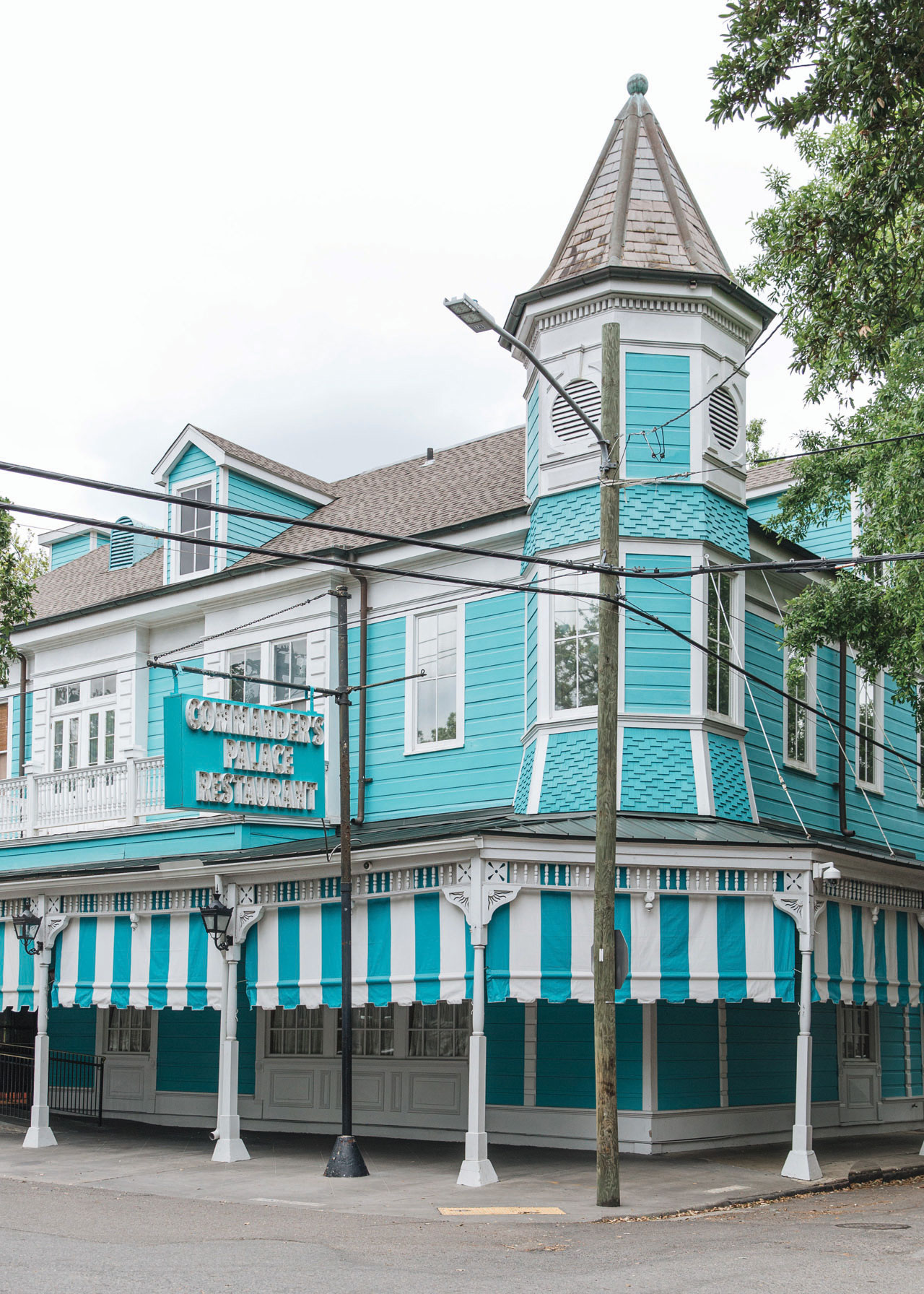
Commander’s Palace in New Orleans

Commander’s Palace in New Orleans

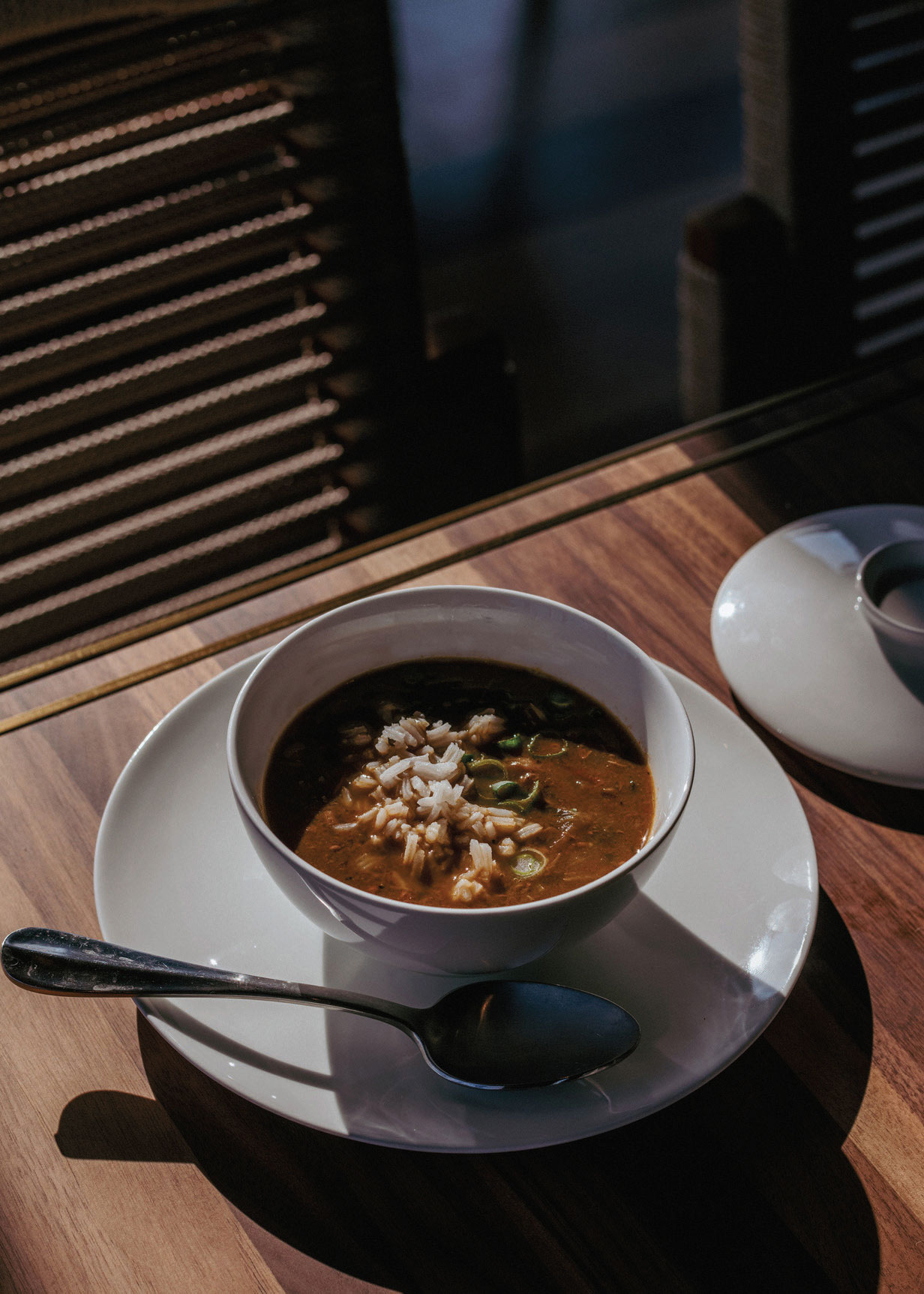
Seafood gumbo at Chemin à la Mer, Four Seasons Hotel New Orleans

Seafood gumbo at Chemin à la Mer, Four Seasons Hotel New Orleans
 

However, when it comes to food in the area, Creole cuisine refers to the same blend of influences—part African, part European, and part Indigenous—that define it elsewhere. Red beans and rice, hot sausage, and jambalaya; crawfish étouffée, grits and grillades, and trout meunière. These are just a few of the many Creole specialties made famous in Louisiana’s kitchens, including at the acclaimed restaurants Commander’s Palace, Li’l Dizzy’s Cafe, and Emeril’s.

Perhaps no single dish is more legendary here than gumbo. A tapestry of influences comes together to create this flavourful stew, melding rice cultivation from West Africa, the use of spices and peppers from Spain, the “Holy Trinity” of onion, celery, and bell pepper from France, and sausage from Germany, then thickened by techniques perfected—depending on your preferred style of gumbo—by the French, Africans, or Indigenous Americans.

“It’s why we offer two different kinds of gumbo,” says Dario Montelvere, hotel executive chef at Four Seasons Hotel New Orleans, which is located within a landmark modernist tower at the edge of the renowned French Quarter.

At the hotel’s Miss River restaurant, the gumbo “features duck and andouille sausage and is thickened with a roux, which is a French technique,” explains Montelvere. Meanwhile, the property’s Chemin à la Mer Steakhouse & Seafood Bar takes a different approach, offering a seafood-based version thickened with okra. “Which is the way Africans perfected it over many generations,” says Montelvere. “We want our guests to learn and experience just how nuanced and interesting Creole cuisine really is.”
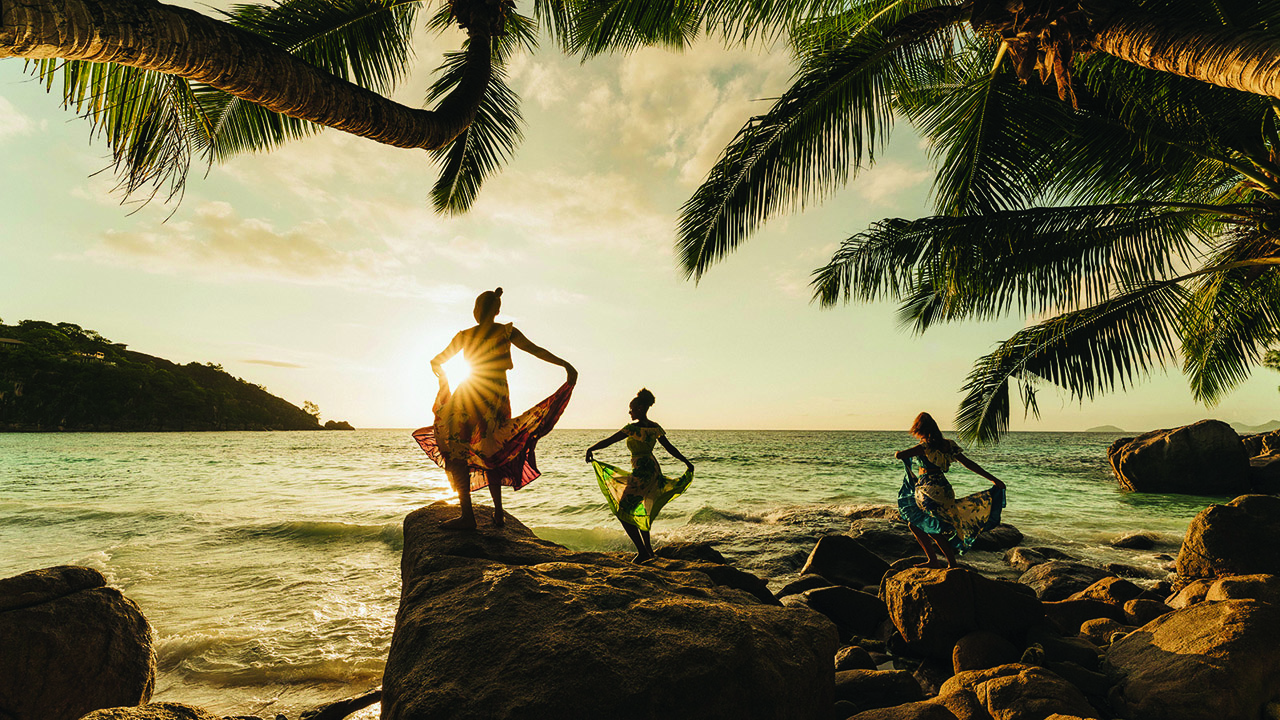
Moutya dancers at Four Seasons Resort Seychelles.
 

Sweet and Spicy in the Indian Ocean

Creole identity exists outside the Western Hemisphere as well. In the Indian Ocean, off the eastern coast of Africa, on islands such as Mauritius, the Seychelles, and Réunion, the Creole characteristic of mixing cultures to create something new is alive and well. The specific influences on these islands, however, are predictably different from what you would find half a world away.

“We are very proud to be Creole on Mauritius—as an identity and also with our French-Creole language and with our food,” says Patrick Soochit, executive sous-chef at Four Seasons Resort Mauritius at Anahita, where 136 villas and private residences sit amid lush gardens.

The island’s food, as in the Americas, includes components derived from European colonial powers and the Indigenous people they encountered. The difference is that most of the enslaved people brought to this region by the Dutch, French, and British were from eastern Africa, including the Malagasy peoples of Madagascar. Later, when the British outlawed slavery in the 1830s, hundreds of thousands of indentured servants from India and China arrived on the islands to work on its sugar plantations for low wages.

The result, Soochit says, is a cuisine that blends cooking techniques from Europe with local ingredients and seafood, as well as a few twists.

“Our food is spicy, thanks to the spices from India and China,” explains Soochit, “but, because of the Malagasy, it also features stews like rougaille and sweetness from coconut milk and vanilla.”
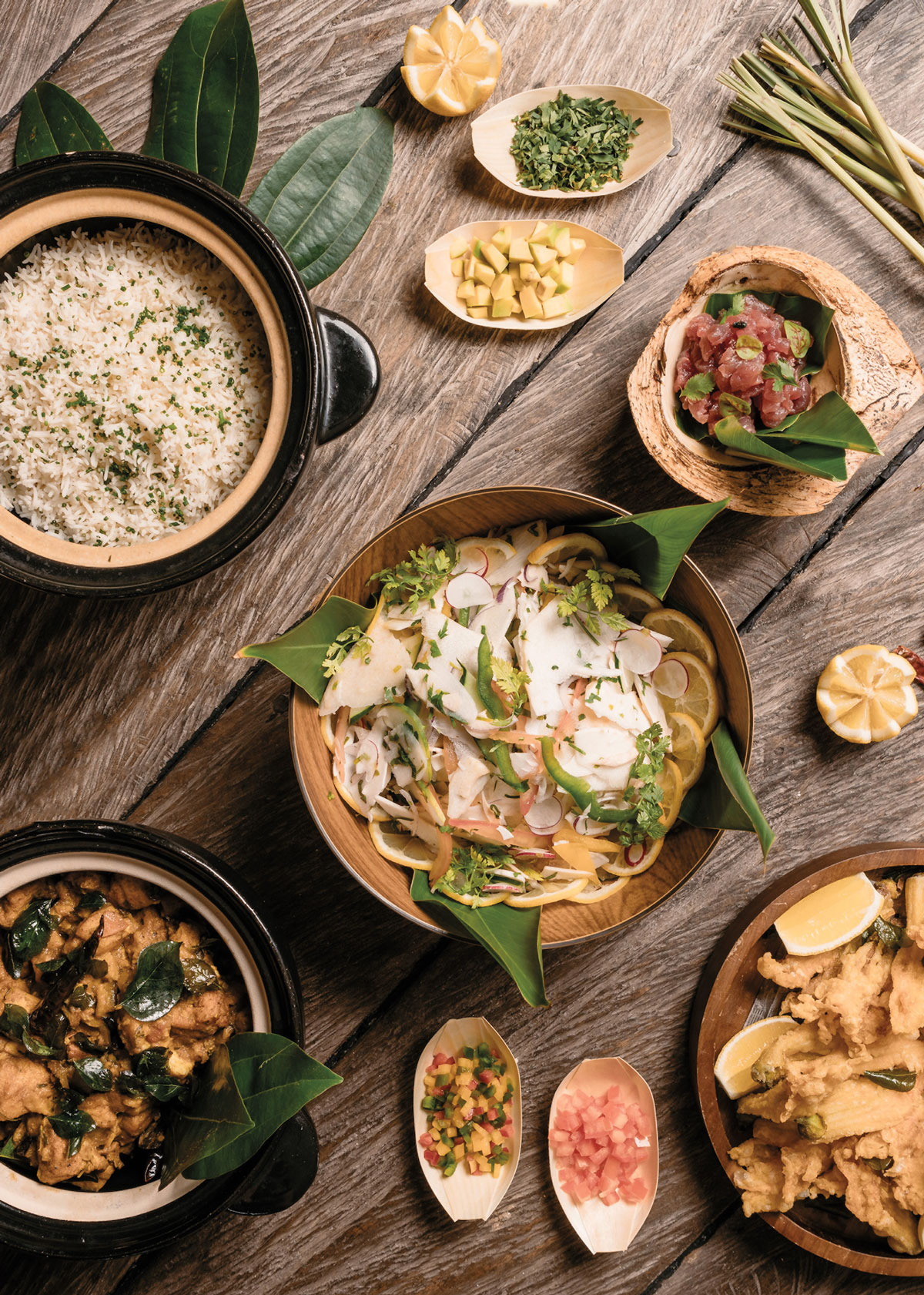
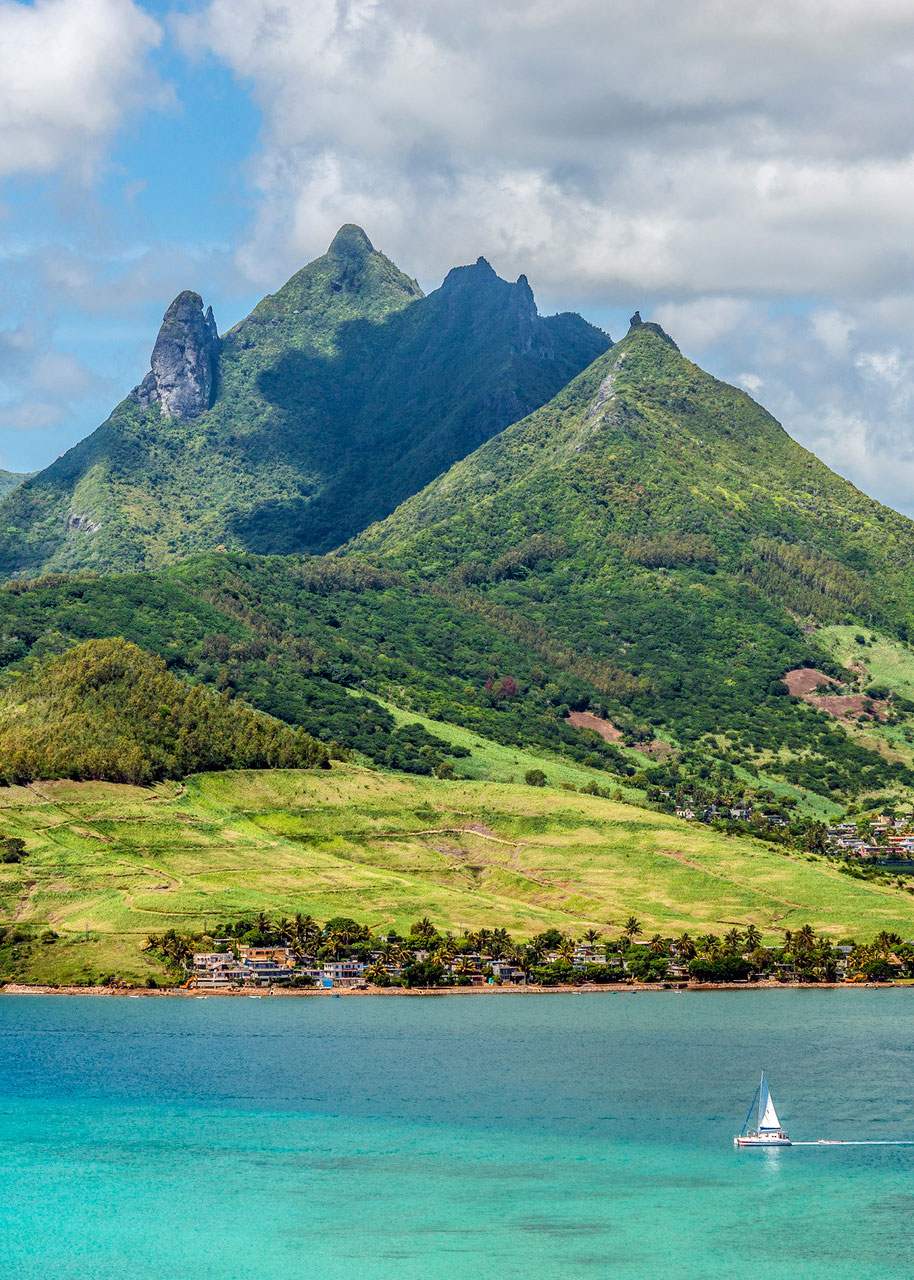
Dishes, including chicken curry and palmist salad, from the Sware Kreol dining experience at Four Seasons Resort Seychelles
Four Seasons Resort Mauritius at Anahita
 

In Mauritius and in the Seychelles, Four Seasons properties are eager to show guests this unique blend of influences. Whether through food items, like dhol buri, coconut milk octopus curry, or Creole-style prawns with stewed ​tomatoes and peppers; or through language, music, dance, and beachside social gatherings with friends and family, the Creole experience is everywhere.

“We want to show it to you, because we are proud of it,” says Perry Poris, sous-chef at Four Seasons Resort Seychelles at Desroches Island, which hosts a weekly dining experience, La Tous Kreol. “Not just because we are Seychellois, but because that means we are part French and part English, part Asian, and part African. We are a culture made from the world.”

Last summer, Four Seasons Resort Seychelles debuted its own weekly dining ​experience, Sware Kreol, featuring live authentic music, traditional Moutya and Sega dancing around a bonfire, barbecue, and Creole curries. Chef Marlene “Mama” Adesoyede helps lead the event, which she calls a “labor of love.”

“Guests can taste my octopus curry and fresh meat and fish,” Adesoyede says. “They can enjoy our music and learn our way of dancing. Seychellois Creole culture is beautiful and unique. You have to come experience it.”
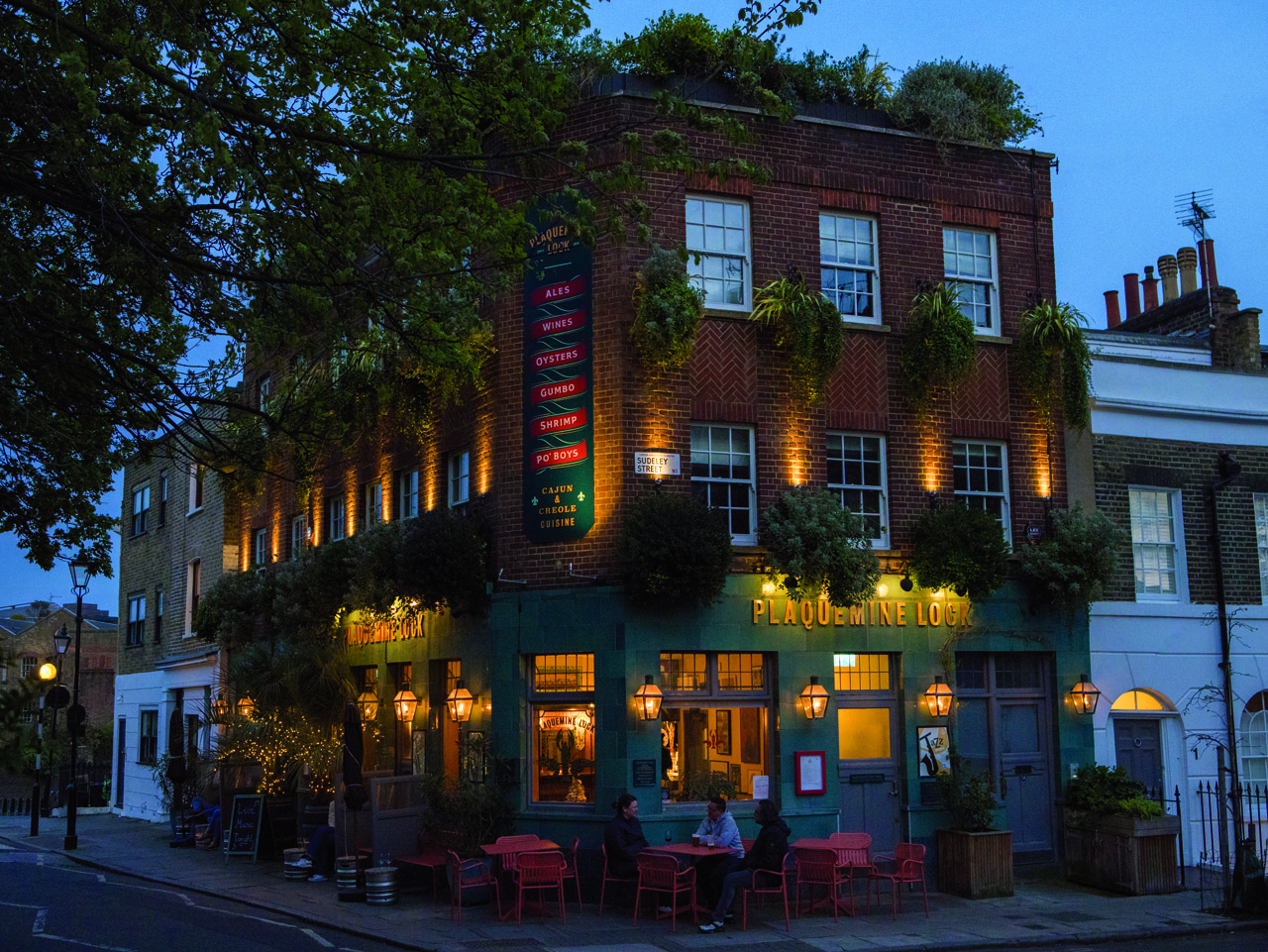
 
Plaquemine Lock in London
 

Something New

“Cultural purity is a thing of the past,” says Professor Beriss. “Creoleism is just one piece of proof. Almost everywhere you look on this planet, cultures are colliding and Creole-izing to create new cuisines—and I think that’s a very exciting thing to experience.”

In South Africa, for example, Afrikaans is a language that mixed the languages of Dutch settlers, the Indigenous Khoisan, and enslaved Southeast Asian and African peoples. The food, says Rudi Liebenberg, executive chef at Four Seasons Hotel The Westcliff Johannesburg, has been similarly Creole-ized. “It’s sweet because of influences from the enslaved Malay, but spicy because of labourers from India,” he explains. “The European settlers brought stews and baking and wine, and the Indigenous African people brought a culture of open-fire roasting—we call it braai—that South Africa is famous for. Our cuisine as we know it today wouldn’t be possible without all of this, which is the beauty of cultures coming together.”

Diners around the world are recognizing that beauty. Chef Kwame Onwuachi is serving Creole-inspired cuisine to rave reviews at his restaurants Tatiana in New York City and Dōgon in Washington, D.C., while chef Jacob Kenedy’s Plaquemine Lock, awarded Michelin Bib Gourmand status, is introducing London to the food of Louisiana. In Tokyo, Soul Food House is giving diners the chance to dig into Creole favourites like seafood gumbo and blackened shrimp (in tacos).
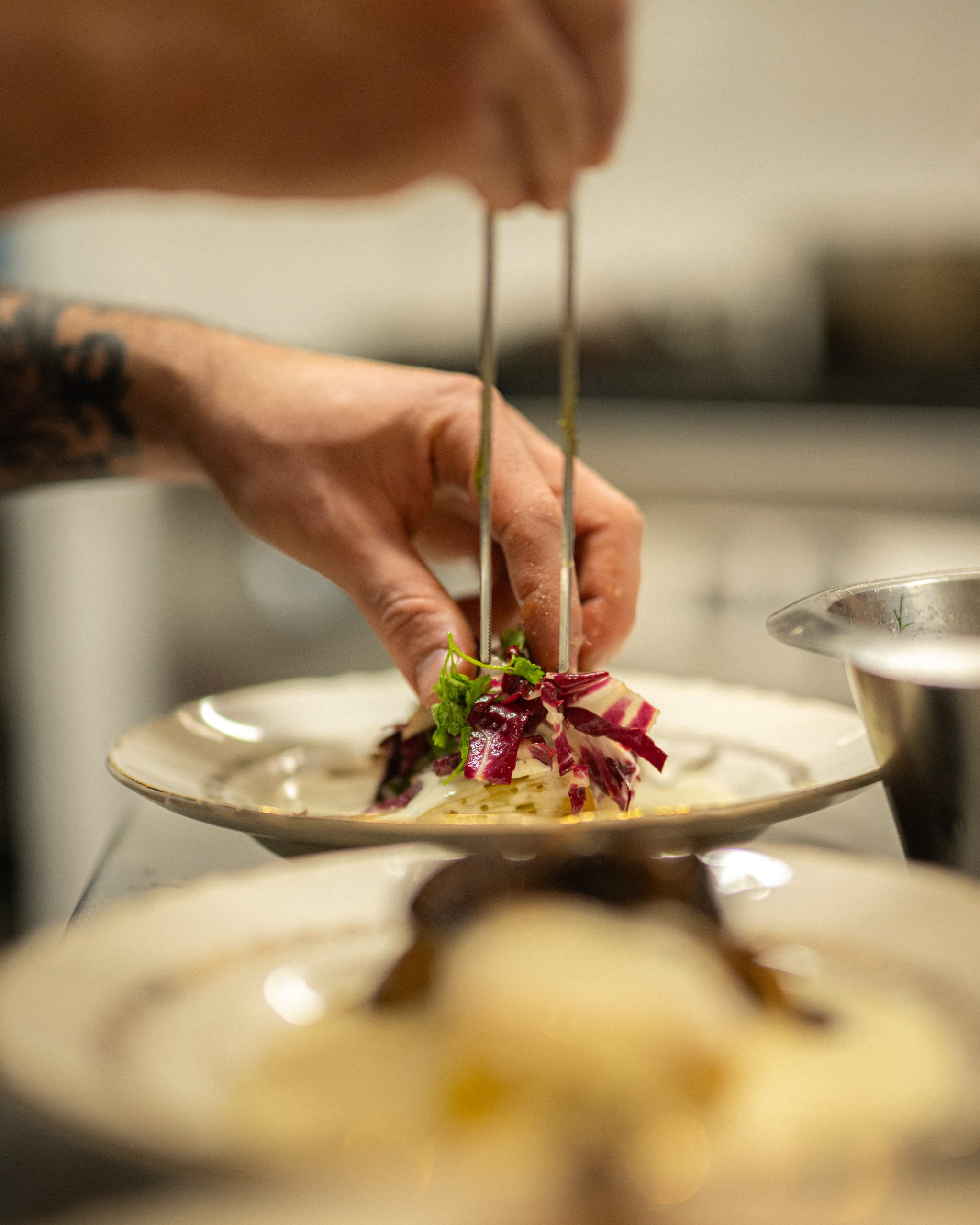
plating at BRU paris
Photos by Charles Hemon. Plating at BRU in Paris
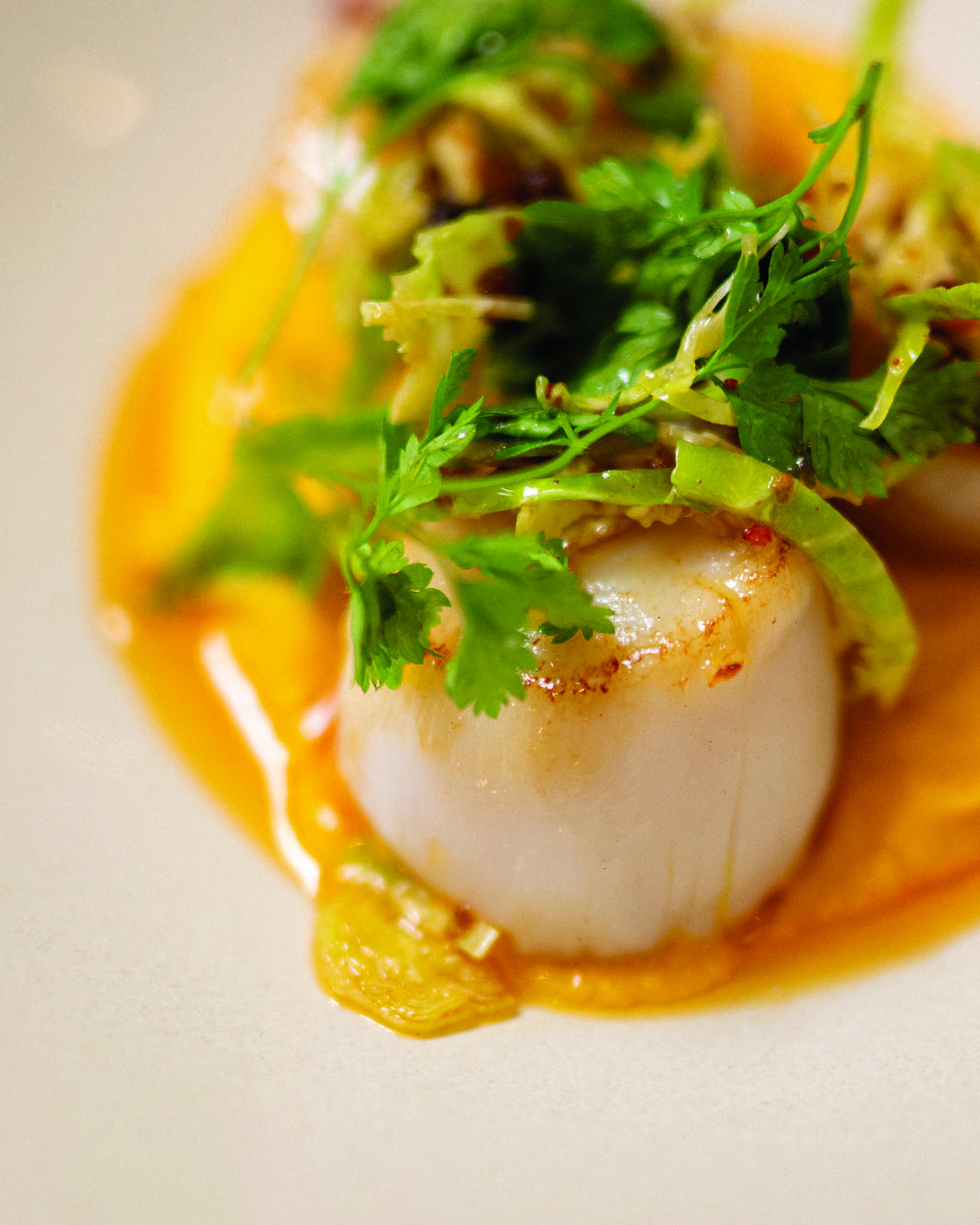
Scallops at Bru in Paris
 

And in Paris, chef Julia de Laguarigue is bringing the cuisine from her Caribbean home of Martinique to her Bib Gourmand–recognized restaurant BRU, located in a classic neighbourhood bistro space. Her intention is to share the vibrant, balanced, and layered flavours of her Creole upbringing with a new audience. At the same time, she wants her food to taste like it belongs in France, so she is allowing it to continue to evolve and mix in its present environment.

“Cooking in Martinique is something we do together,” she says. “It’s about sharing, gathering, and passing things down from one generation to another. I wanted diners in France to enjoy that experience and our flavours without [these elements] feeling out of place.”

So she and her team experiment. One dish combines plantains with wild garlic, while another is a more refined version of the West Indian stew ​colombo. “There are combinations of flavours at our restaurant [that] you would probably never find in the Caribbean,” de Laguarigue says.

But that is exactly what Creole cuisine has always been about—combining disparate traditions to create something new, thrilling, and delicious.
The Culture Cut: Art in Unlikely Places

Art isn’t restricted to that which is painted, contained within a frame, and hung on the walls of a grand museum like the MET in New York City or the Louvre in Paris. Art can be an exquisitely designed dress, for instance, and it can be found anywhere—in the desert, on a beach, in an eyeglass shop, even. Here are four new exhibitions of beyond-the-frame art that are on our radar.

Florence, Italy

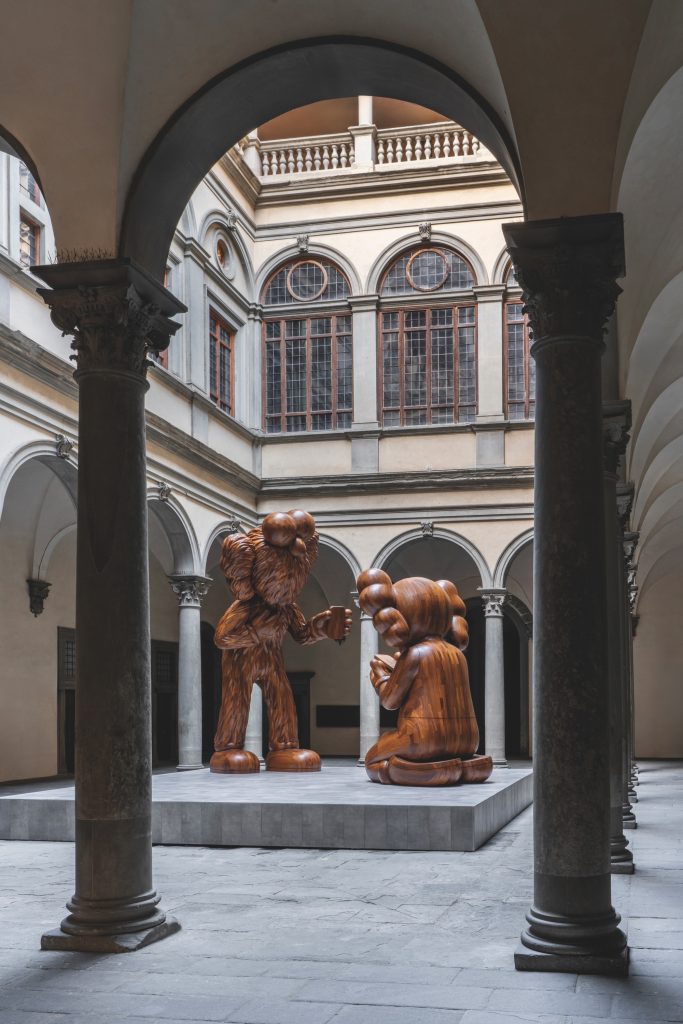
A thoroughly modern interpretation. Photograph by Ela Bialkowska.

Known for his bold, pop-inflected sculptures, the artist KAWS crafted his massive new installation, “The Message,” in warmly burnished wood. The artwork—featuring two nearly 20-foot-tall figures, each of which holds a wooden smartphone—is a modern interpretation of a famous 15th-century fresco, “The Annunciation”, by Fra Angelico. Works by the Italian Renaissance painter, along with KAWS’s sculpture, are on view through January 25, 2026, at Palazzo Strozzi in Florence, Italy, which is home to Four Seasons Hotel Firenze.

Paris, France

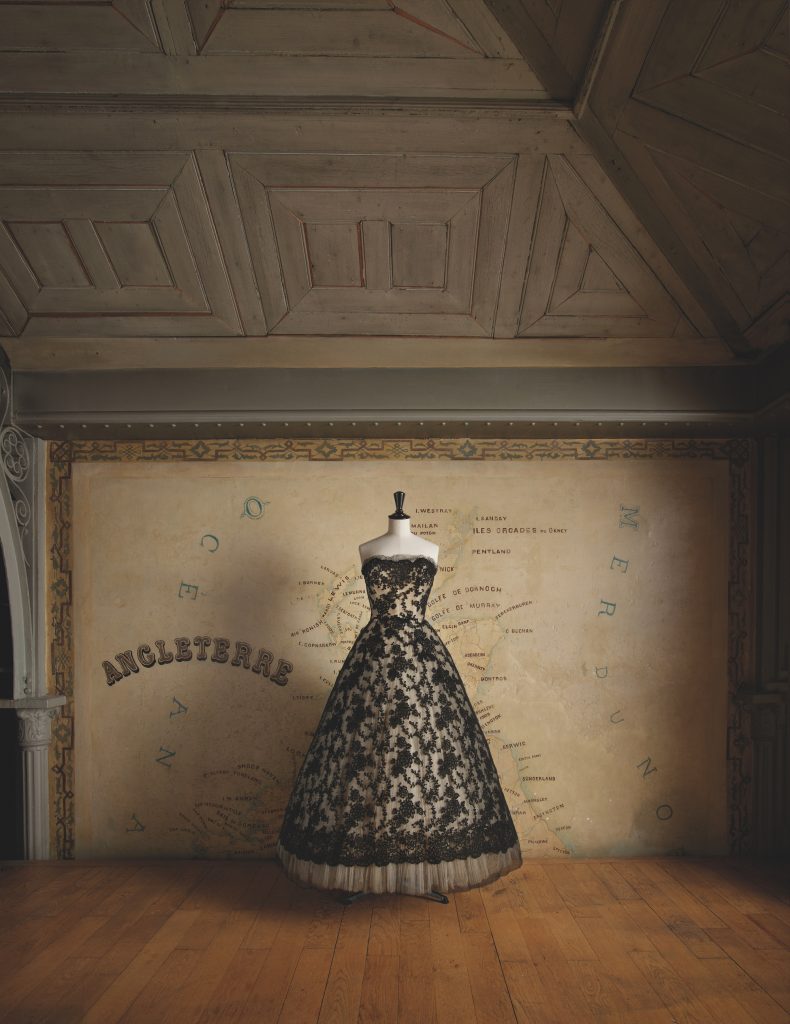
A Christian Dior evening gown from the Fall/Winter 1951 haute couture line.

When he was a young man, in 1956, Azzedine Alaïa spent just four days as an intern at the legendary House of Dior—a fleeting experience that would leave a lasting impression. In time, he would establish his own maison, becoming known as a master of sculptural tailoring. Behind the scenes, Alaïa (who died in 2017) was also a devoted collector of vintage Dior, amassing some 600 pieces. Now his extraordinary personal collection takes center stage in not one but two exhibitions in Paris: a show, at La Galerie Dior spotlighting more than 100 of these rare pieces, and one at the Azzedine Alaïa Foundation, where Dior and Alaïa designs are shown in concert, tracing threads of influence, admiration, and creative kinship. (The former exhibition runs through May 3, 2026; the latter, through May 24, 2026.) For those who won’t be in Paris, Rizzoli and Damiani are publishing catalogues of the exhibits.—Degen Pener

Seoul, South Korea

Giant sculptures inside the Gentle Monster store.

Rising above Seoul’s Seongsu-dong neighbourhood, Haus Nowhere has quickly become a cultural pilgrimage site for shoppers seeking the next chapter in retail. Opened in September in a 14-story brutalist building, the store is the fourth experimental retail project from IICombined, the parent company of the luxury eyewear brand Gentle Monster. Yes, it sells products, including sunglasses; caps and beanies from Gentle Monster sister brand Atiissu; fragrances by Tamburins; and tableware from Nuflaat. More than anything, though, it’s an unforgettable sensory experience, complete with a colour-saturated teahouse and a rotating roster of art installations, like two painted humanoid giants sitting in meditation (above) and a gargantuan dachshund napping on the floor. It’s a concept store gone supersized.—Julie Pham

Naples, Florida

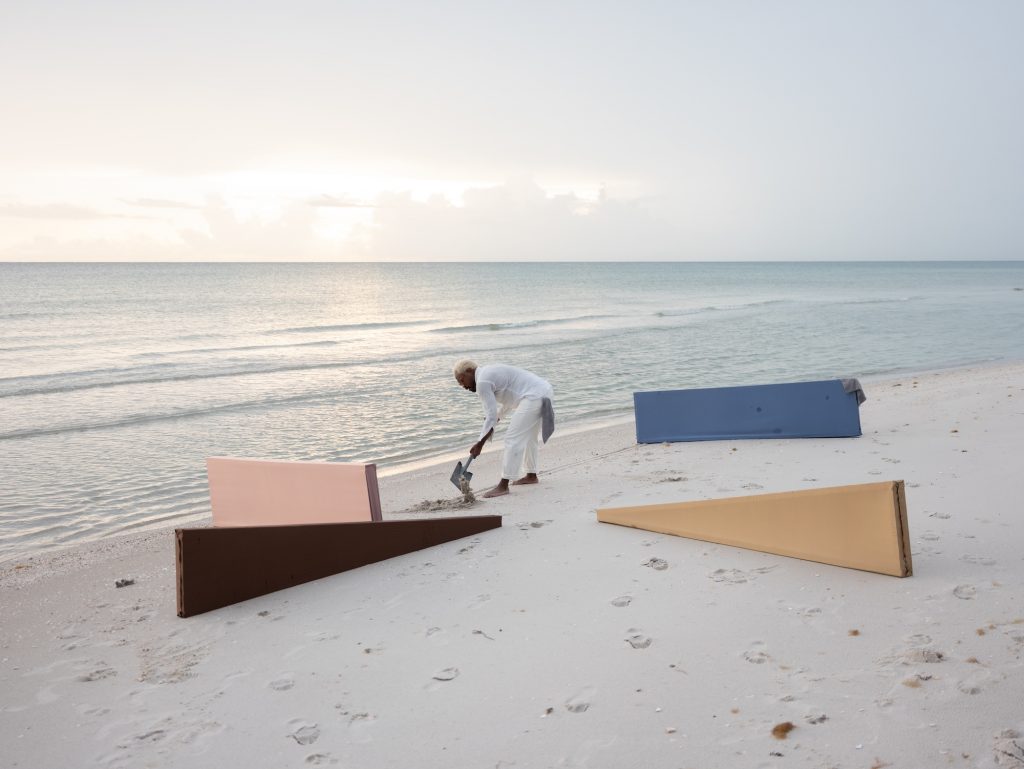
Artist James Perkins at work. Photograph by Leila Brewster.

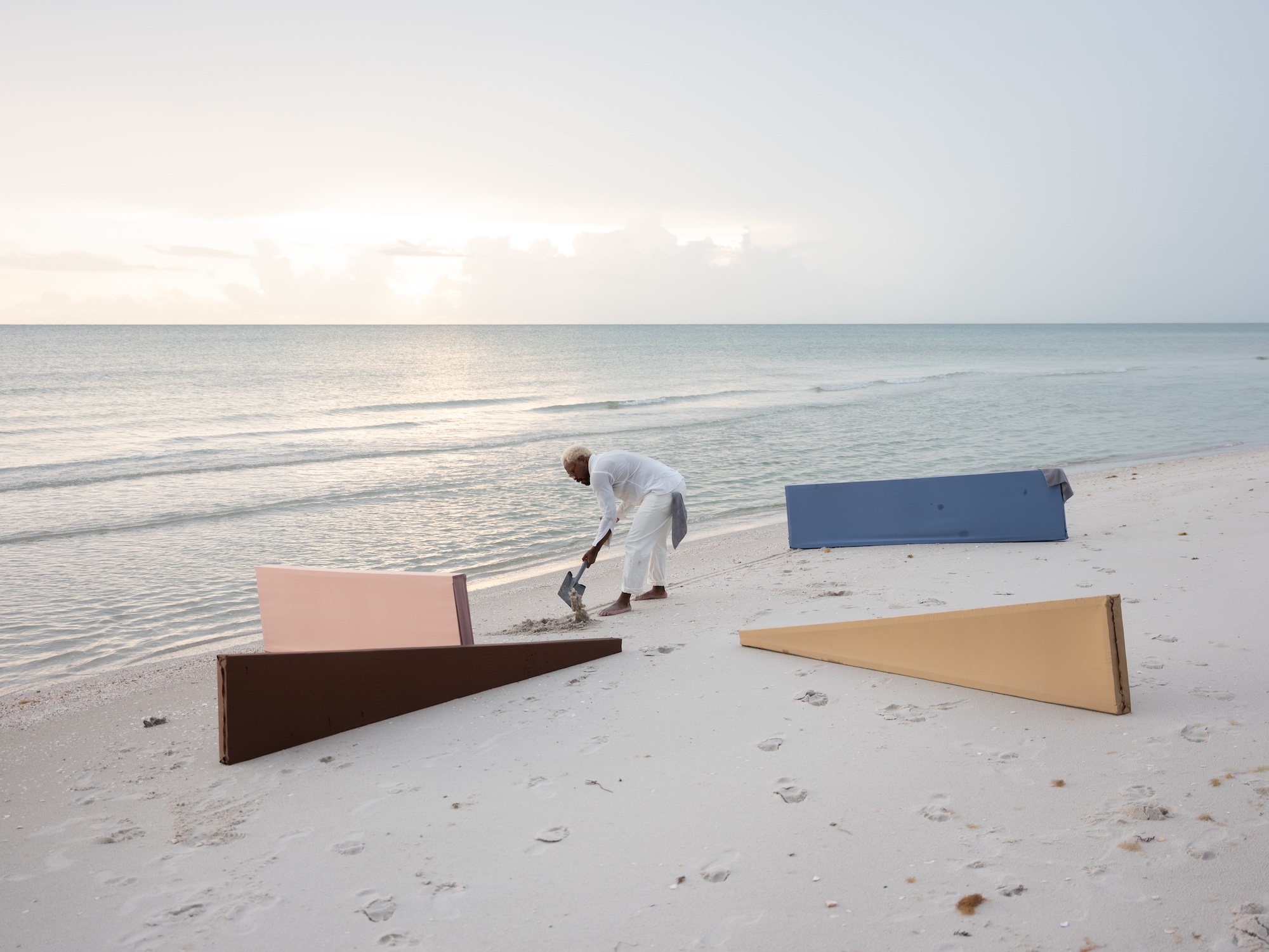
“I’m blurring the line between what is man-made and what is made by nature,” says James Perkins (pictured above). The New York–based artist’s practice involves burying silk-covered wood frames and letting the pieces absorb the effects of sun, surf, rain, and earth. Last year year, he buried some of his latest works in Naples, Florida, home of the new Naples Beach Club, A Four Seasons Resort. Perkins is also the subject of his first museum show, Burying Painting, which runs through February 15, 2026, at the Scottsdale Museum of Contemporary Art.

La Maison du Pastel: A Centuries-Old Color Conjurer

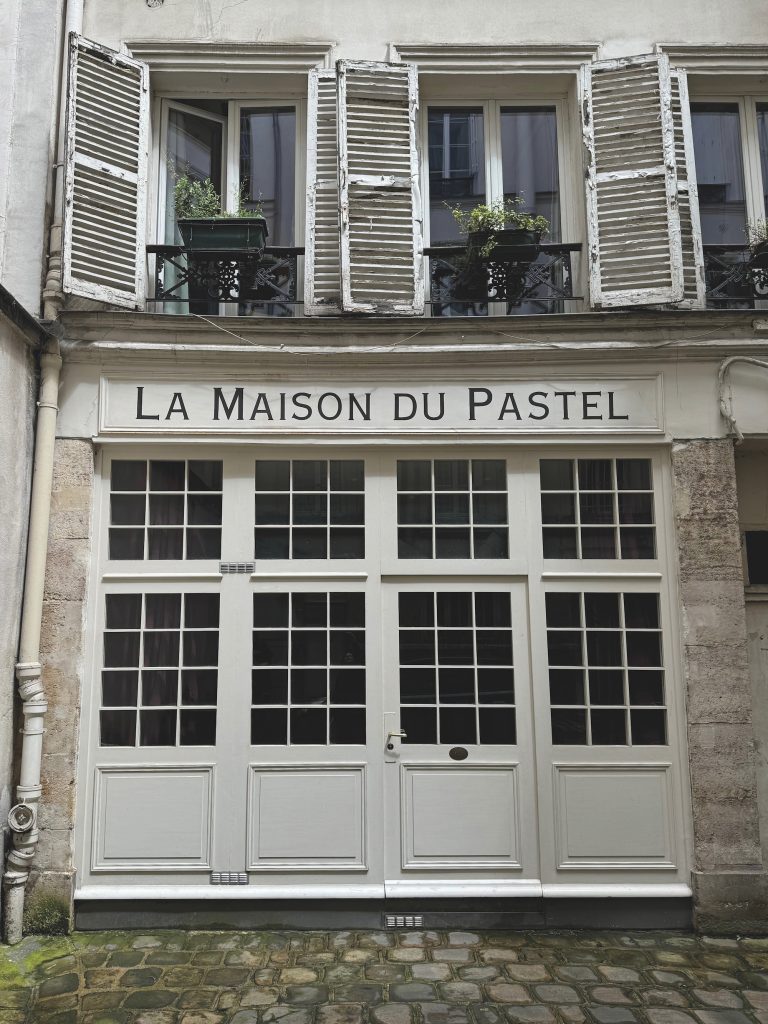
Tucked away in Paris’s 3rd arrondissement is a sanctum of colour. There, Isabelle Roché and Margaret Zayer, the chatelaines of La Maison du Pastel, serve the business’s devoted patrons with the kind of rare attention that only the stewards of a 300-year-old house can provide.  

La Maison du Pastel
The modest storefront.

Over the centuries, pastelists have shared their colour wish lists with the proprietors, who’ve scribbled notes about each request and spent years, if not decades, honing the tonal hues. In the late 19th century, chemist Henri Roché acquired the house and perfected formulas for binding powdery pigments in sticks of lightfast, luminous colour. He consulted such artists as Edgar Degas, who sketched pink-toned ballerinas in fluid poses, their fans and costumes lit with yellow and blue, and James McNeill Whistler, who touched his drawing of windows over a narrow Venice canal with aqua, crimson, and olive.  

Maison du Pastel
The hand-made pastels have a cult following among artists, designers, and other creatives. Photograph by Margaret Zayer/Maison du Pastel.

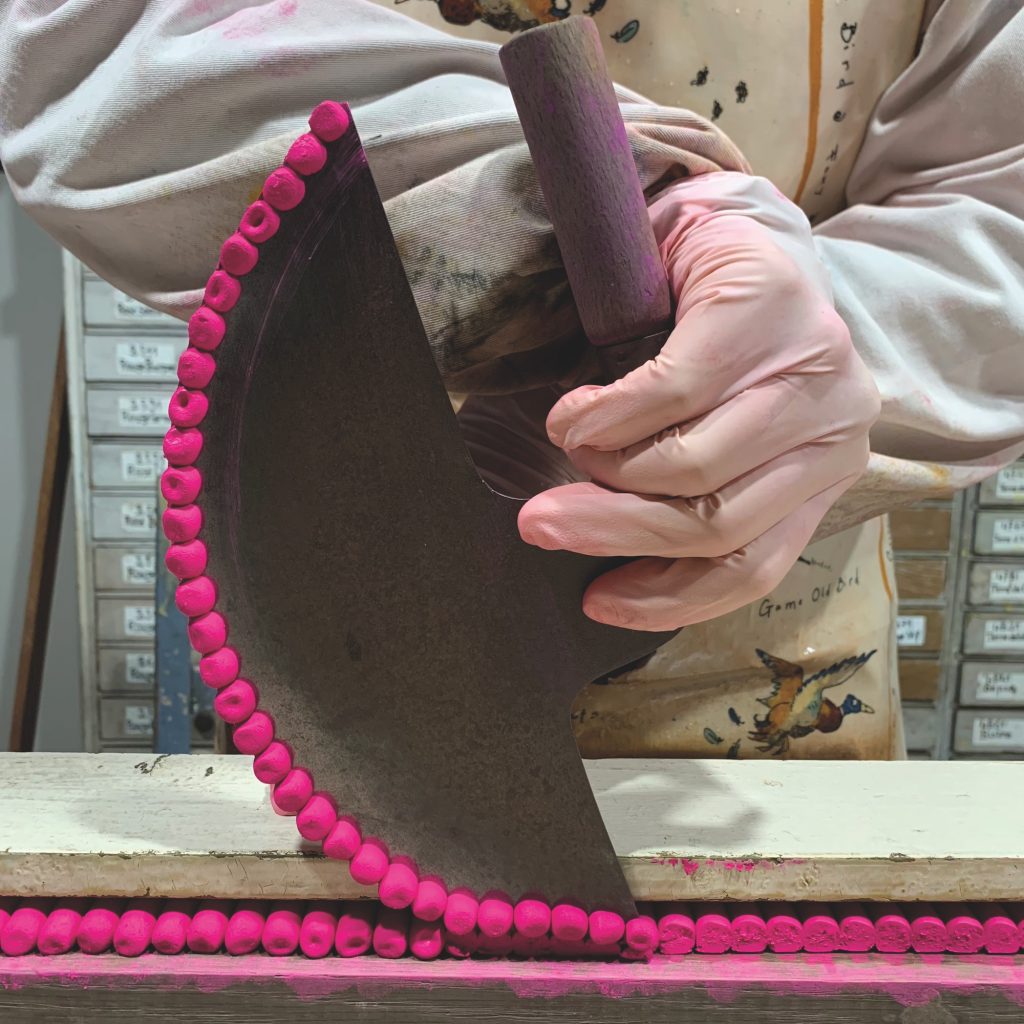
When Isabelle Roché, a distant relative of Henri’s, took over the business 25 years ago, she inherited its legacy of craft. She set about reviving the house, sifting through vintage pigments and papers to learn pastel-making, which involves turning taffy-like batter into small batches of hand-rolled sticks.  

Fifteen years ago, Zayer joined the maison as an intern and went on to oversee colour formulation. The two come to Paris once a week from their atelier in the countryside to open their shop on Thursday afternoons for just four hours.  

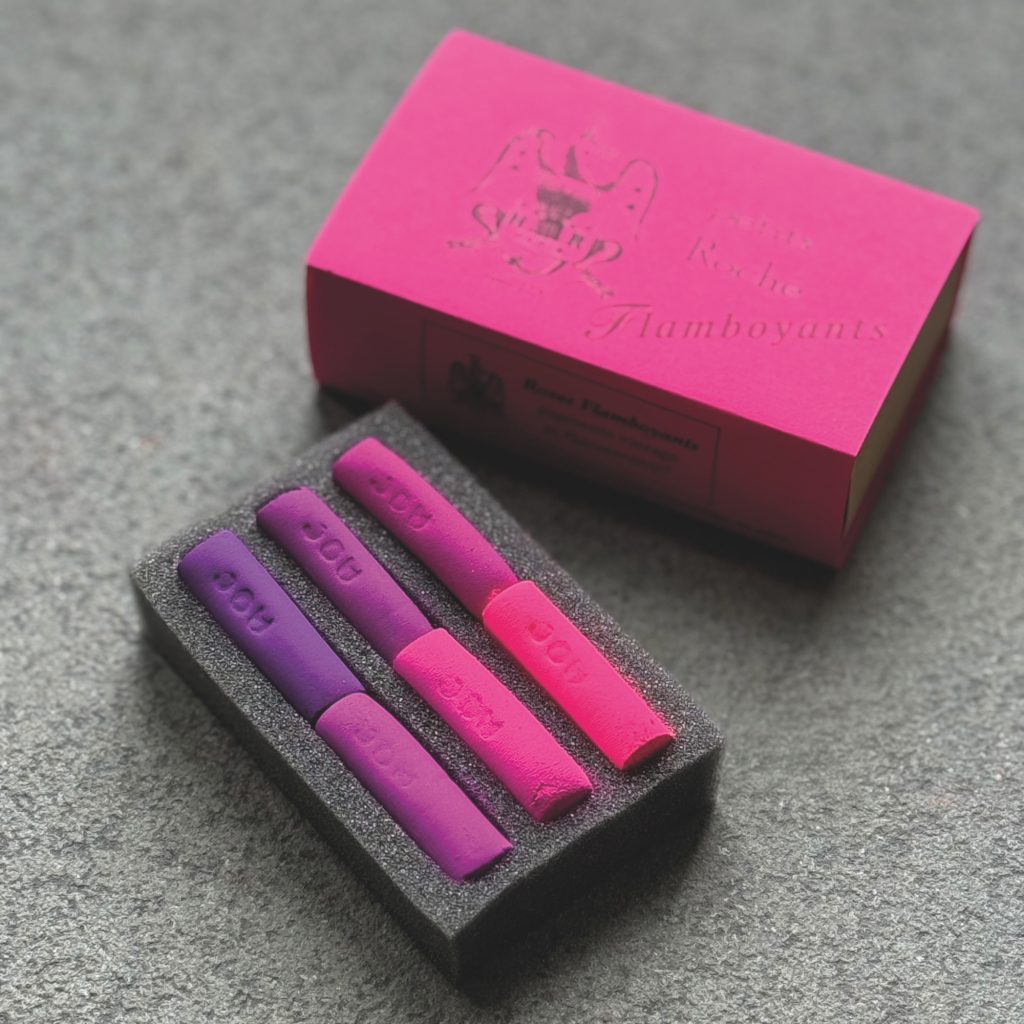
Maison du Pastel
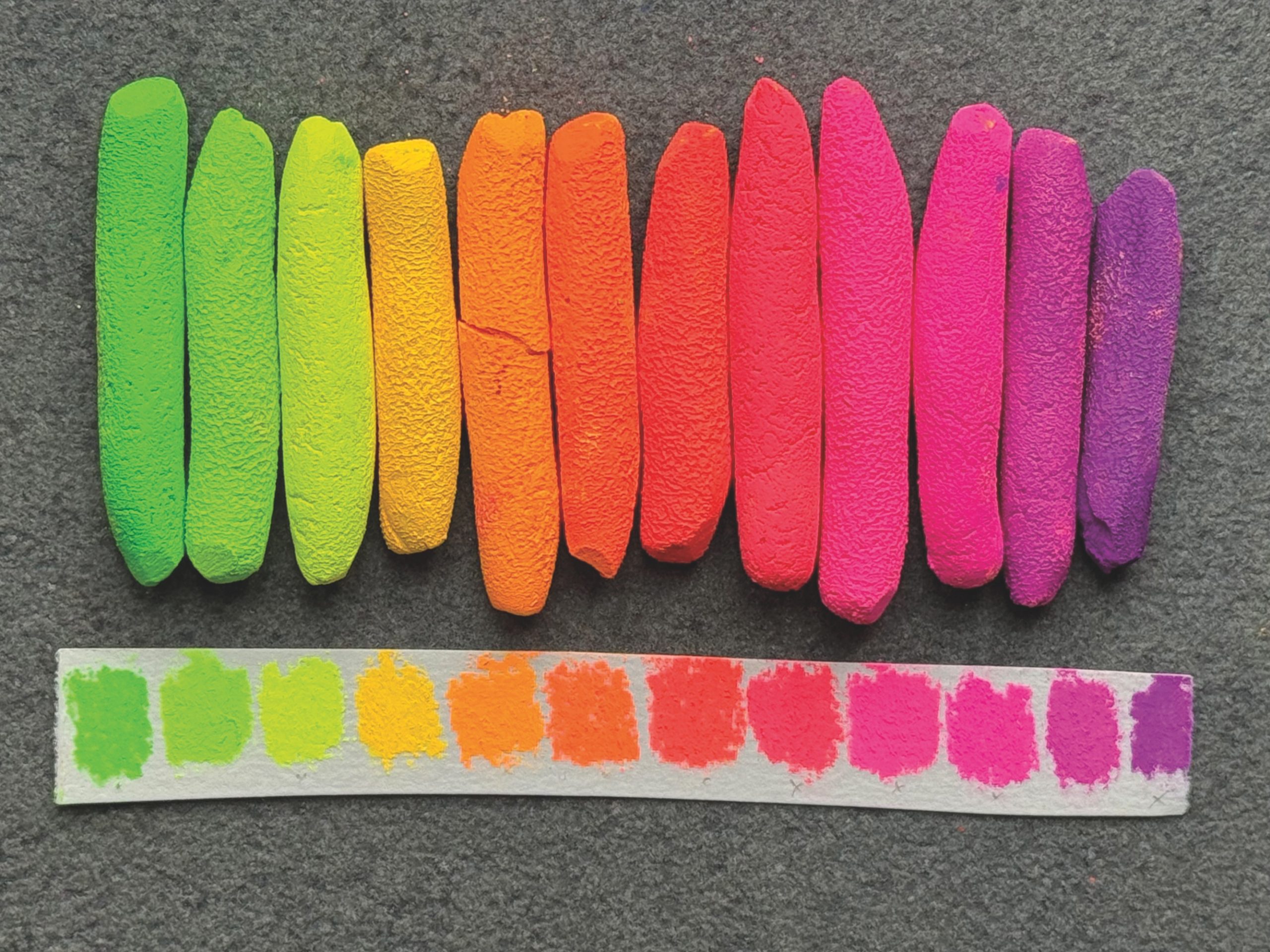
Hot pinks. Photograph by Margaret Zayer/Maison du Pastel.

“The colours are just beyond,” says fashion illustrator Richard Haines. “It’s like buying a box of bonbons—a delicious piece of Paris.” Recently, the maison’s palette surpassed 2,000 colours. The hues draw both artists and fashion designers (Karl Lagerfeld had a set), and devoted patrons know their favourites by their numbers or evocative names like Scarab and Flamboyants.

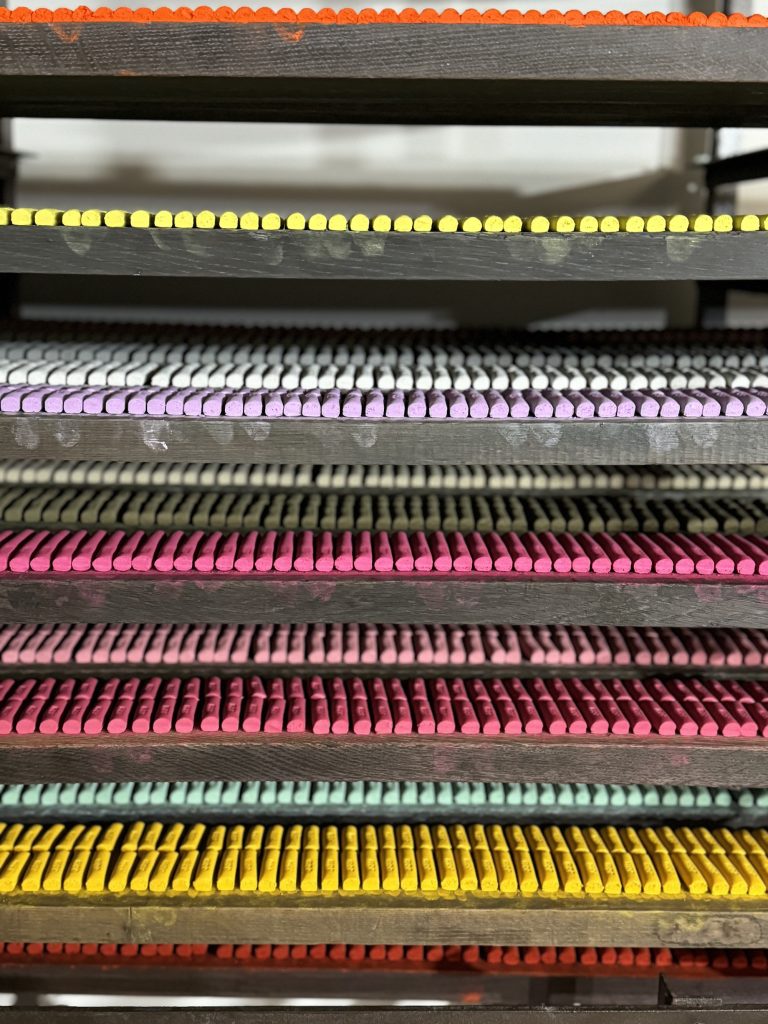
Maison du Pastel
A drying rack of pastels. Photograph by Margaret Zayer/Maison du Pastel.

A new line of fluorescent pastels debuts this summer, promising to ignite creativity in ways yet to be seen.

Off-Season Is the New On-Season

People who live in popular tourist destinations like Tokyo and Paris know that autumn is the best season. Spring is when the crowds begin; summer, when they peak; and winter is festive but at the whim of Mother Nature. Fall, though? That’s when they get their streets back. If you enjoy your vacation on the quieter side, it’s a perfect time to visit.

Below, we’ve rounded up four Four Seasons destinations to consider booking off-peak. Open sidewalks and friendly locals await. 

Fall in Paris

Four Seasons Hotel George V. Paris, Shopping
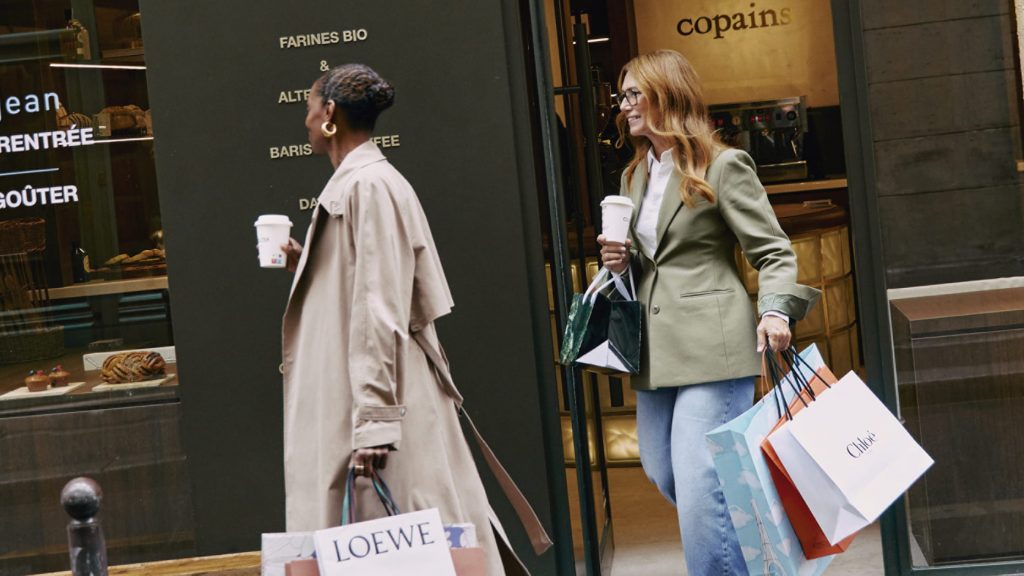
Visit the best Parisian boutiques with a shopping insider.

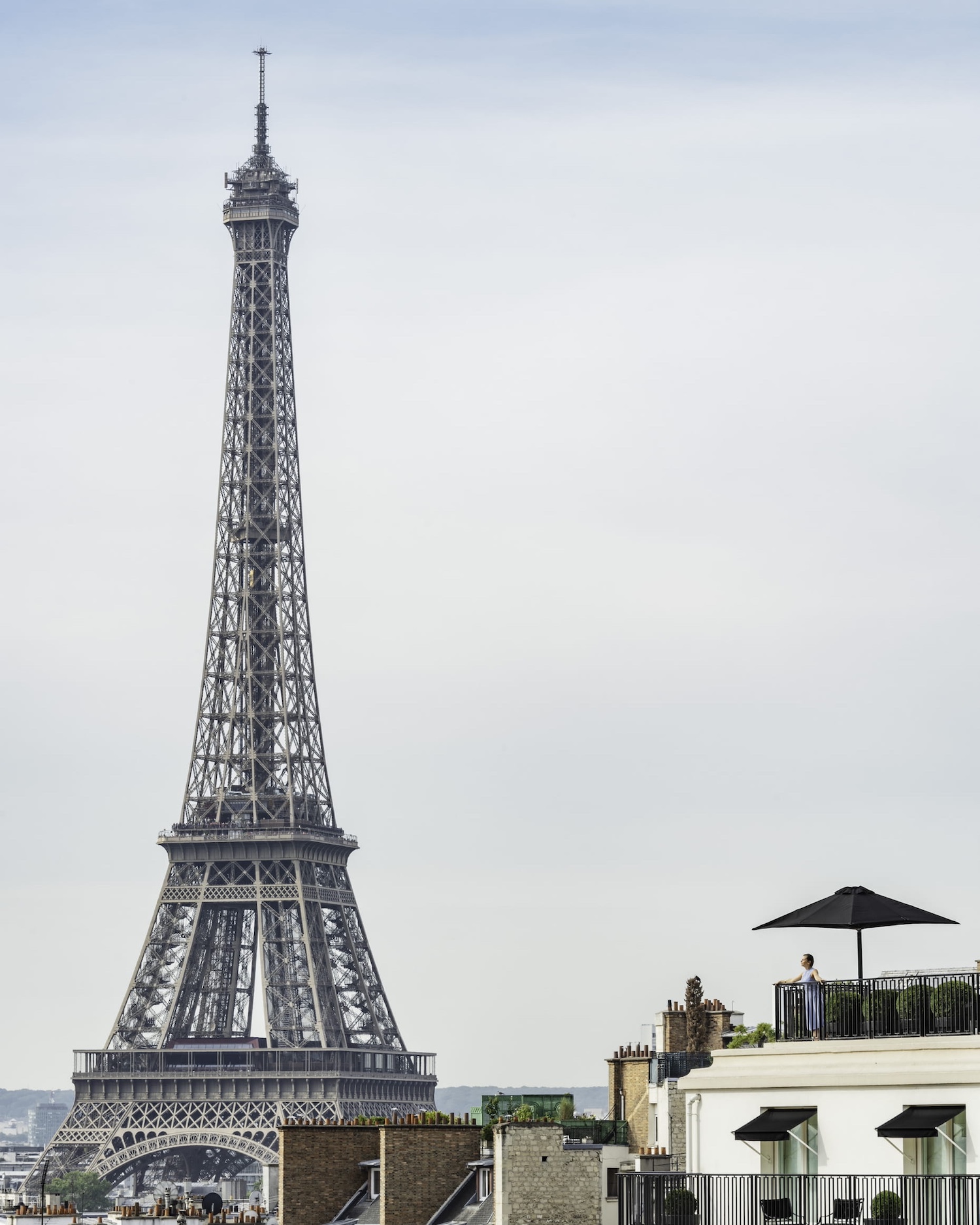
We may be biased, but autumn is the best time of year to visit the City of Light—and Four Seasons Hotel George V, Paris, the best place to stay. Let us count the ways: It’s housed in a gorgeous Art Deco landmark building. It’s located in the Golden Triangle neighbourhood of the 8th arrondissement, just off the Champs-Élysées, steps from world-class shopping. Some suites have jaw-dropping views of the Eiffel Tower.  

Oh, and did we mention the property has a trio of Michelin-starred restaurants (between them, they’ve won six stars)? Three-starred Le Cinq by Christian Le Squer—considered one of the world’s most exquisite examples of French dining—is a restaurant that foodies plan entire vacations around. Two-starred L’Orangerie offers refined French cuisine in an airy conservatory setting. And Le George specializes in Mediterranean flavors and sustainable sourcing.  

From mid-September to mid-November, you’ll have the opportunity to book a So Chic, Darling! experience with a local fashion insider, who will take you on a chauffeured tour of must-visit boutiques and ateliers. At tour’s end, recharge with a stop at a café for pastries and drinks.  

Four Seasons Hotel Paris, Eiffel Tower

Fall in Montreal

Four Seasons Hotel Montreal, Market
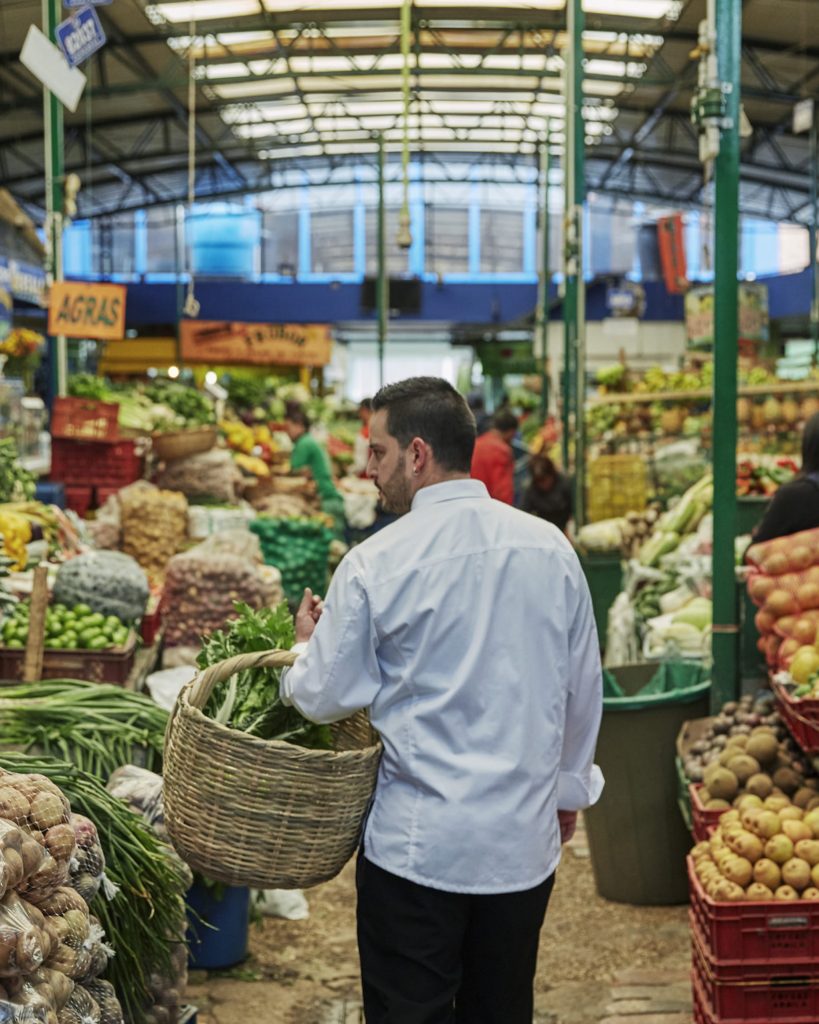
Book a private market tour in Montreal.

For a getaway that combines foliage viewing with sophisticated dining, look no further than Montreal, where you can get your fill of gourmet bagels, next-level smoked meats, flaky French pastries, and, of course, poutine, Canada’s national dish. One of only two North American cities to crack the top 10 on Condé Nast Traveler’s Best Food Cities in the World list for 2024 (Vancouver shares the honour), Montreal is a must-visit for those with big appetites and discriminating palates. 

Foodie travellers will want to consider aligning their Montreal visit with MTLàTABLE (October 30 to November 16), the popular annual event where diners enjoy prix-fixe options at more than 150 participating eateries. A postprandial walk along the trails at Mount Royal Park for a dose of autumn colours and crisp air is a must. The forest-like park, initially laid out by Frederick Law Olmsted (who designed New York City’s Central Park), is known for its city skyline views. 

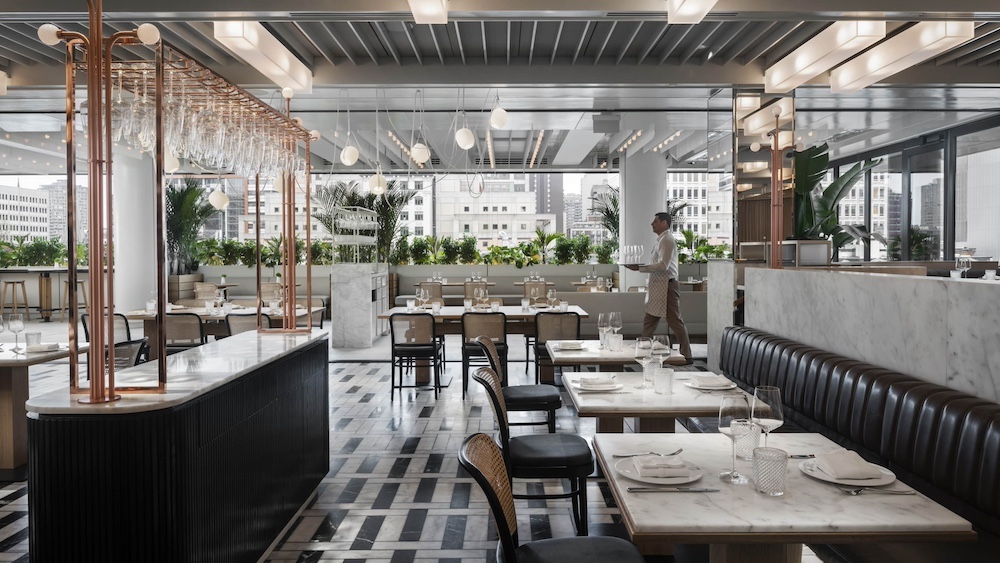
Once you’ve had your fill of fall foliage, retreat to Four Seasons Hotel Montreal, where, naturally, there’s a stellar restaurant on-site—world-renowned chef Marcus Samuelsson’s Marcus Restaurant + Terrace—in case you’re still hungry. Looking to detox after all the indulging? Book a luxurious treatment at the hotel’s Guerlain Spa, one of only five spas in Canada to be rated five stars by Forbes Travel Guide. 

Four Seasons Hotel Montreal, Marcus

Fall in Tokyo

Four Seasons Hotel Tokyo, Foliage
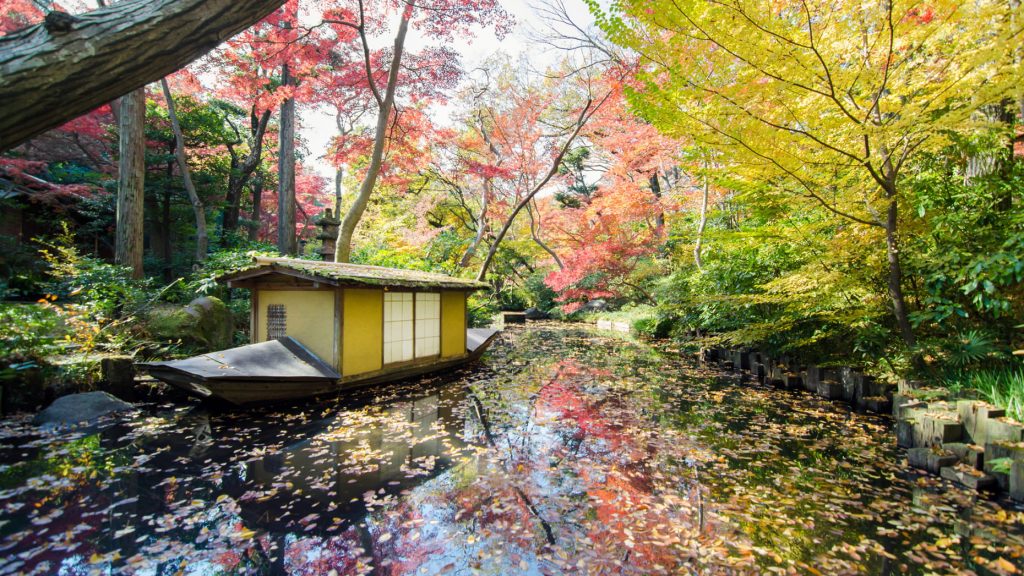
Autumn foliage in Tokyo.

Tourists may think of Tokyo as a futuristic city of skyscrapers and neon lights, but it’s also filled with plenty of ways to engage with nature. In fact, according to a recent survey, Tokyo ranks No. 1 on the list of cities with the most green spaces in the world—all of which makes it a great destination for fall foliage viewing. 

When it comes to a place to stay, you have two standout options: Four Seasons Hotel Tokyo at Otemachi and Four Seasons Hotel Tokyo at Marunouchi. Otemachi is the newer, larger property, boasting 190 guest rooms and suites and occupying the top floors of a 39-story high-rise in the financial district. In addition to its award-winning bar, Virtù (one of Asia’s 50 Best Bars 2024), and Michelin-starred restaurant, est, the hotel’s most-buzzed-about feature is its jaw-dropping views. When the elevator doors open into the lobby, guests are wowed by the panorama of the city and, best of all, the grounds of the Imperial Palace below, right next to the building. 

For a more boutique, street-level experience, consider the Marunouchi hotel, which has just 57 guest rooms and suites and is located next door to Tokyo Station. The accommodations are currently undergoing a renovation (to be finished by March 2026), but the hotel’s spa and prized restaurant, Sézanne, recipient of three Michelin stars and winner of Best Restaurant in Japan on Asia’s 50 Best Restaurants 2025 list, remain open. Headed by chef Daniel Calvert, the elegant restaurant interprets Japanese ingredients through the lens of French cuisine. 

Four Seasons Tokyo at Otemachi

Fall in Vail

Four Seasons Resort Vail
Get your fill of mountain biking before the snow arrives.

Ask locals in any traditional ski town their favourite time of year, and you may hear a surprising answer. While winter is when they can enjoy their beloved snow sports, autumn is when they get to experience nature the way it’s intended to be experienced: without lines. 

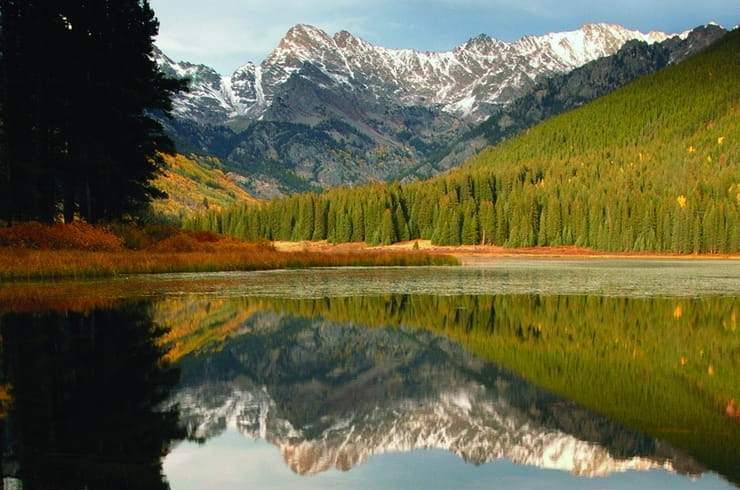
Visit Vail in the fall, and your encounters will be more colourful (think yellow and orange and red)—and potentially more rewarding. No, you probably won’t be able to ski or snowboard, but those mountains hold other opportunities for fun. Biking, hiking, trail running, fly-fishing, and horseback riding allow you to fully engage with the majesty of Colorado’s Rocky Mountains. 

Another reason to book an autumn stay in Vail: Oktoberfest. Thanks to its Bavarian-inspired village center, Vail has become one of the best spots in the U.S. to celebrate the iconic brews-and-bratwurst festival. Extra credit: Come dressed in your lederhosen or dirndl, and enter the costume contest for bragging rights. 

Four Seasons Resort and Residences Vail, just steps from the high-end restaurants and shopping at Vail Village, is the ultimate luxury basecamp for your fall vacation. After a day spent outdoors, it’s time for après-ski at the resort. After all, après-ski isn’t just for the winter months; it’s an attitude—and a year-round pursuit. 

Four Seasons Vail

Find Your Holiday Cheer at Four Seasons

An indoor winter wonderland designed by Jeff Leatham in Philadelphia, windows into magic worlds in Paris, a fiery display in Langkawi: The celebration of the season is in full swing at Four Seasons destinations worldwide. Here, we share some of the photo-worthy experiences and activities that will ensure this joyous time of year is merry and bright.

Phl 1123 970x540

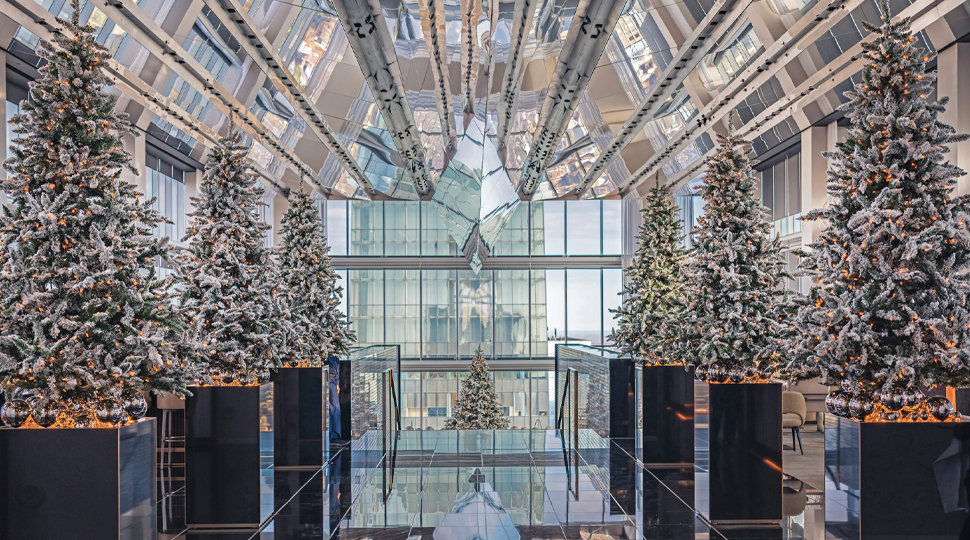
Arctic artistry in Philadelphia

The City of Brotherly Love looks more like the North Pole at Four Seasons Hotel Philadelphia at Comcast Center, where Artistic Director Jeff Leatham has created a modern festive display. Flocked Christmas trees and festive florals are adorned with warm twinkling lights, while a life-size reflective reindeer keeps watch over the merrymaking. Don’t miss the most coveted ticket in town at the New Year’s Eve celebration. The iconic Hotel will play host to an extravagant event featuring ice sculptures, sumptuous food stations, passed hors d’oeuvres, awe-inspiring entertainment and live musical performances as well as a front-row seat for the city’s magnificent fireworks.

Holiday happenings in Philadelphia

Lan 812 970x550

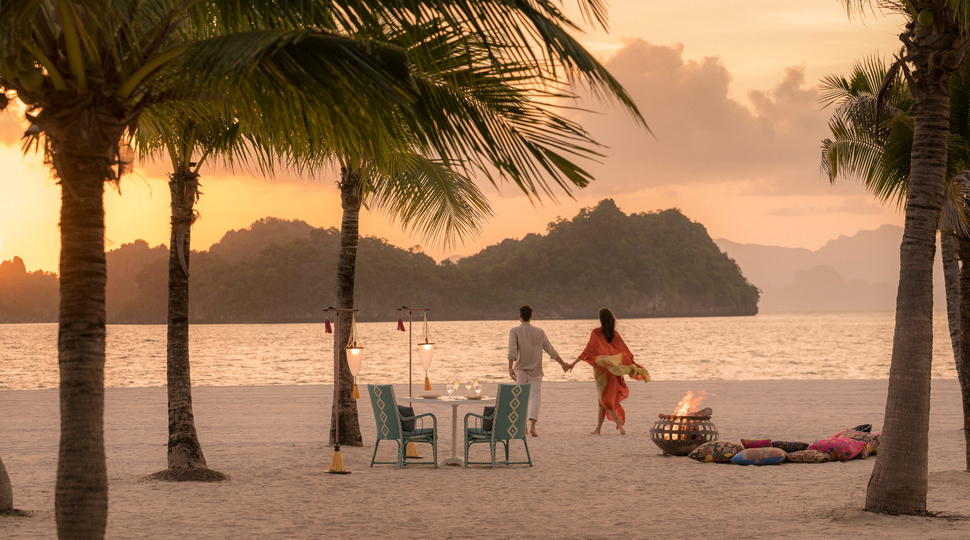
Dream by the fire in Langkawi

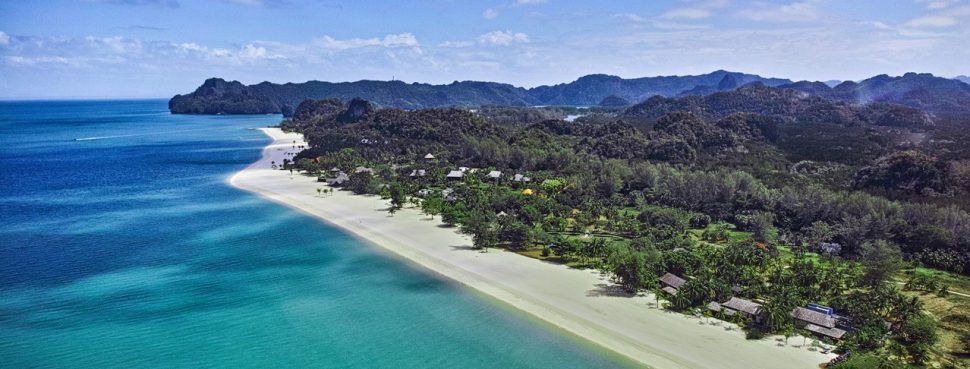
Hike through the jungle, cruise through the mangroves, explore the coastline by kayak. After a day of adventure in this island playground, a sunset picnic on the beach is a cozy way to unwind in the evening. Gather under a canopy of stars and raise a glass to your time together at Four Seasons Resort Langkawi. The festive revelry really heats up on New Year’s Eve with a fireworks display and traditional Malaysian fire dancers, who put on a glowing performance as you enjoy a merry feast to welcome the new year.

Celebrate in Langkawi

Hot Holiday

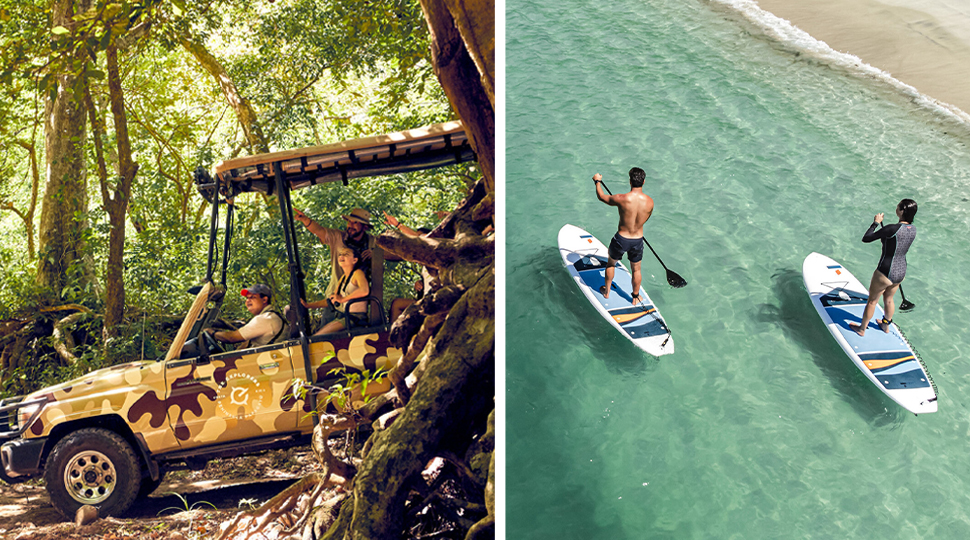
A special visitor in Costa Rica

Can you blame St. Nick for soaking up a little sun before making the trek back to the North Pole? This year, join the man in red himself – plus the jolliest bunch of elves and even a grinch – at Santa’s Annual Beach Party at Four Seasons Resort Peninsula Papagayo, Costa Rica. In addition to the unforgettable Christmas Day bash, the family-friendly Resort offers a variety of activities and events throughout the festive season. Experience the flavours of a Latin American asado at Nemare, or immerse yourself in Costa Rican culture while picking up gifts at the Papagayo Street Fair. Want to explore even further? Set out on a journey into the Nicoya Peninsula – Costa Rica’s famed blue zone, one of only five places in the world where residents live exceptionally long, healthy lives – and visit traditional villages to experience the country from a local perspective. Families will also find plenty of adventure close by, with zip-lining, surfing, night hikes, coral snorkelling and loads of water sports available in and around the Resort grounds.

Plan your visit to Costa Rica

Par 2215 970x540

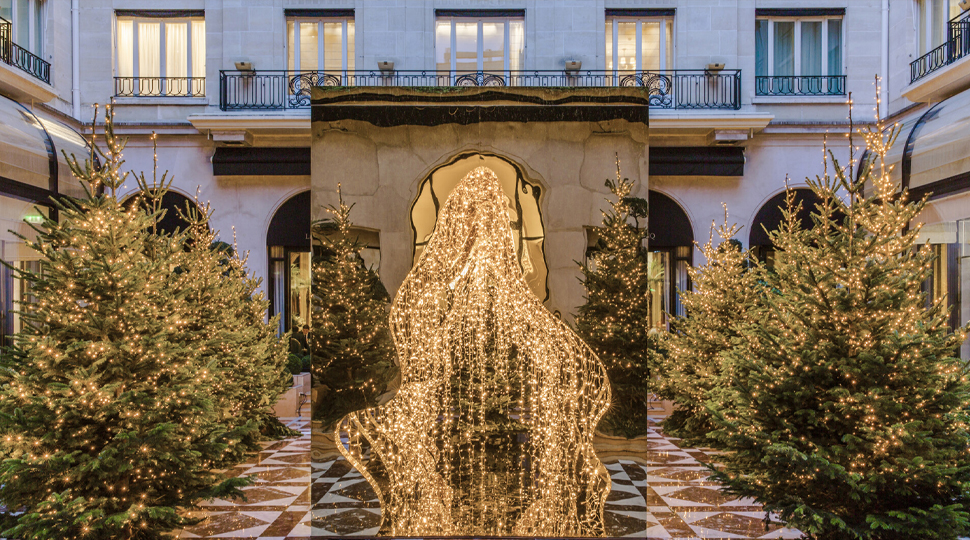
Holiday magic in Paris

The City of Lights exudes charm year round, but during the festive season it becomes even more enchanting. Make the most of this special time with help from the experts at Four Seasons Hotel George V, Paris, where the concierge team can tailor an itinerary of unforgettable experiences. Glide across the ice at a skating rink overlooking landmarks like the Eiffel Tower and Hotel de Ville, or stroll through picturesque Christmas markets. You’ll be dazzled by Parisian traditions like the fantastical scenes filling les vitrines de Noel – elaborately decorated windows at the city’s iconic department stores. Our favourite? The can’t-miss display at Le Bon Marché Rive Gauche. As for the Hotel itself, thanks to Artistic Director Jeff Leatham’s breathtaking holiday decorations, you’ll feel as though it’s been transformed into your own personal vitrine de Noel. Lose yourself in the vibrant hues and intricately crafted compositions adorning the Hotel’s common areas and celebrated Marble Courtyard. Take a seat for Executive Pastry Chef Michael Bartocetti’s Signature Tea Time at Le Cinq on December 17, or enjoy an immersive holiday dinner at one of the Hotel’s Michelin-starred restaurants. The entire month of December will be filled with glittering events combining some of the world’s finest gastronomy with all the magic of the season.

Spend the season in Paris

Bos 1277 970x540

Traditions with a twist in Boston

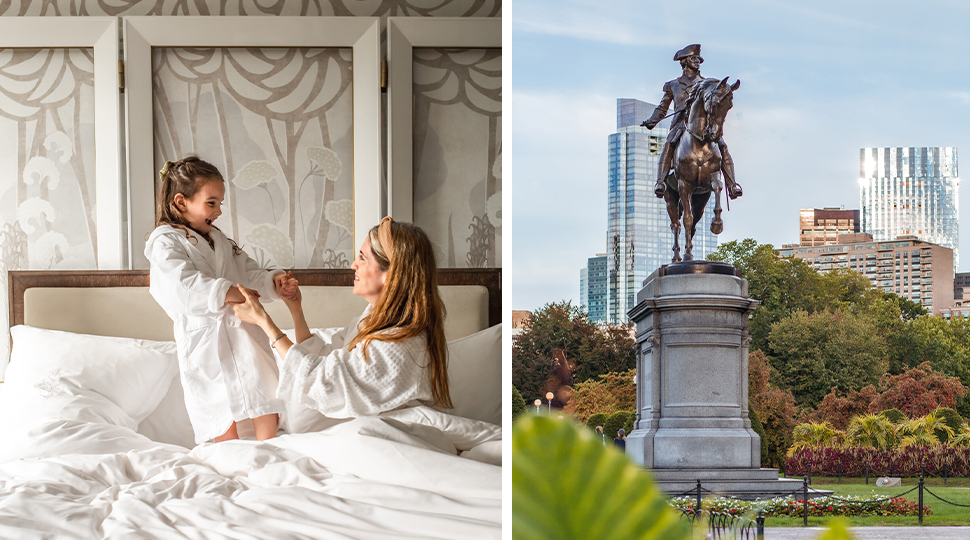
Many families celebrate the holidays with their own time-honoured traditions – a comforting meal, treasured decorations, special activities. Start a new family tradition at Four Seasons Hotel Boston, where the new Very Important Kid Package will delight young guests (and their parents) with an in-room enchanted tent setup, a personalized amenity and a Hotel scavenger hunt. In addition to the magical accommodations, you’ll find festive surprises throughout the Hotel, such as themed vaults and mystery closets for kids to explore, along with seasonal coffee specials at Sottovento that adults will love. Our favourite this year is the Boston Fog, a creamy tea latte made with a blend similar to the tea tossed into the Boston Harbor in 1773, served in honour of the 250th anniversary of the Boston Tea Party. Have the Coffee Concierge deliver it to your room in the morning before you head out to explore the city’s historic sites or do some holiday shopping.

Festive toasts in Boston

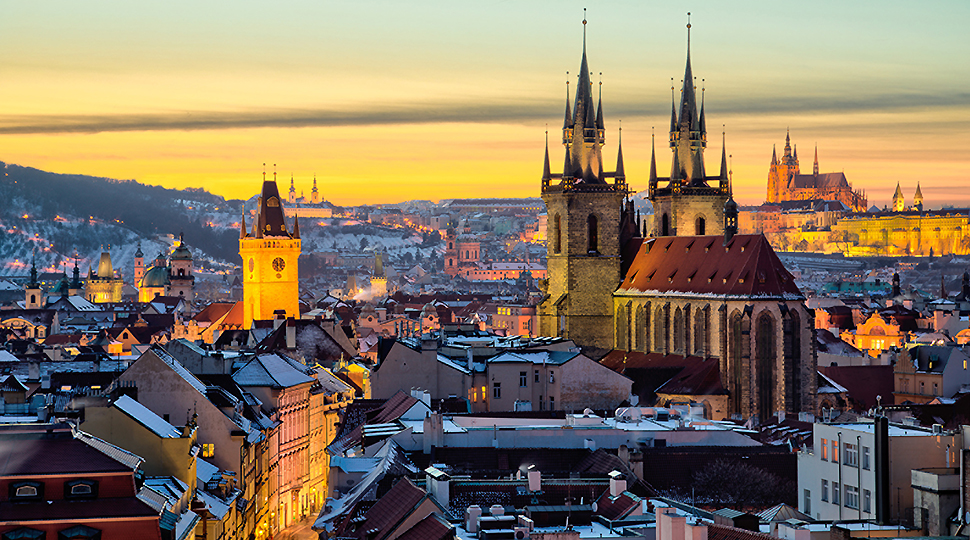
Panoramic View Of Old Town And Temple Of Tyn In Prague.

Handcrafted gifts in Prague

In wintertime, it’s easy to see Prague’s hilltop castle, narrow cobbled streets and towering spires as a setting straight from a fairy tale. Experience the city’s old-world charm during a stay at Four Seasons Hotel Prague, where the attentive concierge team is eager to share local traditions, ensuring you don’t miss any hidden gems. Browse the traditional Christmas market stalls in nearby Old Town Square for handcrafted ceramics, jewellery, wooden toys, clothing and seasonal treats, then stay a little longer to hear choirs singing carols in the late afternoon. Grab a warm cup of mulled wine or hot chocolate from one of the stalls to make this outdoor shopping experience all the sweeter. Afterwards, climb the stairs of Old Town Bridge Tower and take in the twilight scene of twinkling lights – a picture-perfect holiday moment.

A winter wonderland in Prague

YOUR JOURNEY BEGINS HERE

Come celebrate festive with us.

Langkawi Beaches