The Evolving Soul of Creole

 
Few words are richer or more difficult to define than Creole.

In New Orleans, Louisiana, it is a virtuoso scraping his washboard to the driving, syncopated rhythm of zydeco music, but it is also the complex flavours in a bowl of gumbo. In the Bahamas, it is a cuisine that is a mélange of British, African, and Caribbean influences starring peas, pastries, and aromatic stews cooked for hours over low heat, as well as a primarily English dialect known as Bahamian Creole that combines languages from three disparate continents. And, half a world away, on the islands of the Indian Ocean that make up the Seychelles, Creole is a way of life: joyful gatherings on the beach; a musical language—this time mixing French with East African dialects—and a cuisine in which indigenous ingredients like coconut milk and octopus meet the spices and slow-cooked curries of South Asia.

“Creole isn’t about a specific skin tone or country; it’s about a culture.” This is how Mona Lisa Saloy, author of the poetry collection Black Creole Chronicles, described it to me in 2023.

“It’s food, it’s music, it’s architecture, it’s style, and it’s traditions,” she added. “There are millions of Creole people in countries across the world, and we create beautiful cultures everywhere we go.”

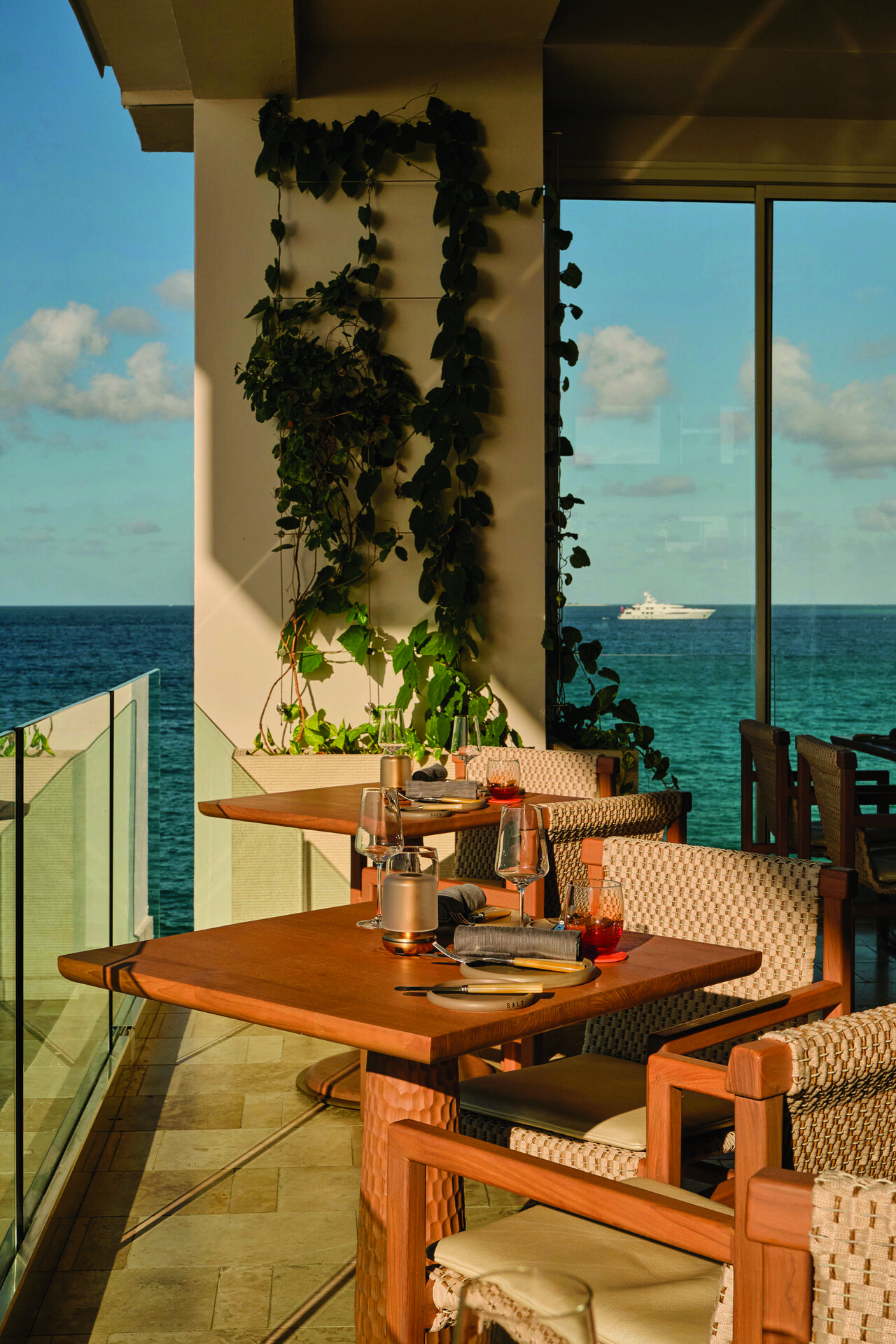
Salt Restaurant at Four Seasons Resort and Residences Anguilla
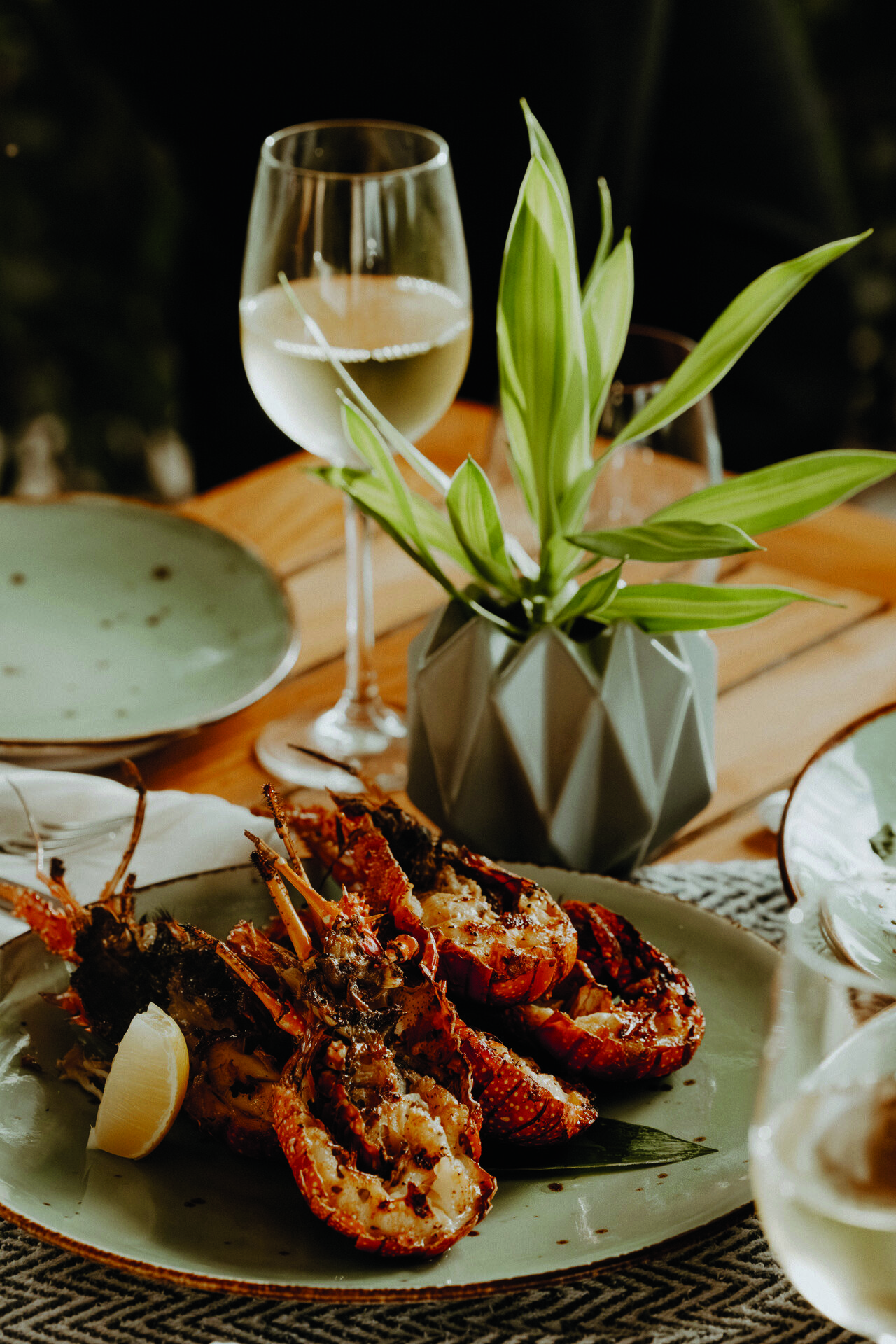
Spiny lobster at Four Seasons Resort and Residences Anguilla
 

Over the past few decades, the exploration of Creole identity and, most visibly, Creole cuisine has been on the rise. You can see that popularity as tourists flock to local restaurants in Creole destinations as far-flung as the Treme neighbourhood of New Orleans, the soul-stirring streets of Port Louis, Mauritius, and the tropical islands and islets of Anguilla. But the demand for Creole dining experiences has extended beyond its usual hubs to regions and settings previously uncharted. Restaurants serving this unique and flavourful cuisine exist in places with little prior history of the culture—from Tokyo to Chicago—and superstar chefs, such as Kwame Onwuachi, Julia de Laguarigue, and Jacob Kenedy, in cities like Paris, London, New York, and Washington, D.C., are being awarded the world’s highest culinary honours for their exploration of this important food.

While the recipes and flavours at these restaurants can vary from country to country and kitchen to kitchen, there are certain traits that connect them.

“To be Creole is to invent,” explains David Beriss, professor of anthropology at the University of New Orleans and author of Black Skins, French Voices: Caribbean Ethnicity and Activism in Urban France. “What makes it difficult to define is that, by definition, it is always evolving toward something—beautiful, I think—that hadn’t previously existed in the world.”

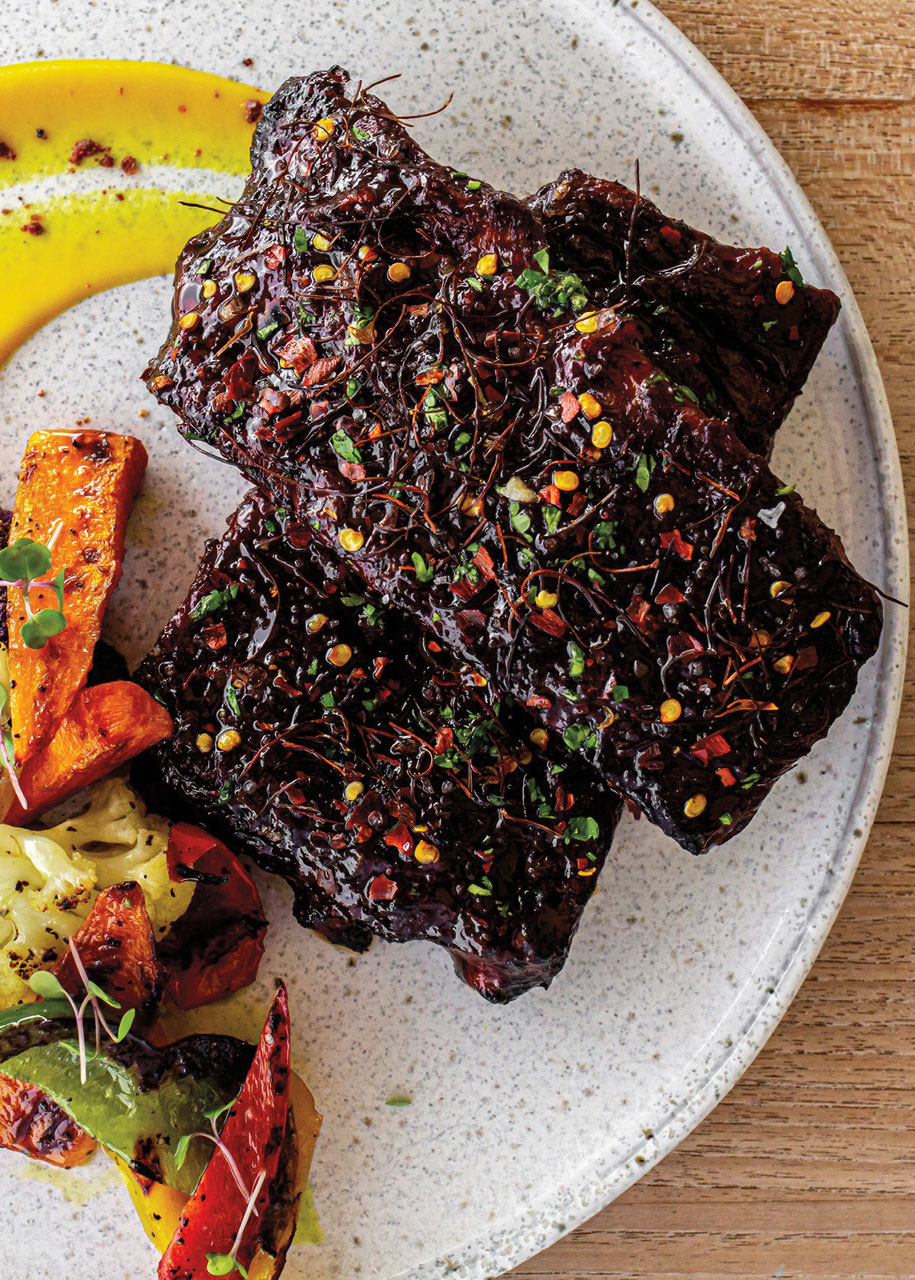
BBQ Ribs at Four Seasons Resort Nevis

BBQ Ribs at Four Seasons Resort Nevis

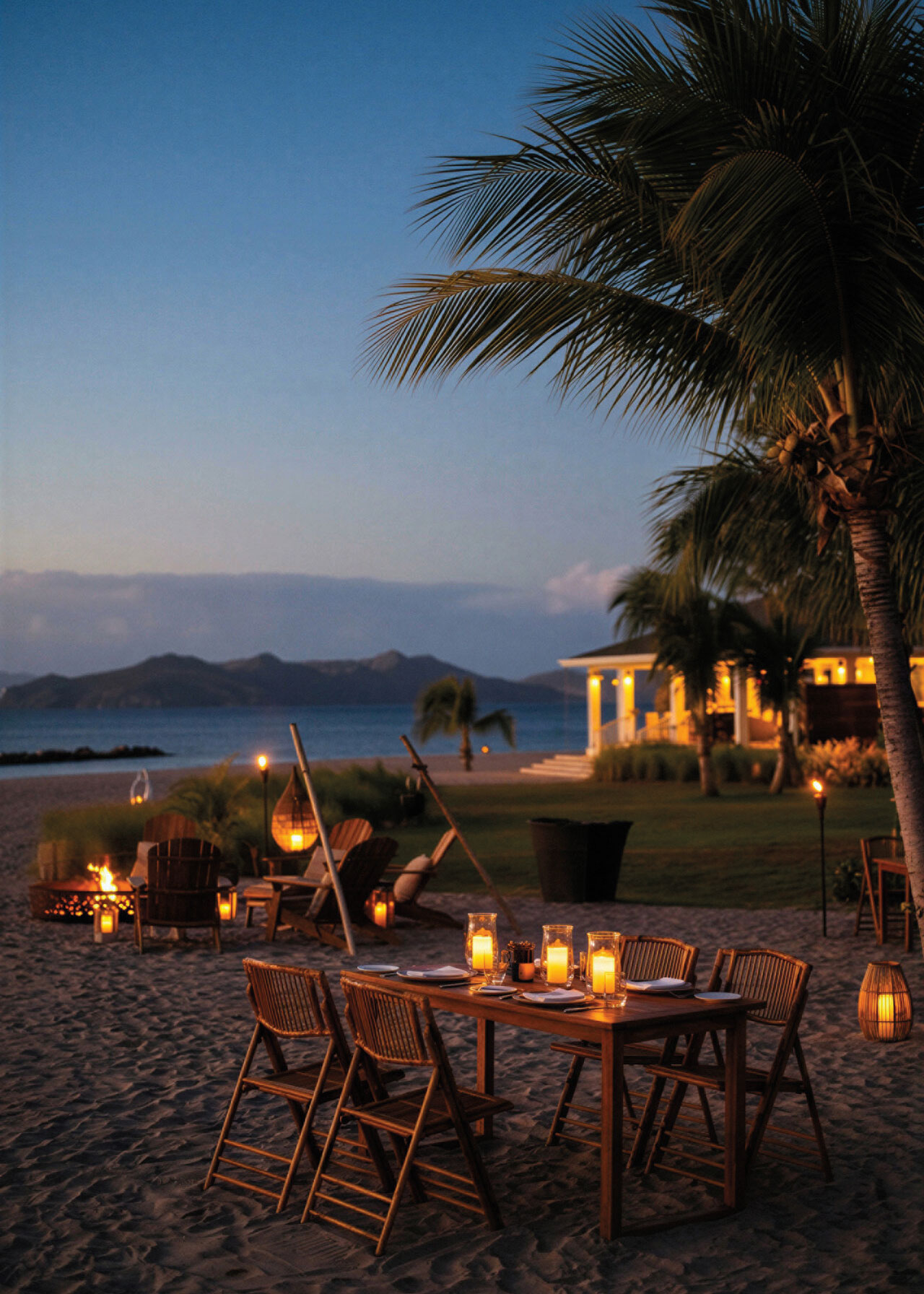
Private beach dining at Four Seasons Resort Nevis

Private beach dining at Four Seasons Resort Nevis
 

Defining Creole

As the growing powers of Europe attempted to colonize the globe in the 15th century, they encountered cultures that were previously unknown to them. Countries like Portugal, England, and France exchanged goods and ideas with the Indigenous peoples of these newly discovered lands.

Of course, the full story is more fraught. Between 1625 and 1867, European countries enslaved and transported nearly 12 million Africans to the New World alone. This is when the term Creole first entered the lexicon, to differentiate an enslaved person born in the New World from someone born in Africa.

But Creole comes from the Portuguese word crioulo, which itself derives from the Latin creare, meaning “to create.” To be Creole in places like the Caribbean now refers to this unique mixture of three influences: European, African, and Indigenous.

What was being created, explains Peggy Brunache, a Haitian American food historian and lecturer at the University of Glasgow, was a new culture, albeit one not without its atrocities and tragedies.

“These civilizations didn’t come together easily—there was enslavement, sexual violence, and genocide,” she says.

Hundreds of years later and against all odds, one result of that frightening cruelty is a triumphant gift to the world. Brunache says that is especially evident in the cuisine from these regions.

“Cooking techniques from the Europeans met indigenous ingredients from the land that were grown, cooked, and developed by enslaved Africans,” she says. “Much of it was considered ‘slave food,’ but for Black people at the time, their food was one of their few joys in life. That it is still enjoyed, by white people and by Black people, all these years later, feels like a testament to what they created here.”

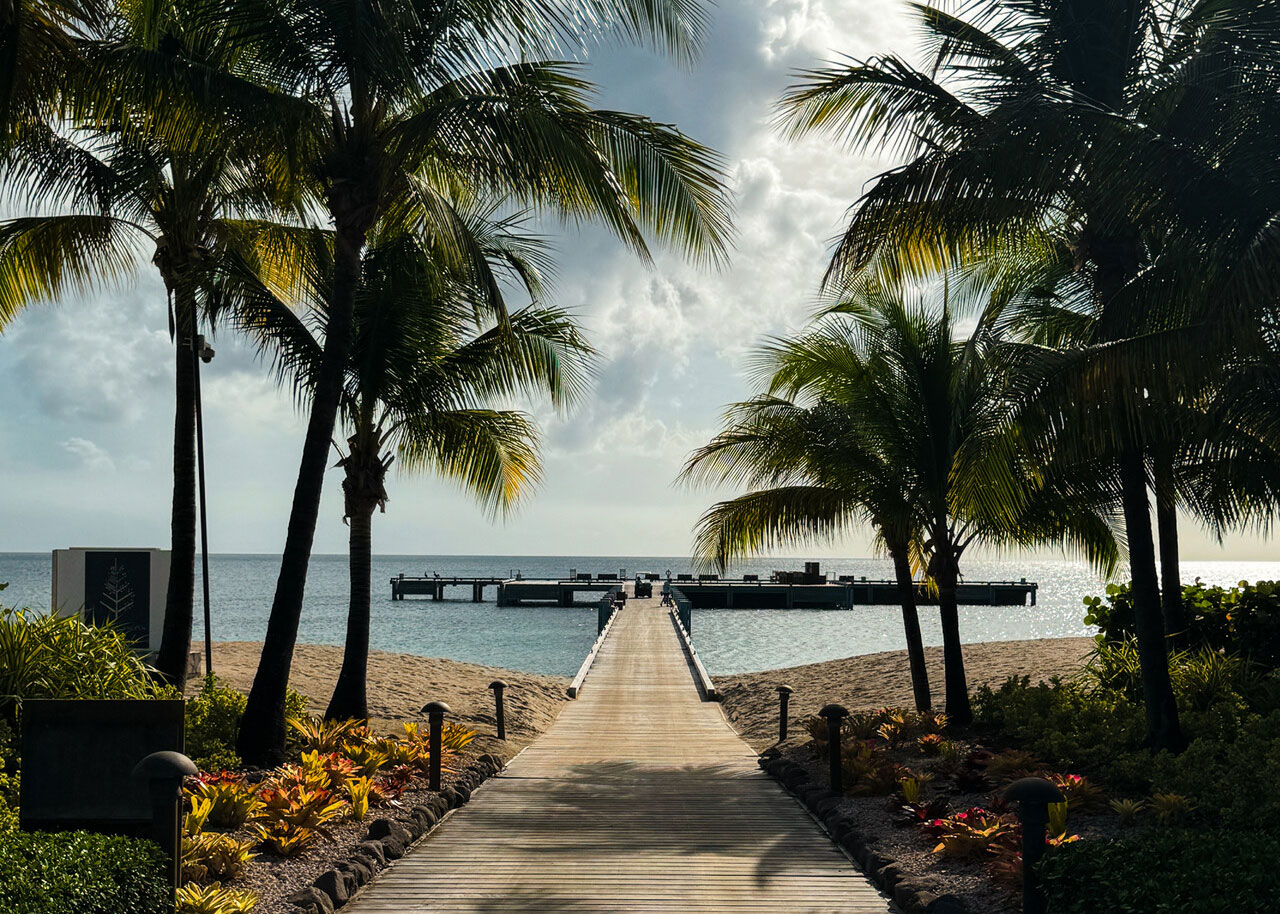
Four Seasons Resort Nevis
 

Callaloo in the Caribbean

In the West Indies, specific staples and dishes have been part of the Creole diet for hundreds of years. Breadfruit, a starchy, nutritious fruit versatile enough to be eaten at any time of day, was originally grown by the British to sustain their enslaved labourers. Similarly, oxtails, cow feet, pig tails, and trotters were undesirable pieces of meat passed on to enslaved Africans, who slow cooked the meats to make them tender for flavourful stews, which now define the cuisine, or boiled them down and incorporated them into the regionally ubiquitous leafy green soup known as callaloo.

Today, these dishes and others are so popular that many of them—uniquely flavoured by the region’s bounty and famous for their rustically home-cooked one-pot preparation—are found not only in the Caribbean’s casual restaurants but also throughout the islands’ high-end resorts.

“These foods had humble beginnings, but trying our island’s version of Creole cuisine is part of why guests come to our property,” says Methly Faucher, sous-chef at Four Seasons Resort Nevis, West Indies, a beachfront oasis on 350 acres in Nevis, in the two-island nation of Saint Kitts and Nevis.

In Nevis, Faucher says, Creole cooking means combining local ingredients like fish, tomatoes, thyme, and Scotch bonnet chili peppers with French cooking techniques such as sautéing.

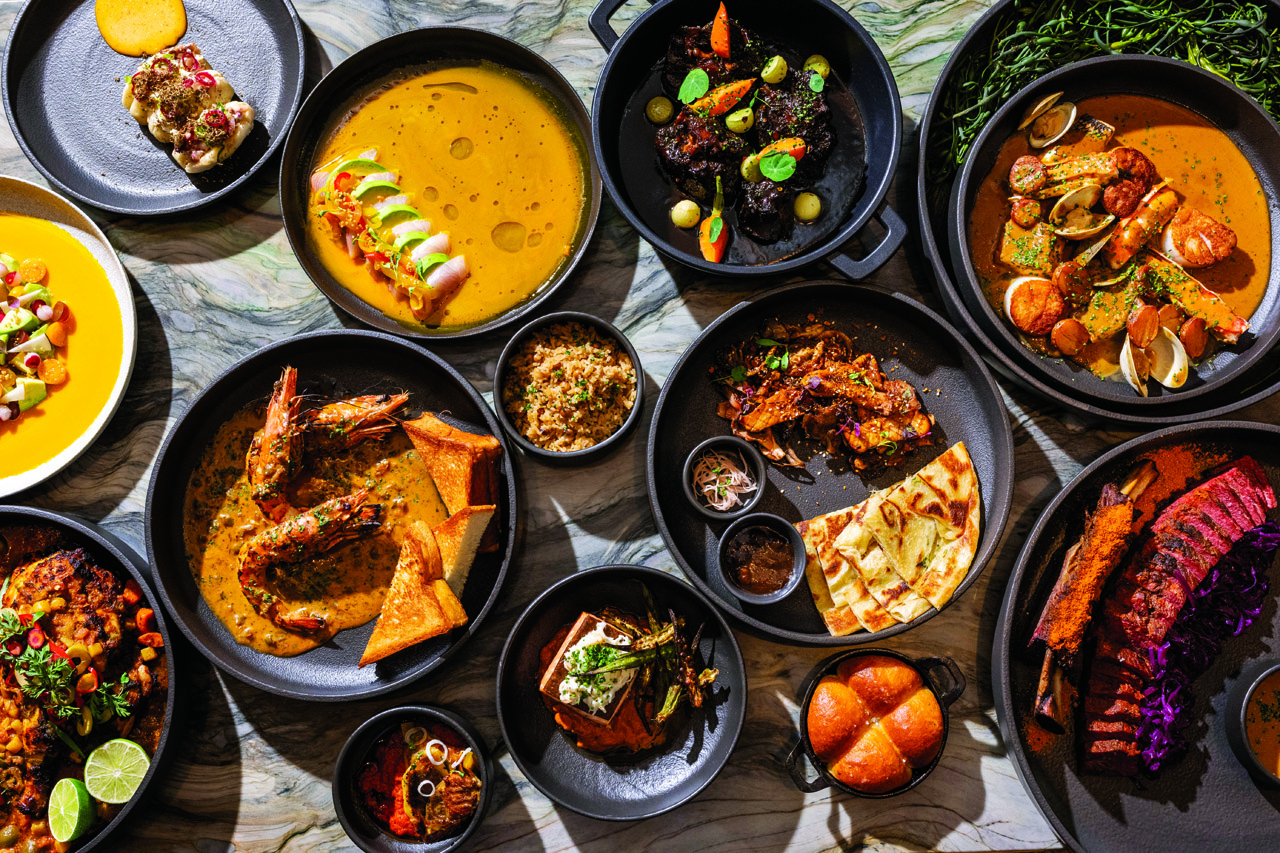
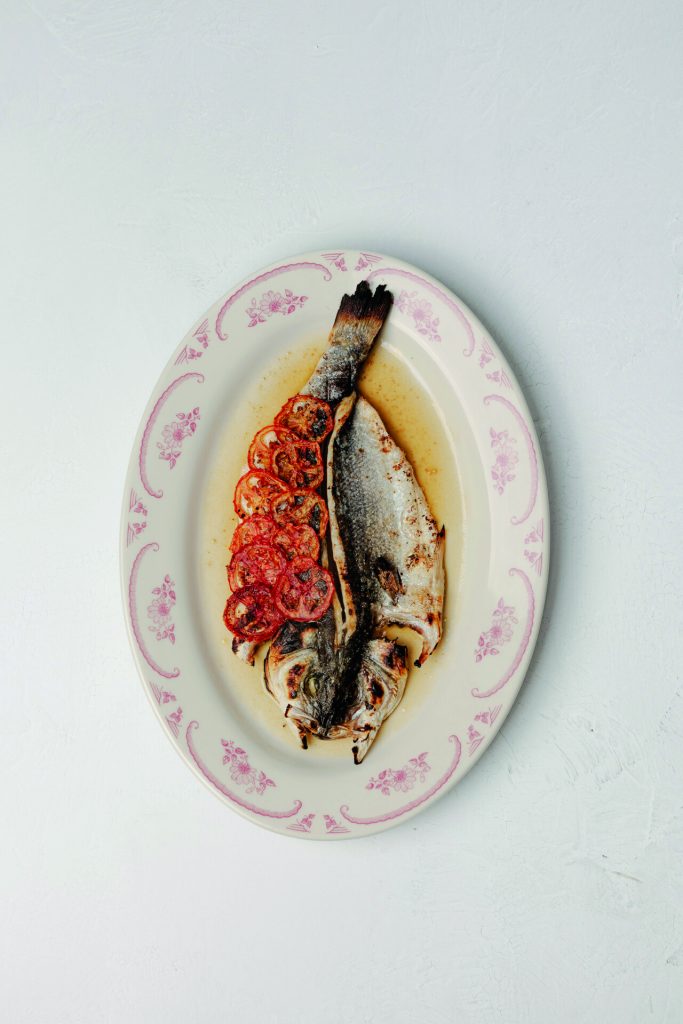
Guests, he says, are eager to try these flavours at the property’s Caribbean restaurant, Mango. “Spiny lobster and shrimp in citrus-coconut milk, or potato dumplings with callaloo and local herbs, or an oven-baked whole fish with escabeche and coconut rice: They want new culinary experiences,” says Faucher.

Those experiences can include tasting Nevis’s traditional goat water stew or a popular breakfast of salt fish, eggs, and johnnycakes; or even learning in a Creole fish-preparation class at the resort. But culinary adventures are possible throughout the Caribbean. At Four Seasons Resort and Residences Anguilla, a serene Mediterranean-style property overlooking a pair of spectacular beaches, ceviche-making classes with Creole seasonings and a beachfront barbecue with fish and traditional accompaniments allow guests to relax like locals.

In the Bahamas—as with all Four Seasons resorts in the Caribbean—diners can try a cuisine that shares Creole characteristics of aromatic vegetables, layered spices, seafood, and bright flavours, while showcasing local produce. “Our love of spice, stews, peppers, tomatoes, onions, and slow-cooked dishes comes directly from Creole-style cooking,” says Lester Dean, executive chef of The Ocean Club, A Four Seasons Resort, Bahamas. “Bahamian cuisine is still its own identity, but the similarities speak for themselves.”

And at the luxurious new Four Seasons Resort and Residences Puerto Rico—located on a two-mile stretch of golden sand on the north of the island—a mofongo cooking class teaches guests the art of preparing a dish that is essential to criollo cooking: weaving together the African tradition of mashing starchy produce (in this case, indigenous Taino plantains) and the Spanish technique of making a sofrito by cooking chopped ingredients, like garlic, onions, peppers, tomatoes, and herbs, with olive oil to impart flavour.

“That mixture of ingredients is what Creole is,” Faucher says, “but Creole isn’t only a mixture of ingredients—it’s also a mixture of cultures. To taste the various components of our food is to learn our history.”


The Big Easy’s Red Beans, Rice, and Gumbo

Creole identity is far from homogeneous, varying across regions. While being Creole in the Caribbean refers to someone of a unique blend of ethnicities, in New Orleans, the term historically had less to do with skin colour and race and more to do with being considered native to Louisiana.

“You had to be born here,” says Vance Vaucresson, third-generation owner of the city’s Vaucresson Sausage Company, in business in one form or another since 1899.

In the 18th and 19th centuries, white people with recent European ancestry—specifically from France and Spain, the two countries that had colonized the area—were just as likely as Black and mixed-race residents with family from Africa to call themselves Creole.

“Being in the Creole class was a unifier,” Vaucresson explains. “It was arguably more important than skin colour at the time.”

But over the course of the 19th century, after the Louisiana Purchase and as New Orleans transitioned into a more traditionally American city, the Civil War and the Reconstruction led to racial tensions that frequently boiled over. The result was that white New Orleanians were no longer eager to claim an identity associated with their Black neighbours.

To this day, Black residents are far more likely to consider themselves Creole.

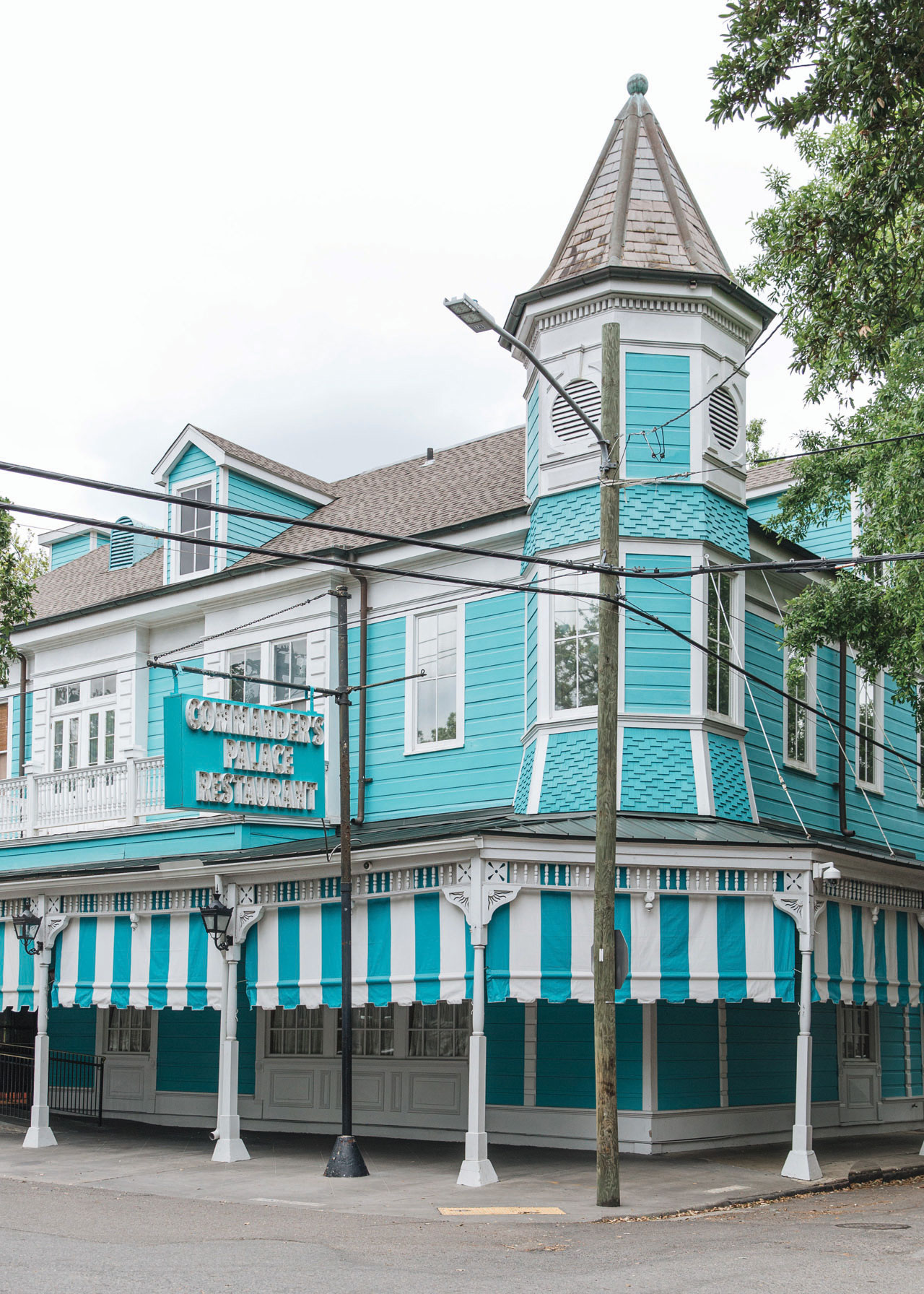
Commander’s Palace in New Orleans

Commander’s Palace in New Orleans

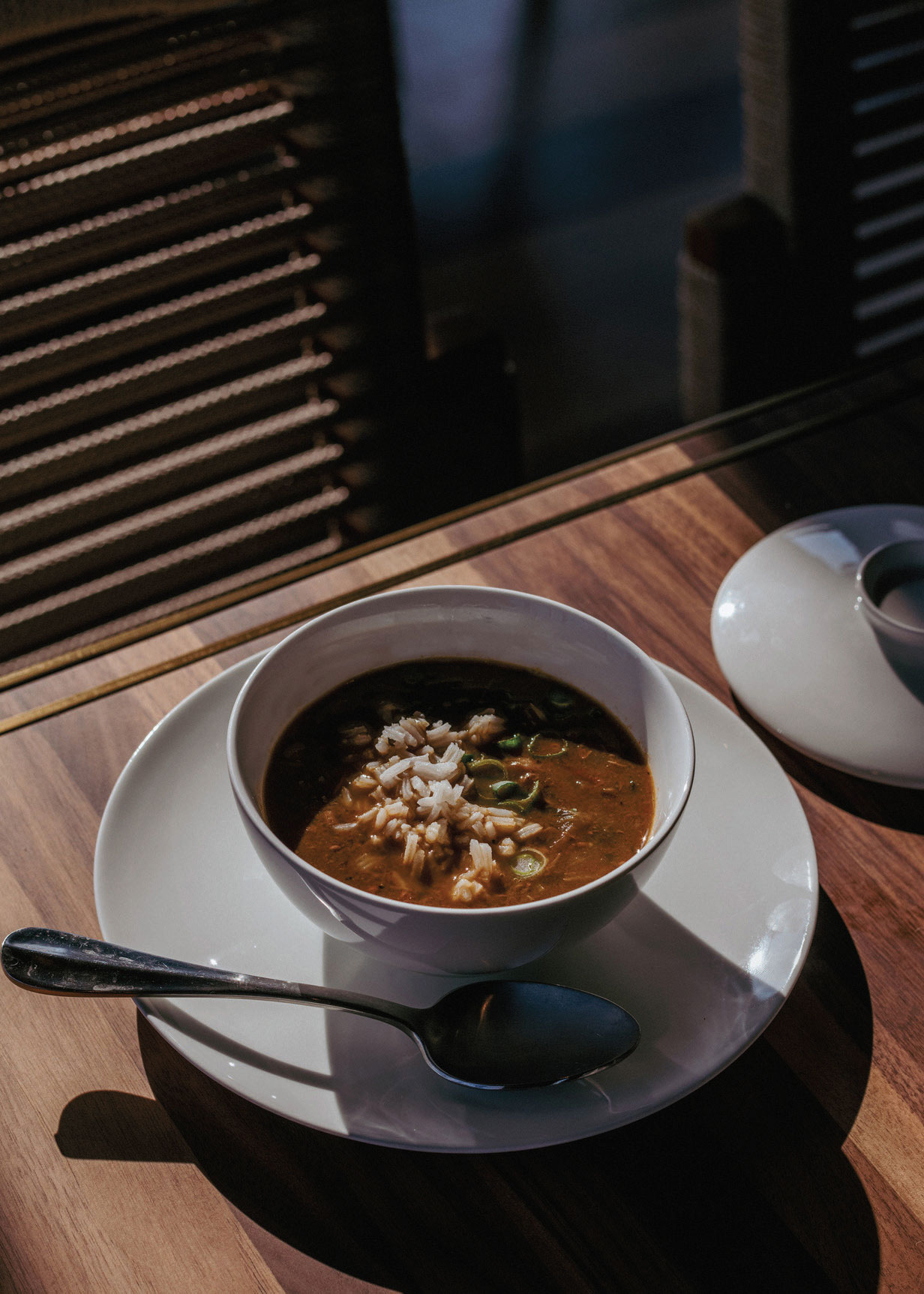
Seafood gumbo at Chemin à la Mer, Four Seasons Hotel New Orleans

Seafood gumbo at Chemin à la Mer, Four Seasons Hotel New Orleans
 

However, when it comes to food in the area, Creole cuisine refers to the same blend of influences—part African, part European, and part Indigenous—that define it elsewhere. Red beans and rice, hot sausage, and jambalaya; crawfish étouffée, grits and grillades, and trout meunière. These are just a few of the many Creole specialties made famous in Louisiana’s kitchens, including at the acclaimed restaurants Commander’s Palace, Li’l Dizzy’s Cafe, and Emeril’s.

Perhaps no single dish is more legendary here than gumbo. A tapestry of influences comes together to create this flavourful stew, melding rice cultivation from West Africa, the use of spices and peppers from Spain, the “Holy Trinity” of onion, celery, and bell pepper from France, and sausage from Germany, then thickened by techniques perfected—depending on your preferred style of gumbo—by the French, Africans, or Indigenous Americans.

“It’s why we offer two different kinds of gumbo,” says Dario Montelvere, hotel executive chef at Four Seasons Hotel New Orleans, which is located within a landmark modernist tower at the edge of the renowned French Quarter.

At the hotel’s Miss River restaurant, the gumbo “features duck and andouille sausage and is thickened with a roux, which is a French technique,” explains Montelvere. Meanwhile, the property’s Chemin à la Mer Steakhouse & Seafood Bar takes a different approach, offering a seafood-based version thickened with okra. “Which is the way Africans perfected it over many generations,” says Montelvere. “We want our guests to learn and experience just how nuanced and interesting Creole cuisine really is.”

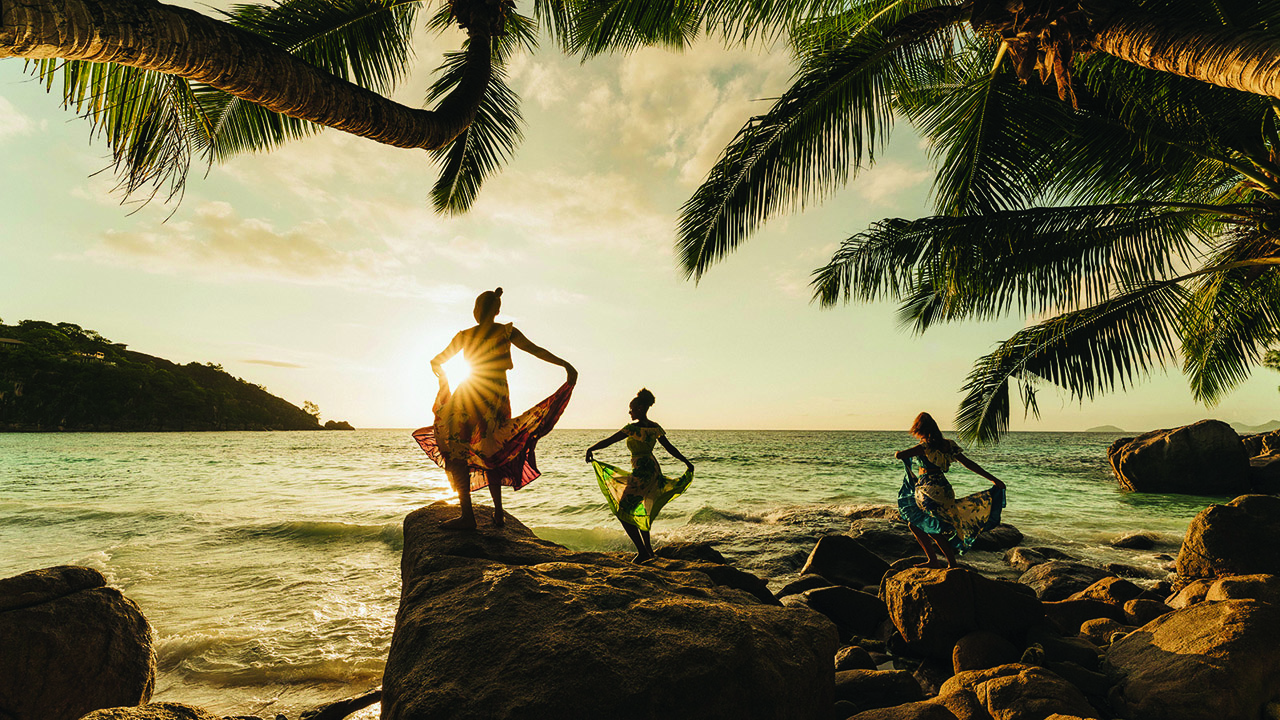
Moutya dancers at Four Seasons Resort Seychelles.
 

Sweet and Spicy in the Indian Ocean

Creole identity exists outside the Western Hemisphere as well. In the Indian Ocean, off the eastern coast of Africa, on islands such as Mauritius, the Seychelles, and Réunion, the Creole characteristic of mixing cultures to create something new is alive and well. The specific influences on these islands, however, are predictably different from what you would find half a world away.

“We are very proud to be Creole on Mauritius—as an identity and also with our French-Creole language and with our food,” says Patrick Soochit, executive sous-chef at Four Seasons Resort Mauritius at Anahita, where 136 villas and private residences sit amid lush gardens.

The island’s food, as in the Americas, includes components derived from European colonial powers and the Indigenous people they encountered. The difference is that most of the enslaved people brought to this region by the Dutch, French, and British were from eastern Africa, including the Malagasy peoples of Madagascar. Later, when the British outlawed slavery in the 1830s, hundreds of thousands of indentured servants from India and China arrived on the islands to work on its sugar plantations for low wages.

The result, Soochit says, is a cuisine that blends cooking techniques from Europe with local ingredients and seafood, as well as a few twists.

“Our food is spicy, thanks to the spices from India and China,” explains Soochit, “but, because of the Malagasy, it also features stews like rougaille and sweetness from coconut milk and vanilla.”

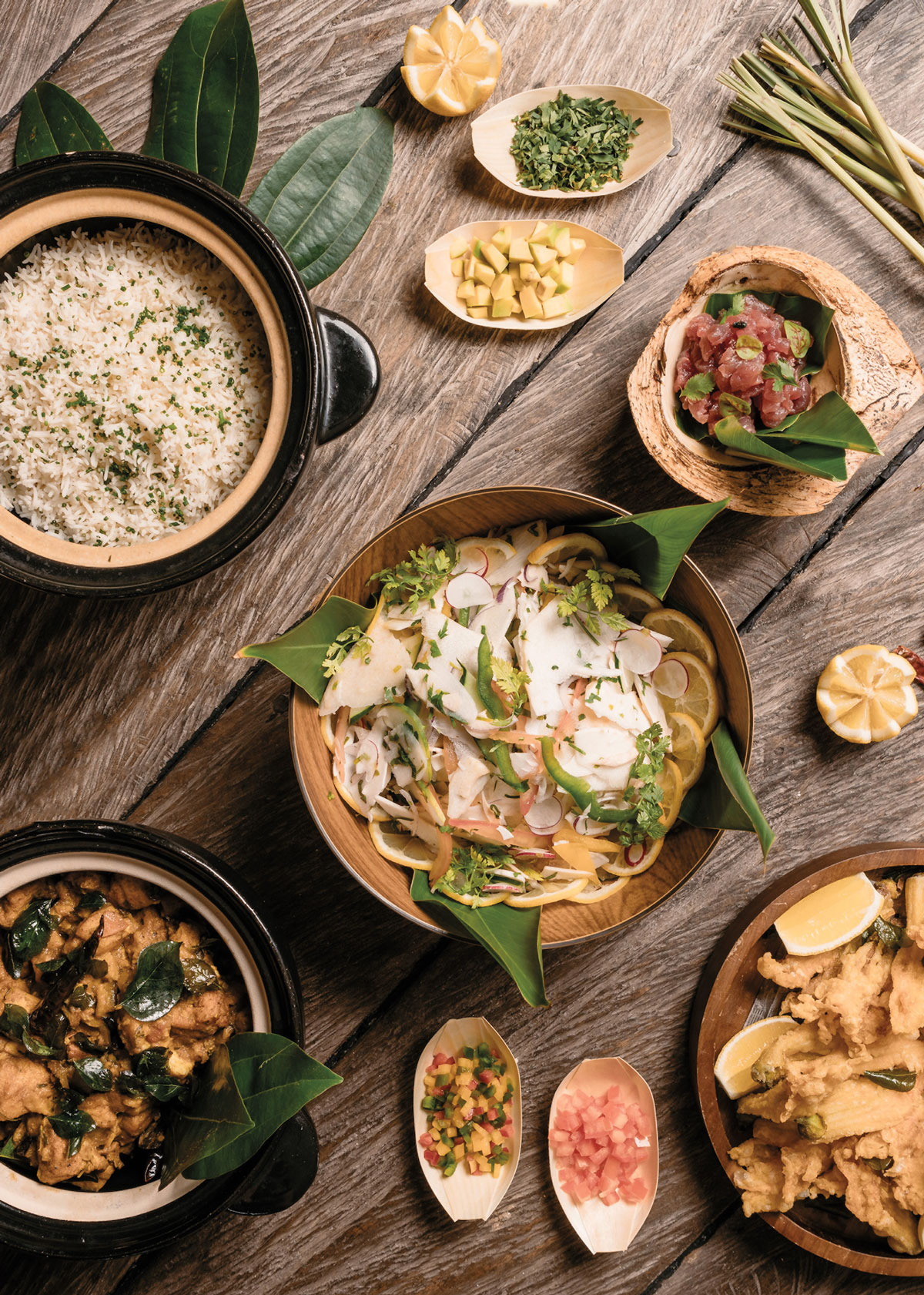
Dishes, including chicken curry and palmist salad, from the Sware Kreol dining experience at Four Seasons Resort Seychelles
Four Seasons Resort Mauritius at Anahita
 

In Mauritius and in the Seychelles, Four Seasons properties are eager to show guests this unique blend of influences. Whether through food items, like dhol buri, coconut milk octopus curry, or Creole-style prawns with stewed ​tomatoes and peppers; or through language, music, dance, and beachside social gatherings with friends and family, the Creole experience is everywhere.

“We want to show it to you, because we are proud of it,” says Perry Poris, sous-chef at Four Seasons Resort Seychelles at Desroches Island, which hosts a weekly dining experience, La Tous Kreol. “Not just because we are Seychellois, but because that means we are part French and part English, part Asian, and part African. We are a culture made from the world.”

Last summer, Four Seasons Resort Seychelles debuted its own weekly dining ​experience, Sware Kreol, featuring live authentic music, traditional Moutya and Sega dancing around a bonfire, barbecue, and Creole curries. Chef Marlene “Mama” Adesoyede helps lead the event, which she calls a “labor of love.”

“Guests can taste my octopus curry and fresh meat and fish,” Adesoyede says. “They can enjoy our music and learn our way of dancing. Seychellois Creole culture is beautiful and unique. You have to come experience it.”

 
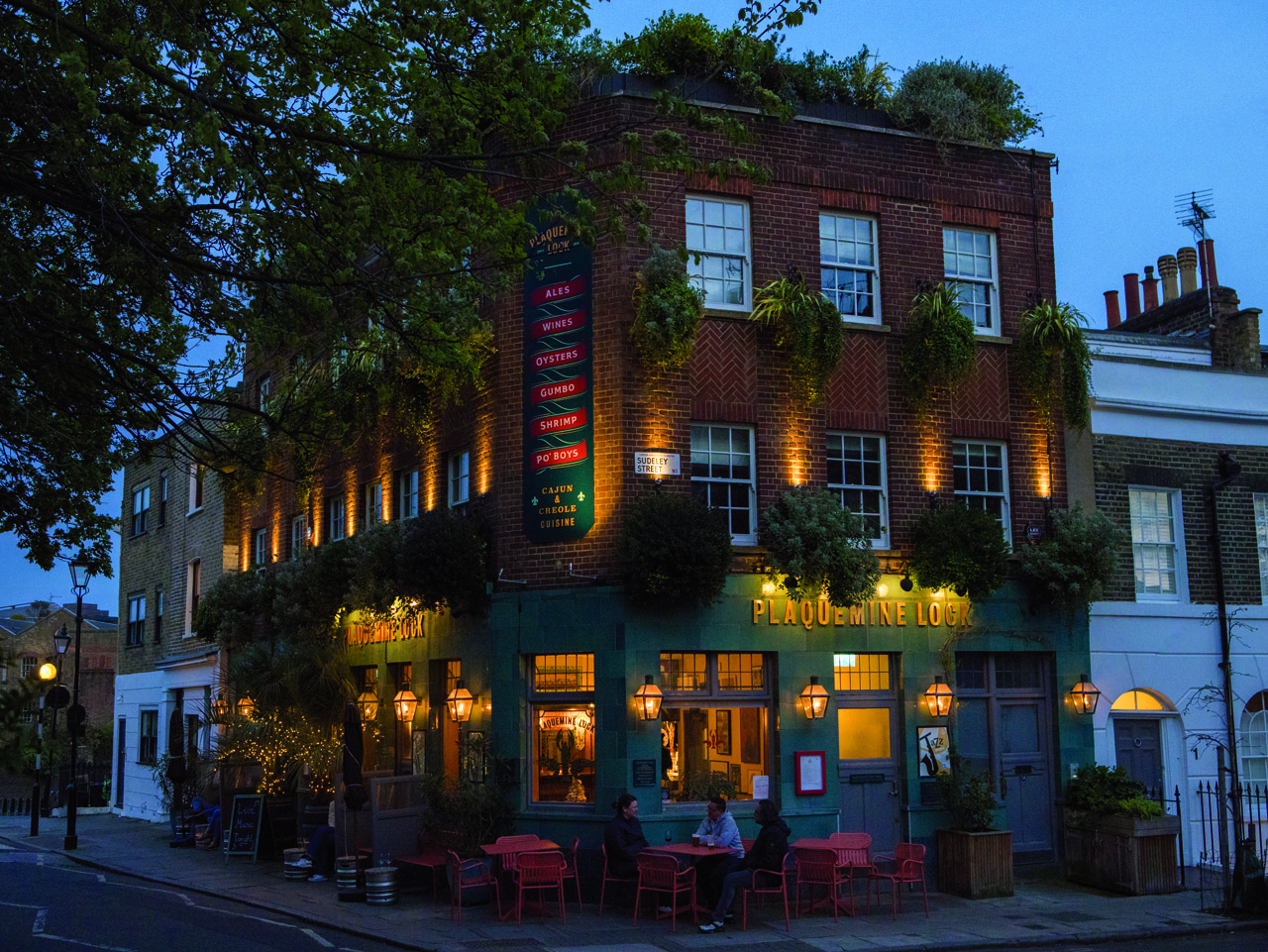
Plaquemine Lock in London
 

Something New

“Cultural purity is a thing of the past,” says Professor Beriss. “Creoleism is just one piece of proof. Almost everywhere you look on this planet, cultures are colliding and Creole-izing to create new cuisines—and I think that’s a very exciting thing to experience.”

In South Africa, for example, Afrikaans is a language that mixed the languages of Dutch settlers, the Indigenous Khoisan, and enslaved Southeast Asian and African peoples. The food, says Rudi Liebenberg, executive chef at Four Seasons Hotel The Westcliff Johannesburg, has been similarly Creole-ized. “It’s sweet because of influences from the enslaved Malay, but spicy because of labourers from India,” he explains. “The European settlers brought stews and baking and wine, and the Indigenous African people brought a culture of open-fire roasting—we call it braai—that South Africa is famous for. Our cuisine as we know it today wouldn’t be possible without all of this, which is the beauty of cultures coming together.”

Diners around the world are recognizing that beauty. Chef Kwame Onwuachi is serving Creole-inspired cuisine to rave reviews at his restaurants Tatiana in New York City and Dōgon in Washington, D.C., while chef Jacob Kenedy’s Plaquemine Lock, awarded Michelin Bib Gourmand status, is introducing London to the food of Louisiana. In Tokyo, Soul Food House is giving diners the chance to dig into Creole favourites like seafood gumbo and blackened shrimp (in tacos).

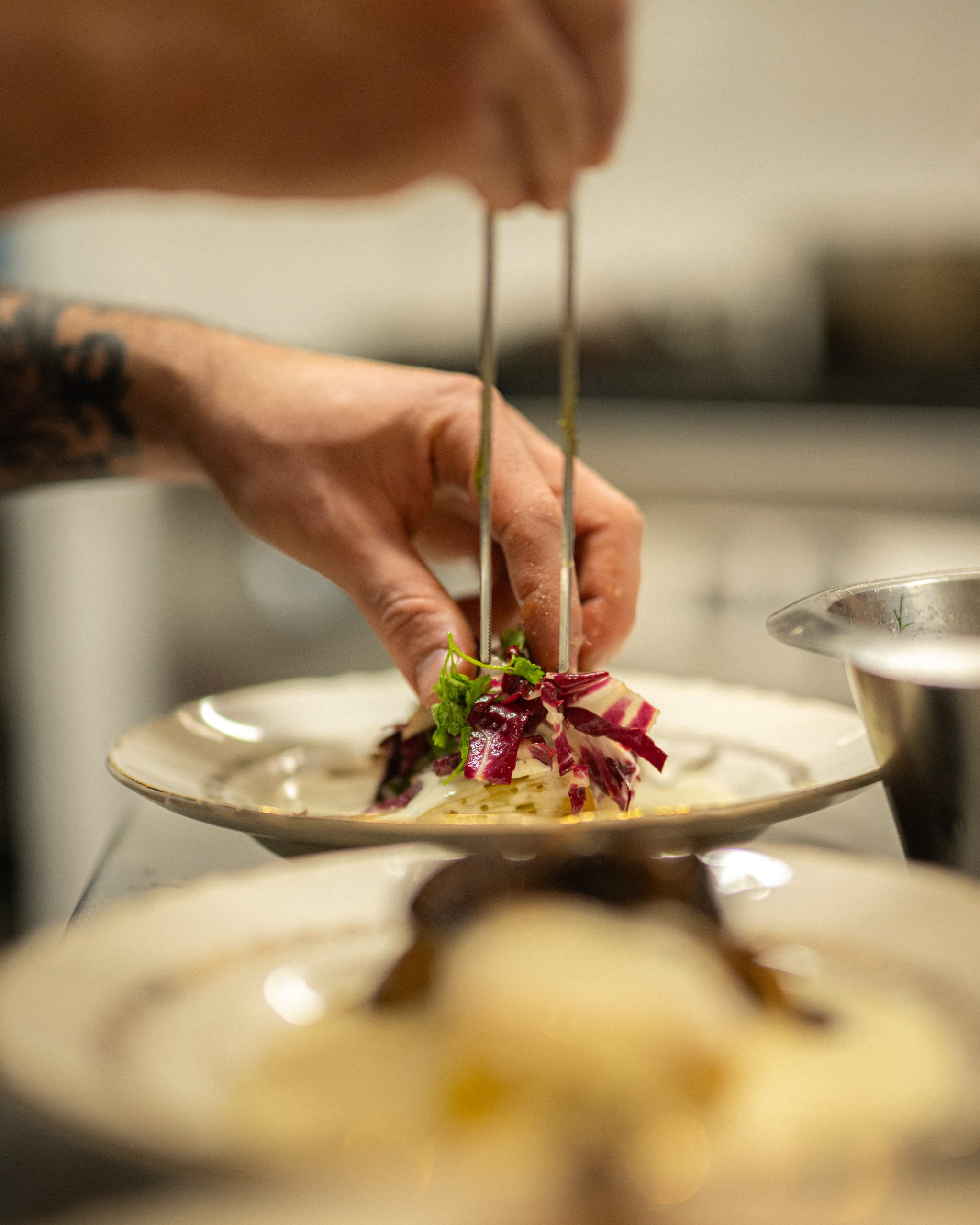
plating at BRU paris
Photos by Charles Hemon. Plating at BRU in Paris
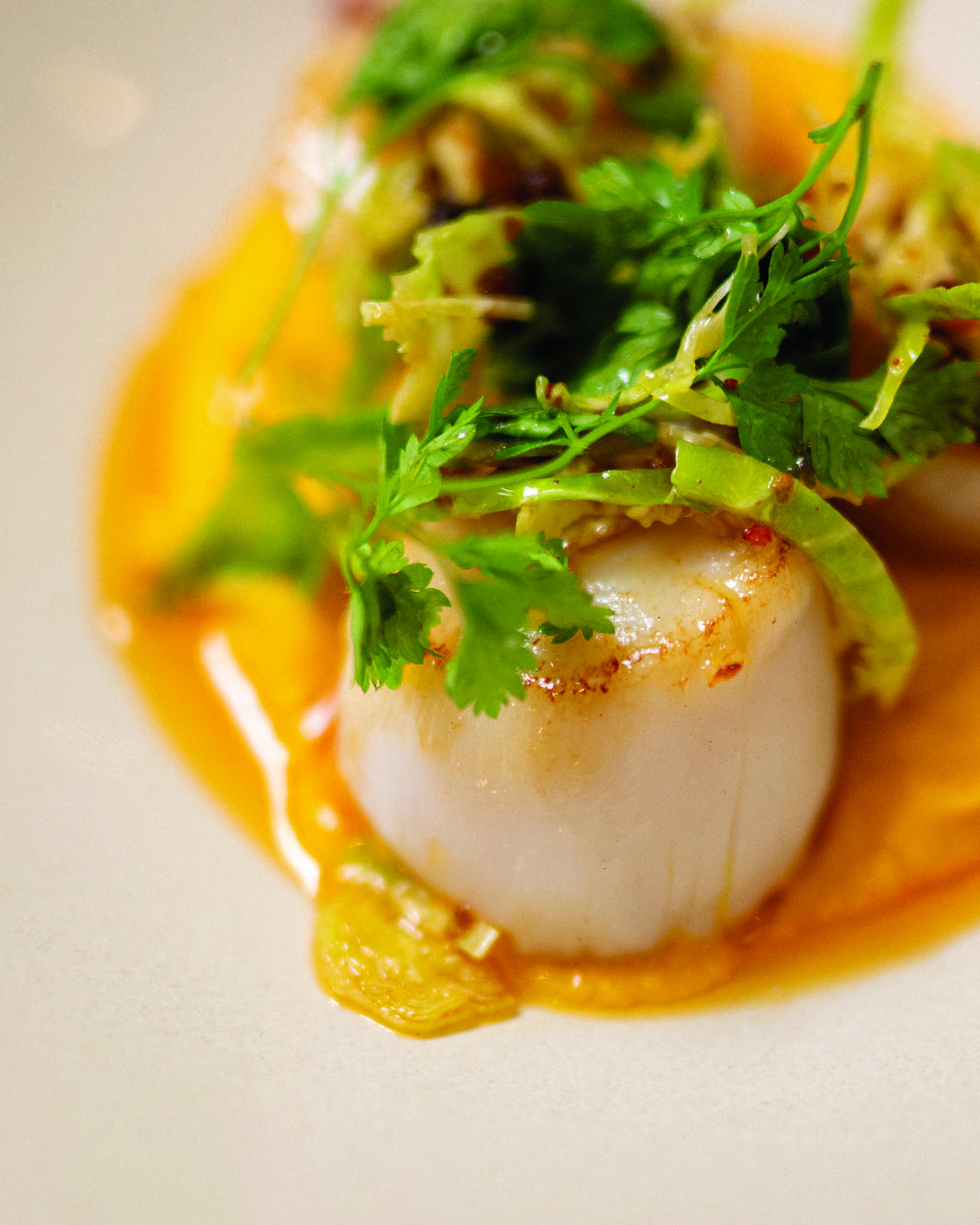
Scallops at Bru in Paris
 

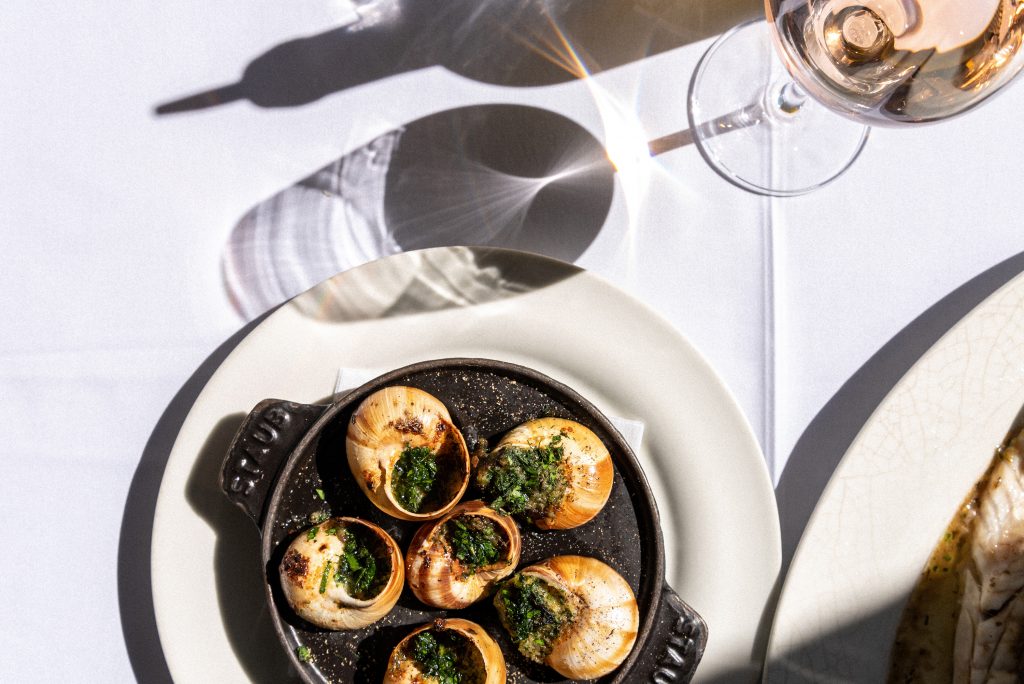
And in Paris, chef Julia de Laguarigue is bringing the cuisine from her Caribbean home of Martinique to her Bib Gourmand–recognized restaurant BRU, located in a classic neighbourhood bistro space. Her intention is to share the vibrant, balanced, and layered flavours of her Creole upbringing with a new audience. At the same time, she wants her food to taste like it belongs in France, so she is allowing it to continue to evolve and mix in its present environment.

“Cooking in Martinique is something we do together,” she says. “It’s about sharing, gathering, and passing things down from one generation to another. I wanted diners in France to enjoy that experience and our flavours without [these elements] feeling out of place.”

So she and her team experiment. One dish combines plantains with wild garlic, while another is a more refined version of the West Indian stew ​colombo. “There are combinations of flavours at our restaurant [that] you would probably never find in the Caribbean,” de Laguarigue says.

But that is exactly what Creole cuisine has always been about—combining disparate traditions to create something new, thrilling, and delicious.

New & Noteworthy: Dining Debuts

Have food, will travel? If you’re the type who plans vacations around must-visit restaurants, you may want to bookmark this page. Here are the newest, most exciting culinary arrivals at Four Seasons properties around the world.

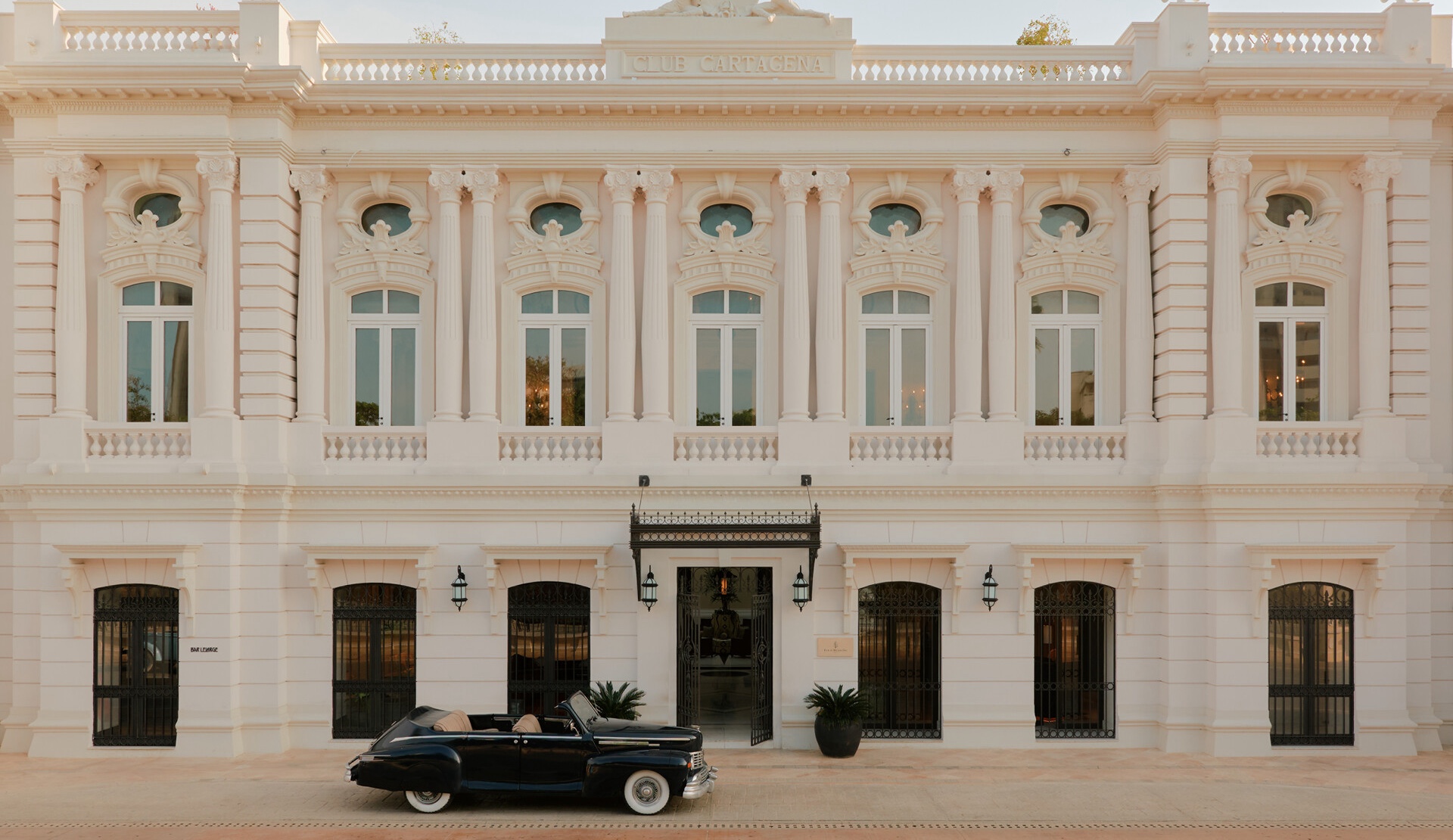
Four Seasons Hotel and Residences Cartagena

At the recently opened Four Seasons Hotel and Residences Cartagena, there are ample spaces wherein guests can unwind and indulge, from two rooftop pools to the Umari spa to eight restaurants and lounges. At Bar LeLarge, the cocktail menu spotlights Cuban-influenced concoctions made with local and seasonal fruit. The Grand Grill, a twist on a traditional steakhouse, is located on the grounds of the former high-society watering hole Club Cartagena, a Beaux Arts institution founded in the 1920s. And Pizzera Della Chiesa, a prime spot for authentic Neapolitan pizza, inhabits a space that was once the Teatro Cartagena movie house. —Margo Gonzalez

Four Seasons Hotel Nashville: Bacco

Taking inspiration from Bacchus, the Roman god of wine and revelry, Bacco brings Italian conviviality to Nashville. Ingredients like spicy ‘nduja sausage, squash blossoms, and Sicilian fennel butter meet in dishes centred around bold flavours and seasonal ingredients, including mortadella bruschetta, dry-aged steaks, fresh seafood, and house-made pastas. “If there is one dish that captures our approach at Bacco, it would be the lamb belly,” says executive chef Derek Simcik. “It draws inspiration from both Tuscany and Southern Italy while showcasing locally sourced Kentucky lamb, prepared with a focus on balance and depth of flavour.” The restaurant is a lively hot spot and a celebration of Italian culinary culture, with a year-round outdoor terrace, a central bar and lounge, and an open kitchen that offers a glimpse of the magic behind the menus. 

Four Seasons Resort and Residences at the Pearl-Qatar: Nicolas Rouzaud Maison De Haute Pâtisserie 

Acclaimed pastry chef Nicolas Rouzaud has brought his jeweller-level precision to Doha, opening a patisserie that’s a master class in French technique. From seasonal tartlets to the indulgent pistachio Paris-Brest cake, creations celebrate fresh fruit and refined simplicity.

Naples Beach Club, A Four Seasons Resort: The Merchant Room 

The elegance of Old Florida meets the dynamism of a New American brasserie at The Merchant Room by the two-time James Beard Award–winning chef Gavin Kaysen. With a sparkling poolside setting, the new restaurant—featuring a striking mural of flamingos in misty mangroves—blends French culinary techniques with seasonal ingredients and seafood sourced from the Gulf. Signature dishes include the seared red snapper with baby bok choy, crispy basmati rice, and coconut-curry broth. 

Four Seasons Hotel One Dalton Street, Boston: LPM

This summer, the joie de vivre of the French Riviera lands in Boston with the opening of LPM Restaurant & Bar, the latest iteration of the globally loved brand—founded in London in 2007—with locations in Dubai, Miami, Mykonos, and Hong Kong. The Boston establishment will feature a French Mediterranean menu centred on grilled fish and meat and homemade pasta, as well as the Tomatini—the essence of LPM in a martini glass. The savoury cocktail is crafted with muddled Campari tomatoes, Ketel One vodka, and white balsamic vinegar. 

Four Seasons Hotel London at Tower Bridge: Cooper’s Cut 

Grass-fed British côtes de bœuf, Hokkaido A4 Wagyu fillets, and bone-in Basque Txuleton rib steaks highlight the menu at just-opened Cooper’s Cut. Named after Sir Edwin Cooper—the architect behind the neoclassical building that houses the hotel—the restaurant champions exceptional meats from top global producers, as well as a selection of British seafood like Dover sole and Scottish langoustines. In the kitchen, the talented team of chefs brings precision and restraint to a menu that focuses on dry-aging and a respect for seasonality. The centrepiece offering is the côte de bœuf—from a breed native to the country’s Lake District—which is fire-roasted, rested, and carved tableside. In a nod to London’s trading past, it is seasoned with the restaurant’s signature pepper blend of Espelette, Kampot, and Sel de Guérande, before being finished simply with herbs and roasted garlic. 

World Class

Near or far, family travel is a chance to connect, explore, and turn curiosity into discovery. Certain destinations can even extend school study, bringing ancient civilizations and different cultures up close. Here’s our select global guide to places where textbook lessons come to life. 

Boston 

Best for older grade-schoolers 

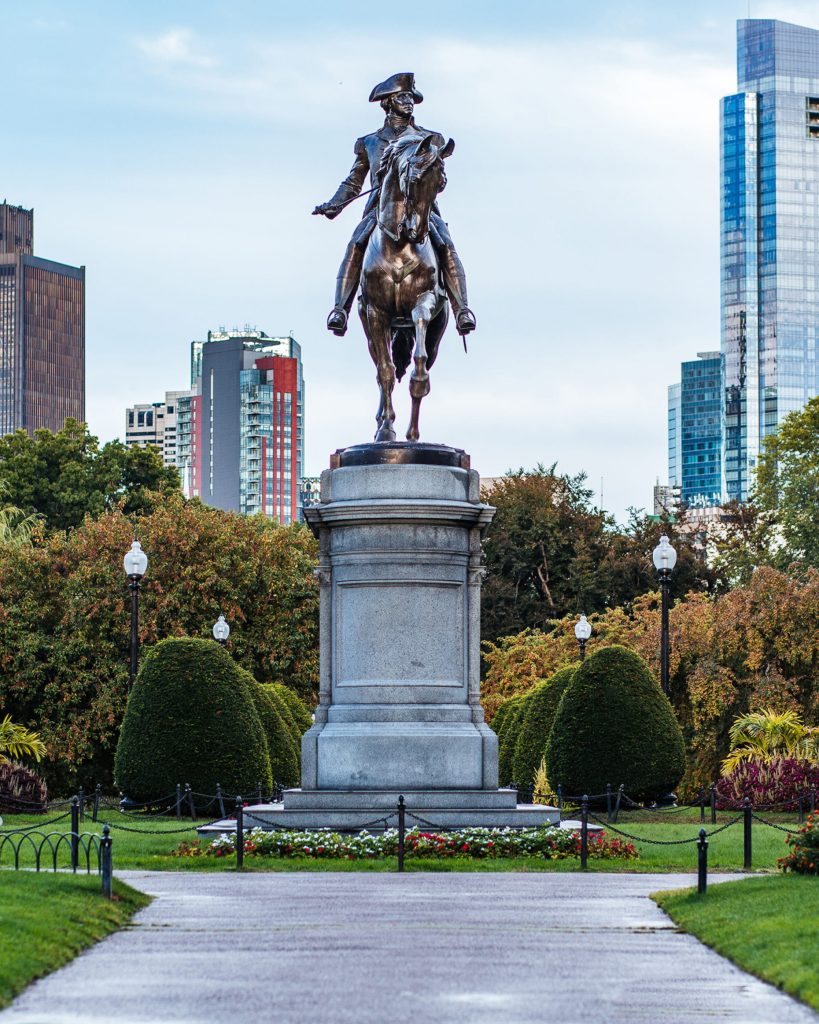
The Paul Revere Mall

What’s New: Ask AI-supported holographic figures about their experiences during the American Revolution as part of the Museum of African American History’s ongoing exhibit Black Voices of the Revolution, which spotlights the roles of enslaved and free Black men and women in America’s struggle for independence. 

Extra Credit: Both Four Seasons Hotel One Dalton Street, Boston, and Four Seasons Hotel Boston offer private walking tours of the Freedom Trail, where historic sites include the Paul Revere House, the Old North Church, and more. 

Washington, D.C. 

Best for middle school students 

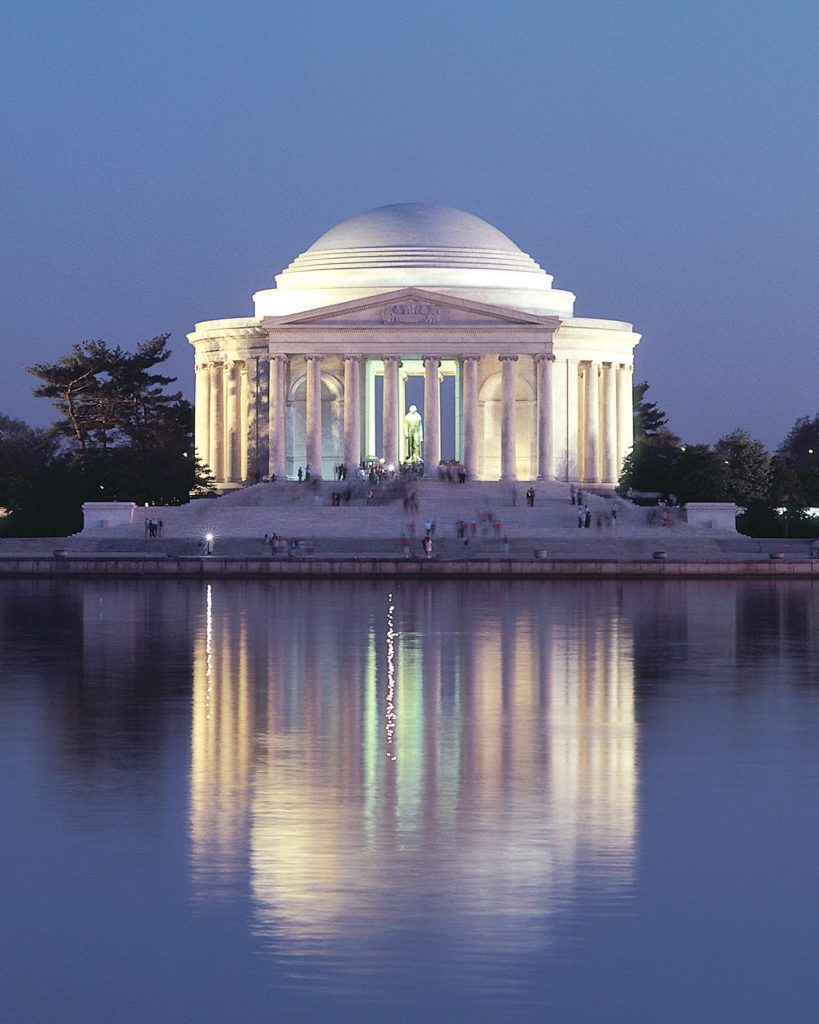
Jefferson Monument

What’s New: Coinciding with the 250th anniversary of the United States in 2026, Washington, D.C., is poised for two major openings: the undercroft of the Lincoln Memorial, a behemoth subterranean space including a theatre presentation and interactive exhibits, and the expansive National Geographic Museum of Exploration

Extra Credit: Marvel at the monuments and memorials lit up at night on a private driving tour—with stops for photos—organized by Four Seasons Hotel Washington, D.C. 

Athens 

Best for middle school students 

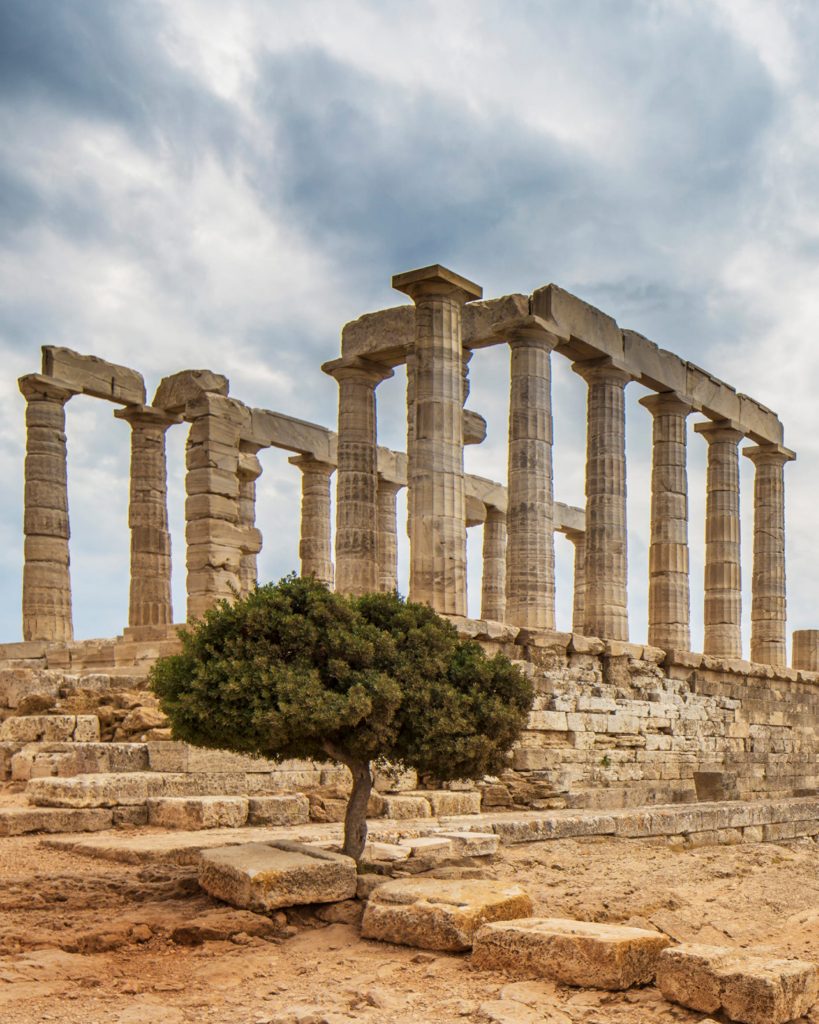
The Temple of Poseidon

What’s New: When it opens in 2026, the National Museum of Underwater Antiquities in Piraeus, near Athens, will highlight Greece’s maritime history with more than 2,500 artifacts, including a replica of a trireme.     

Extra Credit: Let the team at Four Seasons Astir Palace Hotel Athens take you and your crew on a guided visit to the Temple of Poseidon, at Cape Sounion. It’s sure to be a big hit with Percy Jackson fans. 

London  

Best for high school students 

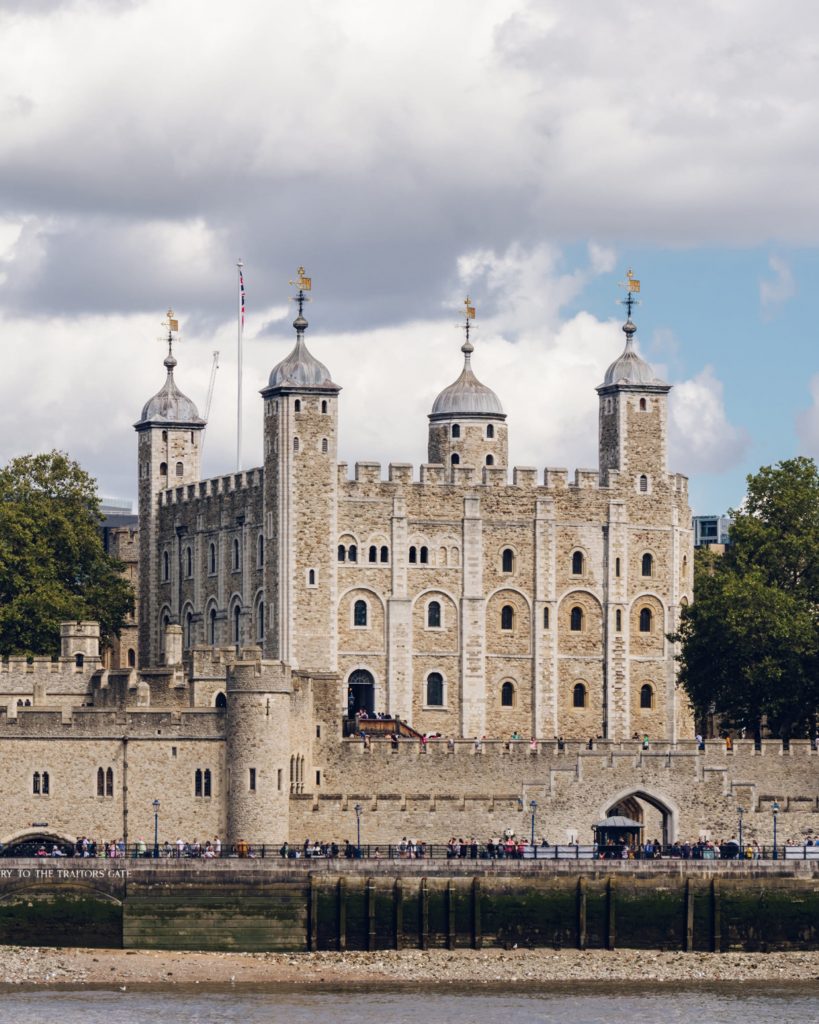
The Tower of London

What’s New: The Bayeux Tapestry—a depiction of the Norman Conquest of England in 1066, including the critical Battle of Hastings—goes on view at the British Museum in the fall of 2026, on loan from France.  

Extra Credit: Explore the Tower of London on a private guided tour arranged by Four Seasons Hotel London at Tower Bridge, seeing the Crown Jewels and learning about imprisonments, executions, and a recent excavation of 14th-century burials that may be tied to the Black Death. 

Petra and Amman, Jordan 

Best for high school students 

The ancient city of Petra

What’s New: Archaeologists continue to make discoveries in the ancient city of Petra; a 2024 dig revealed a 2,000-year-old tomb with 12 skeletons, one of which was holding a ceramic cup, an example of Nabataean pottery.  

Extra Credit: Along with guided visits to Petra, Four Seasons Hotel Amman offers such unique experiences as painting at the Roman ruins of Pella. 

Kyoto, Japan 

Best for middle school students 

Higashiyama
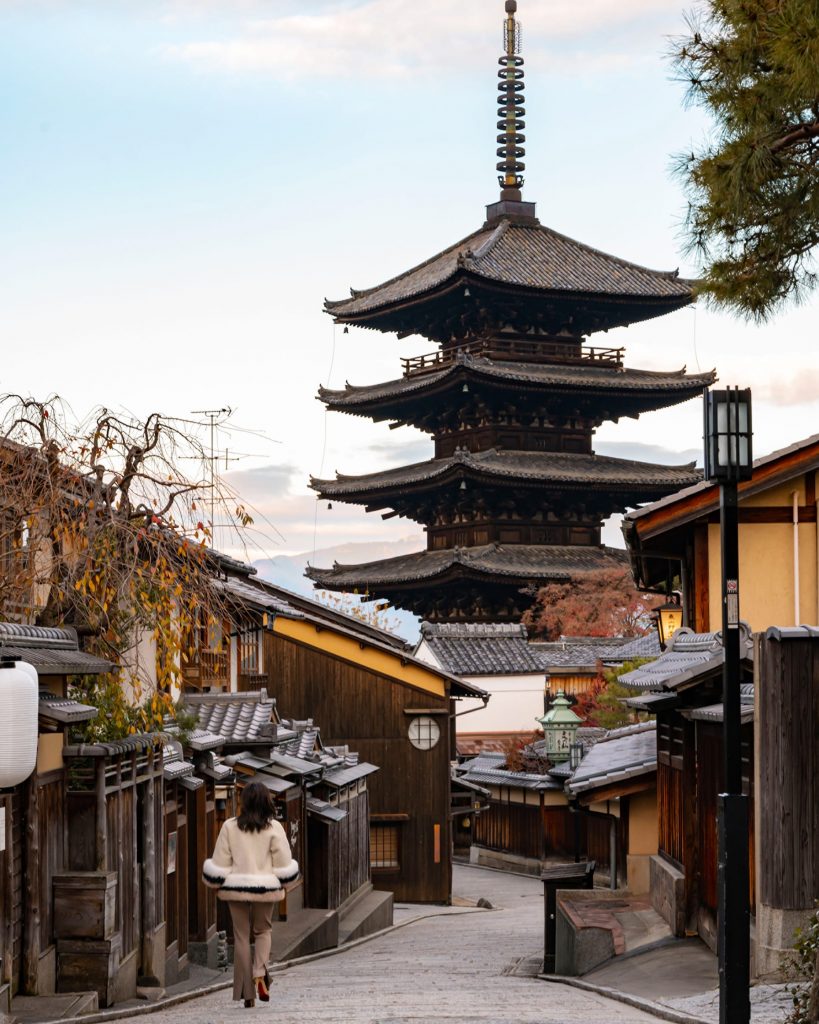
The Higashiyama district, home to the Kiyomizu-dera Temple

What’s New: Kyoto’s famous Kiyomizu-dera and Toji temples are known for their illuminated night displays. Pair a visit to one of them with an immersive experience at the new teamLab museum Biovortex, where multisensory digital art exhibits include Forest of Resonating Lamps: One Stroke, whose illumination changes in response to human presence.  

Extra Credit: Four Seasons Hotel Kyoto offers a host of special tours, which can include visits to the feudal-era Nijō Castle and the Yasaka Pagoda or an after-hours tour of the imperial gardens at Sennyū-ji Temple. 

Mexico City 

Best for older grade-schoolers 

Hot-air balloons over the Teotihuacán pyramids

What’s New: The recently opened Museo Casa Kahlo focuses on iconic artist Frida Kahlo’s early family life, highlighting never-before-seen letters, childhood photos, and clothing, as well as a recently discovered mural. It’s a few blocks from the famed cobalt blue Museo Frida Kahlo, which showcases Kahlo’s artwork and marriage to Diego Rivera. 

Extra Credit: Have the team at Four Seasons Hotel Mexico City arrange a private hot-air balloon ride over the spectacular Teotihuacán pyramids, where a major pre-Columbian city once flourished.  

Let the Festivities Planning Begin

Thanksgiving, Hanukkah, Christmas, Kwanzaa—some of the calendar’s biggest holidays anchor the tail end of the year, but it’s never too early to start planning for them. Whether you’re hoping to gather the entire extended family for a festive reunion or celebrate with just your nearest and dearest, Four Seasons will help you craft a holiday experience for the books. From seasonal events to special menus, these four properties go above and beyond to spread joy and mirth.  

Festive at Four Seasons Hotel Prague

Christmas Market Prague
The Christmas tree at the Old Town Square’s Christmas Market.

If a classic old-world holiday experience is what you’re after, Prague should be high on your list of destinations to consider for your end-of-year vacation. The Czech Republic’s capital city has charmed many a travel writer with its cobblestone streets and beautiful architecture; now imagine the city all decked out for the holidays. It’s a veritable winter wonderland straight out of a fairy tale.  

Bonus: No need to pack presents. Just a seven-minute walk from Four Seasons Hotel Prague is the Old Town Square, site of the city’s largest Christmas Market (and tallest Christmas tree). Sip on mulled wine, treat the kids to gingerbread, and shop for handmade souvenirs to bring home. This year, the market starts November 26 and ends January 6.  

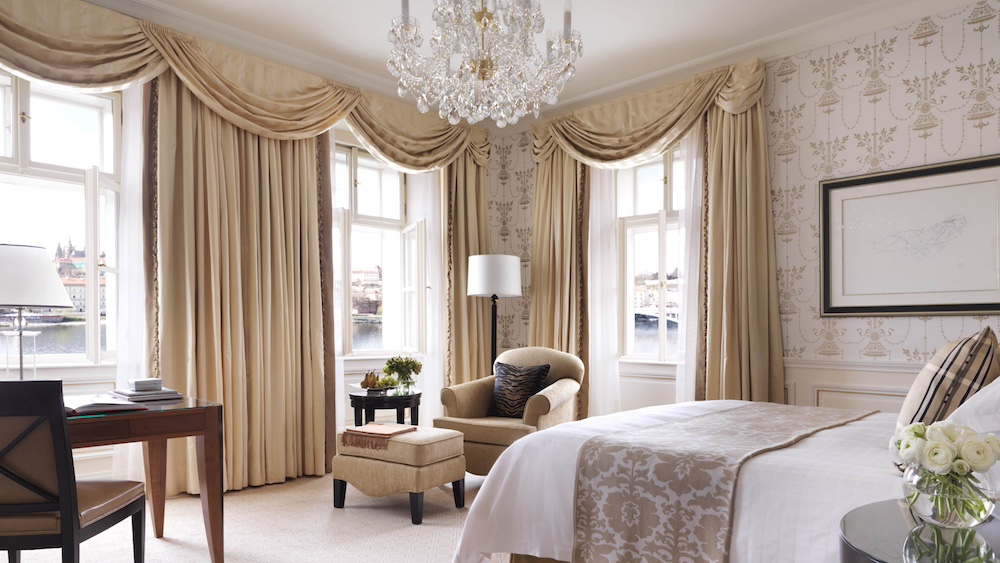
Four Seasons Hotel Prague, Room

After a day of exploring, retire to the hotel, itself decorated to the nines, and indulge in the Dior Afternoon Tea at the Gallery lounge (preferably by the fireplace), where you can warm up with a spot of tea and a selection of canapés, scones, and desserts.  

When you book a stay at Four Seasons Hotel Prague, you also have at your disposal its incredible curated experiences—including a private tour through the Old Town Square Christmas Market, an evening ride in an antique car to take in the city’s holiday lights and decorations, and cultural happenings like Advent concerts at the National Library of the Czech Republic in the Klementinum.  

Festive at Four Seasons Hotel Nashville

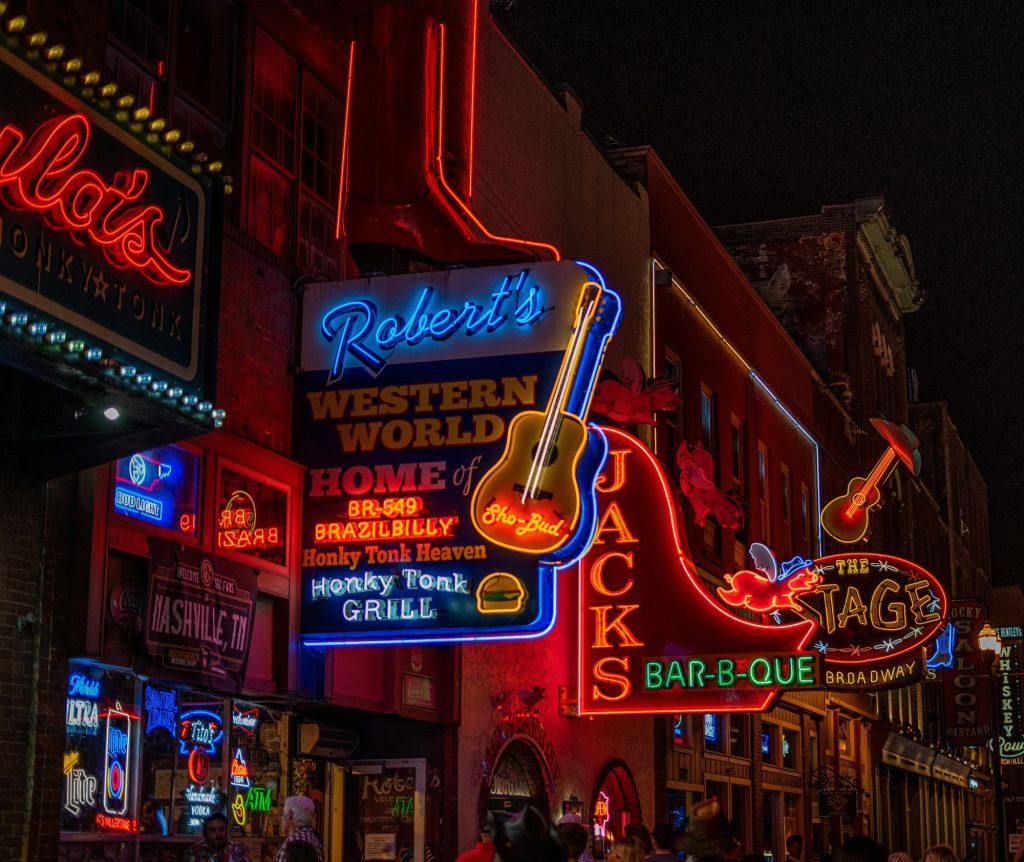
Broadway in Nashville
Lower Broadway in Nashville. Photograph by mana5280 on Unsplash.

Nashville’s nickname is Music City—for good reason. It’s a mecca for country music buffs and live music aficionados. And come winter, the city adds carols and jingles to its musical repertoire.  

 This season, holiday-themed shows happening in Tennessee’s capital city will include Opry Country Christmas at the Grand Ole Opry House; screenings of Elf and Home Alone accompanied by live music at the Schermerhorn Symphony Center; A Drag Queen Christmas at Ryman Auditorium; and Nashville Ballet’s Nashville’s Nutcracker at the Tennessee Performing Arts Center’s Andrew Jackson Hall.  

Four Seasons Hotel Nashville Mimo

 At Four Seasons Hotel Nashville, the holidays are all about delighting guests with special treats and events. At the Festive Carolers Dinner, carolers spread cheer from table to table, singing Christmas classics. At the Christmas Day Brunch, Santa Claus drops in for a thrilling visit, and guests get to try their hand at gingerbread house decorating. And on both Christmas Eve and Christmas Day, Mimo, the hotel’s Tuscan-inspired restaurant, hosts a special prix fixe, four-course dinner. At evening’s end, every guest receives a holiday gift to take home.  

Festive at Four Seasons Hotel London at Park Lane

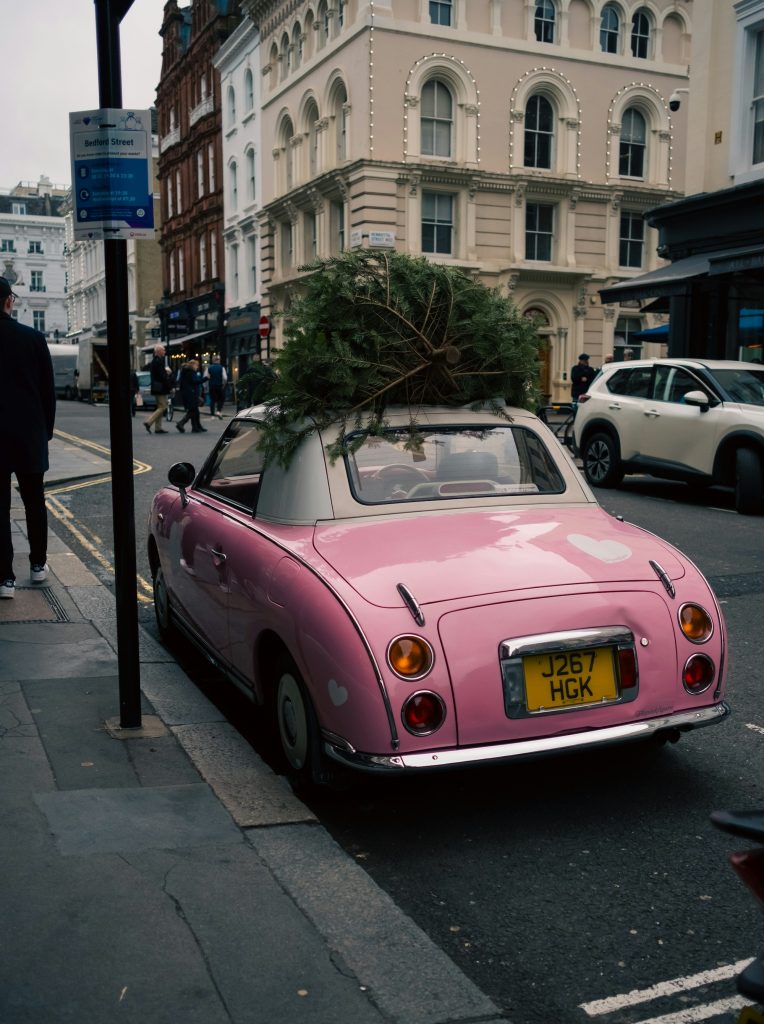
Christmas in London, Photo by Arafat Khan on Unsplash
Christmas in London. Photograph by Arafat Khan on Unsplash.

Love Actually. A Christmas Carol. Bridget Jones’s Diary. The Holiday. Some of our favourite Christmas movies (and likely yours, too) take place in London, the city that popularized beloved Victorian-era traditions—decorated trees and storefronts, Christmas crackers, holiday cards—that continue to this day.  

In addition to Christmas markets, ample shopping, and holiday lights viewing, London also offers plenty of places to ice skate. These outdoor venues, often surrounded by historical beauty, include Somerset House, where in late November the imposing and vast neoclassical site’s outdoor courtyard is transformed into an ice rink. Another magical spot for skating: Hyde Park Winter Wonderland, the biggest outdoor rink in the United Kingdom. Here, you can glide beneath 100,000 twinkling lights to a Christmas soundtrack.  

Four Seasons Hotel London at Park Lane, Christmas

 Hyde Park is, conveniently, just a one-minute walk from Four Seasons Hotel London at Park Lane. Located on a quiet corner in the heart of Mayfair, the hotel goes all out for the holidays with elegant decorations and special menus at the French-inspired, Michelin-starred Pavyllon London, helmed by chef Yannick Alléno. And should you need help arranging exclusive, unique experiences across the city, the hotel’s concierge team—the largest in London—is ready to assist.  

Festive at Four Seasons Hotel Dubai International Financial Centre  

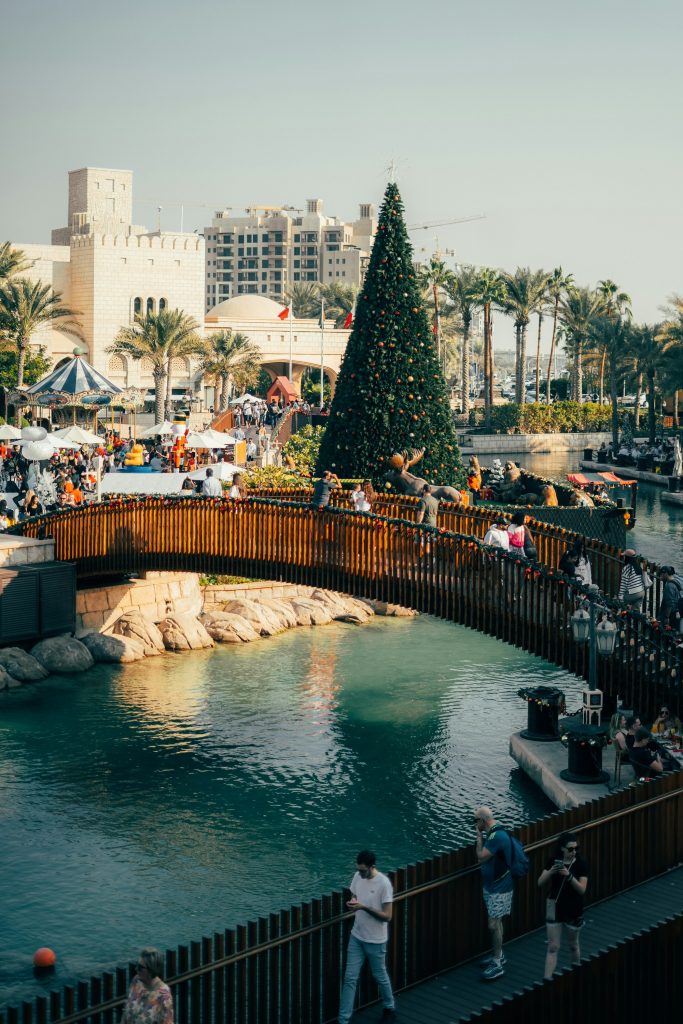
Christmas in Dubai
Dubai decorated for the holidays. Photograph by mahyar motebassem on Unsplash.

Travel to Dubai during the holidays, and you’ll encounter lit trees, holiday markets, even Santa and his elves—but you’ll experience these traditions in warm, parka-free weather. That said, should you want a taste of wintry weather, simply head over to Ski Dubai, a gargantuan indoor ski resort where you can ski, snowboard, sled, and even meet some penguins. It’s housed in the Mall of the Emirates, one of the largest malls in the world.  

 Speaking of malls, luxury shopping is practically a sport in Dubai, and with the winter months comes the annual Dubai Shopping Festival, five weeks in December and January when stores offer irresistible discounts. And because Christmas isn’t a national holiday there, stores stay open, and you won’t have to wait for Boxing Day to shop.  

Four Seasons Hotel Dubai International Financial Centre, Mina, Festive

 Outdoor excursions also abound in Dubai: desert safaris, yacht adventures, hot-air balloon rides, and cultural sightseeing can all be arranged when you stay at Four Seasons Hotel Dubai International Financial Centre. The boutique hotel is a quiet oasis in the middle of the financial district, close to downtown and just minutes from the beach. Though small, with just 106 tastefully appointed rooms and suites, the hotel offers a range of dining options, from afternoon tea at Penrose Lounge and French Mediterranean dishes at Michelin-recommended Mina Brasserie, to small bites at Luna Dubai and Middle Eastern meze poolside, both on the roof with skyline views.    

The English Beat: London Is the Place to Be for Music Festival Fans This Summer

At last year’s Glastonbury Festival, held as always on a 900-acre farm in England’s Somerset region, the programming was typically eclectic and electric. Maybe you wanted to sway with retro abandon as Shania Twain sashayed alongside a parade of hobby horses and a glammed-out gang of dancers and drag queens. Or perhaps it was a chance to see Dua Lipa let loose amid confetti canons and pyrotechnics, or see SZA close the weekend twerking in fairy wings halfway up a tree onstage as she teased the crowd.  

Music lovers have far more options in 2025—at Glastonbury and beyond—as the United Kingdom stakes its claim as the top gig-jetting destination, with a busier-than-ever festival calendar. 

From June 2 to 7, the Austin-born festival SXSW (South by Southwest) will make its European debut in dozens of venues in London’s hipster-heavy East End. Also new is Lido (June 6 to 7 and June 13 to 15), a massive operation produced by behemoth AEG that features Charli XCX as a lineup curator. 

Returning shows this summer include BST Hyde Park (multiple dates in June and July), an event that’s always headlined by a world-famous name (this year: Sabrina Carpenter), as well as Glastonbury (June 25 to 29), where headliners will include Rod Stewart and Neil Young. Also in the mix is the AEG-produced All Points East (August 16, 22, 23, and 24) with Raye, Tyla, and Doechii performing. (Smaller, niche festivals—like underground music-focused Wide Awake, lavish popfest Mighty Hoopla, soul-funk-powered Cross the Tracks, and electronic celebration Field Day—kicked off the festival season in May.)
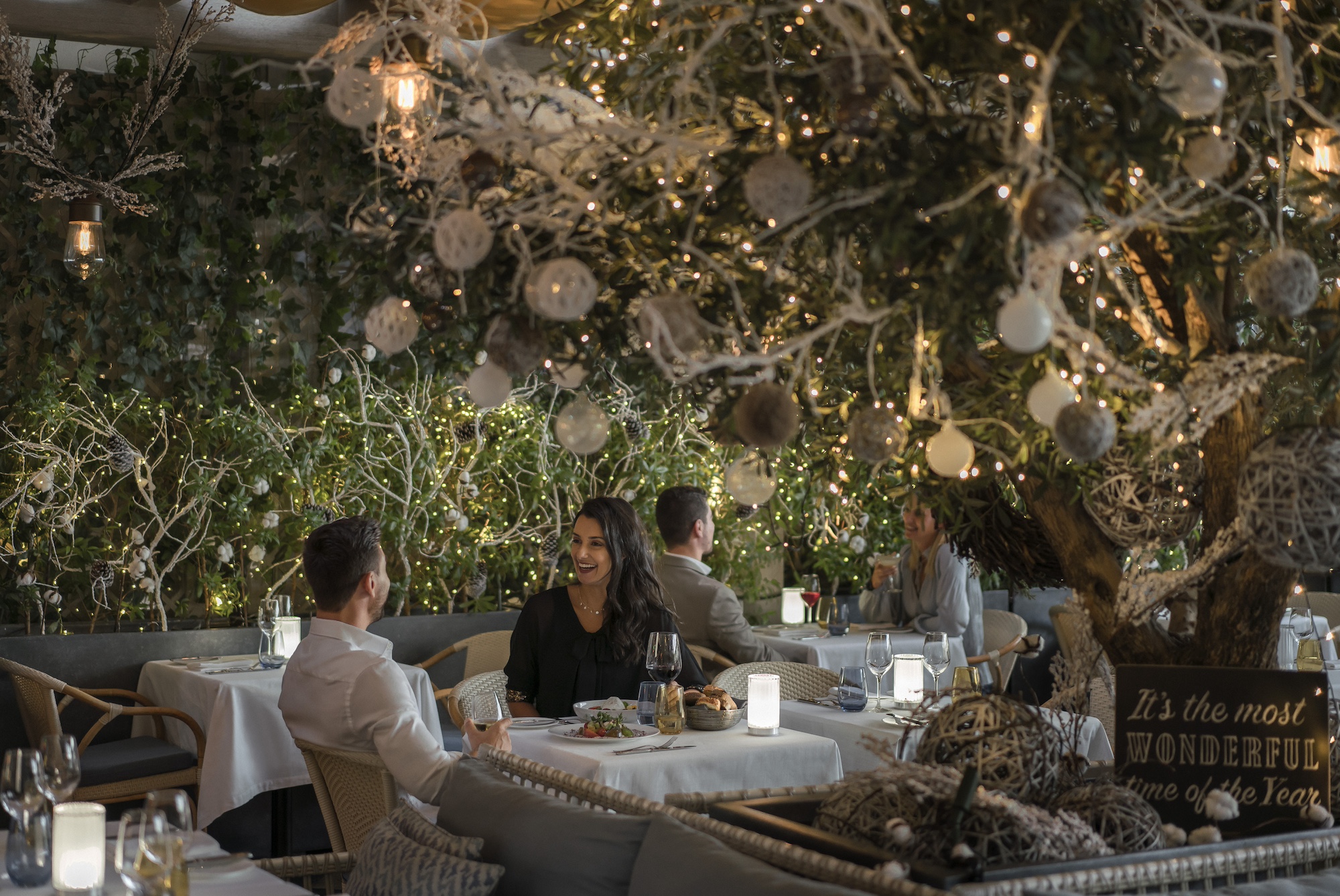
Take That onstage at BST Hyde Park in London in 2023. Photograph courtesy of BST Hyde Park.

On the tour front, there’s a little thing happening called the Oasis reunion, with 17 U.K. shows, kicking off July 4 in Wales. Still, the big new event on music calendars this year is the United Kingdom’s take on SXSW. 

The new SXSW offshoot will take inspiration from British music traditions while also presenting a fresh approach to programming versus the almost 40-year-old event in Austin, Texas (where last year’s lineup included everyone from Meghan Markle to Jane Fonda). Music, film, gaming, tech, and business will all be present, but SXSW’s London offerings will run simultaneously, rather than sequentially, per the Texas model. “The core mission of ‘South by’ is what’s new and what’s next, but we’re doing them all at the same time so there can be many more moments of convergence,” says Adem Holness, head of music for SXSW London. “You can watch a film, catch a talk, or come see a band.” Discoverability is crucial, with every venue, whether a church or a nightclub like XOYO, within a 15-minute walk. 

Holness tapped the likes of A&R maestro Nathan Barley Phillips to sit on the jury that reviews submissions. And plans are for the newest SXSW to reflect the eclectic, international nature of London’s population: Korea’s Seoul Community Radio and Deadly (which champions Jamaican music) are among the co-curators on tap. “British and European audiences have an open mind for form and different types of performance—we can put classic next to experimental and electronic, and find a space in between the two,” says Holness. 

SXSW’s team can take inspiration from an already thriving event that takes place in the same neighborhood each spring, the Brick Lane Jazz Festival. “We’re going to meet for a coffee next week,” says Brick Lane organizer Juliet Kennedy of her counterparts at SXSW London. “I’m up for helping them as much as I can.”  

Kennedy runs a nightclub in the neighborhood, Ninety One Living Room, and started the festival in 2022 to help post-pandemic recovery in the live music sector. She posits that the liveliness of festivals in Britain right now derives, in part, from the harshness of the country’s COVID-era experience, which included multiple lockdowns over a two-year period. “That sense of togetherness is central to all festivals, but the pandemic is the reason we exist,” she says. 

Elton John onstage at BST Hyde Park in 2022. Photograph courtesy of BST Hyde Park.

Three thousand people attended Brick Lane’s first year; for 2025 (April 25 to 27), Kennedy sold more than three times the number of tickets, each of which grants access to a dozen venues around the area. French singer Adi Oasis—“a goddess,” says Kennedy—headlined one night, and octogenarian American instrumentalist Laraaji closed the fest. “There’s a strong concept of jazz as a middle-aged sort of chin-stroking affair,” she says. “But it’s lively and young, and you can be on your feet dancing.” 

The United Kingdom will host a complementary range of classical-skewing events, too. Helen Brocklebank, CEO of Walpole, the trade body for luxury in the United Kingdom, puts it succinctly: “This is a superpower of Britain—we do music like nobody else, from Glastonbury to Glyndebourne, always with a level of excellence.” 

Glastonbury Festival 2024, Tipi Field, Photo by Sami Hussein/Wireimage
Attendees camped at the Tipi Field at 2024’s Glastonbury Festival. Photograph by Samir Hussein/Wireimage.

At Glyndebourne, staged at a grand country house in East Sussex from May 16 through August 24, guests can enjoy opera while picnicking on the lawn, Champagne in hand. This year, Glyndebourne will present its first-ever production of Parsifal, as well as a commission based on the children’s book The Railway Children. Artistic director Stephen Langridge notes that 25 percent of visitors were new to Glyndebourne last year, and 25 percent of those were new to opera. “We’re hoping to be the gateway drug,” he says with a laugh, noting the madcapness of locating an opera festival on the rolling lawns of a manor house. “It’s very English, and there’s an eccentric thing underneath it, especially when you see the sheep in fields nearby.” 

Options for classical music lovers also include the nearly 110-year-old Thaxted Festival, taking place June 20 to July 13 in northwest Essex, and the BBC Proms, an eight-week summer season of shows at the Royal Albert Hall in London (July 18 to September 13). The latter, says Zeb Soanes, a presenter for the independent British radio station Classic FM, is “part of the fabric of British life, like Wimbledon and the chimes of Big Ben. It’s the largest classical music festival in the entire world, but the great thing is, it’s wonderfully all-inclusive. Rufus Wainwright did a concert, and late night, there is jazz, soul, and funk.” 

British music festivals, then, are distinctive for their wide-ranging, unpredictable programming, but there’s something else that sets them apart, at least according to Lisa Verrico. She’s a journalist and longtime festivalgoer who has produced countless guides to Britain’s annual calendar of music offerings. Unlike Coachella—“you go once or twice to take a photograph of yourself there,” says Verrico—modern British festivals are intended to be fresh every year and, most crucially, family-friendly. Her twentysomething daughter first started accompanying her at the age of two and is now an avid attendee herself. Says Verrico, “If you grow up going to festivals and loving them, you’ll go back—that’s why, now, everybody goes.”