The Evolving Soul of Creole

 
Few words are richer or more difficult to define than Creole.

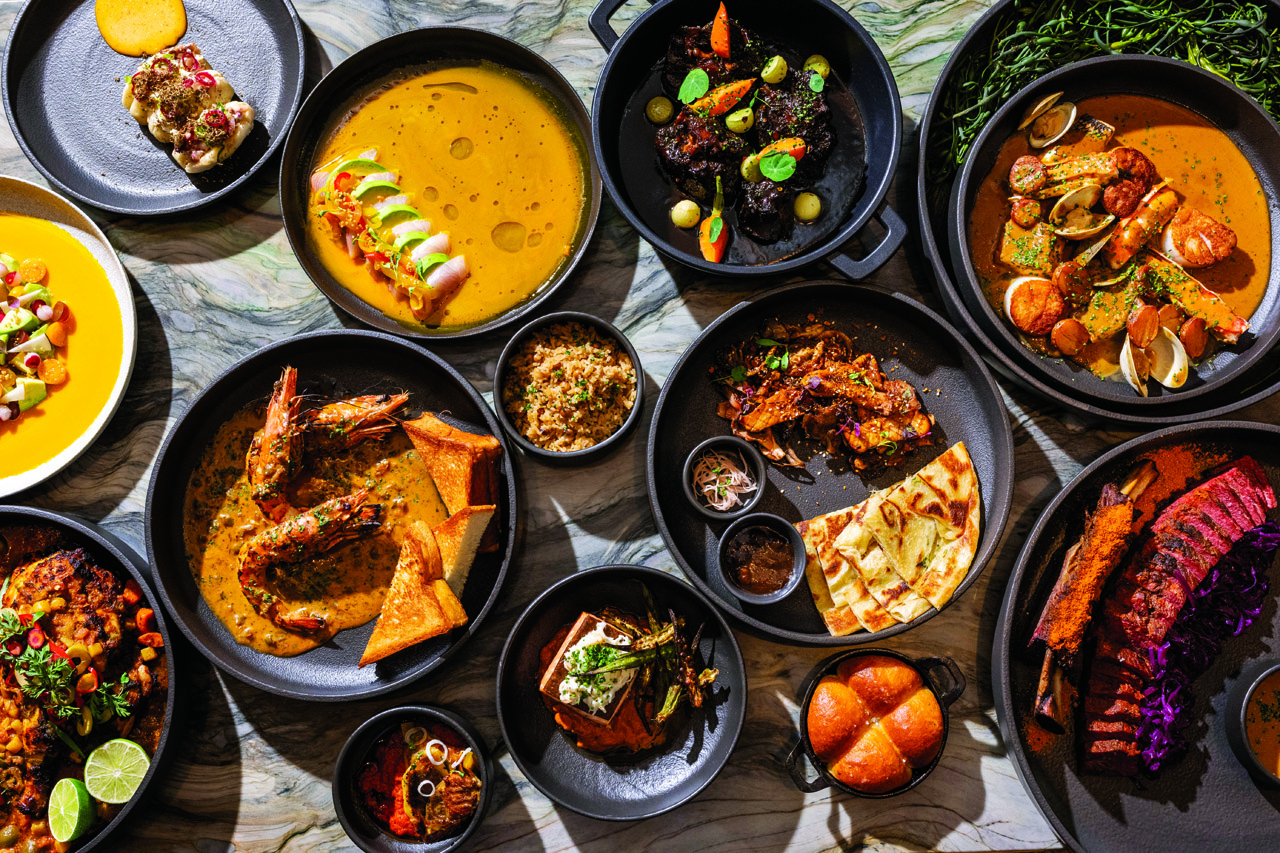
In New Orleans, Louisiana, it is a virtuoso scraping his washboard to the driving, syncopated rhythm of zydeco music, but it is also the complex flavours in a bowl of gumbo. In the Bahamas, it is a cuisine that is a mélange of British, African, and Caribbean influences starring peas, pastries, and aromatic stews cooked for hours over low heat, as well as a primarily English dialect known as Bahamian Creole that combines languages from three disparate continents. And, half a world away, on the islands of the Indian Ocean that make up the Seychelles, Creole is a way of life: joyful gatherings on the beach; a musical language—this time mixing French with East African dialects—and a cuisine in which indigenous ingredients like coconut milk and octopus meet the spices and slow-cooked curries of South Asia.

“Creole isn’t about a specific skin tone or country; it’s about a culture.” This is how Mona Lisa Saloy, author of the poetry collection Black Creole Chronicles, described it to me in 2023.

“It’s food, it’s music, it’s architecture, it’s style, and it’s traditions,” she added. “There are millions of Creole people in countries across the world, and we create beautiful cultures everywhere we go.”
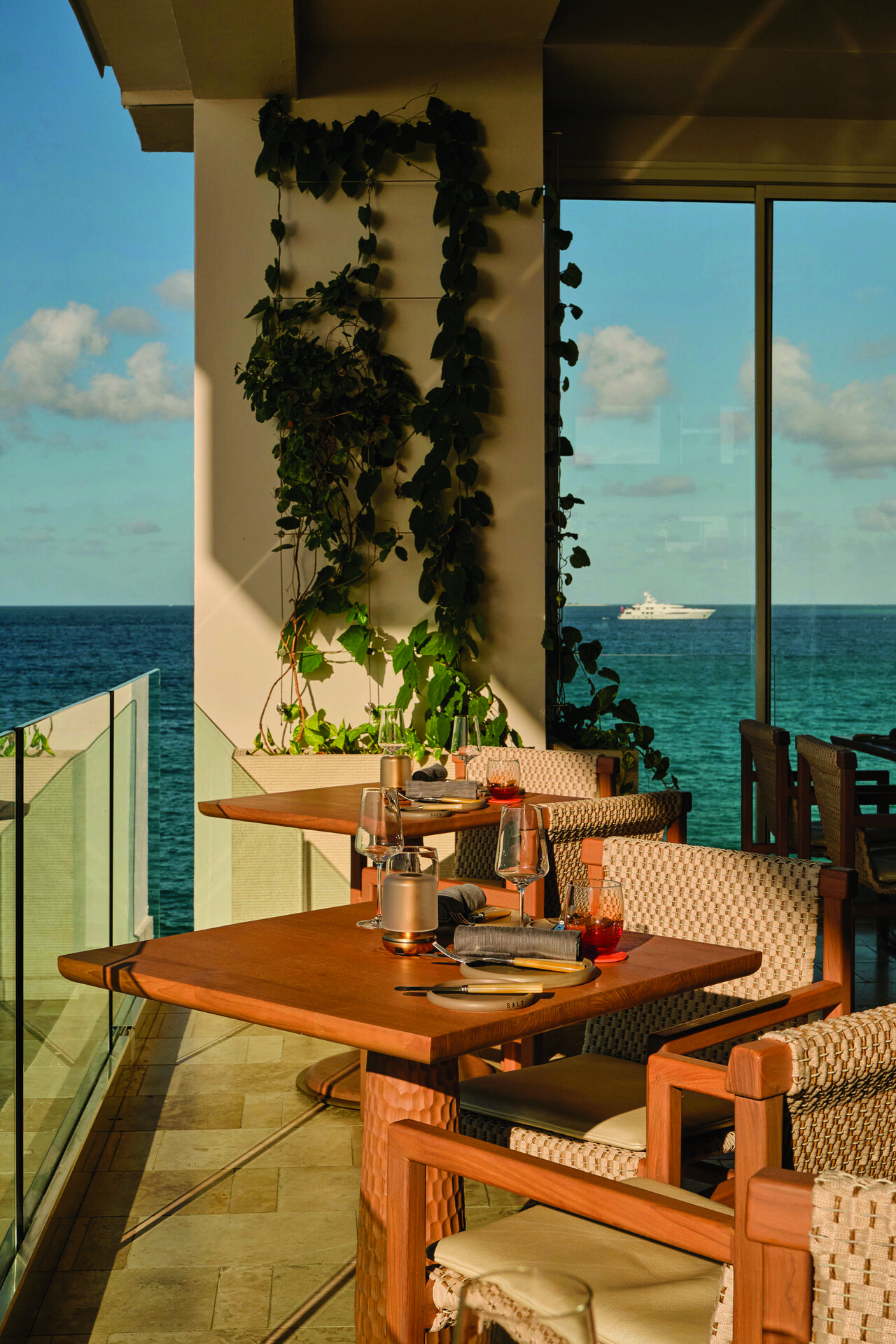
Salt Restaurant at Four Seasons Resort and Residences Anguilla
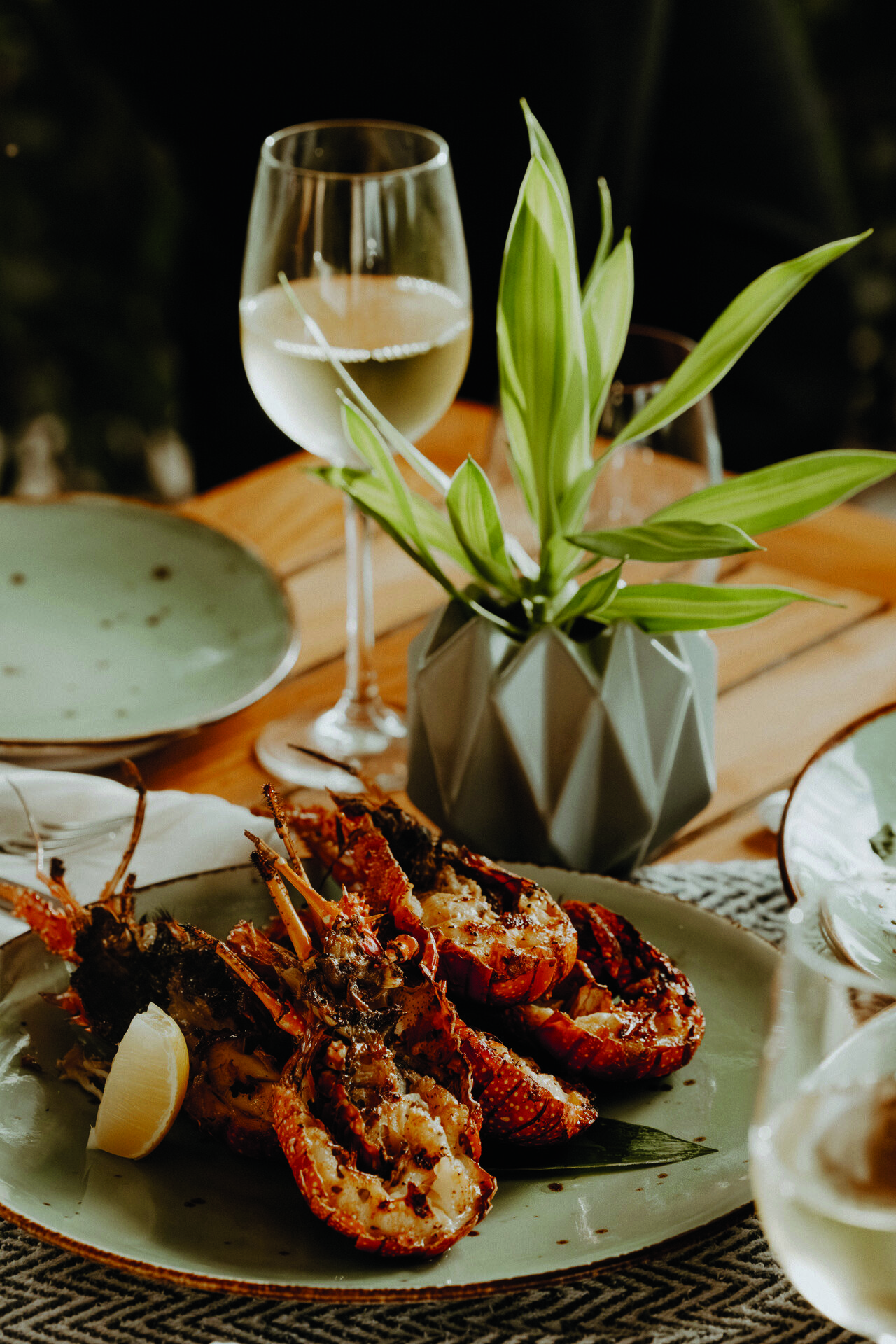
Spiny lobster at Four Seasons Resort and Residences Anguilla
 

Over the past few decades, the exploration of Creole identity and, most visibly, Creole cuisine has been on the rise. You can see that popularity as tourists flock to local restaurants in Creole destinations as far-flung as the Treme neighbourhood of New Orleans, the soul-stirring streets of Port Louis, Mauritius, and the tropical islands and islets of Anguilla. But the demand for Creole dining experiences has extended beyond its usual hubs to regions and settings previously uncharted. Restaurants serving this unique and flavourful cuisine exist in places with little prior history of the culture—from Tokyo to Chicago—and superstar chefs, such as Kwame Onwuachi, Julia de Laguarigue, and Jacob Kenedy, in cities like Paris, London, New York, and Washington, D.C., are being awarded the world’s highest culinary honours for their exploration of this important food.

While the recipes and flavours at these restaurants can vary from country to country and kitchen to kitchen, there are certain traits that connect them.

“To be Creole is to invent,” explains David Beriss, professor of anthropology at the University of New Orleans and author of Black Skins, French Voices: Caribbean Ethnicity and Activism in Urban France. “What makes it difficult to define is that, by definition, it is always evolving toward something—beautiful, I think—that hadn’t previously existed in the world.”
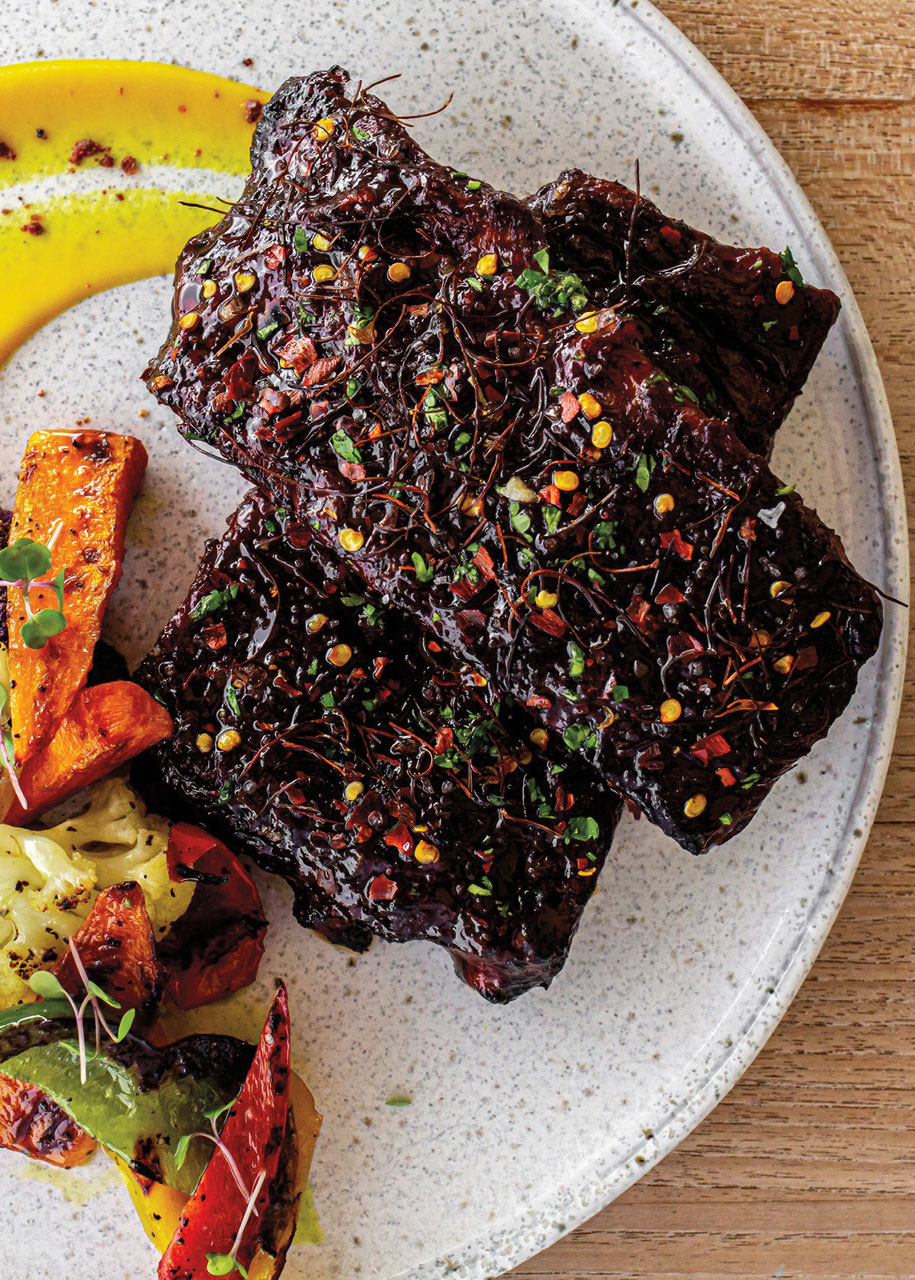
BBQ Ribs at Four Seasons Resort Nevis

BBQ Ribs at Four Seasons Resort Nevis

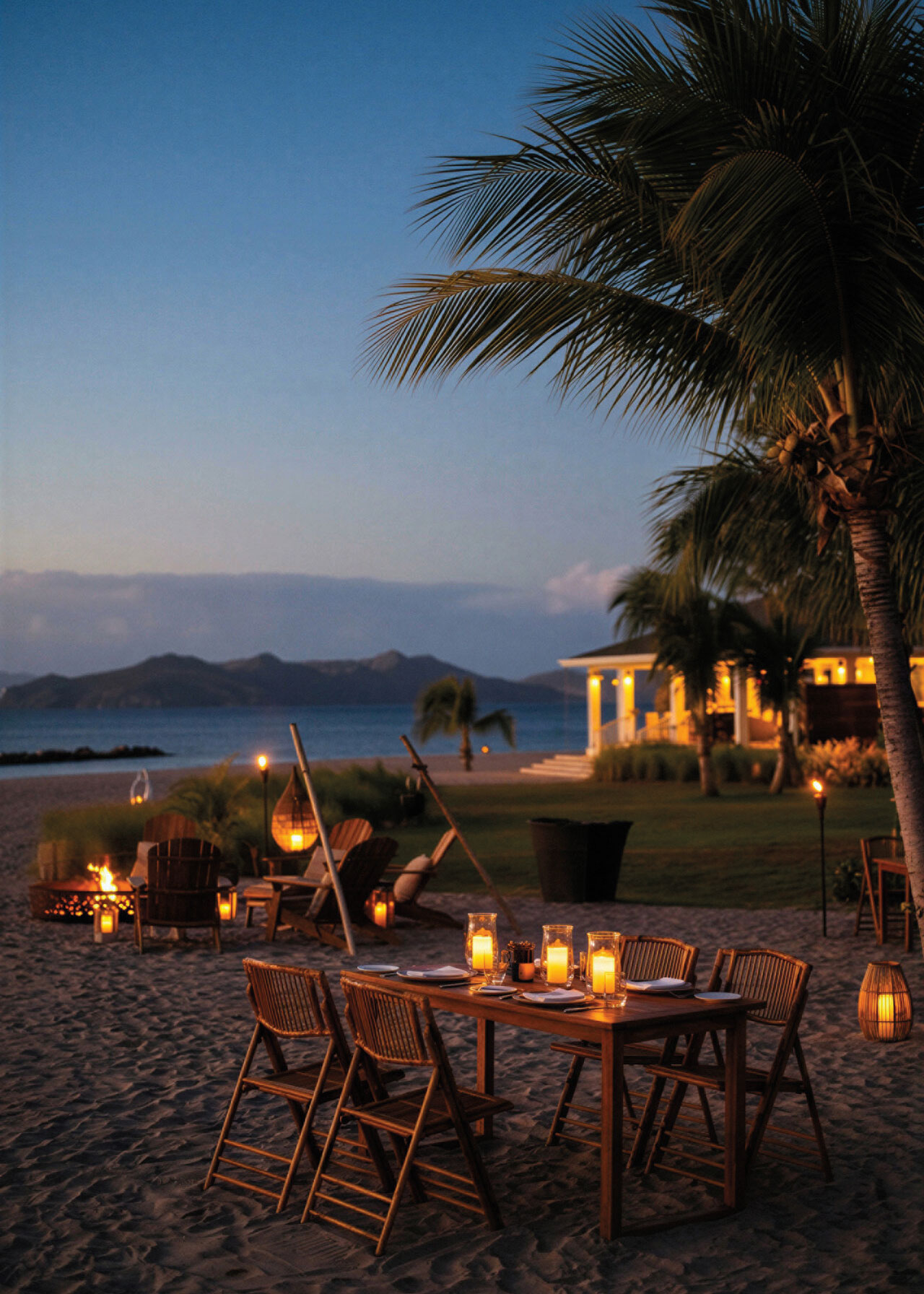
Private beach dining at Four Seasons Resort Nevis

Private beach dining at Four Seasons Resort Nevis
 

Defining Creole

As the growing powers of Europe attempted to colonize the globe in the 15th century, they encountered cultures that were previously unknown to them. Countries like Portugal, England, and France exchanged goods and ideas with the Indigenous peoples of these newly discovered lands.

Of course, the full story is more fraught. Between 1625 and 1867, European countries enslaved and transported nearly 12 million Africans to the New World alone. This is when the term Creole first entered the lexicon, to differentiate an enslaved person born in the New World from someone born in Africa.

But Creole comes from the Portuguese word crioulo, which itself derives from the Latin creare, meaning “to create.” To be Creole in places like the Caribbean now refers to this unique mixture of three influences: European, African, and Indigenous.

What was being created, explains Peggy Brunache, a Haitian American food historian and lecturer at the University of Glasgow, was a new culture, albeit one not without its atrocities and tragedies.

“These civilizations didn’t come together easily—there was enslavement, sexual violence, and genocide,” she says.

Hundreds of years later and against all odds, one result of that frightening cruelty is a triumphant gift to the world. Brunache says that is especially evident in the cuisine from these regions.

“Cooking techniques from the Europeans met indigenous ingredients from the land that were grown, cooked, and developed by enslaved Africans,” she says. “Much of it was considered ‘slave food,’ but for Black people at the time, their food was one of their few joys in life. That it is still enjoyed, by white people and by Black people, all these years later, feels like a testament to what they created here.”
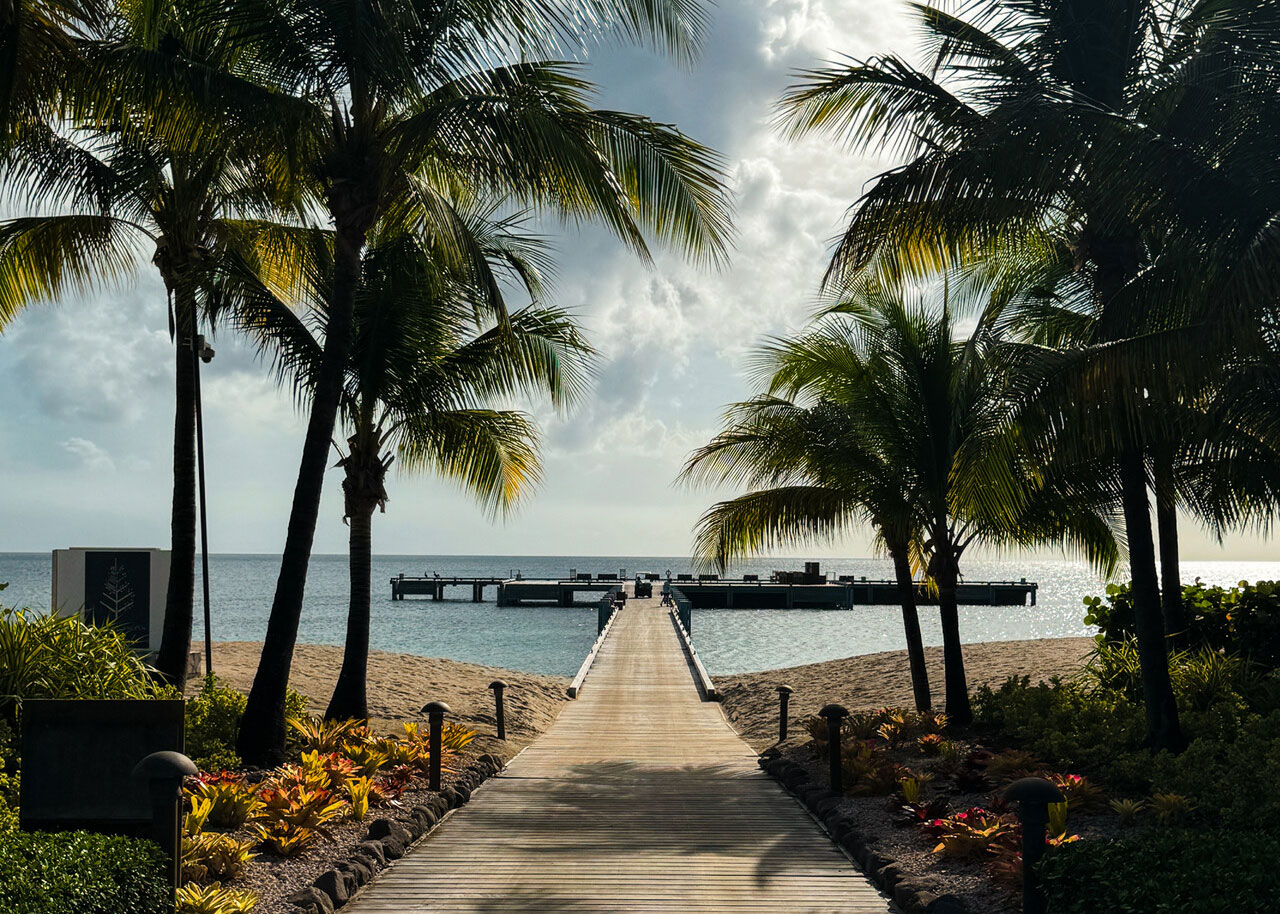
Four Seasons Resort Nevis
 

Callaloo in the Caribbean

In the West Indies, specific staples and dishes have been part of the Creole diet for hundreds of years. Breadfruit, a starchy, nutritious fruit versatile enough to be eaten at any time of day, was originally grown by the British to sustain their enslaved labourers. Similarly, oxtails, cow feet, pig tails, and trotters were undesirable pieces of meat passed on to enslaved Africans, who slow cooked the meats to make them tender for flavourful stews, which now define the cuisine, or boiled them down and incorporated them into the regionally ubiquitous leafy green soup known as callaloo.

Today, these dishes and others are so popular that many of them—uniquely flavoured by the region’s bounty and famous for their rustically home-cooked one-pot preparation—are found not only in the Caribbean’s casual restaurants but also throughout the islands’ high-end resorts.

“These foods had humble beginnings, but trying our island’s version of Creole cuisine is part of why guests come to our property,” says Methly Faucher, sous-chef at Four Seasons Resort Nevis, West Indies, a beachfront oasis on 350 acres in Nevis, in the two-island nation of Saint Kitts and Nevis.

In Nevis, Faucher says, Creole cooking means combining local ingredients like fish, tomatoes, thyme, and Scotch bonnet chili peppers with French cooking techniques such as sautéing.

Guests, he says, are eager to try these flavours at the property’s Caribbean restaurant, Mango. “Spiny lobster and shrimp in citrus-coconut milk, or potato dumplings with callaloo and local herbs, or an oven-baked whole fish with escabeche and coconut rice: They want new culinary experiences,” says Faucher.

Those experiences can include tasting Nevis’s traditional goat water stew or a popular breakfast of salt fish, eggs, and johnnycakes; or even learning in a Creole fish-preparation class at the resort. But culinary adventures are possible throughout the Caribbean. At Four Seasons Resort and Residences Anguilla, a serene Mediterranean-style property overlooking a pair of spectacular beaches, ceviche-making classes with Creole seasonings and a beachfront barbecue with fish and traditional accompaniments allow guests to relax like locals.

In the Bahamas—as with all Four Seasons resorts in the Caribbean—diners can try a cuisine that shares Creole characteristics of aromatic vegetables, layered spices, seafood, and bright flavours, while showcasing local produce. “Our love of spice, stews, peppers, tomatoes, onions, and slow-cooked dishes comes directly from Creole-style cooking,” says Lester Dean, executive chef of The Ocean Club, A Four Seasons Resort, Bahamas. “Bahamian cuisine is still its own identity, but the similarities speak for themselves.”

And at the luxurious new Four Seasons Resort and Residences Puerto Rico—located on a two-mile stretch of golden sand on the north of the island—a mofongo cooking class teaches guests the art of preparing a dish that is essential to criollo cooking: weaving together the African tradition of mashing starchy produce (in this case, indigenous Taino plantains) and the Spanish technique of making a sofrito by cooking chopped ingredients, like garlic, onions, peppers, tomatoes, and herbs, with olive oil to impart flavour.

“That mixture of ingredients is what Creole is,” Faucher says, “but Creole isn’t only a mixture of ingredients—it’s also a mixture of cultures. To taste the various components of our food is to learn our history.”


The Big Easy’s Red Beans, Rice, and Gumbo

Creole identity is far from homogeneous, varying across regions. While being Creole in the Caribbean refers to someone of a unique blend of ethnicities, in New Orleans, the term historically had less to do with skin colour and race and more to do with being considered native to Louisiana.

“You had to be born here,” says Vance Vaucresson, third-generation owner of the city’s Vaucresson Sausage Company, in business in one form or another since 1899.

In the 18th and 19th centuries, white people with recent European ancestry—specifically from France and Spain, the two countries that had colonized the area—were just as likely as Black and mixed-race residents with family from Africa to call themselves Creole.

“Being in the Creole class was a unifier,” Vaucresson explains. “It was arguably more important than skin colour at the time.”

But over the course of the 19th century, after the Louisiana Purchase and as New Orleans transitioned into a more traditionally American city, the Civil War and the Reconstruction led to racial tensions that frequently boiled over. The result was that white New Orleanians were no longer eager to claim an identity associated with their Black neighbours.

To this day, Black residents are far more likely to consider themselves Creole.
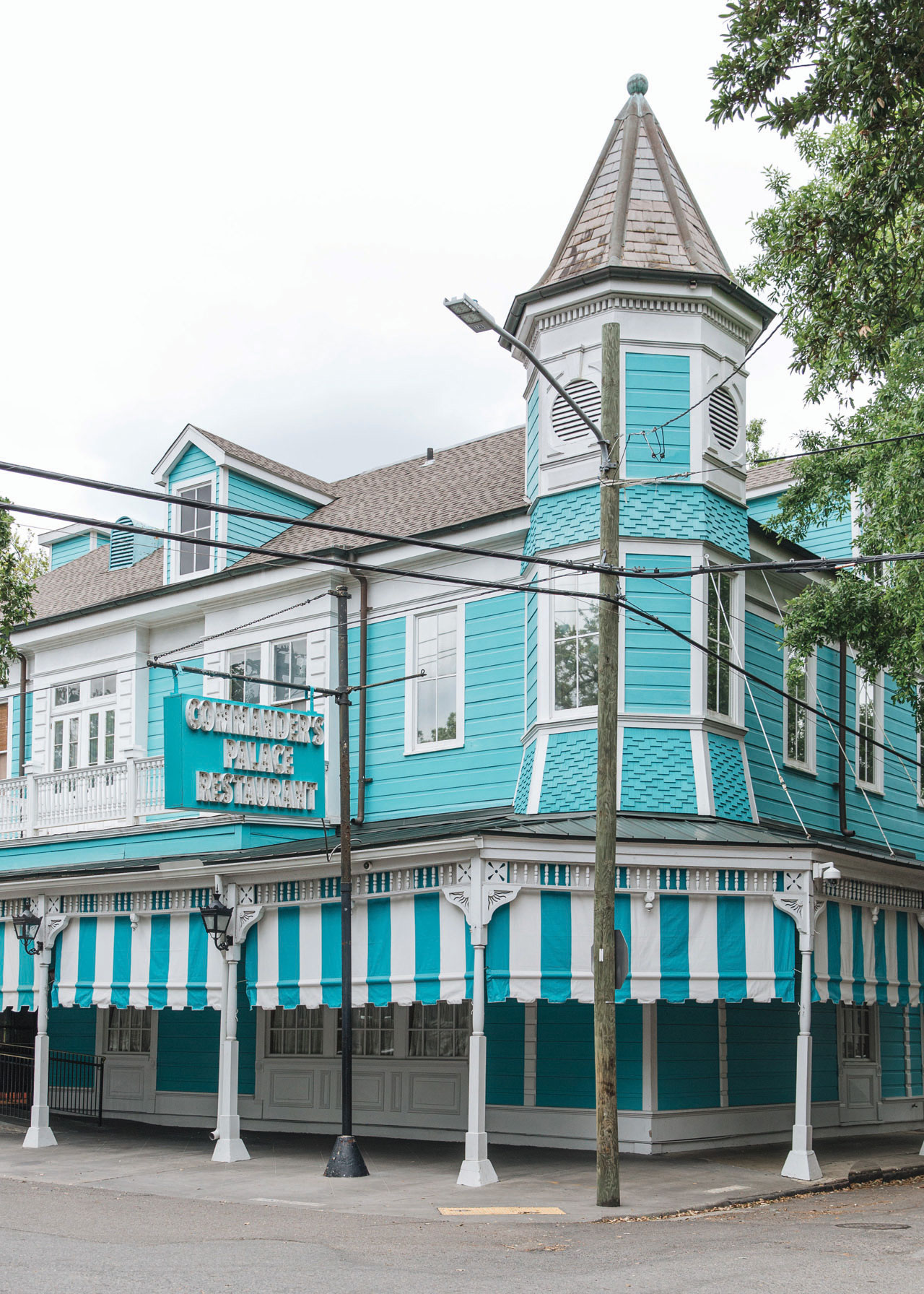
Commander’s Palace in New Orleans

Commander’s Palace in New Orleans

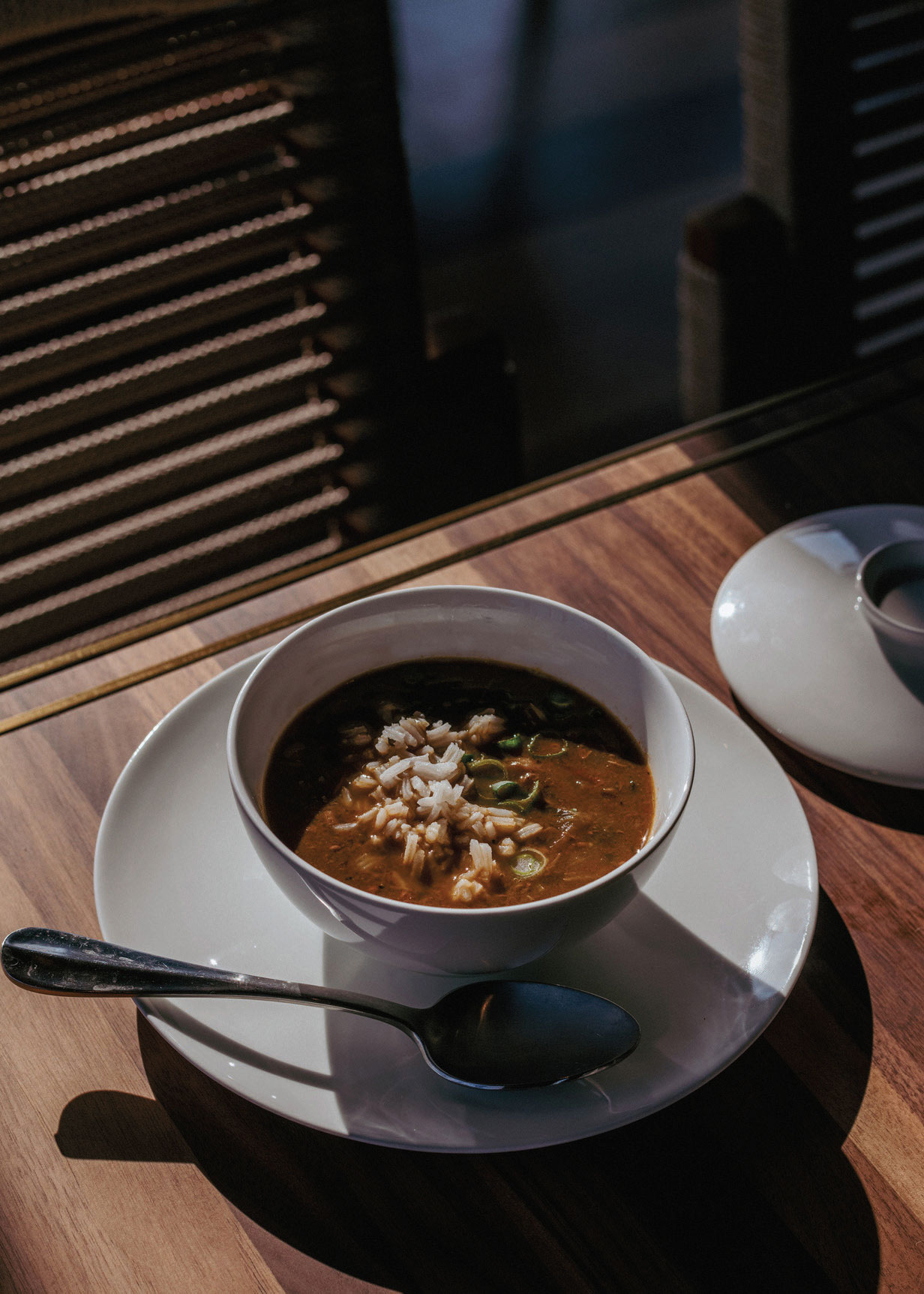
Seafood gumbo at Chemin à la Mer, Four Seasons Hotel New Orleans

Seafood gumbo at Chemin à la Mer, Four Seasons Hotel New Orleans
 

However, when it comes to food in the area, Creole cuisine refers to the same blend of influences—part African, part European, and part Indigenous—that define it elsewhere. Red beans and rice, hot sausage, and jambalaya; crawfish étouffée, grits and grillades, and trout meunière. These are just a few of the many Creole specialties made famous in Louisiana’s kitchens, including at the acclaimed restaurants Commander’s Palace, Li’l Dizzy’s Cafe, and Emeril’s.

Perhaps no single dish is more legendary here than gumbo. A tapestry of influences comes together to create this flavourful stew, melding rice cultivation from West Africa, the use of spices and peppers from Spain, the “Holy Trinity” of onion, celery, and bell pepper from France, and sausage from Germany, then thickened by techniques perfected—depending on your preferred style of gumbo—by the French, Africans, or Indigenous Americans.

“It’s why we offer two different kinds of gumbo,” says Dario Montelvere, hotel executive chef at Four Seasons Hotel New Orleans, which is located within a landmark modernist tower at the edge of the renowned French Quarter.

At the hotel’s Miss River restaurant, the gumbo “features duck and andouille sausage and is thickened with a roux, which is a French technique,” explains Montelvere. Meanwhile, the property’s Chemin à la Mer Steakhouse & Seafood Bar takes a different approach, offering a seafood-based version thickened with okra. “Which is the way Africans perfected it over many generations,” says Montelvere. “We want our guests to learn and experience just how nuanced and interesting Creole cuisine really is.”
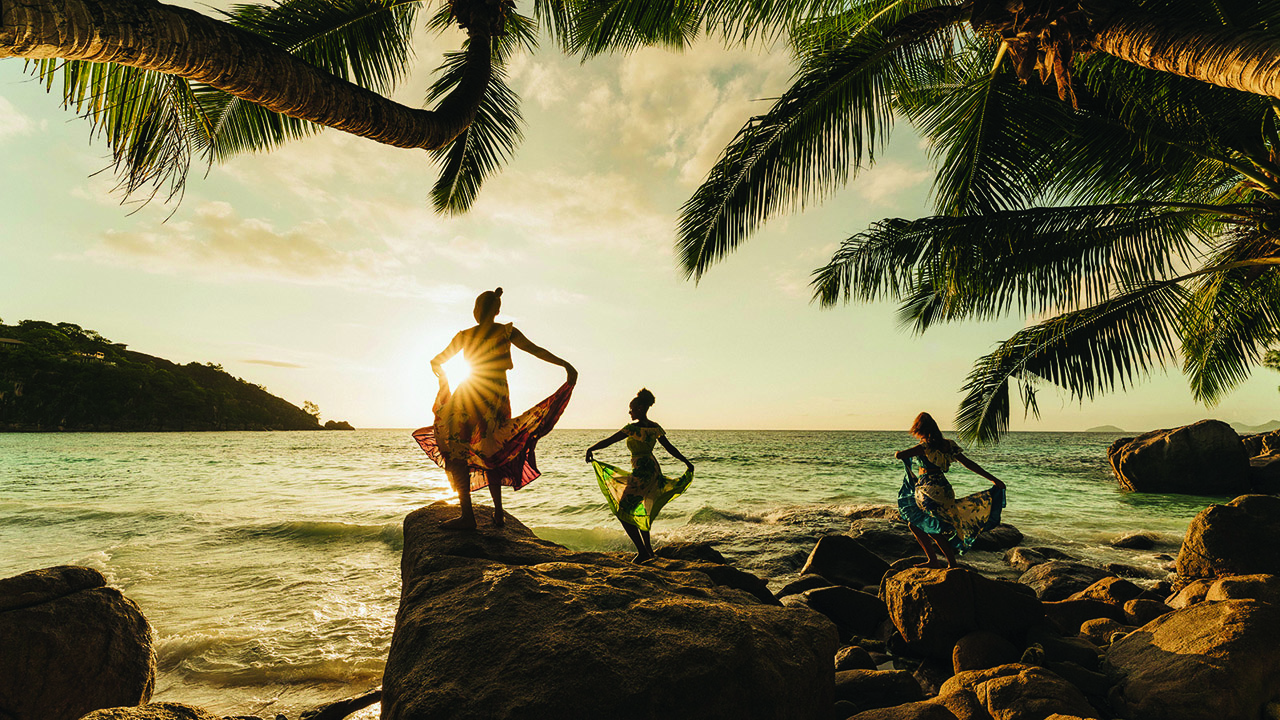
Moutya dancers at Four Seasons Resort Seychelles.
 

Sweet and Spicy in the Indian Ocean

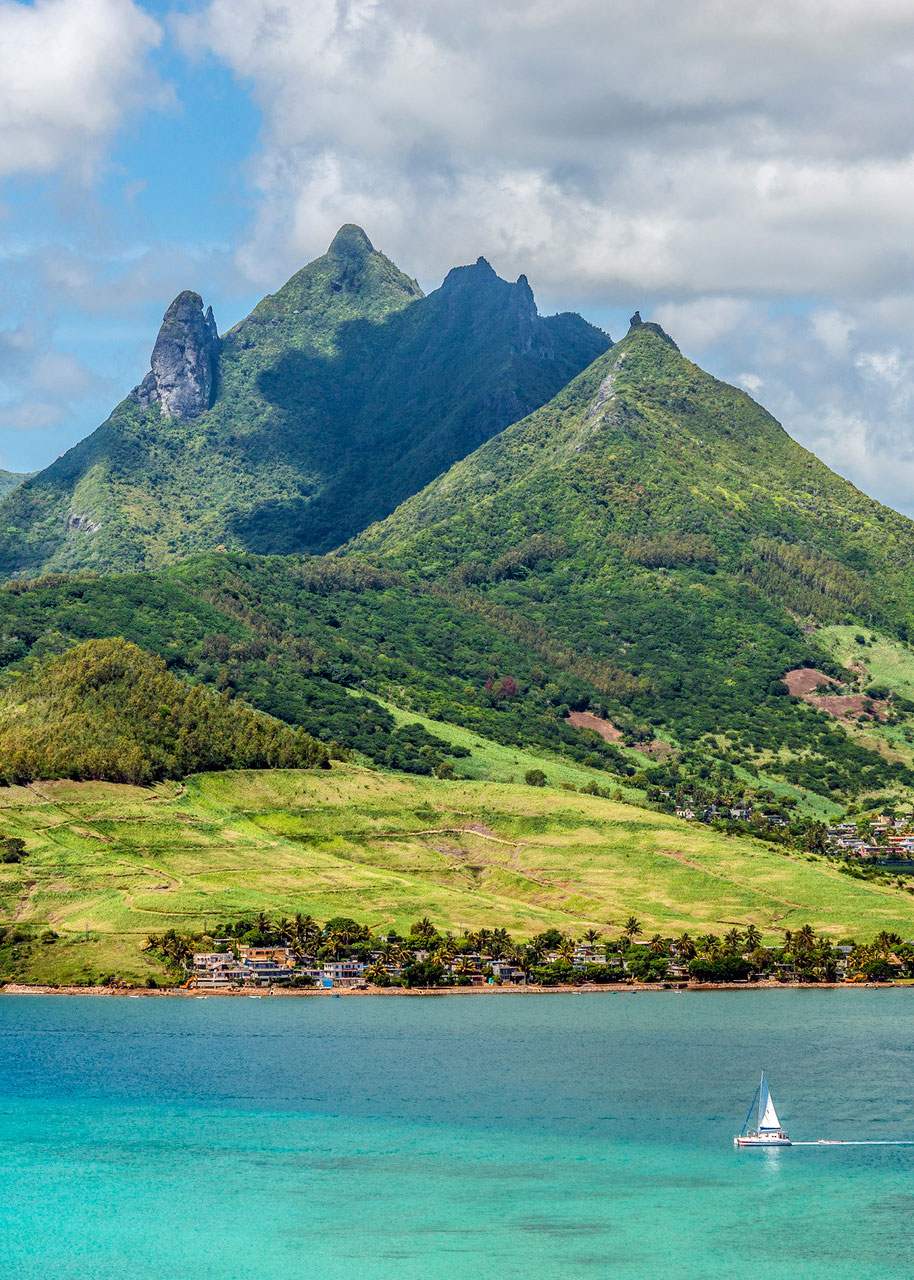
Creole identity exists outside the Western Hemisphere as well. In the Indian Ocean, off the eastern coast of Africa, on islands such as Mauritius, the Seychelles, and Réunion, the Creole characteristic of mixing cultures to create something new is alive and well. The specific influences on these islands, however, are predictably different from what you would find half a world away.

“We are very proud to be Creole on Mauritius—as an identity and also with our French-Creole language and with our food,” says Patrick Soochit, executive sous-chef at Four Seasons Resort Mauritius at Anahita, where 136 villas and private residences sit amid lush gardens.

The island’s food, as in the Americas, includes components derived from European colonial powers and the Indigenous people they encountered. The difference is that most of the enslaved people brought to this region by the Dutch, French, and British were from eastern Africa, including the Malagasy peoples of Madagascar. Later, when the British outlawed slavery in the 1830s, hundreds of thousands of indentured servants from India and China arrived on the islands to work on its sugar plantations for low wages.

The result, Soochit says, is a cuisine that blends cooking techniques from Europe with local ingredients and seafood, as well as a few twists.

“Our food is spicy, thanks to the spices from India and China,” explains Soochit, “but, because of the Malagasy, it also features stews like rougaille and sweetness from coconut milk and vanilla.”
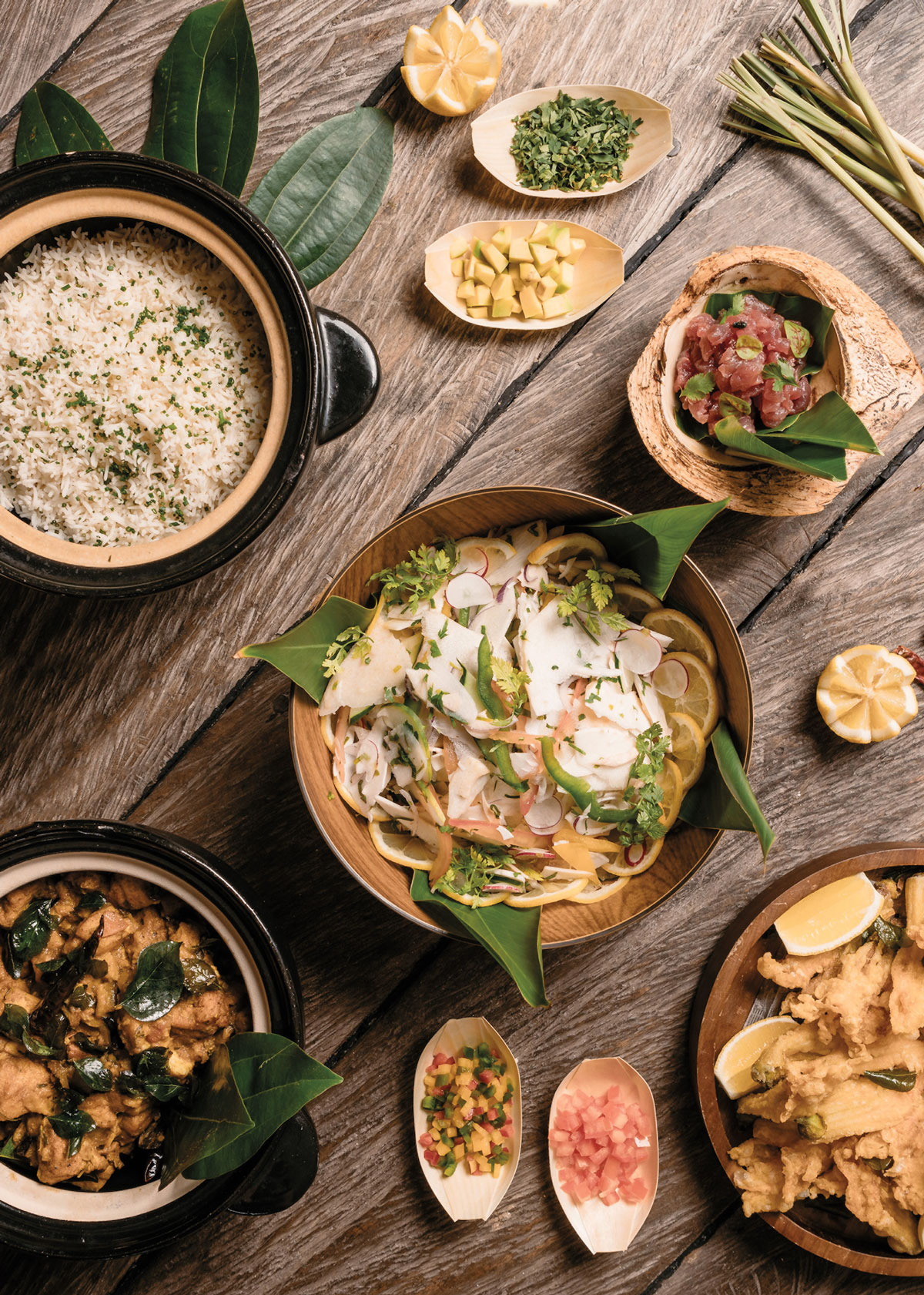
Dishes, including chicken curry and palmist salad, from the Sware Kreol dining experience at Four Seasons Resort Seychelles
Four Seasons Resort Mauritius at Anahita
 

In Mauritius and in the Seychelles, Four Seasons properties are eager to show guests this unique blend of influences. Whether through food items, like dhol buri, coconut milk octopus curry, or Creole-style prawns with stewed ​tomatoes and peppers; or through language, music, dance, and beachside social gatherings with friends and family, the Creole experience is everywhere.

“We want to show it to you, because we are proud of it,” says Perry Poris, sous-chef at Four Seasons Resort Seychelles at Desroches Island, which hosts a weekly dining experience, La Tous Kreol. “Not just because we are Seychellois, but because that means we are part French and part English, part Asian, and part African. We are a culture made from the world.”

Last summer, Four Seasons Resort Seychelles debuted its own weekly dining ​experience, Sware Kreol, featuring live authentic music, traditional Moutya and Sega dancing around a bonfire, barbecue, and Creole curries. Chef Marlene “Mama” Adesoyede helps lead the event, which she calls a “labor of love.”

“Guests can taste my octopus curry and fresh meat and fish,” Adesoyede says. “They can enjoy our music and learn our way of dancing. Seychellois Creole culture is beautiful and unique. You have to come experience it.”
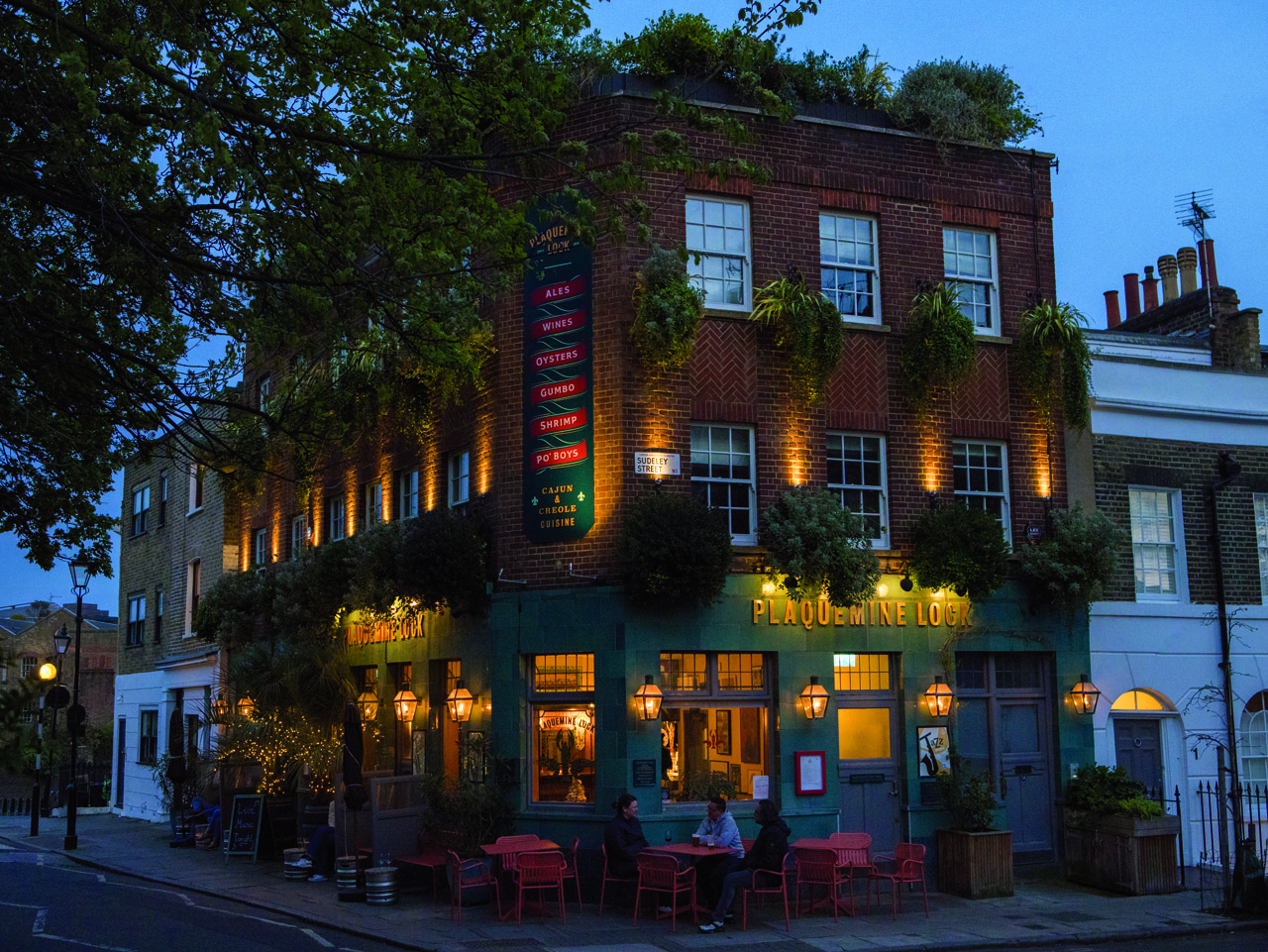
 
Plaquemine Lock in London
 

Something New

“Cultural purity is a thing of the past,” says Professor Beriss. “Creoleism is just one piece of proof. Almost everywhere you look on this planet, cultures are colliding and Creole-izing to create new cuisines—and I think that’s a very exciting thing to experience.”

In South Africa, for example, Afrikaans is a language that mixed the languages of Dutch settlers, the Indigenous Khoisan, and enslaved Southeast Asian and African peoples. The food, says Rudi Liebenberg, executive chef at Four Seasons Hotel The Westcliff Johannesburg, has been similarly Creole-ized. “It’s sweet because of influences from the enslaved Malay, but spicy because of labourers from India,” he explains. “The European settlers brought stews and baking and wine, and the Indigenous African people brought a culture of open-fire roasting—we call it braai—that South Africa is famous for. Our cuisine as we know it today wouldn’t be possible without all of this, which is the beauty of cultures coming together.”

Diners around the world are recognizing that beauty. Chef Kwame Onwuachi is serving Creole-inspired cuisine to rave reviews at his restaurants Tatiana in New York City and Dōgon in Washington, D.C., while chef Jacob Kenedy’s Plaquemine Lock, awarded Michelin Bib Gourmand status, is introducing London to the food of Louisiana. In Tokyo, Soul Food House is giving diners the chance to dig into Creole favourites like seafood gumbo and blackened shrimp (in tacos).
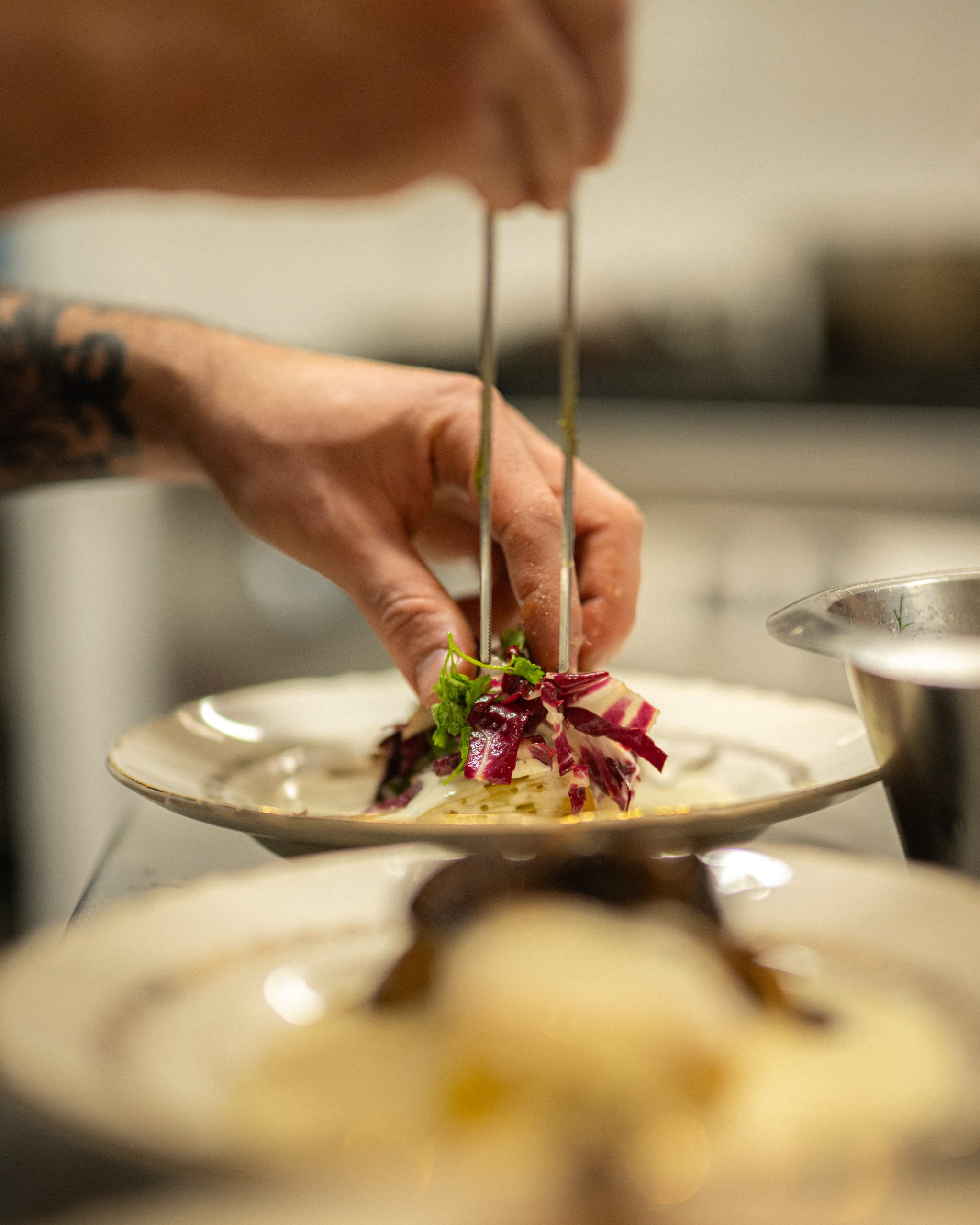
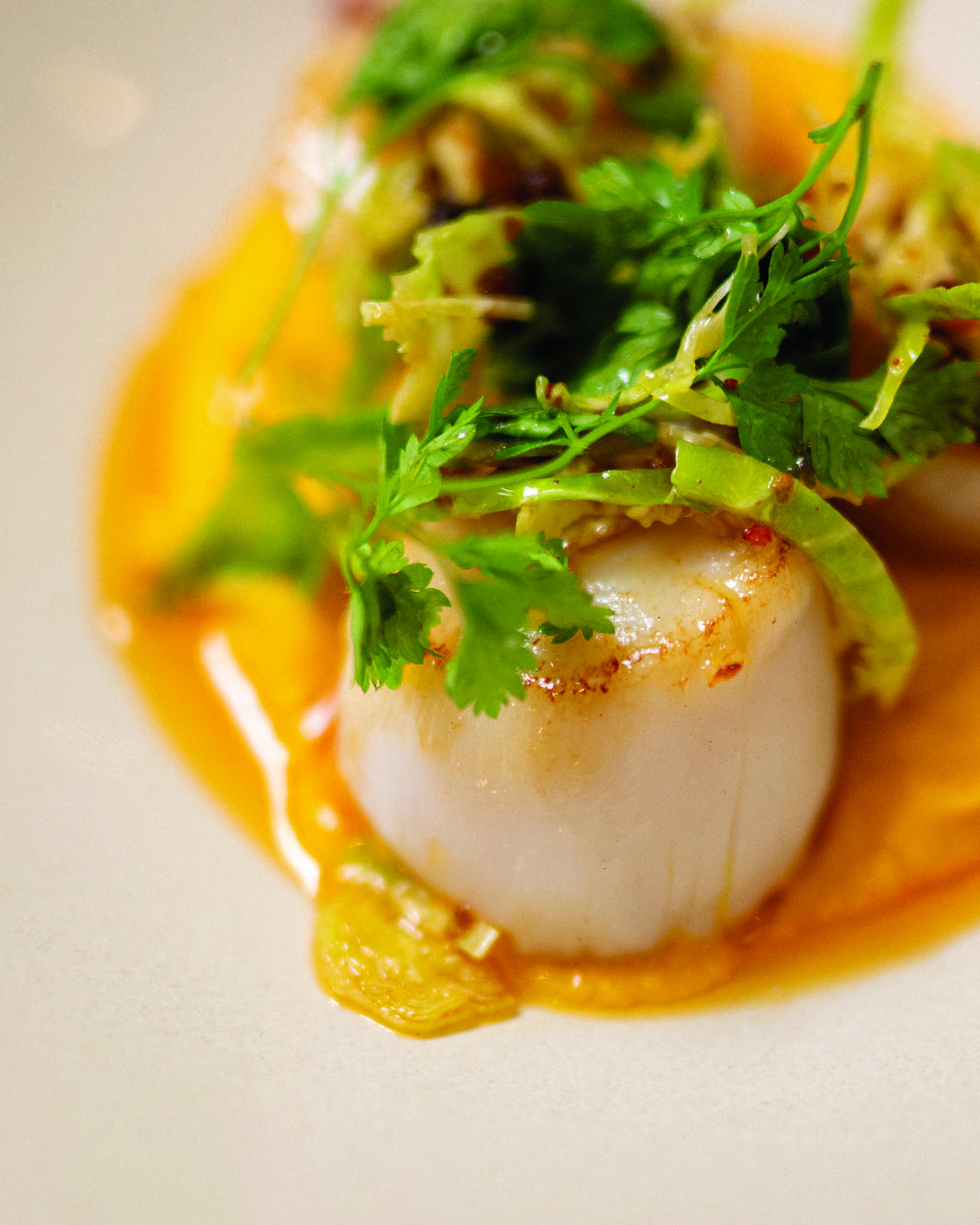
plating at BRU paris
Photos by Charles Hemon. Plating at BRU in Paris
Scallops at Bru in Paris
 

And in Paris, chef Julia de Laguarigue is bringing the cuisine from her Caribbean home of Martinique to her Bib Gourmand–recognized restaurant BRU, located in a classic neighbourhood bistro space. Her intention is to share the vibrant, balanced, and layered flavours of her Creole upbringing with a new audience. At the same time, she wants her food to taste like it belongs in France, so she is allowing it to continue to evolve and mix in its present environment.

“Cooking in Martinique is something we do together,” she says. “It’s about sharing, gathering, and passing things down from one generation to another. I wanted diners in France to enjoy that experience and our flavours without [these elements] feeling out of place.”

So she and her team experiment. One dish combines plantains with wild garlic, while another is a more refined version of the West Indian stew ​colombo. “There are combinations of flavours at our restaurant [that] you would probably never find in the Caribbean,” de Laguarigue says.

But that is exactly what Creole cuisine has always been about—combining disparate traditions to create something new, thrilling, and delicious.
A World of Well-Being

There is no shortage of exquisite wellness experiences at Four Seasons. Here’s but a sampling of the extraordinary treatments, facilities, and getaways offered at Four Seasons spas around the world.

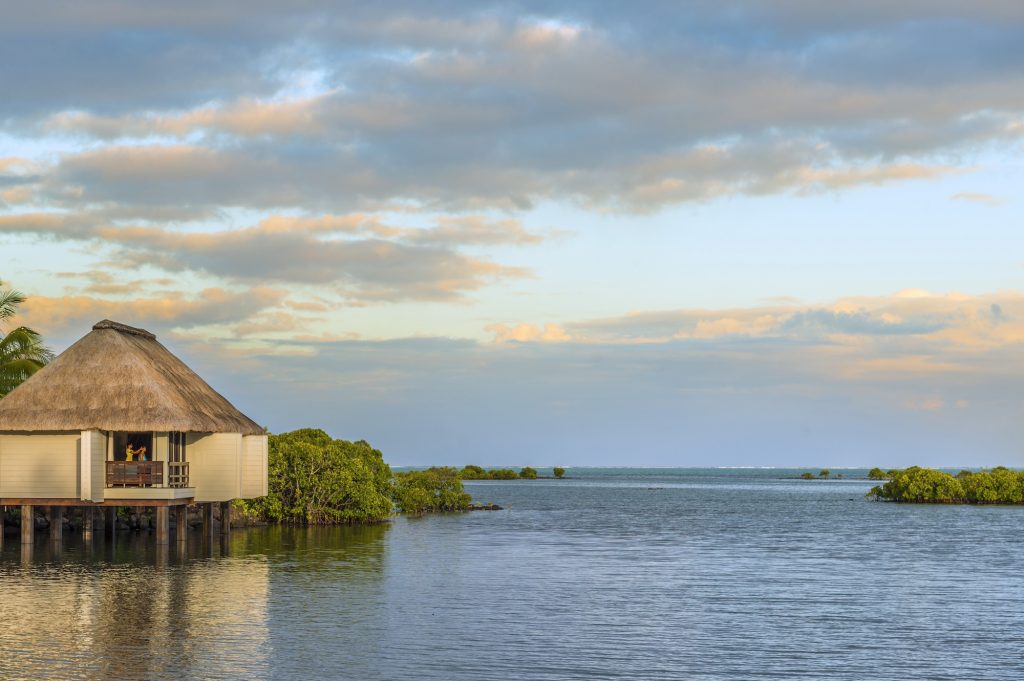
Overwater Bliss in Mauritius 

Four Seasons Resort Mauritius at Anahita

After a thorough reimagining, Mauritius’s only overwater spa, Oseyan at Four Seasons Resort Mauritius at Anahita, now offers more ways to relax and rejuvenate while taking in the serene natural landscape. The renovation includes a state-of-the-art hydro circuit with a cold plunge and experience showers, an overwater salon, and the Royal Spa Suite with a monumental stone tub and impeccable views of a turquoise lagoon. “At the heart of our philosophy is the belief that ‘a person is a person through others,’ ” says Joelle Jennepy, the resort’s senior director of spa and lifestyle. “We honour this connection by creating meaningful moments that remind us that well-being flourishes through shared humanity and care.”  

Wellness Immersions 

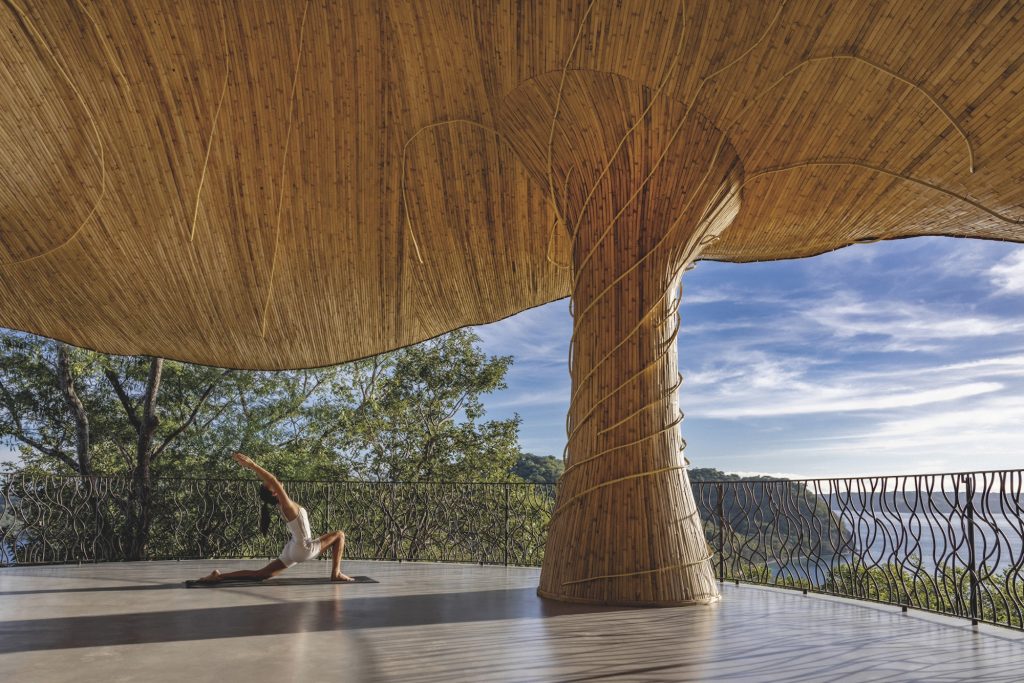
The newly built Wellness Shala at Four Seasons Resort Peninsula Papagayo, Costa Rica

For a getaway that puts personal revitalization front and centre, the new Wellness Villa at Casa del Mar at Four Seasons Resort Peninsula Papagayo, Costa Rica, can be booked for three- and five-day retreats revolving around such practices as sunset gratitude circles, sunrise light therapy, and sound baths. The 6,300-square-foot residence includes a private gym and cold plunge. Dedicated well-being stays are also available at Four Seasons Hotel Los Angeles at Beverly Hills, where Alo yoga equipment, LED face masks, and Peloton bikes are available in rooms and suites on the Wellness Floor. And at Grand-Hôtel du Cap-​Ferrat, A Four Seasons Hotel, three new indoor-​outdoor glass cabanas take the spa experience out into the property’s lush Mediterranean gardens. Guests can enjoy massages, work out with Technogym equipment, or try dry flotation therapy, relaxing on an Epsom salt–infused water mattress. 

A Naples State of Calm 

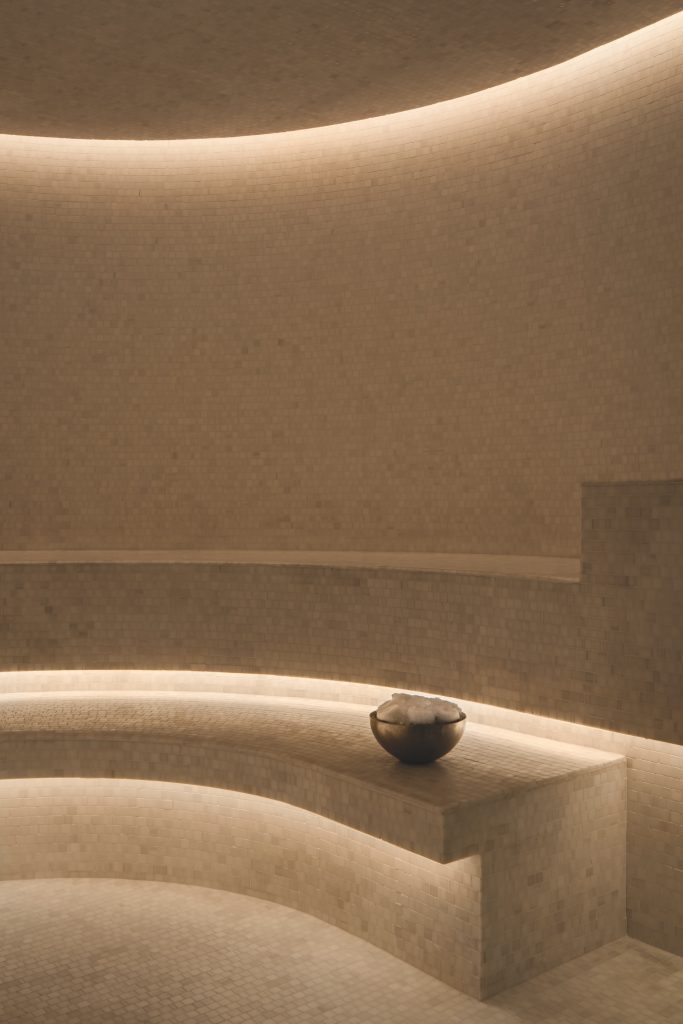
The ice room at the Sanctuary Spa at Naples Beach Club, A Four Seasons Resort, is part of a thermal circuit that includes aromatherapeutic steam rooms and more.  

Florida’s newly opened Naples Beach Club, A Four Seasons Resort, has just unveiled its sublime two-level Sanctuary Spa, a 30,000-square-foot retreat offering an array of restorative experiences. Highlights include LPG Endermologie body sculpting—a cellulite treatment applied slowly and rhythmically along the spine to guide the body from fight or flight into a parasympathetic state—and the Ammortal Chamber, an experience featuring light, vibroacoustic, and pulsed electromagnetic therapy to support cellular regeneration and mental clarity. Says Paul Gabriel Nunez, director of spa and wellness, “Life is full of stress triggers, but rarely do we encounter something that can just as easily trigger relaxation.”  

An Evening of Relaxation

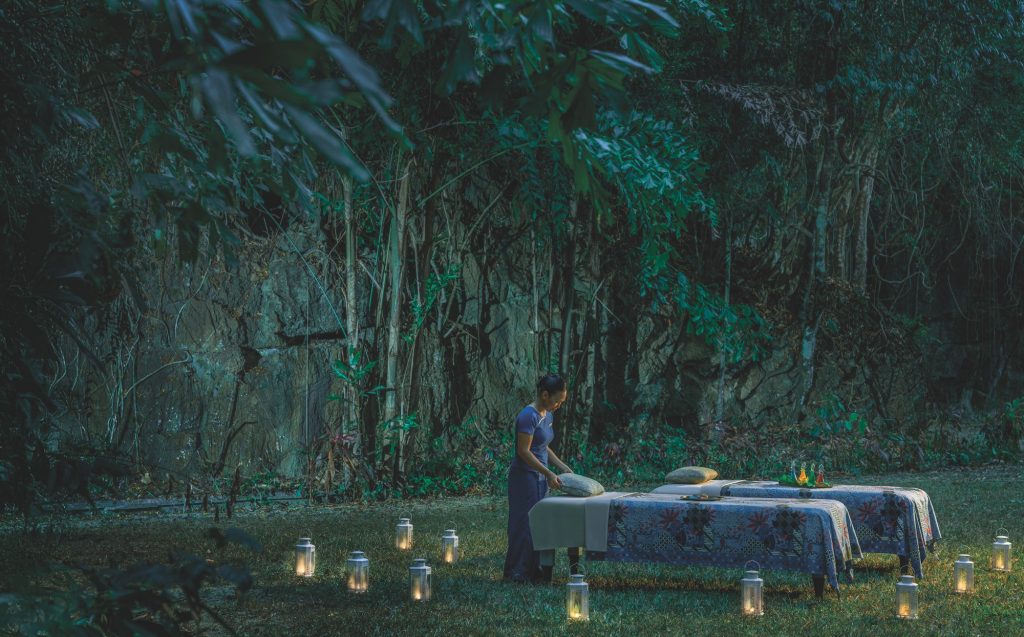
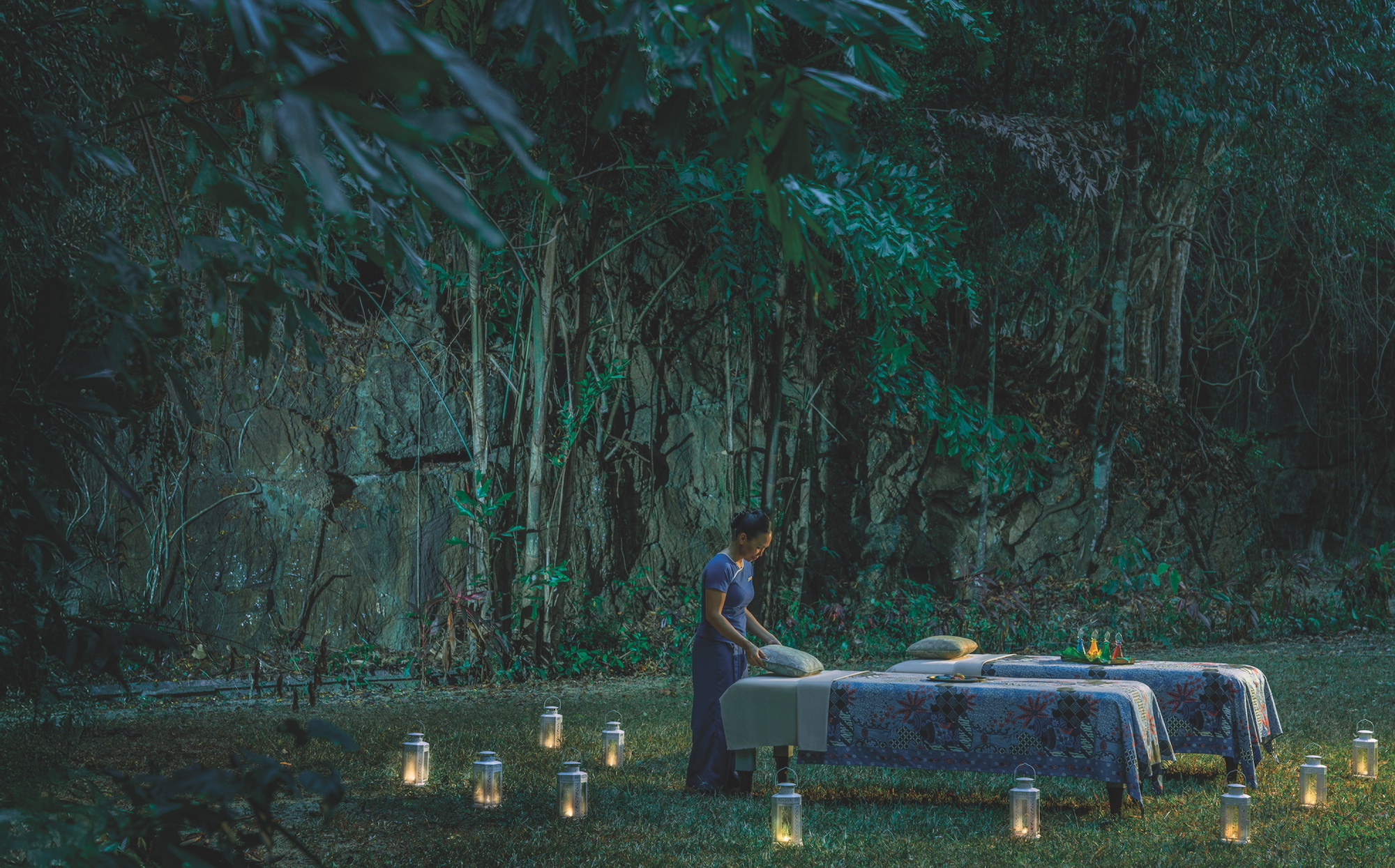
A masseuse prepares for a couples massage at Four Seasons Resort Langkawi

At Four Seasons Resort Langkawi—a tranquil retreat set on a glorious mile-long beach—the Geo Spa recently debuted the Night Space Ritual, a wellness experience for two in the heart of the rainforest. It begins with an energy-cleansing ceremony, followed by side-by-side massages. “the essence of a healthy life always leads back to nature,” says the resort’s director of spa, Heriberto “Beto” Pena.

A Ritual of Renewal in Mexico 

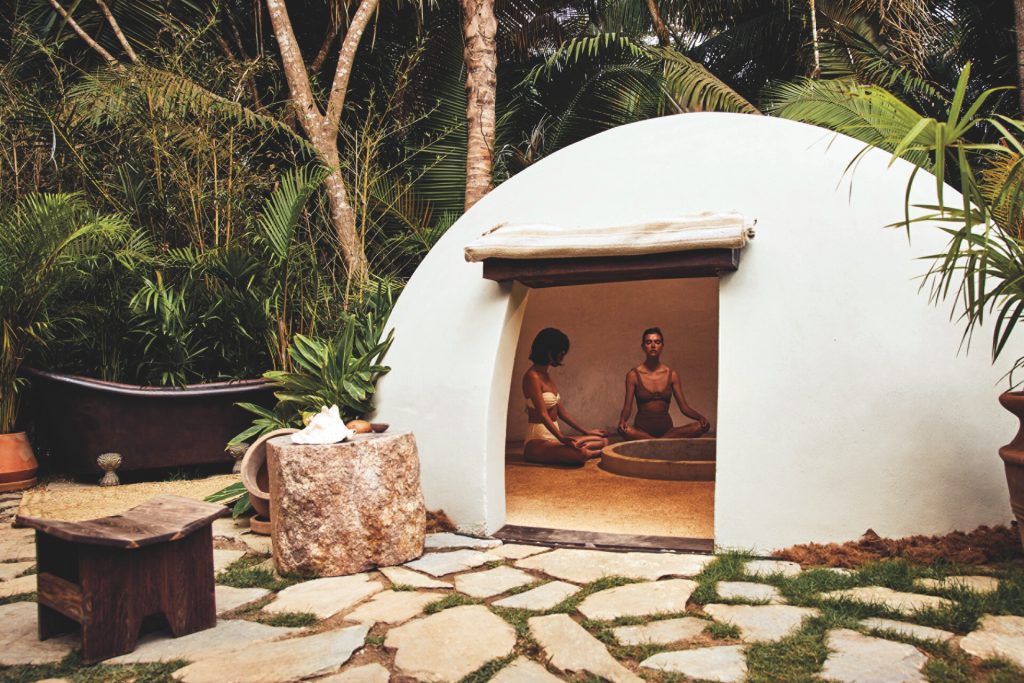
The sweat lodge at Naviva

With just 15 bungalows on 48 coastal acres, the all-inclusive, adults-only Naviva, A Four Seasons Resort, Punta Mita, México, is the most intimate property in the Four Seasons portfolio. Its sublime wellness program is deeply rooted in nature and tradition, featuring two open-air spa pods with private gardens and experiences such as a temazcal sweat-lodge ceremony, designed to cleanse both body and spirit. 

The Yacht as Sanctuary 

The sauna on board Four Seasons 1

Four Seasons Yachts, which began its inaugural season in March, offers revitalization, stillness, and relaxation as comprehensively as any property on terra firma. The L’Oceana Spa balances marine-inspired treatments with advanced recovery experiences, from spirulina body wraps to a cryo chamber to an ice fountain to the Ocean Vista Finnish Sauna set at 176 degrees Fahrenheit. A dedicated well-being coach can curate a personalized, multiday program that weaves together restorative sleep insights, reformer Pilates, guided breath mapping, and tranquil yoga by the water-level marina. 

Tour the Globe by Air 

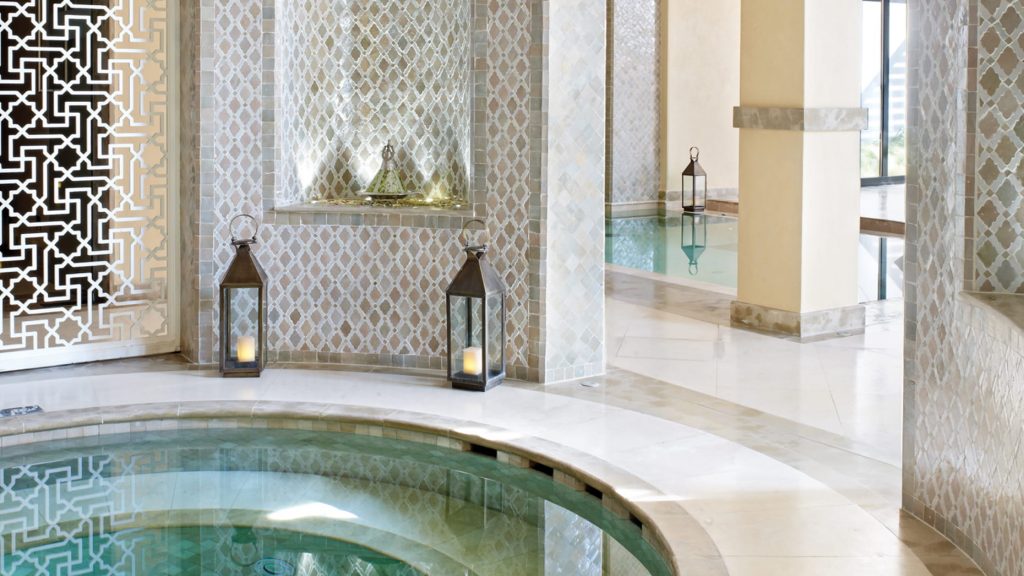
The spa at Four Seasons Resort Marrakech

Take wing and explore eight destinations over 20 days, breathing, eating, and sleeping personalized well-being on the World of Wellness journey aboard Four Seasons Private Jet Experience. The incomparable one-time itinerary (May 7 to 26) invites rejuvenation of body, mind, and spirit with customizable experiences, including a hot-air-balloon drift above Mexico City’s Teotihuacán pyramids, a Moroccan beauty ritual in Marrakech, a Jeep trek on Mount Etna in Sicily, a Muay Thai lesson on Koh Samui, and a turtle safari in the Maldives. 

Treatments for Kids

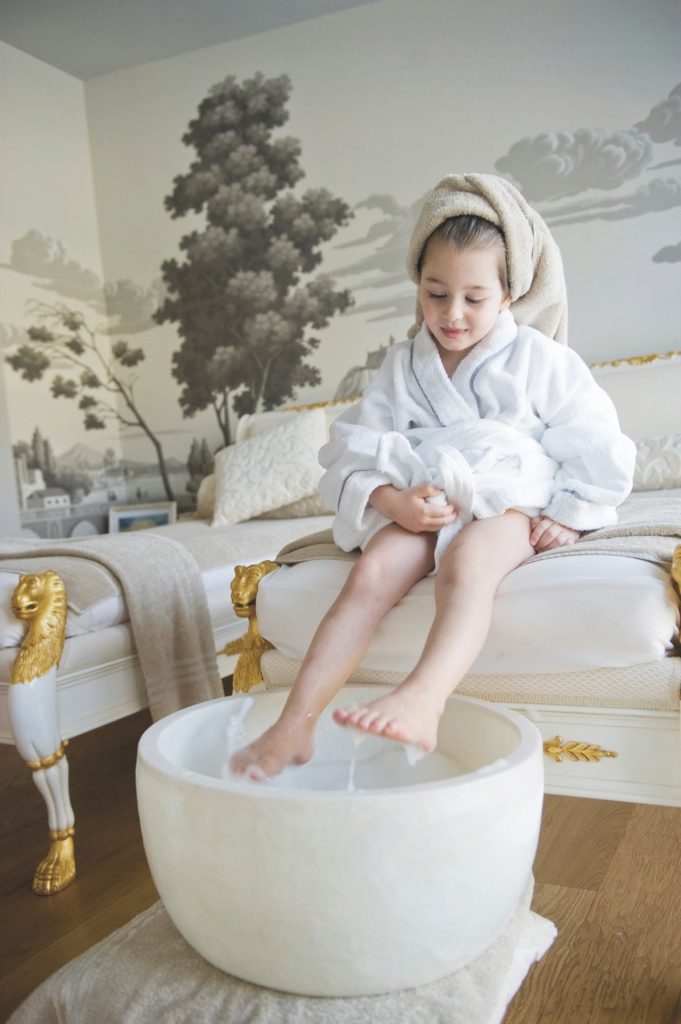
The kid-friendly spa at Four Seasons Hotel Firenze 

 With even preteens becoming captivated by beauty and skincare products, it’s no surprise that “offering kid-friendly spa experiences is growing across Four Seasons hotels,” says Dheeraj Singh Patwal, health and wellness manager at Thailand’s Four Seasons Resort Chiang Mai, where kid-friendly treatments include the nervous-system-soothing Angel Bliss massage and the Sugar, Honey and Rose Scrub. Many guests today, adds Patwal, view spas as “a place for relaxation, curiosity, and quality family time.” There are also facials designed specifically for young skin at Four Seasons Resort Megève (the Sweet Little Face using fruit-based ingredients) and at Four Seasons Hotel Firenze (the Florenteen’s Facial, which incorporates natural products from Florence’s historic apothecary Santa Maria Novella). 

Healthy Aging 

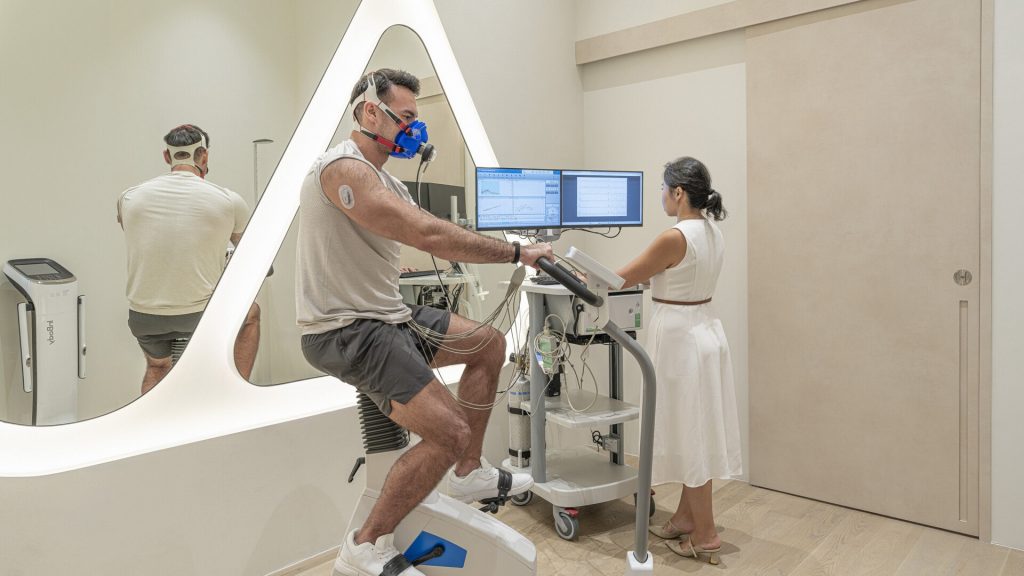
The longevity clinic at Four Seasons Hotel Singapore

Longevity is an increasing focus across the Four Seasons portfolio, from the new Chi Longevity Clinic at Four Seasons Hotel Singapore to Southern California’s Four Seasons Hotel Westlake Village, where the newly appointed director of wellness and longevity, Ben Carter, a licensed naturopathic physician, leads the property’s Center for Health & Wellbeing. The centre’s three-day wellness stays can feature a one-on-one meeting with a registered dietician, a tai chi workout, a stress-reduction workshop, and a metabolic assessment. 

Leave No Stories Left Untold

Travel is a promise of stories waiting to unfold. It takes us out of our everyday and invites us to reconnect with our innermost selves and the world around us. No matter what type of traveller you are, exploring the tapestry of sights, sounds and flavours found throughout the Middle East and Africa will leave you with incredible new stories to tell. From curated wellness experiences and immersive excursions that showcase an area’s rich culture and traditions to adventures that take you outside the ordinary, these distinctive properties offer a range of dynamic experiences as unique as the destinations themselves, delivered with the legendary service and attention to excellence Four Seasons is known for. Not sure where to start? Here are some of the expertly curated experiences you’ll find throughout this incredible region.

Journey into the untold

Natural immersion

These experiences tap into the beauty of the natural world and open up a fresh perspective on an area’s history and culture.

Explore above and below the water in the Seychelles

Whether you want to try your hand at surfing, reeling in a Yellowfin Tuna or are curious to see the vibrant underwater world up close, Four Seasons Resort Seychelles at Desroches Island invites you to immerse yourself in tropical wonders. The experts at the Resort’s Castaway Centre can craft a custom itinerary filled with all kinds of water adventures suited to your preferences, seamlessly mixing thrilling excursions with tranquil moments of awe.

Wander through Yves Saint Laurent’s blue gardens in Marrakech

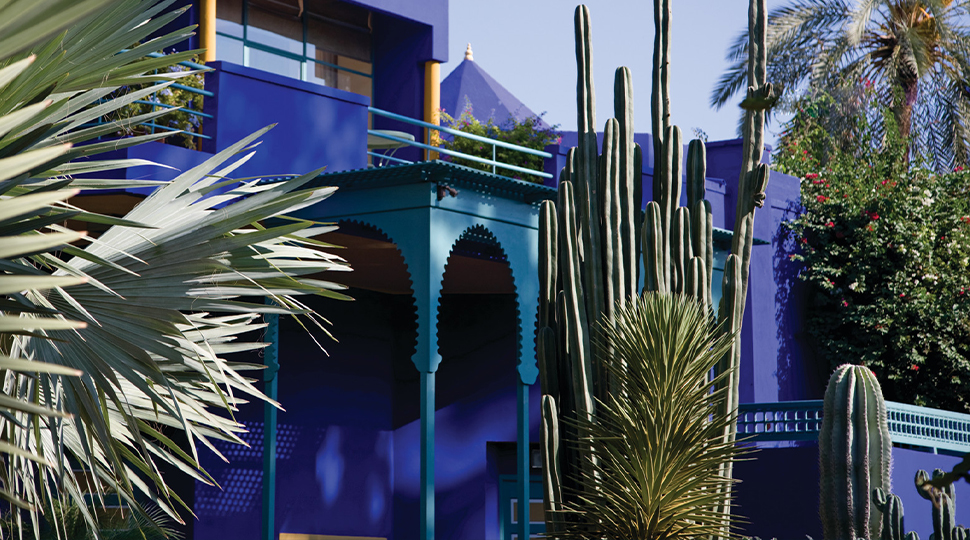
Lose yourself in the labyrinthine, palm-covered passageways at Jardin Majorelle, the garden adjoining fashion designer Yves Saint Laurent’s former home. The garden is a mélange of rare tropical and flowering plants as well as ancient, storeys-high cactuses. The terra cotta buildings, all painted in the same electric blue by the previous owner, bring the landscape to life – appropriate for the city that Saint Laurent said introduced him to colour. A private tour of the home he shared with Pierre Bergé and a guided visit to the adjacent Musée Yves Saint Laurent follows, then a tailor-made, YSL-inspired dinner back at Four Seasons Resort Marrakech.


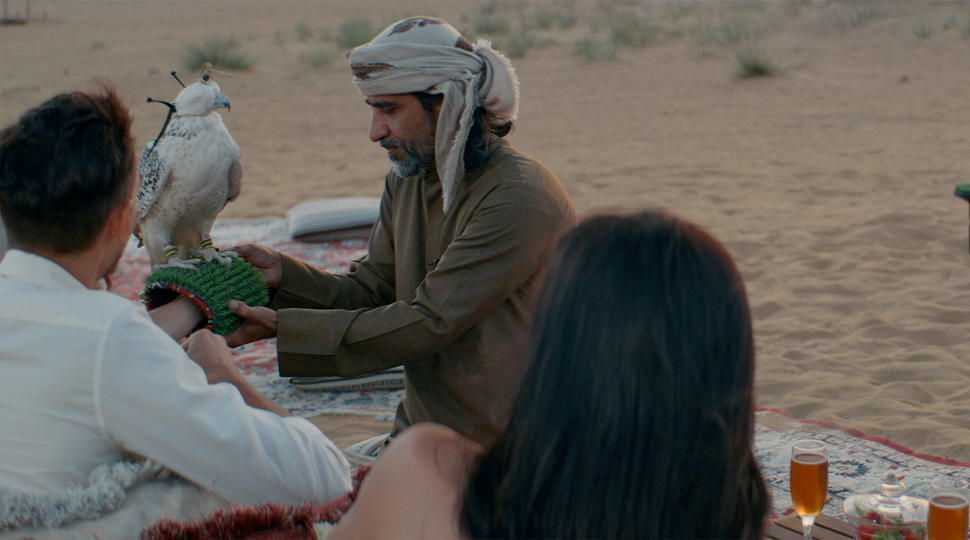
Man holds a falcon on his arm as two others look on

Explore the dunes and dine at a traditional Bedouin camp on the Royal Safari Private Experience available at Four Seasons Hotel Dubai International Financial Centre.

Escape to the desert for a day in Dubai

Watch the sandy desert unfold before you from the back seat of a vintage 1950 Range Rover, driven by your private guide at Dubai Desert Conservation Reserve, the UAE’s first national park. After a thrilling hour-long desert safari, your next ride – a camel – is already saddled and waiting for you. Afterwards, you’ll take in a falconry show and a four-course dinner at an authentic Bedouin camp to round out the incredible Royal Safari Private Experience, available exclusively at Four Seasons Hotel Dubai International Financial Centre.

Explore the beauty of the natural world

One-of-a-kind wellness and self-discovery

Rejuvenate your body and mind with experiences designed to promote relaxation, self-reflection, and spiritual or personal growth.

Have the spa all to yourself in Bahrain Bay

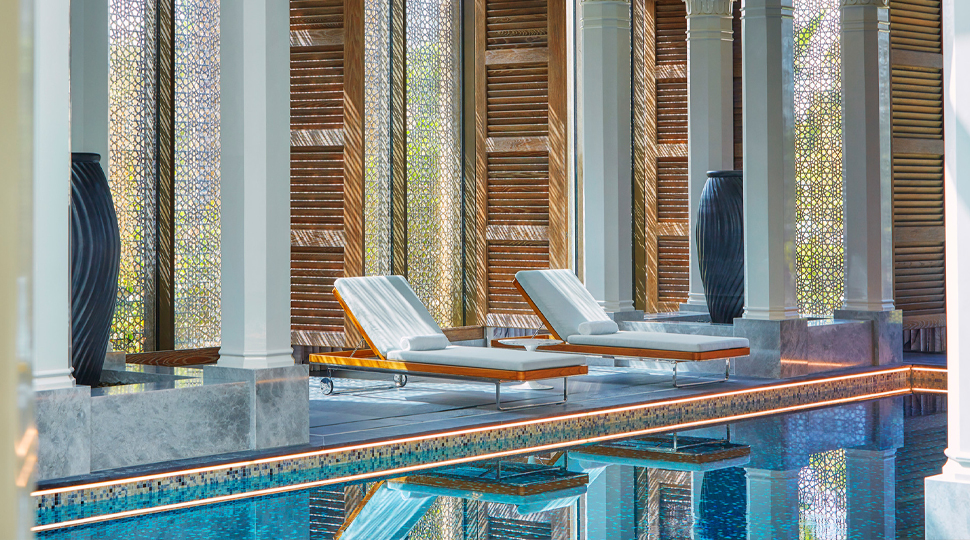
The middle of the night always brings an air of mystery. The Night Spa package at Four Seasons Hotel Bahrain Bay kicks off an hour before midnight with a 60-minute massage next to the Spa’s elegant tile-bottom pool. Sparkling wine and chocolates follow, along with having the space all to yourself for a full hour. If romance is on your mind, this is just one of two different couple’s packages that help set the stage for love. Your other option? The Couple’s Escape treatment starts with an aromatic steam and full-body scrub and ends with an aromatherapy massage, after which bubbles are served.

Nourish body and soul in Pella

Pass rolling hills and scenic valleys as you make your way north from Four Seasons Hotel Amman en route to the historic village of Pella. A welcome ceremony followed by a mountaintop meditation session with a shepherd and his sheep immediately connects you with the unique energy of this spiritually charged archaeological site that has been continuously inhabited for 6,000 years. Enjoy lunch at the Marsam, learn about dream weaving from a local artisan, practice some art therapy techniques and then reflect on it all during a private yoga session at sunset.

Find a new kind of balance

Exclusive opportunities for cultural engagement

Experience some of the world’s most iconic cultural sights through private, individually curated moments you’ll never forget.

Observe ancient and modern worlds in Qatar’s capital

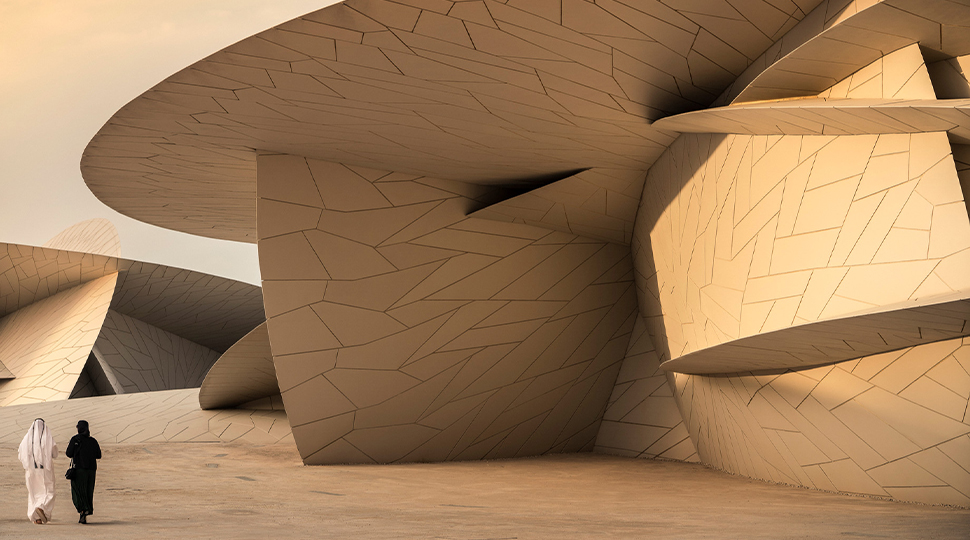
Experience all that Doha has to offer with a curated day of the city’s top sights, a roundup of nature, shopping and art all curated by the experts at Four Seasons Hotel Doha. Your morning begins with a leisurely drive along the Corniche with your private guide and a stop to admire the ultramarine waters at Katara Beach, often called the prettiest beach in Qatar. Pick up a handwoven rug at the Souk Waqif, the city’s bustling marketplace that sells everything from spices to strands of pearls, then wind down your day learning about the area’s rich heritage and culture at the Museum of Islamic Art and the futuristic, Jean Nouvel–designed National Museum of Qatar.

Dine beside the world’s most famous monuments in Cairo

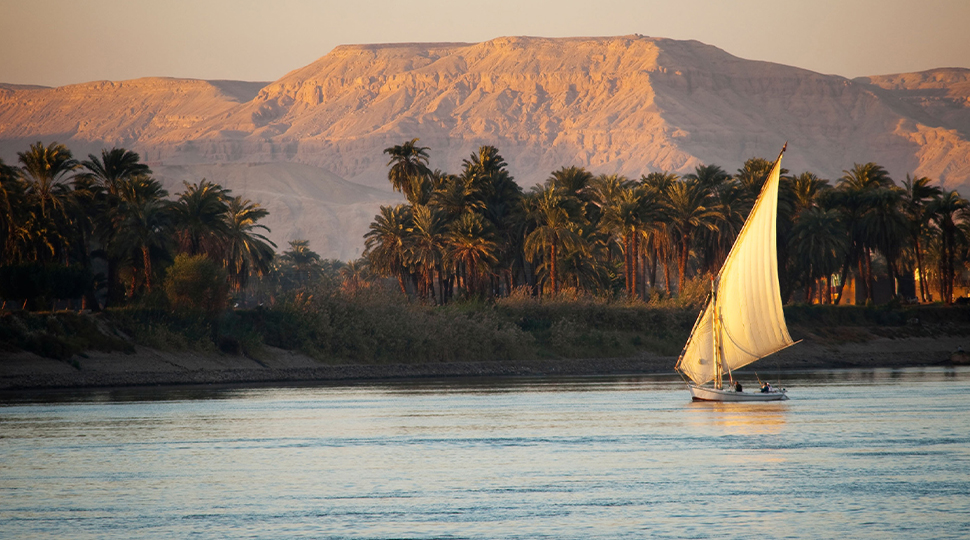
As the sun sets over the Great Sphinx and the majestic Pyramids of Giza, the first course of dinner arrives in your private tent. Both the view and customized dinner are spectacular, even more so after spending the day with your private tour guide learning about the history of these 7,000-year-old monuments, one of the Seven Wonders of the Ancient World. After dessert, a traditional Tanoura dance show makes for another sweet treat. For an even deeper appreciation of Egyptian heritage, have the Concierge at Four Seasons Hotel Cairo at Nile Plaza arrange for  personalized itinerary for you to to explore the markets, grand palaces and cultural centres of the city, culminating with a mesmerizing felucca ride down the Nile River at sunset.


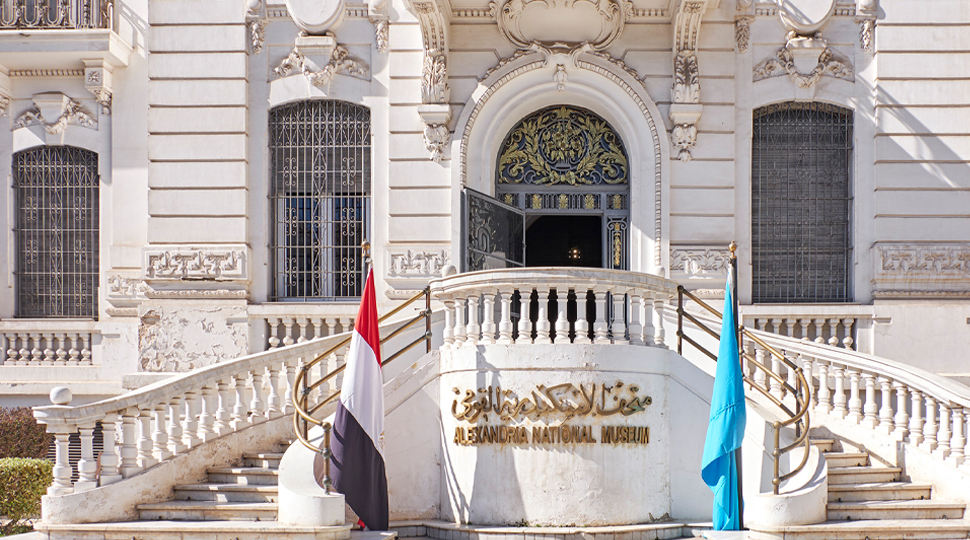
Exterior of Alexandria National Museum

Let Four Seasons Hotel Alexandria arrange for behind-the-scenes access to some of the cities most intriguing museums.

Marvel at royal gems in Alexandria

The riches of the Muhammad Ali dynasty are on glittering display as you take a private evening tour through the grand halls of the Royal Jewellery Museum, filled with the priceless jewellery of Egypt’s royal family. As you make your way through the newly restored, 19th-century royal palace, your expert guide reveals the stories behind magnificent these royal artefacts. This extraordinary experience is available only at Four Seasons Hotel Alexandria at San Stefano.

Get to know new cultures

Unlimited adventure

Get to know your more daring side with activities that take you beyond the ordinary.

A desert safari for thrill-seekers in Dubai

The Desert Thrills Safari from Four Seasons Resort Dubai at Jumeirah Beach starts with some invigorating dune bashing, an always unpredictable SUV ride across constantly shifting dunes with plenty of stops, starts and slides. After that, you’ll hop into a dune buggy for a different kind of tour across the landscape. Sandboarding and a camel ride follow, and to wrap it all up, you’ll enjoy a curated international dinner served in a traditional Bedouin tent.

Walk to the edge of the world in Riyadh

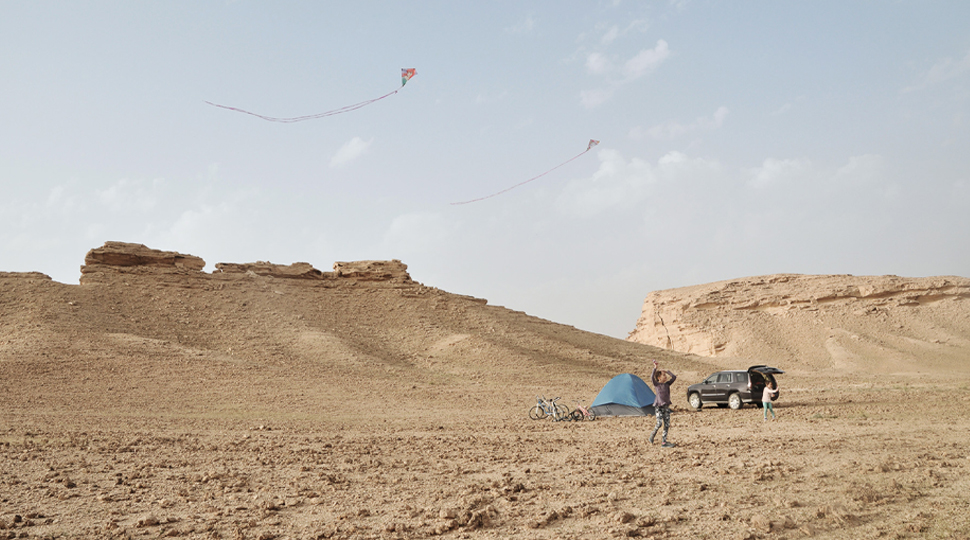
Set off from Four Seasons Hotel Riyadh at Kingdom Centre on an afternoon drive through the Arabian Desert and make your way to one of Saudi Arabia’s most magnificent natural wonders: the Edge of the World. This 1,131-metre (3,710-foot) cliff juts out of the desert floor and offers an unparalleled vantage point. Gaze out onto the endless horizon, spotting samar and acacia trees dotting the valley as well as towering mountains carved by time. As the sun begins to set, the whole landscape is drenched in shades of gold, orange and pink. A simple dinner filled with local flavours follows as you take in the magic of the desert at night.

Extraordinary adventures await

Culinary explorations

There’s no better way to get the true flavour of a place than through its cuisine. These experiences serve culture and history by taking you into the kitchens and restaurants that reflect its taste.

Learn how to cook Creole-style cuisine in Mauritius

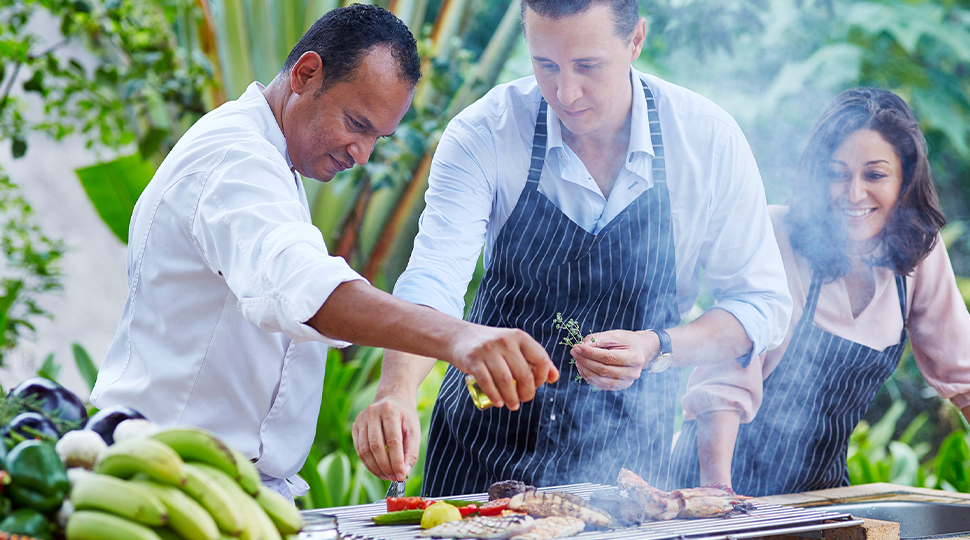
Snip some fresh herbs growing in the Cotomili herb garden at Four Seasons Resort Mauritius at Anahita and then step into the kitchen with a chef for a Creole Cooking Class to learn how to make some of the island’s signature, bold dishes such as rougaille: a classic, tomato-based comfort food that’s usually made with dried fish and herbs such as garlic, ginger, curry and chili. After you’ve created your own Creole dish, savour it with a glass of wine, expertly paired to make those flavours sing. You can also opt for a chef-prepared picnic on the Resort’s grounds, served after a short hike tailored for you by the fitness team.

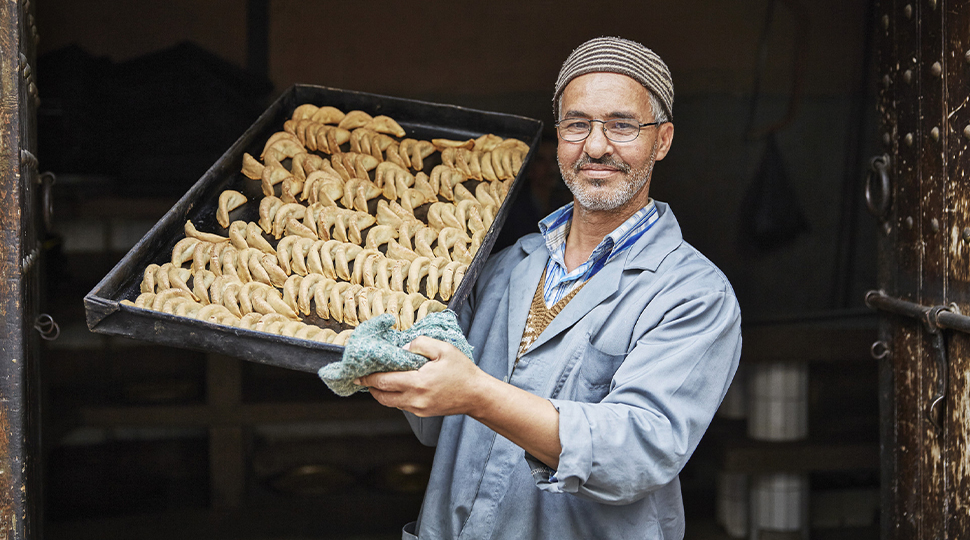
Tour the city’s top bakery in Casablanca

Taste the famous cornes de gazelles at Pâtisserie Bennis Habous tucked away in the Quartier Habous, and learn how this four-generation family bakery has made a name for itself in Casablanca and beyond. Your private tour, arranged by Four Seasons Hotel Casablanca, will take you behind the scenes and into the kitchen to see how these traditional Moroccan cookies, made from almonds and orange water, are shaped by hand. Afterwards, enjoy your cookies with a glass of sweet mint tea on the terrace of the nearby Cafe Imperial.

Indulge in new flavours

Make a positive impact

Make a positive impact by giving back to communities in your destination. Through experiences aiming at education and preservation, you’ll work with those dedicated to keeping their traditions and ecosystem alive.

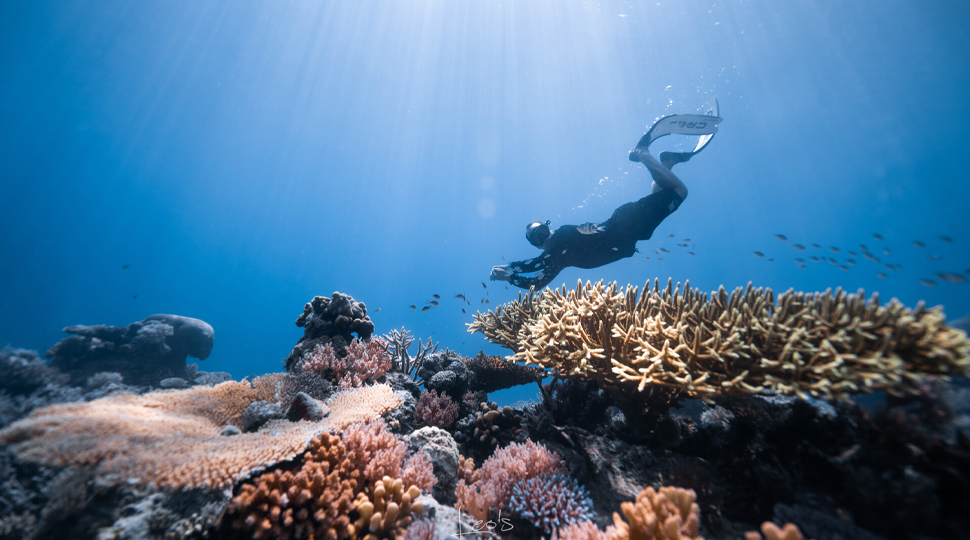
Help restore coral reefs in the Seychelles

Alongside marine education and conservation specialists from WiseOceans at Four Seasons Resort Seychelles, you’ll learn about a coral reef’s importance as part of the ocean’s ecosystem. Then you attach your own rescued coral fragment to a steel frame just off the shore of Petite Anse Bay. As the fragment grows bigger and stronger, you’ll receive updates on its progress.

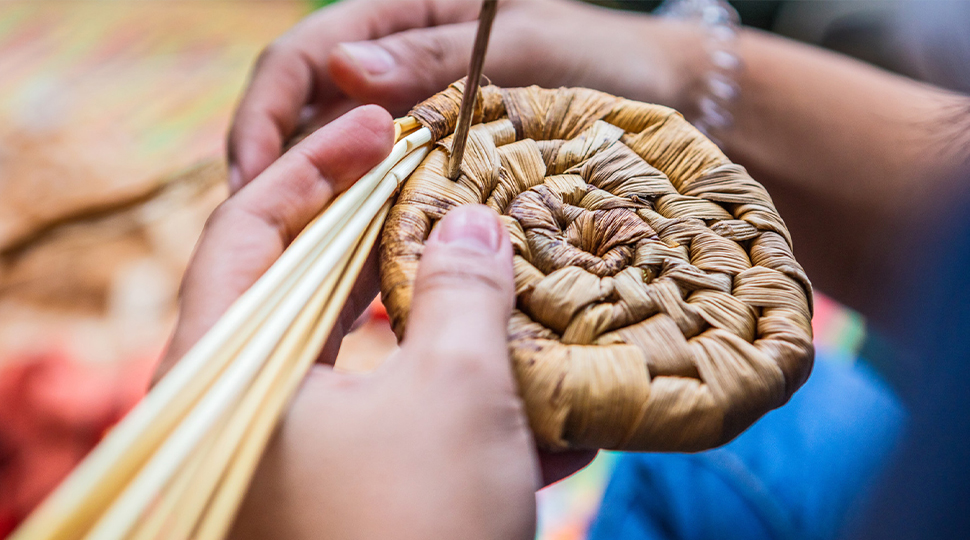
Work alongside locals to conserve their culture in Umm Qais

Join locals for a day in the hilltop town of Umm Qais – located just a couple hours from Four Seasons Hotel Amman – in their efforts to conserve hallmarks of their ancient culture. You’ll weave your own basket and make hadabs with the older women still making the traditional Jordanian headdress by hand, and create “seed bombs” of wild za’atar, and learn about its ecological and medicinal significance. With each activity, you’ll work alongside those who are keeping their traditions alive for future generations.

Give back to the community

YOUR JOURNEY BEGINS HERE

Discover the wonders of the Middle East and Africa.

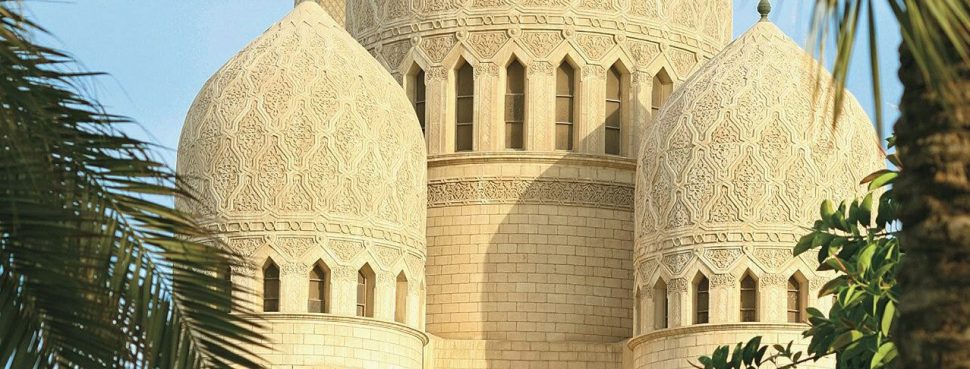
Decorative details on building