Marco Bicego’s Shades of the Season

Colored gemstones have taken the fine jewelry world by storm over the last few seasons. But for Marco Bicego, precious stones in radiant shades aren’t a passing trend; they’re a lifelong love affair. And with his newest additions to the iconic Jaipur Color collection—first launched in 2008—the Italian jewelry designer reveals the latest chapter of his love for gemstones by capturing the impact of a single hue.

The new monochromatic pieces are expressions of color, playing with the subtle variations in a single shade by pairing strings of garnet, citrine, peridot, blue topaz, turquoise and amethyst with radiant 18K yellow gold settings, hand-engraved using ancient Florentine techniques.
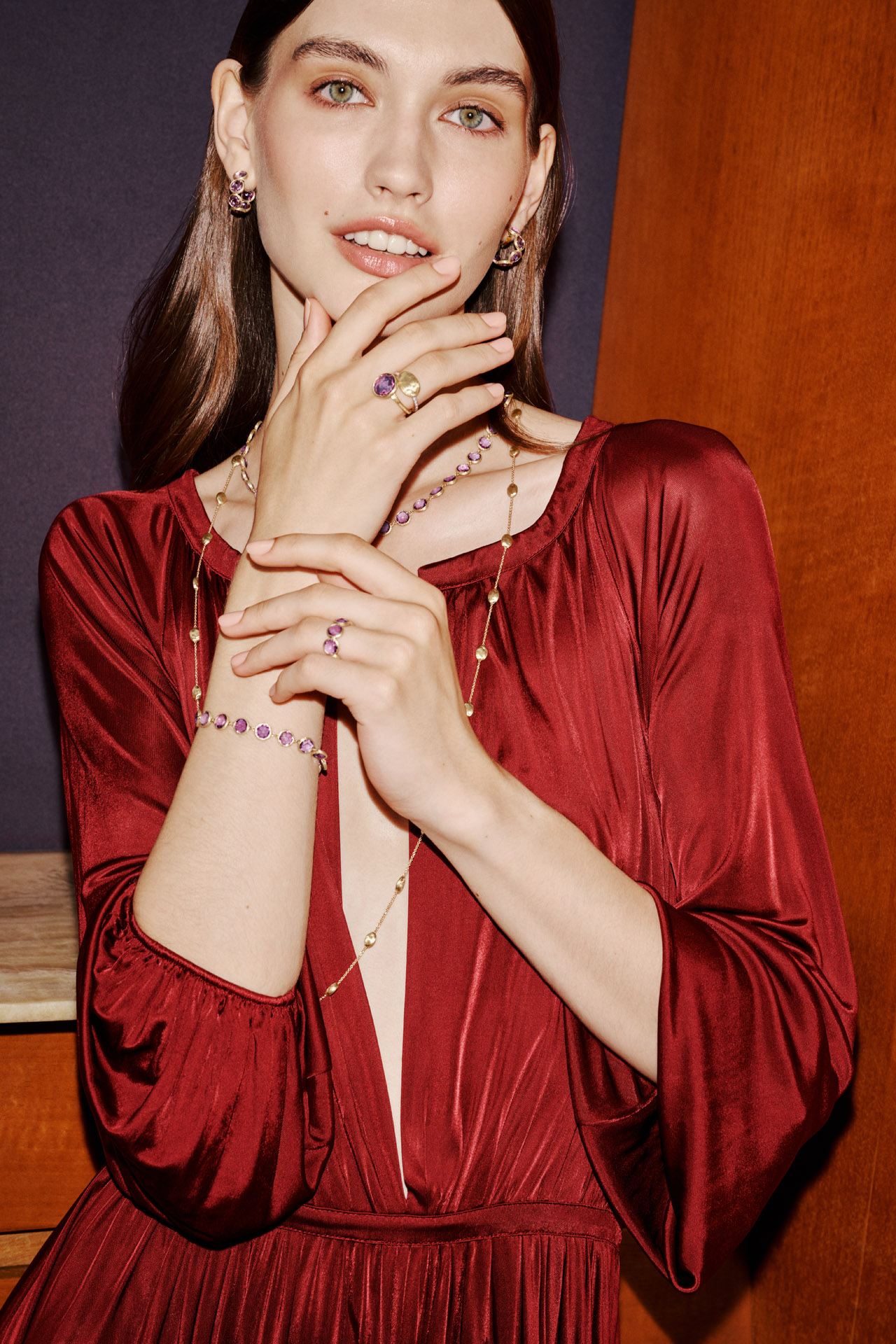
Marco Bicego Jaipur Color Collection amethyst jewelery

The creative process for each cocktail ring, bracelet, necklace, and pair of earrings (the new line features hoop, drop, and stud silhouettes) begins far from the jeweler’s bench and is born from Bicego’s passion for gem hunting. When he’s not overseeing production at his factory in Trissino, Italy, Bicego is searching the globe for unique gemstones and diamonds.

Meticulously matched stones are included in each design and select cuts that ensure every facet accentuates the color and clarity. And because nature never repeats itself, Bicego’s rigorous and highly selective process ensures that every piece showcases the unexpectedness and uniqueness of each stone.
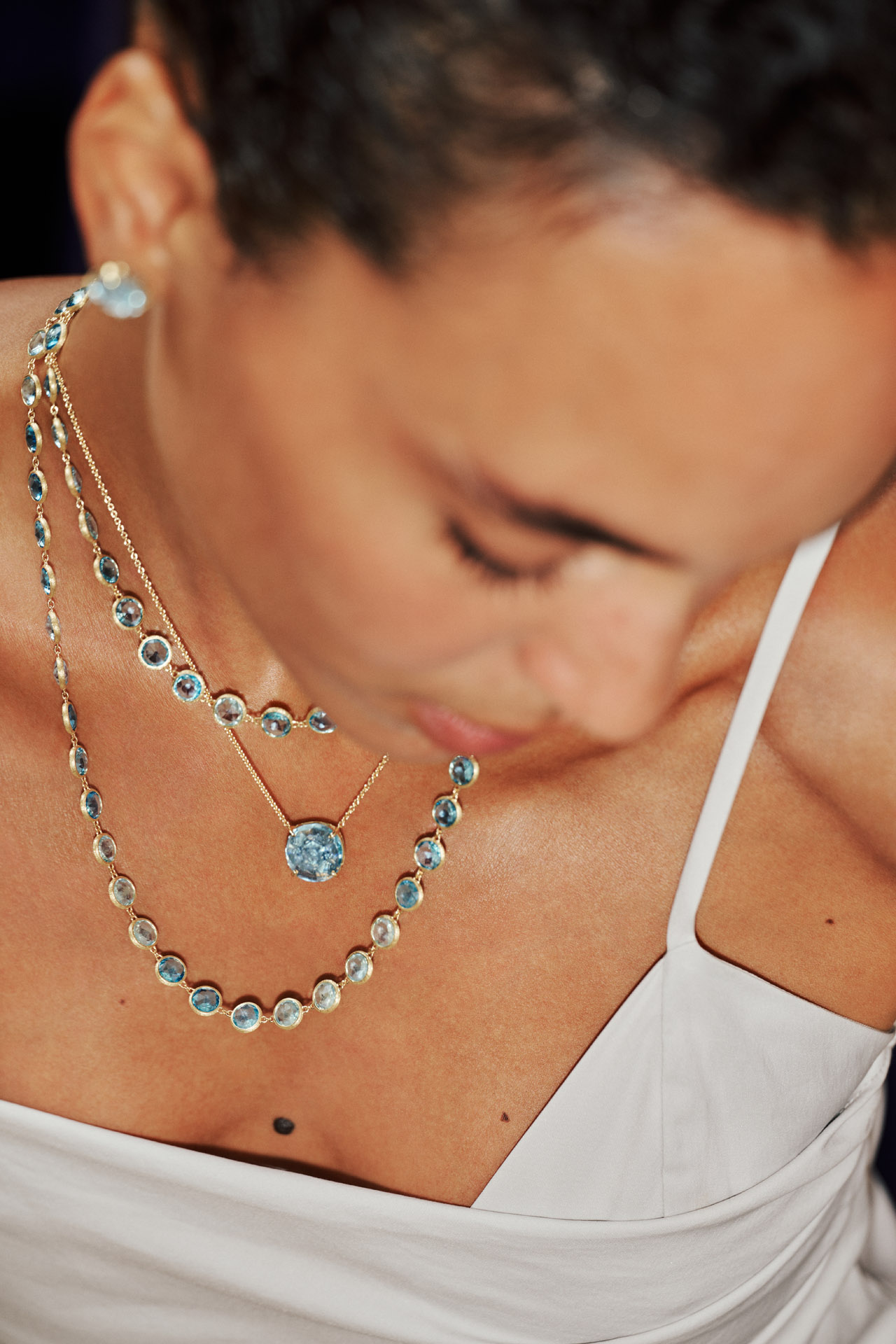
Marco Bicego blue topaz Jaipur Color collection necklaces

The result? A collection that honors nature’s beauty and artistry by exploring the nuance contained within a single color across gemstones. It’s a natural extension of the commitment to timeless craftsmanship that has drawn stars like Serena Williams, Jennifer Lopez, Emily Blunt, and Julia Roberts to sport Marco Bicego pieces. The newest Jaipur Color collection pieces made their debut on Italian-French actress and screenwriter Valeria Bruni Tedeschi, who wore two sky-blue topaz necklaces to the 83rd annual Venice Film Festival. 

This season, the elegance of the newest additions to the Jaipur Color collection aligns with fashion’s most vibrant color trends. The fall 2026 runways were dominated by stunning scarlet and deep burgundy shades, as seen in Bicego’s bold garnets, while maritime blues are brought to life in tranquil blue topaz and head-turning turquoise. Buttery yellows cross over from summer to autumn, and the hue is reflected in the Jaipur Color collection’s sun-drenched citrine styles. Chartreuse green was also everywhere, and the electric energy of Bicego’s peridot pieces nods to this trend.

Marco Bicego Jaipur Color collection rings and bracelets on two models

The line’s kaleidoscope of colors offers no shortage of ways to express your personal style. Make a striking statement by pairing pieces in the same color, or wear a rainbow of gemstones by stacking necklaces and bracelets of different hues in a look that’s entirely your own.

However you wear Marco Bicego, the new monochromatic Jaipur Color pieces offer a spectrum of stylish possibilities.
Shop the new expressions of color here. 

A Napa Winemaking Family Looks Beyond the Valley

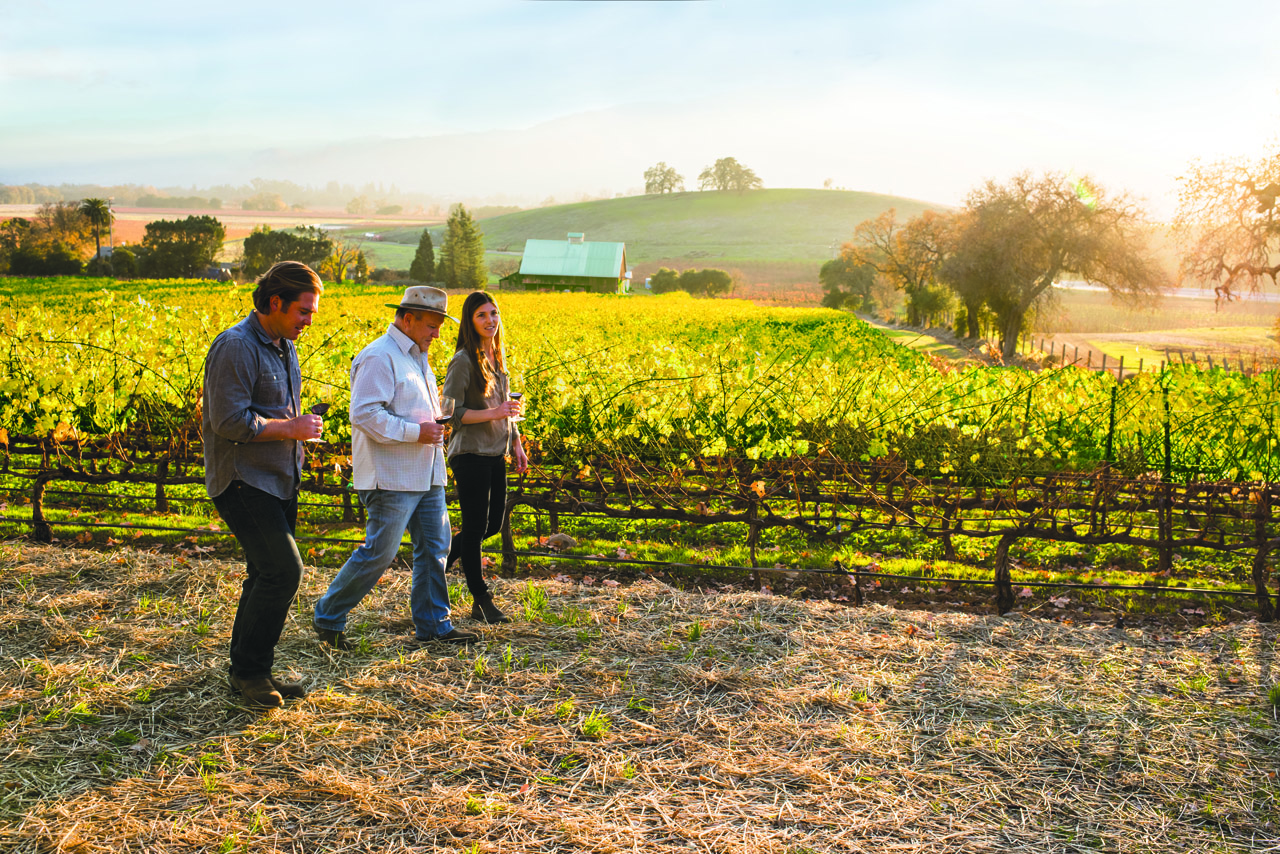
Bottles of nail polish spread across the table at Caymus Vineyards, their colours mixed and tested as Chuck Wagner, his son Charlie, and daughter Jenny work out ideas for a wine label. This is how the Wagner family has always done business: together, around a table or amongst the vines, with their hands in the work. At Caymus, family, business, and land have always been closely connected—and that connection shapes the wines the Wagners make.

The Wagner family’s farming roots in Napa Valley date back to the 1850s, well before wine became the center of Napa’s identity. Chuck grew up on a 70-acre farm in Rutherford, during a time when the valley looked very different from the rolling vineyards visitors know today. “Prunes were the number one product for the county,” he recalls of his childhood in the 1960s. Chuck and his parents had a hand in changing all of that. In 1972, they founded Caymus Vineyards (when he was just 19)—becoming one of the about 15 wineries operating in the valley at the time. In the decades since, he watched Napa grow from a largely agricultural community into one of the world’s best-known wine regions.

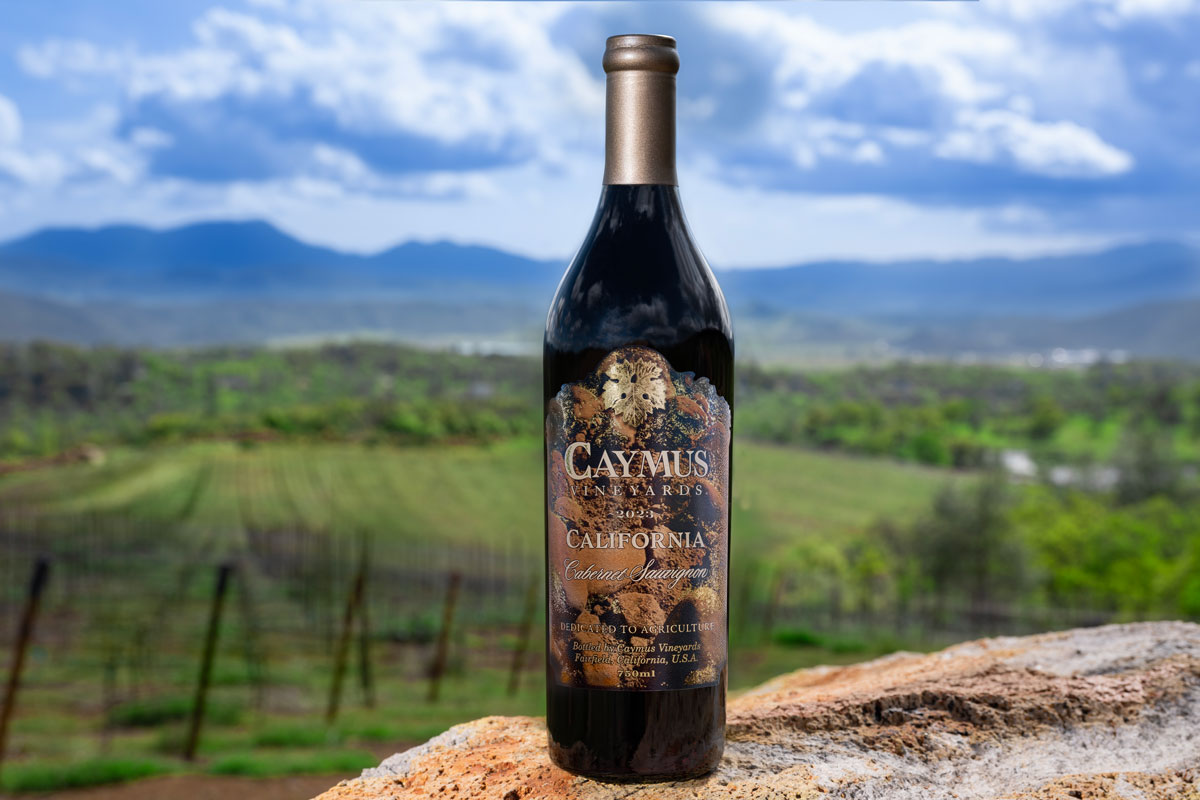
He’s also spent more than 50 years learning what makes its vineyards capable of producing outstanding Cabernet Sauvignon: climate, soil, sun exposure, and the way a vine responds to its surroundings. Once Chuck understood those conditions, his next instinct was to question where else they might exist. His answer lies in Caymus California Cabernet Sauvignon, first released with the 2021 vintage.

Caymus california cabernet 2023

The idea to explore Cabernet’s potential beyond Napa Valley traces back even further, to a conversation Chuck had at 16, when a family friend asked him why Napa was so special. He responded with the two things that have guided him ever since: climate and soil. Decades of farming and winemaking across California convinced the Wagners that similar conditions can produce similarly excellent wine: warm days, cool nights, sloped ground with southern exposure, and stony soil that forces vines to work for their fruit. The result is small berries, deep colour, and concentrated flavor.

Those conditions continue to be the foundation for the Wagner family’s flagship wine—Caymus Cabernet from Napa Valley. But they have now found similar conditions well beyond Napa in places like Paicines in San Benito County, Lake County, and Lodi—regions that have received far less attention for fine Cabernet. Napa itself was once just as obscure, and it’s only natural for one of its founding winemaking families to have a hand in raising the profile of California’s next great wine regions.

Expanding beyond Napa isn’t simply about finding new places to make Cabernet. It’s also about investing in growers and communities Chuck, Charlie, and Jenny believe deserve more recognition. The Wagners see an opportunity to help growers in these places produce better fruit while bringing greater attention to regions that have long sat outside California’s best-known wine story. To that end, they work directly with growers, sharing farming practices and paying a premium for quality grapes in regions that have historically received modest prices for their fruit.

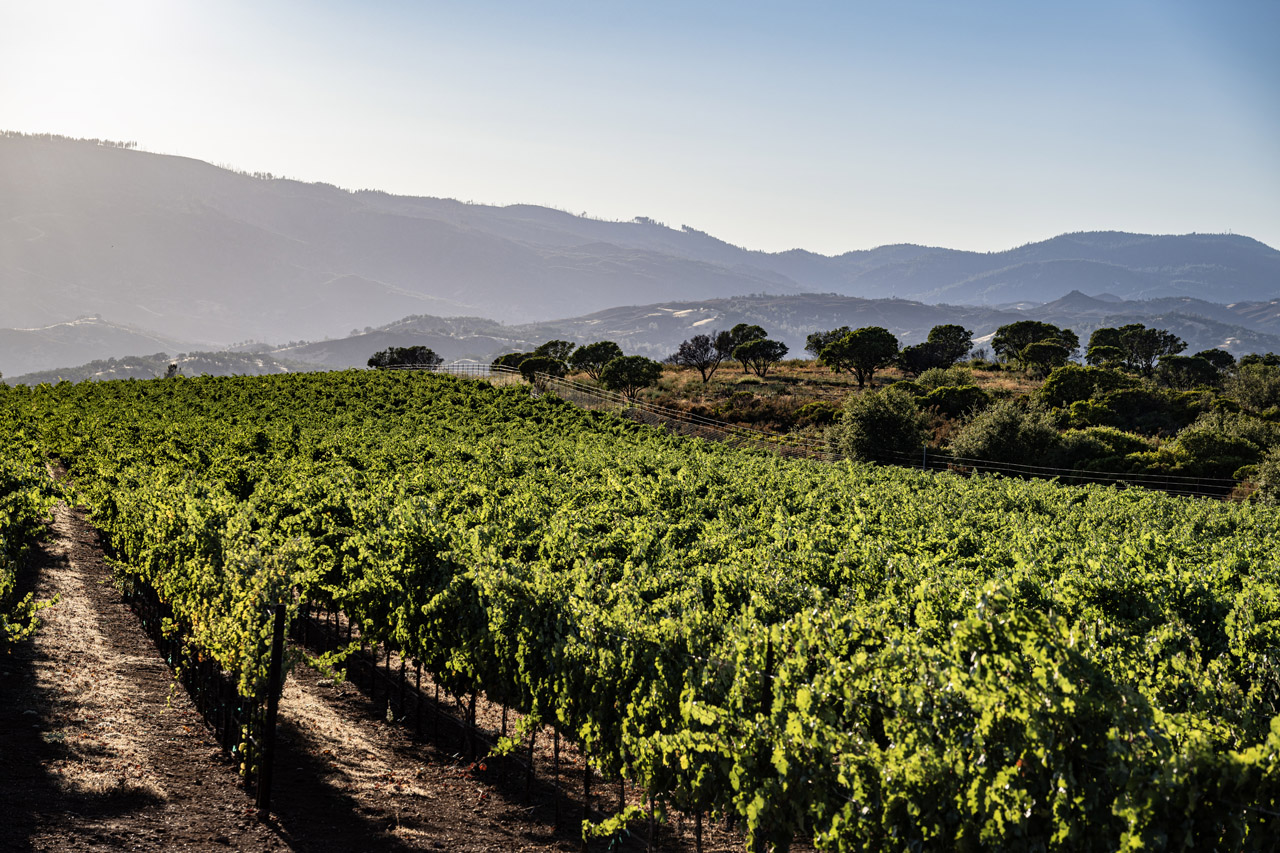
A vineyard at Clear Lake, California

Charlie and Jenny Wagner, both accomplished winemakers, are full partners in shaping the family’s growing portfolio. What matters most to the family is offering consumers wine that they enjoy, vintage after vintage. Caymus’s six-person team tastes through nearly 100 fermentation lots each vintage, and do so deliberately blind to where any given lot was grown. “That reveals the quality that we like, the [characteristics] we look for in a wine,” Chuck says.

This signature style, first developed with Caymus Cabernet from Napa Valley, now extends to Caymus California Cab. At the winery, guests are often given both wines blind, and their preference is usually split about 50-50. Chuck describes that a Caymus wine offers “an invitation to it,” something that smells like what you’d want to put in your mouth. “On the palate, it should never make you wince; it should build toward a smile.” Chuck says late-season picking, later than most producers, helps soften the tannins. The result, in his words, is a wine that’s “round, luxurious, flavorful, and long.” Since roughly 1978, Caymus has aged its Cabernet exclusively in French oak, which Chuck credits for its lush, vanilla-tinged fruit and lingering finish.

For the Wagners, good wine has always been about more than what’s in the glass. Chuck still recalls something his father used to say: with one bottle of wine, four strangers can become friends. Caymus California Cabernet carries that idea into a new generation and beyond Napa, connecting the Wagners with growers in places that have spent years outside the spotlight.

For a family that has spent more than a century farming California, the search for the very best of the state’s bounty continues. There is always another hillside, another valley, another place worth understanding.

A More Thoughtful Way to Fly Private

Private aviation is no longer limited to owning an aircraft. Travellers can choose from among several options—fractional ownership, on-demand charter, and jet cards—each designed for different needs. For those who want established access and pricing without taking on the responsibilities of ownership or arranging every trip from scratch, the jet card offers a thoughtful, structured alternative. 

Sentient Jet created the Jet Card in 1999 to bring greater flexibility, predictability, and clarity to private aviation. More than 25 years later, the company continues to define the model through experienced people, disciplined processes, and active oversight before, during, and after each flight. 

At its best, private aviation does more than get you there faster. It changes what is possible within a day, giving you greater control over when and how you travel while removing much of the complexity behind the journey. With Sentient Jet, time is not simply saved; it is thoughtfully managed.

Here is how the Sentient Jet Card brings that idea to life.

Predictability 

Each Sentient Jet Card includes 25 hours of flight time at an established hourly rate that is locked in for 12 months. The hours never expire, giving Card Owners a consistent framework for planning future travel. 

Flexibility 

Card Owners can select the aircraft category and departure timing that suit the trip, with options accommodating up to 12 passengers depending on the aircraft chosen. Quotes and flights can be managed through Sentient’s mobile app, Card Owner website, automated text-to-book feature, or with the help of a live expert. 

Human Expertise

Behind every journey is a team of more than 130 private aviation professionals who absorb complexity, guide decisions, and provide around-the-clock support. The value is not simply access to an aircraft, but the confidence that experienced people are actively managing the details. 

Trust by Design

Sentient’s proprietary Sentient Certified program individually reviews each operator, aircraft, pilot, and flight. This active safety oversight is designed to bring rigor and informed human judgment to every journey. 

Greater Access

Private aviation can bring travellers closer to their destination through airports beyond major commercial routes, while private terminals can reduce the time spent navigating the airport experience. The result is greater control over both the journey and the time surrounding it. 

Meaningful Access 

Card Owner benefits extend the same thoughtful approach beyond the aircraft. Curated golf journeys, destination stays, and cultural experiences are selected to help Card Owners make more of their time once they arrive. 

Sustainability 

Since 2021, every flight flown by Sentient Jet Card Owners has been offset at 300 percent to account for both carbon dioxide and other aviation emissions, at no additional cost to Card Owners. 

For travellers who value structure, control, and experienced support, the Sentient Jet Card offers a considered way to access private aviation. Sentient Jet’s distinction lies not only in having created the model, but also in possessing the human judgment and operational discipline required to deliver it well. 

To learn more about Sentient Jet and the benefits of its Jet Card, head here. 


Private jet flying above the clouds at sunset

A better way to fly private

Jet Card from Sentient Jet

A New Chapter for The Ocean Club

Even in the rarefied world of luxury resort communities, The Ocean Club, Four Seasons Residences, Bahamas, stands out. The enclave will not only boast the top-notch service and amenities one has come to expect from a Four Seasons destination, but also sit right next to the legendary Ocean Club. The Ocean Club opened its doors in 1962 and promptly became the tropical playground of choice for such Hollywood royalty as Elvis, Zsa Zsa Gabor, and Frank Sinatra. Over the decades, the posh resort continued to attract a discerning clientele who sought privacy, and also all the trappings of five-star accommodations. In 2017, Four Seasons welcomed the storied property into its portfolio and committed to burnishing its legacy and ushering it into the future. The iconic address’s newest evolution: 67 luxury homes spread out over four oceanfront buildings, just steps from the illustrious Ocean Club. They present a rare opportunity to own a piece of Paradise Island—and Hollywood history.

Of course, a starry past isn’t the only thing that distinguishes The Ocean Club, Four Seasons Residences, Bahamas from other resort communities. Here are four unique ways this one has more to offer:

Turnkey Oceanfront Homes

Ocean Club Private Residence

Designed by global architecture firm 10 Design (formerly SB Architects), each of the 67 residences will feature expansive open-plan layouts, floor-to-ceiling windows, and generous private terraces that maximize ocean views and blur the line between indoors and outdoors. The New York–based firm Champalimaud Design is overseeing the interior design; the upscale Bahamian-style units will be delivered fully furnished, with custom finishes, refined material palettes, and spa-inspired bathrooms. Whether the owner keeps the residence solely for personal use or chooses to participate in the rental program, a dedicated Four Seasons team will be on hand to help with all aspects of home management for a true lock-and-leave lifestyle.

Private Rum Room

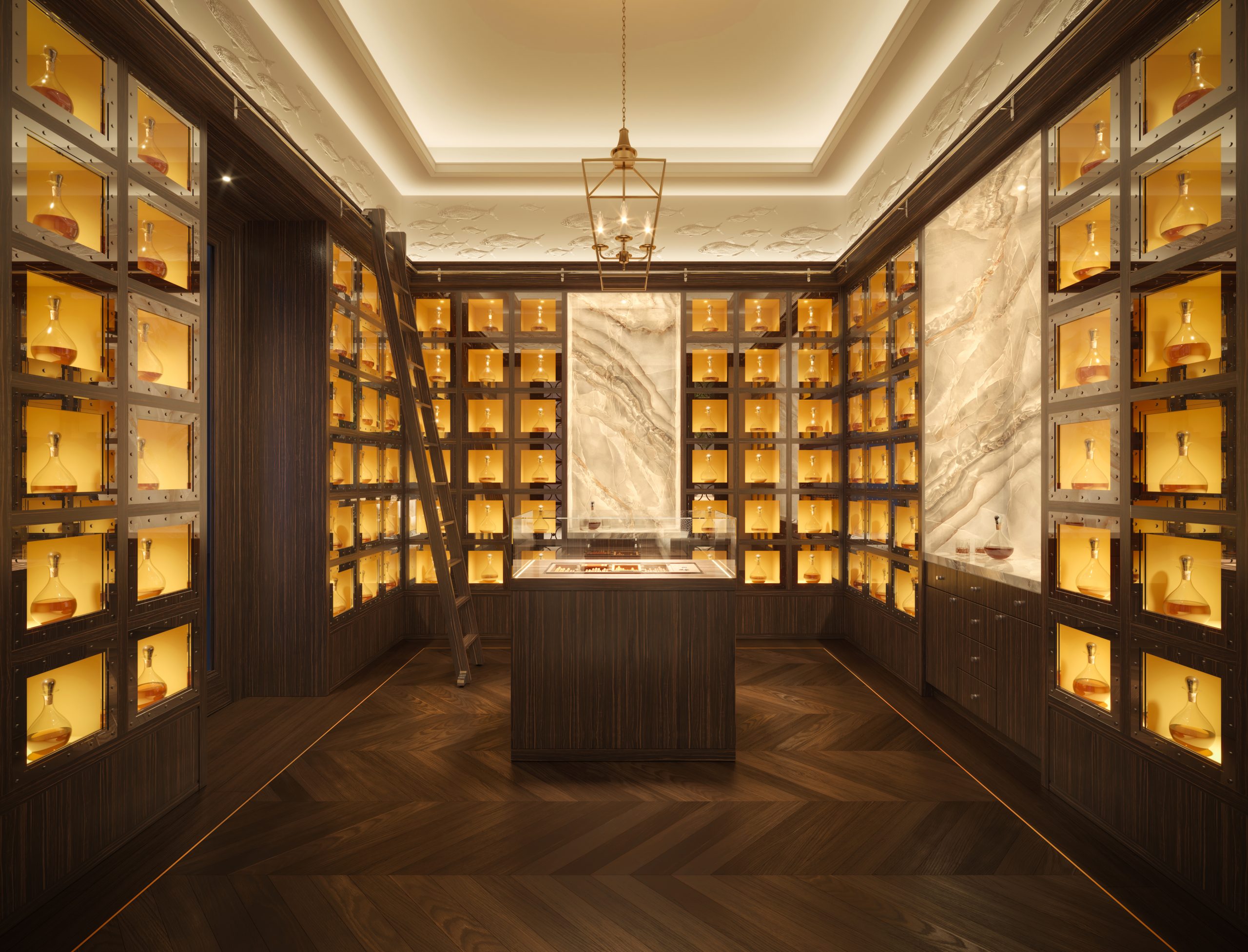
Ocean Club Private Residences Owner's Cellar

Recognizing that Four Seasons Private Residence owners have a fondness for the finer things, the developers are including a Rum Room for residents only, with private lockers for storing top-shelf bourbon, rum, and the like. Each resident will also receive a custom decanter for their spirit of choice. There will even be a humidor in the centre of the room for vending cigars. This elegant wood-lined space, tucked next to the library and lounge, will provide an intimate, quiet spot to enjoy a post-dinner nightcap with invited guests.

Residents-Only Amenities

Ocean Club Private Residences Pool

The Ocean Club, Four Seasons Residences, Bahamas is designed to be a world unto itself. Need to hop on a business call? Head to the coworking space. Looking to get in a workout? Try the state-of-the-art fitness centre and perhaps follow with a massage at the spa. Kids feeling antsy? Take them to the children’s playroom or head to the family pool and clubhouse for an afternoon of swimming and sunning. (There’s also a breathtaking infinity pool with cabanas for a quieter adults-only experience.) At day’s end, choose from one of two residents-only beachfront restaurants.

The Ocean Club Resort Amenities

There’s no need to venture far for more dining and entertainment options. At the nearby fabled resort, residents will have access to a host of premium amenities, including a Tom Weiskopf–designed 18-hole golf course; pickleball, padel, and Har-Tru tennis courts; three pools; an outdoor gym; Versailles-inspired gardens; Balinese-style spa villas; and DUNE by Jean-Georges, the acclaimed chef Jean-Georges Vongerichten’s signature restaurant at The Ocean Club.

Purchase in 2026 to enjoy the highest value and exclusive privileges. To learn more about The Ocean Club, Four Seasons Residences, Bahamas, head here.


What Flower Are You?

“Each gem they showed me was like a friend, unique and unforgettable.” For Harry Winston, this wasn’t just a sentiment; it was the guiding philosophy of his eponymous luxury house. A son of jewellers, he possessed a preternatural gift for understanding that every stone, like every person, has its own allure, its own quirks, its own personality. 

The same can be said of his floral-inspired collections. With nature as his muse, Winston designed iconic jewellry lines based on the forget-me-not, the sunflower, and the lily. While all three are all undeniably beguiling (who wouldn’t fall in love with diamonds rendered as blooms?), each channels a different aura. And the one you choose can say a lot about your personality. 

Which collection speaks to you? 

Forget-Me-Not Collection: For the Classic Romantic 

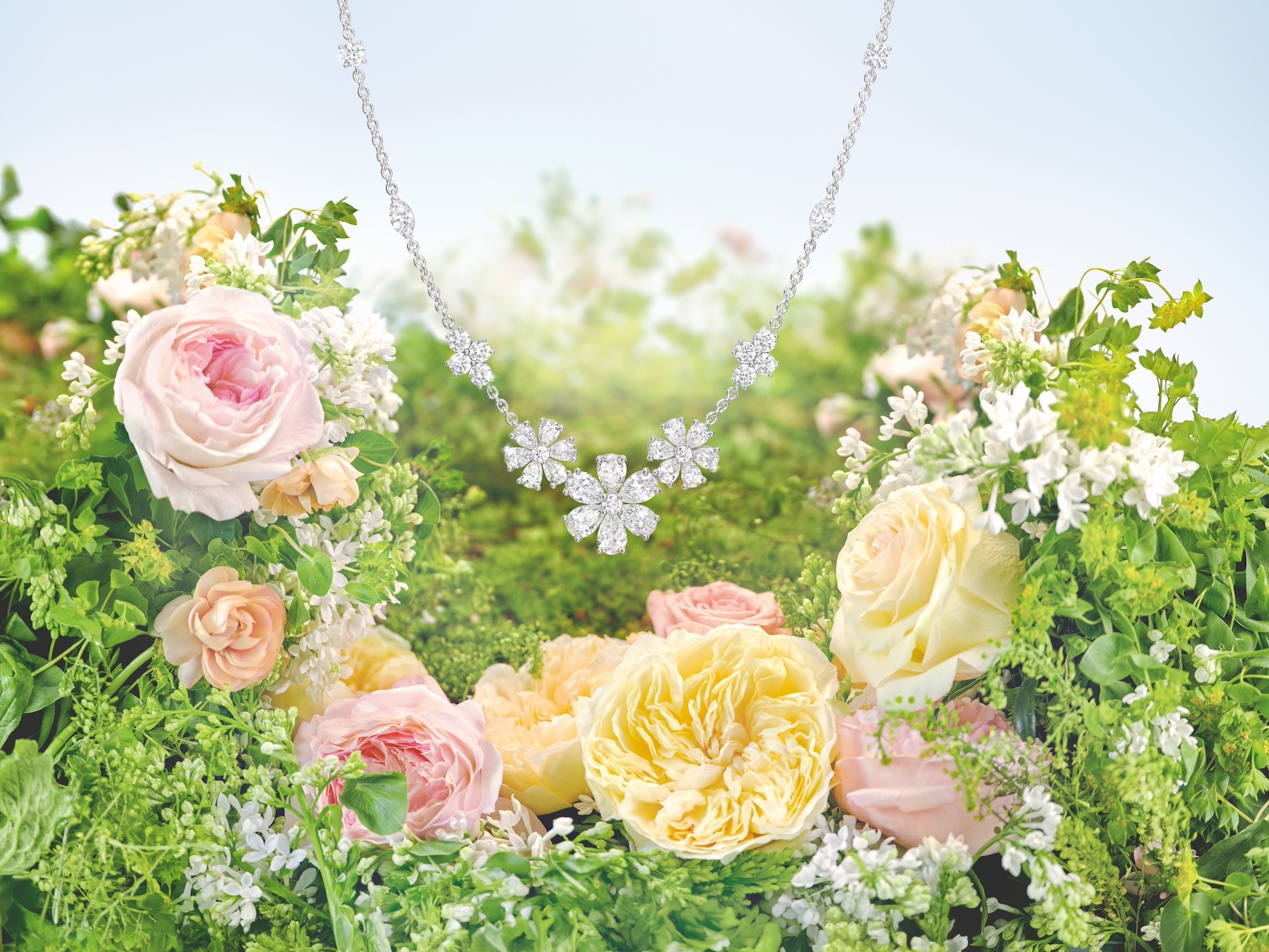
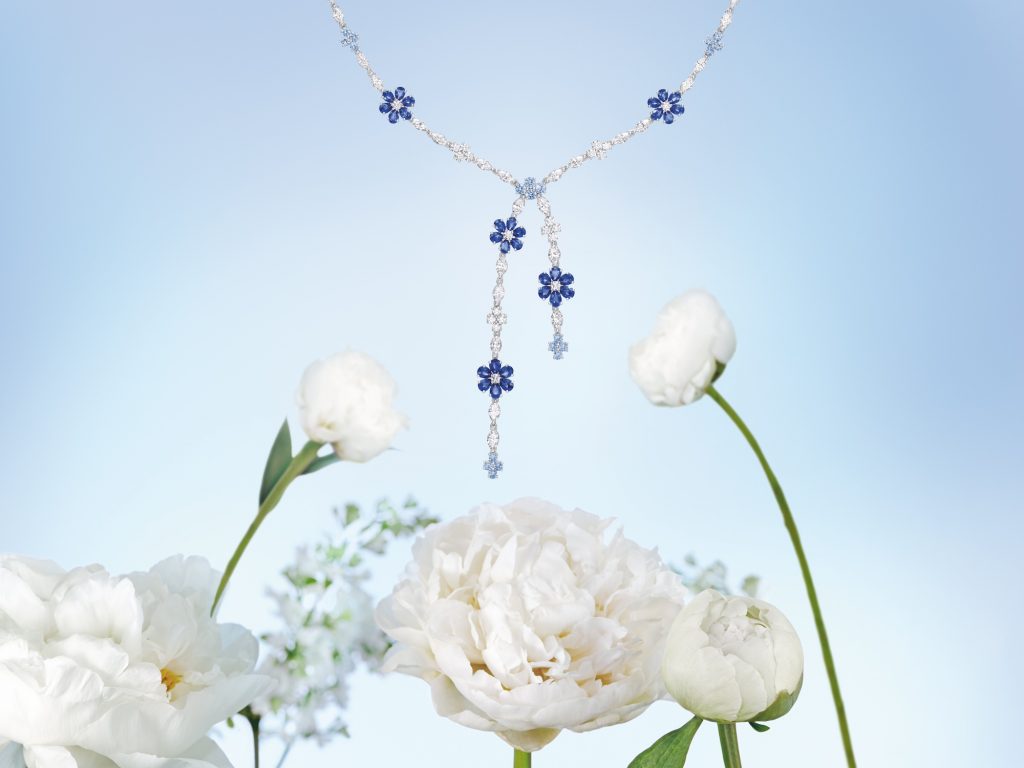
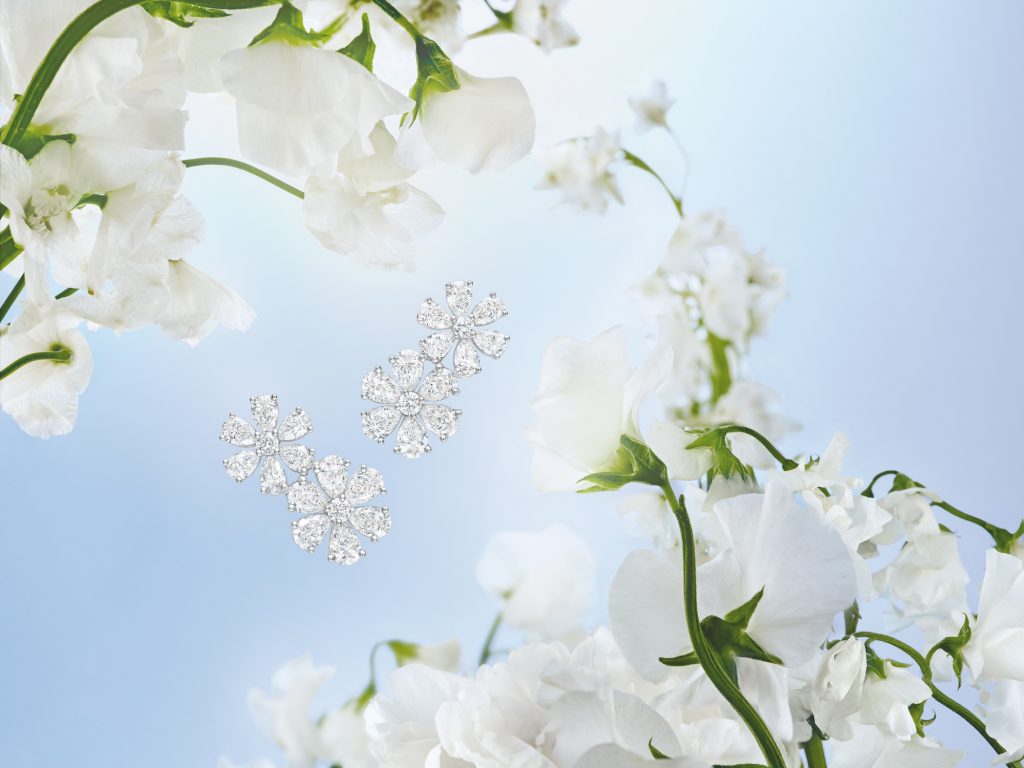
Archival sketches from the 1960s inspired the Forget-Me-Not Collection of necklaces, pendants, rings, bracelets, and earrings evoking the petite wildflower. Each delicate bloom consists of pear-shaped and marquise-cut gemstones surrounding a round brilliant diamond, and is available with diamond, ruby, pink sapphire, or blue sapphire petals. 

WHAT’S NEW This season, Harry Winston debuts pendants and earrings featuring forget-me-not pairs. These sweet twin posies are offered in pink sapphire and diamond, ruby and diamond, blue sapphire and diamond, and all-diamond variations.   

Sunflower Collection: For the Timeless Sophisticate 

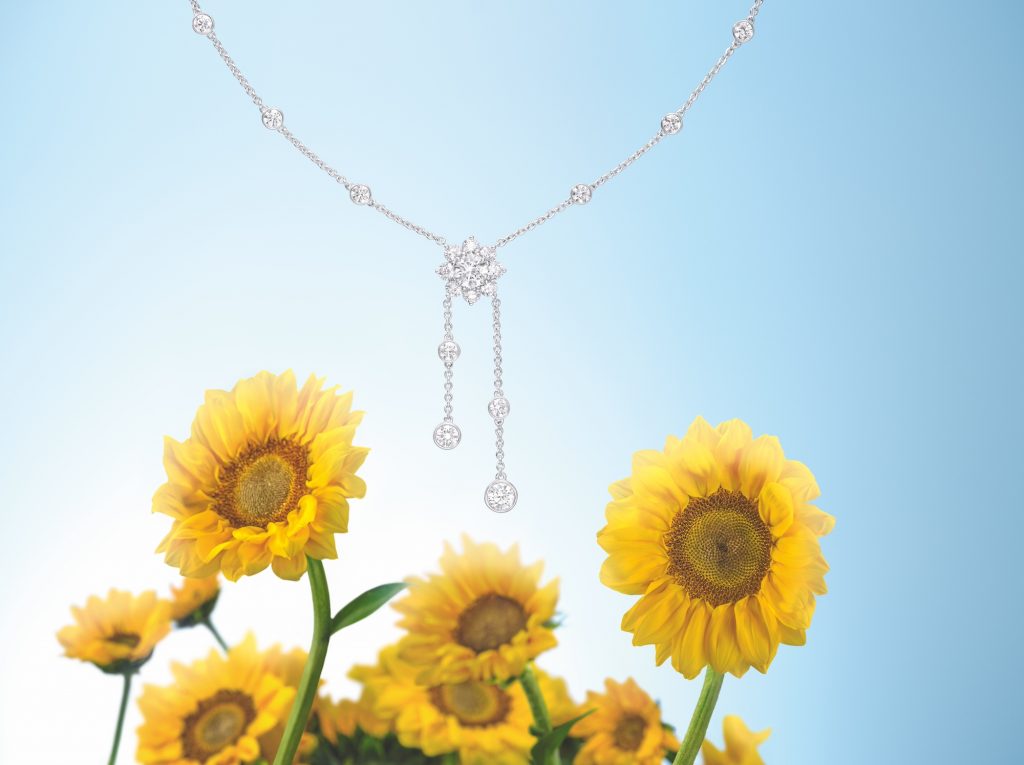
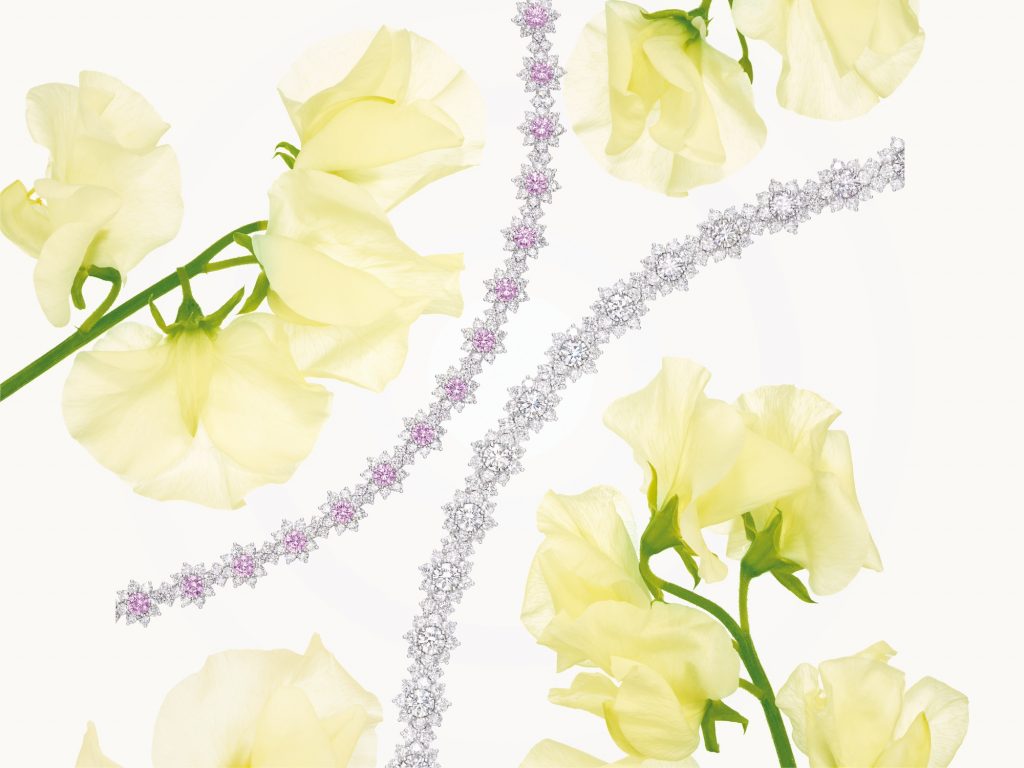
Is there another flower as unabashedly joyful as the sunflower? Harry Winston’s Sunflower Collection tempers the showy bloom’s cheeriness with elegance and substance. Its most iconic iteration is arguably the graduated necklace with continuously linked flowers, each bloom a composition of eight accent diamonds encircling a larger round brilliant stone. 

WHAT’S NEW To celebrate the 75th anniversary of the Sunflower Collection last year, Harry Winston introduced coloured gemstones to the traditionally all-diamond line. The centre stone is now also available in yellow diamond, pink sapphire, blue sapphire, and ruby. 

Lily Cluster Collection: For the Chic Minimalist 

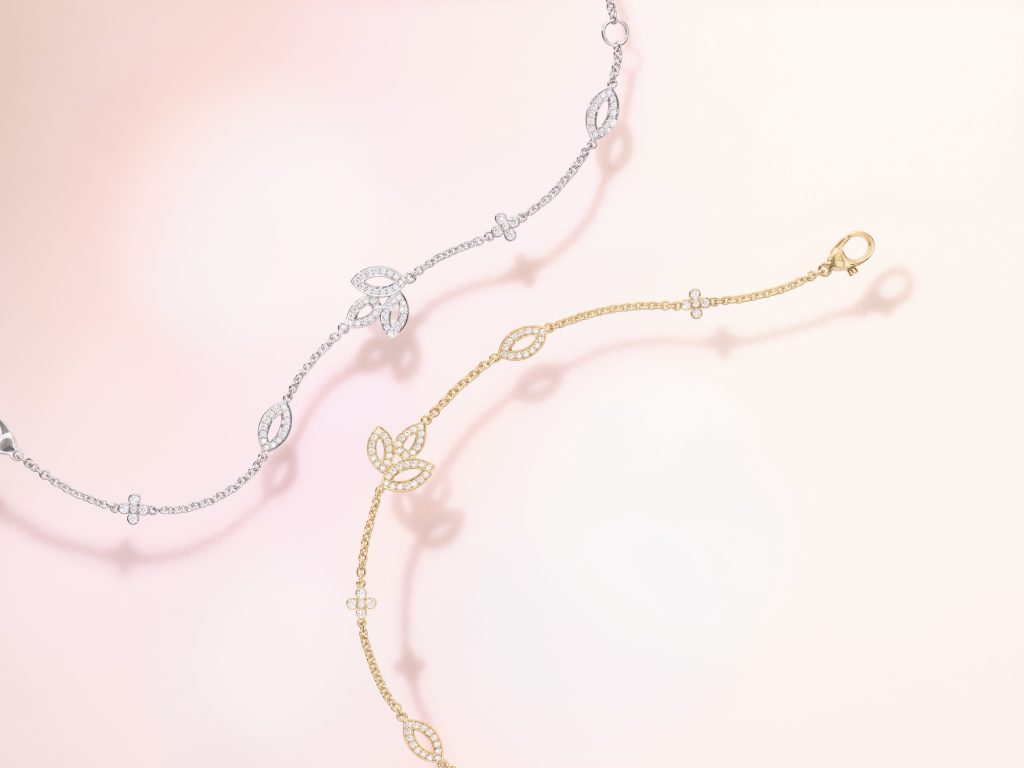
A variation on the classic Winston Cluster motif of the 1940s, the Lily Cluster Collection highlights the graceful silhouette of the perennial flower. More abstract than the Sunflower and Forget-Me-Not designs, the Lily Cluster captures the flower’s essence rather than its literal form. Each piece is set in platinum, yellow gold, or rose gold and lined with round brilliant diamonds.  

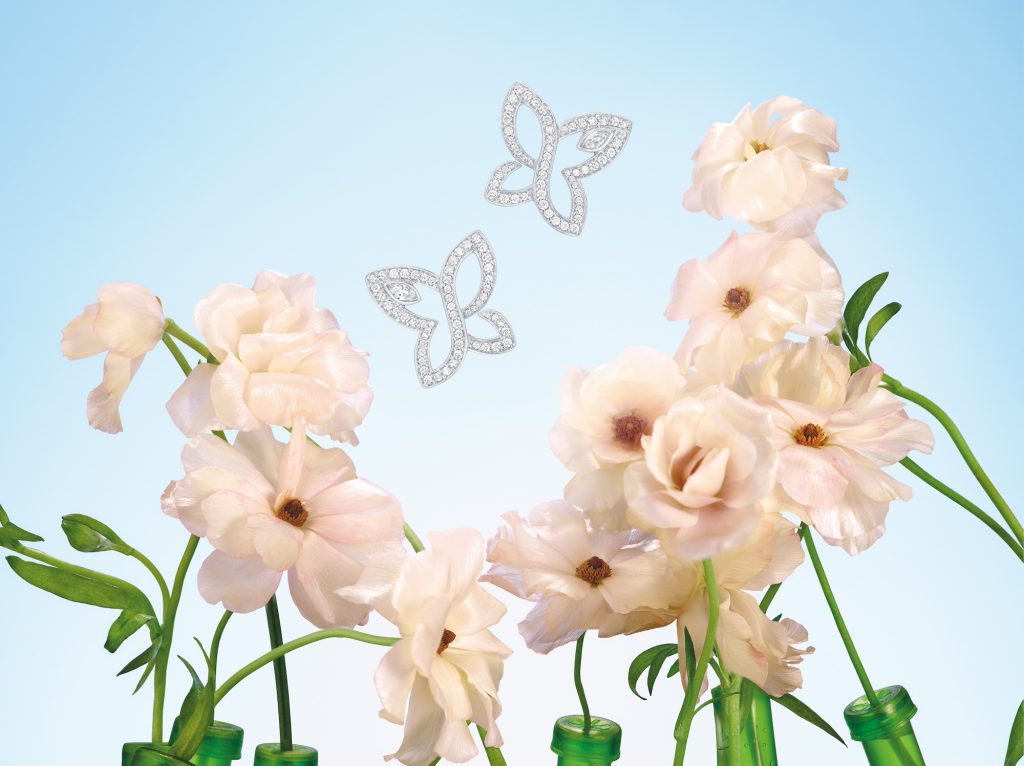
WHAT’S NEW In 2025, Harry Winston unveiled the Infinite Lily Cluster, a modern twist on the original Lily Cluster. The new design—available as a pendant, earrings, and ring—looks as fluid and nimble as a fluttering butterfly. 

Discover more at harrywinston.com.