World Class

Near or far, family travel is a chance to connect, explore, and turn curiosity into discovery. Certain destinations can even extend school study, bringing ancient civilizations and different cultures up close. Here’s our select global guide to places where textbook lessons come to life. 

Boston 

Best for older grade-schoolers 
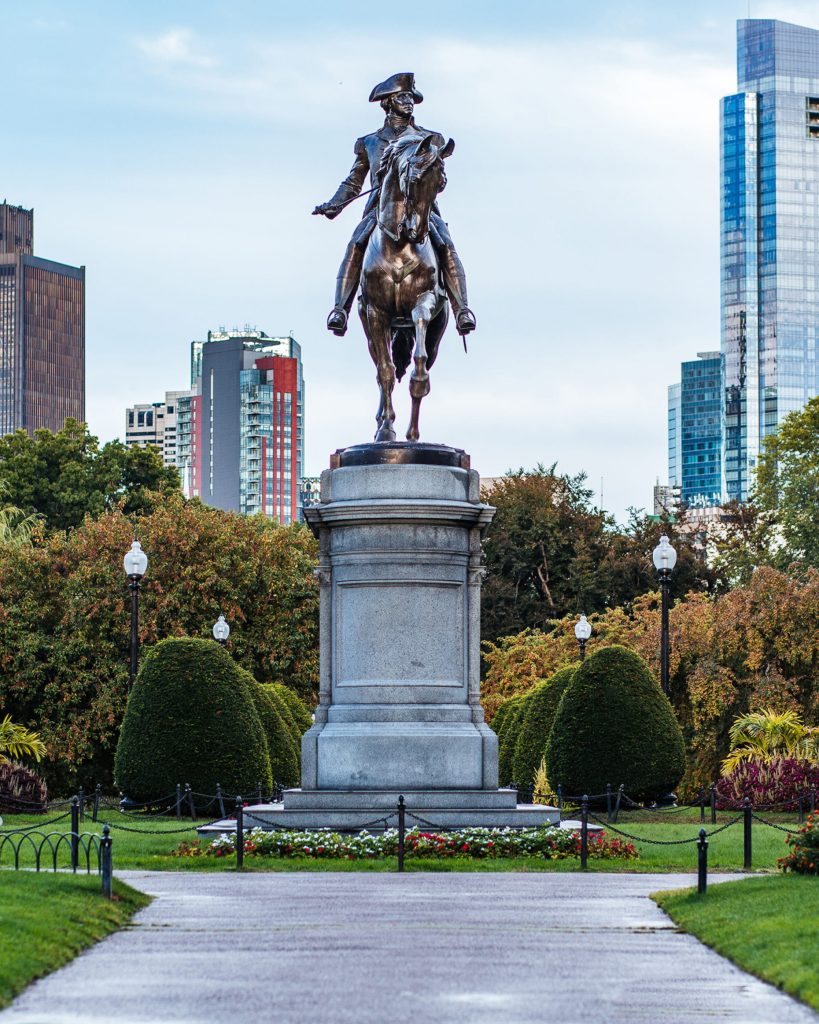
The Paul Revere Mall

What’s New: Ask AI-supported holographic figures about their experiences during the American Revolution as part of the Museum of African American History’s ongoing exhibit Black Voices of the Revolution, which spotlights the roles of enslaved and free Black men and women in America’s struggle for independence. 

Extra Credit: Both Four Seasons Hotel One Dalton Street, Boston, and Four Seasons Hotel Boston offer private walking tours of the Freedom Trail, where historic sites include the Paul Revere House, the Old North Church, and more. 

Washington, D.C. 

Best for middle school students 
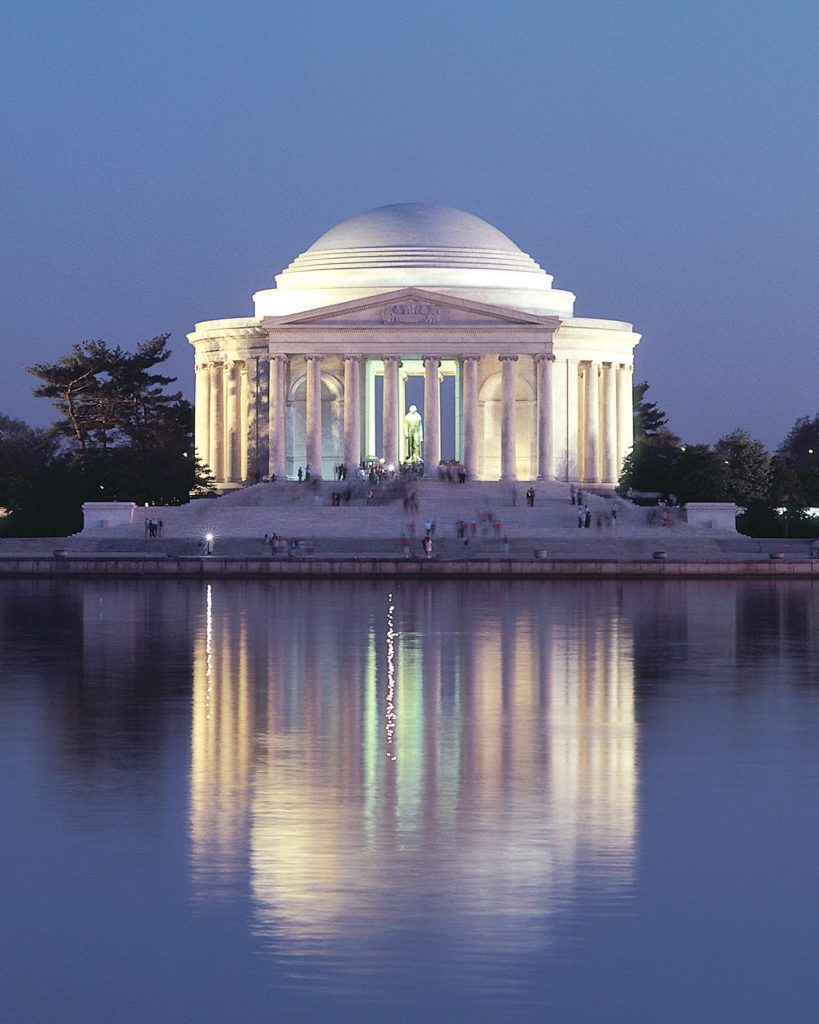
Jefferson Monument

What’s New: Coinciding with the 250th anniversary of the United States in 2026, Washington, D.C., is poised for two major openings: the undercroft of the Lincoln Memorial, a behemoth subterranean space including a theatre presentation and interactive exhibits, and the expansive National Geographic Museum of Exploration

Extra Credit: Marvel at the monuments and memorials lit up at night on a private driving tour—with stops for photos—organized by Four Seasons Hotel Washington, D.C. 

Athens 

Best for middle school students 
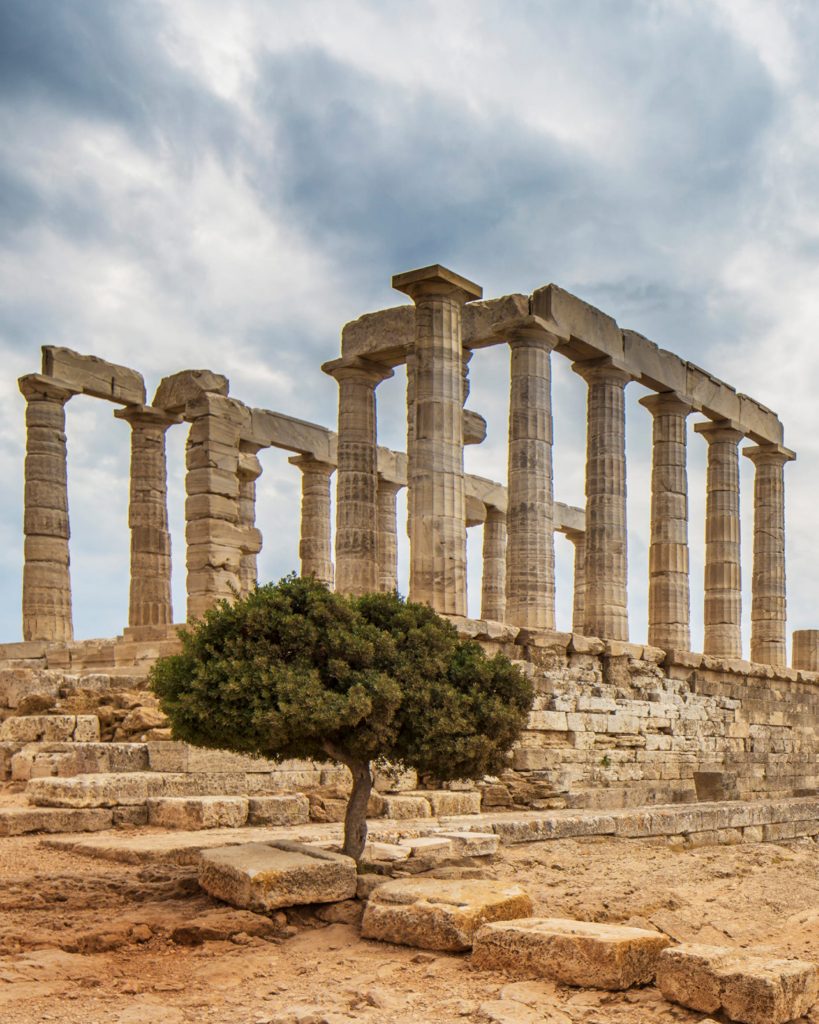
The Temple of Poseidon

What’s New: When it opens in 2026, the National Museum of Underwater Antiquities in Piraeus, near Athens, will highlight Greece’s maritime history with more than 2,500 artifacts, including a replica of a trireme.     

Extra Credit: Let the team at Four Seasons Astir Palace Hotel Athens take you and your crew on a guided visit to the Temple of Poseidon, at Cape Sounion. It’s sure to be a big hit with Percy Jackson fans. 

London  

Best for high school students 
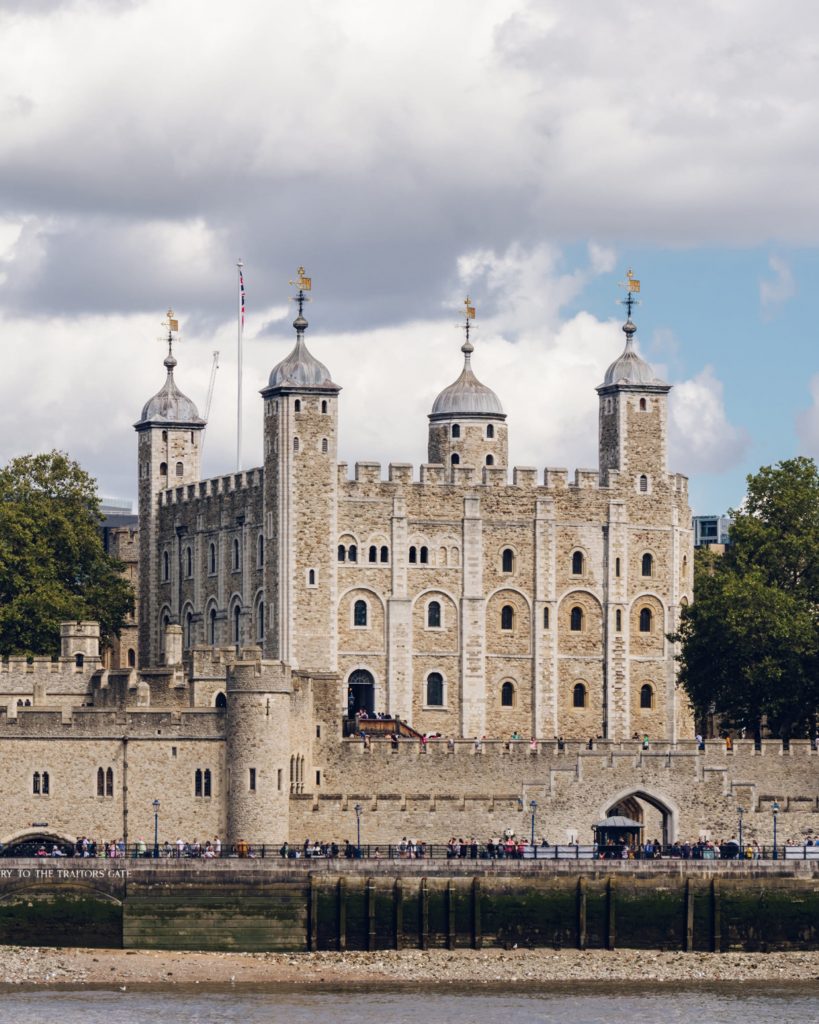
The Tower of London

What’s New: The Bayeux Tapestry—a depiction of the Norman Conquest of England in 1066, including the critical Battle of Hastings—goes on view at the British Museum in the fall of 2026, on loan from France.  

Extra Credit: Explore the Tower of London on a private guided tour arranged by Four Seasons Hotel London at Tower Bridge, seeing the Crown Jewels and learning about imprisonments, executions, and a recent excavation of 14th-century burials that may be tied to the Black Death. 

Petra and Amman, Jordan 

Best for high school students 
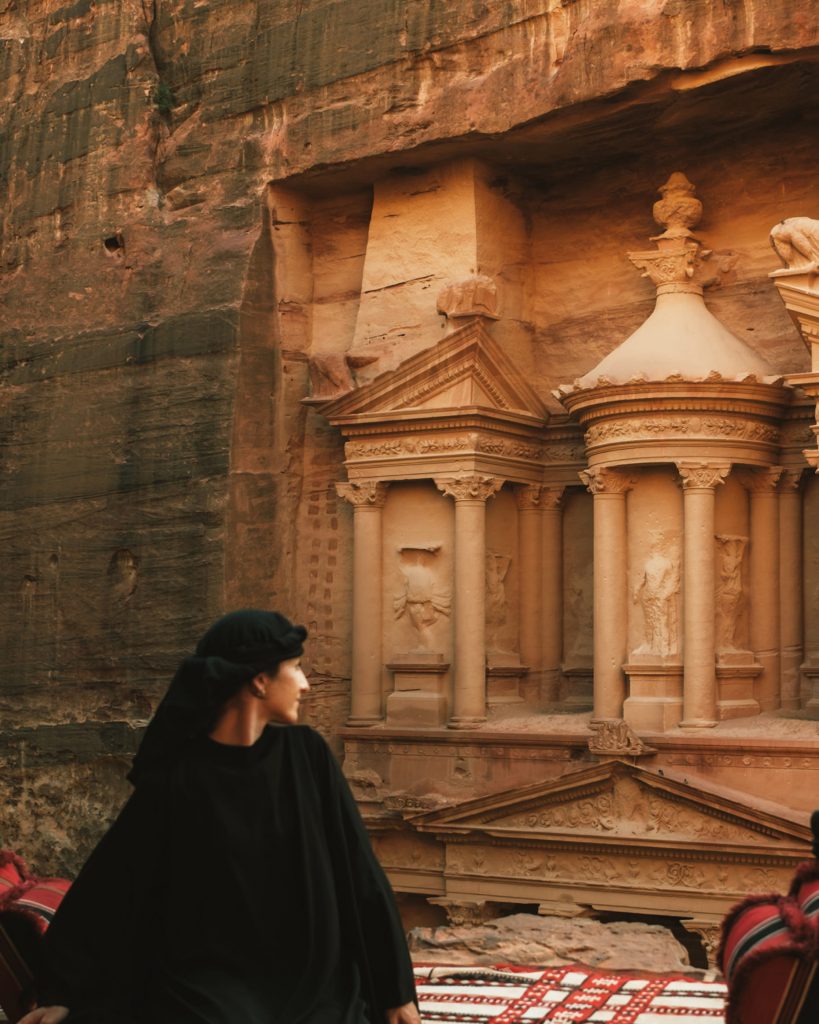
The ancient city of Petra

What’s New: Archaeologists continue to make discoveries in the ancient city of Petra; a 2024 dig revealed a 2,000-year-old tomb with 12 skeletons, one of which was holding a ceramic cup, an example of Nabataean pottery.  

Extra Credit: Along with guided visits to Petra, Four Seasons Hotel Amman offers such unique experiences as painting at the Roman ruins of Pella. 

Kyoto, Japan 

Best for middle school students 
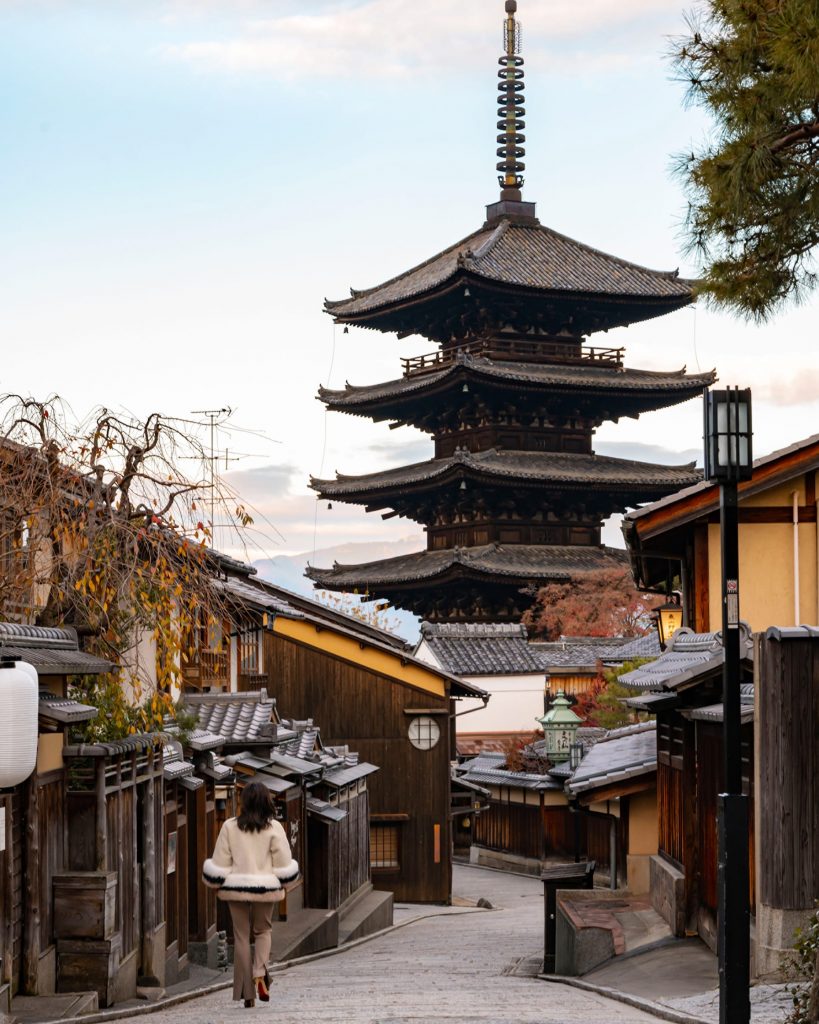
Higashiyama
The Higashiyama district, home to the Kiyomizu-dera Temple

What’s New: Kyoto’s famous Kiyomizu-dera and Toji temples are known for their illuminated night displays. Pair a visit to one of them with an immersive experience at the new teamLab museum Biovortex, where multisensory digital art exhibits include Forest of Resonating Lamps: One Stroke, whose illumination changes in response to human presence.  

Extra Credit: Four Seasons Hotel Kyoto offers a host of special tours, which can include visits to the feudal-era Nijō Castle and the Yasaka Pagoda or an after-hours tour of the imperial gardens at Sennyū-ji Temple. 

Mexico City 

Best for older grade-schoolers 
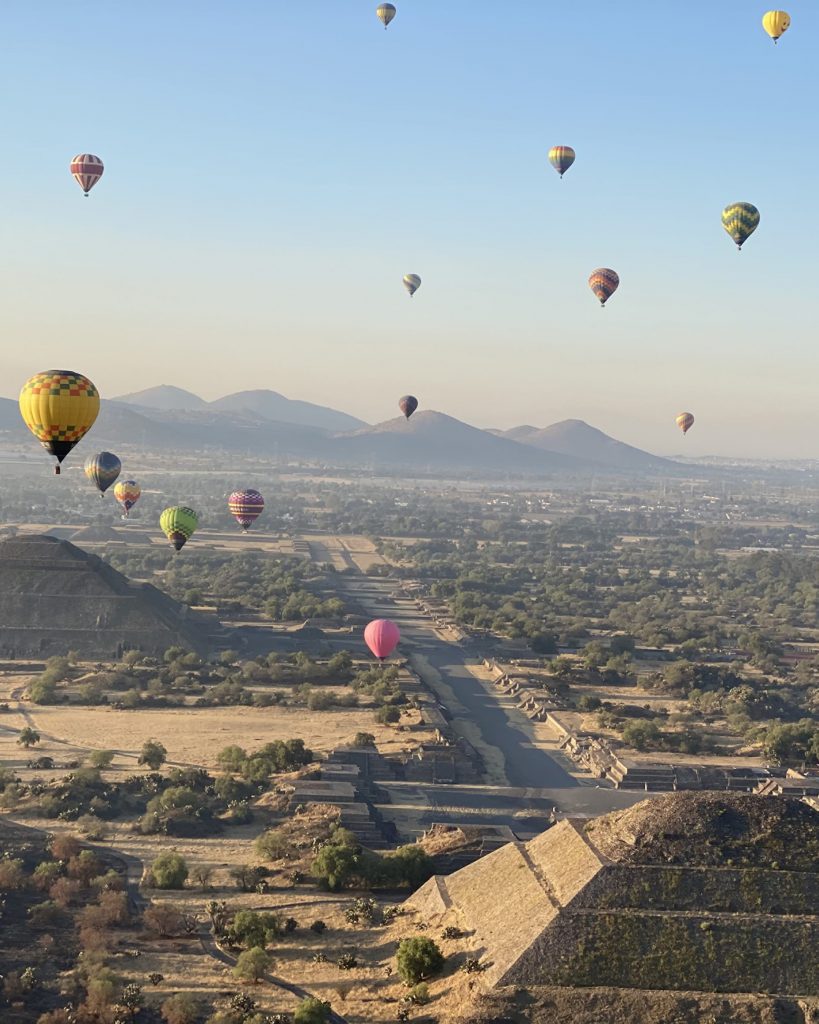
Hot-air balloons over the Teotihuacán pyramids

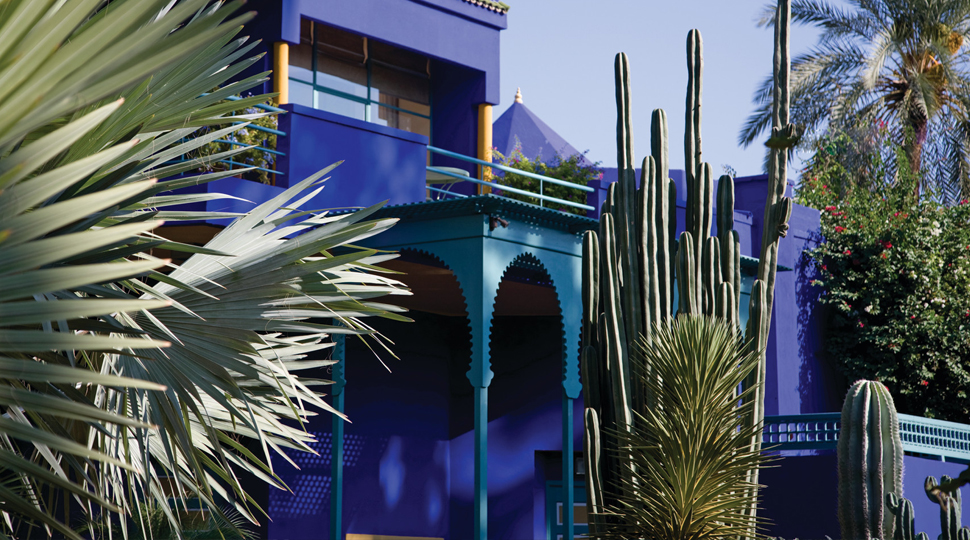
What’s New: The recently opened Museo Casa Kahlo focuses on iconic artist Frida Kahlo’s early family life, highlighting never-before-seen letters, childhood photos, and clothing, as well as a recently discovered mural. It’s a few blocks from the famed cobalt blue Museo Frida Kahlo, which showcases Kahlo’s artwork and marriage to Diego Rivera. 

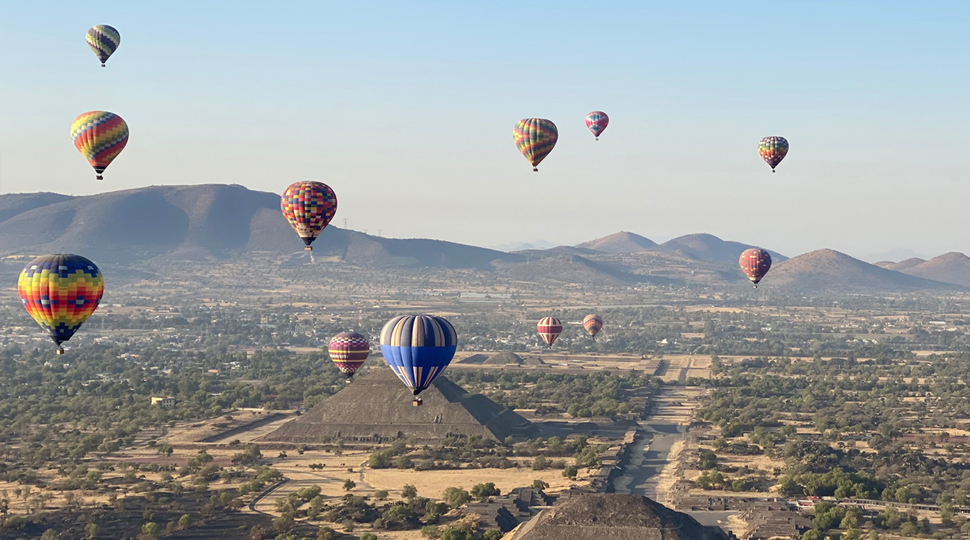
Extra Credit: Have the team at Four Seasons Hotel Mexico City arrange a private hot-air balloon ride over the spectacular Teotihuacán pyramids, where a major pre-Columbian city once flourished.  
What to Do in Mexico City: Where the Chic Set Go

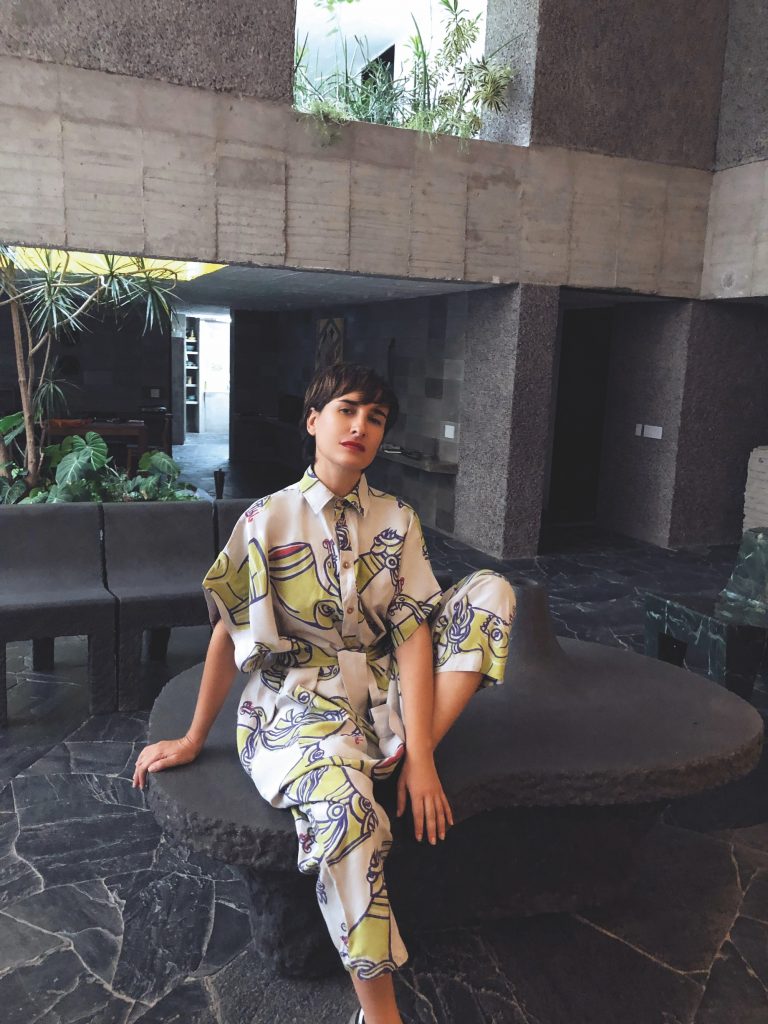
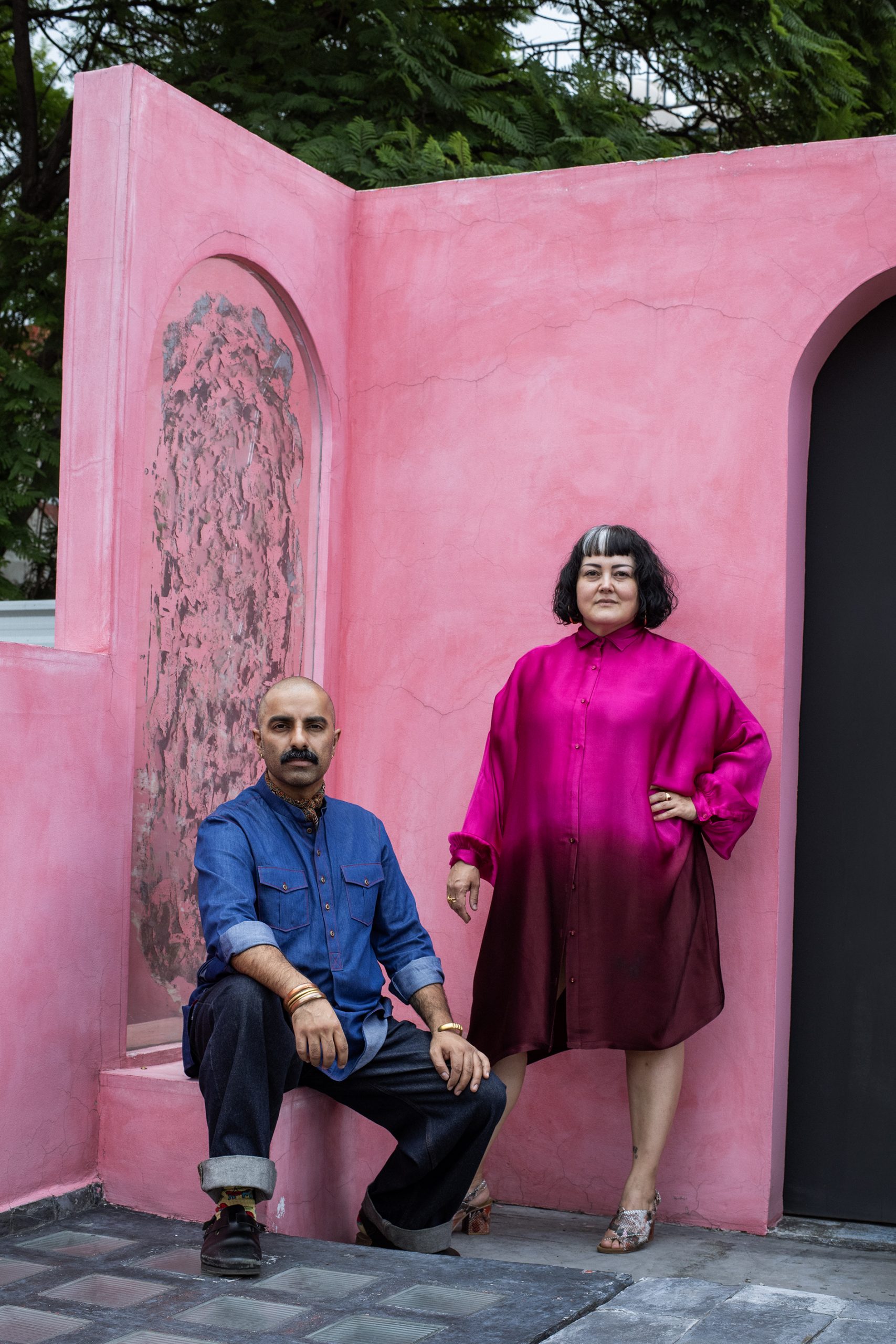
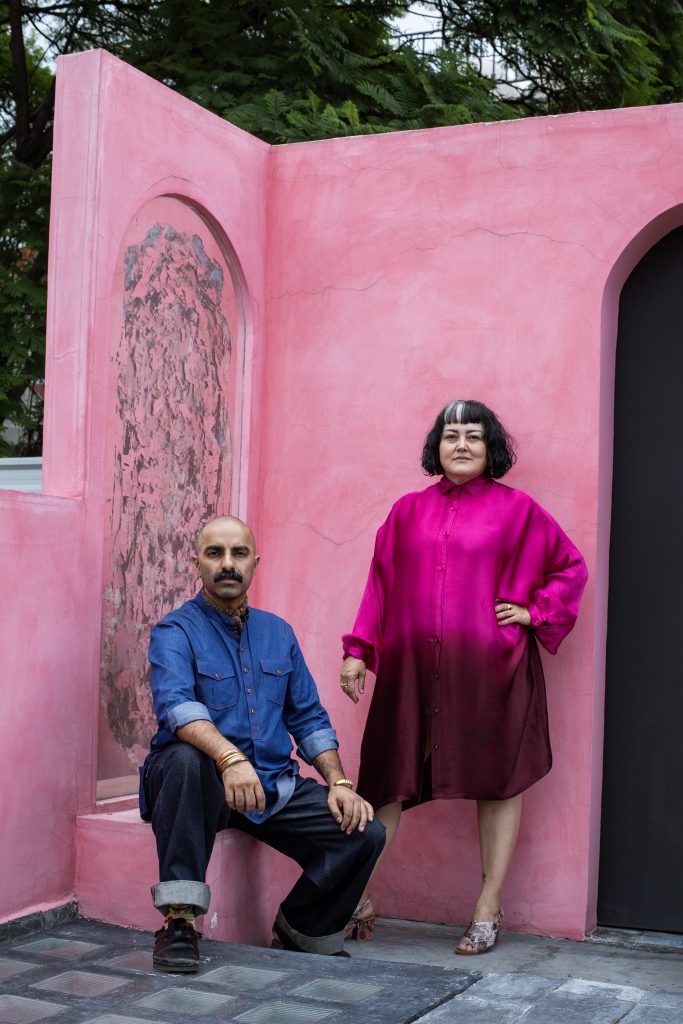
Mexico City–based Carla Fernández has been fascinated by traditional dress since she was a child. Travelling throughout southern Mexico with her father, she witnessed early on the textile traditions of the Indigenous peoples. Years later, with her business partner Cristina Rangel, Fernández founded her eponymous brand, which spotlights historic techniques practised by artisans across the country.

Carla Fernandez
At home in Mexico City’s Coyoacán neighbourhood. Photograph by Ben Lamberty.

“The superpower of Mexicans is creativity,” she says. The designer has become known for her bold, boxy shapes using traditional weaving, embroidery, and pleating, and also for her commitment to empowering artisans through training programs. Here, she shares more of her favourite spots in the capital.  

Shop

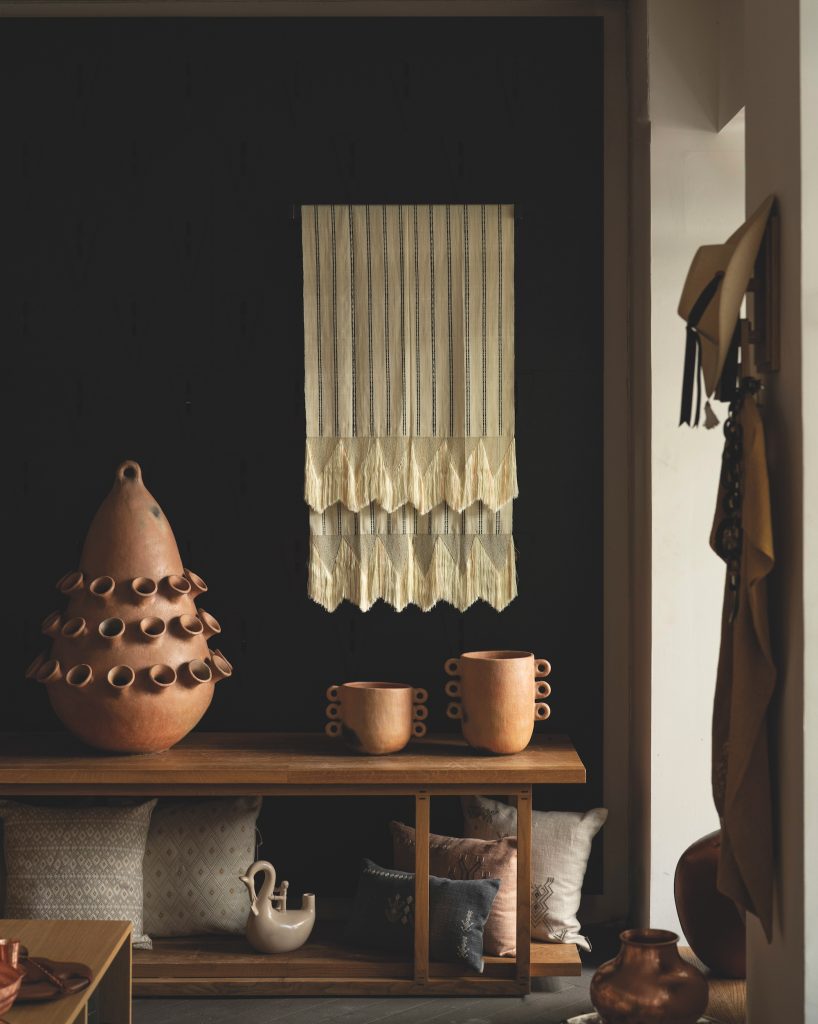
Onora
Decorative objects at Onora. Photograph by Fabián Martinez.

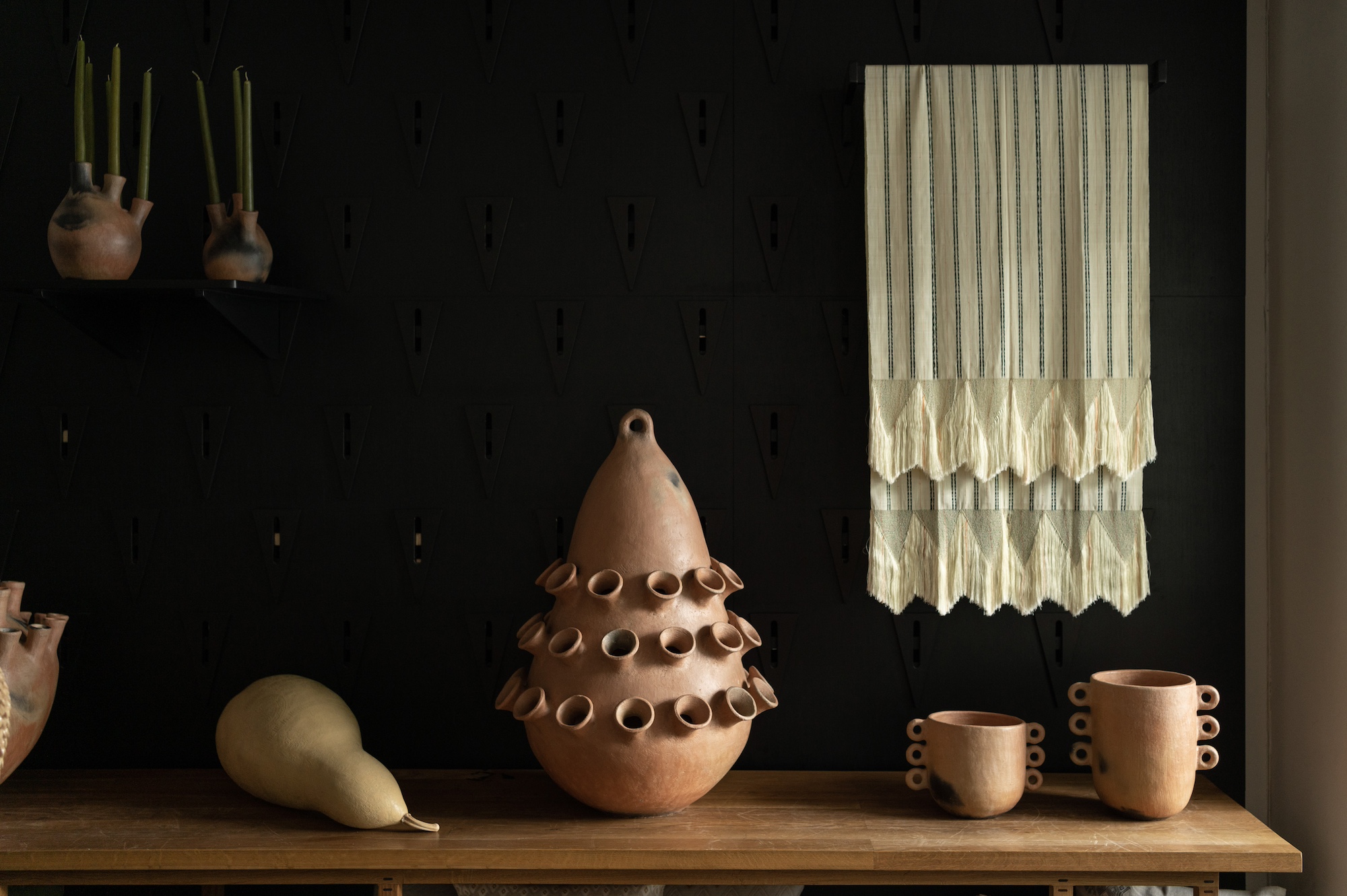
Artisan-Led Boutiques: In Mexico City, there are many artisan-led brands and shops she adores, such as Lago (with three locations in the metropolis) and Onora (in the Polanco neighbourhood). “They work together with artisans to create new designs. I love their selection of pieces from all over Mexico,” Fernández says.

Coyoacán Market: “If you want Mexican street food, I truly recommend going. They have these tostadas that have shrimp and chicken, which I love. You can find everything there—grasshoppers and cheese from Oaxaca. I also love to shop for flowers. On Sundays, they have tlacoyos, these tortillas with beans, fava, or cheese inside.”  

See

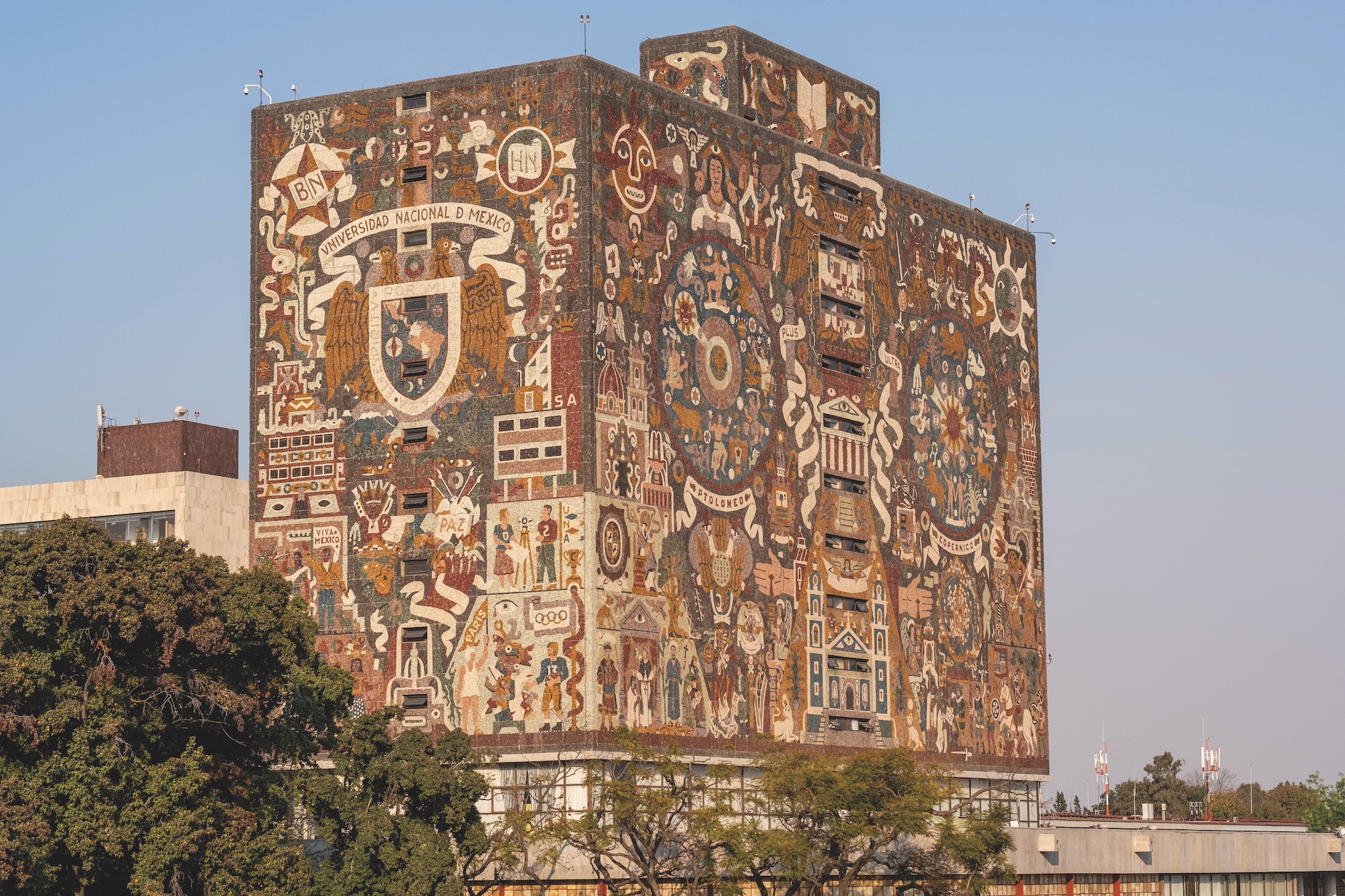
Mexico University Central Library
The mural facade at the National Autonomous University of Mexico. Photograph by Bede Sheppard / Wirestock / Adobe Stock.

National Autonomous University of Mexico: “They have beautiful grounds.” Make sure to stop at the Central Library, which is covered with the world’s largest mural: an extraordinary four-sided tiled mosaic by Juan O’Gorman.

Museo Anahuacalli: “An amazing museum, which now has a contemporary art program that is held by a brilliant curator, Karla Niño de Rivera Torres. It’s really progressive. They have a lot of workshops and music festivals, so it’s definitely worth seeing what’s going on.” 

Savor

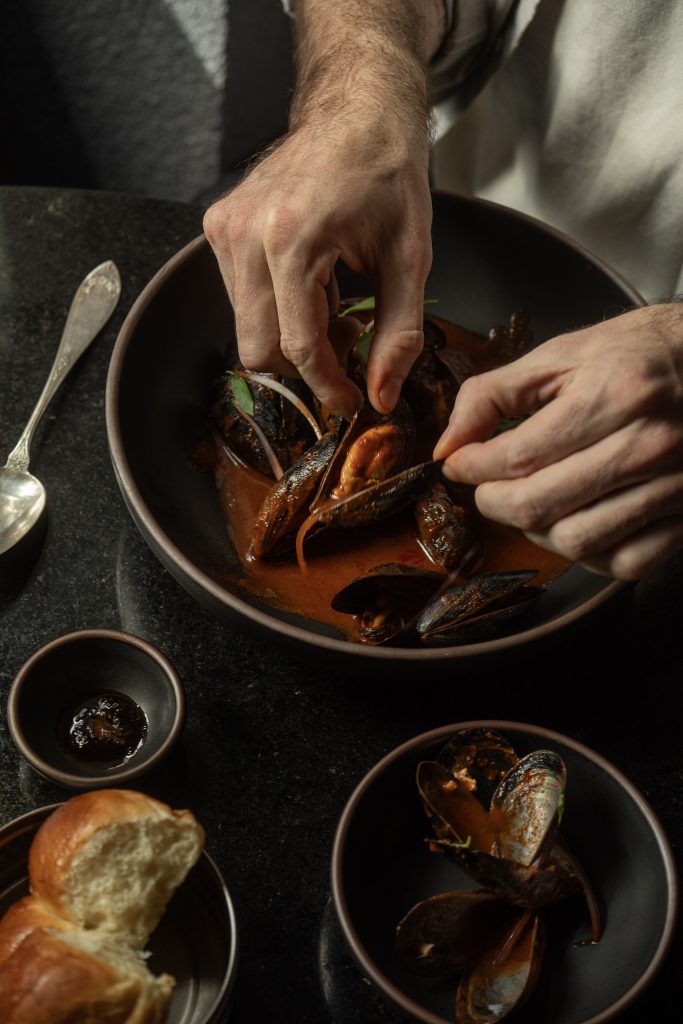
A fusion of global flavours at Masala y Maíz. Photograph by Ana Lorenzana.

Masala y Maíz: “They just received their first Michelin star. I saw them [grow] from the very beginning; we used to be neighbours, but [now] they’ve moved downtown. Their food is just stunning. I love the shrimp, and they have this fried tortilla that has birria [stewed meat] inside—it’s so delicious.” [Read more about Mexico City’s food scene here.]

The Lamb: “I don’t eat a lot of British food, but I love this tiny little restaurant in Roma. They have really good oysters, as well as fish and chips and a delicious pea salad. I also usually order a glass of natural wine or cider.” 

Ticuchi
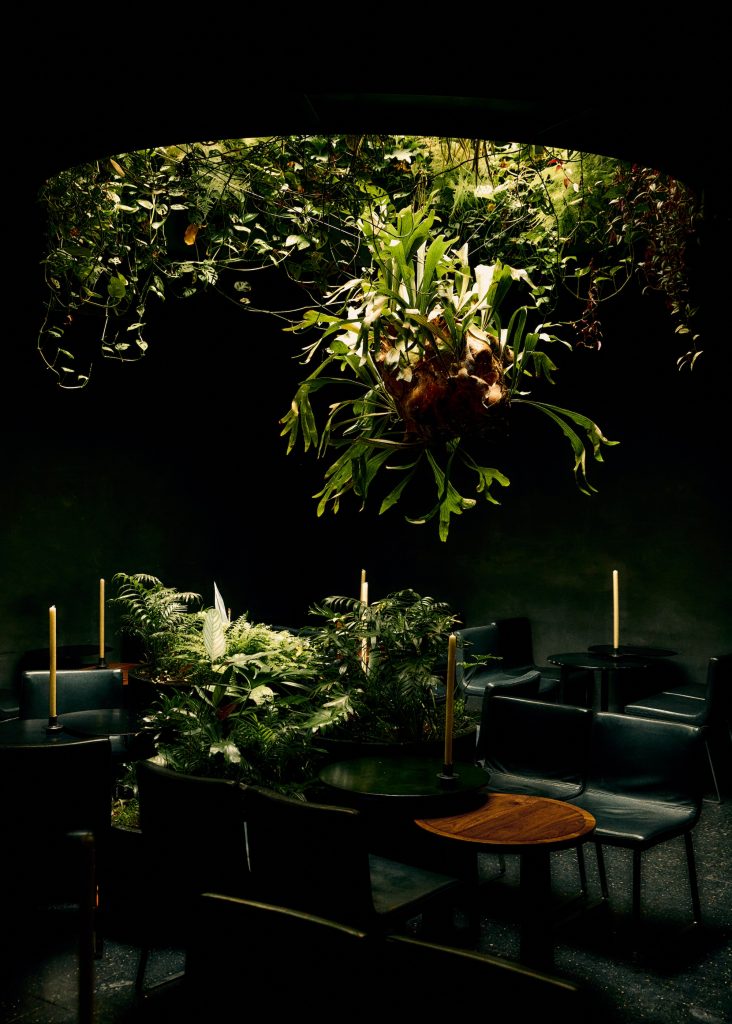
The moody interiors at Ticuchi. Photograph by Robert Morley.

Ticuchi: “I don’t go to Polanco much, but I really like going to Ticuchi—they have the best vegan tacos and amazing mezcal. There’s also a sculpture by my husband (Pedro Reyes) in the entrance.”

La Mano: “Everything is about Mexico [here]! It’s super relaxed with a beautiful garden. I like to go and have a hot chocolate and sweet bread, but they [also] cook the tortillas by hand and have really good tacos. There’s a beautiful store where you can buy good mezcal.” 

Sip

Salón Palomilla: “It’s a really great bar. I’ll get the delicious organic orange wine, which they get from winemakers in Valle de Guadalupe. They have good music from DJs—it’s live, so you have to check the calendar. It’s a great option for Sunday nights.” 

Stay

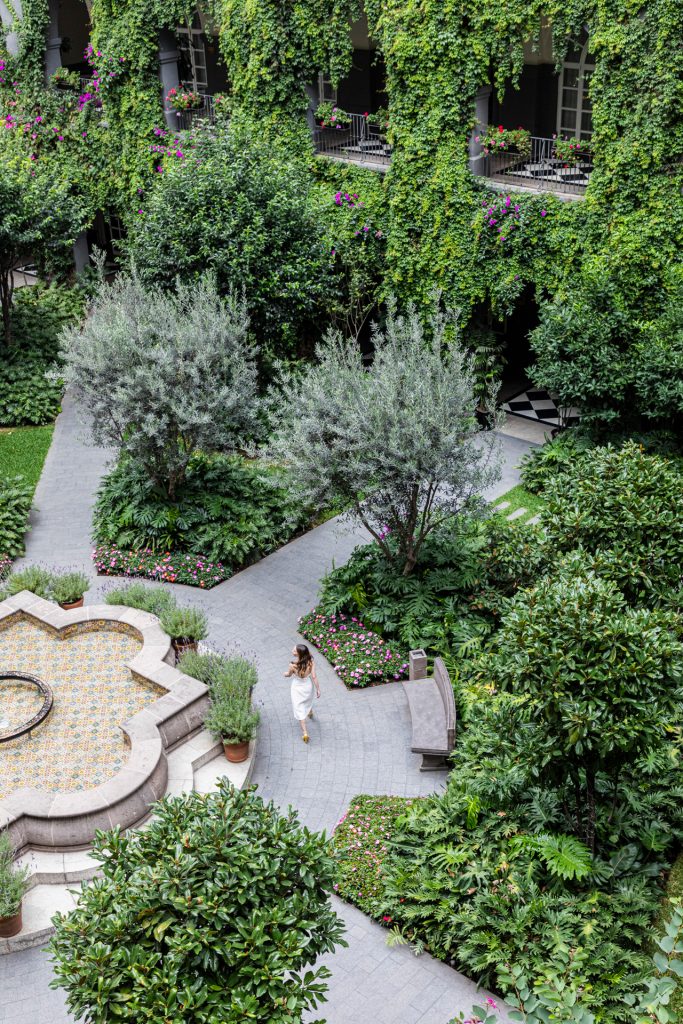
The courtyard at Four Seasons Hotel Mexico City.

Four Seasons Hotel Mexico City: “I like to go for hot chocolate or tea and pain au chocolat and sit in the garden for breakfast. During the Day of the Dead, don’t miss the Pan de Muerto [sweet brioche-style bread]. The hotel is where Fashion Week [events] happen, so I [also] go there to see the shows! The staff are so sweet and gentle.” 

Four Seasons Hotel Madrid is centrally located in Plaza de Canalejas, where you can spot some other notable landmarks also seen in “Money Heist.”

Icons In the Spotlight: Luis Barragán, Giorgio Armani, and Other Legends Get Their Dues  

Ever wonder how filmmaker Wes Anderson pulls off his fabulously meticulous set designs? Curious to see architect Luis Barragán’s boldly painted residences in person? Looking for insight into David Bowie’s creative process? These new retrospectives, archives, and exhibitions offer ample opportunities to do a deep dive into what it means to be an artist. 

London 

Aladdin Sane Jacket, Designed by Freddie Burretti for David Bowie, 1973, Photo courtesy of V&A Museum
Aladdin Sane jacket designed by Freddie Burretti for David Bowie. Photograph courtesy of V&A Museum.

Located inside the new V&A East Storehouse, the David Bowie Centre is now the permanent home of the iconoclastic singer’s archive, comprising more than 90,000 item—from his own desk to lyrics, diaries, costumes, and musical instruments. “Balancing storage with stagecraft, the centre is an intimate space to explore Bowei’s life, work and legacy, offering a deeply personal insight into Bowie’s world,” says lead curator Madeleine Haddon. Visitors can even make appointments to view items that are in storage through the museum’s innovative “Order an Object” service. 

Francois Voltaire Suitcases for Whitman Brothers Designed by Marc Jacobs for Louis Vuitton; Wildlife Art Designed by Eric Chase Anderson. THE DARJEELING LIMITED. Photo Roger Do Minh. © the Design Museum
Francois Voltaire suitcases for Darjeeling Limited designed by Marc Jacobs for Louis Vuitton; wildlife art designed by Eric Chase Anderson. Photograph by Roger Do Minh.

Opening November 21 and running through July 26, 2026, at the Design Museum, Wes Anderson: The Archives is the first major museum exhibition focused on the work of visionary director Wes Anderson. Featuring handwritten notebooks, storyboards, costumes, and props—such as suitcases from The Darjeeling Limited—the show builds on the exhibit’s debut at La Cinemathèque Francaise with more than 100 additional objects on view. The Design Museum is just a mile from Four Seasons Hotel London at Park Lane

Mexico City 

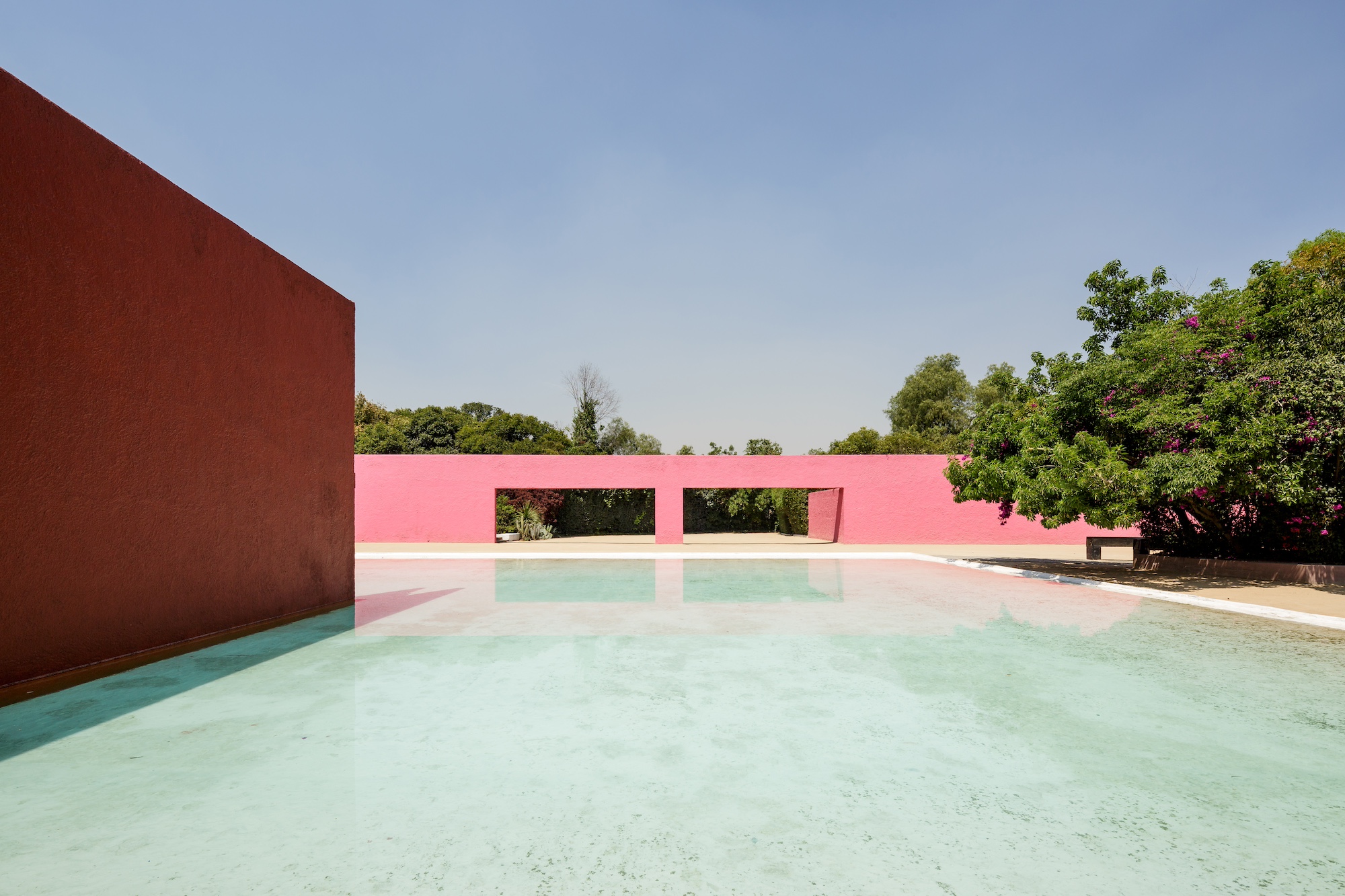
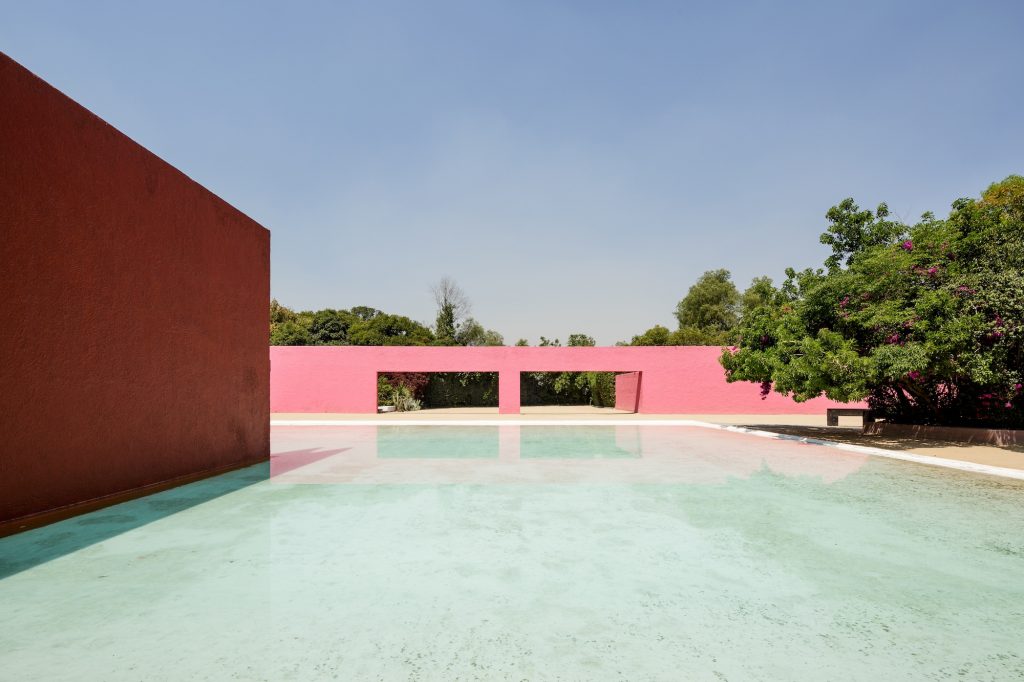
La Cuadra San Cristobal, Luis Barragan
La Cuadra San Cristóbal. Photograph by Yannik Wegner, courtesy of Fundación Fernando Romero.

One of legendary Mexican architect Luis Barragán’s most striking residential designs—La Cuadra San Cristóbal, a study in bright colour blocking, located on the outskirts of Mexico City—is set to open to the public later this year as part of a 10-year plan to transform it into a cultural centre. In town, Four Seasons Hotel Mexico City has embarked on a phased renovation by Mexican designer Bibiana Huber that will include a vibrant redesign of all its guest rooms and suites. 

Milan

Giorgio Armani Prive 2005-2025, Photo by Delfino Sisto Legnani
From Giorgio Armani Privé 2005-2025. Photograph by Delfino Sisto Legnani.

Iconic designer Giorgio Armani, who died in September at age 91, is the subject of dual anniversary exhibitions in the fashion capital. Running through December 28 at the brand’s Armani/Silos space, Giorgio Armani Prive: 2005-2025 celebrates his two decades in haute couture with a showcase of more than 150 looks, including dresses worn by Michelle Yeoh, Cate Blanchett, and Demi Moore. A second show of his exquisite designs, at the Pinacoteca di Brera (a short walk from Four Seasons Hotel Milan), marks 50 years since the brand’s founding in 1975.  

Fondazione Prada Sueno Perro
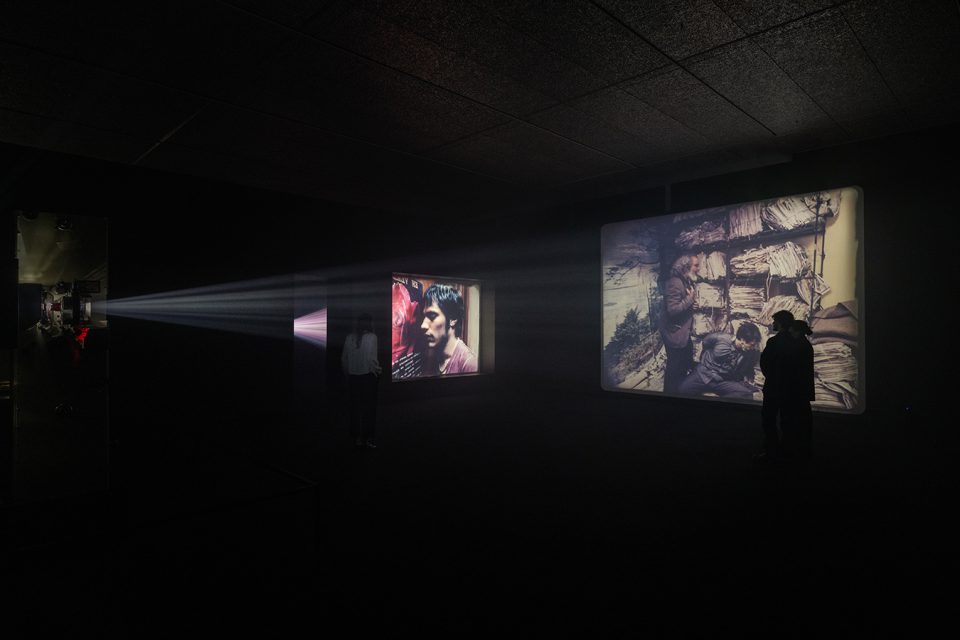
From Sueño Perro. Photograph courtesy of Fondazione Prada.

At Fondazione Prada, from September 18 to February 26, 2026, Oscar-winning director Alejandro G. Iñárritu presents Sueño Perro. The multisensory exhibition will reveal never-before-seen footage from his debut feature Amores Perros, released 25 years ago. 

Paris

Gautier DeBlonde at Palais Galliera
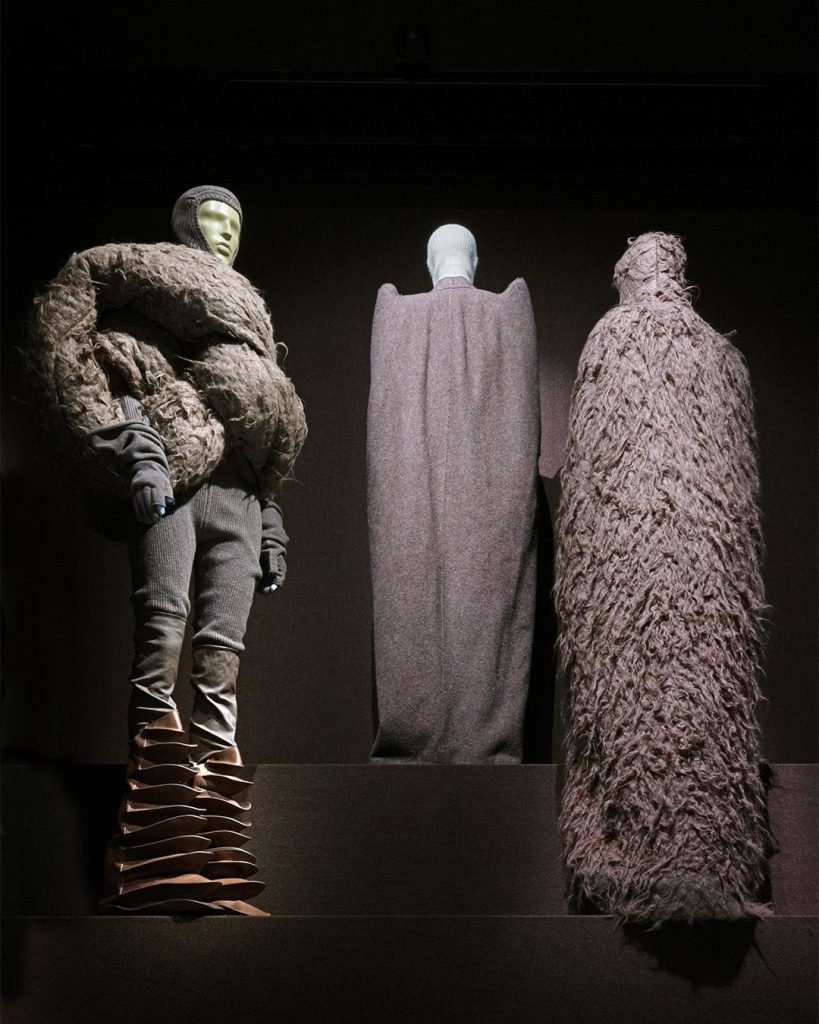
From Rick Owens: The Temple of Love. Photograph courtesy of OWENSCORP.

Known as the high priest of fashion’s avant-garde, Rick Owens is the subject of a stunning retrospective, Rick Owens: The Temple of Love at the Palais Galliera through January 4, 2026. The California-born, Paris-based designer, who is the exhibition’s artistic director, even extended his vision to the building of the façade, draping enormous statues in sequined fabric. Just a few blocks away is Four Seasons Hotel George V. Paris, which, in collaboration with French interior designer Pierre-Yves Rochon, has just completed a three-year renovation of its 243 guest accommodations, giving each space the feel of a Parisian pied-à-terre. 

Mexico City Food Tour: A World of Flavours in 24 Hours

The Michelin Guide awarded a total of 26 stars throughout Mexico in 2024. It was the first time the coveted restaurant guide recognized the country’s vast cuisine, which was molded by Mexico’s indigenous culture and the influences of Spain’s colonization that linger to this day.  

It was also a pivotal moment in Mexico’s 13,000-year-old food culture, because the secret was officially out to the rest of the world: Mexican food is the best, boldest, and most diverse cuisine. The country that gifted the world such crucial staple ingredients as tomatoes, chiles, cacao, vanilla beans, chia seeds, spirulina, and perhaps the most quintessential ingredient used for everything from food to fuel—corn—finally got its overdue flowers on the international culinary stage. 

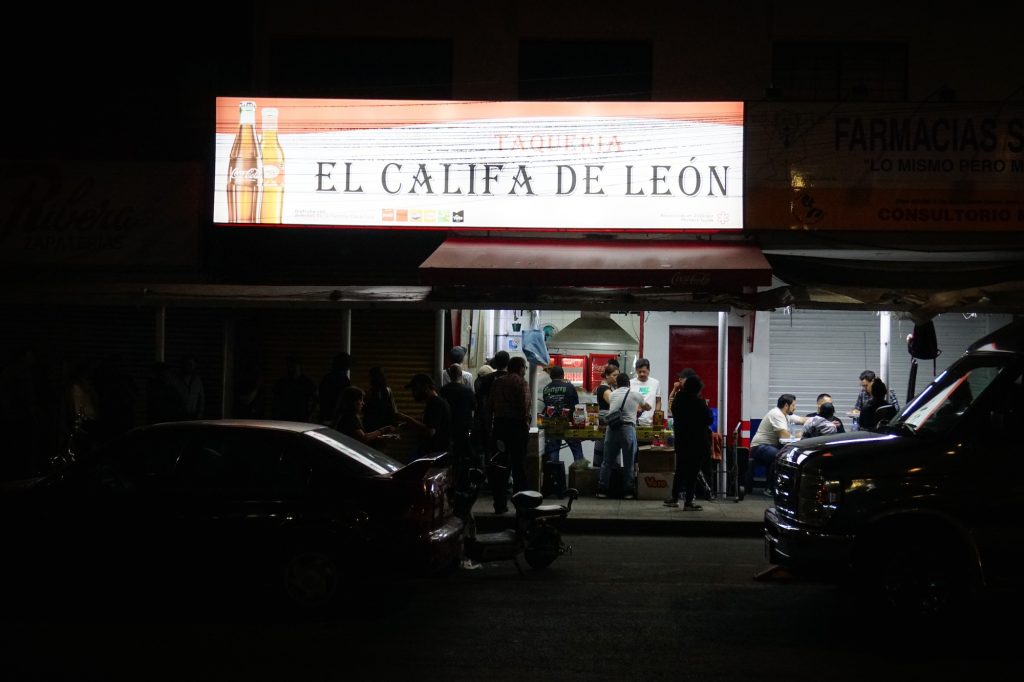
The world’s only Michelin star–rated taqueria, in Mexico City, offers just four tacos on the menu.

It’s not that a country that has maintained much of its indigenous identity and foodways needed a European-based tire company to validate its food. Still, the Michelin Guide aims a wrecking ball at the watered-down, cheesy, rich, sleeping-Mexican-on-a-saguaro representation of the cuisine that has existed around the world for so many years. “Many people don’t understand that Mexican cuisine is a ‘mother cuisine,’” says Pati Jinich, cookbook author, chef, and host of the PBS television shows La Frontera and Pati’s Mexican Table

Jinich was a political analyst before she switched to food; now, she’s the country’s most prominent advocate for defending regional Mexican food throughout her work in the United States. “It’s a global cuisine with Mexican pillars,” she says, “and has become stronger and bigger thanks to all the immigrant waves that have come into Mexico.”

Arabic shawarma gave rise to al pastor tacos. Italian pasta begat fideo, Mexican-style angel hair cooked with tomato. From France arose Guadalajara’s baguette-like birote sourdough, the basis of Jalisco’s beloved lonches and tortas ahogadas. And the distillation tools and techniques for mezcal and tequila arrived via the Manila Galleon Spanish trade route from the Philippines to Mexico. 

“Many people don’t understand that Mexican cuisine is a ‘mother cuisine,’” says Pati Jinich, chef and host of the PBS television shows La Frontera and Pati’s Mexican Table.

Mexico is also home to the world’s only Michelin star–rated taqueria, Taquería El Califa de León, located in Mexico City’s Cuauhtémoc district. Opened in 1969, it offers only four tacos, but they’re some of the country’s most simple, clean-tasting, and satisfying: seared bistec (chuck steak), grilled chuleta (pork chop), gaonera (ribeye), or costilla (beef rib). They are served on perfect corn tortillas made to order on a roller and simply adorned with a refreshing raw tomatillo salsa or a spicier and more complex red salsa made with dried red chiles.  

Bring up Mexico City to any food-obsessed person, and they will likely start shouting out their favourite spots. The capital city—or CDMX (Ciudad de México), as it is now called, instead of its old name, “Mexico DF”—is home to nearly 10 million residents and boasts more than 57,000 restaurants, making for a dining scene rife with high-low thrills. Many of its inhabitants moved there generations ago from other parts of Mexico, and visiting there is one of the easiest ways to taste the country’s vast regional variations and enjoy both traditional food and new-school modern Mexican. (To experience the best of the city today, from street eats and local markets to mezcal tastings, discover Mexico City Food Tours led by local experts.)

A Taste of CDMX

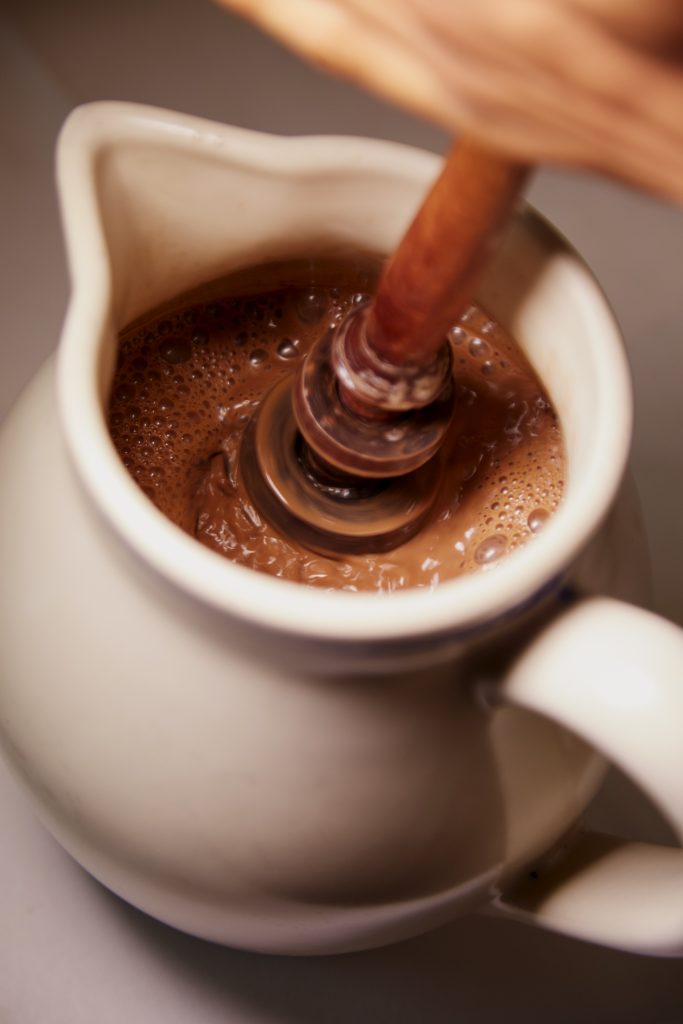
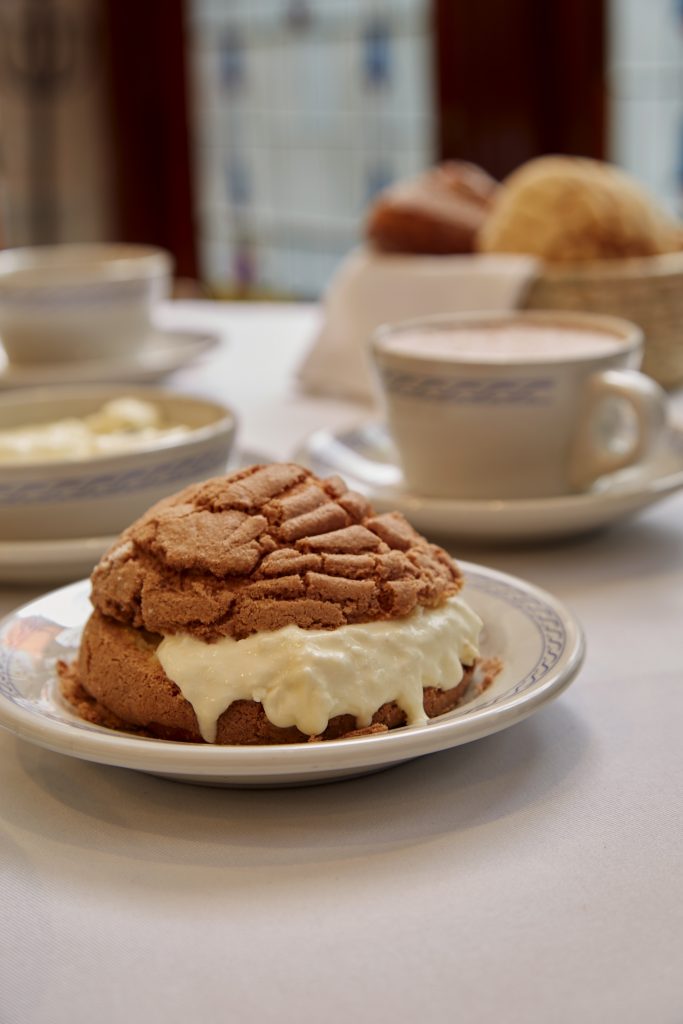
One of my favourite ways to explore Mexico City’s restaurants is to start the day at El Cardenal in Centro Histórico and admire its traditional “captain service,” where an army of lifelong waiters is always ready to refill your mug full of frothy drinking chocolate until you say “stop”—and another server is right behind them offering freshly baked warm, tender conchas (sweet bread) sandwiched with nata, a Mexican spreadable sweet cheese that is somewhere between clotted cream and stracciatella.

Frothy hot chocolate at El Cardenal.
Sweet bread with nata.

Afterward, I might walk off my breakfast through Centro’s bustling cultural sights and sounds at Templo Mayor, located next to El Cardenal, then go on to check out Diego Rivera’s magnum opus mural inside the Palacio de Bellas Artes. Mexico City is one of the most walkable cities, after all.  

For a pre-lunch snack, I would take a cab to my favourite raw bar in the world, Mi Compa Chava. It specializes in Mexico’s national seafood delicacy of scallop-like pen shell clams called callo de hacha, hand-dived and delivered every other day from Sonora. Each clam is the size of a jicama and seasoned to eye-opening levels of umami with chef Salvador “Chava” Orozco’s crushed peppercorn-like chiltepín chiles and salsas. Also obligatory is the handmade coconut soft serve, and if you are lucky enough to be there during Mexico’s mango season, their mango variation made with Colima’s rare barranqueño variety of ultra-sweet mangos.   

Next comes lunch at Oma, the Japanese omakase restaurant helmed by Abraham López, the Japanese-trained chilango (what you call someone who is proud to be from Mexico City) sushi chef at Four Seasons Hotel Mexico City. He proudly sources his menu using 90 percent Mexican ingredients, including responsibly farmed bluefin tuna, totoaba fish, and Japanese vegetables grown in Cuernavaca, Mexico City’s nearby city with warmer weather.  

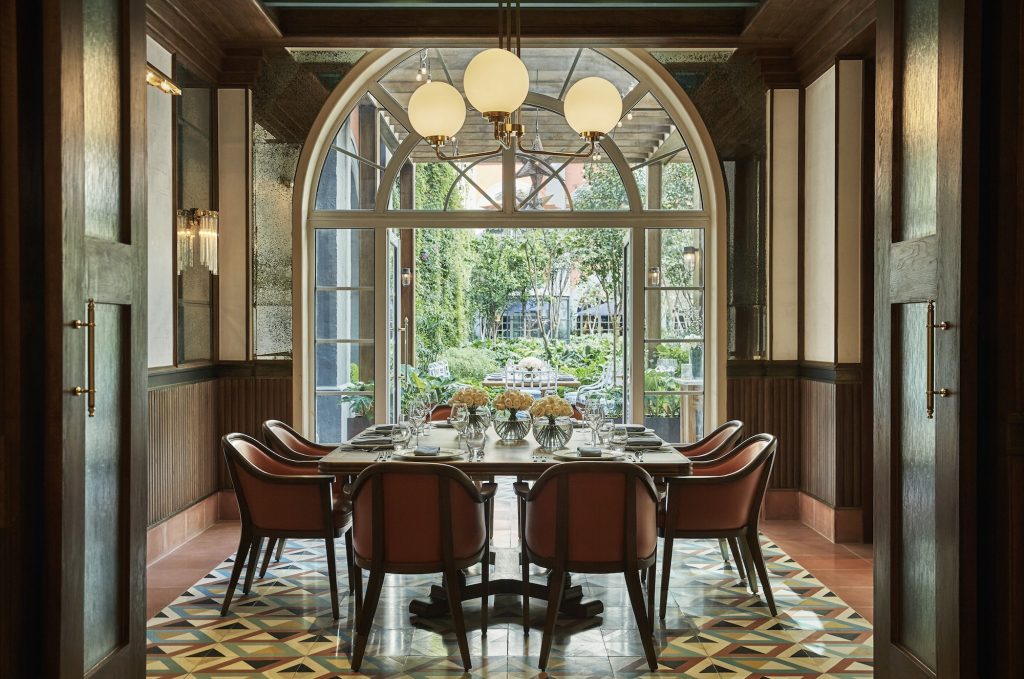
Zanaya at Four Seasons Hotel Mexico City.

López sees many parallels in Mexican and Japanese cuisines, because they both greatly respect ingredients and tradition. “I carry the Japanese spirit of wanting to get better every day,” he says.  

Omakase and tastefully inspired Mexican sushi are having a moment in Mexico, with restaurants like Oma calling dibs on prized seafood like toro and uni before it departs to Tokyo. On López’s menu, he takes inspiration from his Oaxacan roots and his mother, and he grates cacao onto Baja-grown kampachi and sears it so it’s juicy and filled with sweet and salty flavours. “Omakase does not have to be monotonous,” he says. “My favourite moment is when Japanese and Korean customers are skeptical about having a Mexican omakase and leave surprised and shocked to hear that our seafood is all from Mexican waters. I love changing perceptions.”  

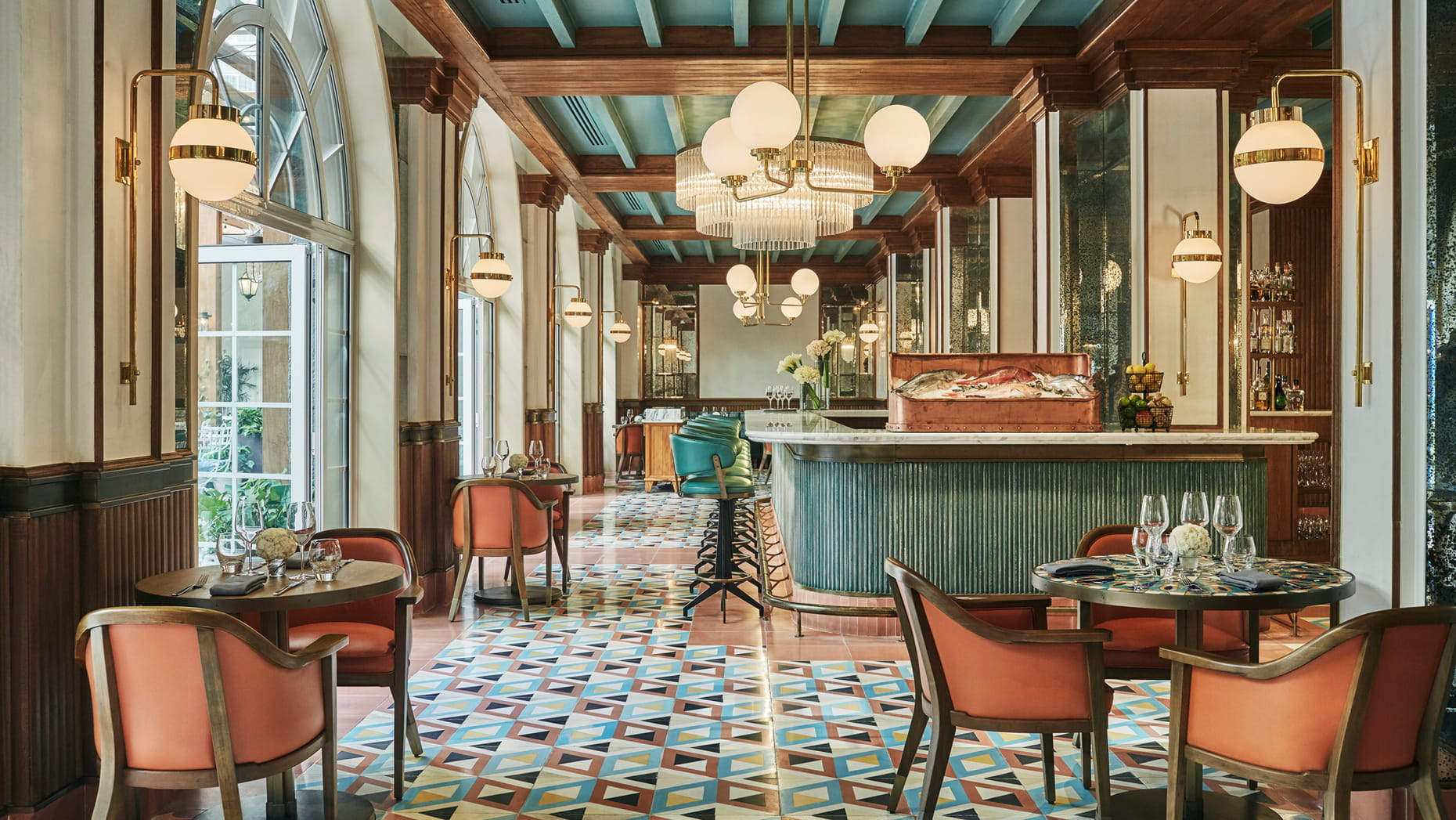
For a more traditional coastal dinner, visit Zanaya, the innovative Mexican seafood restaurant at Four Seasons Hotel Mexico City. Its menu is influenced by the cuisine of the state of Nayarit—a true Mexican seafood powerhouse. There you can make your own tableside tacos with the menu’s smoky pescado zarandeado (fire-grilled fish) or try the electric-like aguachile, which is as spicy as it is refreshing. Either dish will transport you right to the Bahía de Banderas at first bite. 

Keval and Listman of Masala y Maíz. Photograph by Ana Lorenzana
A fusion of global flavours at Masala y Maíz. Photograph by Ana Lorenzana

A mind-melting dinner—equal parts art, food, politics, and deliciousness—awaits at Masala y Maíz. Chefs and owners Norma Listman and Saqib Keval are among Mexico City’s most passionate advocates for human rights. They let it be known through a revolving “call to action,” a radical phrase posted on the front of their menus, and through interactions with their servers.  

It’s a thinking person’s restaurant that melds South Asian, East African, and Mexican flavours and techniques in one stunning setting. Standout dishes include coconut milk esquite (warm shaved corn in broth), large shell-on prawns gently cooked in vanilla bean–perfumed ghee, and a vegetarian infladita de maíz, which one eats like India’s street food, pani puri. The wine list is all natural grapes and the kind of juice that sparks a conversation with your dining companion, sometimes by the colour alone as it is poured. 
To end my ultimate day of indulging in CDMX, I would head to Enrique Olvera’s lesser-known lo-fi mezcal bar, Ticuchi, where guest deejays spin vinyl. Olvera is Mexico’s most prolific chef and the pioneer of modern Mexican food. His flagship restaurant, Pujol—featuring a tasting menu and a taco omakase bar—was awarded two Michelin stars last year.  
Ticuchi is his much more laid-back concept. Its six different margarita variations are all refreshing in their own way, and the more alcohol-forward “Nosferatu” Negroni, infused with cacao blossoms, is one of the best cocktails in the city. Olvera-approved bar snacks include the utterly sensational tamal de esquite.  

Transformational Travel: Connecting with the World and Yourself

Visiting a new destination is more than an exploration of unfamiliar lands—it’s an exploration of self. If you’re willing to cast off traditional ideas about travel and welcome something different, perhaps even something that pushes you beyond the limits of personal comfort, you can unleash your creativity, shift your perspective in subtle yet extraordinary ways, and experience the world with intention.

Follow four bold travellers to some of their favorite destinations and learn how these places and their experiences there shaped the way they view the world and connect with it. You’ll discover that what you fear may be too daring is the starting point for truly transformational travel.

Commune with nature to connect with yourself

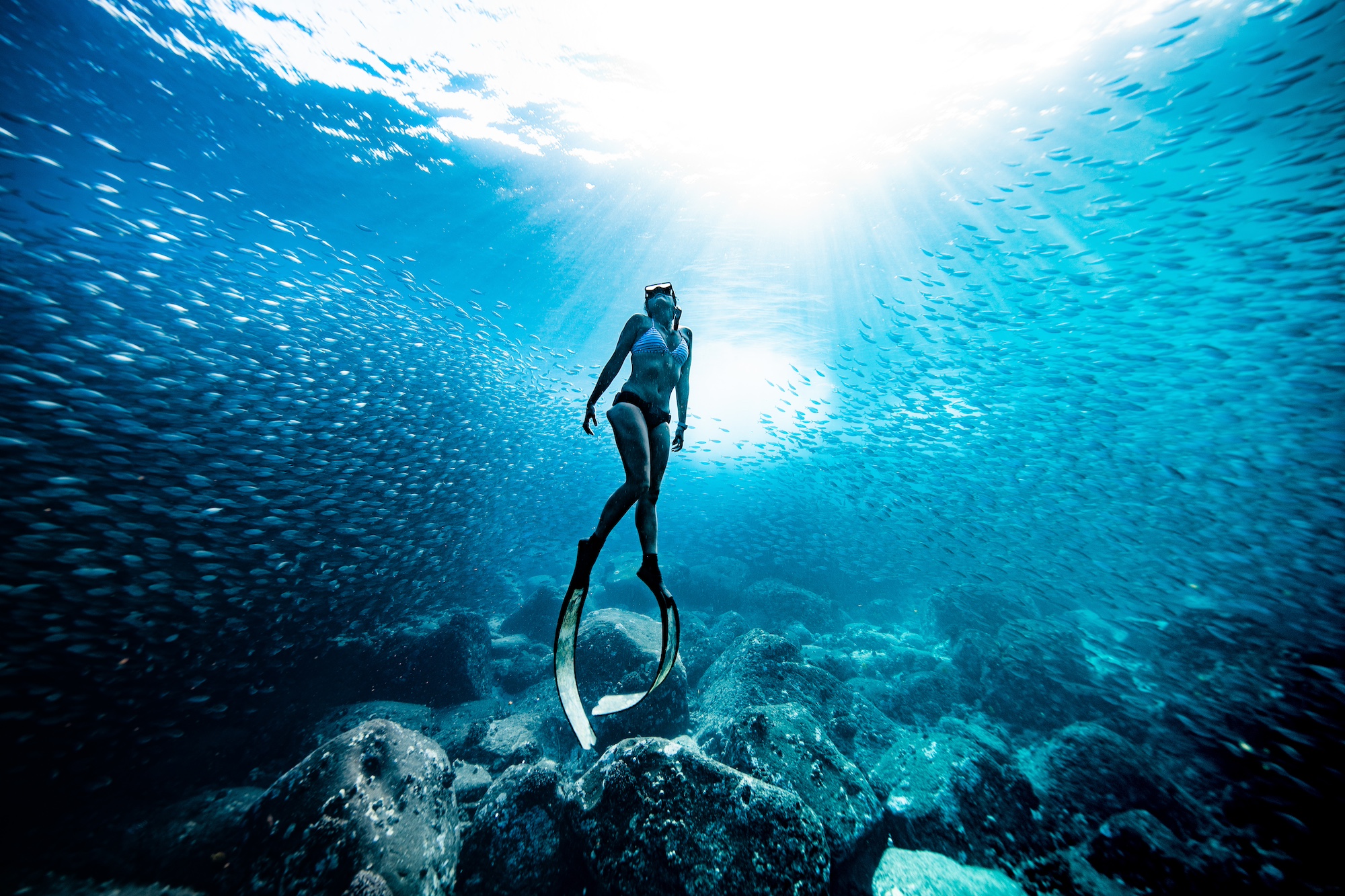
To say Kimi Werner is comfortable in the water is a vast understatement. As a child growing up in coastal Maui, she would often go snorkeling with her father as he free-dove and spearfished (what he caught was the family’s main source of food). And as an adult, Werner continues to find the ocean at the center of her life—and career(s): She is a U.S. National Spearfishing Champion, a bold free diver, a seafood-focused chef, and an ocean conservationist.


Kimi Werner Hualalai Experience, Photo by Perrin James

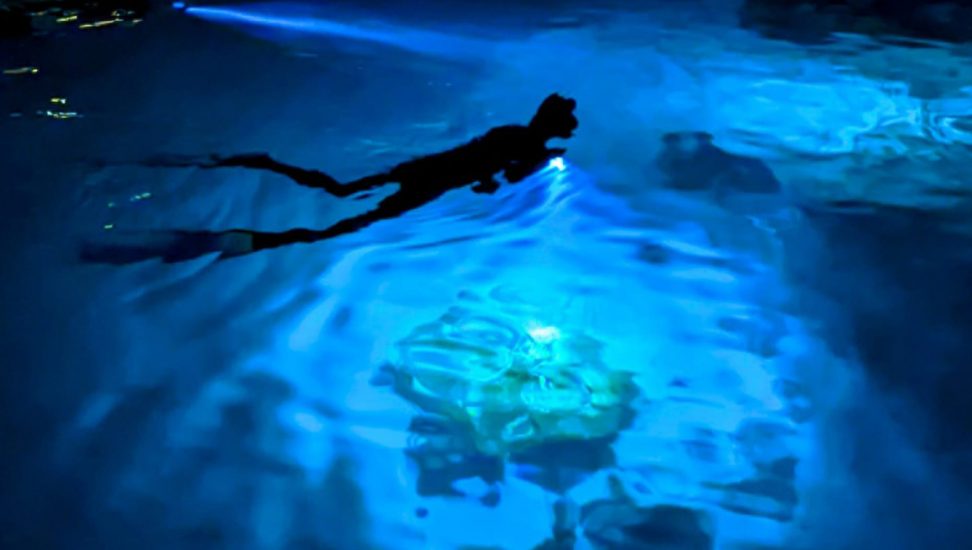
Free diver and U.S. National Spearfishing Champion Kimi Werner in her element.

Werner has traveled all over the world—even to Antarctica—in pursuit of natural beauty and in service of protecting it, but her favorite place to explore remains her home state of Hawaii. She and her family live on Oahu’s North Store, which, she says, “still does function as a small town.The community is very much in tune with nature, and a lot of people live here because they want nature to dictate their lives, their choices, their schedules.”

Her top destination when it comes to Oahu? “Waimea Bay is hands down my favorite beach, and I think it’s one of the most magical places in the world. Whenever I go, I find myself questioning why I travel so far when I have something so beautiful right here.” For hiking enthusiasts, she recommends Keālia Trail (“I call it the StairMaster of the North Shore”) and Ka’ena Point Trail, where there is a bird sanctuary. All of these breathtaking spots are within a 45-minute drive of Four Seasons Resort Oahu at Ko Olina, which offers a morning or sunset Ma’ili Pillbox Hike for a closer hiking experience.

Explore the outdoors in Oahu

At Four Seasons Resort Hualālai, situated on an expansive stretch of coastline on the Big Island of Hawaii, you can get a taste of what it feels like to explore the ocean’s depths and push your physical limits via the Kimi Werner Freediving Experience, in which as many as four guests can spend two half-days learning to free dive with the national spearfishing champ. The package includes a four-course private dinner crafted by the resort’s executive chef, Richard Polhemus.

Let creativity lead to self-discovery

Whether you’re exploring the world or exploring creative pursuits, you’ll find one common thread: The most meaningful experiences occur when things happen unexpectedly. Unplanned adventures and thinking beyond the expectations of a typical vacation may lead to a deeper connection with your destination and yourself.

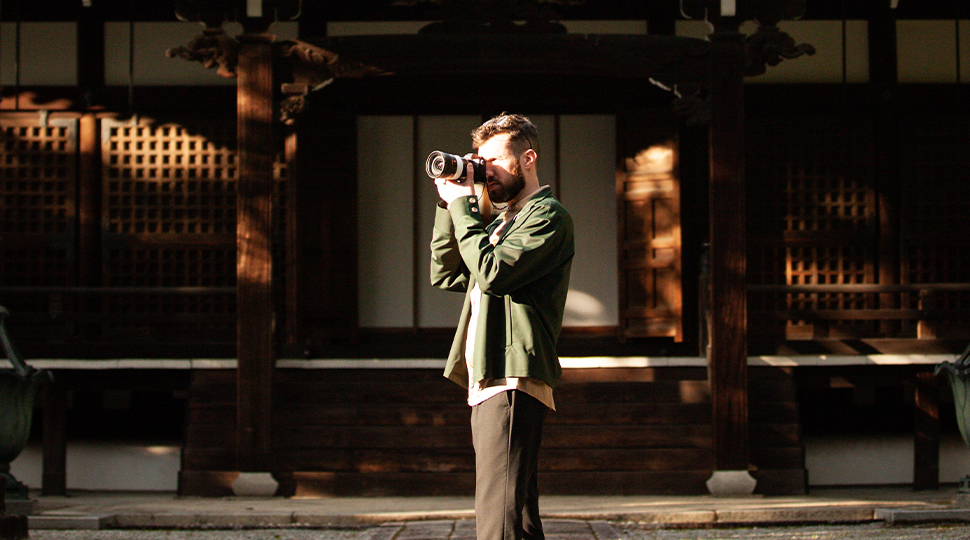
Person wearing olive green jacket and brown pants stands looking through a camera

Photographer Dave Krugman captures a golden-hour moment in Kyoto.

Just ask photographer and creative director Dave Krugman. His numerous world travel experiences – including time spent in Kyoto – have led him to believe that one of the most essential elements of a successful trip, regardless of destination, is keeping an open mind.

“I try to leave a lot of breathing room for spontaneity and serendipity, because my favourite moments are when something happens, the path diverges, and I’m exposed to this thing that I couldn’t have planned even if I wanted to,” he says.

In Kyoto, those moments could be immersing yourself in the world of geiko and maiko – kimono-clad entertainers who perform traditional song and dance – and an ozashiki asobi dinner in one of the city’s historic geisha districts. Or learning the art of Zen meditation from the deputy head monk of Shoden Eigen-in.

Free your creativity in Kyoto


During his stay at Four Seasons Hotel Kyoto, Krugman discovered a variety of new people, environments and experiences: A hotel guide led him on a tour of an ancient bamboo forest, and the Concierge arranged a visit to a local lantern workshop, where artisan lantern-makers taught him how to carefully layer thin sheets of paper over a frame to build his own mini lantern.

Even the Hotel’s atmosphere provided opportunities to connect with the culture and history of the city. Set around the 800-year-old Shakusui-en pond garden – one immortalized in a 12th-century epic poem – every setting at Four Seasons is carefully crafted with purpose.

Krugman cites travel as one of the biggest influences on his photography and his relationship with the world around him. “There is nothing more inspiring and invigorating than travel,” he says. “It always shows me that the world is so much larger than we imagine, so much more diverse. Witnessing this complexity and the vastness of the world is a humbling feeling, and it inspires me. Photography allows me to connect more deeply with all I see and experience.”

Redefine your own horizons

There are many valid reasons to talk yourself out of the adventure of a lifetime – a lack of travel companions, language barriers, concerns about food. But writer and entrepreneur Jessica Nabongo believes that embracing the unfamiliar in spite of your worries can improve your life and deepen your understanding of connection. She also believes that being afraid has no place in a travel itinerary.

Two people sit at a dining table with a large bouquet of white and pink roses in the center, with a person wearing a dark blue suit pours wine in a glass

Writer, entrepreneur and world-traveller Jessica Nabongo enjoys the Michelin-starred cuisine at Il Palagio.

“I would say that my travel philosophy is to travel without fear,” says Nabongo, the first Black woman to visit all 195 countries in the world. “I’m constantly living outside of my comfort zone. I think my comfort zone is discomfort,” she quips.

In Florence, one of Italy’s most beautiful cities and the centre of the cultural and intellectual revolution that swept through Europe during the Renaissance, Nabongo leaned into the unfamiliar to become uniquely acquainted with the region. A truffle-hunting excursion led her through the scenic Italian countryside, while a Michelin-starred dining experience and tours of iconic landmarks – like the Duomo, with its distinctive terracotta-tiled dome – offered new perspectives of the storied city.

Uncover fresh perspectives in Florence


Aside from abandoning fear, Nabongo’s second travel philosophy is to explore new places with a positive mindset: “I always say positive energy coats my stomach, because I’ve never had food poisoning!”

Arguably, sampling local fare is among the easiest ways to connect with a new place, a new culture and new people. In Florence, that could mean queueing up with the locals to eat lampredotto at one of the city’s myriad food stands. Or it could mean indulging in an intimate sunset dinner at the renowned Ponte Vecchio, the city’s signature arch bridge. Available exclusively to guests of Four Seasons Hotel Firenze, the bridge’s only open-air terrace provides a romantic setting for a decadent meal above the glittering jewellery boutique Dante Cardini.

Travelling with a reasonable amount of abandon can alter our perspective and shape the way we connect with the world around us, with others – and with ourselves. It can even change how we think of travel. For Nabongo, each new adventure doesn’t involve leaving home, but arriving there. Her experiences with hospitality in Florence and beyond have taught her to appreciate the fact that any destination is just as much about the people as it is about the location.

“For me, now, home is in people,” she says. “Yes, I physically live in Detroit, but I have homes in London, Accra, Dakar, Bangkok, Rome – I can think of so many places that I have homes because my people are there.”

Travel with intention for deeper cultural immersion

Trips all too often become mired in travel itineraries: Sights to see, foods to eat, things to do. Recommendations from friends or something you saw on social media. The pressure to check items off a list becomes so great that a long-awaited getaway can quickly turn into a chore instead of a rewarding experience.

Three people stand on the edge of a sail boat as the sun sets behind them

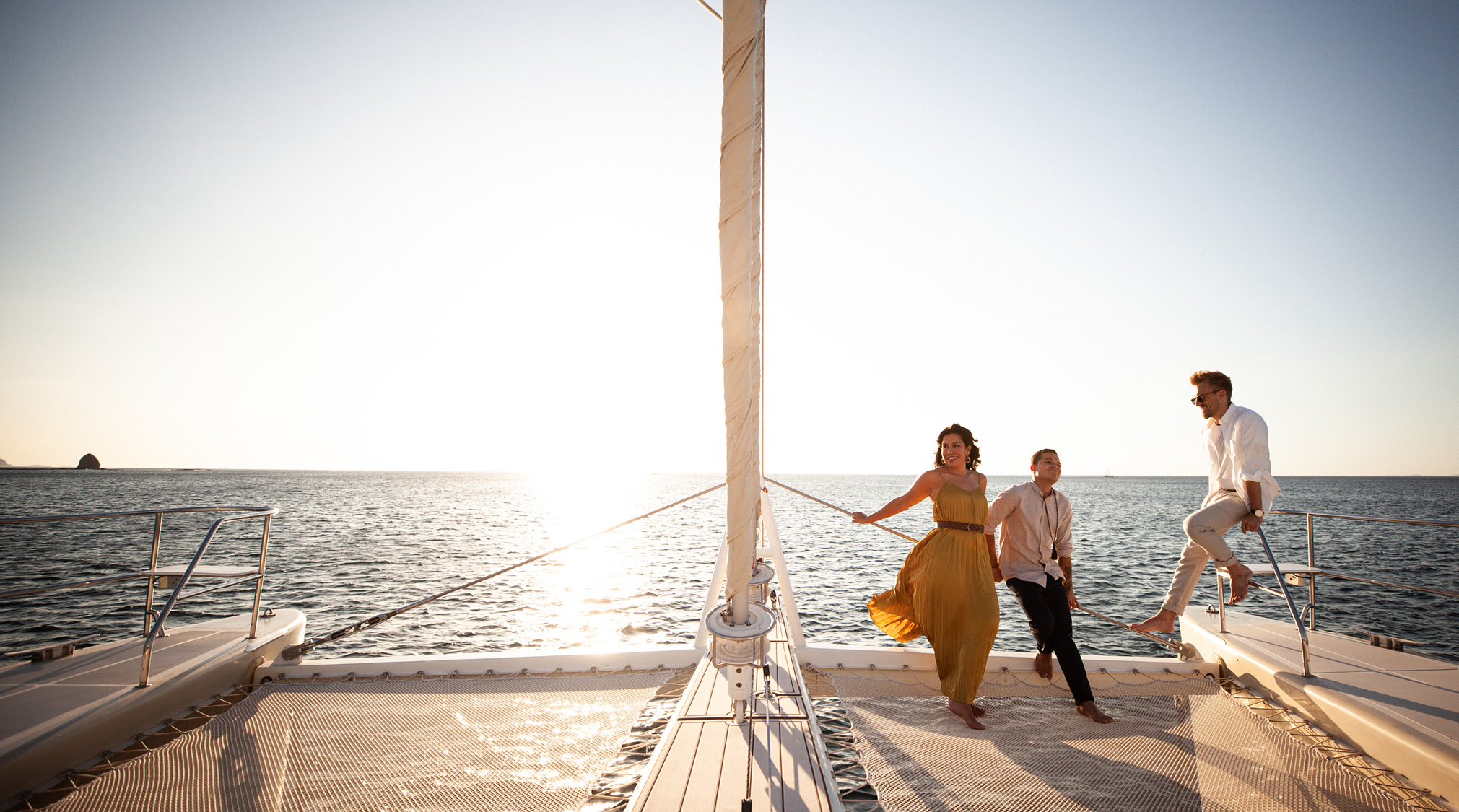
Social entrepreneur, yogi, activist and mountaineer athlete Georgina Miranda sets sail in Costa Rica.

Georgina Miranda, who cites yoga and energy practice among her laundry list of talents, thinks about this a lot. She believes travel that’s overly focused on getting things done can limit your ability to truly arrive at a destination and connect with it. Instead, she suggests giving yourself 20 to 30 minutes upon arrival to be present in the moment without any obligatons. “It’s this art of being versus doing,” she says. “And I think Western culture really encourages us to constantly be doing, so we miss out on so much magic.”

Costa Rica is one of the destinations where she lets her senses capture that magic – the sight of verdant rainforests, the sound of waves rushing to shore, the cool mist of a thundering waterfall, the salty scent of the ocean breeze.

“It’s been in the recent years that [I realized] my travelling has changed so much,” she says. “I no longer want to see the world – I want to feel the world. And that really shapes how I travel.”

Practice mindfulness in Costa Rica


Tucked between unspoiled beaches on the north Pacific coast, Four Seasons Resort Peninsula Papagayo, Costa Rica, is surrounded by rugged yet tranquil natural beauty that eases into your psyche, connecting you to this lush paradise. This coastal retreat offers unrivalled access to some of the world’s most unique habitats. There, you can witness monkeys leaping from limb to limb during an exploration of the mystical cloud forest Monteverde, or venture into the mangroves and paddle through incredible tree and root systems to see the rich diversity of wildlife found in this serene sanctuary.

“If you’re open enough, you can let a lot of wonderful things come into your life when you travel,” says Miranda. “It snaps you out of autopilot and it gives you the opportunity to wake up to yourself again.” In Costa Rica, that experience could come in the form of a yoga session or meditation class at the Resort’s Spa to help you find your balance or set your intention for the day. The on-site Wellness Concierge can design a custom plan with you to help your best self emerge – centring your breath, body and mind to restore balance.

“There’s a moment when travelling that you realize you will never be the same because of what you’ve experienced,” Miranda says. “You have felt, touched, tasted and been immersed in a new reality, and so now your own reality is different.”

YOUR JOURNEY BEGINS HERE

How will you connect with the world?

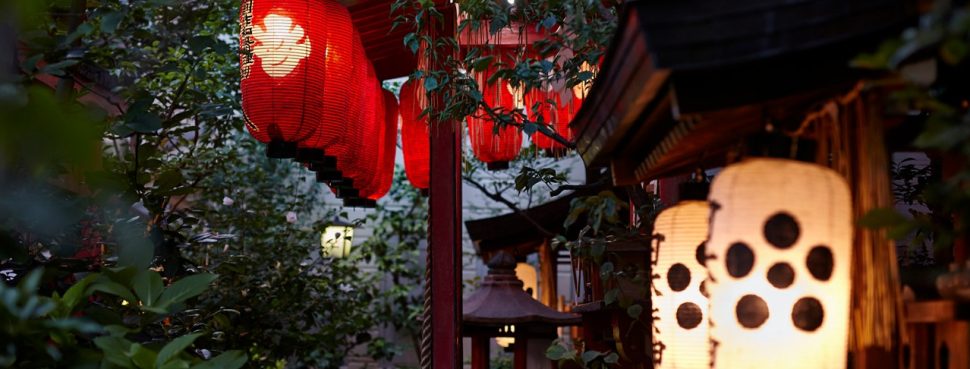
Kyoto lanterns