The Culture Cut: A Museum Opening, the Return of Gold, and Other Spottings from Around the World

Heads up: there’s a new gold rush coming; the Middle East is the hot place to be for art lovers; and Hawaii has two just-opened, must-try sushi restaurants. Here’s what’s on our radar from the world of art, culture, style, and fine dining.

See

Richard Serra in Qatar
Serra’s East-West/West-East sculpture.  Photograph by Iwan Baan, courtesy of Qatar Museums.

Art in the Desert: Extraordinary public art pops up all over Qatar’s capital city of Doha—home to both Four Seasons Hotel Doha and Four Seasons Resort and Residences at the Pearl-Qatar. But two unexpected monumental sculptures are worth seeking out in the country’s remote desert. Richard Serra’s steel monoliths loom over the sands of the Brouq Nature Reserve, while Olafur Eliasson’s Shadows Travelling on the Sea of the Day in Al Zubarah uses mirrors and metal rings to create a disorienting yet dazzling experience. —Nicola Chilton  

Cascading Roses at the Frick
Porcelain roses at the Frick. Photograph by Joseph Coscia Jr./The Frick Collection.

The Frick Collection: The storied New York City museum has emerged from a glorious renovation of its Beaux-Arts building and gardens, welcoming visitors to the second floor for the first time and featuring an exhibit of porcelain flower works by sculptor Vladimir Kanevsky. Located on East 70th Street between Madison and Fifth avenues, the esteemed museum is just blocks away from Four Seasons Hotel New York City. 

Grand Egyptian Museum
The Grand Egyptian Museum

Grand Egyptian Museum: After a partial debut last fall, the GEM celebrates its highly anticipated full opening this November. Housing more than 100,000 artifacts, including a colossal statue of Ramses II, and affording panoramic views of the Pyramids of Giza, the archaelogical institution located outside Cairo will finally unveil the Tutankhamun Galleries, featuring thousands of items laid to rest with the boy king (he was nine years old when he assumed the throne) and displaying them together under one roof for the first time. —NC 

Eat

Komo at Four Seasons Resort Maui
Komo at Four Seasons Resort Maui at Wailea

Island Fresh: Two sublime sushi spots recently debuted in Hawaii. Graced with the Hawaiian name for a subspecies of the black noddy seabird, the Big Island-based Noio is an intimate space perched above Four Seasons Resort Hualālai’s ‘Ulu restaurant. Chef Nuri Piccio’s delectable creations range from Japanese Wagyu tempura and sake-steamed chicken to the crown jewel, a seven-course omakase experience. For the new restaurant Komo—inside Four Seasons Resort Maui at Wailea—the Tokyo-born chef Kiyokuni Ikeda flies in a selection of fresh seafood each week from Japan’s Misaki Megumi Suisan. Komo’s signature Mystery Box is a choice way to experience Ikeda’s masterful, precise method with nigiri while enjoying the element of discovery. 

Shop

Rolex Oyster Perpetual 1908
Rolex’s Perpetual 1908

Gold Watches: After years of stainless steel being the metal of choice for luxury watches (think steely examples of the Rolex Daytona, Audemars Piguet Royal Oak, and Patek Philippe Nautilus), the tide is shifting to designs crafted in precious metals, especially gold. At this year’s Oscars, Timothée Chalamet, Sebastian Stan, Kieran Culkin, and Robert Downey Jr. brandished gold timepieces on the red carpet, and sale prices of pre-owned gold watches are on the rise. In Switzerland at the recent Watches and Wonders fair, standout watches gleamed in timeless gold, among them Rolex’s stunning new Perpetual 1908 dress watch and Chopard’s latest L.U.C model featuring a sublime astronomical moon-phase display. —Degen Pener 

Versace La Vacanza
Sneakers from Versace’s new summer collection

Versace’s La Vacanza Collection: Seaside chic enjoys a maximalist interpretation in the Italian label’s new summer fashions. Dario Vitale, the brand’s chief creative officer, has rendered iconic Versace motifs in sea and sand hues to create must-haves, like the Mercury M_VS_01 Sneakers (shown), that epitomize casual glamour. Versace supports the reef restoration efforts of the Coral Gardeners nonprofit in French Polynesia. —Laurie Brookins 

Saint-Louis Twist Collection
Saint-Louis’s Twist collection

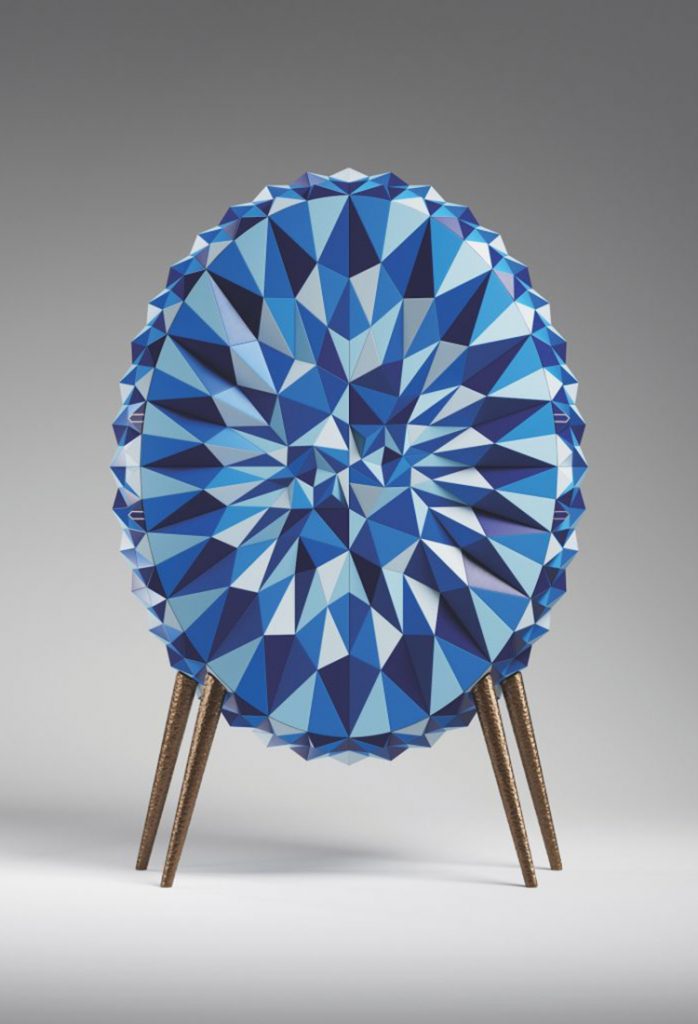
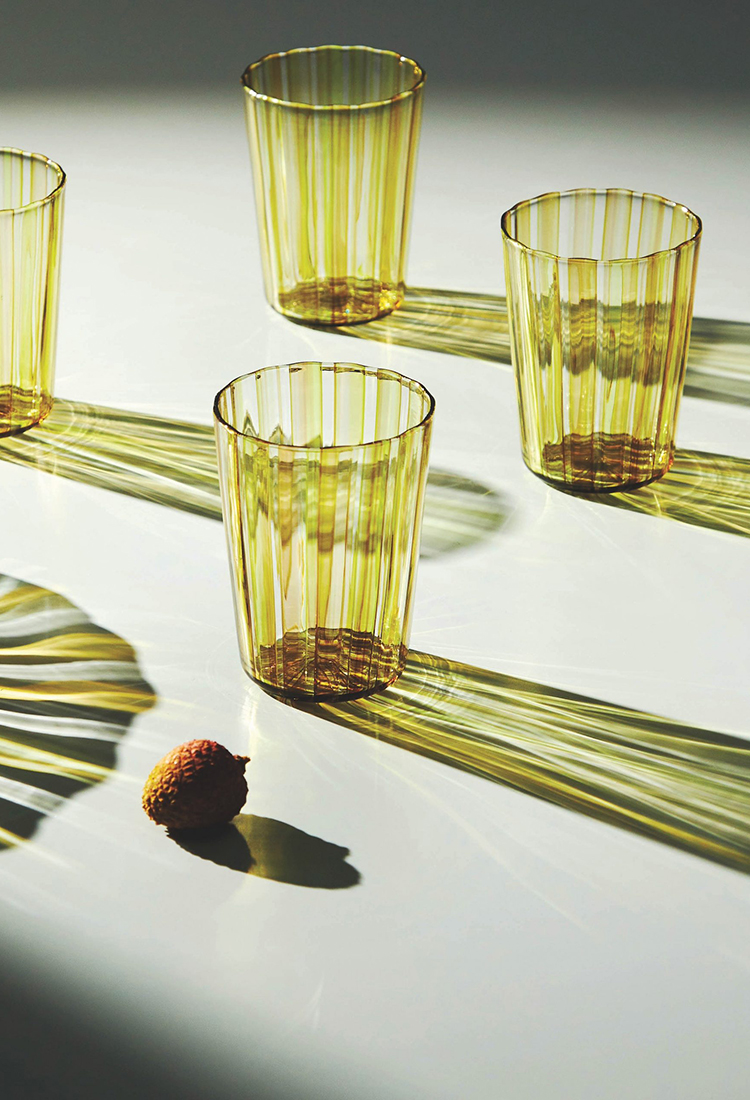
Elegant Stemware: Saint-Louis—crystal glassmaker since 1586 in France’s Moselle département—has released a collaboration with Nicolas Julhès, co-founder of Distilllerie de Paris, which crafts gin, vodka, and rum in the French capital. The new Twist 1586 collection includes a decanter and long-stemmed glasses with Venetian ribs that guide the liquid to the mouth. —LB  

Spa

Four Seasons Bali at Sayan
A sacred nap at Four Seasons Resort Bali at Sayan

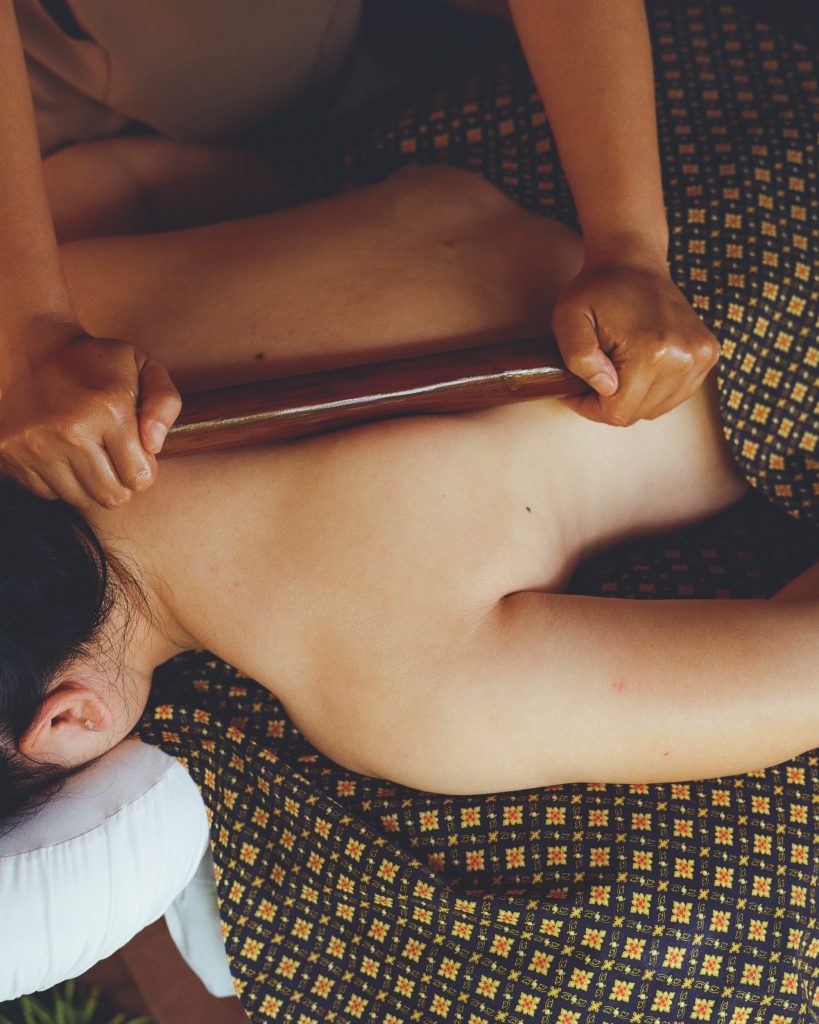
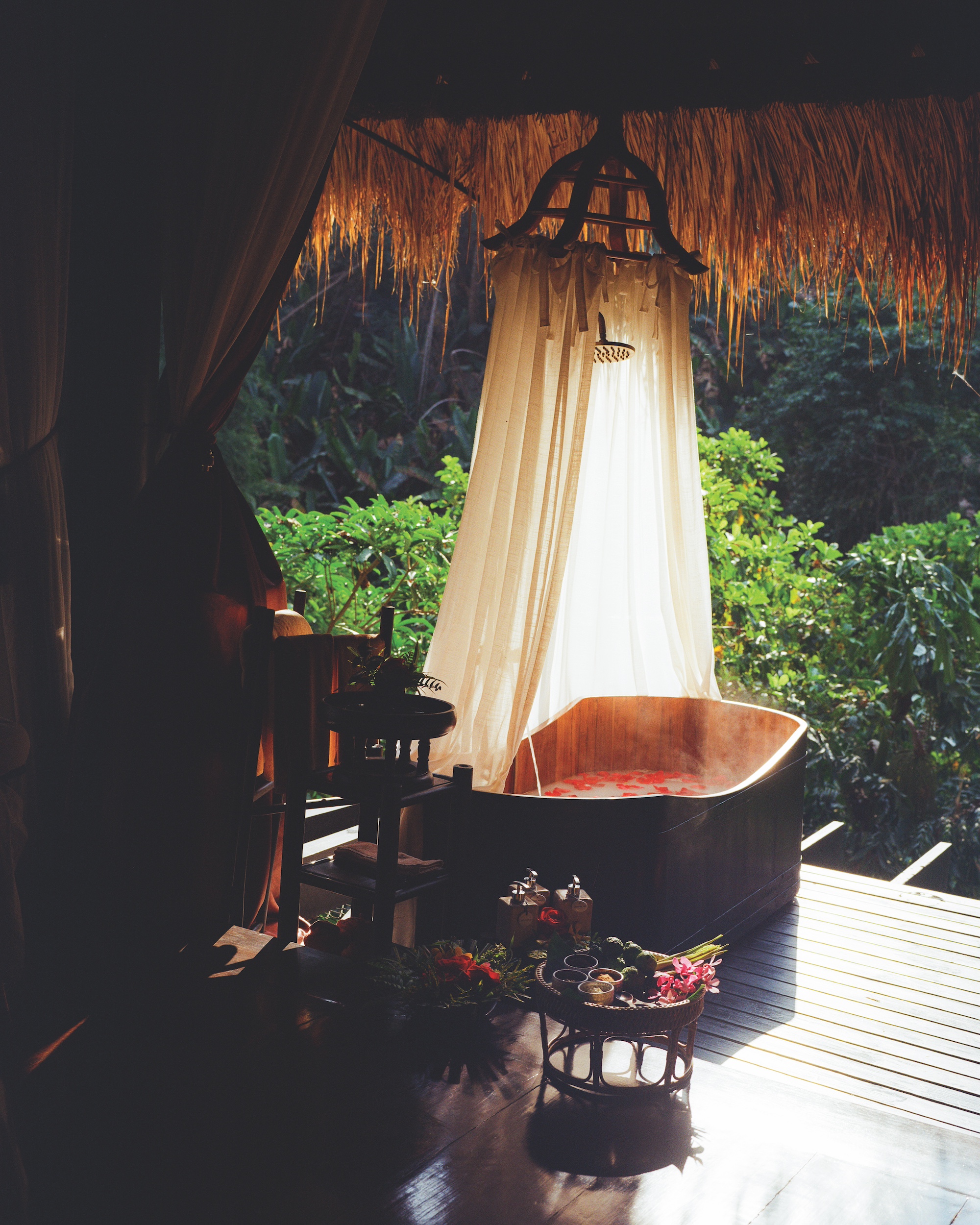
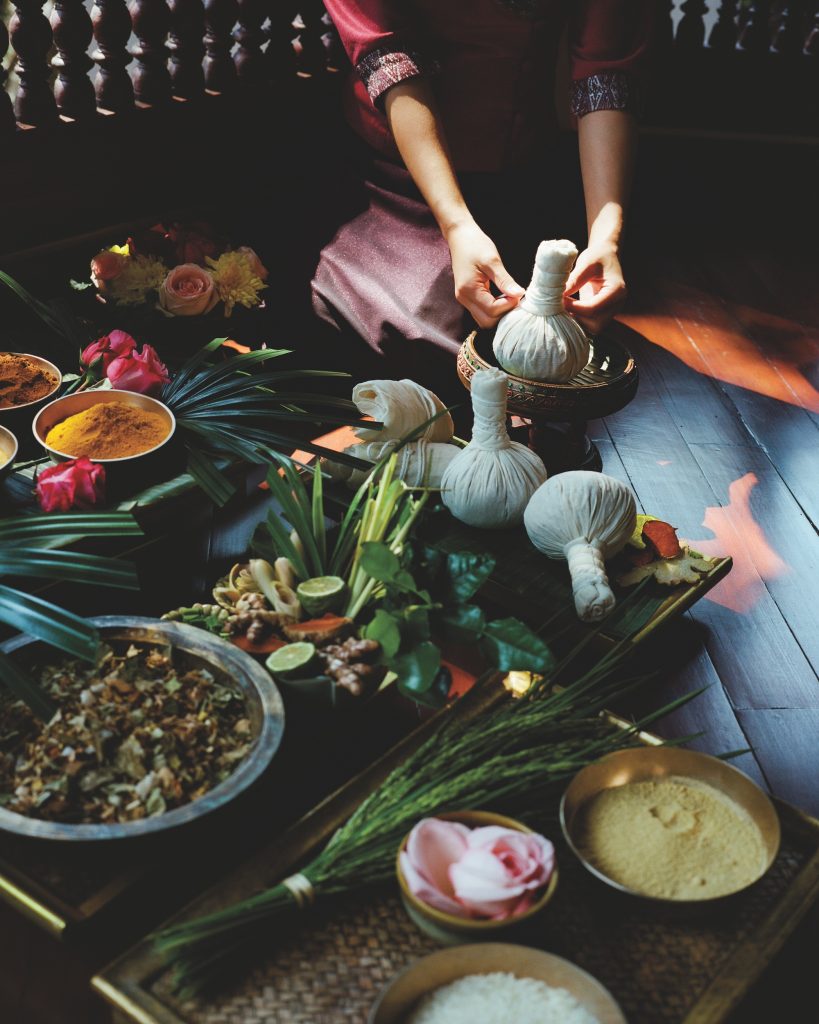
Bali Bliss: The Indonesian island known for yoga retreats and spa escapes is more attuned to well-being than ever before, thanks to a new six-night immersion across two distinctive Four Seasons resorts. The escape draws inspiration from the fundamental Balinese concepts of sekala, the tangible or visible, and niskala, the intangible or invisible. “I see it as an awakening journey,” says regional director of spa Luisa Anderson in reference to The Seen to the Unseen, which takes guests from the oceanfront Four Seasons Resort Bali at Jimbaran Bay to Four Seasons Resort Bali at Sayan, located in a river valley near Ubud. The physical body is the primary focus at Jimbaran Bay, where classes and treatments at the Healing Village Spa include AntiGravity yoga, Pilates, massage, volcanic mud masks, ice baths, and infrared therapy. After a transfer to Sayan, guests have their spirits soothed at the Sacred River Spa with chakra ceremonies and mystical therapies, among them the gentle Restu Bumi ritual featuring Balinese instruments such as the gong and the sacred genta bell. Says Anderson, “It feels like Mother Bali cradling me in her arms.” —Kathryn Romeyn 

Secret’s Out: 5 Hush-Hush Four Seasons Speakeasies

The latest example of the everything-old-is-new again trend? Speakeasies, bars with hard-to-find entrances, no signage, and an undeniable air of mystery and exclusivity. Today’s versions of the American Prohibition era staple, of course, are perfectly legal, but they retain the sexy, enterprising spirit of their forebears. Here are five hidden-gem watering holes at Four Seasons properties around the world.

80 Proof

80 Proof at Four Seasons Jackson Hole
At Four Seasons Resort and Residences Jackson Hole.

This hidden 750-square-foot bar offers an array of cocktails, zero-proof concoctions, wine, and beer. Maroon tiles, red velvet curtains, leather chairs, and soft lighting lend the space a low-key moodiness. 

Find it: Through a door concealed behind a painting. 

Must-try: “My favourite house cocktail to build is our Pedro Romero. Not only is the cocktail perhaps our most visually compelling, with multiple different coloured layers, but it also showcases a very unique glassware shaped as a glass powder horn,” says lead mixologist Nick Gatz.  
 

Four Seasons Jackson Hole Exterior
Four Seasons Hotel Nashville Mimo

Bandista

At Four Seasons Hotel Houston

Inspired by the story of tequileros who smuggled liquor to the United States during Prohibition, this sexy-meets-swanky, 20-seat lounge has an impressive and extensive collection of tequilas, mezcals, and raicillas

Find it: Via a service elevator, through a kitchen, and, with a secret code, behind a bookcase. (Reservations are required.) 

Must-try: The Almost Famous, featuring Los Siete Misterios Coyote mezcal, roasted pineapple- and epazote-infused Dolin Génépy le Chamois, charred citrus, and Scarlet Aperitivo. The secret ingredient is “paparazzi,” says beverage manager Johnathan Jones. Yes, paparazzi. You’ll have to try it to find out just what that means. 

Four Seasons Hotel Houston Exterior
Four Seasons Hotel Nashville Mimo

Charles H.

Charles H. at Four Seasons Seoul
At Four Seasons Hotel Seoul

This buzzy, gleaming, glamorous drinking den is named after bon vivant Charles H. Baker, an American author known for his writings about cocktails. On July 31, a new eight-seat bar concept called the Lab of  Fine Drinking: H. Bar will make its debut in the most discreet corner of Charles H.  

Find it: Behind an unmarked door in the basement. 

Must-try: The Birthday Boy, a citrus-flavoured drink “stirred on ice and poured into a glass decorated with gold leaf, then garnished with a piece of orange chocolate crafted by my marvelous pastry team,” says the head bartender of Charles H., Odd Strandbakken. 

Four Seasons Seoul Exterior
Four Seasons Hotel Nashville Mimo

Epilogue

Epilogue at Four Seasons Orlando
At Four Seasons Resort Orlando at Walt Disney World Resort

If the name doesn’t give away this bar’s luxe library theme, the card catalog holding the reservations certainly will. The selection of cocktails tells “the story of Florida’s heritage,” says lead mixologist Jaclyn Keogh.  

Find it: Once you make a reservation, you’ll be presented with clues to the bar’s clandestine location. A library card–styled electronic key opens the unmarked door. 

Must-try: Epilogue keeps its menu confidential, but Keogh shares that one of the bar’s most popular cocktails uses several ingredients from local farms: “It’s a guest favourite because of its element of surprise.”  

Four Seasons Orlando Exterior
Four Seasons Hotel Nashville Mimo

Properous Penny

Prosperous Penny at Four Seasons Westlake
At Four Seasons Hotel Westlake Village

The vibe is old-school charm, complete with Chesterfield sofas and navy wood-paneled walls. “It’s the kind of place that makes you want to sit down, sip slow, and stay awhile,” says beverage manager Diego Torres. 

Find it: Via an unassuming, unmarked door off the lobby. 

Must-try: Prohibition-era drinks with a twist. The bar takes classics (the bee’s knees, the sidecar, the old-fashioned) and elevates them “with house infusions, fresh herbs, or handcrafted syrups,” says Torres. 

Four Seasons Westlake Village Exterior
Four Seasons Hotel Nashville Mimo

To learn more about all the stellar bars at Four Seasons, head here.

Luxury Redefined: Fine Dining’s New ‘It’ Ingredients

What if luxury is not what you think it is? We tend to view certain foods as fixed and universal signifiers of “living well.” These are the ingredients that make everyone at the table smile and sigh when the server mentions them, and they’re the ingredients that usually come accompanied by a supplement, meaning that the server is happy to ask the kitchen to dollop or shave one of them onto your dish as long as you’re amenable to paying an extra $100 or so. Truffles, caviar, foie gras—behold the Three Musketeers of haute cuisine, with uni increasingly cast as the young D’Artagnan who has joined forces with the classic trio. Such ingredients have become so entrenched in contemporary menus, so ubiquitous, you might assume they’ve always dominated the epicurean conversation. 

But luxury evolves—it moves around. One era’s cattle feed is the next era’s pricey indulgence. As the food essayist and New York Times critic Ligaya Mishan has written, “In medieval Russia, caviar was a peasant staple, less expensive than fish itself.” So abundant were the briny sturgeon eggs, and so removed from any idea of fanciness, that once upon a time, country folks shoveled heaps of caviar to their pigs “to fatten them up,” as Mishan tells us. (Lucky swine!) 

Luxury is evolving right now, too, and the new idea of opulence often manifests in subtle ways. Beyond the realm of caviar and truffles, there are other ingredients whose appearance on a menu tells you that the chef is thinking deeply about the art of cooking and the experience of pleasure. Maybe the chef has decided to elevate staples, such as rice, corn, and butter, or draw on ancient methods of intensifying flavour by drying out an ingredient, be it salty mullet roe or a sweet persimmon. Here we present five examples of extravagance-in-evolution: five ingredients that represent la dolce vita in 2025, even though they’ve been around for centuries. 

Heirloom Masa

Heirloom Masa, Photo by Vanessa Granda, Food Styling by Pearl Jones
Photograph by Vanessa Granda; food styling by Pearl Jones.
Photograph by Maureen Evans.

Dine in one of lauded chef Enrique Olvera’s restaurants—maybe Pujol in Mexico City, Cosme in New York, or Damian in Los Angeles—and you realize that few things come close to the deep, glorious earthiness of a tortilla made with heirloom masa. In fact, Olvera himself speaks of this ingredient in almost mystical terms: “The ability to taste the place,” he says. That, to him, represents the soul of luxury, especially in this age in which sturgeons can spend years swimming back and forth in stationary pools for the production of farm-raised caviar. “Luxury now is whatever is from that place that you cannot get any other place,” he says. “That flavour from the heirloom corn is from the soil, and flavour is a reflection of the health of the soil.”  

Heirloom corn, unlike its mass-market counterpart, comes in myriad hues and husks and sizes and names, from Pink Xocoyul (native to Tlaxcala, Mexico) to Cacahuazintle, a large, white variety used in pozole. And through the centuries-old process of nixtamalization—the soaking of kernels in an alkaline solution that unlocks their essence (as well as their nutrients)—the resulting masa dough can express itself in an endless spectrum of flavours: nuttiness, sweetness, barnyard-iness, even cheesiness.  

At Atlas Restaurant Group’s Maximón in Four Seasons Hotel Baltimore, Atlas corporate chef Aaron Taylor goes the distance in pursuit of these truer flavours and textures. He and the Maximón team buy whole yellow, blue, and white kernels from Masienda, a respected supplier of heirloom corn, and they nixtamalize and grind them on-site for tacos and quesadillas. “We do this every single day,” Taylor says. It’s a serious investment of time and labor, he adds, but “I think our tortillas are far superior to anything you find around town.”  

Masa isn’t just food; it’s culture. When chef Miguel Soltero at Four Seasons Resort Tamarindo in Mexico offers a quesadilla de milpa made with heirloom masa, that simple dish tells a story about all the good things that come from the milpa, or field, from corn to squash to chiles. And when Olvera, at Pujol in Mexico City, offers a basket of tortillas alongside a “mole madre” that has aged and deepened for longer than a decade, he is serving the greatest luxury of all: time. 

Beurre de Baratte

Butter at Emeril's Courtesy of Food Story Media
Beurre de Baratte at Emeril’s. Photograph courtesy of Food Story Media.

At Emeril’s in New Orleans, a cart rolls up to the table, crowned by a pale yellow pyramid. That creamy tower is a solid mass of Beurre de Baratte, a French butter whose slightly tangy and nutty base notes and borderline cheesiness of texture come from the patient, tedious, time-honoured practice of churning milk by hand. “I prefer Beurre de Baratte, as it’s rich and complex,” says E.J. Lagasse, the chef at Emeril’s in New Orleans. (Yes, he’s Emeril’s kid.) “I love the saltiness of it and the velvety texture. In my opinion, it’s ideal served at room temperature, which is how we serve it at Emeril’s.”  

The man behind the spread is Rodolphe Le Meunier, who grew up in a cheesemaking family in France, and whose approach to butter is patient and traditional and precise: cream from Normandy cows gets a chance to ferment, à la yogurt, before being churned and molded with wooden equipment of the type that might have been used hundreds of years ago. The result is cultured—in all senses of that word. It has depth.  

At Corner Office, a wine bar in Taos, New Mexico, you might encounter it as a soft and silky bed for sardines. But the butter is so delicious that at top spots around the world—including the three-Michelin-star restaurant Caprice at Four Seasons Hotel Hong Kong—chefs step back and let it own the spotlight, serving Le Meunier’s Beurre de Baratte seasonally with bread. That’s it—that’s the dish. What could be more luxurious? 

Bottarga

Bottarga, Photo by Vanessa Granda, Food Styled by Pearl Jones
Photograph by Vanessa Granda; food styling by Pearl Jones.
Warm octopus salad with bottarga, at Four Seasons Hotel Hong Kong.

 “I love [bottarga]. I eat it just cut up with a little olive oil on it. Caviar has its place, but bottarga has so much more complexity, for me. It’s one of those ingredients that’s still a little cultish.”
—Nicholas Stefanelli, chef at Masseria

How special is bottarga? Put it this way: Jurgen Kulli, executive chef at Fuego Grill at Four Seasons Resort Maldives at Landaa Giraavaru, uses bottarga that makes a trip all the way from the Mediterranean island of Sardinia to his kitchen on an island in the middle of the Indian Ocean. “It’s very rich in flavour,” says Kulli, who serves it with a carpaccio of dry-aged cobia, the large and hard-to-catch whitefish known for its subtle sweetness.  

Bottarga doesn’t necessarily sound inviting—it’s basically a lobe of mullet roe that has been compressed and desiccated in the sun until it’s a chunk of orange-yellow umami wax—but at first taste, all doubts evaporate. At Mode Kitchen & Bar at Four Seasons Hotel Sydney, executive chef Gaurav Bide views it as the perfect funky counterpunch to fresh seafood, serving it shaved over yellowfin tuna tartare. At The Lounge at Four Seasons Hotel Hong Kong, bottarga adds a bold note to the warm octopus salad.  

“I love it,” adds Nicholas Stefanelli, the chef at Masseria, a Michelin-starred Italian restaurant in Washington, D.C., who sources his bottarga from Gustiamo, a way station in New York’s South Bronx for all good things from Italy. “I eat it just cut up with a little olive oil on it. Caviar has its place, but bottarga has so much more complexity, for me. It’s one of those ingredients that’s still a little cultish.” At Masseria, Stefanelli shaves it over stuffed pasta with spring peas; at home, he uses it to luxury-boost a baked potato. It tastes like the sea and the sun, and bottarga aficionados know that there is only one sensible response when you spy it on a menu: Order it. 

Heirloom Rice

Heirloom Rice, Photo by Vanessa Granda, Food Styled by Pearl Jones

Anyone who has enjoyed the highest level of sushi artistry knows what a difference the rice can make. Far from a bland canvas for fish, rice is often the component of a meal through which sushi chefs express the core spirit of their approach to omakase, selecting based on the grain’s taste, texture, and serving temperature. This is true beyond sushi counters as well. When chefs opt to use premium strains of rice that are rooted in tradition and terroir, take note, because this tells you that you’re in a restaurant that prefers not to cut corners.  

What’s that nuttiness that you taste when you get a mouthful of shrimp risotto at Dunsmoor, a Los Angeles spot that celebrates traditional American foodways, or jollof-inspired crab rice at Bludorn, a Houston restaurant with an innovative approach to global ingredients? It’s Carolina Gold. An American variety, it was originally cultivated in the Lowcountry of South Carolina by West Africans who had been enslaved for their agriculture knowledge, and it almost vanished until the team at the heirloom grain company Anson Mills rescued it from obscurity. “We use it in all four of our restaurants,” says chef Aaron Bludorn. “There’s a richness to it that I can taste—almost a meatiness.”  

Sticky and pearly, koshihikari rice is at the opposite end of the spectrum. Where Carolina Gold is robust, koshihikari is diaphanous, which is why chef Rogelio Garcia uses it to accompany Japanese bluefin tuna at Auro, the Michelin-starred restaurant at Four Seasons Resort and Residences Napa Valley. “I love working with koshihikari because of its pearl-like texture and aromatic quality,” he says. “There’s a subtle sweetness to it, a clean finish that allows the fish to shine while quietly elevating the dish. It’s not just about taste—its colour and sheen also create a beautifully refined presentation on the plate.” Rice is nice, but koshihikari and Carolina Gold are just a little bit nicer. 

Hoshigaki

If you have a food-obsessed friend who makes the Japanese snack at home (a practice that has been trending in recent years), you might spy hachiya persimmons drying in their kitchen. Squint and they almost look like golden lanterns hanging from a temple. The persimmons dangle on strings in sunlight and fresh air until they shrivel into gnarled, chewy, sugar-dusted delights. (Caretakers have to massage them now and then to break down pulp—talk about luxury.) They’ve been revered in Japan and across Asia for hundreds of years, but only in recent decades have hoshigaki begun appearing on Western menus. Raisins and prunes, of course, represent common examples of what happens when we concentrate the flavour of fruits by drying them out, but hoshigaki (known as gotgam in Korea) can take that process to an exalted place.  

Pair them with a sharp cheese—as chef Ignacio Mattos occasionally does at Estela, his intimate and creatively influential flagship on East Houston Street in New York City—and the marriage of fruit and funk will make you melt on the spot. Honouring the seasonal nature of this Asian delicacy, pastry chef Michele Abbatemarco, of Michelin-starred est restaurant at Four Seasons Hotel Tokyo at Otemachi, serves hoshigaki in the autumn months with ricotta cream, chamomile gelato, persimmon jelly, candied persimmons, a mandarin sauce, and a dusting of coffee powder. Whatever the presentation, the best approach is to take your time relishing every bite—dried persimmons are a slow food, after all.  

Off-Season Is the New On-Season

People who live in popular tourist destinations like Tokyo and Paris know that autumn is the best season. Spring is when the crowds begin; summer, when they peak; and winter is festive but at the whim of Mother Nature. Fall, though? That’s when they get their streets back. If you enjoy your vacation on the quieter side, it’s a perfect time to visit.

Below, we’ve rounded up four Four Seasons destinations to consider booking off-peak. Open sidewalks and friendly locals await. 

Fall in Paris

Four Seasons Hotel George V. Paris, Shopping
Visit the best Parisian boutiques with a shopping insider.

We may be biased, but autumn is the best time of year to visit the City of Light—and Four Seasons Hotel George V, Paris, the best place to stay. Let us count the ways: It’s housed in a gorgeous Art Deco landmark building. It’s located in the Golden Triangle neighbourhood of the 8th arrondissement, just off the Champs-Élysées, steps from world-class shopping. Some suites have jaw-dropping views of the Eiffel Tower.  

Oh, and did we mention the property has a trio of Michelin-starred restaurants (between them, they’ve won six stars)? Three-starred Le Cinq by Christian Le Squer—considered one of the world’s most exquisite examples of French dining—is a restaurant that foodies plan entire vacations around. Two-starred L’Orangerie offers refined French cuisine in an airy conservatory setting. And Le George specializes in Mediterranean flavors and sustainable sourcing.  

From mid-September to mid-November, you’ll have the opportunity to book a So Chic, Darling! experience with a local fashion insider, who will take you on a chauffeured tour of must-visit boutiques and ateliers. At tour’s end, recharge with a stop at a café for pastries and drinks.  

Four Seasons Hotel Paris, Eiffel Tower

Fall in Montreal

Four Seasons Hotel Montreal, Market
Book a private market tour in Montreal.

For a getaway that combines foliage viewing with sophisticated dining, look no further than Montreal, where you can get your fill of gourmet bagels, next-level smoked meats, flaky French pastries, and, of course, poutine, Canada’s national dish. One of only two North American cities to crack the top 10 on Condé Nast Traveler’s Best Food Cities in the World list for 2024 (Vancouver shares the honour), Montreal is a must-visit for those with big appetites and discriminating palates. 

Foodie travellers will want to consider aligning their Montreal visit with MTLàTABLE (October 30 to November 16), the popular annual event where diners enjoy prix-fixe options at more than 150 participating eateries. A postprandial walk along the trails at Mount Royal Park for a dose of autumn colours and crisp air is a must. The forest-like park, initially laid out by Frederick Law Olmsted (who designed New York City’s Central Park), is known for its city skyline views. 

Once you’ve had your fill of fall foliage, retreat to Four Seasons Hotel Montreal, where, naturally, there’s a stellar restaurant on-site—world-renowned chef Marcus Samuelsson’s Marcus Restaurant + Terrace—in case you’re still hungry. Looking to detox after all the indulging? Book a luxurious treatment at the hotel’s Guerlain Spa, one of only five spas in Canada to be rated five stars by Forbes Travel Guide. 

Four Seasons Hotel Montreal, Marcus

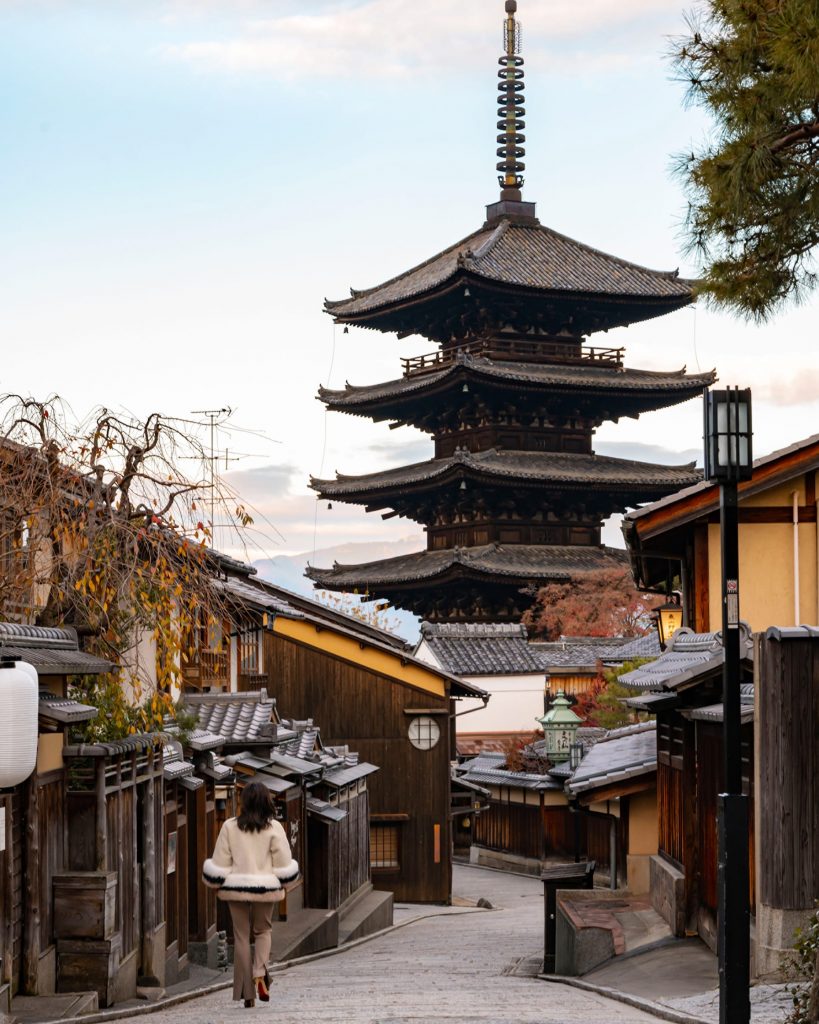
Fall in Tokyo

Four Seasons Hotel Tokyo, Foliage
Autumn foliage in Tokyo.

Tourists may think of Tokyo as a futuristic city of skyscrapers and neon lights, but it’s also filled with plenty of ways to engage with nature. In fact, according to a recent survey, Tokyo ranks No. 1 on the list of cities with the most green spaces in the world—all of which makes it a great destination for fall foliage viewing. 

When it comes to a place to stay, you have two standout options: Four Seasons Hotel Tokyo at Otemachi and Four Seasons Hotel Tokyo at Marunouchi. Otemachi is the newer, larger property, boasting 190 guest rooms and suites and occupying the top floors of a 39-story high-rise in the financial district. In addition to its award-winning bar, Virtù (one of Asia’s 50 Best Bars 2024), and Michelin-starred restaurant, est, the hotel’s most-buzzed-about feature is its jaw-dropping views. When the elevator doors open into the lobby, guests are wowed by the panorama of the city and, best of all, the grounds of the Imperial Palace below, right next to the building. 

For a more boutique, street-level experience, consider the Marunouchi hotel, which has just 57 guest rooms and suites and is located next door to Tokyo Station. The accommodations are currently undergoing a renovation (to be finished by March 2026), but the hotel’s spa and prized restaurant, Sézanne, recipient of three Michelin stars and winner of Best Restaurant in Japan on Asia’s 50 Best Restaurants 2025 list, remain open. Headed by chef Daniel Calvert, the elegant restaurant interprets Japanese ingredients through the lens of French cuisine. 

Four Seasons Tokyo at Otemachi

Fall in Vail

Four Seasons Resort Vail
Get your fill of mountain biking before the snow arrives.

Ask locals in any traditional ski town their favourite time of year, and you may hear a surprising answer. While winter is when they can enjoy their beloved snow sports, autumn is when they get to experience nature the way it’s intended to be experienced: without lines. 

Visit Vail in the fall, and your encounters will be more colourful (think yellow and orange and red)—and potentially more rewarding. No, you probably won’t be able to ski or snowboard, but those mountains hold other opportunities for fun. Biking, hiking, trail running, fly-fishing, and horseback riding allow you to fully engage with the majesty of Colorado’s Rocky Mountains. 

Another reason to book an autumn stay in Vail: Oktoberfest. Thanks to its Bavarian-inspired village center, Vail has become one of the best spots in the U.S. to celebrate the iconic brews-and-bratwurst festival. Extra credit: Come dressed in your lederhosen or dirndl, and enter the costume contest for bragging rights. 

Four Seasons Resort and Residences Vail, just steps from the high-end restaurants and shopping at Vail Village, is the ultimate luxury basecamp for your fall vacation. After a day spent outdoors, it’s time for après-ski at the resort. After all, après-ski isn’t just for the winter months; it’s an attitude—and a year-round pursuit. 

Four Seasons Vail

Live Long and Prosper: A New Clinic Devoted to Fighting Aging

As global life expectancy rises, we all desire to live longer and better. These two pursuits also guide the wellness goals of discerning business and leisure travellers who seek ways to slow, manage, and reverse aging while cutting through all the “noise.”  

Chi Longevity, the first private clinic in Singapore dedicated to slowing biological aging and optimising health, has opened a new location within Four Seasons Hotel Singapore. Doctors, dietitians, psychologists, and health coaches collaborate to provide evidence-based, comprehensive, and preventative care to guide the aging journey.  

Developed by Professor Andrea B. Maier, Chi Longevity encompasses a variety of offerings, which range from one-hour sessions to yearlong “flagship” programs, focusing on everything from gut-health optimization to sleep improvement and stress reduction. Doctors, dietitians, psychologists, and health coaches collaborate to provide evidence-based, comprehensive, and preventative care to guide the aging journey.

Patients undergo tailored evaluations incorporating blood tests, glucose monitoring, psychosocial assessments, and precision-led solutions based on biomarkers. Then, they can receive personalized interventions including medical treatments, supplements, recommendations for lifestyle adjustments, and ongoing guidance from health coaches. Instead of merely treating symptoms, Chi aims to repair cellular damage, optimise organ function, and enhance mental and physical agility. 

So how should you Chi?

“Every short-term program unlocks valuable health insights and provides practical interventions in its own right,” says Dr. Naras Lapsys, Chi Longevity’s chief clinical officer and senior dietitian. “One option is to complete one program and then move on to the next, strategically building your health longevity portfolio. Alternatively, these programs may whet your appetite for the fully immersive 360-degree [flagship] programs that provide a comprehensive view of your current state of health and the complete longevity journey.”

Lapsys explains that the Vital Start Flagship Program, for example, “offers an essential picture of your health through the use of two biological clocks and metabolic and cardiovascular assessments. By gaining key insights into your heart, lung, and cognitive performance markers, you can identify potential risks before they become concerns.” 

For Four Seasons guests who already use the gym and leisure facilities or are interested in improving their physical health, energy, and vitality, Maier recommends the Physical Performance Specialized package (3 hours). “It measures key parameters such as VO2 max, lung function, hormone levels, and body composition, providing not only a valuable health assessment but also serving as a base for tailoring your training and measuring your health and fitness goals,” she says.  

As part of this collaboration, the culinary team at Four Seasons Hotel Singapore will work with Chi Longevity’s expert dietitians to create health-focused, nourishing dishes at the property’s Pool House restaurant.