Hong Kong’s Savoury Alchemists

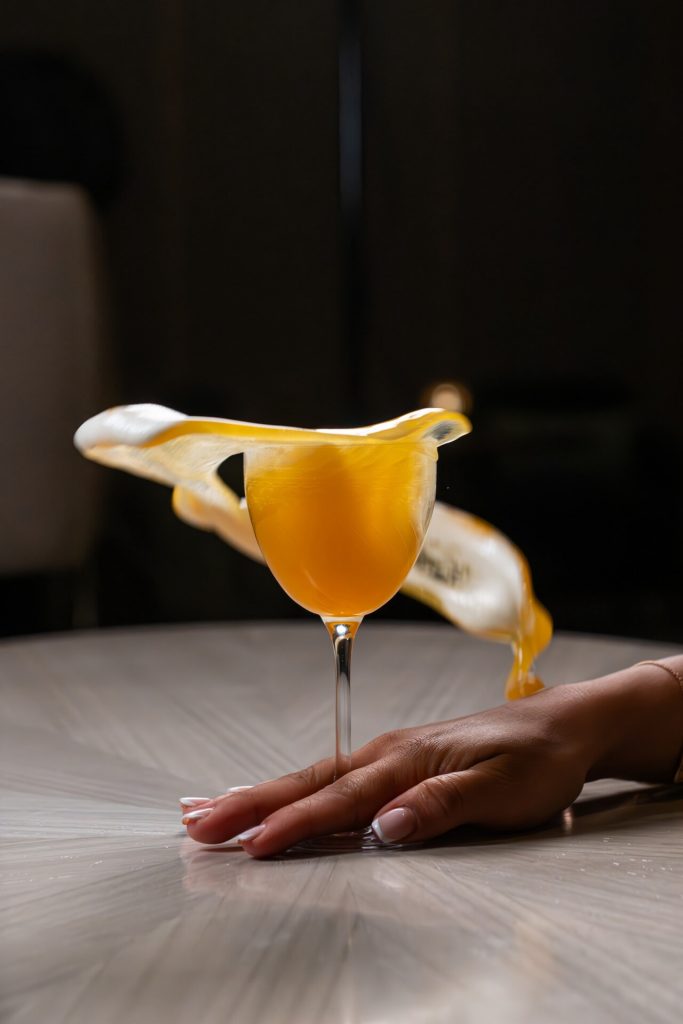
Hong Kong’s bustling and inventive cocktail bar scene is gaining well-deserved international recognition, with seven of its drinking establishments making Asia’s 50 Best Bars list. Here are five standouts in the global city that tap into the savoury side of mixology.

Argo

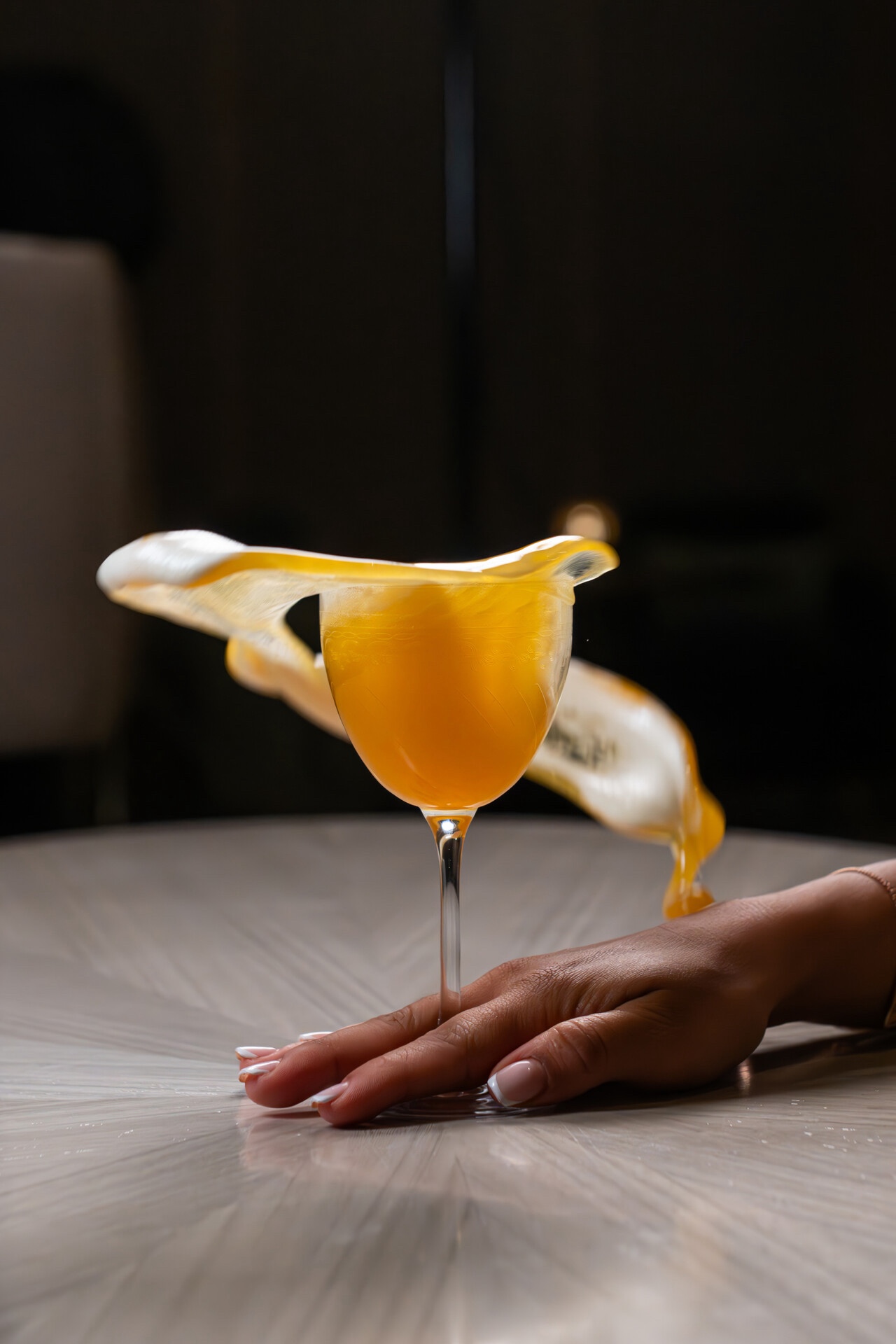
Hong Kong Punch at Argo
Hong Kong Punch

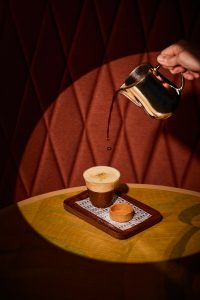
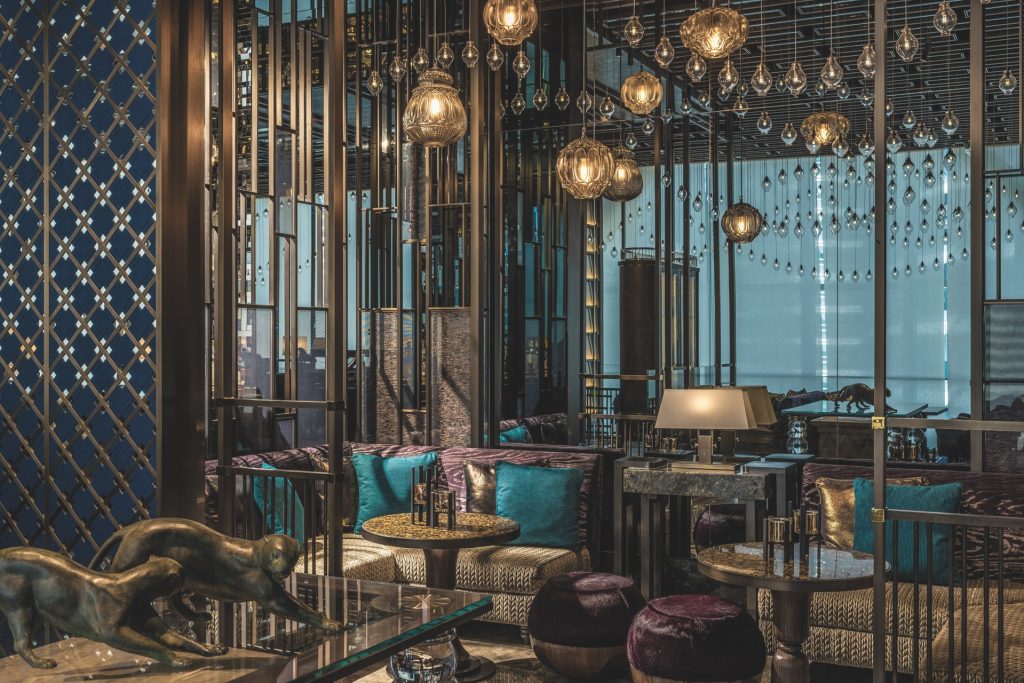
Inside Four Seasons Hotel Hong Kong, ARGO—the property’s foundational cocktail bar—has always existed on the edge, taking risks and championing innovation. Under the tutelage of the bar’s recently appointed beverage manager, Jonathan Gabbay, the cocktail program continues that tradition while simultaneously celebrating the city, its culture, and its homegrown flavours. For example, the Hong Kong Punch features black tea and egg-tart foam, paying tribute to the city’s coffee and tea customs. The Dreamscape, by contrast, relies on fat-washed coconut tequila and hazelnuts, chestnuts, and tonka beans. “This menu,” says Gabbay, “is a reflection of the encounters, passions, and shared experiences we’ve lived as a team, told through meaningful collaborations and the incredible products and craftsmanship Hong Kong has to offer.”

Bar Leone

Fig Leaf Negroni at Bar Leone
Fig Leaf Negroni

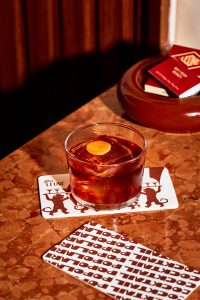
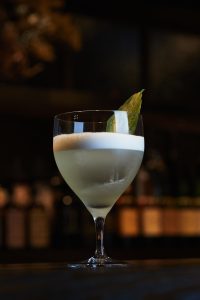
You wouldn’t expect to find an Italian cocktail bar in Hong Kong’s vibrant Central district, but that’s the intrigue of Bar Leone, an authentic osteria that recently claimed top honours on the World’s 50 Best Bars list. Founded by Lorenzo Antinori in 2023, the establishment feels lifted straight from Rome’s Trastevere neighbourhood and dazzles with captivating concoctions, such as Olive Oil Sours, Filthy Martinis ratcheted up with smoked olive brine, and Fig Leaf Negronis. “I enjoy balancing savoury flavours with others to create a compelling contrast,” says Antinori, “like pairing toasted corn flour with the fruitiness of pineapple or combining tomato with vermouth.”

Coa

Bloody Beef Maria at Coa
Bloody “Beef” Maria

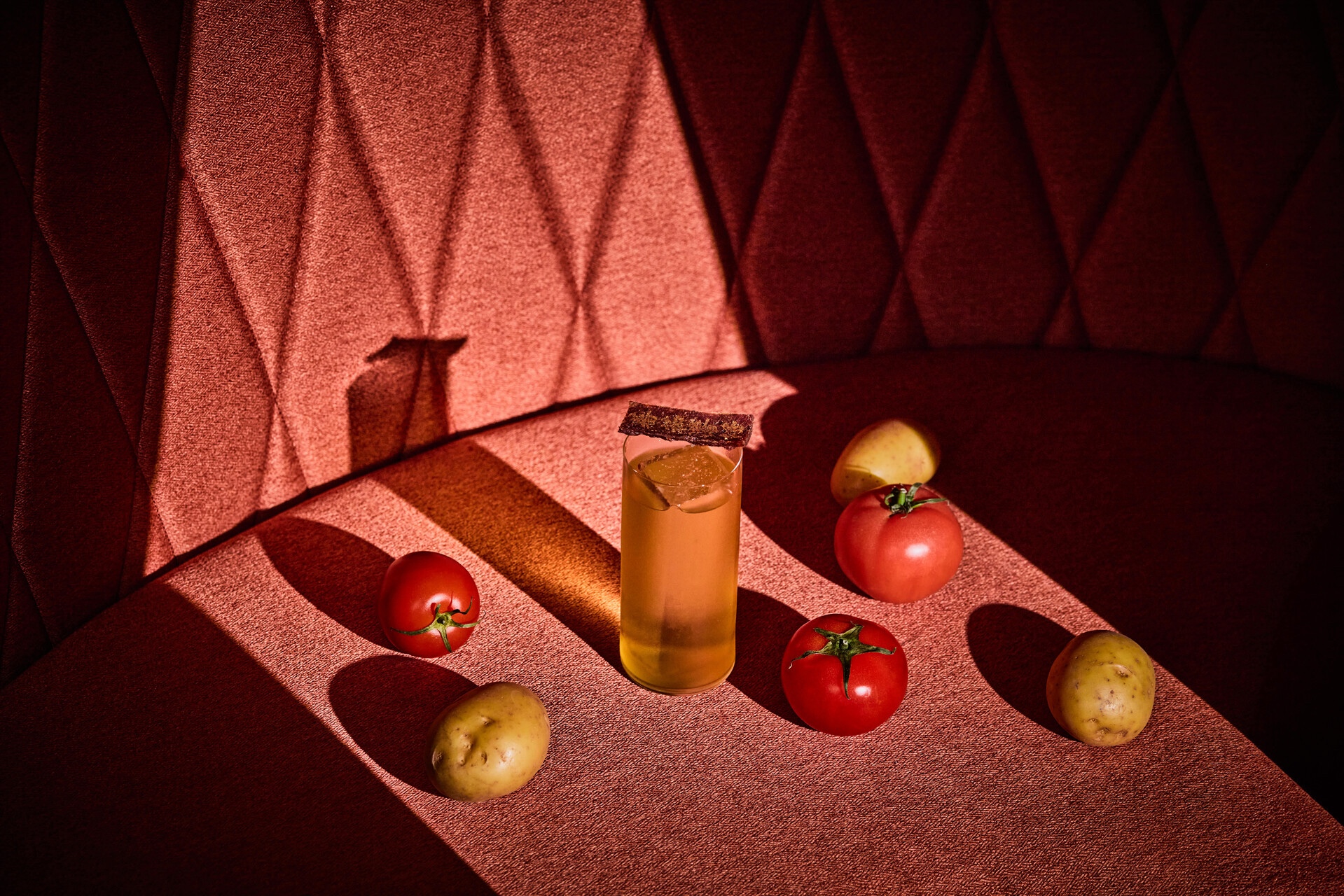
Coa isn’t the only agave spirits–focused bar in Hong Kong—nor is it the first—but the Mexican-themed rathskeller is a pioneer in the city for its dedication to agave-centric cocktails. Here, south-of-the-border spirits take centre stage in savoury libations, where the bar’s founder, Jay Khan, orchestrates a symphony of umami-driven recipes that are as challenging as they are captivating. The Smacked Cucumber, for example, is a mezcal-based potion inspired by Chinese cucumber salad, while the clarified Bloody “Beef” Maria seduces with aromas of a summer garden but tastes of smoke and spice. “Savoury cocktails remain uncommon and consistently surprising,” says Khan, “and when done right, the rewards can be extraordinary.”

Gokan

Khun Tommy at Gokan
Khun’s Tommy

Opened in 2024, Gokan is the handiwork of mixology master Shingo Gokan, who modelled the spot around the Japanese kanji (character) for the “five senses,” conceptualizing a cocktail menu that’s dedicated to five flavour profiles—sweet, sour, spicy, bitter, and savoury. Standouts include the Mapo Mary, a twist on a Bloody Mary with Sichuan-spiced Wagyu mapo tofu, and the Khun’s Tommy, a tom yum–inspired riff on a classic margarita. Just don’t skip the Watermelon Coffeezz, a provocative blend of gin, watermelon, light-roasted coffee, shiso, and clarified almond milk—all of which are infused with a touch of CO2.

Savory Project

Mala Punch at Savory Project
Mala Punch features Sichuan pepper, fermented bean, and gin among its ingredients.

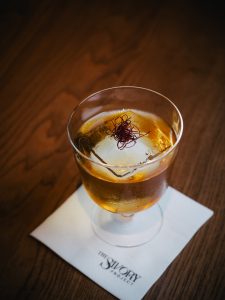
Patrons of Jay Khan’s second, newer cocktail den in the city (opened with Ajit Gurung) will discover a destination that—as its name implies—focuses its mixology on savoury ideals. Balanced, layered, and complex, the drinks here are as enticing as their menu descriptions are enigmatic. Take the Pepper + Corn, a libation characterized as: mezcal, charred corn husk, cumin, tomato, peppers, MSG. It tastes of a chilled not-so-spicy hot-and-sour soup, and it’s emblematic of Hong Kong’s adventuresome culinary climate. “This approach won’t resonate everywhere,” says Khan, “but it excels in mature cocktail markets with established bar cultures and palates that appreciate flavours beyond the orthodox.”


Daniel Dae Kim’s Seoul

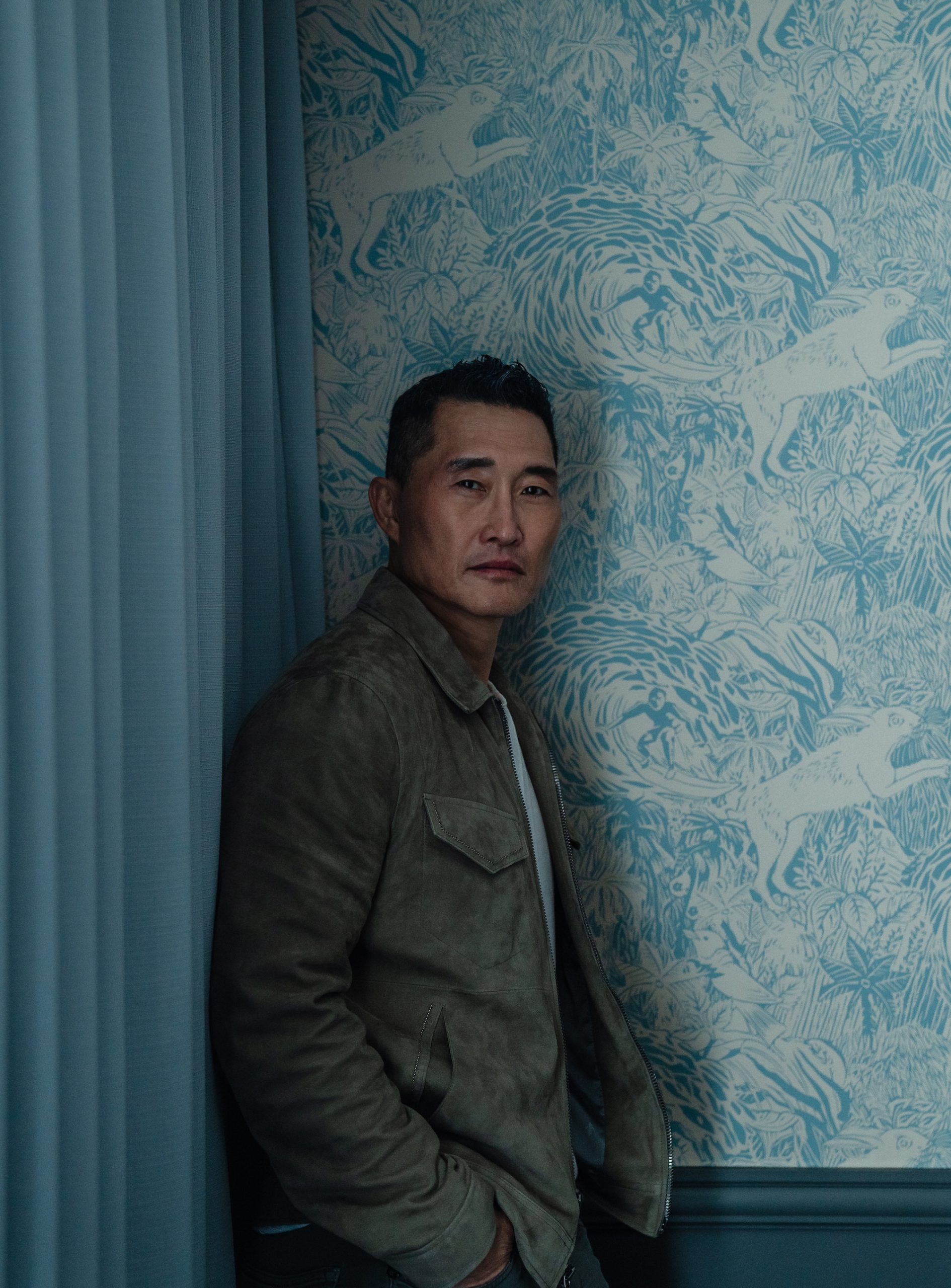
In his new CNN travel series K-Everything, actor and producer Daniel Dae Kim—known for his roles in LostHawaii Five-O, and KPop Demon Hunters—explores the global resonance of Korean culture through entertainment, beauty, and cuisine. While he grew up mostly in the United States, Kim’s ties to South Korea are deep. He was born there (living in Busan until he was one year old), and in 2024, he spent seven months filming the spy-thriller series Butterfly in more than 20 cities across the country. That same year, the mayor of Seoul made him an honorary citizen of the capital, which he loves for its “fast-paced” vibe and rich dining scene. —Degen Pener 

Eat

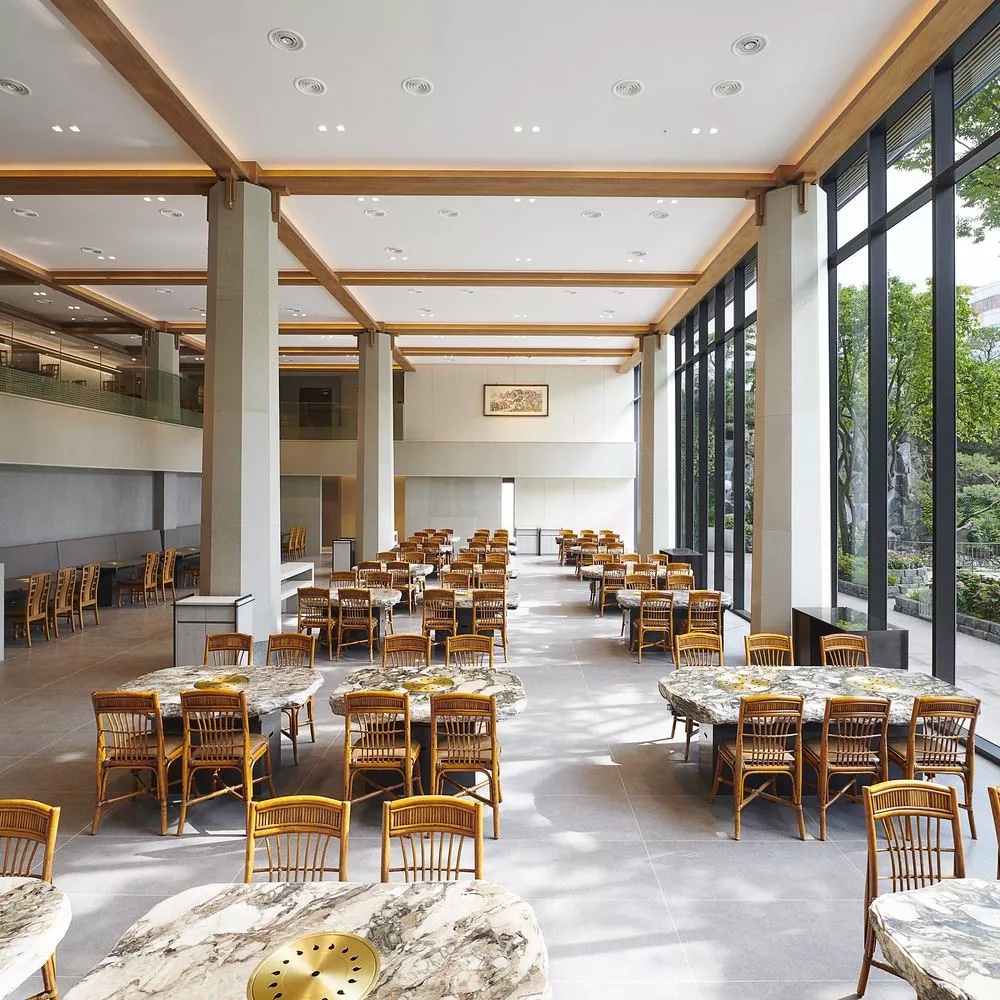
Samwon Garden was established in 1976.

Samwon Garden: “If you like Korean barbecue, there’s a place called Samwon Garden. It’s been there forever, and the quality is still just fantastic. It’s huge, and even as big as it is, you have to make a reservation. It’s very popular.” 

Jinmi Sikdang: “I’m a seafood lover, coming from Busan, and there’s a dish called gejang, which is raw marinated crab. A place that does it so well is Jinmi. It has a very neighbourhood feel.” 

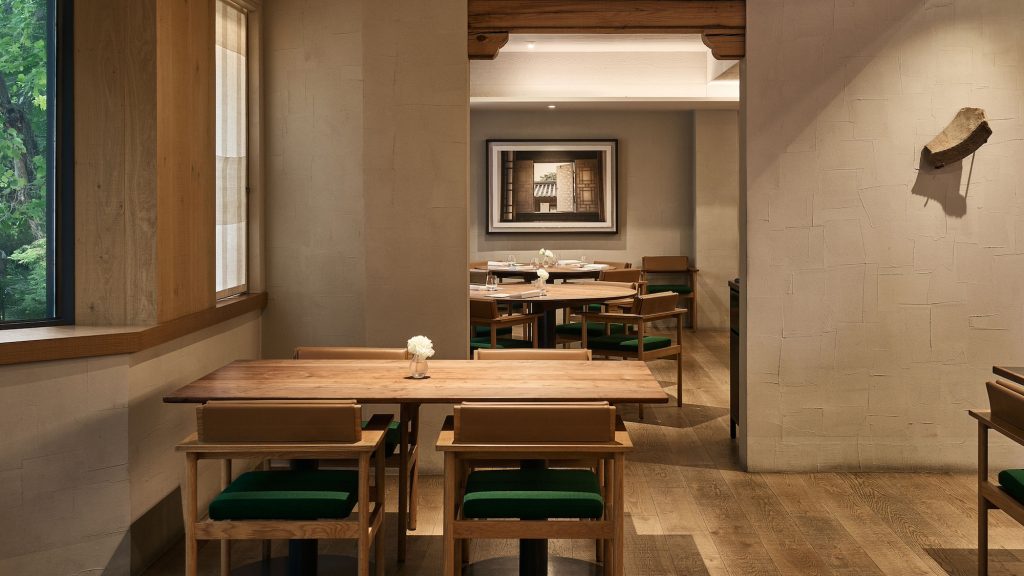
The serene interior of Mingles

Mingles: “It’s the only three-star Michelin restaurant in Seoul. The chef there [Mingoo Kang] is fantastic. He’s very innovative but also always true to Korean culture.” 

Linus BBQ: “There are a lot of Korean Americans who have gone back to Korea and started restaurants, one of whom is my friend Linus, who grew up in Alabama and [opened] an Alabama barbecue in the middle of Seoul. If you’re tired of eating Korean food when you’re in Korea, I highly recommend it.” 

Mutan: “I can’t talk about Korean food without talking about one of my favourite noodle dishes, jjajangmyeon. It’s black-bean noodles. Jjajangmyeon is kind of like the pizza of Korea. Mutan restaurant—at the branch in Jongno—has a [version] that is very different from typical jjajangmyeon [that] includes [steak] and truffles. It’s one of my favourite things.” 

Drink

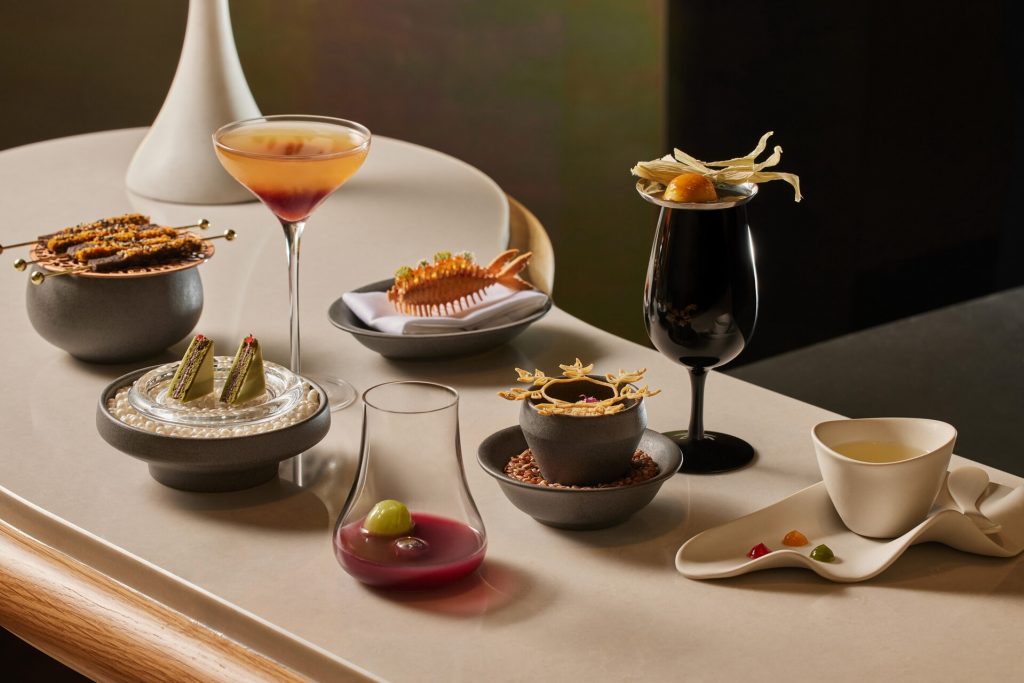
A few of the exquisite offerings at Charles H.

Charles H. at Four Seasons Hotel Seoul: “I’m a big fan of the Four Seasons. It’s a great hotel, and their bar, Charles H., is one of the best bars in the city. If you’re really in the know, you know about the speakeasy [hidden behind a wall on the lower level of the hotel]. And tucked within Charles H., there’s another hidden bar [H. Bar]. But you didn’t hear that from me.” [Read our story on Four Seasons speakeasies here.]

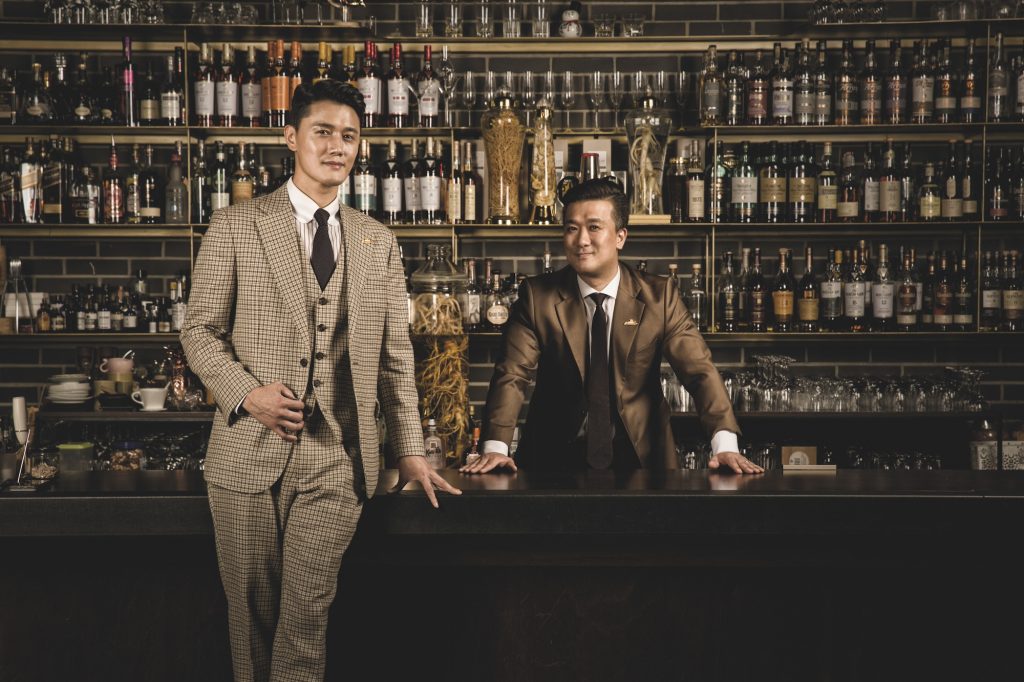
Le Chamber owners Lim Jae-jin (left) and Eom Do-hwan

Le Chamber: “Some of my favourite bars are in the Cheongdam area. There’s one called Le Chamber, and when you go into the entrance, you have to pull the [correct] book from a bookshelf and then the door will open. There’s also a bar called Zest in Cheongdam that’s really great. At all of these places, the mixologists take their work very seriously.”  

See

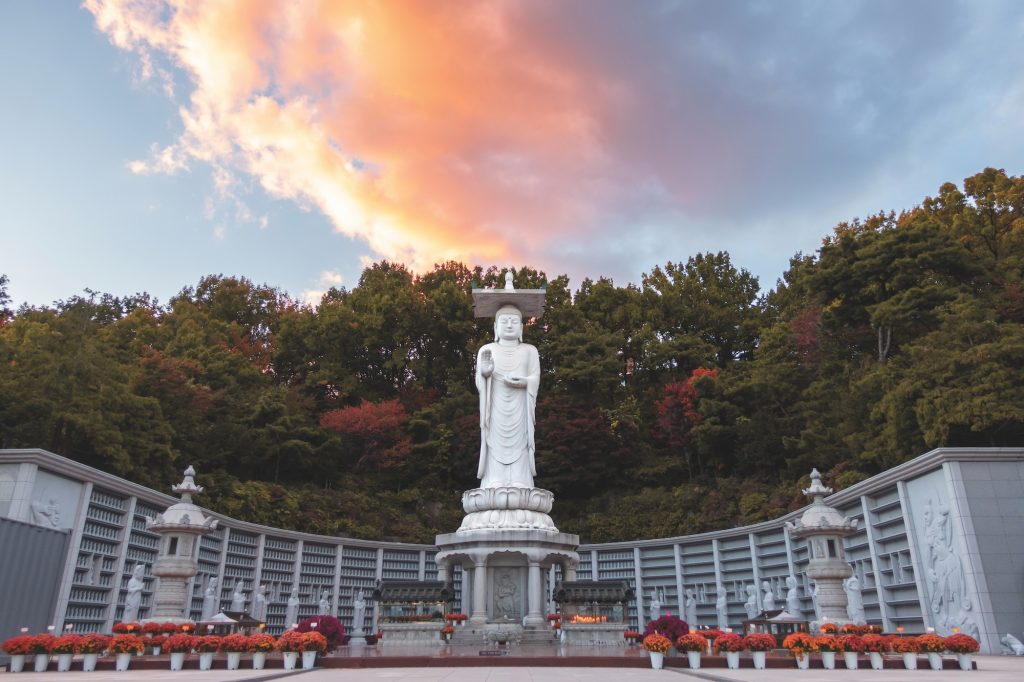
Maitreya at Bongeunsa Temple. Photograph by Pimplub / Adobe Stock.

Bongeunsa Temple: “After you go to the temple of shopping in the COEX Mall, visit Bongeunsa in Gangnam. When I was shooting in Korea recently, I lived close by, and spending quiet, reflective time there was one of my favourite ways to escape the hustle and bustle of modern Seoul.”  

Leeum Museum of Art: “To see [contemporary art], I love the Leeum.” 

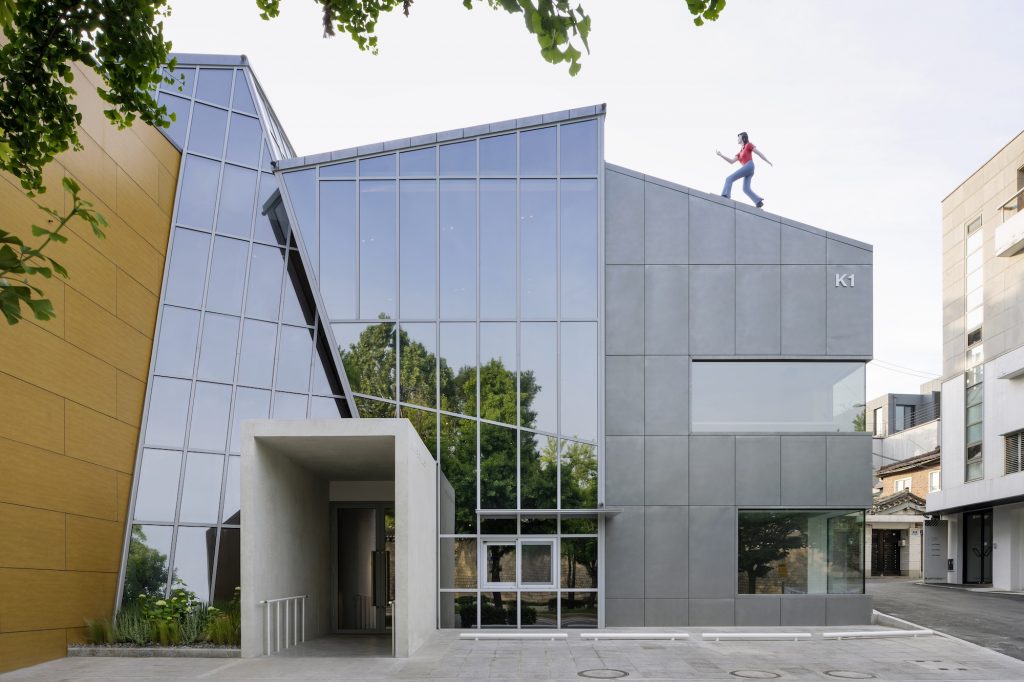
The exterior of Kukje Gallery.

Kukje Gallery: “The curators do such a great job of mixing international artists, like one of my favourites, Jenny Holzer, with up-and-coming Korean artists, as well as promoting major art movements like dansaekhwa, the Korean monochrome style.” 

Gentle Monster: “Visit the Gentle Monster in Seongsu. It is, in and of itself, an art installation, where you can shop for sunglasses among one-of-a-kind [sculptures] that couldn’t be more Instagram ready.” 

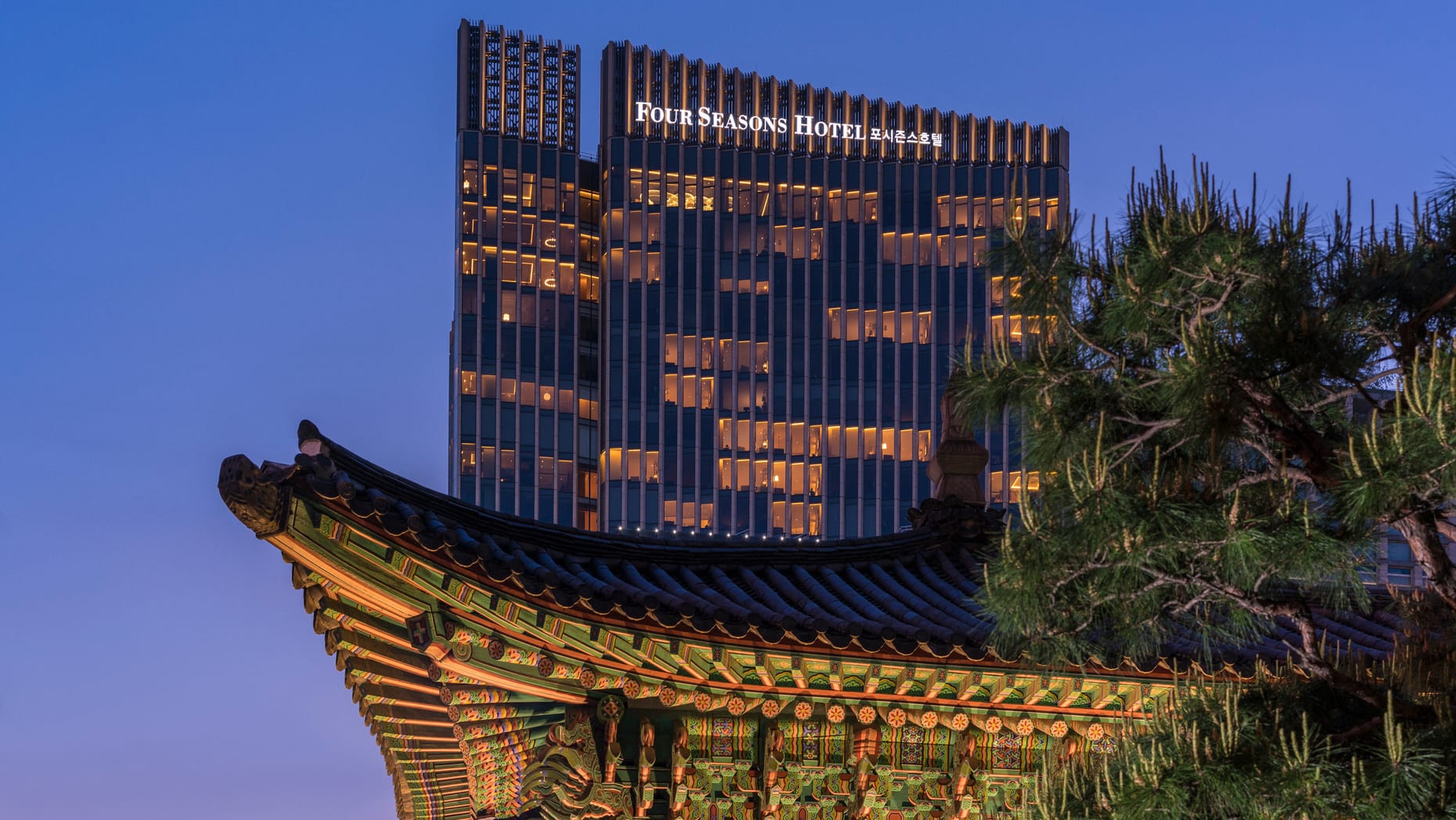
Four Seasons Seoul Exterior
Four Seasons Hotel Prague, Room

Mix It Up: Where to Go for a Taste of Kuala Lumpur’s Rich Culture

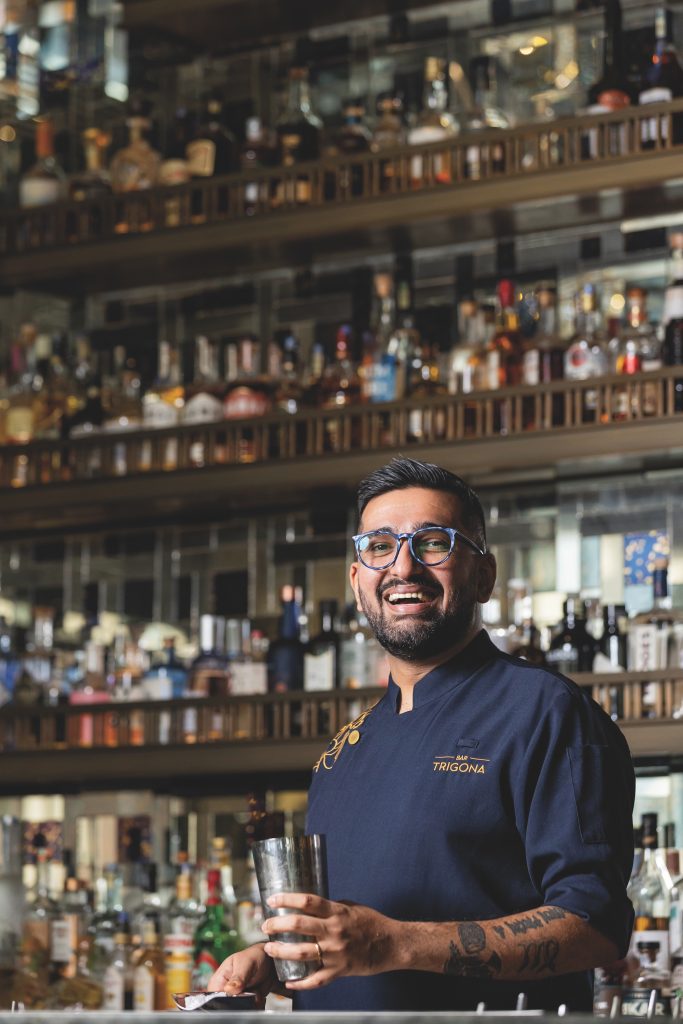
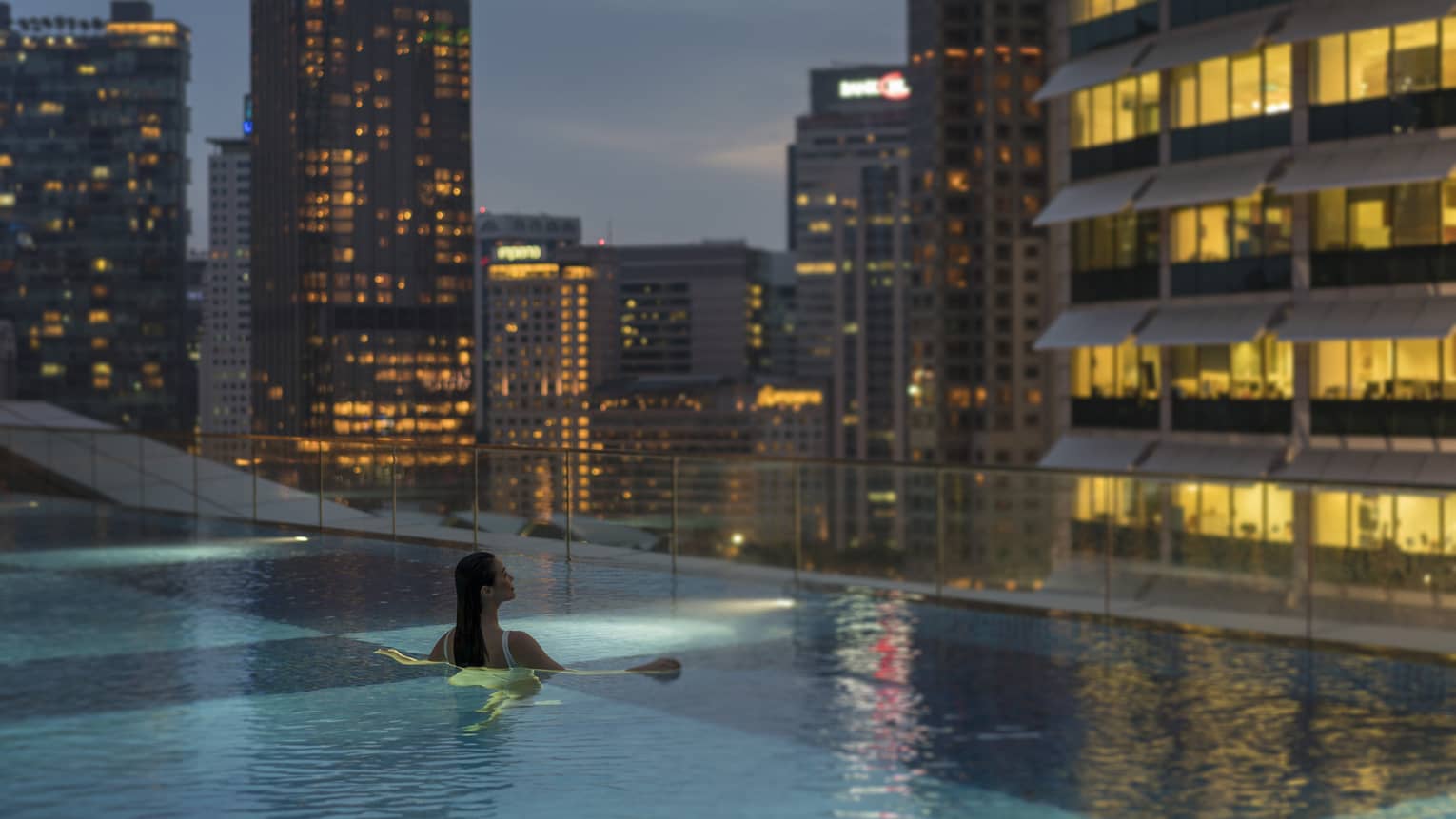
For seven consecutive years, the Art Deco–style Bar Trigona at Four Seasons Hotel Kuala Lumpur has earned recognition as one of Asia’s 50 Best Bars. Under the creative direction of head bartender Rohan Matmary, who also serves as the hotel’s beverage manager, the bar distinguishes itself not only for its unforgettable cocktails, but also for a deep commitment to local ingredients and sustainability. Through its Tree-Volution initiative, the property supports tree planting in Malaysia, including at Trigona Farm, which grows produce exclusively for Bar Trigona. 

Originally from Mumbai, India, Matmary brings both innovation and heart to his work, along with a love of Malaysia’s capital city. “Kuala Lumpur has a sense of community,” he says. “There is a unique joy and unity in the way people of different origins come together to celebrate the country’s rich heritage.” 

Below, he shares his favourite go-to spots in Kuala Lumpur.

Rohan Matmary, Kuala Lumpur
Matmary at Bar Trigona

Neighbour Club by JWC: “This is one of my favourite coffee spots. What sets them apart is the way they approach coffee with the kind of precision you would expect in a cocktail bar, yet they make it accessible to everyone. I also admire that they highlight locally sourced Malaysian coffee, which is still relatively rare to find in cafés across the city.” 

Bar Trigona
Bar Trigona at Four Seasons Hotel Kuala Lumpur

Bar Trigona: “One of the initiatives I am most proud of is Bar Trigona’s Single Origin section on the cocktail menu. Each drink in this series celebrates a single ingredient harvested at Trigona Farm, using every part of the plant. A recent standout is Banana, built entirely around the Pisang Mas tree. We vacuum cook the fruit with Tuak, a traditional Malaysian rice wine, to create a light yet complex serve that has quickly become a symbol of Bar Trigona’s new identity: cocktails that are conscious, creative, and deeply connected.” 

Penrose
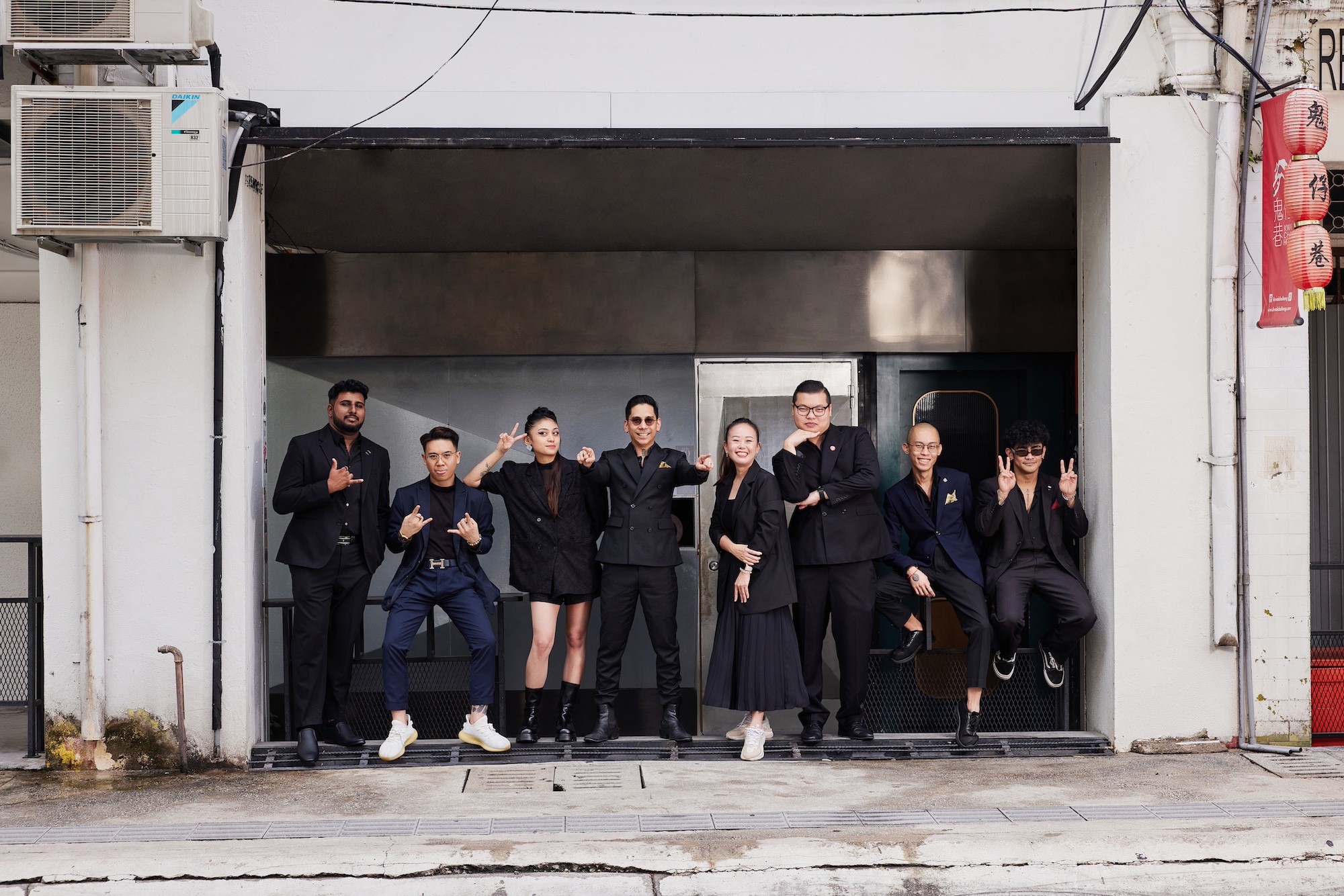
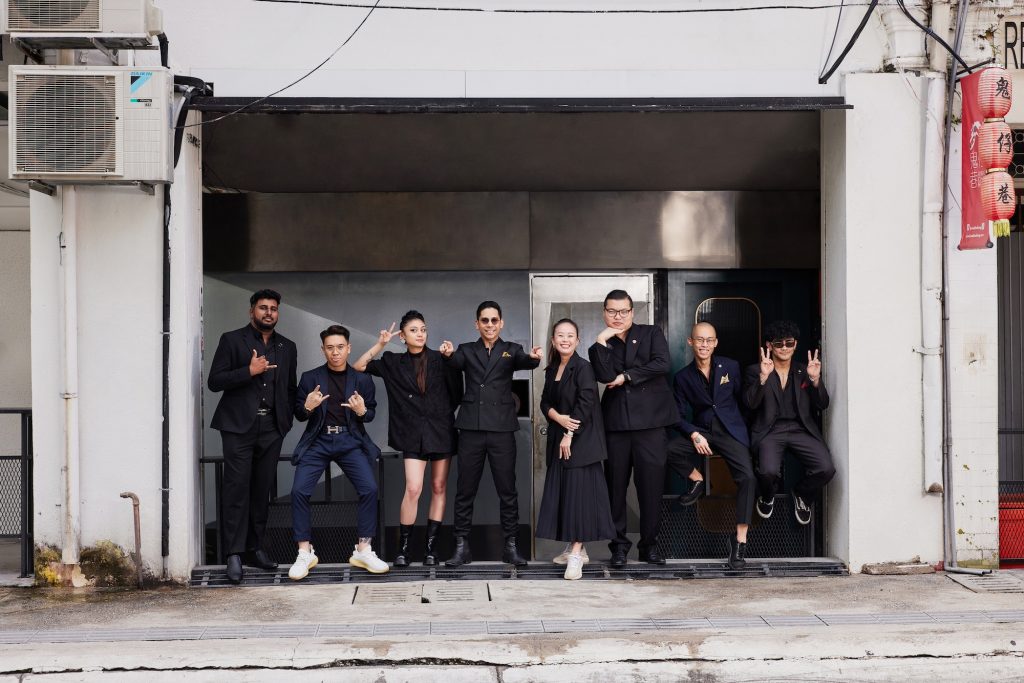
The Penrose team

Penrose: “Among my favourite [bars] is Penrose, where the hospitality is consistently warm and the cocktails are crafted to an international standard.” (Matmary notes that he also enjoys Three x Co and Cabinet 8, “both of which bring a refined touch to mixology,” and “for a distinctly Malaysian perspective,” he says, “I often turn to Coley and Reka.”) 

Ruma“I find inspiration in Ruma, a Malaysian brand that draws on Scandinavian minimalism. Their designs are simple yet sophisticated.” 

Batu Caves
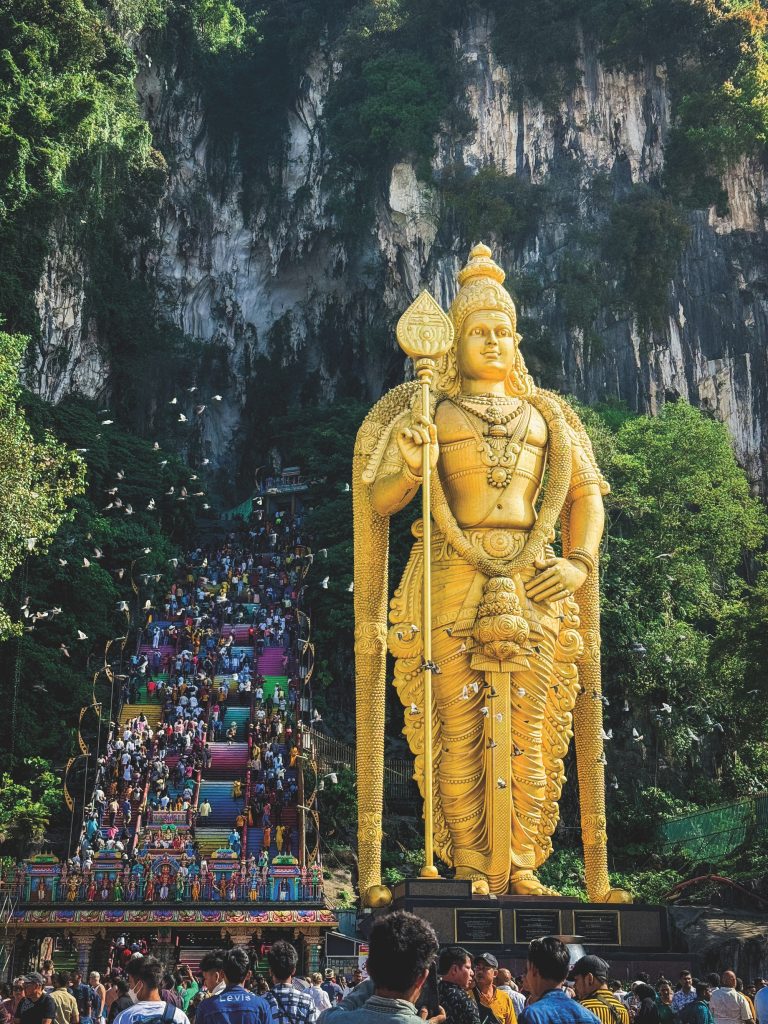
The 140-foot-tall Murugan statue at Batu Caves. Photograph by Ravin Rau / Unsplash.

Batu Caves: “I enjoy starting my mornings here. Arriving early, when the air is cool and filled with the aroma of morning dew and temple rituals, creates a serene atmosphere. The 272-step climb feels both invigorating and rewarding, offering a perspective of the city that is hard to match.” 

Chinatown, Kuala Lumpur
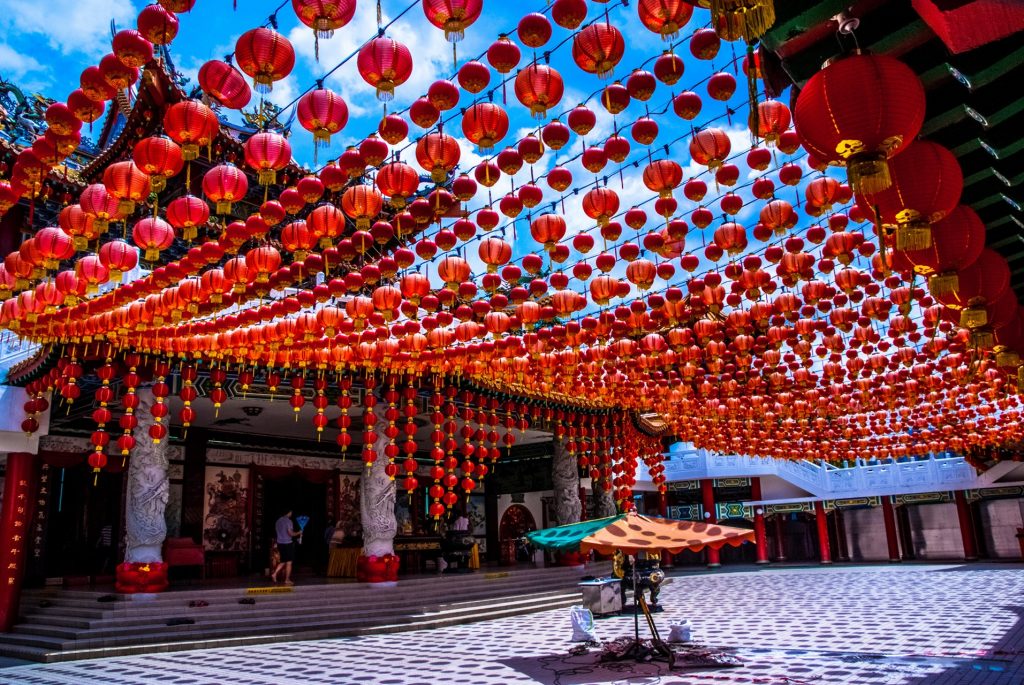
Thean Hou Temple in Chinatown

Chinatown: “One of my favourite experiences [offered by Four Seasons Hotel Kuala Lumpur] is Evenings in Chinatown, which brings together the energy of a hip neighbourhood with the rich food-and-beverage culture that makes Kuala Lumpur so unique.” 

Dewakan
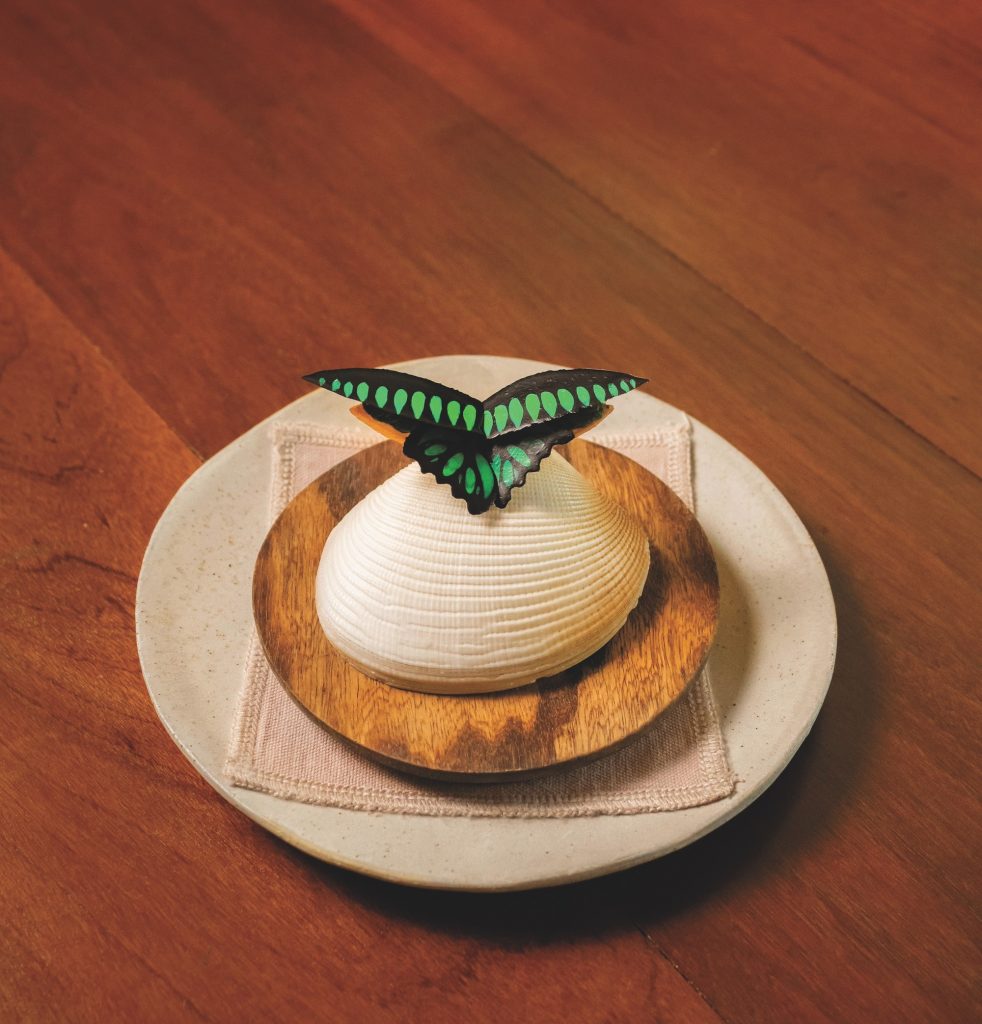
A signature snack (with chayote paste and wild mango) inspired by Rajah Brooke’s Birdwing, the national butterfly of Malaysia, at Dewakan

Dewakan: “This is [among] my most recommended dining experiences in Kuala Lumpur. The tasting menus celebrate local harvests with creativity and finesse, using indigenous ingredients in thoughtful, seasonal expressions. The setting on the 48th floor, with sweeping city views, makes it an experience that feels both rooted in Malaysia and elevated to a global stage.” 

Nadodi: “The restaurant resonates with me on a cultural level, as it reimagines the flavours of South India in an avant-garde style. It delivers refined, region-inspired curations that feel both personal and innovative. Overlooking the [Petronas] Twin Towers, it creates an intimate setting that beautifully balances heritage with modernity.”  

Kuala Lumpur FS
Kuala Lumpur FS

Zero Proof, Full Flavour

Whether driven by wellness culture, conscious living, or sheer sober curiosity, the nonalcoholic movement is having a global moment—and top chefs and mixologists are shaking, stirring, and fermenting to meet the demand. What was once an afterthought has developed into an art form, where spirit-free cocktails rival their boozy counterparts in complexity, craft, and storytelling. 

Even celebrity tastemakers are getting involved. Formula One champion Lewis Hamilton’s Almave nonalcoholic spirits brand recently released Almave Humo, a distilled “mezcal” that delivers the depth and complexity of the real thing. 

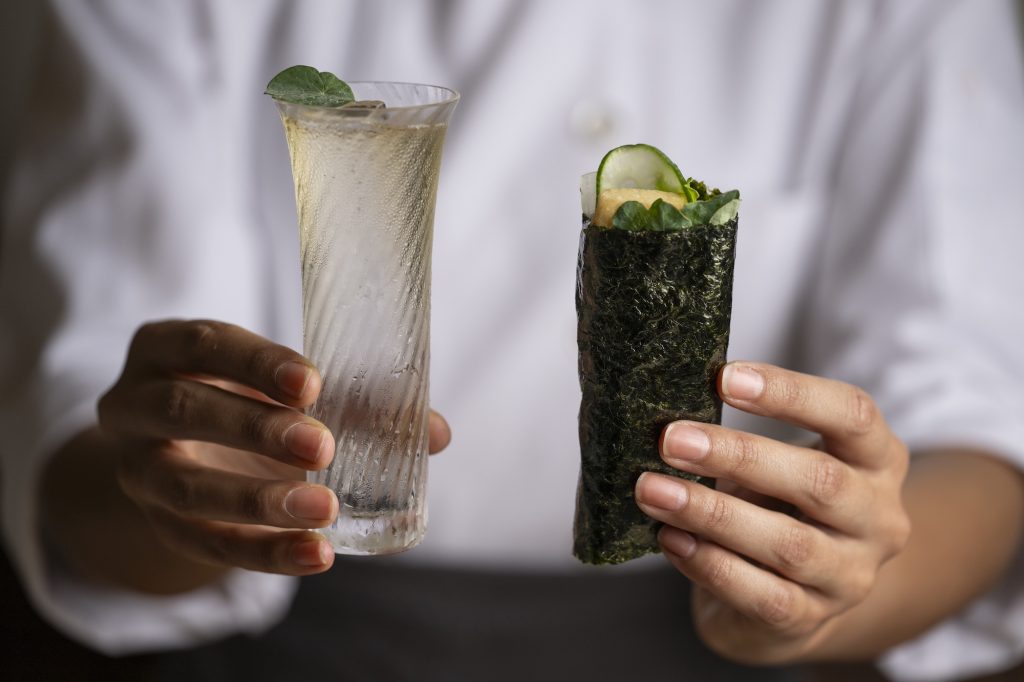
At New York City’s Clemente Bar, located above Eleven Madison Park, nonalcoholic drinks complement such savoury, plant-based small bites as agedashi tofu paired with a fizzy concoction of yaupon tea, yuzu, and cucumber soda. 

Clemente Bar/Evan Sung
A highball-style NA cocktail coupled with an agedashi tofu hand roll at Clemente Bar. Photograph by Evan Sung.

In Wyoming, at Four Seasons Resort and Residences Jackson Hole, Jhett Brown brings mountain sophistication to the zero-proof scene. Inside the 80 Proof speakeasy and the newly opened Steadfire Chophouse, the bartender’s modern mixology creations avoid added sugar while highlighting flavour-forward local ingredients like pine and wild berries. 

Leo—one of Latin America’s most acclaimed restaurants, in Bogotá, Colombia—pairs its tasting menu with “botanical infusions” derived from the country’s ecosystems: guava fermentations, cassava starch elixirs, and floral macerations that taste like a journey through the jungle. 

Four Seasons Hotel Riyadh at Kingdom Centre recently doubled down on nonalcoholic wine. The hotel has opened both Tonic Bar, Saudi Arabia’s first nonalcoholic bar, and Café Boulud Cheese Library, which offers an enticing selection of fromage and beverages like the Italian zero-alcohol sparkler Bella. 

FS Riyadh, Zero Proof Cocktail
The Naughty Amaretti—with Amaretti-infused white sesame, tangerine, apricot, and saffron—at Tonic Bar at Four Seasons Hotel Riyadh at Kingdom Centre.   

And at Four Seasons Resort Tamarindo, México, head mixologist Arturo Barroso celebrates Mexico’s heritage and traditions through fermentation. He reimagines tepache and tejuino—time-honoured beverages made from local fruits, herbs, and corn—as elegant, alcohol-free expressions. Halting fermentation at just the right moment, Barroso preserves flavour and texture. 

What to Do in Jakarta: A Furniture Designer Gives a Tour of His Hometown

Alvin Tjitrowirjo creates poetic beauty out of the underappreciated. Since opening his studio AlvinT in 2006, the Jakarta-based designer has distinguished himself by his sculptural, refined furniture made of rattan. Derived from various species of quickly growing climbing palms, rattan has long been deeply associated with Indonesian culture. Tjitrowirjo’s mission is to elevate and prize this sustainable material amid the daily onslaught of cheap, modern consumerism. “It’s not just about making beautiful products; it’s about developing a new type of awareness of rattan as a valuable heritage material,” says Tjitrowirjo, who works with several communities of rattan weavers and farmers across Indonesia. We asked him to share his insider guide to his hometown.

Shop

AlvinT Gallery, Photograph by Martin Westlake
AlvinT. Photograph by Martin Westlake.

Indonesia Design District: “We recently opened a gallery [here]. There are about 100 tenants—furniture, lighting, everything for the home centralized in one curated complex.” 

Archie in Jakarta
In addition to a great selection of men’s shoes, Archie offers custom tailoring.

Archie: “[The menswear store] is cool for their collection of Alden [shoes]. I’m a big fan.” 

Sejauh Mata Memandang: “I like this [lifestyle brand] for their level of creativity in exploring batik, as well as their activism toward protecting the planet. They also now make denim out of recycled used denim.”  

Do

Common Grounds, Terra Menteng Tennis Club

Terra Menteng Tennis Club: Common Grounds, “one of the pioneers of specialty coffee in Jakarta since 2015,” recently opened up a cafe-cum-tennis-club. “My favourite beans are Aceh Gayo, which balance between burnt chocolate and nutty with a slight bright citrus.” 

Kota Tua: “Built by the Dutch, Old Town is filled with canals and squares and surrounded by charming colonial buildings. The northern part is filled with old mom-and-pop shops.” 

Eat

Scallop Pindang in Preserved Chili at August
Marinated Yamanaka scallops at August.

August: “One of the forerunners of bringing Indonesian cuisine to the next level—with a little bit of a French twist. They have [the dish] Foie PB&J, and their lamb loin is delicious.” 

Pierre: “Located in Jakarta’s central business district, this French restaurant by the Union Group has an excellent quality of food and a classical European interior that won’t go out of style. The lounge bar is a nice place to get a good dose of socializing.” 

Cafe Batavia
Café Batavia is one of the oldest restaurants in Indonesia.

Café Batavia: “It used to be an office of the Dutch East India Company. I love how they have kept the original teak bar and floors. I always go for a window table to witness the chaotic and dynamic movement of people in [Old Town’s] Fatahillah Square.” 

Bakmi Pulau Laki: “One of my favourite noodle [shops] is located in a neighbourhood where all the street names are names of islands in Indonesia. It’s a place to go for lovely, fresh handmade noodles with minced pork and chicken and fresh pork wontons.” 

Drink

Four Seasons Jakarta, Nautilus Bar

Nautilus Bar at Four Seasons Hotel Jakarta: “The moody interior, combined with the grand piano, is a good [respite] from the hustle and bustle of Jakarta.”