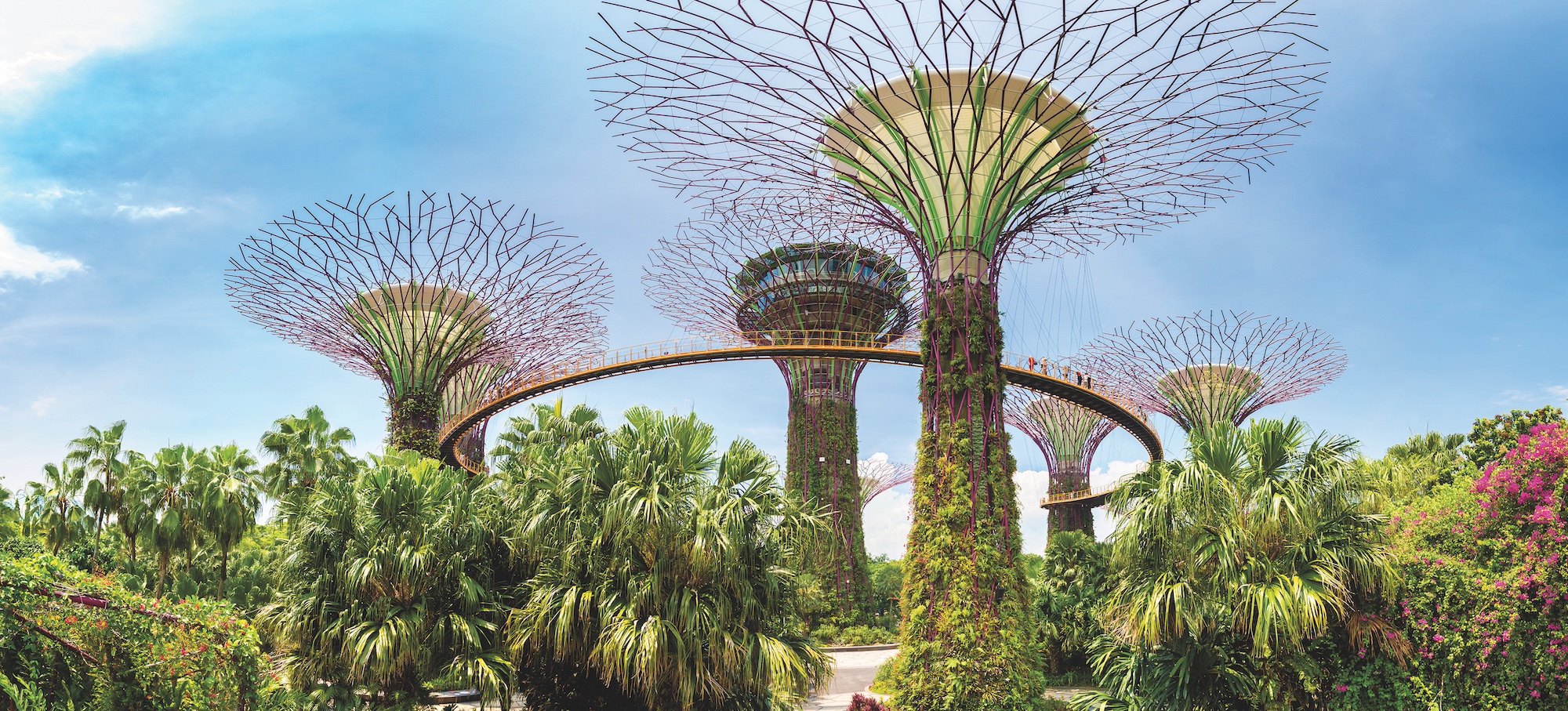
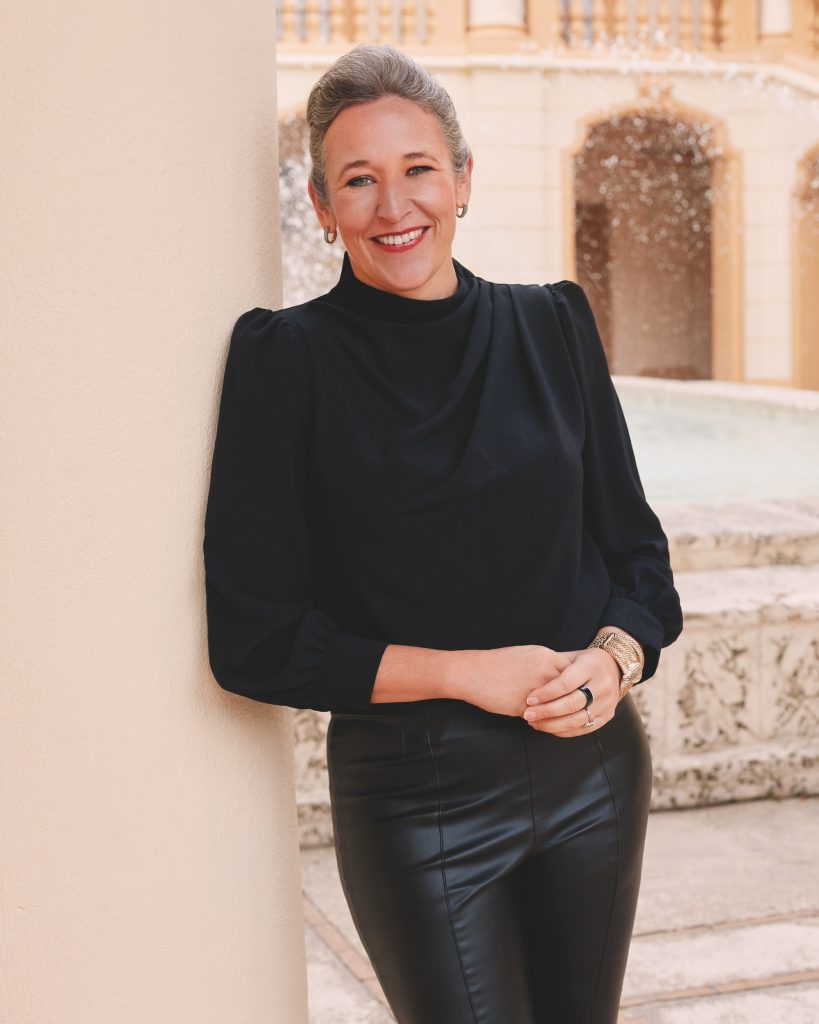
A leading expert on slowing biological aging with medical science, Dr. Andrea Maier co-founded Chi Longevity in 2022 in Singapore, then expanded the private clinic last year with a second location, at Four Seasons Hotel Singapore. “I moved to Singapore in 2021 because it is one of the few global countries where science and forward-thinking health care coexist so seamlessly. With its walking trails, lush parks, and commitment to green living, Singapore is the world’s closest counterpart to a modern blue zone,” says Maier, the founding president of the Healthy Longevity Medicine Society. “When health and wellbeing are embedded into ordinary places and daily habits, they become accessible and inclusive.”
Photograph by Richard Gugaty / Michelle Leo Agency; hair and makeup by Sergio Ovejero / Michelle Leo Agency.
Her approach: measure the pace of aging via biological metrics (including epigenetic, inflammatory, and microbiome assessments) to create personalized interventions. She shares some of her key components of a healthy and socially conscious lifestyle in Singapore.
Walk
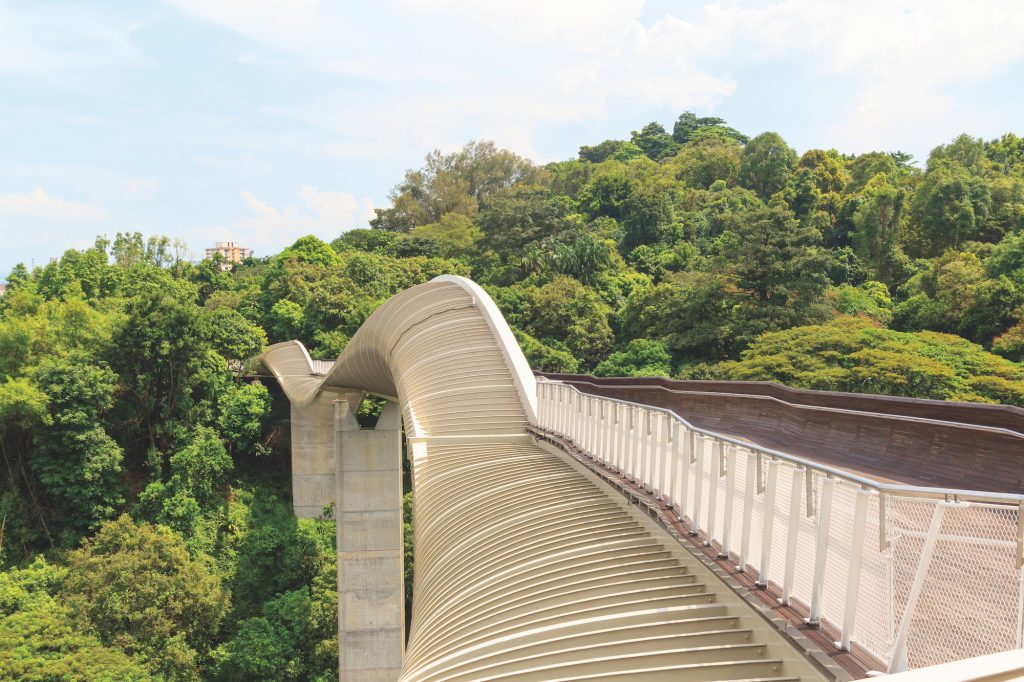
Henderson Waves bridge in the Southern Ridges. Photograph by Johannes86 / Adobe Stock.
The Southern Ridges: “Walking the Southern Ridges is one of my favourite ways to combine physical activity with mental clarity. It’s a 10-kilometre-long series of connected trails with many walkways above the tree canopies, which is quite unique to Singapore.”
Singapore Botanic Gardens: “I treasure early mornings [here]—movement in nature creates focus and energy that carries through the day. There is a family of resident otters [that] I love spotting sometimes as I walk.”
Eat
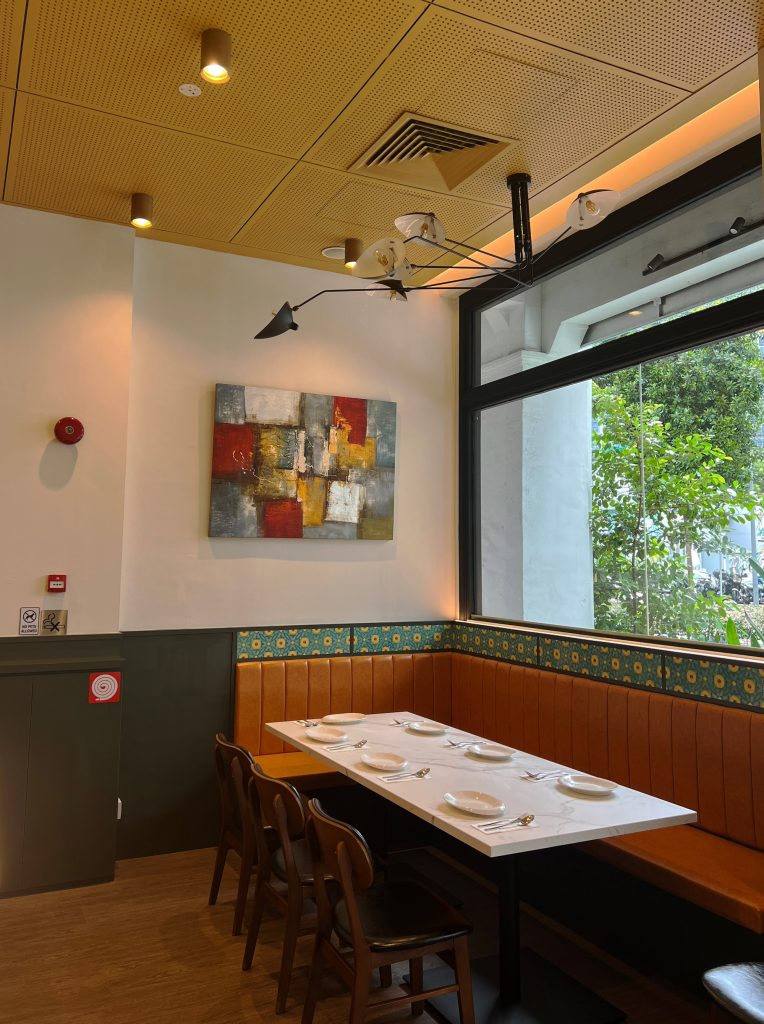
Whole Earth serves spicy vegan food.
Whole Earth: “It was the first vegan restaurant in Singapore to receive a Michelin Bib Gourmand for vegan dining. If you like spicy food, this is a great place to experience authentic Peranakan dishes that are also vegan. Peranakan food, [also known as] Nyonya cuisine, comes from the Peranakans, descendants of early Chinese migrants who settled in Penang, Malacca, Singapore, and Indonesia.”
Lilac Oak Café & Gelato: “I appreciate the intention and dedication of the Lilac Oak [vegan] café and enjoy their menu as it changes seasonally. It makes a great stopping-off point for a coffee or a gelato. Their Valrhona brownies, which are 70 percent dark chocolate, are a small treat.”
Visit
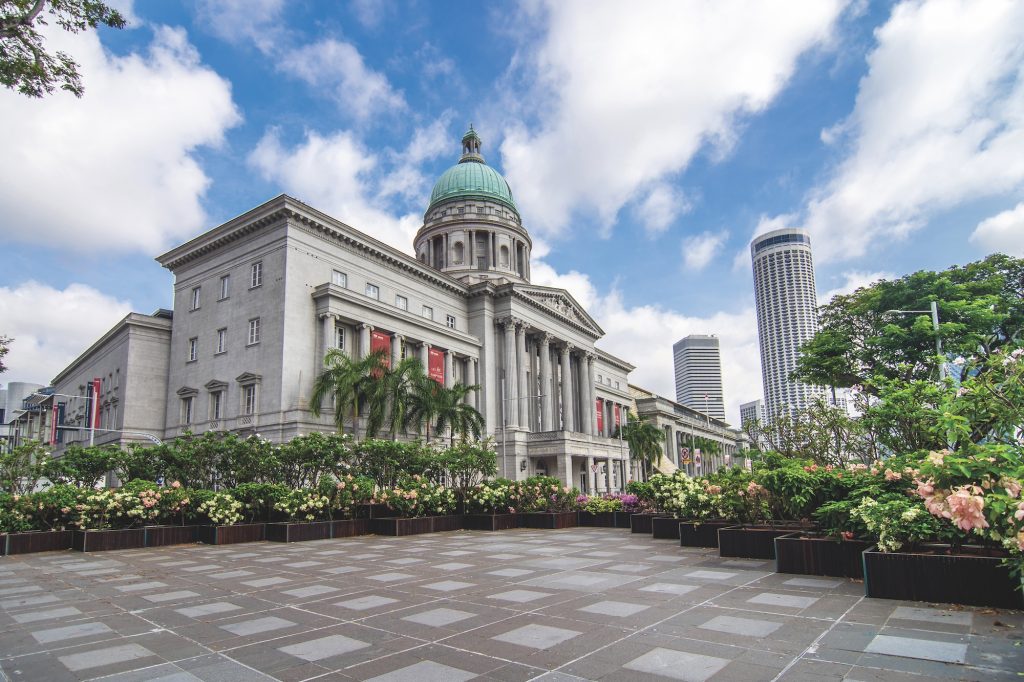
National Gallery. Photograph by Diana Grytsku / Adobe Stock.
National Gallery Singapore: “It’s remarkable for its integration of historic architecture with contemporary culture.”
Shop
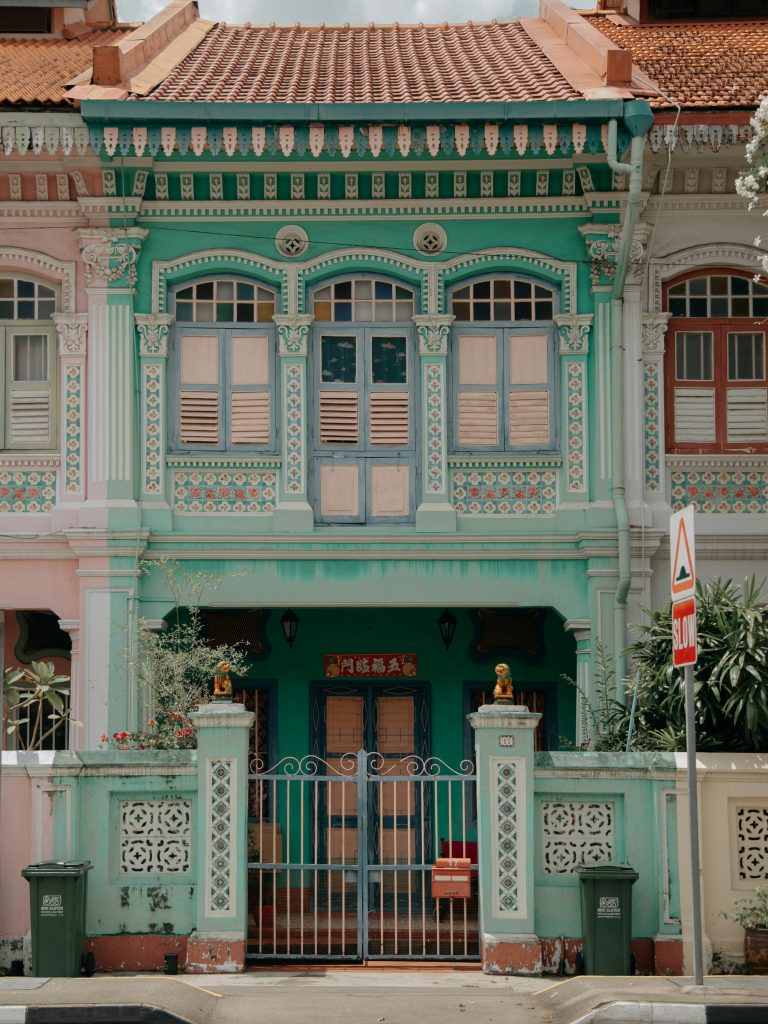
A colorful storefront in Joo Chiat. Photograph by Ryan Haidel / Unsplash.
Joo Chiat: “I love the Peranakan shophouses in [the] Joo Chiat [district], which reflect Singapore’s rich cultural heritage and craftsmanship.”
The Social Space: “I enjoy shopping [here] for ethically produced lifestyle items, many created through upcycling.”
The Fashion Pulpit: “[This social-enterprise hub] promotes clothing exchange and sustainable fashion. A recent purchase was a tailored jacket that had been thoughtfully redesigned and given a second life.”
Stay
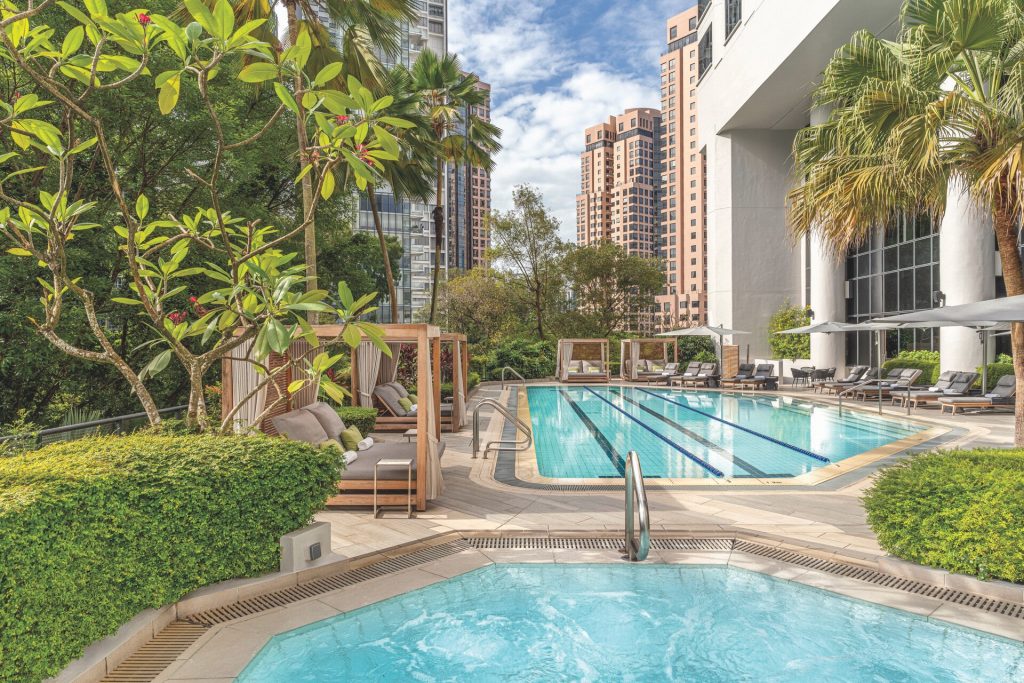
The third-floor lap and quiet pool at Four Seasons Hotel Singapore.
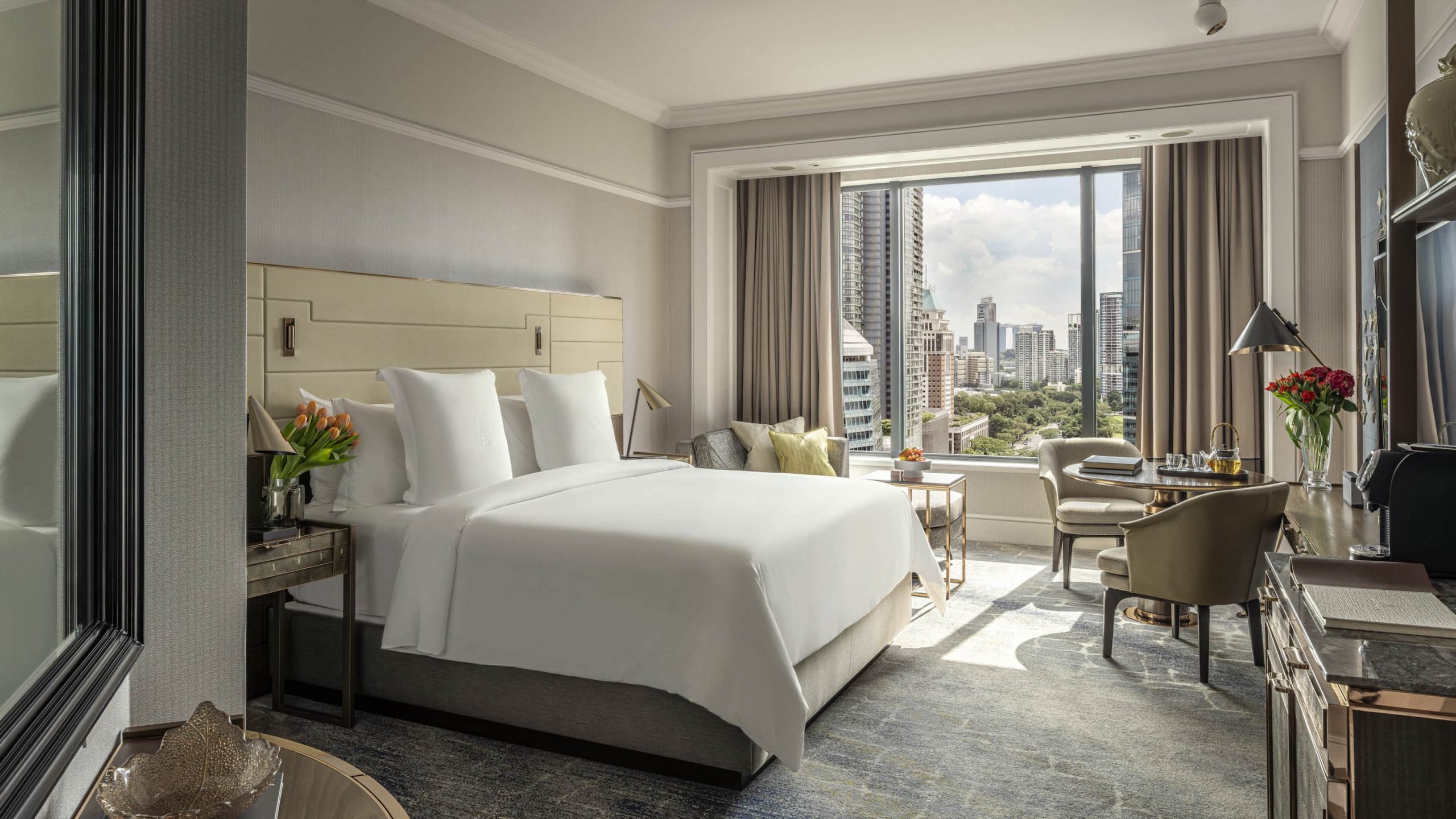
Four Seasons Hotel Singapore: “I particularly appreciate the gym, which is beautifully equipped and ideal for focused strength and cardiovascular training. I also enjoy Pool House [restaurant], where Chi Longevity has co-designed several dishes that translate evidence-based nutrition into elegant cuisine. The overall hospitality is calm, intuitive, and thoughtfully aligned with well-being.”
As the country’s oldest and largest city, Sydney is defined as much by its natural beauty as by its urban landscape. “The city, the ocean, and the bush all meet, and Sydney has something for everyone,” says Lauren Storaker, an expert guide with Blue Mountains Adventure Company. North of the New South Wales capital, efforts are underway to establish a new Great Koala National Park to protect the beloved symbol of Australia. In the meantime, here are our picks for restorative outdoor adventures when visiting Sydney.
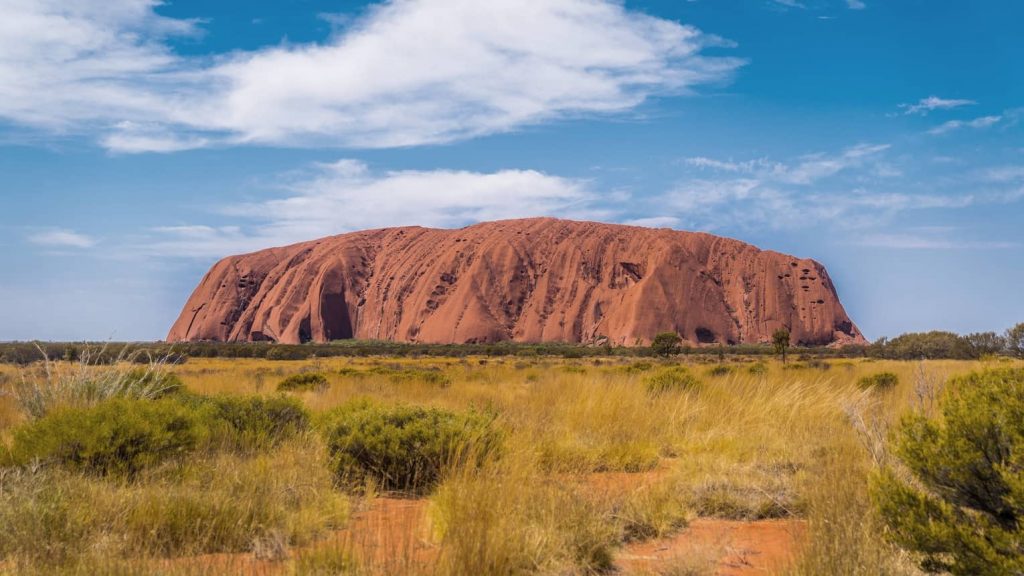
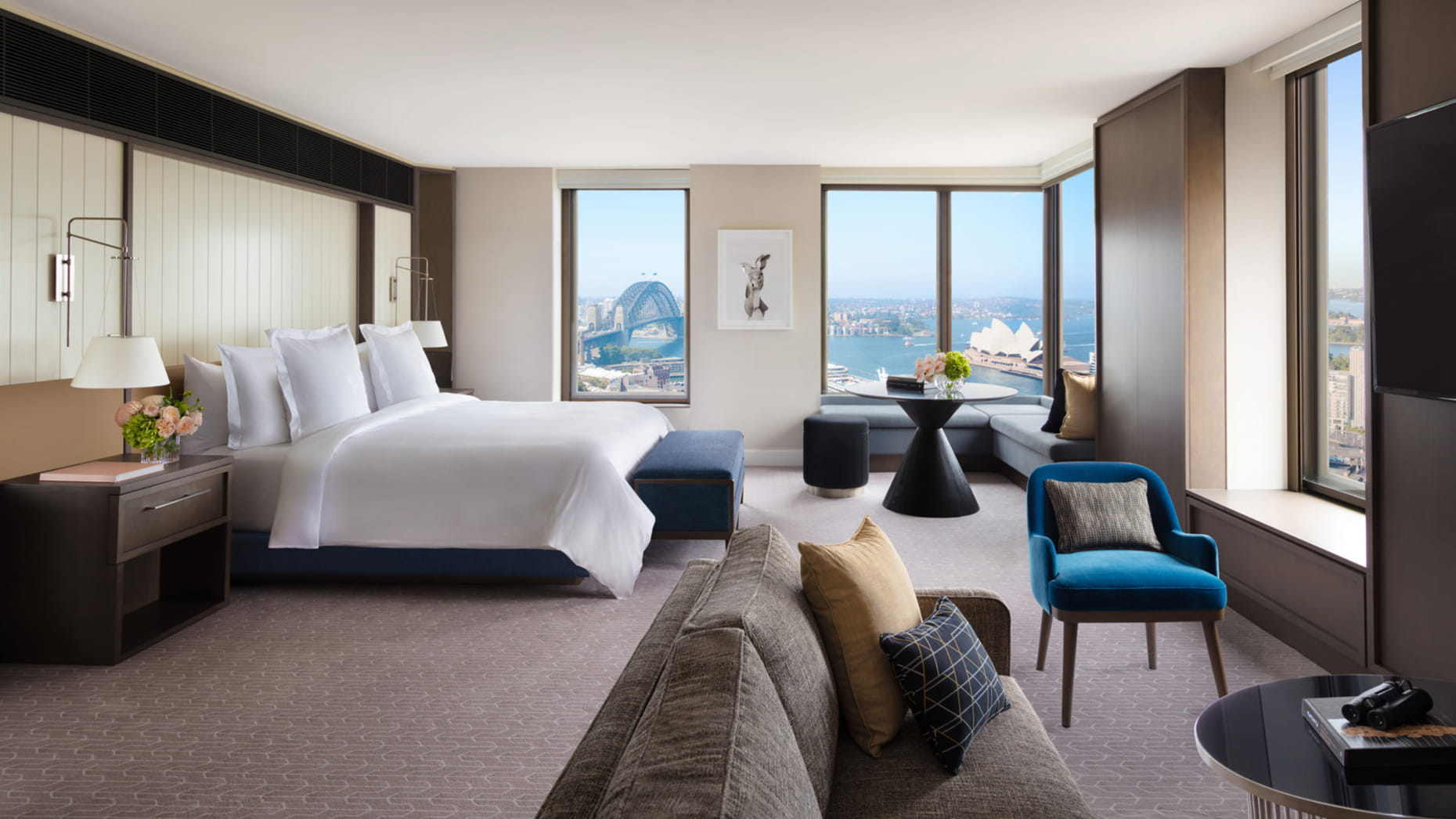
On this full-day excursion, you’ll visit the sacred monolith of Uluru in Australia’s Red Centre, a UNESCO World Heritage site of deep cultural significance for the Anangu people. “Our Uluru Escape gives our guests an authentic and unfiltered look at Australia’s great outdoors and of the nation’s most iconic natural wonders,” shares Kartik Kapoor, general manager of the vibrant Four Seasons Hotel Sydney (which affords stunning views of Sydney Harbour Bridge). “It offers a unique immersion into the world’s oldest continuous living culture with storytelling from knowledgeable Indigenous Australian guides.”
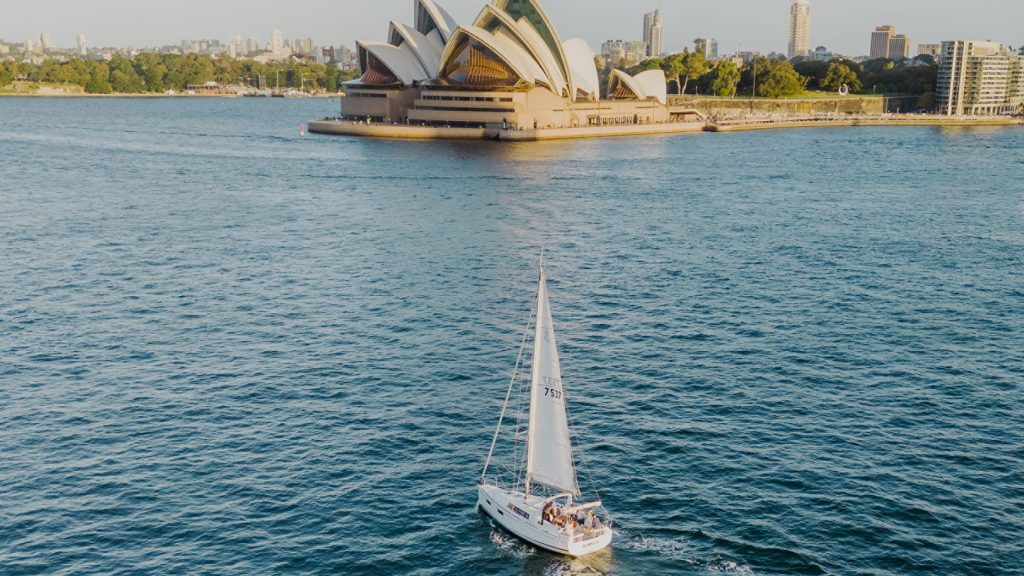
Glide along the world’s deepest and largest natural harbour on a private yacht for views of landmarks like the Sydney Opera House and Sydney Harbour Bridge. Delight in a seafood roast lunch (with fresh-caught fish from the new Sydney Fish Market) prepared by a Four Seasons chef. From May to November, the harbour is a prime location for humpback-whale spotting.
Guided 4WD Adventure
Set out on an adrenaline-pumping, guided four-wheel-drive tour (with outfitters such as Spirit Safaris or 4WD Tag-Along & Passenger Tours) that rolls through river streams and the forest tracks in the Blue Mountains.
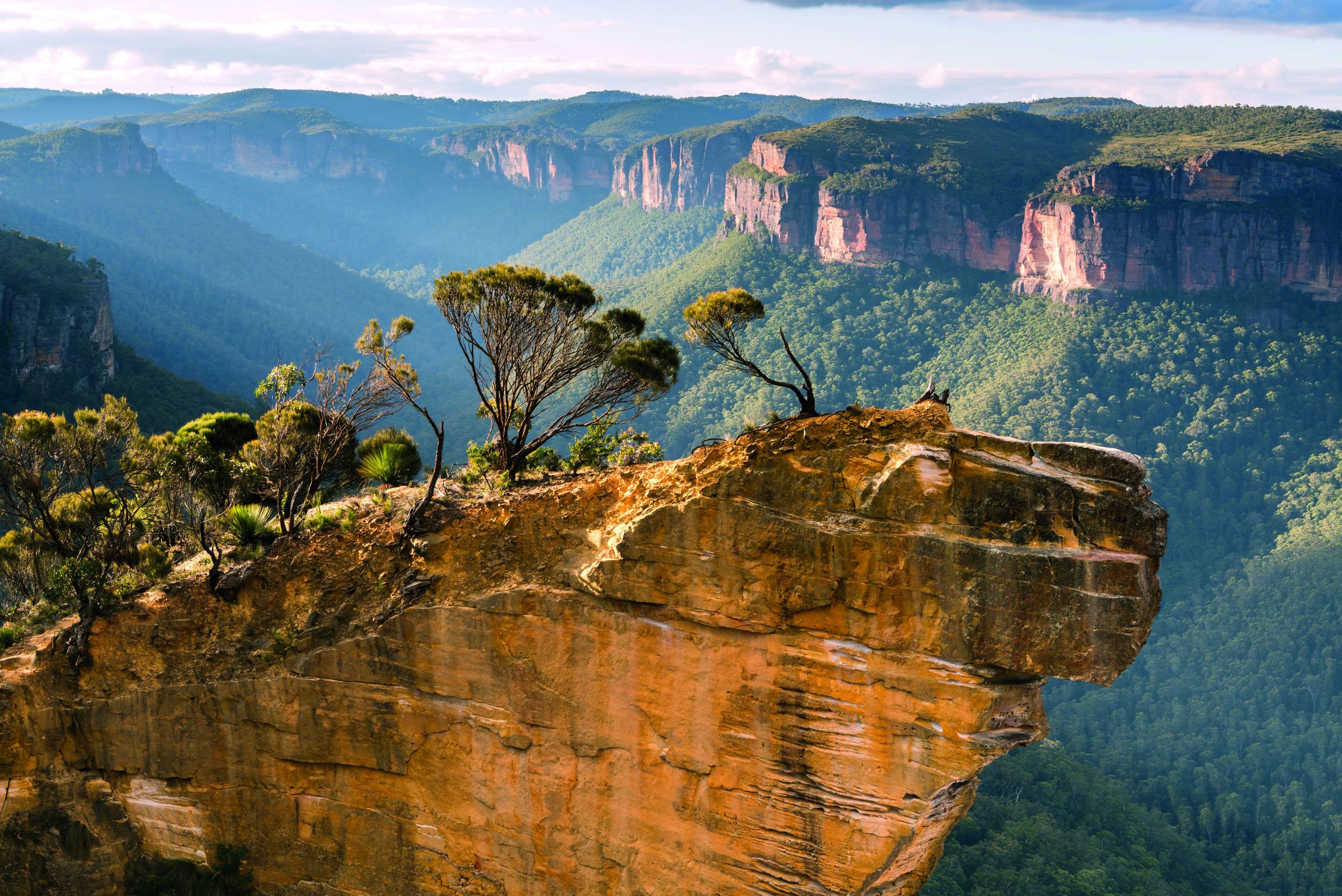
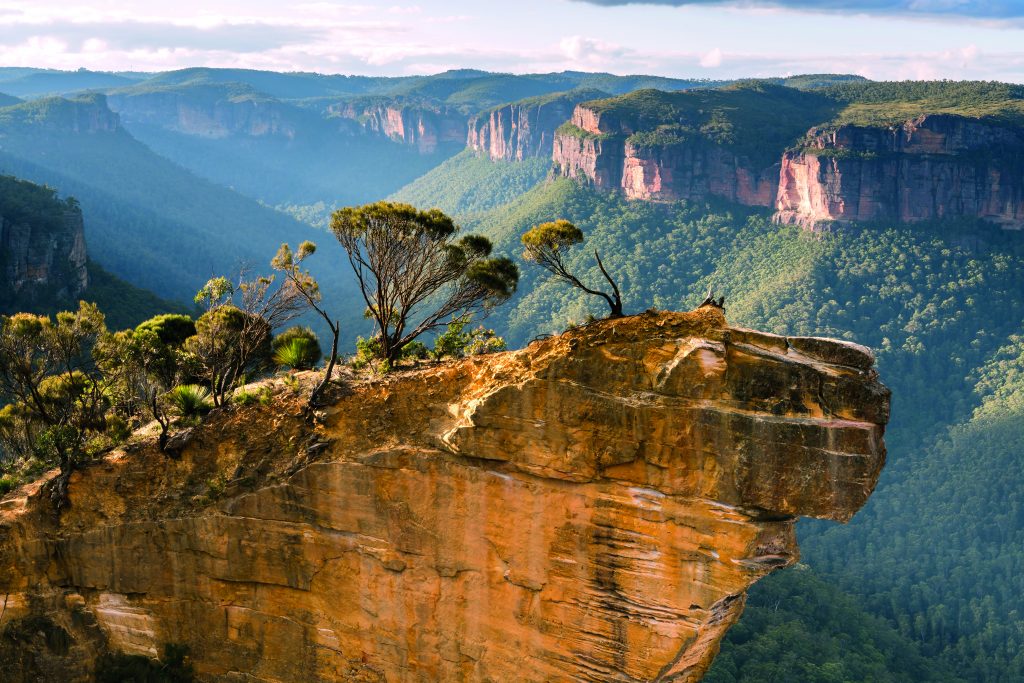
Just two hours from Sydney, the Blue Mountains National Park offers cliff lookouts, the Three Sisters rock formation, rainforest walks, and plenty of waterfalls.
Spit Bridge to Manly Coastal Hike
This 10-kilometre trek culminates in Manly, the beachside suburb. Rachael Schildkraut of Taronga Conservation Society Australia recommends the hike for its sweeping views of “the full city skyline.” Keep an eye out for the bandicoots that live along this trail.
Four Seasons Hotel Sydney Harbour Studio Club Suite
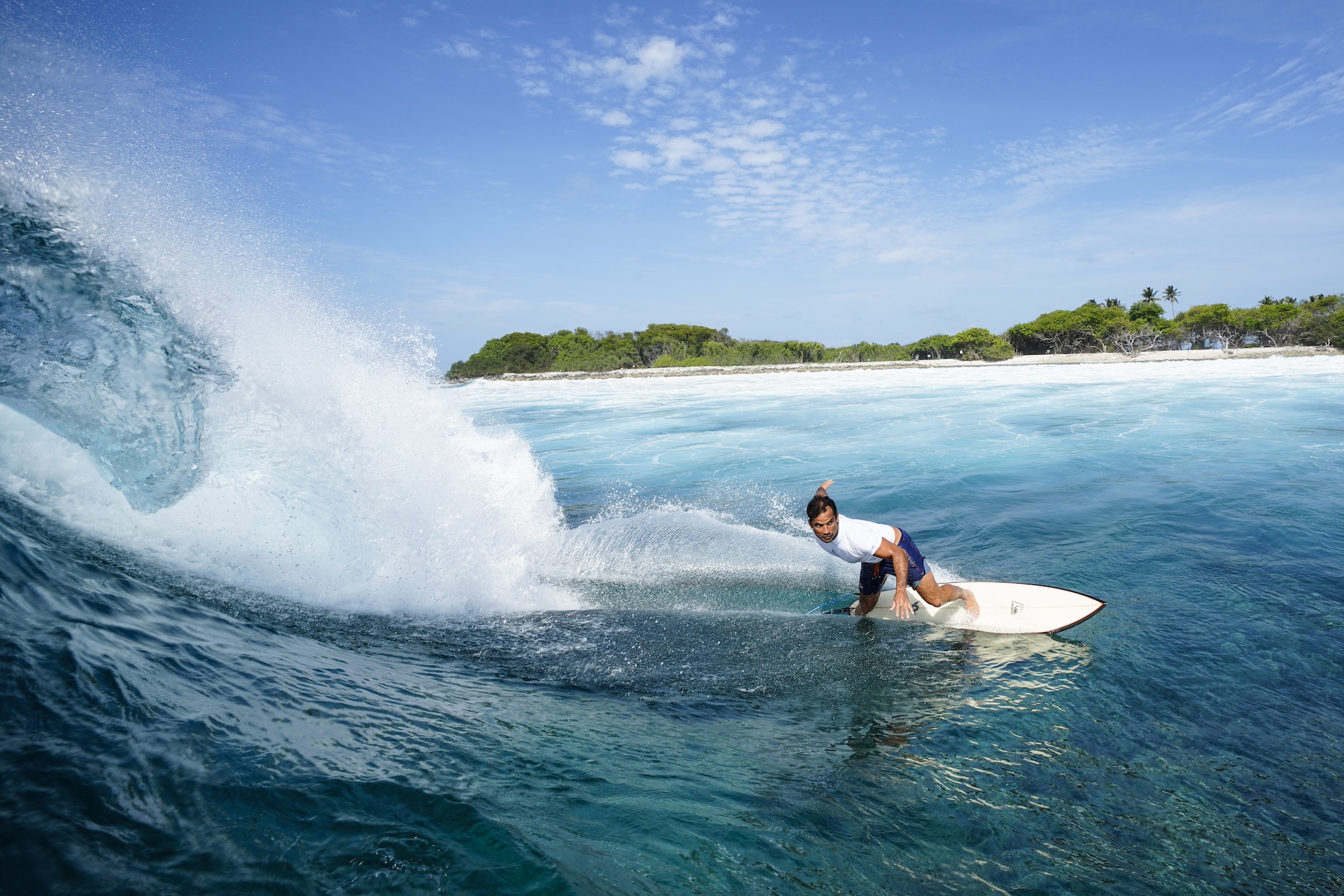
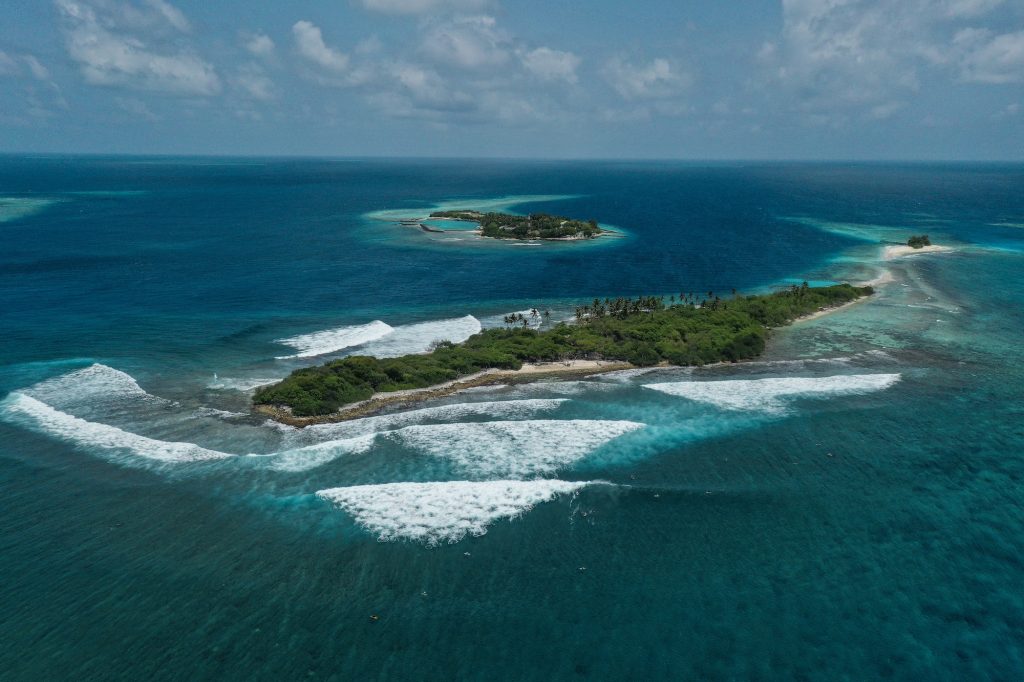
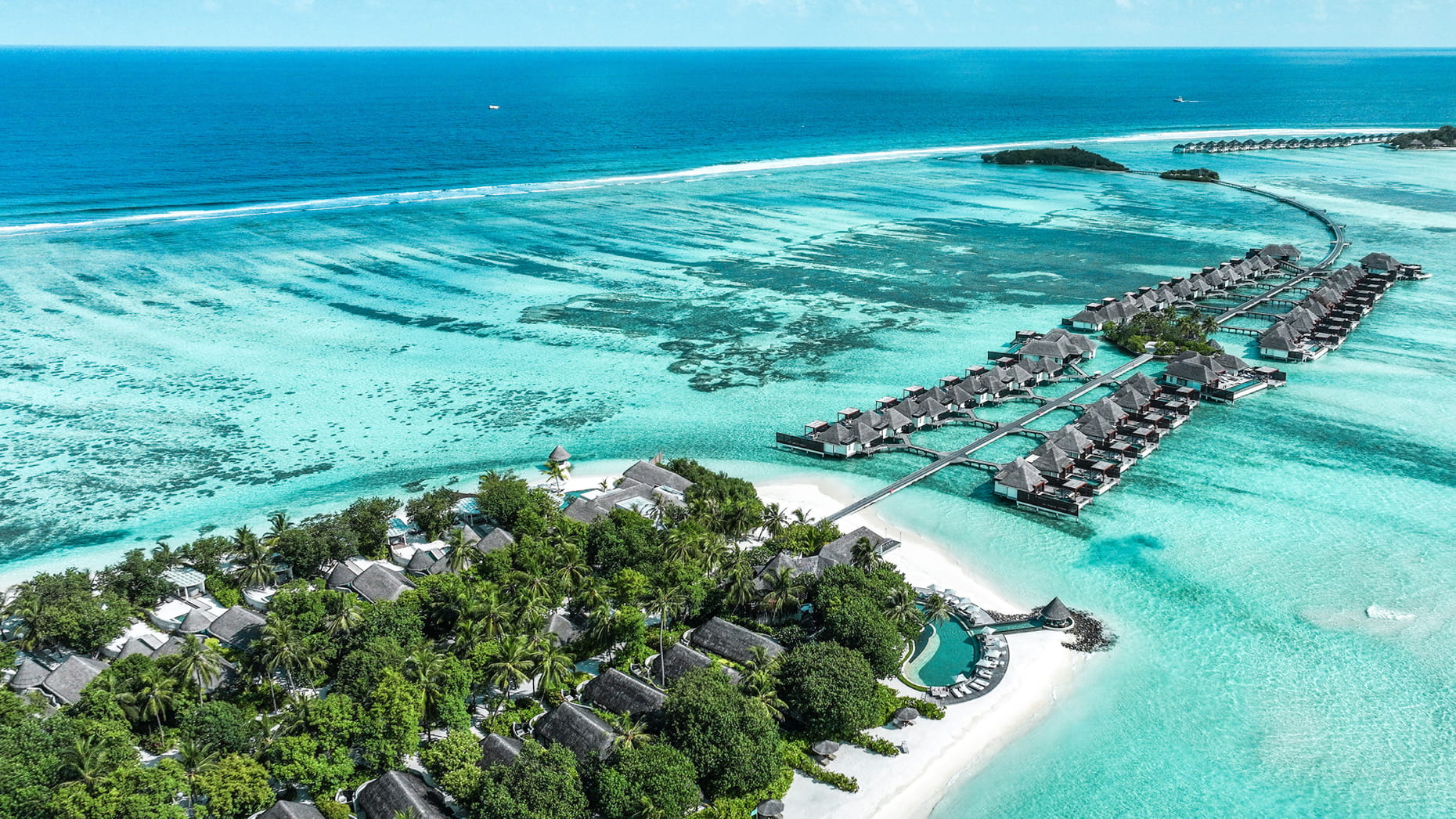
On a warm, breezy morning last September, a pair of 62-foot yachts lined up at Sultans Break in North Malé Atoll for the final day of the weeklong Four Seasons Maldives Surfing Champions Trophy. The competition—often regarded as the world’s most luxurious surfing event—takes place every September just minutes from Four Seasons Resort Maldives at Kuda Huraa, which features a collection of overwater suites and garden villas and a well-being centre, ŪRJĀ Naturopathy Island. Last year, guests had front-row seats aboard the plush Four Seasons yachts as French surfer Michel Bourez barrelled down the tube of a lengthy right wave for a victory-sealing perfect score.
The Four Seasons Maldives surfing competition was held at the “Sultans” break, just minutes from Kuda Huraa.
What makes this invitation-only showcase particularly special is that it brings together a mix of fresh talent and legendary veterans for an intimate event in one of the most idyllic places on Earth. In addition to the all-star roster of competitors, the contest boasts a unique format that includes single-fin, twin-fin, and thruster divisions, celebrating the sport’s past and present while simultaneously challenging the pros to acclimate to all three boards.
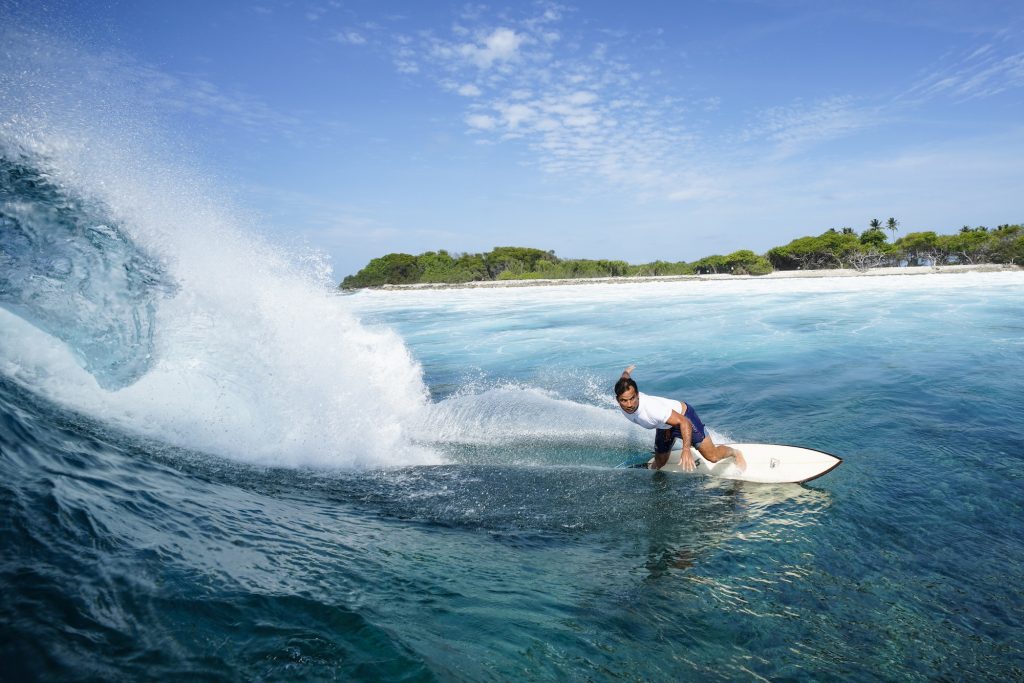
Bourez, winner of the 2025 Surfing Champions Trophy
Guests can get their own shot at world-class waves via the resort’s partnership with Tropicsurf, which offers coaching sessions. Enthusiasts who want to up the ante can take to the skies on a seaplane surf safari in search of the Maldives’ most carvable waves. On special occasions, including during the surfing competition (scheduled to take place this year from September 4 to 11), a surfing pro may also be aboard to offer expert advice.
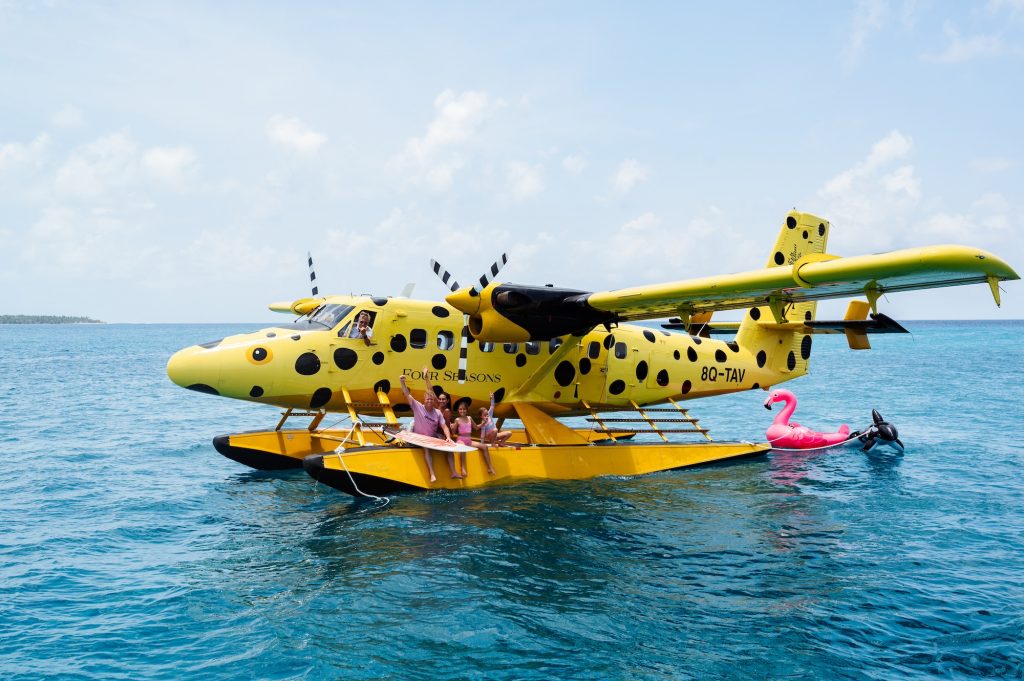
Taj Burrow and his family rest on the pontoon of a private Four Seasons Maldives sea plane.
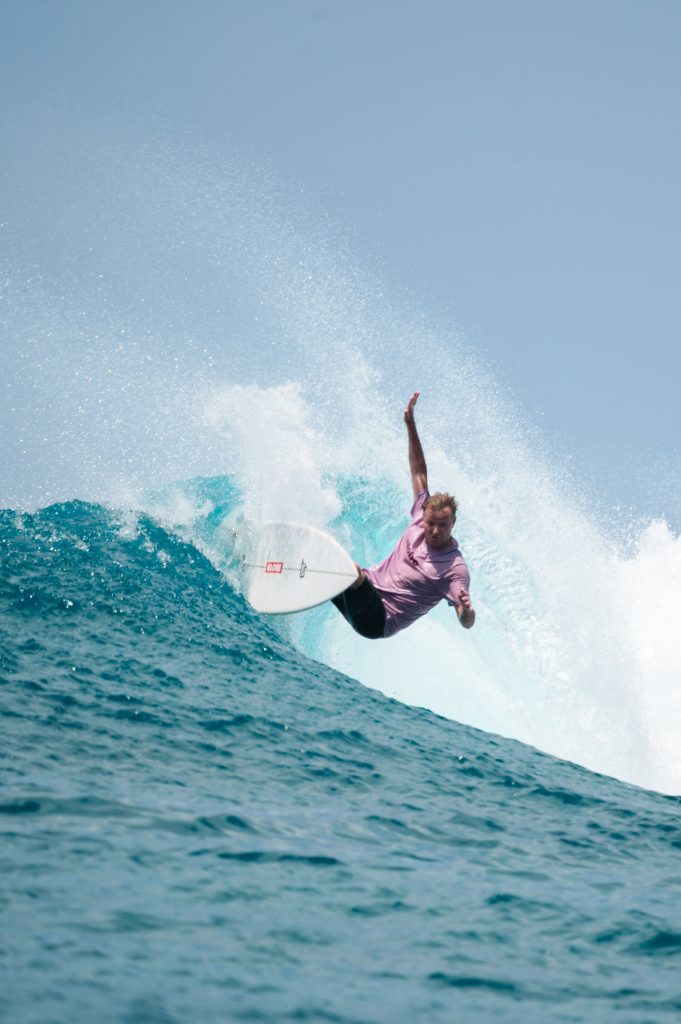
Last year, it was Australian Surfing Hall of Famer Taj Burrow who, with his wife and two daughters, tagged along on the adventure. When the seaplane neared Kudahuvadhoo, an island about an hour south of Kuda Huraa, Burrow spotted what he was looking for: head-high waves peeling off at a constant rate.
Burrow shredding
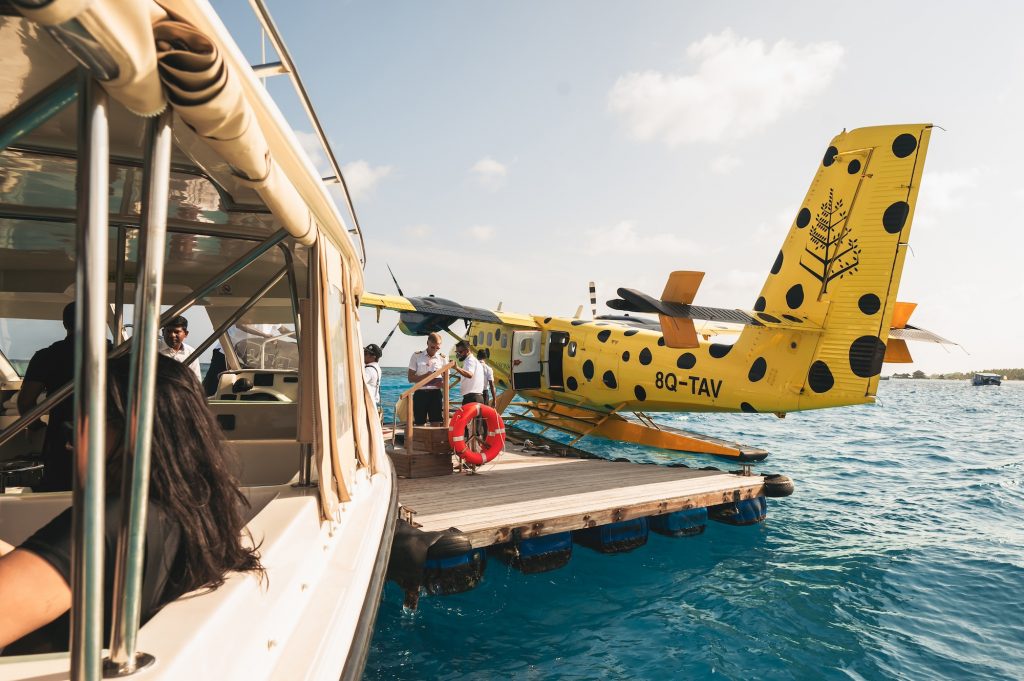
As Burrow surfed, his wife watched from a speedboat just a few dozen feet away while their daughters played on the two floaties tethered to the polka-dotted seaplane, one of two Four Seasons private aircrafts in the Maldives (which can transport guests to and from sister properties Four Seasons Resort Maldives at Landaa Giraavaru and Four Seasons Private Island Maldives at Voavah).
A speedboat was also on hand for the family.
After a couple of hours, Burrow paddled back to his family, calling the visit “the best family holiday [we’ve] ever been on.”
There is no shortage of exquisite wellness experiences at Four Seasons. Here’s but a sampling of the extraordinary treatments, facilities, and getaways offered at Four Seasons spas around the world.
Overwater Bliss in Mauritius
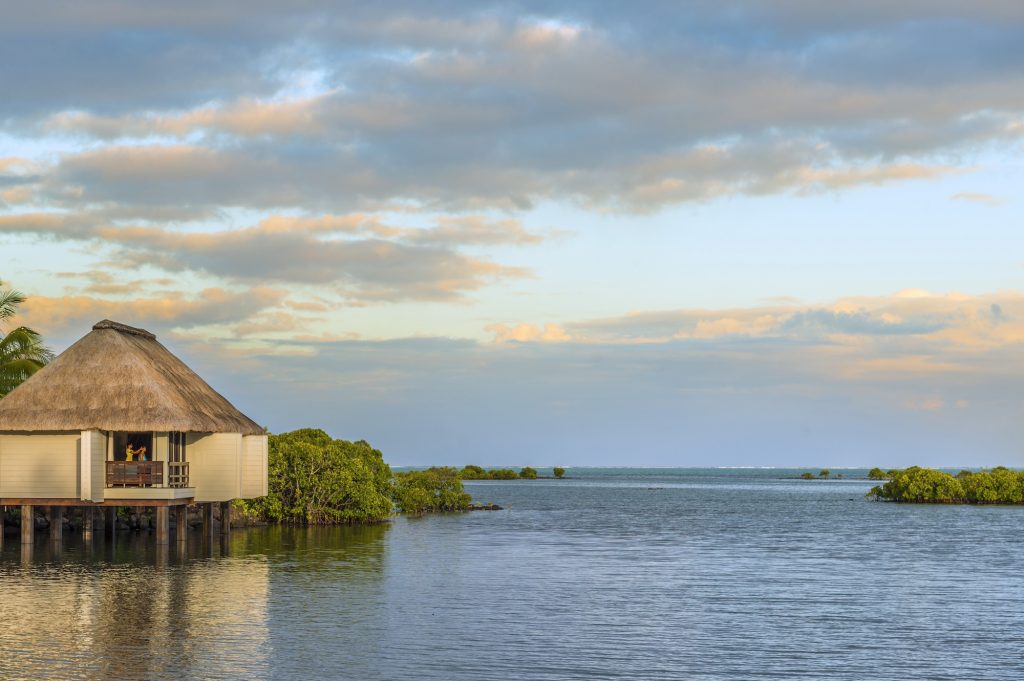
Four Seasons Resort Mauritius at Anahita
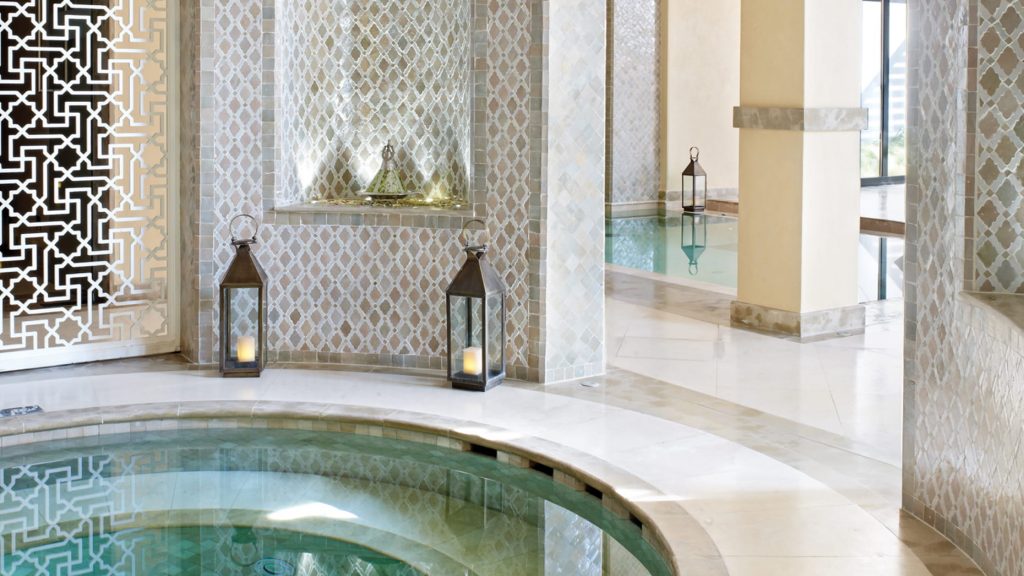
After a thorough reimagining, Mauritius’s only overwater spa, Oseyan at Four Seasons Resort Mauritius at Anahita, now offers more ways to relax and rejuvenate while taking in the serene natural landscape. The renovation includes a state-of-the-art hydro circuit with a cold plunge and experience showers, an overwater salon, and the Royal Spa Suite with a monumental stone tub and impeccable views of a turquoise lagoon. “At the heart of our philosophy is the belief that ‘a person is a person through others,’ ” says Joelle Jennepy, the resort’s senior director of spa and lifestyle. “We honour this connection by creating meaningful moments that remind us that well-being flourishes through shared humanity and care.”
Wellness Immersions
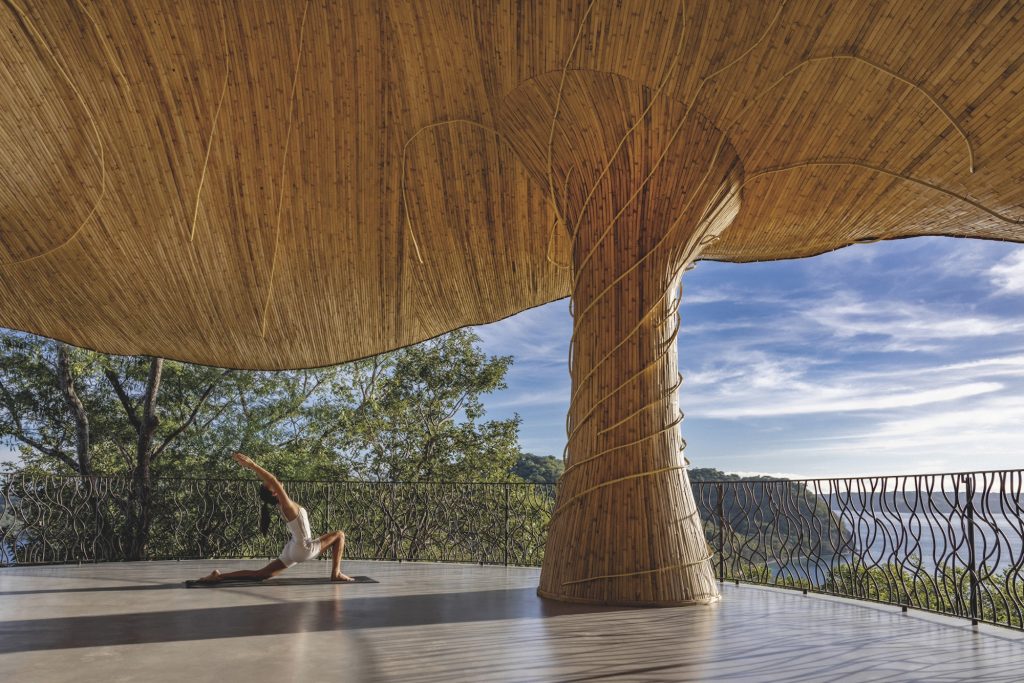
The newly built Wellness Shala at Four Seasons Resort Peninsula Papagayo, Costa Rica
For a getaway that puts personal revitalization front and centre, the new Wellness Villa at Casa del Mar at Four Seasons Resort Peninsula Papagayo, Costa Rica, can be booked for three- and five-day retreats revolving around such practices as sunset gratitude circles, sunrise light therapy, and sound baths. The 6,300-square-foot residence includes a private gym and cold plunge. Dedicated well-being stays are also available at Four Seasons Hotel Los Angeles at Beverly Hills, where Alo yoga equipment, LED face masks, and Peloton bikes are available in rooms and suites on the Wellness Floor. And at Grand-Hôtel du Cap-Ferrat, A Four Seasons Hotel, three new indoor-outdoor glass cabanas take the spa experience out into the property’s lush Mediterranean gardens. Guests can enjoy massages, work out with Technogym equipment, or try dry flotation therapy, relaxing on an Epsom salt–infused water mattress.
A Naples State of Calm
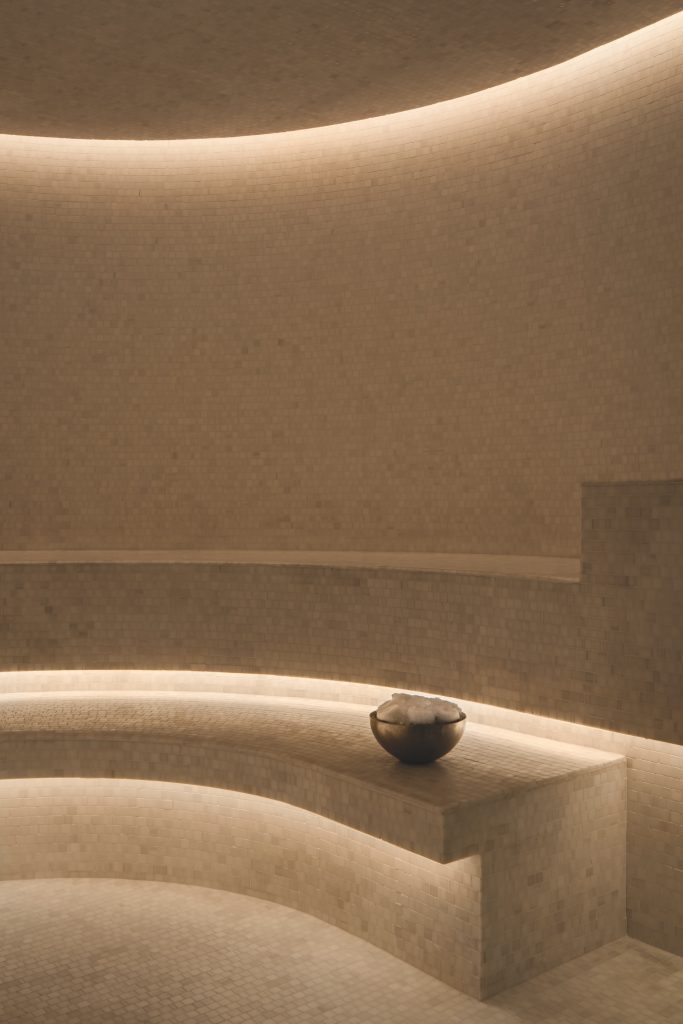
The ice room at the Sanctuary Spa at Naples Beach Club, A Four Seasons Resort, is part of a thermal circuit that includes aromatherapeutic steam rooms and more.
Florida’s newly opened Naples Beach Club, A Four Seasons Resort, has just unveiled its sublime two-level Sanctuary Spa, a 30,000-square-foot retreat offering an array of restorative experiences. Highlights include LPG Endermologie body sculpting—a cellulite treatment applied slowly and rhythmically along the spine to guide the body from fight or flight into a parasympathetic state—and the Ammortal Chamber, an experience featuring light, vibroacoustic, and pulsed electromagnetic therapy to support cellular regeneration and mental clarity. Says Paul Gabriel Nunez, director of spa and wellness, “Life is full of stress triggers, but rarely do we encounter something that can just as easily trigger relaxation.”
An Evening of Relaxation
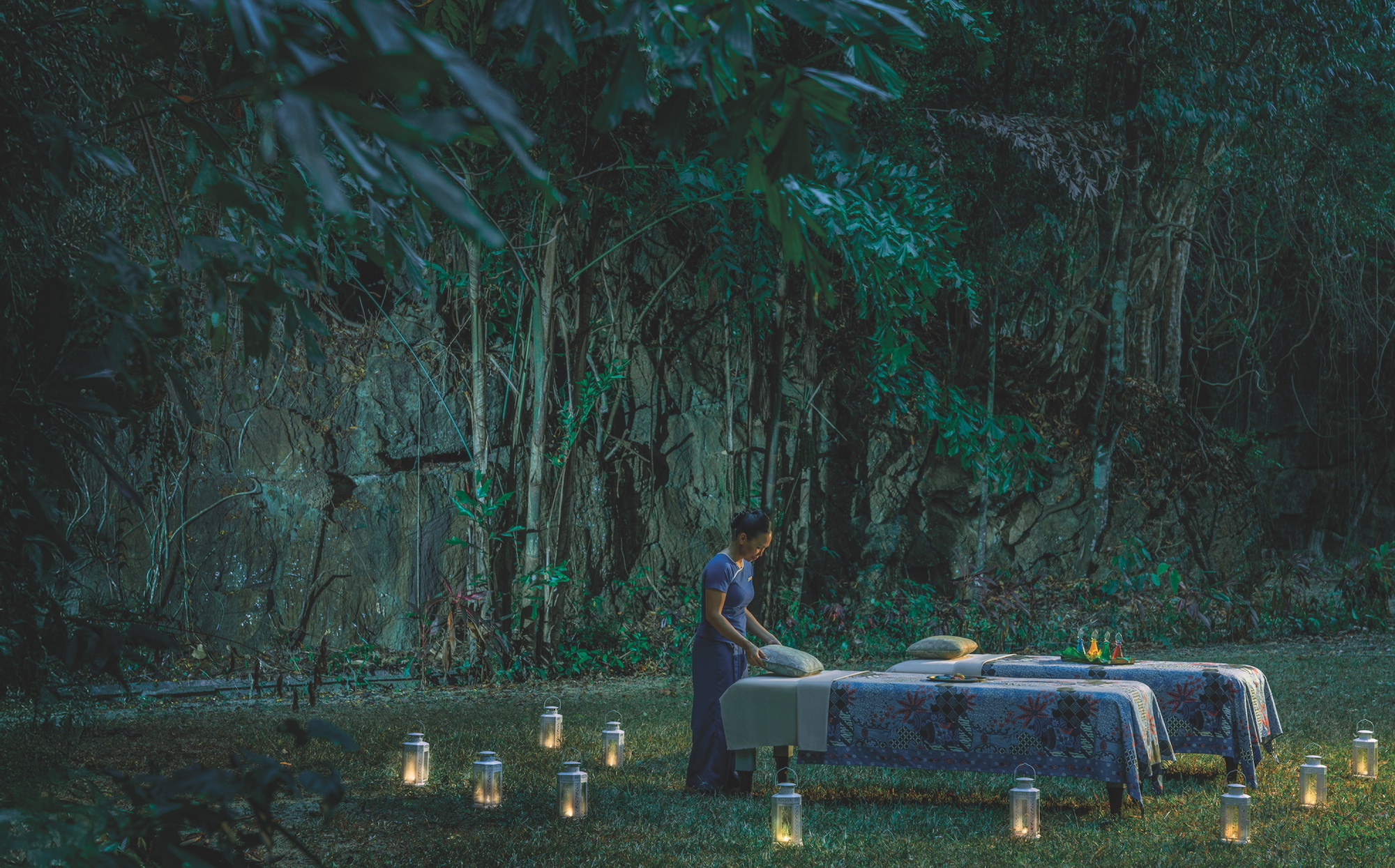
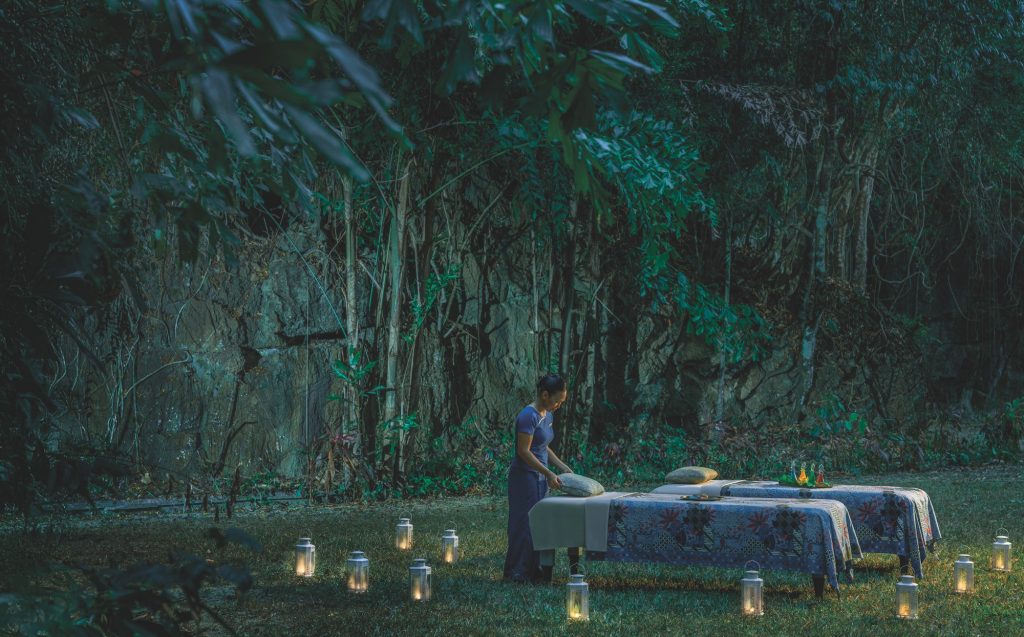
A masseuse prepares for a couples massage at Four Seasons Resort Langkawi
At Four Seasons Resort Langkawi—a tranquil retreat set on a glorious mile-long beach—the Geo Spa recently debuted the Night Space Ritual, a wellness experience for two in the heart of the rainforest. It begins with an energy-cleansing ceremony, followed by side-by-side massages. “the essence of a healthy life always leads back to nature,” says the resort’s director of spa, Heriberto “Beto” Pena.
A Ritual of Renewal in Mexico
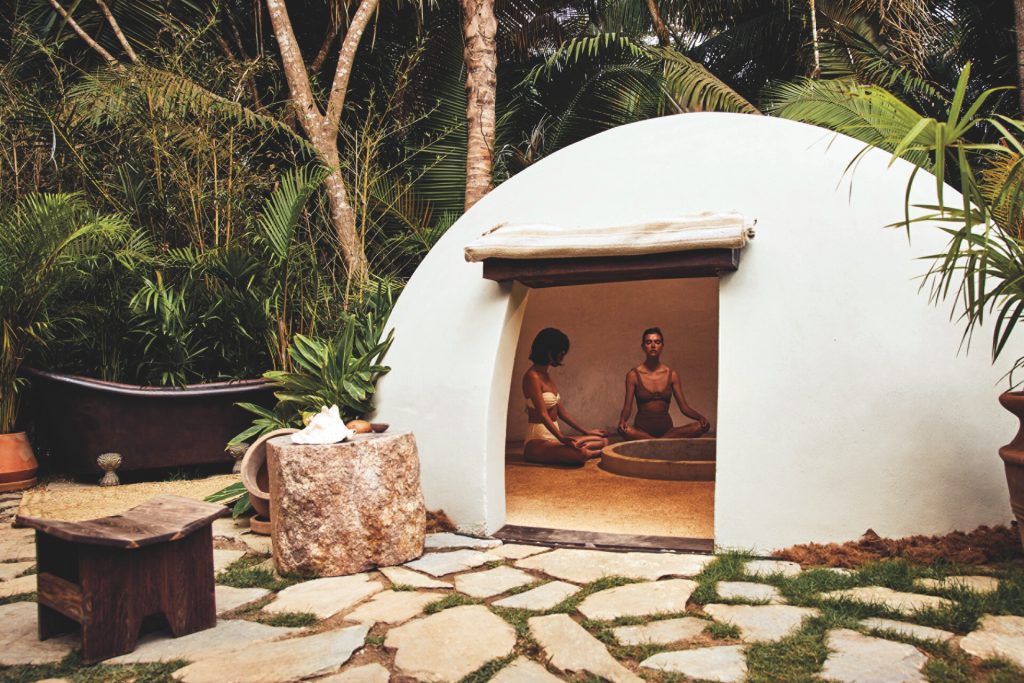
The sweat lodge at Naviva
With just 15 bungalows on 48 coastal acres, the all-inclusive, adults-only Naviva, A Four Seasons Resort, Punta Mita, México, is the most intimate property in the Four Seasons portfolio. Its sublime wellness program is deeply rooted in nature and tradition, featuring two open-air spa pods with private gardens and experiences such as a temazcal sweat-lodge ceremony, designed to cleanse both body and spirit.
The Yacht as Sanctuary
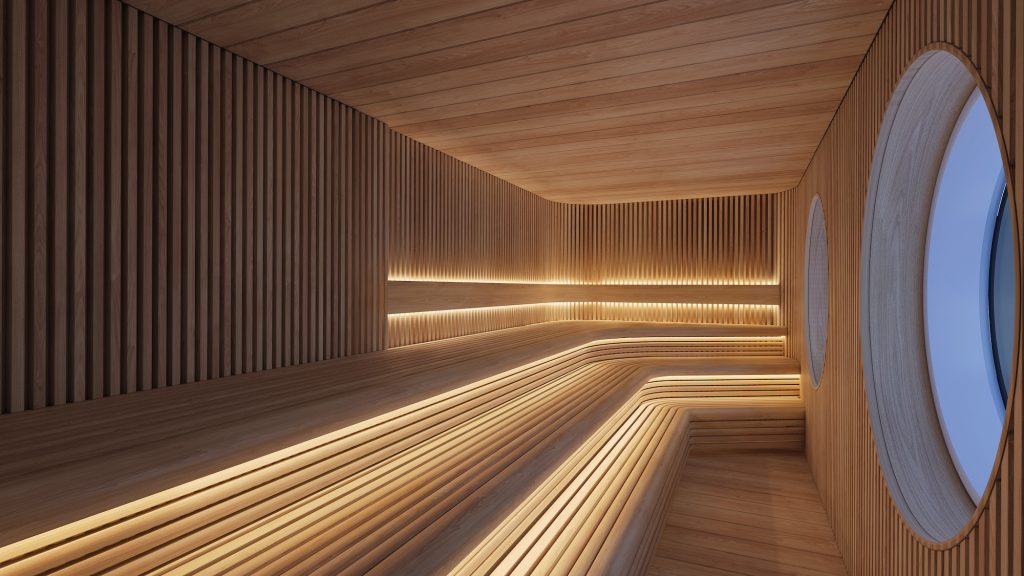
The sauna on board Four Seasons 1
Four Seasons Yachts, which began its inaugural season in March, offers revitalization, stillness, and relaxation as comprehensively as any property on terra firma. The L’Oceana Spa balances marine-inspired treatments with advanced recovery experiences, from spirulina body wraps to a cryo chamber to an ice fountain to the Ocean Vista Finnish Sauna set at 176 degrees Fahrenheit. A dedicated well-being coach can curate a personalized, multiday program that weaves together restorative sleep insights, reformer Pilates, guided breath mapping, and tranquil yoga by the water-level marina.
Take wing and explore eight destinations over 20 days, breathing, eating, and sleeping personalized well-being on the World of Wellness journey aboard Four Seasons Private Jet Experience. The incomparable one-time itinerary (May 7 to 26) invites rejuvenation of body, mind, and spirit with customizable experiences, including a hot-air-balloon drift above Mexico City’s Teotihuacán pyramids, a Moroccan beauty ritual in Marrakech, a Jeep trek on Mount Etna in Sicily, a Muay Thai lesson on Koh Samui, and a turtle safari in the Maldives.
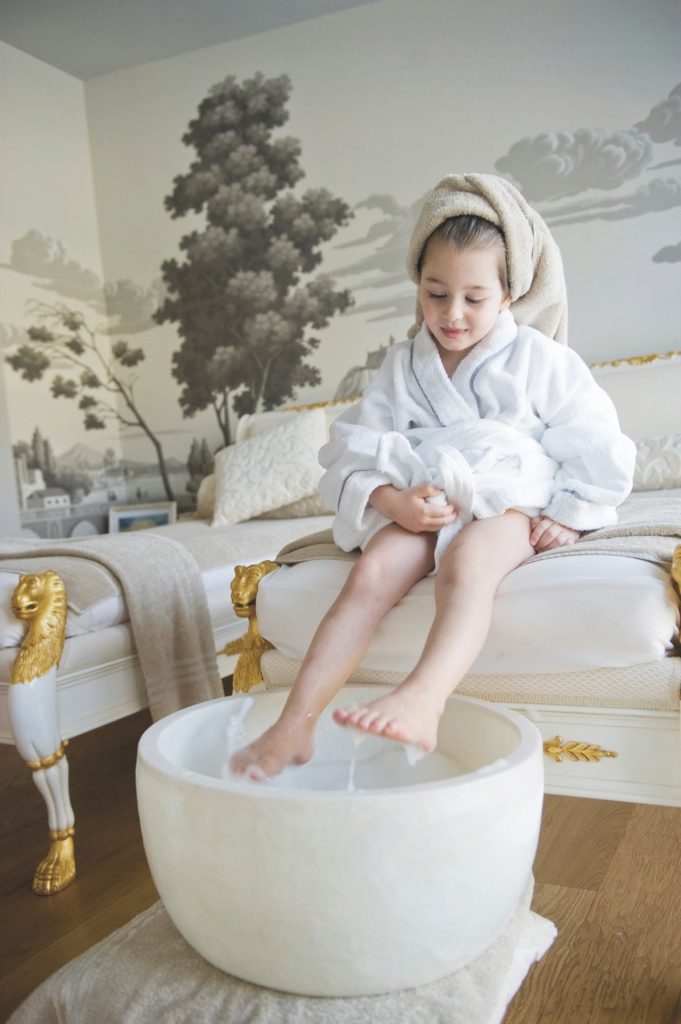
With even preteens becoming captivated by beauty and skincare products, it’s no surprise that “offering kid-friendly spa experiences is growing across Four Seasons hotels,” says Dheeraj Singh Patwal, health and wellness manager at Thailand’s Four Seasons Resort Chiang Mai, where kid-friendly treatments include the nervous-system-soothing Angel Bliss massage and the Sugar, Honey and Rose Scrub. Many guests today, adds Patwal, view spas as “a place for relaxation, curiosity, and quality family time.” There are also facials designed specifically for young skin at Four Seasons Resort Megève (the Sweet Little Face using fruit-based ingredients) and at Four Seasons Hotel Firenze (the Florenteen’s Facial, which incorporates natural products from Florence’s historic apothecary Santa Maria Novella).
Healthy Aging
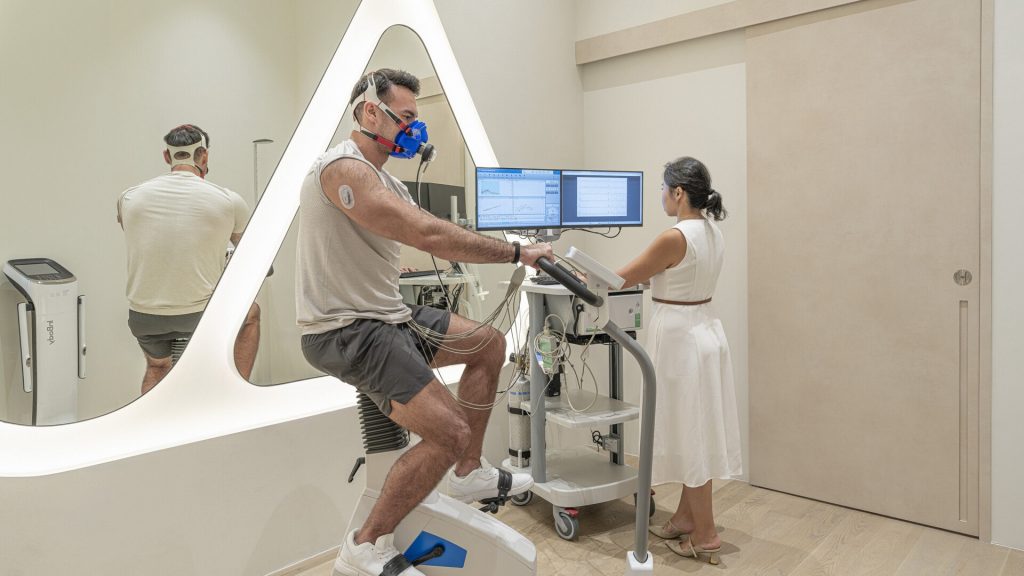
The longevity clinic at Four Seasons Hotel Singapore
Longevity is an increasing focus across the Four Seasons portfolio, from the new Chi Longevity Clinic at Four Seasons Hotel Singapore to Southern California’s Four Seasons Hotel Westlake Village, where the newly appointed director of wellness and longevity, Ben Carter, a licensed naturopathic physician, leads the property’s Center for Health & Wellbeing. The centre’s three-day wellness stays can feature a one-on-one meeting with a registered dietician, a tai chi workout, a stress-reduction workshop, and a metabolic assessment.
Matcha is having its moment, with the appetite for the beverage having grown exponentially outside Japan in recent years. Travellers looking for matcha and a meaningful, meditative cultural practice are able to immerse themselves through the art of chado (Japanese tea ceremony), deepening their appreciation through an experience that engages the senses on both a physical and a spiritual level. However, for visitors to Japan who don’t find the flavour of matcha to be quite their cup of tea, Japanese coffee culture might suit the palate. Inspired by 19th-century Western literary salons, retro-style cafés or kissatens invite quiet contemplation through attentive service and nostalgia-inducing Shōwa-era aesthetics often soundtracked by either classical music (meikyoku kissa) or jazz (jazz kissa). Almost always independently owned and operated, kissatens are the result of thoughtful and careful curation.
Here are five kissatens, each with its own distinctive vibe, to check out the next time you’re in Japan.
Elevated Elegance
Photograph by Ooki Jingu.
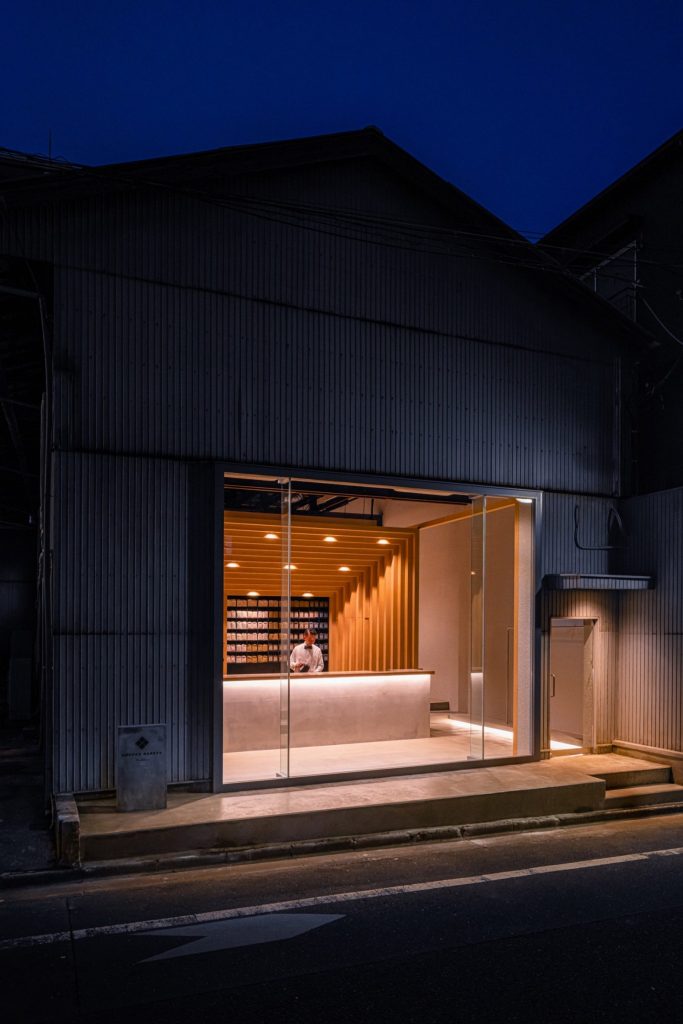
Koffee Mameya Kakeru (Tokyo): Reservations are required for this truly unique coffee establishment, more akin to an omakase tasting menu. Located a 10- to 15-minute drive from Four Seasons Hotel Tokyo at Marunouchi and Four Seasons Hotel Tokyo at Otemachi, it’s housed in a former warehouse and has recently hosted events with coffee growers from Brazil, Panama, and Santa Barbara, California.
Vintage Appeal
Monozuki (Tokyo): Time travel feels possible at Monozuki (founded in 1975), with its antique clocks that add to the mid-century charm of the venue, which focuses on black coffee. Just how old-school is it? Monozuki has no website or Instagram account. You can find it in real life at 3 Chome-12-10 Nishiogikita, Suginami City, Tokyo.
Hip and Moody
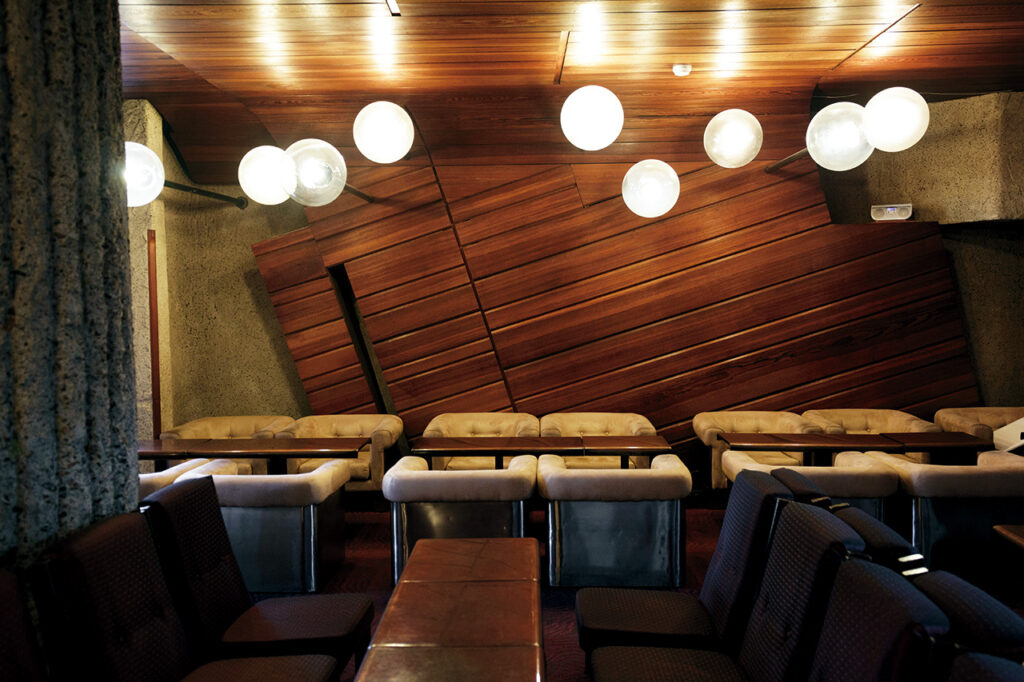
Gion Ishi Kissaten (Kyoto):Escape the crowds at Yasaka Shrine and enjoy a cup inside a distinctive Brutalist building that is also home to a jewelry, fossil, and mineral store (five minutes by car from Four Seasons Hotel Kyoto). The spot’s 1970s-style decor features impressive cypress-wood wall panelling.
Considered Design
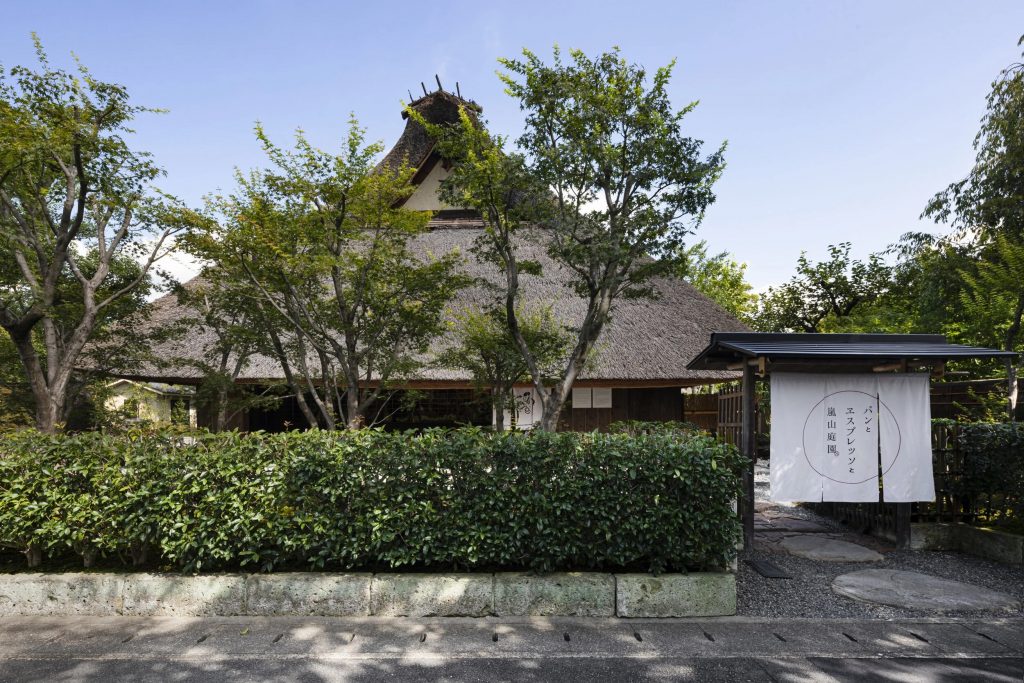
Bread, Espresso & Arashiyama Garden (Kyoto):A 210-year-old thatched-roof home takes on a new life (with coffee beans roasted on-site) through the vision skillfully executed by the Kimoto Yosuke Architectural Design Room, which was shortlisted for the Sky Design Awards for its work. Patrons can choose from sitting Japanese style (shoes off, at low tables on the floor) or in the Western fashion, both with views of the stunning garden. Can’t make it to Kyoto? The cafe just opened its first U.S. outpost, in Redondo Beach, California.
Diner-Chic Charm
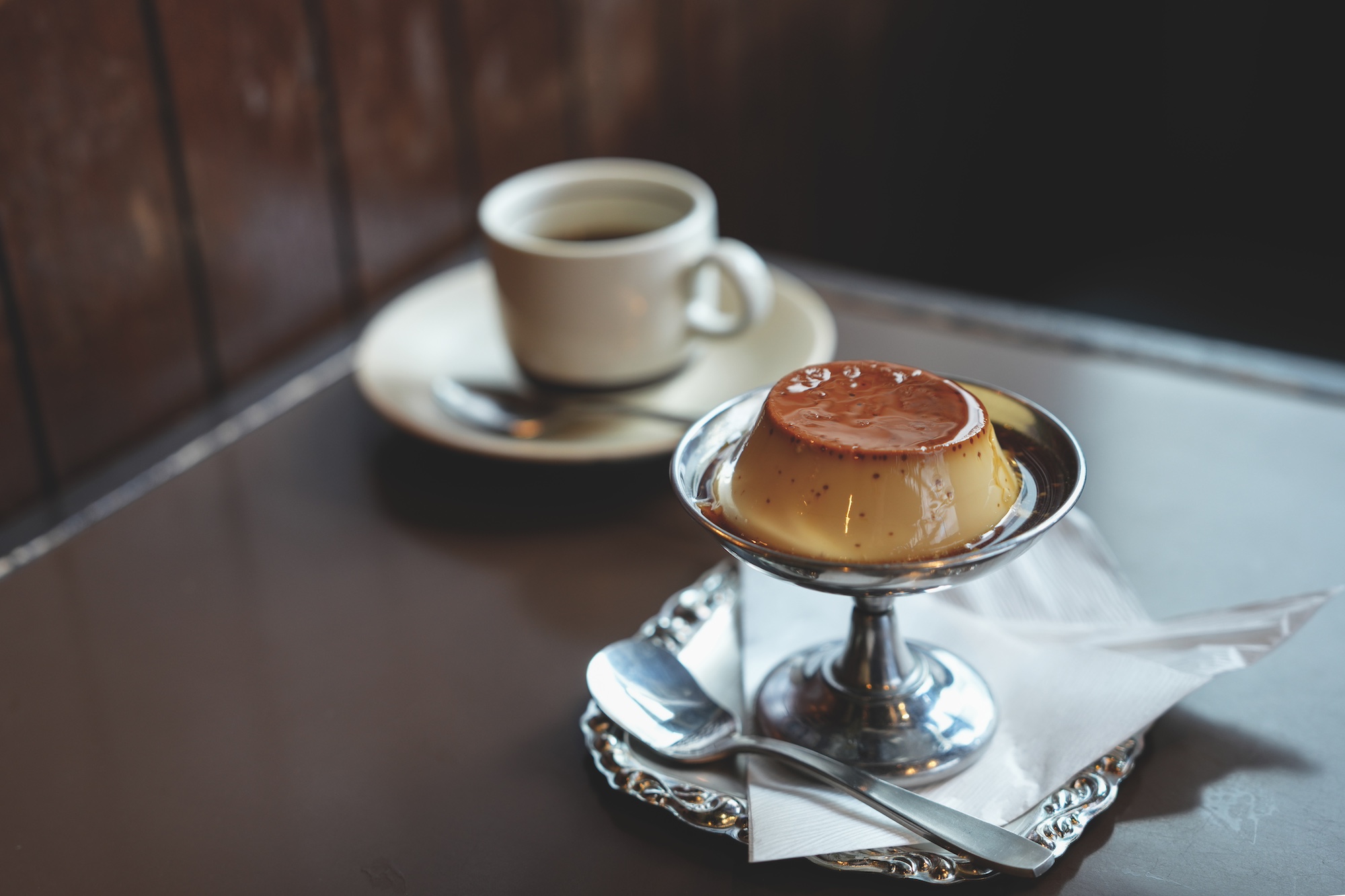
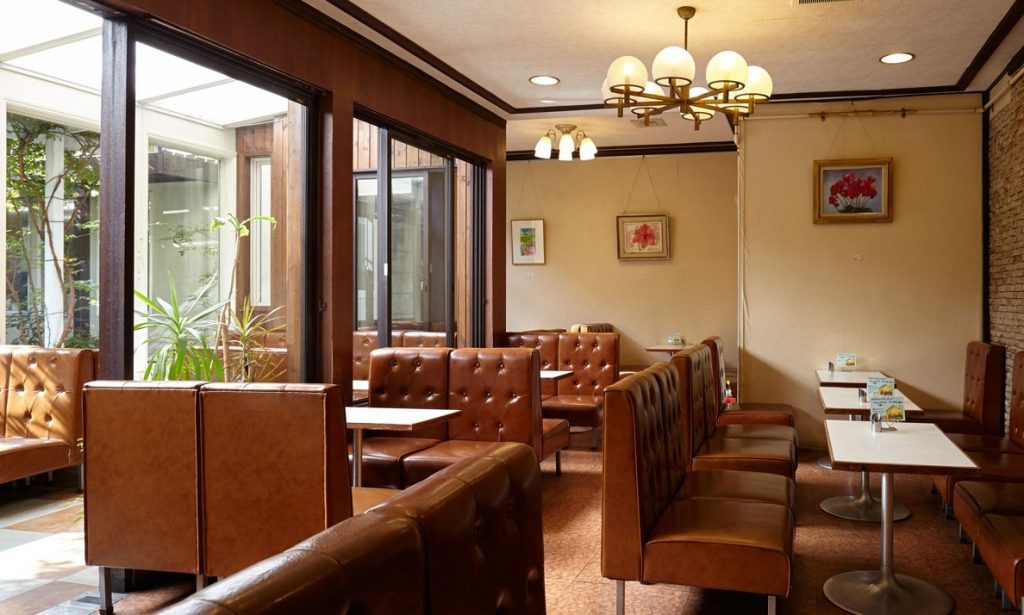
Iwata Coffee (Kamakura):A popular day trip from Tokyo, coastal Kamakura is home to Iwata Coffee, established in 1945. This café on Komachi Street has a long literary history (and was even visited by John Lennon and Yoko Ono). It specializes in “nel drip” coffee, a brewing method invented in Japan that brings out the flavour of the beans by filtering it through cotton flannel (or “nel”) for a mellow finish.