A World of Well-Being

There is no shortage of exquisite wellness experiences at Four Seasons. Here’s but a sampling of the extraordinary treatments, facilities, and getaways offered at Four Seasons spas around the world.

Overwater Bliss in Mauritius 
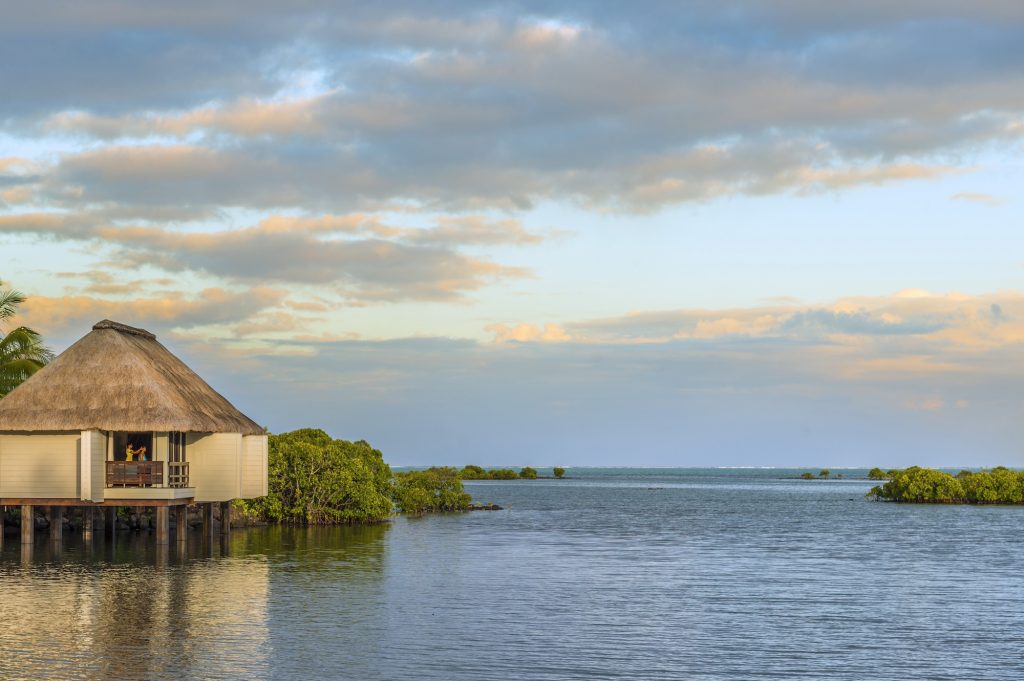
Four Seasons Resort Mauritius at Anahita

After a thorough reimagining, Mauritius’s only overwater spa, Oseyan at Four Seasons Resort Mauritius at Anahita, now offers more ways to relax and rejuvenate while taking in the serene natural landscape. The renovation includes a state-of-the-art hydro circuit with a cold plunge and experience showers, an overwater salon, and the Royal Spa Suite with a monumental stone tub and impeccable views of a turquoise lagoon. “At the heart of our philosophy is the belief that ‘a person is a person through others,’ ” says Joelle Jennepy, the resort’s senior director of spa and lifestyle. “We honour this connection by creating meaningful moments that remind us that well-being flourishes through shared humanity and care.”  

Wellness Immersions 
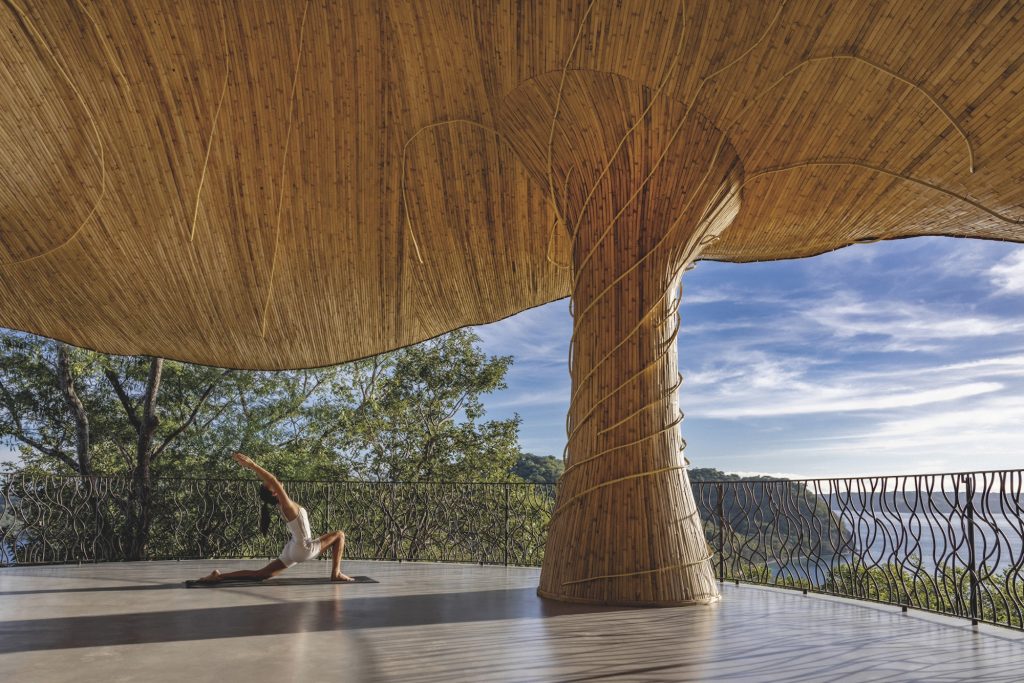
The newly built Wellness Shala at Four Seasons Resort Peninsula Papagayo, Costa Rica

For a getaway that puts personal revitalization front and centre, the new Wellness Villa at Casa del Mar at Four Seasons Resort Peninsula Papagayo, Costa Rica, can be booked for three- and five-day retreats revolving around such practices as sunset gratitude circles, sunrise light therapy, and sound baths. The 6,300-square-foot residence includes a private gym and cold plunge. Dedicated well-being stays are also available at Four Seasons Hotel Los Angeles at Beverly Hills, where Alo yoga equipment, LED face masks, and Peloton bikes are available in rooms and suites on the Wellness Floor. And at Grand-Hôtel du Cap-​Ferrat, A Four Seasons Hotel, three new indoor-​outdoor glass cabanas take the spa experience out into the property’s lush Mediterranean gardens. Guests can enjoy massages, work out with Technogym equipment, or try dry flotation therapy, relaxing on an Epsom salt–infused water mattress. 

A Naples State of Calm 
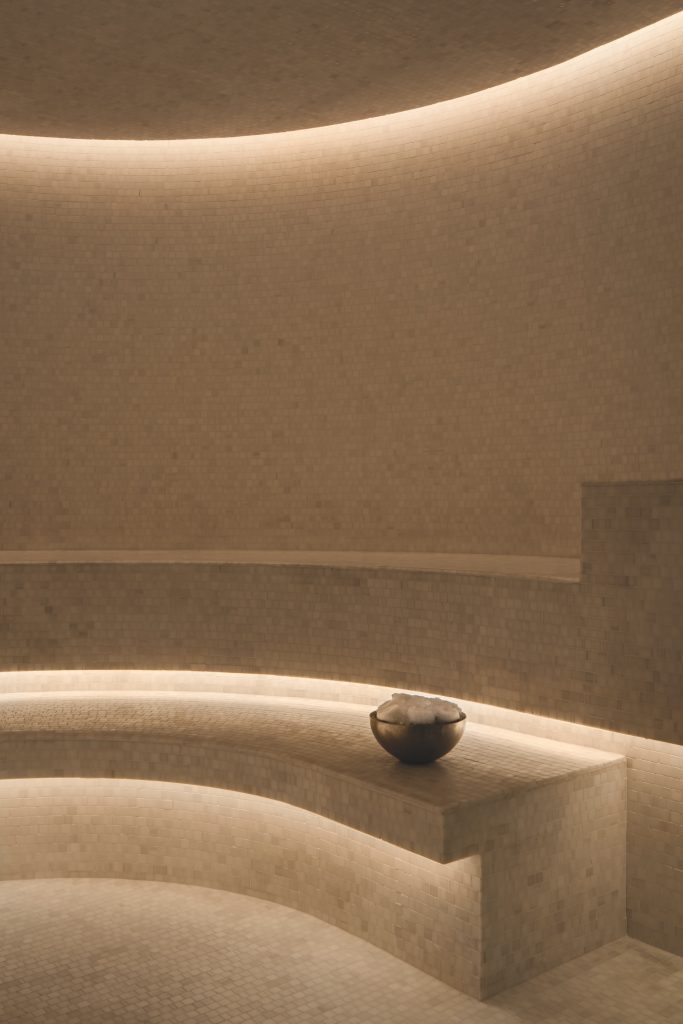
The ice room at the Sanctuary Spa at Naples Beach Club, A Four Seasons Resort, is part of a thermal circuit that includes aromatherapeutic steam rooms and more.  

Florida’s newly opened Naples Beach Club, A Four Seasons Resort, has just unveiled its sublime two-level Sanctuary Spa, a 30,000-square-foot retreat offering an array of restorative experiences. Highlights include LPG Endermologie body sculpting—a cellulite treatment applied slowly and rhythmically along the spine to guide the body from fight or flight into a parasympathetic state—and the Ammortal Chamber, an experience featuring light, vibroacoustic, and pulsed electromagnetic therapy to support cellular regeneration and mental clarity. Says Paul Gabriel Nunez, director of spa and wellness, “Life is full of stress triggers, but rarely do we encounter something that can just as easily trigger relaxation.”  

An Evening of Relaxation
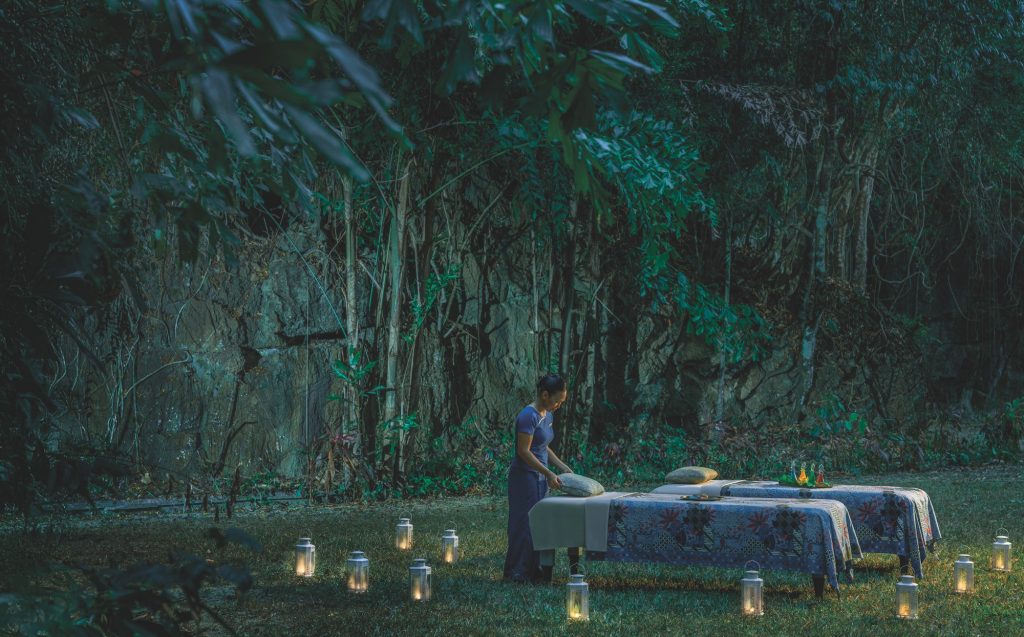
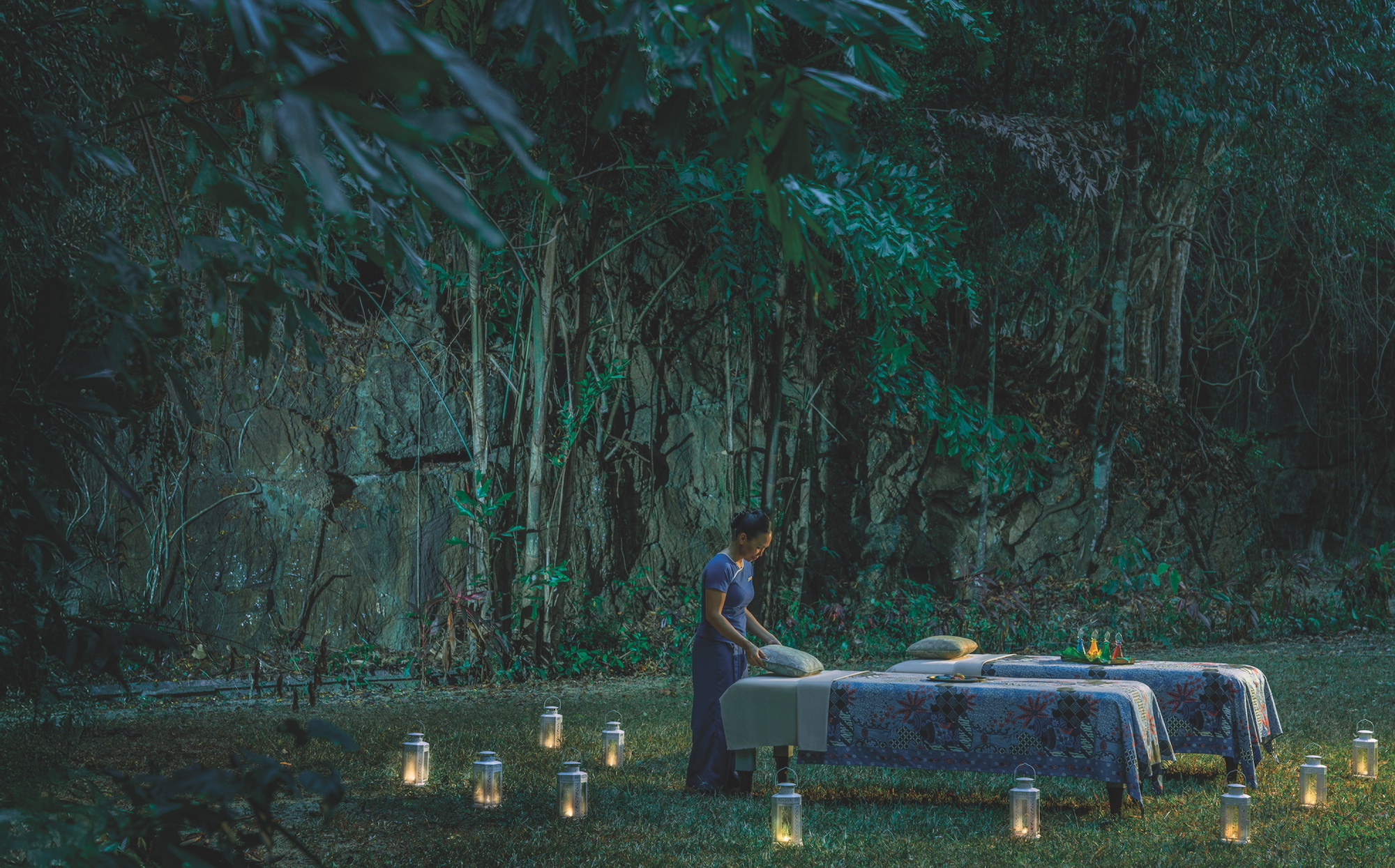
A masseuse prepares for a couples massage at Four Seasons Resort Langkawi

At Four Seasons Resort Langkawi—a tranquil retreat set on a glorious mile-long beach—the Geo Spa recently debuted the Night Space Ritual, a wellness experience for two in the heart of the rainforest. It begins with an energy-cleansing ceremony, followed by side-by-side massages. “the essence of a healthy life always leads back to nature,” says the resort’s director of spa, Heriberto “Beto” Pena.

A Ritual of Renewal in Mexico 
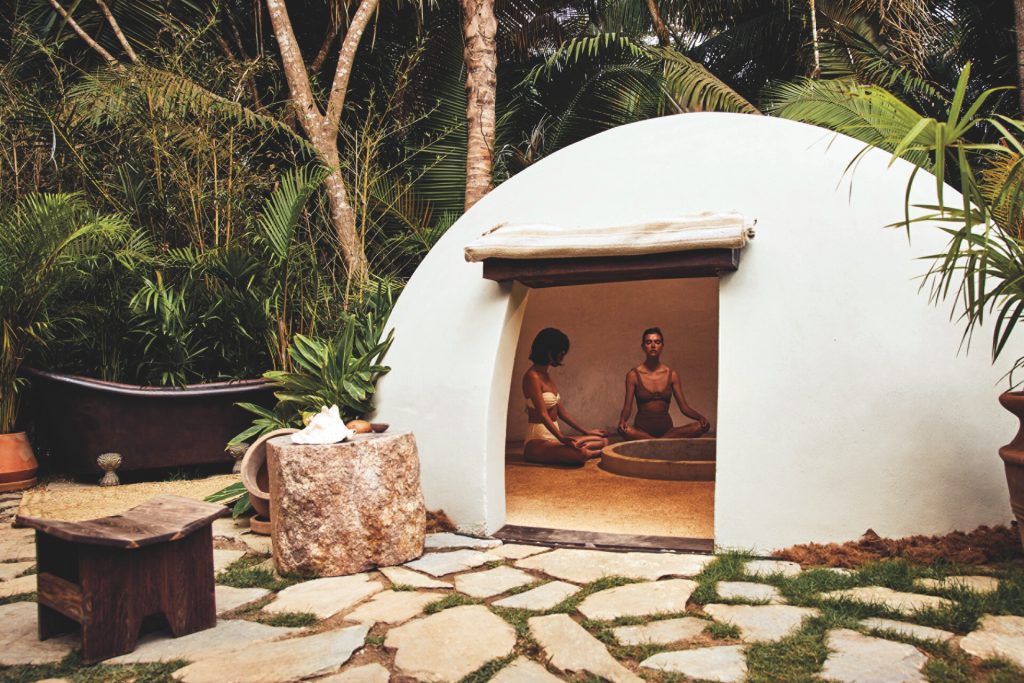
The sweat lodge at Naviva

With just 15 bungalows on 48 coastal acres, the all-inclusive, adults-only Naviva, A Four Seasons Resort, Punta Mita, México, is the most intimate property in the Four Seasons portfolio. Its sublime wellness program is deeply rooted in nature and tradition, featuring two open-air spa pods with private gardens and experiences such as a temazcal sweat-lodge ceremony, designed to cleanse both body and spirit. 

The Yacht as Sanctuary 
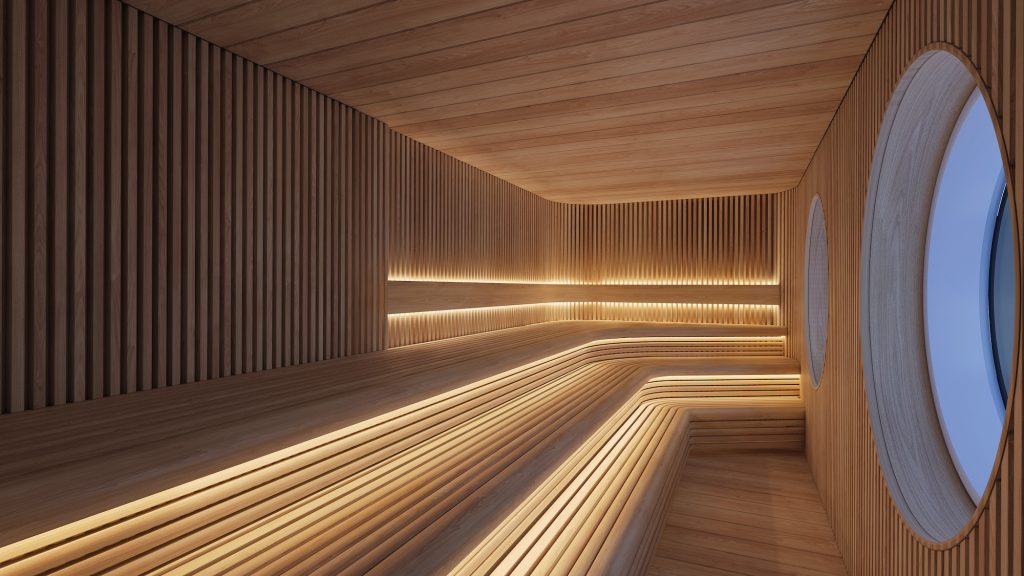
The sauna on board Four Seasons 1

Four Seasons Yachts, which began its inaugural season in March, offers revitalization, stillness, and relaxation as comprehensively as any property on terra firma. The L’Oceana Spa balances marine-inspired treatments with advanced recovery experiences, from spirulina body wraps to a cryo chamber to an ice fountain to the Ocean Vista Finnish Sauna set at 176 degrees Fahrenheit. A dedicated well-being coach can curate a personalized, multiday program that weaves together restorative sleep insights, reformer Pilates, guided breath mapping, and tranquil yoga by the water-level marina. 

Tour the Globe by Air 
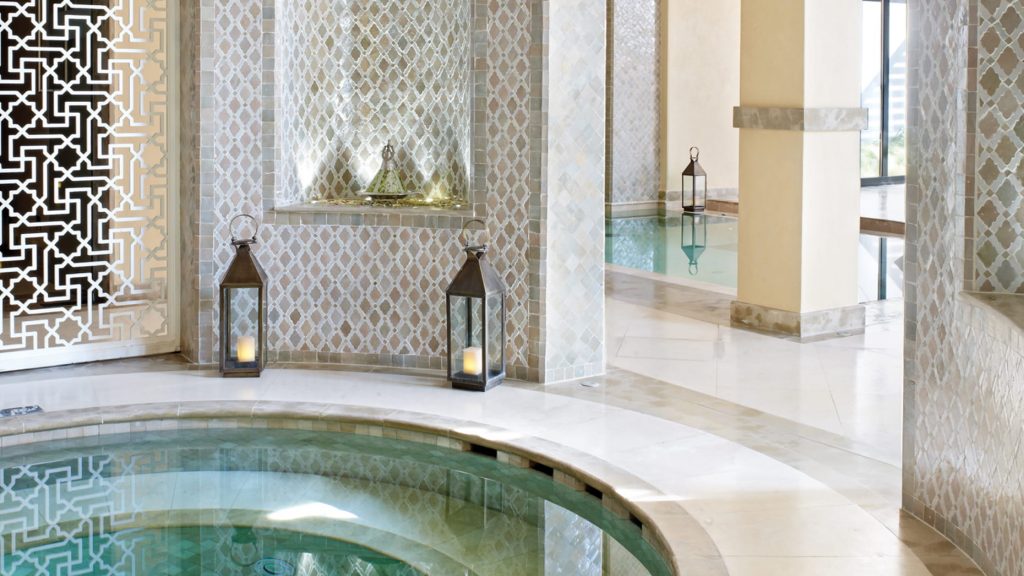
The spa at Four Seasons Resort Marrakech

Take wing and explore eight destinations over 20 days, breathing, eating, and sleeping personalized well-being on the World of Wellness journey aboard Four Seasons Private Jet Experience. The incomparable one-time itinerary (May 7 to 26) invites rejuvenation of body, mind, and spirit with customizable experiences, including a hot-air-balloon drift above Mexico City’s Teotihuacán pyramids, a Moroccan beauty ritual in Marrakech, a Jeep trek on Mount Etna in Sicily, a Muay Thai lesson on Koh Samui, and a turtle safari in the Maldives. 

Treatments for Kids
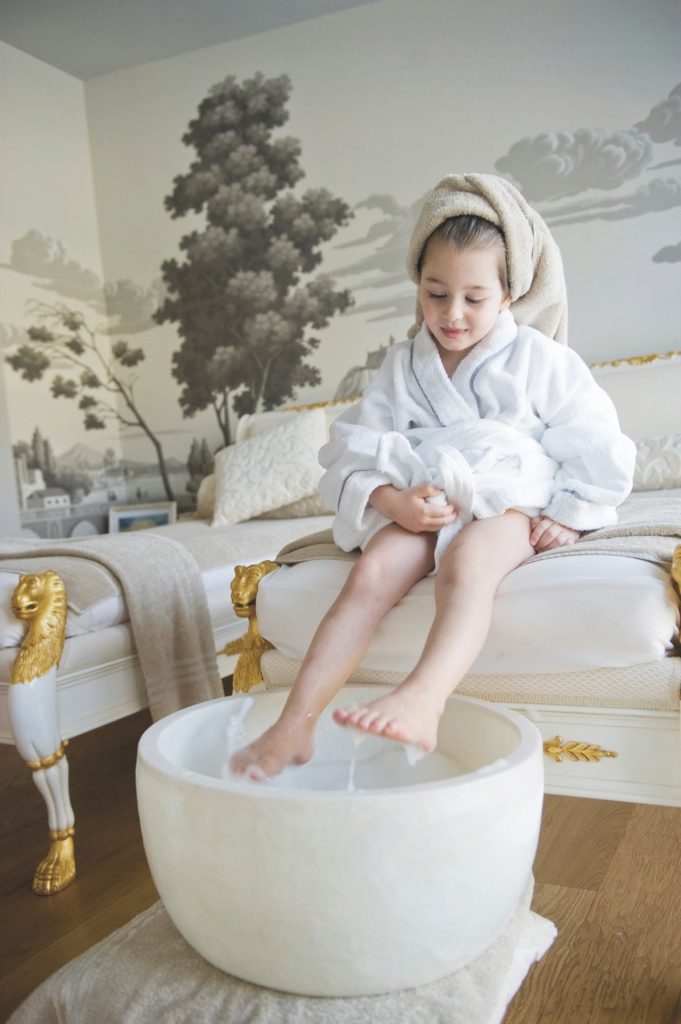
The kid-friendly spa at Four Seasons Hotel Firenze 

 With even preteens becoming captivated by beauty and skincare products, it’s no surprise that “offering kid-friendly spa experiences is growing across Four Seasons hotels,” says Dheeraj Singh Patwal, health and wellness manager at Thailand’s Four Seasons Resort Chiang Mai, where kid-friendly treatments include the nervous-system-soothing Angel Bliss massage and the Sugar, Honey and Rose Scrub. Many guests today, adds Patwal, view spas as “a place for relaxation, curiosity, and quality family time.” There are also facials designed specifically for young skin at Four Seasons Resort Megève (the Sweet Little Face using fruit-based ingredients) and at Four Seasons Hotel Firenze (the Florenteen’s Facial, which incorporates natural products from Florence’s historic apothecary Santa Maria Novella). 

Healthy Aging 
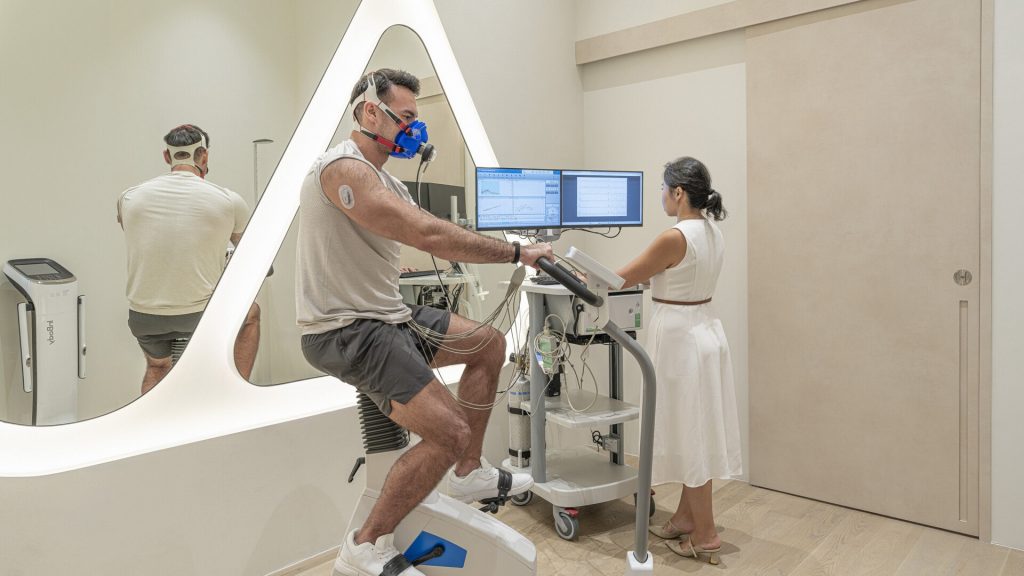
The longevity clinic at Four Seasons Hotel Singapore

Longevity is an increasing focus across the Four Seasons portfolio, from the new Chi Longevity Clinic at Four Seasons Hotel Singapore to Southern California’s Four Seasons Hotel Westlake Village, where the newly appointed director of wellness and longevity, Ben Carter, a licensed naturopathic physician, leads the property’s Center for Health & Wellbeing. The centre’s three-day wellness stays can feature a one-on-one meeting with a registered dietician, a tai chi workout, a stress-reduction workshop, and a metabolic assessment. 
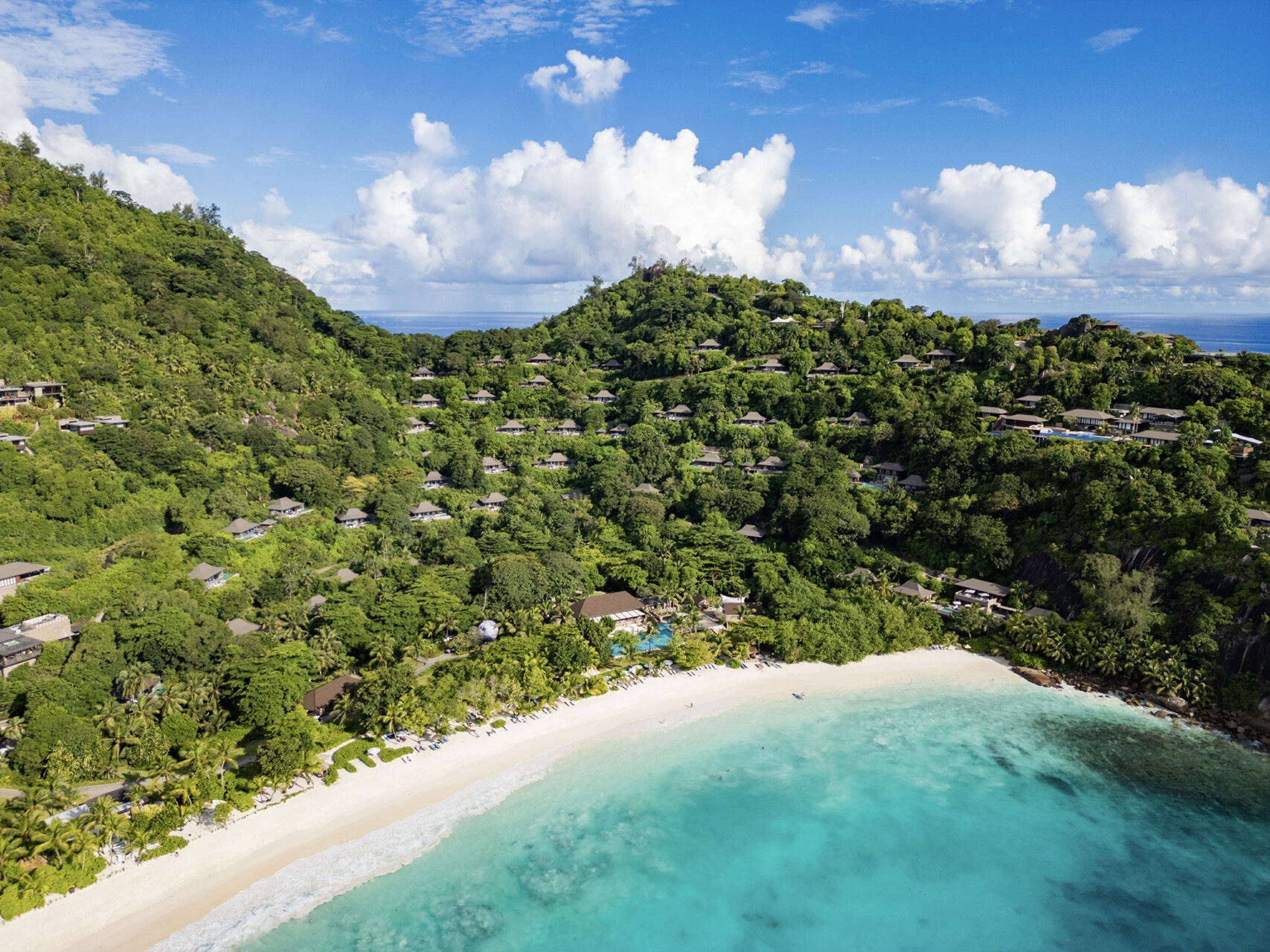
The Island of Serenity: How to Unwind in Seychelles

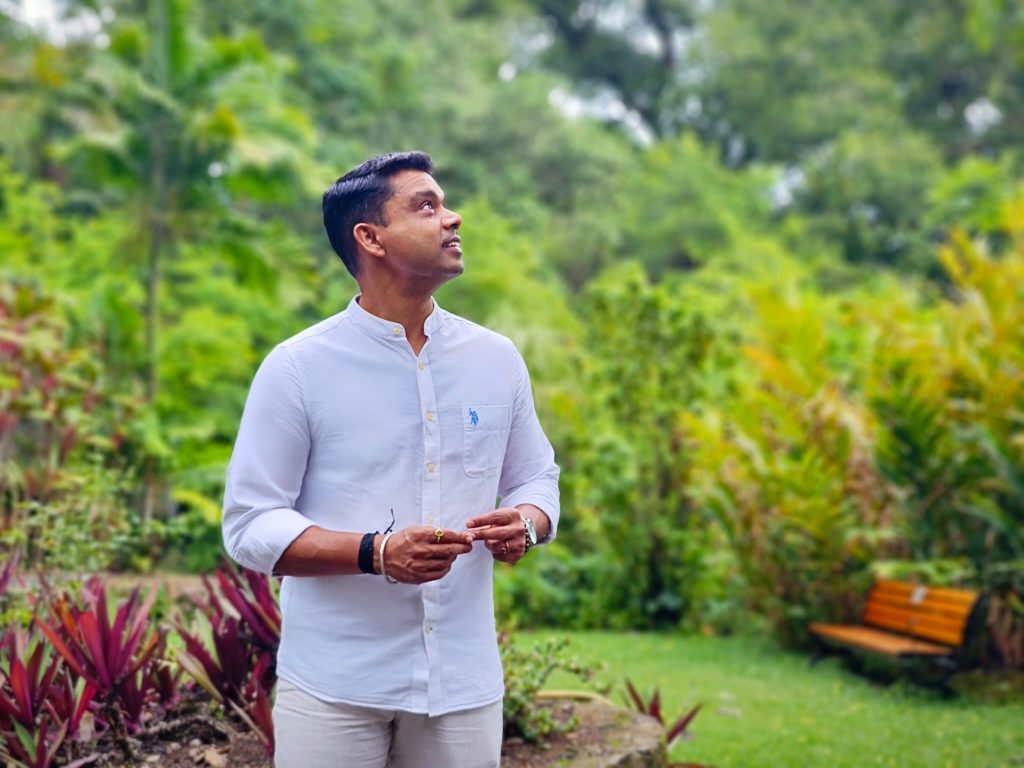
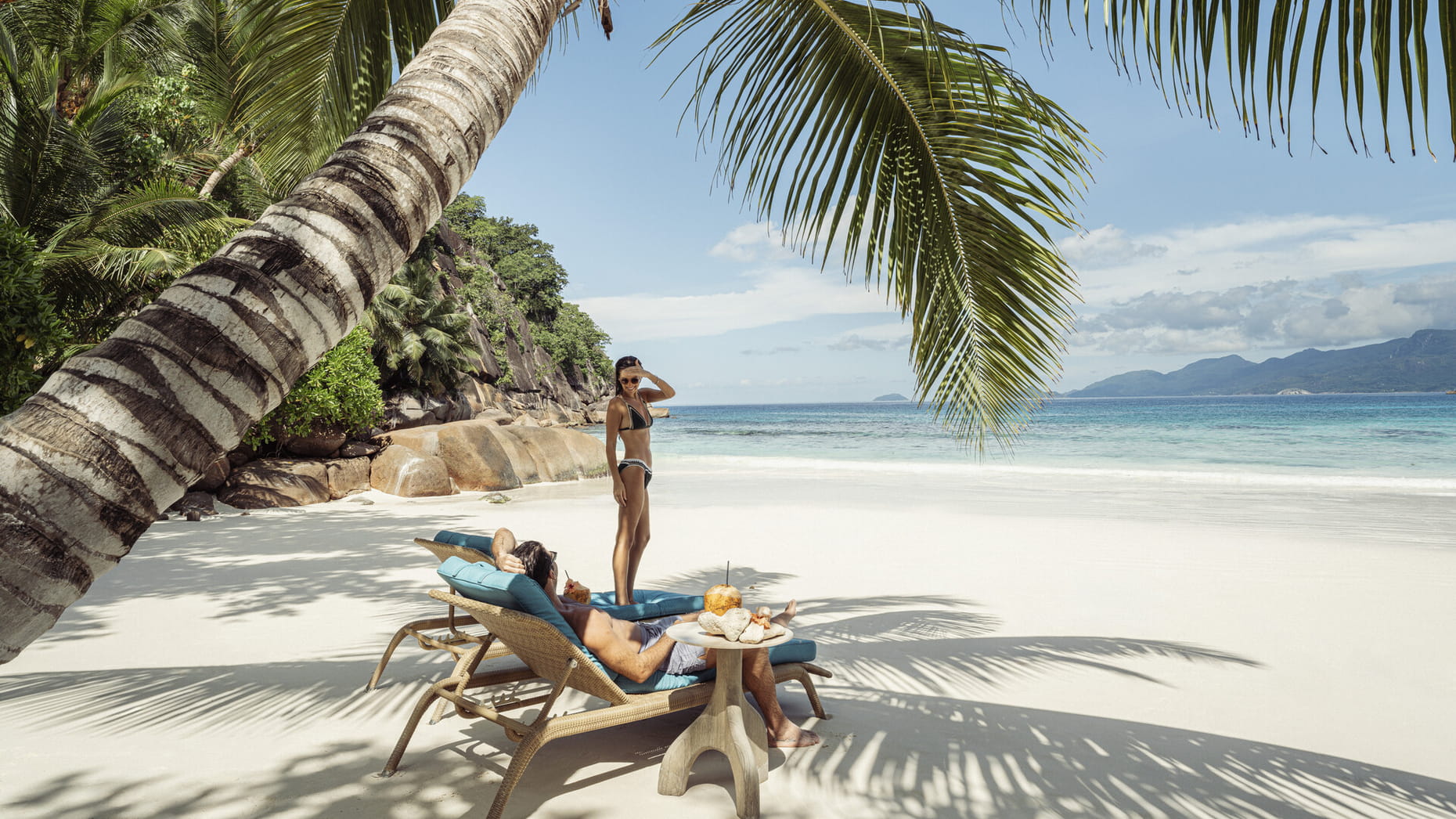
Nestled at the base of the Mahé mountains, Four Seasons Resort Seychelles is the Swiss Army knife of island getaways, with activities to please adventurers and idlers alike—including reef snorkelling, boat tours, surfing, stand-up paddleboarding, guided hikes, cooking classes, and its stunning Le Syel Spa. Dr. Anoop Krishnan, the resort’s spa director, previously honed his Ayurvedic practice while working in India. “Ayurveda’s foundations are in the five elements of which the world is made: earth, air, water, fire, and space,” Dr. Krishnan explains.

Dr. Krishnan

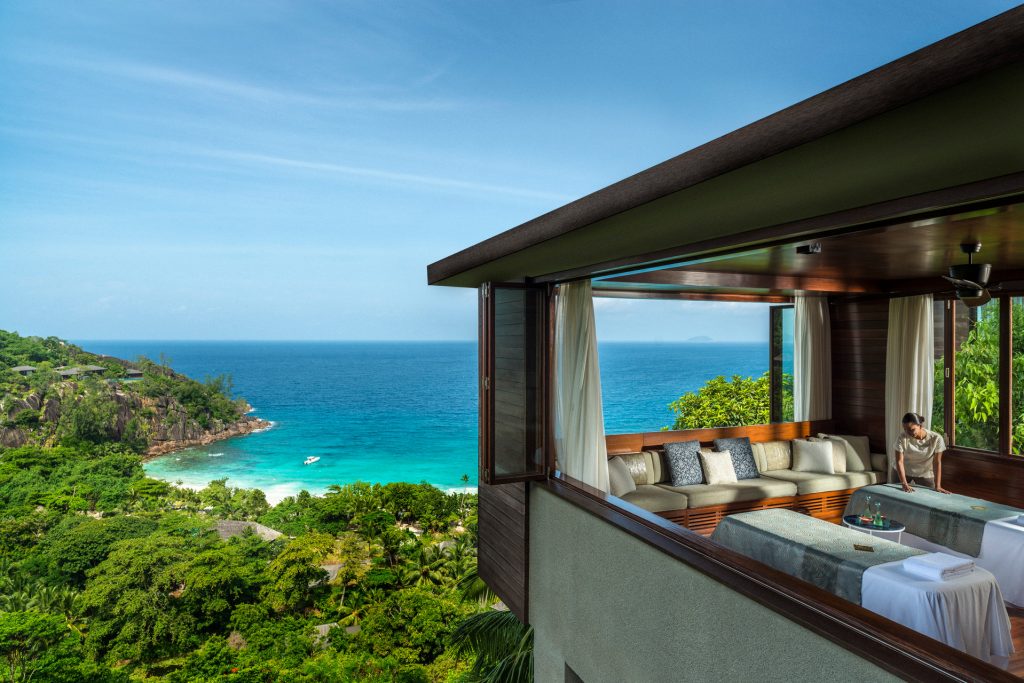
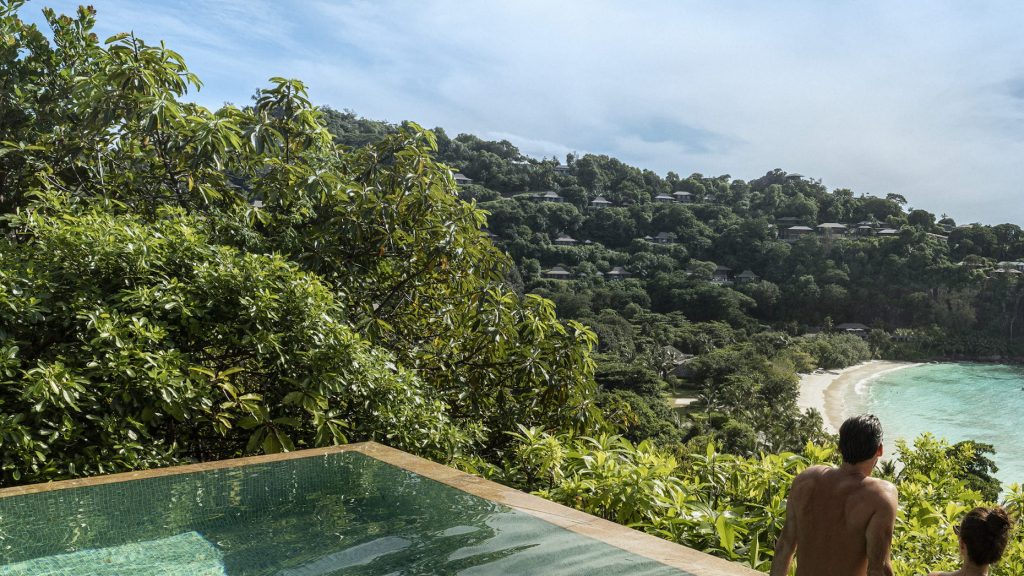
Perched at the uppermost point of the resort, overlooking the secluded Petite Anse Bay, the spa boasts sweeping views of lush green jungle, white sand, turquoise water, blue skies, and bright sunlight. “All the five elements are on view,” he says.

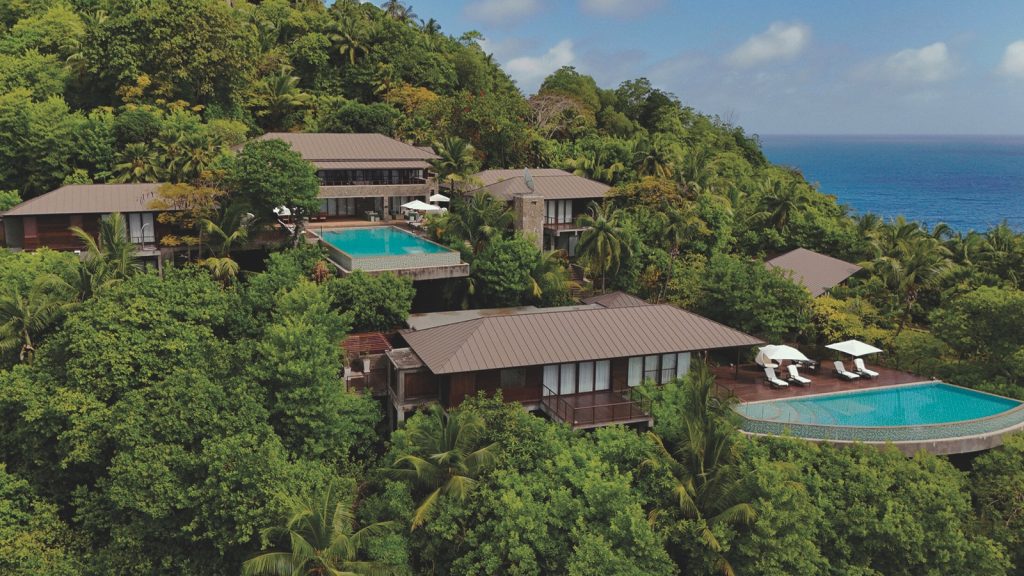
The eight-bedroom villa at Four Seasons Resort Seychelles

Spa treatments are also available in-villa, including in the resort’s newly opened eight-bedroom, three-level villa, which features two private infinity pools. Here are more of Dr. Krishnan’s favourite local experiences. 

Le Jardin Du Roi Spice Garden  

Jardin Du Roi
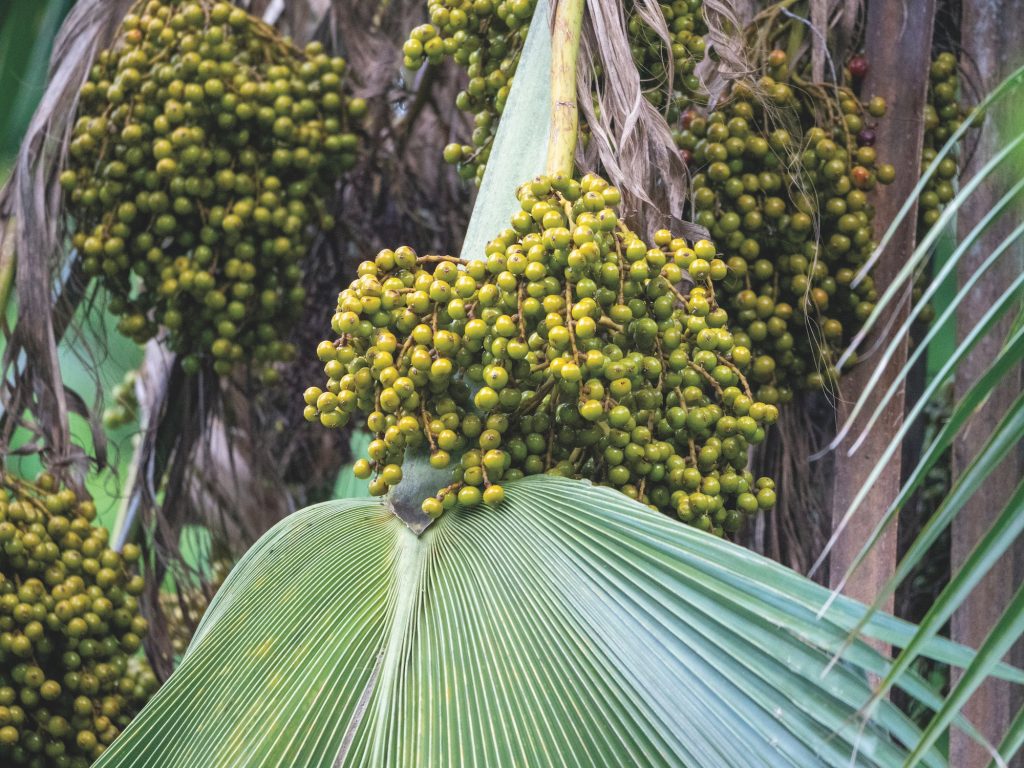
Fruits of the Fiji fan palm at Le Jardin du Roi Spice Garden. Photograph by Albert Schweitzer / Adobe Stock.

“I have a strong interest in medicinal plants, and there are 37 here, with an abundant variety of spices and fruits—from fragrant vanilla and cloves to fresh guava and starfruit. The aromas remind me of my time studying at Ayurveda College in Trivandrum, [India], especially the nutmeg, which is medicinal plant No. 3 on the Spice Garden map.”  

Shell Serenity Massage at Le Syel Spa 

A massage room at Le Syel Spa

“This deeply soothing massage uses heat dissipation instead of muscle manipulation to melt away tension. It’s perfect for people who can’t take the heavy pressure of a sports-medicine massage or someone who sits in front of their computer. We can also provide it at Petite Anse Beach.” 

Sware Kreol Dining Experience at Kannel at Four Seasons 

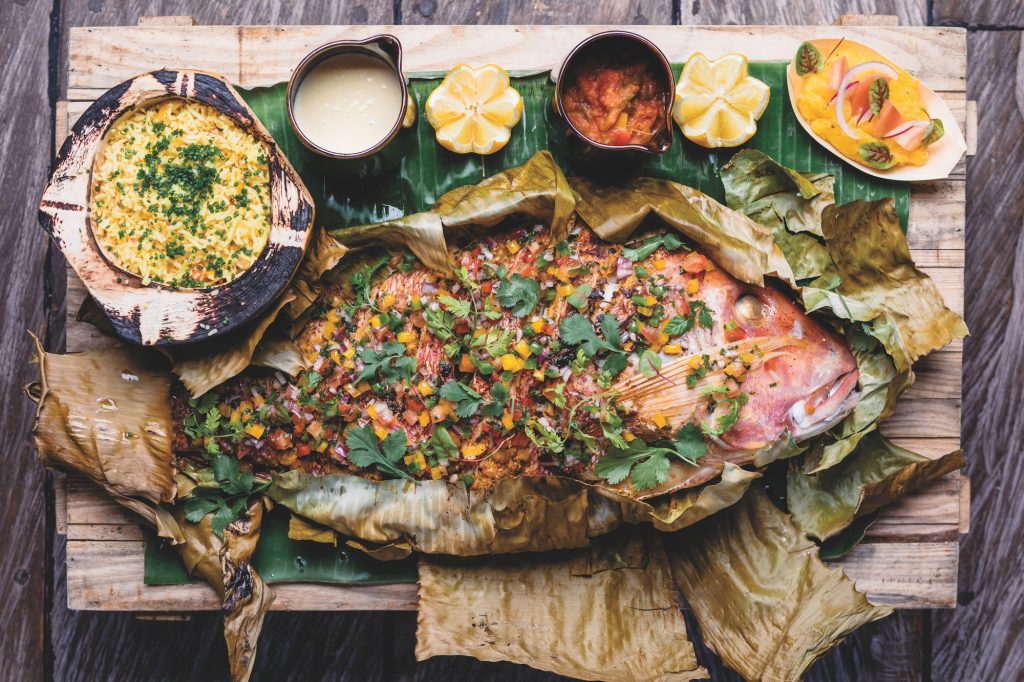
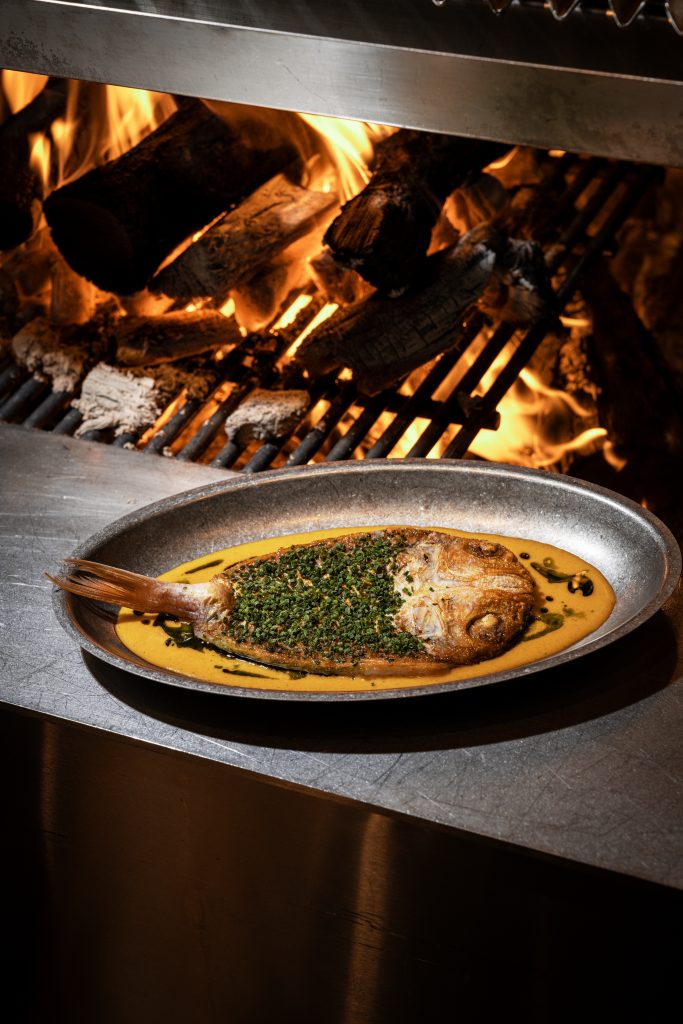
Sware Kreol whole fish at Kannel

“Creole cuisine in Seychelles has its roots in Indian cuisine, and I especially enjoy the Creole-style chicken—it’s aromatic, flavourful, comforting, and perfectly balanced.” [The new experience, which takes place every Wednesday, features live music and dancing.] 

Meditation, Two Ways 

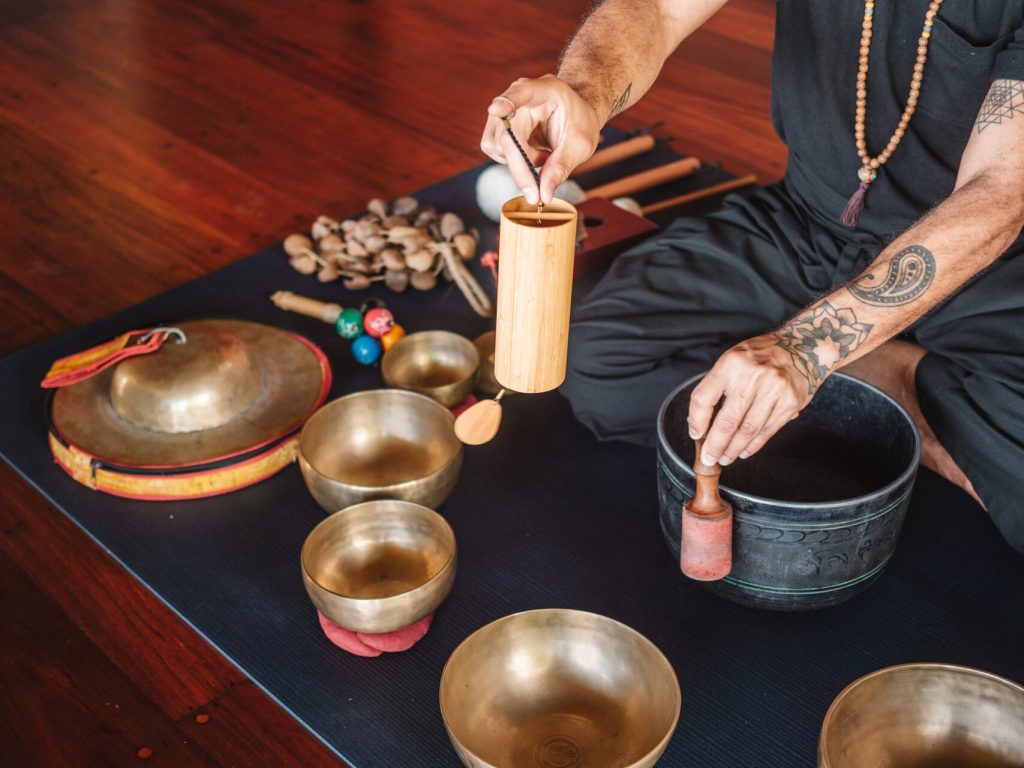
All the instruments used for the Sound Healing Meditation

“For our Mountain Meditation experience, we take guests on a hike to a hilltop where the breeze and views bring greater connection to nature. The Sound Healing Meditation, in the yoga pavilion, uses the gentle vibration of crystal bowls to reduce cortisol levels, synchronize brain waves to alpha and theta waves, and stimulate the vagus nerve to reduce cortisol and boost immunity. Both are great to experience at sunset.” 

Cinnamon Trees

Cinnamon trees are ubiqituous at the resort.

“I love the [ones] that surround the island. Cinnamon carries deep historical significance in shaping global trade routes and bringing cultures together across oceans. Seychelles was part of the rich spice-trading legacy, influenced by African, Arab, and European exchanges. So, the scent of cinnamon creates a meaningful connection between my spa and the island’s heritage and traditions.”  

Delicious in Dubai

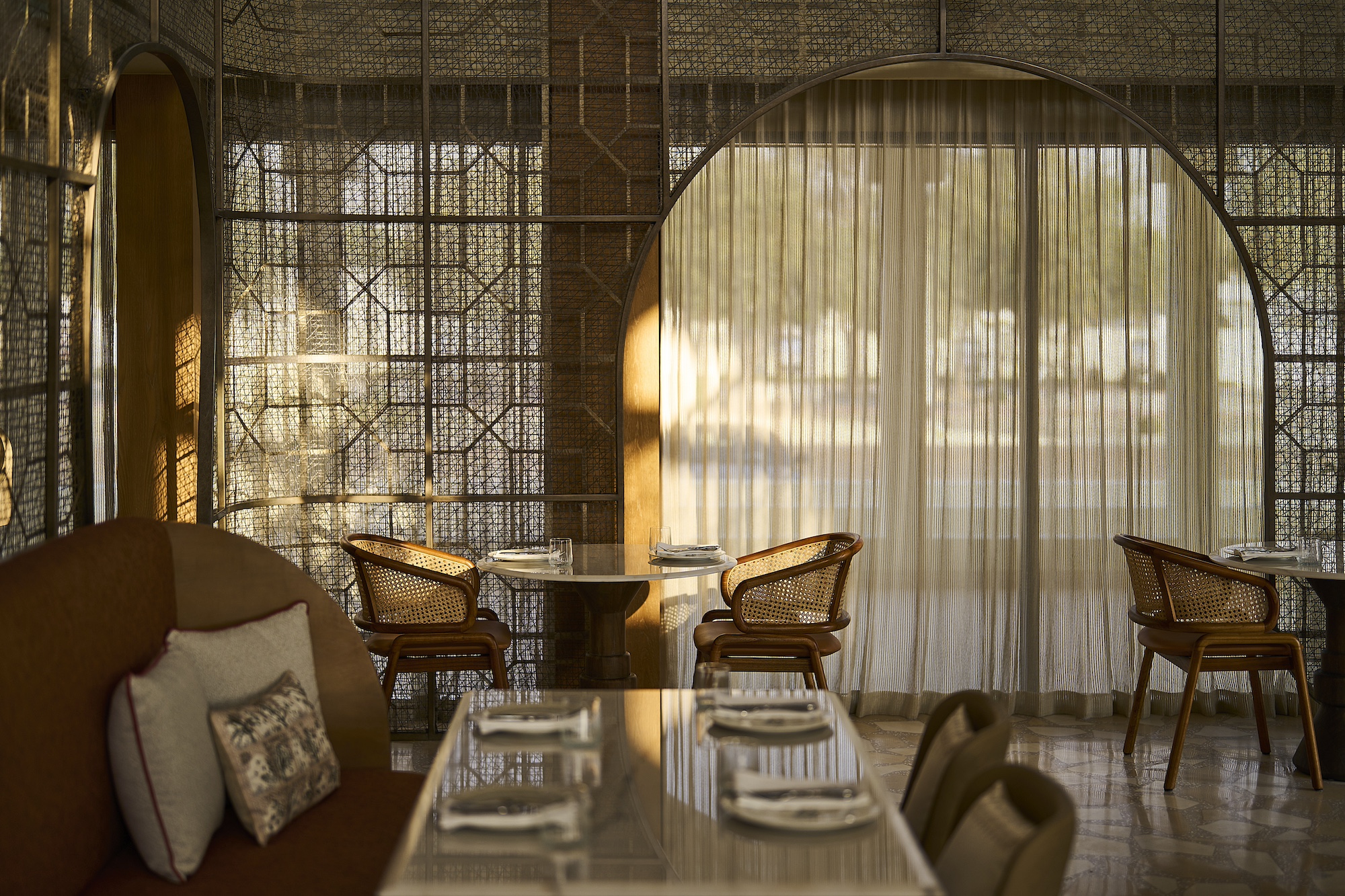
I’m sitting in a dark and dramatic dining room at just-opened Kraken, one of Dubai’s hottest new restaurants, surrounded by black walls, cave-like textures, and a mirrored water-effect ceiling that gives the illusion of being under the sea. It’s the kind of place an actual kraken, that sea creature of Norse lore, might make its lair if it found itself transported to the Middle East. Dining here is an adventure from the moment restaurant manager Mohamed Gamal, dressed in a chic marine-style uniform, greets me and cheerfully announces he’ll be my captain for the night.  

The culinary action unfolds in a large open kitchen where fish skeletons hang next to a wood-fired grill. My dinner begins with shrimp chicharron crisps standing upright in a bed of dried black beans. They look like kelp rising from the ocean floor and are accompanied by labneh—dusted with loomi (dried lime powder)—for dipping. Next comes a yellowtail-tuna pizza served on a meringue base. It looks and sounds weird, like a fishy pavlova, and I hesitate before taking a bite. But the base has none of the cloying sweetness or stickiness I’d expected and instead presents a brilliant balance of rich and spicy flavours with crunchy and chewy textures. Strange, yes, but also strangely moreish. 

An oyster follows, served with grass-green jalapeño granita, tiny balls of pickled cucumber, little dollops of sour cream, and delicate fronds of fresh dill. It’s sweet, sour, and briny at the same time, an explosive combination that pleases and surprises the palate. But what’s most surprising of all is that everything in the dish has been sourced locally. The oyster is from Dibba Bay, a farm off the coast of Fujairah established a decade ago by a pioneering Scot who surmised that a nation famed for its pearl oysters should also be able to produce edible ones. He was right. Everything else in the dish is grown on farms around the United Arab Emirates. 

A few years ago, this would have been practically unthinkable. “We consider ourselves the most ‘locavore’ restaurant in Dubai,” says Grégoire Berger, chef and founder of Kraken. When he first arrived in Dubai in 2013, local sourcing was limited and inconsistent. “Today, fishermen, farmers, and producers have raised their standards tremendously,” he says. 

The fish at Kraken is locally sourced.
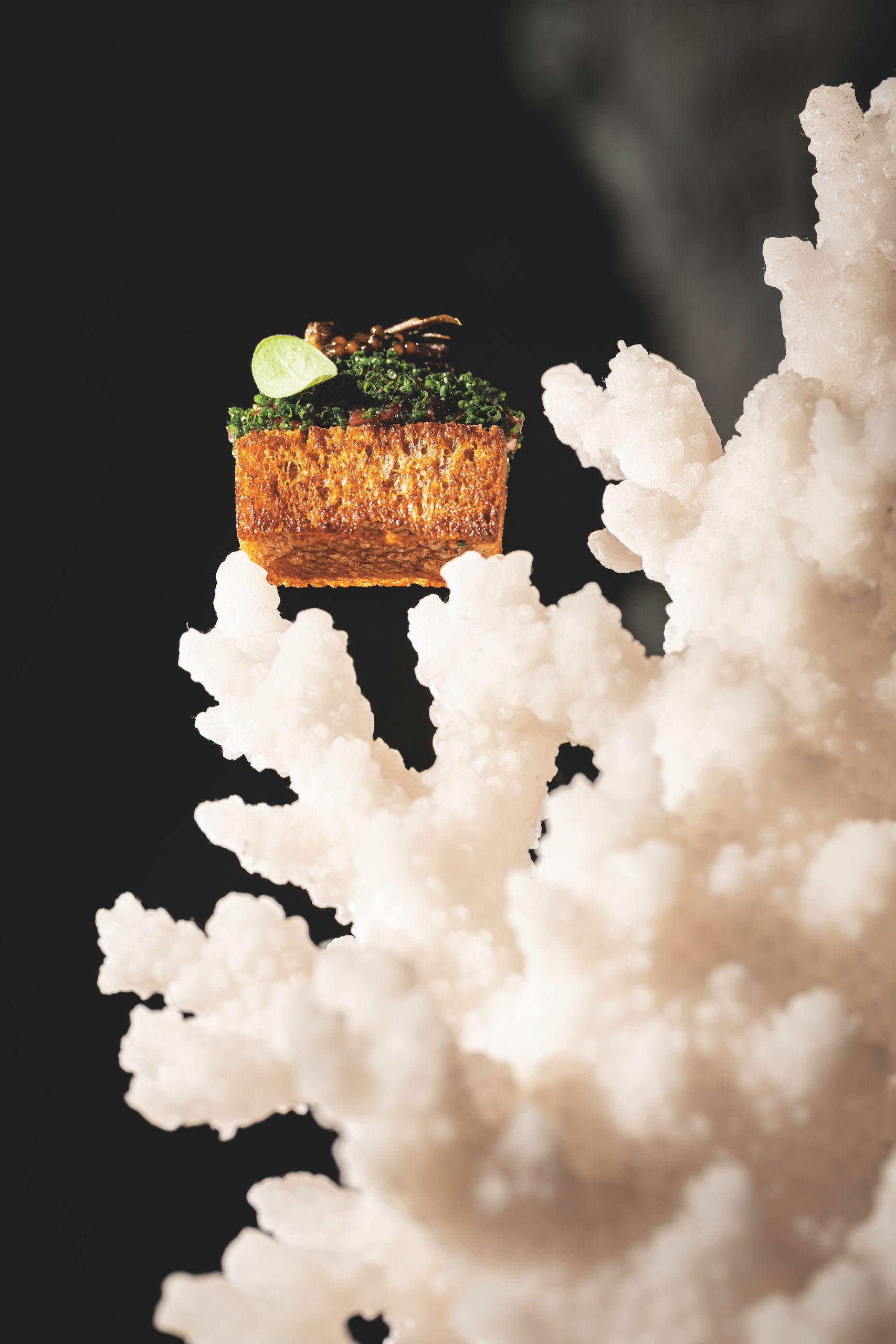
Ostrich tartare and caviar on sourdough at Kraken.

Before opening the restaurant, Berger and his team spent six months exploring the bounty of the land and sea across the United Arab Emirates. “Prior to this exploration, we wouldn’t have considered using UAE-caught fish. We now realize that the problem wasn’t the quality of the product, but the way it was treated,” he explains. The menu at Kraken features hamour, kingfish, tuna, and clams sourced from the waters around the emirates and neighbouring Oman, as well as local honey, dates, desert herbs, and vegetables. The Kraken team have set an ambitious future target of sourcing 99 percent of ingredients locally. “These products carry identity and place,” Berger says. 

As a desert nation, Dubai has long, hot summer months that are not typically conducive to farming. This was once a land of seminomadic tribes who led harsh lives and made do with limited local resources—dates, camel milk, meat from grazing herds—and items that came by sea via traders.  

Fast-forward just a few decades and the discovery of oil catapulted the emirate into the future, laying the foundation for the dazzling, international metropolis that rises today like a mirage from the sands. Since the beginning of the millennium, Dubai’s urban, cultural, and culinary evolutions have taken place at breakneck pace. But the high-end dining scene was, until fairly recently, largely limited to outposts of big-name restaurants with ingredients flown in from around the world. It was a safe formula that provided consistent quality and predictability, but it wasn’t going to set any taste buds ablaze with innovation or creativity that spoke to a sense of place. For a time, it felt as if every dish in town was smothered in gold leaf and truffle oil, Instagrammable clouds of dry ice floated around everything from sushi to cocktails, and tuna tartare, burrata salad, and chocolate fondant were staples on practically every menu. It’s a recipe that still works for some restaurants appealing to an audience in search of the blingy Dubai lifestyle, but the past decade has seen a complete transformation. 

The birth of a homegrown, modern Dubai style of cooking has perhaps been the most exciting thing to emerge. This is cuisine that’s reflective of the people who have chosen to make Dubai home, whether they were born here, raised here, or arrived later in life. It combines influences of the emirate’s multiculturality with elements brought from the places of origin and the frequent travels of this particularly peripatetic community.  

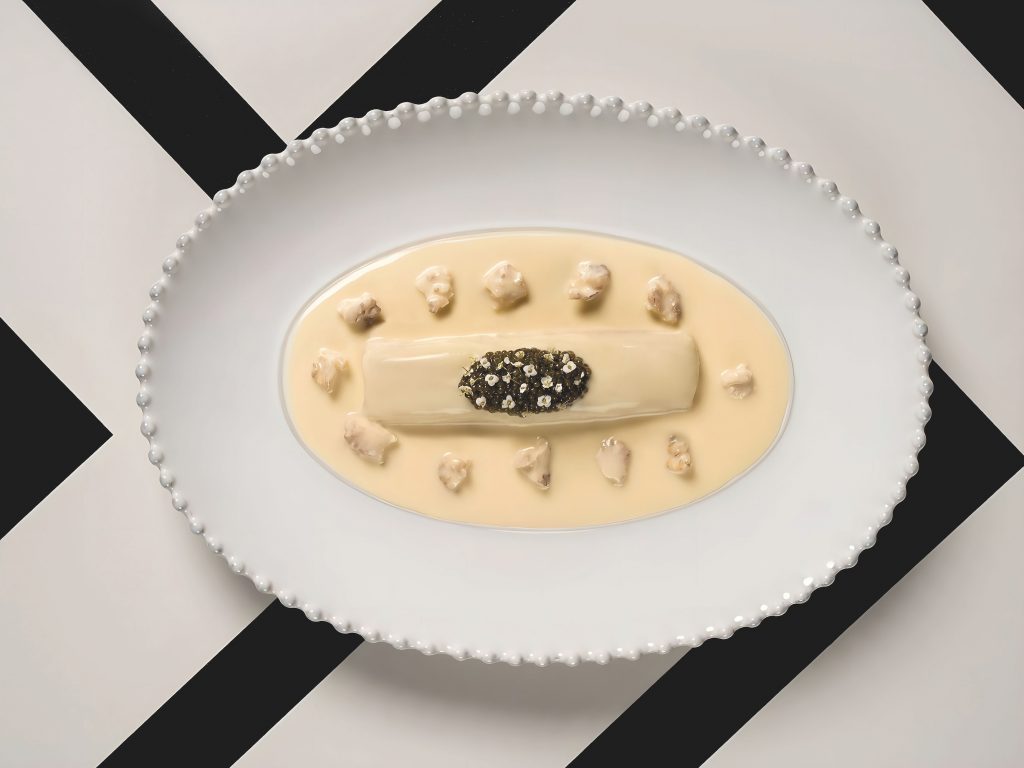
Aubergine Royale with beurre blanc, caviar, and walnuts at Three Bros.

When Syrian chef Mohamad Orfali opened Orfali Bros Bistro in 2021 with his brothers Wassim and Omar, it felt as if the Dubai dining scene was shifting. “From the very beginning, we wanted to redefine what a Middle Eastern restaurant could be,” he says. “We wanted to take our roots and blend them with Dubai influences, breaking the stereotypes of traditional restaurants that belong to big chains or franchises. The goal was to create dishes that reflect our personal experiences, emotions, and memories, all while staying true to the essence of quality and craftsmanship.” That philosophy translated into dishes like spicy bulgur-wheat salad with Aleppo chili paste and shiso leaves, and Wagyu striploin with sour cherry, pine nuts, and cinnamon. 

It was a recipe for success—a restaurant that was relying not on novelties or food trends to draw the crowds but instead on creating cuisine that came from the heart. It earned the Orfali brothers a Michelin star and the top spot on the Middle East and North Africa’s 50 Best Restaurants list, as well as tables booked up far in advance. 

Since then, they have opened Three Bros, a more casual spot where lunch and dinner feature a succession of bold dishes like thinly sliced ōtoro with tuna garum, olive oil, and finger lime, and a tiny in size but huge in flavour chawanmushi (egg custard) with morel, shaved black truffle, and crunchy hazelnut. The nonalcoholic cocktails are works of art. The limetta olio is unmissable, an unctuous blend of fermented white grapes and olive oil, resulting in a drink that’s part martini, part sour, and entirely delicious. And the playful take on the PB&J sandwich—a perfectly formed triangle of sponge cake, peanut butter, and raspberry jelly that matches the restaurant’s ruby-red walls—makes for a fittingly fun finish in a restaurant that doesn’t take itself too seriously. 

It’s not just Dubai’s restaurants that are homegrown. Across the emirate, an increasing number of spots are placing a focus on ingredients that are raised and sourced locally. In recent years, a combination of shifting trends, pioneering agricultural technology, experimentation, exploration, and sheer hard work by a passionate community of food lovers has made huge changes to the United Arab Emirates’ scene. Innovations such as water-saving vertical farming and A.I.-powered controlled-environment agriculture are extending the growing season beyond the more temperate winter months. Small-scale farms are producing niche ingredients like microgreens, edible flowers, and lion’s mane mushrooms. 

Chef Mohamad Orfali
Dark chocolate Karaz cake with chocolate mousse and sour cherry at Orfali Bros. Bistro

At Four Seasons Resort Dubai at Jumeirah Beach, a lush seaside oasis filled with palm trees and flowering plants, the use of locally sourced produce is rising. For Marcel Finsterer, chef de cuisine at Asian-inspired seafood restaurant Sea Fu, procuring ingredients within the UAE can be challenging, but it’s a pursuit he embraces. “You can find high-end ingredients here, but it’s very seasonal and requires strong relationships with the producers,” he says. “Some products are excellent at certain times of the year and then disappear, and that’s something I actually enjoy working around. It keeps the cooking honest and creative.” Finsterer personally visits each farm he works with—like Pure Harvest Smart Farms, based in the desert in the emirate of Al Ain and known for its exceptional tomatoes, and Mary Anne’s Fresh Produce, a grower of microgreens, herbs, and edible flowers located on the outskirts of Dubai—multiple times a year to understand their challenges and build relationships with the people behind the products, creating connections that he says change how he cooks. Among his favourite local ingredients are fragrant strawberries, mushrooms with a remarkable depth of flavour, and fresh herbs. On the sweet side, Nicolas Lambert, senior executive pastry chef, also sources locally, including honey, dates, citrus, camel milk, and figs grown in the northern emirate of Ras Al Khaimah. “Quality is excellent but highly seasonal, which I see as a strength rather than a limitation,” he says. 

Local ingredients are also a priority at the intimate and stylish Four Seasons Hotel Dubai International Financial Centre (DIFC) in the heart of the city’s main business and entertainment district, including at Penrose Lounge’s Earth Afternoon Tea. “We work with Blossom Honey UAE for our golden honey and select seasonal vegetables from the local market,” says the hotel’s executive chef, Rami Nasser, who also sources microgreens, edible flowers, camel milk, and butter within the country. And in a city crowded with Japanese-​fusion concepts, the hotel’s new restaurant KIGO stands out for its authenticity, ranking among the best kaiseki meals I’ve ever had. While fish and seafood are flown in from Japan, locally grown carrots find their way onto the menu because they’re sweeter than imported varieties. They’re not just chopped or diced here, though. The KIGO culinary team carves them into exquisitely detailed shapes of gingko, maple leaves, and cranes, subtly referencing the changing seasons.  

At neighbouring Boca, a Michelin green-starred restaurant also in DIFC, founder and chief sustainability officer Omar Shihab is researching an ingredient that he hopes may become a game changer. He’s working with Emirates Nature-WWF and the International Center for Biosaline Agriculture to explore the benefits and potential uses of salt-loving salicornia, a native halophyte packed with umami and a crunchy texture that grows naturally along the country’s coasts. Shihab sees it having the potential to become the UAE’s superfood. Commercial cultivation has yet to be developed, although there are pilot farms in the northern emirate of Umm Al Quwain. “We’re demonstrating all the benefits halophytes present from an environmental, conservational, and nutritional standpoint, but also from an economic and entrepreneurial sense,” he says. In the restaurant, Boca’s executive chef Patricia Roig adds salicornia tips to a punchy local kingfish ceviche and to a rich risotto blended with seaweed. 

Nicolas Lambert, senior executive pastry chef at Four Seasons Resort Dubai at Jumeirah Beach

This willingness to work with new products and flavours isn’t new to Dubai. This has long been a cosmopolitan place thanks to its strategic position on ancient trade routes that connected Arabia, Persia, Africa, and Asia. Today, more than 200 nationalities reside here, each bringing its own culinary culture with it. 

At 12-seater restaurant Moonrise, perched atop Eden House in the Satwa neighbourhood, Dubai-born chef Solemann Haddad creates tasting menus that draw on food from his childhood in the city along with culinary influences from his French mother and Syrian father. He calls it Dubai Cuisine, embodying that easy cosmopolitan mix of cultures that are at home here and that blend with, borrow from, and inspire one another. 

Indian cuisine has long had an influence on the food of Dubai, too. This is a city where the most casual hole-in-the-wall cafeterias sit alongside high-end establishments, where you can dine well on cheap and cheerful chaat, dosas, and thalis in small cafés in the Karama neighbourhood or exceptionally well at the world’s only three-Michelin-starred Indian restaurant, Trèsind Studio, on the Palm Jumeirah, where chef Himanshu Saini takes diners on explorations of creative and complex dishes served without the slightest hint of pretension.  

But there’s one cuisine that hasn’t featured prominently in Dubai’s restaurants up to now, and Emirati chef Sahar Parham Al Awadhi believes it’s time to change that. “Emirati cuisine has been living within people’s homes for a very long time,” she says. “It’s time to take it outside of that setting and present it in a new way, elevate it, add in techniques and ingredients that didn’t grow here before, and really take it to the next level.” Al Awadhi recently created a menu of desserts and pastries for Gerbou, a new restaurant spotlighting contemporary Emirati cuisine opened in the leafy green Nad Al Sheba neighbourhood, featuring modernized versions of much-loved local desserts such as rengina, a sweet, sticky pudding made from pitted dates, and aseeda, a blend of pumpkin, ghee, and spices. And now she’s getting ready to open her own restaurant, Abra, named after the little wooden boats that have connected the two sides of Dubai Creek for decades. Located within the Etihad Museum on the site where the United Arab Emirates was founded as a nation in 1971, the restaurant will present what Al Awadhi is calling New Emirati Cuisine, with a focus on local sourcing. 

For Al Awadhi, locality doesn’t only mean Emirati-owned businesses: “It’s homegrown, no matter who it is, because there’s a huge community of artists, farmers, and producers who are contributing to growing in the UAE. For us, that’s what New Emirati Cuisine means.” Her menus will aim to use around 80 percent locally sourced ingredients, adapting to seasonality, including chicken, eggs, lamb, and clotted cream.  

She will also be enhancing much-loved Emirati dishes with newer ingredients that complement traditional flavours, like lemongrass. “Emirates Bio Farm [an organic farm located an hour by car outside Dubai] has been growing lemongrass for the last couple of years. It’s not an indigenous ingredient, but since it grows here now, it’s become part of our local agriculture.”  

Abra’s beverage menu is also firmly rooted in Emirati heritage, taking inspiration from the traditional apothecaries, called attar, in the souqs around Dubai Creek where dried herbs and spices are sold in colourful heaps. “If you’re sick, you go to the attar, explain your problem, and they mix things up for you to make a tea,” Al Awadhi explains. “We’re basing our beverage program on these holistic remedies.” 

It’s a novel approach based in antiquity, a way of bringing lesser-known local traditions to the fore in a city that, at least on the surface, seems to be all about the future. Perhaps Dubai is now at an inflection point where it continues marching forward but is carrying its traditions, both cultural and culinary, along with it. “I was born and raised in Dubai, and one of the things that makes it so special is that it never stops growing,” says Al Awadhi. “It feels like we’re experiencing the formation of a city. Being able to be part of that is really special.”  

World Class

Near or far, family travel is a chance to connect, explore, and turn curiosity into discovery. Certain destinations can even extend school study, bringing ancient civilizations and different cultures up close. Here’s our select global guide to places where textbook lessons come to life. 

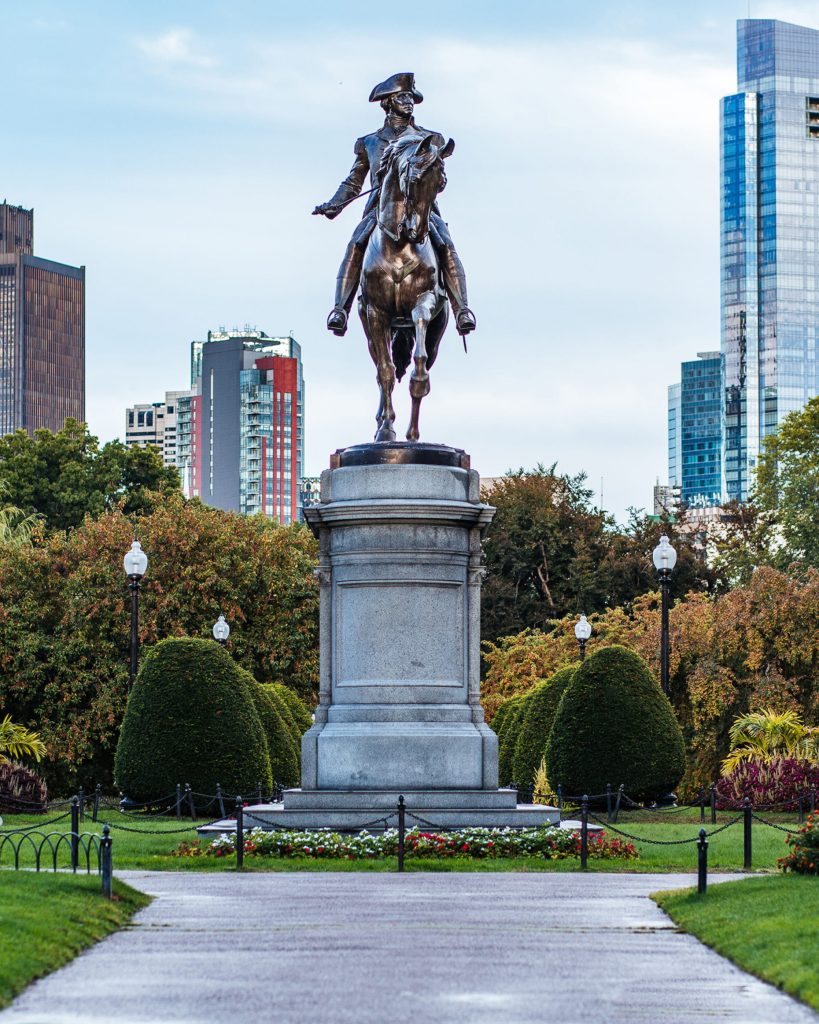
Boston 

Best for older grade-schoolers 

The Paul Revere Mall

What’s New: Ask AI-supported holographic figures about their experiences during the American Revolution as part of the Museum of African American History’s ongoing exhibit Black Voices of the Revolution, which spotlights the roles of enslaved and free Black men and women in America’s struggle for independence. 

Extra Credit: Both Four Seasons Hotel One Dalton Street, Boston, and Four Seasons Hotel Boston offer private walking tours of the Freedom Trail, where historic sites include the Paul Revere House, the Old North Church, and more. 

Washington, D.C. 

Best for middle school students 

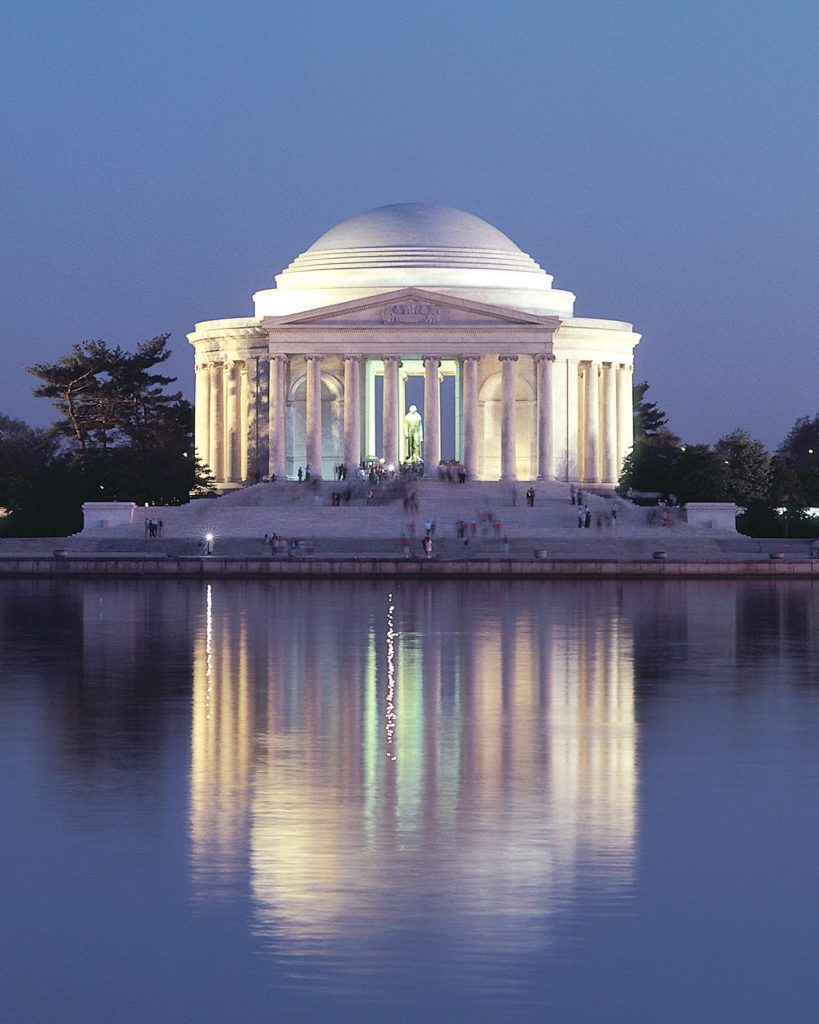
Jefferson Monument

What’s New: Coinciding with the 250th anniversary of the United States in 2026, Washington, D.C., is poised for two major openings: the undercroft of the Lincoln Memorial, a behemoth subterranean space including a theatre presentation and interactive exhibits, and the expansive National Geographic Museum of Exploration

Extra Credit: Marvel at the monuments and memorials lit up at night on a private driving tour—with stops for photos—organized by Four Seasons Hotel Washington, D.C. 

Athens 

Best for middle school students 

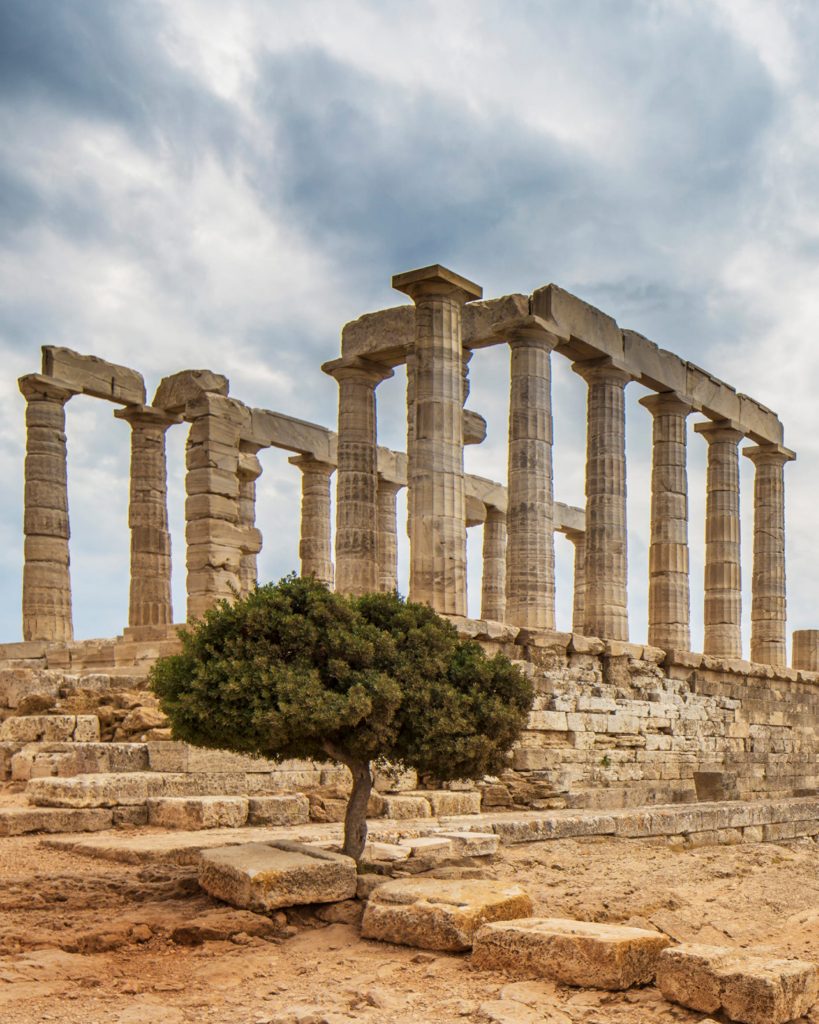
The Temple of Poseidon

What’s New: When it opens in 2026, the National Museum of Underwater Antiquities in Piraeus, near Athens, will highlight Greece’s maritime history with more than 2,500 artifacts, including a replica of a trireme.     

Extra Credit: Let the team at Four Seasons Astir Palace Hotel Athens take you and your crew on a guided visit to the Temple of Poseidon, at Cape Sounion. It’s sure to be a big hit with Percy Jackson fans. 

London  

Best for high school students 

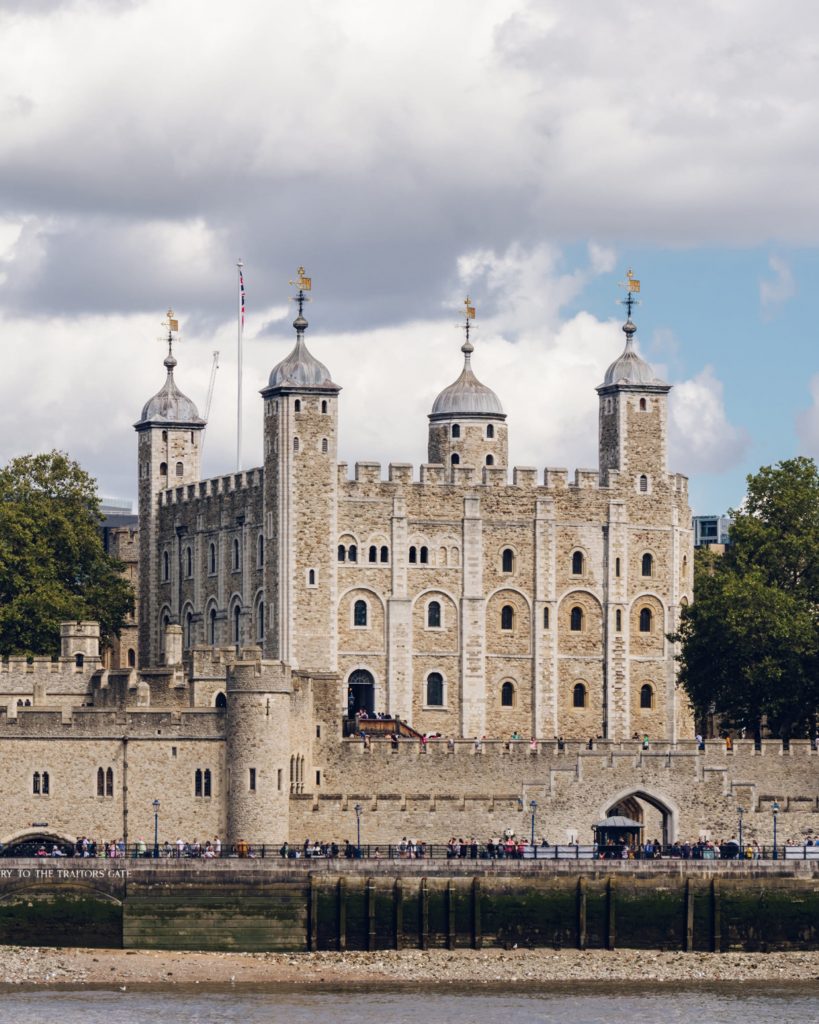
The Tower of London

What’s New: The Bayeux Tapestry—a depiction of the Norman Conquest of England in 1066, including the critical Battle of Hastings—goes on view at the British Museum in the fall of 2026, on loan from France.  

Extra Credit: Explore the Tower of London on a private guided tour arranged by Four Seasons Hotel London at Tower Bridge, seeing the Crown Jewels and learning about imprisonments, executions, and a recent excavation of 14th-century burials that may be tied to the Black Death. 

Petra and Amman, Jordan 

Best for high school students 

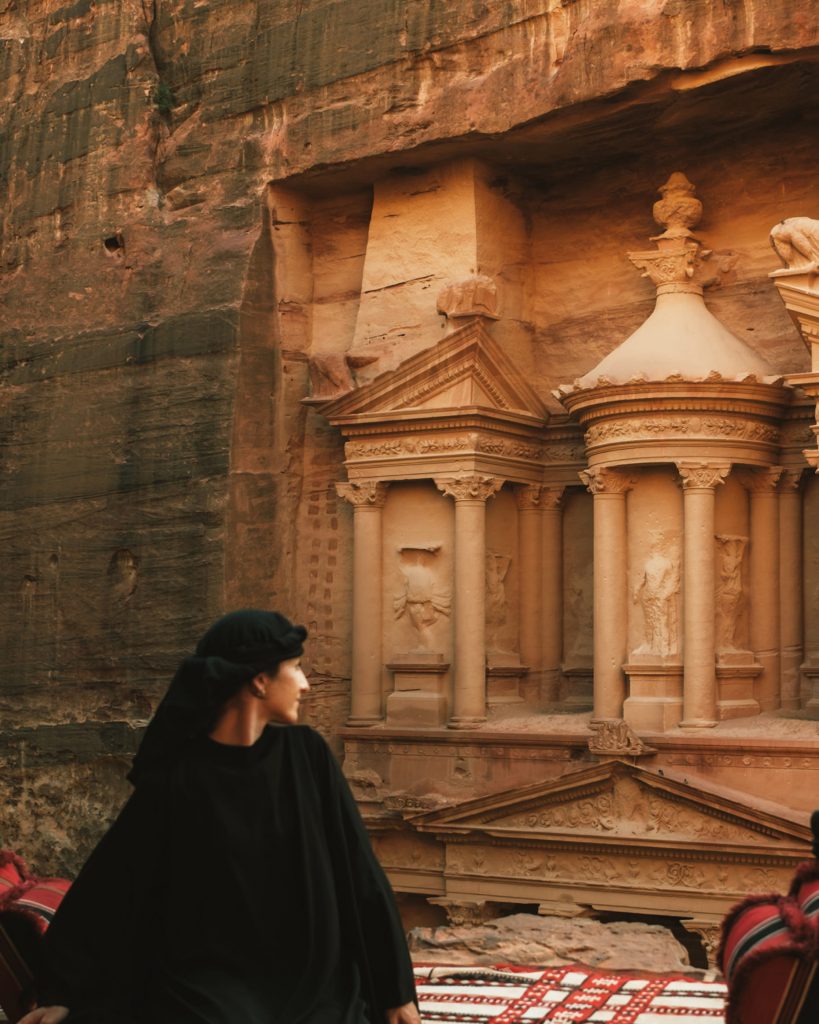
The ancient city of Petra

What’s New: Archaeologists continue to make discoveries in the ancient city of Petra; a 2024 dig revealed a 2,000-year-old tomb with 12 skeletons, one of which was holding a ceramic cup, an example of Nabataean pottery.  

Extra Credit: Along with guided visits to Petra, Four Seasons Hotel Amman offers such unique experiences as painting at the Roman ruins of Pella. 

Kyoto, Japan 

Best for middle school students 

Higashiyama
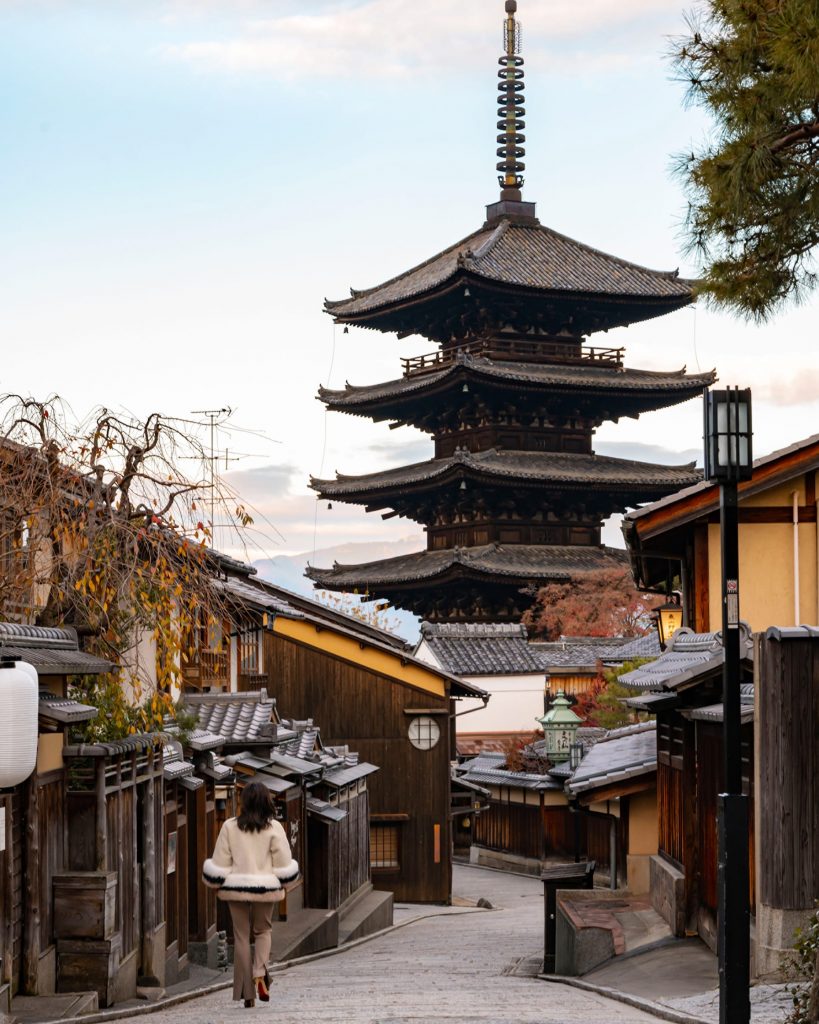
The Higashiyama district, home to the Kiyomizu-dera Temple

What’s New: Kyoto’s famous Kiyomizu-dera and Toji temples are known for their illuminated night displays. Pair a visit to one of them with an immersive experience at the new teamLab museum Biovortex, where multisensory digital art exhibits include Forest of Resonating Lamps: One Stroke, whose illumination changes in response to human presence.  

Extra Credit: Four Seasons Hotel Kyoto offers a host of special tours, which can include visits to the feudal-era Nijō Castle and the Yasaka Pagoda or an after-hours tour of the imperial gardens at Sennyū-ji Temple. 

Mexico City 

Best for older grade-schoolers 

Hot-air balloons over the Teotihuacán pyramids

What’s New: The recently opened Museo Casa Kahlo focuses on iconic artist Frida Kahlo’s early family life, highlighting never-before-seen letters, childhood photos, and clothing, as well as a recently discovered mural. It’s a few blocks from the famed cobalt blue Museo Frida Kahlo, which showcases Kahlo’s artwork and marriage to Diego Rivera. 

Extra Credit: Have the team at Four Seasons Hotel Mexico City arrange a private hot-air balloon ride over the spectacular Teotihuacán pyramids, where a major pre-Columbian city once flourished.  

Zero Proof, Full Flavour

Whether driven by wellness culture, conscious living, or sheer sober curiosity, the nonalcoholic movement is having a global moment—and top chefs and mixologists are shaking, stirring, and fermenting to meet the demand. What was once an afterthought has developed into an art form, where spirit-free cocktails rival their boozy counterparts in complexity, craft, and storytelling. 

Even celebrity tastemakers are getting involved. Formula One champion Lewis Hamilton’s Almave nonalcoholic spirits brand recently released Almave Humo, a distilled “mezcal” that delivers the depth and complexity of the real thing. 

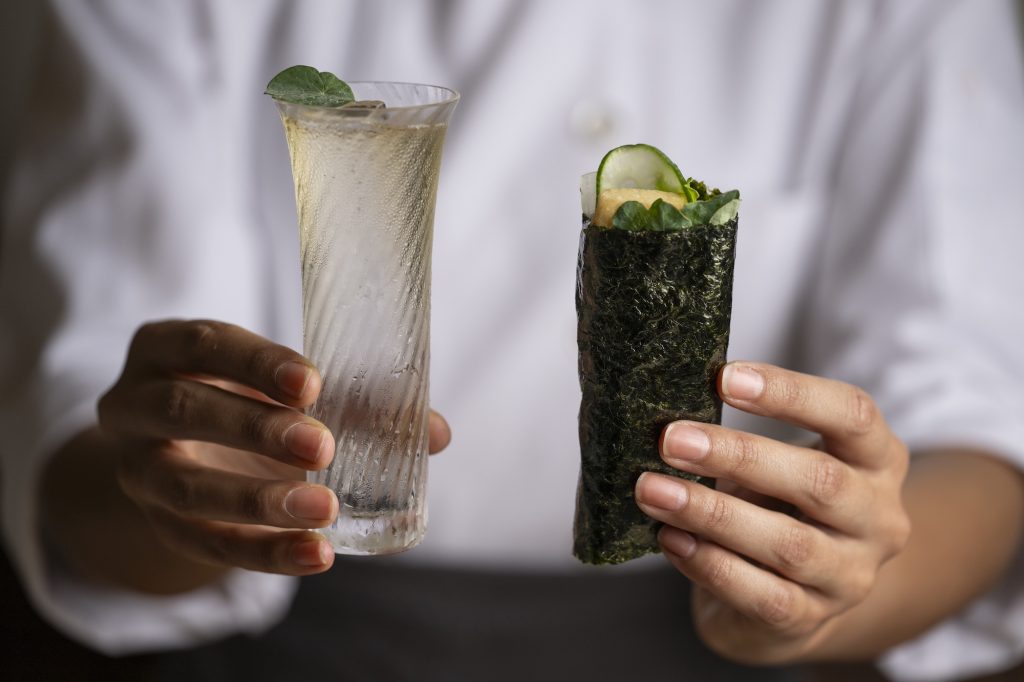
At New York City’s Clemente Bar, located above Eleven Madison Park, nonalcoholic drinks complement such savoury, plant-based small bites as agedashi tofu paired with a fizzy concoction of yaupon tea, yuzu, and cucumber soda. 

Clemente Bar/Evan Sung
A highball-style NA cocktail coupled with an agedashi tofu hand roll at Clemente Bar. Photograph by Evan Sung.

In Wyoming, at Four Seasons Resort and Residences Jackson Hole, Jhett Brown brings mountain sophistication to the zero-proof scene. Inside the 80 Proof speakeasy and the newly opened Steadfire Chophouse, the bartender’s modern mixology creations avoid added sugar while highlighting flavour-forward local ingredients like pine and wild berries. 

Leo—one of Latin America’s most acclaimed restaurants, in Bogotá, Colombia—pairs its tasting menu with “botanical infusions” derived from the country’s ecosystems: guava fermentations, cassava starch elixirs, and floral macerations that taste like a journey through the jungle. 

Four Seasons Hotel Riyadh at Kingdom Centre recently doubled down on nonalcoholic wine. The hotel has opened both Tonic Bar, Saudi Arabia’s first nonalcoholic bar, and Café Boulud Cheese Library, which offers an enticing selection of fromage and beverages like the Italian zero-alcohol sparkler Bella. 

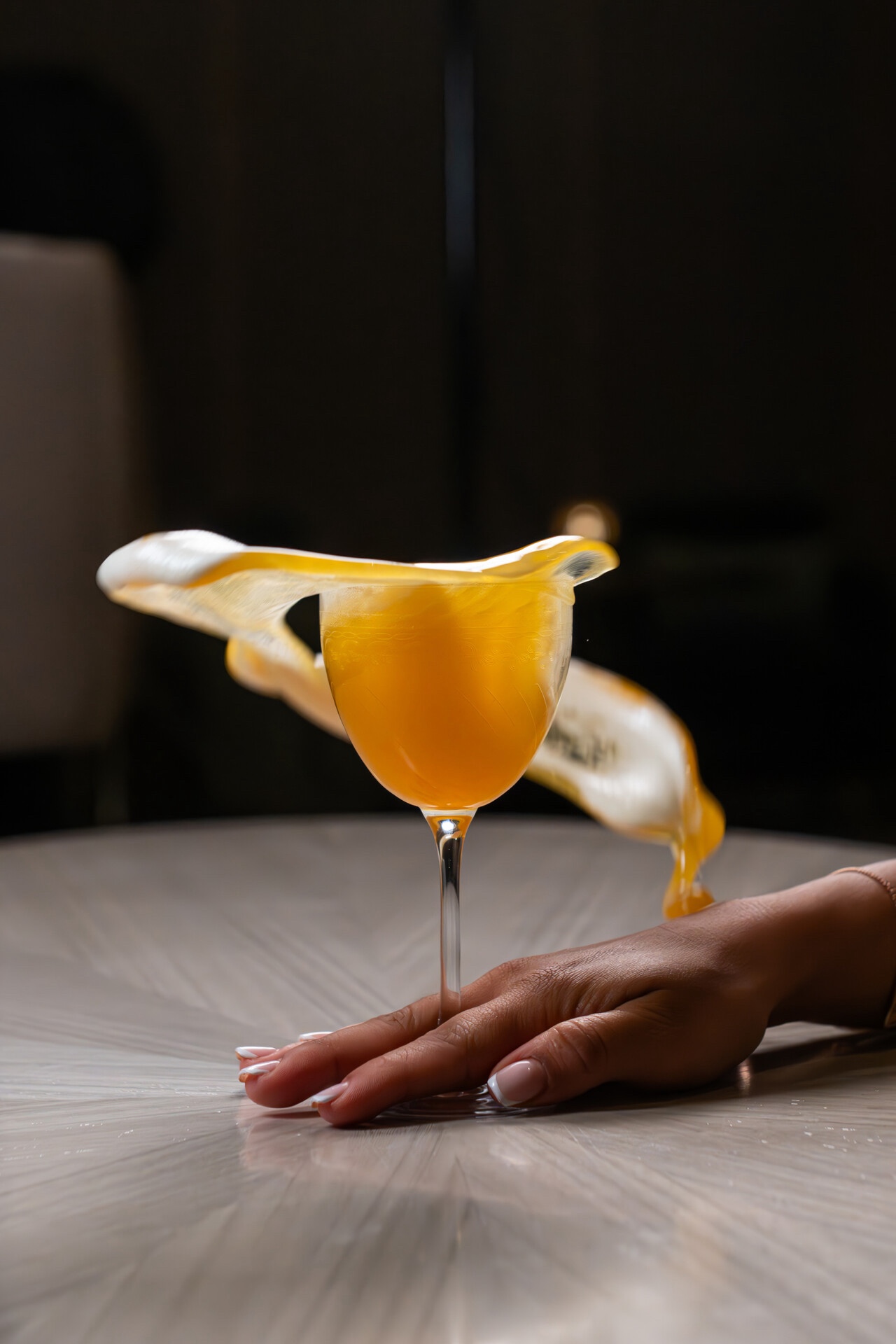
FS Riyadh, Zero Proof Cocktail
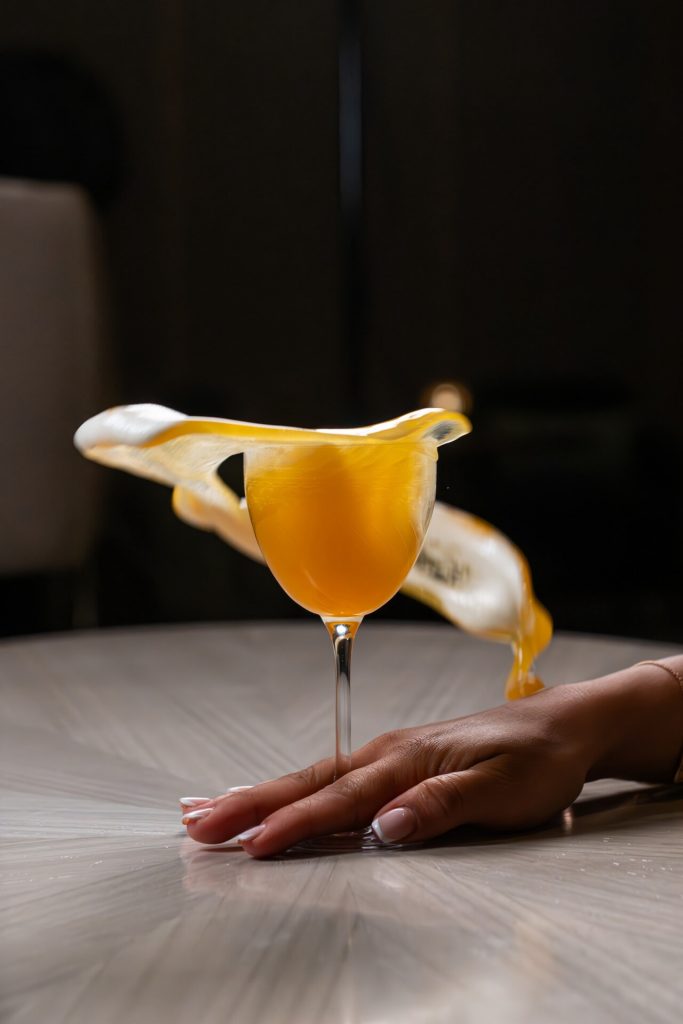
The Naughty Amaretti—with Amaretti-infused white sesame, tangerine, apricot, and saffron—at Tonic Bar at Four Seasons Hotel Riyadh at Kingdom Centre.   

And at Four Seasons Resort Tamarindo, México, head mixologist Arturo Barroso celebrates Mexico’s heritage and traditions through fermentation. He reimagines tepache and tejuino—time-honoured beverages made from local fruits, herbs, and corn—as elegant, alcohol-free expressions. Halting fermentation at just the right moment, Barroso preserves flavour and texture.