Echoes From the Sea

On  a crystal-clear day in September, Mohammed—my guide to the ancient ruins of Carthage—took me up to a plateau in Tunis, the capital of Tunisia. This spot in the North African country overlooks harbours that were first built by the Phoenicians nearly 3,000 years ago. Behind me, a Catholic church built by the French in the late 1800s was just reopening after a refurbishment. There were ancient columns beside me as well. Mohammed explained that they are remnants of the town forum, built by the Romans in the first century B.C. and themselves standing on the ruins of the ancient city of Carthage. The striations of human history appeared piled up in one tableau, all of it glittering in Mediterranean sunshine, overlooking the brilliant blue sea. 

Along the shores of the Med, one doesn’t have to search too terribly far to find this sort of layering of story, influence, and civilizations. Any lover of history knows that Muslim rule extended for nearly 800 years in parts of the Iberian Peninsula, which left a lasting influence on Spanish architecture. Other connections are less widely known. During my recent visits both to Tunis and to Taormina, in northeastern Sicily, echoes of the region’s interconnected past were all around me. 

Taormina
Taormina, Photograph by Chris Wallace
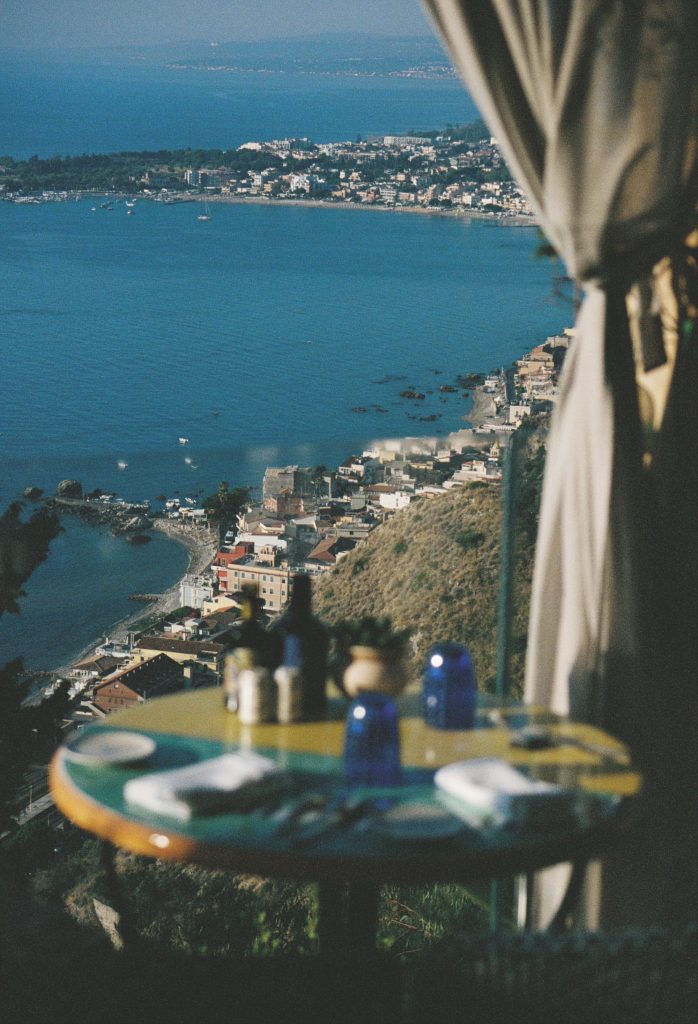
The view from Anciovi Seafood Restaurant at San Domenico Palace, Taormina, A Four Seasons Hotel. Photograph by Chris Wallace.
Taormina, Photograph by Chris Wallace
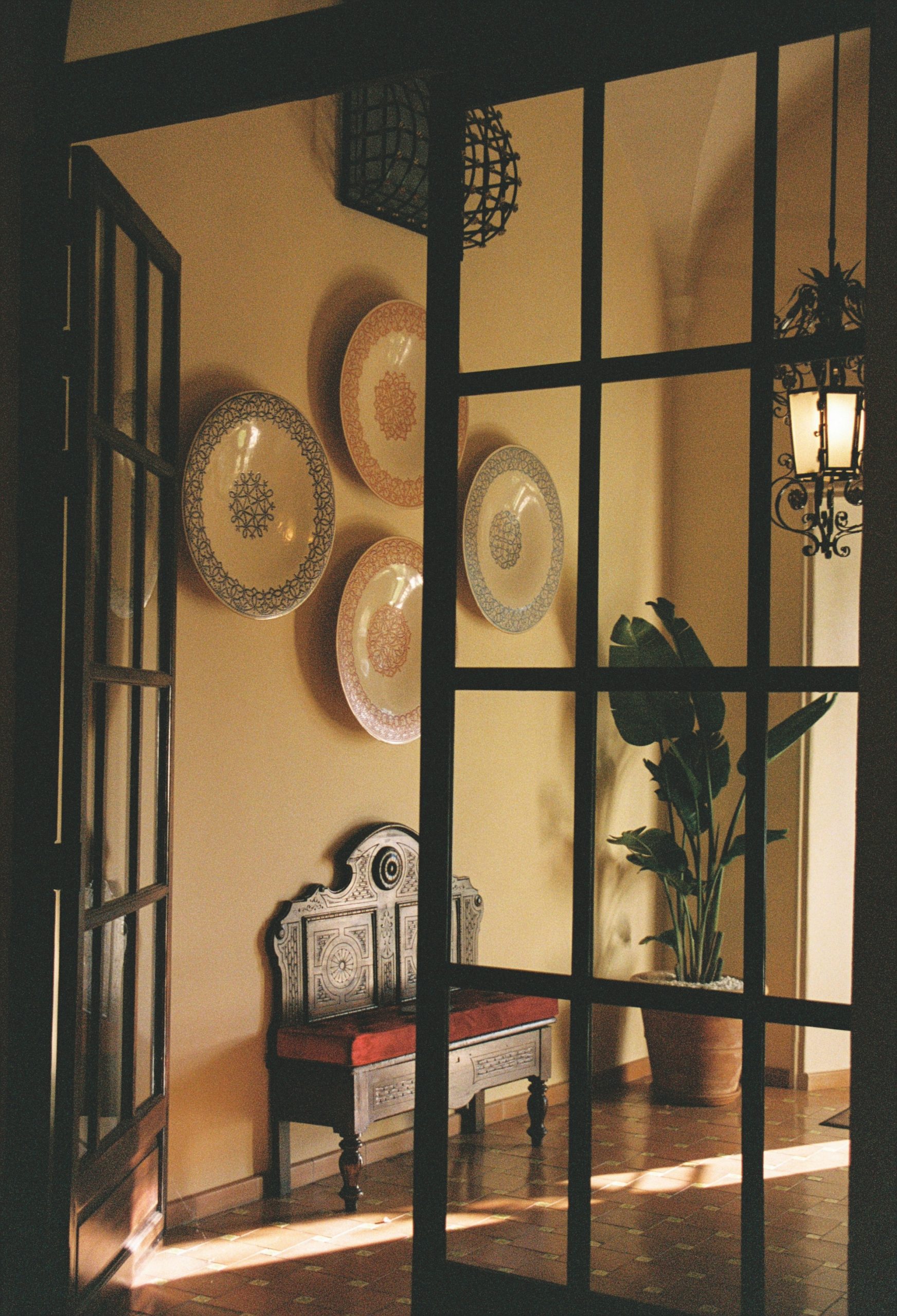
A foyer at the hotel. Photograph by Chris Wallace.

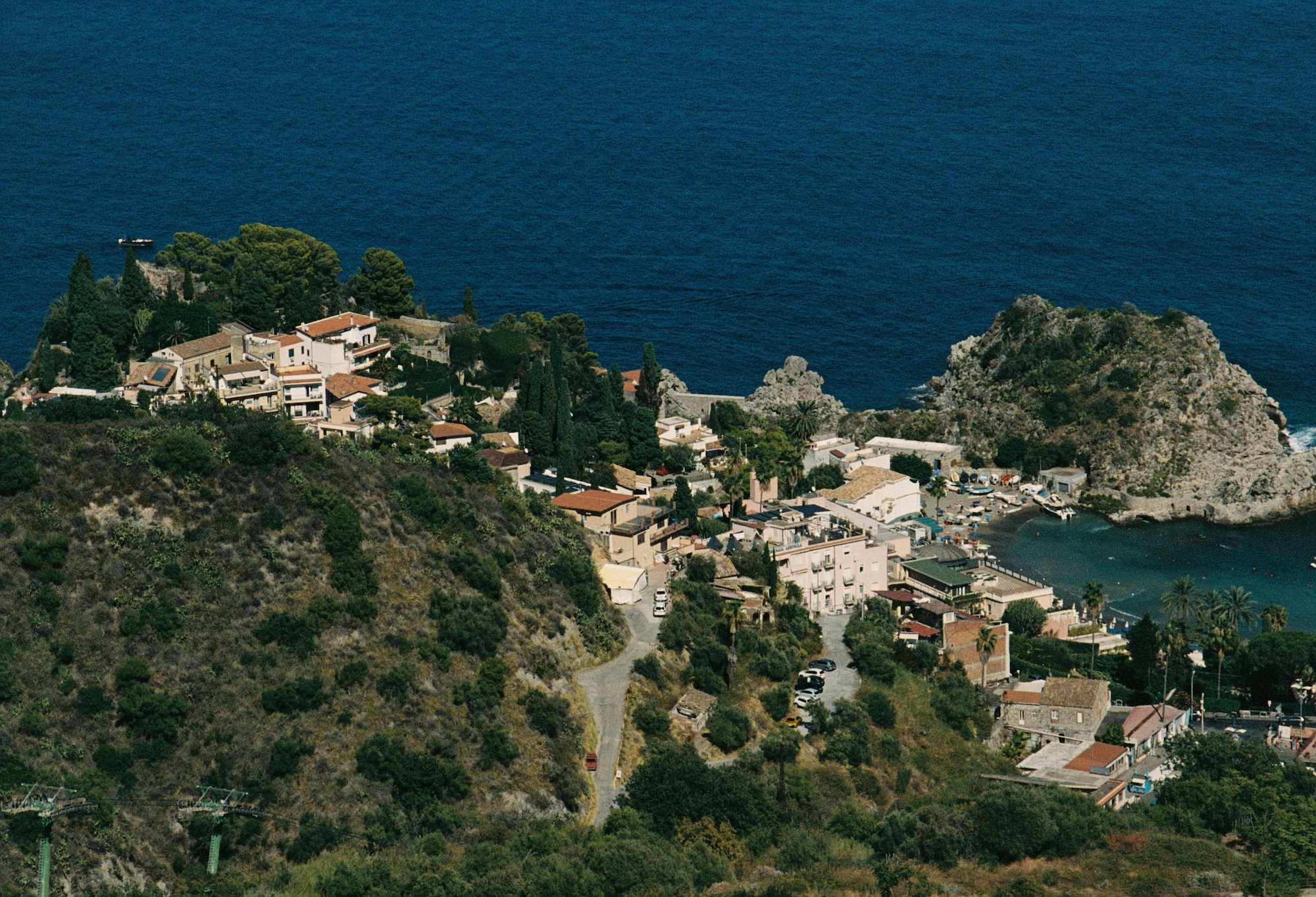
Sicily itself lived under Islamic rule for more than 200 years, starting with an invasion by the Aghlabid dynasty (which ruled what is now modern-day Tunisia) in 827 A.D. The conquest of the island was complete in 902 A.D. with the fall of Taormina. This ancient city winds up the slopes of Monte Tauro like something out of a fairy tale, with commanding cliffside views of the ocean that simply stop you in your tracks. 

Checking into San Domenico Palace, Taormina, A Four Seasons Hotel, is like entering a walled garden in paradise. Once a hilltop redoubt for the Dominican order, the onetime monastery, which served as a hotel as early as 1896, has both Arabic and Italian architectural influences, highlighted by a central plaza. The real centrepiece of the property, though, is the garden, where the smell of hibiscus rises in the afternoons. According to the hotel’s art concierge and tour guide, Margaret Ranieri, this is where monks would have contemplated the bounty of nature while looking out over the Ionian Sea. 

As we walked through Taormina’s old town—passing vignettes seen in Michelangelo Antonioni’s 1960 film L’Avventura—Ranieri led me through the city’s various histories. “The visitors arrived like the tides,” she said. And many of the famous travellers who came to Taormina—from Oscar Wilde and Greta Garbo to Gustav Klimt and D.H. Lawrence—were in search of refuge. The town has always been a tolerant place that can receive the tides, she noted. 
Taormina, Photograph by Chris Wallace
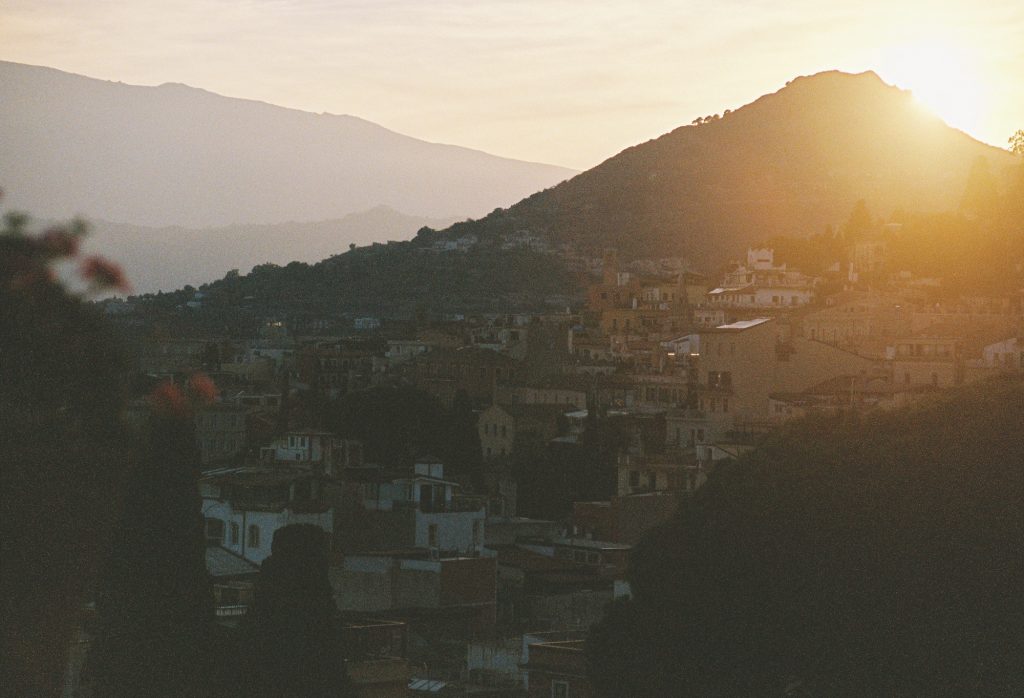
Sunset in Taormina. Photograph by Chris Wallace.

In Sicily, you can find historical links to many parts of the Mediterranean. The church in the centre of Taormina, for example, has a catacomb with bodies mummified in the ancient Egyptian manner. Witness, too, around town the frequently used symbol of the elephant, employed in some cases to protect against Mount Etna’s “moods,” as Ranieri called them. It is even possible, Ranieri said, that the skulls of the long-extinct dwarf elephants that made their way to Sicily from Africa in ancient times, with their enormous central cavity, gave rise to the legend of the Cyclops that appears in Homer’s Odyssey

On our tour, when we reached the famed Ancient Theatre of Taormina—originally built by the Greeks in the third century B.C.—Ranieri invited me to think about catharsis. She was referring to the ancient Greek sense of the word, the way Aristotle used it to mean a kind of cleansing of the mind and spirit that comes from contemplation of nature, or, indeed, of the drama in a theatre. Looking down the mountain from this ancient temple built for a kind of exaltation, I thought I rather understood: my mind felt radically clear. 
Taormina, Photograph by Chris Wallace
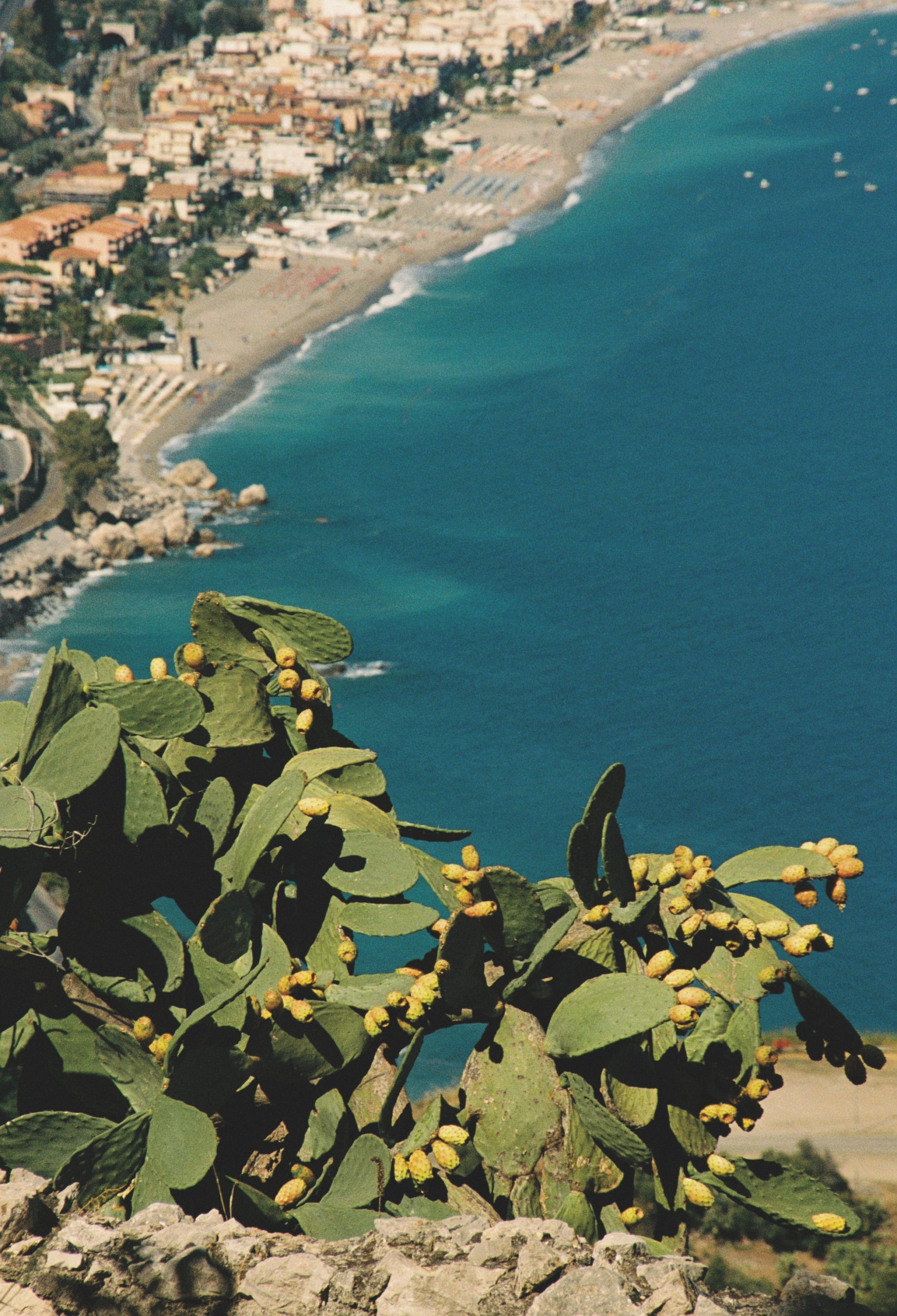
The coast, seen from the Ancient Theatre of Taormina. Photograph by Chris Wallace.
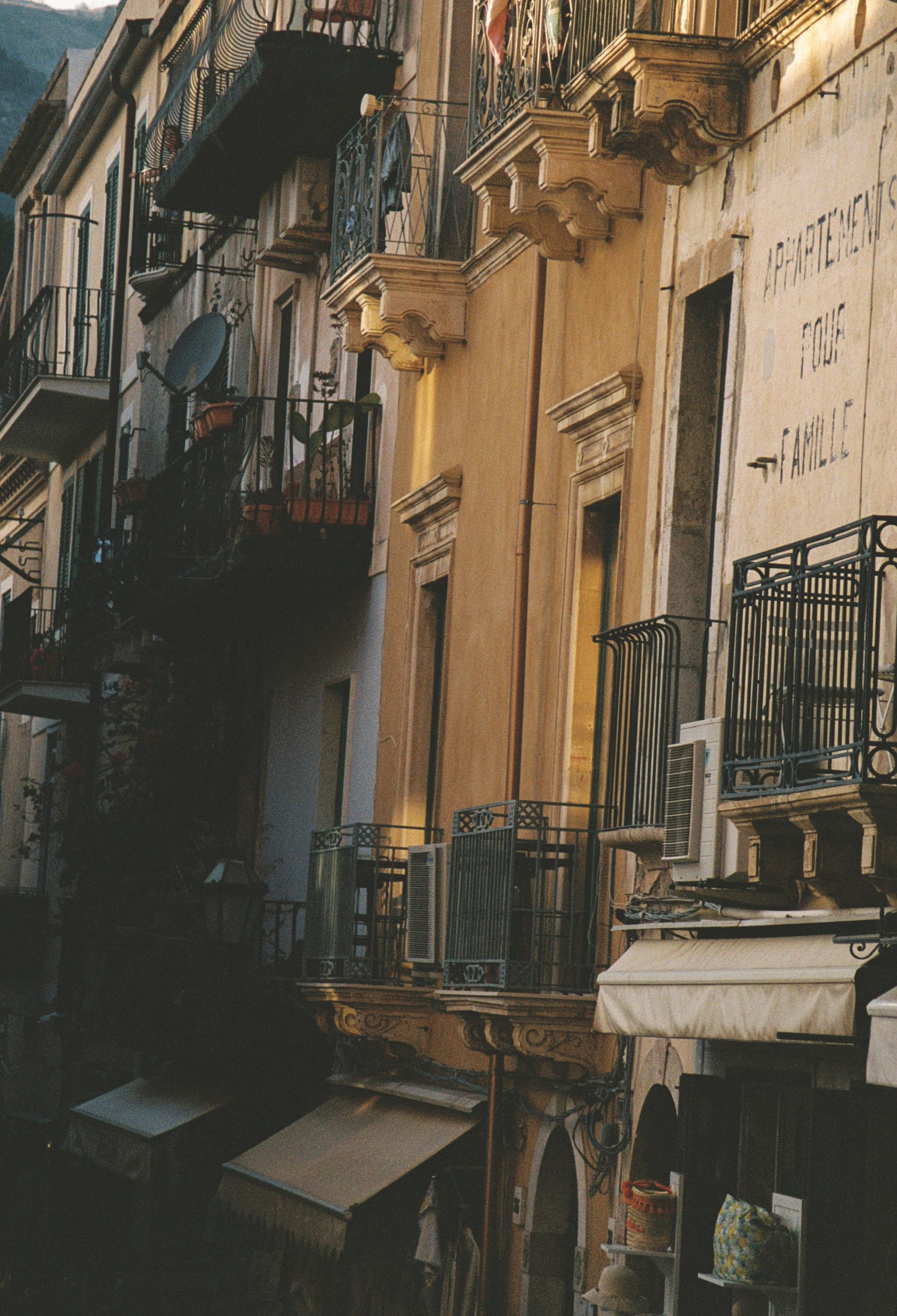
Taormina’s old town. Photograph by Chris Wallace. 

From the theatre’s cafe, there is a clear view of ferries crossing the Strait of Messina toward the Italian mainland and heading to points elsewhere as well. As the filmmaker and photographer Andrea DeFusco tells me, ferry culture and the seaborne journey is still very romantic in the minds of Italians, here where the likes of the Argonauts and Odysseus once roamed. 

DeFusco is developing a book about Sicilian ferries with his brother Giacomo, and he rides the boats from the mainland every year. “You board,” he says, of his preferred overnight ferries, “and night quickly falls. At that point, it’s as if you were nowhere anymore—the land has disappeared beyond the horizon. You are simply on the ship, on a moving island. Even the idea of time fades away.” 

Tunis
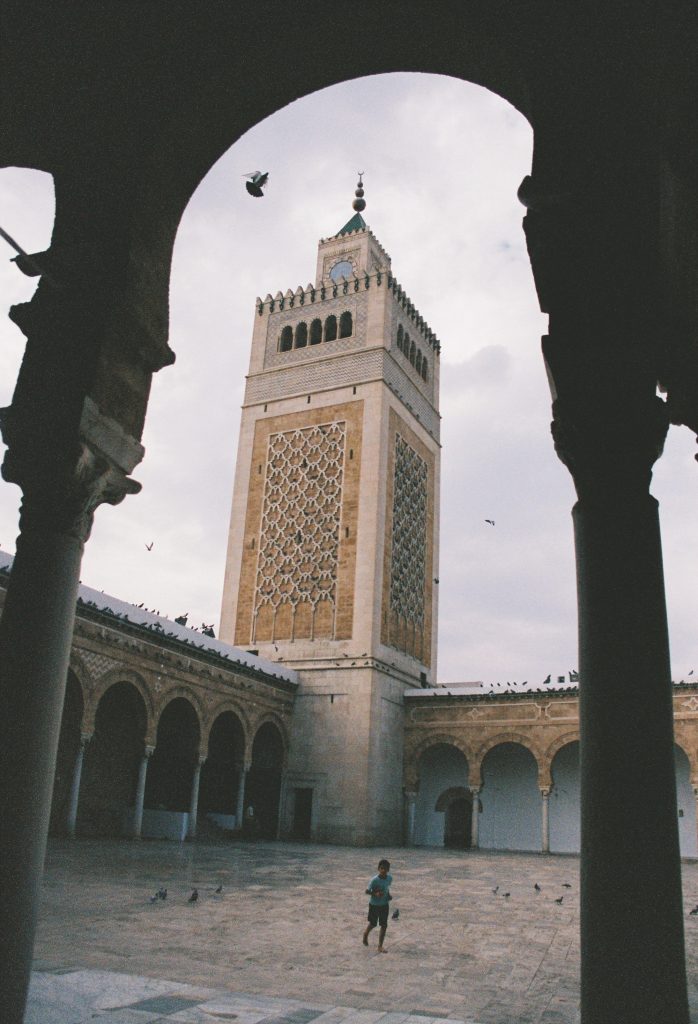
Tunis, Photograph by Chris Wallace
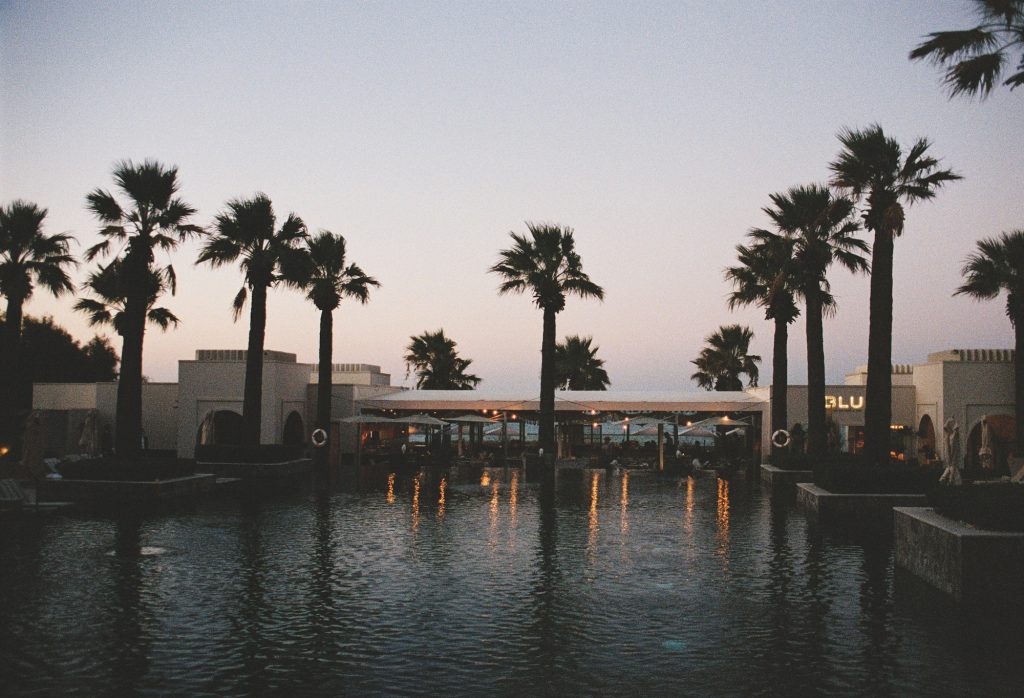
The pool at Four Seasons Hotel Tunis. Photograph by Chris Wallace.

Culture exchange is evident on menus everywhere in Tunis.

On a map, Sicily and Tunisia look like they could have touched at some distant point back in time. The Sicilian port of Marsala (the Saracen people reverentially called it Marsa Allah, or “Harbour of Allah”) on the western side of the island is, after all, only around 130 miles by sea from Tunis, and a 10-hour-plus ferry runs approximately two times a week from Palermo, Sicily, to the Tunisian capital. 

I made my way to North Africa not nearly as directly, flying from Sicily to Rome and then on to Tunis. Immediately on arriving in Tunis, I was attuned to the linkages—in architecture, in design, in aspect—reverberating across the Strait of Sicily, from painted tiles reminiscent of the blue-and-white tiles in Taormina to, of course, Roman columns found in the ruins in the capital. In fact, a recent show at the Ahmed Bey Palace in the Tunisian coastal city of La Marsa explored the Italian influence in the architecture of Tunis from the 1600s through the 20th century. 

Culture exchange is evident on menus everywhere in Tunis. There are caponata-style stews—maybe the most iconic of Sicilian dishes but made with ingredients and practices first brought to the Italian island by North Africans—and plenty of traditional Tunisian dishes with pasta, some blending the sour and sweet flavours most identified with Sicilian cuisine: agrodolce sauce. The town of La Goulette, not far from the city centre, expanded significantly in the 19th century due to a wave of emigrants from Sicily, and until recently was still referred to as Petite Sicile, or “Little Sicily.” 
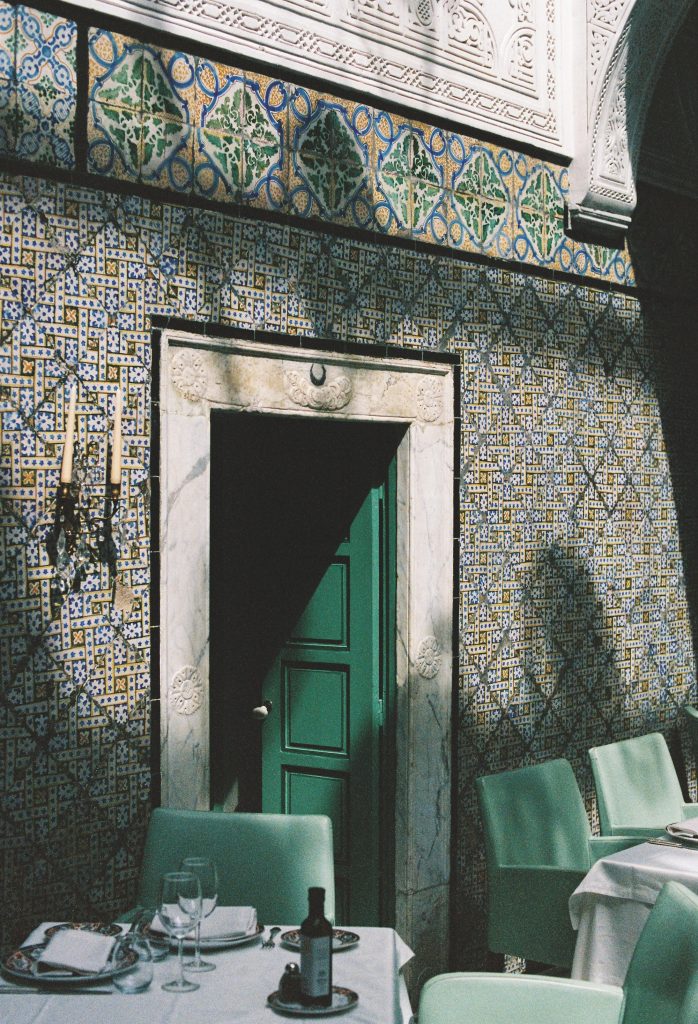
Near Tunis, on the coast about a 20-minute drive from the Medina, lies the town of Sidi Bou Said. Known for its blue-and-white houses and for looking a bit like the kasbah of Tangier, it hugs a hilltop with 270-degree views of the water. At Bleue!, a lo-fi, high-vibes café and deli, owners Katherine Li Johnson and Reem Al Hajjej offer locally sourced salads and sandwiches and sell great merch. It’s a buzzing community hub. As the Tunisian German fashion designer Lamia Lagha tells me, Bleue! is the place to go to meet everyone in the art and music and design scenes—and to find out where the best concerts and parties are. 

A short drive north of Sidi Bou Said, past the grand old corniche of Marsa, the vibe shifts. Four Seasons Hotel Tunis is a sort of village unto itself, made up of modernist cubes hugging a scene-y pool and the Mediterranean-style Blu Seafood Kitchen & Bar, which leads to a private beach cove. There’s a feeling of refuge. Here, on the edge of the African continent, looking out on the sea as it goes from a shimmering aqua at midday to a dusty mauve after the sun sets, you can feel both way, way out there and in the very centre of the world, cloistered and connected, like the Sicilian monks on their clifftop perch. 

The feeling of being suspended between worlds stayed with me. On the afternoon that Mohammed showed me the Roman forum, he also took me to the ancient amphitheatre of Carthage—still a busy cultural venue hosting concerts and festivals—which is almost a perfect mirror of the theatre in Taormina. As we walked up the steps, past the ruins of the neighbourhood where the Roman patricians had their villas, Mohammed and I admired the commanding view of the sea. It seemed yet another perfect place for catharsis, and an ideal vantage from which to contemplate the layers of time.  
The Awe Effect

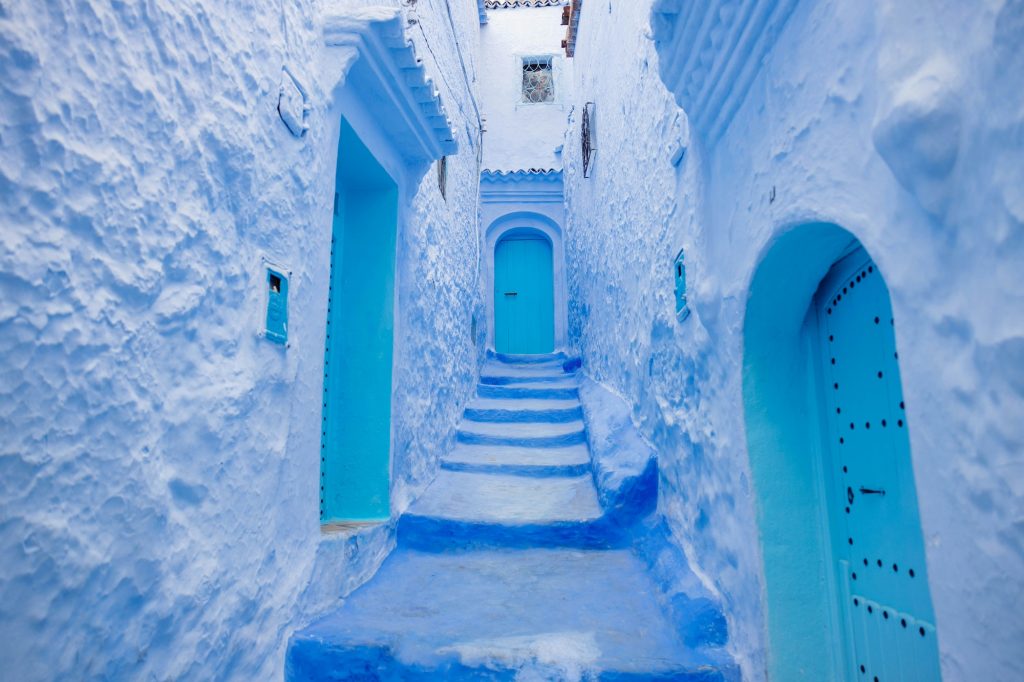
“When I think of beauty, I also think of beautiful landscapes that I know,” said the Irish poet John O’Donohue. I feel this in my bones. The most meaningful moments of my life have taken place outside—in wilderness, in the presence of something so large it made me feel small. Boating down the Ganges in Varanasi. Walking a suspension bridge high above the jungle in Costa Rica. Staring into a midnight bay in the San Juan Islands and watching creatures bloom bioluminescent beneath the black water. Sitting on a heap of rag rugs on a rooftop beneath the blazing sun in Chefchaouen, Morocco, with a cup of hot mint tea in hand. 

I guess you could say I was in awe. 

FS Bali at Sayan
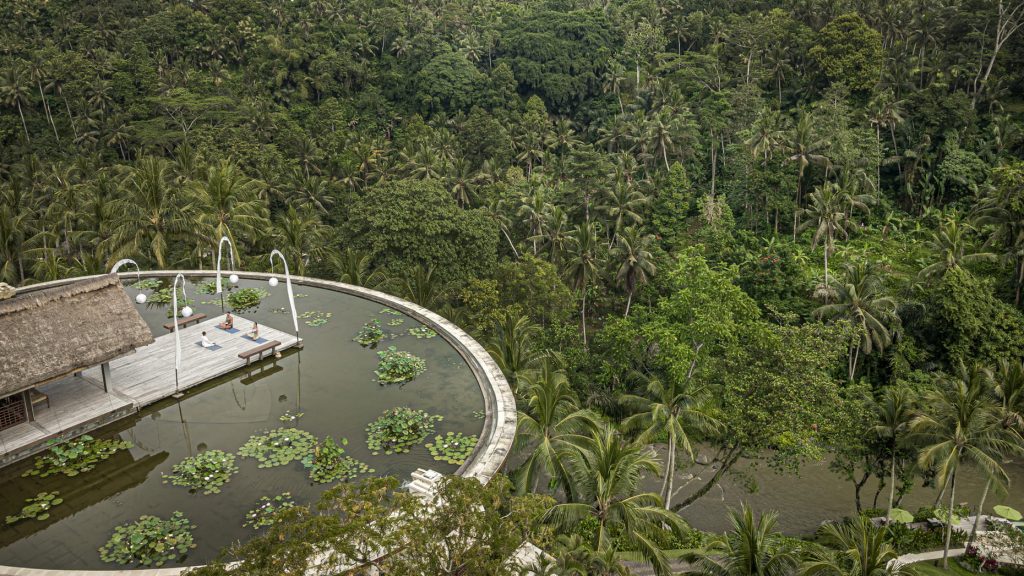
The otherworldly rooftop lotus pond at Four Seasons Resort Bali at Sayan.

The word awe has roots in Old English: ege—fear, dread, terror. Go deeper and you land in Old Norse: agi. Same meaning, only more intense. The kind of fright that makes your stomach drop and your skin hum. Awe once meant trembling before something vast and unknowable. Awe had nothing to do with fumbling in your pocket for your phone to snap a selfie, to prove to other people you’d been to a place and been moved by it. It was about standing still, overcome by the magnificence of the world, your brain sizzling with majesty. It was about being afraid—in a good way—of how big the universe is. It was about bowing down. The experience of awe was an embodied one. Reverence and surrender, a mystery inside your bones. 

By the time of Middle English, the idea of awe had evolved into something more attainable—the tender recognition of quiet beauty everywhere. A perfect rainbow after a storm. A temple where your breath echoes. At the edge of a birth, a death, or a galaxy too big to name. One could even find awe in the tiny, mundane moments or minutiae of the natural world—a rose petal, a frozen pond. Vastness veined with grace. As Walt Whitman wrote in Song of Myself, “I believe a leaf of grass is no less than the journeywork of the stars.” 

Chefchaouen, Morocco, by Taisha Ellison/Unsplash
Dreamy blues in Chefchaouen, Morocco. Photograph by Taisha Ellison / Unsplash.

Now neuroscience is catching up to what mystics, poets, and travellers have always known: Awe rewires us. According to Dacher Keltner, a professor of psychology at University of California, Berkeley, awe is not a luxury—it’s a biological necessity. Defined by Keltner as “the feeling of being in the presence of something vast that transcends your current understanding of the world,” awe has measurable effects on the body and brain. A 2015 study co-authored by Keltner revealed that participants who felt positive emotions, such as awe, wonder, and amazement, had lower levels of the cytokine interleukin-6, a marker for inflammation. And Keltner’s research also has found that experiencing awe can trigger the release of oxytocin, the bonding hormone, which has been shown to decrease anxiety levels. 

In his book Awe: The New Science of Everyday Wonder and How It Can Transform Your Life, Keltner identified “eight wonders of life”: nature, the moral beauty of others, collective movement (shared joy in groups), music, visual design, spirituality, big ideas, and, as he puts it, “encountering the beginning and end of life.” These are the stimuli that pull us into the present, that return us to the why. 

And it gets more interesting. In Soft-Wired: How the New Science of Brain Plasticity Can Change Your Life, neuroscientist Dr. Michael Merzenich says that to stay sharp and healthy as we age, we need the unfamiliar. We need to jolt the system. 

Travel does that, scrambling the senses in the best way. A new language in your ear. Smoke and spice in your nose. A cerulean sky, deep and rich as the ocean. When exposed to new stimuli, the brain forms new neural pathways. According to Merzenich, novelty keeps the brain lit up. People who stay curious don’t just age; they grow. “This lifelong capacity for plasticity, for brain change, is powerfully expressed. It is the basis of our real differentiation, one individual from another,” he said.  

For me, simply navigating a foreign grocery store—figuring out which fruit is which or translating a label—is a way of triggering brain activity. And curiosity itself is neurologically rewarding. When you explore something new, your brain’s reward system is activated, releasing dopamine, its built-in pleasure chemical. The stronger the dopamine response, the stronger the reinforcement signal, making us more likely to repeat the behaviour. The more you explore, the more you want to explore. Wonder can become a feedback loop. And we need that loop now more than ever. 

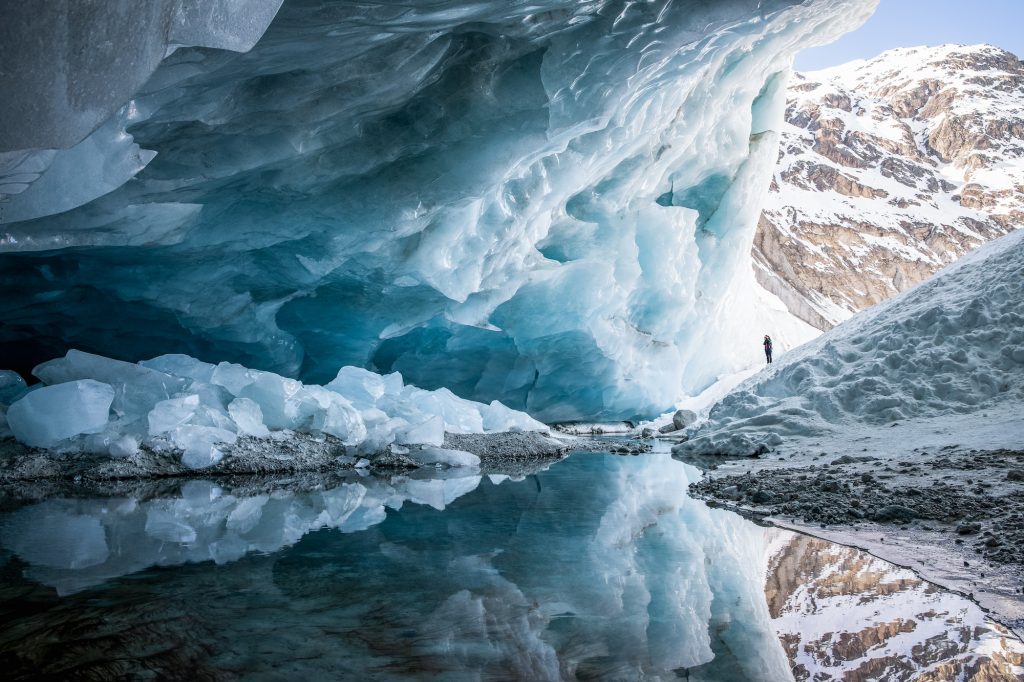
Ice cave exploration in Zinal glacier, Valais Switzerland
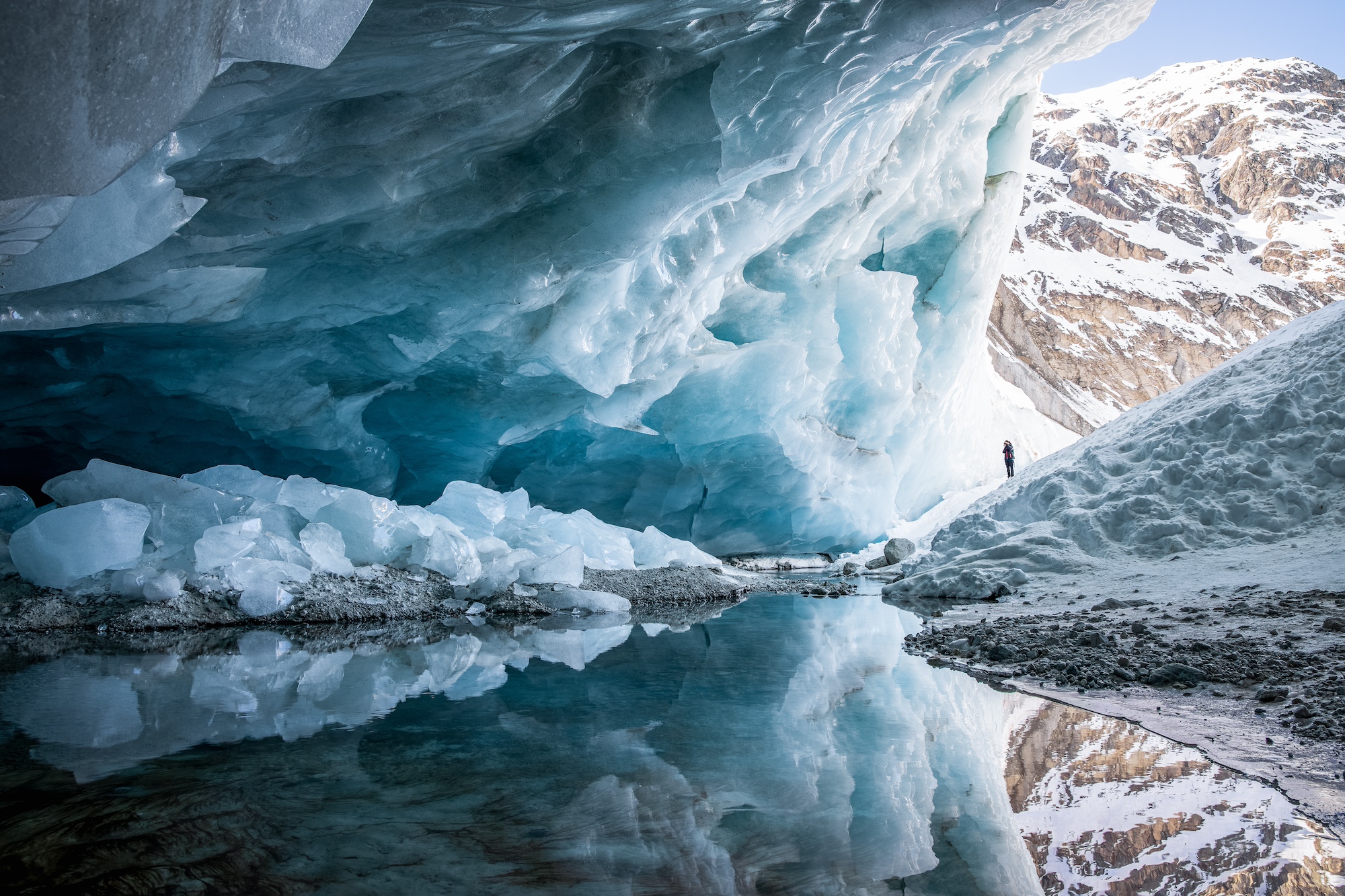
Ice cave exploration in Zinal glacier in Switzerland. Photograph by Frédéric Sabalette / Wirestock / Adobe Stock.

The goal is to put down your phone and feel what it’s like to be in the presence of great beauty—to metabolize your own relationship to the divine in real time.

More and more of us are seeking “mental wellness.” We’re booking getaways not to check out but to check back in. We’re exhausted, depleted from hyper-​productivity and hyper-connectivity. We want the reset. Yet nearly 72 percent of global travellers use social media while on vacation, according to a study out this year. Many now use AI to plan, curate, and narrate the experience before it’s even begun. We consult influencers before we consult the wind.  

We’ve turned awe into content—and risked missing it altogether. The goal is to put down your phone and feel what it’s like to be in the presence of great beauty—to metabolize your own relationship to the divine in real time. To be humbled by it all and do nothing but breathe. No stories. No likes. No selfies. 

In my travels, I’ve learned that awe must be experienced firsthand. It reveals itself in the most beautiful places on Earth, such as the Sea of Stars on Vaadhoo Island in the Maldives, where the waves glow turquoise and footsteps spark light across the beach. The Banyumala Twin Waterfalls, in Bali, cascading through thick jungle. The glacial caves of Aletsch and Zinal in Switzerland—frozen, echoing, otherworldly. The Byodo-In Temple near Kyoto, still and ancient. These places carry a sacred frequency. 

Awe doesn’t always announce itself. This past winter, standing barefoot on Playa Majahua, a secluded beach on the Pacific Coast of Jalisco, near Four Seasons Resort Tamarindo, Mexico, I felt something inside of me shift. It was sunrise. The moon was sliding down the sky as the sun rose. The air was balmy and fragrant with cypress and gardenia. There was a puma print pressed into the cool, smooth sand. For a moment, it felt like the whole world was holding its breath. 

Four Seasons Private Residences: Celebrating 40 Years of Exceptional Living

Modern design rooted in craftsmanship and heritage. Ultra-personalized service. A sense of serenity. These are just some of the things that homeowners expect when they move into a Four Seasons Private Residence. It’s an enticing recipe that has been refined over 40 years, and it continues to be elevated with new ingredients.  

This year marks four decades since the first Private Residence opened at Four Seasons Hotel Boston. In that time, Four Seasons has evolved not only as a place to vacation, but also as a permanent residence, making it possible to dive into beach life on Punta Mita’s Pacific shores, live in an iconic heritage building in the heart of Madrid, or connect with Bangkok’s effervescent energy on the banks of the Chao Phraya River. “With every Four Seasons Private Residence, we set out to create the pinnacle of refined living,” says Chris Meredith, group head of residential at Four Seasons. There are now 57 Private Residences in operation globally, with more in development in destinations as diverse as Istanbul, the Bahamas, Las Vegas, and Dubai

Wherever residents choose to live, Four Seasons focuses on creating a connection to each destination. At the newly opened Four Seasons Private Residences Bahrain Bay, design details include mother-of-pearl inlay crafted by local artisans in honour of Bahrain’s rich pearling history. “Each pattern was selected to create a sense of continuity between the island’s past and the contemporary design language of the residences,” says the project’s designer, Nicolas Roux, founder of Rive Gauche London. 

Glenn Rescalvo, partner and lead architect at Handel Architects, has collaborated with Four Seasons on three Private Residences addresses, including Four Seasons Private Residences San Francisco, 706 Mission. While each project is unique, there’s a unifying, highly elevated design ethos, Rescalvo says. “From the moment of arrival [on property] to the intimacy of entering one’s home, we craft a seamless journey through spaces that are thoughtfully curated,” he says. “It’s not just about form or function, but about evoking emotion.” 

That carries over to the warmth conveyed by Four Seasons team members across the world. “What Four Seasons does differently is deliver customized service, provided by engaged people,” says Carolina Angarita, regional director of residences, based at Four Seasons Hotel at The Surf Club, Surfside, Florida. “At a residential building, the door will be opened by someone who knows your name, your dog’s name, and even your dog’s favourite treat,” she says. 

With each new address, Four Seasons builds on its 40-year legacy, creating places where creativity, culture, and community come together in a truly timeless way.

Below, we shine a spotlight on four outstanding Four Seasons Private Residences: in Lake Austin, Texas; San Francisco, California; Manama, Bahrain; and Shura Island, Saudi Arabia. 

Lake Austin, Texas: Lakeside Luxury on 145 Pristine Acres 

Four Seasons Private Residences Lake Austin

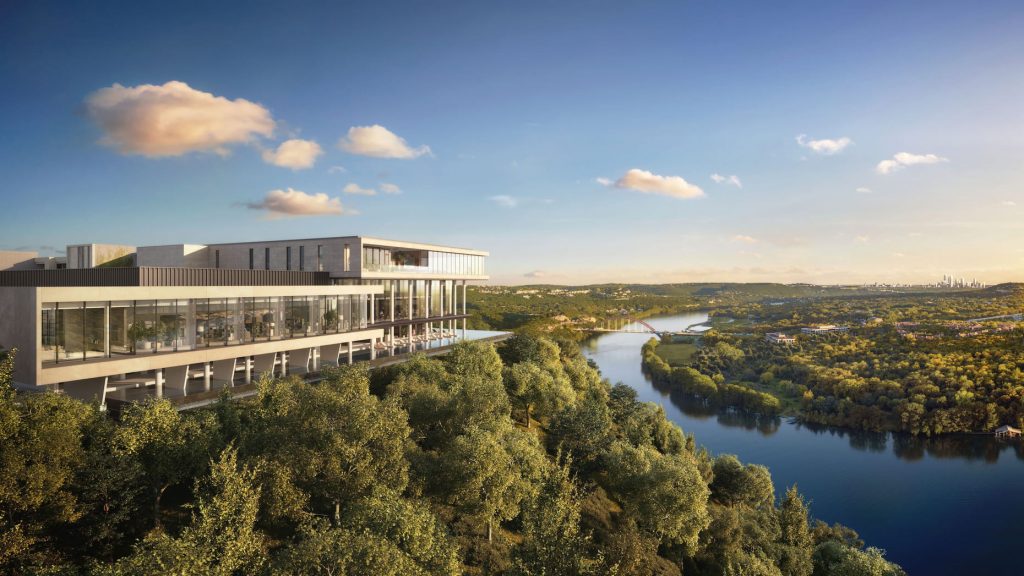
A peaceful hill with stunning lake and city skyline views is the setting for Four Seasons Private Residences Lake Austin, opening in 2027 just 20 minutes from downtown Austin. Taking cues from modernist architecture, the 179 residences and nine freestanding villas—designed by Lissoni & Partners—will offer seamless indoor-outdoor living. At this standalone property (there is no hotel attached), maximizing service and comfort for residents will be the exclusive focus. 

Four Seasons Private Residences Lake Austin

Optimal Wellness: The Orangerie spa sanctuary—set to the largest private indoor wellness and fitness facility in Texas—will include an 82-foot indoor pool; yoga, movement, and meditation studios; two golf simulators; an indoor basketball court; courts for tennis, pickleball, and squash; and a children’s gym. 

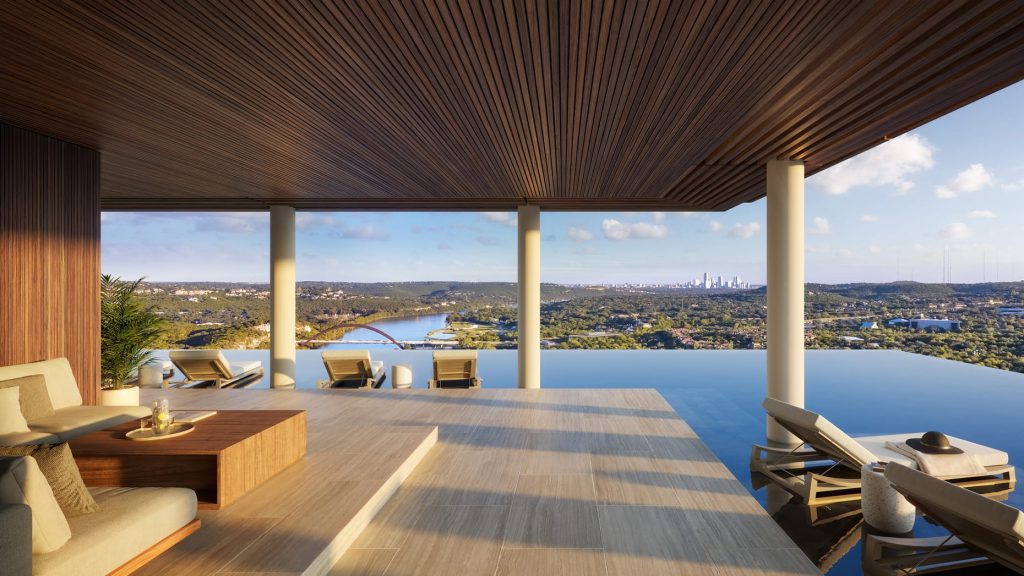
On the Waterfront: An infinity pool 300 feet wide will overlook an especially beautiful bend in the lake. On the lakefront, residents will have access to the Lake Clubhouse, a private marina, and boat slips, as well as the property’s fully electric watercraft. 

Dinner and a Show: The Private Residences will be home to Café Boulud Lake Austin, Michelin-starred chef Daniel Boulud’s first restaurant in Texas, while the on-site theatre will offer films, concerts, lectures, and private events. 

San Francisco, California: Historic Style Meets Modern Service 

Four Seasons Residences San Francisco

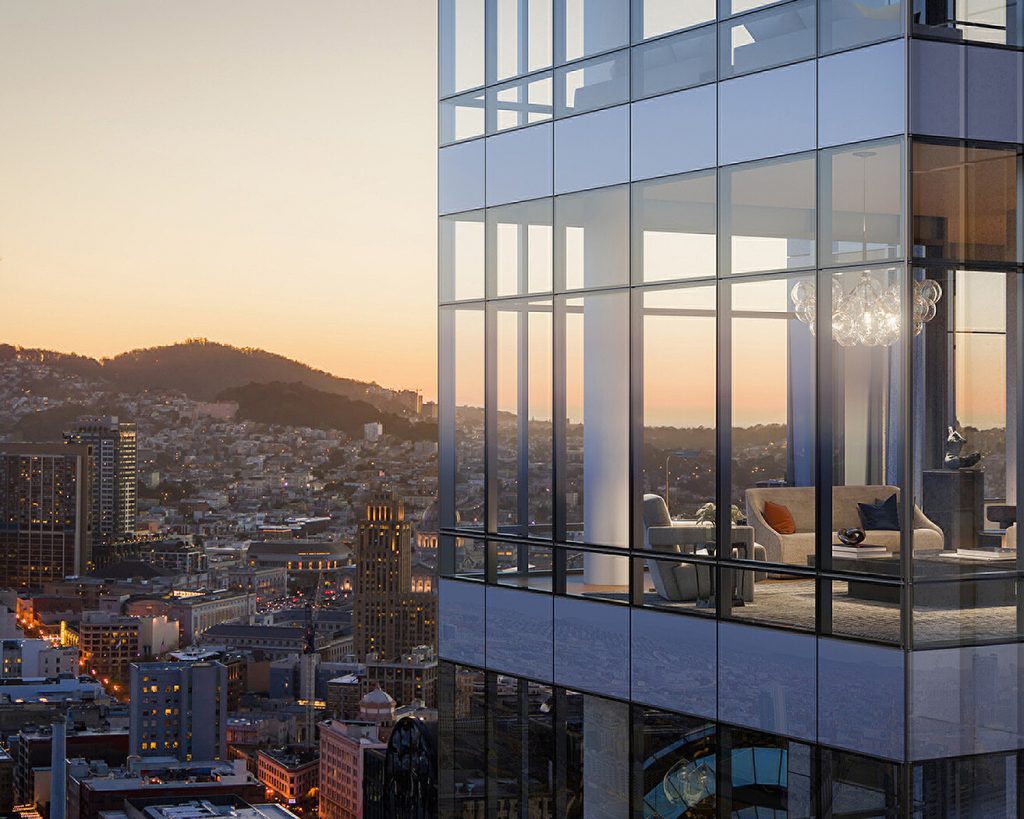
History and modernity converge at Four Seasons Private Residences at 706 Mission, San Francisco, which occupies two structures: the historic 10-story Aronson Building, built in 1903 and recently restored, and a sleek and modern new 510-foot tower. At this standalone property, panoramic city views complement luxury design details, from Amiata tubs to Poggenpohl cabinets. 

Four Seasons Residences San Francisco

Community Space: The Club is where residents can relax over billiards and shuffleboard, watch movies and sports on the big screen, and entertain friends in a private dining room. 

Culture at the Door: Surrounded by the museums, galleries, and performance spaces in the Yerba Buena area, the Private Residences are in the cultural heart of San Francisco. Residents enjoy curated experiences in art, wine, design, and wellness. 

Stay Well: A fitness floor designed by celebrity trainer Harley Pasternak combines cutting-edge equipment and elite personal training. 

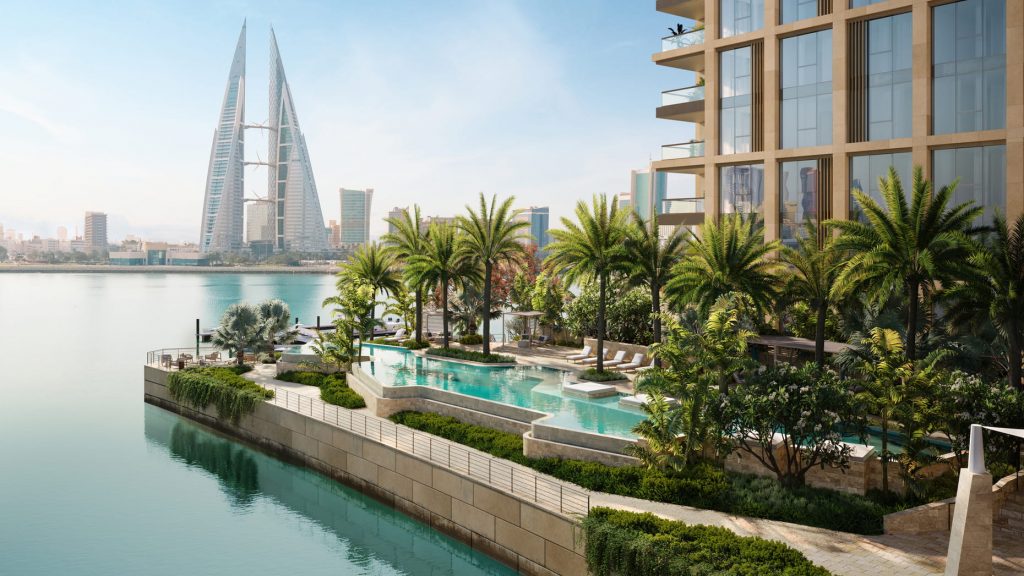
Manama, Bahrain: Cosmopolitan Waterfront Living Amid Lush Green Spaces 

Four Seasons Residences Bahrain

Set on an iconic and idyllic bay in the heart of Manama with city skyline views, the 112 apartments, duplexes, and penthouses at Four Season Private Residences Bahrain Bay boast floor-to-ceiling windows, glass walls, terraces, spa-like bathrooms, and open-concept layouts. The dedicated residential team can arrange everything from in-room massages to outdoor barbecues and cooking master classes. 

Four Seasons Residences Bahrain

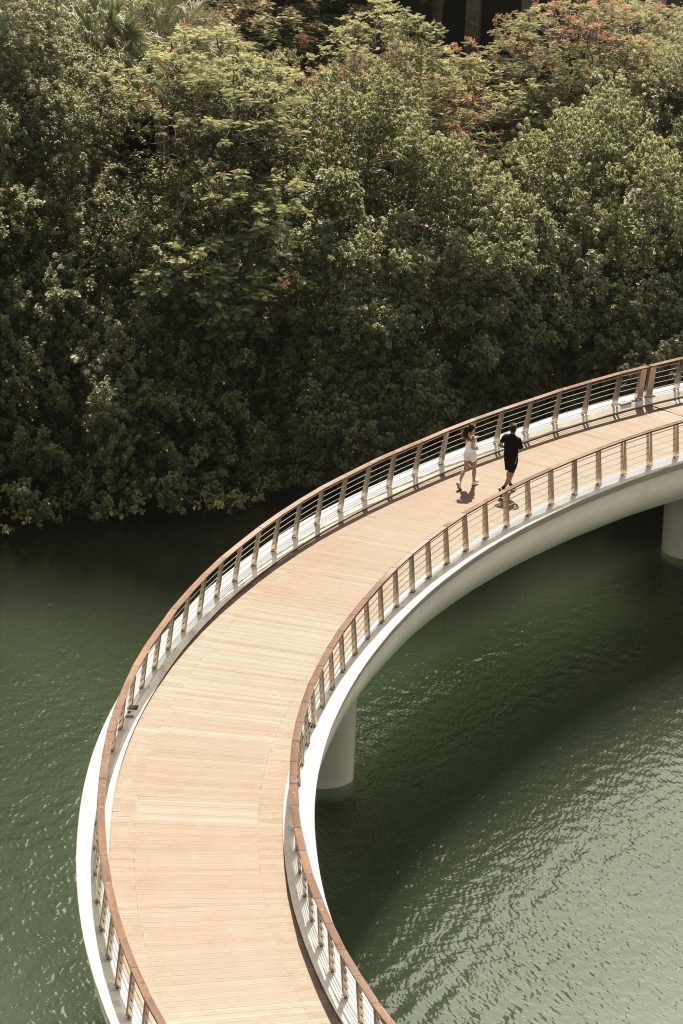
Connect: A pedestrian-only bridge connects the Private Residences to the offerings at Four Seasons Hotel Bahrain Bay, among them a white-sand beach, a waterpark for kids, a sanctuary spa, and Wolfgang Puck restaurants. 

Pool Time: With impressive vistas of Four Seasons Hotel Bahrain Bay and other Kingdom landmarks, the residential pool deck is an ideal spot for a refreshing dip in the lagoon-style pool or a yoga session on the lawn. 

Pass the Popcorn: A cinema with the latest technology and red velvet loungers allows residents to entertain up to 15 guests in glam Hollywood style. 

Shura Island, Saudi Arabia: Finding Peace Among the Dunes

Four Seasons Privatee Residences Shura Island

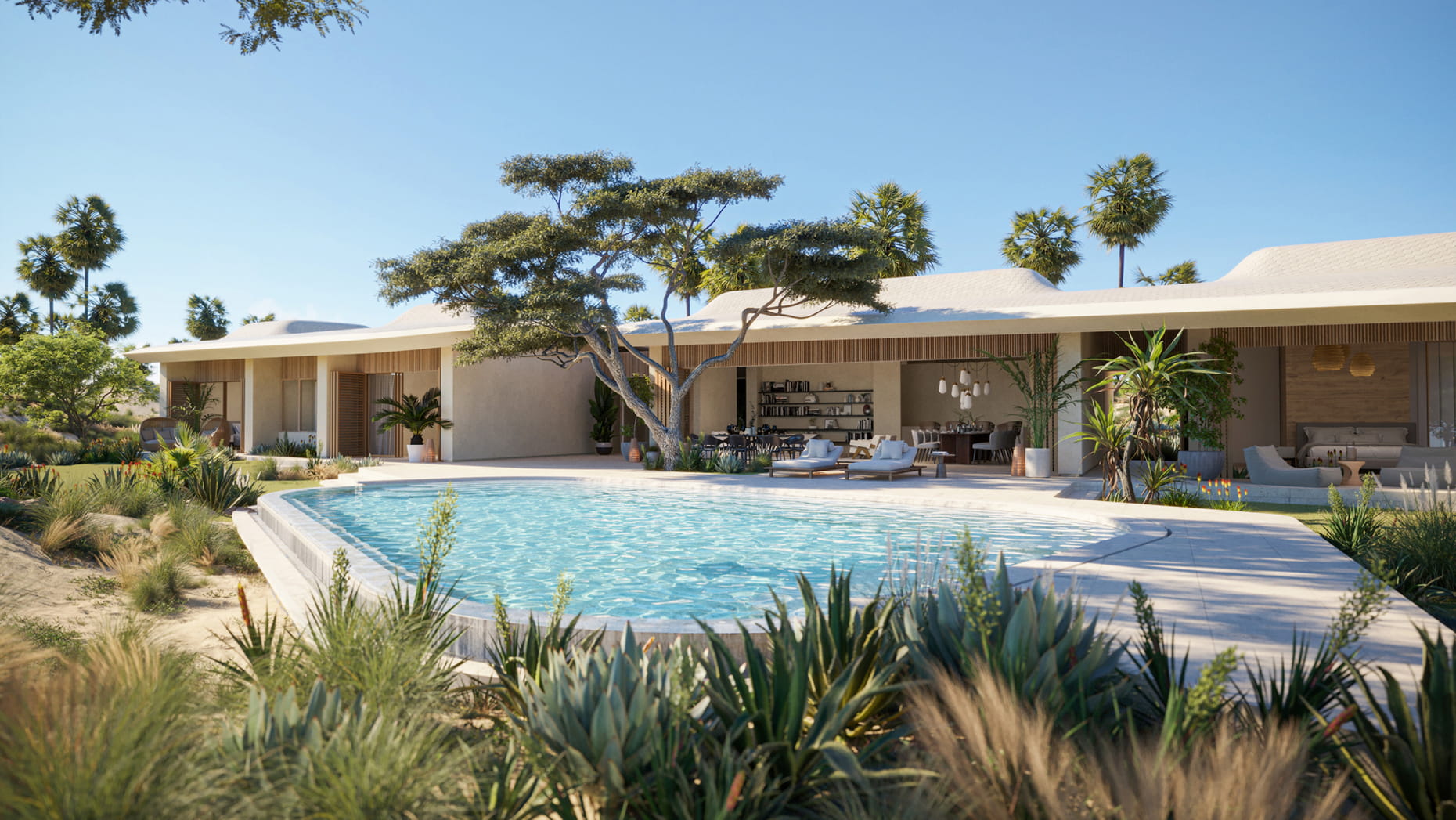
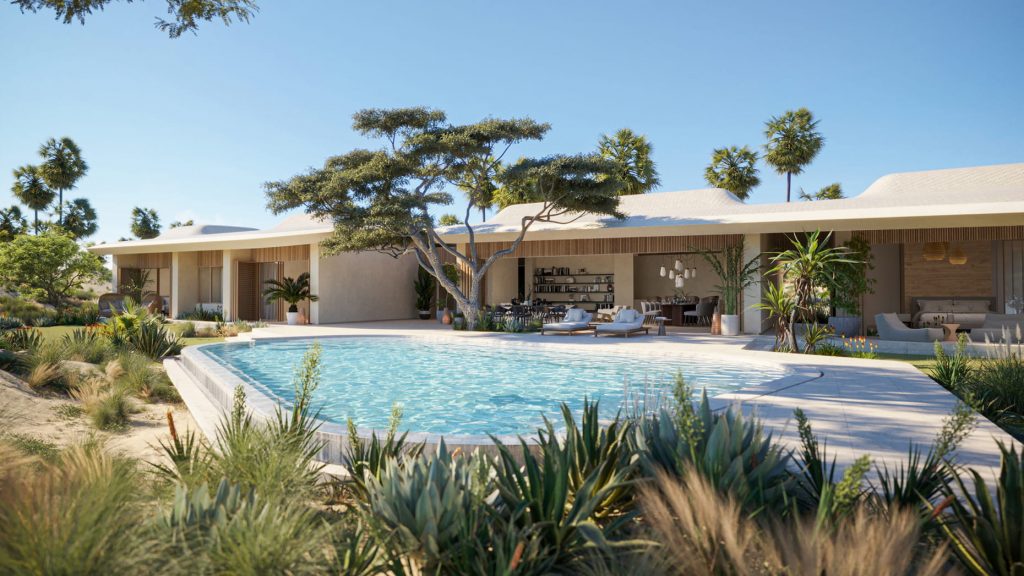
Blue lagoons. Ancient mangroves. Undulating sand. The recently opened Four Seasons Private Residences Red Sea at Shura Island, located on Saudi Arabia’s western coast, is a stunning and soothing retreat designed by Foster + Partners. Here, seclusion, privacy, and harmony with nature are paramount. The property’s 75 three- to five-bedroom Dune and Waterside villas have private pools, spacious bedroom suites, marble floors, and indoor-outdoor design that inspires true barefoot luxury.  

Four Seasons Private Residences Shura Island

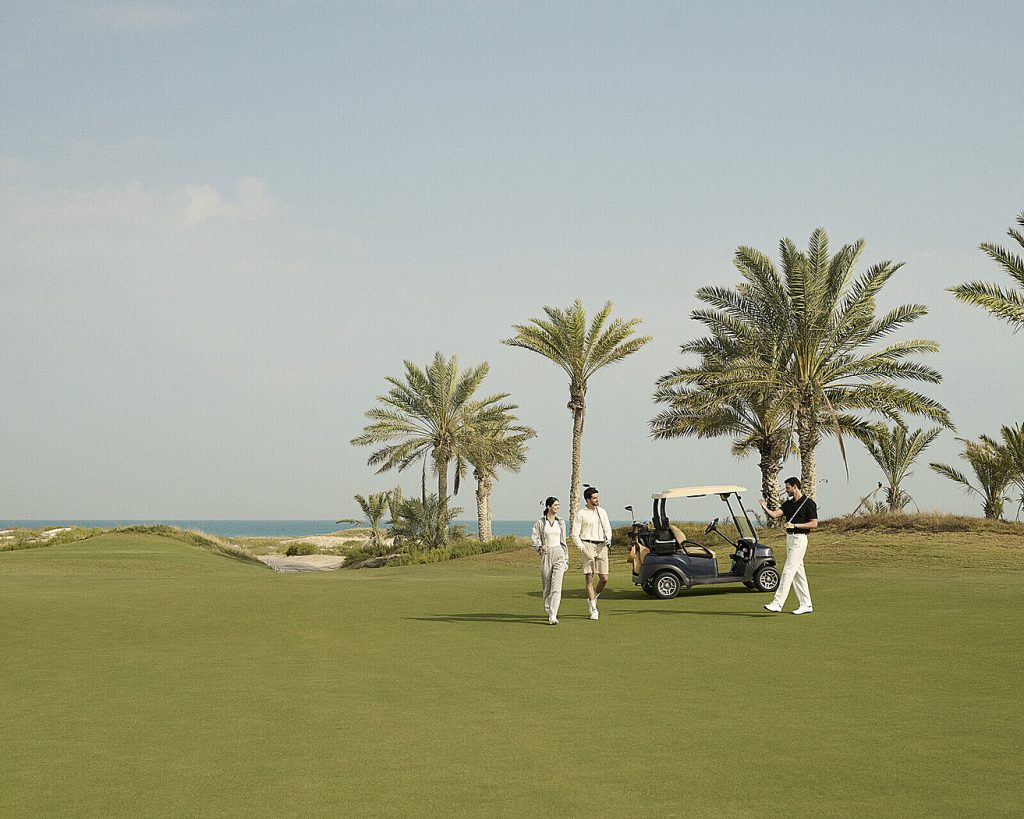
Par Excellence: The 18-Hole championship Shura Links golf course blends into the natural environment, while the Clubhouse is the spot to unwind, whether at the pool, the gym, or the restaurant.  

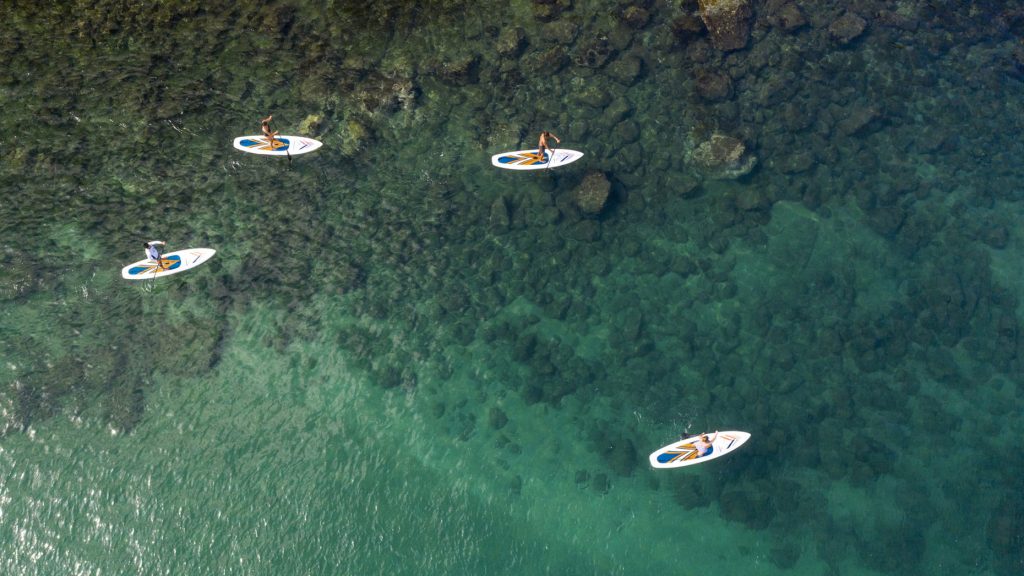
To the Sea: Snorkel and scuba dive around the marine-rich coral reefs, or paddleboard, sail, and kayak on gentle waves. 

Environmental Stewardship: Preserving natural habitats and minimizing emissions are important aims of Saudi Arabia’s development of this coastal region. For its use of solar energy, electric vehicles, and natural materials, Four Seasons Private Residences Red Sea at Shura Island has earned LEED Platinum certification, the highest honour in green building design. 

Let the Festivities Planning Begin

Thanksgiving, Hanukkah, Christmas, Kwanzaa—some of the calendar’s biggest holidays anchor the tail end of the year, but it’s never too early to start planning for them. Whether you’re hoping to gather the entire extended family for a festive reunion or celebrate with just your nearest and dearest, Four Seasons will help you craft a holiday experience for the books. From seasonal events to special menus, these four properties go above and beyond to spread joy and mirth.  

Festive at Four Seasons Hotel Prague

Christmas Market Prague
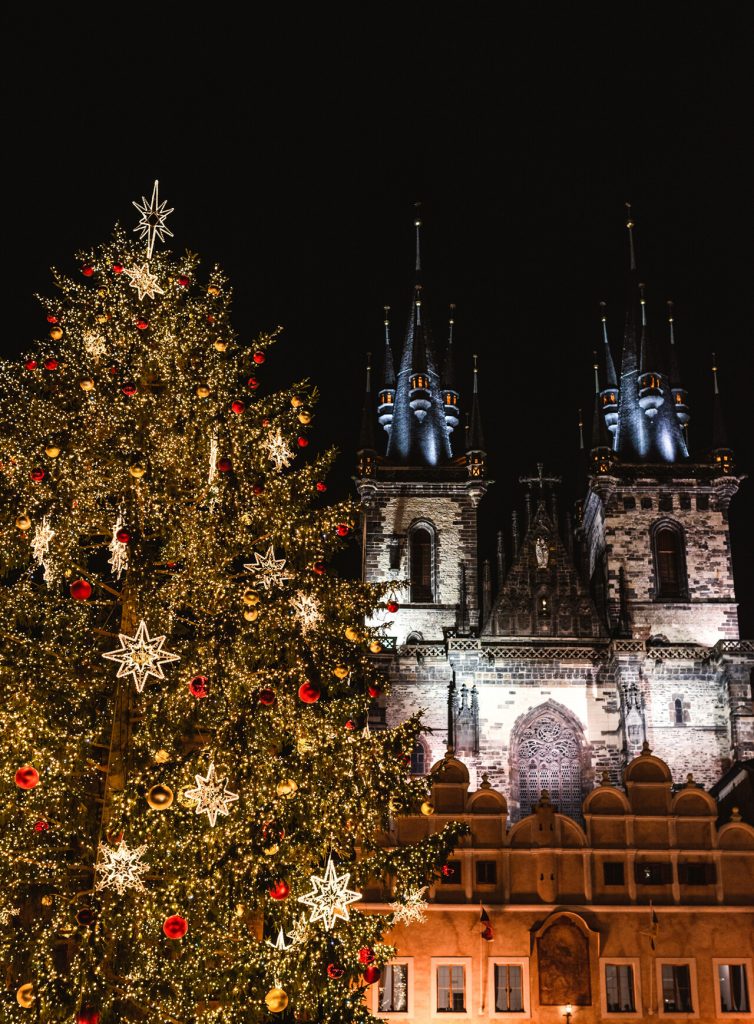
The Christmas tree at the Old Town Square’s Christmas Market.

If a classic old-world holiday experience is what you’re after, Prague should be high on your list of destinations to consider for your end-of-year vacation. The Czech Republic’s capital city has charmed many a travel writer with its cobblestone streets and beautiful architecture; now imagine the city all decked out for the holidays. It’s a veritable winter wonderland straight out of a fairy tale.  

Bonus: No need to pack presents. Just a seven-minute walk from Four Seasons Hotel Prague is the Old Town Square, site of the city’s largest Christmas Market (and tallest Christmas tree). Sip on mulled wine, treat the kids to gingerbread, and shop for handmade souvenirs to bring home. This year, the market starts November 26 and ends January 6.  

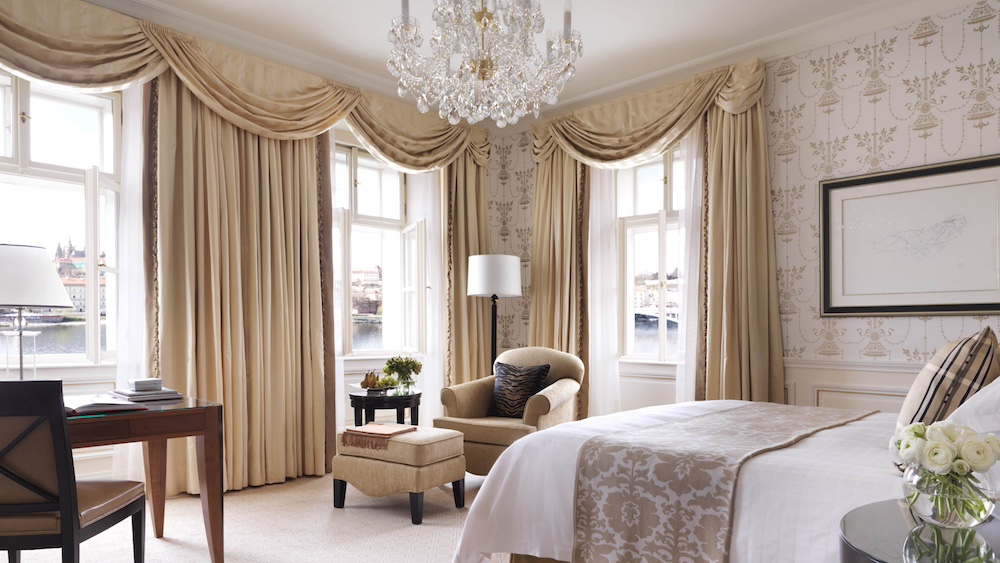
Four Seasons Hotel Prague, Room

After a day of exploring, retire to the hotel, itself decorated to the nines, and indulge in the Dior Afternoon Tea at the Gallery lounge (preferably by the fireplace), where you can warm up with a spot of tea and a selection of canapés, scones, and desserts.  

When you book a stay at Four Seasons Hotel Prague, you also have at your disposal its incredible curated experiences—including a private tour through the Old Town Square Christmas Market, an evening ride in an antique car to take in the city’s holiday lights and decorations, and cultural happenings like Advent concerts at the National Library of the Czech Republic in the Klementinum.  

Festive at Four Seasons Hotel Nashville

Broadway in Nashville
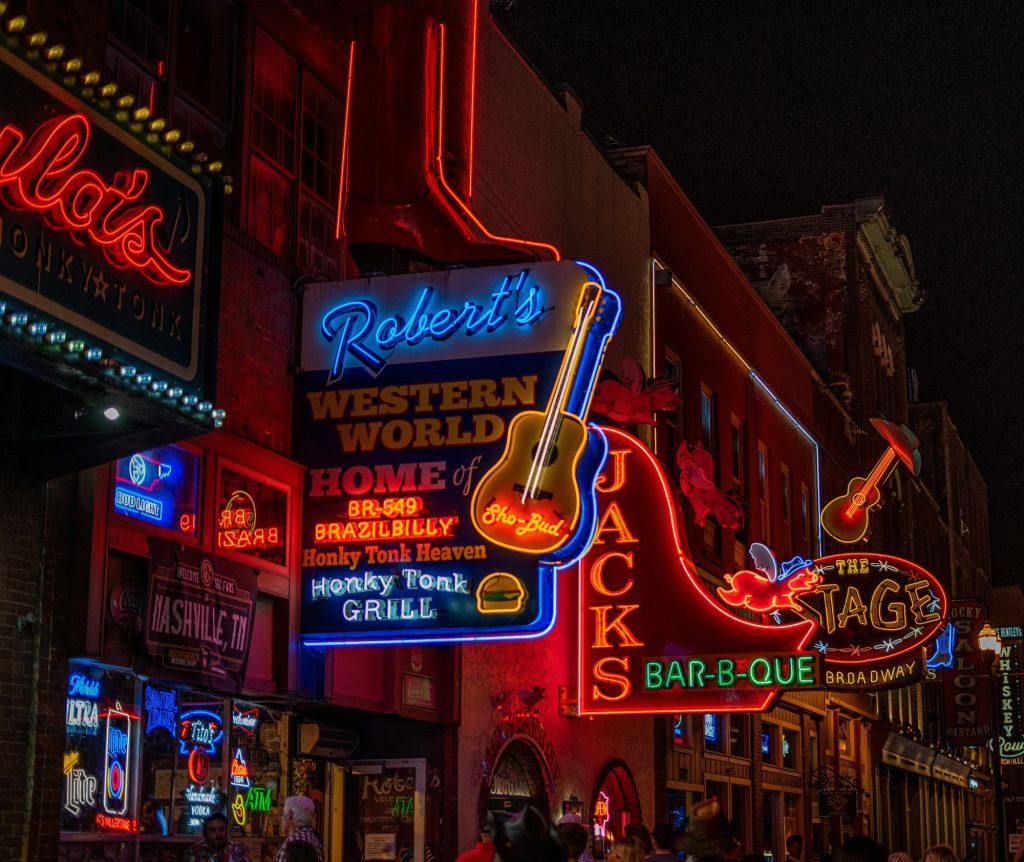
Lower Broadway in Nashville. Photograph by mana5280 on Unsplash.

Nashville’s nickname is Music City—for good reason. It’s a mecca for country music buffs and live music aficionados. And come winter, the city adds carols and jingles to its musical repertoire.  

 This season, holiday-themed shows happening in Tennessee’s capital city will include Opry Country Christmas at the Grand Ole Opry House; screenings of Elf and Home Alone accompanied by live music at the Schermerhorn Symphony Center; A Drag Queen Christmas at Ryman Auditorium; and Nashville Ballet’s Nashville’s Nutcracker at the Tennessee Performing Arts Center’s Andrew Jackson Hall.  

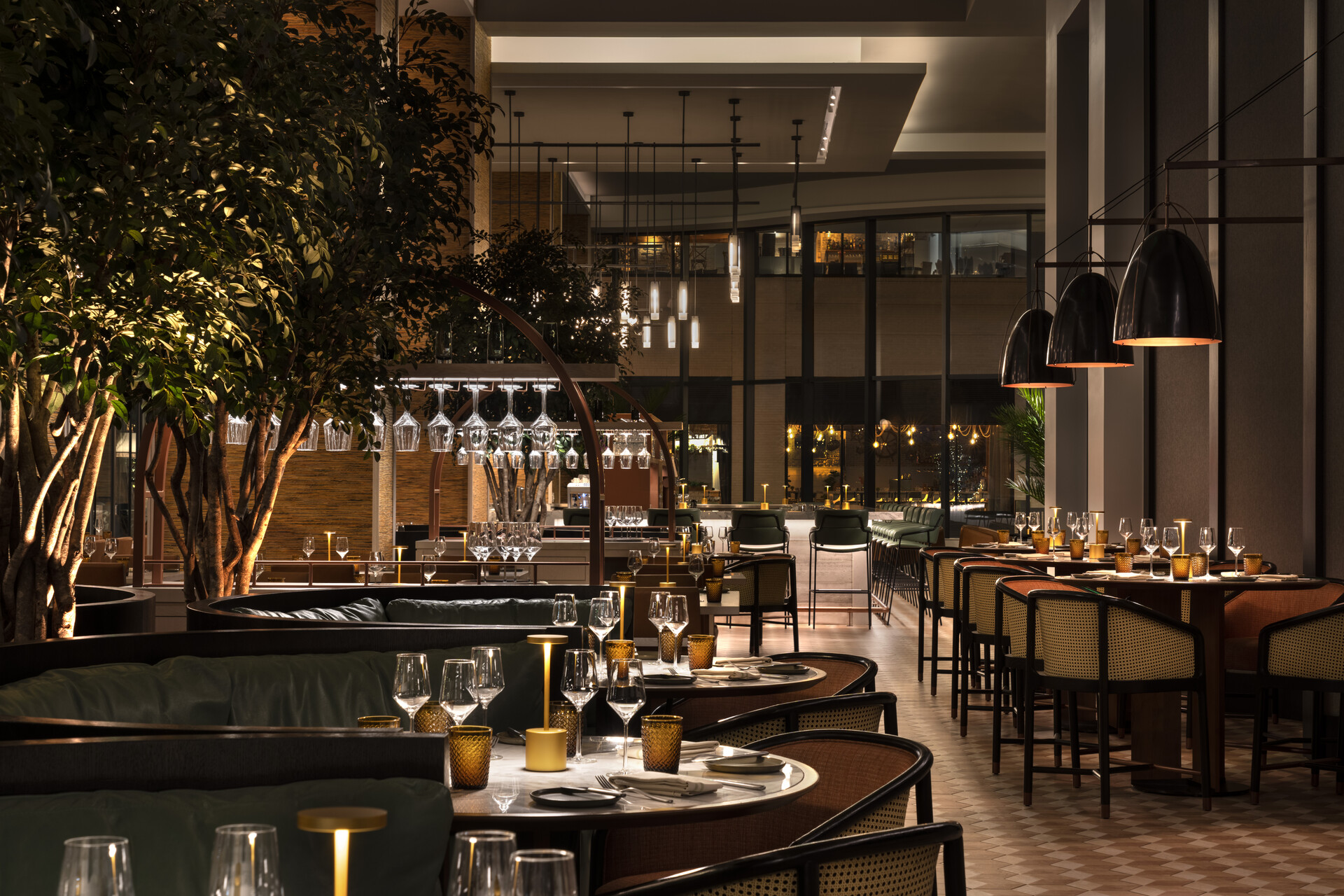
Four Seasons Hotel Nashville Mimo

 At Four Seasons Hotel Nashville, the holidays are all about delighting guests with special treats and events. At the Festive Carolers Dinner, carolers spread cheer from table to table, singing Christmas classics. At the Christmas Day Brunch, Santa Claus drops in for a thrilling visit, and guests get to try their hand at gingerbread house decorating. And on both Christmas Eve and Christmas Day, Mimo, the hotel’s Tuscan-inspired restaurant, hosts a special prix fixe, four-course dinner. At evening’s end, every guest receives a holiday gift to take home.  

Festive at Four Seasons Hotel London at Park Lane

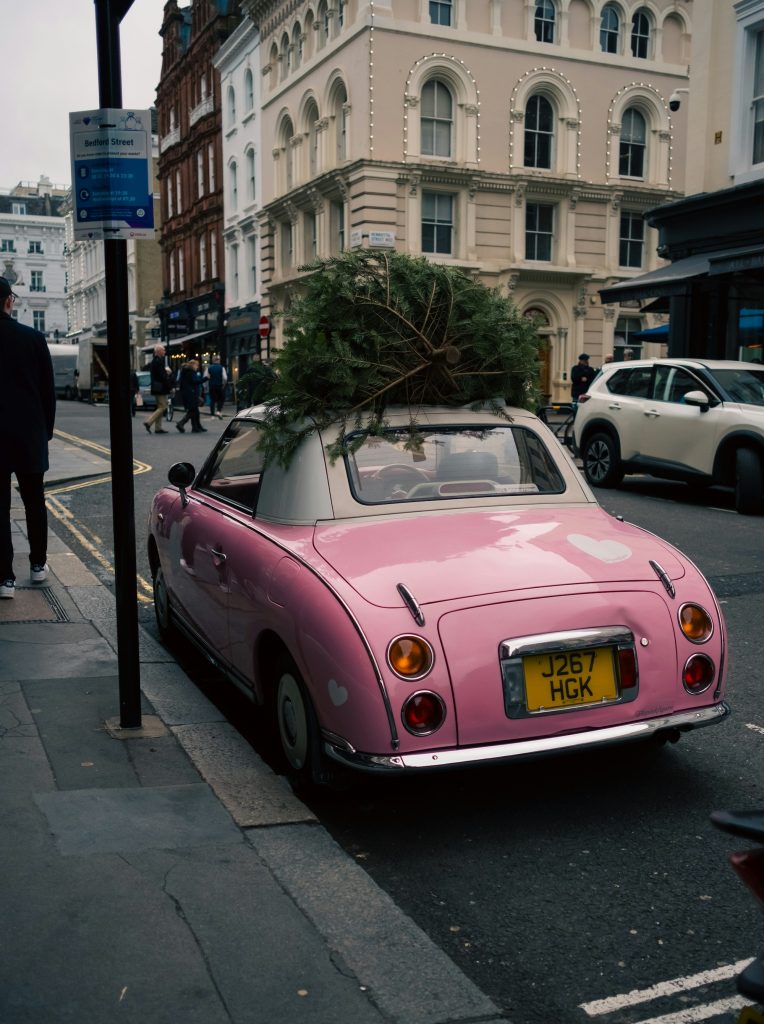
Christmas in London, Photo by Arafat Khan on Unsplash
Christmas in London. Photograph by Arafat Khan on Unsplash.

Love Actually. A Christmas Carol. Bridget Jones’s Diary. The Holiday. Some of our favourite Christmas movies (and likely yours, too) take place in London, the city that popularized beloved Victorian-era traditions—decorated trees and storefronts, Christmas crackers, holiday cards—that continue to this day.  

In addition to Christmas markets, ample shopping, and holiday lights viewing, London also offers plenty of places to ice skate. These outdoor venues, often surrounded by historical beauty, include Somerset House, where in late November the imposing and vast neoclassical site’s outdoor courtyard is transformed into an ice rink. Another magical spot for skating: Hyde Park Winter Wonderland, the biggest outdoor rink in the United Kingdom. Here, you can glide beneath 100,000 twinkling lights to a Christmas soundtrack.  

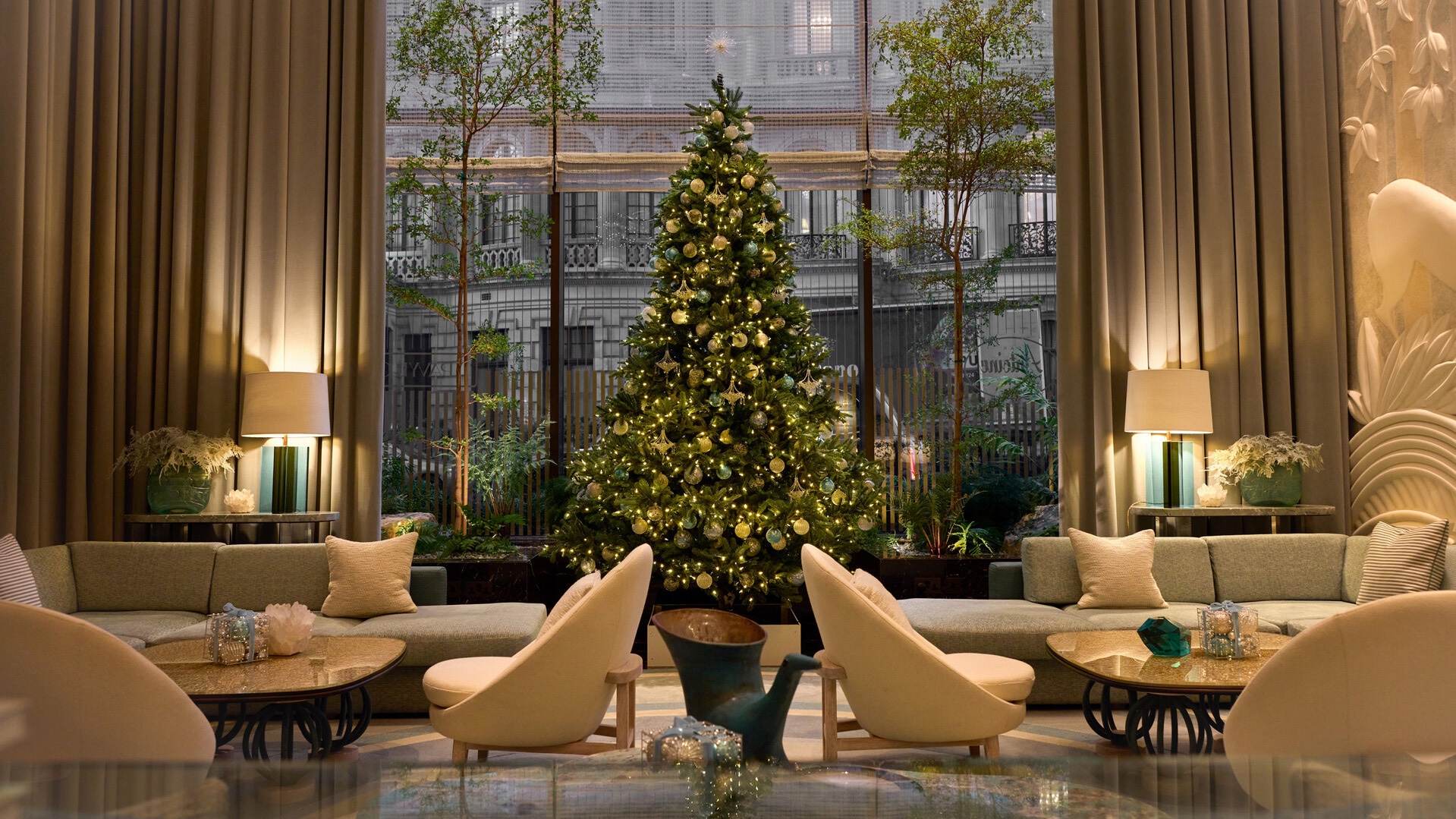
Four Seasons Hotel London at Park Lane, Christmas

 Hyde Park is, conveniently, just a one-minute walk from Four Seasons Hotel London at Park Lane. Located on a quiet corner in the heart of Mayfair, the hotel goes all out for the holidays with elegant decorations and special menus at the French-inspired, Michelin-starred Pavyllon London, helmed by chef Yannick Alléno. And should you need help arranging exclusive, unique experiences across the city, the hotel’s concierge team—the largest in London—is ready to assist.  

Festive at Four Seasons Hotel Dubai International Financial Centre  

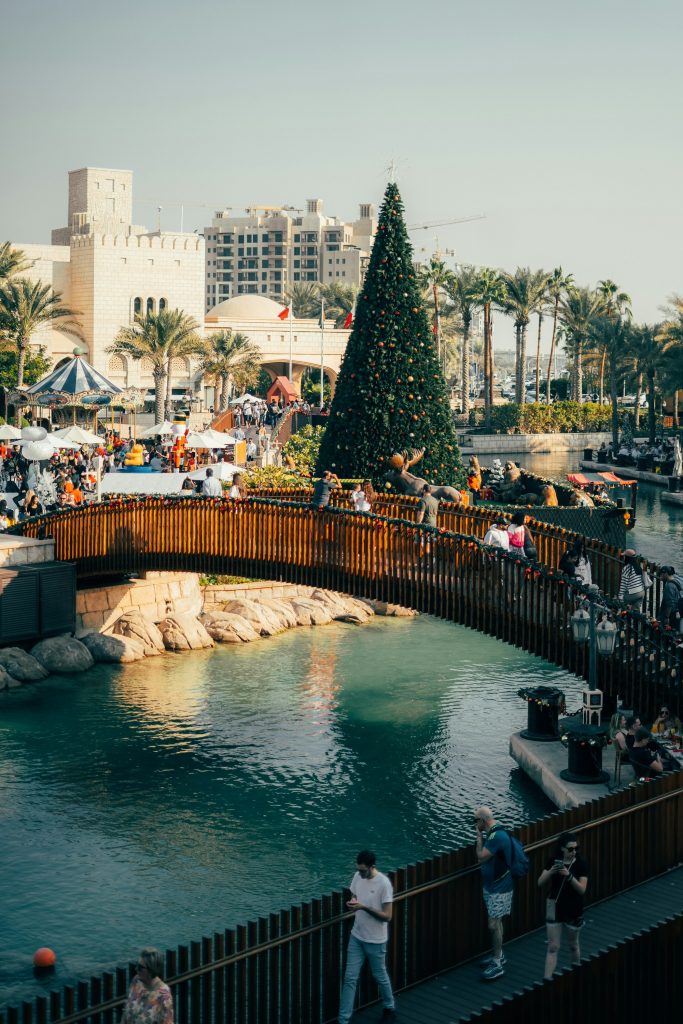
Christmas in Dubai
Dubai decorated for the holidays. Photograph by mahyar motebassem on Unsplash.

Travel to Dubai during the holidays, and you’ll encounter lit trees, holiday markets, even Santa and his elves—but you’ll experience these traditions in warm, parka-free weather. That said, should you want a taste of wintry weather, simply head over to Ski Dubai, a gargantuan indoor ski resort where you can ski, snowboard, sled, and even meet some penguins. It’s housed in the Mall of the Emirates, one of the largest malls in the world.  

 Speaking of malls, luxury shopping is practically a sport in Dubai, and with the winter months comes the annual Dubai Shopping Festival, five weeks in December and January when stores offer irresistible discounts. And because Christmas isn’t a national holiday there, stores stay open, and you won’t have to wait for Boxing Day to shop.  

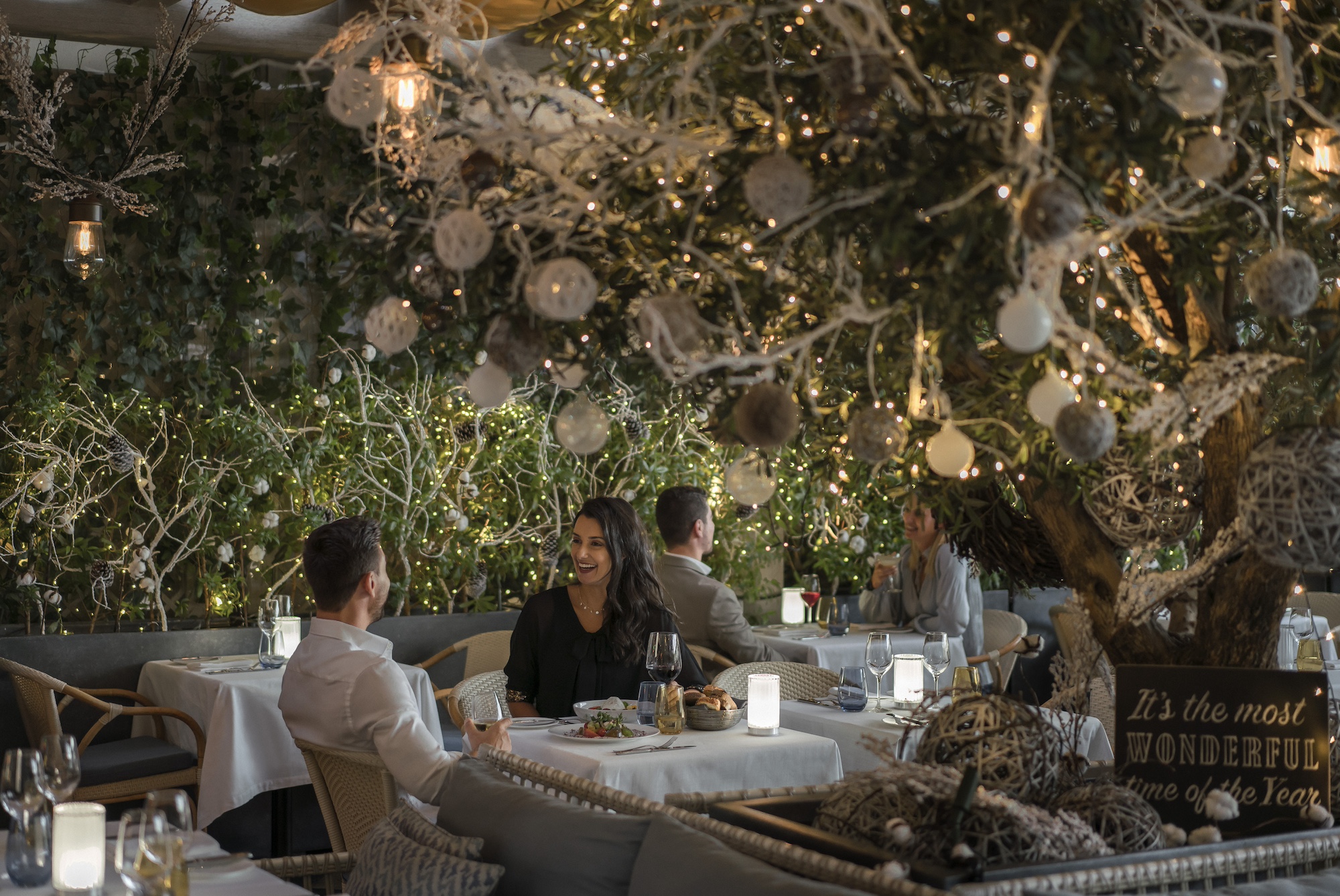
Four Seasons Hotel Dubai International Financial Centre, Mina, Festive

 Outdoor excursions also abound in Dubai: desert safaris, yacht adventures, hot-air balloon rides, and cultural sightseeing can all be arranged when you stay at Four Seasons Hotel Dubai International Financial Centre. The boutique hotel is a quiet oasis in the middle of the financial district, close to downtown and just minutes from the beach. Though small, with just 106 tastefully appointed rooms and suites, the hotel offers a range of dining options, from afternoon tea at Penrose Lounge and French Mediterranean dishes at Michelin-recommended Mina Brasserie, to small bites at Luna Dubai and Middle Eastern meze poolside, both on the roof with skyline views.    

What to Do in Riyadh: An Insider’s Guide to the Capital City of Saudi Arabia

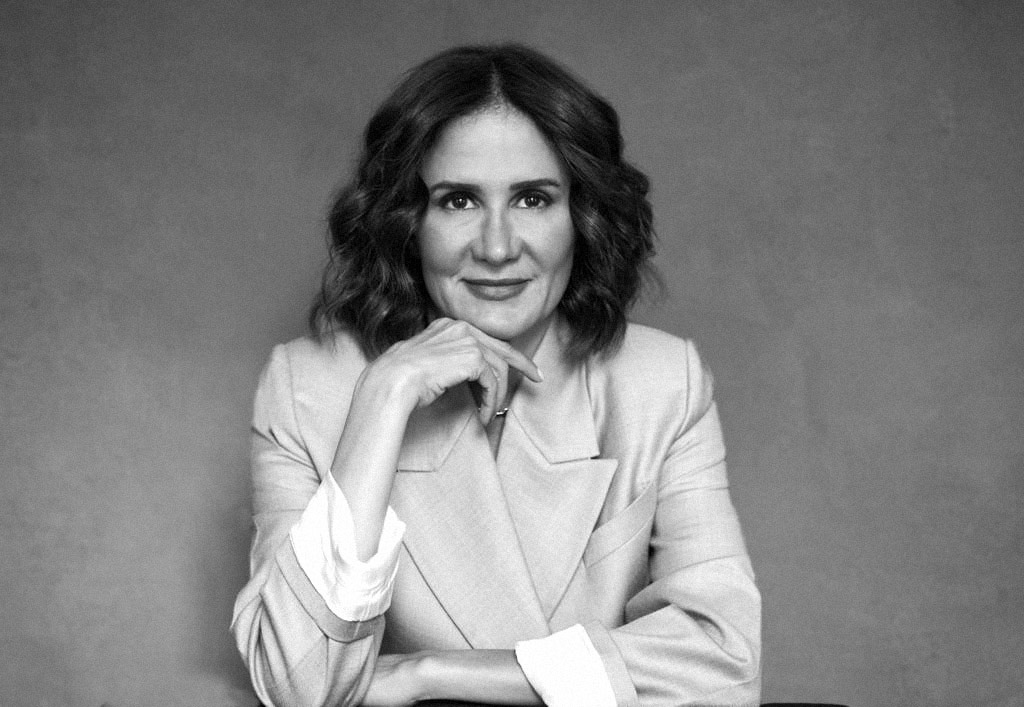
Every winter, more than 100,000 people throng the visual wonderland of Diriyah Nights. This two-month culinary, culture, and shopping pop-up, held on the outskirts of Riyadh, celebrates Diriyah Season, which honours the heritage of the Kingdom of Saudi Arabia. Each year, the site is transformed into an immersive art-and-light environment by Hibah Albakree and her team.

A Saudi native, Albakree is the co-founder and managing partner of DesignLab Experience, a female-led design and event planning team based in Riyadh. Her events also include royal weddings and the AIUIa Camel Cup.

DesignLab’s 80-plus members come from more than 24 nations. Together, this group—architects, designers, creatives, engineers, construction crew—creates memorable magic and meaningful spaces for art-minded travelers. Fresh off the latest Diriyah Nights, Albakree discussed some of her favourite places in the dynamic, rapidly changing city of Riyadh.

Albakree. Photograph by Michael Williams

Bujairi Terrace

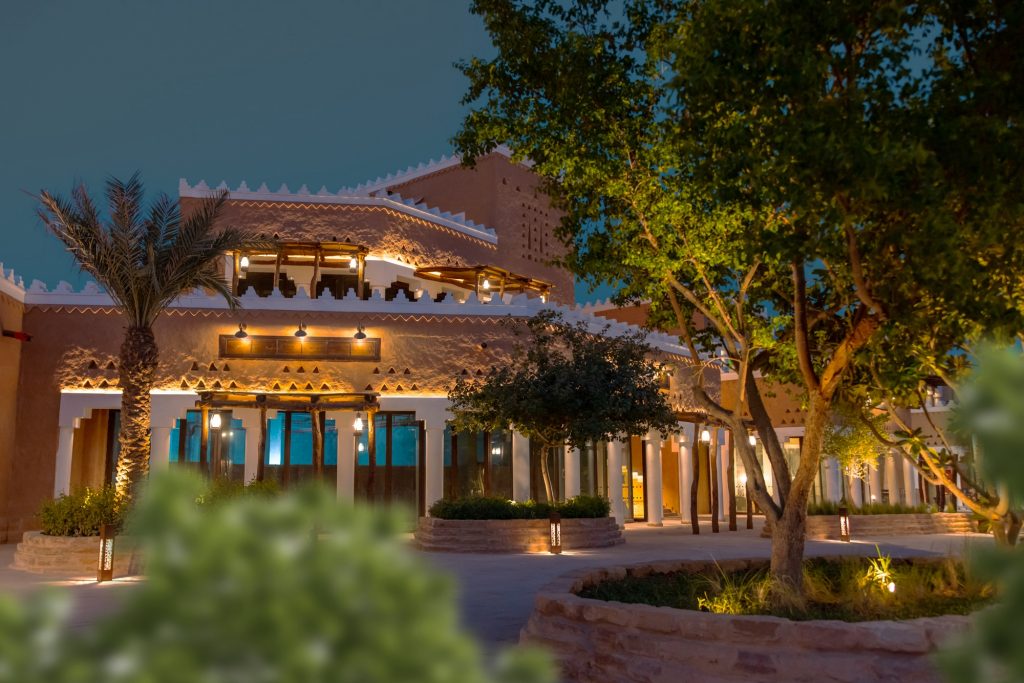
“In Diriyah is a constellation of alfresco restaurants and shops that opened in 2023 but, because of its blend of contemporary architecture and ancient UNESCO heritage, allows you to immerse yourself in the region’s history while shopping and eating—two things Saudis love to do! I always discover something new, whether it’s a hot new restaurant, a hidden café, or a beautifully curated boutique.”

Bujairi Terrace

Jax District

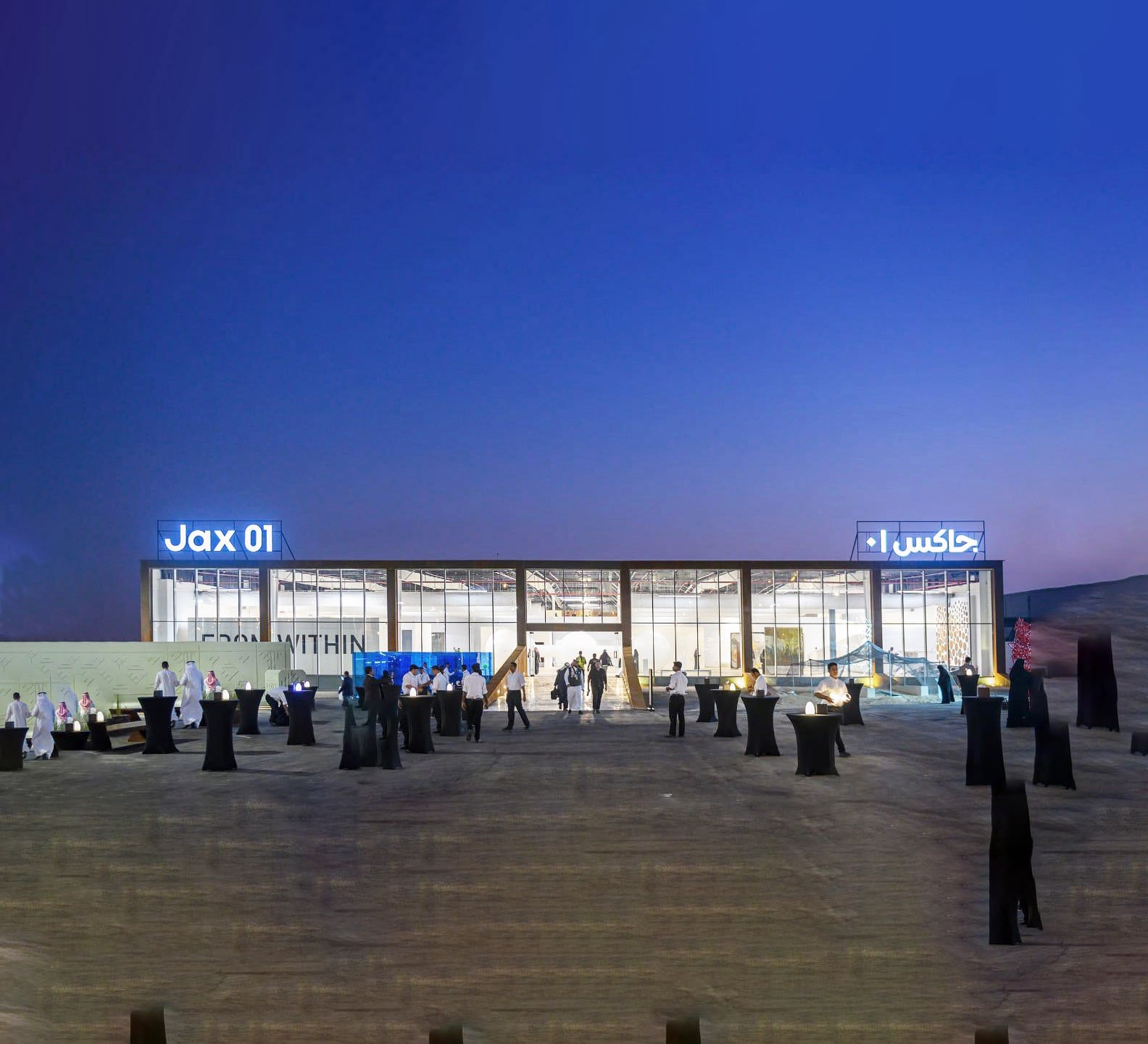
“Also in Diriyah, Jax District has been transformed into a cultural hub with an incredible vibe. It’s not just about the art galleries, though those are impressive. With community-driven pop-up events and the Diriyah Contemporary Art Biennale, there’s always something fresh and inspiring happening. The mix of local and international artists makes it a dynamic space where ideas from around the world collide in the best way possible.”

Jax District. Photograph by Abdulaziz Alobaid + Craft, courtesy of HWKN.

La Petite Maison

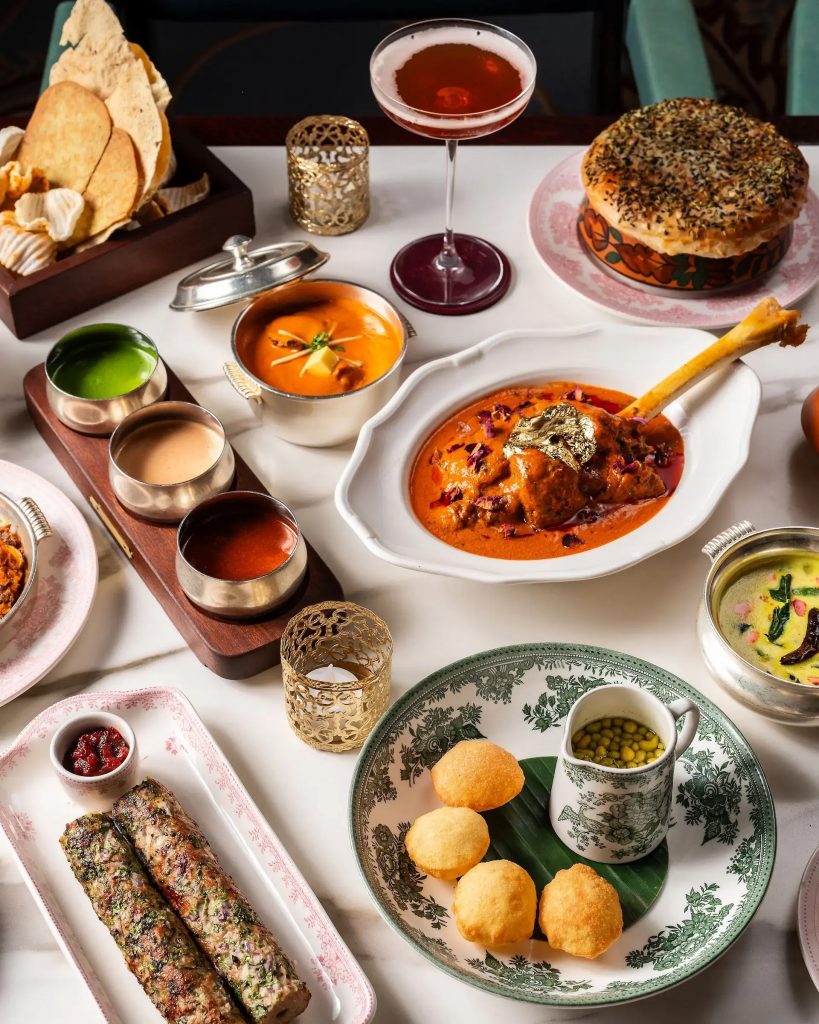
“Located next to Saudi’s first skyscraper, Al Faisaliah Tower, La Petite Maison is a staple in Riyadh’s dining scene. There’s something about the way they blend French and Mediterranean flavours—it feels fresh, light, and incredibly satisfying. Every time I go, I order the cauliflower salad—it’s packed with flavour—and the fried calamari, which has just the right crispness. The lentil salad is another favourite; it’s simple but so well-executed. And when I’m craving something more, the perfectly grilled ribeye steak delivers. What keeps me going back is the consistency. Whether it’s a casual dinner or a special occasion, I know I’ll always get great food and service.”

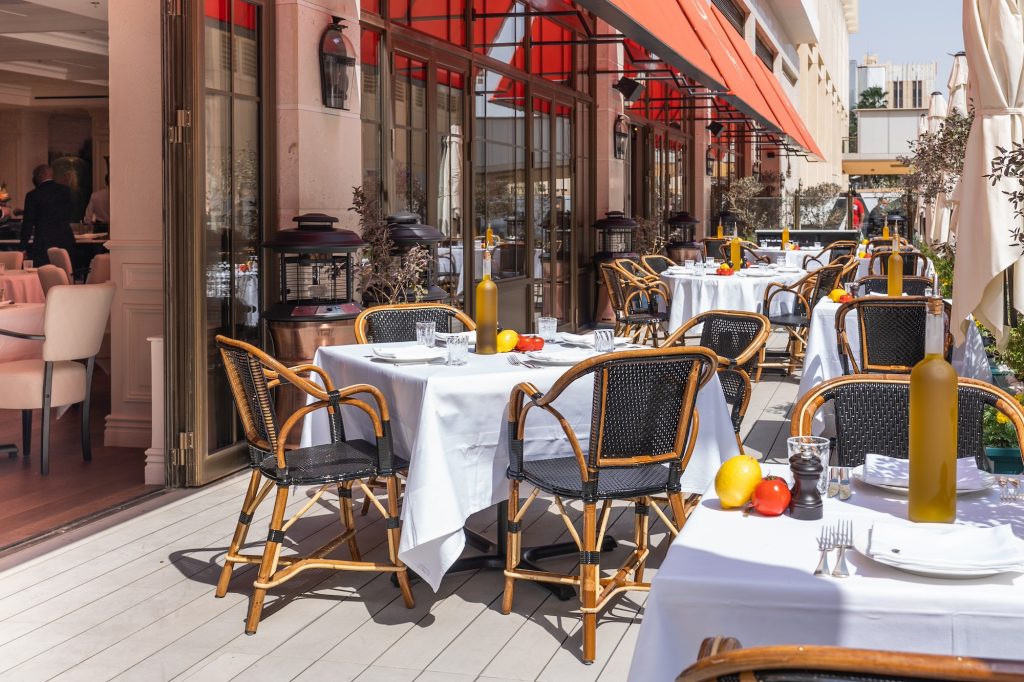
La Petite Maison

Via Riyadh

“The Via Riyadh development has the perfect mix of high-end luxury labels and stylish local boutiques. One of my favourites is L’Atelier Nawbar, a fourth-generation Lebanese jewelry brand. Another must-visit is the new MWAZ, a 16,000-plus-square-foot lifestyle concept store covering three floors of clothing from local and international designers, including Khaite, one of my favorite brands. The dining scene at Via Riyadh is impressive, too.”

Four Seasons Hotel Riyadh at Kingdom Center

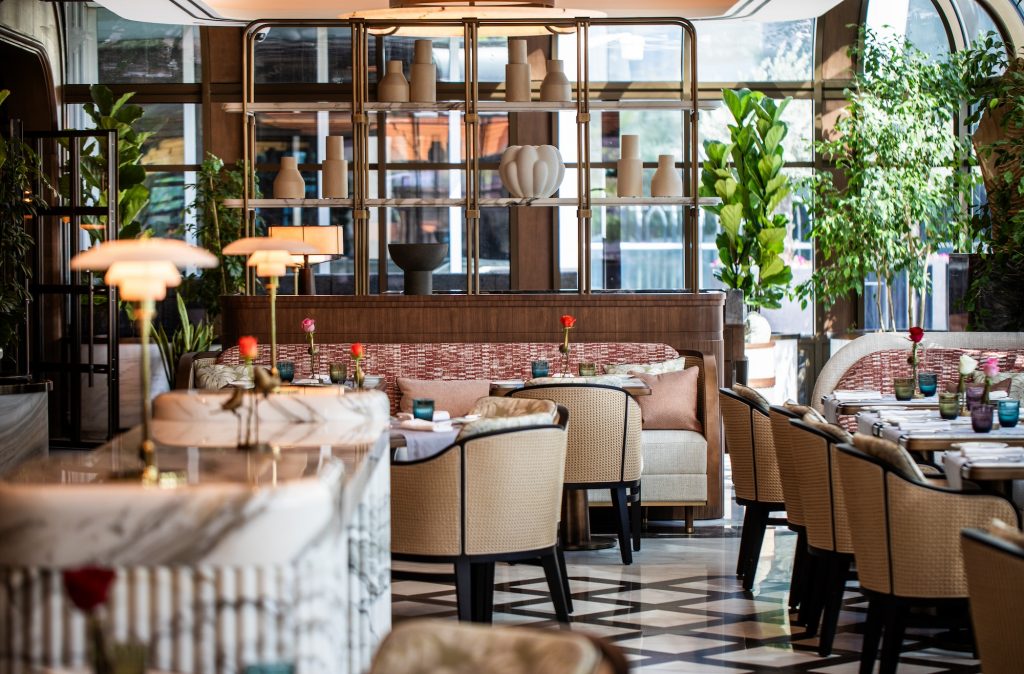
“The new Café Boulud there—I’ve loved everything from the cuisine to the decor and service. Recently, DesignLab Experience transformed the reception hall for a wedding featuring cascading waterfalls and large-scale floral and lighting installations. The result was a breathtaking environment that left guests in awe.”

Café Boulud