The Best Places for Brunch
Around the Globe


Brunch Spread

Brunch is an integral aspect of any culinary journey. – Layne Nguyen, General Manager at Nobu Doha

There are few better ways to toast a week’s end than with brunch. The meal that falls somewhere between breakfast and lunch is a time for celebration, community and little agenda beyond filling plate after plate with global delicacies like Peking duck, beef Wellington and eggs Benedict – plus copious tipples of Champagne. Whether you’re travelling to an exotic port city or hunkering down in a cultural capital, book a table at one of the best places for brunch with Four Seasons Hotels and Resorts.

Los Angeles: Sunday Brunch at Culina, Modern Italian
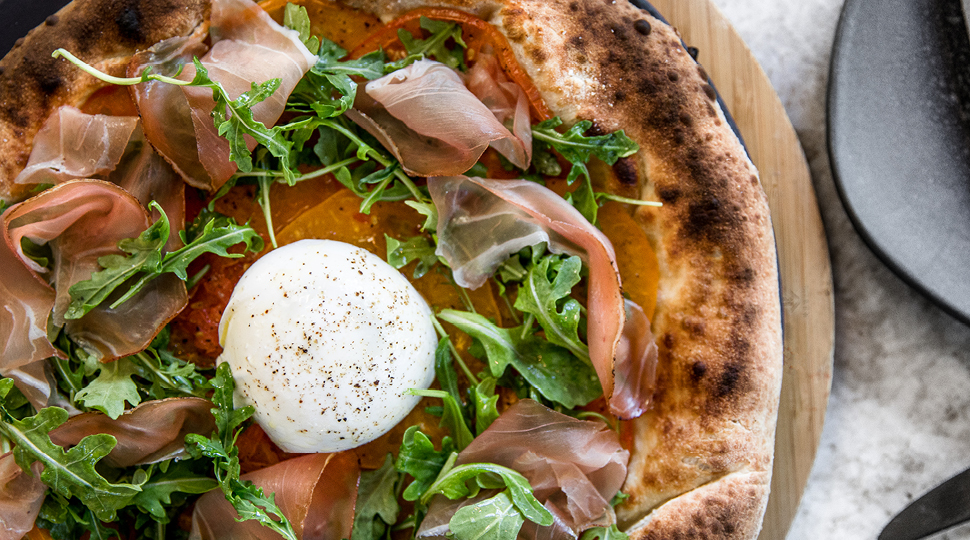

Burrata Pizza With Spec

Locals consider Culina, Modern Italian’s Sunday dining affair the most extravagant in the City of Angels, thanks to its multiple dining stations (including omelettes and fresh, custom juices) and a fondue fountain that overflows with some 40 pounds of chocolate every single week. The restaurant is also a magnet for celebs, and though we can’t mention the boldfaced names of many regular diners, you’ll surely recognise their faces.

Recently added to the menu: pizza from the restaurant’s new al fresco pizza oven, set on the patio underneath California skies. Don’t miss ordering Chef Luca Moriconi’s favourite: Pizza with Burrata e Speck. “I love the fact that the tomatoes are locally sourced and the burrata is from Puglia,” he says. “The smoky flavour from the Speck completes the flavour profile for an amazing pizza!” To go off-campus for your next bite, head to Bianca Bakery, where Moriconi brings his own family.  “It is a new Italian-Argentinian place where you can enjoy great bread, pastries, pasta and mimosas,” he says.

See what else is on the menu at Four Seasons Hotel Los Angeles at Beverly Hills >

Washington, DC: Sunday Brunch at Seasons
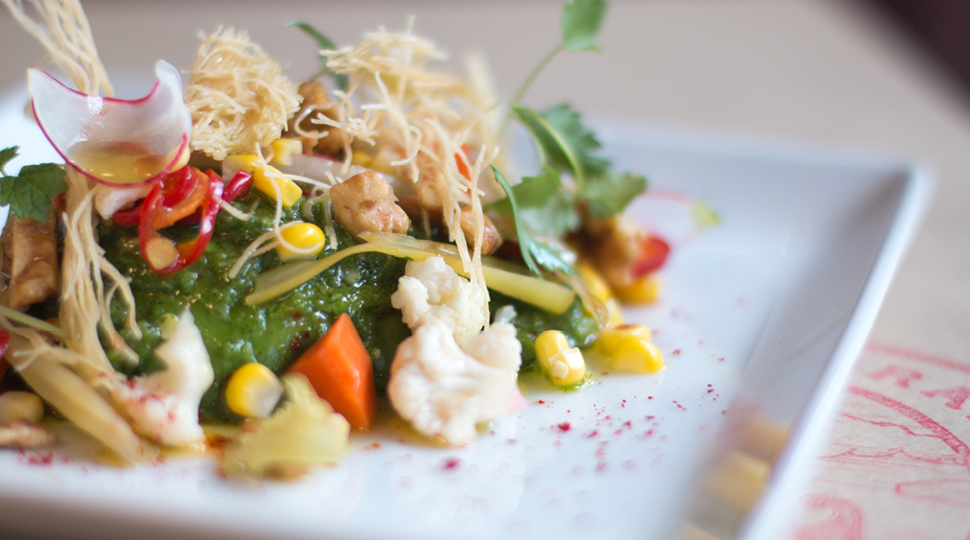

Seasons Brunch Salad Is A Signature Dish

On sunny spring days, political players and denizens desiring a gossip session reserve seats on the outdoor terrace at Seasons for views of Rock Creek Parkway’s joggers and cherry-blossom-seeking travellers. It’s a favourite for special occasions like Mother’s Day, but every weekend is packed – and delicious – thanks to Chef Andrew Court’s expansive menu. Locals stop by regularly to try the international station with rotating themes, which might include anything from sushi to paella. Currently on offer? The charms of a Hawaiian luau, such as pineapple fried rice with spicy shrimp, chef-carved kalua pork with passion fruit sauce, and Hawaiian barbecue chicken.

When he’s grabbing his own brunch, Court often beelines to the cheekily named Dirty Habit in D.C.’s Penn Quarter. “I used to go to the original Dirty Habit in San Francisco when I was living there, so it’s become a tradition,” he says. “I’ll generally order the house-made yogurt and granola, then the BBQ Burrito or the Healthy Bowl – it depends on how much exercise I can get in on Sunday morning!”

See what else is on the menu at Four Seasons Hotel Washington, DC >

London: Weekend Brunch at Amaranto Restaurant


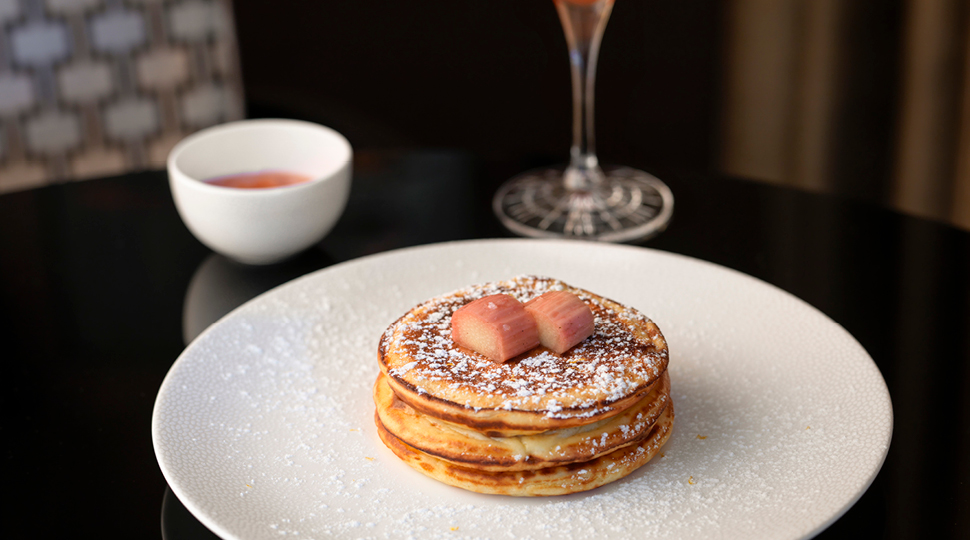
London Lemon Ricotta Pancakes

Amaranto Restaurant is inarguably chic: Polished black marble and dark red booths create an intimate environment. The mouthwatering menu is an Anglophile’s delight, featuring Gloucestershire beef, Kent berries and Shetland smoked salmon. Those with a sweet tooth shouldn’t leave without trying the lemon ricotta pancakes with Yorkshire rhubarb compote – an ideal way to kick-start another day in the city.

For another brunch experience in London, Ivan Arena, Bar Manager at Four Seasons Hotel London at Park Lane, recommends Granger & Co: “My go-to order is the Sweet Corn Fritter dish, followed by something sweet from the bakery menu. They also do a very good Bloody Mary, which is always important to me!”

See what else is on the menu at Four Seasons Hotel London at Park Lane >
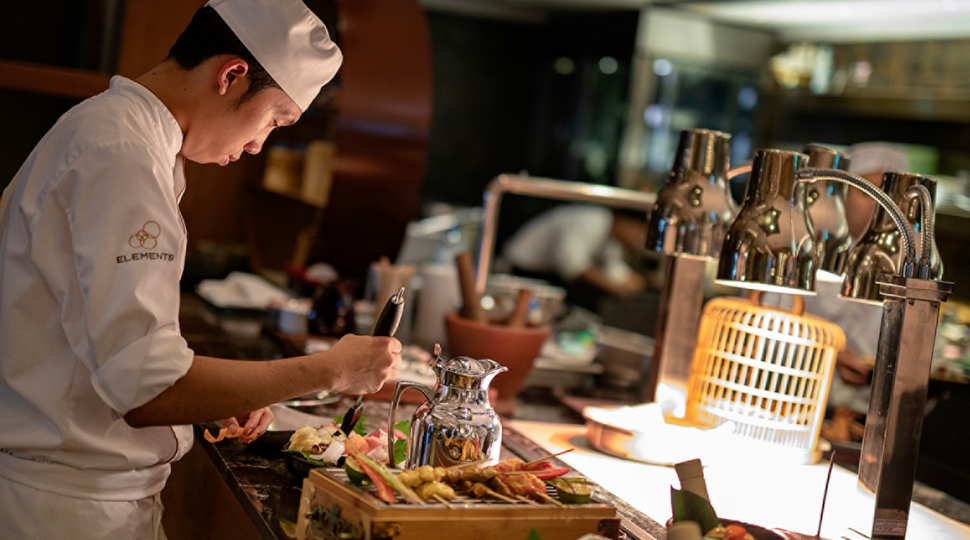
Doha: Friday Brunch at Nobu Doha


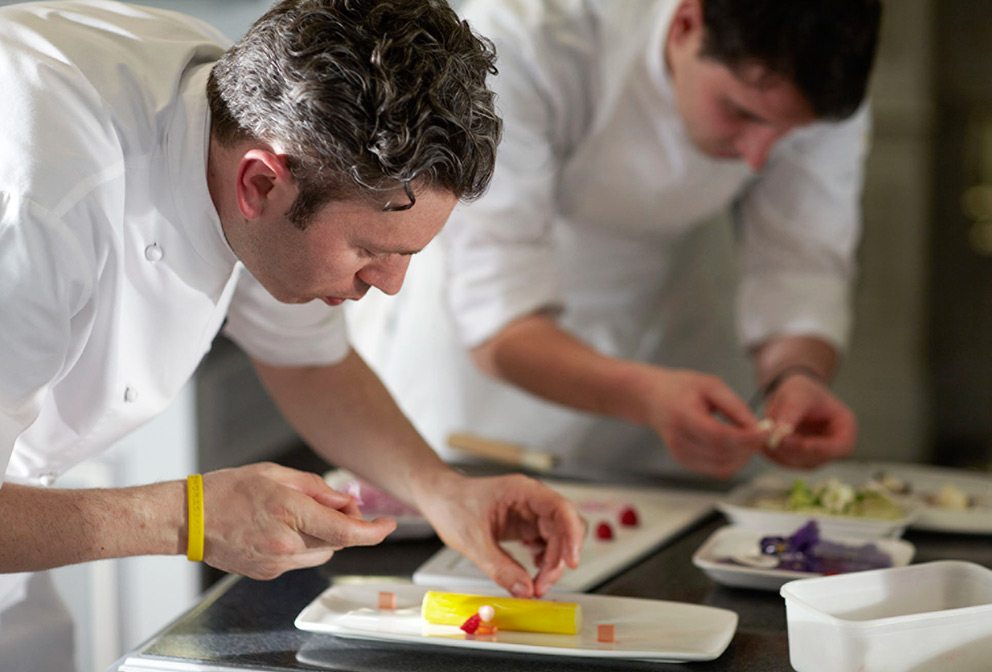
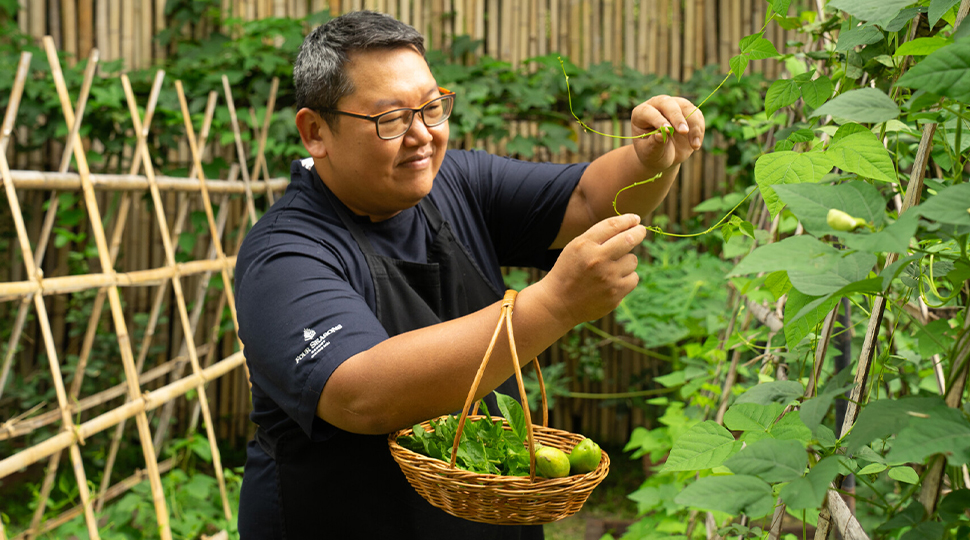
Doha Chef Setting Up Brunch

The 2,400-square-metre Nobu outpost in Doha is one of Nobuyuki Matsuhisa’s largest restaurants, and the menu is worthy of its grand space on the Marina, where nearly every seat overlooks the Arabian Gulf. While a Sunday or Saturday brunch is customary in much of the world, catch it here on Friday, the first day of the Arabic weekend. It’s well worthy of a splurge, thanks to dishes like lobster quinoa risotto and Wagyu rib-eye.

“Not only are guests treated to incredible cuisine with a wonderful tasting-style menu,” says Layne Nguyen, General Manager at Nobu Doha, “but the Friday brunch allows for an ideal ambience to gather with family and friends and reconnect over a magnificent meal, matched by a stylish setting.”

If you’re ready for another local gem, Andrew Bozoki, Head Chef of Nobu, recommends brunching at Baladna Farm Restaurant in northern Qatar. “I love the lamb thareed there, and the fact that I can visit their milk factory with my family,” he says. “It’s the place to savour delicious Arabic-style food alongside the freshest possible dairy products.”

See what else is on the menu at Four Seasons Hotel Doha >

Bahrain Bay: Friday Brunch at CUT by Wolfgang Puck
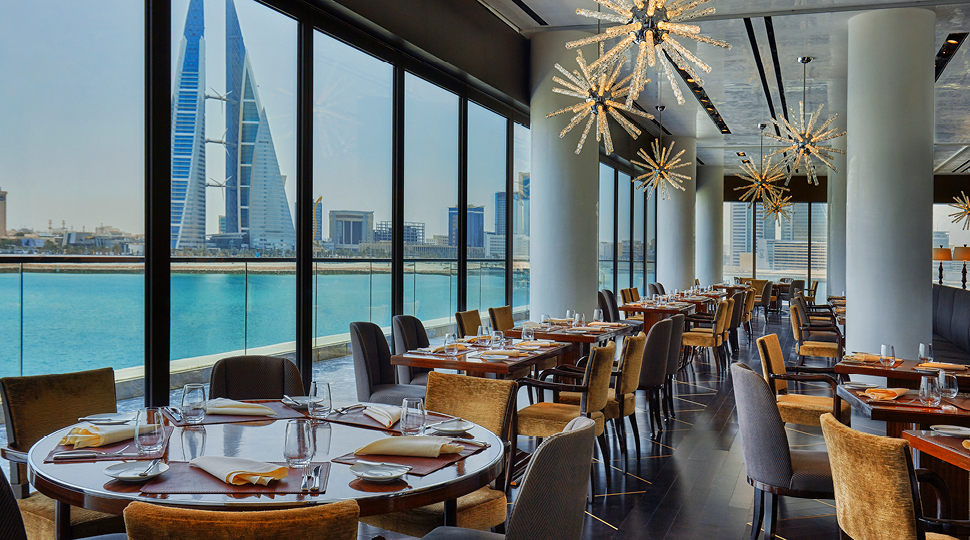


Cut In Bahrain Bay

Celebrity Chef Wolfgang Puck brings his cutting-edge experience to the meat-centric CUT restaurant in the capital city of Manama – a brunch spot beloved by diplomats and members of the royal family. When it comes to the à la carte menu, start with Puck’s famous pretzel bread, then move on to more filling fare, served family style: creamy burrata bruschetta, steak skewers with a kick of chimichurri sauce, and homemade pasta. Try the filet mignon au poivre – a USDA prime hunk of marbled steak drizzled in black peppercorn and mustard sauce.

Another favourite, suggested by Fabio Marques, Director of CUT by Wolfgang Puck: NOMAD Urban Eatery. “It’s a great spot for brunch, with an elegant and sophisticated Greek design,” he says. “The friendly staff and quality food make for a pleasant and relaxed dining experience.”

See what else is on the menu at Four Seasons Hotel Bahrain Bay >

Macau: Wellness Menu at Windows


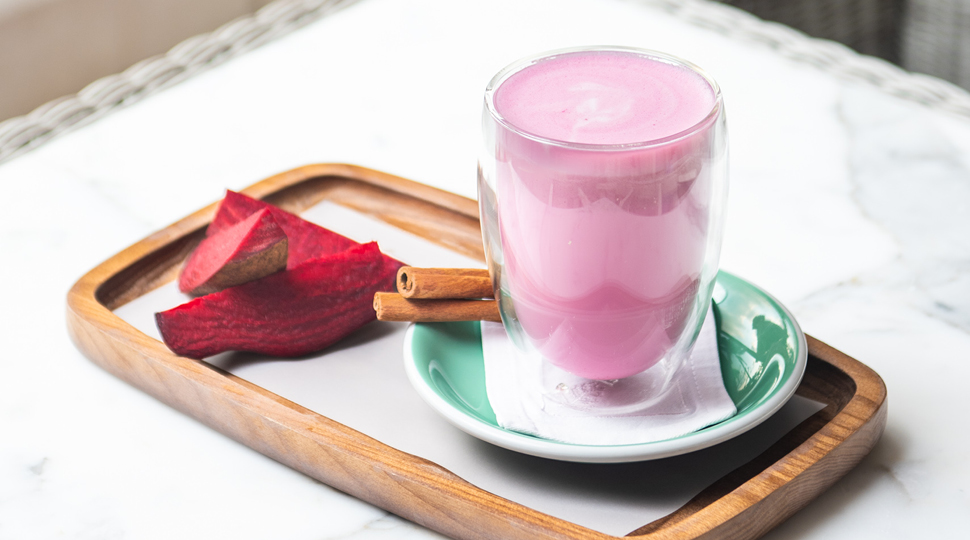
Macau Beetroot And Cinnamon Latte

Healthy living is the order of the day at Windows, an intimate fireside lounge helmed by Executive Sous-Chef Benjamin Lim. Dishes on the all-day menu would delight any wellness enthusiast, including meat-free Impossible burgers served with tahini and grilled eggplant; turmeric bliss kombucha; and a vitamin- and antioxidant-stocked juice blend with guava, orange, blueberry and raspberry – an excellent way to prepare for a day of exploring Macau’s ancient temples.

When Lim himself ventures into Macau for brunch, he often selects Shun Hin, where his go-to dish is braised black mushrooms and assorted vegetables in fish broth. “Macau is a place where I have been immersed in the Chinese culture, especially the food culture,” he says. “Dim sum with tea starts as breakfast and is served until lunchtime, and can be savoury or sweet – a wonderful way to enjoy the moment with your family.”

See what else is on the menu at Four Seasons Hotel Macao, Cotai Strip® 

Singapore: Champagne Brunch at One-Ninety: Wood-Fired Steaks and Seafood
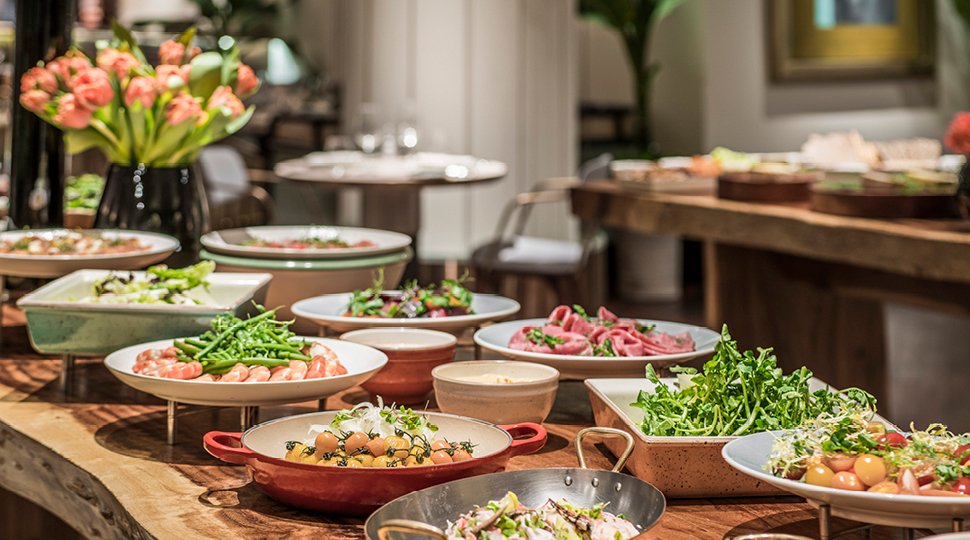

Singapore Buffet Spread

Newly reborn as a botanically rich Provençal and Asian brasserie, One-Ninety is practically tailor-made for Instagram, thanks to abundant flowers and lush, tropical plantings that dangle from columns and adorn the bar. Restaurant Chef Kamarl John, who formerly worked with Michelin-garnering chef David Myers, begins each brunch with artisan sourdough bread made from flour milled in Hokkaido, Japan, and served with seaweed butter. His inventive Sunday brunch menu features abundant dishes such as chilli crab omelettes with mantou buns and coriander, and laksa rice noodles with cockles, scallops and quail eggs. Guests love the option of adding free-flowing bubbly – Taittinger Brut champagne or Ruffino Prosecco – and the sustainably sourced seafood tower with Maine lobster, king crab, bluefin tuna, fresh prawns and Hokkaido scallops.

To sit down for brunch, he often heads to Five Oars Coffee Roasters. “The restaurant always reminds me of a trendy, informal brunch spot in London, and they serve really great food,” John says. “My must-orders are the Five Oars Breakfast and their craft beers and ales.”

See what else is on the menu at Four Seasons Hotel Singapore >

Orlando: Good Morning Breakfast with Goofy and His Pals


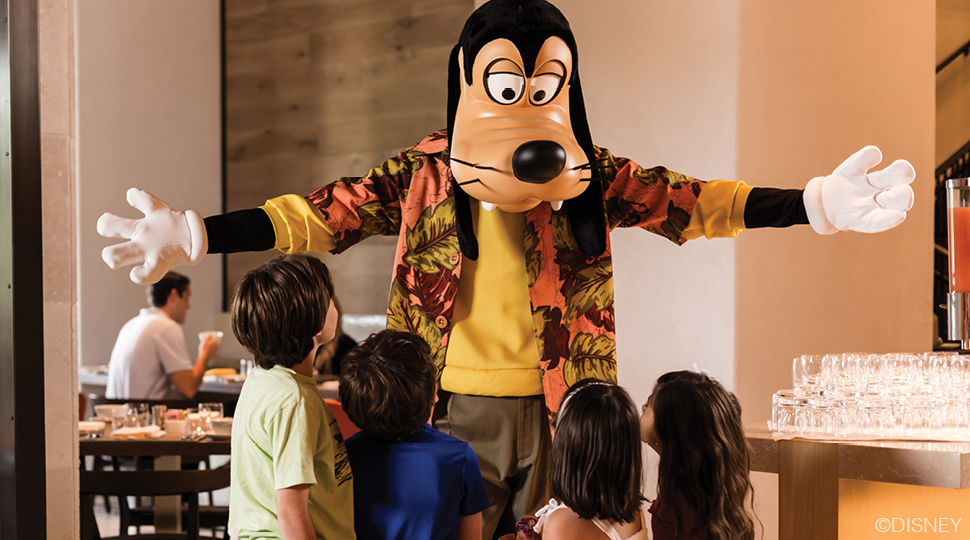
Goofy Brunch Orlando 2 970x540

Technically it isn’t brunch, but since it’s so special for families visiting Four Seasons Resort Orlando Walt Disney World® Resort, we couldn’t resist including it. On Thursday, Saturday and select Tuesday mornings, Goofy and his pals arrive to entertain picky eaters of all ages at the Resort’s Ravello restaurant.

Ask for a table on the patio overlooking the lake and fountains. Though your kids may be too distracted by Minnie Mouse to realise that the jams are homemade and the bread freshly baked, after their professional photos you can all enjoy house-cured meats followed by the Nutella-filled bomboloni on the dessert table.

When he’s seeking out a magical brunch for himself in Orlando, Executive Sous-Chef Ryan Schelling heads to DoveCote downtown. “The brioche French toast is fantastic, and the steak and eggs are a great way to start a Sunday,” he says. “I love the chicken liver pâté, which keeps me going back. After seeing the dishes you didn’t order, you’ll want to return to try it all.”

See what else is on the menu at Four Seasons Resort Orlando at Walt Disney World® Resort >
Your Journey Begins Here

Select a destination and start exploring

Souvenirs That Will Change Your Life

For the traveller, destinations are far more than the sights they see or the mementos picked up along the way. The places they visit offer new perspectives and unforgettable experiences with the power to enrich their lives long after they return home.

This November, embrace your inner traveller and embark on a Cultural Escape aboard the Four Seasons Private Jet. During this 19-day journey, you’ll travel to six destinations across three continents, including Dubai, the Seychelles, the Serengeti, Florence and London. Follow a customised itinerary and experience the art, history, landscapes, food, traditions and people of each unique destination.

The difference between a tourist and a traveller lies in the way they perceive their destination. For the tourist, their destination is a place, an endpoint on an itinerary that offers access to a checklist of attractions and souvenirs.

At the end of this incredible journey, you’ll carry home with you new passions, tastes, lessons and perspectives forged from intimate interactions with local cultures—which only Four Seasons can deliver. Here, we highlight some of our favourite souvenirs.

Spiritual serenity in Seychelles

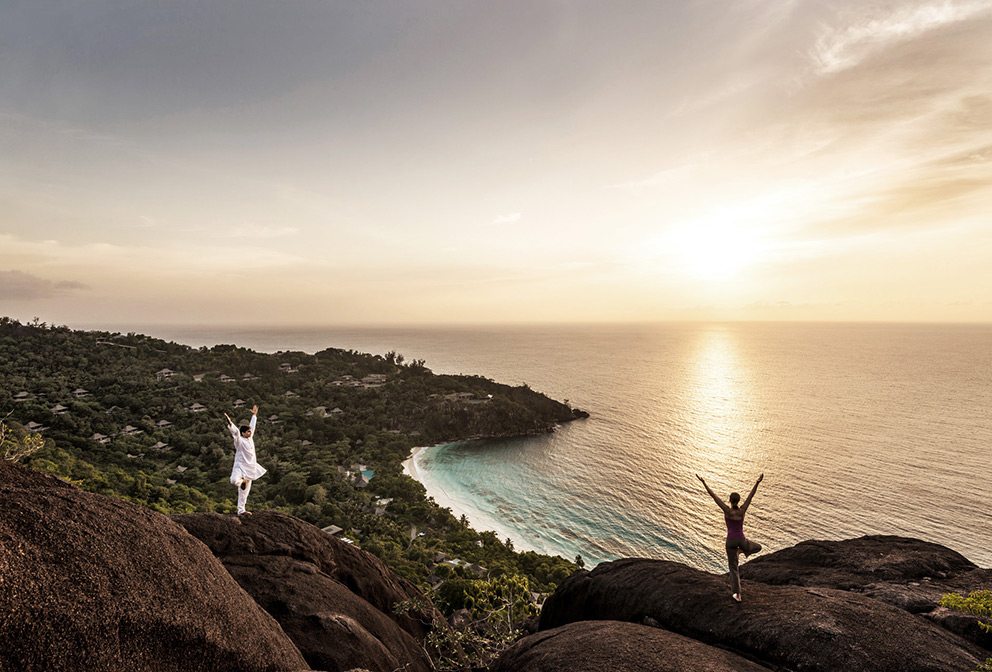
Seychelles yoga

Take home a new feeling of tranquility and sense of spirituality after a yoga practise in Seychelles.

In the Seychelles, all paths lead to beauty. The African nation comprises 115 islands in the Indian Ocean, and it’s a favourite destination for romance, outdoor adventures, wildlife sightings and relaxation.

From your base at Four Seasons Resort Seychelles, located on the archipelago’s main island of Mahé, you can dive, snorkel, hike through nature preserves and shop local markets. Yet it’s difficult to find a better way to soak in the spirit of this beautiful setting than through a yoga session.
At sunset, accompany an expert yogi on a short hike through the forest to a mountaintop overlooking the ocean. Your yogi will guide you through peaceful meditation and yoga, teaching you breathing and relaxation techniques to the sights and sounds of nature. You can also practise a hatha flow out on the open water during a one-on-one paddleboard yoga session. It’s a great way to lose yourself in the tranquility of the sea.

What you’ll take home: Once you’re back in the real world, summon your new meditation techniques, pranayama breathing exercises and Technicolor memories as a reminder to slow down, find peace and live mindfully. “At its core, yoga means union of mind, body and soul,” says Arun Dev, one of the Resort’s yogis. “Union of ego and the spirit, union of the mundane and the divine.” Embrace that unity to find solace in the hustle and bustle of everyday life.

Four Seasons Resort Seychelles
A rekindled love for Mother Nature in the Serengeti

Maasai Serengeti

Appreciation for nature is deeply rooted in the Maasai people. Learn why it is so important to have a profound respect for the wildlife during your stay in the Serengeti.
Photography courtesy Robb Aaron Gordon

Most who travel to Africa’s fertile plains seek views of the Big Five: lions, leopards, Cape buffalo, elephants and rhinos. If, after your game drive or hot-air balloon safari, you still crave a deeper understanding of the Serengeti and its wildlife, look no further than the Maasai.

The semi-nomadic Maasai tribe inhabits the Great Rift Valley region of southern Kenya and northern Tanzania. Members are known for their athleticism, craftsmanship and superior knowledge of and respect for the landscape and its animals.

During your stay at Four Seasons Safari Lodge Serengeti, accompany a Maasai warrior on a walking safari to learn how to identify animal tracks, plants and insects, or venture out with your guide for a full-day visit to a Maasai village. In the evenings, the Resort’s Maasai guides congregate for traditional dance ceremonies.

What you’ll take home: The Maasai are known for masterful beadwork, particularly ornate and colourful necklaces. You can buy one of the locally made varieties, but your true souvenir is a newfound appreciation of nature inspired by the Maasai people. Before formal religion was introduced to East Africa, nature played a large role in the Maasai faith. Plants and animals hold a cultural significance for the Maasai, and many plants are still used in traditional medicines. Learn about the importance of living alongside and preserving nature, as well as the Maasai’s high respect for local wildlife.

Four Seasons Safari Lodge Serengeti, Tanzania

Tuscan flavours in Florence

Florence food

At Four Seasons Hotel Firenze, and throughout Italy, food is meant to be savoured and prepared only with the finest ingredients.

In Italy, food is more than just fuel for the body. Italians take pride in preparing cuisine, using the finest and freshest ingredients to produce dishes that rival works of art. In homes and restaurants from Florence to Palermo, mealtimes are never rushed. Instead, they are savoured moments for tasting and enjoying every flavour together.

During your three-day stay in the city, you’ll gain exclusive access to exhibitions and artisan studios, and travel to the vineyards of the Chianti wine region. But gourmands shouldn’t miss the full-day culinary excursion at Villa Monteoriolo, a 15th-century estate that has been producing olive oil for more than 200 years.

Using the estate’s homemade olive oil and locally sourced ingredients, an expert chef will teach you Tuscan cooking techniques and guide you through the preparation of a multi-course dinner, which you’ll enjoy in the villa’s intimate dining room.

What you’ll take home: Tuscany’s climate and soil produces a low-acidity olive oil that is one of the freshest and most flavourful in the world. Pick up a bottle at Villa Monteoriolo so you can practise your new Italian cooking skills for loved ones at home, using only the most authentic ingredients.

Four Seasons Hotel Firenze

Evolved coffee rituals in Dubai

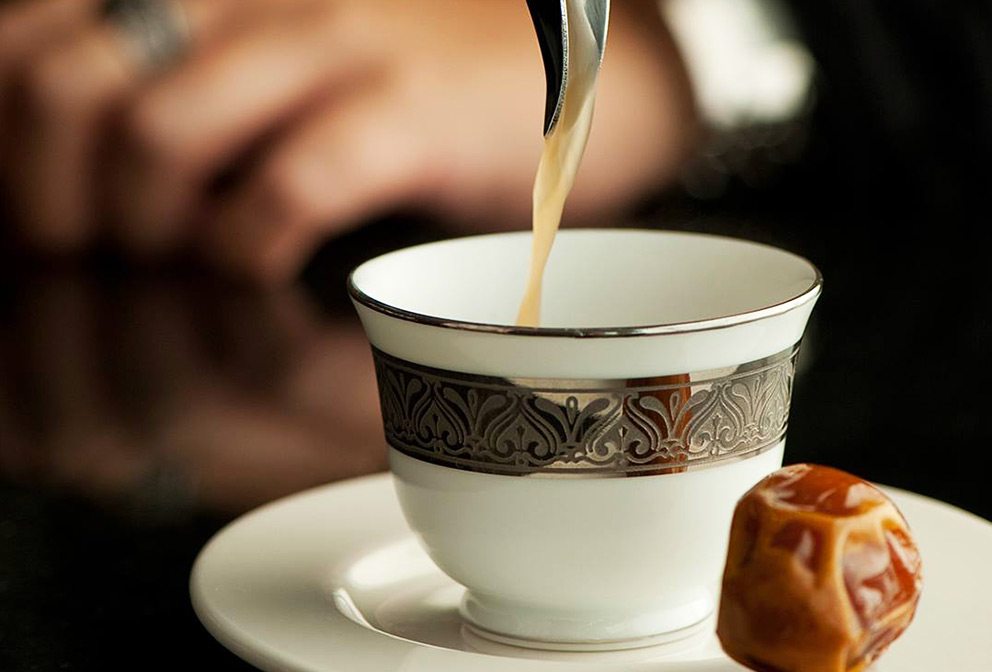
Arabic coffee in Dubai

In Dubai, coffee is more than a caffeine fix—it is an art and a symbol of joy, carefully tasted and enjoyed.
Photography courtesy Bateel International L.L.C.

Though this seaside metropolis is decidedly modern, with its steel-and-glass skyscrapers and over-the-top attractions, Dubai’s multicultural population imbues it with charm and character.

Throughout the city, you’ll find cafés serving Arabic coffee, a blend of coffee beans and spices such as cardamom, cloves, ginger, rosewater and saffron. The coffee is often served with dates rather than sugary confections, and it’s poured from a dallah, an ornate pot made of brass, steel, silver or gold.

The drink is traditionally prepared to welcome guests, and it plays a distinct role in your most exhilarating adventure while in Dubai: a journey by 4×4 into the desert for a royal dinner under the stars. You’ll be welcomed by a traditional Arabic coffee service before you go sandboarding, watch a falconry demonstration and feast on an elegantly prepared dinner.

What you’ll take home: Arabic coffee, dallahs and finjaans—the small round coffee cups that accompany the traditional service—can be found at Dubai’s souks and luxury shopping centres. Even if you don’t purchase a set for yourself, take home the spirit of community inspired by the Arabic coffee ritual. Bring the symbol of hospitality to life for guests in your home for years to come, sharing your understanding of coffee-drinking etiquette with every sip.

Four Seasons Hotel Dubai International Financial Centre

Trip details

Four Seasons Private Jet

Throughout the journey, travel aboard the Four Seasons Jet, a retrofitted Boeing 757 that is spaciously configured with only 52 seats – leaving ample room for you and the souvenirs you pick up along the way.
Photography courtesy Robb Aaron Gordon

Your cultural escape through Europe, Africa and the Middle East begins and ends at Four Seasons Hotel London at Park Lane. From London, you’ll travel aboard the custom-designed Four Seasons Jet and enjoy Four Seasons accommodations and renowned service at every step of the journey. The trip begins on November 4, 2016.

Discover more about the Cultural Escape itinerary and begin your journey >

YOUR JOURNEY BEGINS HERE

Select a destination and start exploring

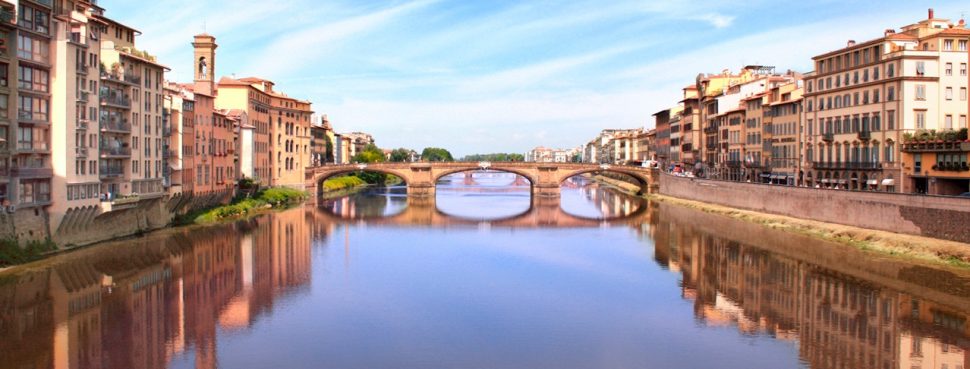
Ponte Santa Trinita

Trending Now: Modern Salons from London to Dubai


Exchanging ideas at Salon London

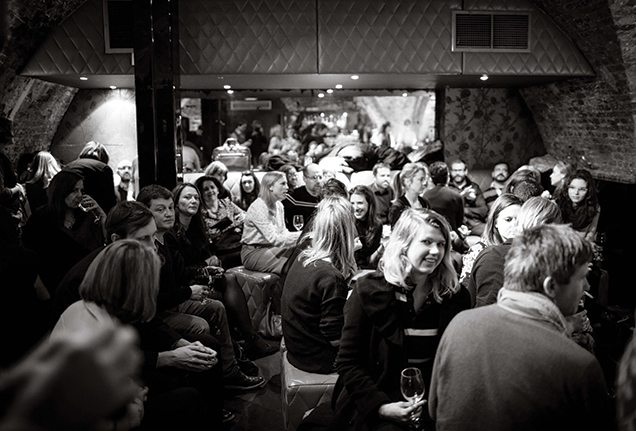
A modern iteration of the traditional literary salon, Salon London organises monthly gatherings showcasing experts in the worlds of science, the arts and psychology.

In the fall of 2003, California teacher Toby Brothers moved to Paris for her husband’s job. For her, the romance of the move, the thoughts of idling away days along the Seine, were soon overshadowed by the realities of integrating herself into a new culture, learning a new language and settling into a new city. One evening, a chance encounter at a cocktail party led to an in-depth discussion of her passion for teaching and a favourite book—Beloved, by Toni Morrison—prompting a new idea. What do you do, as a literature teacher, to embrace your new environment in one of the world’s most cultured cities? Why, you set up a literary salon. This is Paris, after all.

Hotbeds of creativity and progressive ideas, salons are synonymous with the French Enlightenment. The salonnières most associated with the early days are women such as the colourful Madame Geoffrin, who ran arguably Paris’ most famous salon in the mid-18th century, hosting writers and artists. Women led many of the early salons in Europe, creating an important outlet for voices that otherwise might not have been heard. And women are often the catalysts in the current movement.

Today salons have had a renaissance, perhaps as a pushback against the decline of face-to-face human contact in our digital age. From poetry brunches to multimedia presentations in art galleries to scientific discussions in converted warehouses, these gatherings point to the universal need for personal interaction and mental exercise. They allow people to come together to increase their knowledge and hone their tastes through conversation and the exchange of ideas. Their mission is to allow debate, to stoke passion and to inspire.

“Part of my inspiration was Natalie Clifford Barney,” Brothers tells me, “another American expat who ran what was dubbed ‘the liveliest salon in Paris’ in the first half of the 1900s.” Brothers set up her own salon in Paris before moving again, this time to London. Now, her London Literary Salon is based in her living room, where patrons tackle such weighty authors as Joyce, Proust and Faulkner.

Salons are for the free exchange of any type of stories or ideas.

So, I tell myself, a salon is basically a book club. But I quickly learn that I’m oversimplifying: “We use the literature as a launch pad for deeper discussion,” Brothers explains. “It’s a means to an end rather than the end in itself. The literature is a road map to the bigger questions.”

My first lesson is learned: Salons are for the free exchange of any type of stories or ideas. Some salons marry a literary theme with a broader sense of culture or art. Inspired by an invitation to read from her then-in-progress novel at a SoHo art gallery, New York–based writer Vica Miller set up a multimedia salon in 2009. Her idea was to emulate the salons of 1920s Paris salonnière Gertrude Stein, with writers reading from new work amid contemporary art. “The multimedia component is important to me, as I love such synergies,” Miller says. “People connect on a different level because hearing a good story read aloud against a backdrop of amazing art is a transcendent experience.”

Other salons are completely removed from literature. I recently attended an event at Shoreditch House, a members’ club in a converted warehouse, organised by Salon London. The word “literary” doesn’t feature in its objectives of “Science, Art, Psychology.” Co-founder Helen Bagnall says, “People come from all disciplines and want community and intelligent entertainment.” So what’s up for discussion?

“In some ways, we’re what television should deliver,” Bagnall says. “If a salon works, the audience will hear something they’ve never heard before, pick up a new skill, and go away wanting to find out more.”

By the time the salon starts, some 50 people fill the room, with stools taken from the bar next door and standing room only. The Shoreditch House library seems more like a Lothario’s living room: huge velvet sofas, deep leather armchairs and faded Persian rugs. A zinc-topped table to one side forms the centrepiece of a makeshift but elaborate bar. David Nutt, a professor of neuropsychopharmacology, speaks on what medicines do to the brain. The subject: “The Truth About Drugs.” In the spirit of the salon, he sits, speaking in a conversational manner, inviting comments and questions. While it wasn’t a subject I would have expected for a salon, it was an insightful, witty, often challenging and thoroughly engaging affair, imbued with human interaction, laughter and the frisson of participation. I left energised, enlightened and intellectually stimulated. And I’d learned another lesson: Salons aren’t just a lot of people attending a reading or lecture. Even though modern salons may not be held in private sitting rooms and may be guided by a lecturer, the key is casual interaction and the exchange and growth of ideas.

London salons have become the vogue in recent years, and not simply for emerging writers. At the top of the list, playwright and journalist Damian Barr leads monthly events where established authors read from upcoming works and pitch ideas. The gatherings have gained such repute that they are now attended by the glitterati as well as the literati. Past sessions have featured the likes of David Nicholls, John Waters and Bret Easton Ellis. Barr has taken his literary salon abroad, too, holding events destinations like Istanbul. Which leads me to my next realisation: Modern salons aren’t held only in Paris, London or New York. (In fact, salons first developed in the Middle East.)


The trendy thing to do after iftar, the breaking of the fast, is to head out to various cafés for literary salons and open-mic reading nights.

The movement is gathering fresh momentum globally. Salons in the 21st century cross borders, languages and even the digital wall. In Dubai, amid a thriving arts and culture scene in the UAE, American expat, blogger and writer Danna Lorch has observed bibliophiles setting up their own discussion groups through Twitter and local literary festivals. “During Ramadan,” Lorch says, “the trendy thing to do after iftar, the breaking of the fast, is to head out to various cafés for literary salons and open-mic reading nights.” Here, the salon culture leans more towards poetry. It’s a tradition in the Middle East that dates back to the Middle Ages, with its recent incumbents led, in part, by Sheikh Mohammed bin Rashid Al Maktoum and his son, published poets who write in both English and Arabic.

Punch and The Poeticians, both run by poets, lead the new salon wave in Dubai. Punch is a short way of saying “poetry bunch.” Lebanese poet Zeina Hashem Beck organises the monthly event at BookMunch, a Dubai literary café. The Poeticians, founded in 2007 and also active in Amman and Beirut, is “an elastic entity welcoming anyone willing to share bits of their linguistic light with us in English, Arabic or French.” Both groups rely on Facebook for communication. So my next lesson, and perhaps the most surprising, is that yes, salons are about personal, often face-to-face, communication, but they aren’t forums for Luddites. Even if they develop as a reaction against the impersonal qualities of digital culture, today’s salons don’t distance themselves from the digital arena, but embrace it. Digital tools are encouraging salons to form and to grow: connecting people, distributing content, even offering salon events as podcasts.

Of all the salons around the world today, perhaps the Sunday Salon is the ultimate example of how salons are proliferating and reinventing themselves. Started in New York in 2002 by Alaskan Nita Noveno, the salon runs monthly events at Jimmy’s No. 43, a bar and restaurant in the East Village. Like many other salons, it was designed to encourage new writing and allow emerging writers to find an audience. It wasn’t long, though, before a counterpart group was set up in Chicago—and another in Nairobi. Thanks to Noveno’s use of the internet to encourage others to create similar groups, Salon Nairobi emerged in 2007 out of a partnership between Noveno and June Wanjiru Wainaina, founder of Kwani? Readings. Salon Nairobi has grown into quite the literary machine, publishing and distributing content, running festivals, offering tutelage, and making global connections.

This leads me to the most important thing I’ve learned about modern salons: In contrast to the aristocratic leanings of earlier salons, today’s groups depend on the principle of equality—of all opinions being valuable and up for discussion rather than attack. This latter point is something that’s often a lot easier to adhere to in face-to-face conversation; think of how much more tempting it is to dismiss an idea in, say, an online comments forum.

Literary salons have emerged for all manner of skill levels. Many offer a nurturing environment that novice writers may not find elsewhere. New York’s Pen Parentis, for writers who are parents, takes place in a hotel bar—with literary ambitions fuelled, presumably, by a much-needed cocktail. The Franklin Park reading series, held at the eponymous Brooklyn beer garden, features “emerging and established fiction writers, memoirists, poets and story-tellers,” highlighting “local talent and authors from around the world.” Lit at Lark showcases local authors in Brooklyn’s Lark café.

The environment may have changed, but the reasons for salons remain the same. “People get inspired,” says multimedia salon founder Miller. “Afterwards, writers have told me, they’ve gone back to their own writing desks to finish manuscripts in progress. Many have said they felt enchanted by the nurturing and creative atmosphere. New friendships are forged as people connect and have conversations on a deeper level, and a couple of writers secured an agent and a publishing deal after reading at the salon.”

The salonnière Madame Geoffrin would be proud.

YOUR JOURNEY BEGINS HERE

Select a destination and start exploring

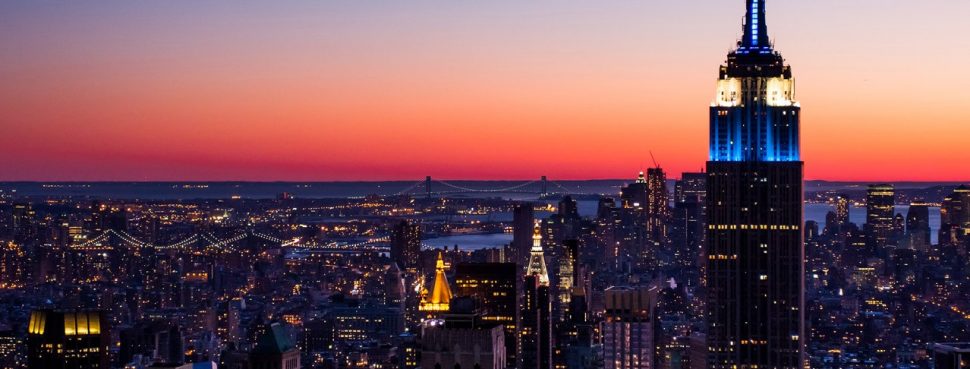
New York City skyline

6 Ways to Drink Tea Around the World

Since it was first cultivated 5,000 years ago in China, tea has become one of the most popular beverages in the world—one with a rich history that spans continents and cultures. Today tea is revered for its pleasing taste and endless varieties, as well as its rejuvenating effects and health benefits.

Whether you prefer green, black, white or oolong—all types of tea that stem from the same plant, Camellia sinensis—tea is an excellent source of both disease-fighting flavonoids and antioxidants that help detoxify damaging free radicals in your body. Strong evidence links regular consumption of tea (two or more cups per day) with a reduced risk of heart disease, lower cholesterol and possibly even prevention of cancer, not to mention its soothing properties.

Not only can sitting down with a cup of tea be relaxing—and good for you—it is also a valued social tradition observed in cultures all over the world. In many places, the ritual of the tea service is as important as the beverage itself. Here are some memorable ways to savour tea at Four Seasons hotels and resorts around the world.

Green tea in Hangzhou

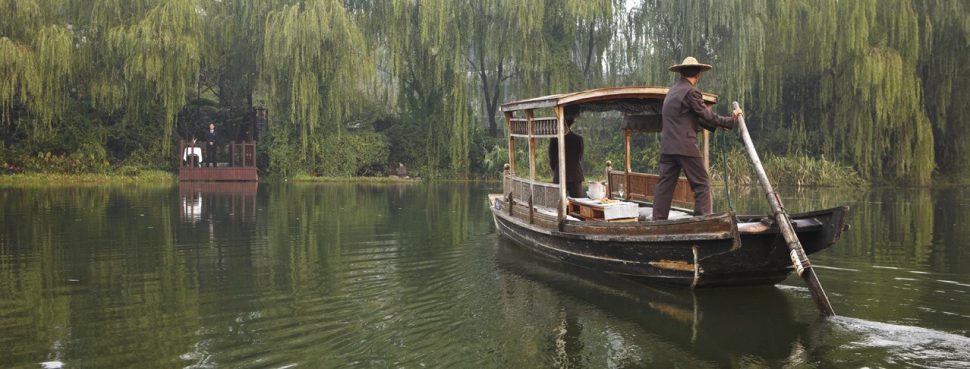
Longjing, or “dragon well” tea, is the world-renowned green tea grown on the hillsides surrounding West Lake and throughout China’s Zhejiang Province. The bright emerald leaves are picked by hand, as they have been for centuries, and dried using a large metal wok in order to stop the fermentation process; this treatment gives the tea its distinct flavour. Enjoy a cup of longjing during the daily traditional tea service at Four Seasons Hotel Hangzhou at West Lake, or head to the Spa for a one-of-a-kind Dragon Well and Jade Spring Ritual. After a bath containing the extract of 60,000 tea leaves, enjoy a body scrub, wrap and massage that all utilise the tea’s restorative properties.

Mint tea in Marrakech

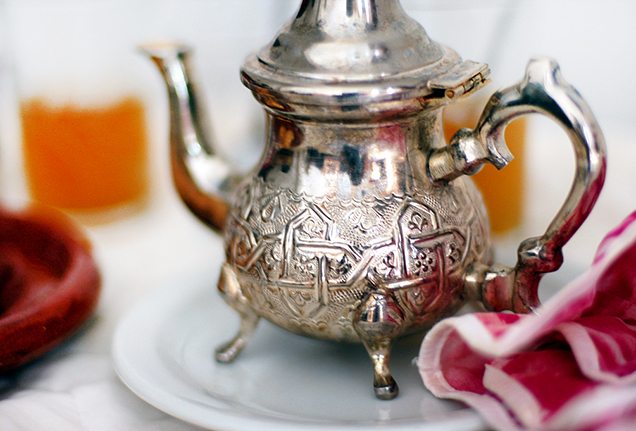
At the Maarifa Cultural Centre at Four Seasons Resort Marrakech, take part in Morocco’s artistic and cultural offerings—including a mint tea ceremony. Throughout the country, the ritual is performed to welcome guests into one’s home; at the Centre, guests are taken through the elaborate ceremony, which involves steeping tea leaves and sugar in boiling water, then serving the tea with handfuls of fresh mint in small glasses. It’s a refreshing and hospitable way to enjoy Morocco’s beloved beverage.
Global offerings in Mumbai

Four Seasons Hotel Mumbai pays homage to local and global tea flavours with a Tea Connoisseur’s Delight menu at the Hotel’s Café Prato. Guests choose from blends sourced from India, such as Kashmiri kahwa from the Himalayan foothills or southern India’s Blue Mountain nilgri. Japanese sencha, African rooibos and herbal infusions fill out the menu.

Sustainable tea in Seattle

Seattle may be known for its outstanding coffee, but discerning tea enthusiasts can now enjoy premium, single-origin whole-leaf tea at Four Seasons Hotel Seattle. Partnering with TeaVert, a Seattle-based company that sources its tea leaves using sustainable cultivation practices, the Hotel is the first to introduce four of the company’s unique tea blends, now available in ART Restaurant. Each tea is presented with a handcrafted single-use tea infuser, made in the U.S. from a fully biodegradable, FSC-certified white birch raw veneer without the use of harmful chemicals.

Tea for two in London

Afternoon tea is a cultural institution in England, and Four Seasons Hotel London at Park Lane is now offering a charming afternoon tea picnic—complete with a wicker basket filled with the proper British sandwiches, cakes and scones wrapped up in vintage tins, plus a half bottle of Bollinger Rosé Champagne. Each basket also includes a tea-brewing egg timer to ensure that the accompanying tea is served precisely to your liking. Enjoy your picnic on Amaranto Restaurant’s lovely landscaped terrace.

Afternoon tea with a twist

In a fun variation on tradition, One-Ninety Bar and Terraza by Javier de las Muelas at Four Seasons Hotel Singapore now offers a Cocktail Afternoon Tea Service, which joins the Classic and Champagne Afternoon Tea offerings on the menu. Choose your drink from the exclusive Diva Cocktail Collection, which features non-alcoholic or low-alcoholic-content beverages infused with ingredients like Darjeeling tea and ginger and named after powerhouse women such as Elizabeth Taylor. When they’re served in glass teapots, accompanied by an assortment of sweet and savoury bites, teatime has never looked (or tasted) better.

Your Journey Begins Here

Select a destination and start exploring

Celebrate at Home With the Help of
Four Seasons Experts

Gathering with loved ones is the best part of the holiday season. If you’re thinking about hosting a holiday party for the first time or if you’re seeking new inspiration for your annual fête, the experts at Four Seasons are here to help. From inventive holiday cocktails and party-planning advice to the recipe for a Michelin-starred dish and the perfect playlist, we’ve compiled a holiday party planning checklist with everything you need for an unforgettable celebration.

Setting the scene: planning a holiday party

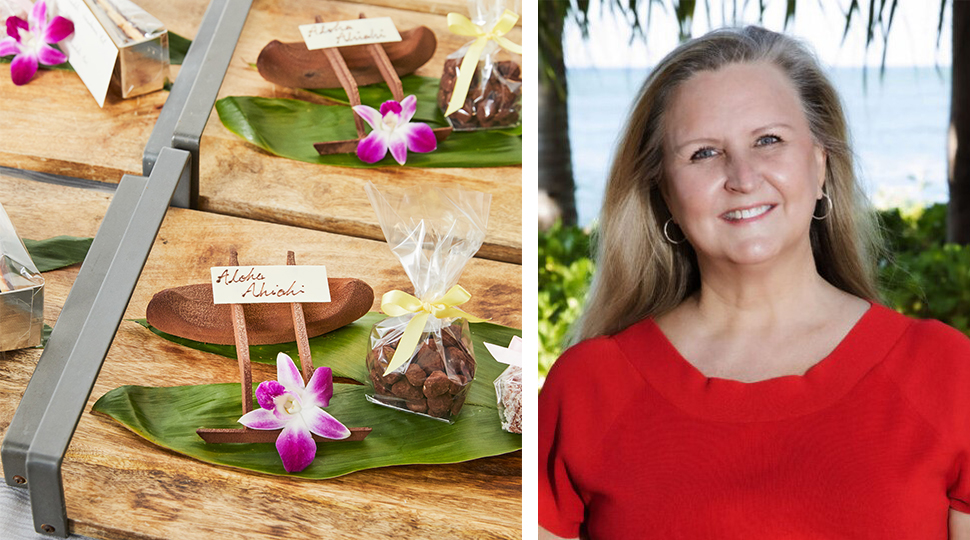
“Holiday parties are a time to come together and reconnect with friends and family, near and from afar,” says JoAnn Freberg, Director of Catering and Conference Services at Four Seasons Resort O‘ahu at Ko Olina. “We share meaningful traditions and family recipes; we celebrate togetherness; and we make memories across generations.”
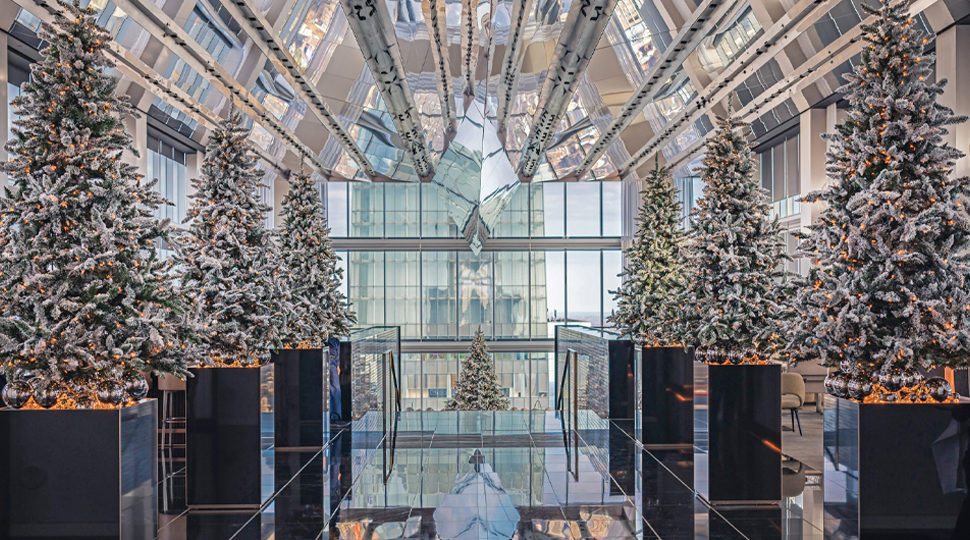
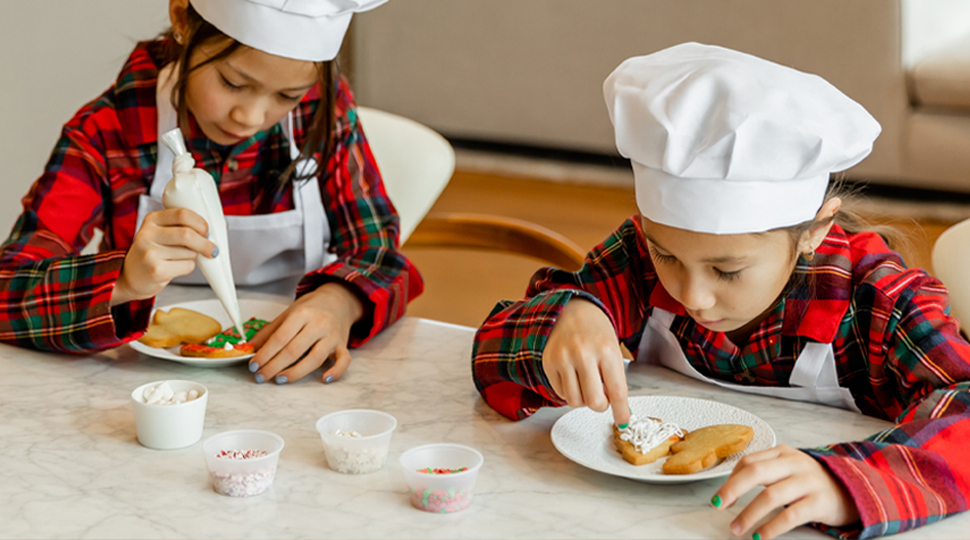
While in the planning stage, Freberg recommends keeping three words in mind: comfortable, entertained, engaged. This is how you want your guests to feel throughout the event. Plan a menu that includes a variety of traditional favourites, perhaps using family recipes for a personal touch. Small-plate grazing stations are a fun way to share fresh vegetables and fruits, cheeses and charcuterie, or bite-size pastries and treats. Freberg also suggests planning an activity that fosters a sense of belonging and unity, especially if you have new friends or family members joining this year. “And don’t forget the kids,” notes Freberg. Incorporate holiday crafting, storytelling or singing of songs to keep young guests – and their parents – happy and engaged.

Since this is a busy time of year, Freberg highly recommends sending out invitations as soon as you know the date that works for you. The general guideline is to send invitations anywhere from four to eight weeks before the event, but you know your friends and family best, so plan accordingly to increase your chances of better attendance. And if you decide to host your party at a venue as opposed to your home, Freberg has one tried-and-true piece of advice: Book as early as you can.

Ultimately, the goal of a holiday party is to celebrate being together, so no matter where you host, keep formalities to a minimum, greet your guests warmly, cue up the music and let the festive atmosphere you’ve created do the rest.

Setting the mood: the perfect holiday drinks

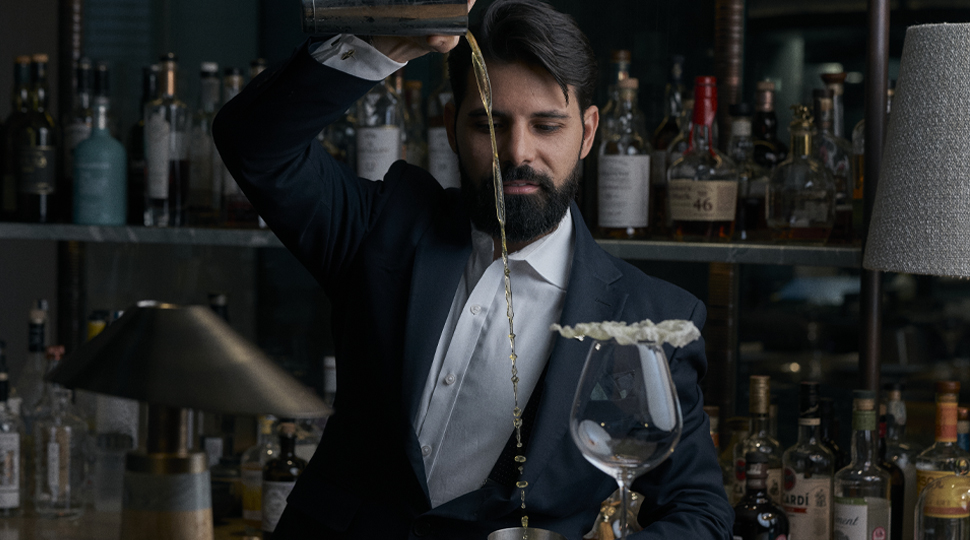
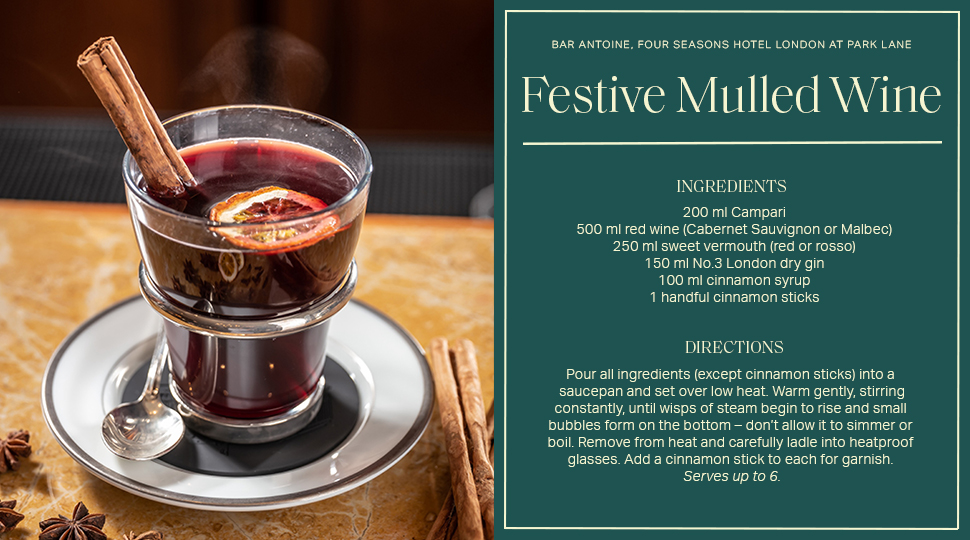
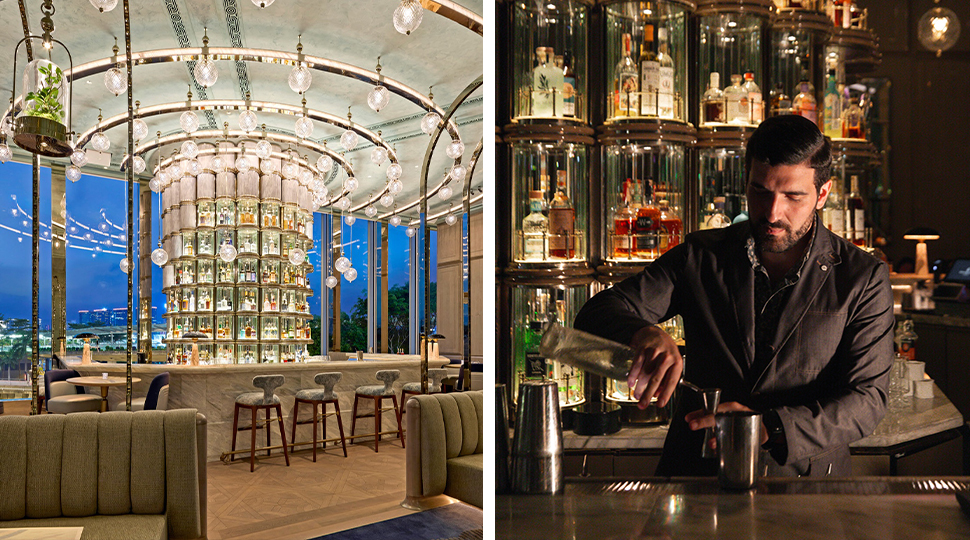
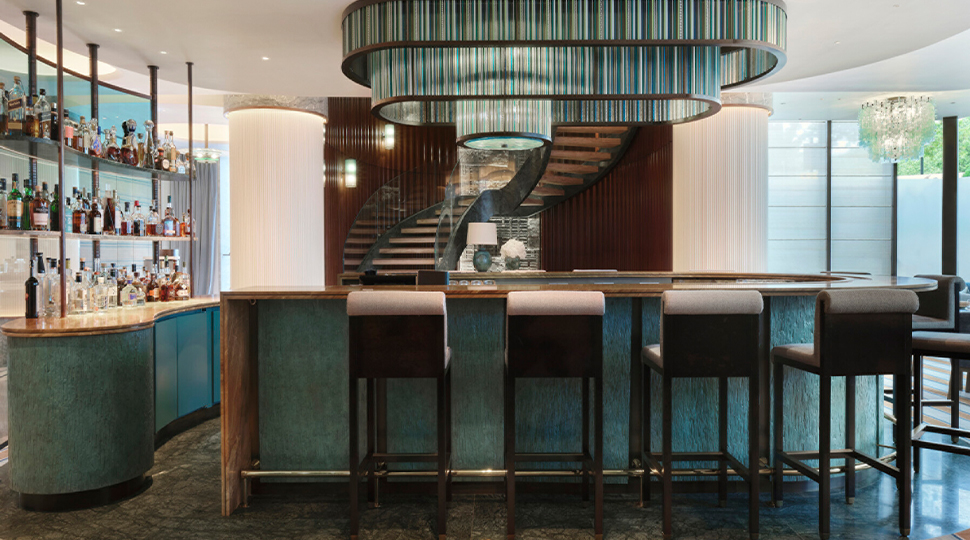
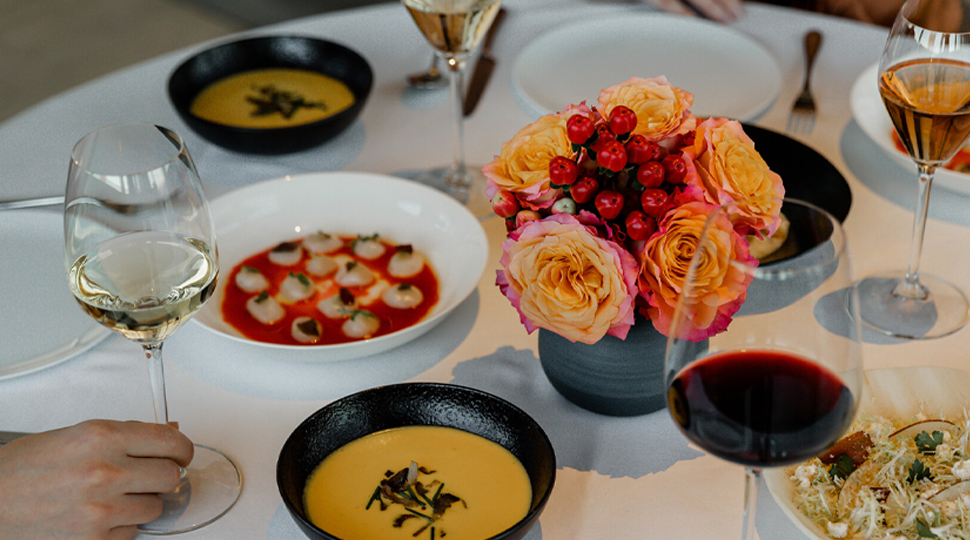
The perfect drink menu can set the tone for your event. Should you go fun and festive? Or elegant and traditional? For Michele Lombardi, Head Mixologist at Bar Antoine at Four Seasons Hotel London at Park Lane, it’s a little of both. “I really like taking a classic cocktail recipe, such as a traditional Negroni cocktail, and heating things up with a festive twist,” he says. For a crowd-pleasing holiday party beverage, Lombardi recommends a twist on traditional mulled wine, adding gin, vermouth and Campari for a little extra kick. “It’s toasty and spiced with a red wine base, cinnamon and all the usual ingredients. This is best made in a batch – enough for a crowd or a couple of rounds.” (See Lombardi’s mulled wine recipe in the image gallery above.)

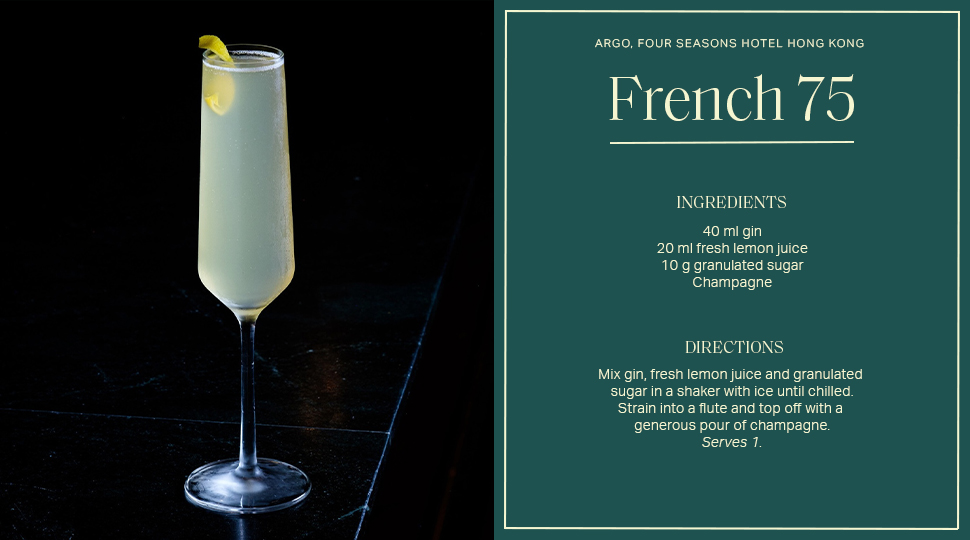
For Federico Balzarini, Beverage Manager at ARGO at Four Seasons Hotel Hong Kong, the name of the game is champagne. “The French 75 is a delightful combination of citrus, gin and champagne. It’s perfect as a pre-dinner drink as well as a palate cleanser,” he says. To make it, mix your favourite gin, fresh lemon juice and some sugar, and then top it off with your favourite champagne. “What’s not to like about it?” (See Balzarini’s French 75 recipe above.)

Come New Year’s Eve, Balzarini loves to celebrate with a glass of Dom Pérignon at ARGO. “There’s something special about the bubbly elegance that captures the festive spirit,” he says. “[I like to open] a bottle to toast to new beginnings!” And he’s right – few drinks immediately say “celebration” quite like a bottle of champagne.

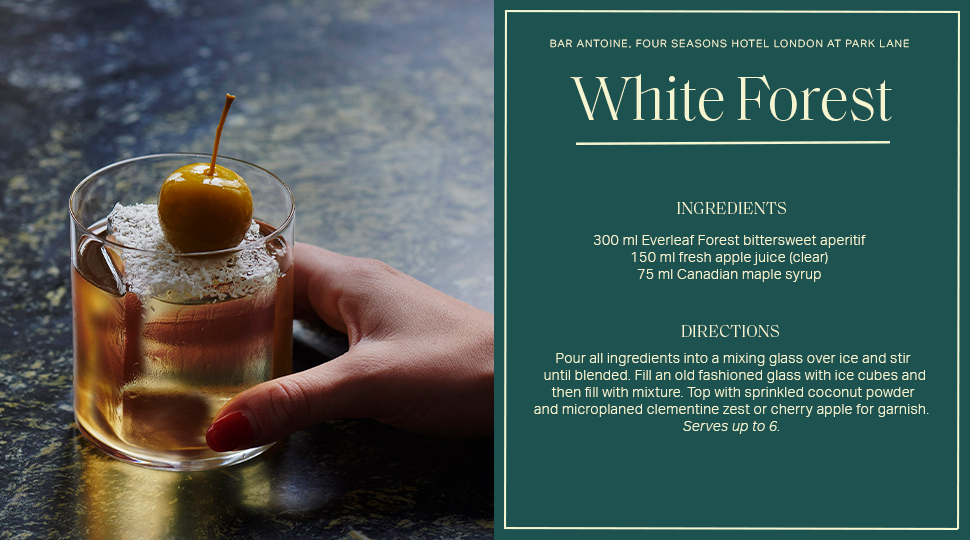
But the best drink menus don’t just include alcohol. “One of the best drinks for the festive season is our White Forest cocktail that we serve at Bar Antoine,” says Lombardi. “It’s a non-alcoholic concoction made of Everleaf Forest non-alcoholic bittersweet aperitif, fresh apple juice, maple syrup, coconut powder and microplaned clementine peel. Served cold or hot, the flavours are bold and give the feeling of enjoying a real cocktail.” (See Lombardi’s White Forest recipe above.)

Setting the menu: the perfect holiday dishes

Food has a special way of creating memories, especially when you share it with others. One of Freberg’s top holiday party planning tips includes incorporating traditional dishes with family recipes into your menu. While no two families are exactly alike, the love we pour into the dishes we serve feels universal. This is where your party can really shine, whether it’s through a curated selection of dishes or a hero dish that everyone will remember for years to come.

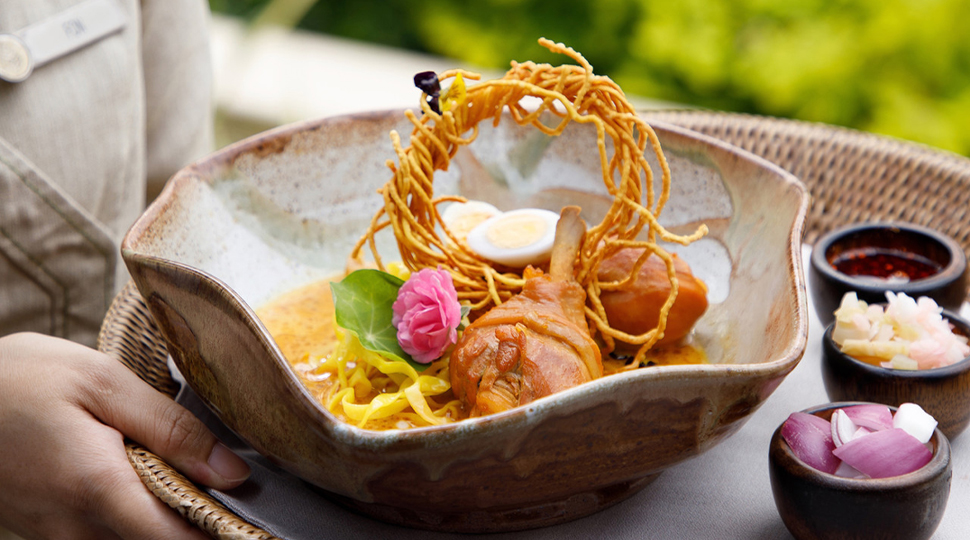
For Chef Suwattana Boonyarattananusorn, Thai Chef Instructor and the key figure behind the success of Rim Tai Kitchen cooking academy at Four Seasons Resort Chiang Mai, that dish is khao soi.
“Khao soi holds a special place in my heart, not just as a dish, but as a symbol of family gatherings and cherished memories,” says Boonyarattananusorn, affectionately known as Chef Tor. This northern Thai classic, with its rich, aromatic curry and crispy egg noodles, has always been a favourite at his family table.

“To me, making khao soi is a labor of love,” he explains. “The complexity of the dish requires time and dedication, from preparing the specific chilli paste to crafting homemade noodles and simmering the perfect soup. It’s a dish that brings the family together, not just at the table but in the kitchen as well. Cooking khao soi becomes an experience where everyone can bond, have fun and laugh, turning the preparation into a cherished family ritual.”

For Chef Tor, khao soi is more than just food; it’s a reminder of home. It’s a dish that sparks conversations and creates connections. Whether he’s sharing it with family or serving it to guests, khao soi is his go-to dish for bringing people closer, making it the perfect choice for any family gathering.

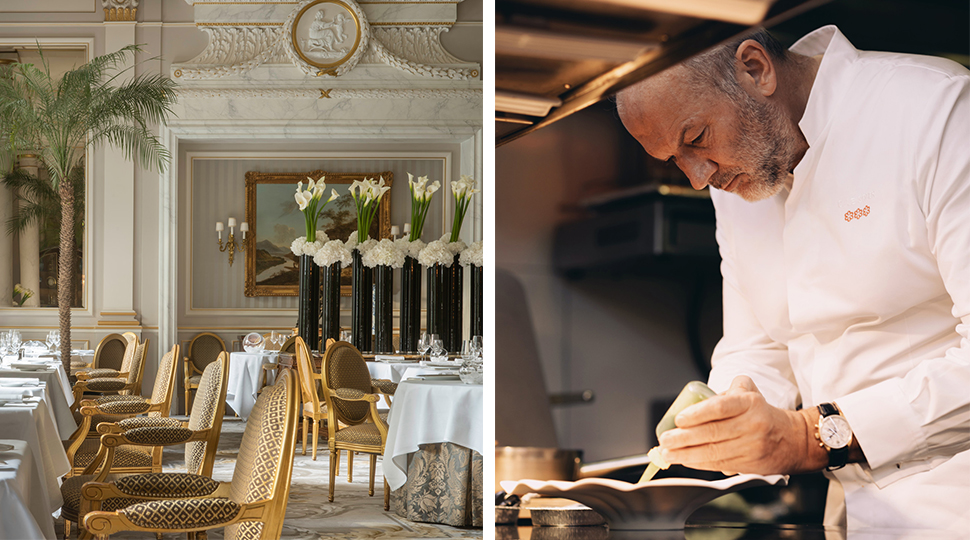
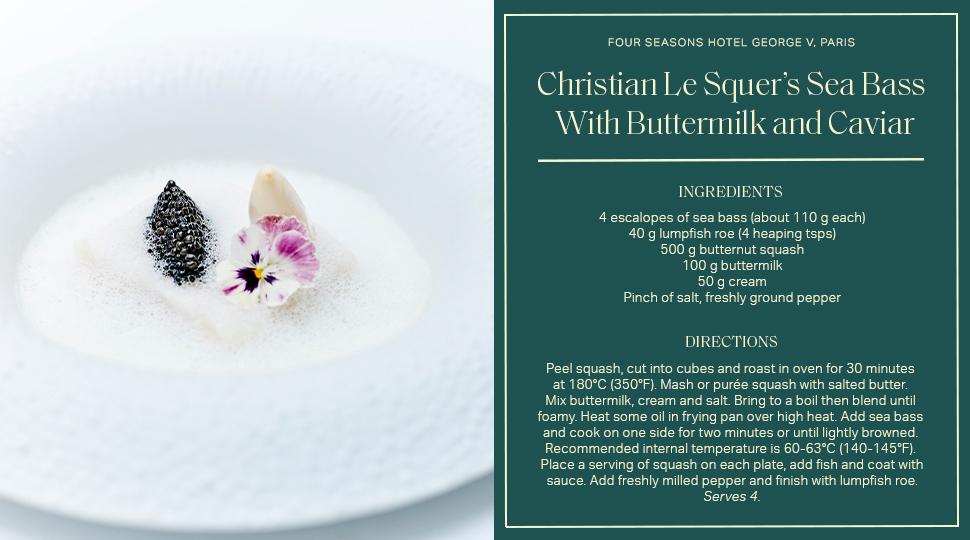
If you don’t have a go-to family dish, why not borrow one from Michelin-distinguished chef Christian Le Squer? His award-winning signature sea bass with buttermilk and caviar is one of the bestsellers at his three-Michelin-starred restaurant Le Cinq at Four Seasons Hotel George V, Paris and will undoubtedly become the centrepiece of your festive dinner. Inspired by Le Squer’s childhood in Brittany, France, this dish is elegant and sophisticated, slightly acidic and salty, and will leave a lasting impression on your guests. (See Le Squer’s sea bass recipe in the image gallery above.)

Setting the table: the perfect holiday décor

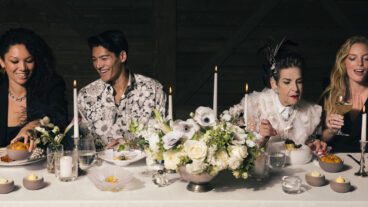
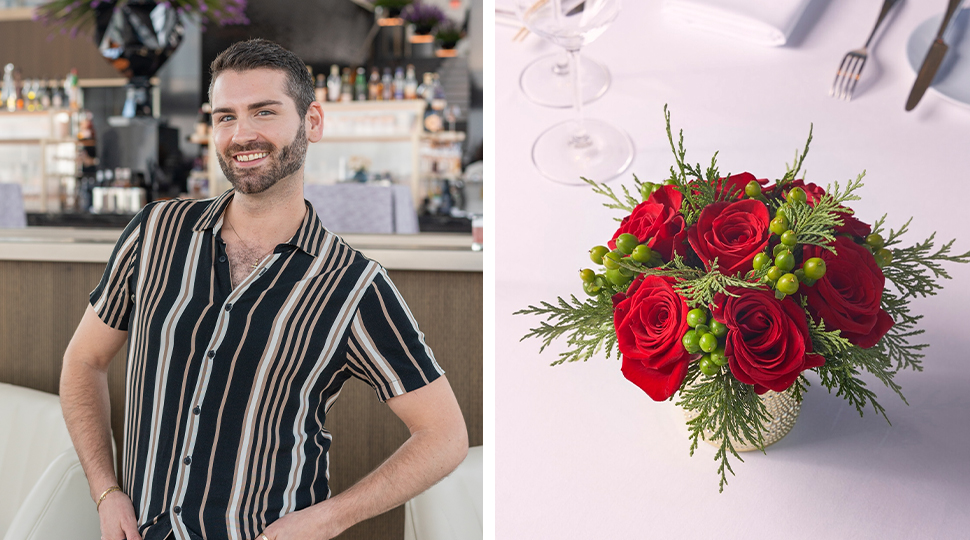
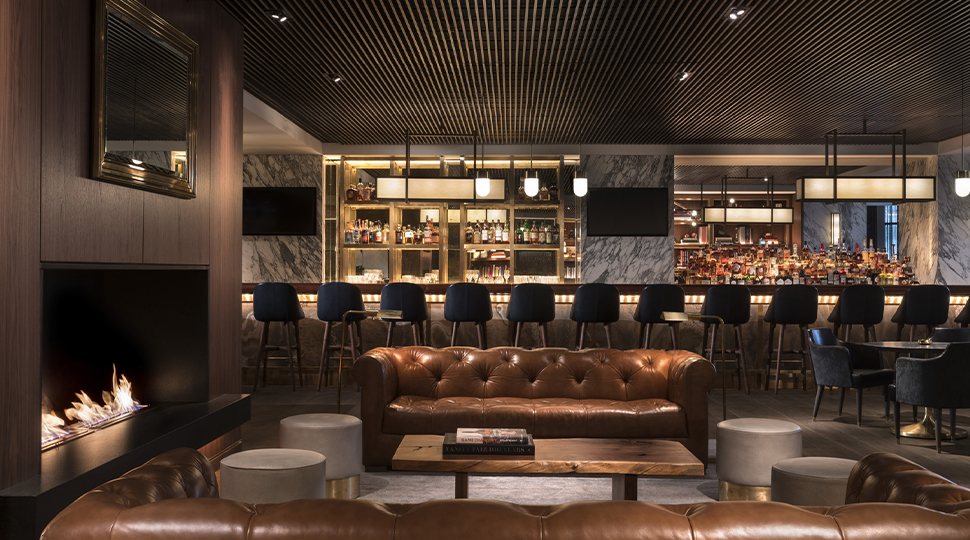
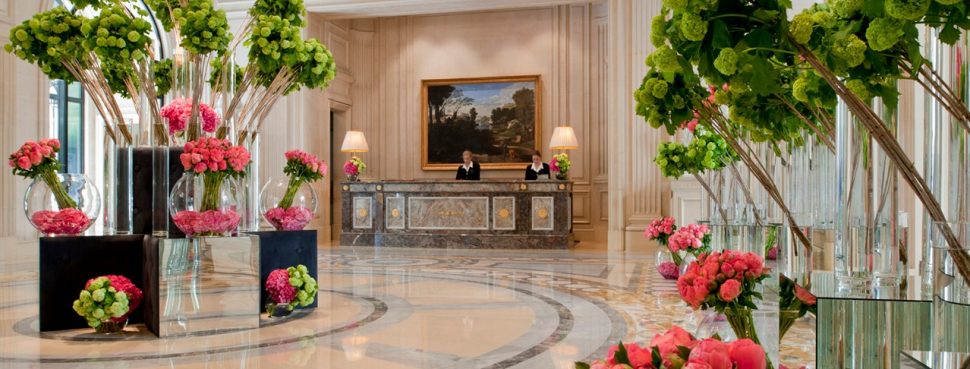
You’ve selected the drinks and the food – now where will you put it all? “Your holiday table setting is where your décor theme takes a personal and more customized turn, allowing you the opportunity to really make your guests feel like they’re immersed in your style and hospitality,” says Corey Rader, Manager of Floral Operations at Four Seasons Hotel Philadelphia at Comcast Center. “I always recommend having a signature bloom at every place setting, whether it is an orchid bloom, a cutting of tallow berry, a sprig of ilex berries or just a clipping of fresh cedar. This simple gesture personalizes the experience for your guests from the moment they take their seats.”

Rader’s go-to holiday bloom for making a big statement, whether on its own or in a grouping, is amaryllis. Amaryllis come in a wide variety of colours, from the traditional red, white, burgundy, and variegated red and white to more contemporary colours like orange, green, pink and salmon. Rader notes that there is an amaryllis out there to fit any holiday décor theme. “Most people are familiar with amaryllis in plant form, but their versatility in design as a cut bloom makes for a showstopper very reminiscent of a lily but without the overpowering scent,” he says.

Another favourite is ranunculus, for its versatility (it pairs well with winter greenery like cedar as well as with other blooms like roses and hydrangeas) and its tendency to look best during the cooler winter and spring months, making December a perfect time to incorporate it into your décor. Rader also says you can’t miss with cymbidium orchids, which can be found in both standard and miniature sizes. Honourable mentions: ilex berry, hypericum berry, antique hydrangea, anemone, peony and tulip.

“I also recommend styling the table with multiple groupings of smaller designs so that you allow for breathing space to accommodate the accumulation of plates and glasses during the meal,” says Rader. “This will also enable you to spread the colour and texture of the florals throughout the table, as opposed to one large design that only pulls focus to the centre.”

Another key to successful table design and overall décor is lighting. “Lighting will make the difference between a flat, one-dimensional table and an elevated experience,” notes Rader. Striking the right balance is key; too much light and everything is washed out. Not enough light, and all of your hard work is not afforded the opportunity to shine. Candles are a great way not only to show off your style but also to add another layer of lighting to the table, suggests Rader, and with so many candleholder options on the market, selecting the right one has never been easier. Whether you’re adding texture through different linens, combining a variety of blooms, or placing evergreens or magnolia leaves directly on the table, just play with it and see what feels right. This is where you can really have fun and showcase your creativity.

Setting the vibe: the perfect holiday playlist

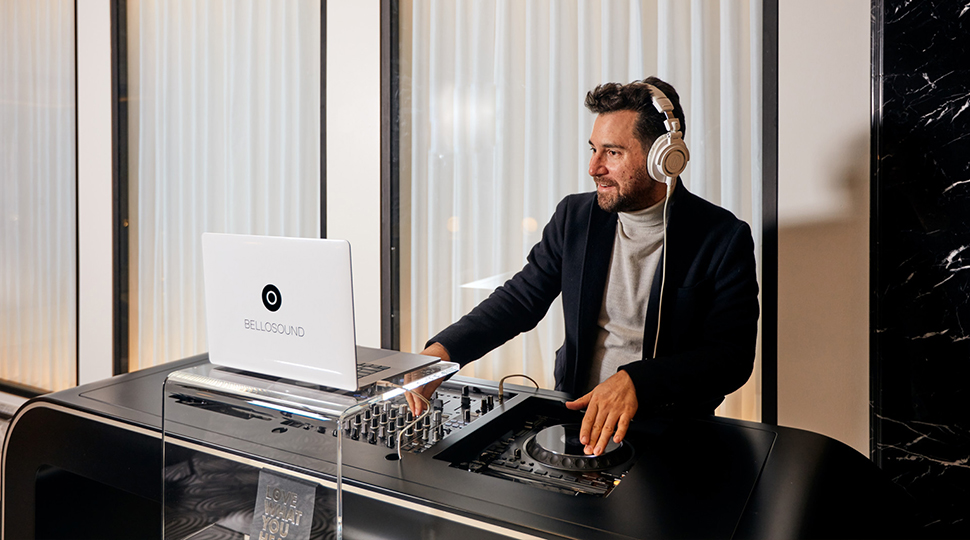
The right playlist can elevate the mood of any party. “The secret to a great holiday playlist is all about timing and flow,” says Daniel Buckman, President of BELLOSOUND and Music Partner of Four Seasons Hotel Houston. “Experience tells me that it’s about mixing the familiar with the unexpected while keeping things cool – but not too cool.”

First, timing. Start with laid-back classics and then gradually build energy. It’s all about reading the room and knowing when to shift gears, says Buckman. Then comes balance; blend traditional holiday tracks with modern hits, world music, or sophisticated jazz and chill electronic music to keep things interesting. Then Buckman recommends including something familiar, but with a twist: “We know people love classics, but by introducing fresh remixes or rare gems, we keep the playlist engaging.” The best playlists cater to diverse tastes, so keep your audience in mind and blend old and new to create an inclusive, dynamic vibe. And finally, avoid overplayed hits. Buckman suggests steering clear of the obvious and focusing on fresh versions and under-the-radar gems to keep it exciting.
So what are some of his favourite holiday songs? “I’ve got a few,” he says. “I love the laid-back vibe of reggae Christmas, like ‘Happy Christmas’ by Toots and the Maytals. Marvin Gaye’s ‘Purple Snowflakes’ is a soulful classic, and Kaskade’s Christmas albums bring that modern, cool vibe. But for the perfect remix, it has to be ‘I’d Like You For Christmas’ by Julie London (Ursula 1000 remix) – smooth, nostalgic, but with a fresh twist. Perfect for setting the mood.”

YOUR JOURNEY BEGINS HERE

How will you spend your holidays?

floral art installation at Four Seasons Hotel George V Paris