Finding Your Way in Tokyo

At some point in our lives, we all find ourselves at a crossroads – a time when we need or want to re-evaluate our past and rethink our future.

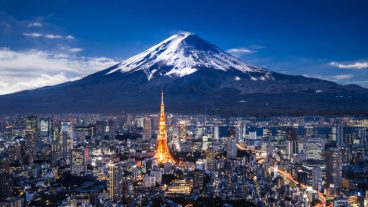
This sense of self-reflection is front and centre in Tokyo, where the city’s past and future are simultaneously on display: Steel-and-glass skyscrapers tower over ancient shrines and temples while age-old traditions are joined by modern attitudes. A focal point of the city’s constant evolution is Shibuya Crossing, one of the world’s busiest and oldest crossroads. Pedestrians of all ages swarm the zebra-striped walkways as neon signs reflect off shops’ glass fronts, creating a Japanese-centric futuristic vibe. But even here the past is present, as in the famous Hachikō statue, from the 1930s, honouring the faithful Akita dog who waited patiently for his deceased owner every day for years.

Venture beyond Shibuya to discover creative corners where Tokyo’s culture is reinventing itself.

Ginza

Ginza Image02

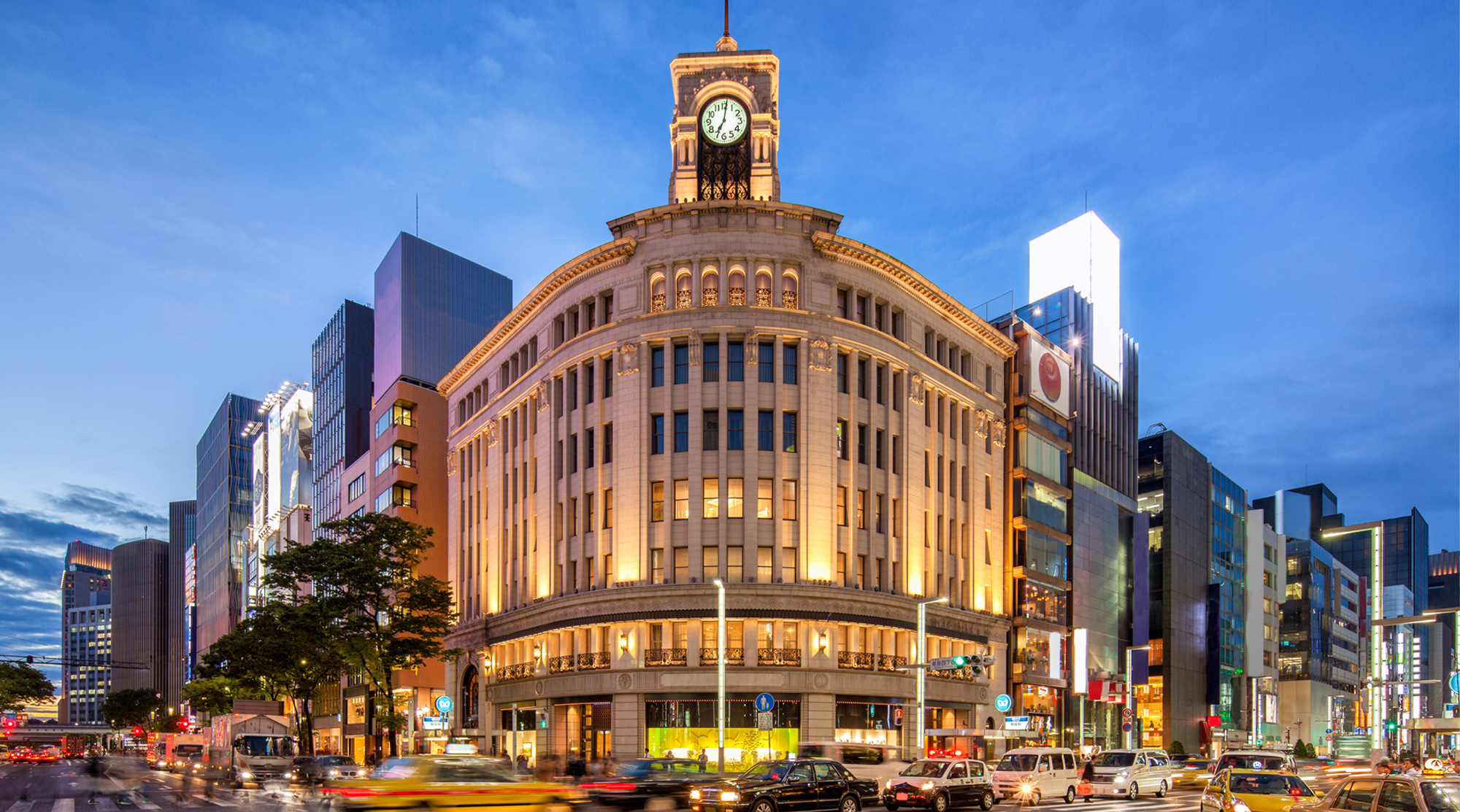
Tokyo’s first Western-style shopping district, Ginza is defined by wide boulevards lined with high-end boutiques, department stores and exclusive restaurants. It’s also home to the Kabukiza Theatre, newly renovated but opened in 1899. The theatre is the city’s main venue for kabuki, a classical Japanese dance drama that dates back to the Edo period, from 1603 to 1868.

For a quiet moment in Ginza, the Concierge at the nearby Four Seasons Hotel Tokyo at Marunouchi recommends Japanese tea salon Higashiya Ginza. The small space – it seats about 40 – is an ideal spot for afternoon tea, but visitors can also participate in Cha-Kabuki, a popular game from the 12th century to the 14th (Kamakura to Nanbokucho periods). Players start with a blind tasting, and then guess the name and origin of each Japanese tea based on its flavour and aroma. For your evening meal, enjoy a kaiseki-ryori – a traditional multi-course Japanese dinner.

Chiyoda

Chioya1

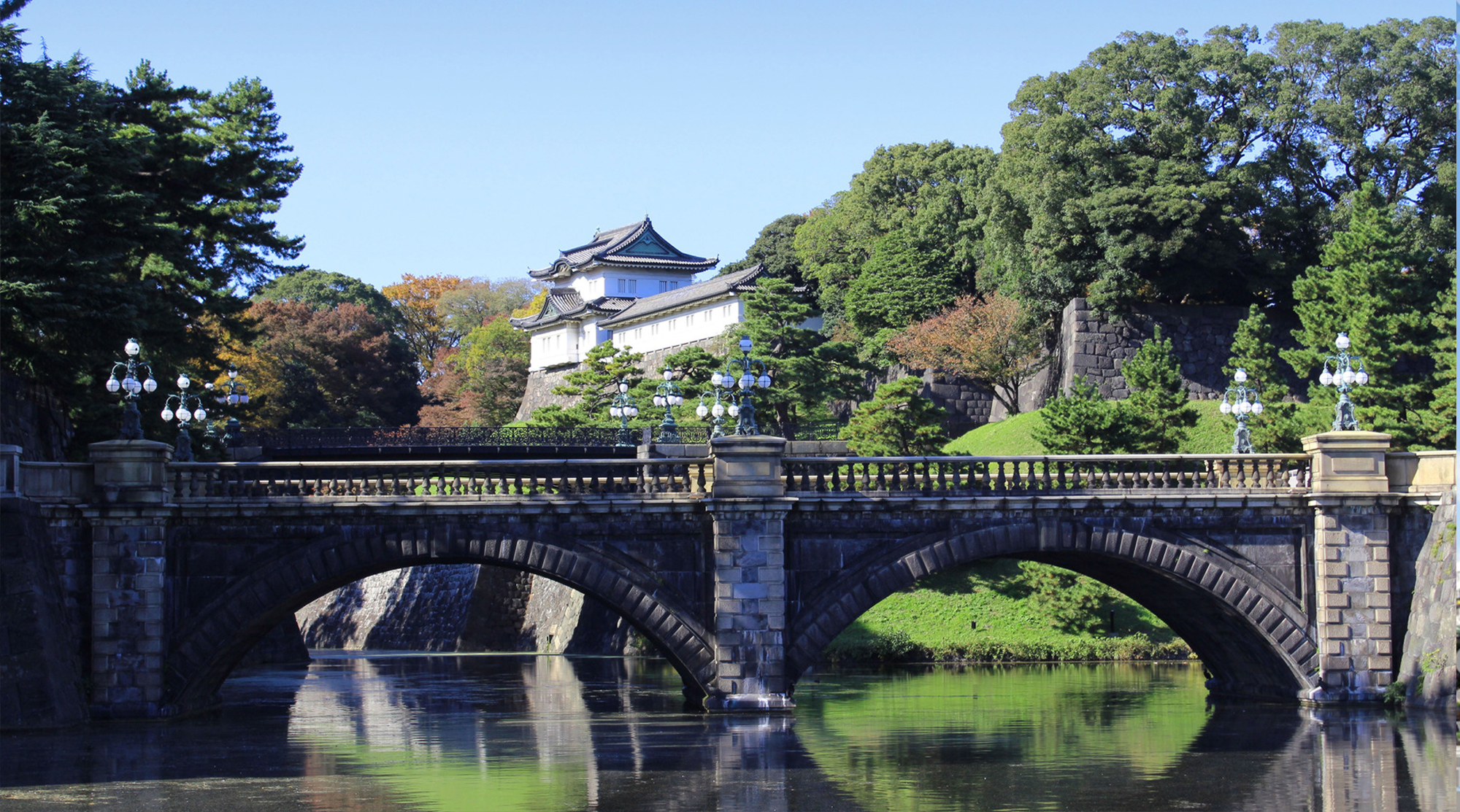
Windows at the upcoming Four Seasons Hotel Tokyo at Otemachi will look out on a distinct symbol of the city’s heritage: the Imperial Palace, the official residence of the Chrysanthemum Throne – the modern embodiment of a royal line said to extend back to the fifth century BC. The park-like complex is a serene green space in the heart of busy downtown; the East Garden features carved wood buildings that date to the Edo period.

Travelling with a little one? Take the Hotel’s complimentary jogging stroller for a run on the Imperial Palace loop, a 5-kilometre circuit around the palace that many runners recommend for its views of some of Tokyo’s most popular landmarks: Tokyo Tower, the Sakuradamon Gate and, from late March to early April, cherry blossoms in Chidorigafuchi Park.

Next, head to the National Museum of Modern Art, home to a vast collection of ukiyo-e woodblock prints, silk paintings and ceramics. The first national art museum in Japan, the institution showcases notable Japanese artists from the Meiji period (1868–1912) to the present, as well as contemporary Western works to document the cultural impact the West has had on Japanese art. Reflect on the collection in MOMAT’s fourth-storey “A Room With a View” relaxation space, which, in fact, affords more than one scenic view.

Akihabara

Akihabara Image

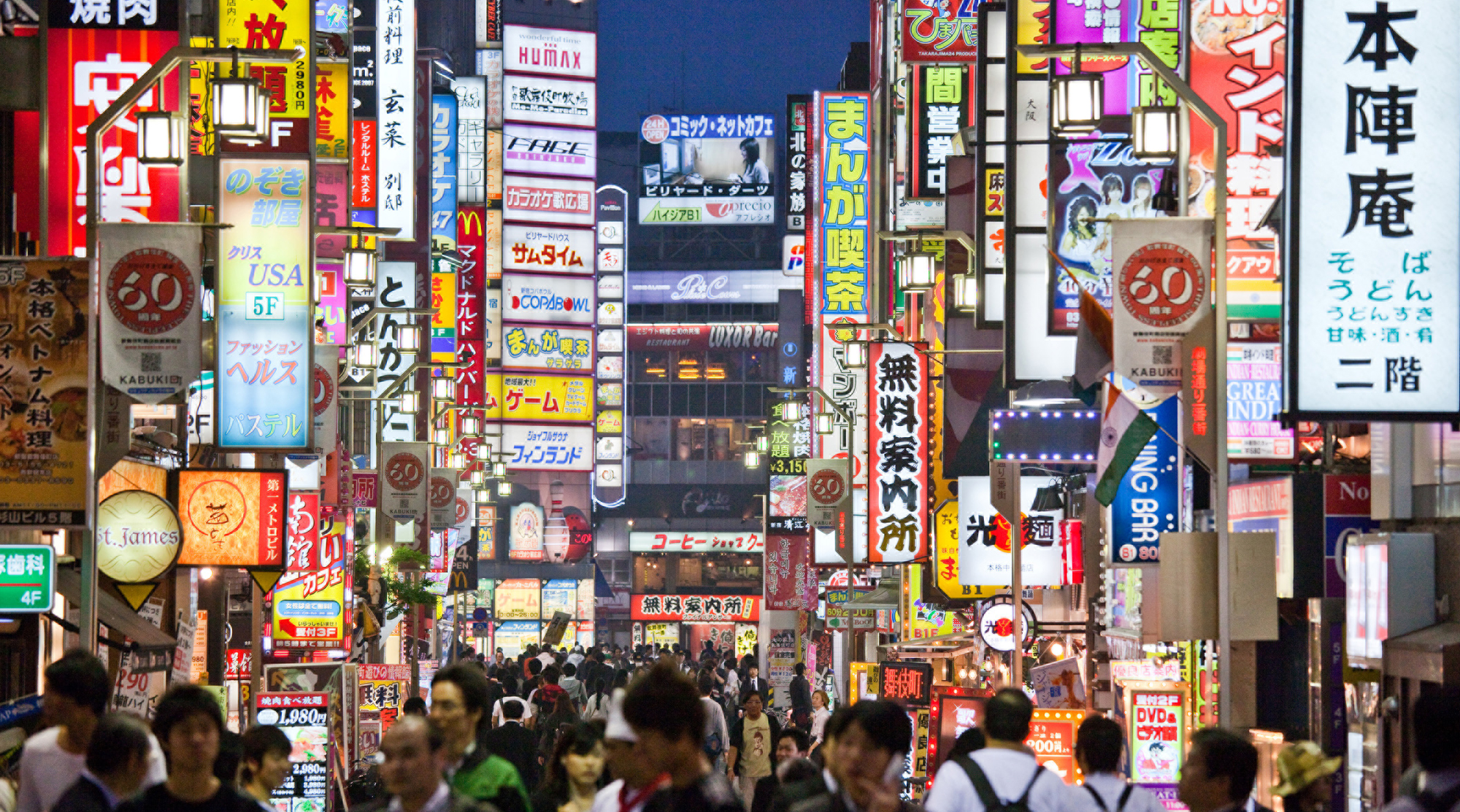
Known as Tokyo’s Electric Town, the Akihabara district is a nexus of otaku geek culture – multi-storey arcades, bustling pachinko parlours, anime stores and idol shows line the frenetic main street. It’s not unusual to find people dressed as their favourite anime and manga characters; idol group AKB48, one of Japan’s highest-selling musical acts, runs its own theatre in the district.

Fans of vintage anime and otaku culture shouldn’t miss Mandarake, offering eight storeys of manga comics, fanzines, classic collectibles, arcane videogame systems and pieces for cosplay.


Jimbocho

Jimbocho

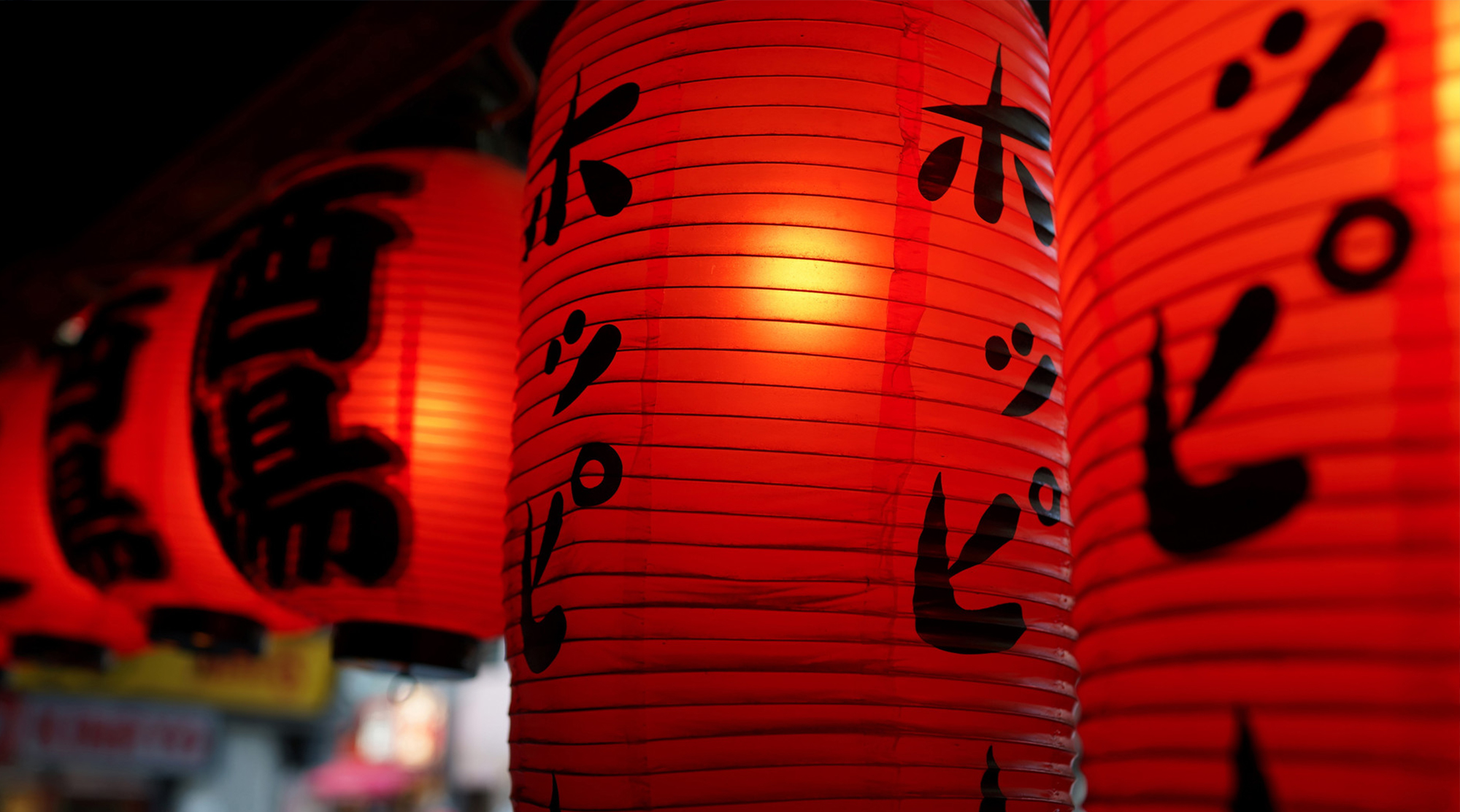
Known as “Book Town,” this time-worn neighbourhood of sinuous backstreets and alleys is packed with vintage shops selling books, prints and old movie posters. At Komiyama Book Store – opened in 1939 – get lost among four storeys of classic fashion books, magazines, posters, prints and photography books. Bohemian’s Guild specializes in books on art, photography, fashion and architecture from around the world, plus a gallery of paintings, sketches and calligraphy by writers, including Kenzaburo Oe.

Tucked away above one used bookshop is Curry Bondy, an intimate kissaten-style diner offering plenty of umami in local, Indian and French flavours – a surprising hidden culinary gem in a neighbourhood devoted to the written word.

Those who like their stories to have a happy ending should make a stop at the University of Tokyo, at the edge of Jimbocho. There, you’ll discover another statue of Shibuya Crossing’s Hachikō – this time, however, the loyal pup is joyously reunited with his beloved owner.

Your Journey Begins Here

What will you discover in Tokyo’s boundless energy?

Explore

The Wisdom of Water

Bathing isn’t just about cleanliness. From the moment we’re born, it becomes a ritual that bonds parents and children. And most cultures have ways of extending this practice to more people – siblings, friends, even strangers.

Traditions of “taking the waters” go back as far as the Neolithic Age. The Great Bath, for example, built around 2500 BC in what is now Pakistan, was probably used for religious purposes of purification and cleanliness.

Today, Russians still unwind in banyas, Japanese soak in onsen baths, and Eastern Europeans embrace the healing powers of mineral-rich water. One reason is obvious: It feels good.

But studies have also shown that settling into a nice bath can have health benefits. Exposing the body to different water temperatures and pressures can block pain receptors. And waters with mineral content are believed to soften the appearance of certain skin conditions, including psoriasis and eczema.

If you’re unaccustomed to public bathing, the idea of exploring this wellness-focused, communal activity can be intimidating. But don’t let that stop you.

“Not sampling the local bathing culture would be like not trying the local cuisine.” – Melisse Gelula, co-founder of Well + Good.

As for proper behaviour, common sense and good manners should stand you in good stead. If the room is silent, be silent. If it’s sociable, join in.

Still, sceptics should know that private, luxurious alternatives exist. Thanks to hotel spas that balance authenticity with customer comfort, these are more prevalent than ever before.

Whether you’re looking for a traditional experience or one that’s personal and private, these three different bathing cultures will flood you with desire to dip in soothing H20.

The Roman Empire is long gone, but European aristocrats have enjoyed the privilege of wallowing in the restorative waters of thermal springs and the sea for centuries. You too can do as the Romans did – in Paris, perhaps, or a little old spot near Prague.

The Czech spa town of Karlovy Vary has been a popular resort since medieval times. Guests enjoy à la carte thermal soaks or stays at “spa houses,” where prescribed treatments are given in various vitality pools, saunas, salt rooms and caldaria (hot baths).

The new AVA spa at Four Seasons Hotel Prague – a two-hour drive from Karlovy Vary – also centres on modern versions of historical practices, says Spa Manager Claudia Santos. The name AVA, she adds, is Celtic for “water.”

Here, guests may soak in a private bathtub – overlooking Prague Castle – in the spa’s Couple’s Suite. To fill that tub, they may choose either mineral-rich water like the “miracle mineral water” of Karlovy Vary, sulphurous water or water with high iron content.

Four Seasons Hotel Prague

Plunging into a hot spring isn’t the only way to go, especially if you’re fond of salt water. Therapeutic sea bathing got its start in the late 16th century, when various nobles such as King Henry III began vacationing on the Bretagne coast in northern France. In the 1800s, Empress Eugenie brought her court to summer in Biarritz, where they would take their dips, at prescribed times, in accordance with medical mediation.

Almost as early, scientific studies began to document its effectiveness at everything from accelerating the elimination of toxins to replenishing depleted calcium and phosphorus in the bones. And nearly everyone feels better after a swim in the sea.

The Spa at Four Seasons Hotel George V, Paris, channels this healing power by incorporating algae and other sea minerals into its body treatments. This way you can time your own tides.

Four Seasons Hotel George V, Paris

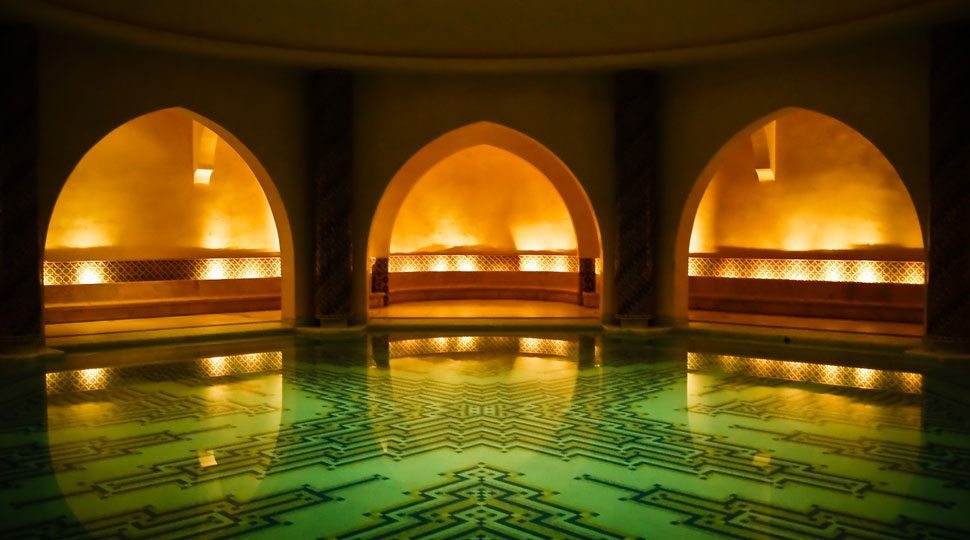
In the Roman Empire, public bathing was not just for rinsing off the grit but also for socializing and conducting business. Later, in the Ottoman Empire, this excellent idea gave rise to the hammam, where bathing rituals are used to celebrate major life events like weddings and births.

Today, hammams can be enormous and bustling. Almost always, they’re separated by gender. When trying out a traditional hammam, it’s best to bring your own supply of Moroccan black soap, an olive-based, spreadable soap that leaves skin unbelievably hydrated. But most locations sell samples, along with sandals and towels.

Four Seasons Resort Marrakech

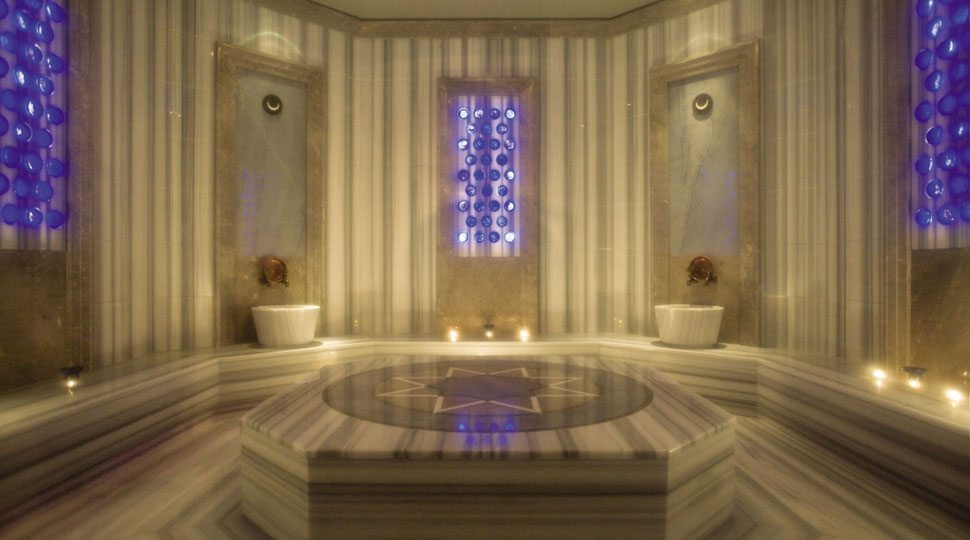
Four Seasons Istanbul and Four Seasons Marrakech offer hammams that are completely private.

At the centre is a giant marble slab, where guests recline and acclimate to dry or steamy heat, depending on the hammam. Meanwhile, they can look forward to an intense, full body scrub, which leaves skin feeling baby-soft. Traditionally, guests complete the scrubs themselves, or with help from friends or family.

“The hammam ritual is a venerated Moroccan tradition which has endured for centuries,” says Ouafaa Aboudya, the spa manager at Four Seasons Resort MarrakechThe Resort’s spa offers a luxurious, private version of the hammam and its signature scrubs designed for those who desire a calmer, less social experience.

The Resort’s ritual is performed in a steamy marble room full of Arabian lanterns, carvings and mosaics: A therapist gives guests the traditional black soap treatment with a mildly exfoliating kessa glove before applying a full body wrap of ghassoul (a naturally cosmetic clay) and argan oil, along with amber oil, sugar and beeswax.

Guests at The Spa at Four Seasons Hotel Istanbul at the Bosphorus can enjoy a similar experience. Unlike the lively traditional hammams, this one is fully private. Guests can savour exclusive moments by themselves, with a partner or with several friends. Here, therapists apply the soap with a kessa glove and then treat guests to a plush foam massage.

Four Seasons Hotel Istanbul at the Bosphorus

Japanese onsen: Soaking in peace


Japanese onsen

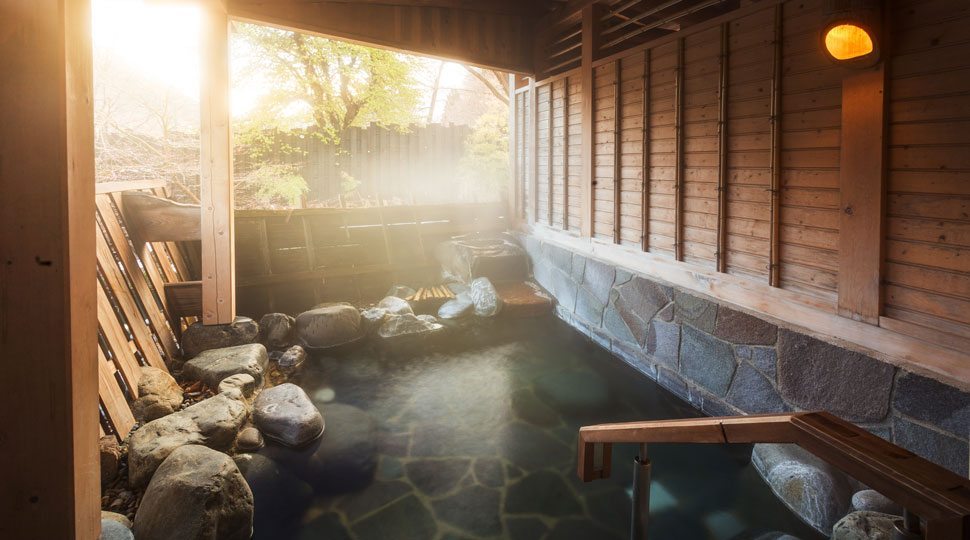
Step into a Japanese onsen to reconnect quietly with the natural world.

The Japanese have relished silent, meditative soaking in the abundant natural hot springs of their volcanic country for millennia. Dogo Onsen, for instance, is believed to be 3,000 years old.

The heat, the tranquillity and the scenery give rise to a sense of awe at the natural world. But onsen (a word for either a hot spring or an associated resort), have also served as important social levellers; historical texts describe springs as welcoming peasants, emperors and gods.

Traditionally, etiquette is quite strict – for instance, tattoos are still banned from many public onsen, due to their association with criminal behaviour in Japan.

“Many people do not have a good impression of tattoos,” explains Mami Kumoda, the Guest Experience Manager at Four Seasons Hotel Tokyo at Marunouchi. “They can intimidate people. Visitors might be unable to relax, which unfortunately defeats the purpose of visiting an onsen.”

Four Seasons Hotel Tokyo

Before entering a public onsen, guests are required to sit on one of its stools, rinse off and shampoo their hair. During this process, Kumoda says, it’s important to enjoy the moment quietly, without disturbing others. It’s also important to wash away all shampoo before entering any onsen’s waters.

“Onsen and their surroundings should remain as untouched as much as possible,” she says. “Hot spring water should only be from nature. Surroundings, minerals, temperature and colour all count toward the feeling of being one with nature at the onsen.”

Despite being indoors, the onsen at the Hotel feels as if it’s a part of the natural world. “Natural light floods a dimly lit area in both the men’s and women’s onsen,” she says. “Guests are able to escape here from the realities of their busy day-to-day lives. It allows anyone a moment to breathe and mediate. You won’t get distracted by anything here.”

Ultimately, the onsen at the Hotel enhances the age-old tradition of hadaka no tsukiai (socializing while naked). “It’s not easy to become open-minded in many situations,” Kumoda says. “The atmosphere of this particular onsen changes that.”

Your Journey Begins Here

Start planning your next spa escape.

10 Food Festivals Worth Travelling to Find

Of course you always seek out a seat at the best bars and restaurants when you travel. But for a deeper dive into the culinary scene of your chosen destination, align your trip with a food festival. From a multi-stage music fest showcasing the best of a city’s eats to gatherings focused on a particular regional dish, the stops on our smorgasbord tour abound with local cuisine and culture.


Palm Beach Food and Wine Festival

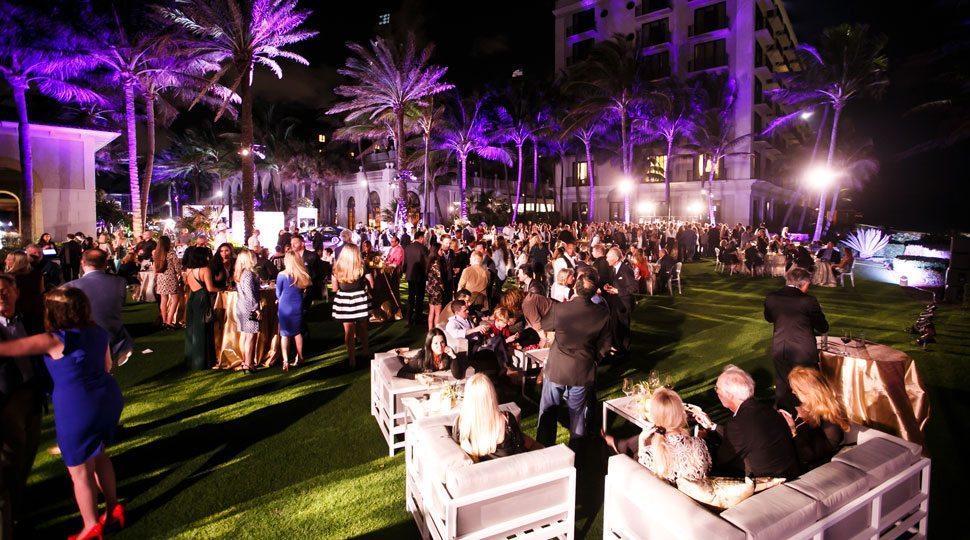
The Palm Beach Food and Wine Festival attracts culinary talent from around the globe.

Palm Beach Food and Wine Festival

As if Florida isn’t seductive enough in winter, the Palm Beach Food and Wine Festival adds yet another excuse to head South in December. This lauded culinary event attracts powerhouse chefs like Daniel Boulud, Mike Lata and the Sunshine State’s own Michelle Bernstein to a number of local venues, including festival home base
Four Seasons Resort Palm Beach. Beyond the capstone Grand Tasting, buoyed by book signings and the sounds of a DJ, there are multi-course wine-paired dinners revolving around themes such as sustainable seafood and modern Southern cuisine.

Four Seasons Resort Palm Beach

Big Apple BBQ

Every June for the past 16 years, 16 top pitmasters from California to New York have taken over Madison Square Park for a two-day-long backyard barbecue right in the middle of Manhattan. Meat and smoke are the main ingredients for the Big Apple BBQ, which will be relocating elsewhere on the island in 2019 (no word yet). The venue may be changing, but greats such as Sam Jones, Rodney Scott and John Stage will no doubt still be prodding the fire. Move from tent to tent sampling Eastern Carolina pulled pork sandwiches, St. Louis–style ribs, Texas brisket and jalapeño-tinged sausage. Serious foodies who want to talk shop with their BBQ heroes know to swing by Thursday night when the mouthwatering aroma of hot coals and slow-roasting swine starts to fill the air. Can’t muster the motivation to move after the feast? Both
Four Seasons Hotel New York and Four Seasons Hotel New York Downtown are just a cab ride away.

Four Seasons Hotel New York

Tokyo Ramen Show

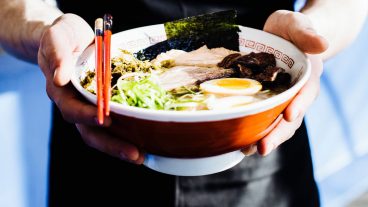
For 11 days in October/early November, the many flavours and styles of Japan’s most buzzworthy noodle soup come together at the Tokyo Ramen Show in Komazawa Olympic Park. The steaming comfort food comes not just from Tokyo purveyors, but from ramen makers in Hokkaido, Kagoshima and everywhere in between. Make Four Seasons Hotel Tokyo at Marunouchi your home base, and stay awhile: 18 vendors ladle soup for the first six days and an entirely new cast takes over for the final five. Ramen is known for its wildly varied flavours and ingredients, which differ from city to city, town to town. You can taste for yourself a kaleidoscope of regional variations like miso-based broth with horsehair crab and dashi with dried bonito flakes and sea kelp. And don’t miss the mash-ups – ramen shops collaborating with one another to create completely new dishes only available here.

Four Seasons Hotel Tokyo


View this post on Instagram


A post shared by Outside Lands (@outsidelands)

Outside Lands

Gone are the days of sad and soggy music festival fare. Melon salad, Malaysian lamb curry, samosas and stir-fried veggie glass noodles are among the menu choices when 70 or so of San Francisco’s best restaurants set up al fresco kitchens at the Outside Lands music festival in August. About a dozen food trucks are on hand, as well as, in true California fashion, a Cypress Grove pop-up slinging artisan cheese plates. Oh, and there’s music too: If you like your meals paired with the stylings of Florence & The Machine, The Weekend, Beck and Bon Iver, this fest’s for you. Rest and recover at the centrally located Four Seasons Hotel San Francisco.

Four Seasons Hotel San Francisco


View this post on Instagram


A post shared by Holly Jones (@thevinogirl)

Chef Fest, Hawaii

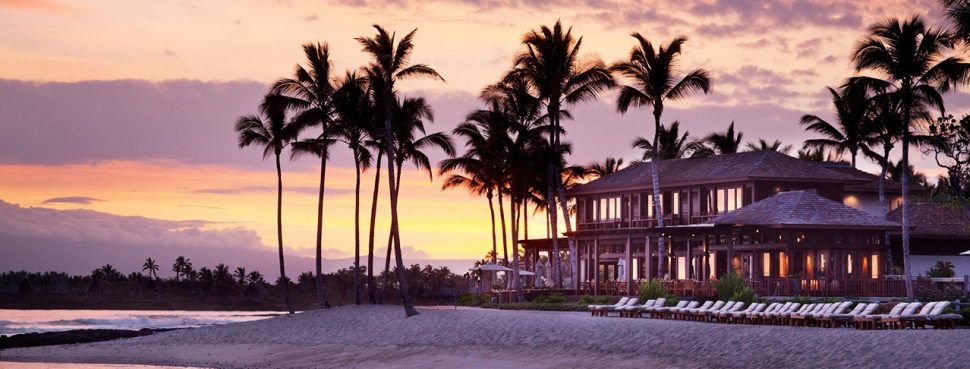
If cosying up to an intimate group of all-star chefs in one of the most exquisite natural settings in North America is your idea of a memorable holiday, make your way to
Four Seasons Resort Hualalai in October for Chef Fest. Interactive cooking classes with such experts as Hugh Acheson, Brooke Williamson and Andy Ricker at the Resort’s outdoor kitchen are the main draw, but beach cookouts, al fresco tastings with local farmers and pre-brunch paddleboarding excursions further enhance the tropical environs. Treat yourself to the cocktail showcase at the Resort’s Palm Grove Pool and toast to the most tasteful of beach getaways.

Four Seasons Resort Hualalai


View this post on Instagram


A post shared by Salon du Chocolat (@salonduchocolat)

Salon du Chocolat, Paris

Held each fall at the Porte de Versailles expo centre about 15 minutes from
Four Seasons Hotel George V, Paris, Salon du Chocolat is one of several such shows around the world – but this one’s in Paris, a city famous for its sophisticated confections. The truffles and ganache here are enough to exhilarate any chocophile, but the centrepiece is the Salon’s unusual fashion show: Designers and chocolatiers collaborate on haute-couture outfits embellished with or delicately spun from chocolate.

Four Seasons Hotel George V, Paris

Prague Food Festival

Chances are a visit to Prague will lead to its majestic castle, a ninth-century marvel that is home to St Vitus Cathedral and the Renaissance-era Royal Garden. Here, just across the Vltava River from Four Seasons Hotel Prague, the Prague Food Festival unfolds each May. Don’t pass up a chance to consume the best dishes from Czech chefs – steak tartare and lamb ragout with bread dumplings, or perhaps sushi or empanadas – with the added zest of a fairy-tale dining spot.

Four Seasons Hotel Prague


Taste of Sydney

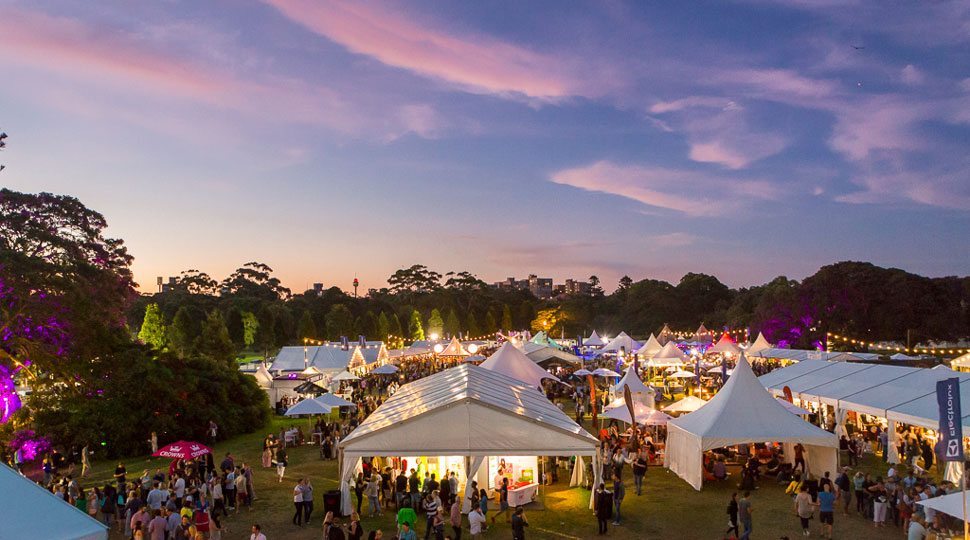
Taste of Sydney pairs delicious bites with an al fresco setting.

Taste of Sydney

For four days in early March the all-encompassing Taste of Sydney festival takes over Sydney’s verdant Centennial Parklands, minutes from Four Seasons Hotel Sydney. Wine tastings and demos in butchery and baking add an interactive element, and an artisan marketplace of locally made ingredients and wares means you can savour the festival long after it’s over. More than 60 dishes from notable Sydney chefs like Mark Best and Nelly Robinson are the main attraction. Sample barbecued octopus, shrimp toast okonomiyaki and lamb skewers, then retreat to a glamping tent with a glass of Sauvignon Blanc from the Adelaide Hills.

Four Seasons Hotel Sydney


Desserts at Dubai Food Festival

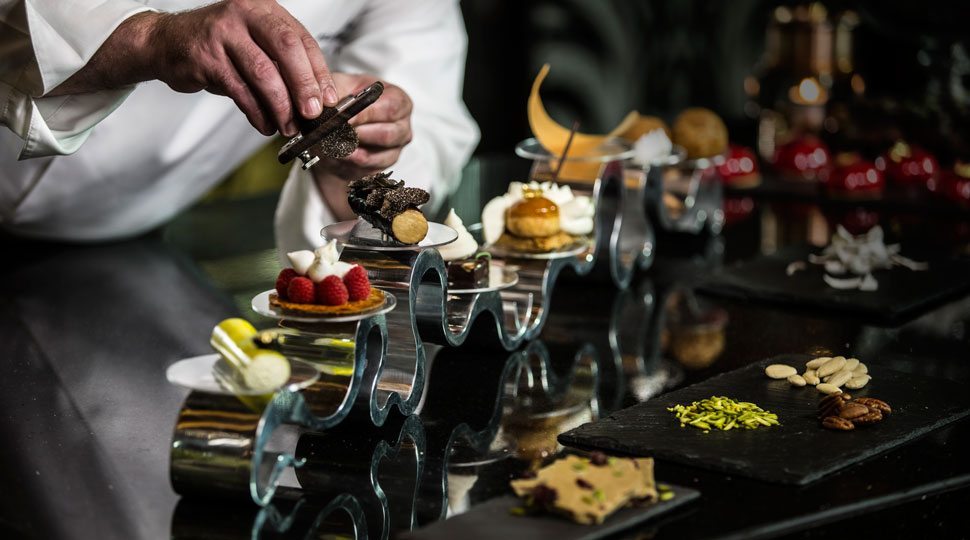
A chef prepares miniature desserts at the Dubai Food Festival.

Dubai Food Festival

The Dubai Food Festival in February and March reflects the city’s rich diversity, attracting chefs like Jun Tanaka, Nikita Gandhi and Tim Read. Throughout the celebration, at various locations near Four Seasons Resort Dubai at Jumeirah Beach and Four Seasons Hotel Dubai International Financial Centre, local restaurants roll out limited-edition menus sure to evoke extreme Instagram envy. Sit down in one of their dramatic dining rooms, or head to a food truck or al fresco pop-up at the festival’s Etisalat Beach Canteen. Learn a little something at a chef master class, tour an urban farm and nosh at a street food bazaar – all part of this robust 17-day event.

Four Seasons Resort Dubai at Jumeirah Beach


View this post on Instagram


A post shared by Ubud Food Festival (@ubudfoodfest)

Ubud Food Festival

From tofu to turmeric, the Ubud Food Festival – sister event to the Ubud Writers & Readers and Bali Emerging Voices festivals – puts Indonesia’s vast culinary landscape front and centre each April. Start by reading the story of the woman who adopted Bali as her home and launched this annual festival, located minutes from Four Seasons Resort Bali at Sayan. Then master macarons with Bali’s Prince of Pastry, Rafi Papazian; make the healing herbal drink jamu; cook with clay pots and wood-fired stoves in a traditional paon (Balinese kitchen); and breathe deeply at a fiery sambal cook-off. Beyond the kitchen, consider the intro course on Indonesian language and culture, led by an instructor from the Cinta Bahasa Indonesian Language School.

Four Seasons Resort Bali at Sayan

YOUR JOURNEY BEGINS HERE

Explore the culinary delights at your next destination.

Four Seasons Resort Hualalai

Your Ticket to the World’s Most Epic Culinary Adventure

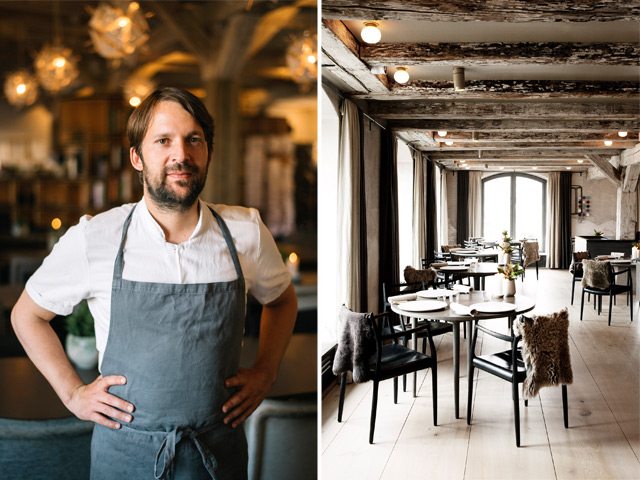
Noma is considered by many to be the world’s most influential restaurant. In 2017, the Copenhagen restaurant’s team and Four Seasons partner for a nine-city, 19-day, once-in-a-lifetime Private Jet journey. Noma Chef René Redzepi curated the food tourism itinerary to connect guests with his culinary friends around the world.

Look behind the scenes


Noma Kitchen Copenhagen

One of two Four Seasons Private Jet Experiences available in 2017, the Culinary Discoveries trip introduces guests to top chefs and producers for discussions, foraging expeditions, cooking classes, communal meals and street-food adventures – each experience designed to reveal something not only about the destination’s culinary heritage, but about its culture.

As with every Four Seasons Private Jet Experience, the in-air services and amenities – from the hand-stitched Italian leather flat-bed seats to the latest vintage of Dom Pérignon – are unbeatable, helping to make the journey as enjoyable as the destinations.

SEOUL | May 27–29, 2017

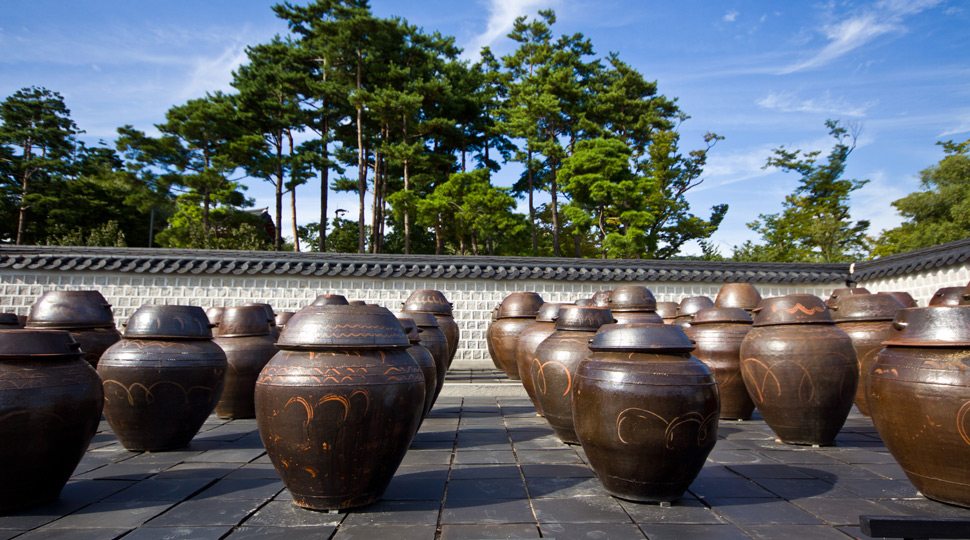
In this burgeoning food destination, the journey begins with a truly exclusive experience: dining at the home of Chef Jong Kuk Lee, a pioneer in the city’s farm-to-table movement. Lee was trained as a painter, but his passion for authentic Korean food has made him a self-taught master of traditional cooking and fermentation. Although he’s more likely to shy away from a spotlight than to seek one out, he has gained renown among those in the know. “I’ve personally been to his home for dinner, and it’s a very sought-after experience,” Redzepi says.

The next day, guests will visit Mount Bukhan and Jin-Kwan temple for a private demonstration of the centuries-old practice of creating temple food – meals designed to enhance meditation. A trip to the pioneering “New Korean” restaurant Jungsik, noted as the first restaurant to apply molecular gastronomy to Korean ingredients, rounds out your time in Seoul.

Between outings, guests will find that Four Seasons Hotel Seoul mirrors the city’s intoxicating mix of venerable history and modern sensibility. Here, Noma Managing Director Peter Kreiner will begin the conversation series with insights into innovation and creativity at Noma. As managing director, Kreiner has created a business model that prioritises the kitchen staff’s inventiveness and the guest’s experience. That deep respect for artisanship has proved wildly successful for Noma, and it is a value widely embraced in Korea.

TOKYO | May 29–June 1, 2017

In 2015, the entire Noma team, along with their families, moved to Japan for six weeks to open a pop-up restaurant with an entirely new menu, new ingredients and new techniques. The Tokyo stop invites guests to see the city the Noma way, from foraging in the city’s outskirts to attending a private dinner with Chef Namae Shinobu at his Michelin-starred L’Effervescence.

For me, Japanese cuisine is on par with all of the greatest cuisines of the world. The range of food, the culinary traditions and the products are amazing. – René Redzepi

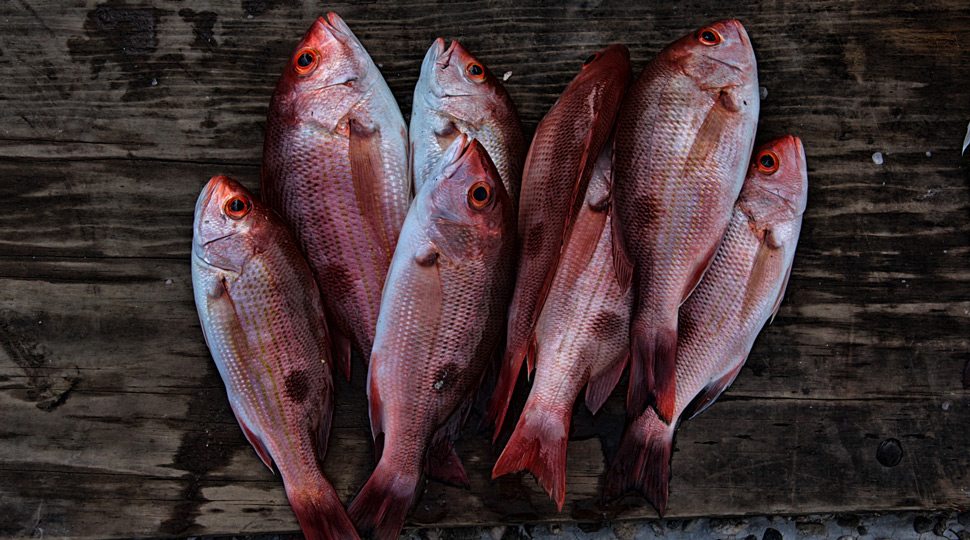
Here, you’ll get to explore the famous Tsukiji fish market, one of the largest in the world. “The best fish market I’ve seen is the one in Tokyo,” Redzepi says. “When you go to good ones – the ones that have all of the weird creatures that are in the ocean – it’s like watching a documentary of all of the shapes, sizes and colours of the ocean.”

From Four Seasons Hotel Tokyo at Marunouchi, venture out to visit a Redzepi favourite, Switch Coffee, or take a private samurai sword-fighting lesson with the choreographer for the movie Kill Bill. Redzepi hasn’t tried the latter yet; he jokes, “I don’t think knife skills in the kitchen would get you very far in a sword fight.”

HONG KONG | June 1–3, 2017

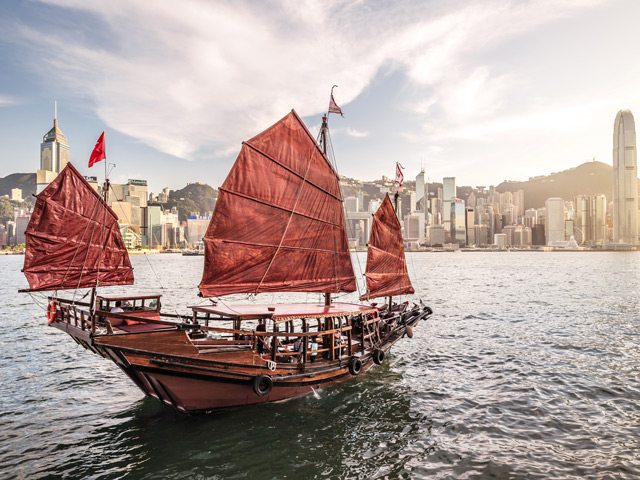
Hong Kong is the perfect next “course.” Although the city moves fast, Four Seasons Hotel Hong Kong is a luxurious getaway, with stunning views of Victoria Harbour, Kowloon and the mountaintop known as the Peak. Enjoy dim sum at the Hotel’s three-Michelin-starred Lung King Heen, cocktails in a red-sail junk boat and a traditional banquet with a whole suckling pig at Fook Lam Moon. “I’m personally very excited about Hong Kong, as it’s a place I’ve always wanted to go,” Redzepi says.

Excitement is certainly on the menu at Bo Innovation, where Chef Alvin Leung, Jr., hosts an “X-treme Chinese Dinner” to immerse you in the avant-garde intersection of molecular gastronomy and modern Chinese cuisine. Get a taste of more traditional local cuisine and culture with a visit to the labyrinthine market to purchase ingredients like dried seafood or the spiky-skinned durian fruit, or to grab a quick bite of roast chicken and an ice-cold beer.

CHIANG MAI | June 3–6, 2017

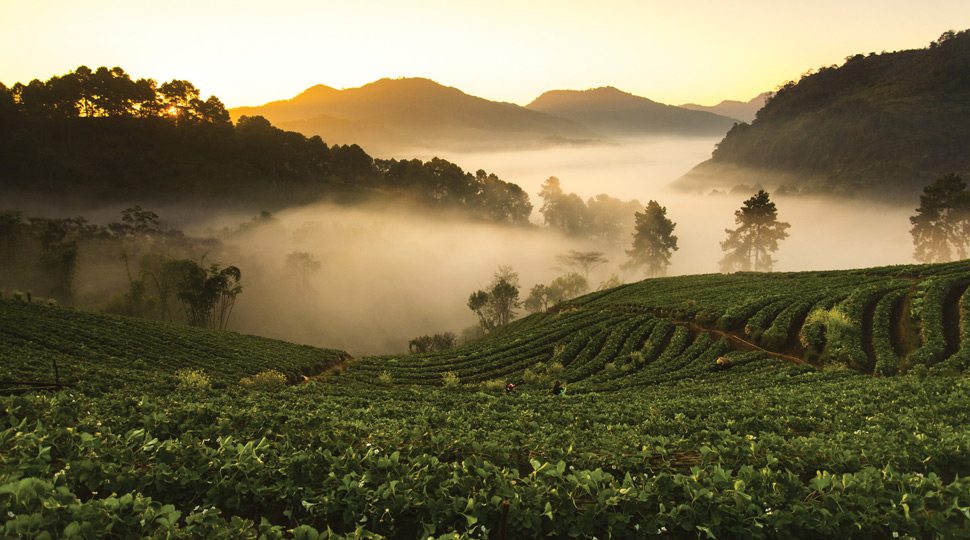
Four Seasons Resort Chiang Mai, surrounded by a lush mix of jungle and mountains, offers a distinct change from the urban destinations. Former Noma Chef Garima Arora, whom Redzepi describes as “one of the super talents that has been through our kitchen,” joins the group here for a meal and a visit to a Royal Project farm to see sustainable farming models under development in Thailand. The Royal Project is an initiative of the king’s to replace opium farming with agricultural production that provides far-reaching economic and social benefits to the communities in the country’s highland areas.

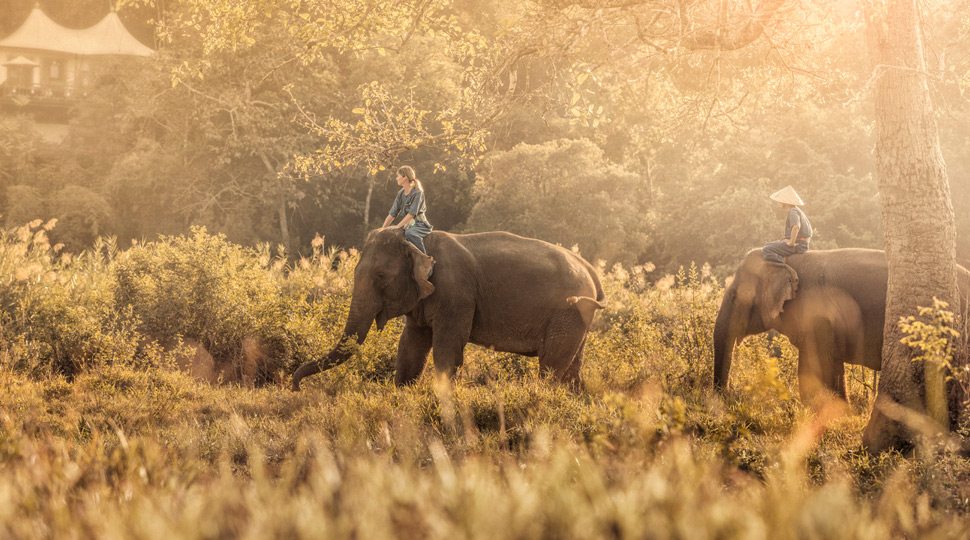
Guests will begin their stay in Chiang Mai with an elephant excursion to a nearby village, and at the end of the first day they will embark on another local adventure: the nightlife. Bo.Lan restaurant founder Duangporn “Bo” Songvisava, recently named one of Asia’s best female chefs, hosts a “Not Your Average Curry” dinner and a night on the town.

MUMBAI | June 6–8, 2017

Arora, originally from Mumbai, joins the journey here too. “I wanted her to become one of the lead managers in the kitchen at Noma, but alas, she was homesick,” says Redzepi – and this colourful and flavour-filled conclusion to the Asian portion of the adventure will explain why.

Guests can head out from Four Seasons Hotel Mumbai to find some of the most innovative street food in the world. Arora leads guests through Crawford Market to sample kebabs, mutton biryani and other beloved dishes, and then leads them through the preparation (and enjoyment) of a meal of traditional Indian food. Back at the Hotel, cocktails and conversation await: Noma Chairman Marc Blazer will share his thoughts on the behind-the-scenes workings of Noma as a global business model.

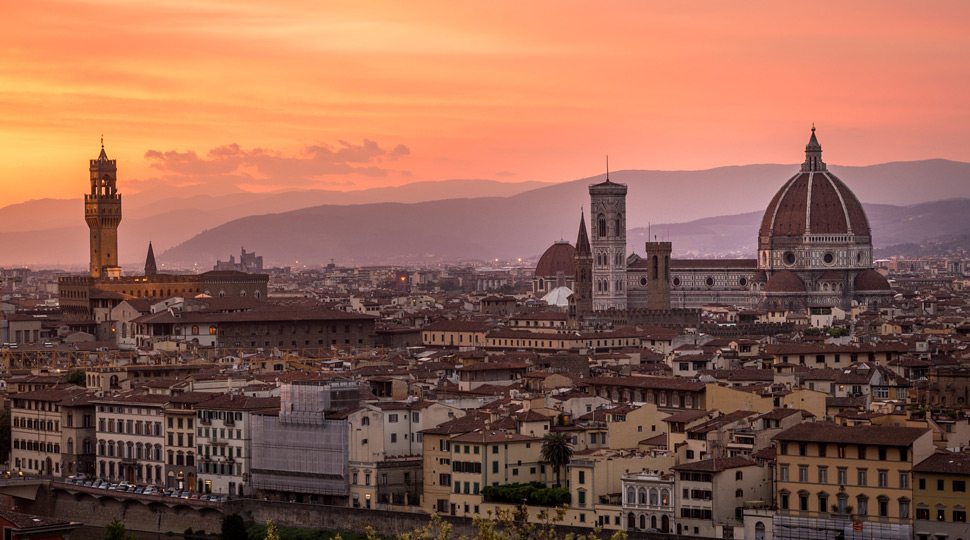
FLORENCE | June 8–10, 2017

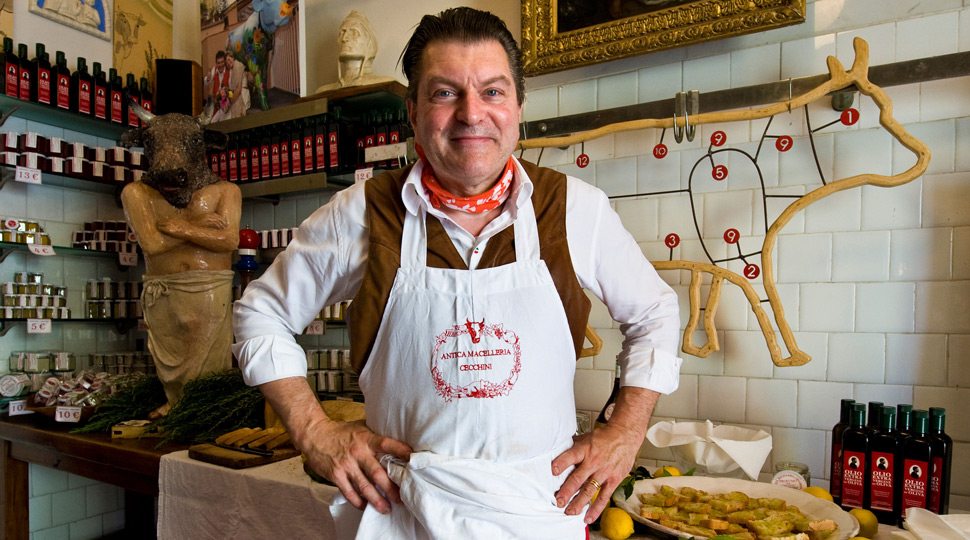
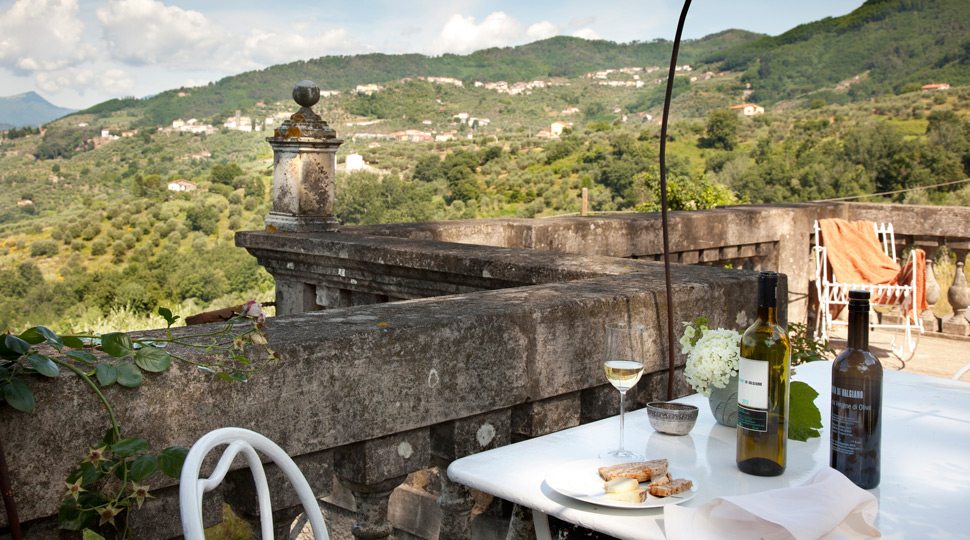
From an optional day trip to Damiano Donati’s bistro in Lucca to a deep exploration of history and terroir at Tenuta di Valgiano winery, together Noma and Four Seasons Hotel Firenze present the best of Tuscany. Meet a member of the extended Noma family: eighth-generation butcher Dario Cecchini in Chianti. “Dario comes from an amazing tradition of craft and skill, something that is increasingly rare these days,” Redzepi says. “There is always something to learn from him through watching and appreciating his craft.”

Your time in Florence includes a tour of the city to see such landmarks as the Duomo museum and the Uffizi Gallery, and a private opening of the Galleria dell’Accademia to see Michelangelo’s David. On the way back to the airport, you’ll stop to hunt truffles – a perfect final souvenir of your time in Florence.

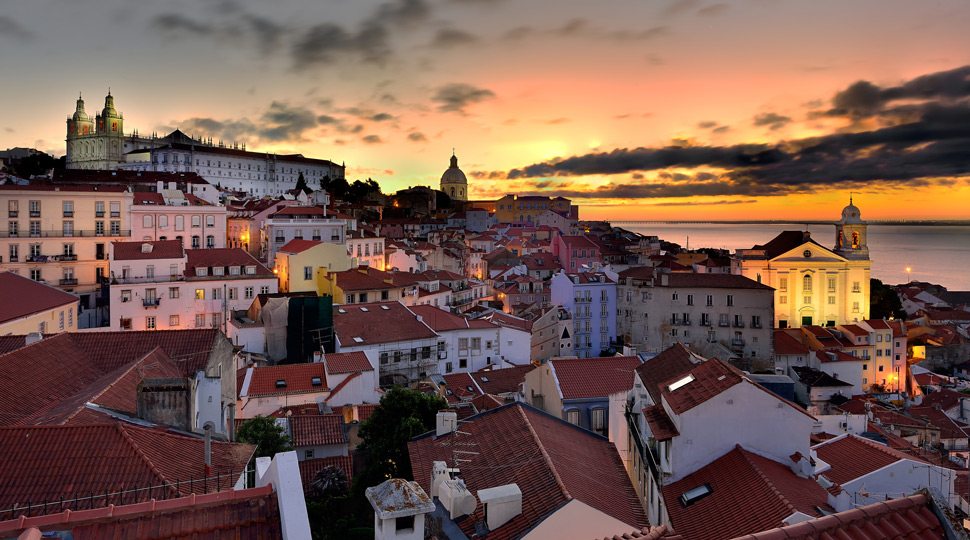
LISBON | June 10–12, 2017

See how a seafood-rich culinary tradition has evolved into something new and exciting with the influence of neighbouring cultures. Join acclaimed Chef Nuno Mendes for a petiscos dinner, much like Spanish tapas; he can also introduce you to Lisbon’s nightlife and the street food that sustains it.

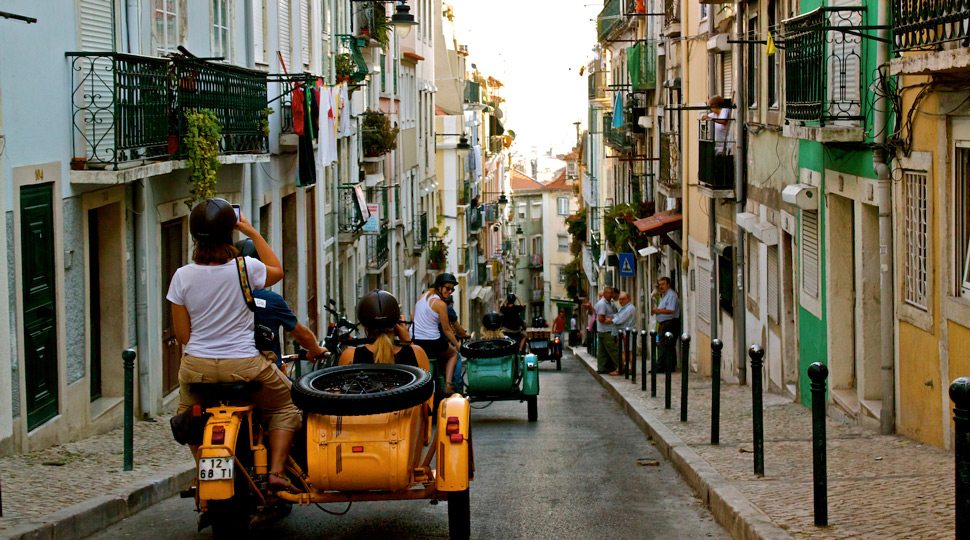
From Four Seasons Hotel Ritz Lisbon, depart in a motorcycle sidecar for the Hotel’s Extraordinary Experience – a tour with a professional photographer who gives guidance on how to capture the best images of Lisbon’s most impressive miradourous (sites). A customised Street Art Tour reveals large-scale murals created by local and international artist collectives.

The last night in Lisbon concludes with a gala dinner at Belcanto, José Avillez’s two-Michelin-starred restaurant in the historic Chiado district.

COPENHAGEN | June 12, 2017

Redzepi welcomes the group to Copenhagen for a truly special Noma experience. Up until its final night of service on February 24, monthly reservation requests at Noma’s original location numbered around 100,000. Getting a seat at the Noma table has historically been a nearly impossible feat, and Noma’s new urban farm location is expected to be just as in-demand when it opens this summer.

Guests on this journey will forage with the Noma team for ingredients like samphire and beach coriander, and share aperitifs on the beach. And during an intimate conversation, Redzepi will take guests through the evolution of Noma from a modernist formal dining setting to its next incarnation.

PARIS | June 12–14, 2017

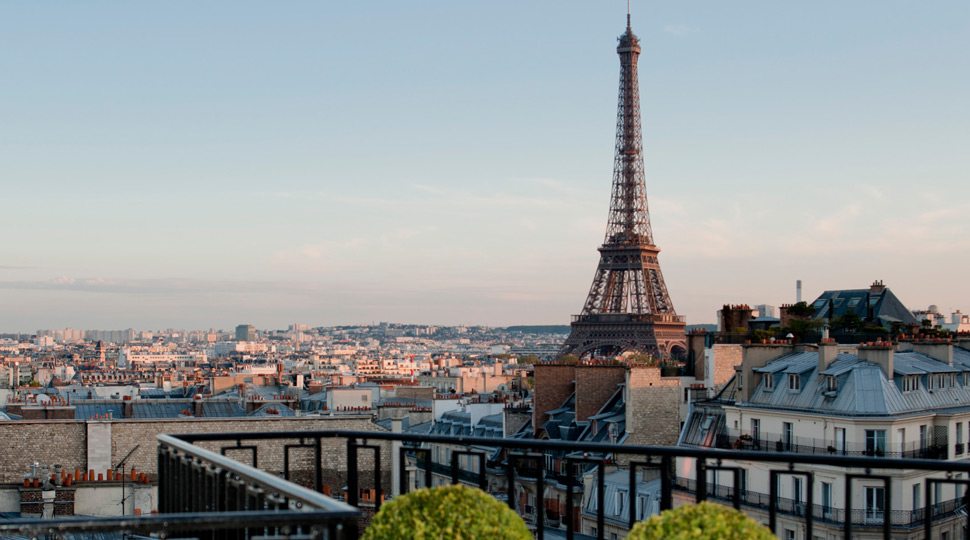
The trip ends in Paris with a stay at Four Seasons Hotel George V, Paris. Redzepi is excited about Parisian food right now: “Paris is very much at the forefront of what’s called ‘bistronomy,’ a sort of mix of fine dining and a bistro. It’s a new type of restaurant with a new comfort feel to it, but the food being very focused and not driven necessarily by traditional foodstuffs like a normal bistro is.”

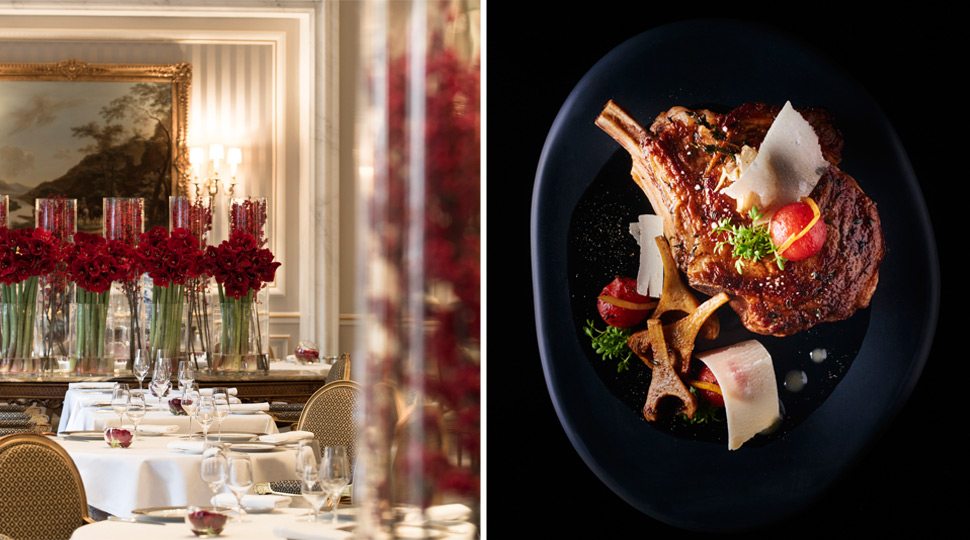
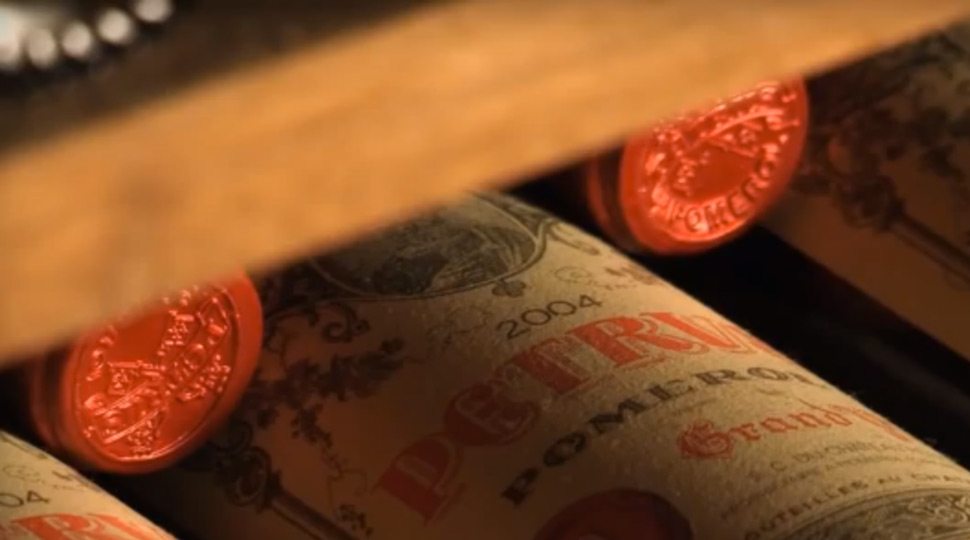
Noma offers a curated list of the team’s favourite Parisian eateries to explore. At the Hotel, guests on this journey will visit La Cave, the historic 50,000-bottle wine cellar. And on the final night in Paris, the Hotel’s own three-Michelin-starred Le Cinq, led by Chef Christian Le Squer, is the perfect spot to toast your adventure and enjoy a farewell dinner.

YOUR JOURNEY BEGINS HERE

Select one of the destinations on the Culinary Discoveries itinerary to learn more

Woman with Four Seasons tree logo

The Best Golf Courses in Asia: From Singapore to Shenzhen

Golfers travelling throughout the West often take it for granted that luxury resorts offer access to quality golf courses, an amenity as common in some regions as spas or swimming pools. But this has not been the case in many parts of the world—until now.

Golf is booming in areas relatively new to the sport, especially across Asia. According to the Royal & Ancient Golf Club of St Andrews, an organization known globally as the keepers of the game, there are more courses currently under development and construction in Asia than in any other continent—207 of them, in fact. China and South Korea are seeing the fastest growth, with the latter especially notable for the rapid proliferation of cutting-edge indoor golf simulators in addition to conventional courses.

With the golf boom in full swing (pun intended), we’ve found the best golf courses in Asia for lovers of the game from beginner to pro.
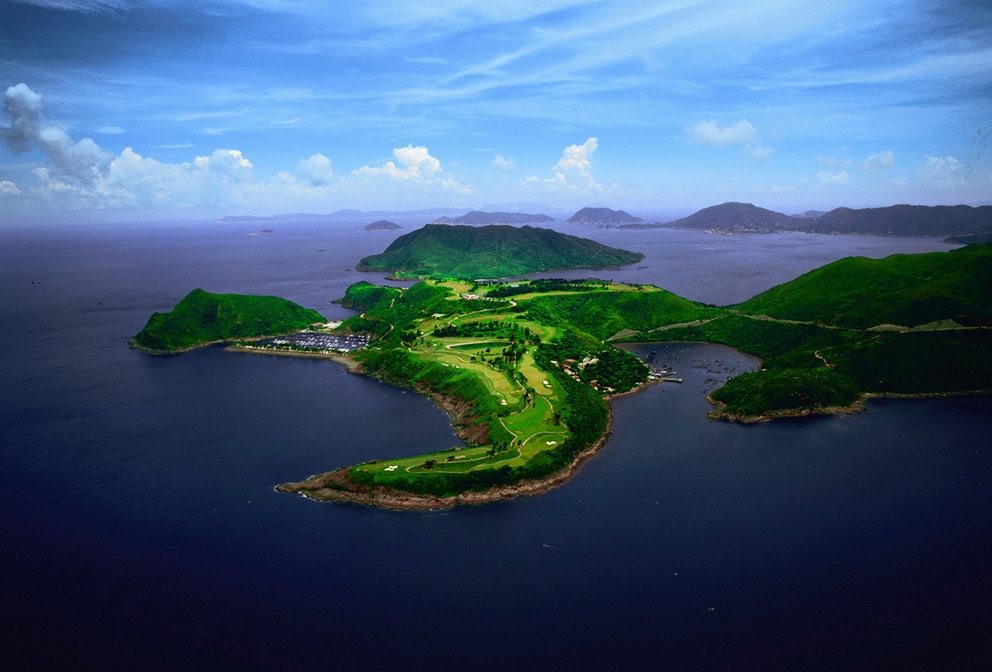
Seaside perfection in Hong Kong: The Clearwater Bay Golf and Country Club 

It was originally envisioned in the mid-1960s, but it took architects over a decade to transform a rocky, hilly site into the Clearwater Bay Country Club.

Originally envisioned in the mid-1960s, it took architects over a decade to transform a rocky, hilly site in Hong Kong into the Clearwater Bay Country Club. Photography courtesy The Clearwater Bay Golf & Country Club

There are several good golf clubs in Hong Kong, but The Clearwater Bay Club is the most dramatic. Sometimes called “Hong Kong’s Pebble Beach,” thanks to its unrivalled seaside location on a fishhook-shaped peninsula jutting into Clearwater Bay, it’s worth a visit for the views alone.

Most of the highest-ranked courses in Asia are located along this coast, and for good reason. The setting led Asian Golf Monthly to name The Clearwater Bay Golf and Country Club the best course in Hong Kong, while Golf Digest picked two of the holes—the third and 14th—for its list of the 38 best in all of China. The club has more than 3,000 international members from all over the globe, and though the course was built in 1982, it just underwent a renovation of all the greens and is in better shape than ever. It lies roughly a half hour from Four Seasons Hotel Hong Kong, and the Concierge would be happy to assist in arranging a tee time.
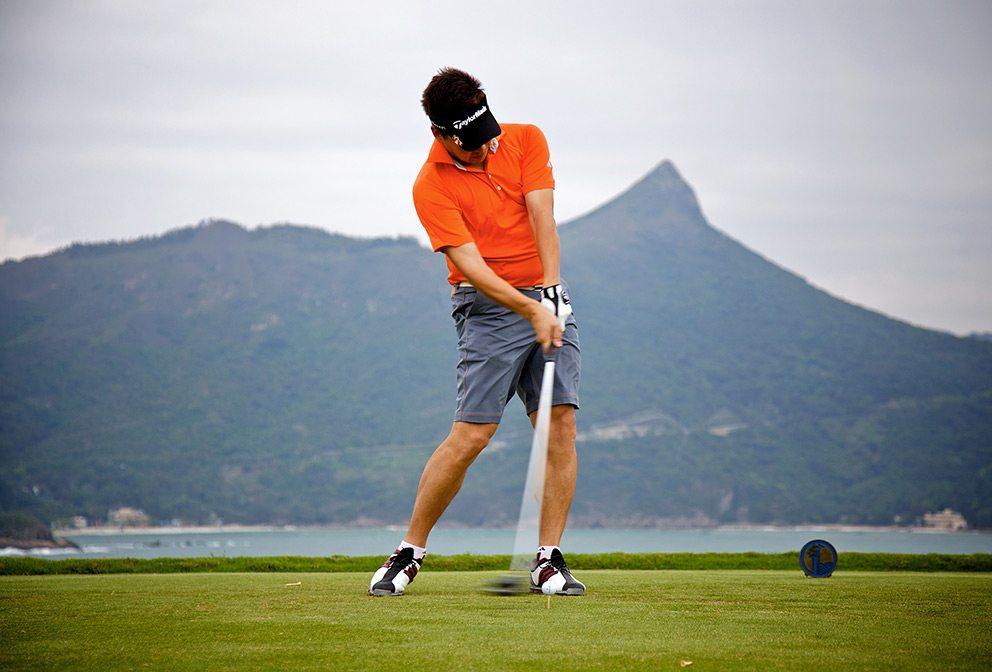
With rocks and water guarding the right side of the course, the third hole at Clearwater Bay is one of the most picturesque and demanding in Asia.

With rocks and water guarding the right side of the course, the third hole at Clearwater Bay Golf and Country Club in Hong Kong is one of the most picturesque and demanding in Asia. Photography courtesy Tomo Bystedt
The most scenic course in Malaysia: The Els Club Teluk Datai in Langkawi 

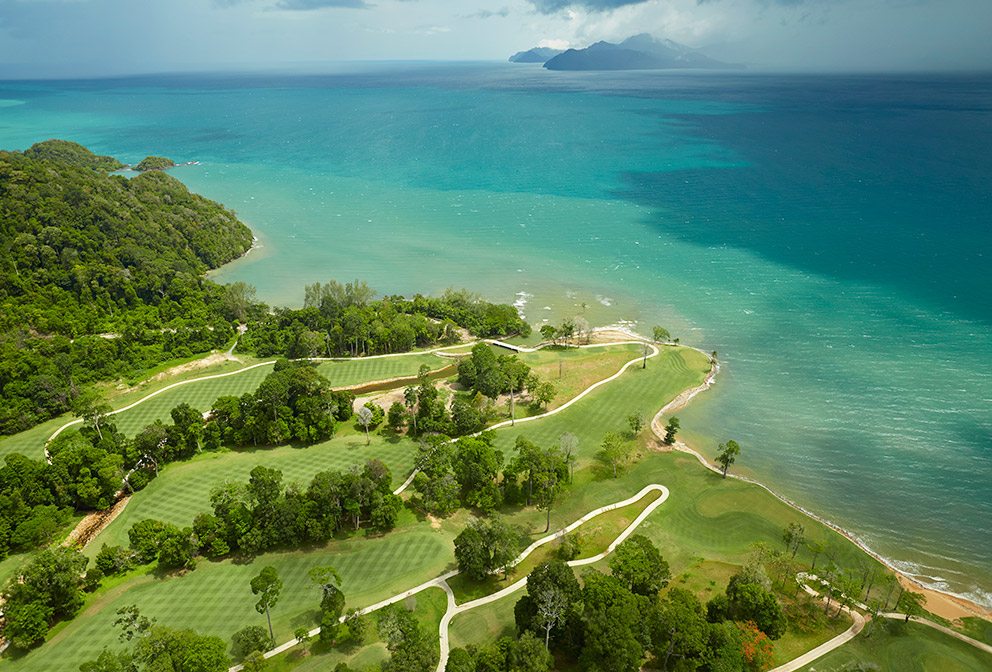
One of the most stunning courses in the world, the 6,750-yard course at The Els Club Teluk Datai meanders through centuries-old rain forest down to turquoise waters.

One of the most stunning courses in the world, the 6,750-yard course at The Els Club Teluk Datai meanders through centuries-old rain forest down to turquoise waters. Photography courtesy Els Club Malaysia

Four-time major winner Ernie Els has quietly carved out a niche as one of the world’s best players-turned-designers, with courses around the globe. He recently launched a line of even higher-end golf facilities, the Els Clubs, which reflect his personal taste in everything from clubhouse style to menu. (There are three so far.)

Set within an 8,000-acre (3,200-hectare) nature preserve, The Els Club Teluk Datai was named by the World Golf Awards as Malaysia’s most scenic course immediately upon opening. It runs through ancient rain forest and down to the very edge of the Andaman Sea, where the penultimate hole is the course signature, a par-3 across a rocky ocean inlet.

The course features an abundance of tropical flora, teems with monkeys and is managed by Troon Golf, a worldwide leader in luxury golf service and course maintenance. Carts are included in green fees, and caddies are available as an option. The Concierge at Four Seasons Resort Langkawi is happy to arrange tee times.
The best golf course in Indonesia: Nirwana Bali Golf Club

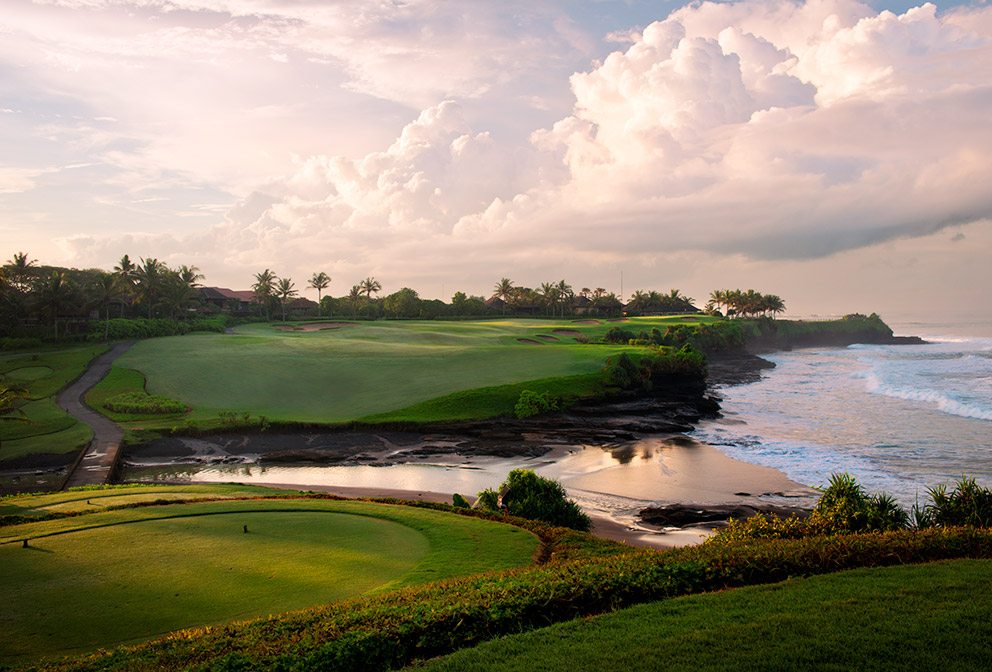
Flanked by the rolling surf of the Indian Ocean, the 13th hole at Nirwana Bali Golf Club is deceptively difficult.

Flanked by the rolling surf of the Indian Ocean, the 13th hole at Nirwana Bali Golf Club is deceptively difficult. Photography courtesy Pan Pacific Nirwana Bali Resort

To give the top-ranked course in Indonesia a real sense of place, star designer and golf legend Greg Norman used rice paddies for the rough and set three holes on a clifftop overlooking the Indian Ocean. The signature seventh does not merely play across crashing surf, but is also uniquely framed by one of the most important temples on the island, Tanah Lot, rising from a hillside behind the green.

Besides rice paddies, the course includes streams, jungle and ravines, running down to the beach and up to the cliffs. It is one of just 10 courses in all of Asia ranked in the world’s Top 100 by Golf Digest. Caddies help first-time visitors navigate the gorgeous layout, and many players immediately book a second round upon finishing. Located an hour south of Four Season Resort Bali at Sayan, this course is well worth the drive.
Designed by pros in Shenzhen: Mission Hills Shenzhen Golf Club

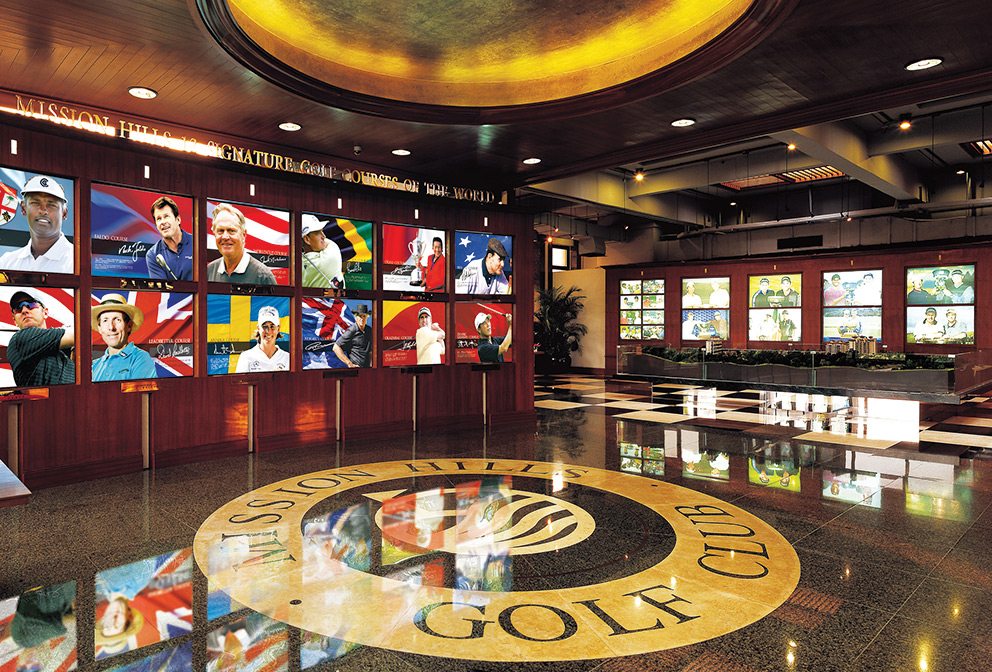
Mission Hills Shenzhen Golf Club Clubhouse

The 300,00-square-foot Mission Hills Shenzhen Golf Club Clubhouse is the nerve centre of the Mission Hills complex, featuring a pro golf apparel shop, dining facilities, lounges, a foot reflexology centre and a spa. Photography courtesy Mission Hills Golf Club

Bigger is not always better, but at one of the world’s largest golf resorts, Mission Hills in Shenzhen, it is. There are seven world-class courses by top architects and champions here, all within easy reach of Four Seasons Hotel Shenzhen, or as an overnight trip from Hong Kong. Designers include Jack Nicklaus, Pete Dye, Vijay Singh, Jumbo Ozaki, Nick Faldo, Ernie Els and the first Chinese golfer ever to compete at the Masters, Zhang Lianwei.

The Nicklaus-designed World Cup Course, a daunting near–7,300 yards, was the first in China to be accredited by the US PGA Tour to hold major international professional competitions. Tiger Woods to Greg Norman have competed here, and the course hosted the 1995 41st World Cup of Golf.

Among recreational golfers, the Faldo course has proved the most popular at the complex, thanks to its signature island green hole and a secluded location apart from the others. Caddies are available on all Mission Hills courses, and all 2,500 of them happen to be women. Book a tee time through the Concierge at the Hotel, the ideal hub for exploring golf in southern China. 

History and prestige in Japan: Tokyo Golf Club
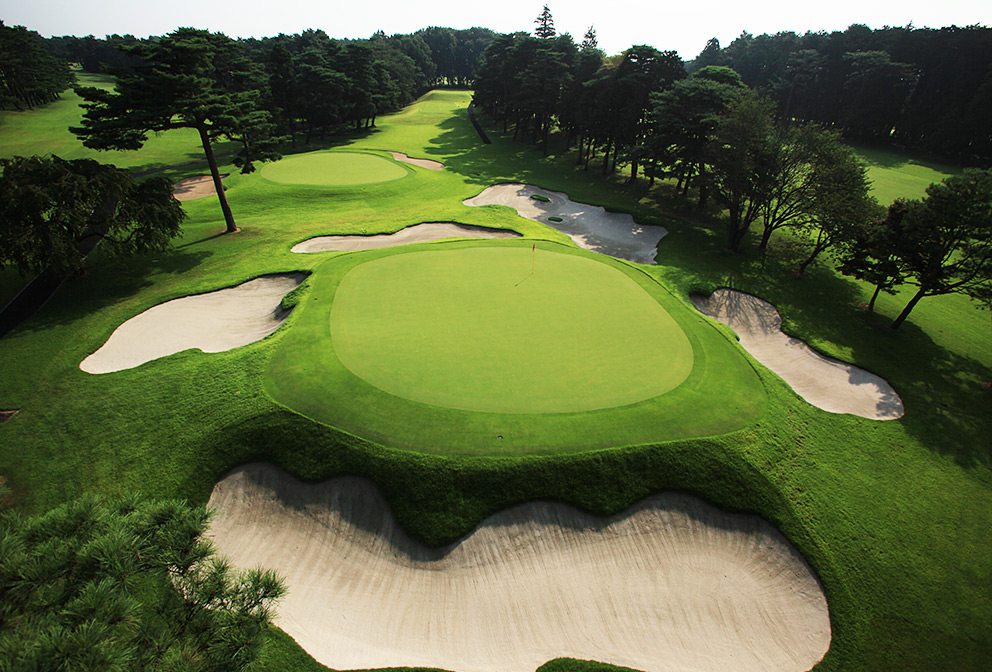
Tokyo Golf Club Aerial - Course & Bunkers - Hole #17

Alison-designed courses such as the Tokyo Golf Club are noted for their vast, irregularly shaped bunkers dug well below the surface of small, elevated greens. Photography courtesy Tokyo Golf Club

Japan has more courses than any country in Asia, but this is the capital’s oldest and most prestigious club, dating back over a century. With a classic parkland design, its immaculate fairways are flanked by towering red oaks and feature deep, intimidating bunkers. Though it’s not long, there is more than enough challenge here, and the course regularly hosts the Japan Open and Japanese Amateur.

It was originally designed by Scottish Golden Age legend Charles Alison, but his routing was torn up during World War II, and the course was rebuilt differently, with the daunting “Alison bunkers” included to honour the creator’s original layout and style. Located in Sayama, just over an hour from Four Seasons Hotel Tokyo at Marunouchi, it’s among the most convenient of all the Tokyo area courses.

Highest ranked course in Singapore: Sentosa Golf Club
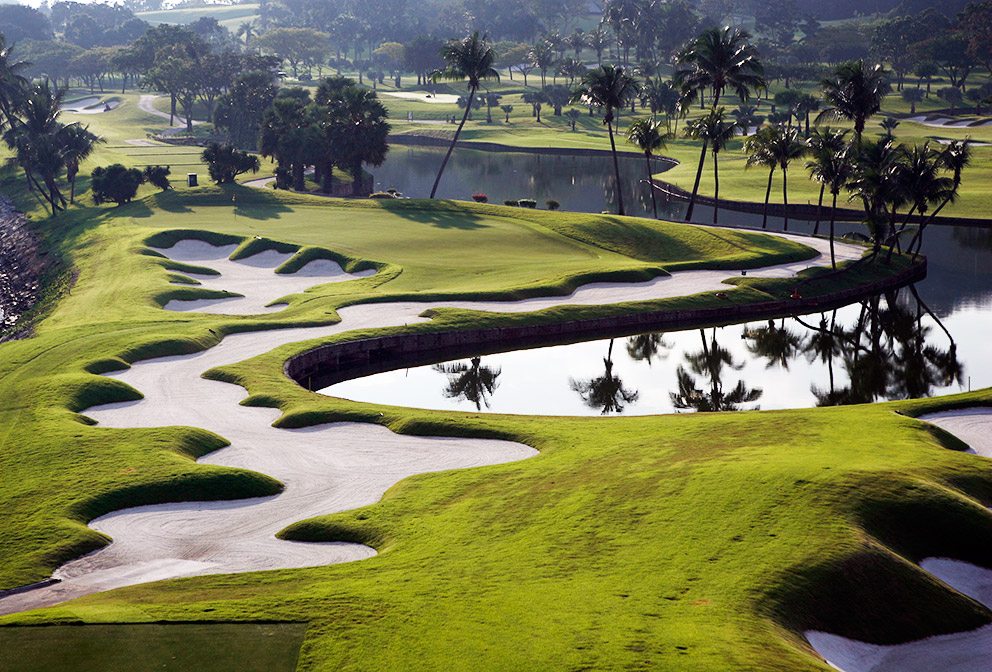
Sentosa Golf Club

With its trademark mounds, undulating terrain, and two mammoth lakes, the Serapong Course at Sentosa Golf Club in Singapore is a truly unique golfing experience. Photography courtesy Sentosa Golf Club

The highest-ranked course in the nation and site of the annual Barclays Singapore Open, Sentosa’s Serapong Course is that rare bird, a beautiful oceanfront golf course that is also very easy to reach from the city centre, just 20 minutes from Four Seasons Hotel Singapore.

Renovations for the tournament have stretched it into a 7,300-yard monster from the back, so it is very important to choose the right tees, especially since there are also plenty of water hazards, deep bunkers and undulating fairways. But players who can remain humble when choosing where to play from are rewarded with a fantastic course that plays right to the water’s edge, with dramatic views across to the city’s modern skyline. There are lagoons and inlets throughout, and visitors are constantly reminded they are playing golf on an island. They are also pampered, with a full-service clubhouse, optional caddies and a member-for-a-day experience at Singapore’s premier golf club.

Rain or shine tee time in South Korea: Golf Experience
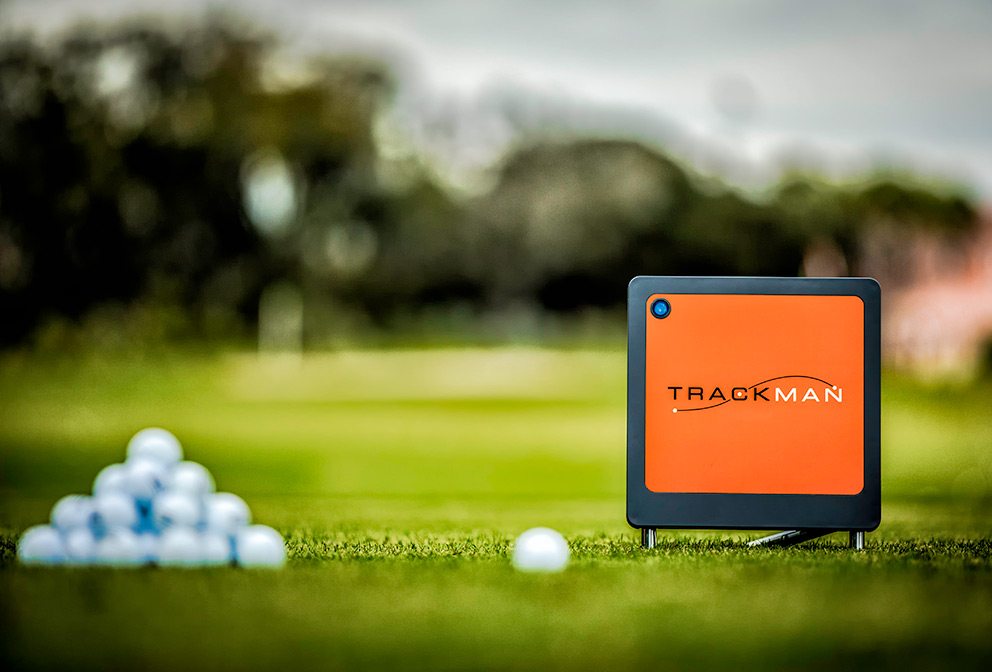
TrackMan Radar Range

The easy-to-use TrackMan Radar Range is a self-service gaming and practice bay for both indoor and outdoor facilities, and available at Four Seasons Hotel Seoul. Photography courtesy Chris McEniry courtesy TrackMan Golf

South Korea has become the world leader in the use of high-tech indoor golf simulators, and the newest one is the Golf Experience at Four Seasons Hotel Seoul, which brings the world’s greatest courses to life in the beating heart of the vibrant city.

The facility includes five state-of-the-art 3-D hitting screens, each of which combines high-definition footage of iconic courses with the ultra-precise accuracy of the TrackMan, a radar launch monitor derived from military missile tracking technology that is widely considered best in class. The TrackMan reads the spin rate, angle and velocity of the ball coming off the club to compute exactly how far and with what path it would travel in the real world, and moves the player down the virtual fairways accordingly. This is real golf, with full swings and real balls, taken inside, on the 10th floor of the new Hotel. The technology is fun, but it can also be used very effectively for lessons, equipment fitting, posture and alignment, or to test clubs with instant and accurate data feedback.

Designed by golf royalty: Lotus Hill Golf Resort, Guangzhou
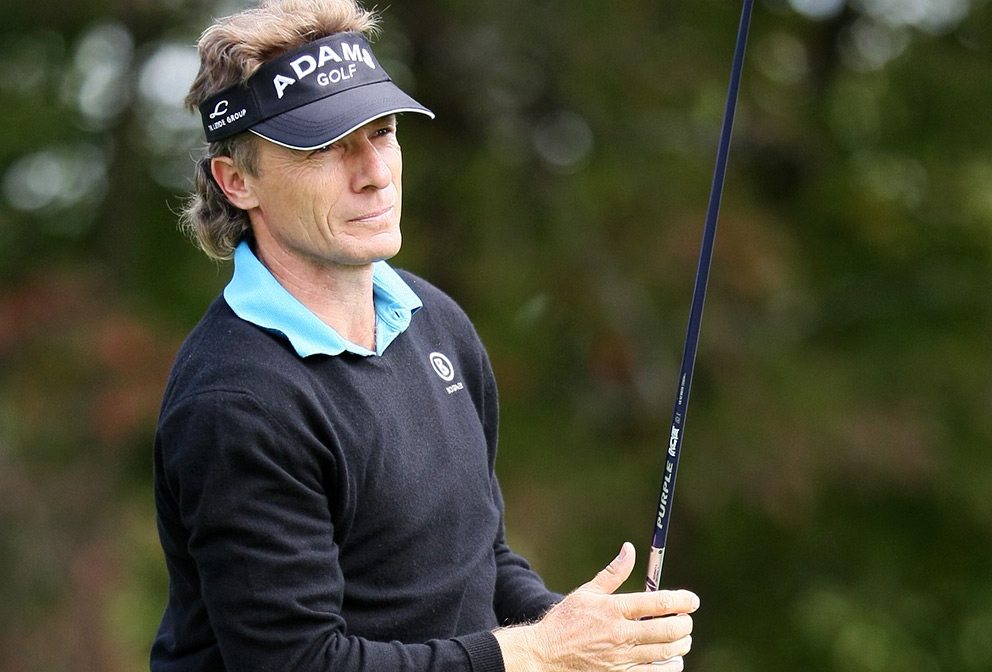
Bernhard Langer, Designer of the Course at Lotus Hill Golf Resort in Guangzhou

In 1986 Bernhard Langer, who designed the Lotus Hill Golf Resort in Guangzhou, became the sport’s first player to be officially ranked No. 1. Photography courtesy Keith Allison

This course was designed by Bernhard Langer, the first player ever to be ranked No. 1 in the world, a two-time Masters champion and five-time senior major winner. He does relatively few golf course designs and is known for being very hands-on, and this is one of his best—a parkland routing situated in the Pearl River Delta that manages to include water, in the form of lakes, ponds and creeks, on all but one of its 18 holes.

It features an exciting and memorable three-hole finish, including the signature island green par-3 17th, unlike all others in golf thanks to a massive cliff-like rock formation that towers over the putting surface. With a full-service clubhouse and caddies, Lotus Hill offers a first-rate outing that is only an hour’s drive from Four Seasons Hotel Guangzhou.

Your Journey Begins Here

Select a destination and start exploring

Four Seasons Hotel Guangzhou