An Insider’s Guide to Venice

Venice is finally shaking its reputation as being a shrine to its own past.

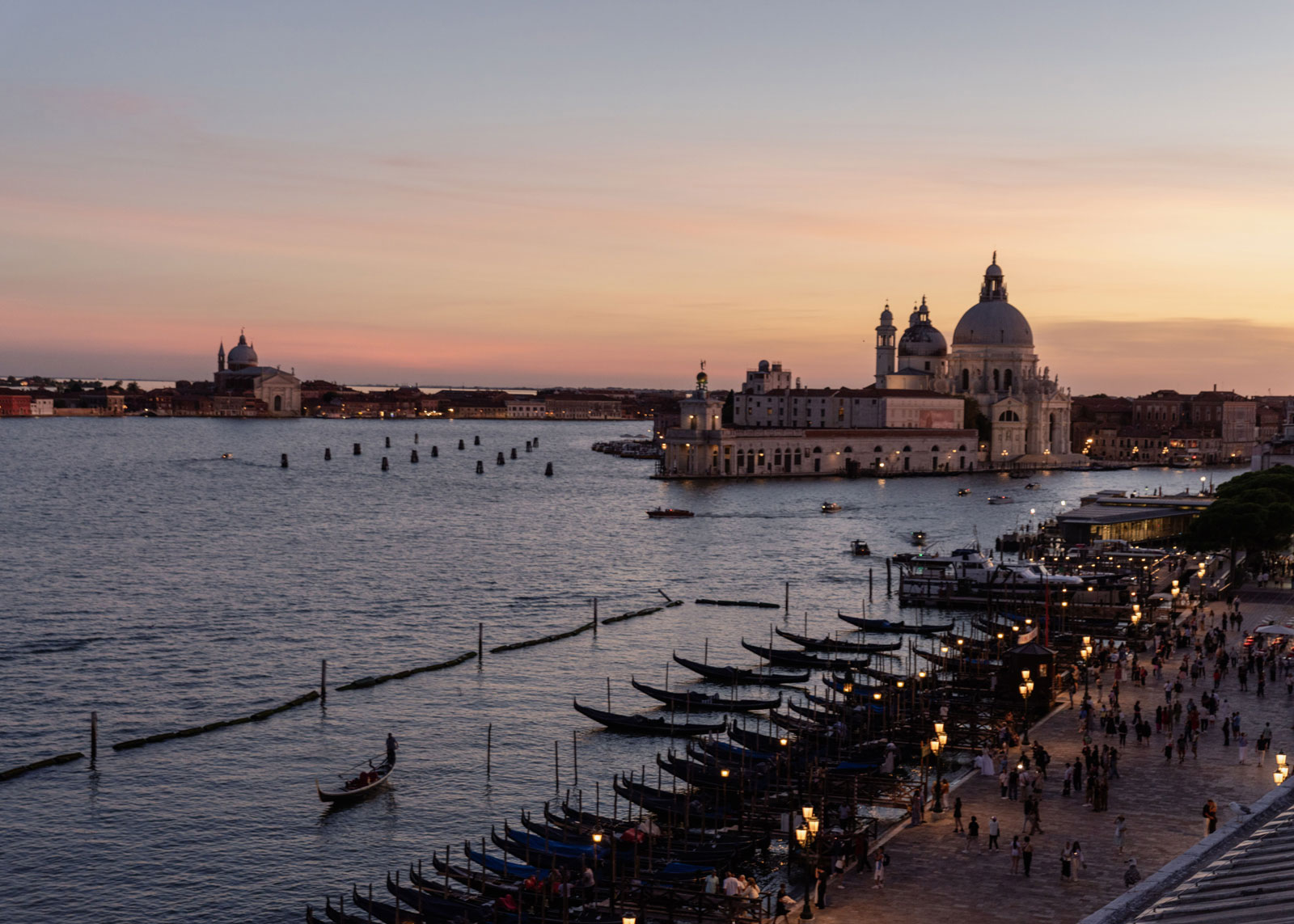
The floating city is undergoing an undeniable period of revival (anchored in part by the reopening of the legendary Danieli as Danieli, Venezia, a Four Seasons Hotel)—the details of which we chart in more detail in Venice Reclaimed. There’s more to see and do than ever before in the floating city. Here, we share our curated guide of insider favourites handpicked by Venice’s new wave of cultural stewards.
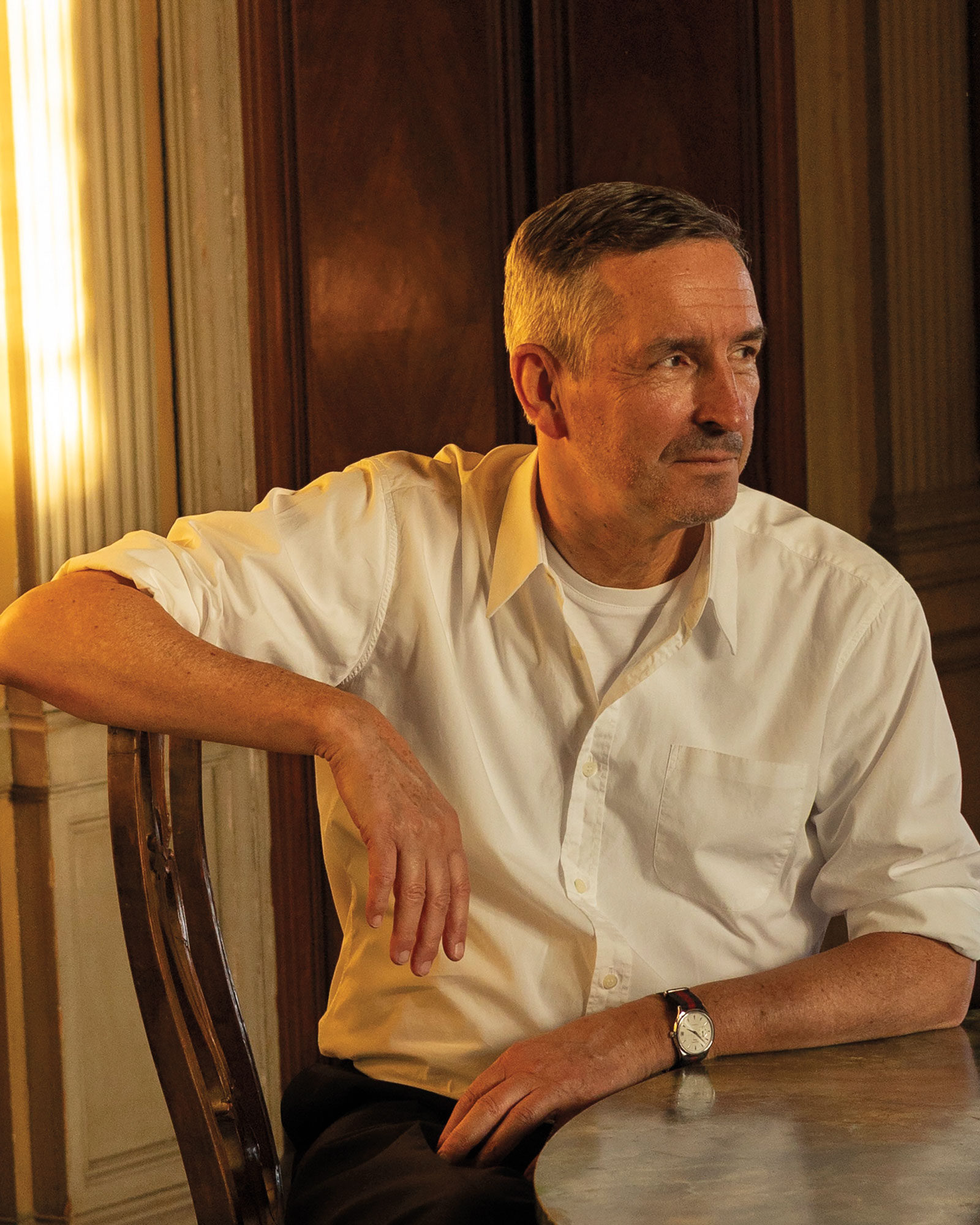
Dries Van Noten, Photo by Camilla Glorioso
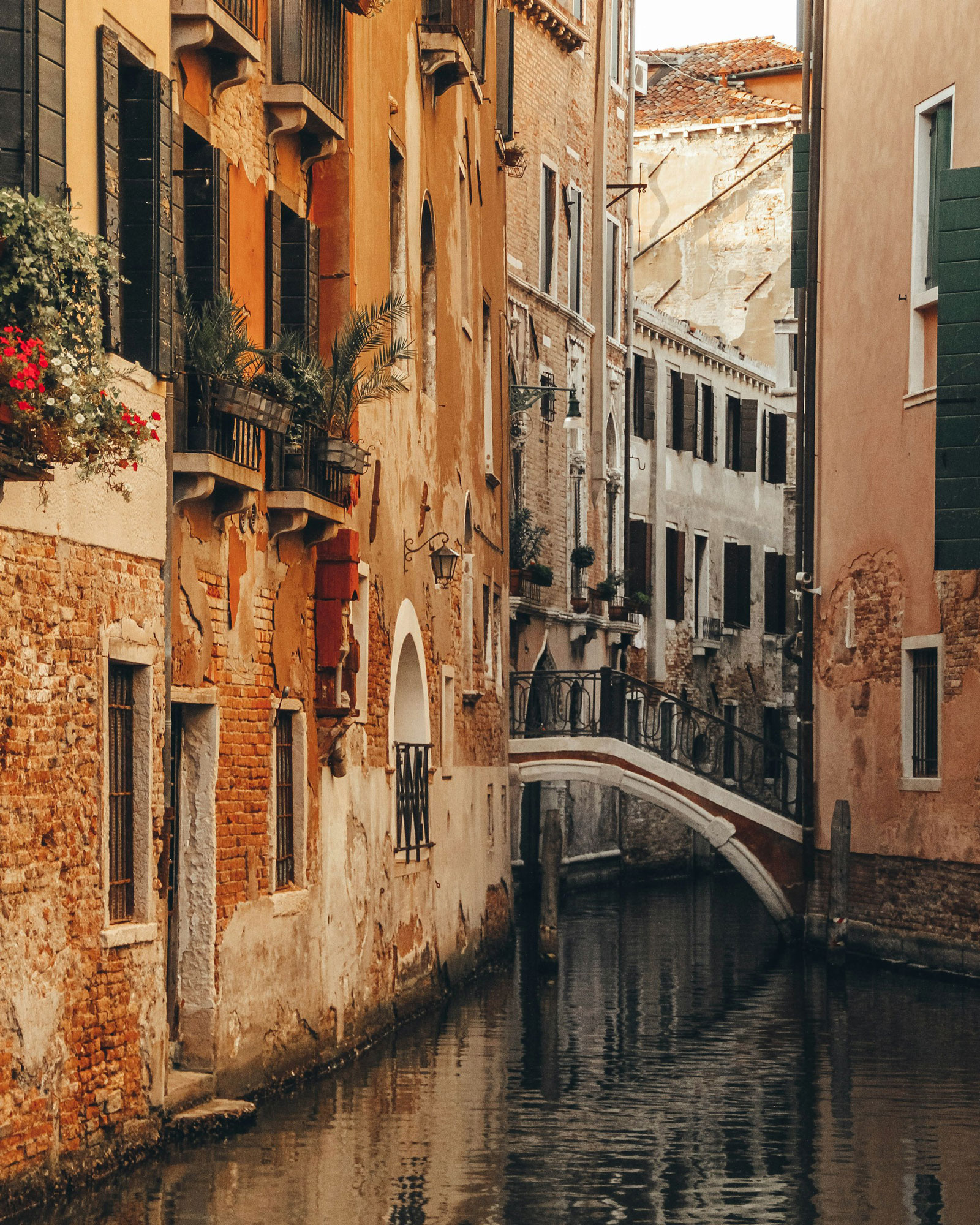
Ponte delle Tette in San Polo

Dries Van Noten, Co-Founder, Fondazione Dries Van Noten

Outing: “The Mercato di Rialto, early in the morning before the city fills up. There is something about a market that has always moved me: the colours, the noise, the vendors who have been coming every day for decades. It reminds you that Venice is a living city, not a postcard.”

Grocers: “Casa del Parmigiano in San Polo and La Baita are essential grocery stops, small shops run with the kind of quiet expertise and genuine passion for their product that I find deeply satisfying.”

Neighbourhoods: “Dorsoduro and San Polo. The independent bookshop Bruno, the small bakeries, the butcher [Macelleria] Fiore. That is where you feel the real texture of daily Venetian life, and I never tire of walking through it slowly and without a map.”

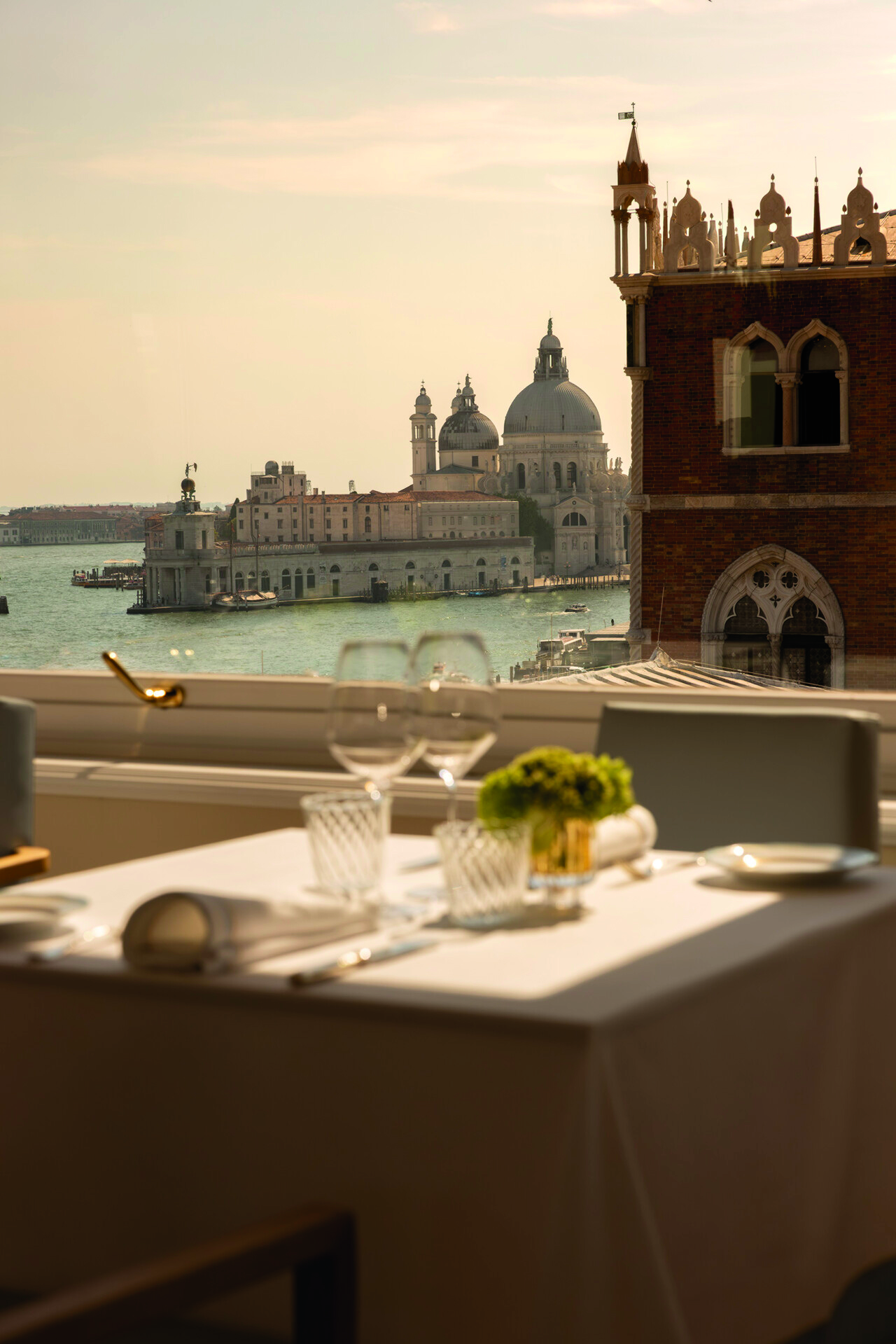
Restaurant: Wildner, near Piazza San Marco, for lunch or dinner. “It has a terrace on the waterfront, so the lagoon feels very close and very present. The food is honest, and the view does something to your sense of time.”
Stuart Parr
Stuart Parr
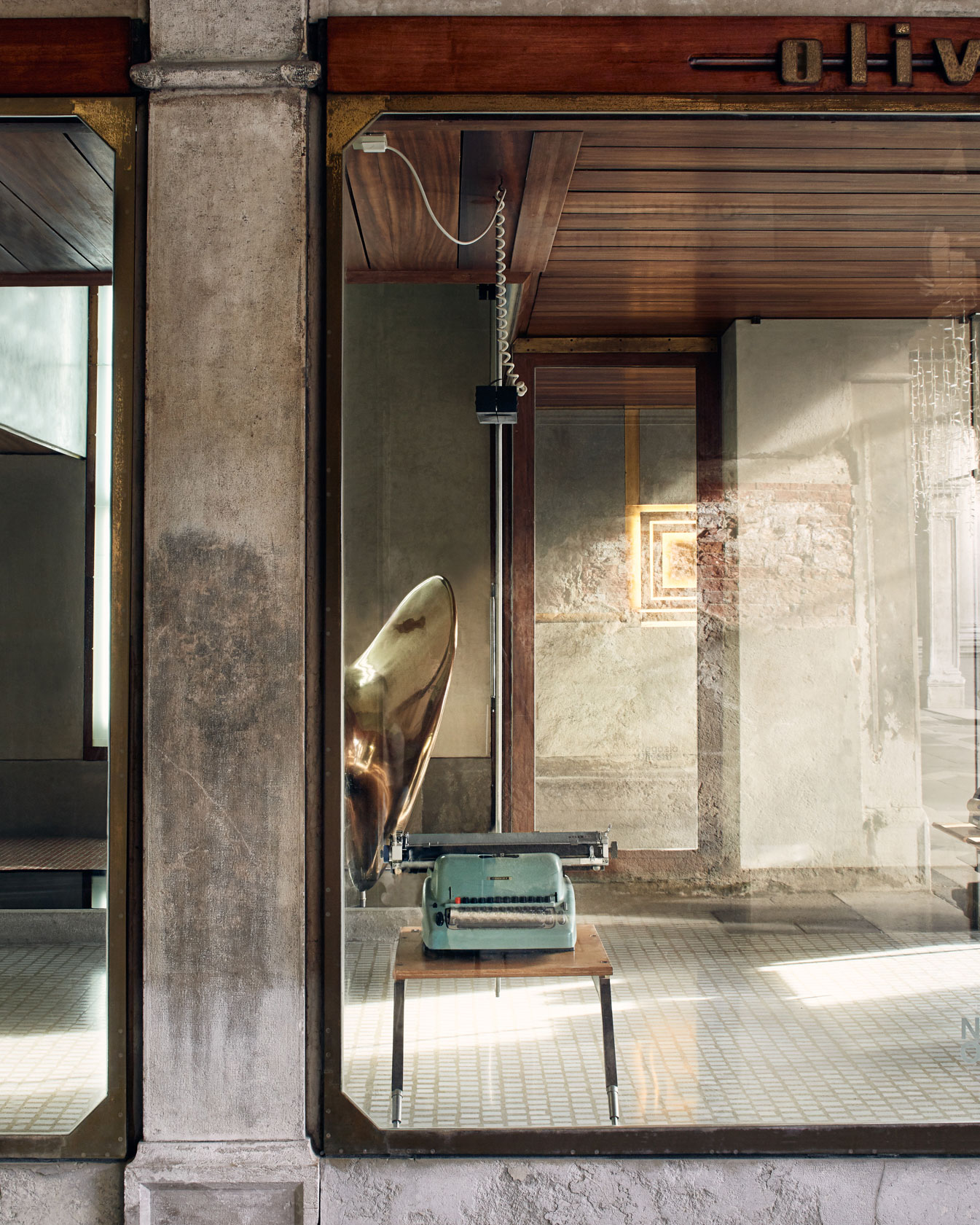
Olivetti Showroom, Photo by Lorenzo Pennati
The Olivetti Showroom, Photo by Lorenzo Pennati

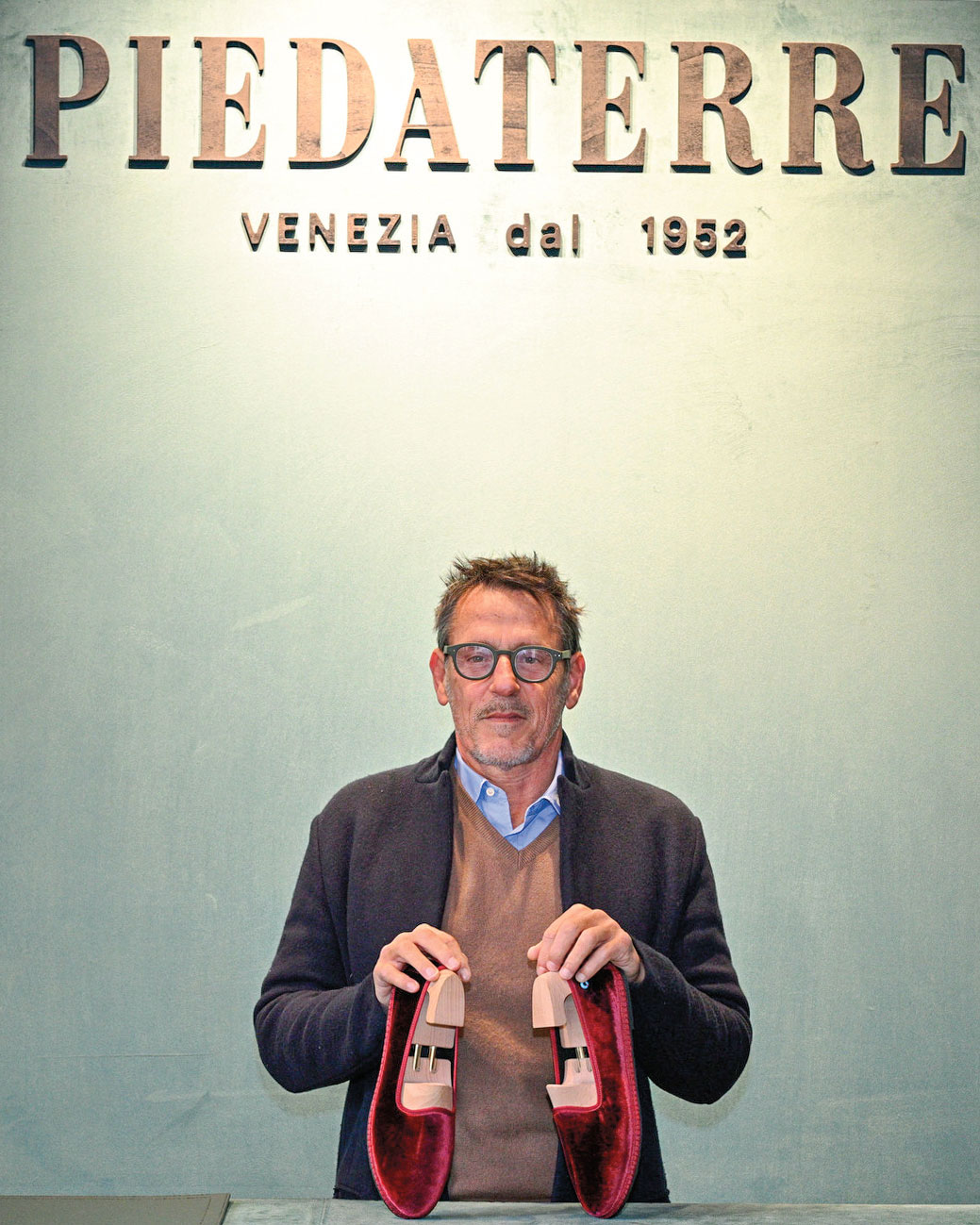
Stuart Parr, Owner, Piedàterre Venezia

Outlying Island: Sant’Erasmo, the lagoon’s second-largest island. Called the vegetable garden of Venice, it is a tranquil, sparsely populated retreat known for its vineyards, orchards, and vegetables, especially the prized violet artichoke. “I go there for a swim when it’s hot; the water is very shallow and flat, and everyone floats on the surface. Then I have lunch or dinner at Al Bacan, a charming fish restaurant overlooking the lagoon. It’s a lovely little island.”

Restaurant: Vini da Arturo, a tiny trattoria near Piazza San Marco. “That Venetian double-breaded pork chop—it’s so massive, you can share it. They make a gorgonzola pasta that is the best on the planet. And they are such nice people.”

Museum: The Olivetti Showroom, a mid-century modern gem designed by Carlo Scarpa, tucked under the arches of Piazza San Marco. “Scarpa’s ability to use wood, bronze, and brass, his door mechanisms— everything is extraordinary. And that Olivetti typewriter [the Lettera 22 portable, designed by Marcello Nizzoli in 1950]—it was the equivalent of the iPhone. It performed, and it was just so beautiful.”
Diane von Furstenburg, Photo by Mireille Roobaert
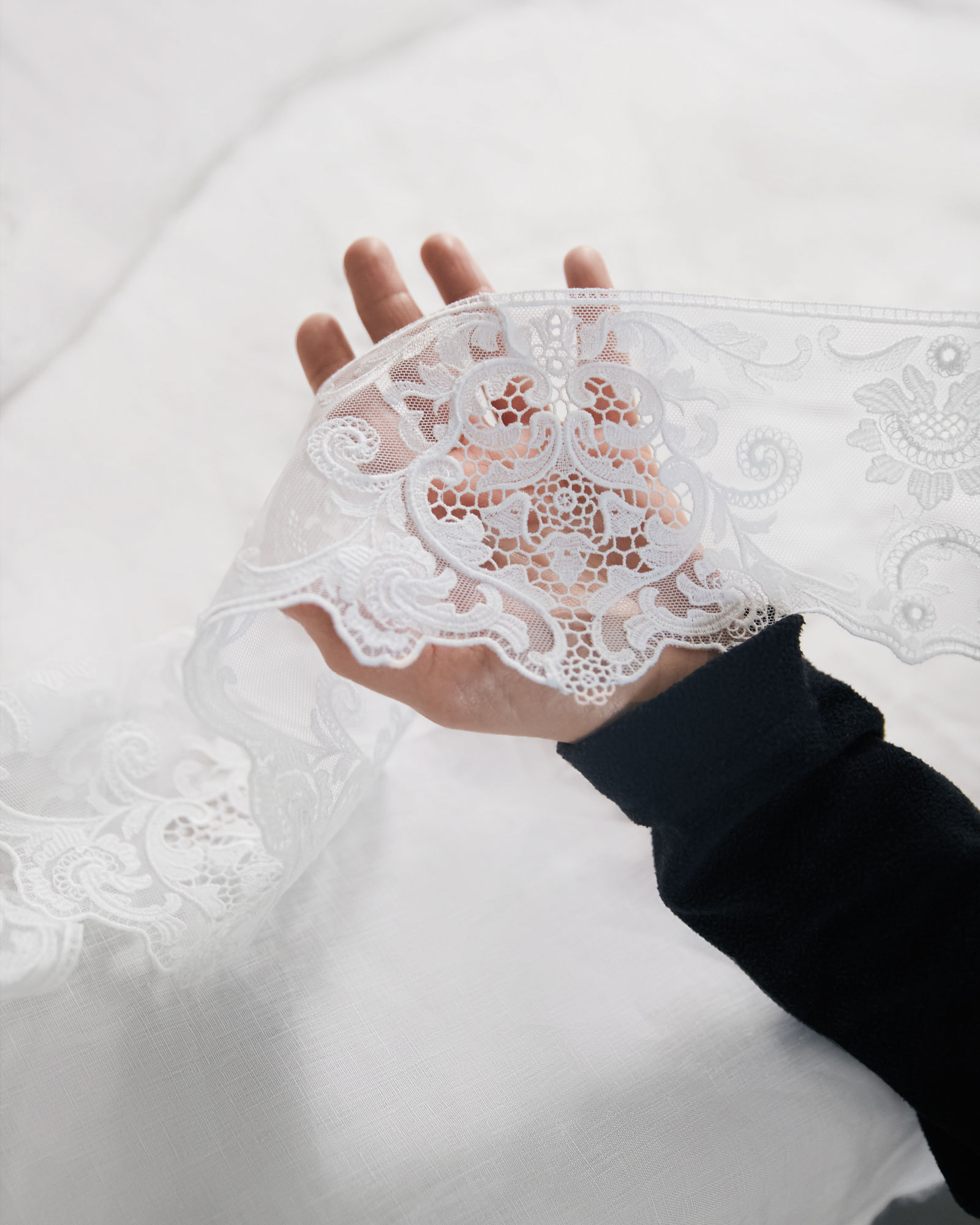
Linens from Jersurum Atelier, Photo by Andrea Centiempo

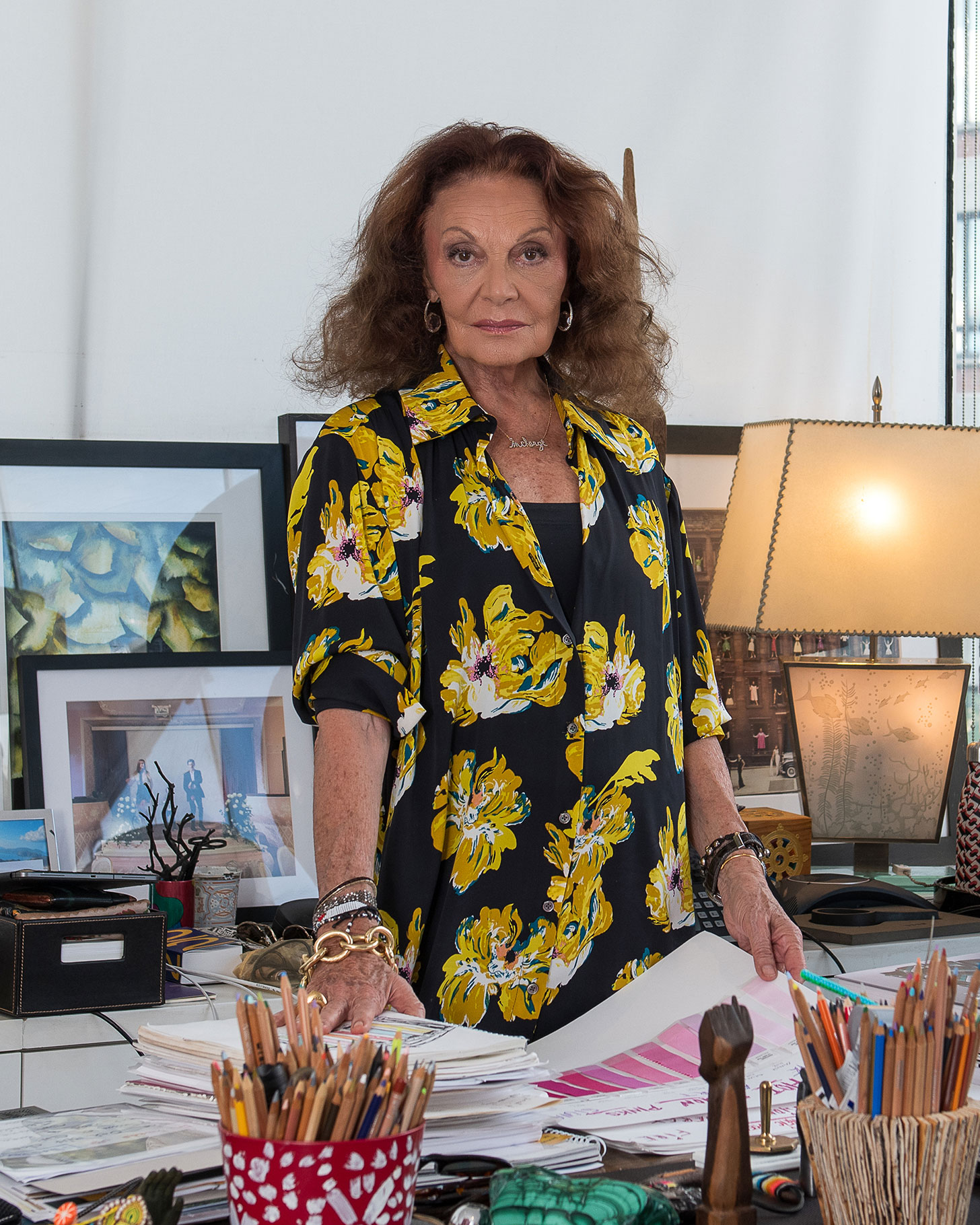
Diane von Furstenberg, Designer

Outlying Island: “The Lido, with that beautiful beach that is in Thomas Mann’s book Death in Venice. I remember when director Luchino Visconti was shooting the film adaptation of the book there in 1971. My best friend, Marisa Berenson, was in the film, and I went to visit her during filming, so I was very much present in Venice then. Those beaches—so long, flat, and wild. Magical.”

Shop: Jesurum Venezia 1870, a 156-year-old linen shop near Piazza San Marco. “I did my dowry in Venice when I married Egon von Furstenberg in 1969. Jesurum is where I ordered my sheets. It’s still there. A very Venetian place.”

Book about Venice: Venice: A New History by Thomas F. Madden, director of the Center for Medieval and Renaissance Studies at Saint Louis University in Missouri. “There are so many books on Venice, but this is a great one. It’s a biography of Venice.”
Servane Giol, Photo by Alexandre Toesca
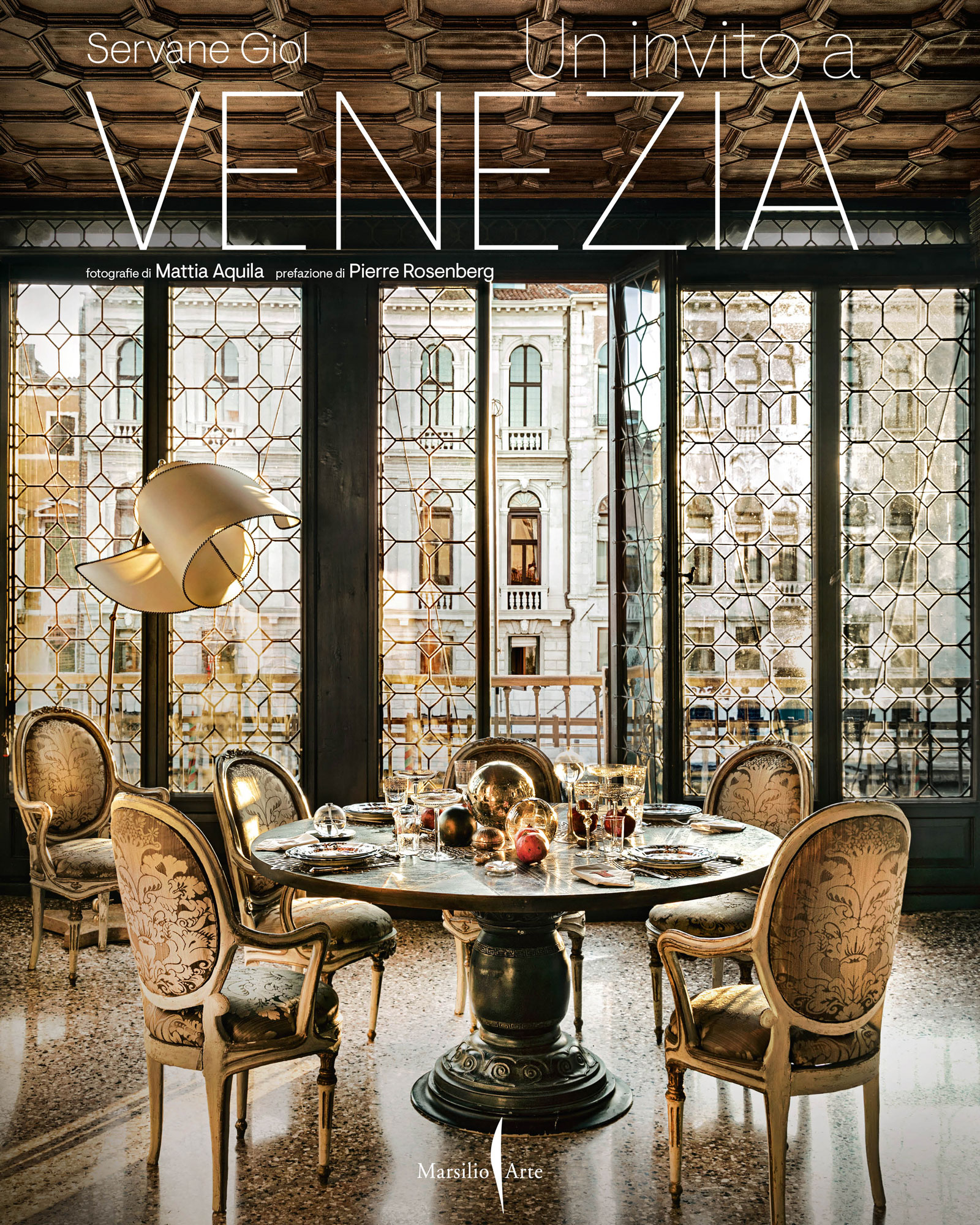
Venice: A Private Invitation by Servane Giol

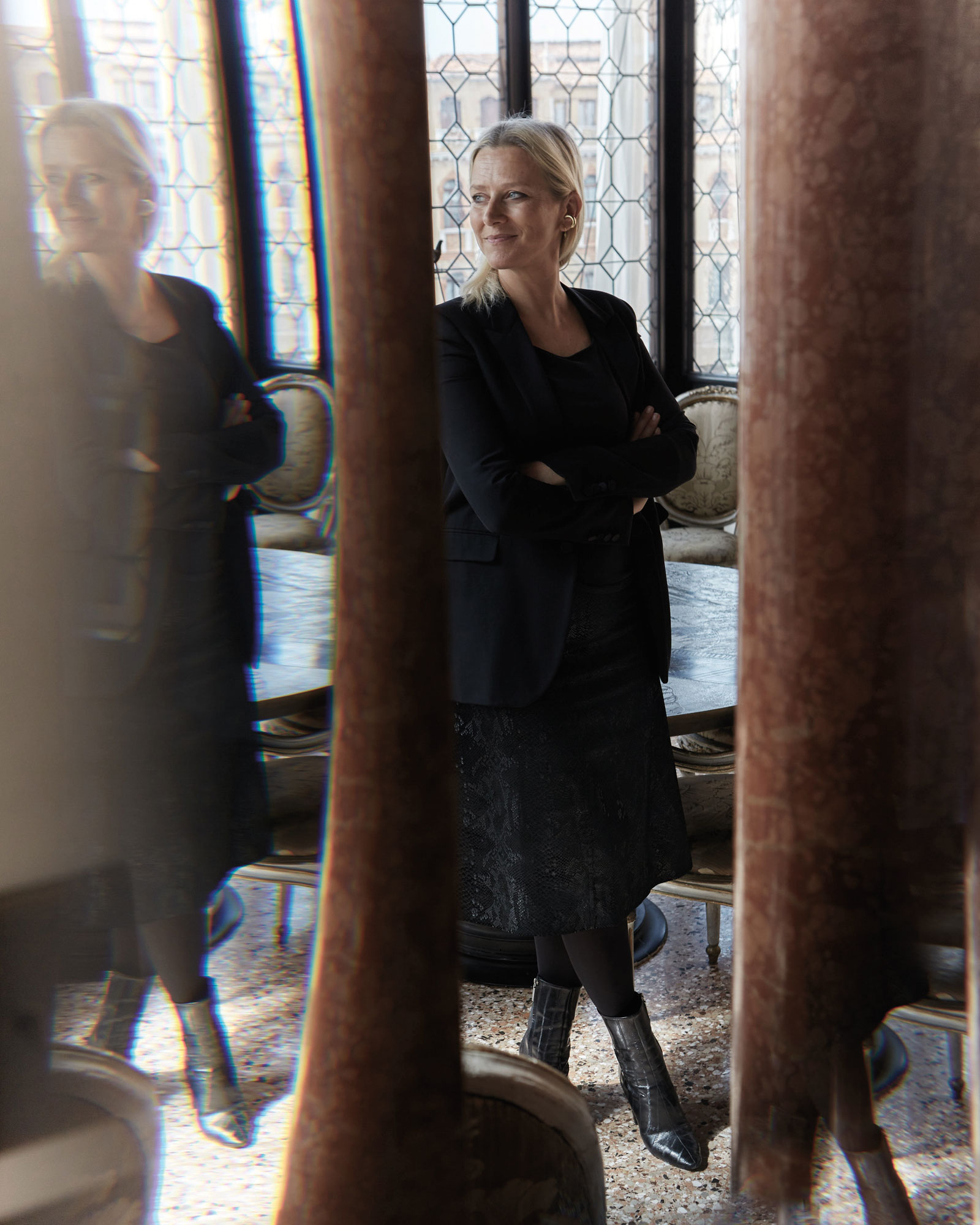
Servane Giol, Author, Venice: A Private Invitation

Restaurant: Trattoria alla Madonna, near the Rialto Bridge, managed by the same family since 1954 and known for its spaghetti al nero di seppia—spaghetti with cuttlefish cooked in its own ink, which creates the glossy black sauce. “If I have to go out, that’s where I go. Such a wonderful, local historical place.”

Coffee Spot: Moro Café, at the steps of the Accademia Bridge in Venice. “It’s on a little garden, so it’s fresh in the summer. I love to sit in the shade of the trees there.”

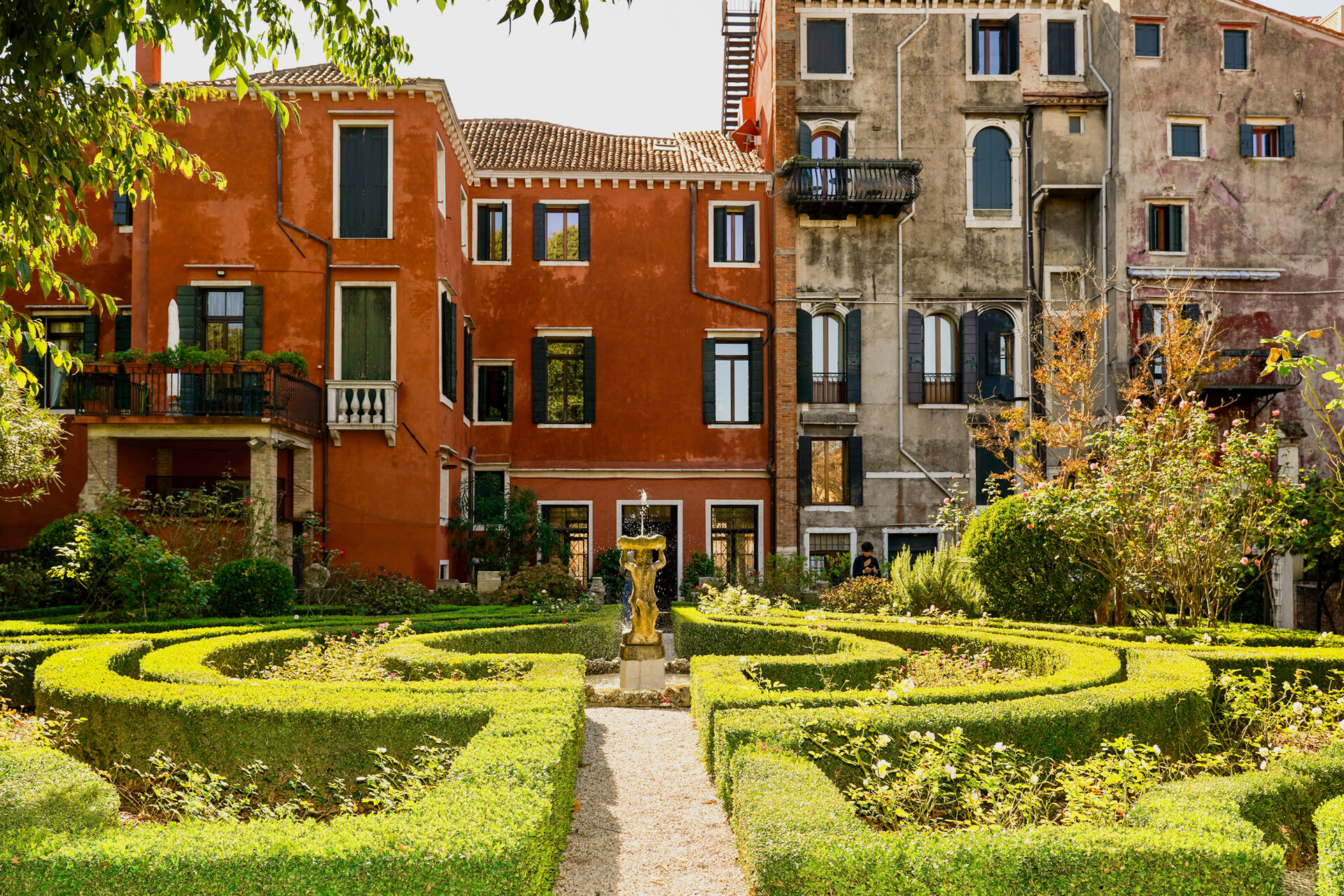
Garden: Orto Giardino del Santissimo Redentore, a 16th-century monastic garden on Giudecca Island. “It’s so peaceful and magical.” Originally laid out by the Capuchin friars and recently restored by Paolo Pejrone, it is two and a half acres of vegetable plots, orchards, medicinal herbs, vineyards, and cloisters for quiet reflection.

Place for Drinks: “Aperitivo is probably the most important time of the day of a Venetian. My favourite place is [Cantine del Vino già] Shiavi, where we usually have prosecco.”
Marcantonio Brandolini
Marcantonio Brandolini, Photo by Allesandro Trevisan
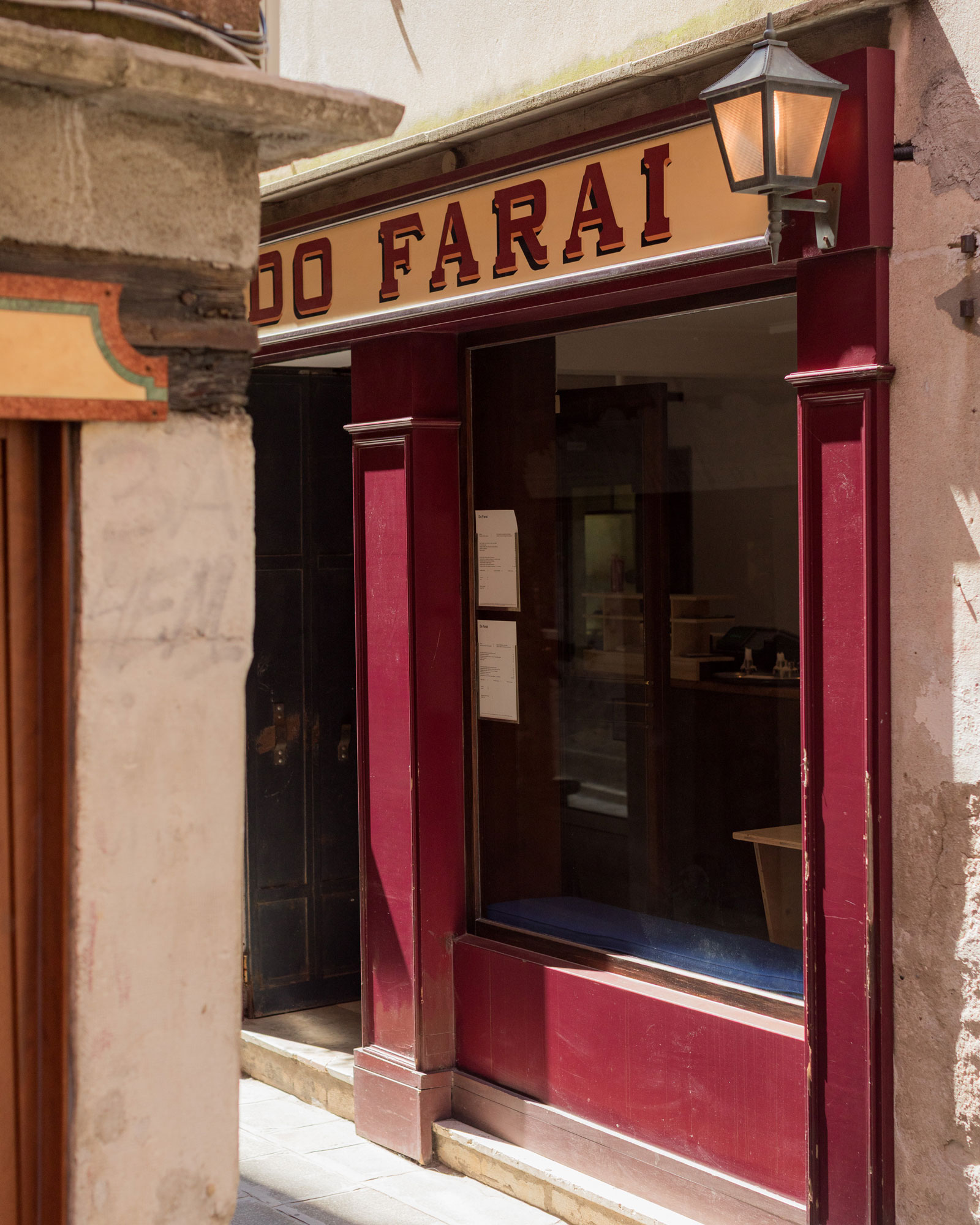
Restaurant Do Farai in Dorsduro

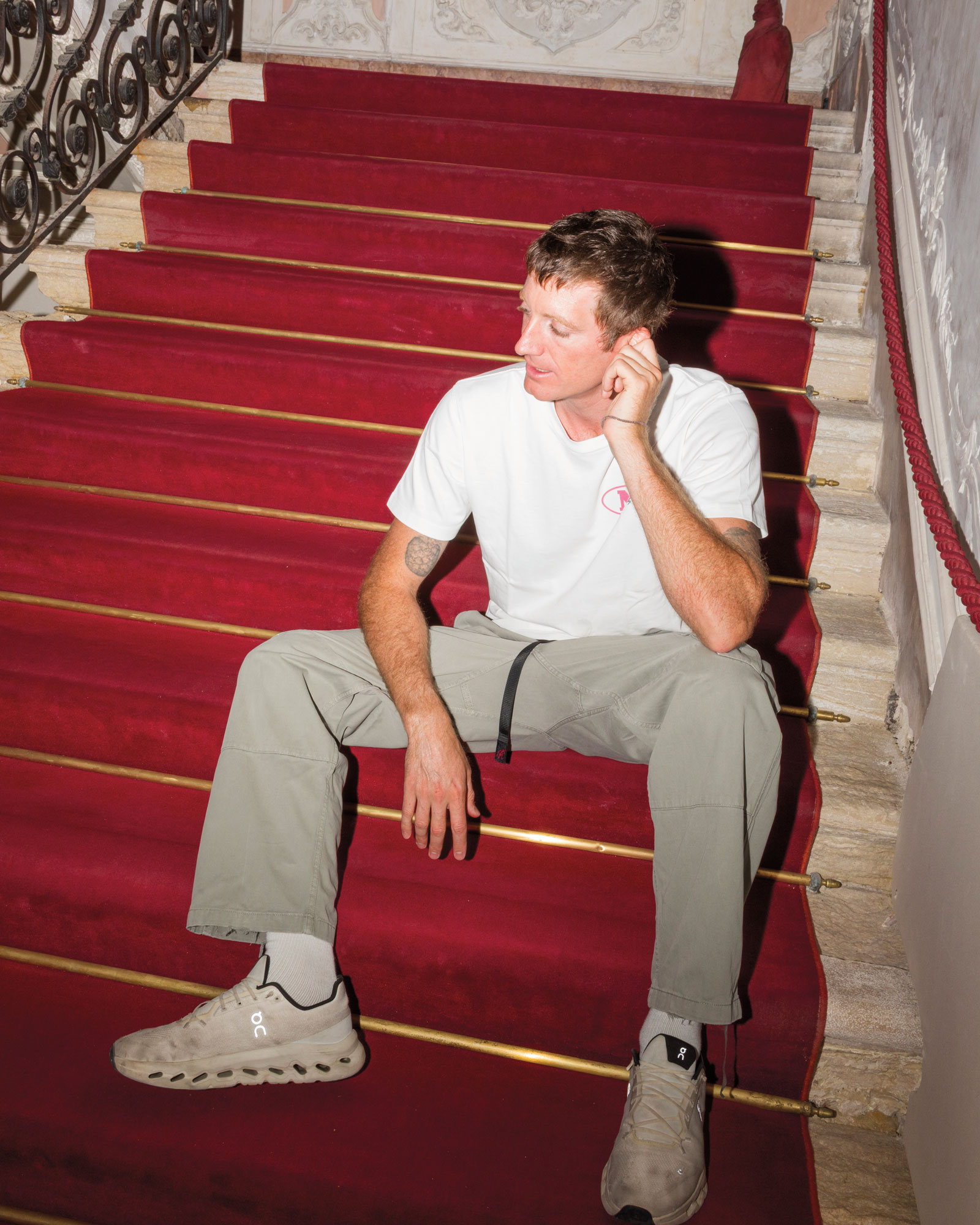
Marcantonio Brandolini, CEO and Art Director, Laguna~B

Restaurant: Do Farai, a classic trattoria in Dorsoduro, which Brandolini took over with Guillaume Pinaut earlier this year. “It offers simple yet extremely detail-oriented dishes that reflect the culinary taste of my family, in a homey, relaxed atmosphere. And it has great wines.”

Museum: Museo Storico Navale di Venezia, a naval museum in a 15th-century building near Arsenale. “It gives you culture about the maritime world of Venice.”

Art Gallery: Giorgio Mastinu, near the public square Campo Santo Stefano. “A small gallery that is a good place to find unique collectibles.”
Toto Bergamo Rossi, Photo by Allesandro Trevisan
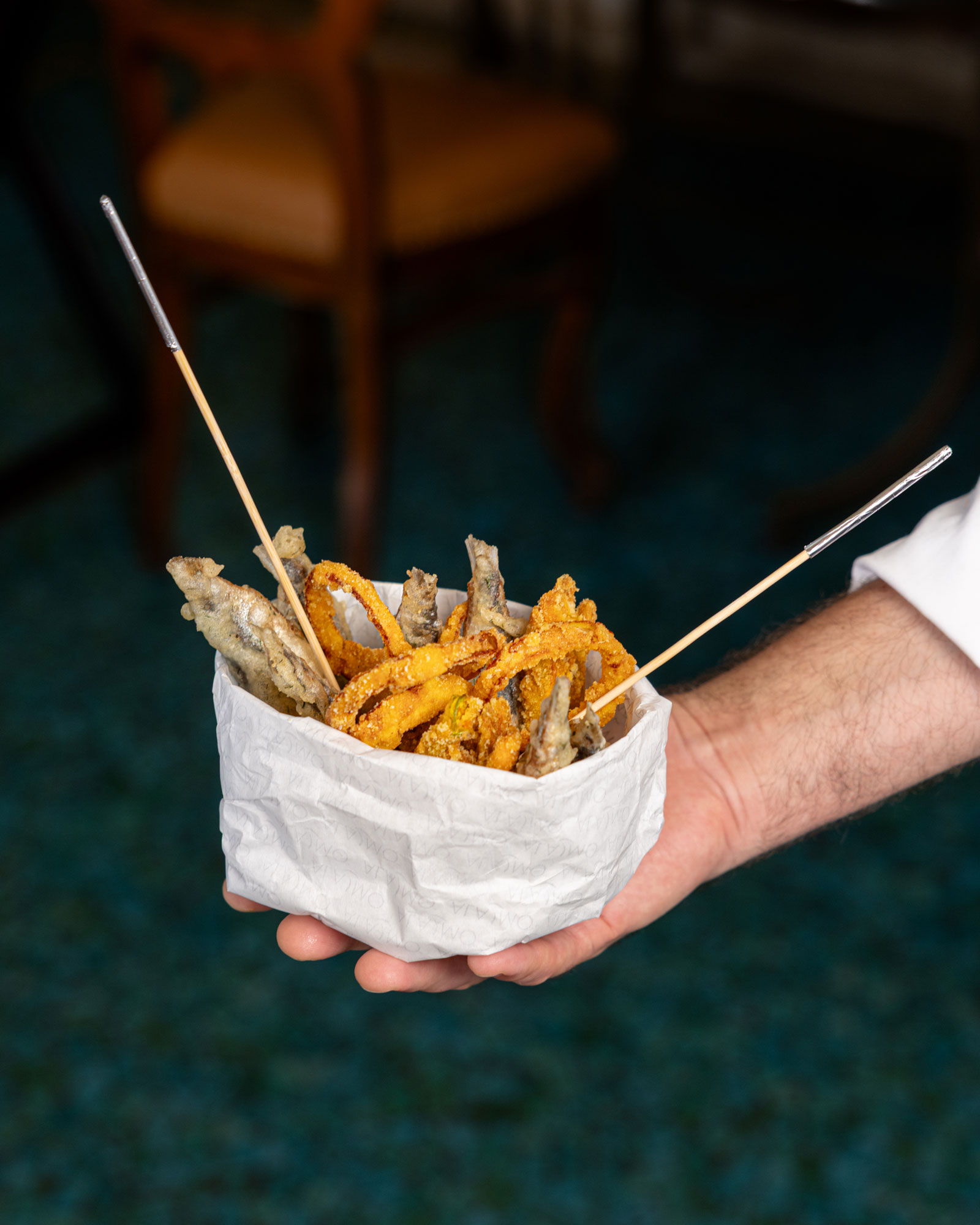
Bistrot Quadrino, Photo by Riccardo Andreatta-Copia

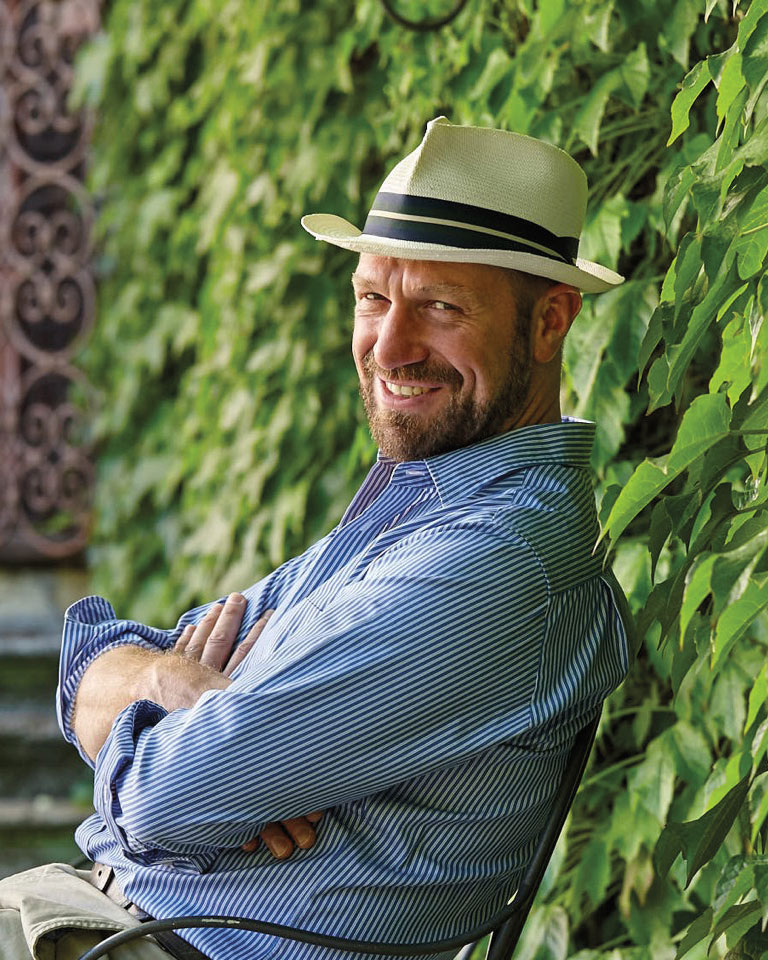
Toto Bergamo Rossi, Director, Venetian Heritage

Church: “Santi Giovanni e Paolo, the basilica near the hospital, has the entire history of the Republic of Venice, with monuments and all the tombs of the doges. And it’s always empty.”

Restaurant: Bistrot Quadrino, at Gran Caffé Quadri. “They have a fancy restaurant upstairs, but I prefer the grill room on the ground floor. The quality of food is very good, and you are on San Marco Square. I go once a week.”

Outlying Islands: San Giorgio Island. “There’s Le Stanze della Fotografia, a big pavilion with exhibitions dedicated to photography, and Le Stanze del Vetro, a gallery where they do all the glass exhibitions. Bellissimo. You have the Fondazione Giorgio Cini . . . and the cluster of Palladio buildings. And you still have the Basilica di San Giorgio Maggiore, with the Benedictine monks inside.” Bergamo Rossi also recommends visiting Pellestrina, a nearly seven-mile-long spit next to the Lido. “It’s still like countryside in the 1950s. There’s a nature reserve called Ca’ Roman, with dunes, a wild beach, and migratory birds. And one restaurant, called Da Nane, with spaghetti alla vongole—the real one—and granseola alla Veneziana, which is spider crab served cold with olive oil, lemon, and parsley. To die for.”

Shop: Missiaglia 1846 Venezia, in Dorsoduro, near the Peggy Guggenheim Collection and the Accademia, by appointment only. It’s now run by sisters Caterina and Marta Croze. “When you have an important wedding or an important event in Venice, you give Missiaglia silver. They have all the shapes: tomatoes, peppers, pomegranate. Divini, divini, divini, and so chic.”
Venice Reclaimed: The Floating City’s Sparkling New Era

For years, the story of Venice was one of decline. The population was shrinking. Grand palazzi sat empty. Locals lamented that the city had become overrun by day-trippers and cruise ship passengers who came, shopped, ate, and left. Critics predicted that Venice would soon be nothing more than a shrine to its own past.

How wrong they were. Today, Venice is one of Europe’s most vibrant cultural capitals. Designers and collectors are restoring palazzi and opening galleries and foundations. Artisans are finding new patrons. Venice’s events calendar has become richer and more robust with the addition of such standouts as Venice Glass Week, which ran in mid-September this year.

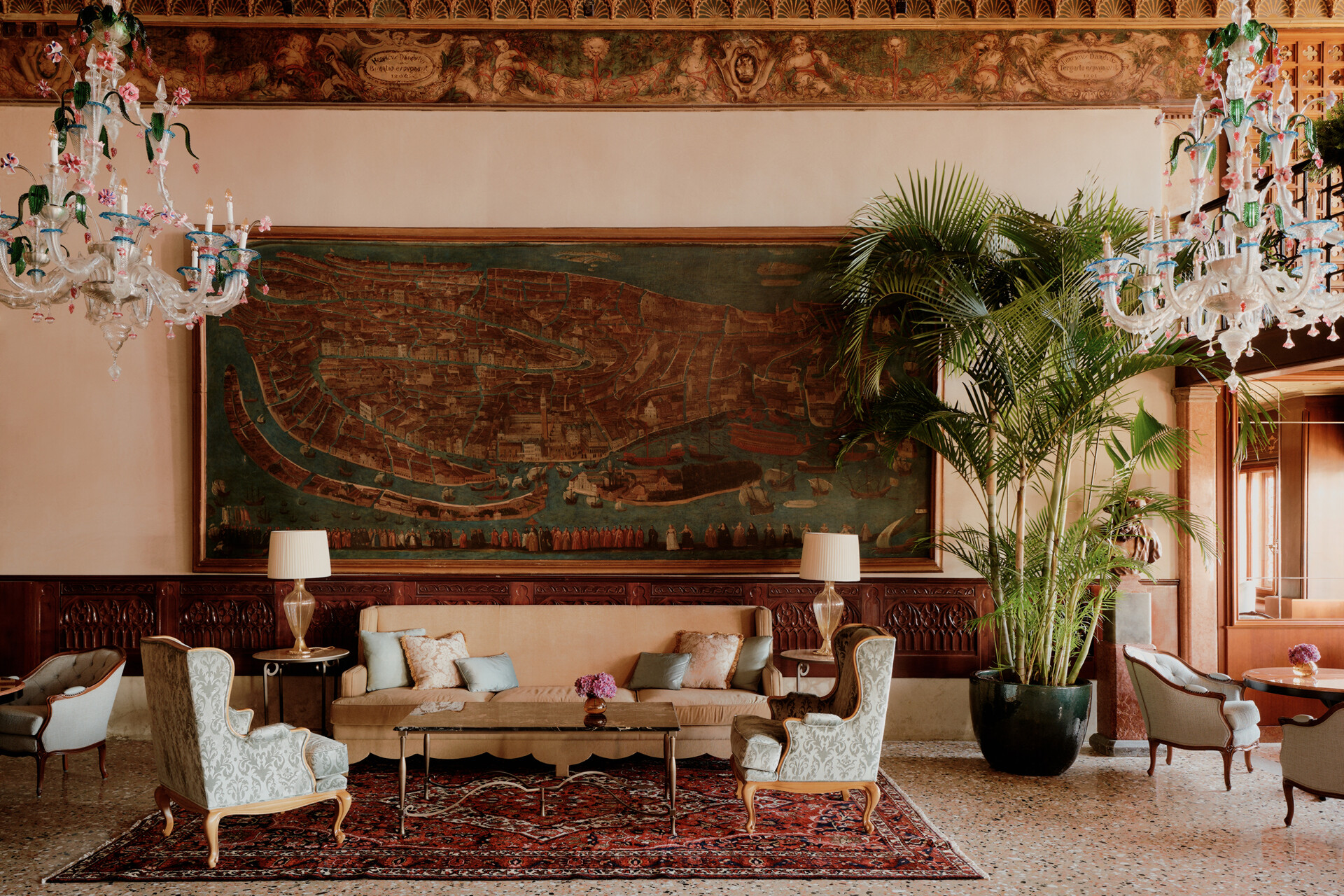
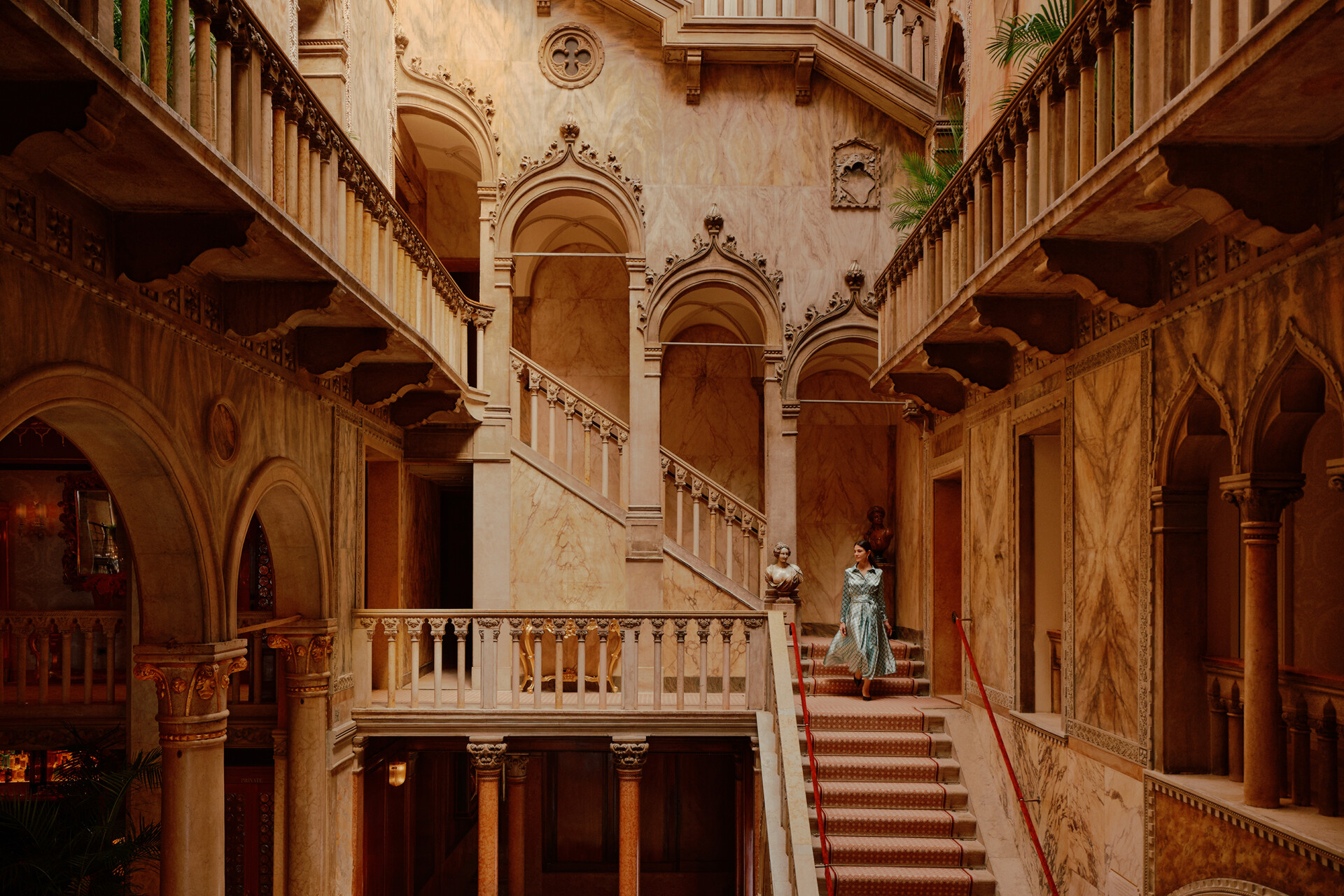
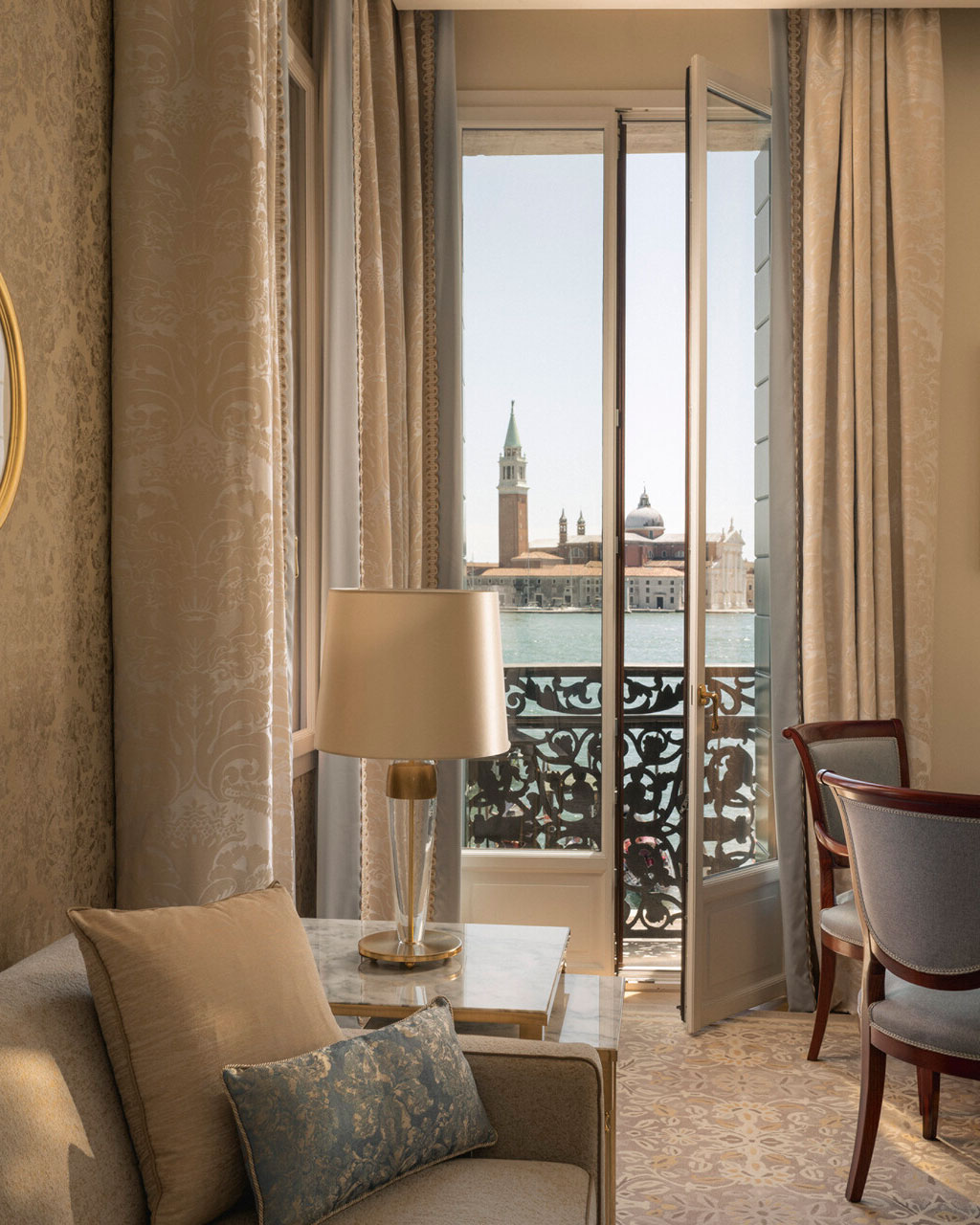
And now the legendary Danieli—reopening as Danieli, Venezia, A Four Seasons Hotel—has been revitalized for a new generation of travellers. Under the direction of the renowned French interior designer Pierre-Yves Rochon, the hotel’s landmark neo-Gothic lobby in the 14th-century Palazzo Dandolo has been carefully conserved, while Terrazza Danieli, the famous rooftop restaurant with sweeping views across the lagoon, has been refreshed in a luminous palette of sky blue, ivory, and gold. A ground-floor spa and swimming pool—the only hotel pool in Venice proper—will open late this year in the adjacent Casanova building, adding a contemporary amenity without compromising the property’s rich character.

A guest room overlooking Plazzo San Marco at Danieli, Venezia, A Four Seasons Hotel
Rooftop dining at Restaurant Terrazza Danieli.
Rooftop dining at Restaurant Terrazza Danieli

“Venice has a historical ambience all on its own,” says Christian Zandonella, the hotel’s general manager. “But we can live and experience that history in a modern way.”

For more than a thousand years, Venice was one of Europe’s great powers—an independent maritime republic ruled by elected doges whose merchant fleets dominated trade from the Adriatic to the eastern Mediterranean. That remarkable run ended abruptly in 1797, when Napoleon Bonaparte toppled the Republic of Venice, abolishing a sovereign state that had endured for generations and sending its last doge into exile. After periods of French and Austrian rule, Venice became part of a unified Italy in 1866, but its fortunes continued to fade.

“Venice was poor until 1945,” says Toto Bergamo Rossi, director of the cultural-preservation foundation Venetian Heritage. At the end of World War II, America’s Marshall Plan fueled an “economic miracle” in Italy and helped restore prosperity to the city for a time.

The gardens at Danieli, Venezia, a Four Seasons Hotel

Yet even during lean years, Venice retained its magnetic pull. A place of Gothic palaces and Renaissance churches sitting atop countless wooden pilings anchored in the lagoon floor, it is, as the author Jan Morris observed, “not only the most beautiful city ever built by man, but the most improbable.” Writers and painters including John Ruskin, Henry James, John Singer Sargent, Claude Monet, and Marcel Proust came seeking inspiration amid its faded grandeur, turning the city into one of Europe’s great artistic refuges. As James wrote, Venice “is always interesting and almost always sad; but she has a thousand occasional graces and is always liable to happy accidents.”

The founding of the Venice International Film Festival in 1932 heralded another creative wave, drawing movie stars to the outlying Lido island. Meanwhile, after settling in Venice in the late 1940s, American heiress Peggy Guggenheim helped transform the city into an international centre for modern art.

But during the globalization boom of the 1980s and 1990s, Venice entered another period of decline. Traditional industries, including glassmaking, boatbuilding, and lacemaking, succumbed to lower-cost production offshore. As jobs disappeared, so did residents: The population of the historic core fell from around 175,000 after World War II to under 70,000 by the millennium. “Venice was shabby,” says Servane Giol, a French-born Venetian and the author of Venice: A Private Invitation (Flammarion). “The palazzi were very dark. Horrible.”

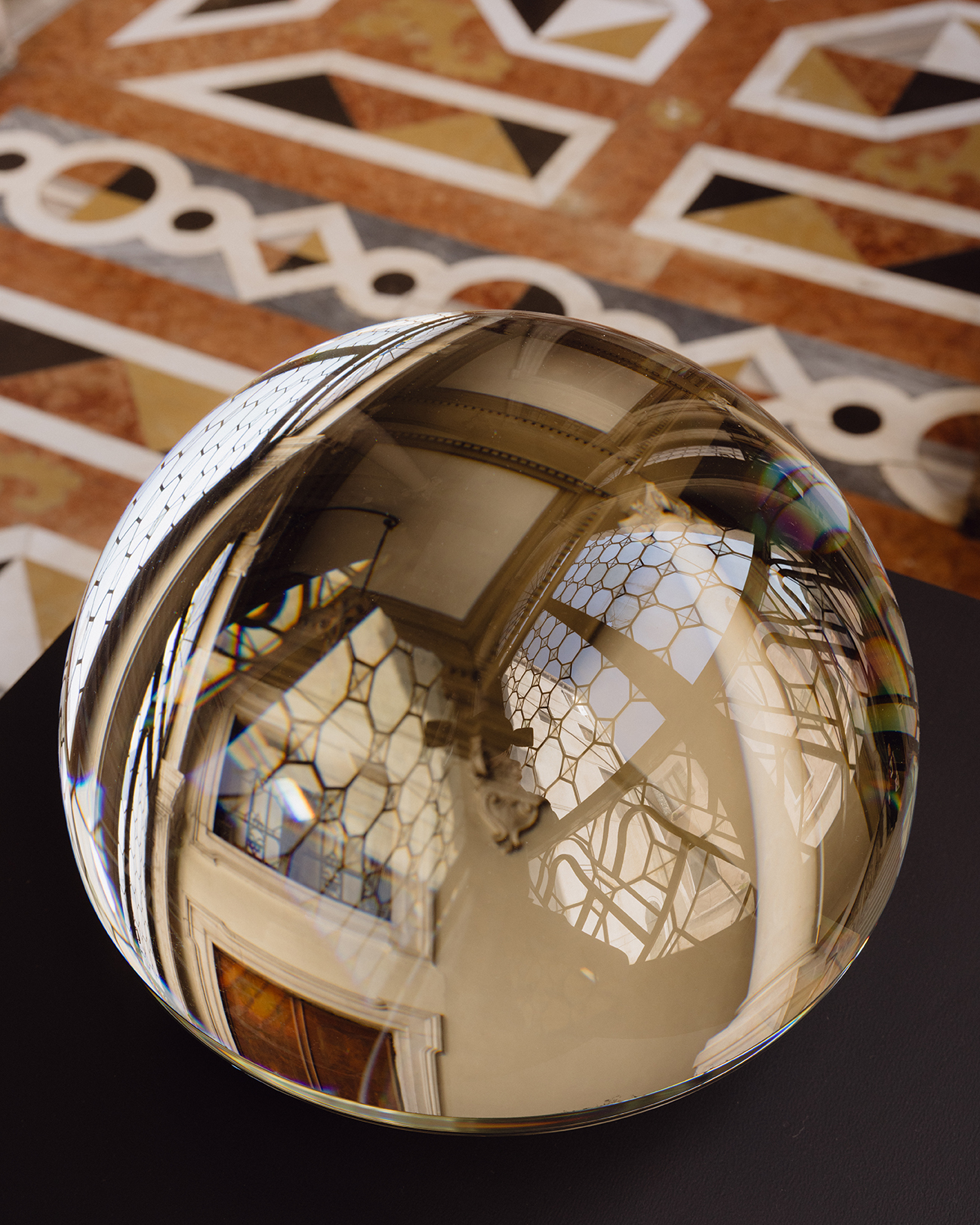
Panorama by Václav Cigler at Fondazione Drise Van Noten in Venice, Photo by Matteo de Mayda
Panorama by Václav Cigler at Fondazione Dries Van Noten in Venice, Photo by Matteo de Mayd
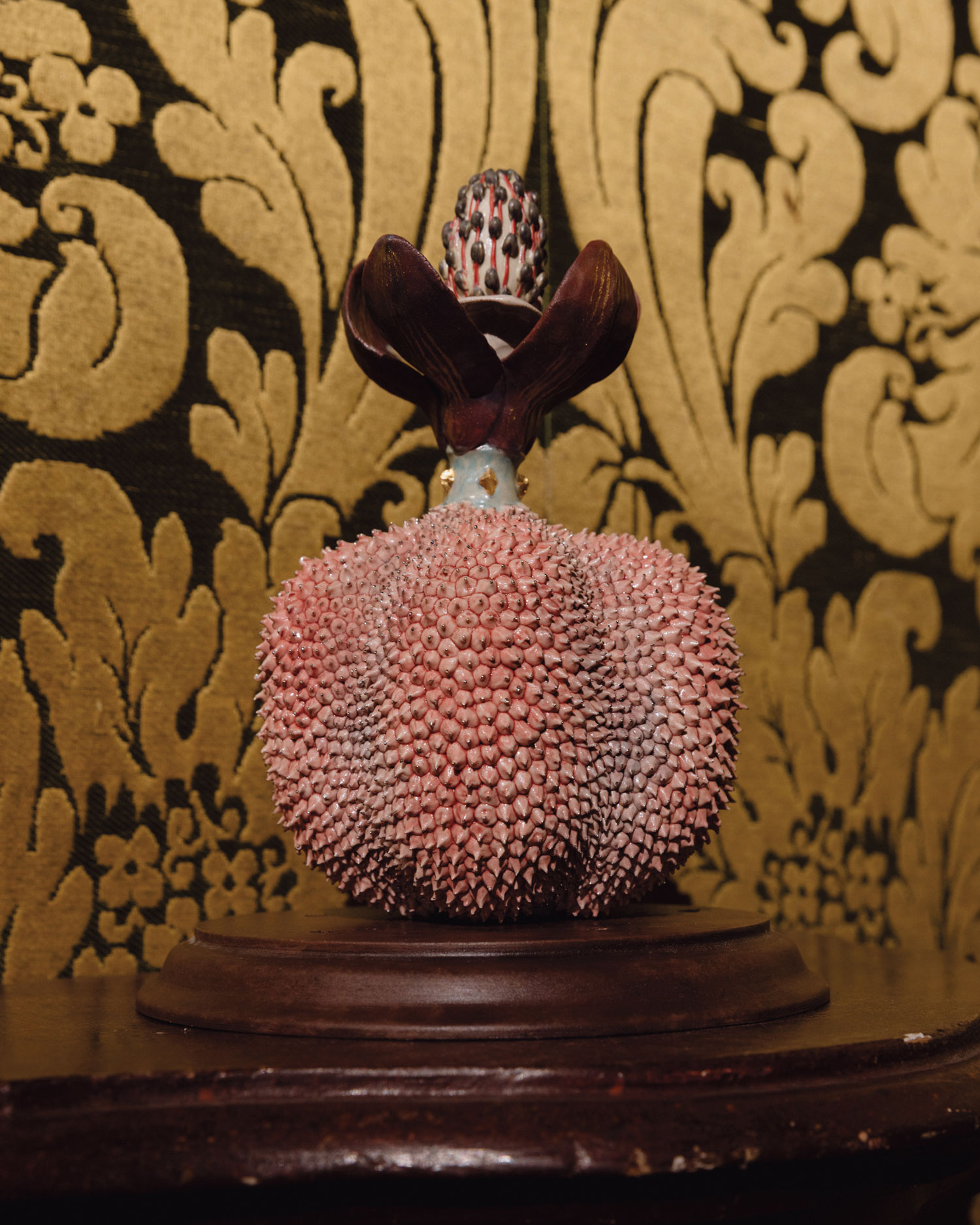
Pierrot Fleuri by ceramicist Kaori Kurihara, alongside Tessitura Luigi Bevilacqua textiles, at Fondazione Dries Van Noten.
Pierrot Fleuri by ceramicist Kaori Kurihara, alongside Tessitura Luigi Bevilacqua textiles, at Fondazione Dries Van Noten, Photo by Matteo de Mayda

That trajectory changed in 1999 when the Venice Biennale permanently expanded beyond its historic Giardini pavilions into the Arsenale, the city’s former shipbuilding complex. Soon after, exhibitors began staging shows in palazzi, churches, and other historic buildings, making Venice an integral part of the Biennale, rather than merely its location.

Today, the momentum is everywhere. The film festival is challenging the dominance of Cannes as a preferred launchpad for film-awards seasons. The city’s food scene has welcomed a wave of chef-driven restaurants, such as Michelin-starred Ristorante Wistèria and Al Covino, a bistro with just seven tables. Art foundations continue to open, including the Anish Kapoor Foundation in Palazzo Manfrin in Cannaregio and Fondazione Dries Van Noten, a centre for craftsmanship and contemporary creative practice, founded by its namesake, the legendary Belgian fashion designer, in the 15th-century Palazzo Pisani Moretta on the Grand Canal.

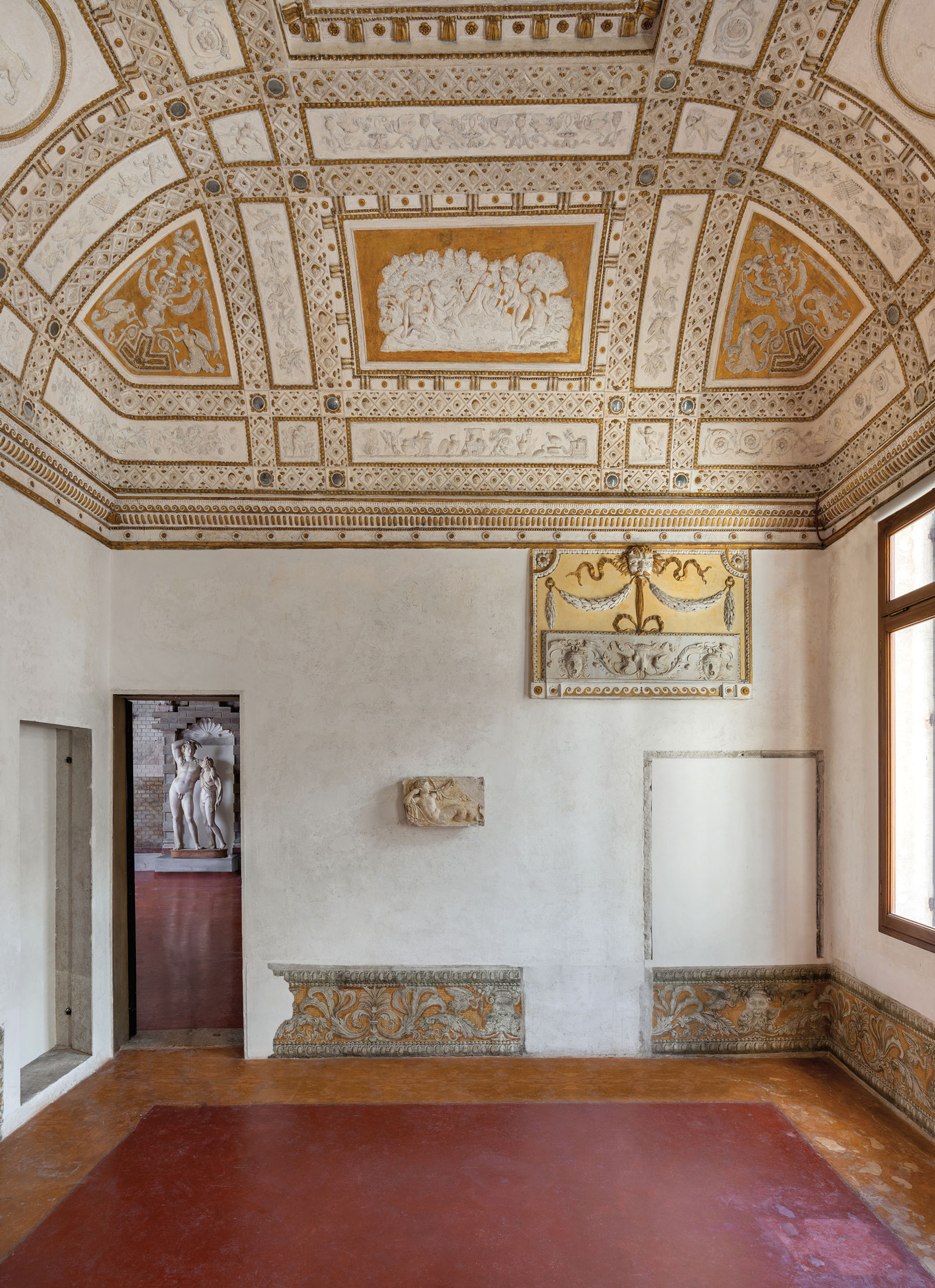
The chamber of Callisto at Museo di Palazzo Grimani
The chamber of Callisto at Museo di Palazzo Grimani. Photo by Matteo de Fina, Courtesy of Venetian Heritage
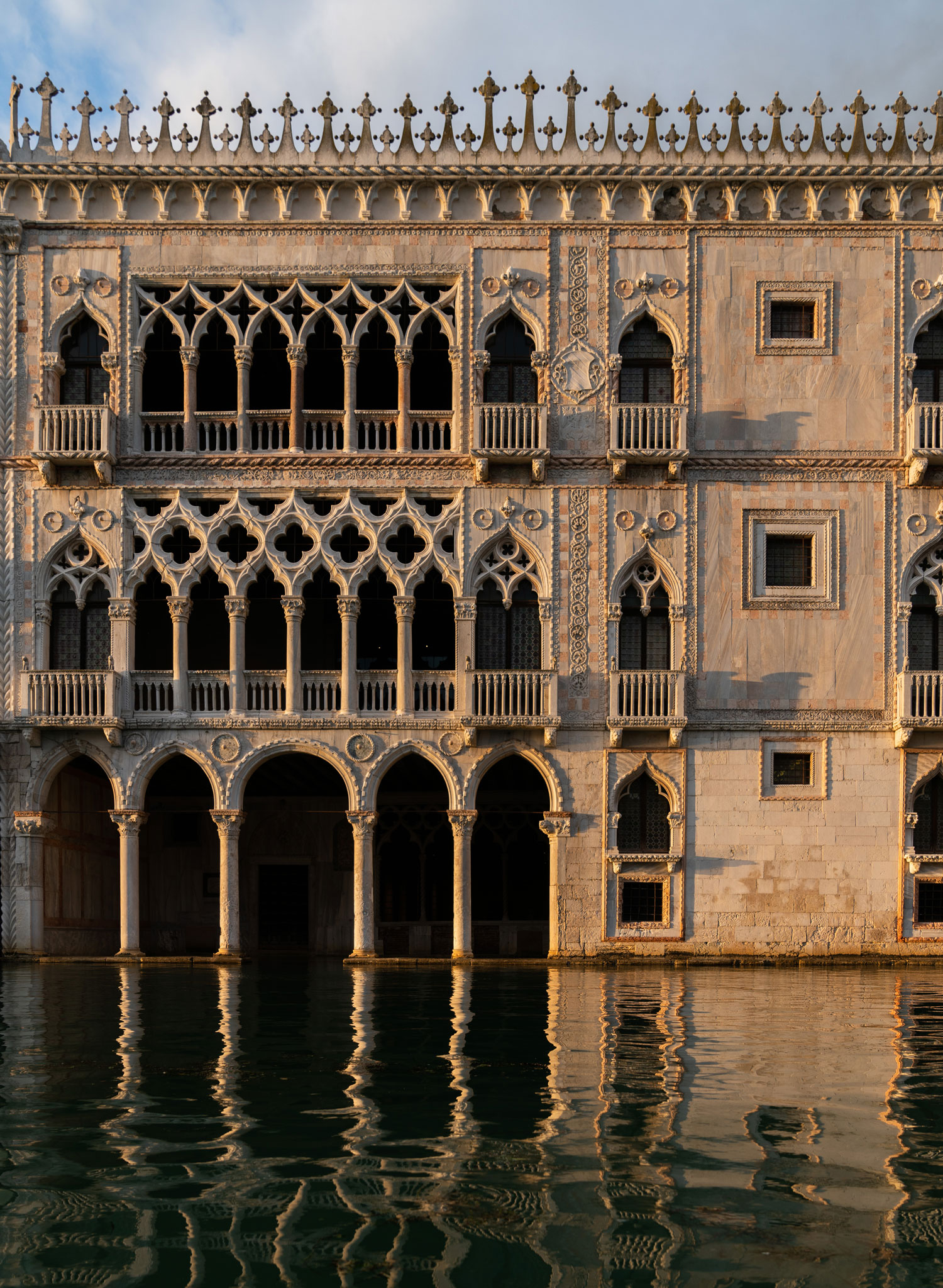
Ca d'Oro
Ca d’Oro on the Grand Canal

Under Bergamo Rossi’s leadership, Venetian Heritage has restored Palazzo Grimani, where annual visitors have increased from roughly 9,000 in 2018 to 90,000 today, and is in the midst of overseeing the refurbishment of the Ca’ d’Oro, the Venetian Gothic palazzo on the Grand Canal that is the home to one of the city’s finest collections of Renaissance art.

Homo Faber—the biennial celebration of contemporary craft created by the Geneva-based Michelangelo Foundation for Creativity and Craftsmanship and staged on San Giorgio Maggiore—also ran this September. Among the hundreds of artisanal gems on view is the work of Laguna~B, the Murano glassmaker run by Marcantonio Brandolini, a descendant of one of Venice’s oldest families.

“Now, people come here for culture,” Bergamo Rossi says. And not just to visit. Entrepreneurs, designers, artists, and philanthropists are moving to Venice, opening or reviving local businesses and helping return the city to year-round life.

Inside a carefully restored space at Danieli, Venezia, A Four Seasons Hotel
Inside a carefully restored space at the Danieli, Venezia, A Four Seasons Hotel

Though the population has dropped to about 50,000, many of the newcomers, like fashion designer Diane von Furstenberg, are deeply engaged in the life of the city. Von Furstenberg now spends more than half the year in Venice and hosts the annual DVF Awards for extraordinary women leaders in late summer.

Five years ago, the American entrepreneur Stuart Parr purchased Piedàterre, the venerable maker of the city’s signature cotton velvet furlane slippers. Parr moved production to Italy and began collaborating with historic Venetian textile houses, including Rubelli and Tessitura Luigi Bevilacqua. Today he lives on the Grand Canal. “People always ask me how long I’m going to stay here,” he says. “I don’t know a better option.”

Venice still faces challenges. Tourism is a delicate balancing act. Preserving a city built on seawater will never be simple or inexpensive. Perhaps that has always been Venice’s story—not stasis, but adaptation. “I don’t believe in a renaissance,” Brandolini says. “Venice has always been in movement.” And, as history suggests, it always will be.

At One of One Dinners Around the World, Art is On the Menu

What happens when the worlds of art and gastronomy converge at the highest level? A new kind of cultural experience emerges—one where creative expression is not simply observed but savoured.

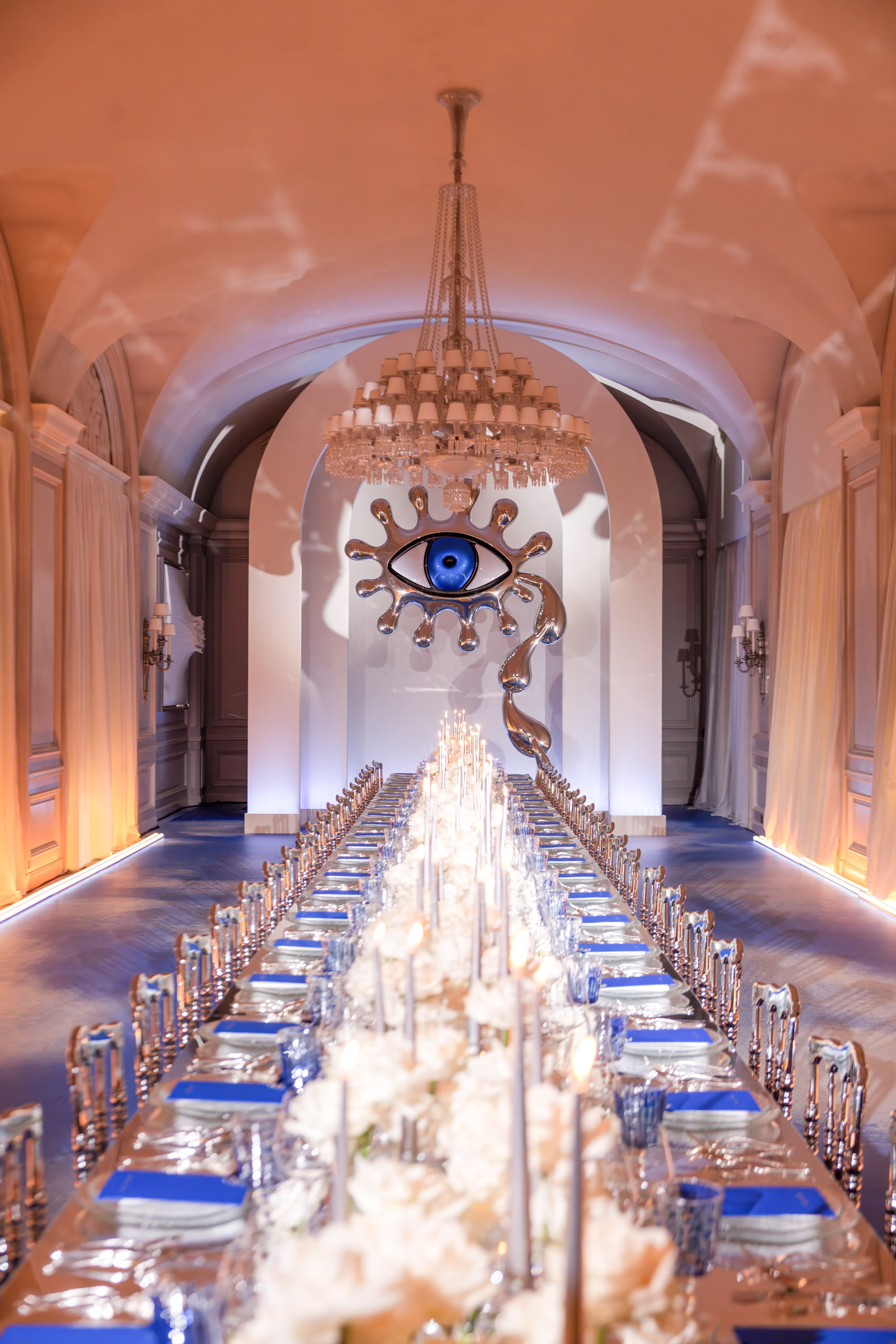
Last October, Four Seasons, in collaboration with Art Basel, debuted One of One, a dinner series held in select international cities and created to champion craft in all its forms—be it artistic, culinary, or hospitality. The inaugural event at Le George restaurant inside Four Seasons Hotel George V, Paris, brought together a few dozen of the globe’s most influential art lovers for a night of gastronomic and artistic exploration. With acclaimed artist Charlotte Colbert as muse, chefs from the hotel’s three Michelin-starred restaurants dreamed up a multisensory five-course menu to complement her surrealist, reality-bending works and challenge the palate. Watched over by one of Colbert’s sculptures, which features an eye with a blue iris atop a cascade of metallic tears (shown below), the evening was a chef d’oeuvre in every sense of the word, from the dramatic, blue-​shaded décor and bespoke light-and-sound design to the inventive plating.

Charlotte Colbert sculpture at Le George in Four Seasons Hotel George V, Paris
Charlotte Colbert’s eye sculpture at the One of One event in Paris

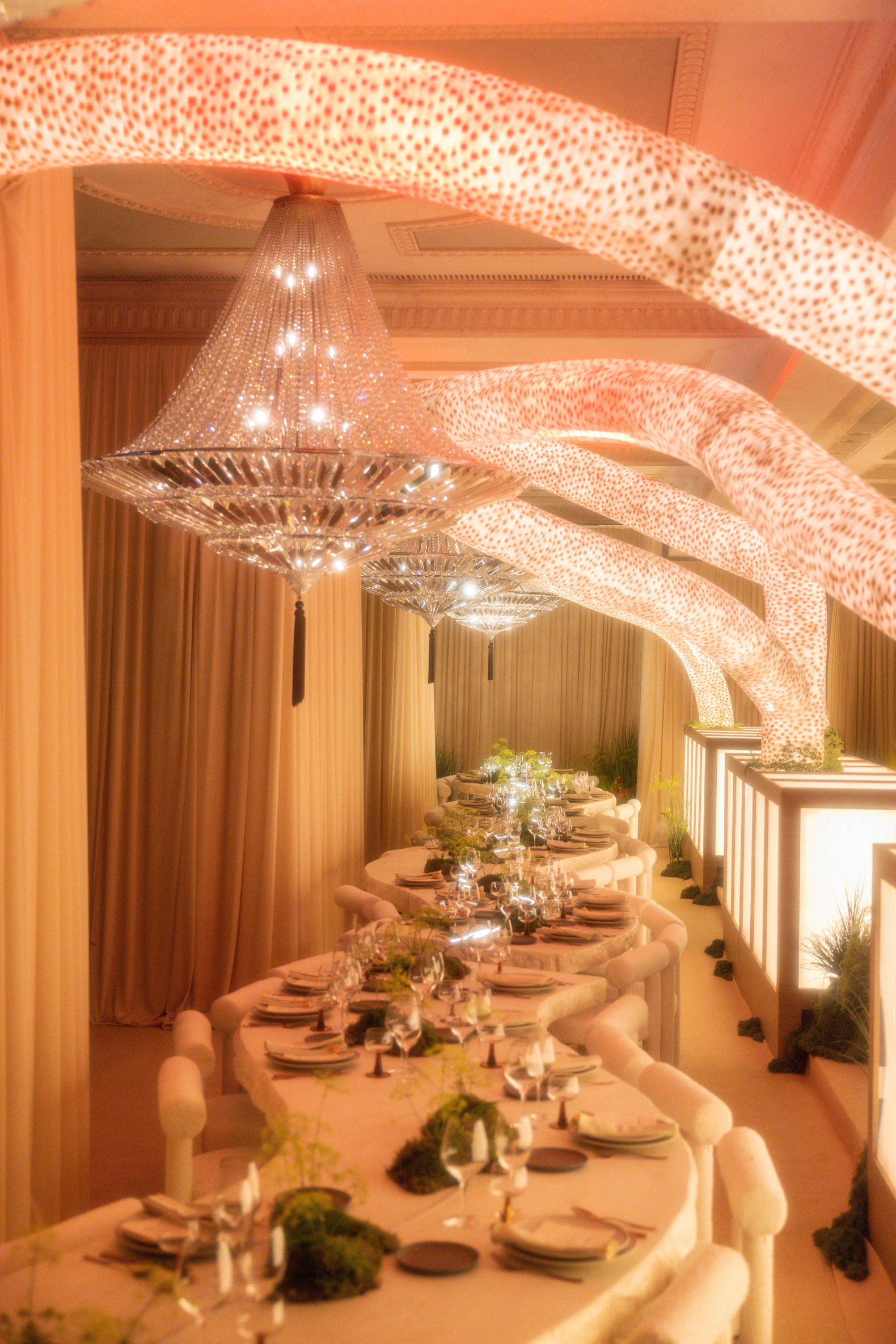
The momentum has continued with two more extraordinary editions. This past March, invitees gathered at Caprice, the three-Michelin-starred French restaurant inside Four Seasons Hotel Hong Kong, to celebrate artist Wing Po So and her mesmerizing installation inspired by Chinese medicine. So drew on her upbringing as the daughter of an apothecary for her site-specific commission, a sinuous, tubular light installation that she painstakingly covered with the papery seeds of the Damocles tree (long used in medicinal teas). Seated beneath the colossal sculpture, guests enjoyed dishes that combined Eastern philosophy with French technique. The menu was the first collaboration between chef Guillaume Galliot of Caprice and chef Chan Yan Tak of the hotel’s two-Michelin-starred Chinese restaurant Lung King Heen.  

The One of One dinner in Hong Kong, adorned with Wing Po So’s glowing light installation;
The One of One dinner in Hong Kong, adorned with Wing Po So’s glowing light installation

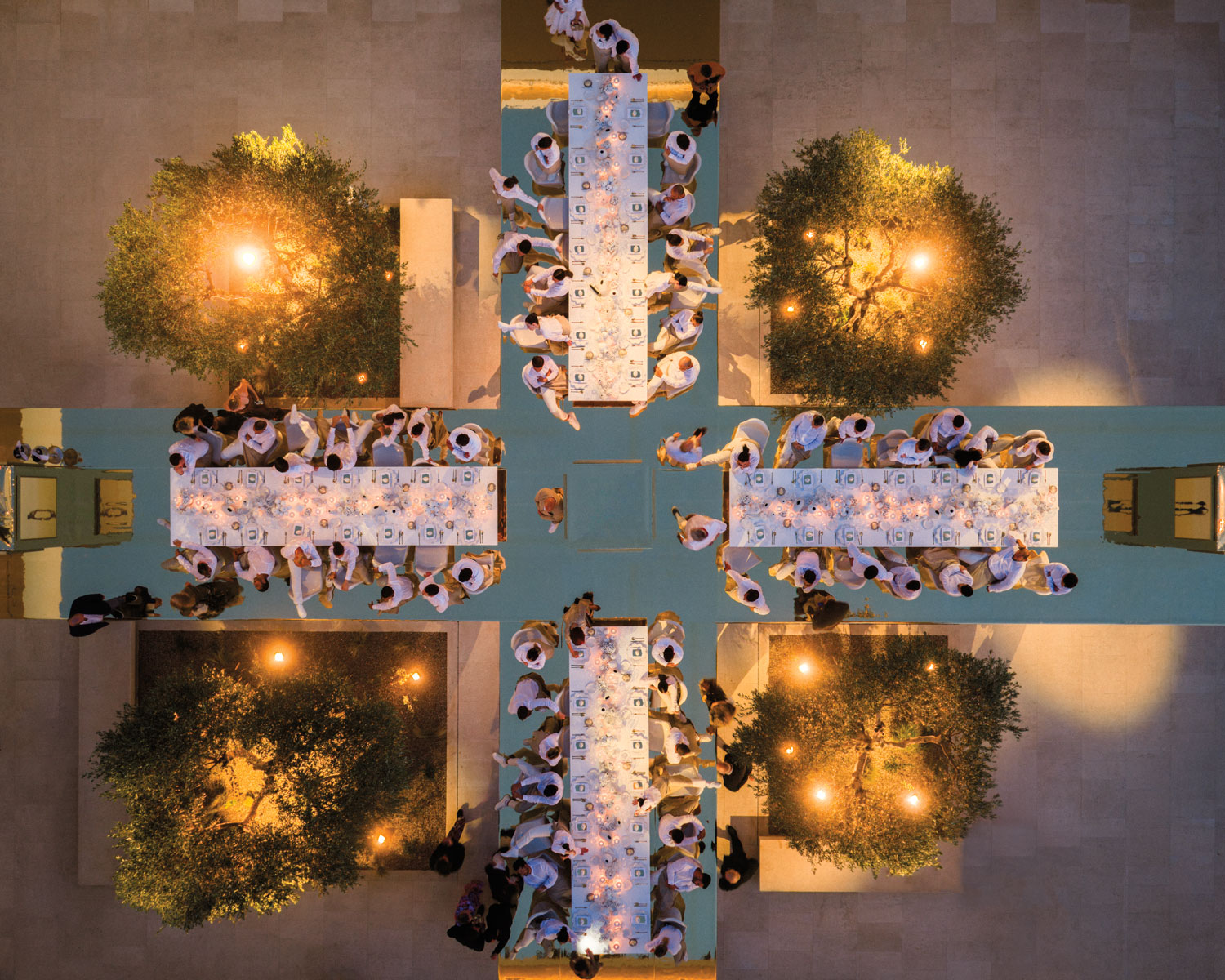
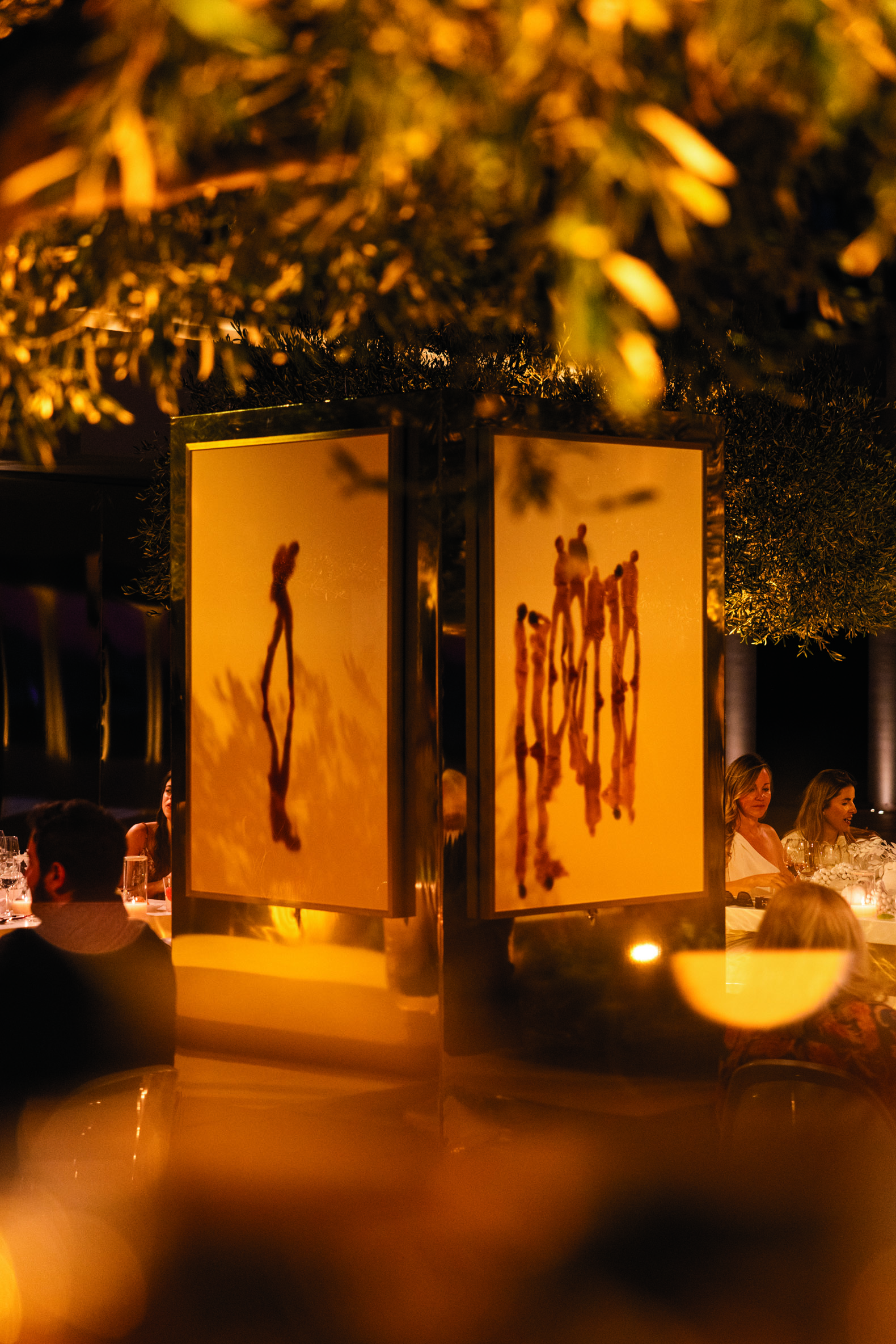
This past June, the choreographer, performer, and visual artist Maria Hassabi designed an evening to remember at Four Seasons Astir Palace Hotel Athens. Guests dined alfresco on a bespoke four-course Mediterranean meal by chef Luca Piscazzi of Michelin-starred Pelagos that reflected the artist’s practice at the interplay of stillness and motion. Photographic works by Hassabi—capturing dancers in motion reflected across golden surfaces—framed the dining space. Further elevating the experience, the staff presented each dish with a theatrical synchronicity that reflected the night’s theme of a lived choreographed performance.

Maria Hassabi’s photographic works in Athens

This October, the One of One series returns to Art Basel Paris for another immersive night of fine dining meets fine art—where unparalleled craftsmanship and creativity will once again take centre stage.

Photography by Romain Reglade x Aisha Wiggins

Canvases & Cuisines: Seven L.A. Restaurants Where Art Is on the Menu

In Los Angeles, a great meal is as essential to understanding the city’s cultural fabric as a trip to a museum. After a full day of exhibits and sightseeing, unwind and relax at these standout culinary destinations, where fine dining meets fine art.

CUT, Beverly Hills

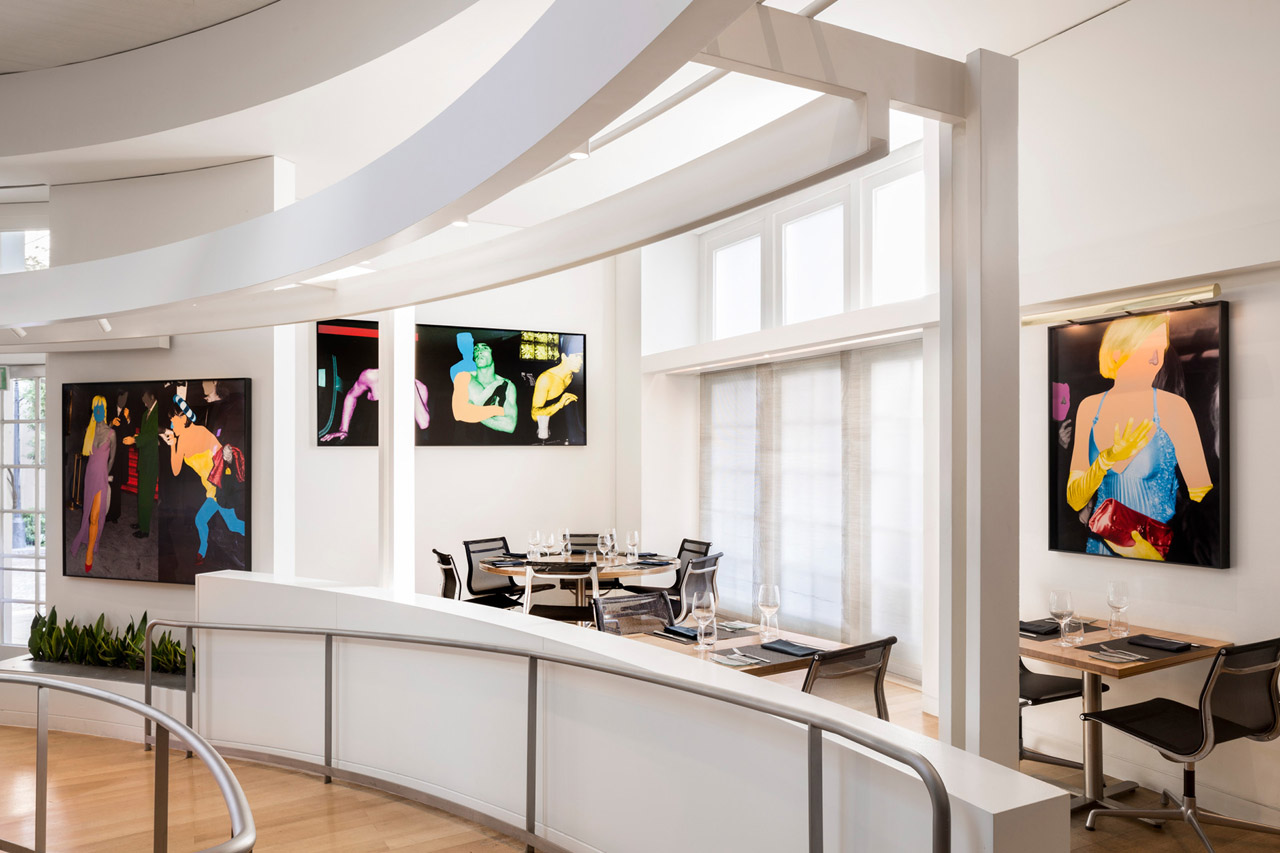
Art by John Baldessari at CUT Beverly Hills
Mixed media art by John Baldessari in the dining room at CUT.

Enjoy your steak with a side of world-class artwork at Wolfgang Puck’s flagship steakhouse inside Beverly Wilshire, Beverly Hills, A Four Seasons Hotel. Several lively mixed-media pieces from conceptual artist John Baldessari grace the walls of the bright, airy dining room. “The modernist design by Richard Meier, which is pretty indicative of an art gallery in and of itself, beautifully juxtaposes with the splashes of colour,” says Byron Lazaroff-Puck, president of Wolfgang Puck Fine Dining.

Funke, Beverly Hills

This glittering Italian ristorante isn’t just the star-studded crown jewel of local pasta maestro Evan Funke’s culinary empire—it’s also a worthy destination for modern-art lovers. The restaurant’s permanent installations include works by Basquiat, Ed Ruscha, and Richard Prince, all of which are from co-owner Kurt Rappaport’s personal collection.

Kato, Downtown L.A.

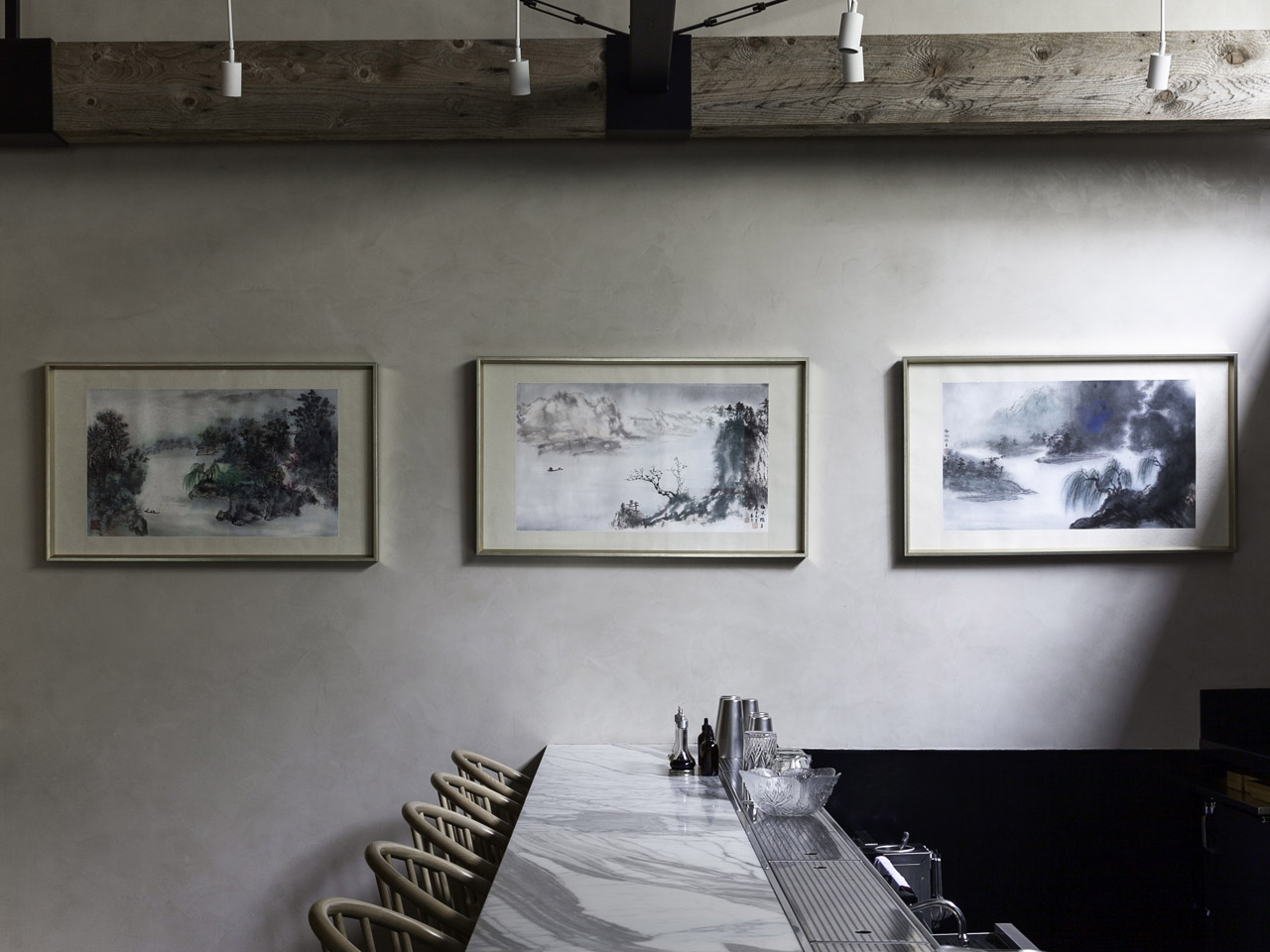
Splashed-ink paintings by Yao Zuozhi at Kato
Splashed-ink paintings by Yao Zuozhi.

Chef Jon Yao’s Taiwanese American identity informs every aspect of this phenomenal Michelin-starred tasting experience in the Arts District, including the art. A triad of traditional Chinese splashed-ink paintings by the chef’s grandfather Yao Zuozhi hang near the bar, while the semiprivate dining room features two mixed-media pieces by Taiwanese American artist James Jean.

Lulu, Westwood

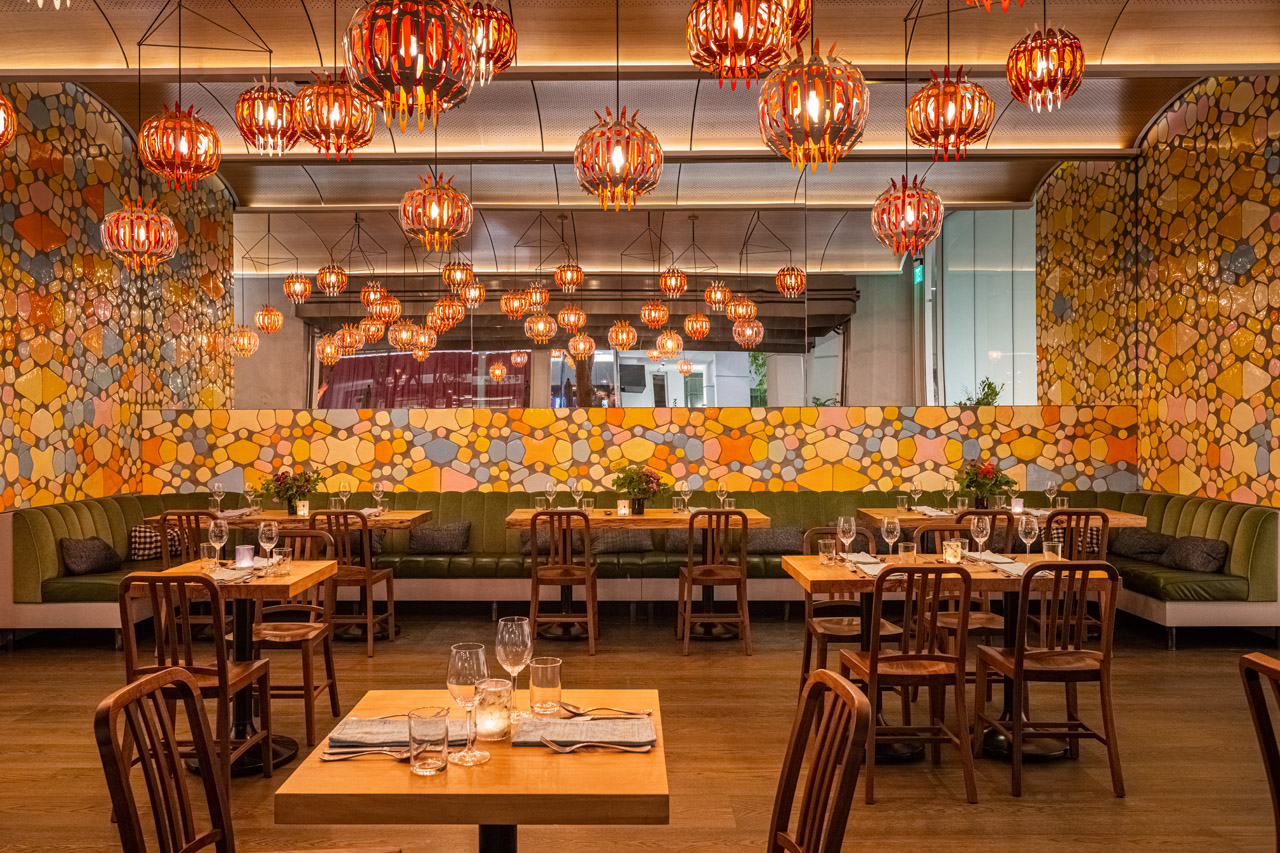
Lanterns and tilework by Jorge Pardo at Lulu
Lanterns and tilework by Jorge Pardo at Lulu.

Few museum eateries offer the level of dining found at Lulu. The seasonal restaurant at the Hammer Museum—conceived by Alice Waters, the culinary visionary behind Chez Panisse—is overseen by Waters’s longtime collaborator David Tanis. Savour selections from the ever-changing dinner menu on the courtyard’s patio, which features bright orange hanging lanterns and tilework by local artist Jorge Pardo.

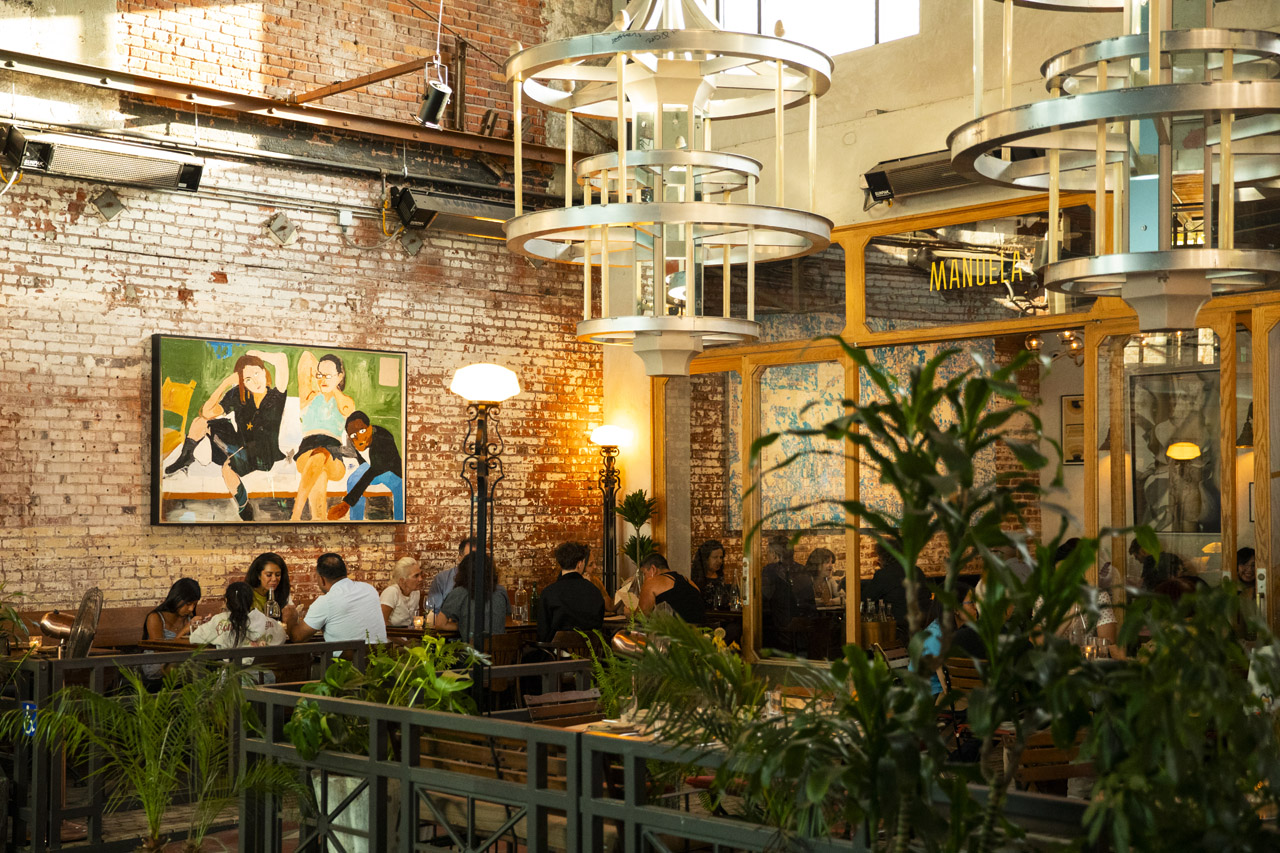
Manuela, Downtown L.A.

A Henry Taylor painting at Manuela. Photo by Elli Lauren
A Henry Taylor painting at Manuela. Photo by Elli Lauren.

This stylish indoor-outdoor restaurant is nestled in the courtyard of the internationally acclaimed Swiss gallery Hauser & Wirth’s L.A. outpost. Inside the industrial brick-lined dining room, find a rotating installation of original works and special commissions from artists like Paul McCarthy, Mark Bradford, and Raymond Pettibon, plus Southern-inspired cuisine from executive chef Kris Tominaga.

Michael’s, Santa Monica

A haven for the art world since 1979, this farm-to-table pioneer maintains an impressive permanent art collection that includes pieces from David Hockney and Robert Graham (both former regulars), plus Ed Ruscha, Cy Twombly, and Mona Kuhn. After dining, head upstairs to peruse the art gallery, which features exhibitions by up-and-coming local artists. “We want to support the community—Santa Monica has very few art venues,” co-owner Kim McCarty says.

La Ola, Beverly Grove

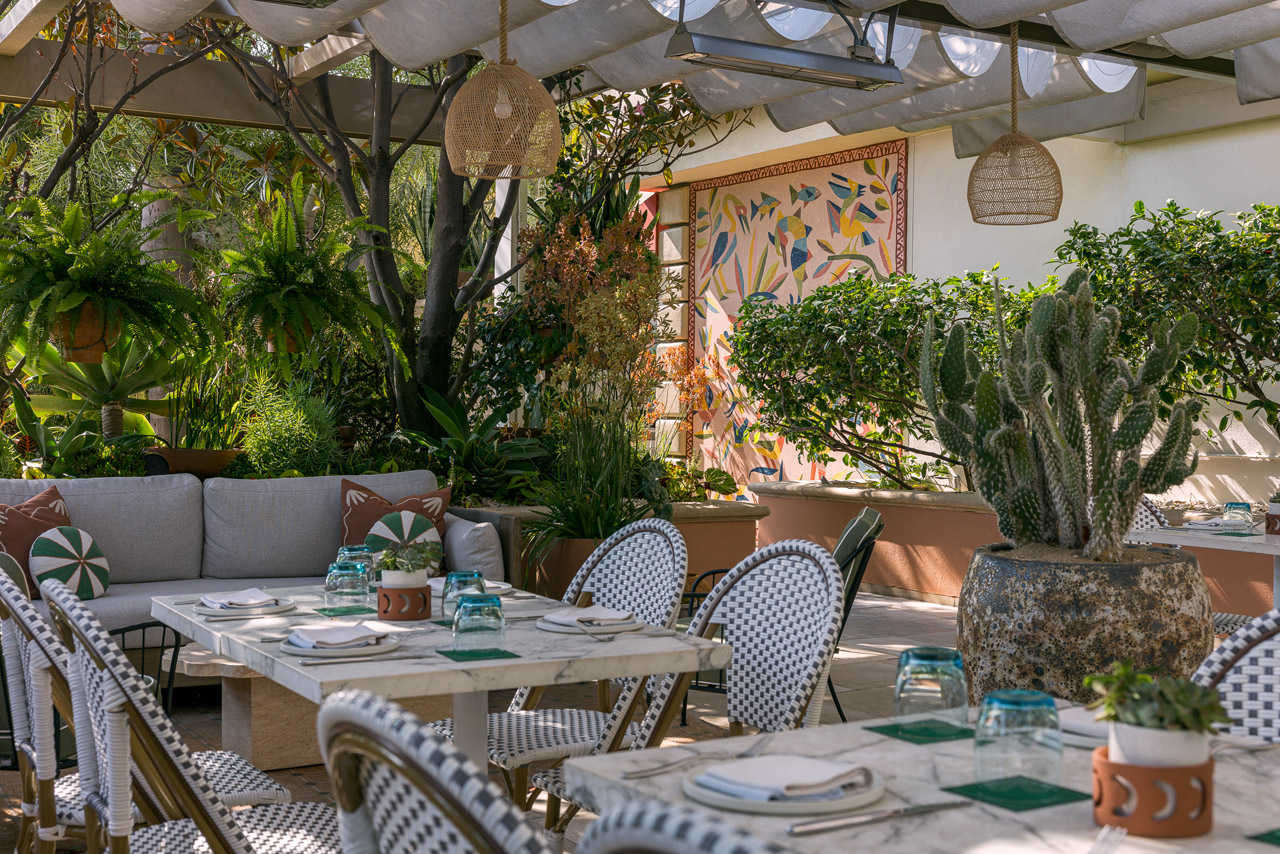
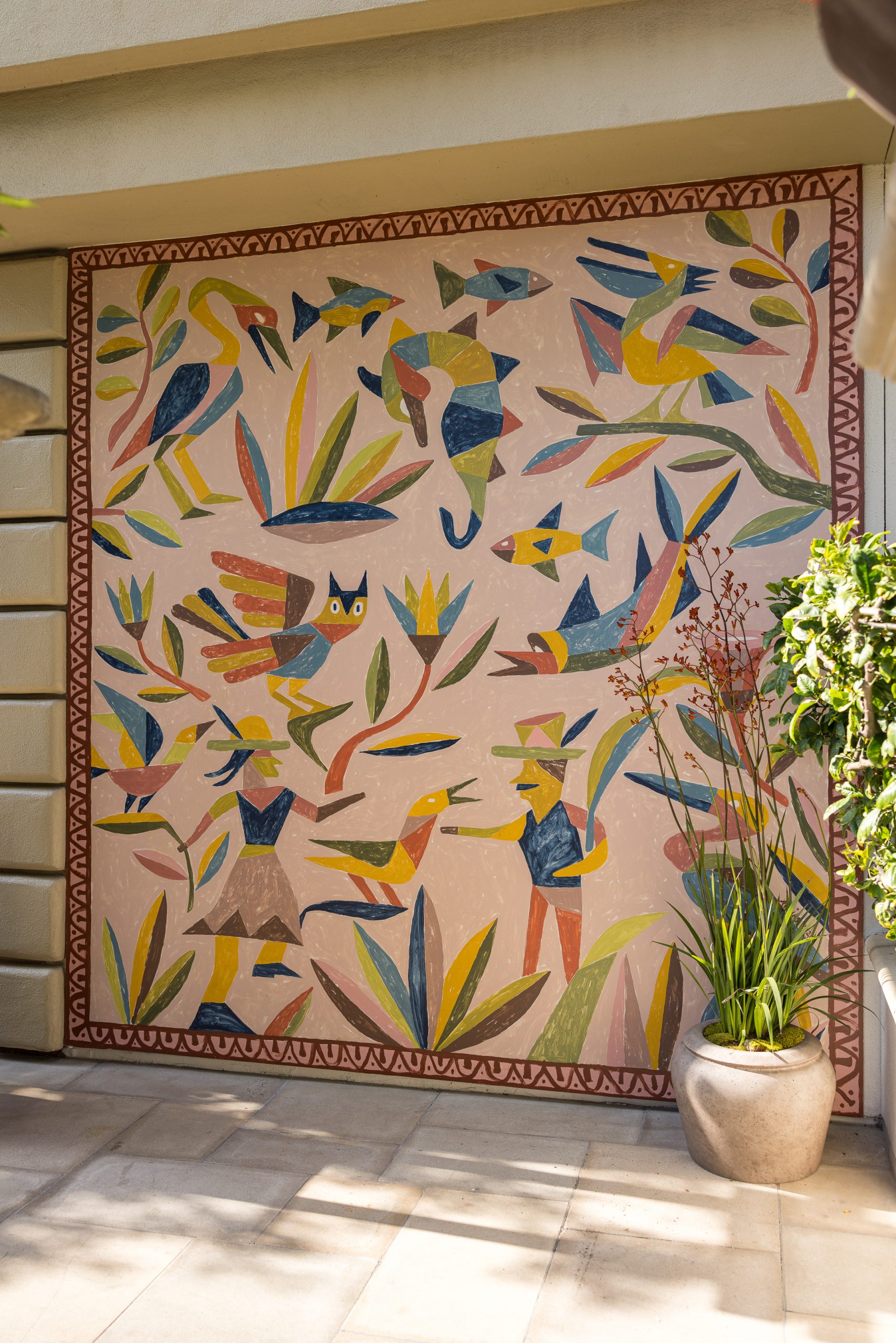
Mural by Abel Macias at La Ola
Mural by Abel Macias at La Ola.

The soul of this open-air coastal Mexican restaurant at Four Seasons Hotel Los Angeles at Beverly Hills is a colourful mural by celebrated local Mexican American artist Abel Macias, who drew inspiration from the rich patterns of Indigenous Otomi tilework and marine life.


Leave No Stories Left Untold

Travel is a promise of stories waiting to unfold. It takes us out of our everyday and invites us to reconnect with our innermost selves and the world around us. No matter what type of traveller you are, exploring the tapestry of sights, sounds and flavours found throughout the Middle East and Africa will leave you with incredible new stories to tell. From curated wellness experiences and immersive excursions that showcase an area’s rich culture and traditions to adventures that take you outside the ordinary, these distinctive properties offer a range of dynamic experiences as unique as the destinations themselves, delivered with the legendary service and attention to excellence Four Seasons is known for. Not sure where to start? Here are some of the expertly curated experiences you’ll find throughout this incredible region.

Journey into the untold

Natural immersion

These experiences tap into the beauty of the natural world and open up a fresh perspective on an area’s history and culture.

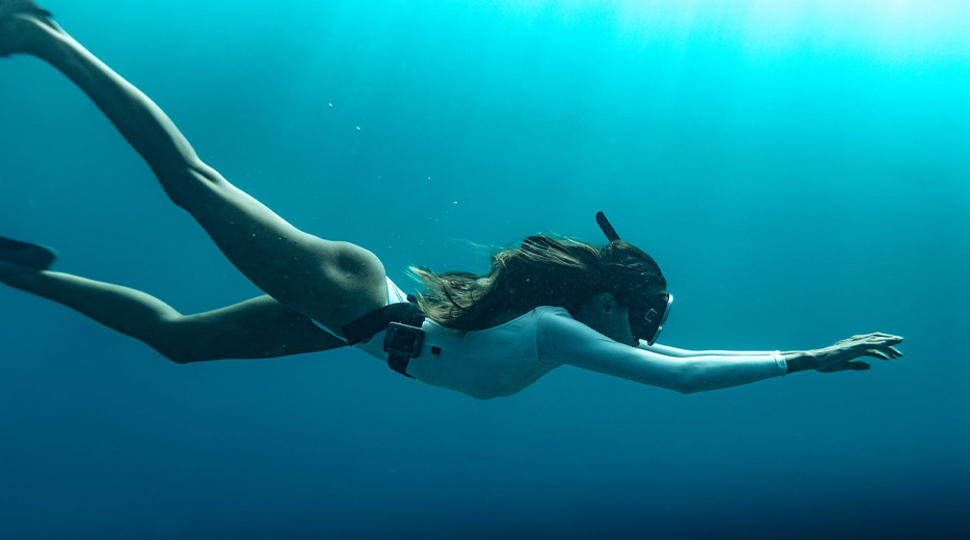
Explore above and below the water in the Seychelles

Whether you want to try your hand at surfing, reeling in a Yellowfin Tuna or are curious to see the vibrant underwater world up close, Four Seasons Resort Seychelles at Desroches Island invites you to immerse yourself in tropical wonders. The experts at the Resort’s Castaway Centre can craft a custom itinerary filled with all kinds of water adventures suited to your preferences, seamlessly mixing thrilling excursions with tranquil moments of awe.

Wander through Yves Saint Laurent’s blue gardens in Marrakech

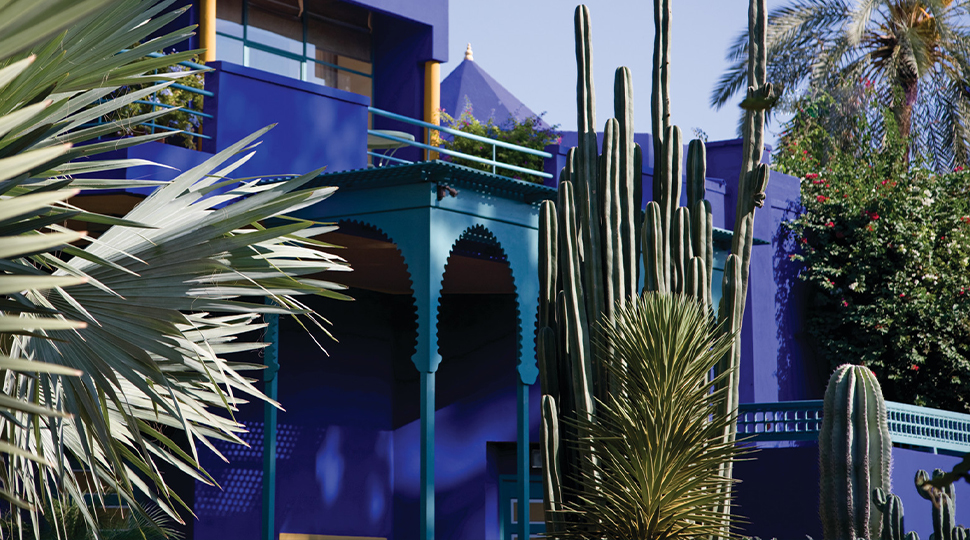
Lose yourself in the labyrinthine, palm-covered passageways at Jardin Majorelle, the garden adjoining fashion designer Yves Saint Laurent’s former home. The garden is a mélange of rare tropical and flowering plants as well as ancient, storeys-high cactuses. The terra cotta buildings, all painted in the same electric blue by the previous owner, bring the landscape to life – appropriate for the city that Saint Laurent said introduced him to colour. A private tour of the home he shared with Pierre Bergé and a guided visit to the adjacent Musée Yves Saint Laurent follows, then a tailor-made, YSL-inspired dinner back at Four Seasons Resort Marrakech.


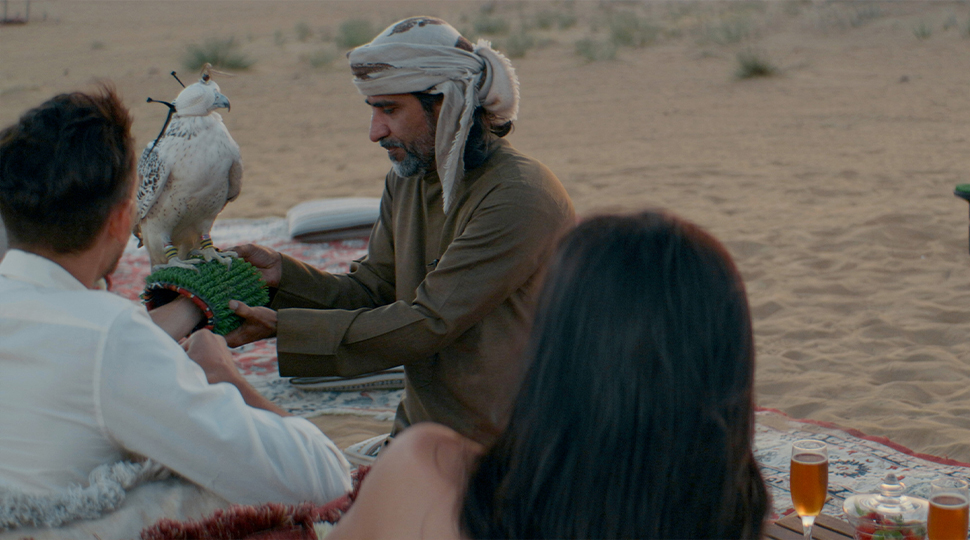
Man holds a falcon on his arm as two others look on

Explore the dunes and dine at a traditional Bedouin camp on the Royal Safari Private Experience available at Four Seasons Hotel Dubai International Financial Centre.

Escape to the desert for a day in Dubai

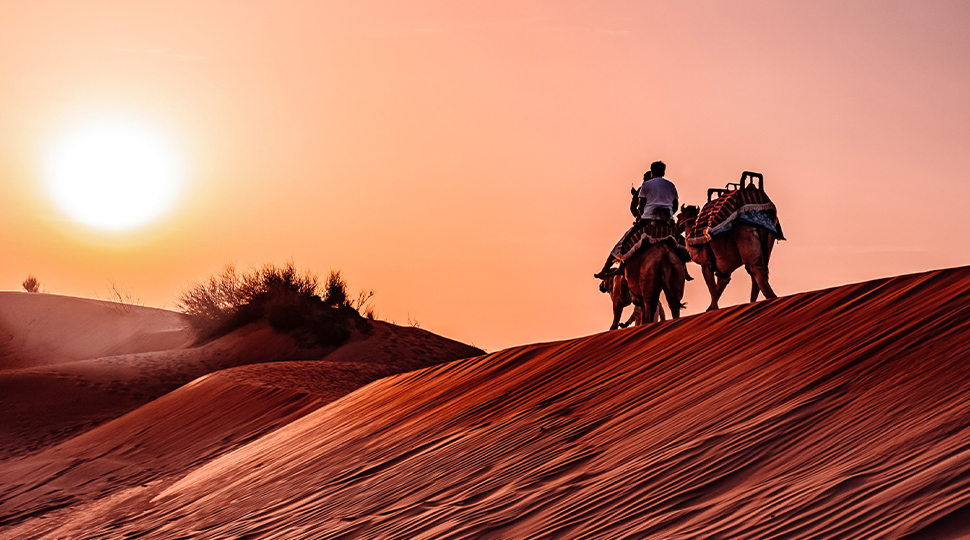
Watch the sandy desert unfold before you from the back seat of a vintage 1950 Range Rover, driven by your private guide at Dubai Desert Conservation Reserve, the UAE’s first national park. After a thrilling hour-long desert safari, your next ride – a camel – is already saddled and waiting for you. Afterwards, you’ll take in a falconry show and a four-course dinner at an authentic Bedouin camp to round out the incredible Royal Safari Private Experience, available exclusively at Four Seasons Hotel Dubai International Financial Centre.

Explore the beauty of the natural world

One-of-a-kind wellness and self-discovery

Rejuvenate your body and mind with experiences designed to promote relaxation, self-reflection, and spiritual or personal growth.

Have the spa all to yourself in Bahrain Bay

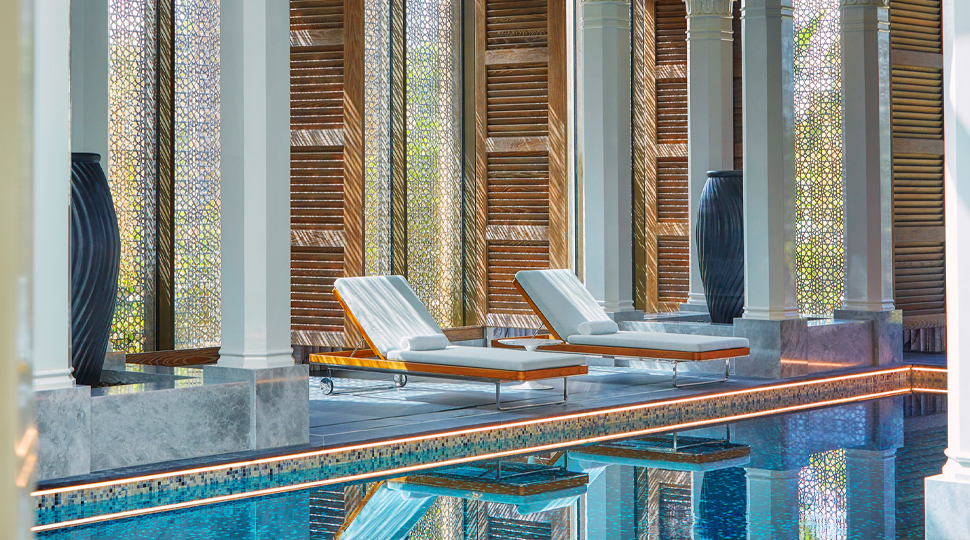
The middle of the night always brings an air of mystery. The Night Spa package at Four Seasons Hotel Bahrain Bay kicks off an hour before midnight with a 60-minute massage next to the Spa’s elegant tile-bottom pool. Sparkling wine and chocolates follow, along with having the space all to yourself for a full hour. If romance is on your mind, this is just one of two different couple’s packages that help set the stage for love. Your other option? The Couple’s Escape treatment starts with an aromatic steam and full-body scrub and ends with an aromatherapy massage, after which bubbles are served.

Nourish body and soul in Pella

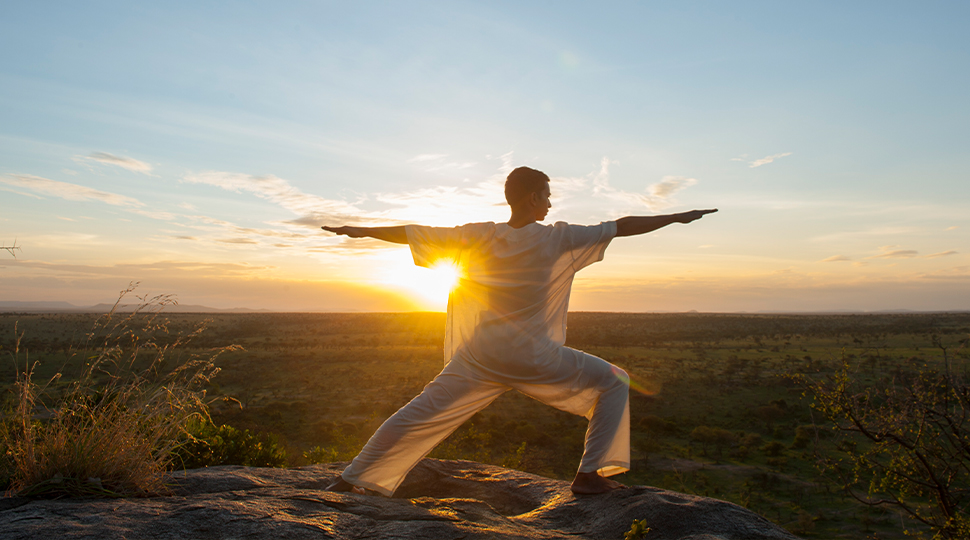
Pass rolling hills and scenic valleys as you make your way north from Four Seasons Hotel Amman en route to the historic village of Pella. A welcome ceremony followed by a mountaintop meditation session with a shepherd and his sheep immediately connects you with the unique energy of this spiritually charged archaeological site that has been continuously inhabited for 6,000 years. Enjoy lunch at the Marsam, learn about dream weaving from a local artisan, practice some art therapy techniques and then reflect on it all during a private yoga session at sunset.

Find a new kind of balance

Exclusive opportunities for cultural engagement

Experience some of the world’s most iconic cultural sights through private, individually curated moments you’ll never forget.

Observe ancient and modern worlds in Qatar’s capital

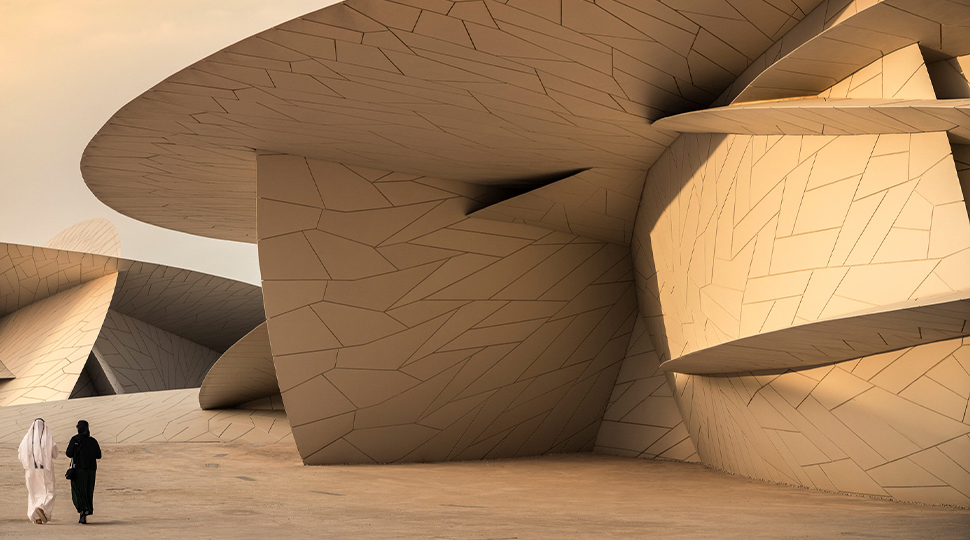
Experience all that Doha has to offer with a curated day of the city’s top sights, a roundup of nature, shopping and art all curated by the experts at Four Seasons Hotel Doha. Your morning begins with a leisurely drive along the Corniche with your private guide and a stop to admire the ultramarine waters at Katara Beach, often called the prettiest beach in Qatar. Pick up a handwoven rug at the Souk Waqif, the city’s bustling marketplace that sells everything from spices to strands of pearls, then wind down your day learning about the area’s rich heritage and culture at the Museum of Islamic Art and the futuristic, Jean Nouvel–designed National Museum of Qatar.

Dine beside the world’s most famous monuments in Cairo

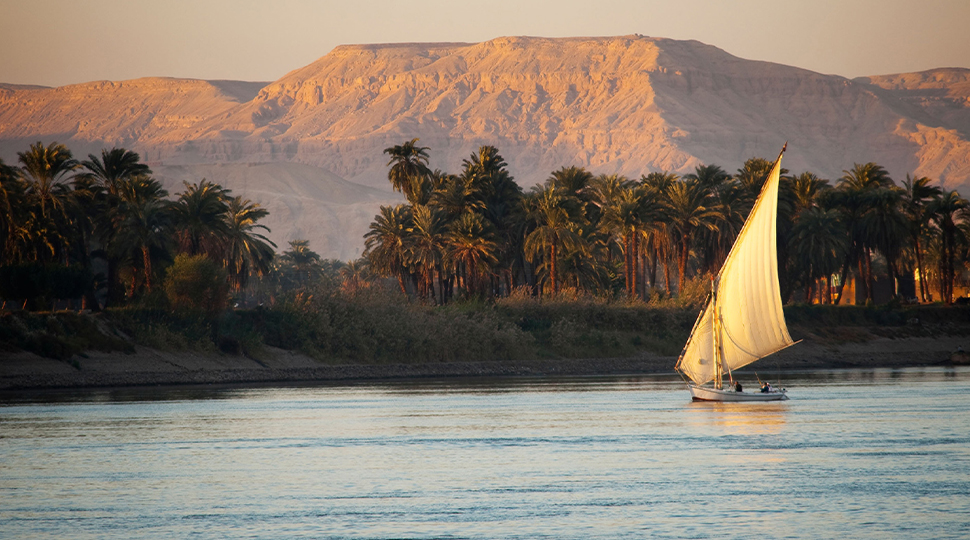
As the sun sets over the Great Sphinx and the majestic Pyramids of Giza, the first course of dinner arrives in your private tent. Both the view and customized dinner are spectacular, even more so after spending the day with your private tour guide learning about the history of these 7,000-year-old monuments, one of the Seven Wonders of the Ancient World. After dessert, a traditional Tanoura dance show makes for another sweet treat. For an even deeper appreciation of Egyptian heritage, have the Concierge at Four Seasons Hotel Cairo at Nile Plaza arrange for  personalized itinerary for you to to explore the markets, grand palaces and cultural centres of the city, culminating with a mesmerizing felucca ride down the Nile River at sunset.


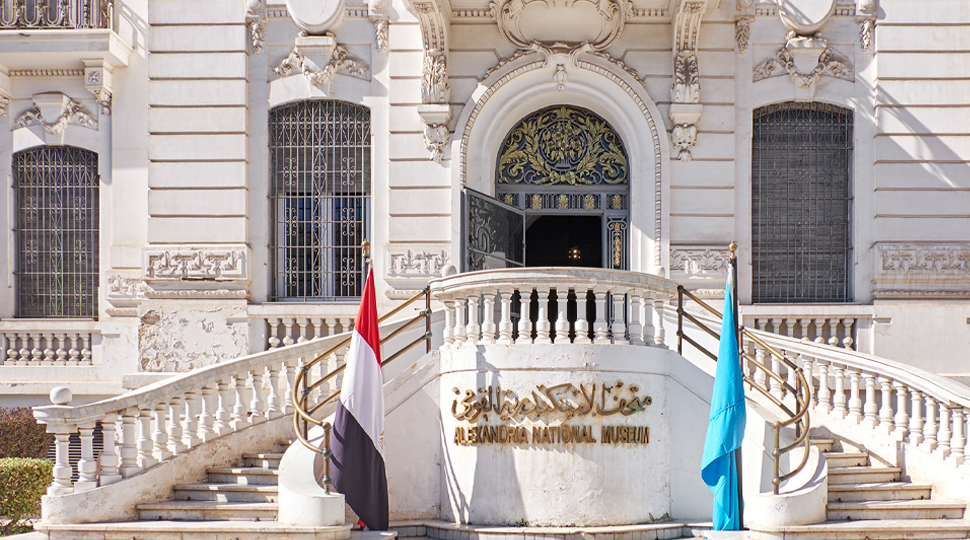
Exterior of Alexandria National Museum

Let Four Seasons Hotel Alexandria arrange for behind-the-scenes access to some of the cities most intriguing museums.

Marvel at royal gems in Alexandria

The riches of the Muhammad Ali dynasty are on glittering display as you take a private evening tour through the grand halls of the Royal Jewellery Museum, filled with the priceless jewellery of Egypt’s royal family. As you make your way through the newly restored, 19th-century royal palace, your expert guide reveals the stories behind magnificent these royal artefacts. This extraordinary experience is available only at Four Seasons Hotel Alexandria at San Stefano.

Get to know new cultures

Unlimited adventure

Get to know your more daring side with activities that take you beyond the ordinary.

A desert safari for thrill-seekers in Dubai

The Desert Thrills Safari from Four Seasons Resort Dubai at Jumeirah Beach starts with some invigorating dune bashing, an always unpredictable SUV ride across constantly shifting dunes with plenty of stops, starts and slides. After that, you’ll hop into a dune buggy for a different kind of tour across the landscape. Sandboarding and a camel ride follow, and to wrap it all up, you’ll enjoy a curated international dinner served in a traditional Bedouin tent.

Walk to the edge of the world in Riyadh

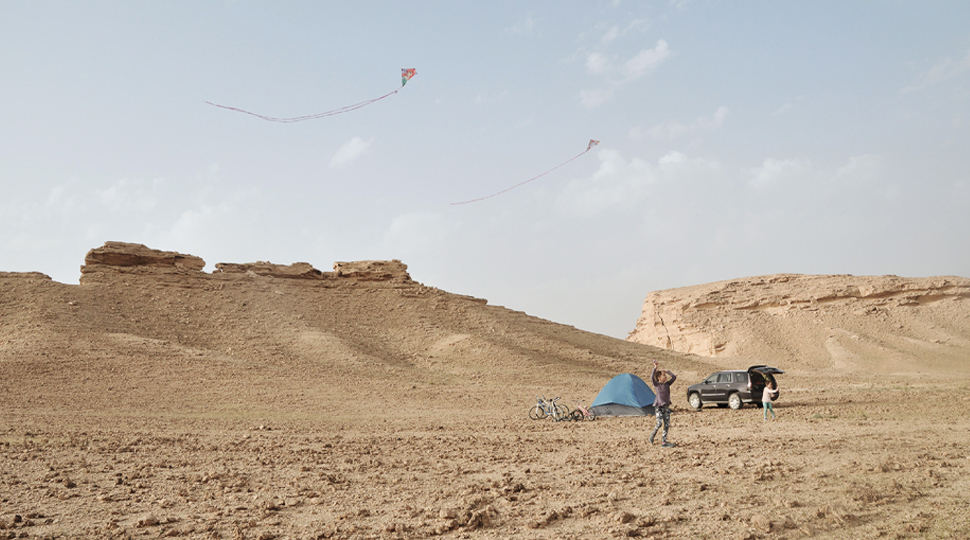
Set off from Four Seasons Hotel Riyadh at Kingdom Centre on an afternoon drive through the Arabian Desert and make your way to one of Saudi Arabia’s most magnificent natural wonders: the Edge of the World. This 1,131-metre (3,710-foot) cliff juts out of the desert floor and offers an unparalleled vantage point. Gaze out onto the endless horizon, spotting samar and acacia trees dotting the valley as well as towering mountains carved by time. As the sun begins to set, the whole landscape is drenched in shades of gold, orange and pink. A simple dinner filled with local flavours follows as you take in the magic of the desert at night.

Extraordinary adventures await

Culinary explorations

There’s no better way to get the true flavour of a place than through its cuisine. These experiences serve culture and history by taking you into the kitchens and restaurants that reflect its taste.

Learn how to cook Creole-style cuisine in Mauritius

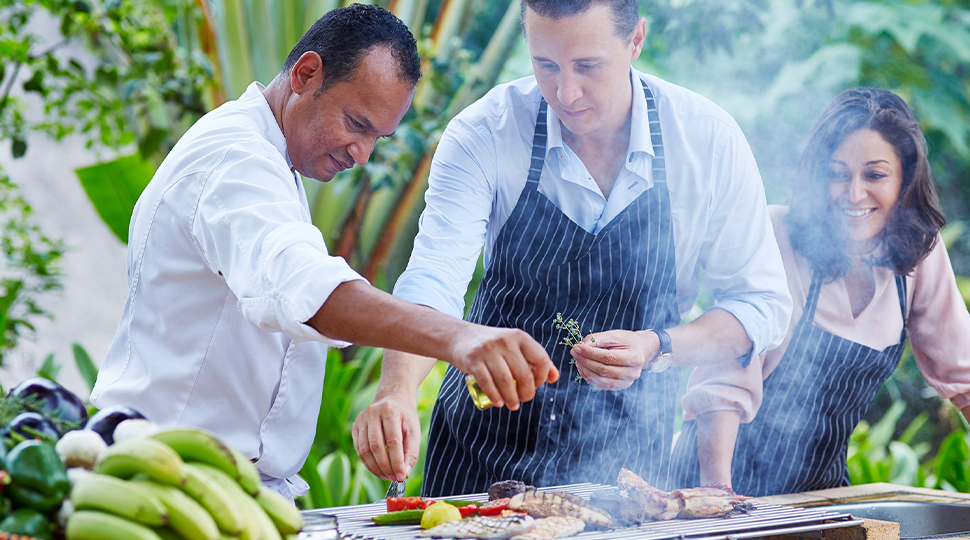
Snip some fresh herbs growing in the Cotomili herb garden at Four Seasons Resort Mauritius at Anahita and then step into the kitchen with a chef for a Creole Cooking Class to learn how to make some of the island’s signature, bold dishes such as rougaille: a classic, tomato-based comfort food that’s usually made with dried fish and herbs such as garlic, ginger, curry and chili. After you’ve created your own Creole dish, savour it with a glass of wine, expertly paired to make those flavours sing. You can also opt for a chef-prepared picnic on the Resort’s grounds, served after a short hike tailored for you by the fitness team.

Tour the city’s top bakery in Casablanca

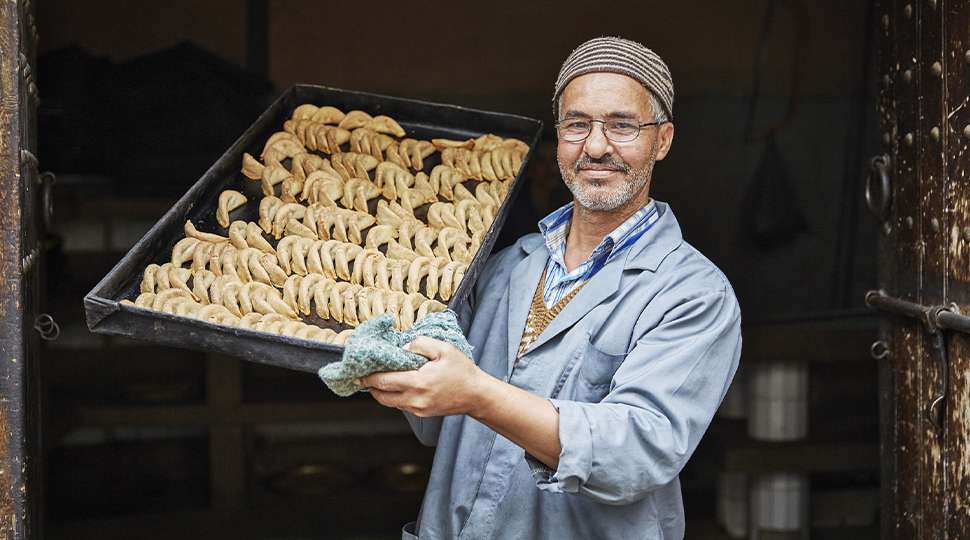
Taste the famous cornes de gazelles at Pâtisserie Bennis Habous tucked away in the Quartier Habous, and learn how this four-generation family bakery has made a name for itself in Casablanca and beyond. Your private tour, arranged by Four Seasons Hotel Casablanca, will take you behind the scenes and into the kitchen to see how these traditional Moroccan cookies, made from almonds and orange water, are shaped by hand. Afterwards, enjoy your cookies with a glass of sweet mint tea on the terrace of the nearby Cafe Imperial.

Indulge in new flavours

Make a positive impact

Make a positive impact by giving back to communities in your destination. Through experiences aiming at education and preservation, you’ll work with those dedicated to keeping their traditions and ecosystem alive.

Help restore coral reefs in the Seychelles

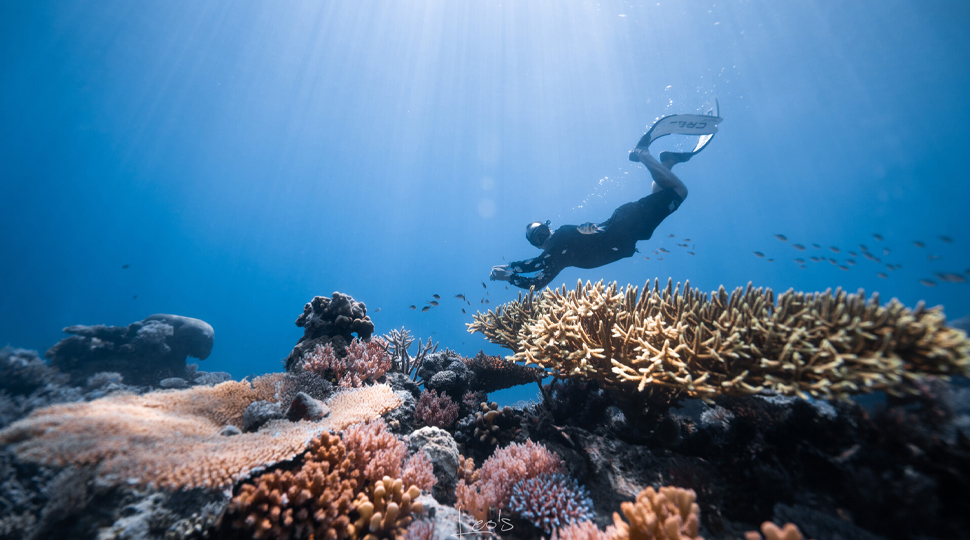
Alongside marine education and conservation specialists from WiseOceans at Four Seasons Resort Seychelles, you’ll learn about a coral reef’s importance as part of the ocean’s ecosystem. Then you attach your own rescued coral fragment to a steel frame just off the shore of Petite Anse Bay. As the fragment grows bigger and stronger, you’ll receive updates on its progress.

Work alongside locals to conserve their culture in Umm Qais

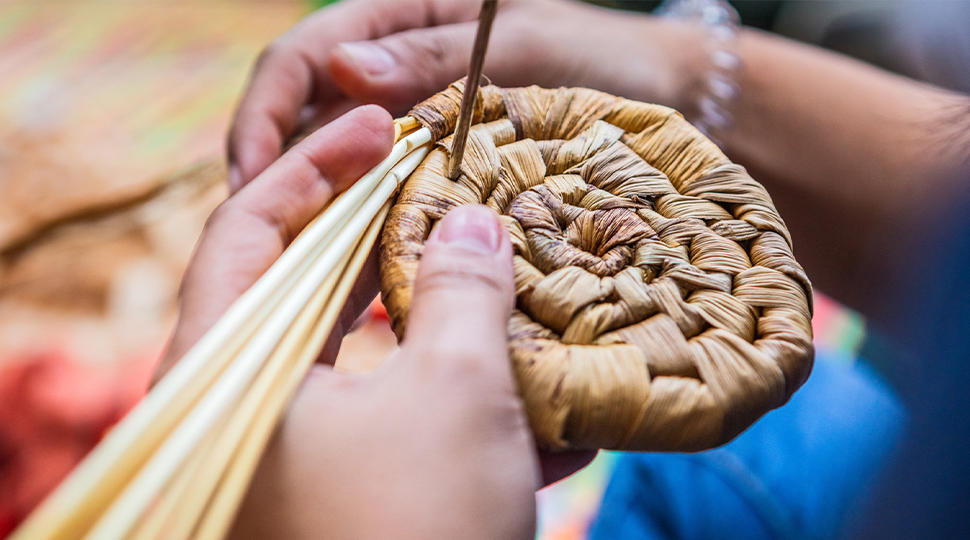
Join locals for a day in the hilltop town of Umm Qais – located just a couple hours from Four Seasons Hotel Amman – in their efforts to conserve hallmarks of their ancient culture. You’ll weave your own basket and make hadabs with the older women still making the traditional Jordanian headdress by hand, and create “seed bombs” of wild za’atar, and learn about its ecological and medicinal significance. With each activity, you’ll work alongside those who are keeping their traditions alive for future generations.

Give back to the community

YOUR JOURNEY BEGINS HERE

Discover the wonders of the Middle East and Africa.

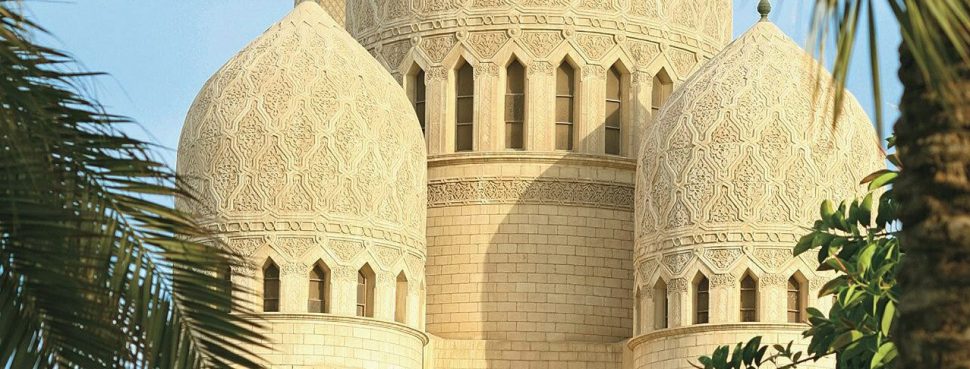
Decorative details on building