In Los Angeles, a great meal is as essential to understanding the city’s cultural fabric as a trip to a museum. After a full day of exhibits and sightseeing, unwind and relax at these standout culinary destinations, where fine dining meets fine art.
CUT, Beverly Hills
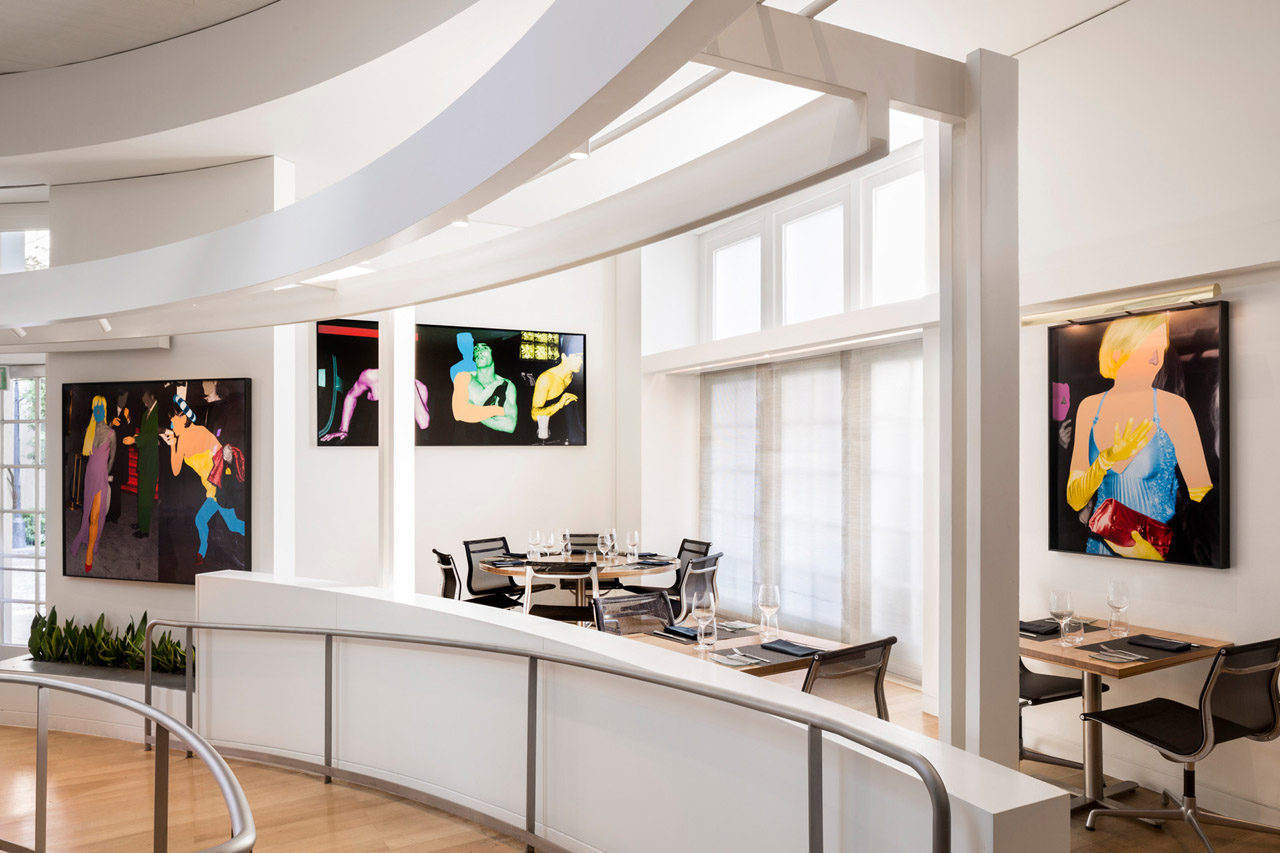
Enjoy your steak with a side of world-class artwork at Wolfgang Puck’s flagship steakhouse inside Beverly Wilshire, Beverly Hills, A Four Seasons Hotel. Several lively mixed-media pieces from conceptual artist John Baldessari grace the walls of the bright, airy dining room. “The modernist design by Richard Meier, which is pretty indicative of an art gallery in and of itself, beautifully juxtaposes with the splashes of colour,” says Byron Lazaroff-Puck, president of Wolfgang Puck Fine Dining.
Funke, Beverly Hills
This glittering Italian ristorante isn’t just the star-studded crown jewel of local pasta maestro Evan Funke’s culinary empire—it’s also a worthy destination for modern-art lovers. The restaurant’s permanent installations include works by Basquiat, Ed Ruscha, and Richard Prince, all of which are from co-owner Kurt Rappaport’s personal collection.
Kato, Downtown L.A.
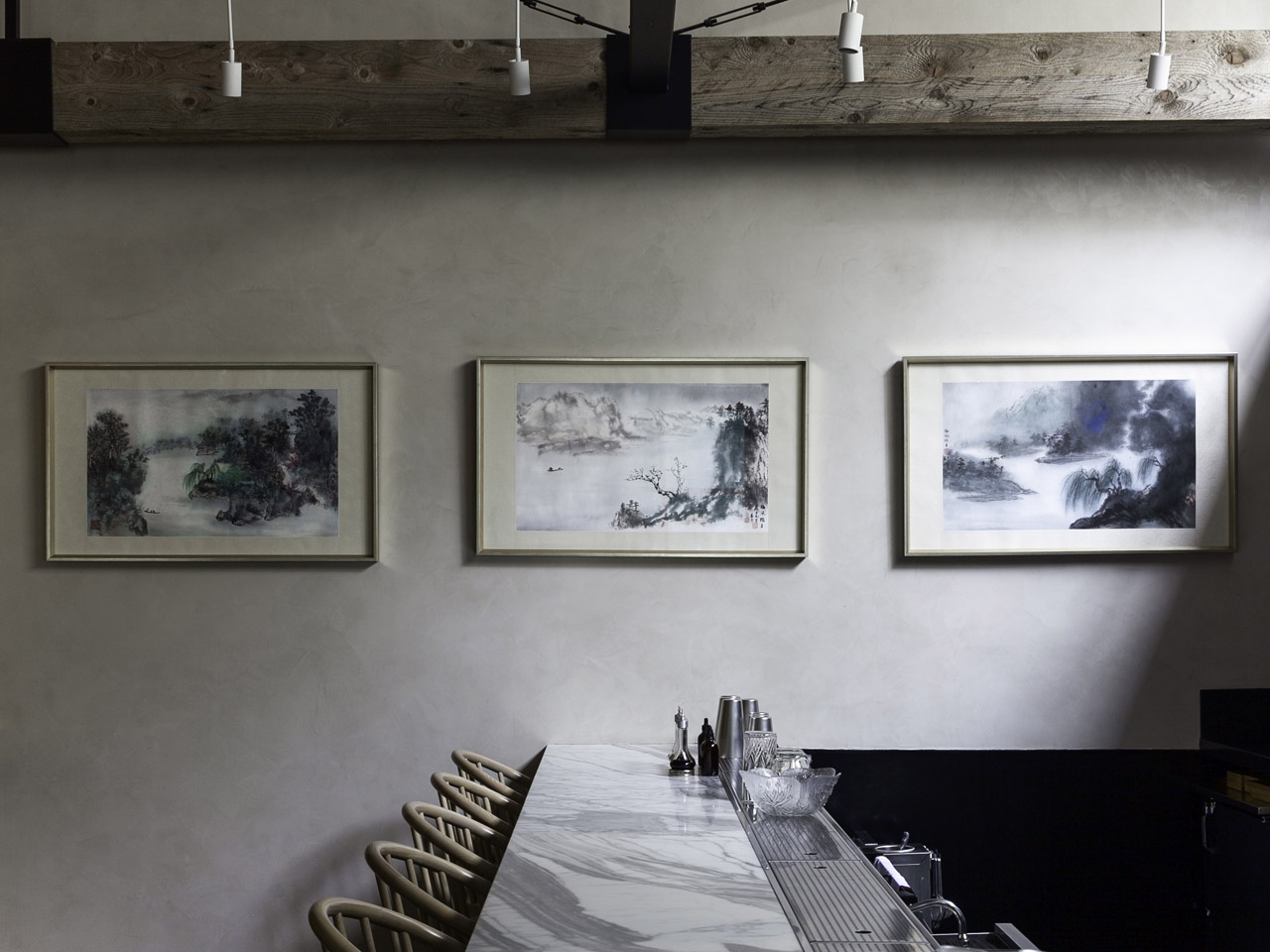
Chef Jon Yao’s Taiwanese American identity informs every aspect of this phenomenal Michelin-starred tasting experience in the Arts District, including the art. A triad of traditional Chinese splashed-ink paintings by the chef’s grandfather Yao Zuozhi hang near the bar, while the semiprivate dining room features two mixed-media pieces by Taiwanese American artist James Jean.
Lulu, Westwood
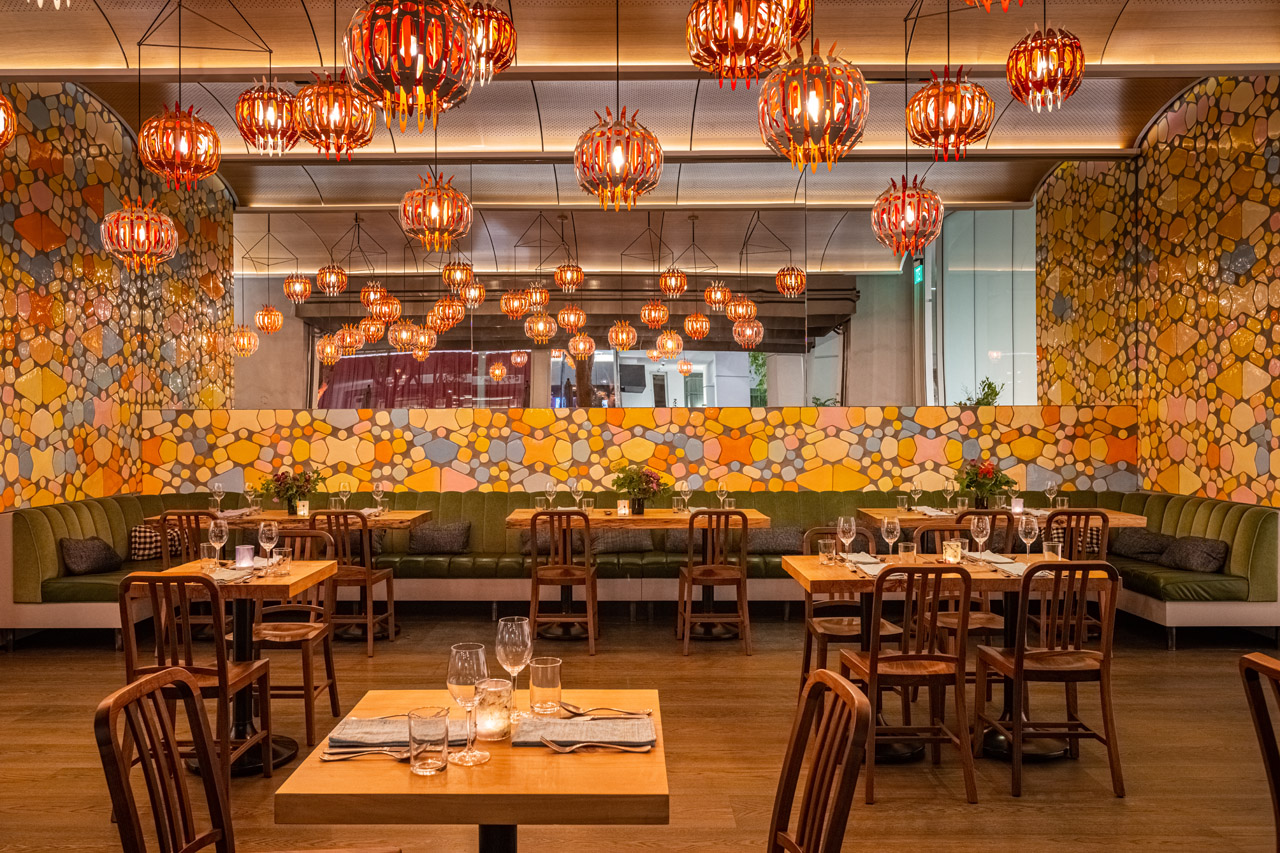
Few museum eateries offer the level of dining found at Lulu. The seasonal restaurant at the Hammer Museum—conceived by Alice Waters, the culinary visionary behind Chez Panisse—is overseen by Waters’s longtime collaborator David Tanis. Savour selections from the ever-changing dinner menu on the courtyard’s patio, which features bright orange hanging lanterns and tilework by local artist Jorge Pardo.
Manuela, Downtown L.A.
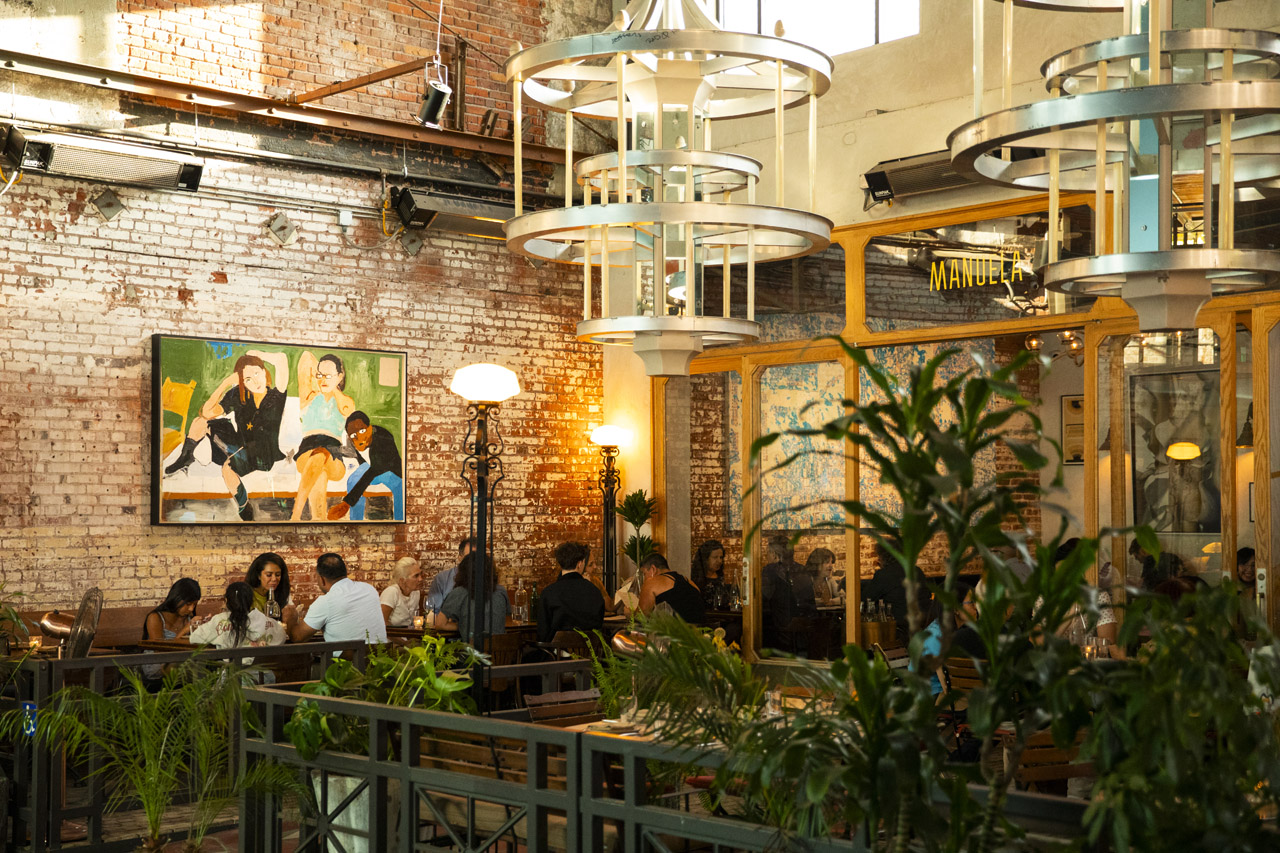
This stylish indoor-outdoor restaurant is nestled in the courtyard of the internationally acclaimed Swiss gallery Hauser & Wirth’s L.A. outpost. Inside the industrial brick-lined dining room, find a rotating installation of original works and special commissions from artists like Paul McCarthy, Mark Bradford, and Raymond Pettibon, plus Southern-inspired cuisine from executive chef Kris Tominaga.
Michael’s, Santa Monica
A haven for the art world since 1979, this farm-to-table pioneer maintains an impressive permanent art collection that includes pieces from David Hockney and Robert Graham (both former regulars), plus Ed Ruscha, Cy Twombly, and Mona Kuhn. After dining, head upstairs to peruse the art gallery, which features exhibitions by up-and-coming local artists. “We want to support the community—Santa Monica has very few art venues,” co-owner Kim McCarty says.
La Ola, Beverly Grove
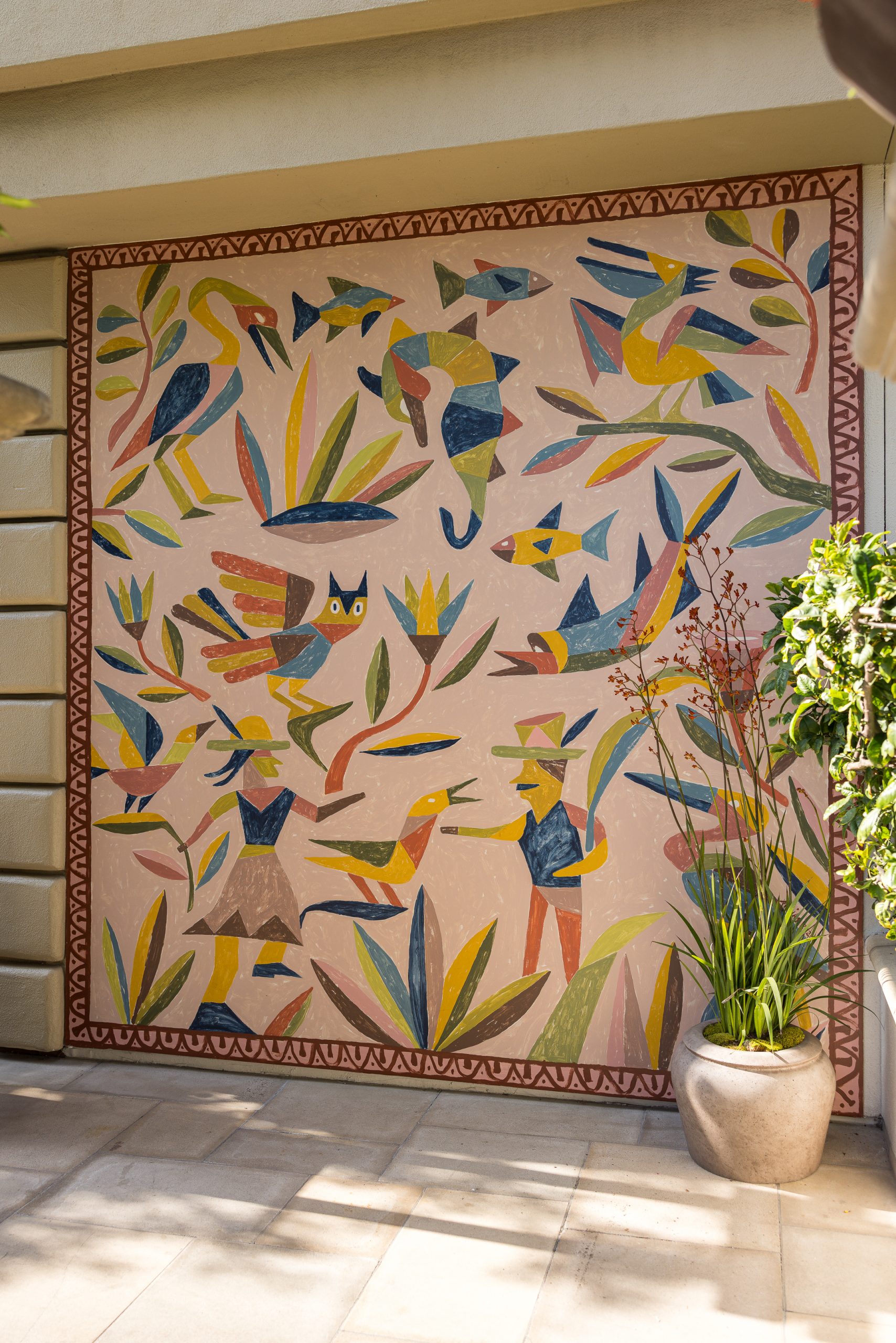
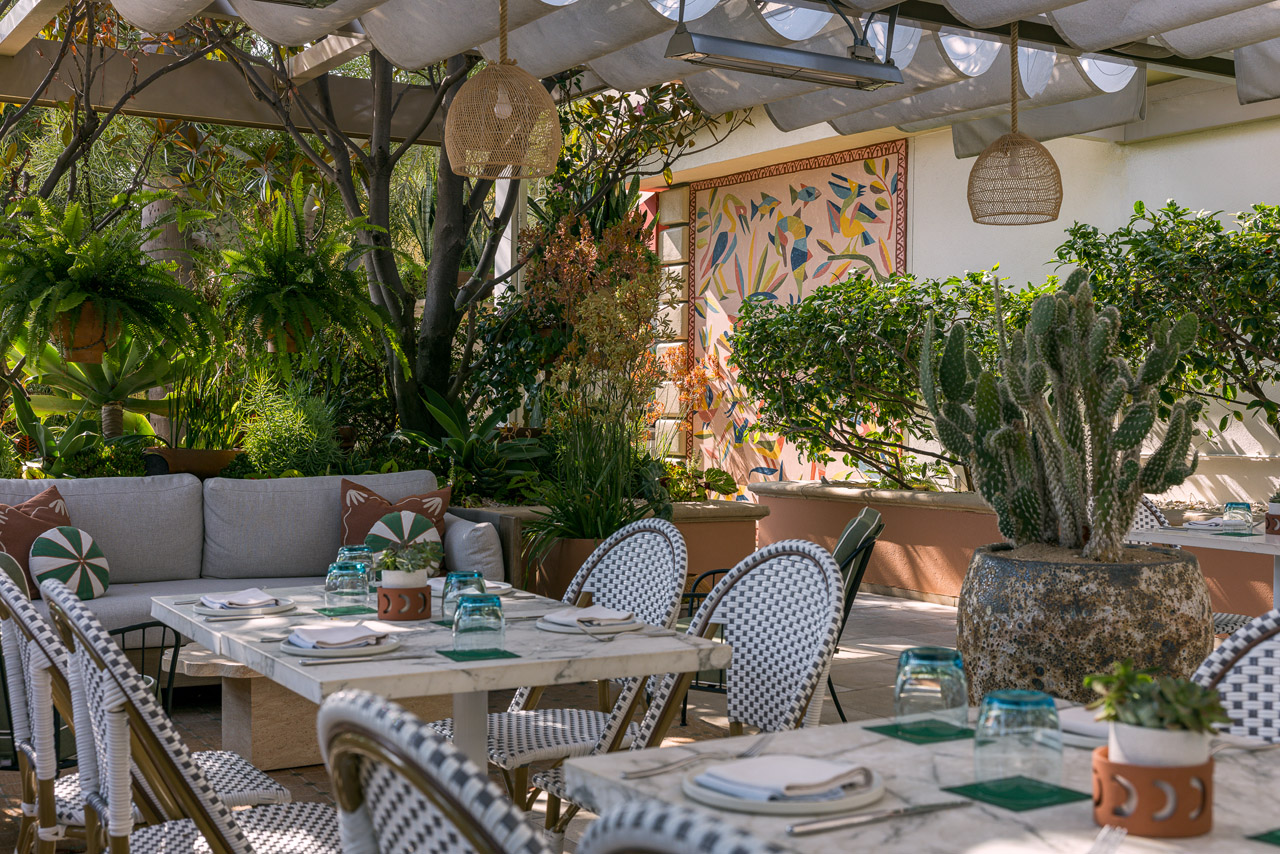
The soul of this open-air coastal Mexican restaurant at Four Seasons Hotel Los Angeles at Beverly Hills is a colourful mural by celebrated local Mexican American artist Abel Macias, who drew inspiration from the rich patterns of Indigenous Otomi tilework and marine life.