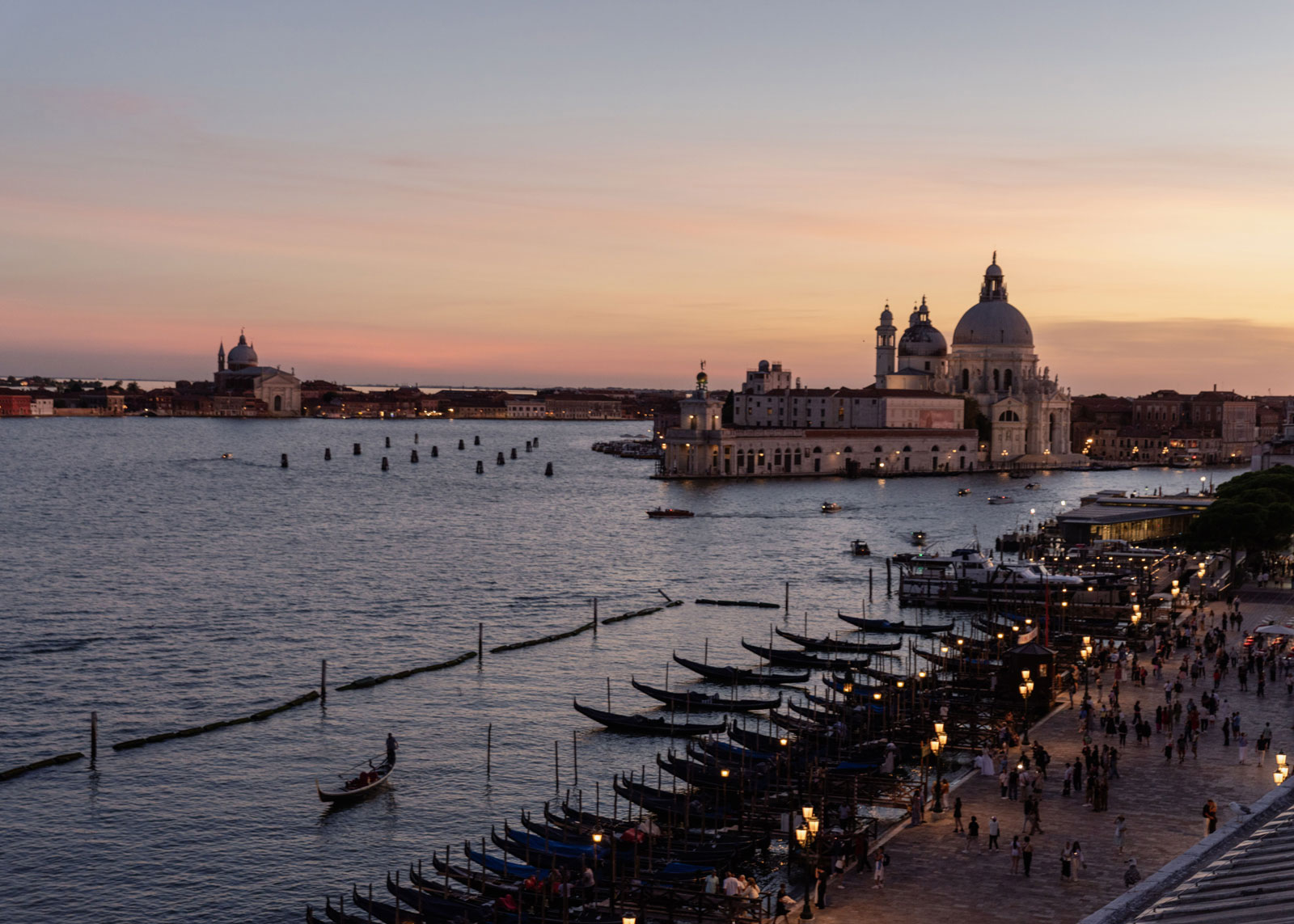
An Insider’s Guide to Venice

Venice is finally shaking its reputation as being a shrine to its own past.

The floating city is undergoing an undeniable period of revival (anchored in part by the reopening of the legendary Danieli as Danieli, Venezia, a Four Seasons Hotel)—the details of which we chart in more detail in Venice Reclaimed. There’s more to see and do than ever before in the floating city. Here, we share our curated guide of insider favourites handpicked by Venice’s new wave of cultural stewards.
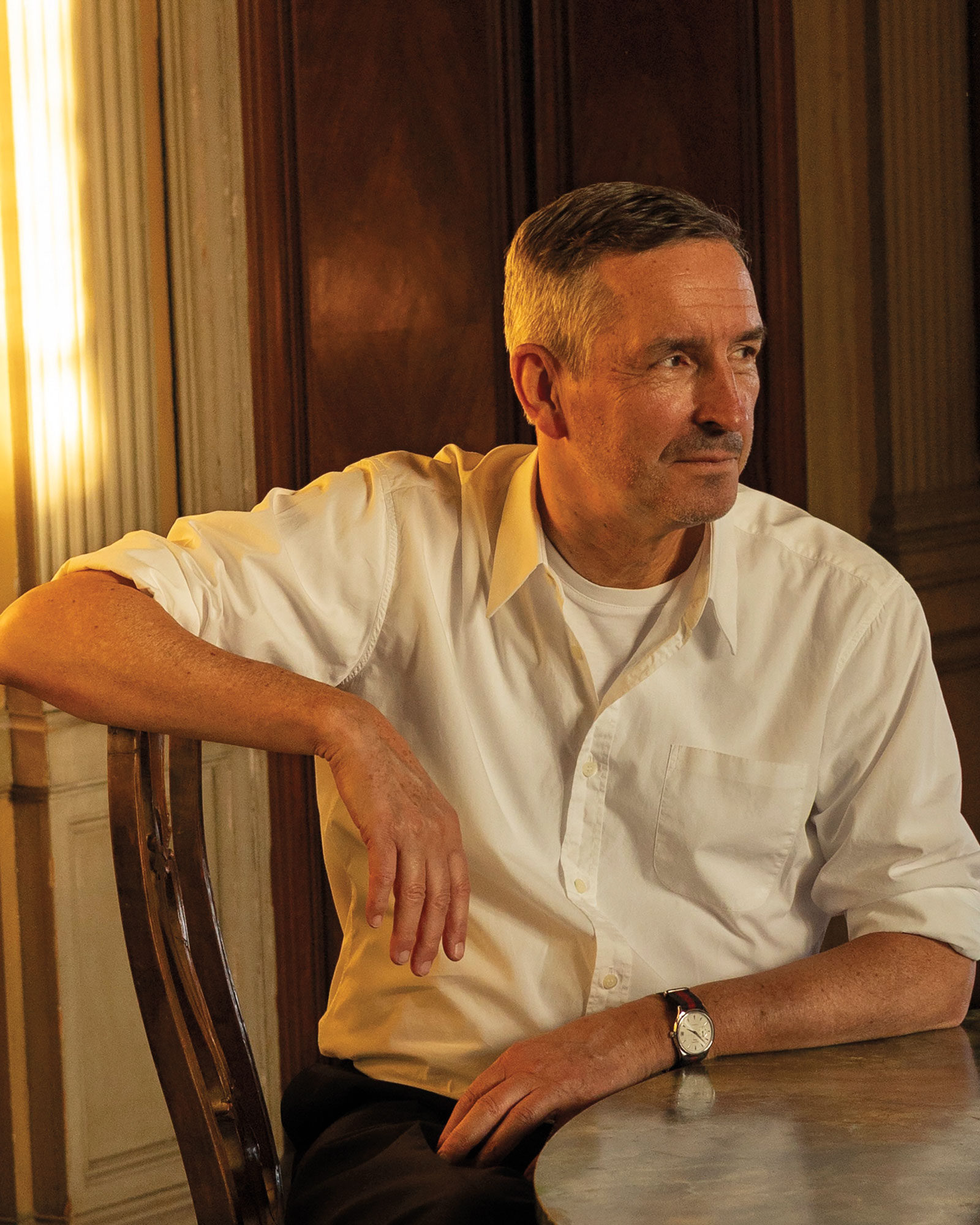
Dries Van Noten, Photo by Camilla Glorioso
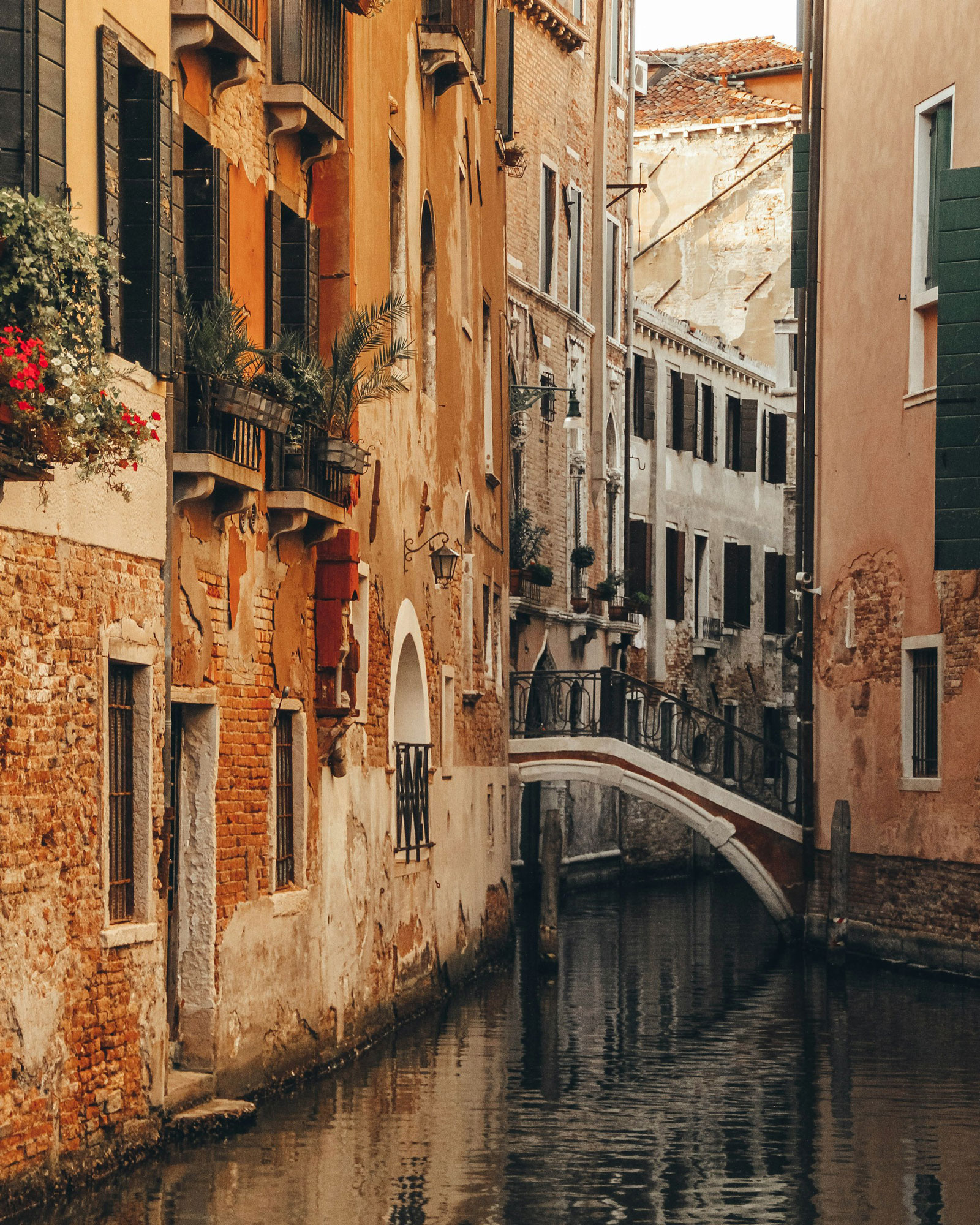
Ponte delle Tette in San Polo

Dries Van Noten, Co-Founder, Fondazione Dries Van Noten

Outing: “The Mercato di Rialto, early in the morning before the city fills up. There is something about a market that has always moved me: the colours, the noise, the vendors who have been coming every day for decades. It reminds you that Venice is a living city, not a postcard.”

Grocers: “Casa del Parmigiano in San Polo and La Baita are essential grocery stops, small shops run with the kind of quiet expertise and genuine passion for their product that I find deeply satisfying.”

Neighbourhoods: “Dorsoduro and San Polo. The independent bookshop Bruno, the small bakeries, the butcher [Macelleria] Fiore. That is where you feel the real texture of daily Venetian life, and I never tire of walking through it slowly and without a map.”

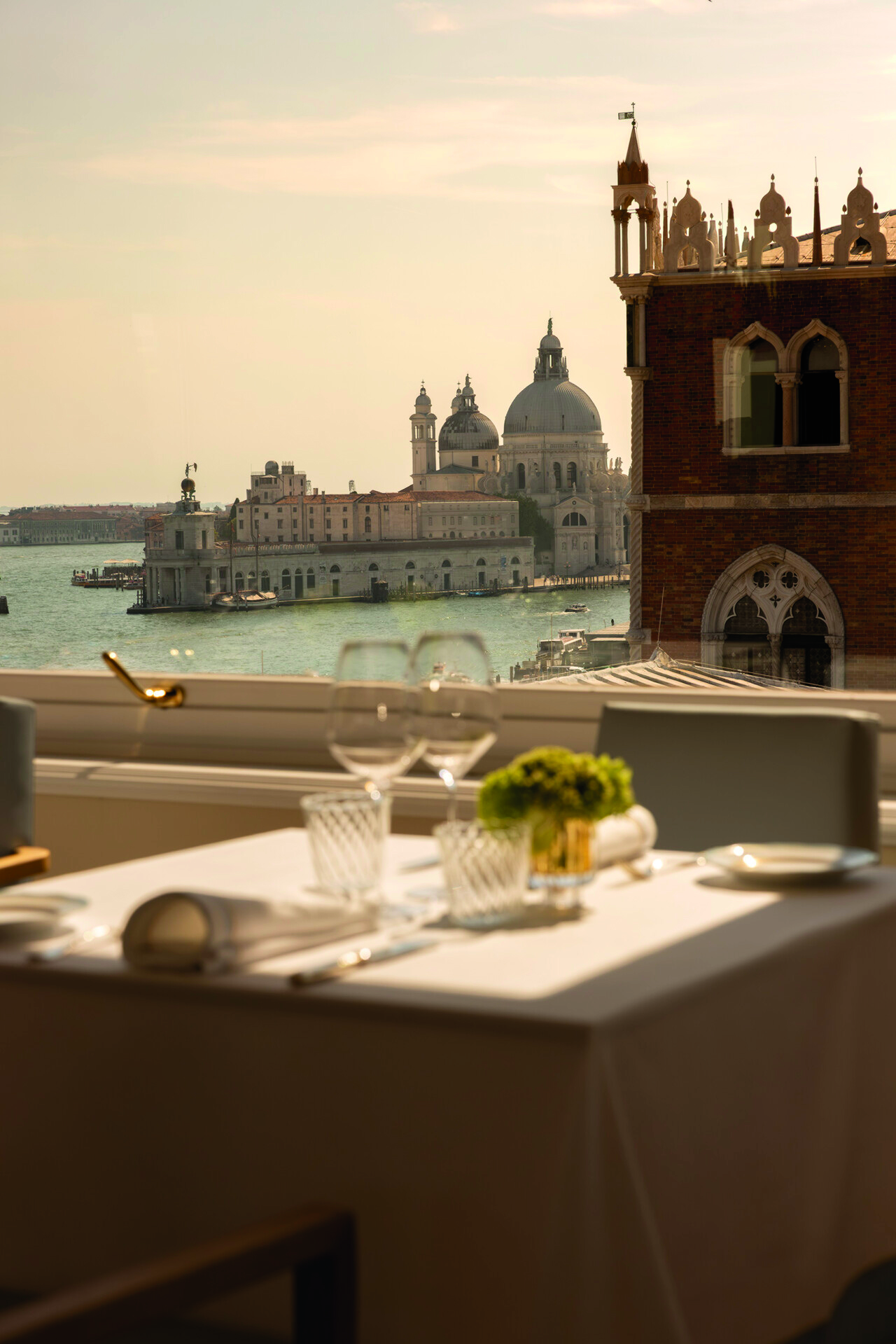
Restaurant: Wildner, near Piazza San Marco, for lunch or dinner. “It has a terrace on the waterfront, so the lagoon feels very close and very present. The food is honest, and the view does something to your sense of time.”
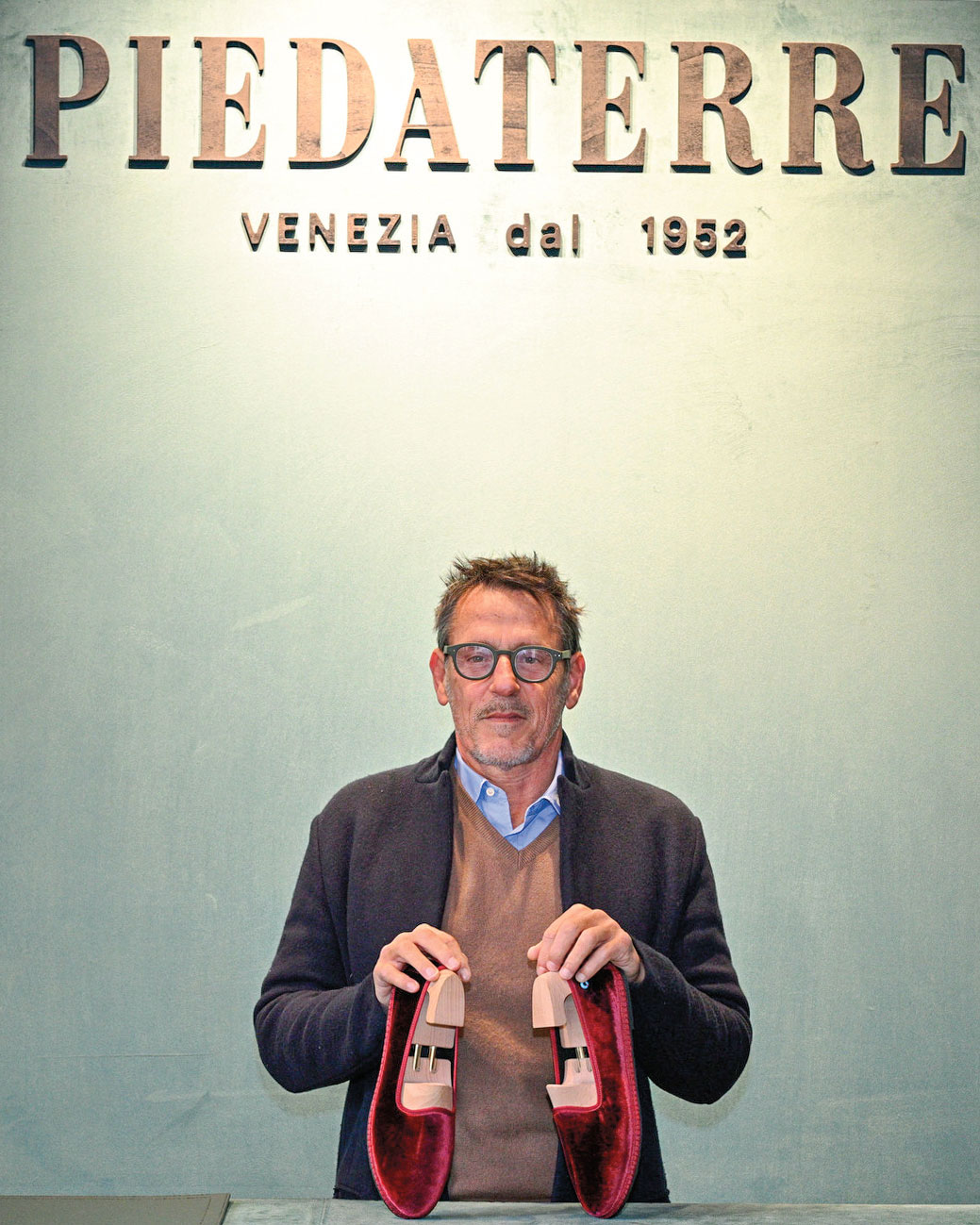
Stuart Parr
Stuart Parr
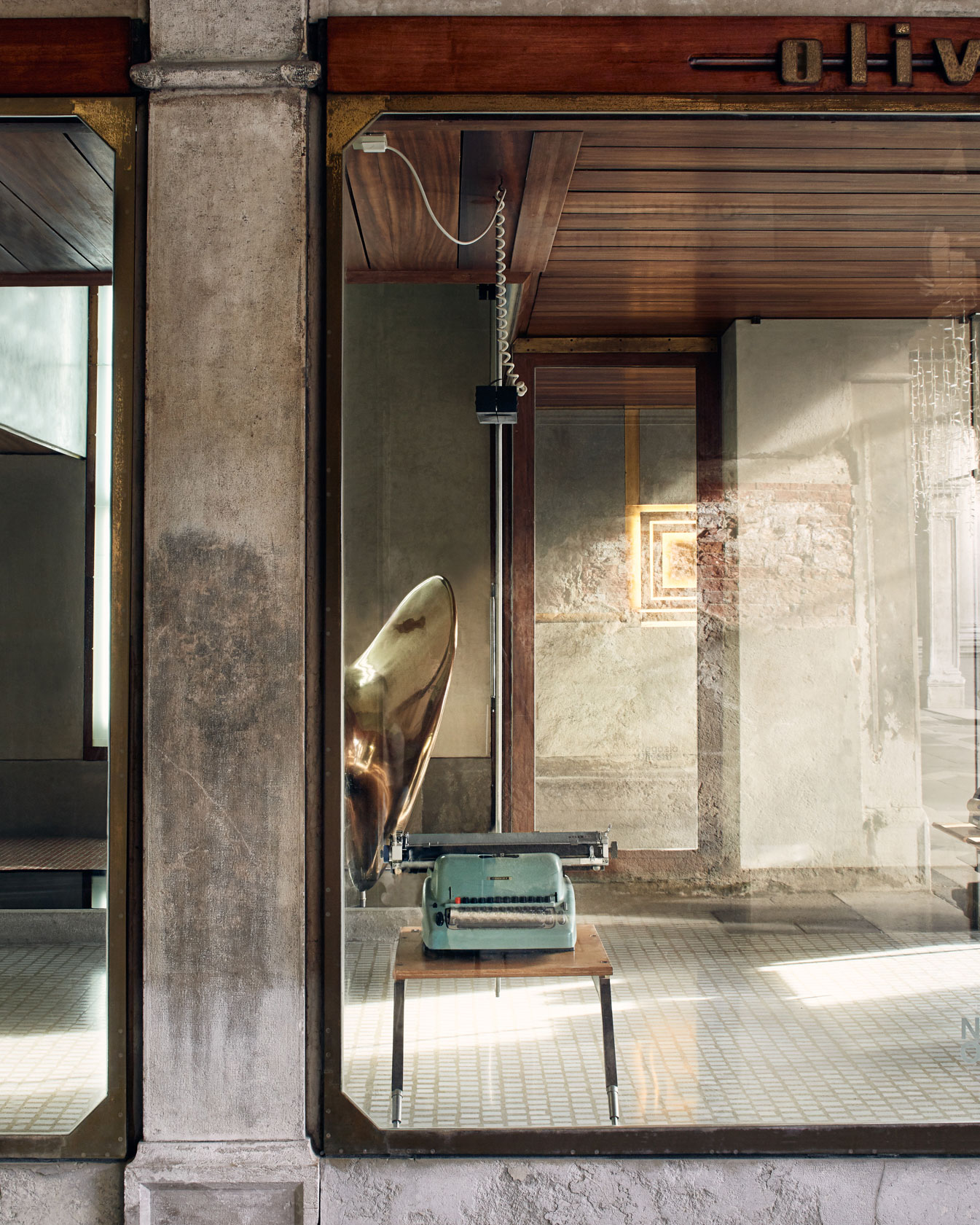
Olivetti Showroom, Photo by Lorenzo Pennati
The Olivetti Showroom, Photo by Lorenzo Pennati

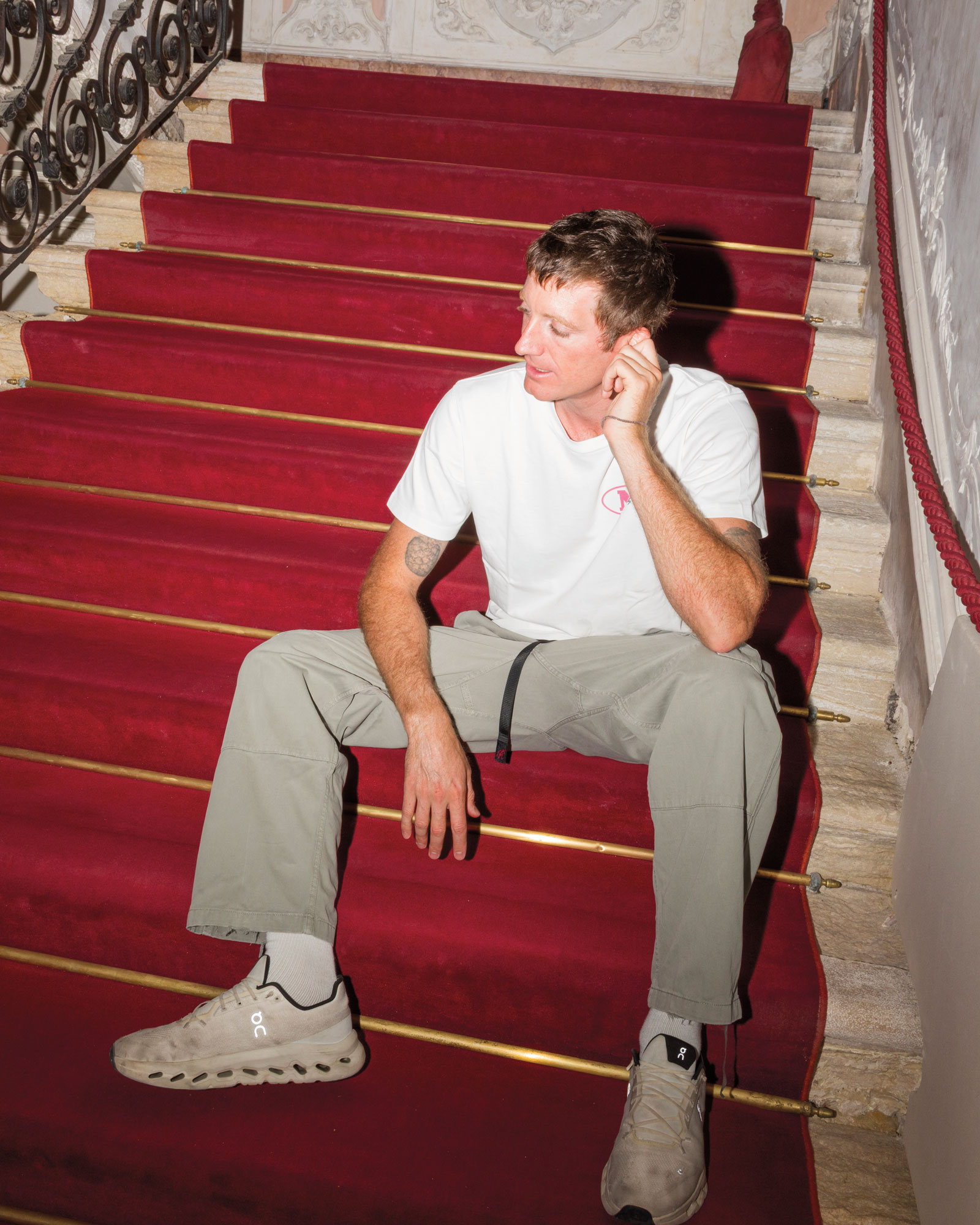
Stuart Parr, Owner, Piedàterre Venezia

Outlying Island: Sant’Erasmo, the lagoon’s second-largest island. Called the vegetable garden of Venice, it is a tranquil, sparsely populated retreat known for its vineyards, orchards, and vegetables, especially the prized violet artichoke. “I go there for a swim when it’s hot; the water is very shallow and flat, and everyone floats on the surface. Then I have lunch or dinner at Al Bacan, a charming fish restaurant overlooking the lagoon. It’s a lovely little island.”

Restaurant: Vini da Arturo, a tiny trattoria near Piazza San Marco. “That Venetian double-breaded pork chop—it’s so massive, you can share it. They make a gorgonzola pasta that is the best on the planet. And they are such nice people.”

Museum: The Olivetti Showroom, a mid-century modern gem designed by Carlo Scarpa, tucked under the arches of Piazza San Marco. “Scarpa’s ability to use wood, bronze, and brass, his door mechanisms— everything is extraordinary. And that Olivetti typewriter [the Lettera 22 portable, designed by Marcello Nizzoli in 1950]—it was the equivalent of the iPhone. It performed, and it was just so beautiful.”
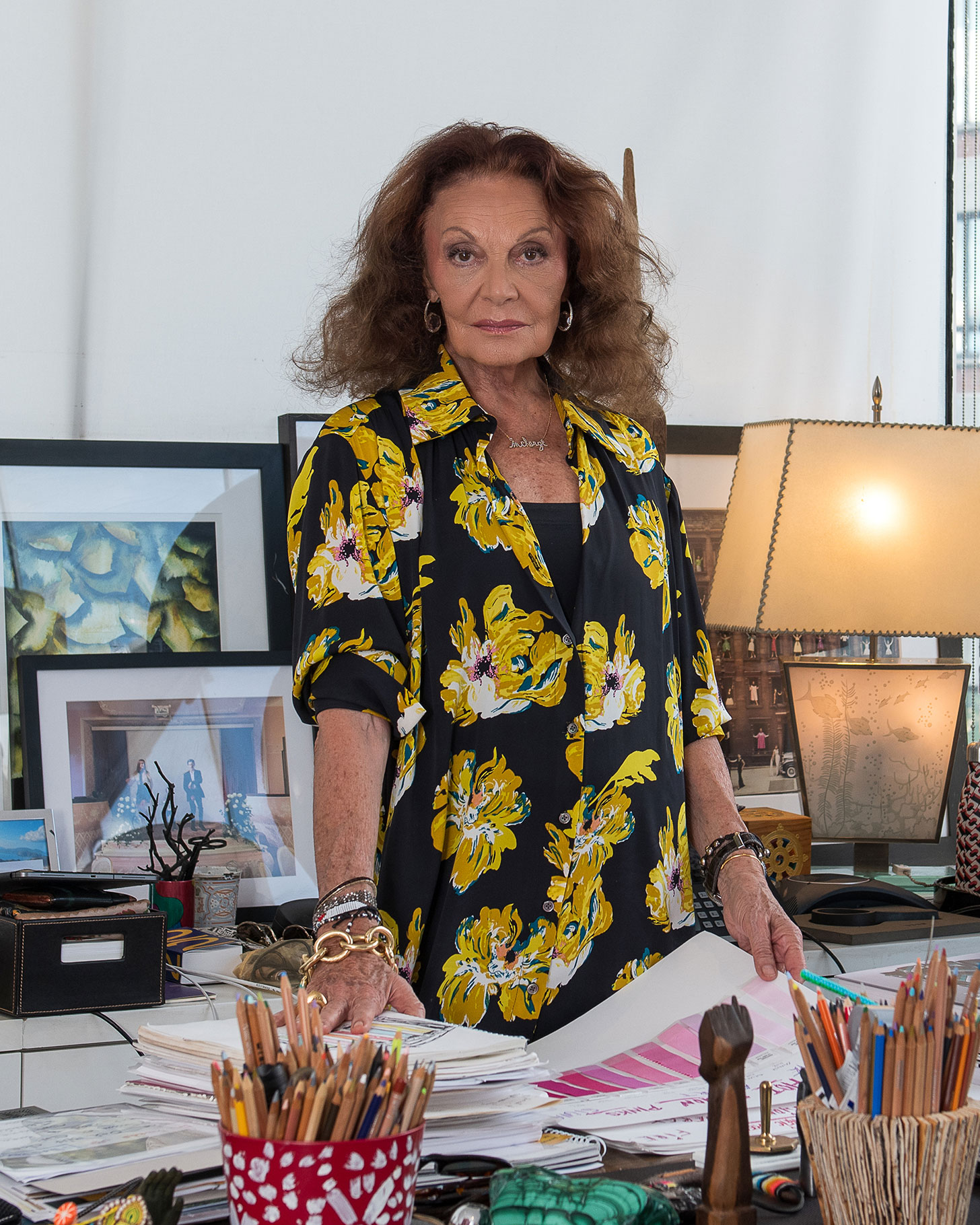
Diane von Furstenburg, Photo by Mireille Roobaert
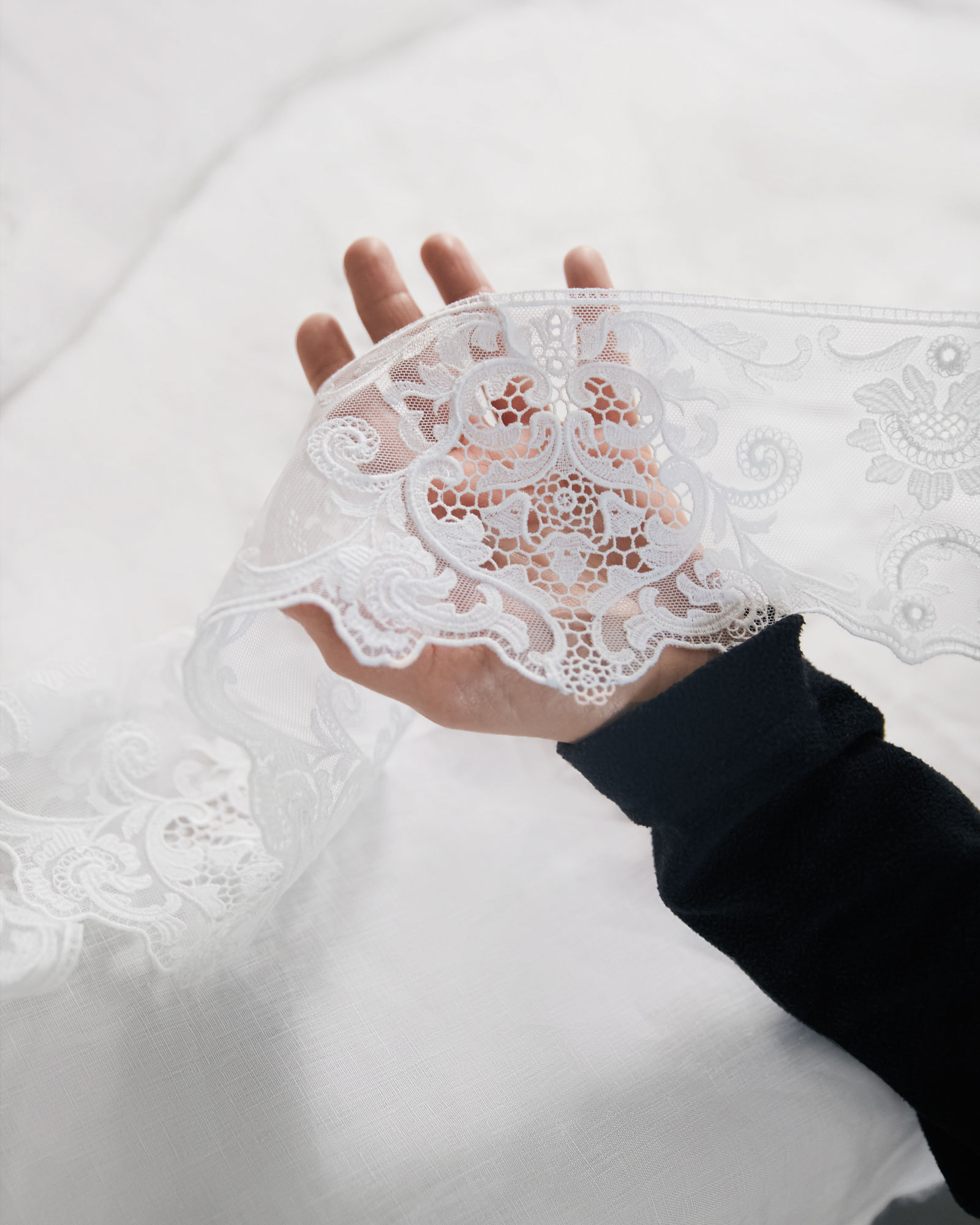
Linens from Jersurum Atelier, Photo by Andrea Centiempo

Diane von Furstenberg, Designer

Outlying Island: “The Lido, with that beautiful beach that is in Thomas Mann’s book Death in Venice. I remember when director Luchino Visconti was shooting the film adaptation of the book there in 1971. My best friend, Marisa Berenson, was in the film, and I went to visit her during filming, so I was very much present in Venice then. Those beaches—so long, flat, and wild. Magical.”

Shop: Jesurum Venezia 1870, a 156-year-old linen shop near Piazza San Marco. “I did my dowry in Venice when I married Egon von Furstenberg in 1969. Jesurum is where I ordered my sheets. It’s still there. A very Venetian place.”

Book about Venice: Venice: A New History by Thomas F. Madden, director of the Center for Medieval and Renaissance Studies at Saint Louis University in Missouri. “There are so many books on Venice, but this is a great one. It’s a biography of Venice.”
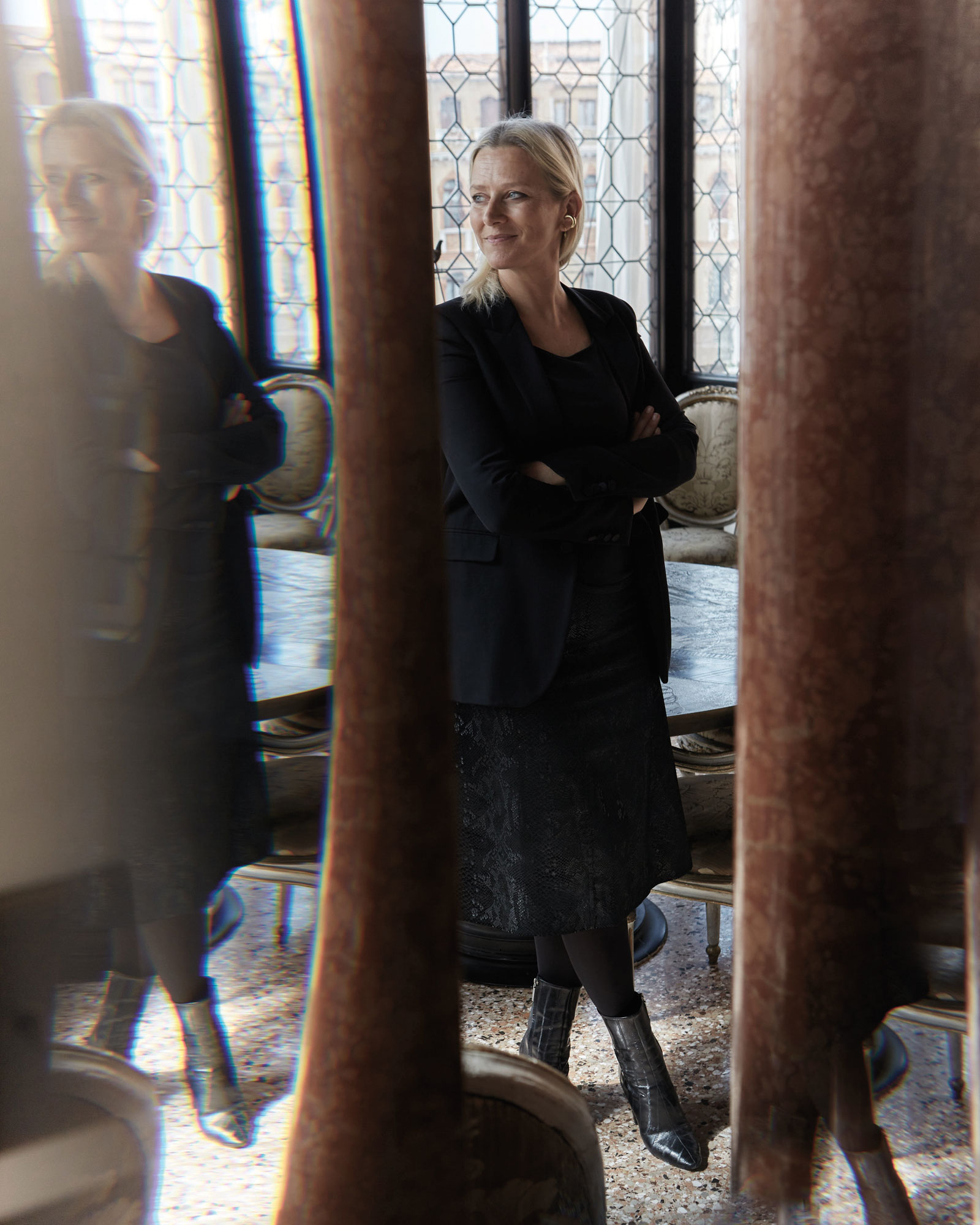
Servane Giol, Photo by Alexandre Toesca
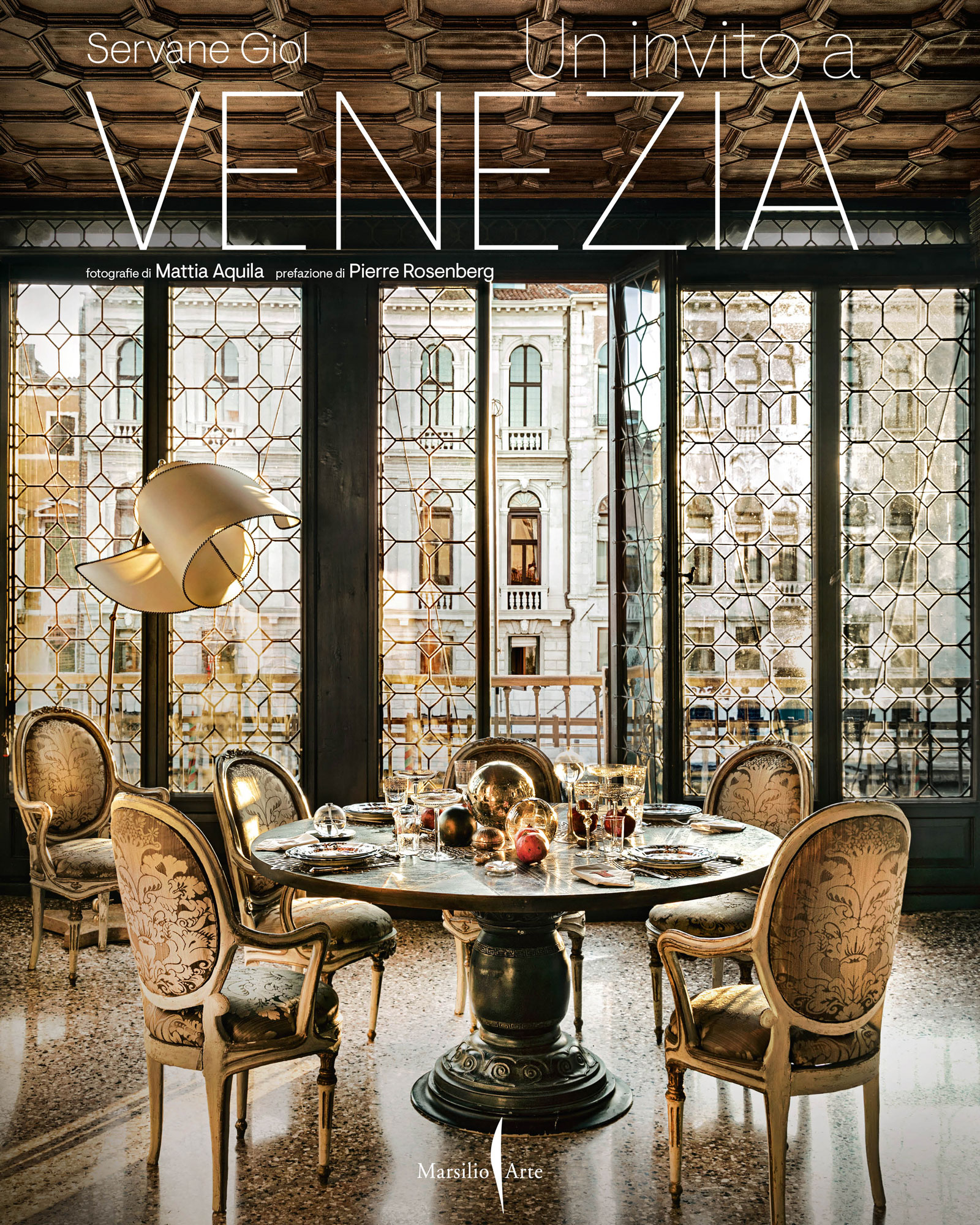
Venice: A Private Invitation by Servane Giol

Servane Giol, Author, Venice: A Private Invitation

Restaurant: Trattoria alla Madonna, near the Rialto Bridge, managed by the same family since 1954 and known for its spaghetti al nero di seppia—spaghetti with cuttlefish cooked in its own ink, which creates the glossy black sauce. “If I have to go out, that’s where I go. Such a wonderful, local historical place.”

Coffee Spot: Moro Café, at the steps of the Accademia Bridge in Venice. “It’s on a little garden, so it’s fresh in the summer. I love to sit in the shade of the trees there.”

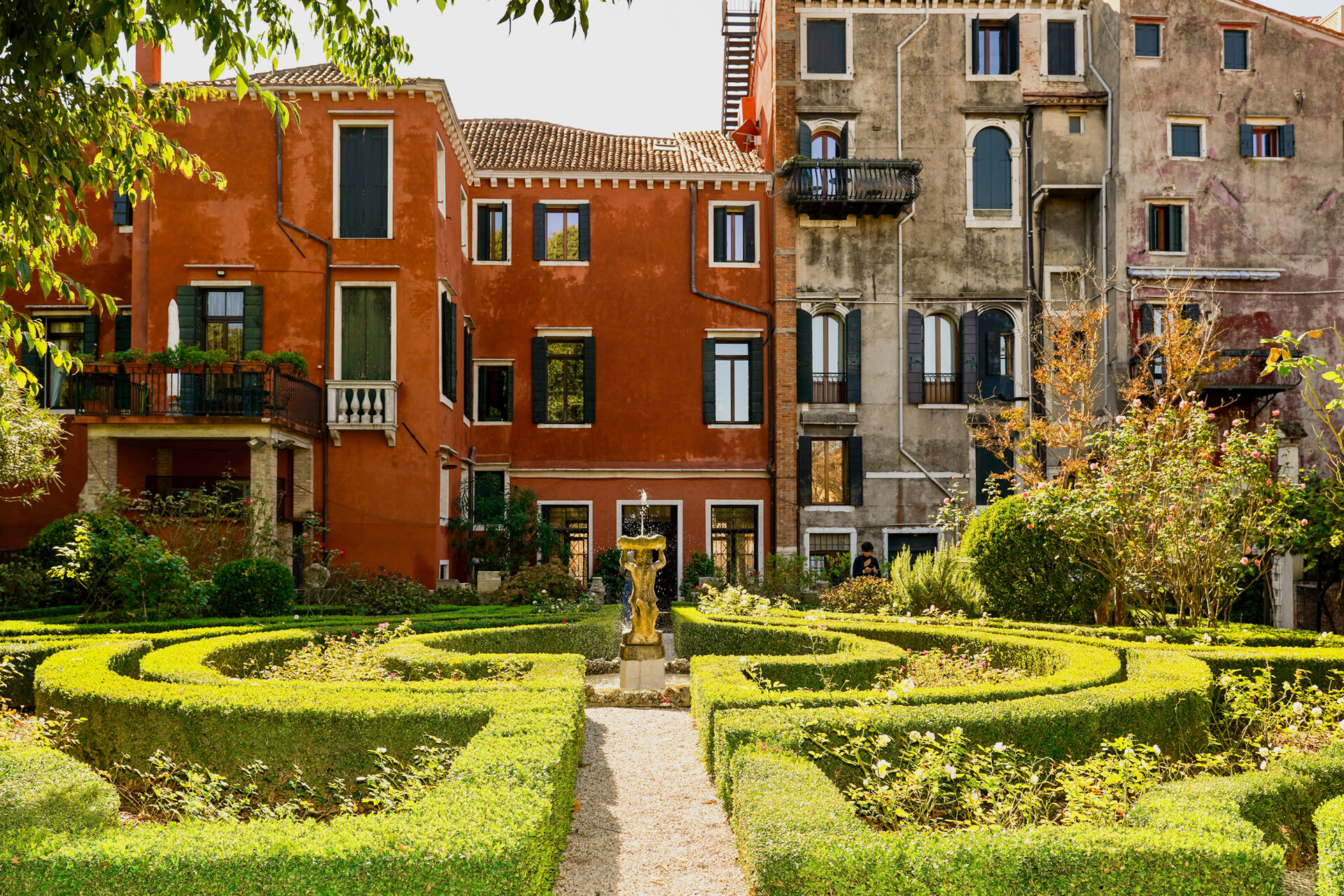
Garden: Orto Giardino del Santissimo Redentore, a 16th-century monastic garden on Giudecca Island. “It’s so peaceful and magical.” Originally laid out by the Capuchin friars and recently restored by Paolo Pejrone, it is two and a half acres of vegetable plots, orchards, medicinal herbs, vineyards, and cloisters for quiet reflection.

Place for Drinks: “Aperitivo is probably the most important time of the day of a Venetian. My favourite place is [Cantine del Vino già] Shiavi, where we usually have prosecco.”
Marcantonio Brandolini
Marcantonio Brandolini, Photo by Allesandro Trevisan
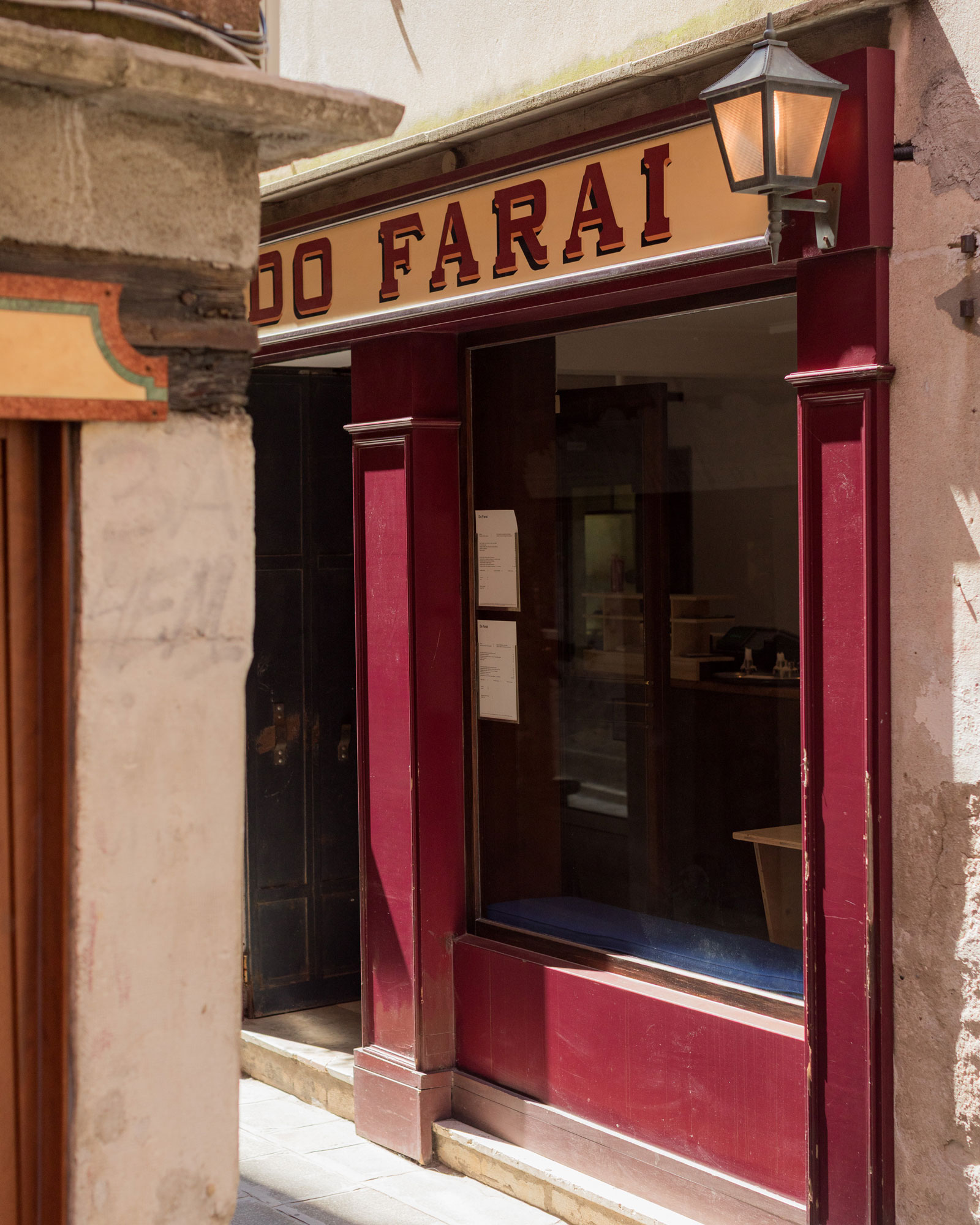
Restaurant Do Farai in Dorsduro

Marcantonio Brandolini, CEO and Art Director, Laguna~B

Restaurant: Do Farai, a classic trattoria in Dorsoduro, which Brandolini took over with Guillaume Pinaut earlier this year. “It offers simple yet extremely detail-oriented dishes that reflect the culinary taste of my family, in a homey, relaxed atmosphere. And it has great wines.”

Museum: Museo Storico Navale di Venezia, a naval museum in a 15th-century building near Arsenale. “It gives you culture about the maritime world of Venice.”

Art Gallery: Giorgio Mastinu, near the public square Campo Santo Stefano. “A small gallery that is a good place to find unique collectibles.”
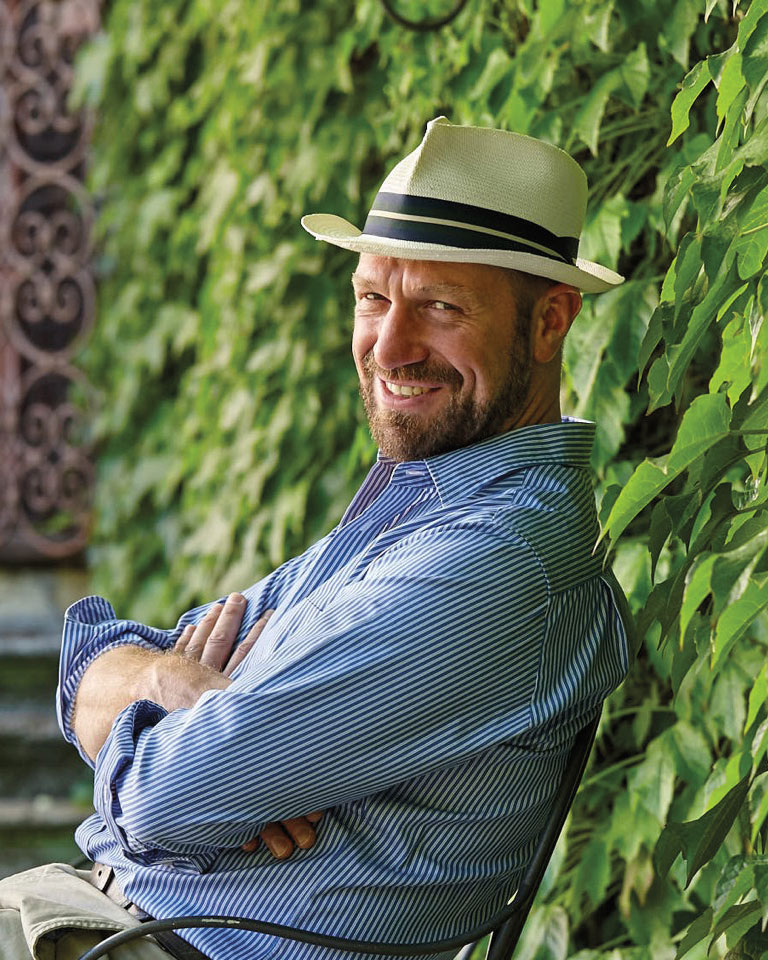
Toto Bergamo Rossi, Photo by Allesandro Trevisan
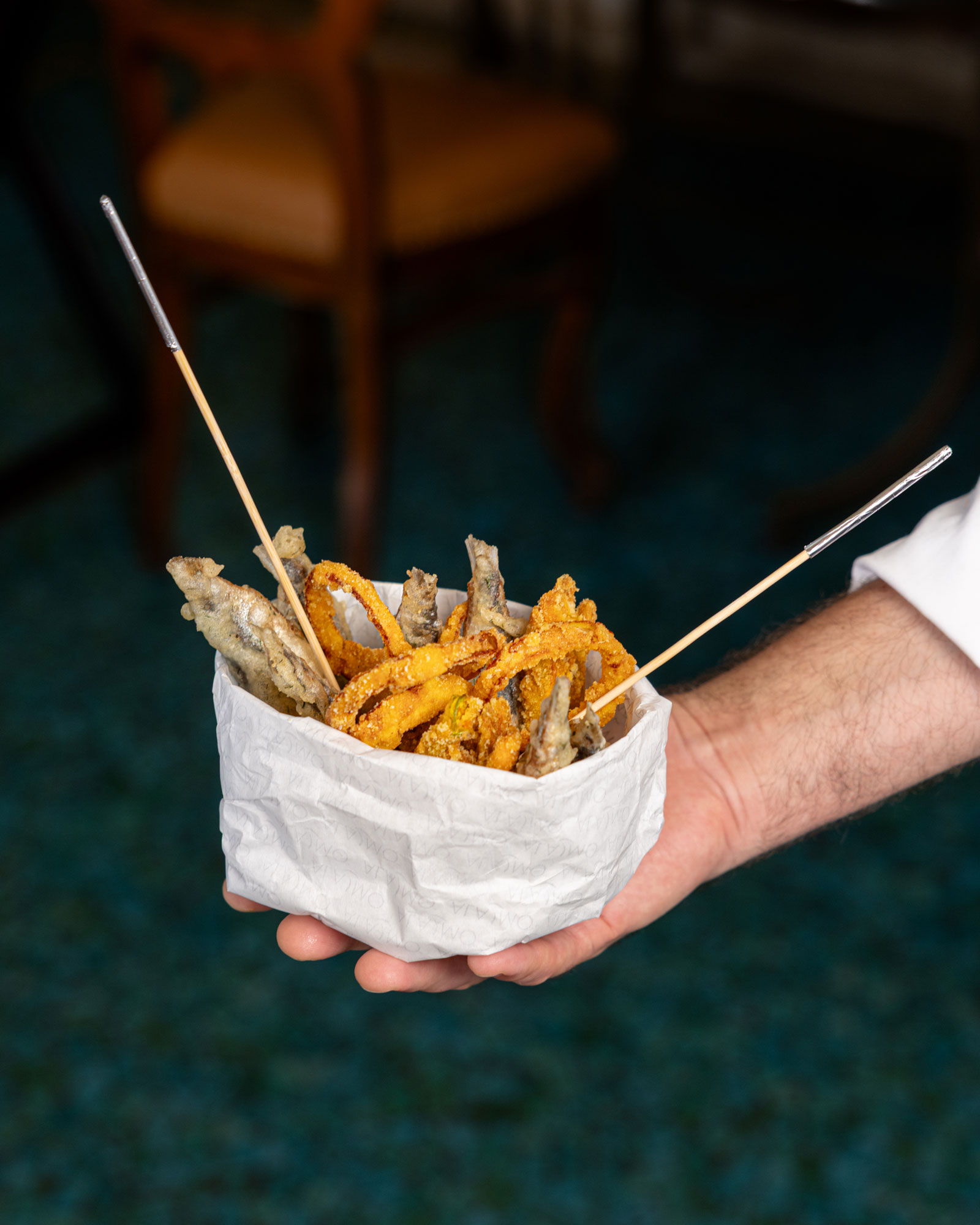
Bistrot Quadrino, Photo by Riccardo Andreatta-Copia

Toto Bergamo Rossi, Director, Venetian Heritage

Church: “Santi Giovanni e Paolo, the basilica near the hospital, has the entire history of the Republic of Venice, with monuments and all the tombs of the doges. And it’s always empty.”

Restaurant: Bistrot Quadrino, at Gran Caffé Quadri. “They have a fancy restaurant upstairs, but I prefer the grill room on the ground floor. The quality of food is very good, and you are on San Marco Square. I go once a week.”

Outlying Islands: San Giorgio Island. “There’s Le Stanze della Fotografia, a big pavilion with exhibitions dedicated to photography, and Le Stanze del Vetro, a gallery where they do all the glass exhibitions. Bellissimo. You have the Fondazione Giorgio Cini . . . and the cluster of Palladio buildings. And you still have the Basilica di San Giorgio Maggiore, with the Benedictine monks inside.” Bergamo Rossi also recommends visiting Pellestrina, a nearly seven-mile-long spit next to the Lido. “It’s still like countryside in the 1950s. There’s a nature reserve called Ca’ Roman, with dunes, a wild beach, and migratory birds. And one restaurant, called Da Nane, with spaghetti alla vongole—the real one—and granseola alla Veneziana, which is spider crab served cold with olive oil, lemon, and parsley. To die for.”

Shop: Missiaglia 1846 Venezia, in Dorsoduro, near the Peggy Guggenheim Collection and the Accademia, by appointment only. It’s now run by sisters Caterina and Marta Croze. “When you have an important wedding or an important event in Venice, you give Missiaglia silver. They have all the shapes: tomatoes, peppers, pomegranate. Divini, divini, divini, and so chic.”
Venice Reclaimed: The Floating City’s Sparkling New Era

For years, the story of Venice was one of decline. The population was shrinking. Grand palazzi sat empty. Locals lamented that the city had become overrun by day-trippers and cruise ship passengers who came, shopped, ate, and left. Critics predicted that Venice would soon be nothing more than a shrine to its own past.

How wrong they were. Today, Venice is one of Europe’s most vibrant cultural capitals. Designers and collectors are restoring palazzi and opening galleries and foundations. Artisans are finding new patrons. Venice’s events calendar has become richer and more robust with the addition of such standouts as Venice Glass Week, which ran in mid-September this year.

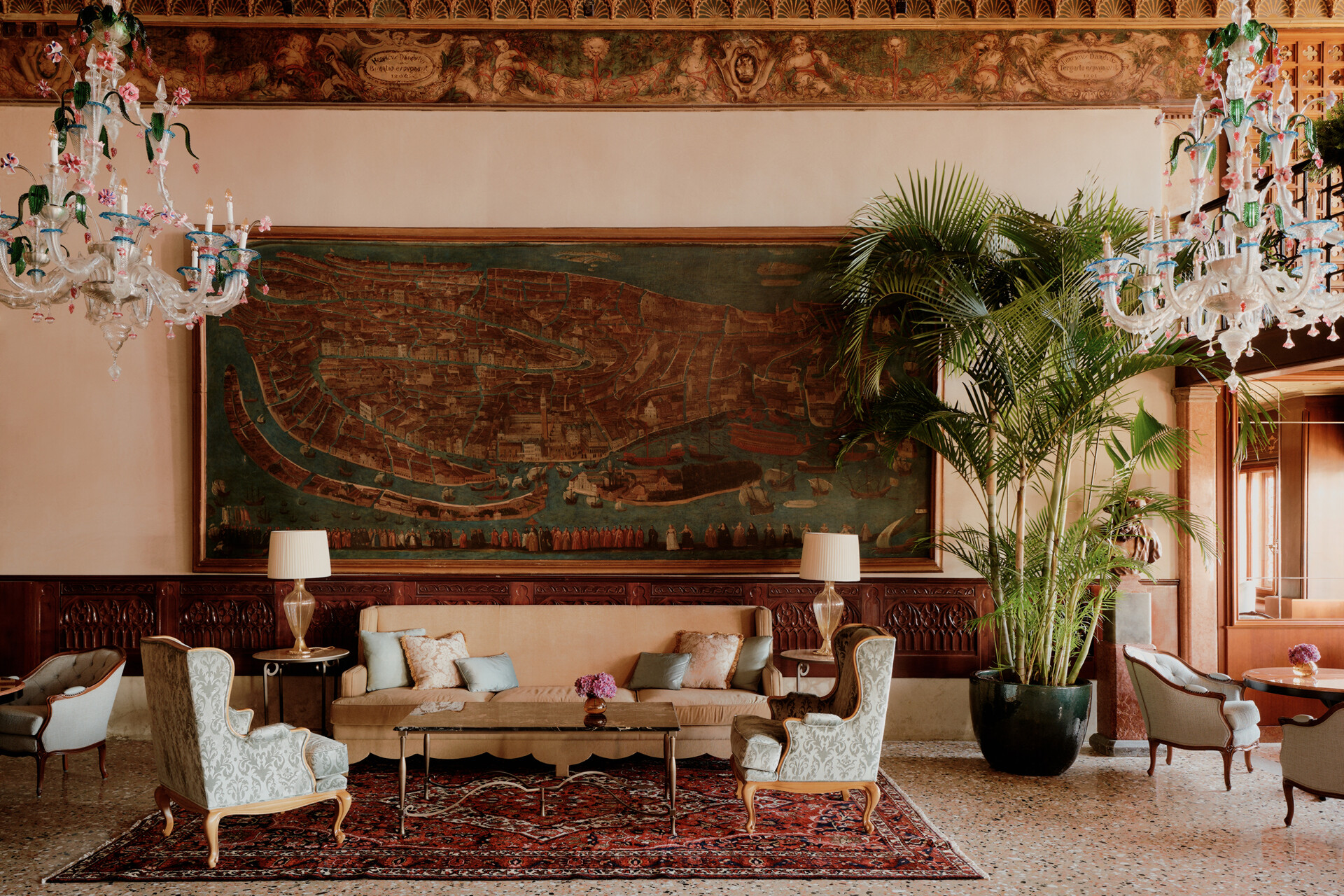
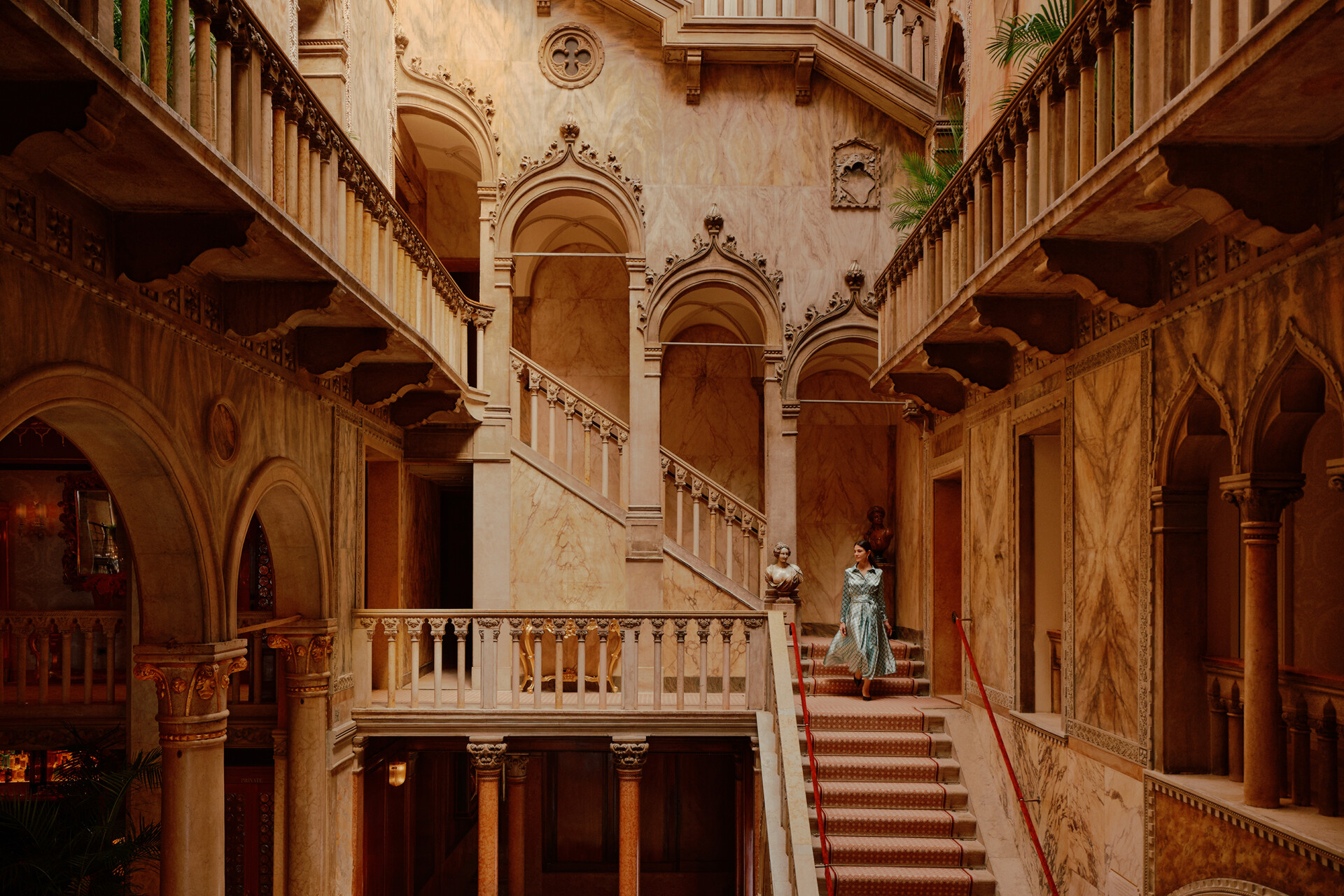
And now the legendary Danieli—reopening as Danieli, Venezia, A Four Seasons Hotel—has been revitalized for a new generation of travellers. Under the direction of the renowned French interior designer Pierre-Yves Rochon, the hotel’s landmark neo-Gothic lobby in the 14th-century Palazzo Dandolo has been carefully conserved, while Terrazza Danieli, the famous rooftop restaurant with sweeping views across the lagoon, has been refreshed in a luminous palette of sky blue, ivory, and gold. A ground-floor spa and swimming pool—the only hotel pool in Venice proper—will open late this year in the adjacent Casanova building, adding a contemporary amenity without compromising the property’s rich character.

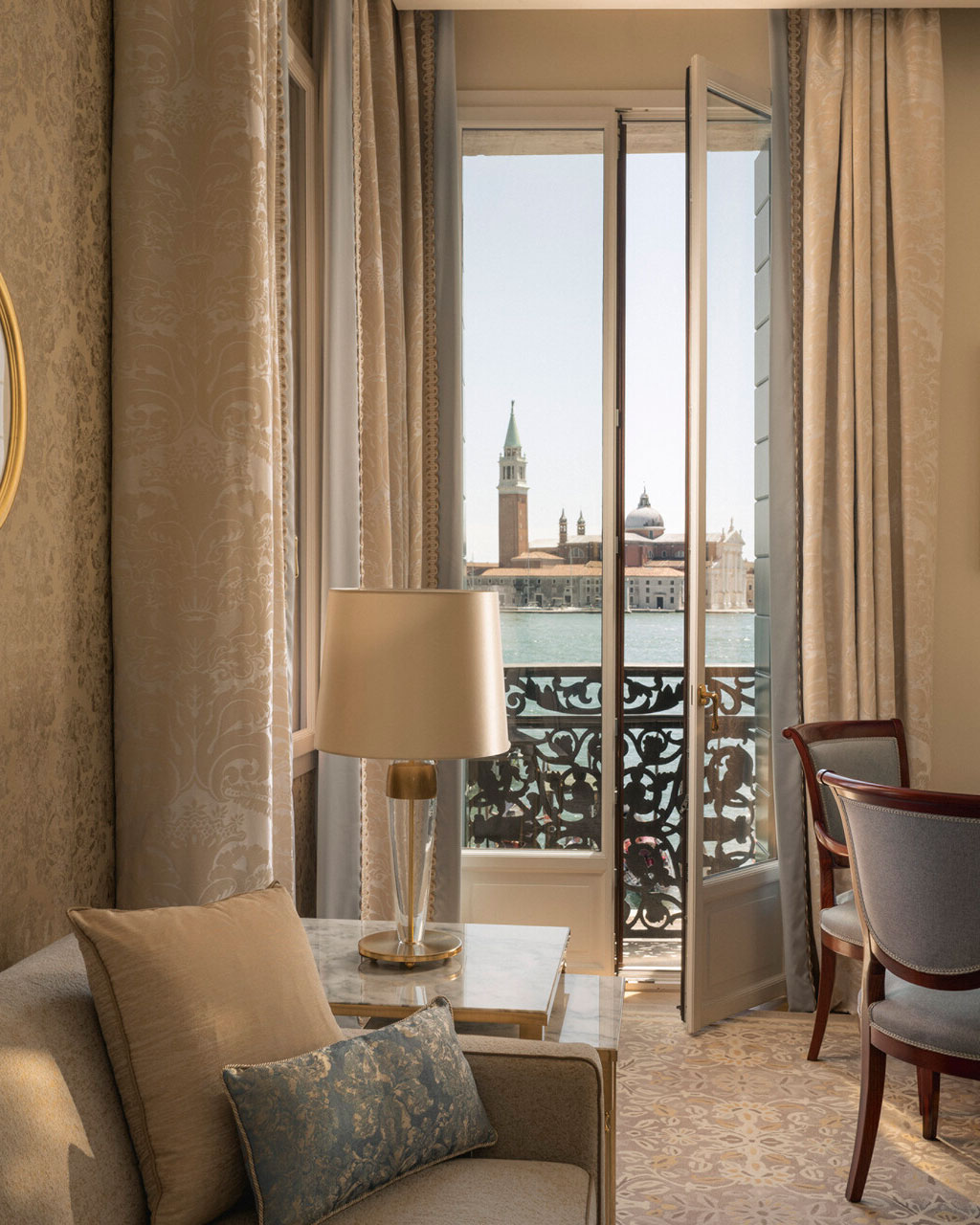
A guest room overlooking Plazzo San Marco at Danieli, Venezia, A Four Seasons Hotel
Rooftop dining at Restaurant Terrazza Danieli.
Rooftop dining at Restaurant Terrazza Danieli

“Venice has a historical ambience all on its own,” says Christian Zandonella, the hotel’s general manager. “But we can live and experience that history in a modern way.”

For more than a thousand years, Venice was one of Europe’s great powers—an independent maritime republic ruled by elected doges whose merchant fleets dominated trade from the Adriatic to the eastern Mediterranean. That remarkable run ended abruptly in 1797, when Napoleon Bonaparte toppled the Republic of Venice, abolishing a sovereign state that had endured for generations and sending its last doge into exile. After periods of French and Austrian rule, Venice became part of a unified Italy in 1866, but its fortunes continued to fade.

“Venice was poor until 1945,” says Toto Bergamo Rossi, director of the cultural-preservation foundation Venetian Heritage. At the end of World War II, America’s Marshall Plan fueled an “economic miracle” in Italy and helped restore prosperity to the city for a time.

The gardens at Danieli, Venezia, a Four Seasons Hotel

Yet even during lean years, Venice retained its magnetic pull. A place of Gothic palaces and Renaissance churches sitting atop countless wooden pilings anchored in the lagoon floor, it is, as the author Jan Morris observed, “not only the most beautiful city ever built by man, but the most improbable.” Writers and painters including John Ruskin, Henry James, John Singer Sargent, Claude Monet, and Marcel Proust came seeking inspiration amid its faded grandeur, turning the city into one of Europe’s great artistic refuges. As James wrote, Venice “is always interesting and almost always sad; but she has a thousand occasional graces and is always liable to happy accidents.”

The founding of the Venice International Film Festival in 1932 heralded another creative wave, drawing movie stars to the outlying Lido island. Meanwhile, after settling in Venice in the late 1940s, American heiress Peggy Guggenheim helped transform the city into an international centre for modern art.

But during the globalization boom of the 1980s and 1990s, Venice entered another period of decline. Traditional industries, including glassmaking, boatbuilding, and lacemaking, succumbed to lower-cost production offshore. As jobs disappeared, so did residents: The population of the historic core fell from around 175,000 after World War II to under 70,000 by the millennium. “Venice was shabby,” says Servane Giol, a French-born Venetian and the author of Venice: A Private Invitation (Flammarion). “The palazzi were very dark. Horrible.”

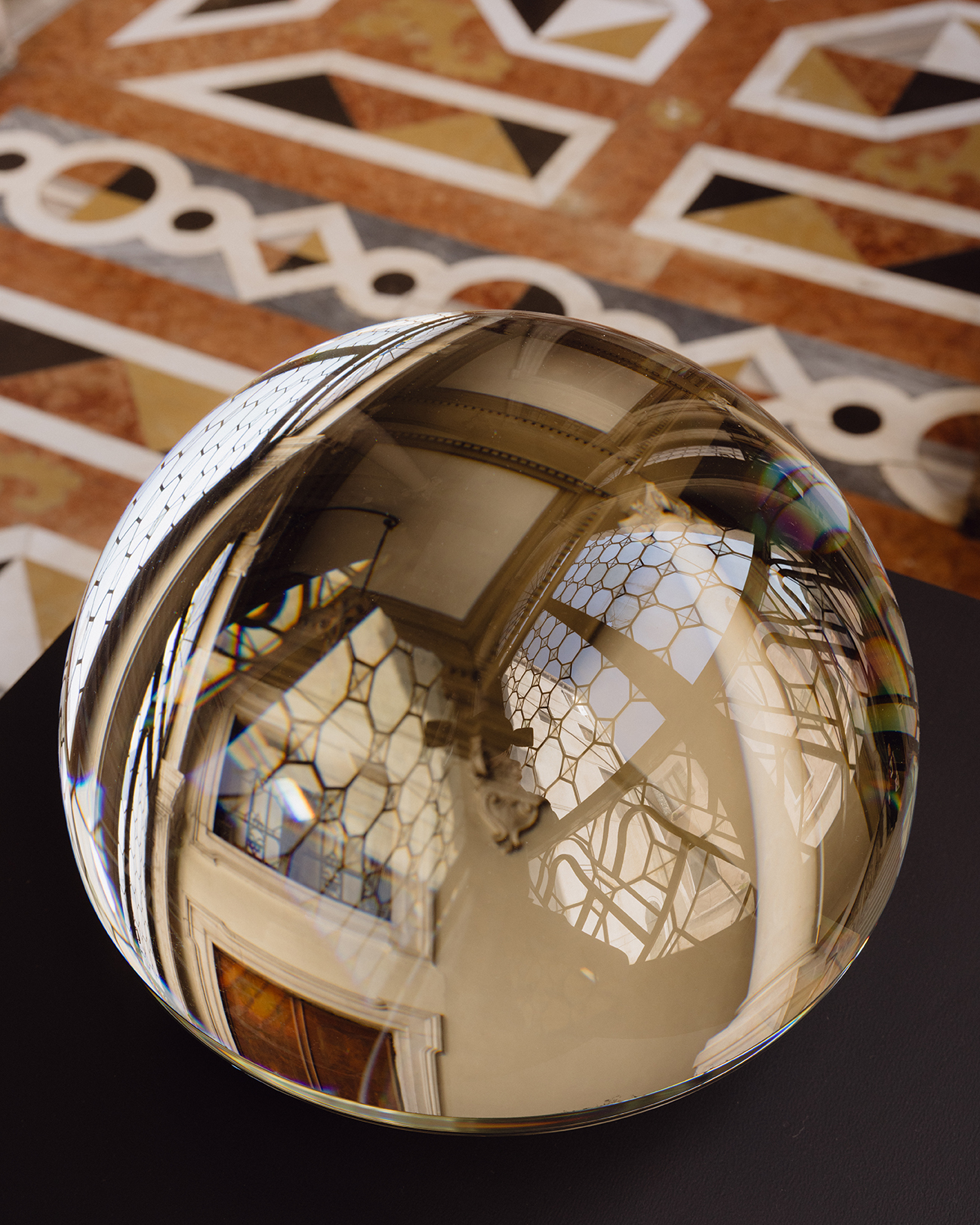
Panorama by Václav Cigler at Fondazione Drise Van Noten in Venice, Photo by Matteo de Mayda
Panorama by Václav Cigler at Fondazione Dries Van Noten in Venice, Photo by Matteo de Mayd
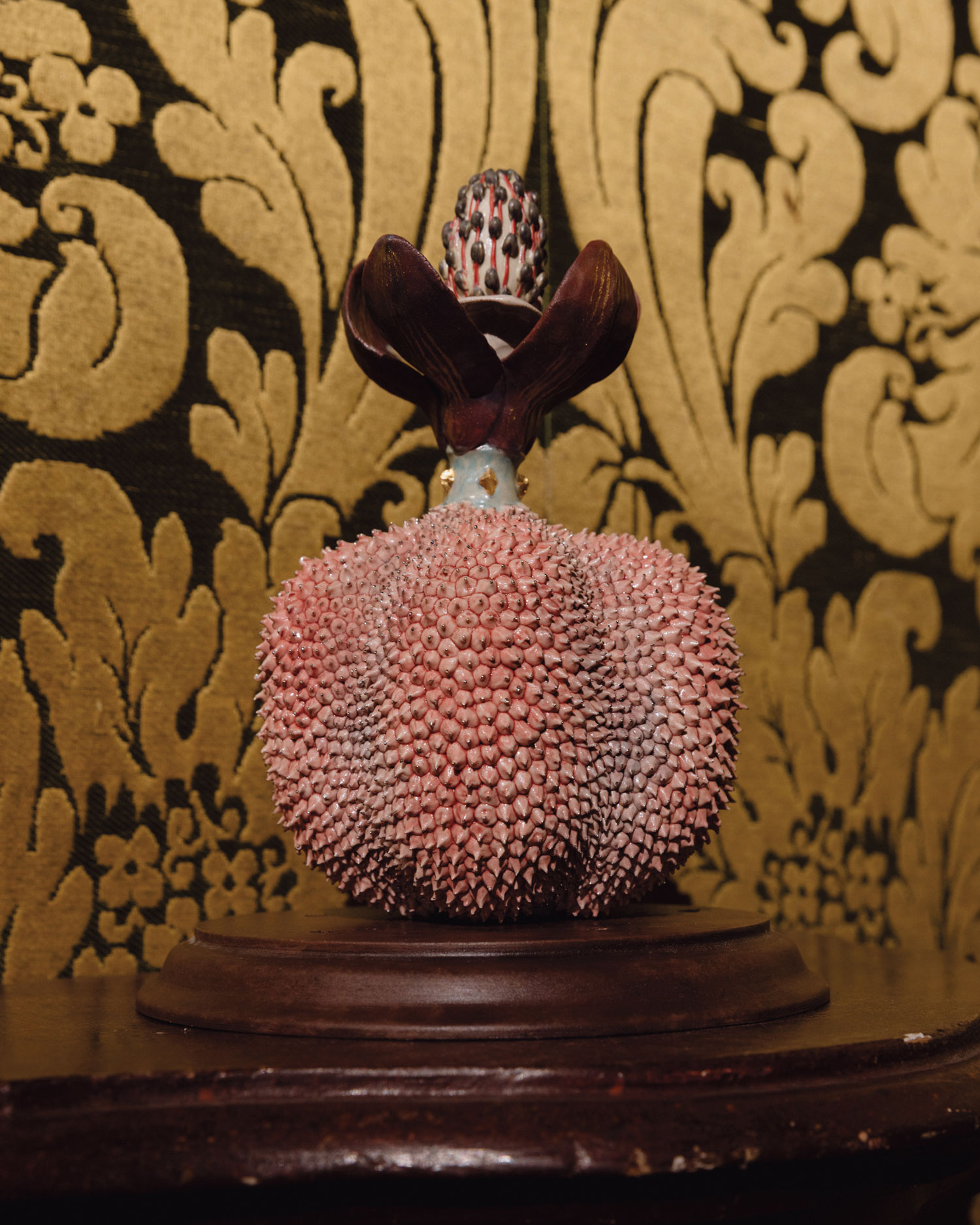
Pierrot Fleuri by ceramicist Kaori Kurihara, alongside Tessitura Luigi Bevilacqua textiles, at Fondazione Dries Van Noten.
Pierrot Fleuri by ceramicist Kaori Kurihara, alongside Tessitura Luigi Bevilacqua textiles, at Fondazione Dries Van Noten, Photo by Matteo de Mayda

That trajectory changed in 1999 when the Venice Biennale permanently expanded beyond its historic Giardini pavilions into the Arsenale, the city’s former shipbuilding complex. Soon after, exhibitors began staging shows in palazzi, churches, and other historic buildings, making Venice an integral part of the Biennale, rather than merely its location.

Today, the momentum is everywhere. The film festival is challenging the dominance of Cannes as a preferred launchpad for film-awards seasons. The city’s food scene has welcomed a wave of chef-driven restaurants, such as Michelin-starred Ristorante Wistèria and Al Covino, a bistro with just seven tables. Art foundations continue to open, including the Anish Kapoor Foundation in Palazzo Manfrin in Cannaregio and Fondazione Dries Van Noten, a centre for craftsmanship and contemporary creative practice, founded by its namesake, the legendary Belgian fashion designer, in the 15th-century Palazzo Pisani Moretta on the Grand Canal.

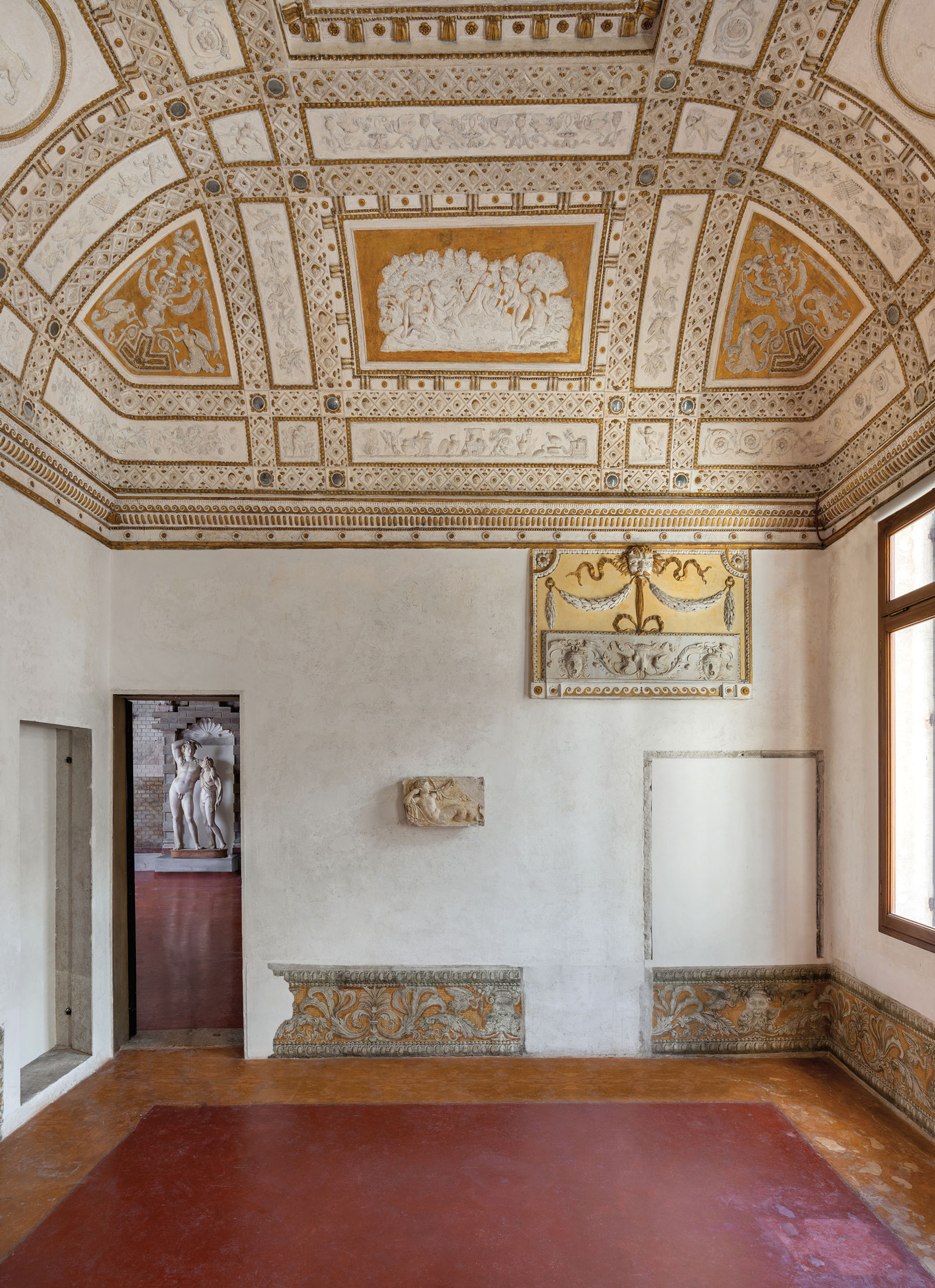
The chamber of Callisto at Museo di Palazzo Grimani
The chamber of Callisto at Museo di Palazzo Grimani. Photo by Matteo de Fina, Courtesy of Venetian Heritage
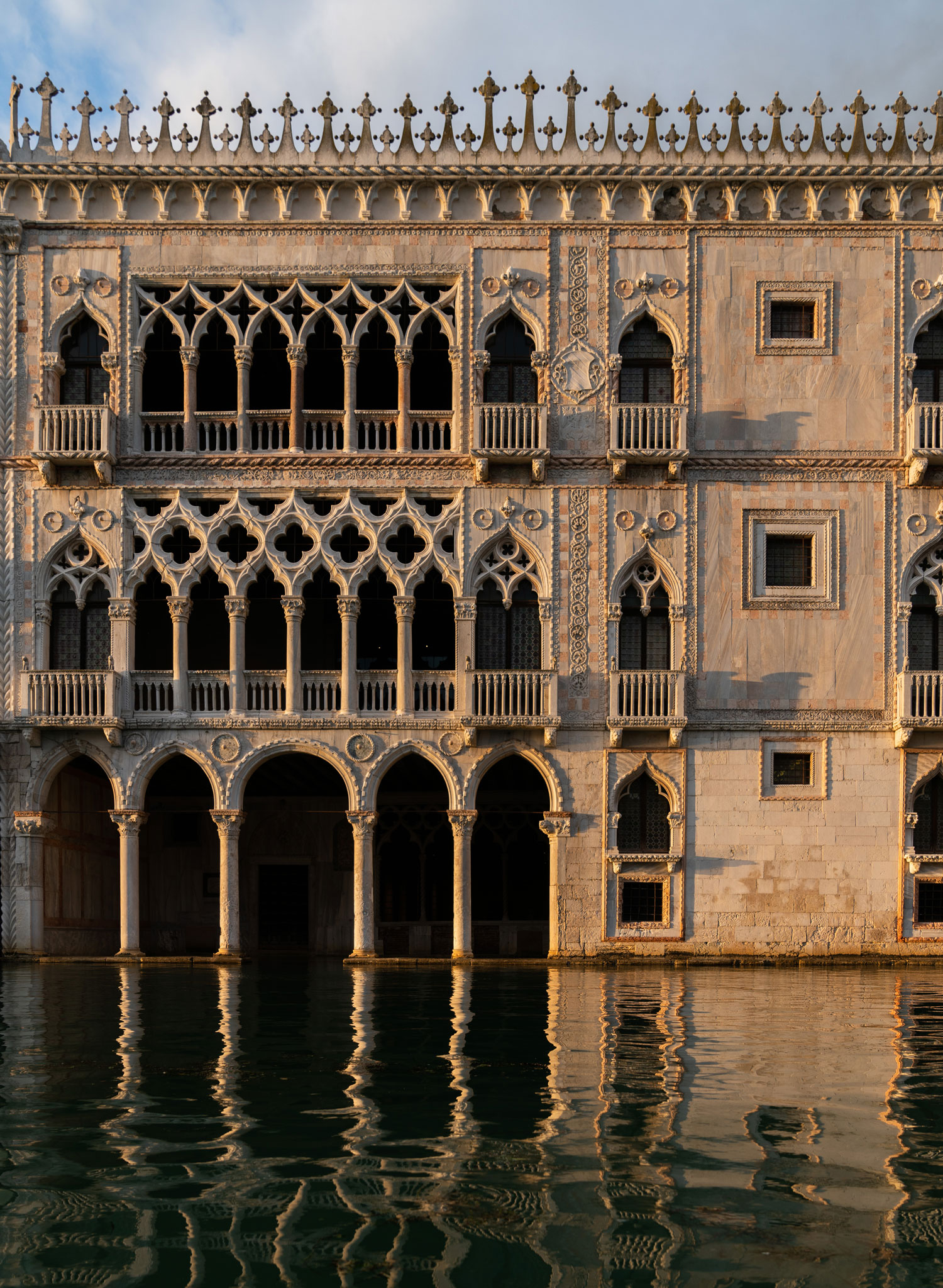
Ca d'Oro
Ca d’Oro on the Grand Canal

Under Bergamo Rossi’s leadership, Venetian Heritage has restored Palazzo Grimani, where annual visitors have increased from roughly 9,000 in 2018 to 90,000 today, and is in the midst of overseeing the refurbishment of the Ca’ d’Oro, the Venetian Gothic palazzo on the Grand Canal that is the home to one of the city’s finest collections of Renaissance art.

Homo Faber—the biennial celebration of contemporary craft created by the Geneva-based Michelangelo Foundation for Creativity and Craftsmanship and staged on San Giorgio Maggiore—also ran this September. Among the hundreds of artisanal gems on view is the work of Laguna~B, the Murano glassmaker run by Marcantonio Brandolini, a descendant of one of Venice’s oldest families.

“Now, people come here for culture,” Bergamo Rossi says. And not just to visit. Entrepreneurs, designers, artists, and philanthropists are moving to Venice, opening or reviving local businesses and helping return the city to year-round life.

Inside a carefully restored space at Danieli, Venezia, A Four Seasons Hotel
Inside a carefully restored space at the Danieli, Venezia, A Four Seasons Hotel

Though the population has dropped to about 50,000, many of the newcomers, like fashion designer Diane von Furstenberg, are deeply engaged in the life of the city. Von Furstenberg now spends more than half the year in Venice and hosts the annual DVF Awards for extraordinary women leaders in late summer.

Five years ago, the American entrepreneur Stuart Parr purchased Piedàterre, the venerable maker of the city’s signature cotton velvet furlane slippers. Parr moved production to Italy and began collaborating with historic Venetian textile houses, including Rubelli and Tessitura Luigi Bevilacqua. Today he lives on the Grand Canal. “People always ask me how long I’m going to stay here,” he says. “I don’t know a better option.”

Venice still faces challenges. Tourism is a delicate balancing act. Preserving a city built on seawater will never be simple or inexpensive. Perhaps that has always been Venice’s story—not stasis, but adaptation. “I don’t believe in a renaissance,” Brandolini says. “Venice has always been in movement.” And, as history suggests, it always will be.

Indelible India

Twice a year since 2023, the luxury menswear brand Stefano Ricci ventures out on the SR Explorer Project, an adventure with an award-winning photojournalist that pairs a spotlight on new collections with support of a local conservation charity.  

Over the years, donations have gone to the Kazakh Falconry Association for the research and reintroduction of eagles in western Mongolia; the Charles Darwin Foundation to protect giant tortoises on the Galápagos Islands; and Wild Earth Allies to protect and monitor Asian Elephants in Cambodia’s Cardamom Mountains. “Our aim is to leave each place we explore a little better than when we found it,” the company’s creative director, Filippo Ricci, explains. 

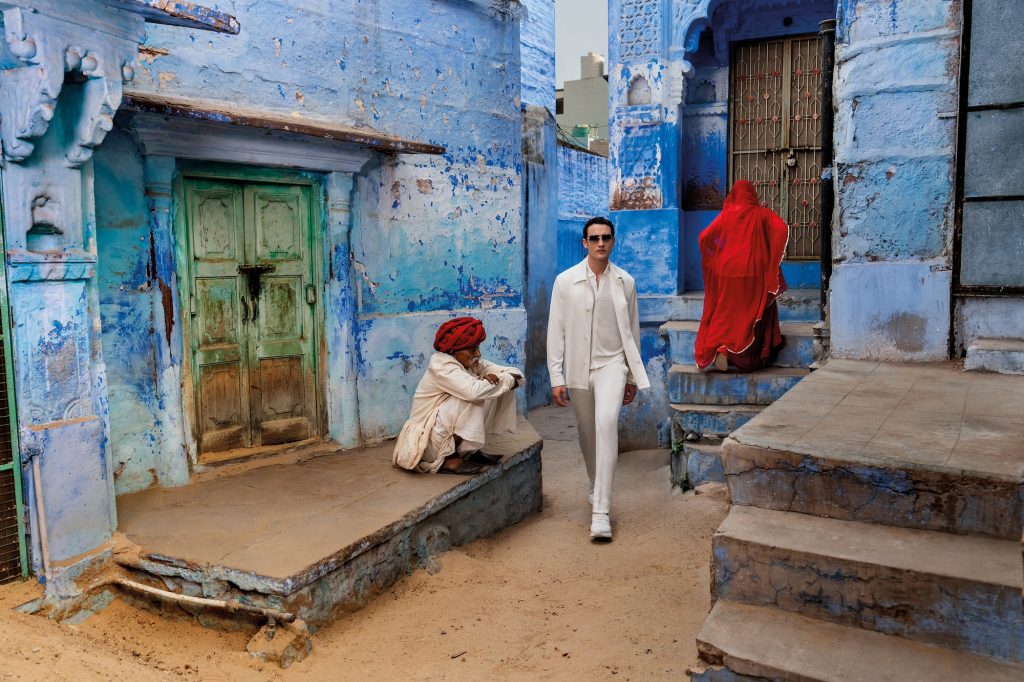
An image taken in India’s Blue City from McCurry’s recent marketing campaign for Stefano Ricci. Photograph © Steve McCurry for Stefano Ricci.

For the latest expedition, the SR Explorer team—led by Filippo and his brother Niccolò, the company’s CEO—travelled to the states of Uttar Pradesh and Rajasthan in India, bringing along photographer Steve McCurry, best known for his iconic photo Afghan Girl, which first ran on the cover of National Geographic in 1985.

McCurry began the tour by photographing endangered Bengal tigers in Ranthambore National Park. In 1900, India had 100,000 tigers in the wild; today, there are around 3,600. Though tiger hunting has been banned in India since 1972, there is still poaching, sometimes in response to attacks on livestock. That’s why Stefano Ricci chose to support Wild Seve, a program at India’s Centre for Wildlife Studies that helps communities live in harmony with nature.

Bengal tigers. Photograph by Julian W / Adobe Stock.

From there, SR Explorer set out across northern India, with McCurry shooting the brand’s spring-summer 2026 collection at such famed sites as the Taj Mahal, the iconic ivory-marble mausoleum on the banks of the Yamuna River; the City Palace, Jaipur’s 18th-century royal compound; and the Blue City, Jodhpur’s labyrinthine ancient quarter with vibrant blue-washed walls. 

“These are some of the most epic locations in the world—and places I love,” said McCurry, who has been shooting in India since his first days as a freelance photojournalist in the late 1970s. “To be in India awakens the senses.”  

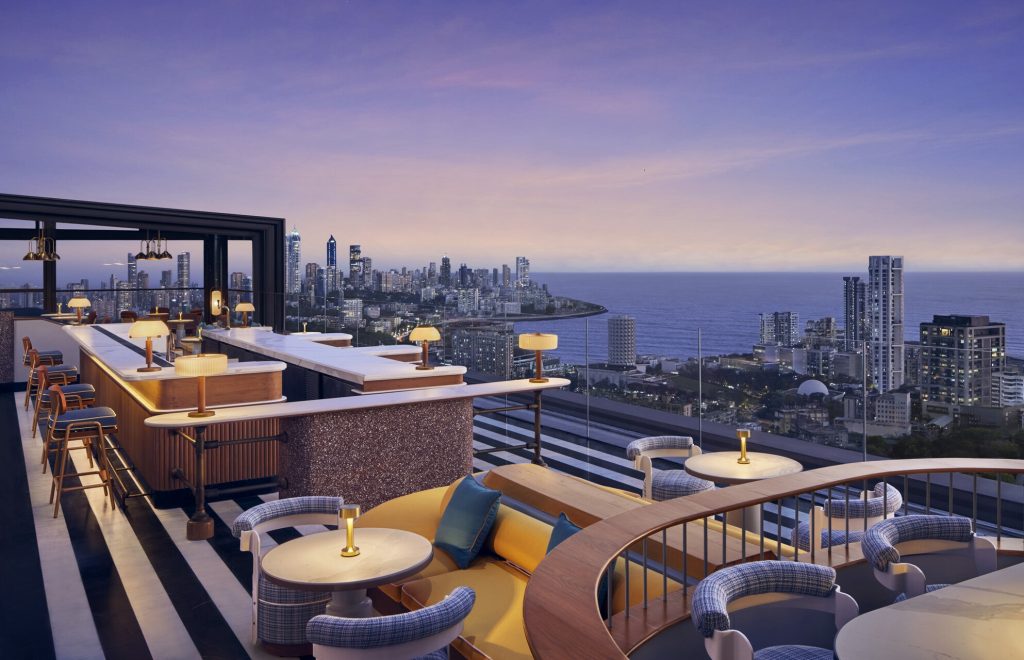
The rooftop Aer bar at Four Seasons Hotel Mumbai

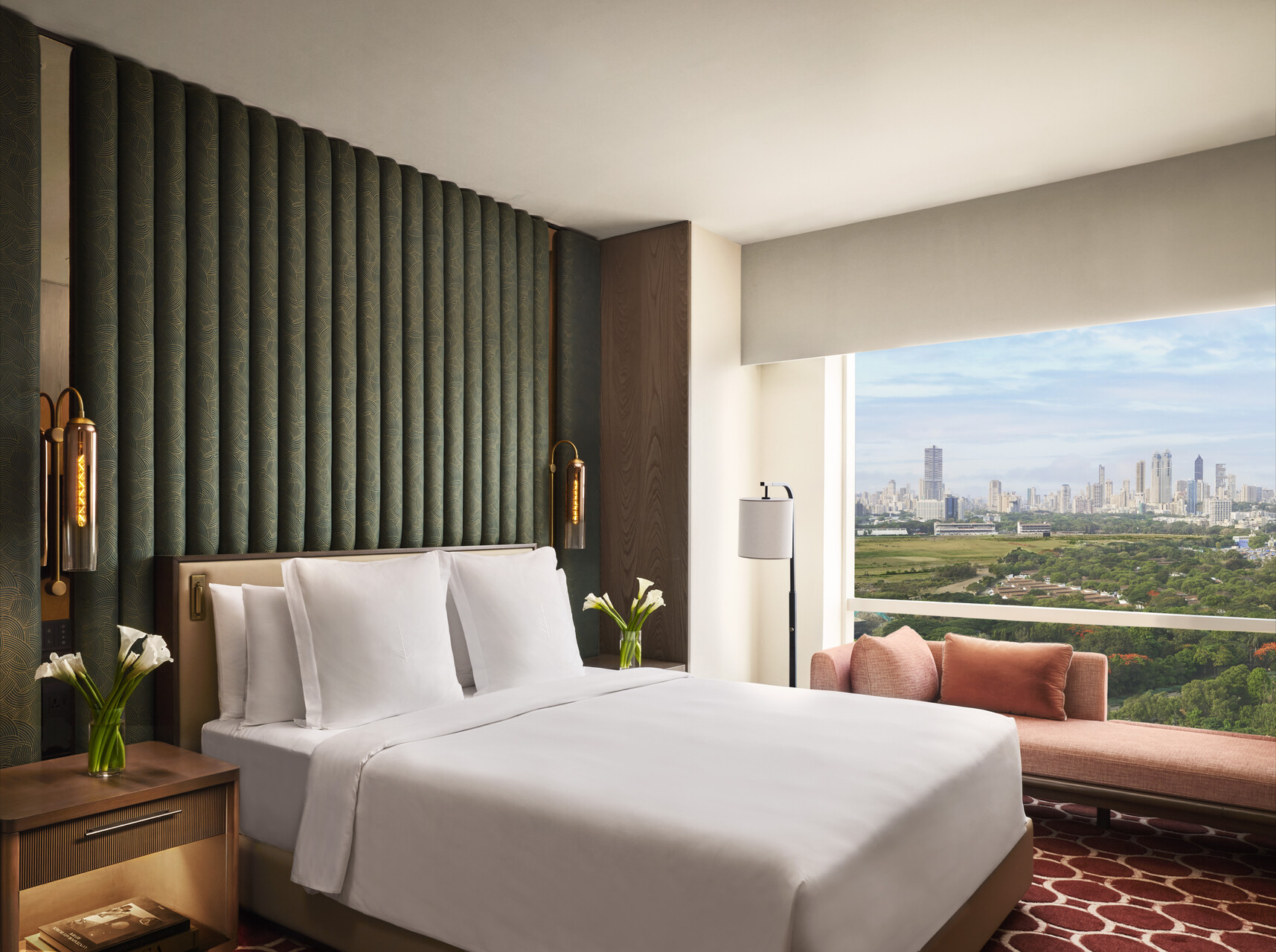
Many of northern India’s most celebrated historic sites are a two-hour flight from Mumbai, where Four Seasons Hotel Mumbai—with its modernist architecture, tropical gardens, tranquil pools, and sweeping views of the Arabian Sea—offers a refined urban retreat in the heart of the Worli district. The hotel’s curated city tours introduce guests to Mumbai’s layered history, including Mani Bhavan, the home that served as Mahatma Gandhi’s residence and political base from 1917 to 1934.  

All of this history and wonder is why SR Explorer chose India for its latest campaign—and what McCurry aims to capture with his images. “A mood that conveys places that are magical, beautiful, and fun and inspires people to see the world,” he says. “You will see the best that humanity can produce.”  

Four Seasons Hotel Nashville Mimo