with
Learn more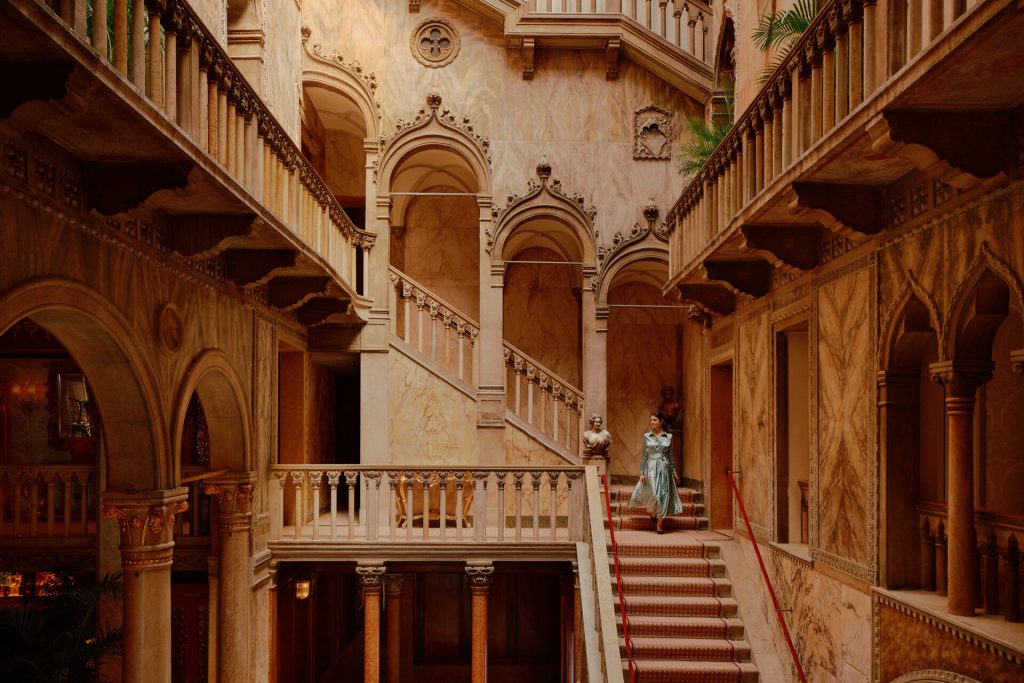
Venice Reclaimed: The Floating City’s Sparkling New Era
Once written off as a historic theme park, Venice’s cultural reinvention is crowned by the stunning restoration of the Danieli as a Four Seasons hotel.
For years, the story of Venice was one of decline. The population was shrinking. Grand palazzi sat empty. Locals lamented that the city had become overrun by day-trippers and cruise ship passengers who came, shopped, ate, and left. Critics predicted that Venice would soon be nothing more than a shrine to its own past.
How wrong they were. Today, Venice is one of Europe’s most vibrant cultural capitals. Designers and collectors are restoring palazzi and opening galleries and foundations. Artisans are finding new patrons. Venice’s events calendar has become richer and more robust with the addition of such standouts as Venice Glass Week, which ran in mid-September this year.
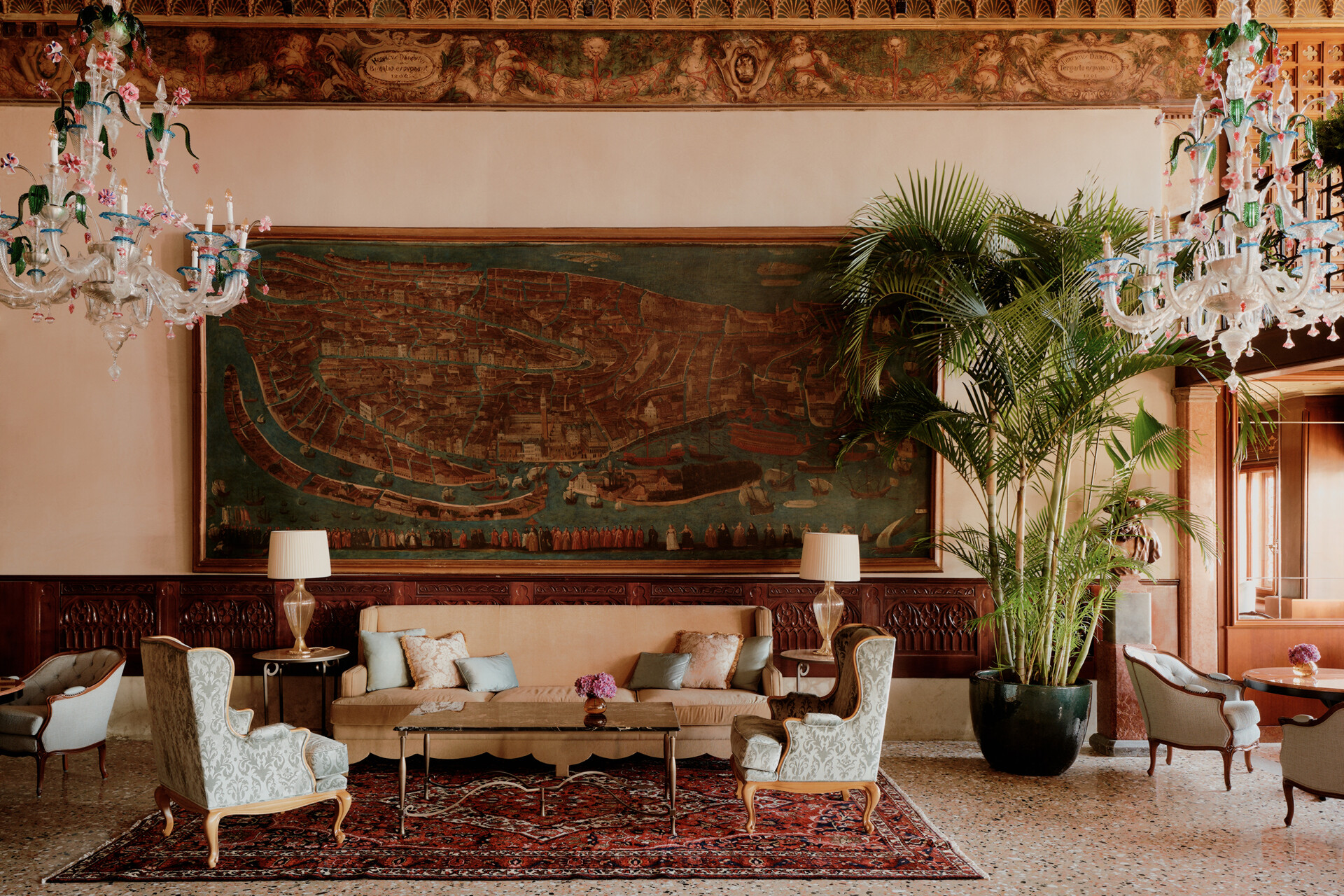
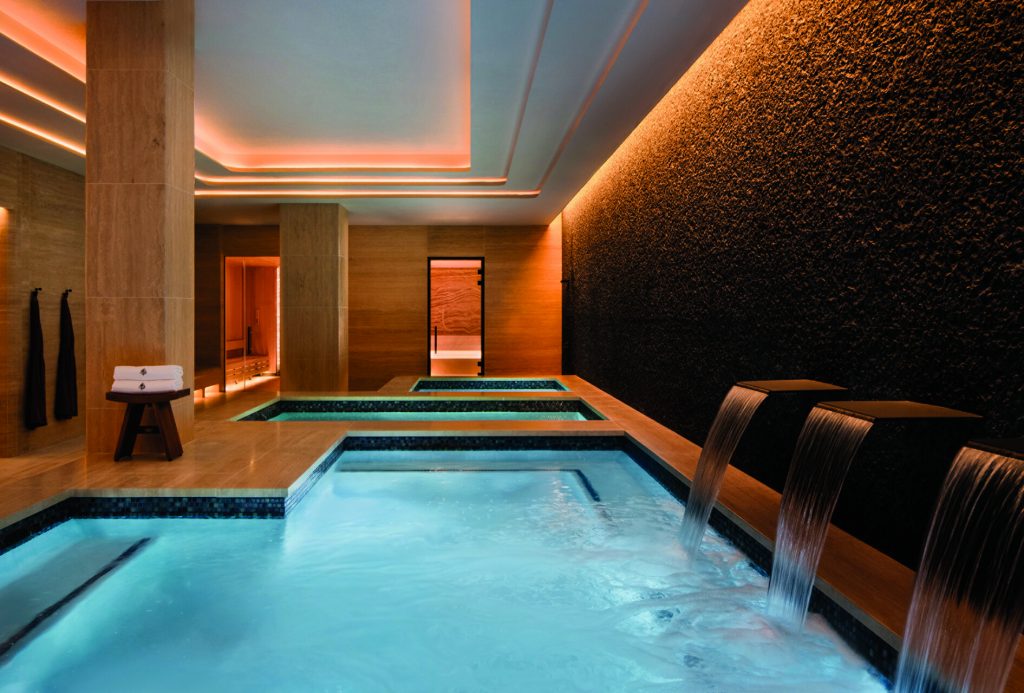
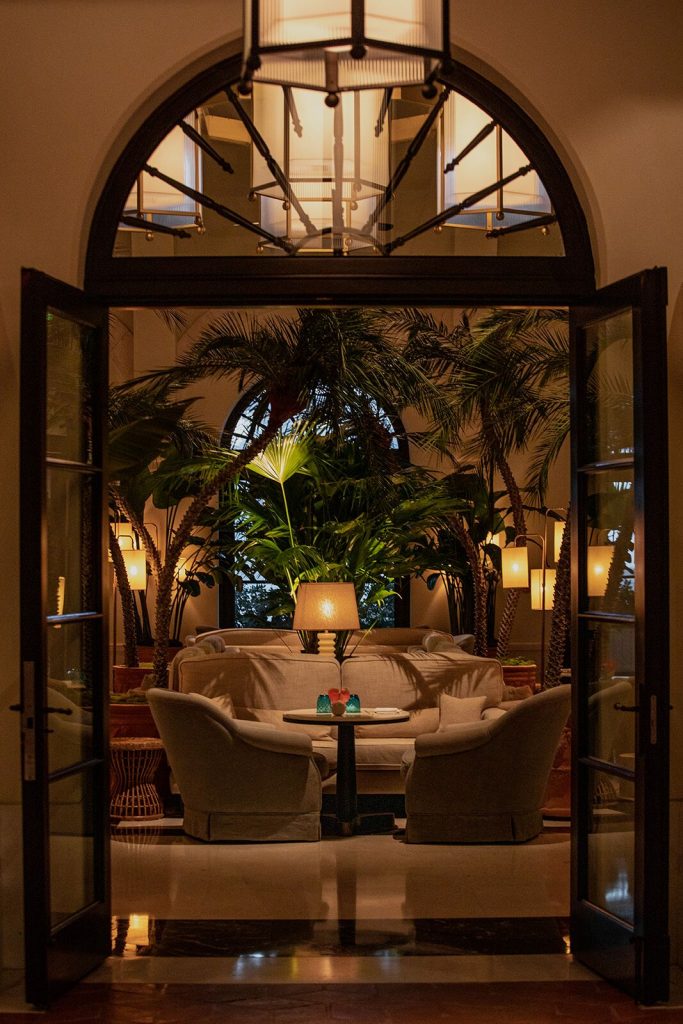
And now the legendary Danieli—reopening as Danieli, Venezia, A Four Seasons Hotel—has been revitalized for a new generation of travellers. Under the direction of the renowned French interior designer Pierre-Yves Rochon, the hotel’s landmark neo-Gothic lobby in the 14th-century Palazzo Dandolo has been carefully conserved, while Terrazza Danieli, the famous rooftop restaurant with sweeping views across the lagoon, has been refreshed in a luminous palette of sky blue, ivory, and gold. A ground-floor spa and swimming pool—the only hotel pool in Venice proper—will open late this year in the adjacent Casanova building, adding a contemporary amenity without compromising the property’s rich character.
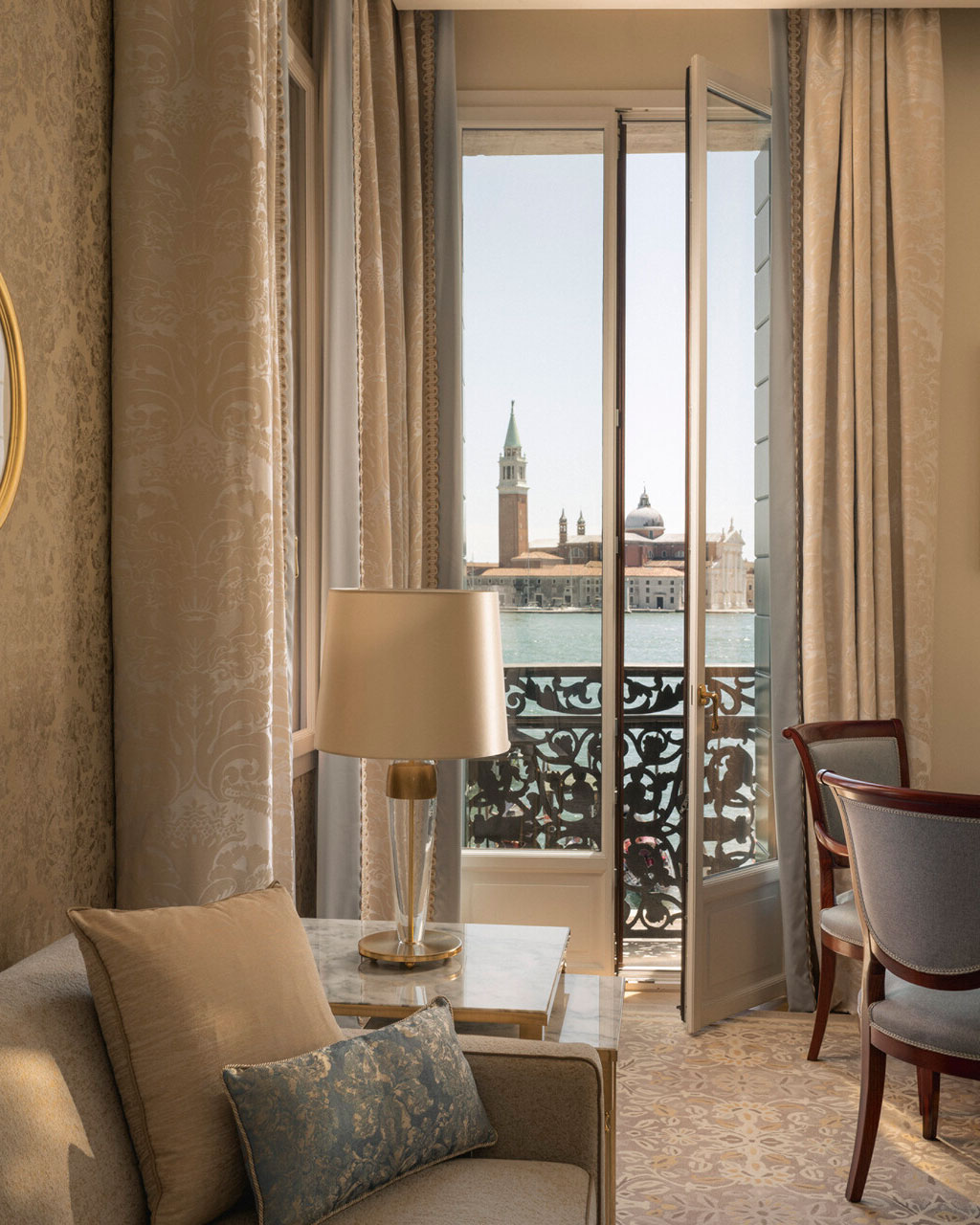
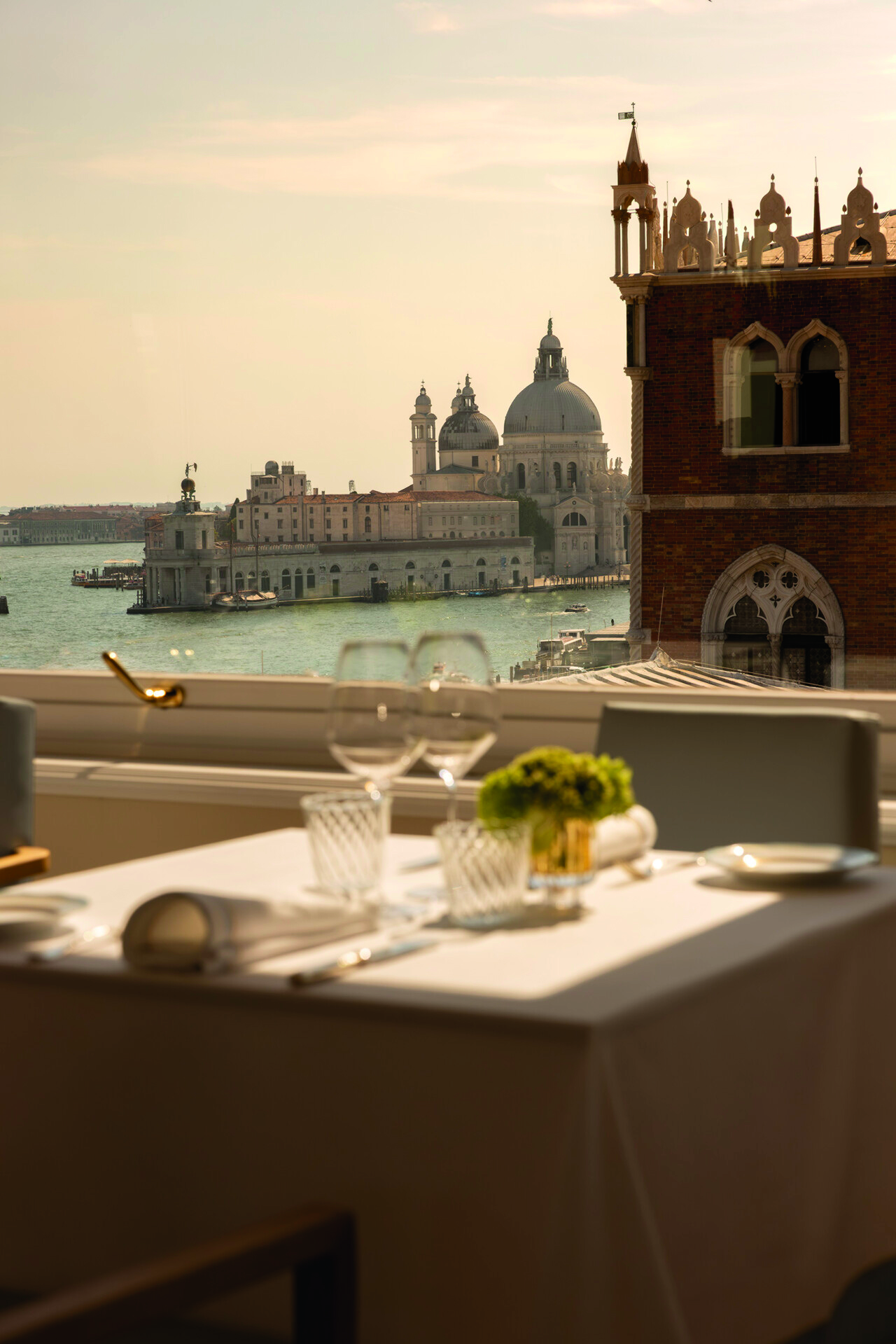
“Venice has a historical ambience all on its own,” says Christian Zandonella, the hotel’s general manager. “But we can live and experience that history in a modern way.”
For more than a thousand years, Venice was one of Europe’s great powers—an independent maritime republic ruled by elected doges whose merchant fleets dominated trade from the Adriatic to the eastern Mediterranean. That remarkable run ended abruptly in 1797, when Napoleon Bonaparte toppled the Republic of Venice, abolishing a sovereign state that had endured for generations and sending its last doge into exile. After periods of French and Austrian rule, Venice became part of a unified Italy in 1866, but its fortunes continued to fade.
“Venice was poor until 1945,” says Toto Bergamo Rossi, director of the cultural-preservation foundation Venetian Heritage. At the end of World War II, America’s Marshall Plan fueled an “economic miracle” in Italy and helped restore prosperity to the city for a time.
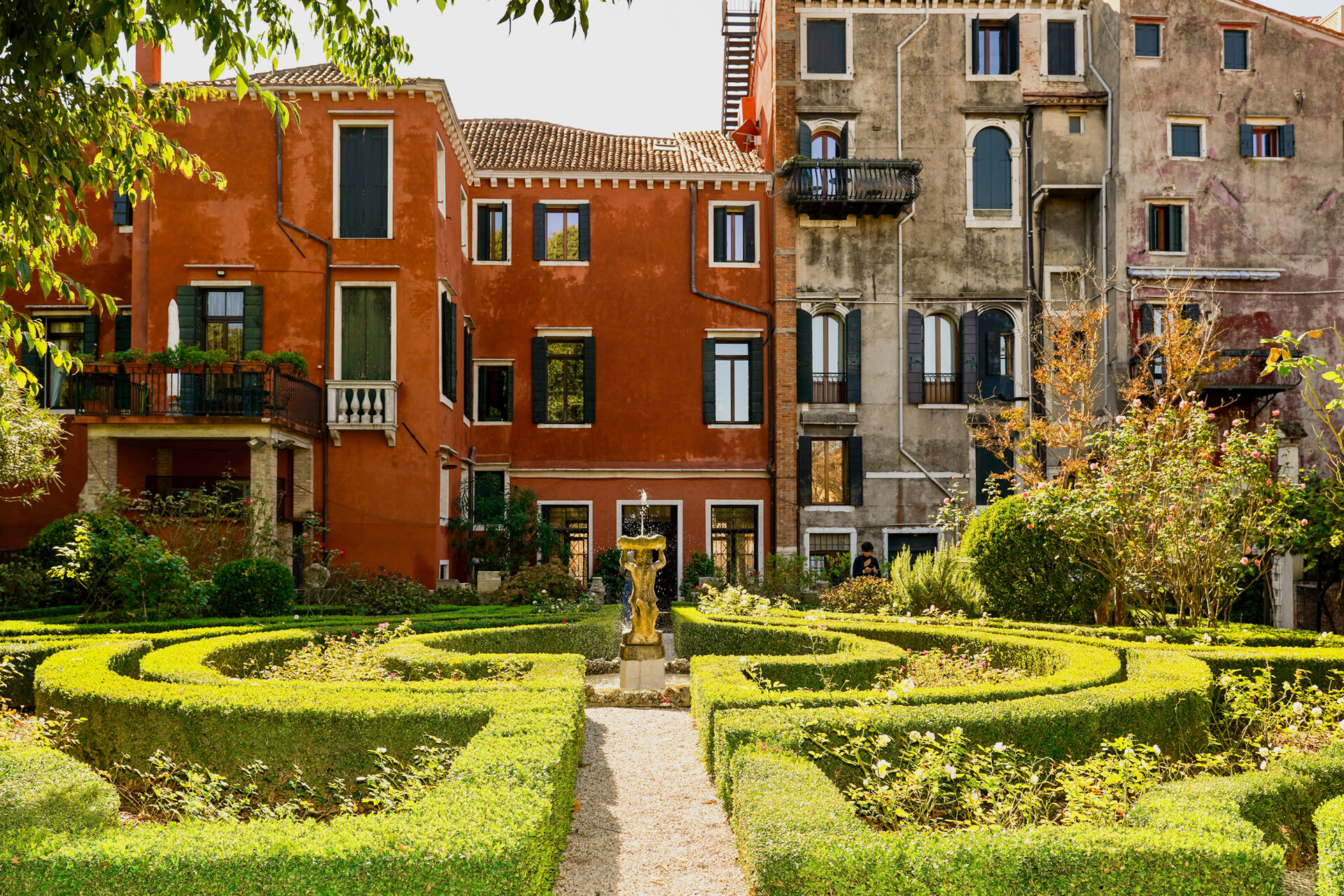
Yet even during lean years, Venice retained its magnetic pull. A place of Gothic palaces and Renaissance churches sitting atop countless wooden pilings anchored in the lagoon floor, it is, as the author Jan Morris observed, “not only the most beautiful city ever built by man, but the most improbable.” Writers and painters including John Ruskin, Henry James, John Singer Sargent, Claude Monet, and Marcel Proust came seeking inspiration amid its faded grandeur, turning the city into one of Europe’s great artistic refuges. As James wrote, Venice “is always interesting and almost always sad; but she has a thousand occasional graces and is always liable to happy accidents.”
The founding of the Venice International Film Festival in 1932 heralded another creative wave, drawing movie stars to the outlying Lido island. Meanwhile, after settling in Venice in the late 1940s, American heiress Peggy Guggenheim helped transform the city into an international centre for modern art.
But during the globalization boom of the 1980s and 1990s, Venice entered another period of decline. Traditional industries, including glassmaking, boatbuilding, and lacemaking, succumbed to lower-cost production offshore. As jobs disappeared, so did residents: The population of the historic core fell from around 175,000 after World War II to under 70,000 by the millennium. “Venice was shabby,” says Servane Giol, a French-born Venetian and the author of Venice: A Private Invitation (Flammarion). “The palazzi were very dark. Horrible.”
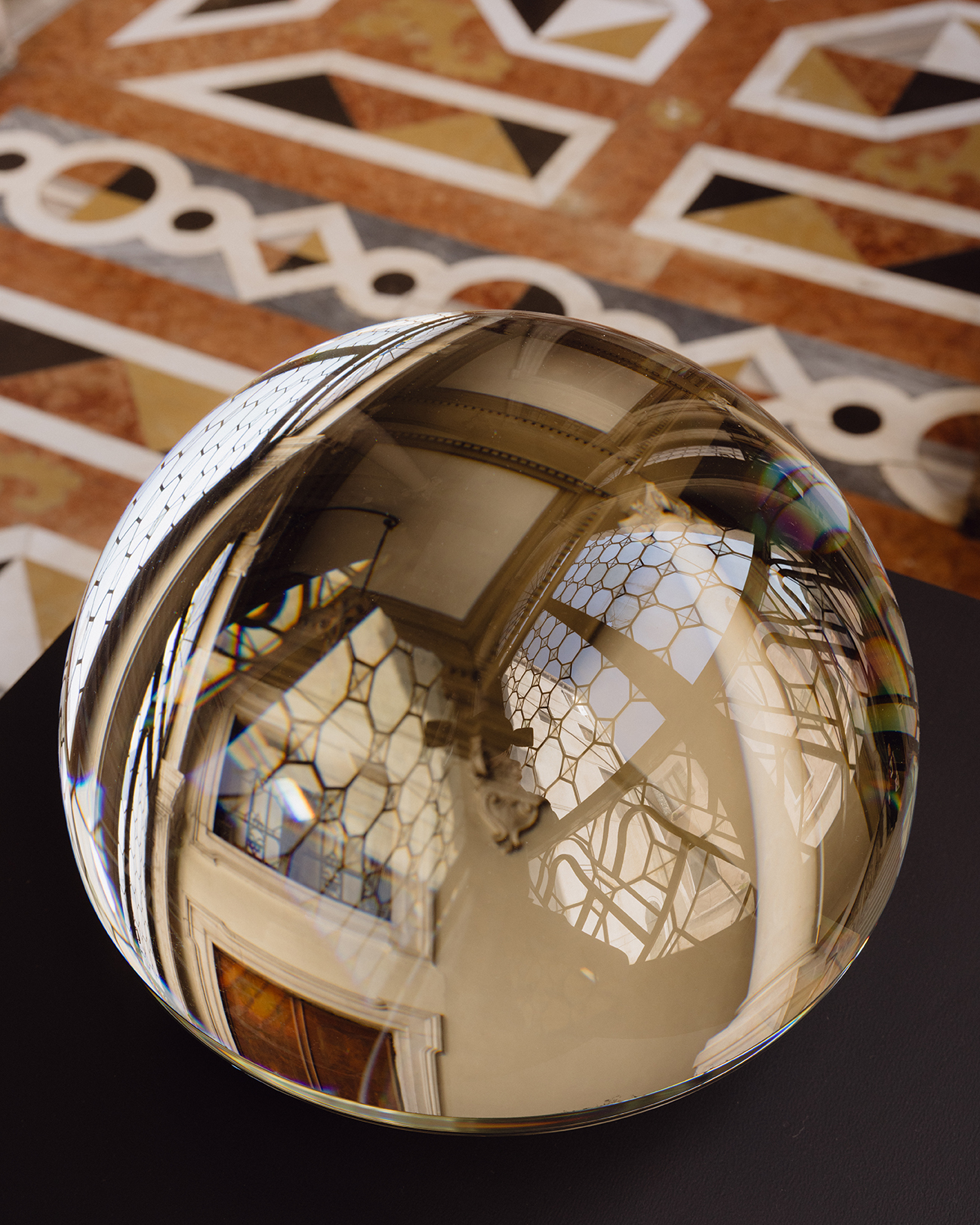
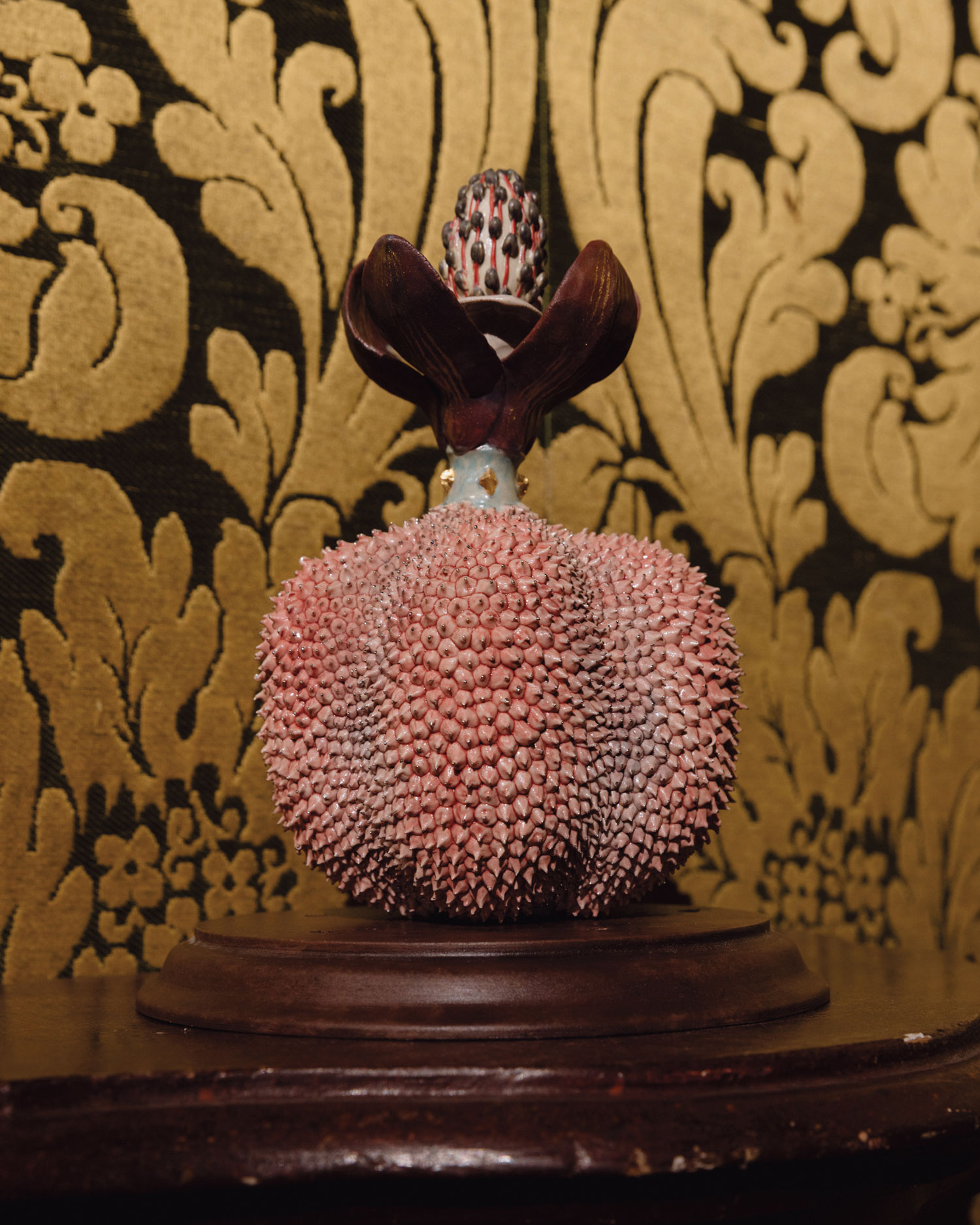
That trajectory changed in 1999 when the Venice Biennale permanently expanded beyond its historic Giardini pavilions into the Arsenale, the city’s former shipbuilding complex. Soon after, exhibitors began staging shows in palazzi, churches, and other historic buildings, making Venice an integral part of the Biennale, rather than merely its location.
Today, the momentum is everywhere. The film festival is challenging the dominance of Cannes as a preferred launchpad for film-awards seasons. The city’s food scene has welcomed a wave of chef-driven restaurants, such as Michelin-starred Ristorante Wistèria and Al Covino, a bistro with just seven tables. Art foundations continue to open, including the Anish Kapoor Foundation in Palazzo Manfrin in Cannaregio and Fondazione Dries Van Noten, a centre for craftsmanship and contemporary creative practice, founded by its namesake, the legendary Belgian fashion designer, in the 15th-century Palazzo Pisani Moretta on the Grand Canal.
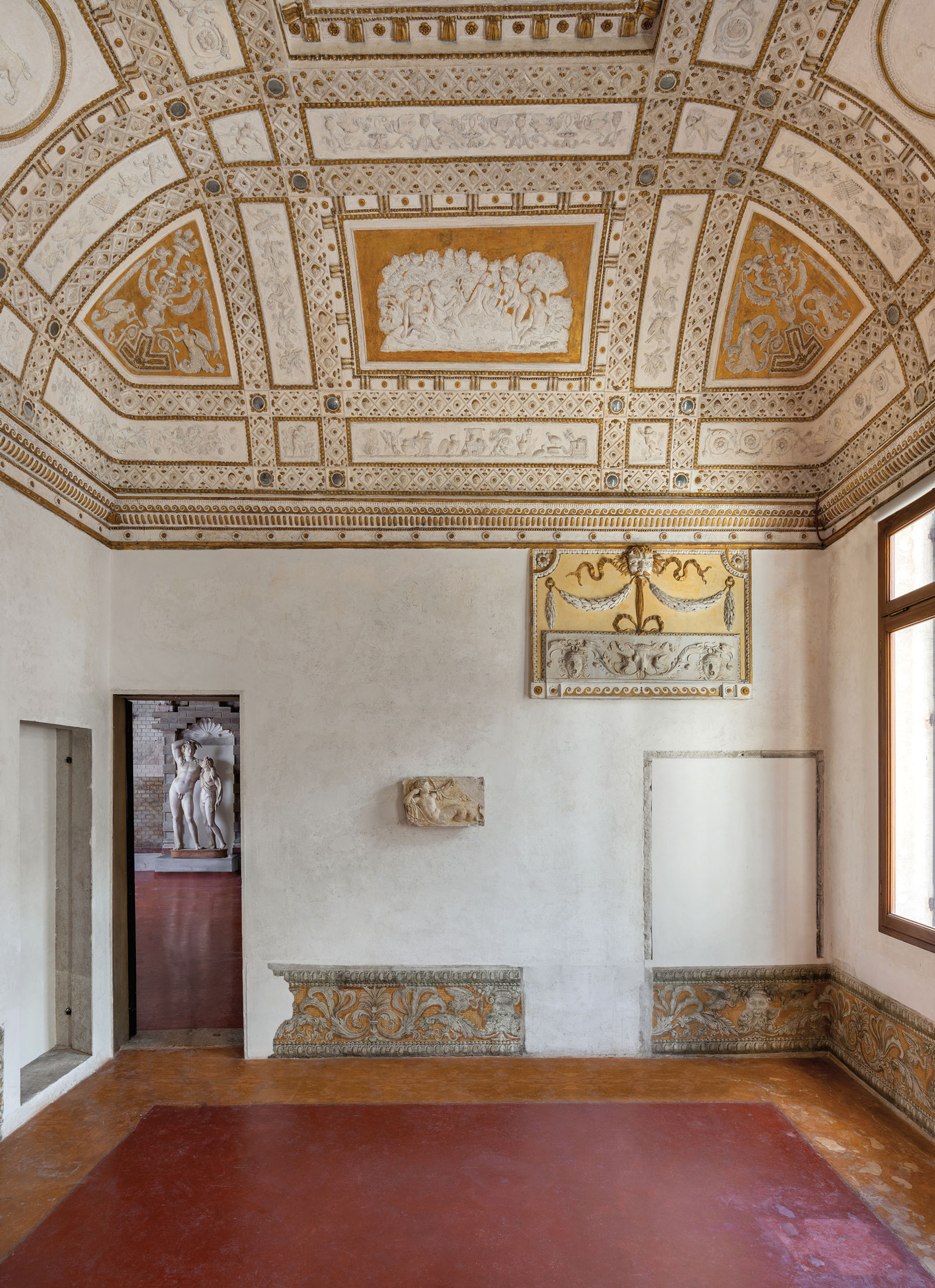
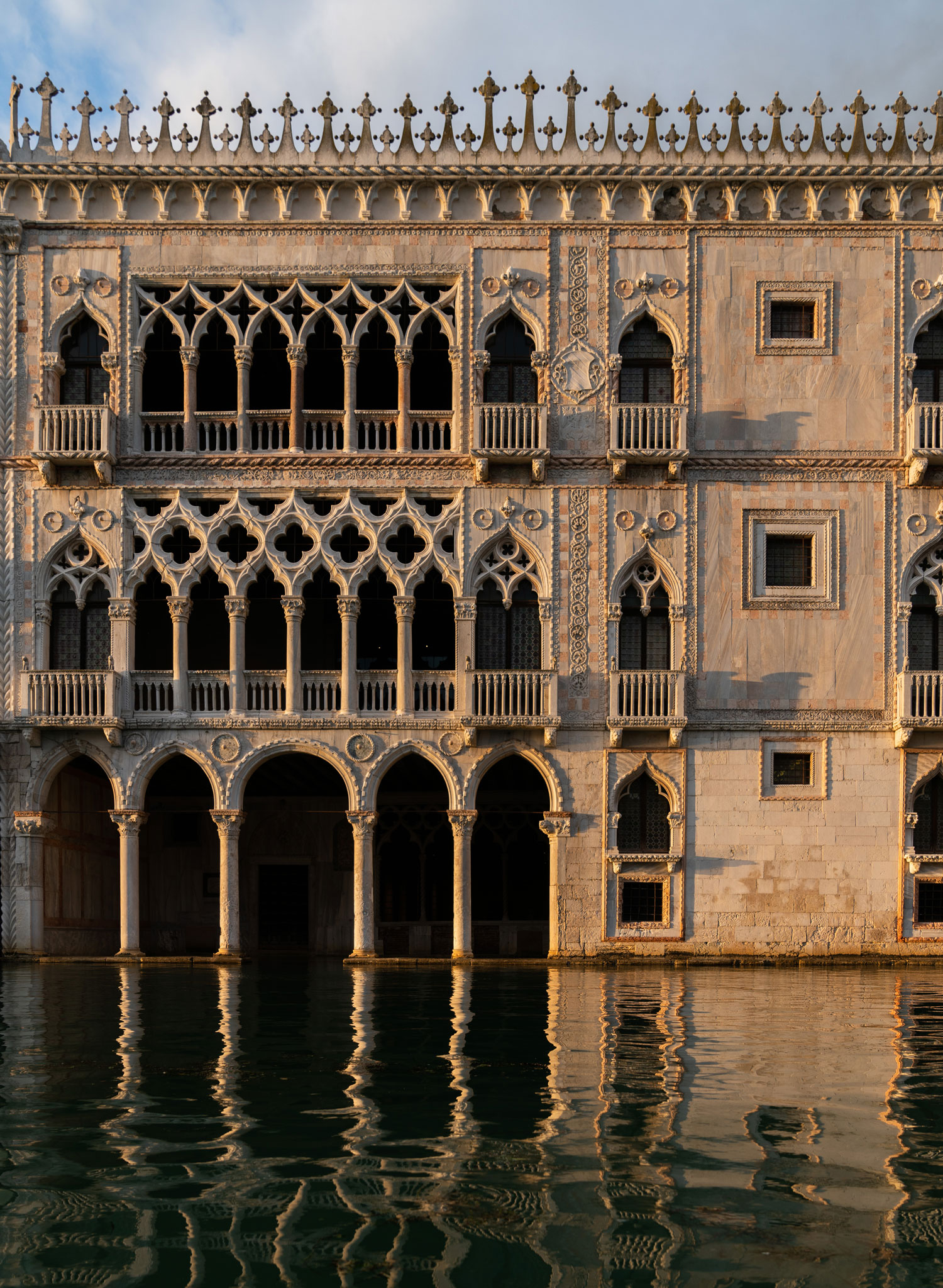
Under Bergamo Rossi’s leadership, Venetian Heritage has restored Palazzo Grimani, where annual visitors have increased from roughly 9,000 in 2018 to 90,000 today, and is in the midst of overseeing the refurbishment of the Ca’ d’Oro, the Venetian Gothic palazzo on the Grand Canal that is the home to one of the city’s finest collections of Renaissance art.
Homo Faber—the biennial celebration of contemporary craft created by the Geneva-based Michelangelo Foundation for Creativity and Craftsmanship and staged on San Giorgio Maggiore—also ran this September. Among the hundreds of artisanal gems on view is the work of Laguna~B, the Murano glassmaker run by Marcantonio Brandolini, a descendant of one of Venice’s oldest families.
“Now, people come here for culture,” Bergamo Rossi says. And not just to visit. Entrepreneurs, designers, artists, and philanthropists are moving to Venice, opening or reviving local businesses and helping return the city to year-round life.
Though the population has dropped to about 50,000, many of the newcomers, like fashion designer Diane von Furstenberg, are deeply engaged in the life of the city. Von Furstenberg now spends more than half the year in Venice and hosts the annual DVF Awards for extraordinary women leaders in late summer.
Five years ago, the American entrepreneur Stuart Parr purchased Piedàterre, the venerable maker of the city’s signature cotton velvet furlane slippers. Parr moved production to Italy and began collaborating with historic Venetian textile houses, including Rubelli and Tessitura Luigi Bevilacqua. Today he lives on the Grand Canal. “People always ask me how long I’m going to stay here,” he says. “I don’t know a better option.”
Venice still faces challenges. Tourism is a delicate balancing act. Preserving a city built on seawater will never be simple or inexpensive. Perhaps that has always been Venice’s story—not stasis, but adaptation. “I don’t believe in a renaissance,” Brandolini says. “Venice has always been in movement.” And, as history suggests, it always will be.
More like this
fashion
Stepping Out in Style: Three Independent Shoemakers to Know
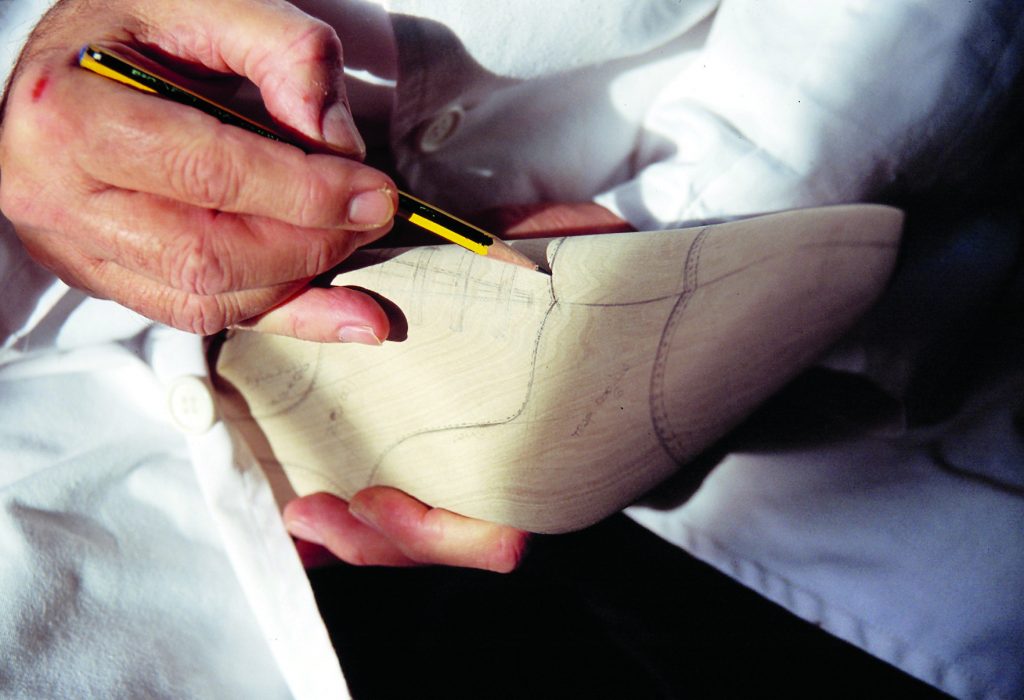
In Mallorca, Paris, and London, these under-the-radar shoemakers are honouring the art of handmade footwear.
dining golf
A Pro Golfer’s Guide to Scottsdale
PGA Tour golfer Joel Dahmen tees up his favourite places to eat, shop, and play in the desert.
Trending
-
Stepping Out in Style: Three Independent Shoemakers to Know
In Mallorca, Paris, and London, these under-the-radar shoemakers are honouring the art of handmade footwear.
-
9 Family Vacations Recommended by Moms
Discover tips for family travel in destinations around the world from mothers who know travel, from Orlando to Hong Kong.
-
Rare Trade: Meet 4 People Searching the World for the Exceptional
Discover the rarest of the rare, from elusive ingredients to adventures with icebergs.