Luxury Redefined: Fine Dining’s New ‘It’ Ingredients

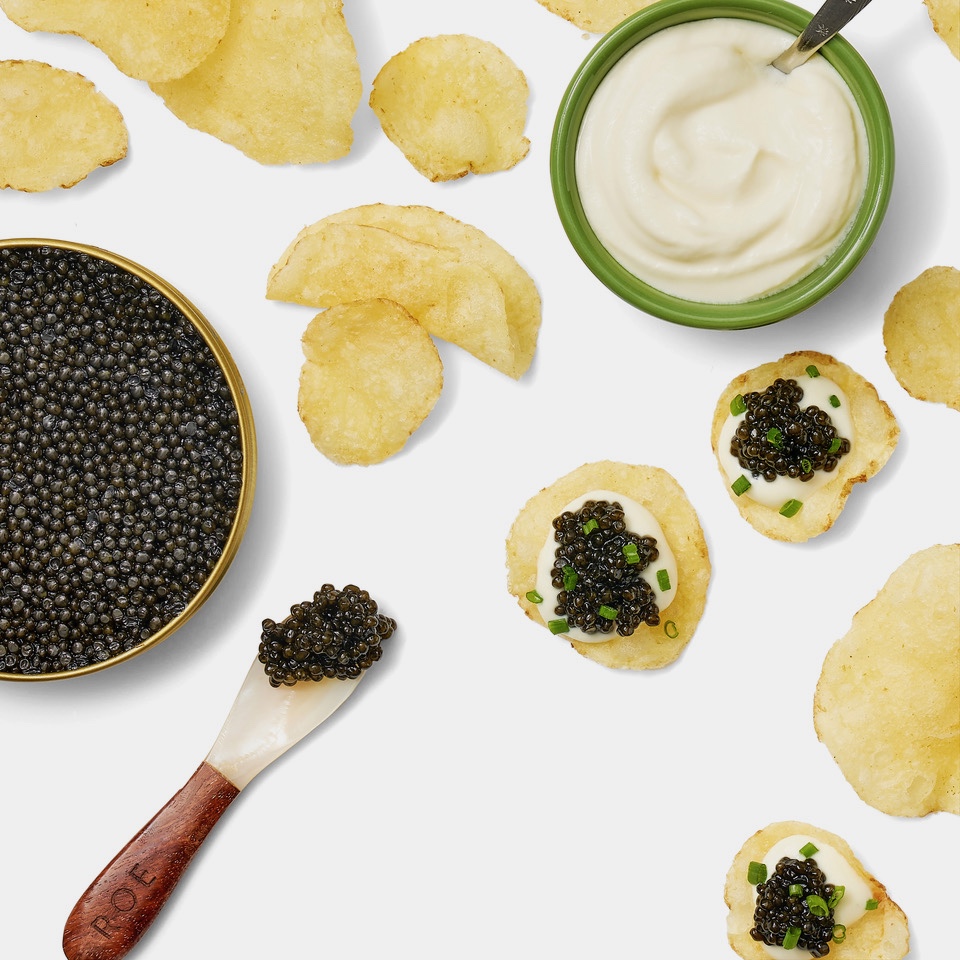
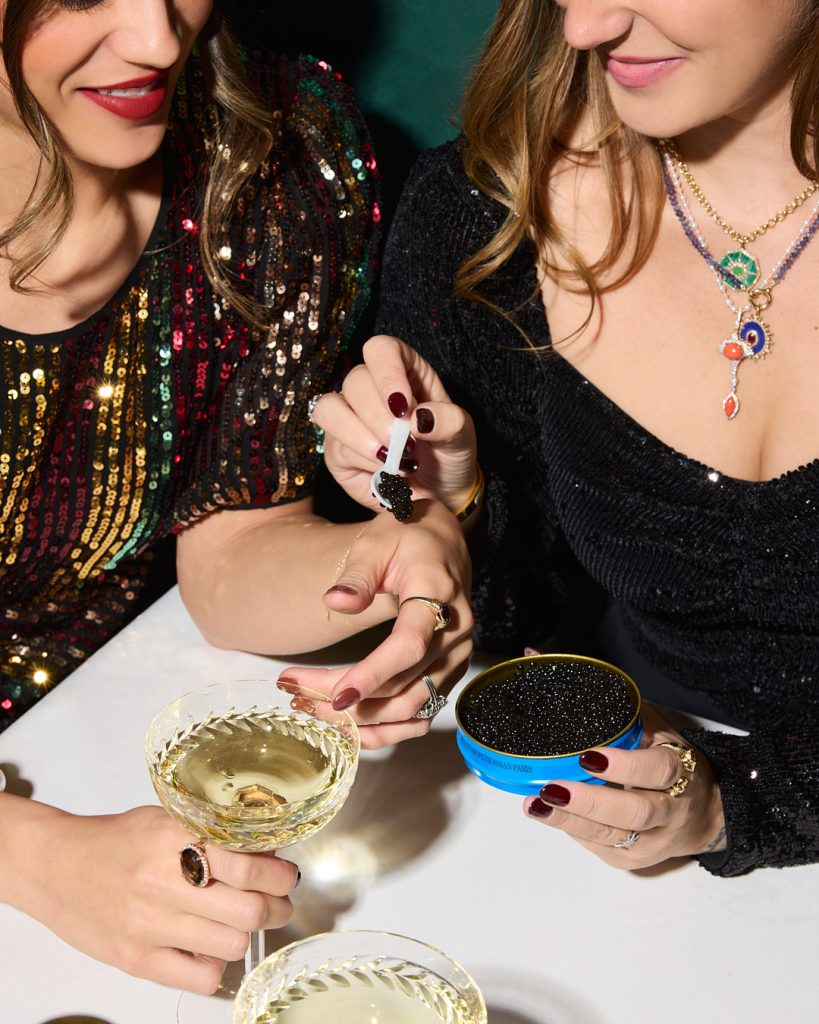
What if luxury is not what you think it is? We tend to view certain foods as fixed and universal signifiers of “living well.” These are the ingredients that make everyone at the table smile and sigh when the server mentions them, and they’re the ingredients that usually come accompanied by a supplement, meaning that the server is happy to ask the kitchen to dollop or shave one of them onto your dish as long as you’re amenable to paying an extra $100 or so. Truffles, caviar, foie gras—behold the Three Musketeers of haute cuisine, with uni increasingly cast as the young D’Artagnan who has joined forces with the classic trio. Such ingredients have become so entrenched in contemporary menus, so ubiquitous, you might assume they’ve always dominated the epicurean conversation. 

But luxury evolves—it moves around. One era’s cattle feed is the next era’s pricey indulgence. As the food essayist and New York Times critic Ligaya Mishan has written, “In medieval Russia, caviar was a peasant staple, less expensive than fish itself.” So abundant were the briny sturgeon eggs, and so removed from any idea of fanciness, that once upon a time, country folks shoveled heaps of caviar to their pigs “to fatten them up,” as Mishan tells us. (Lucky swine!) 

Luxury is evolving right now, too, and the new idea of opulence often manifests in subtle ways. Beyond the realm of caviar and truffles, there are other ingredients whose appearance on a menu tells you that the chef is thinking deeply about the art of cooking and the experience of pleasure. Maybe the chef has decided to elevate staples, such as rice, corn, and butter, or draw on ancient methods of intensifying flavour by drying out an ingredient, be it salty mullet roe or a sweet persimmon. Here we present five examples of extravagance-in-evolution: five ingredients that represent la dolce vita in 2025, even though they’ve been around for centuries. 

Heirloom Masa

Heirloom Masa, Photo by Vanessa Granda, Food Styling by Pearl Jones
Photograph by Vanessa Granda; food styling by Pearl Jones.
Photograph by Maureen Evans.

Dine in one of lauded chef Enrique Olvera’s restaurants—maybe Pujol in Mexico City, Cosme in New York, or Damian in Los Angeles—and you realize that few things come close to the deep, glorious earthiness of a tortilla made with heirloom masa. In fact, Olvera himself speaks of this ingredient in almost mystical terms: “The ability to taste the place,” he says. That, to him, represents the soul of luxury, especially in this age in which sturgeons can spend years swimming back and forth in stationary pools for the production of farm-raised caviar. “Luxury now is whatever is from that place that you cannot get any other place,” he says. “That flavour from the heirloom corn is from the soil, and flavour is a reflection of the health of the soil.”  

Heirloom corn, unlike its mass-market counterpart, comes in myriad hues and husks and sizes and names, from Pink Xocoyul (native to Tlaxcala, Mexico) to Cacahuazintle, a large, white variety used in pozole. And through the centuries-old process of nixtamalization—the soaking of kernels in an alkaline solution that unlocks their essence (as well as their nutrients)—the resulting masa dough can express itself in an endless spectrum of flavours: nuttiness, sweetness, barnyard-iness, even cheesiness.  

At Atlas Restaurant Group’s Maximón in Four Seasons Hotel Baltimore, Atlas corporate chef Aaron Taylor goes the distance in pursuit of these truer flavours and textures. He and the Maximón team buy whole yellow, blue, and white kernels from Masienda, a respected supplier of heirloom corn, and they nixtamalize and grind them on-site for tacos and quesadillas. “We do this every single day,” Taylor says. It’s a serious investment of time and labor, he adds, but “I think our tortillas are far superior to anything you find around town.”  

Masa isn’t just food; it’s culture. When chef Miguel Soltero at Four Seasons Resort Tamarindo in Mexico offers a quesadilla de milpa made with heirloom masa, that simple dish tells a story about all the good things that come from the milpa, or field, from corn to squash to chiles. And when Olvera, at Pujol in Mexico City, offers a basket of tortillas alongside a “mole madre” that has aged and deepened for longer than a decade, he is serving the greatest luxury of all: time. 

Beurre de Baratte

Butter at Emeril's Courtesy of Food Story Media
Beurre de Baratte at Emeril’s. Photograph courtesy of Food Story Media.

At Emeril’s in New Orleans, a cart rolls up to the table, crowned by a pale yellow pyramid. That creamy tower is a solid mass of Beurre de Baratte, a French butter whose slightly tangy and nutty base notes and borderline cheesiness of texture come from the patient, tedious, time-honoured practice of churning milk by hand. “I prefer Beurre de Baratte, as it’s rich and complex,” says E.J. Lagasse, the chef at Emeril’s in New Orleans. (Yes, he’s Emeril’s kid.) “I love the saltiness of it and the velvety texture. In my opinion, it’s ideal served at room temperature, which is how we serve it at Emeril’s.”  

The man behind the spread is Rodolphe Le Meunier, who grew up in a cheesemaking family in France, and whose approach to butter is patient and traditional and precise: cream from Normandy cows gets a chance to ferment, à la yogurt, before being churned and molded with wooden equipment of the type that might have been used hundreds of years ago. The result is cultured—in all senses of that word. It has depth.  

At Corner Office, a wine bar in Taos, New Mexico, you might encounter it as a soft and silky bed for sardines. But the butter is so delicious that at top spots around the world—including the three-Michelin-star restaurant Caprice at Four Seasons Hotel Hong Kong—chefs step back and let it own the spotlight, serving Le Meunier’s Beurre de Baratte seasonally with bread. That’s it—that’s the dish. What could be more luxurious? 

Bottarga

Bottarga, Photo by Vanessa Granda, Food Styled by Pearl Jones
Photograph by Vanessa Granda; food styling by Pearl Jones.
Warm octopus salad with bottarga, at Four Seasons Hotel Hong Kong.

 “I love [bottarga]. I eat it just cut up with a little olive oil on it. Caviar has its place, but bottarga has so much more complexity, for me. It’s one of those ingredients that’s still a little cultish.”
—Nicholas Stefanelli, chef at Masseria

How special is bottarga? Put it this way: Jurgen Kulli, executive chef at Fuego Grill at Four Seasons Resort Maldives at Landaa Giraavaru, uses bottarga that makes a trip all the way from the Mediterranean island of Sardinia to his kitchen on an island in the middle of the Indian Ocean. “It’s very rich in flavour,” says Kulli, who serves it with a carpaccio of dry-aged cobia, the large and hard-to-catch whitefish known for its subtle sweetness.  

Bottarga doesn’t necessarily sound inviting—it’s basically a lobe of mullet roe that has been compressed and desiccated in the sun until it’s a chunk of orange-yellow umami wax—but at first taste, all doubts evaporate. At Mode Kitchen & Bar at Four Seasons Hotel Sydney, executive chef Gaurav Bide views it as the perfect funky counterpunch to fresh seafood, serving it shaved over yellowfin tuna tartare. At The Lounge at Four Seasons Hotel Hong Kong, bottarga adds a bold note to the warm octopus salad.  

“I love it,” adds Nicholas Stefanelli, the chef at Masseria, a Michelin-starred Italian restaurant in Washington, D.C., who sources his bottarga from Gustiamo, a way station in New York’s South Bronx for all good things from Italy. “I eat it just cut up with a little olive oil on it. Caviar has its place, but bottarga has so much more complexity, for me. It’s one of those ingredients that’s still a little cultish.” At Masseria, Stefanelli shaves it over stuffed pasta with spring peas; at home, he uses it to luxury-boost a baked potato. It tastes like the sea and the sun, and bottarga aficionados know that there is only one sensible response when you spy it on a menu: Order it. 

Heirloom Rice

Heirloom Rice, Photo by Vanessa Granda, Food Styled by Pearl Jones

Anyone who has enjoyed the highest level of sushi artistry knows what a difference the rice can make. Far from a bland canvas for fish, rice is often the component of a meal through which sushi chefs express the core spirit of their approach to omakase, selecting based on the grain’s taste, texture, and serving temperature. This is true beyond sushi counters as well. When chefs opt to use premium strains of rice that are rooted in tradition and terroir, take note, because this tells you that you’re in a restaurant that prefers not to cut corners.  

What’s that nuttiness that you taste when you get a mouthful of shrimp risotto at Dunsmoor, a Los Angeles spot that celebrates traditional American foodways, or jollof-inspired crab rice at Bludorn, a Houston restaurant with an innovative approach to global ingredients? It’s Carolina Gold. An American variety, it was originally cultivated in the Lowcountry of South Carolina by West Africans who had been enslaved for their agriculture knowledge, and it almost vanished until the team at the heirloom grain company Anson Mills rescued it from obscurity. “We use it in all four of our restaurants,” says chef Aaron Bludorn. “There’s a richness to it that I can taste—almost a meatiness.”  

Sticky and pearly, koshihikari rice is at the opposite end of the spectrum. Where Carolina Gold is robust, koshihikari is diaphanous, which is why chef Rogelio Garcia uses it to accompany Japanese bluefin tuna at Auro, the Michelin-starred restaurant at Four Seasons Resort and Residences Napa Valley. “I love working with koshihikari because of its pearl-like texture and aromatic quality,” he says. “There’s a subtle sweetness to it, a clean finish that allows the fish to shine while quietly elevating the dish. It’s not just about taste—its colour and sheen also create a beautifully refined presentation on the plate.” Rice is nice, but koshihikari and Carolina Gold are just a little bit nicer. 

Hoshigaki

If you have a food-obsessed friend who makes the Japanese snack at home (a practice that has been trending in recent years), you might spy hachiya persimmons drying in their kitchen. Squint and they almost look like golden lanterns hanging from a temple. The persimmons dangle on strings in sunlight and fresh air until they shrivel into gnarled, chewy, sugar-dusted delights. (Caretakers have to massage them now and then to break down pulp—talk about luxury.) They’ve been revered in Japan and across Asia for hundreds of years, but only in recent decades have hoshigaki begun appearing on Western menus. Raisins and prunes, of course, represent common examples of what happens when we concentrate the flavour of fruits by drying them out, but hoshigaki (known as gotgam in Korea) can take that process to an exalted place.  

Pair them with a sharp cheese—as chef Ignacio Mattos occasionally does at Estela, his intimate and creatively influential flagship on East Houston Street in New York City—and the marriage of fruit and funk will make you melt on the spot. Honouring the seasonal nature of this Asian delicacy, pastry chef Michele Abbatemarco, of Michelin-starred est restaurant at Four Seasons Hotel Tokyo at Otemachi, serves hoshigaki in the autumn months with ricotta cream, chamomile gelato, persimmon jelly, candied persimmons, a mandarin sauce, and a dusting of coffee powder. Whatever the presentation, the best approach is to take your time relishing every bite—dried persimmons are a slow food, after all.  

The Essence of Athens

In a handsome neoclassical villa in the Athenian neighbourhood of Pangrati, chef Tasos Mantis is taking food back to its roots. The garden he tends with his father in Alepochori, an hour’s drive west of Athens, is the source of many of the ingredients at his Michelin-starred restaurant, Soil. “The garden is where we test ideas, observe natural rhythms, and rediscover forgotten flavours,” he says. “It teaches us to cook differently.”

Mantis’s approach to gastronomy is based on instinct and restraint, with a deep respect for the land that translates into tasting menus that go far beyond a simple meal. “We’re here to share something honest,” he says. “If a guest leaves Soil having tasted a flavour they didn’t expect or with a memory triggered, then we’ve succeeded.” 

During my dinner at Soil, seeing tiny alyssum petals piled atop a delicate ball of chopped squid takes me back to my grandfather’s garden as a small child. I can even smell the flowers that used to blossom in sweet, pillowy patches along the lawn. It’s a powerful—and surprising—feeling, one of many experienced during a recent trip to the capital city.

Soil Restaurant in Athens, Yiamouris
Berries with white asparagus, anise hyssop, and butterfly sorrel at Soil. Photograph by Yiamouris Studio.
Soil Restaurant in Athens, Calamari
A small bite at Soil pairs squid—cured in salt and citrus—with horseradish, basil, fennel pollen, and edible flowers. Photograph by Yiamouris Studio.

There’s an intoxicating energy in Athens right now. What was once seen by many as a necessary stop on the way to the Greek Islands is drawing an increasing number of international visitors each year. The city boasts showstopping heritage sites, exceptional museums and galleries, and a calendar packed with cultural events, like the upcoming Greek National Opera performance of Rigoletto at the Odeon of Herodes Atticus amphitheater in July and Robbie Williams’s October tour stop at the marble Panathenaic Stadium.

In this city that looks simultaneously to its past and future, many of the moment’s hottest restaurants take inspiration from the traditional neighbourhood kafeneio—part old-school coffee shop, part bar—and tavernas, the much-loved convivial, casual restaurants serving Greek favourites that are a magnet for travellers.

In the Psyrri neighbourhood, Taverna Klimataria has been welcoming Athenians since 1927 with traditional live music played beneath grape vines, accompanied by homestyle dishes like pork knuckle, meatballs, and stuffed peppers. Over in Pangrati, just behind the Panathenaic Stadium, Vyrinis, a mainstay for decades, serves comfort foods in a cheery courtyard, while a short walk away at Mavros Gatos, plates come piled high with meat—lamb chops, juicy sausages, liver—sourced from farmers across the country, accompanied by good house wine that costs just $9 a carafe.

Pharaoh Restaurant in Athens
Vinyl records line the shelves above the bar at Pharaoh. Photograph by Alex Antoniadis.

It was this unfussy style of cooking and commitment to local Greek produce that inspired food and travel writer Fotis Vallatos and three friends—a chef, a wine connoisseur, and a baritone opera singer—to open their restaurant Pharaoh in late 2022. “The idea stemmed from a shared passion that we have for the kafeneio culture in Greece, those multipurpose, old-school places that function as cafés, tavernas, bars, and, in the past, often as barber shops, post offices, and general stores,” says Vallatos. “But most importantly, they’ve always been social hubs, and sometimes centers for heated political debate. We wanted to bring this raw, authentic style of cooking into a proper restaurant setting in Athens, paying homage to its roots while elevating it.”

At first glance, Pharaoh doesn’t inspire much confidence: the restaurant is located on a dark, graffiti-covered street between two gray concrete buildings. But once you notice the light emanating from inside, the clink of glasses and the buzz of laughter audible from the street as people spill out onto the pavement, it’s clear something special is happening.

With its industrial-chic interiors combining stone walls, terrazzo floors, concrete pillars, and marble-topped tables, Pharaoh feels like a microcosm of Athens itself—a little rough around the edges yet full of life, with an appreciation for good food, good wine, good music, and good times. The best seats are at the stainless-steel bar counter where a DJ spins vintage vinyl.

Pharaoh Restaurant in Athens
Shaved Greek truffle on top of eggs with staka (a cream skimmed from goat and sheep’s milk) at Pharaoh. Photograph by Alex Antoniadis.
Pharaoh Restaurant in Athens
Slow-cooked lahanodolmades (cabbage rolls). Photograph by Alex Antoniadis.

 “The neo-bistro movement revitalized French cuisine…. That’s exactly what we’re seeing in Athens today, with a wave of new restaurants that focus deeply on traditional Greek food that’s elevated and presented in more vibrant spaces.” 

—Fotis Vallatos, co-owner of Pharaoh

A counterpoint to the restaurant’s gritty urban setting, the cuisine is rooted in the home-cooked meals of Greece’s villages: hearty, fresh, and unpretentious, like the food my Greek boyfriend’s family cooked for me the first time we came on summer vacation together. At Pharaoh, there’s a deep appreciation for Greek culinary heritage in dishes like taramosalata—ubiquitous in tavernas across the country but here cloud-like in its lightness and topped with bottarga. Squid stewed in spinach combines rich flavours of land and sea, and grilled wild horta greens are infused with a charcoal smokiness, their bitterness tempered by a chunk of light and creamy anthrotyro cheese. Vallatos sees Pharaoh’s culinary approach as a revival of traditional Greek cuisine in its purest form, with chef Manolis Papoutsakis and team relying on charcoal grills, as well as wood-fired stoves and ovens, to cook their seasonal ingredients.

“You won’t find tomatoes, aubergines, or courgettes on our menu in winter,” says Vallatos. “In summer, we don’t serve broccoli, cabbage, or chestnuts, and we don’t use frozen produce or farmed fish.” Dishes are slow cooked over flames, allowing time for conversation and the restaurant’s extensive selection of natural wines to flow. “We feel that Pharaoh offers a return to authenticity, stripped of unnecessary modern interference,” he says, pointing to parallels between the dining scene in Athens and that of France 25 years ago. “The neo-bistro movement revitalized French cuisine and gave a platform to new chefs and fresh projects to shine, offering more casual and accessible food,” he says. “That’s exactly what we’re seeing in Athens today, with a wave of new restaurants that focus deeply on traditional Greek food that’s elevated and presented in more vibrant spaces.” 

Pelagos Restaurant in Athens, Chef Luca Piscazzi

Chef Luca Piscazzi at the Michelin-starred restaurant Pelagos inside Four Seasons Astir Palace Hotel Athens.

At Four Seasons Astir Palace Hotel Athens—a seaside resort that sprawls over a pine-clad peninsula south of the city center—chef Luca Piscazzi finds Greek produce to be a constant source of inspiration. While his cuisine at Pelagos, the hotel’s Michelin-starred restaurant, blends his Italian heritage and French techniques, the ingredients he uses are predominantly Greek. Since his arrival in the country in 2019, Piscazzi has been venturing out into remote areas and islands to connect with small-scale artisanal producers, farmers, and other chefs. “These communities have a really strong sense of pride, and they’re keen to safeguard their traditions but also eager to stretch their culinary boundaries,” says Piscazzi, who has introduced hyperlocal products to his menus over the years, like kariki—a spicy blue cheese fermented in a gourd—from the island of Tinos.

Greece has influenced not only the ingredients Piscazzi uses but also how he uses them, and his culinary style has evolved to focus more on flavour. “The plate still needs to look nice, but now I try to make things more simple, more straightforward, and without too much decoration,” he says. “I try to remove things rather than add them.” His menu embraces earthy ingredients in dishes that are delicate, comforting, and, for a fine-dining setting, refreshingly uncomplicated. A mandarin orange filled with sea urchin and koji mousse topped with osetra caviar is sweet, citrusy, and salty, the individual flavours revealing themselves in each layer. A twist of cold spaghetti with a clam emulsion and creamy almond sauce is inspired by Piscazzi’s tendency to eat leftover pasta straight from the fridge. John Dory comes à la meunière, marinated in bergamot with crisp cavolo nero and sweet winter persimmon, and the monkfish osso buco is a rich and meaty triumph, perfect for a chilly winter night.

Chef Adam Kodovas’s two-year-old Ex Machina, located on a steep street in Pangrati, is equally rooted in Greek produce, peppered with influences and ingredients drawn from his Greek-Egyptian background and experience working in restaurants overseas. Kodovas’s food is reflective of his multicultural heritage, made with around 95 percent Greek products complemented by spices from Cairo’s Khān al-Khalīli bazaar, miso from Japan, and curry from Thailand and India. Many dishes evolve with the changing seasons, while those that don’t rely on seasonality stay true to their original form all year. The eggplant tartlet with miso, aged cheese, and feteer (a type of layered pastry) takes its inspiration from an Egyptian chef’s recipe and the markets of Cairo. Zero-waste gyoza are based on kitchen trimmings made into a rich ragu. No Man’s Pasta is a permanent favourite on the menu, inspired by a dish Kodovas’s mother called “orphan’s pasta.” “She used to make it when we couldn’t afford to have pasta with meat, and instead we’d just have it with butter and cheese,” he says. “I turn it into a kind of Japanese tsukemen dipping noodle dish, with a thick broth from fish trimmings smoked over fire in the bottom of the bowl.” On the surface it looks like plain pasta. Mix it all up, and it’s a delicious discovery.

Kodovas—whose many tattoos include the phrase “Hold Fast” inked across his fingers—feels that his background brings something different to the Athens food scene. His parents split up when he was nine years old, and he spent much of his life ignoring his Egyptian heritage. But a chance encounter with some customers from Cairo during the COVID-19 pandemic led to a chain of events that included a return to Egypt after 30 years, a family reunion, and the opening of Ex Machina with his new Egyptian friends as co-investors. “The name of the restaurant, from the phrase deus ex machina, refers to solving an unsolvable problem,” he says. “I made a lot of mistakes on the way, but I’m now at the stage in my life where I have this experience, and I can offer something unique. I developed a style of food that can’t easily be replicated, and I think it’s exciting.”

Ex Machina Restaurant in Athens
Spaghetti with blue crab, roe, bisque, and roasted cherry tomatoes. Photograph courtesy of Ex Machina.
Ex Machina Restaurant in Athens
Furikake seasoning enlivens potato chips at Ex Machina. Photograph courtesy of Ex Machina.

Another recent arrival in Pangrati is Akra, opened in 2023 by chefs Giannis Loukakis and Spyros Pediaditakis. A light-filled, double-height restaurant meets bakery, it’s been a neighbourhood fixture since day one. On the ground floor, seafood, meat, and vegetables are cooked over olive wood, and on the mezzanine level, the pastry team kneads, folds, and shapes dough into bread and pastries. There’s a lot happening in a small space, yet everything seems to move in perfect coordination. Here, too, the focus is on Greek produce, with beef from Kalamata, pork from Drama, and cheeses sourced from across the islands. What’s available on any one day dictates the menu and shapes the recipes. “Our cuisine at Akra is everyday fresh cooking, something that fits into daily life,” says Loukakis. “Food trends come and go, but at some point, everything must stand the test of time and prove its purpose beyond just being fashionable.”

Mantis, the chef at Soil, believes that the Athens food scene is turning away from what he calls “imitation” and moving toward a rediscovery of Greece’s native character. “More and more chefs are turning inward. There’s a growing confidence in looking to local producers, and to the quiet richness of our culinary heritage,” he says. “We see ourselves as part of a broader return to the soil, to origin, to something slower and more intentional. It’s not about breaking new ground; it’s about going deeper into the ground we already stand on.”

Soil Restaurant in Athens
The Chef’s Table at Soil. Photograph by Alex Antoniadis.

Dinners at Soil begin with a tableside introduction to ingredients—flowers, herbs, fruit, seafood—all presented in the “Alepochori box,” named for the village where the restaurant’s garden is located. Flowers are often the starting point for dishes, and many of the lesser-known ingredients on the menu have long been part of the Greek landscape. “They’ve always been growing quietly between the stones, along the coastline, and in forgotten corners of gardens,” says Mantis. “When picked at the exact moment their oils peak, their character is astonishing.” Mantis’s hyperseasonal approach leads him to work closely with foragers who supply him with wild herbs, flowers, and sea plants, some only available for a few days or weeks at a time. “Their arrival often shifts our entire direction. A dish might change completely based on a wild fennel flower or the sudden appearance of rock samphire [an aromatic coastal plant]. What guides us at Soil isn’t a trend or a fixed idea. It’s the pace of nature. It means understanding that we’re not in control, but that we’re in collaboration.”

The result is an extraordinary tasting menu. Dishes like the one-bite eel burger are packed with punchy umami flavours. Plump shrimp from Kiláda in the Peloponnese are marinated inside a woven pouch of kombu, served alongside a spoonful of mussel cream. For dessert, fresh chestnut is grated over an earthy Mont Blanc made of Jerusalem artichoke and black garlic. The restaurant serves everything on dishes designed and made by Mantis’s wife, ceramicist Elia Lampiri, contributing to the feeling that you’re dining in the home of family or friends, being fed by people who truly care about you.

Perhaps this return to roots, to community, to a sense of home through food but with a young, energetic, urban spirit, is something that city dwellers are longing for. It’s clearly a recipe that resonates with Athenians and, along with a focus on seasonality, regional produce, and a reverence for nature, something that every one of these restaurants holds close to its heart. “Ultimately, we want people to walk away not just having had a great meal, but having felt something, a connection to the past and to the energy of the present,” says Pharaoh’s Vallatos. 

The feeling is palpable all over the Greek capital right now, and it’s making dining in this thrilling city better than ever. 

Mexico City Food Tour: A World of Flavours in 24 Hours

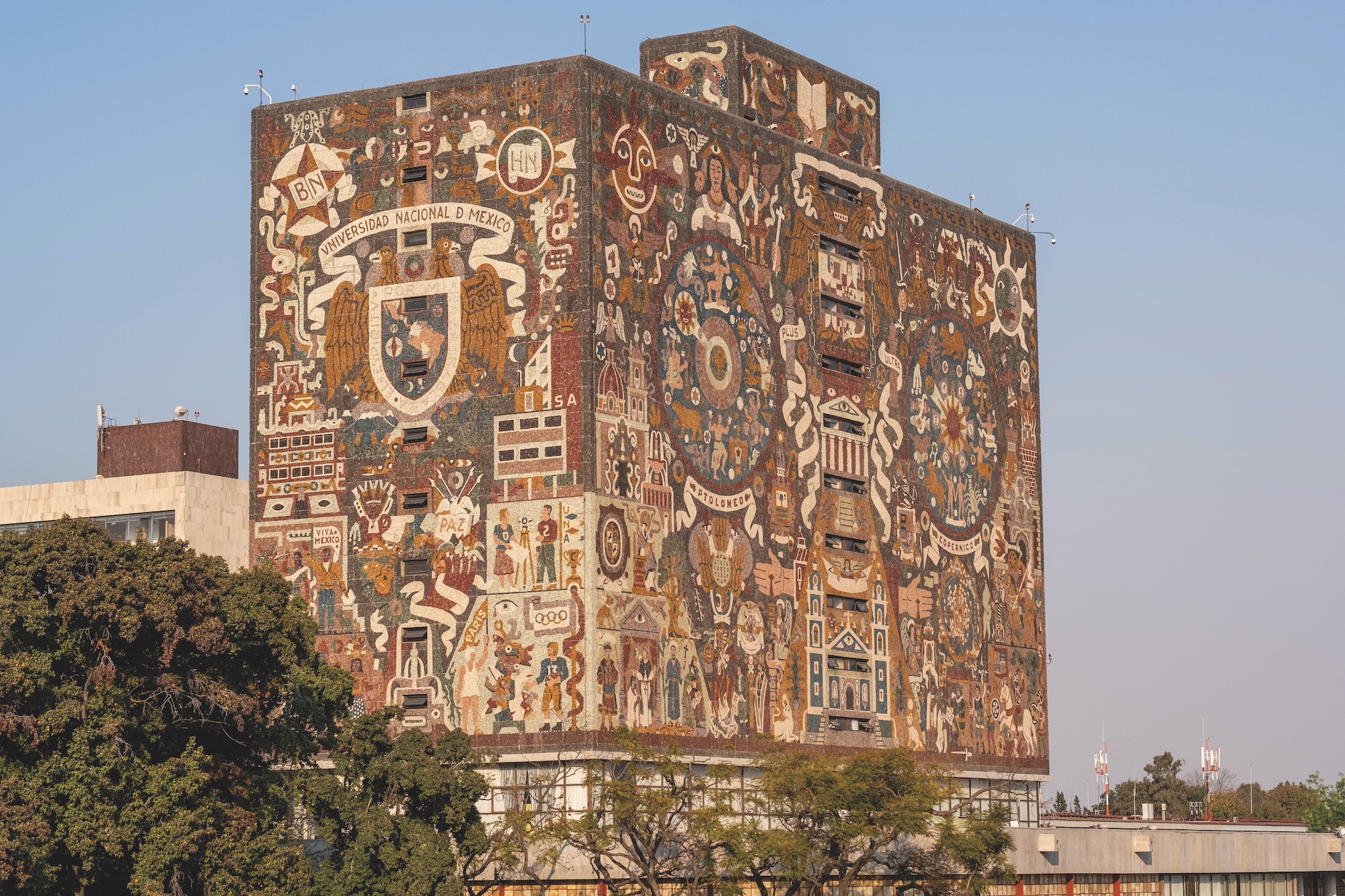
The Michelin Guide awarded a total of 26 stars throughout Mexico in 2024. It was the first time the coveted restaurant guide recognized the country’s vast cuisine, which was molded by Mexico’s indigenous culture and the influences of Spain’s colonization that linger to this day.  

It was also a pivotal moment in Mexico’s 13,000-year-old food culture, because the secret was officially out to the rest of the world: Mexican food is the best, boldest, and most diverse cuisine. The country that gifted the world such crucial staple ingredients as tomatoes, chiles, cacao, vanilla beans, chia seeds, spirulina, and perhaps the most quintessential ingredient used for everything from food to fuel—corn—finally got its overdue flowers on the international culinary stage. 

The world’s only Michelin star–rated taqueria, in Mexico City, offers just four tacos on the menu.

It’s not that a country that has maintained much of its indigenous identity and foodways needed a European-based tire company to validate its food. Still, the Michelin Guide aims a wrecking ball at the watered-down, cheesy, rich, sleeping-Mexican-on-a-saguaro representation of the cuisine that has existed around the world for so many years. “Many people don’t understand that Mexican cuisine is a ‘mother cuisine,’” says Pati Jinich, cookbook author, chef, and host of the PBS television shows La Frontera and Pati’s Mexican Table

Jinich was a political analyst before she switched to food; now, she’s the country’s most prominent advocate for defending regional Mexican food throughout her work in the United States. “It’s a global cuisine with Mexican pillars,” she says, “and has become stronger and bigger thanks to all the immigrant waves that have come into Mexico.”

Arabic shawarma gave rise to al pastor tacos. Italian pasta begat fideo, Mexican-style angel hair cooked with tomato. From France arose Guadalajara’s baguette-like birote sourdough, the basis of Jalisco’s beloved lonches and tortas ahogadas. And the distillation tools and techniques for mezcal and tequila arrived via the Manila Galleon Spanish trade route from the Philippines to Mexico. 

“Many people don’t understand that Mexican cuisine is a ‘mother cuisine,’” says Pati Jinich, chef and host of the PBS television shows La Frontera and Pati’s Mexican Table.

Mexico is also home to the world’s only Michelin star–rated taqueria, Taquería El Califa de León, located in Mexico City’s Cuauhtémoc district. Opened in 1969, it offers only four tacos, but they’re some of the country’s most simple, clean-tasting, and satisfying: seared bistec (chuck steak), grilled chuleta (pork chop), gaonera (ribeye), or costilla (beef rib). They are served on perfect corn tortillas made to order on a roller and simply adorned with a refreshing raw tomatillo salsa or a spicier and more complex red salsa made with dried red chiles.  

Bring up Mexico City to any food-obsessed person, and they will likely start shouting out their favourite spots. The capital city—or CDMX (Ciudad de México), as it is now called, instead of its old name, “Mexico DF”—is home to nearly 10 million residents and boasts more than 57,000 restaurants, making for a dining scene rife with high-low thrills. Many of its inhabitants moved there generations ago from other parts of Mexico, and visiting there is one of the easiest ways to taste the country’s vast regional variations and enjoy both traditional food and new-school modern Mexican. (To experience the best of the city today, from street eats and local markets to mezcal tastings, discover Mexico City Food Tours led by local experts.)

A Taste of CDMX

One of my favourite ways to explore Mexico City’s restaurants is to start the day at El Cardenal in Centro Histórico and admire its traditional “captain service,” where an army of lifelong waiters is always ready to refill your mug full of frothy drinking chocolate until you say “stop”—and another server is right behind them offering freshly baked warm, tender conchas (sweet bread) sandwiched with nata, a Mexican spreadable sweet cheese that is somewhere between clotted cream and stracciatella.

Frothy hot chocolate at El Cardenal.
Sweet bread with nata.

Afterward, I might walk off my breakfast through Centro’s bustling cultural sights and sounds at Templo Mayor, located next to El Cardenal, then go on to check out Diego Rivera’s magnum opus mural inside the Palacio de Bellas Artes. Mexico City is one of the most walkable cities, after all.  

For a pre-lunch snack, I would take a cab to my favourite raw bar in the world, Mi Compa Chava. It specializes in Mexico’s national seafood delicacy of scallop-like pen shell clams called callo de hacha, hand-dived and delivered every other day from Sonora. Each clam is the size of a jicama and seasoned to eye-opening levels of umami with chef Salvador “Chava” Orozco’s crushed peppercorn-like chiltepín chiles and salsas. Also obligatory is the handmade coconut soft serve, and if you are lucky enough to be there during Mexico’s mango season, their mango variation made with Colima’s rare barranqueño variety of ultra-sweet mangos.   

Next comes lunch at Oma, the Japanese omakase restaurant helmed by Abraham López, the Japanese-trained chilango (what you call someone who is proud to be from Mexico City) sushi chef at Four Seasons Hotel Mexico City. He proudly sources his menu using 90 percent Mexican ingredients, including responsibly farmed bluefin tuna, totoaba fish, and Japanese vegetables grown in Cuernavaca, Mexico City’s nearby city with warmer weather.  

Zanaya at Four Seasons Hotel Mexico City.

López sees many parallels in Mexican and Japanese cuisines, because they both greatly respect ingredients and tradition. “I carry the Japanese spirit of wanting to get better every day,” he says.  

Omakase and tastefully inspired Mexican sushi are having a moment in Mexico, with restaurants like Oma calling dibs on prized seafood like toro and uni before it departs to Tokyo. On López’s menu, he takes inspiration from his Oaxacan roots and his mother, and he grates cacao onto Baja-grown kampachi and sears it so it’s juicy and filled with sweet and salty flavours. “Omakase does not have to be monotonous,” he says. “My favourite moment is when Japanese and Korean customers are skeptical about having a Mexican omakase and leave surprised and shocked to hear that our seafood is all from Mexican waters. I love changing perceptions.”  

For a more traditional coastal dinner, visit Zanaya, the innovative Mexican seafood restaurant at Four Seasons Hotel Mexico City. Its menu is influenced by the cuisine of the state of Nayarit—a true Mexican seafood powerhouse. There you can make your own tableside tacos with the menu’s smoky pescado zarandeado (fire-grilled fish) or try the electric-like aguachile, which is as spicy as it is refreshing. Either dish will transport you right to the Bahía de Banderas at first bite. 

Keval and Listman of Masala y Maíz. Photograph by Ana Lorenzana
A fusion of global flavours at Masala y Maíz. Photograph by Ana Lorenzana

A mind-melting dinner—equal parts art, food, politics, and deliciousness—awaits at Masala y Maíz. Chefs and owners Norma Listman and Saqib Keval are among Mexico City’s most passionate advocates for human rights. They let it be known through a revolving “call to action,” a radical phrase posted on the front of their menus, and through interactions with their servers.  

It’s a thinking person’s restaurant that melds South Asian, East African, and Mexican flavours and techniques in one stunning setting. Standout dishes include coconut milk esquite (warm shaved corn in broth), large shell-on prawns gently cooked in vanilla bean–perfumed ghee, and a vegetarian infladita de maíz, which one eats like India’s street food, pani puri. The wine list is all natural grapes and the kind of juice that sparks a conversation with your dining companion, sometimes by the colour alone as it is poured. 

To end my ultimate day of indulging in CDMX, I would head to Enrique Olvera’s lesser-known lo-fi mezcal bar, Ticuchi, where guest deejays spin vinyl. Olvera is Mexico’s most prolific chef and the pioneer of modern Mexican food. His flagship restaurant, Pujol—featuring a tasting menu and a taco omakase bar—was awarded two Michelin stars last year.  

Ticuchi is his much more laid-back concept. Its six different margarita variations are all refreshing in their own way, and the more alcohol-forward “Nosferatu” Negroni, infused with cacao blossoms, is one of the best cocktails in the city. Olvera-approved bar snacks include the utterly sensational tamal de esquite.  

What to Do in Riyadh: An Insider’s Guide to the Capital City of Saudi Arabia

Every winter, more than 100,000 people throng the visual wonderland of Diriyah Nights. This two-month culinary, culture, and shopping pop-up, held on the outskirts of Riyadh, celebrates Diriyah Season, which honours the heritage of the Kingdom of Saudi Arabia. Each year, the site is transformed into an immersive art-and-light environment by Hibah Albakree and her team.

A Saudi native, Albakree is the co-founder and managing partner of DesignLab Experience, a female-led design and event planning team based in Riyadh. Her events also include royal weddings and the AIUIa Camel Cup.

DesignLab’s 80-plus members come from more than 24 nations. Together, this group—architects, designers, creatives, engineers, construction crew—creates memorable magic and meaningful spaces for art-minded travelers. Fresh off the latest Diriyah Nights, Albakree discussed some of her favourite places in the dynamic, rapidly changing city of Riyadh.

Albakree. Photograph by Michael Williams

Bujairi Terrace

“In Diriyah is a constellation of alfresco restaurants and shops that opened in 2023 but, because of its blend of contemporary architecture and ancient UNESCO heritage, allows you to immerse yourself in the region’s history while shopping and eating—two things Saudis love to do! I always discover something new, whether it’s a hot new restaurant, a hidden café, or a beautifully curated boutique.”

Bujairi Terrace

Jax District

“Also in Diriyah, Jax District has been transformed into a cultural hub with an incredible vibe. It’s not just about the art galleries, though those are impressive. With community-driven pop-up events and the Diriyah Contemporary Art Biennale, there’s always something fresh and inspiring happening. The mix of local and international artists makes it a dynamic space where ideas from around the world collide in the best way possible.”

Jax District. Photograph by Abdulaziz Alobaid + Craft, courtesy of HWKN.

La Petite Maison

“Located next to Saudi’s first skyscraper, Al Faisaliah Tower, La Petite Maison is a staple in Riyadh’s dining scene. There’s something about the way they blend French and Mediterranean flavours—it feels fresh, light, and incredibly satisfying. Every time I go, I order the cauliflower salad—it’s packed with flavour—and the fried calamari, which has just the right crispness. The lentil salad is another favourite; it’s simple but so well-executed. And when I’m craving something more, the perfectly grilled ribeye steak delivers. What keeps me going back is the consistency. Whether it’s a casual dinner or a special occasion, I know I’ll always get great food and service.”

La Petite Maison

Via Riyadh

“The Via Riyadh development has the perfect mix of high-end luxury labels and stylish local boutiques. One of my favourites is L’Atelier Nawbar, a fourth-generation Lebanese jewelry brand. Another must-visit is the new MWAZ, a 16,000-plus-square-foot lifestyle concept store covering three floors of clothing from local and international designers, including Khaite, one of my favorite brands. The dining scene at Via Riyadh is impressive, too.”

Four Seasons Hotel Riyadh at Kingdom Center

“The new Café Boulud there—I’ve loved everything from the cuisine to the decor and service. Recently, DesignLab Experience transformed the reception hall for a wedding featuring cascading waterfalls and large-scale floral and lighting installations. The result was a breathtaking environment that left guests in awe.”

Café Boulud

Finding New Flavours at Pavyllon London

By this time, you might expect Yannick Alléno to take the prospect of opening a new restaurant in stride. After all, the acclaimed French chef already has 14 of them dotted around the globe, and many – including the legendary Pavillon Ledoyen in Paris – have been liberally garnished with Michelin stars. But when Alléno talks about Pavyllon London, which debuts this summer at Four Seasons Hotel London at Park Lane, his voice ripples with excitement. “To open in London has been my dream for a long time,” he says. “And this restaurant, Pavyllon, is like the full combination of who I am.”

Dsc08876 Copy 2

First and foremost, Alléno is someone who believes that restaurants make a city. Situated in tony Mayfair, Pavyllon will count among its neighbours many of London’s most exclusive dining rooms. But Alléno is aiming for something a bit less predictable – and more relaxed. The kitchen will showcase his distinctive modern take on French cooking, combining refinement and a profound respect for ingredients with creative techniques. Sauces will be made with Alléno’s patented extraction method; desserts will be sweetened with birch sap instead of sugar.

Another key distinction is his openness to incorporating local flavours: That’ll be a very good cheddar, for instance, in the signature steamed soufflé, not Comté. The restaurant will also serve breakfast and tea, and instead of the single long tasting menu that is standard in so many fine dining experiences, Pavyllon will offer an ample à la carte selection designed to put guests’ choice and pleasure – what Alléno calls their “personal emotions” – first.

To open in London has been my dream for a long time. And this restaurant, Pavyllon, is like the full combination of who I am. – Chef Yannick Alléno

The same goes for the décor, designed by his longtime collaborator Chahan Minassian. “You just let him go,” Alléno says. “He’s like me with a chicken – he knows what to do.” The resulting dining room will be grand and comfortable. Lacquered panelling, hand-blown Murano chandeliers and a 7-metre ceramic wall will energize the room, but the real focus will be the bespoke 30-seat counter that curves around the kitchen, giving diners a front-row seat for the magic taking place behind the stoves.

That counter is part of what Alléno means when he says Pavyllon represents the combination of who he is. When he was growing up, his parents owned a bistro outside Paris, and as an adolescent, he worked there behind the counter. He clearly remembers the feeling of easy warmth and well-being that flowed from the kitchen to the dining room full of happy patrons and back again. “My goal with Pavyllon,” he says, “is to create that same great sensation.”

We spoke with Alléno to learn more about how he plans to bring that joyful energy to Pavyllon London.

Q: Why did you choose to open a restaurant in London? Is there something about the city’s food scene that was particularly alluring to you? How do you see Pavyllon contributing to it?

A: I waited a very long time to come to London. It’s a fantastic market with so many great chefs that you have to be sure you come with the right project. With Pavyllon, I think I’m coming with the right maturity and the right project: We are bringing a kind of food theatre to the city.

Q: Compared to your restaurants in Paris and Monaco, how will you adapt the concept to London?

A: The adaptation will be to use the best produce from England. For me, it’s very important that we locate the right produce, the right beef, the right lamb – I just tried an air-cured lamb, very salty, from the north of England that was fantastic. The taste of the place will be different than in France or in Monaco because the essence of the produce is not the same.

Pavyllon Reportage 28 Lon 1789 970x540

Q: At home, you’re known for the excellence of your ingredients and your sourcing. How did you find producers in the U.K.?

A: I had a wonderful welcome from the chefs in London: Jason Atherton, Clare Smyth, Claude Bosi. When they heard I was coming to the city, they all offered to help if I needed anything, and they helped me make the right connections. It was very emotional for me to see solidarity like this; I think it’s unique to this industry.

Q: What will the experience at Pavyllon London be like? Is there a message you hope to convey?

A: First, it’s not a “fancy restaurant.” We will do things very seriously, of course, and it will be of a certain level, but we want it to be a real neighbourhood restaurant, like it is in Monaco, where you can go on a Saturday night, you can go on Sunday for brunch, you can go for breakfast. Yesterday I had a guest – she’s 90 years old – who said, “I love to come here because you can feel the joy.” That is what we want to do in London: a restaurant with high quality, but easygoing, where you can feel the joy.

Q: And the cooking? When people think of French cuisine, they think of the classic and traditional, but you’ve made a name for yourself by insisting on a modern French cuisine. What do you see as the relationship between the classic and the modern?

A: It’s just sauces.

Q: Just sauces?

A: Sauces are the verb of French cuisine. If you play with them, you play with the future and the past. When you talk about traditional, you are talking about butter and cream – a lot. I love that, but sometimes you want something lighter. Today, I make my sauces through extraction, with a new technique, and it increases the flavour. It’s crazy the flavour you get from it.

Lon 1786 Lon 1787 970x540

Q: Sauce may be the verb of French cuisine, but does it play the same role in British cuisine? Will you be making any concessions to British tastes?

A: You know, the world has changed a lot in the last 20 years. Our guests are international now, and I think whether British or French they are much more curious about food. For them, there’s just good cooking and bad cooking. We try to do the good kind!

Q: It’s true that the world of dining has changed a lot in 20 years. Has your definition of the modern changed as well?

A: Modernity now is you are there more for the guests than for the chef’s ego. This is the huge change. I’m not here for me; I’m here to make sure my restaurant is full and that my guests are super happy. This is my sole objective. It’s what my mom used to do in my parents’ bistro, and that’s what I want to have at Pavyllon – I want to make people smile.


Alléno’s modern spin on fine dining is a perfect match for its setting. In the heart of London’s iconic Mayfair, Four Seasons Hotel London at Park Lane offers an elevated take on the quintessential London experience. The city’s famous shopping streets and main attractions are just a quick stroll away, while the Hotel’s freshly redesigned guest rooms and rooftop Spa provide the kind of relaxed, quiet luxury that modern travellers need.

Are you as excited about Pavyllon London as we are? Sign up for the mailing list and stay in the know.

Find Your Joy in London

YOUR JOURNEY BEGINS HERE

Where will your journey take you next?

view of London Park