The Culture Cut: Art in Unlikely Places

Art isn’t restricted to that which is painted, contained within a frame, and hung on the walls of a grand museum like the MET in New York City or the Louvre in Paris. Art can be an exquisitely designed dress, for instance, and it can be found anywhere—in the desert, on a beach, in an eyeglass shop, even. Here are four new exhibitions of beyond-the-frame art that are on our radar.

Florence, Italy

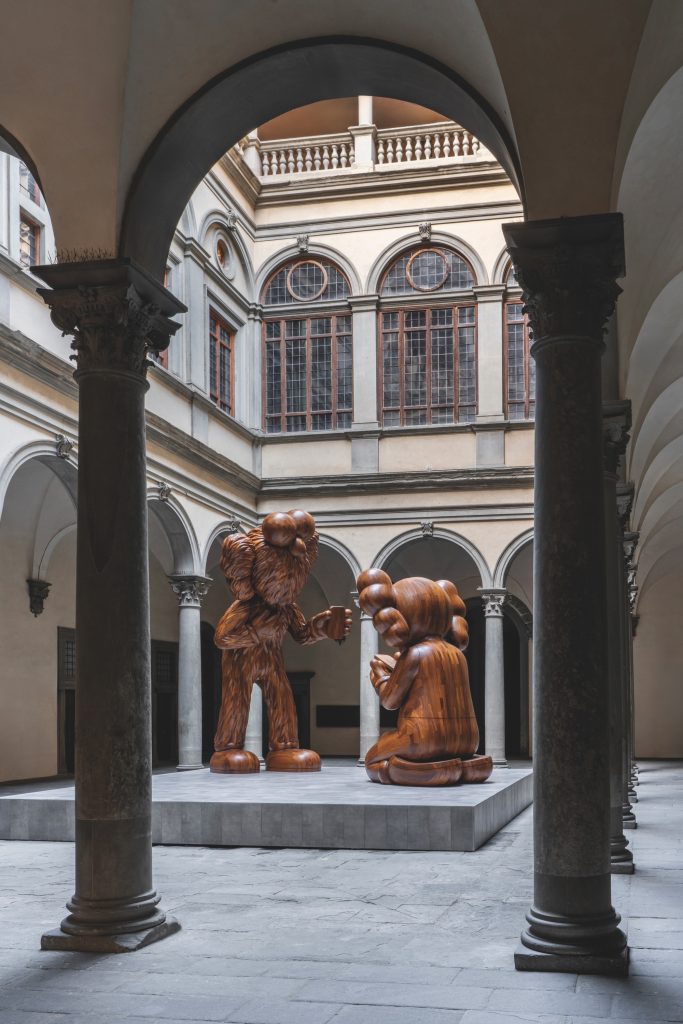
A thoroughly modern interpretation. Photograph by Ela Bialkowska.

Known for his bold, pop-inflected sculptures, the artist KAWS crafted his massive new installation, “The Message,” in warmly burnished wood. The artwork—featuring two nearly 20-foot-tall figures, each of which holds a wooden smartphone—is a modern interpretation of a famous 15th-century fresco, “The Annunciation”, by Fra Angelico. Works by the Italian Renaissance painter, along with KAWS’s sculpture, are on view through January 25, 2026, at Palazzo Strozzi in Florence, Italy, which is home to Four Seasons Hotel Firenze.

Paris, France

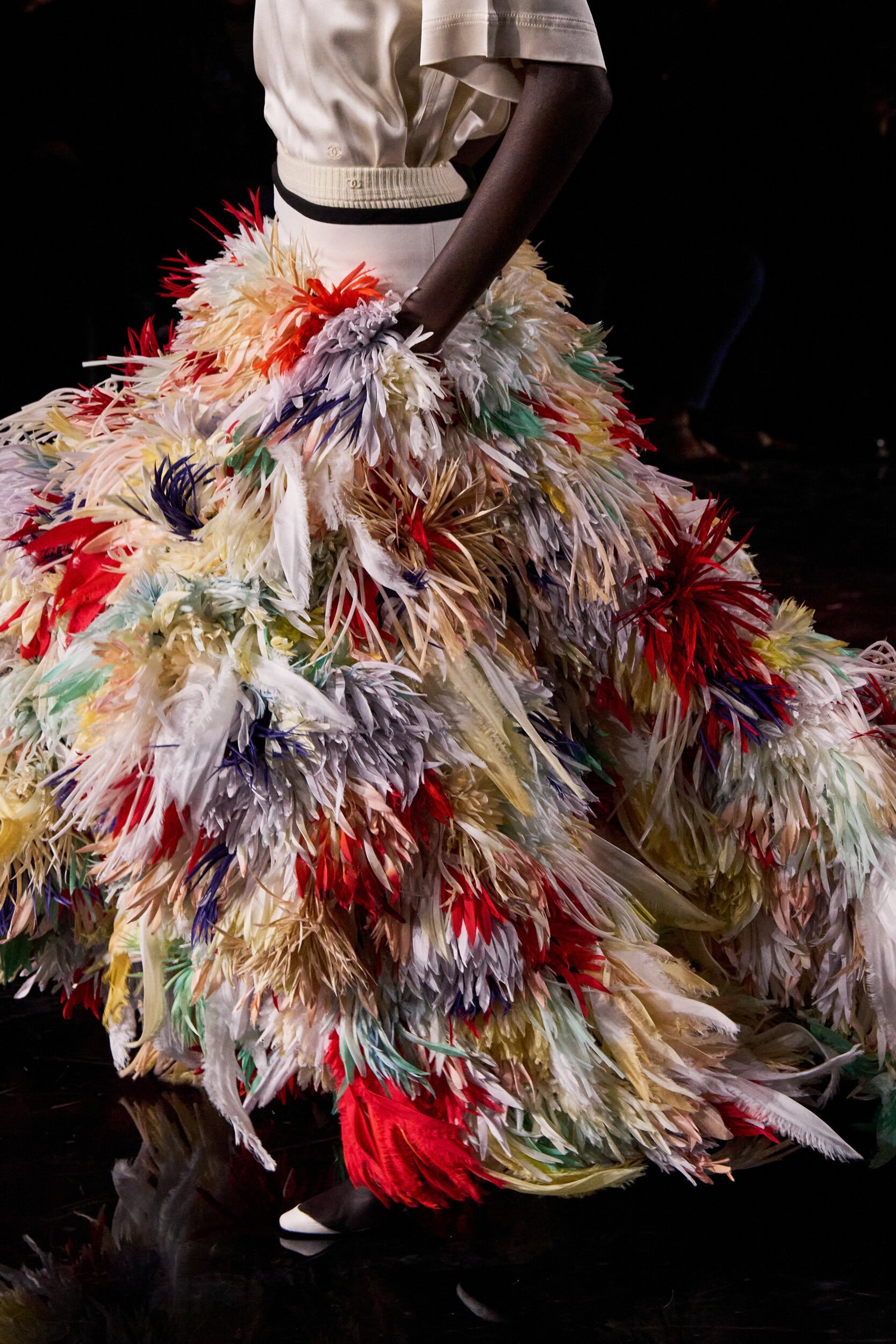
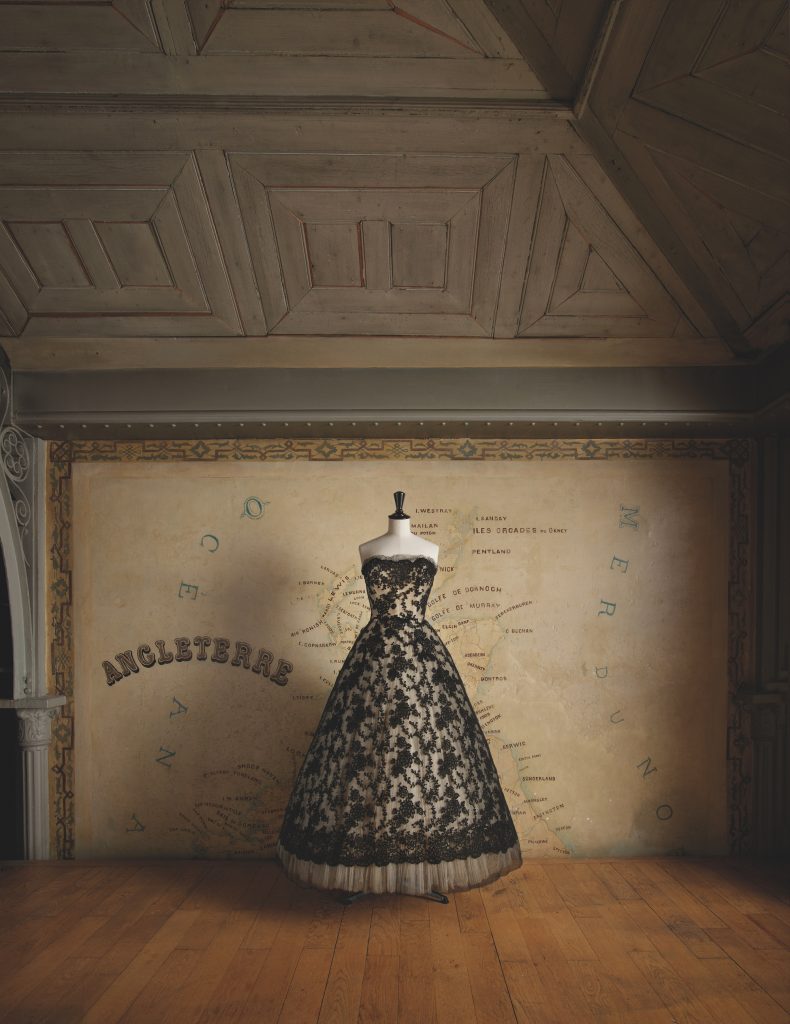
A Christian Dior evening gown from the Fall/Winter 1951 haute couture line.

When he was a young man, in 1956, Azzedine Alaïa spent just four days as an intern at the legendary House of Dior—a fleeting experience that would leave a lasting impression. In time, he would establish his own maison, becoming known as a master of sculptural tailoring. Behind the scenes, Alaïa (who died in 2017) was also a devoted collector of vintage Dior, amassing some 600 pieces. Now his extraordinary personal collection takes center stage in not one but two exhibitions in Paris: a show, at La Galerie Dior spotlighting more than 100 of these rare pieces, and one at the Azzedine Alaïa Foundation, where Dior and Alaïa designs are shown in concert, tracing threads of influence, admiration, and creative kinship. (The former exhibition runs through May 3, 2026; the latter, through May 24, 2026.) For those who won’t be in Paris, Rizzoli and Damiani are publishing catalogues of the exhibits.—Degen Pener

Seoul, South Korea

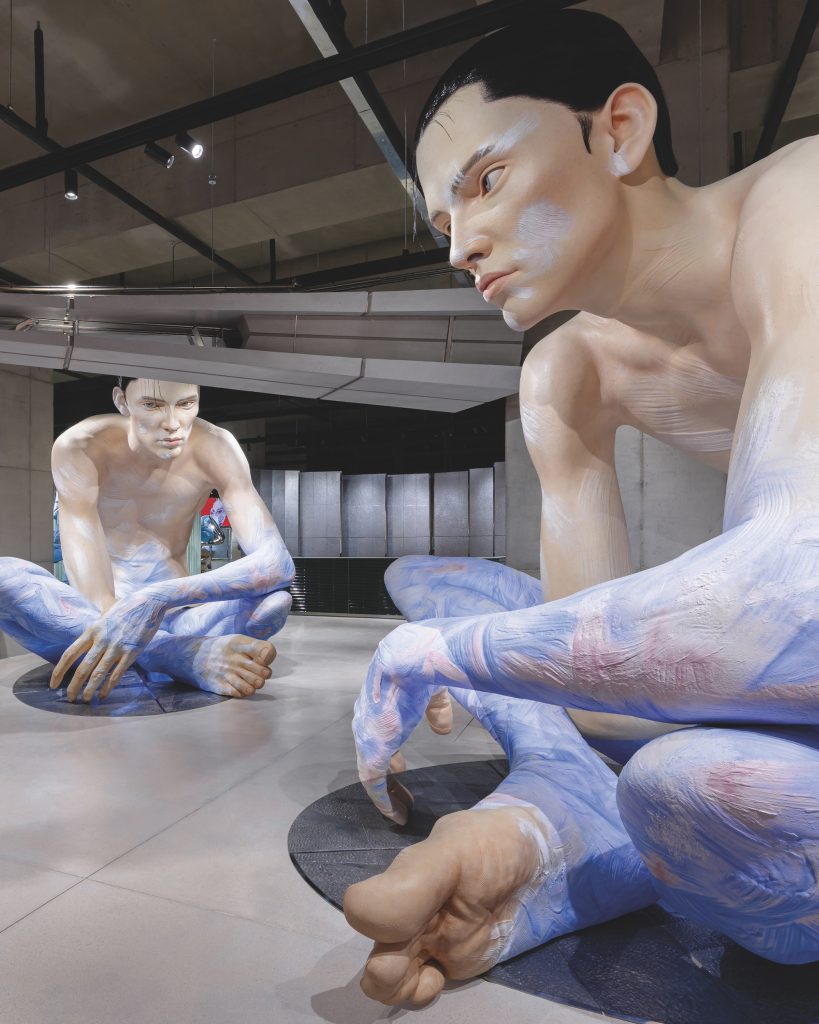
Giant sculptures inside the Gentle Monster store.

Rising above Seoul’s Seongsu-dong neighbourhood, Haus Nowhere has quickly become a cultural pilgrimage site for shoppers seeking the next chapter in retail. Opened in September in a 14-story brutalist building, the store is the fourth experimental retail project from IICombined, the parent company of the luxury eyewear brand Gentle Monster. Yes, it sells products, including sunglasses; caps and beanies from Gentle Monster sister brand Atiissu; fragrances by Tamburins; and tableware from Nuflaat. More than anything, though, it’s an unforgettable sensory experience, complete with a colour-saturated teahouse and a rotating roster of art installations, like two painted humanoid giants sitting in meditation (above) and a gargantuan dachshund napping on the floor. It’s a concept store gone supersized.—Julie Pham

Naples, Florida

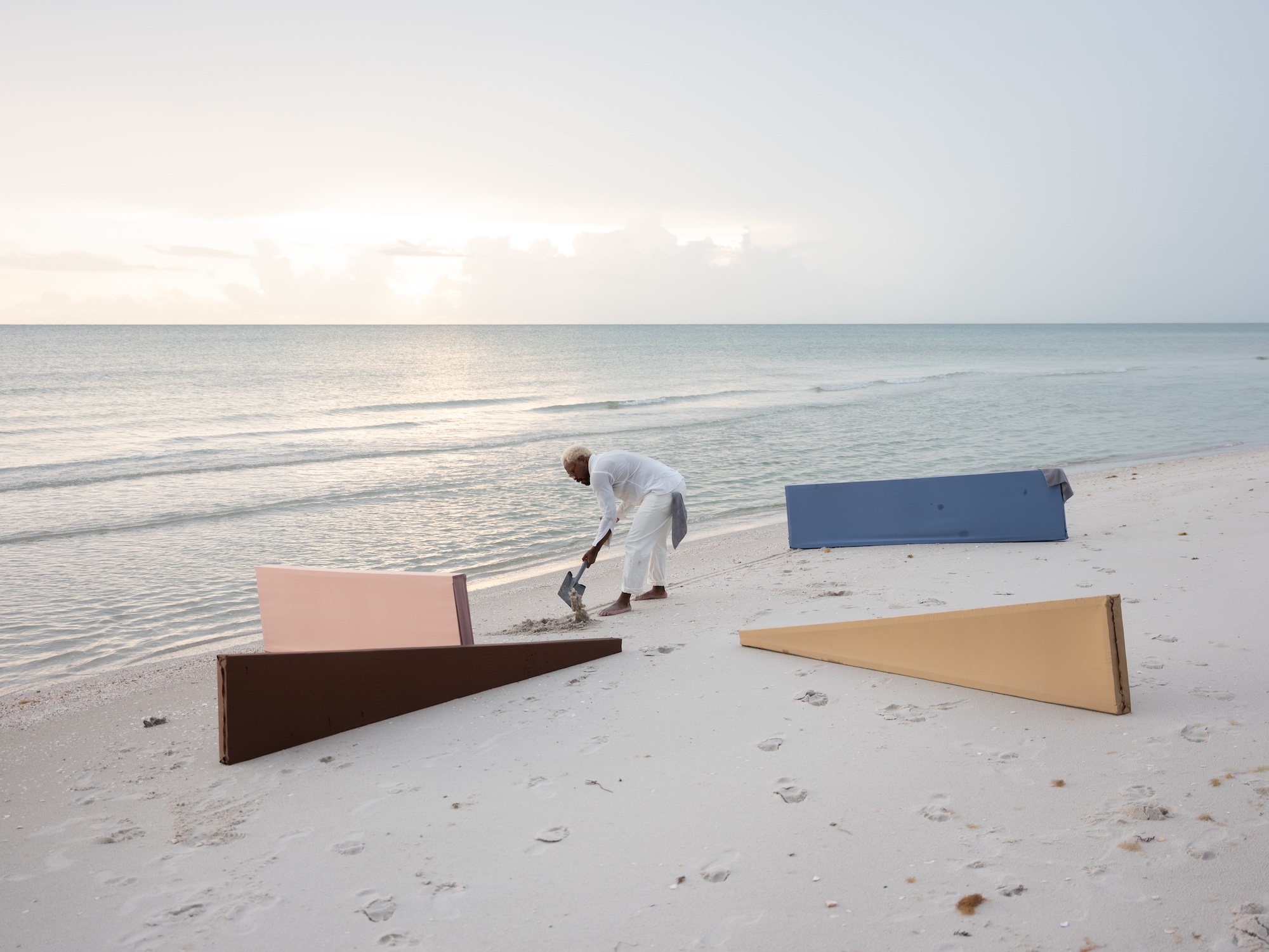
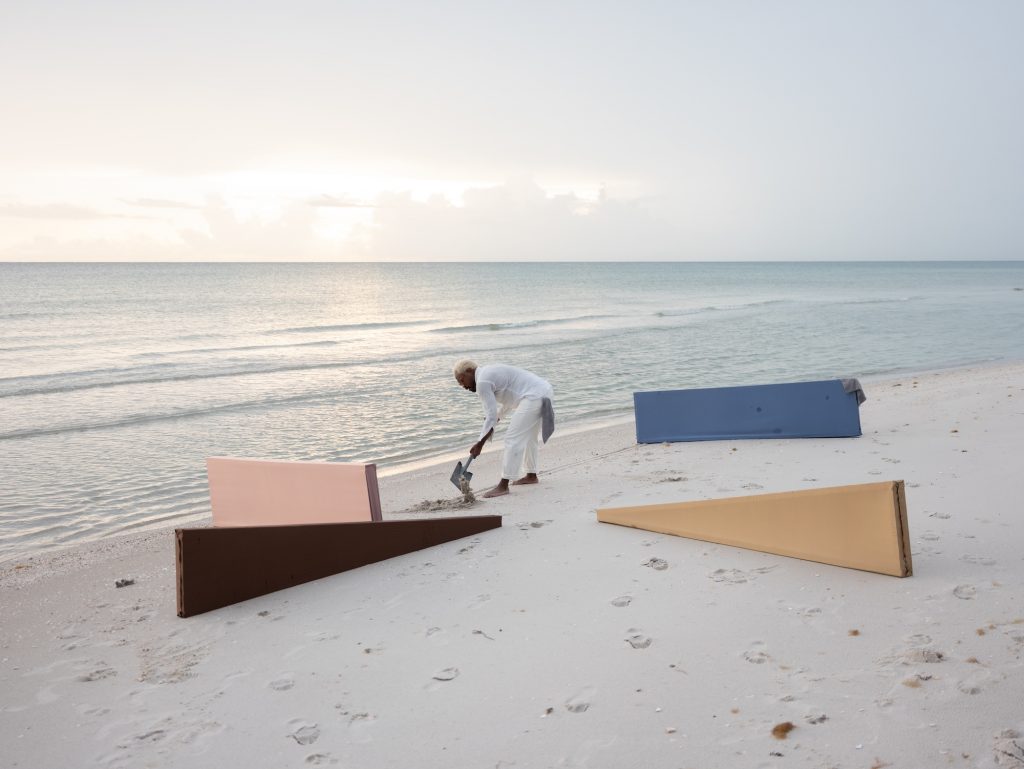
Artist James Perkins at work. Photograph by Leila Brewster.

“I’m blurring the line between what is man-made and what is made by nature,” says James Perkins (pictured above). The New York–based artist’s practice involves burying silk-covered wood frames and letting the pieces absorb the effects of sun, surf, rain, and earth. Last year year, he buried some of his latest works in Naples, Florida, home of the new Naples Beach Club, A Four Seasons Resort. Perkins is also the subject of his first museum show, Burying Painting, which runs through February 15, 2026, at the Scottsdale Museum of Contemporary Art.

Milan’s Global Moment

On the rooftop of La DoubleJ’s new headquarters in Milan’s Navigli district—a buzzy neighbourhood where restaurants spill onto canals—sits an unexpected oasis: a gong temple, complete with workout mats, meditation cushions, and a wall of bronze gongs. The glass-walled room, which overlooks the city’s old terra-​cotta rooftops, is a community space accessible to anyone who signs up for yoga, meditation, and sound baths. “Twenty years ago, nobody would have come to a wellness space on top of my office,” says J.J. Martin, founder of La DoubleJ, the maximalist fashion and homeware brand known for its bold printed dresses and sets.  

When the magazine editor turned designer first moved to Milan from the United States 25 years ago, no one she knew there was doing breathwork, let alone practicing yoga. Now La DoubleJ’s classes are packed. “We’ve got a full house,” she says. This rooftop wellness space captures a new wave rippling through Italy’s second-largest city. The metropolis’s cultural tone is shifting as more foreigners are lured there due to great quality of life, as well as a flat tax system. “Everywhere I go—whether it’s New York, London, Palm Beach—I’m hearing about the mass exodus to Milan for tax purposes,” says Martin, adding that this influx has fueled a surge in local property values and rentals. For high-net-worth individuals, Italy’s offer for new residents to pay a fixed annual levy of €200,000 on all foreign‑sourced income is a huge draw. Money is flooding in. Last year, Milan’s Via Monte Napoleone became the priciest shopping street in the world, overtaking New York City’s Fifth Avenue and boasting a new Tiffany & Co., the brand’s largest European flagship. 

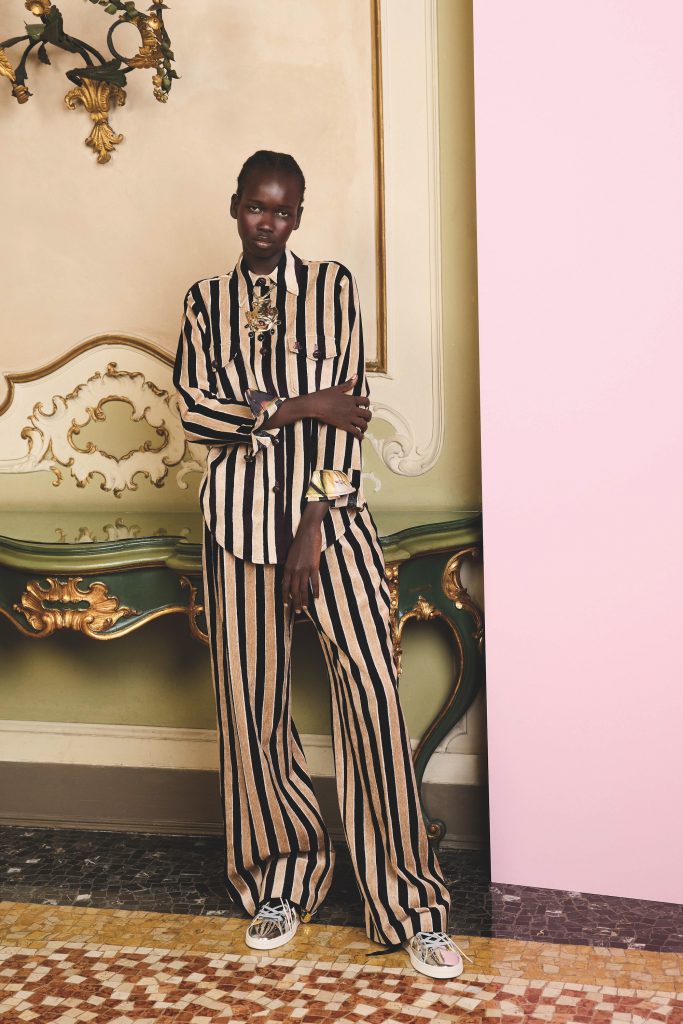
La Double J
La DoubleJ velvet jacquard jacket and pants from the fall 2025 collection, presented at Milan’s Palazzo Visconti in February.  
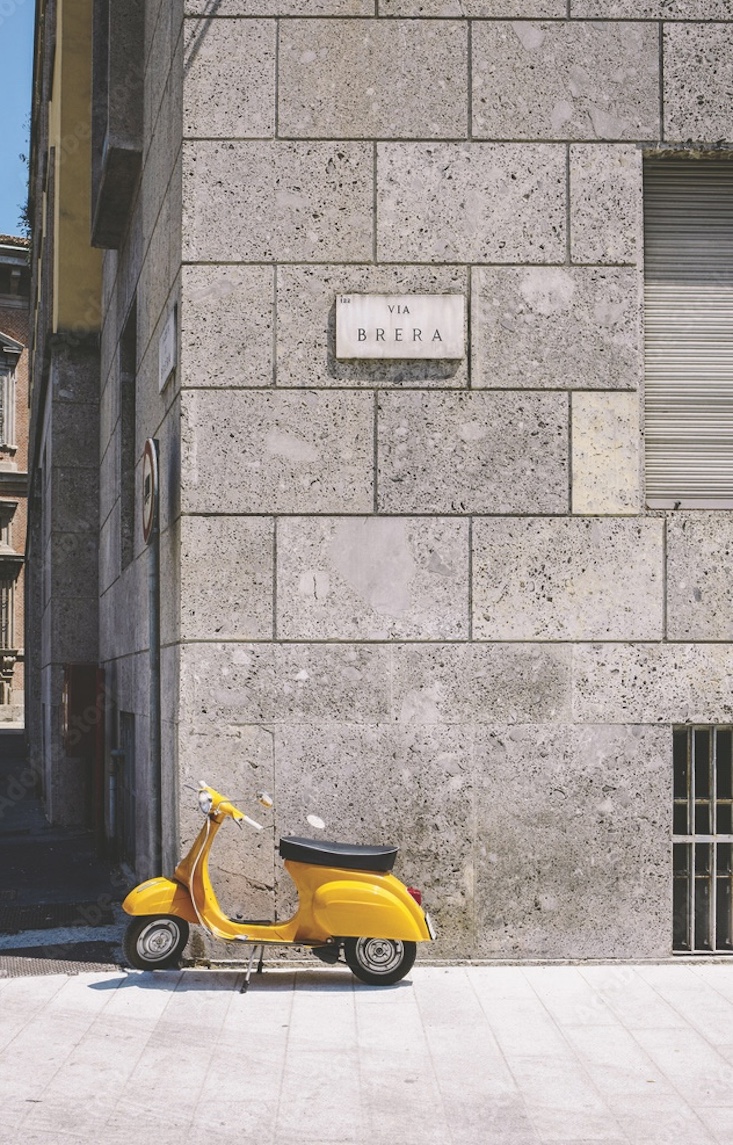
La Brera Milan
Milan’s Brera district. Photograph by Paperclip Images / Stocksy / Adobe Stock.

For many creatives, the attraction lies in the city and culture itself. While celebrated as Italy’s fashion and design capital, Milan has long carried a reputation as the country’s grittier, more industrial city—not as ornate as Florence or as historically cinematic as Rome. Indeed, Milan’s architecture showcases a striking duality—case in point, the Duomo, with its intricate marble façade, and the Galleria Vittorio Emanuele II arcade, with its glass-and-steel canopy, located not far from converted factories and warehouses. Yet its beauty lies precisely in its subtlety. As David Raffoul, the Paris-born, Beirut-raised co‑founder of design studio David/Nicolas, puts it, “The beauty of Milan is that it’s not an obvious city.” 

In Milan, heritage isn’t just preserved; it’s celebrated. “Out of all the European countries, Italy is the one that stays quite [connected] to its heritage,” says the Norwegian art advisor and curator Truls Blaasmo, who moved to Milan four years ago and whose clients include Gucci. “The Italians are so true to their history.” For him, Italy’s legacy of tradition and design made the move irresistible. “What’s key in the history and heritage of the city is manufacturing, whether it’s cars or furniture.” For many designers and artists, proximity to top-tier artisans—both in Milan and close by elsewhere in Italy—is extremely appealing. “In terms of production and artisans, they are the best,” says Raffoul, who made Milan his permanent base in 2020. “You can go to Veneto, anywhere, and you will find great artisans.” 

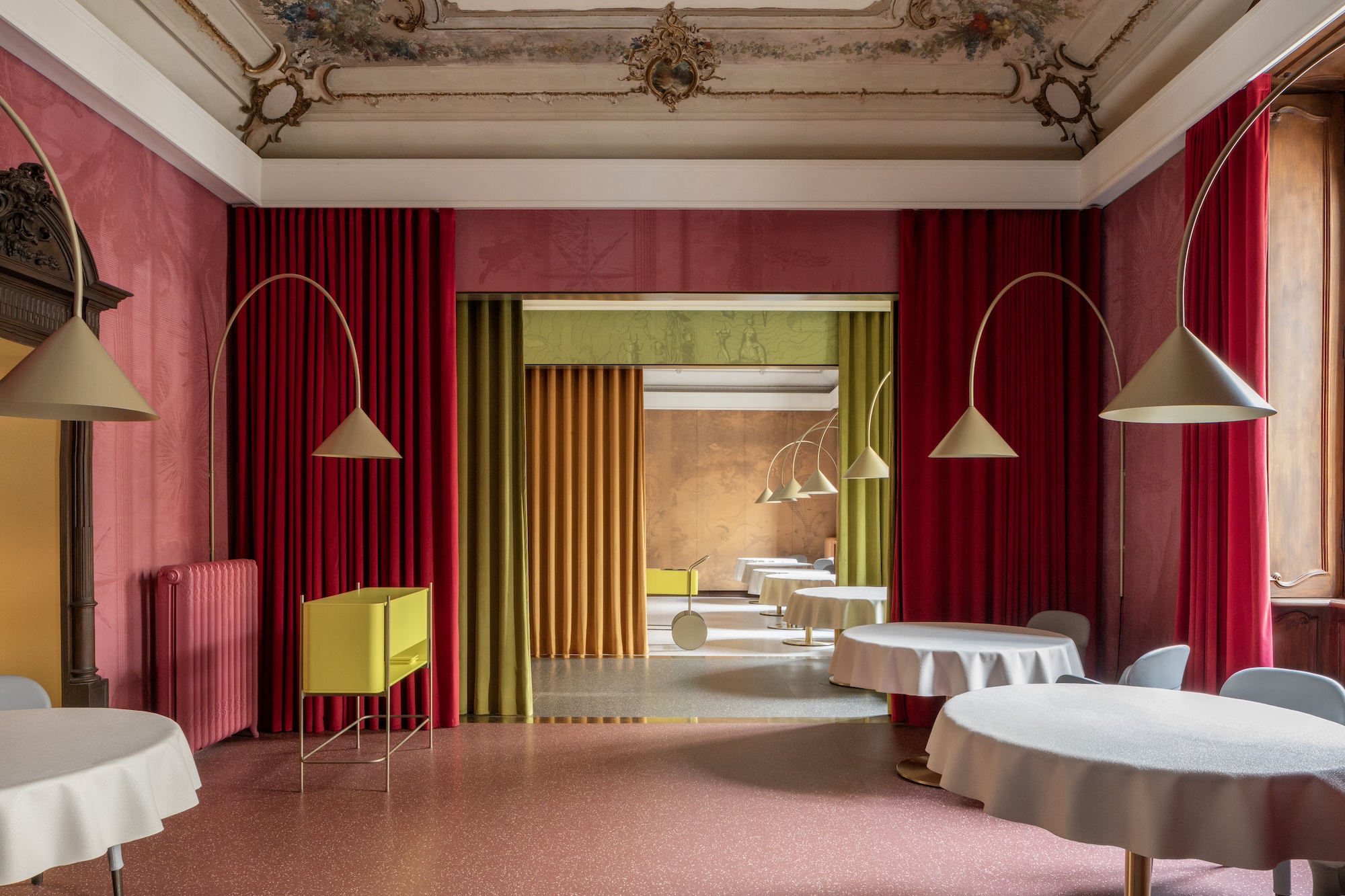
FS Milan
The newly renovated Renaissance Suite, designed by Pierre-Yves Rochon, at Four Seasons Hotel Milan.  

Some 20 percent of Milanese residents today are foreign-born, making the city one of the most diverse hubs in the country.

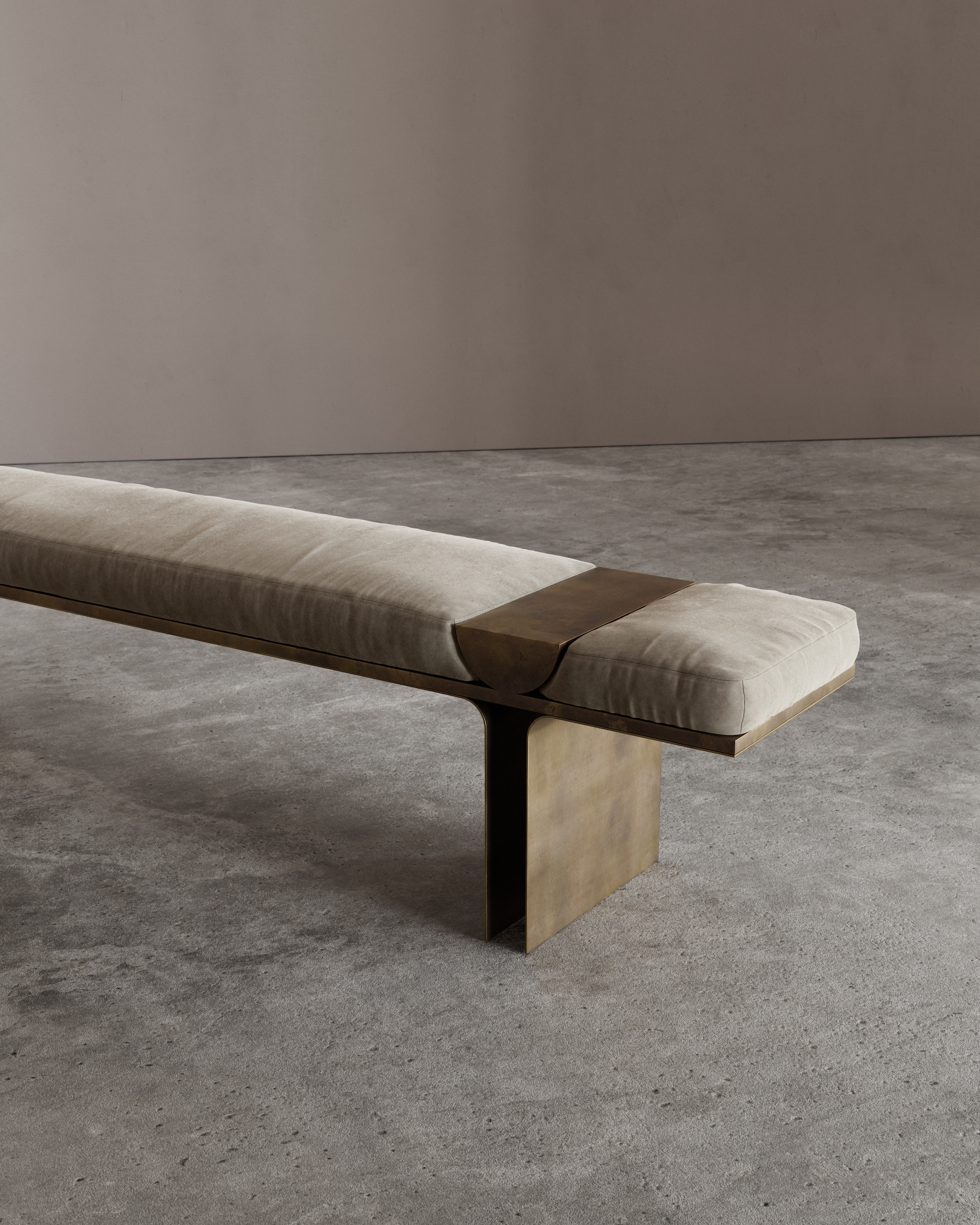
Some 20 percent of Milanese residents today are foreign-born, making the city one of the most diverse hubs in the country. For furniture designers Francis Rudman and Azamit, the married co-founders of Hintsa Rudman, relocating from Montreal to Milan offered an opportunity to start something new. After visiting the city over the years to attend the design fair Salone del Mobile, they finally made the leap two years ago and launched their furniture brand, which uses bronze, brass, and wood to create heritage-​inspired contemporary benches and tables. “It just clicked,” says Azamit. “All the ateliers and manufacturers are so close.” The duo is preparing to debut a collection inspired by their move to Italy. 

Similarly, the U.S.-born clothing designer Brett Johnson, who shows during Milan Fashion Week, has found the city alluring for its artisanal access. “The best trade fairs for fabrics and leathers are in Milan,” says Johnson, who is known for his sharp tailoring. “I discover all the latest offerings there.” Although he splits his time between Milan and Virginia, Johnson maintains a strong presence in the Italian metropolis. He has a showroom on Via Manzoni, near Brera, the upscale neighbourhood that is home to the Brera Academy of Fine Arts and such chic boutiques as the Venetian shoe brand ViBi Venezia and the perfume bar Olfattorio. Other designers who now call Milan their creative base include Japanese-born Satoshi Kuwata, founder of the label Setchu, and Istanbul-​raised Umit Benan, who recently opened his first store on Via Bigli. 

For many, moving to Milan also means enhancing their quality of life. Ambra Medda, co‑founder of Design Miami and the design consultancy AMO, made the move from London to Milan with her husband, designer Edward Barber (of Barber Osgerby), in part to give their children “a slice of Italian culture,” she explains. Although Barber still splits his time between London and Milan, Medda—who was born in Greece and has lived in New York and Miami—wanted her kids to grow up learning Italian. “Living in Italy is so replenishing,” Medda says. Rather than being stuck in a car all day in London, she now bikes or walks through the city with ease. 

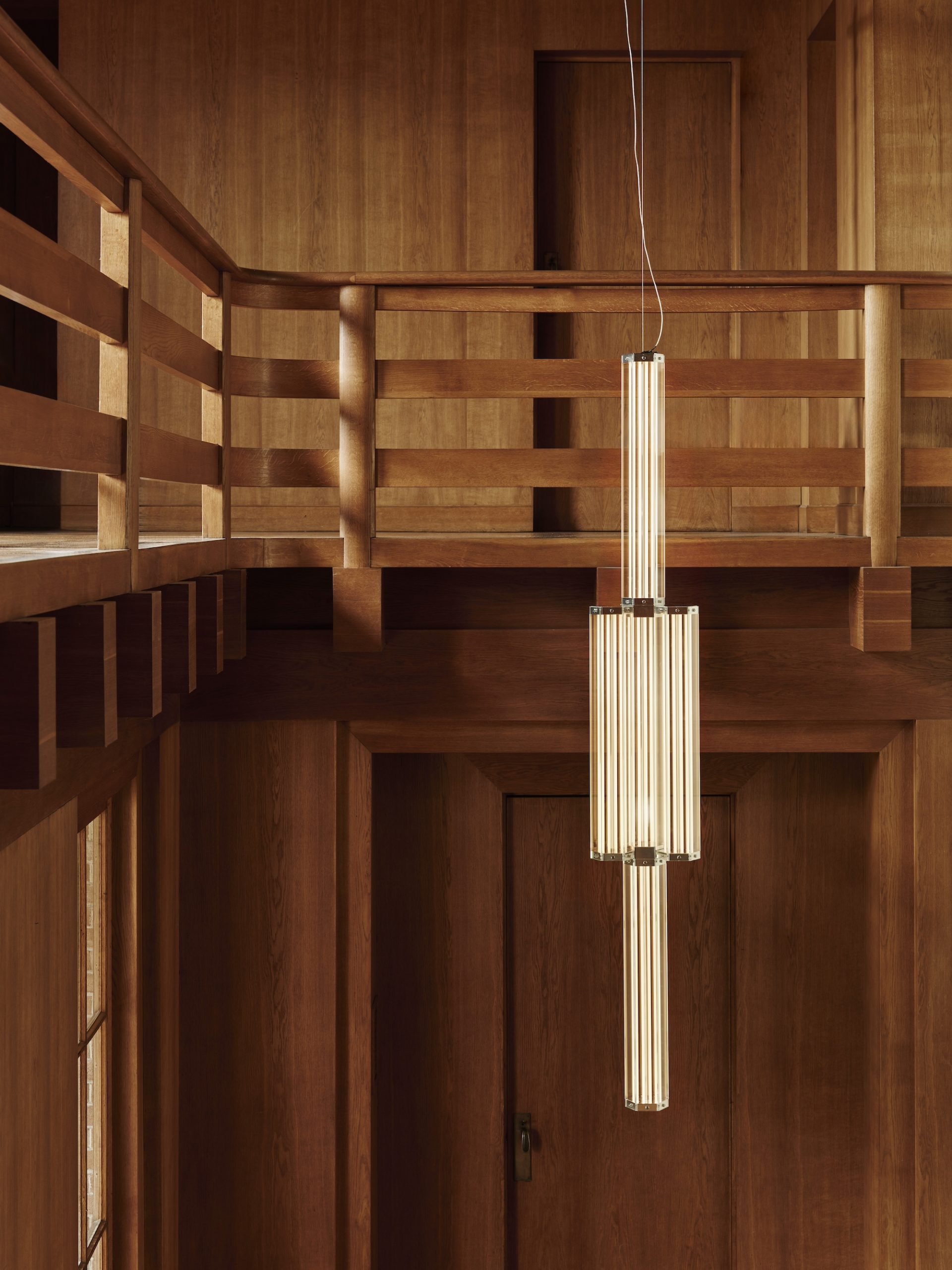
Formafantasma’s SuperWire modular lighting system.
A bench from Hintsa Rudman’s Hiwot collection. 

It’s not just foreigners flocking to Milan; Italian creatives are reclaiming the city, too. Born in southern Italy, fashion designer Francesco Murano first moved to Milan in 2016 to study fashion. “It’s the only metropolitan city in Italy at the moment,” says Murano, who is a finalist for the prestigious LVMH Prize. He launched his brand in 2021 and made his Milan Fashion Week debut in February 2025. In recent years, he has seen more emerging brands rising. “If you want to do this kind of work and be close to trends, you have to stay in Milan.” 

And then there are the Italians returning home. Andrea Trimarchi, co‑founder of the research-focused studio Formafantasma, spent two decades abroad, launching the studio in the Netherlands after studying in Florence, before moving back. “We were missing sun, food, and friends,” he says. At the time he left, Milan’s design scene was tightly controlled by an older generation. “There was no space for the younger generation to flourish,” Trimarchi recalls. Now that’s changing. “A lot of Italian people moved abroad and in the last few years have decided to come back and establish studios similar to ours,” he says, noting that Formafantasma moved its studio into an irresistible warehouse space.  

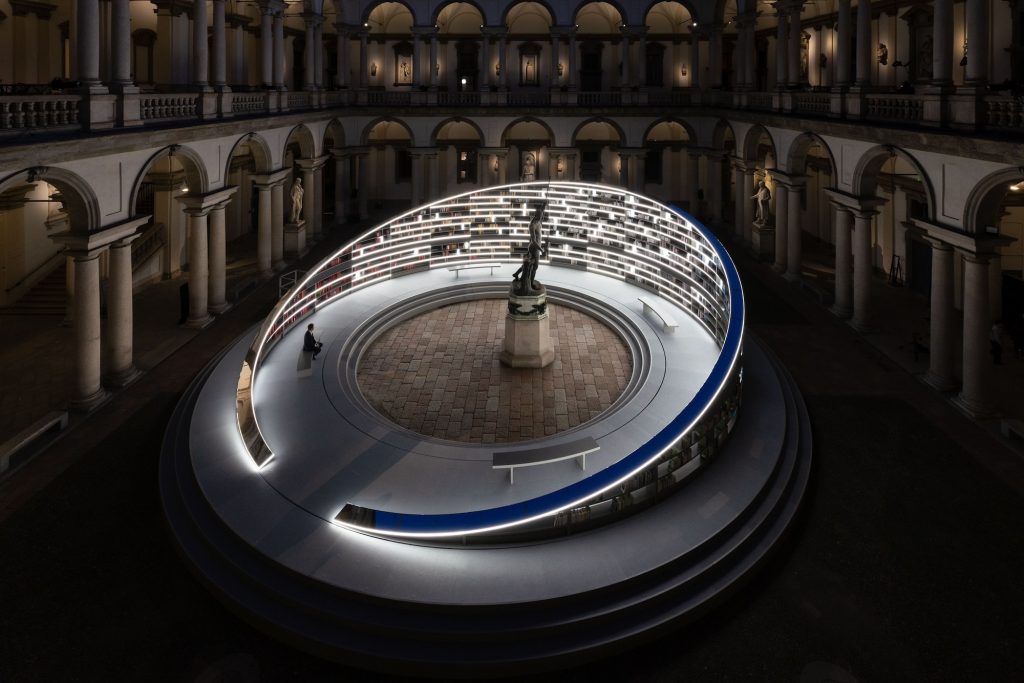
British artist and stage designer Es Devlin’s kinetic installation Library of Light, presented at Pinacoteca di Brera during Salone del Mobile 2025. Photograph by Monica Spezia.

Throughout its history, Milan has been welcoming of immigrants. “It’s always been receptive to foreigners,” says Trimarchi. “It’s the richest region in Italy and biggest producer of design and fashion, so there’s a lot of work there.” Recent years have seen this openness accelerate, spurred by events like Expo 2015 and Salone del Mobile, the annual design fair that has begun attracting major brands, such as Gucci, Prada, and Loewe, presenting immersive installations. Looking ahead, the Milano Cortina Winter Olympics, running February 6 to 22, 2026, will further cement the city’s global influence. Milan, the co-host of the games, will be the site of figure skating, speed skating, hockey, and the opening ceremony. 

Milan has long had an impressive dining scene and currently boasts 18 Michelin-starred restaurants, such as the avant-garde Contraste (which recently underwent a stunning, multihued redesign) and Enrico Bartolini al Mudec, the city’s sole three-star establishment. Trimarchi notes, though, that the food scene has shifted; it now offers Mexican, Indian, and Japanese cuisines, which was unheard of in the past. “There is a much more diverse culinary environment,” he says. Natural-wine bars, such as Nico and Flor, are crowded with patrons sipping glasses of orange wine. “When I first moved here, there was zero international food. You could only get Italian, and it was either at a restaurant or homemade, no takeout or delivery,” says Martin, adding that there are now “even a few vegan and gluten-free spots.” 

But for all its changes, Milan retains a timeless essence. Step into Marchesi 1824, a historic café where locals enjoy espressos and pastries at the bar, or A Santa Lucia, a no-frills restaurant where the walls are crowded with vintage photographs and tables are dressed in stark white tablecloths. Beloved establishments remain staples. Raffoul swears by the club sandwich at Four Seasons Hotel Milan, where the suites and rooms were recently remade by the illustrious French designer Pierre-Yves Rochon with velvet couches and sienna-hued wall coverings inspired by the cloister’s frescoes.  

And while Martin is pleased that people want to dabble in sound baths, she is also glad that the city is still rooted in its many traditions. That is, after all, part of what drew her to Milan in the first place. “When I first arrived, Milanese fashion was like out of a movie—the women in kitten heels and the men in their Brioni suits,” she says. As globalism has spread, the street style has adapted, but Martin says, “you still have that innate sense of individuality and style that I think is built into the DNA of the Italians.” The city might be transforming, but some things, such as a well-made espresso, remain beautifully the same. “You still can’t get French food here,” she notes. “Some things don’t change.”   

An Exclusive Offering: Dolce&Gabbana’s Marlene Handbag

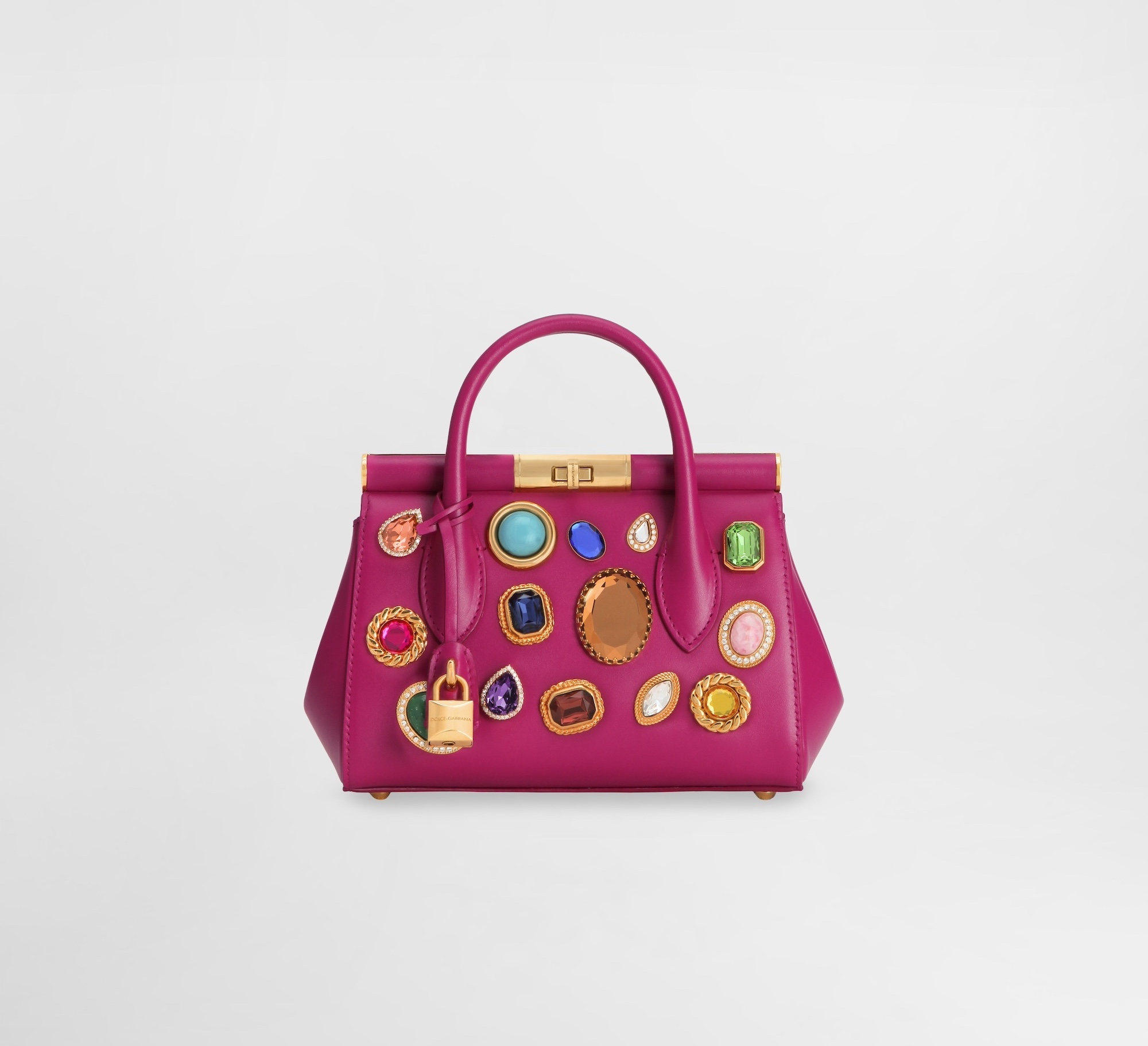
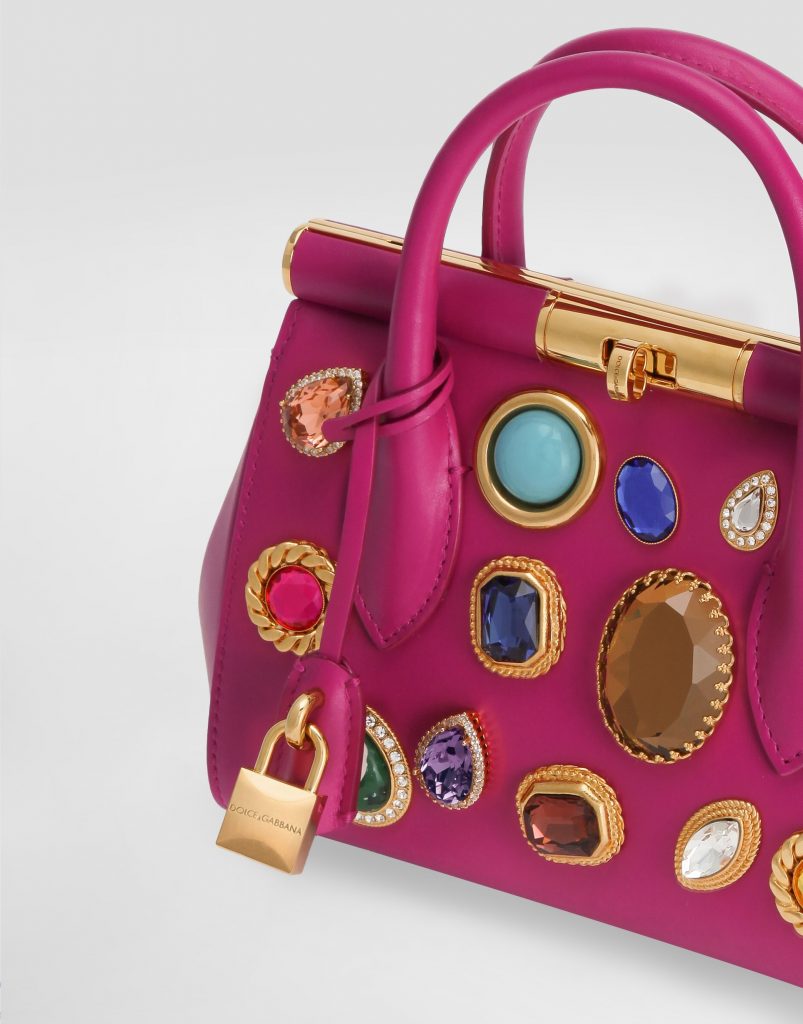
Unveil the statement piece of the season: Dolce&Gabbana’s jeweled Marlene Handbag. This limited edition of the Brand’s iconic silhouette reimagines timeless Italian design in vibrant fuchsia calfskin, finished with a structured top handle and a detachable gold chain for versatile styling.

Each bag is a celebration of Dolce&Gabbana’s fatto a mano artistry—playful in spirit yet refined in execution. With only 30 pieces available, the Marlene is more than an accessory; it’s a collector’s treasure designed to move seamlessly from day to evening. Claim your limited-edition Marlene Handbag, $5,795.

Order Yours Now

Dolce Gabbana Marlene Bag

Call Dolce&Gabbana at (310) 888-8701 or email dg.beverlyhills@dolcegabbana.it to acquire a limited-edition Marlene Handbag today.

It’s also available to purchase in the Dolce&Gabbana boutique located at 248 N Rodeo Drive, Beverly Hills, CA 90210.

Taxes and shipping fees apply, while supplies last. Purchases will be shipped within approximately 1-2 business days of order. Offer is valid on orders shipping within the continental U.S., Alaska, Hawaii, and Puerto Rico.

Suit Up: The Best Bespoke Tailors in the World

Bespoke suit tailoring is a centuries-old craft in which garments are cut for individuals using paper patterns based on their unique measurements. While practised by a handful of fashion brands with an international footprint—namely Stefano Ricci, Kiton, and Brioni—it is an inherently localized trade due to the multiple in-person fittings the process requires. No two bespoke suits will ever be identical—nor will their makers. From London to Tokyo to Bogotá, here’s where to get measured on your next trip.

The Anthology

The Anthology
Photograph courtesy of the Anthology.

Established in 2018 in Hong Kong and Taipei, the Anthology filters the proportions of traditional bespoke tailoring through a more modern lens. It’s an ethos best expressed by the maker’s signature shoulder—unpadded yet slightly roped—and delight in curating interesting, neutrally toned fabrics from the world’s best mills.  

Lawton 

Lawton
Photograph courtesy of Lawton.

Founder Kimberley Lawton came up the traditional way on London’s Savile Row but departed the street in 2018 to work under her own name in 2022. She has developed an unapologetically bold silhouette that combines Old Hollywood elegance with 1970s flair, and she’s attracted a considerable number of female clients in the process.  

Liverano & Liverano

Liverano & Liverano
Photograph courtesy of Liverano & Liverano.

Established in the 1960s, Liverano & Liverano is revered for keeping the distinctive Florentine style of bespoke tailoring alive. Marked by a shorter length, an undarted front, and an extended shoulder, the cut continues to be championed by founder Antonio Liverano, who has achieved living-legend status in the industry. 

Martelo Bespoke

Martelo Bespoke
Photograph courtesy of Martelo Bespoke.

Simon Martelo apprenticed under the famed Colombian tailor Don Enrique Rojas before opening his own Bogotá business, where he does the measuring, cutting, and fitting for every client. The house signature is its subtlety: shoulders are natural with minimal padding, and lapels are in harmony with the wearer’s own proportions. 

Paolo Martorano Bespoke

Paolo Martorano Bespoke
Photograph courtesy of Paolo Martorano Bespoke.

Paolo Martorano planted his business on West 57th Street in Manhattan’s “Billionaires’ Row” area in 2017, when he was just 25. His silhouette is as classic as it gets, embracing drape, fullness, and a lightly padded shoulder with just a touch of roping. He also offers his clients bespoke pajamas and most anything else they can dream up. 

Tailor Caid

Tailor Caid
Photograph courtesy of Tailor Caid.

Located in Tokyo’s Shibuya neighbourhood, Tailor Caid is arguably the foremost practitioner of the “Ivy” look that ruled Madison Avenue in the postwar era. Founder Yuhei Yamamoto’s calling card is the undarted “sack suit,” whose fuller cut and soft, natural shoulders communicate a reverence for relaxed elegance. 

Icons In the Spotlight: Luis Barragán, Giorgio Armani, and Other Legends Get Their Dues  

Ever wonder how filmmaker Wes Anderson pulls off his fabulously meticulous set designs? Curious to see architect Luis Barragán’s boldly painted residences in person? Looking for insight into David Bowie’s creative process? These new retrospectives, archives, and exhibitions offer ample opportunities to do a deep dive into what it means to be an artist. 

London 

Aladdin Sane Jacket, Designed by Freddie Burretti for David Bowie, 1973, Photo courtesy of V&A Museum
Aladdin Sane jacket designed by Freddie Burretti for David Bowie. Photograph courtesy of V&A Museum.

Located inside the new V&A East Storehouse, the David Bowie Centre is now the permanent home of the iconoclastic singer’s archive, comprising more than 90,000 item—from his own desk to lyrics, diaries, costumes, and musical instruments. “Balancing storage with stagecraft, the centre is an intimate space to explore Bowei’s life, work and legacy, offering a deeply personal insight into Bowie’s world,” says lead curator Madeleine Haddon. Visitors can even make appointments to view items that are in storage through the museum’s innovative “Order an Object” service. 

Francois Voltaire Suitcases for Whitman Brothers Designed by Marc Jacobs for Louis Vuitton; Wildlife Art Designed by Eric Chase Anderson. THE DARJEELING LIMITED. Photo Roger Do Minh. © the Design Museum
Francois Voltaire suitcases for Darjeeling Limited designed by Marc Jacobs for Louis Vuitton; wildlife art designed by Eric Chase Anderson. Photograph by Roger Do Minh.

Opening November 21 and running through July 26, 2026, at the Design Museum, Wes Anderson: The Archives is the first major museum exhibition focused on the work of visionary director Wes Anderson. Featuring handwritten notebooks, storyboards, costumes, and props—such as suitcases from The Darjeeling Limited—the show builds on the exhibit’s debut at La Cinemathèque Francaise with more than 100 additional objects on view. The Design Museum is just a mile from Four Seasons Hotel London at Park Lane

Mexico City 

La Cuadra San Cristobal, Luis Barragan
La Cuadra San Cristóbal. Photograph by Yannik Wegner, courtesy of Fundación Fernando Romero.

One of legendary Mexican architect Luis Barragán’s most striking residential designs—La Cuadra San Cristóbal, a study in bright colour blocking, located on the outskirts of Mexico City—is set to open to the public later this year as part of a 10-year plan to transform it into a cultural centre. In town, Four Seasons Hotel Mexico City has embarked on a phased renovation by Mexican designer Bibiana Huber that will include a vibrant redesign of all its guest rooms and suites. 

Milan

Giorgio Armani Prive 2005-2025, Photo by Delfino Sisto Legnani
From Giorgio Armani Privé 2005-2025. Photograph by Delfino Sisto Legnani.

Iconic designer Giorgio Armani, who died in September at age 91, is the subject of dual anniversary exhibitions in the fashion capital. Running through December 28 at the brand’s Armani/Silos space, Giorgio Armani Prive: 2005-2025 celebrates his two decades in haute couture with a showcase of more than 150 looks, including dresses worn by Michelle Yeoh, Cate Blanchett, and Demi Moore. A second show of his exquisite designs, at the Pinacoteca di Brera (a short walk from Four Seasons Hotel Milan), marks 50 years since the brand’s founding in 1975.  

Fondazione Prada Sueno Perro
From Sueño Perro. Photograph courtesy of Fondazione Prada.

At Fondazione Prada, from September 18 to February 26, 2026, Oscar-winning director Alejandro G. Iñárritu presents Sueño Perro. The multisensory exhibition will reveal never-before-seen footage from his debut feature Amores Perros, released 25 years ago. 

Paris

Gautier DeBlonde at Palais Galliera
From Rick Owens: The Temple of Love. Photograph courtesy of OWENSCORP.

Known as the high priest of fashion’s avant-garde, Rick Owens is the subject of a stunning retrospective, Rick Owens: The Temple of Love at the Palais Galliera through January 4, 2026. The California-born, Paris-based designer, who is the exhibition’s artistic director, even extended his vision to the building of the façade, draping enormous statues in sequined fabric. Just a few blocks away is Four Seasons Hotel George V. Paris, which, in collaboration with French interior designer Pierre-Yves Rochon, has just completed a three-year renovation of its 243 guest accommodations, giving each space the feel of a Parisian pied-à-terre.