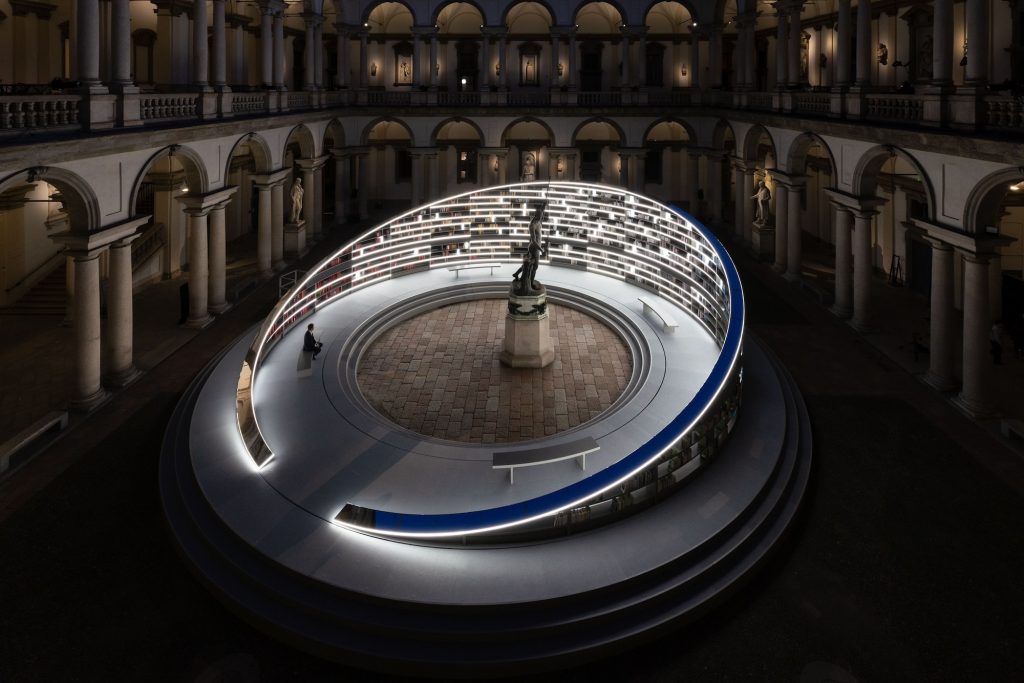
What will we covet next? A who-what-where report from the frontlines of luxury fashion, design, dining, and more.
01
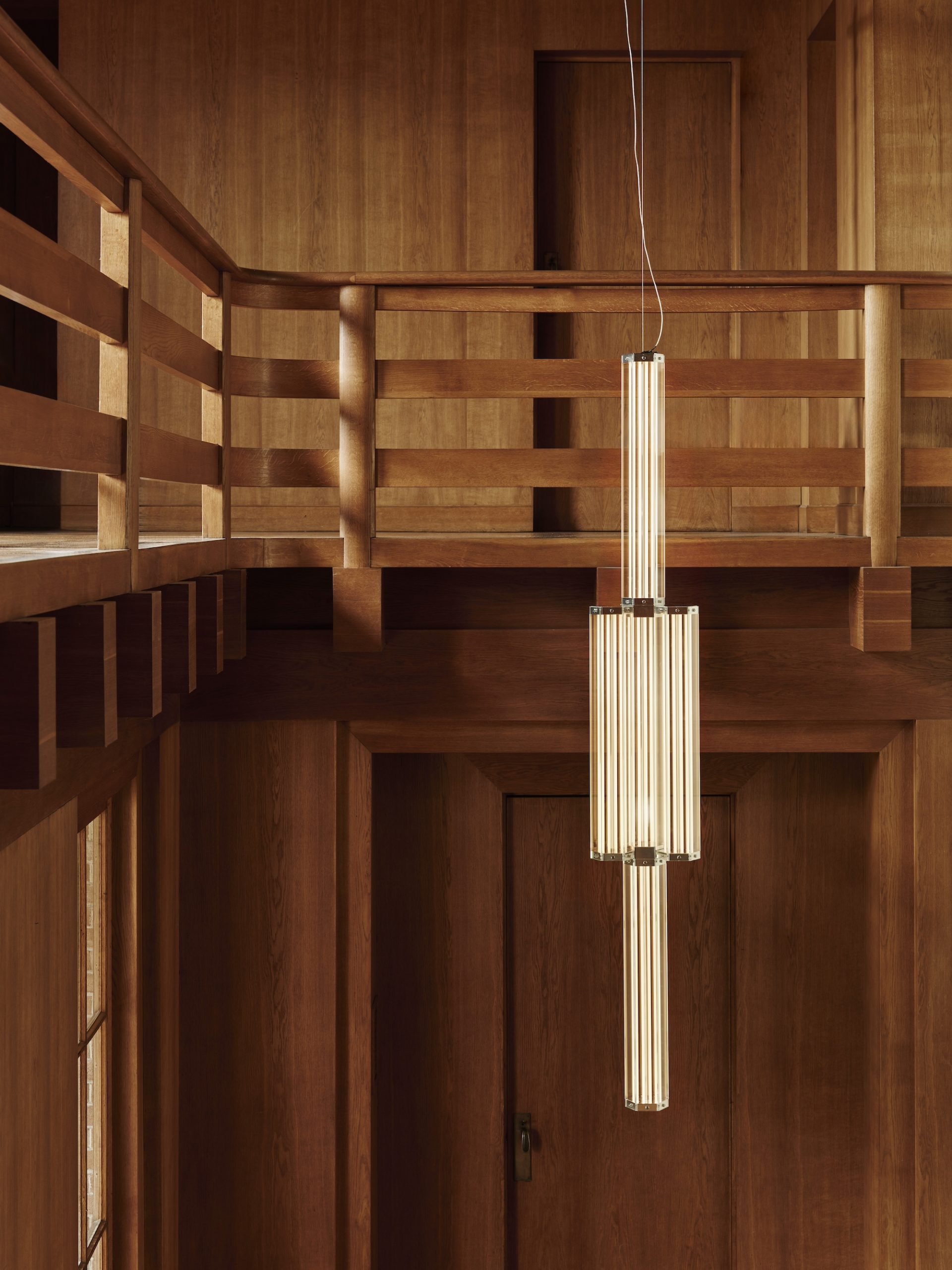
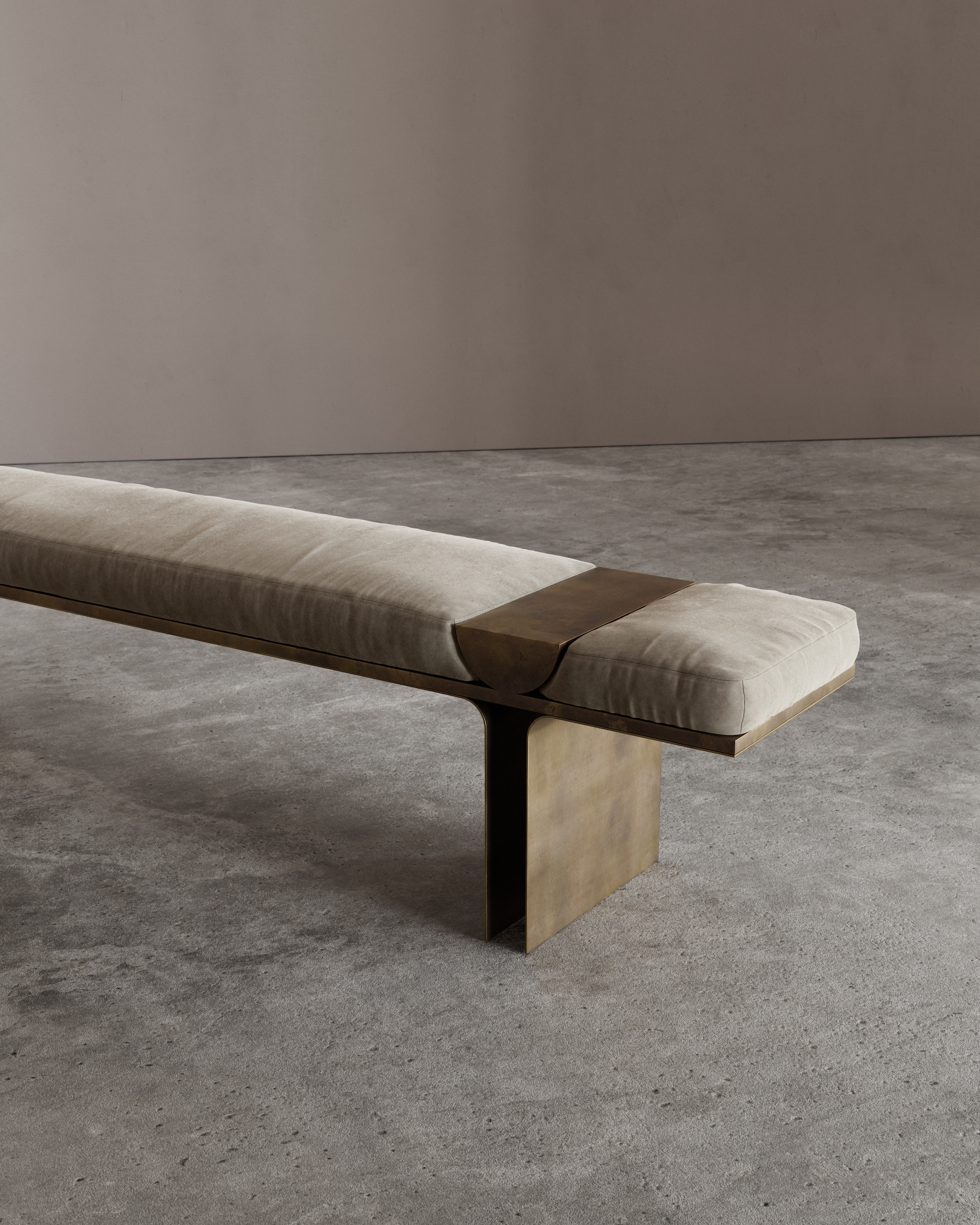
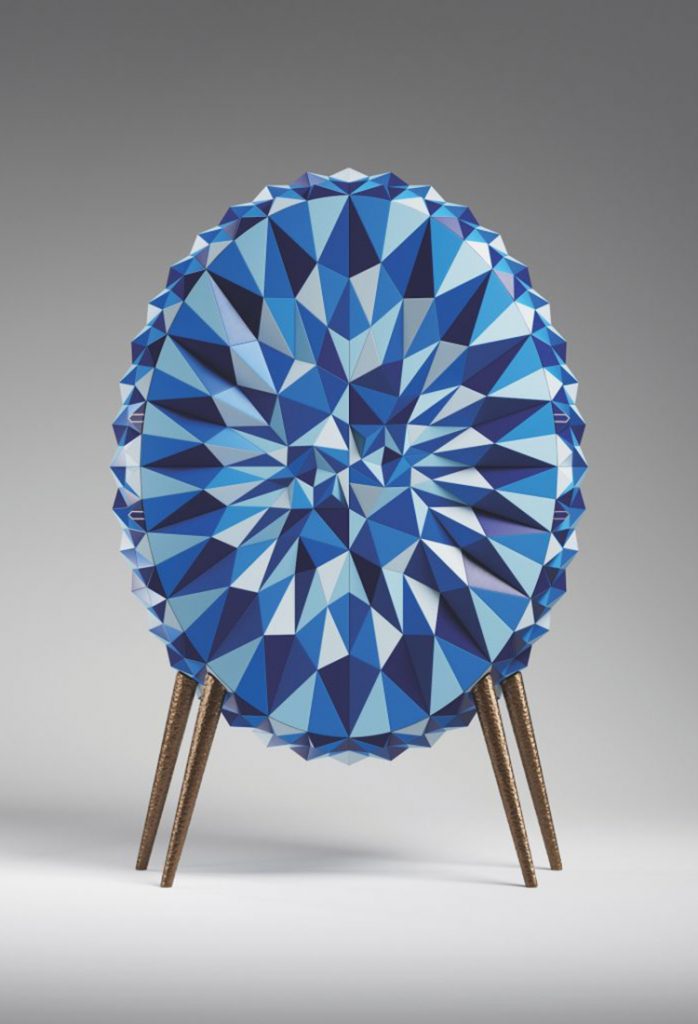
THE SUMMIT OF EXCLUSIVITY: Limited-edition lines, such as Louis Vuitton’s Objets Nomades home and furniture collection, represent an increasing focus for high-end brands. With worldwide distribution more available than ever for a maison’s main lines, it’s no longer enough for price to confer exclusivity. Luxury houses dream up extra offerings characterized more by scarcity and whimsy than by simple cost. A standout from the 2025 Objets Nomades roster is the Kaleidoscope Cabinet (pictured below, left), produced with Brazil-based Estúdio Campana. More than two years of development went into the creation of this exquisite limited edition (there are only eight)—with time spent on everything from the gold-plated brass hinges to the curved bottom drawer. (The drawer was so difficult to achieve, it almost stymied the entire concept.) —Mark Ellwood
02
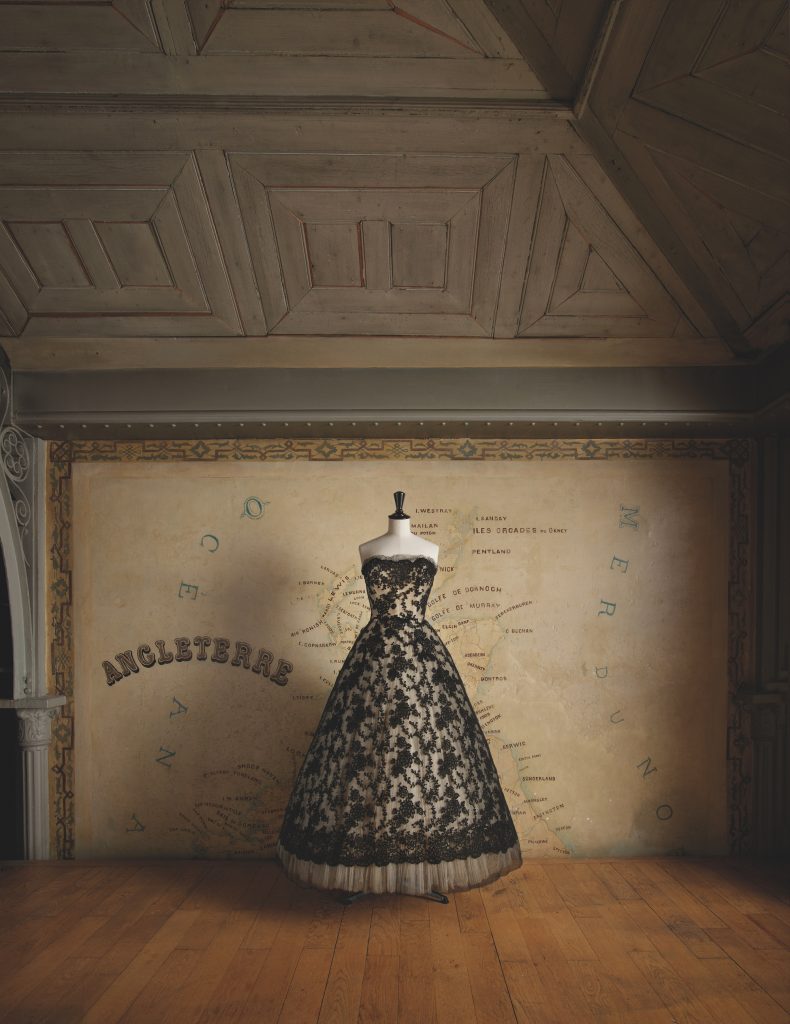
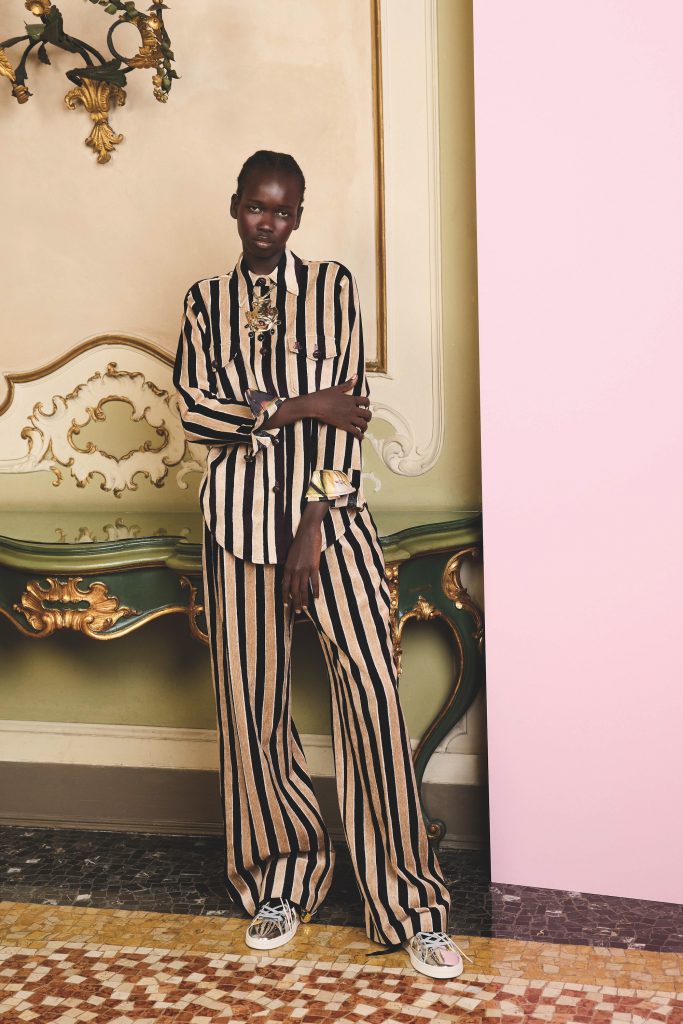
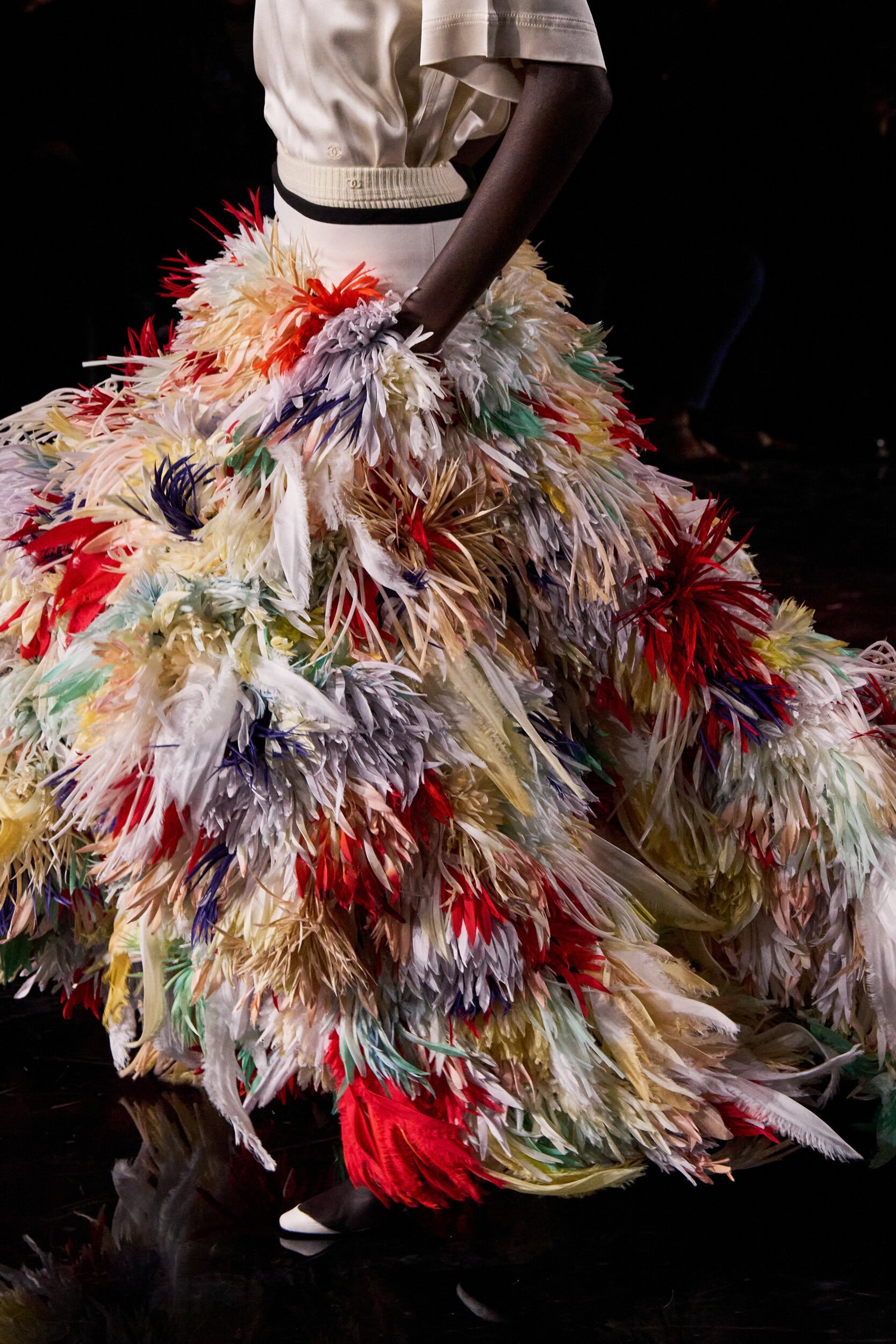
FASHION RESET: A changing of the guard electrified the runways for the Spring 2026 season. In Milan, Dario Vitale’s first solo outing for Versace mixed bold colours with slim cuts evocative of Gianni’s 1990s heyday, while at Gucci, Demna’s tribute to the label’s iconic motifs included maximalist interpretations of the horse bit and the GG monogram. From Paris, highlights included Jonathan Anderson’s modern take on the New Look at Dior; Pierpaolo Piccioli’s sculptural designs in a “neo gazar” fabric at Balenciaga; Michael Rider’s blend of French minimalism and preppy chic at Celine; and technicolour-bright pieces, inspired by an Ellsworth Kelly painting, from Loewe designers Jack McCollough and Lazaro Hernandez (the founders of Proenza Schouler). But few designers stirred more anticipation than did Matthieu Blazy, formerly of Bottega Veneta, with his debut collection for Chanel. On a runway themed to Coco Chanel’s love of astronomy, Blazy offered his interpretations of the house’s iconic codes, from menswear influences to textural tweeds and colourful feathers (see photo above). The overriding idea? Said Blazy, “I just wanted to have fun.” —Laurie Brookins
03
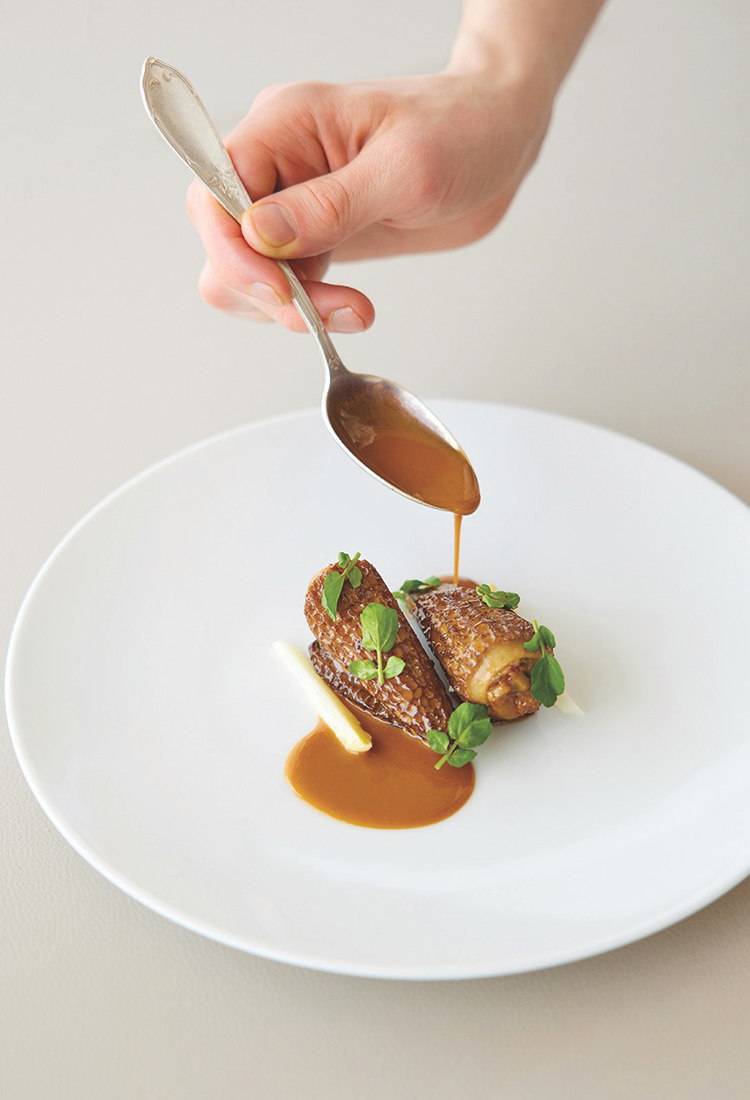
SENSE OF PLACE: Since its 2023 debut on the World’s 50 Best Restaurants list at number 37, Sézanne at Four Seasons Hotel Tokyo at Marunouchi has continued its rise. In 2025, it rocketed to the list’s number-seven spot; it also holds three Michelin stars. Under chef Daniel Calvert’s direction, Sézanne is celebrated for its 12-course tasting menu highlighting seasonal Japanese ingredients. Calvert credits the restaurant’s success to an unwavering pursuit of excellence: “That’s what you strive to do—a little better every day.” —Degen Pener
04
ICONIC CHARMS: Grace Kelly and Elizabeth Taylor were photographed in the 1970s wearing Alhambra—the famed collection that Van Cleef & Arpels debuted in 1968—but today, as men increasingly embrace luxury jewelry, it might be NBA legend LeBron James, Olympic fencer Cheung Ka Long, or the Los Angeles Dodgers’ Miguel Rojas sporting the striking four-leaf-clover designs (tiger’s-eye style shown). The newest Alhambra examples showcase clovers of blue agate, while others include onyx, historically a talisman against negative energy. —L.B.
05
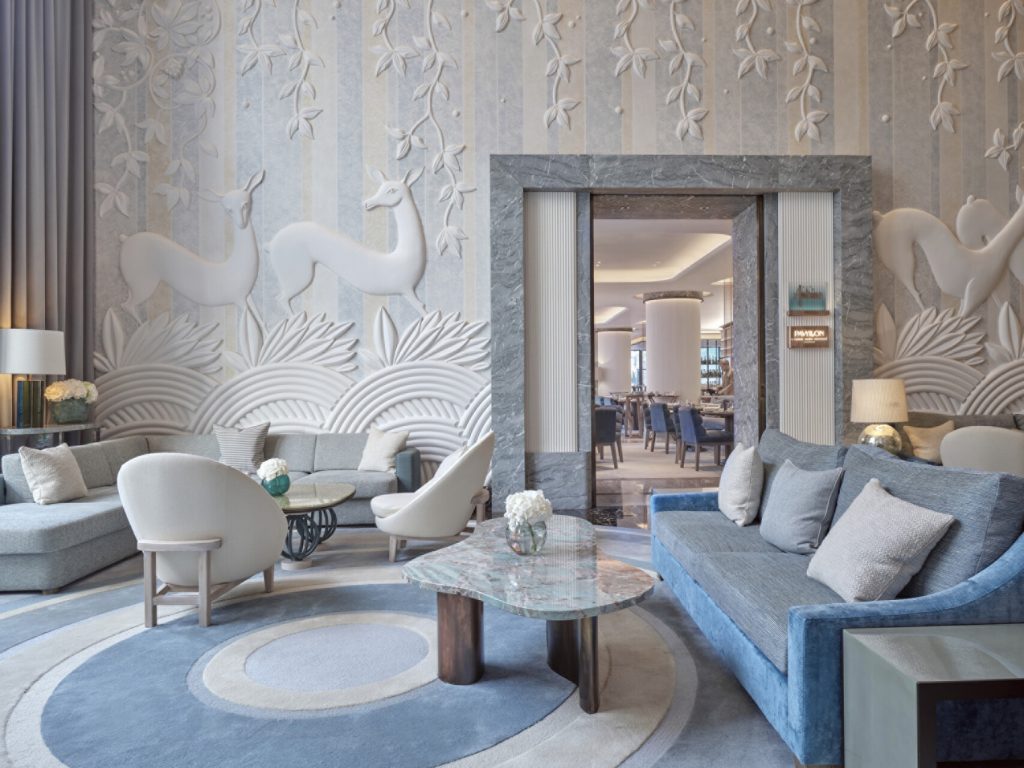
PERFECTLY POISED IN LONDON: Understated. Discreet. Refined. Four Seasons Hotel London at Park Lane exemplifies this era’s embrace of quiet luxury. The original Four Seasons in Europe, the London hotel celebrated its 55th anniversary in 2025 by earning three Michelin keys for the second year in a row, while its Yannick Alléno–helmed restaurant Pavyllon London retained its Michelin-star honour. A collection of 18 recently renovated suites (some with terraces overlooking Hyde Park) feels like a sanctuary in the city, as does the spa, which offers treatments and wellness therapies ranging from a jet-lag massage and body brushing ritual to a holistic facial based on Chinese medicine techniques. The property shares its three-Michelin-keys distinction with its Four Seasons sister hotels in Megève, France; Athens (Astir Palace); Tokyo (Otemachi); and Paris (George V). —Pavia Rosati
06
AI HYPERCAR: In a sign of how artificial intelligence is entering the luxury auto world, the start-up Vittori unveiled its first hypercar, the Turbio, in October. Designed with the famed Italian firm Pininfarina, the vehicle features a sleek and sculptural silhouette derived from hundreds of AI-generated concept renders, and AI-powered 3D printing methods influenced the shape of the carbon-fiber and titanium chassis. Only 50 models will be made, produced in collaboration with Pininfarina. —D.P.
07
BRITISH WINE WINS: The bubble’s popped: French sparkling wine no longer retains its stranglehold after a series of upstart wineries bested Champagne’s finest at several contests—and those triumphant vintages are from England, where the terroir mirrors that of Épernay but the climate retains the crispness essential to superb fizz. Specifically, it was Nyetimber’s 2016 Blanc de Blancs Magnum that pipped four shortlisted candidates for the crown at the International Wine Challenge awards in September, the first time a wine from outside of Champagne has taken the title. Order a bottle or two of Nyetimber at Four Seasons Hotel Tokyo at Otemachi.
—M.E.
08
EAR CANDY: In a sea of on-the-go audio options, Bang & Olufsen’s Beo Grace wireless earbuds stand apart for their chic refinement and world-class sound quality. The striking earbuds with polished aluminum stems are remarkably lightweight—enough that each earpiece can rest on a flower petal. Even the pearl-blasted aluminum charging case is elegant and can stylishly sit on a valet tray when not in use. —Beau Hayhoe
09
VINYL RENAISSANCE: Vinyl has serious staying power, as seen in the number of listening bars opening worldwide. To get that hi-fi, high-design experience at home, look to Wrensilva’s meticulously engineered record consoles, available in a variety of wood finishes, each one a statement piece. The San Diego–based company’s latest offering is the Wrensilva Larrabee Creator Edition M1 console, a limited-edition collaboration with the Grammy-winning mix engineer and Larrabee Studios owner Manny Marroquin. Built to integrate with Sonos audio systems, the console is a study in both striking good looks and remarkable sound quality. —B.H.
10
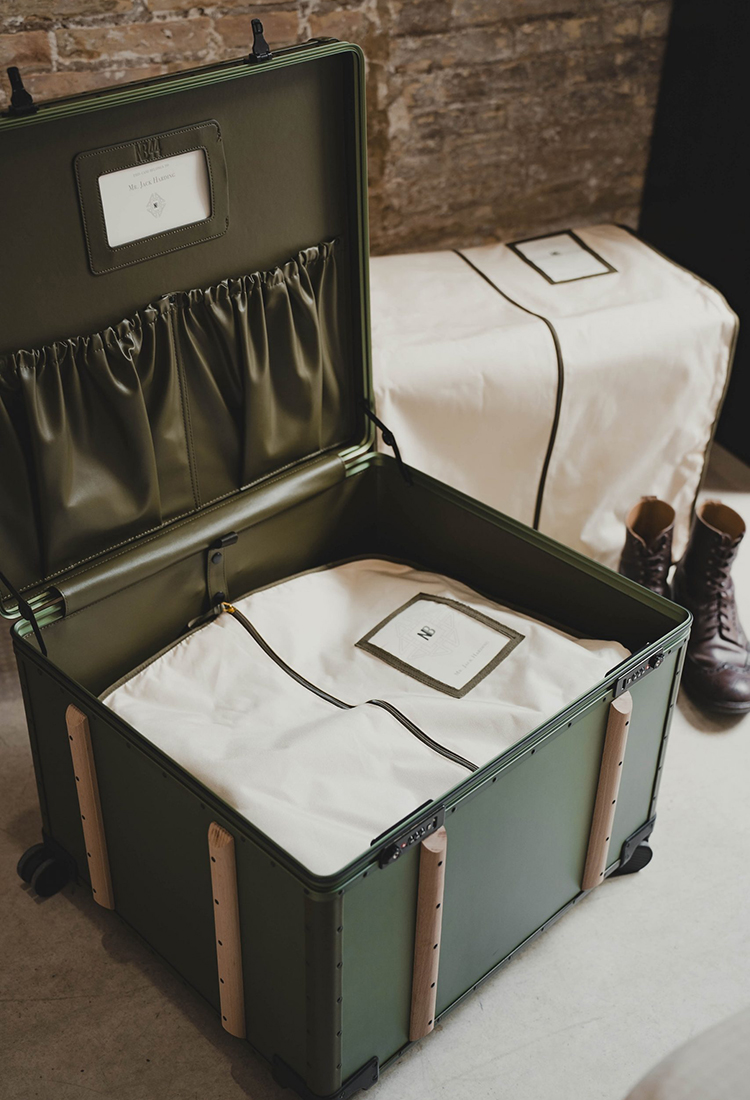
ULTRA PERSONALIZED: No other fashion company in the world is quite like NB44. Founded by Nicolas Bijan Pakzad, the invite-only, membership-based brand takes the personalization of luxury to the next level: Each quarter, it sends a custom-built trunk (pictured below, left) of its stylish menswear to its clients, who include Wicked director Jon Chu, with each delivery tailored to the wearer’s lifestyle. Clients can purchase what they like and request any changes they desire, such as remaking a burgundy zip-neck sweater in navy with a shawl collar. —B.H.
11
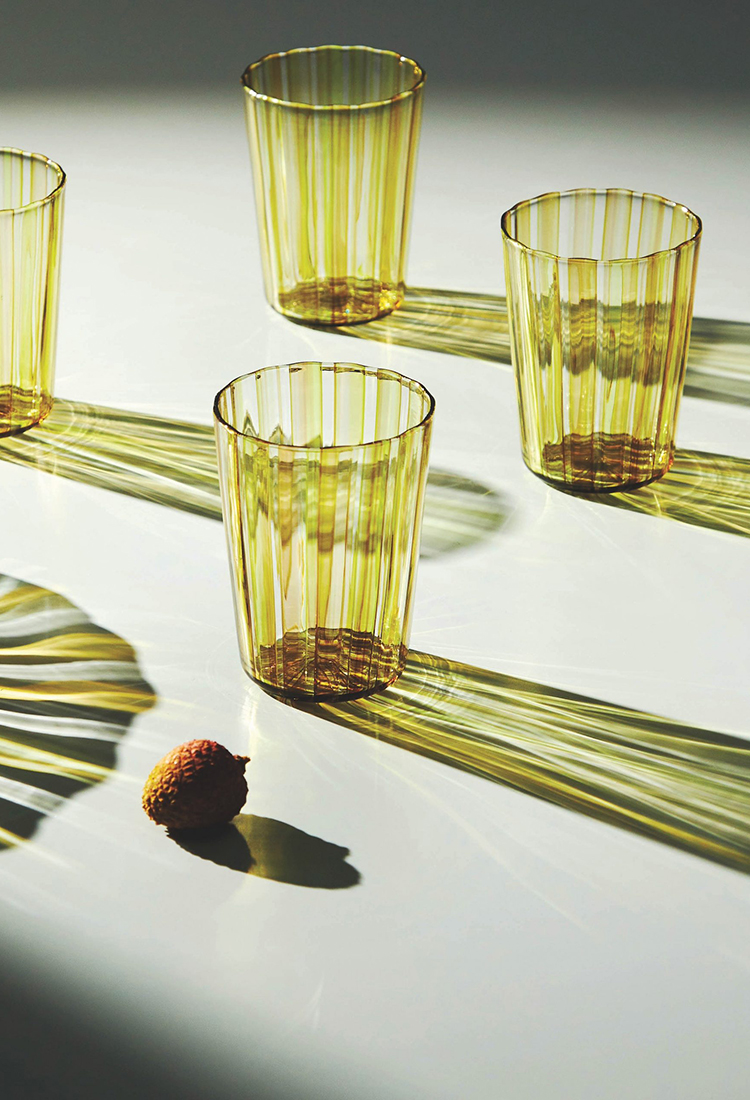
HANDPICKED FOR HOME: If, like most style obsessives, you’re still mourning the demise of MatchesFashion.com, fret not: co-founder Tom Chapman, with his signature edgy, eclectic eye, is now running Abask, an online outlet specializing in home and design. The site epitomizes the search for exclusivity that remains a core driver for luxury. It features 2,000 or more handpicked treats, both antique and contemporary, as well as its own reissues of design classics from the likes of NasonMoretti, the Murano-based glassworks. This season’s particular focus: Japanese makers. Take your pick between Kyoto-based Seikado, renowned for exquisite pewter for almost 200 years; Kagawa-based Mori Glass, including the studio’s striped tumblers (pictured below); and the Tokyo-based contemporary home line Thursday Furniture, among others. —M.E.
12
EFFERVESCENT AND LOW ALCOHOL: Move over Aperol. There’s another spritz in town. And in 2025, it took over the world. The Hugo Spritz is an invigorating form of floral refreshment born of the Italian Alps—an assemblage of St-Germain elderflower liqueur, Prosecco, fresh mint, lime, and soda. Though it was initially conceived 20 years ago, the Hugo is surging in popularity now, thanks in part to today’s no- and low-alcohol movement (see “Zero Proof, Full Flavour”). The ginger-tinted drink retains body and flavour while having half the alcohol content of a typical martini. —Brad Japhe
13
SUNNY DIAMONDS: The ubiquity of lab-grown diamonds has had a ripple effect on the fine-jewelry industry: Retailers are seeing rising interest in natural coloured diamonds that stand out among look-alike icy white cultured stones. In-demand hues include warm whites, ambers, and yellows—the last a favourite and a focal point of the new Talk to Me, Harry Winston collection. Among the pieces from this series is a ring highlighting a 5.02-carat, pear-shaped yellow diamond, as well as 26 pear-shaped and round brilliant diamonds, set in 18-karat yellow gold and platinum. The message is clear: in a market flooded with sameness, rarity and uniqueness still rule. —Victoria Gomelsky
14
SPLENDOUR IN SPAIN: In 2025, Four Seasons garnered the most property rankings on the latest World’s 50 Best Hotels list, which also named the company the “most admired hotel group” in the world. A remarkable seven Four Seasons properties were lauded across the full list (with extended rankings 51 to 100), including Four Seasons Hotel Madrid. Opened in 2020 as part of the Centro Canalejas Madrid complex, the hotel stands in the heart of Madrid’s historic city centre—now revitalized with galleries, boutiques, and cafés—and serves as a beacon of the neighbourhood’s transformation. On the seventh-floor roof terrace sits Dani Brasserie, where Michelin-starred dishes by chef Dani García mix Spanish and Andalusian flavours, and visitors and Madrileños alike take in the panoramic views, appreciating the city’s past and present. —Julie Pham
15
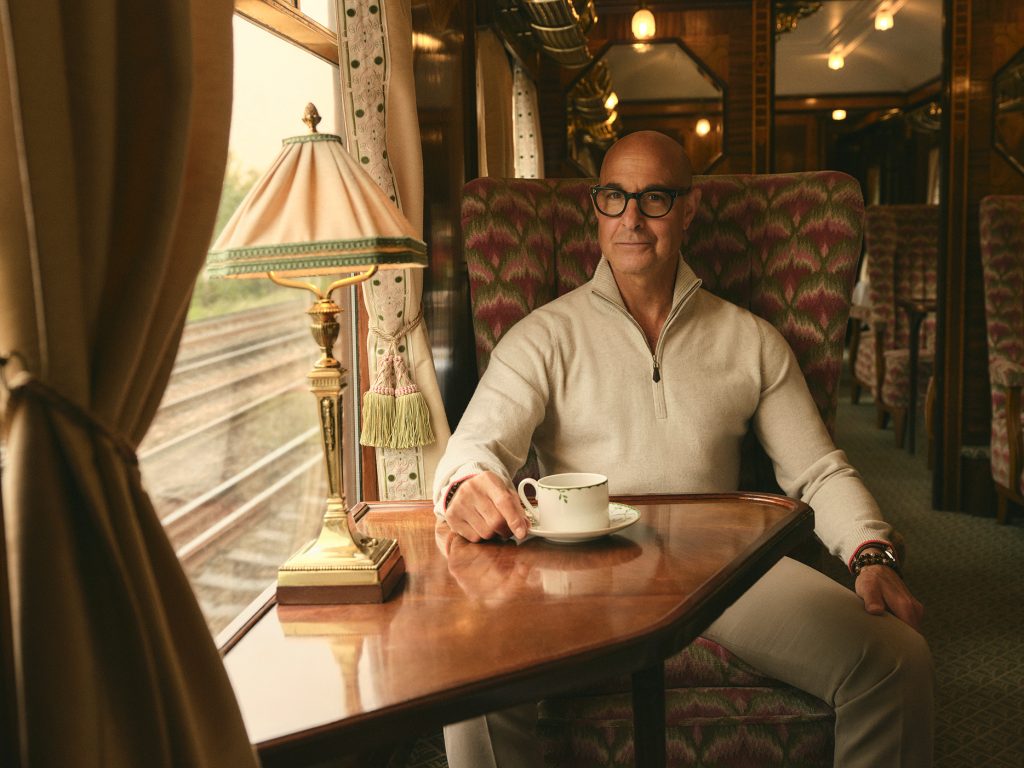
KNITTED AND FITTED: Nothing says “quiet luxury” quite like chic knitwear, be it cashmere or a fine merino wool. And few names in the space do knitwear better than N. Peal, established as a men’s haberdashery in London in 1936. In 2025, the brand teamed up with actor and travel-show host Stanley Tucci for a capsule collection of irresistible pieces, from cashmere quarter-zips and superfine silk-blend polos to cashmere-and-silk bird’s-eye jacquard ties. —Tres Dean
16
THE ARTISANAL DIFFERENCE: In 2018, Johann Rupert, the chairman of Richemont, co-founded the nonprofit Michelangelo Foundation with an express mission: to champion craftsmanship of all kinds. Makers were to be celebrated, and their skills propagated. So, the foundation launched Homo Faber—a pop-up exhibition, held regularly in cities like Venice and Seville, that showcases artisan works. Now, it’s offering an always-on option: a series of handy craftsmanship-oriented guides to different cities on the Homo Faber website. The 11-stop itinerary for Florence, for example, features everything from the perfumer Aquaflor to the workshop of Daniele and Letizia Traversari, fourth-generation mosaic makers with a particular aptitude for portraiture. —M.E.
17
MECHANICAL LEAP: Ahead of 2025’s Watches and Wonders fair in Geneva, speculation about Rolex’s upcoming debut buzzed across social media. When the company officially revealed the Rolex Land-Dweller—its first entirely new model since 2012—the excitement proved justified. The watch features a slim, vintage-inspired case paired with an integrated flat-link bracelet, marking a fresh aesthetic direction. More important, the timepiece holds Rolex’s groundbreaking Dynapulse escapement, a new mechanism that governs the transfer of energy from the mainspring to the hands. Watch insiders have praised the robust and efficient movement as a game-changer precisely because it reaffirms that mechanical innovation can be pushed to new heights. “An accomplishment like this happens every couple hundred years,” says Paul Boutros, the head of watches for the Americas at the auctioneer Phillips. “It’s revolutionary.” —V.G.
18
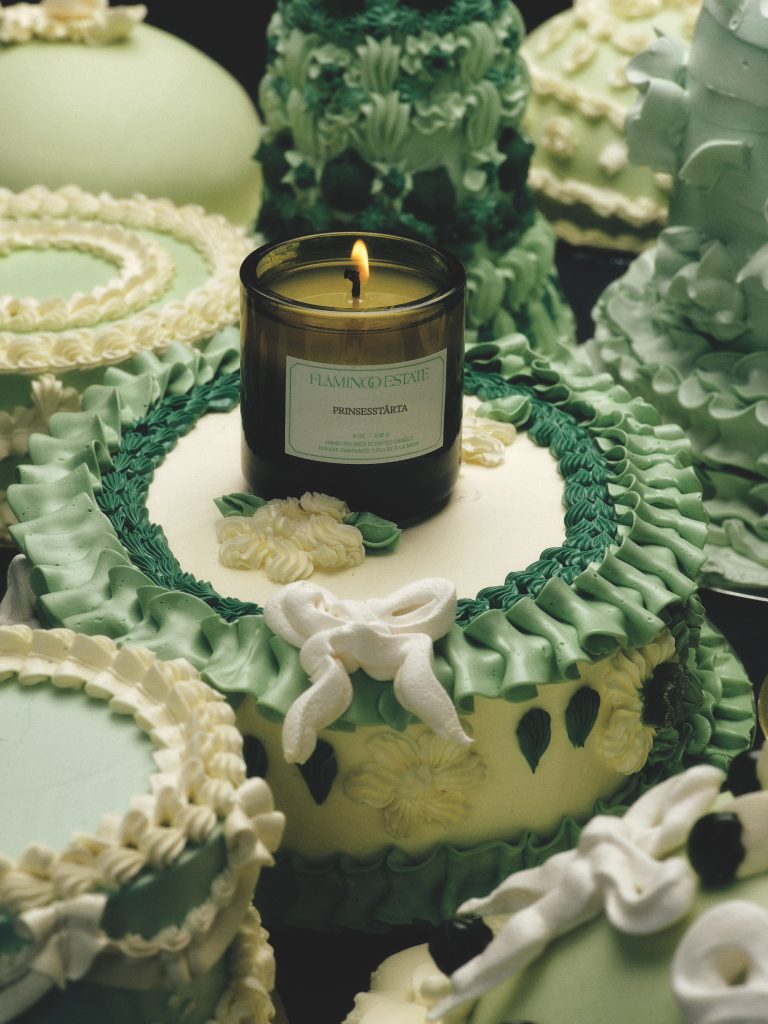
CULTIVATING EDEN: Through his five-year-old lifestyle brand Flamingo Estate, former advertising executive Richard Christiansen has somehow made regenerative agriculture downright glamourous. In 2025, he took it to new heights. Think collaborations with chefs such as Alice Waters and Evan Funke to guest-curate Flamingo Estate’s coveted produce boxes; limited-edition jars of pickles dreamed up with Pamela Anderson; and a steady stream of swoon-worthy skincare, soaps, and standout candles like the decadent Prinsesstårta (pictured below, left), inspired by San Ambroeus’ iconic Principessa cake. Nestled in the hills of Los Angeles, Flamingo Estate crafts everything using organic ingredients grown at more than 140 regenerative farms—proving that sustainability can, in fact, smell amazing. —D.P.
19
PICKED AT THE PEAK: Amid all the tweezer-y ornamentation and pageantry of fine dining, there is ultimately nothing more luxurious than a piece of perfectly ripe fruit. Consider Tomat, a Los Angeles farm-to-table restaurant near LAX, where the most succulent thing on chef Harry Posner’s menu might be a pastel green slice of arava melon, harvested at Weiser Family Farms, that he caps with a few pieces of white strawberry kimchi and droplets of sesame oil. At Ki, in L.A.’s Little Tokyo neighbourhood, chef Ki Kim occasionally winds down his Michelin-starred Korean tasting menu by slicing up a ripe and just-right summer peach and dusting it with lime zest. “When the fruit itself tastes that good,” Kim says, “there’s no need for much else.” —Jeff Gordinier
20
CARRY THE DAY: Fashion is offering an alternative to the quotidian canvas tote, something a little more luxurious: the leather tote as an everyday carryall. The bag of the moment? Superstar designer Willy Chavarria’s signature, genderless W Tote bearing a bold “W” topstitched across its front and back panels. —T.D.
21
THE NEW GILDED AGE: Gold, if you haven’t noticed, is on a tear. In October, the precious metal’s price topped $4,000 an ounce for the first time. While the rising cost of the material has rattled the fine-jewelry industry, consumers appear undeterred and are leaning even harder into gold despite—or perhaps because of—its soaring value. Pieces of the moment include David Yurman’s 18-karat gold Sculpted Cable bangle bracelet. —V.G.
22
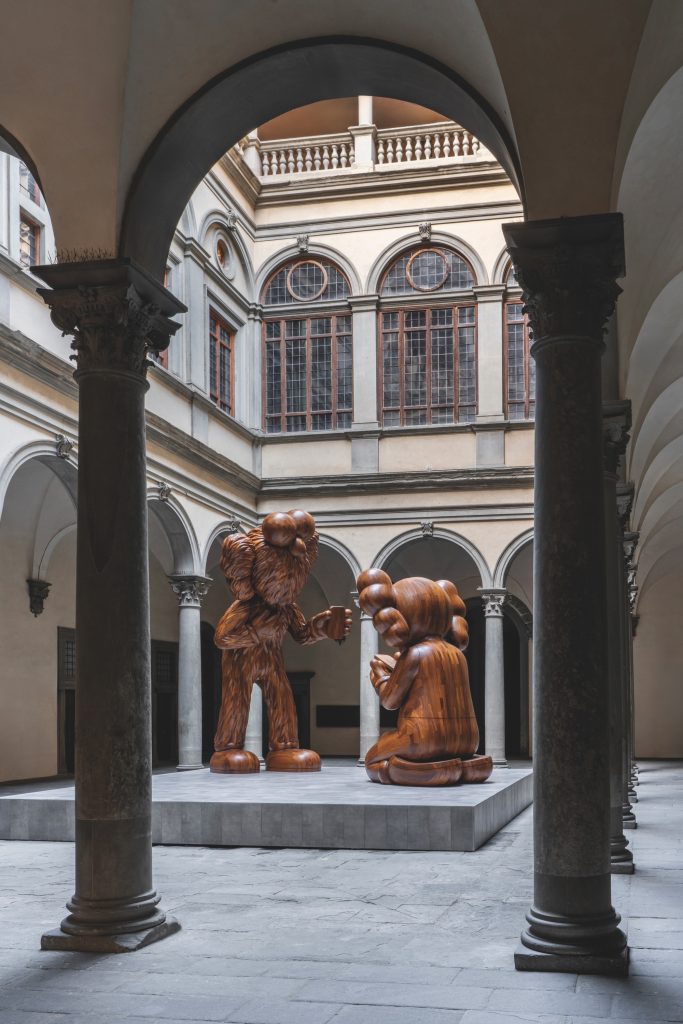
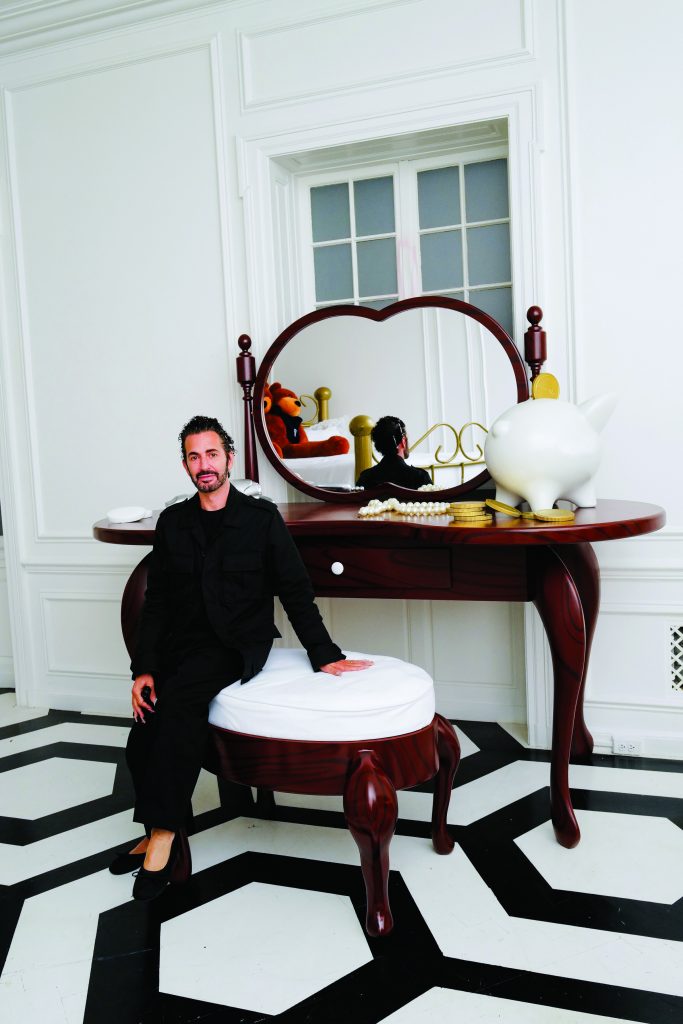
ALL THINGS GREAT AND SMALL: Perhaps Goldilocks was wrong when she settled for that just-right-sized bed. Across design culture today, a rule-breaking focus on playing with proportion is afoot, from the goofily gigantic to the endearingly Lilliputian. In the latter camp, several British makers offer custom miniatures of iconic architecture, from Mulvany & Rogers to Chisel & Mouse, which recently released a mini Thomas Jefferson Memorial to coincide with the 250th anniversary of the United States in 2026. In September, zeitgeist-surfer Marc Jacobs partnered with white-hot artist Anna Weyant for a pop-up installation during New York Fashion Week, where the pair created a life-size, dollhouse-like landscape. Visitors could meander through, enjoying such outré details as an oversize two-headed teddy bear. —M.E.
23
LUMINOUS INNOVATION: Sweet Chemistry and Knesko are redefining skincare with distinct, science-backed approaches. Sweet Chemistry face products feature the brand’s proprietary Matrikynes complex, a mix of bioactive peptides found in upcycled bovine bones, to boost skin density and hydration and reduce fine lines. Meanwhile, GemClinical Technology infuses gemstone particles into Knesko’s decadent treatments to stabilize active ingredients like CoQ10 and vitamin C and to help activate the body’s chakras, or energy centers. The Knesko collection includes the Diamond Radiance Collagen Face Mask, which is used in the signature facial at the Beverly Hills Spa at Beverly Wilshire, A Four Seasons Hotel. —Elycia Rubin
24
EPICUREAN EXCELLENCE: The same year that French haute cuisine was crowned the best in the world at the biennial Bocuse D’Or chef competition (in 2025), two redoubts of haute gastronomie retained their three-Michelin-star rankings: Le Cinq at Four Seasons Hotel George V, Paris, and Caprice at Four Seasons Hotel Hong Kong. At Caprice—a temple of opulence with dazzling Czech crystal chandeliers, a glass catwalk, and stunning views of Victoria Harbour—the central open kitchen is where the culinary magic happens, with chef Guillaume Galliot and team leaning into luxurious ingredients; think blue lobster from Brittany, Alaskan king crab, and Japanese Saga beef. The wine list is extensive, as is the selection of cheeses at Caprice Bar. —Nicola Chilton
25
LIQUID ARTISTRY: In 2025, three establishments at Four Seasons were honoured by the World’s Best 50 Bars list: Virtù at Four Seasons Hotel Tokyo at Otemachi (renowned for the use of Japanese produce with French spirits); Argo at Four Seasons Hotel Hong Kong (noted for its innovative ingredients); and BKK Social Club at Four Seasons Hotel Bangkok at Chao Phraya River, which excels not just because the drinks are outstanding but also thanks to storytelling. BKK Social Club’s latest narrative-driven menu takes inspiration from all things Mexico, with creations like the Frida Kahlo (with Michter’s Bourbon, lavender-infused maple syrup, and coconut) and the Lucha Libre (a Michelada-style highball). “Each drink tells a part of Mexico’s story,” says Philip Bischoff, beverage manager at the Bangkok hotel (which the 2025 World’s 50 Best Hotels list named the second best on the planet). —Vincent Vichit-Vadakan