Reconnect With the World: How
to Travel With Intention

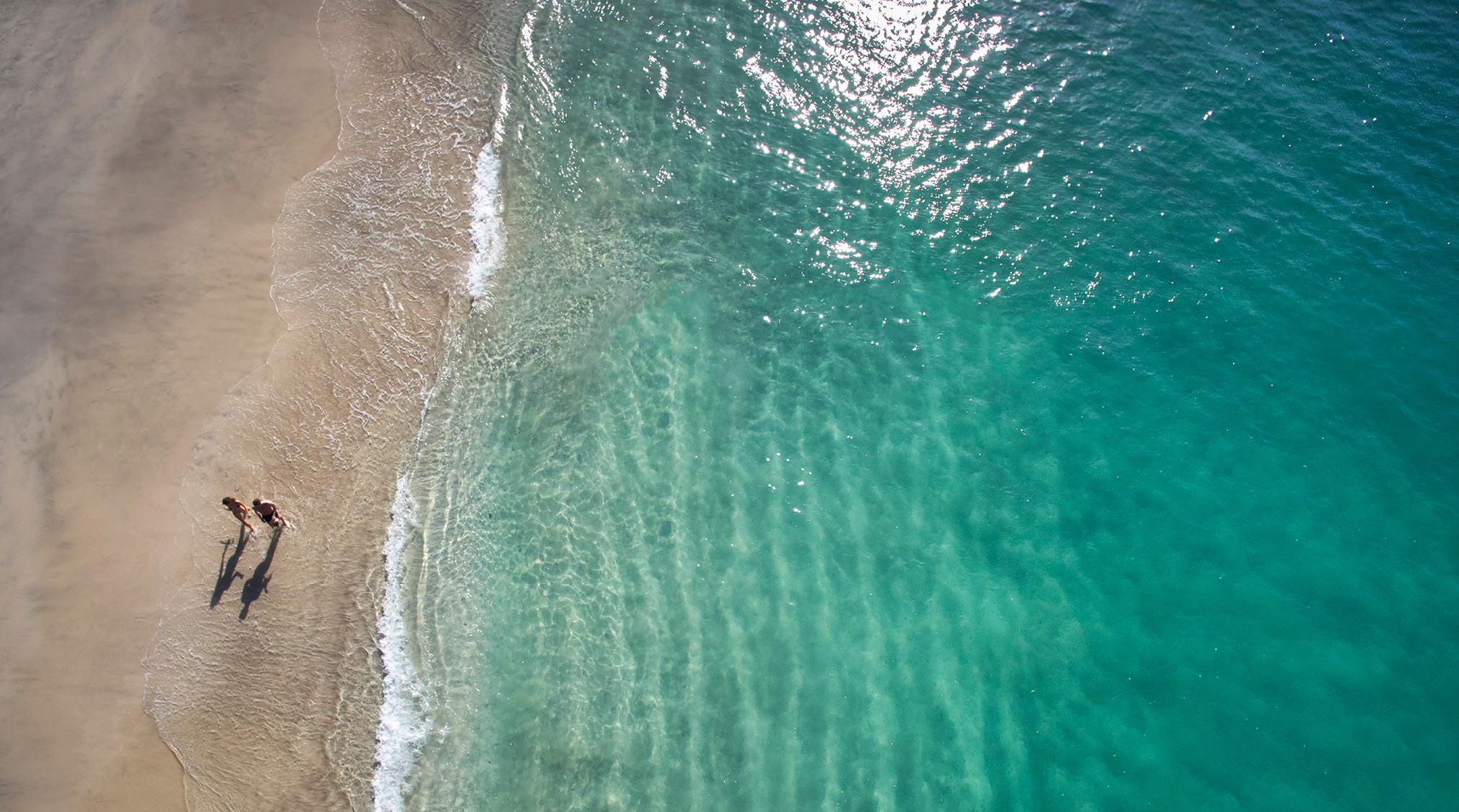
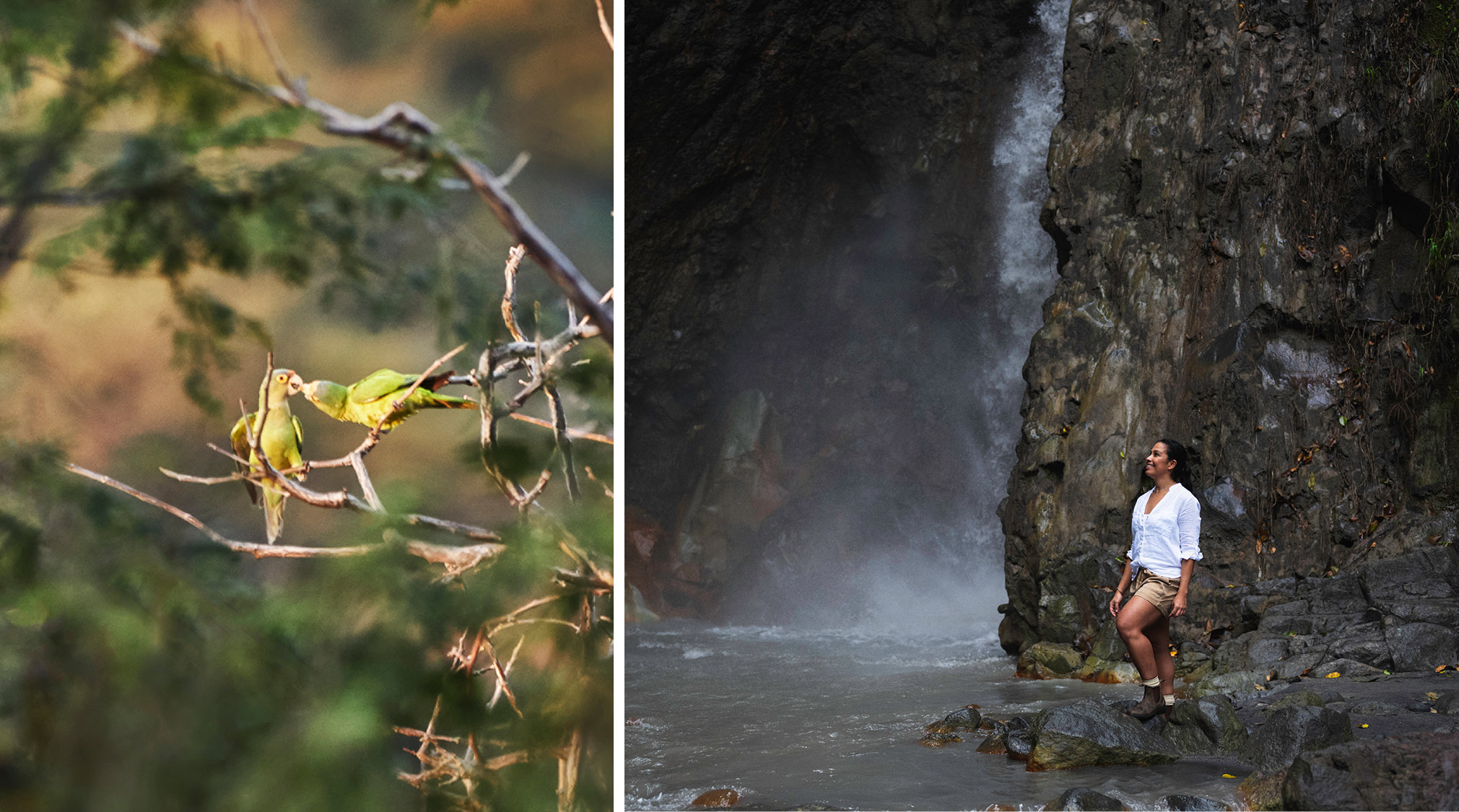
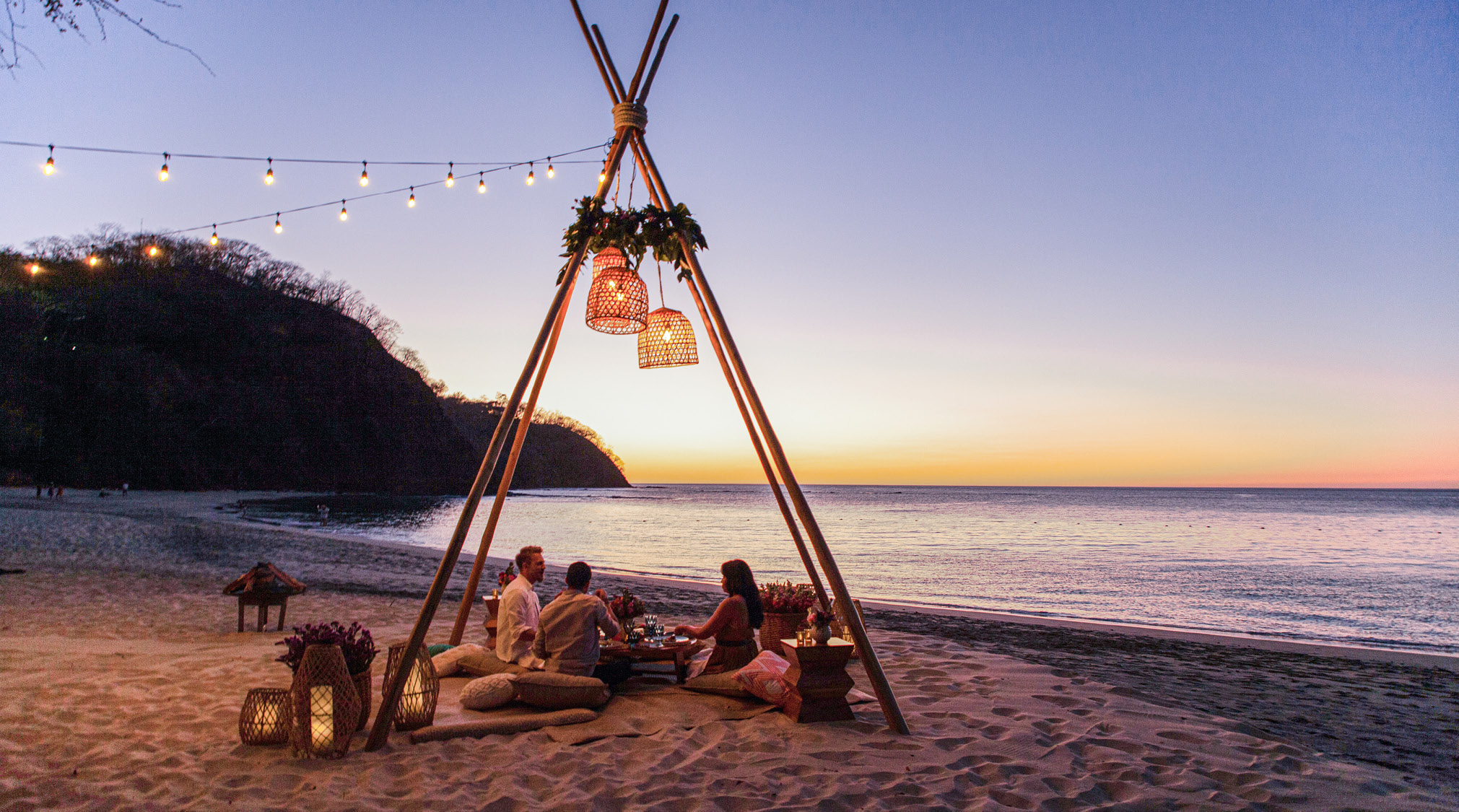
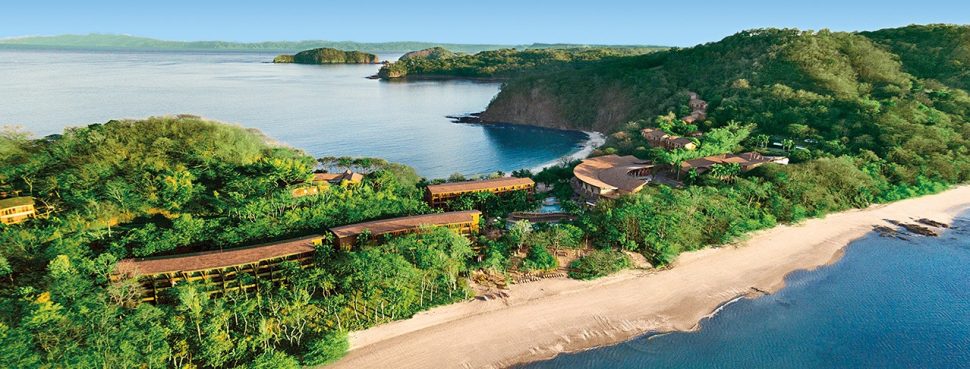
A stay in Costa Rica is a feast for the senses: sounds of ocean waves rolling in and out and animals rustling through the tropical dry forest, cool water hitting your skin as you swim beneath a thundering waterfall, the scent of the salty breeze. Tucked between two unspoiled beaches on the verdant north Pacific coast, Four Seasons Resort Peninsula Papagayo, Costa Rica is surrounded by rugged yet tranquil natural beauty that eases into your psyche, connecting you to this lush paradise. Our senses feed our brain information about the world around us, but if we let them, they can tell us much more.

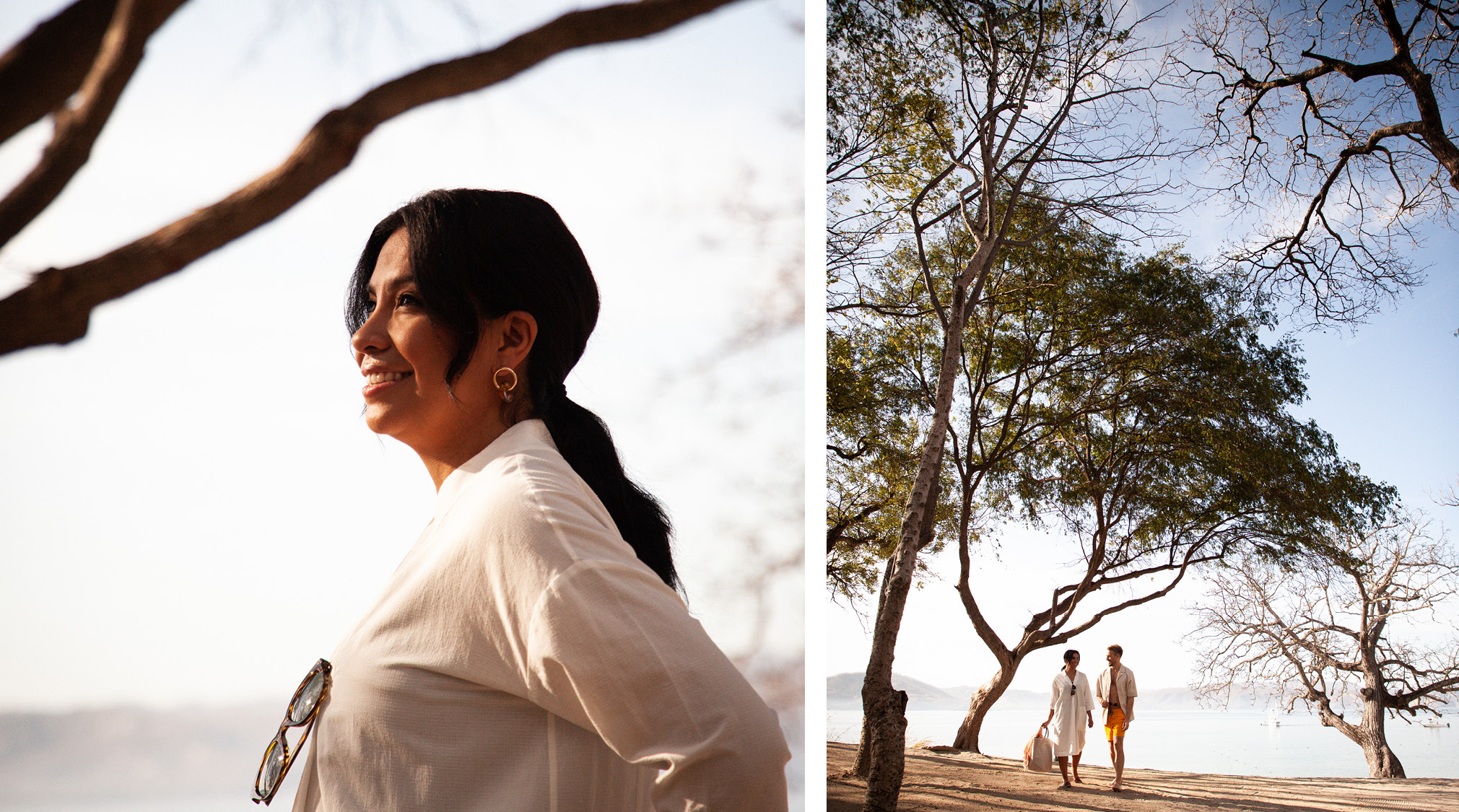
“Your body is always speaking to you,” says Georgina Miranda, social entrepreneur, coach, activist and mountaineer athlete. “The question is, are you going to listen to it?” She recently explored this question during a visit to Costa Rica with Patrick Janelle – the creative director and world traveller behind A Guy Named Patrick – to record a podcast on personal experiences and perspective on exploring the world through our senses.
Cos 1157 970x540

For Miranda, who is also an energy practitioner and yogi, tapping into her senses and using them to keep her attention on the present moment is a big part of her mindfulness practice and of the way she moves through the world. In 2008, she set out to accomplish the Explorer’s Grand Slam – climbing the highest peak on each continent and skiing the last degree to the North and South poles – to raise funds for two non-profits combating gender-based violence in the Democratic Republic of Congo. Only 15 women in the world have ever completed the challenge, and Miranda is well on her way to adding her name to that list.

She has six of the Grand Slam summits done, including Mount Everest, and 10-plus years of far-flung adventures under her belt. And as she meets the challenges one by one, she’s seeing the world – and her place in it – in a new light. “There’s a moment when travelling that you realize you will never be the same because of what you’ve experienced,” Miranda says. “You have felt, touched, tasted and been immersed in a new reality, and so now your own reality is different. I felt this when I reached the top of Everest, and I felt it eating my first gelato when I was 21 years old and in Rome.”


Feeling is Believing

As she forges deeper connections to the destinations she visits and the people she meets, Miranda has a new-found appreciation for the life-changing benefits of travel. “It’s been in the recent years that [I realized] my travelling has changed so much. I no longer want to see the world – I want to feel the world,” she says. “And that really shapes how I travel.”

Explore Costa Rica with Four Seasons

For most of us, the seeing part of travel is easy enough. But how does one actually go about feeling the world? “It’s utilizing all of your senses, but then also the energy of a space,” Miranda says.
Cos 1343 Waterfall Collage 970x540

It’s one thing to read about the biodiversity that exists on an island like Costa Rica and research the birds you’ll see, the animals you’ll encounter or even the average size of the swells you’ll surf. But it’s not until you’re walking among the towering trees on the Trail of Giants, looking up to see monkeys jump from branch to branch, or you’re sitting beneath a twinkling canopy of stars and sipping a Cabernet Sauvignon aged with a real meteor, that your recognition of the experience transforms it into something you understand not just with your mind and your senses, but with your entire being.

“My travels have helped me feel more connected and in touch with humanity and the earth,” Miranda says. “Time with pristine nature – no matter where I am in the world – and learning about new people is a gift. It offers a sense of renewal in my soul unlike anything else. It’s like coming home to a part of myself that was forgotten.”

The Power of the Present

Even if you don’t practice mindfulness, tapping into the feel and energy of the destination you’re in is something every traveller typically aims for. “I think one thing [you can do] is to just be fully present,” says Miranda, who is an energy practitioner and yogi. “If you’re travelling long distances, you get to a place and you might be so caught up in the excitement of the list of things you want to go see and do that you don’t give yourself the opportunity to actually just arrive and really be there.”

She suggests giving yourself 20 to 30 minutes upon arrival to be present in the moment. Don’t have anywhere to go or anything to do except observe. “It’s this art of being versus doing,” Miranda says. “And I think Western culture really encourages us to constantly be doing, but you miss out on so much magic.”
Georgina Miranda Yoga 1400x500

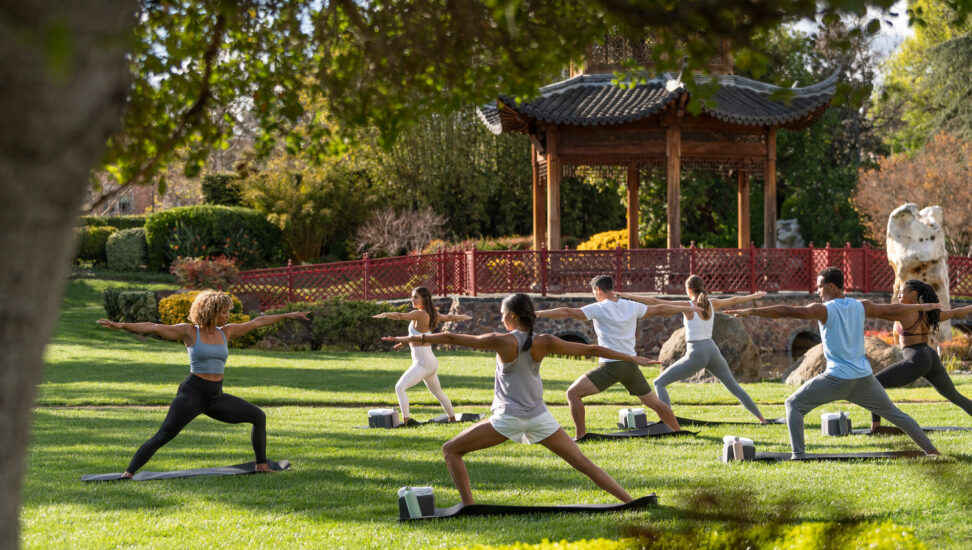
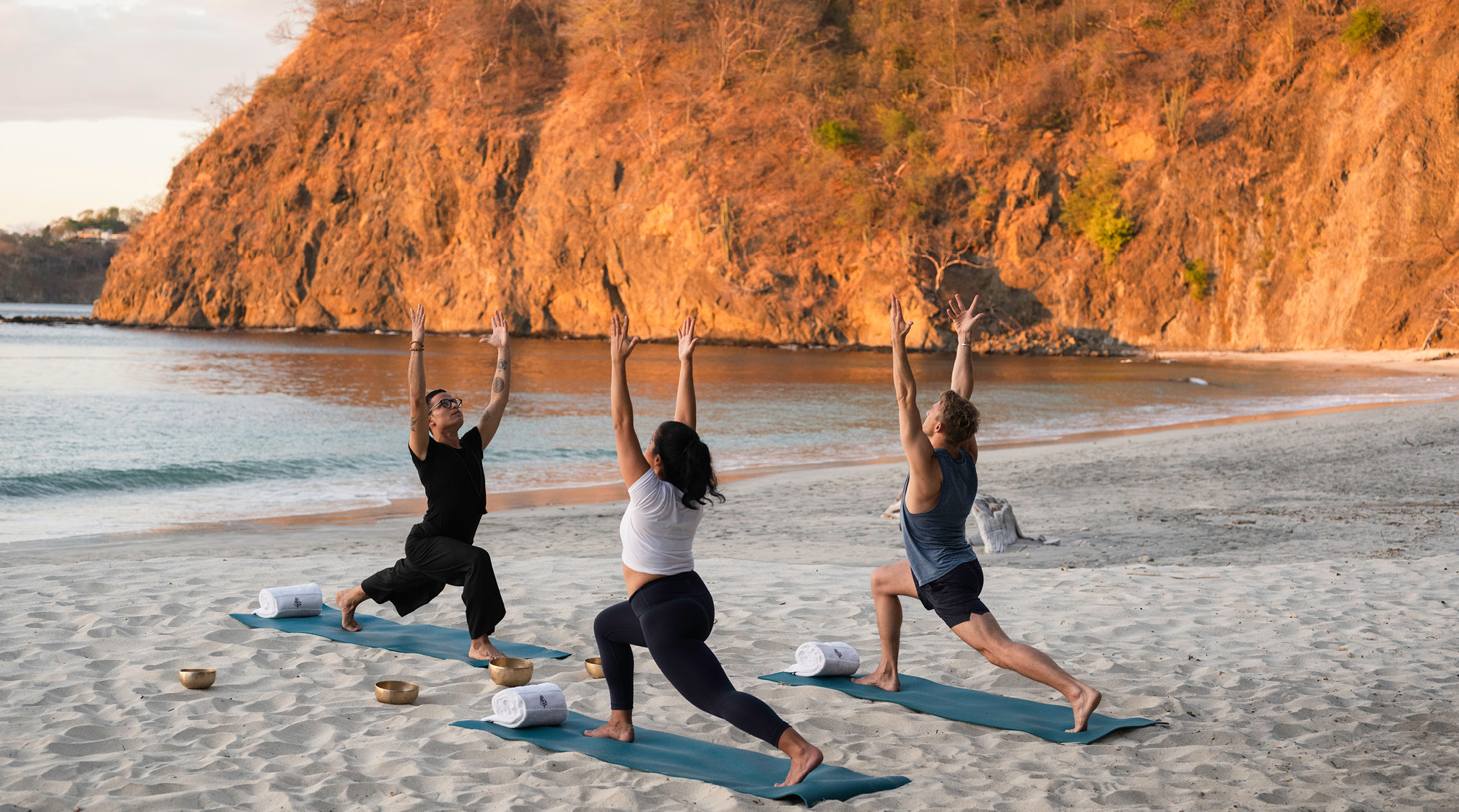
If you are having a hard time switching gears and tapping into the present, head to the Resort’s Spa. A yoga session, spa treatment or meditation class can help you find balance and set your intention for your stay. The Resort’s Wellness Concierge is on hand to design a custom plan with you to help your best self emerge – centring your breath, body and mind for balance in your life.

Explore the world with Four Seasons

Stepping out into nature, even for a few moments, can also do wonders: Float in the clear blue waters surrounding the Resort, dive under the waves on a snorkelling adventure, or set off with the Resort’s in-house adventure outfitter, Papagayo Explorers, for a guided trek to help you discover the peninsula through experiences with purpose.

“If you’re open enough, you can let a lot of wonderful things come into your life when you travel,” says Miranda. “It snaps you out of autopilot and it gives you the opportunity to wake up to yourself again.”
Georgina Miranda 970x540

Stepping Into the Flow

When we can live with intention and travel with intention, it’s all the easier to experience that magic that Miranda talks about. We can choose a purpose for a trip – to get a break from work, recharge or strengthen bonds with loved ones – but she cautions travellers not to get too caught up in ticking boxes and checking off items on to-do lists.

“I think every experience can be abundant. And somehow, you’re limiting that abundance with a list,” she says. She knows first-hand the feeling of disappointment that comes with not being able to do every single thing she had planned for a trip, and how it can get in the way of focusing on the beautiful things she did do and the people she connected with along the way.

The unofficial motto you’ll hear almost everywhere you go in Costa Rica is “pura vida.” The literal translation into English is “pure life,” but in reality it’s much more than that. It’s an attitude, a way to approach life that says “it’s all good,” both when things are going your way and when they’re not – especially then. It’s an outlook that perfectly lends itself to staying present and being open to new connections and discoveries – and the benefits that life has to offer right here, right now.
Georgina Miranda V2 970x540

Having travelled so much over the years, Miranda has a motto, too. “It came to me around 25, I think, and it’s really shaped everything,” she says. “The extraordinary is always possible. Never limit yourself or life’s potential.” And the extraordinary, she notes, is not someone else’s extraordinary. It’s yours. It’s whatever that means to you.

Whether you’re climbing real mountains or figurative ones, the world is filled with endless possibilities for connection. Stay present and you’ll feel it.

RECONNECT THROUGH LIFE-CHANGING TRAVEL

Your journey begins here
Hotel on beach

Reconnect With the World: How Travel
Can Free Your Creativity

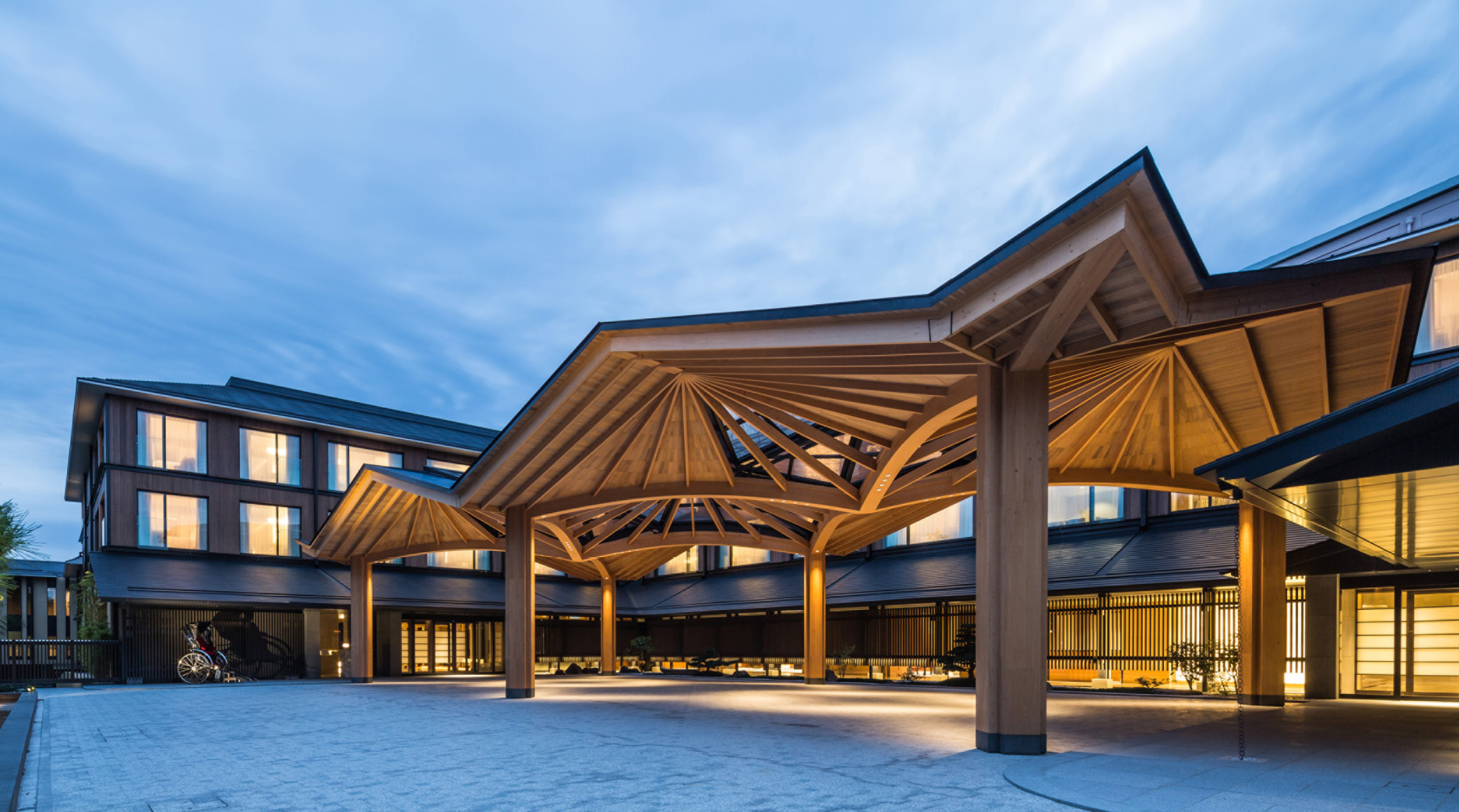
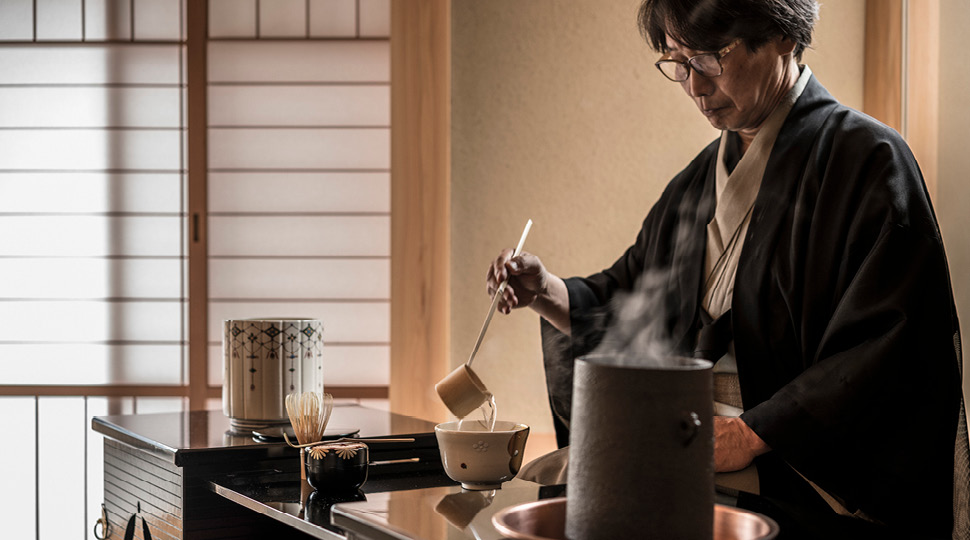
When you sit down for a tea ceremony at Four Seasons Hotel Kyoto, you’re bound to hear the Japanese saying ichi-go ichi-e (literally, “one time, one meeting”). It’s a gentle reminder that every single moment – no matter how small – is a unique opportunity, never to be repeated.

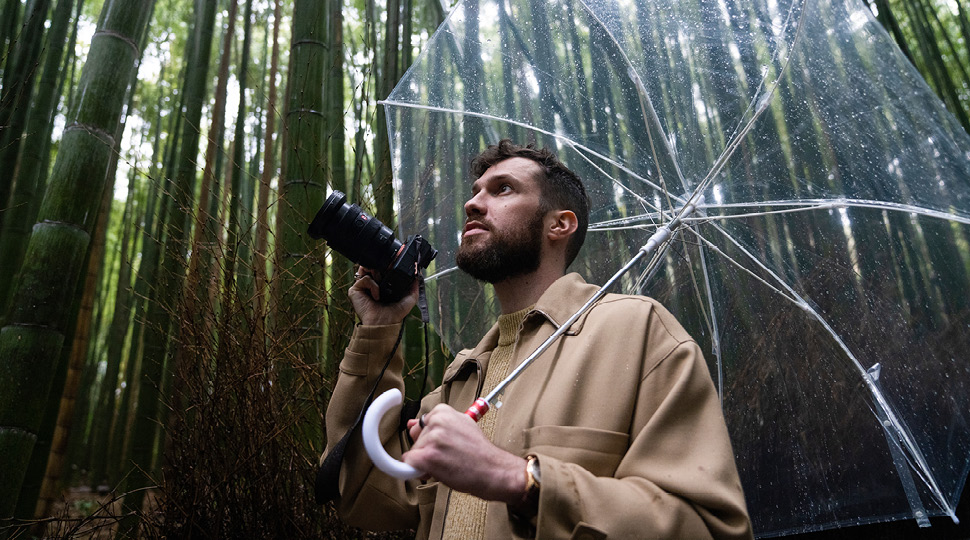
For photographer and creative director Dave Krugman, noticing and capturing those moments, like his bamboo forest image above, is a way of life.


“One of the reasons I love to make photographs is because I find memory to be a very fleeting thing,” says Krugman. “For me, a photograph is a stimulus for a cascade of memories. And every time I look at a photo I’ve taken, it takes me back to that moment and the feelings I was having and the people I met and the environment I was in. That’s why photography is such an important part of my life.”

Kyo 319 970x540

In Kyoto, Four Seasons helped introduce Krugman to a variety of new people, environments and experiences: A Hotel guide led him on a tour of a 1,000-year-old bamboo forest, and the Concierge arranged a visit to a local lantern workshop, where artisan lantern masters taught him how to carefully layer thin sheets of paper over a frame to build his own mini lantern. Krugman also sat down at Four Seasons Hotel Kyoto with Poppy Jamie – an author, entrepreneur, and founder of mindfulness app Happy Not Perfect – to record a podcast sharing more about his personal journey and perspective on how travel is essential to a creative life.

“I’ve learned that everything we look at, there’s a craftsman behind it,” he said.

Known for his moody yet vibrant cityscapes and street photography, Krugman cites travel as one of the biggest influences on not only his art, but on his relationship with the world around him. “There is nothing more inspiring and invigorating than travel,” he says. “It always shows me that the world is so much larger than we imagine, so much more diverse. Witnessing this complexity and the vastness of the world is a humbling feeling, and it inspires me. Photography allows me to connect more deeply with all I see and all I experience.”

In Kyoto – and when travelling with Four Seasons – the opportunities for connection are seemingly endless.

A man holds a clear umbrella and a camera while standing in a bamboo forest

Discover experiences that bring history to life

With ancient architectural masterpieces around every corner, family-owned shops selling handmade creations that have been made the same way for centuries, and a culinary scene featuring everything from Michelin-starred restaurants to chic craft cocktail bars and unassuming noodle joints serving up delightfully slurpable bowls of ramen, Kyoto is a city of artisans.

Explore Kyoto with Four Seasons

“I love the attention to detail in Japan,” Krugman says. “I feel like everything has its place and its ritual and its reason. As somebody who is such a visual person, it’s a real treat to experience that.”

Kyo 150 970x540

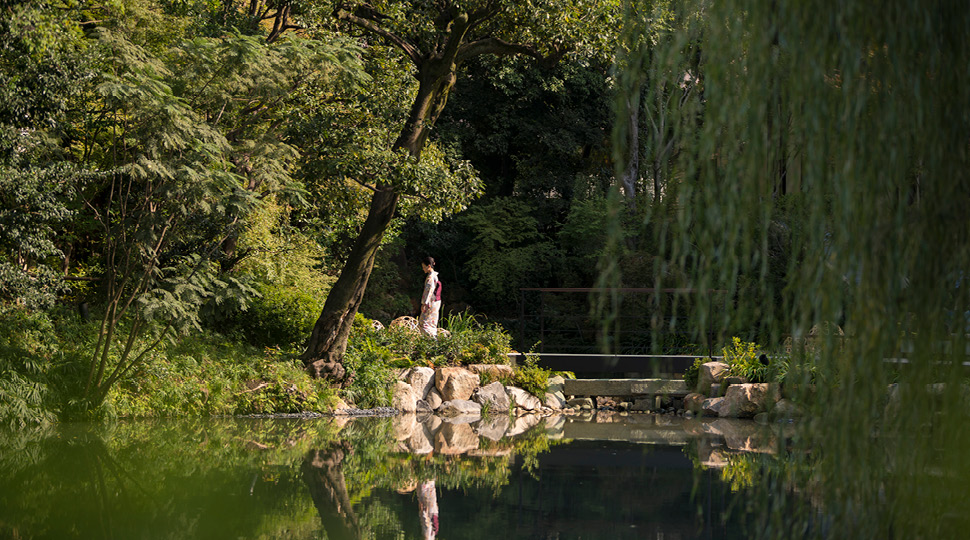
The atmosphere at Four Seasons Hotel Kyoto is no different. Set around the 800-year-old Shakusui-en pond garden – itself immortalized in a 12th-century epic poem – every setting is created with care and intention. There is beauty and meaning in everything. All you have to do is be willing to connect with it.

“Being a photographer and traveller has absolutely shifted my perspective,” Krugman says. “If I’m in a place I’ve never been before, every single thing I see provides an incredible education about the area I’m in.”

Try activities outside your comfort zone

After travelling the world twice over, Krugman can attest to one of the most essential components of a successful trip, no matter the destination: Keeping an open mind.

“I try to leave a lot of breathing room for spontaneity and serendipity, because my favourite moments are when something happens, the path kind of diverges, and I’m exposed to this thing that I couldn’t have planned even if I wanted to,” he says.

This doesn’t just apply to travel, but to the creative process – and to some of the most worthwhile experiences. “The best experiences in my life have been things that are just outside my comfort zone,” says Krugman.

Kyo Dave Krugman Collage Kyoto 970x540

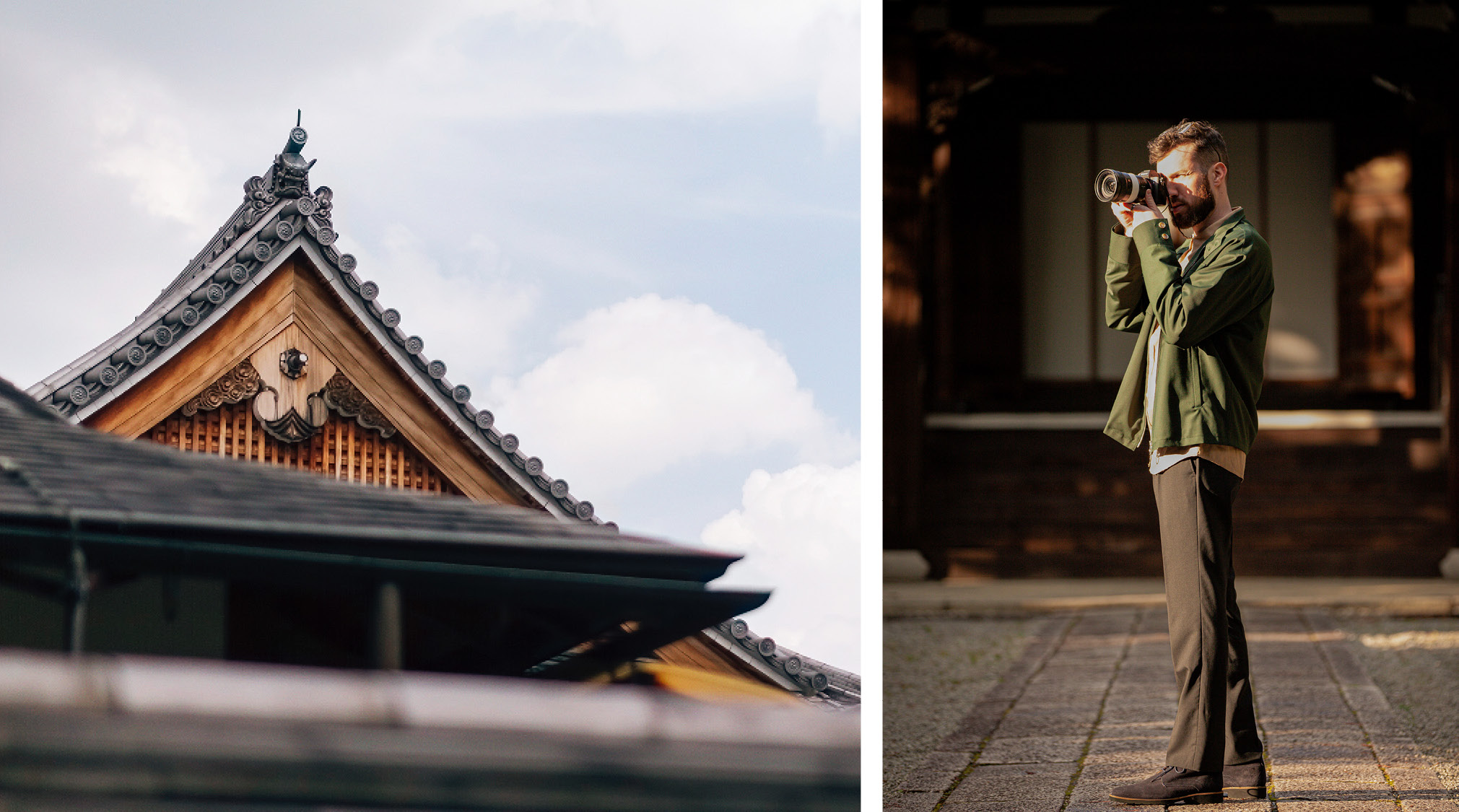
In Kyoto, that could mean immersing yourself in the world of geiko and maiko – kimono-clad entertainers who perform traditional song and dance – at an ozashiki asobi dinner in the Gion geisha district. Learn the art of Zen meditation from the deputy head monk of Shoden-Eigen-in. Or head to Kibune train station for a walk along the river, passing crimson torii gates and fragrant cedar trees on your way to Kurama Temple for a traditional onsen bath. Being open to adventure can help you discover the city’s secrets.

Explore the world with Four Seasons

“My travel philosophy is to go into every situation with an open mind and a big smile,” Krugman says. “That attitude can open up so many doors for you.”

Uncover a new perspective on everyday life

For Krugman and for many of us, travel is much more than just a vacation. It offers a chance to connect with the world around us and discover new ways of doing things. Simply being somewhere new invites us to look at things differently, even something we do all the time – like sipping tea.

Kyo 176 970x540

Discover centuries of tradition and spiritual beauty at a Tea Master Ceremony in the Hotel’s Shakusui-tei – the intimate Tea Ceremony Room. A local tea master will teach you the history of the brew and the Japanese rituals for steeping, pouring and savouring the perfect cup – a flavourful taste of local customs.

“There is no better education than travel, because you’re exposed to so many new ideas, ideas you never even knew existed,” Krugman says. “And when you can incorporate that into your day-to-day life, you just grow with every new experience.”

RECONNECT THROUGH LIFE-CHANGING TRAVEL

Your journey begins here
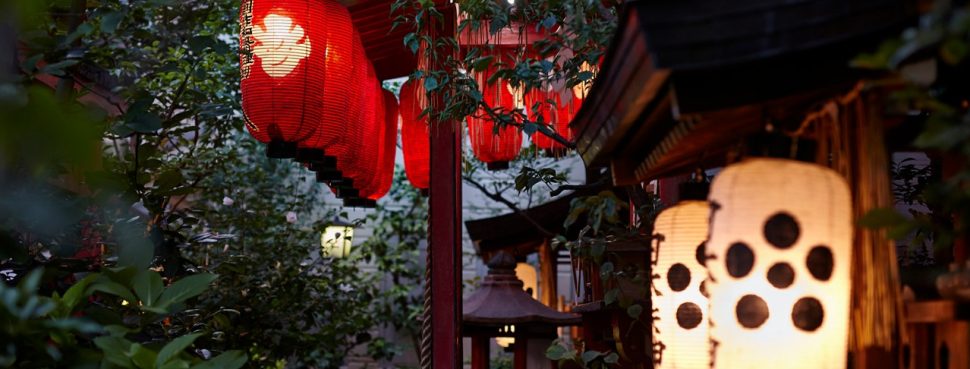
Kyoto lanterns

Why More Travellers Are Embracing
the Joy of Missing Out

The 16th-century castle town of Kanazawa was supposed to be a gem. As soon as my train from Tokyo glided into the station, I dashed to Kenroku-en, touted as one of Japan’s three most beautiful gardens, to photograph the winding streams and immaculately manicured pine trees.

Then off I sped to the samurai quarter of Nagamachi, with its clay walls and mysterious courtyards. The 18th-century Omi-cho market brimmed with the latest colourful catch from the Sea of Japan, as well as diners queuing up for kaisen don, a bowl of rice brimming with fresh sashimi and fish eggs.


Jomo Kanazawa City

Kanazawa’s attractions include the famous garden Kenroku-en and the samurai district Nagamachi.

But how could I waste time waiting in line when I had to run to a suburb to watch artisans hammer out decorative gold leaf, the city’s claim to fame? There was so much to see.

I was overwhelmed.

Travel used to be my panacea for boredom, sadness or whatever ailed me. Each trip left me inspired and invigorated. But lately I was finding myself anxious on the road (“Will I see everything I should?”) and regretful after trips (“What did I miss?”). I was having a traveller’s version of this millennium’s epidemic, FOMO: fear of missing out.

Each of us has only so many days on this planet. Can we really blame ourselves for wanting to do as much as we can manage?

In the journal Computers in Human Behavior, University of Oxford behavioural scientist Andrew Przybylski blames social media for the “pervasive apprehension that others might be having rewarding experiences from which one is absent.” Stunning shots of, say, wild elephants in Thailand on your friend’s Instagram feed can jolt you with wanderlust, and the double-edged sword of social media means you, in turn, can be the envy of that friend when you post about a Golden Triangle cave he missed.

How could I have fallen so low? I remembered the time I found myself in a bar with final-year MBA students who were trying to impress one another. “You haven’t experienced Machu Picchu unless you’ve walked the whole Inca Trail,” said one, to which another responded, “Well, you really haven’t hiked until you’ve done Kili.” Then another, for the win: “I’m planning to do Everest before graduation.”

Longline1

5 EXPERIENCES WORTH TAKING YOUR TIME FOR

No matter where you are around the globe, you can find a moment to immerse yourself in your surroundings and arouse your senses with Daily Discoveries by Four Seasons.

Odysseus didn’t do Thrinacia any more than Charles Darwin did the Galápagos. And I bet you never would have caught Jack Kerouac, martini in hand, starting a story with “When I did Mexico City . . .”

Completing a number of tasks, no matter how rarefied or Herculean, doesn’t entitle us to stake a claim with such finality. Yet people do it all the time because of a sense of urgency. The real race isn’t against other travellers; it’s against the clock. We’re lucky to live in an era when a jet can whisk us from a coffee farm in Kona to the splendour of Istanbul’s Hagia Sophia. We can swim with manta rays in the Maldives, then catch a show in London’s West End later that weekend. Each of us has only so many days on this planet. Can we really blame ourselves for wanting to see, touch, taste and do as much as we can manage?

I knew I would get no Facebook likes, but this moment of beauty reminded me why I keep hitting the road.

No wonder the idea of a bucket list caught on like wildfire and travellers began compiling their own 1,000 places to see. The trouble is, there’s something about lists that can turn the most exciting adventure into a chore. That’s where I went wrong in Japan. With my overeager plan, I ended up reducing a vibrant, endlessly discoverable place into a soulless to-do list.

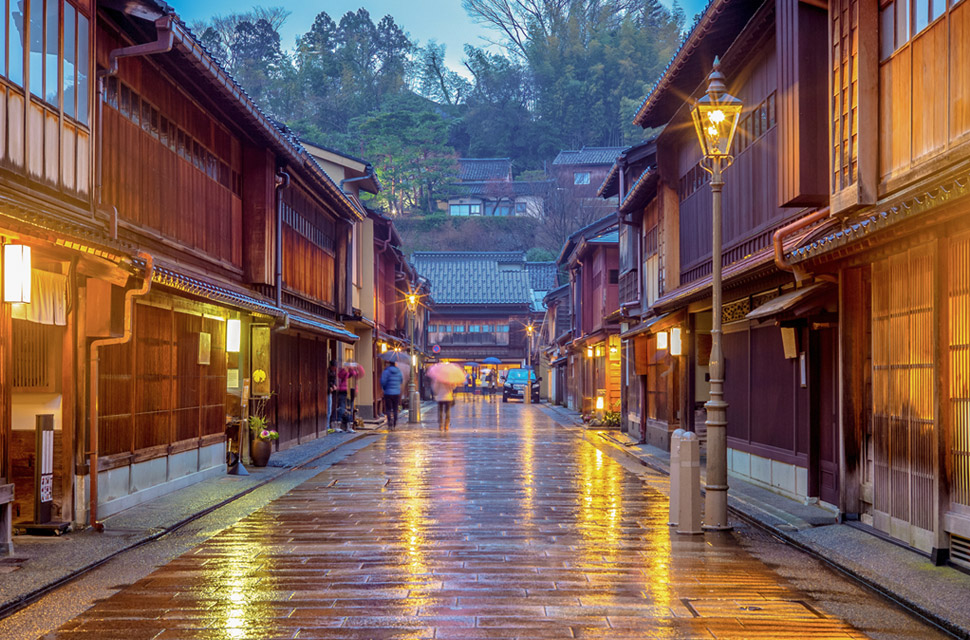
Luckily, I found my salvation there as well. While I was scurrying from Kanazawa’s modern art museum to the geisha district of Higashi Chaya, a sudden rainstorm forced me to take refuge. Without an umbrella, I huddled under a stone arch. The small shrine it marked wasn’t on my map, and there was no signage to tell me the name. I watched the temple’s red flags flutter as a small fountain murmured its story. Pine needles collected raindrops, each watery pearl a universe unto itself.

I knew I would get no bragging rights or Facebook likes, but this moment of calm, unanticipated beauty reminded me why I’m compelled to keep hitting the road. The rain eventually stopped, leaving the air full of sweet petrichor. I would miss my next appointment. I wasn’t in a hurry.

Jomo Higashi Chaya Old District

A rainstorm in Higashi Chaya district inspired the author’s new approach to travel.

Your Journey Begins Here

Where will you take your time next?

The 7 Most Instagrammable Four Seasons Desserts

Who says dessert has to wait until after dinner? You may find sumptuous confections from Four Seasons pastry chefs hard to postpone. From architectural hot chocolate to a tarte au framboise worthy of its own Pantone colour, these courses are ready for their close-up.


View this post on Instagram


A post shared by Arif Budi Soesanto (@arif_b_s)

Montblanc in Jakarta

At Four Seasons Hotel Jakarta’s chic La Patisserie, you can be a kid in a debonair candy store. The boutique’s gold-leaf ceiling, robin’s-egg blue walls and sparkling chandelier set the stage for Executive Pastry Chef Lorenzo Sollecito’s exquisite sweets. In his artful Montblanc, smooth chestnut crèmoux and a Chantilly of mascarpone and Madagascar vanilla rest on a crunchy alpen butter cookie. Sink into the settee and prepare to evoke Instagram envy. It’s almost too pretty to eat.

Four Seasons Hotel Jakarta


View this post on Instagram


A post shared by @thefoodiefork

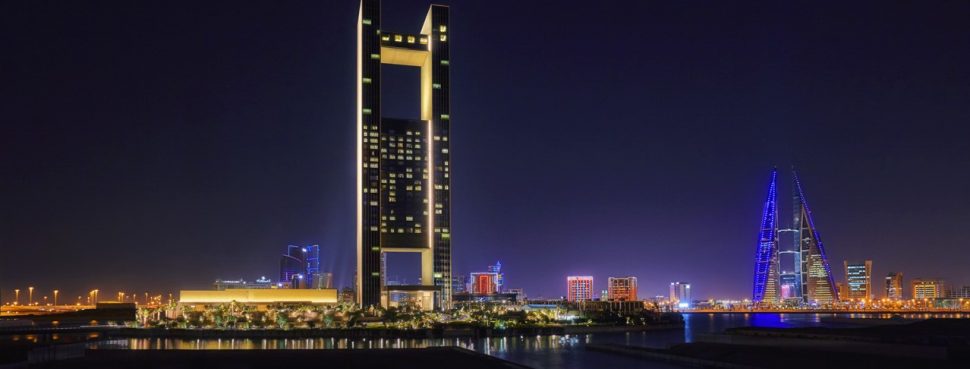
Molten Cake in Bahrain Bay

Executive Pastry Chef Imad Boukli’s version of the Jean-Georges classic is a decadent mixture of crisp and smooth – 70 percent dark-chocolate cake with a liquid centre, paired with homemade vanilla ice cream and spritzed with a fragrant coffee foam. “I love watching our guests’ reactions once they break the crust of the cake and the warm chocolate melts its way through the frosty vanilla scoop,” Boukli says. “It’s a decadent, hot-icy experience for all dessert lovers.”

Four Seasons Hotel Bahrain Bay


View this post on Instagram


A post shared by Moliere_Group (@moliere_group)

Deconstructed Carrot Cake Macaron in Washington, DC

Pastry Chef Moliere Patrice’s comfort-food take on the French macaron is served alongside deconstructed versions of two other iconic American desserts – a s’more and a pecan tart – during the Seasons Sunday Brunch at Four Seasons Hotel Washington, DC.

Patrice sources almond flour from his hometown – Brooklyn – for the macaron, and rich, sweetened cream cheese replaces the customary ganache filling. The delicate beauty is finished with carrot cake crumbs and a dusting of cinnamon. “Between Seasons Restaurant, in-room dining, private events and more, our pastry team has to find inspiration for hundreds of different desserts each month,” says Executive Chef Andrew Court. “They’re all fantastic, but I think the most successful creations are influenced by some type of special connection, whether that be a hometown ingredient, a take on a classic recipe or, in this case, both. It’s amazing to see their creativity come to life.”

Four Seasons Hotel Washington, DC

Le Baba au Rhum Mojito, Trilogie de Chocolat and La Framboise in Hong Kong

French techniques flourish along with two Michelin stars at Four Seasons Hotel Hong Kong restaurant Caprice. By bestowing on le baba au rhum the flavours of mint and lime, pastry chef Nicolas Lambert gives it a Cuban kick. The elegant trilogie de chocolat combines the caramel crunch of feuillantine with milky Valrhona Chantilly and white chocolate namelaka, a Japanese ganache whose name translates to “creamy texture.” Lambert’s framboise is a study in subtlety that celebrates the marriage of raspberry and lemon. “Pastry is pleasure for the palate,” Lambert says. “I associate flavour with texture, and I like to play with three or four textures at a time. Once I have the textures and the flavour right, I think about presentation. For me, the most important part of pastry is that it’s tasty – or gourmand, as we say in France.”

Four Seasons Hotel Hong Kong


View this post on Instagram


A post shared by Siham Ell (@licornesiham)

Tarte au Framboise in Casablanca

Executive Pastry Chef Thierry Mette’s raspberry tart is sensory delight of multiple dimensions. Sweet dough filled with almond cream is topped with vanilla Chantilly, then bejewelled with a tower of fresh raspberries and a dusting of icing sugar. “It’s an iconic dessert that represents the best in French pastry techniques delivered in its simplest form,” says Mette, a 28-year Four Seasons veteran from Brittany, France. And it’s just as easy on the palate as it is on the eyes.

Four Seasons Hotel Casablanca

Haute Chocolate in Vail

A pièce de résistance for après-ski since the Resort’s opening in 2010, this architectural beverage turns heads when it’s served tableside at Four Seasons Resort and Residences Vail’s Remedy Bar. An attentive server delivers a mug topped with a homemade marshmallow on a chocolate lattice, and then carefully pours steaming hot Valrhona chocolate and steamed milk from a traditional French pot. The finishing touch? Chocolate shavings and a dollop of whipped cream. “When we first started serving it, we actually had the marshmallow inside the mug,” says Executive Pastry Chef Andrew Schweska. “But soon we realized our guests wanted something more experiential, so we put the marshmallow atop the lattice, providing the ultimate hot chocolate experience.”

Four Seasons Resort and Residences Vail

YOUR JOURNEY BEGINS HERE

Where will you indulge your senses?

City at night

Why Every Foodie Should Have Morocco on Their List

Morocco has one of the world’s most diverse cuisines, counting Berber, Arab, French, Spanish and Portuguese cultures among its influences. And with borders reaching both the Atlantic Ocean and the Mediterranean Sea, it has a bounty not only of seafood, but also of the fruits and vegetables that thrive in a Mediterranean climate.

However, it’s the sweet and savoury spice combinations, layering of flavours and cooking methods that set the food here apart. From the coast of Casablanca to the mountainous desert of Marrakech, we combed the country to locate the tastes you shouldn’t go home without trying.


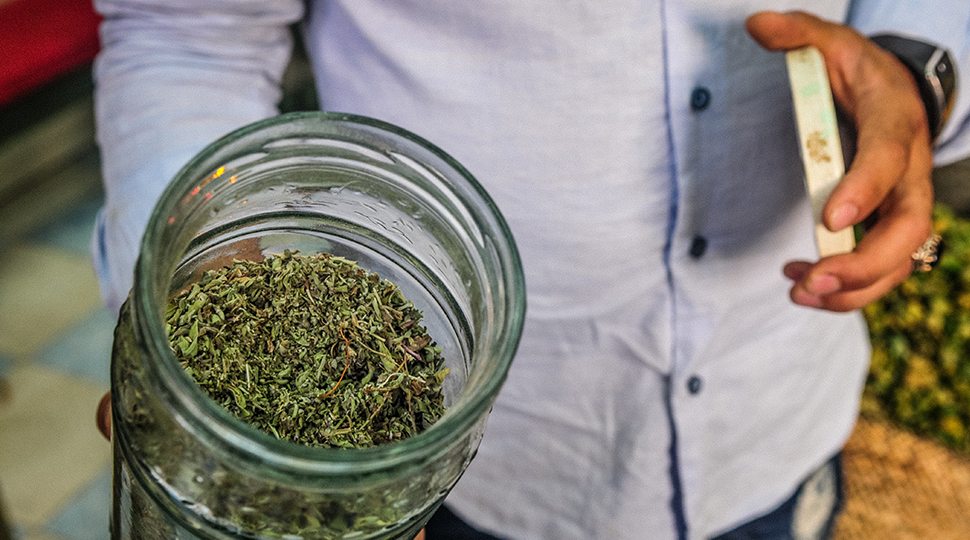
Spices in a jar

SPICES

A few select spices are key to authentic Moroccan cuisine, according to Tarik Harabida, a Moroccan-born chef who conducts food tours and cooking classes in Marrakech. “Cinnamon, cumin, sweet paprika, turmeric and ginger can be found in any Moroccan home,” he says. These are the building blocks of the Moroccan flavour profile, along with ras el hanout. Oddly enough for a fundamental element, ras el hanout is a mixture of spices with no prescribed ingredients or amounts, though cardamom, nutmeg, cumin, anise, mace (nutmeg’s cousin), cinnamon, clove, ginger, turmeric and assorted peppers are usually present. “It’s a typical mix – what we use in tagines, couscous, lamb, everything,” Harabida says. Even with all these flavours, Moroccan cuisine is generally mild, but a heavy dose of harissa, a spicy paste of red chillies, coriander, cumin and garlic, will heat things up.


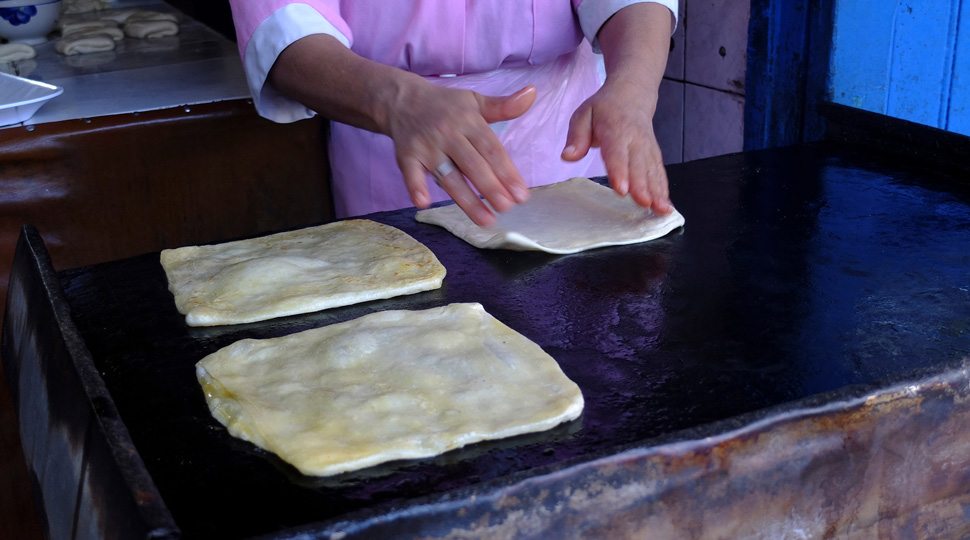
Bread on the griddle

BREADS

Called khobz in Arabic, bread is served at every meal. Batbout, similar to a pita, may be stuffed with sweet or savoury fillings. Its cousin baghrir is like an American pancake, while msemen most resembles a French crêpe – the flattened dough folded into a square, then lightly fried in a pan. Either may appear at breakfast or at teatime, with honey or fruit jams. With the texture of cornbread, harcha is another breakfast standard, made from pan-fried semolina grits. And, given the past French influence, don’t be surprised to see bakeries offering flaky croissants aux amandes, pain au chocolat and chaussons aux pommes.


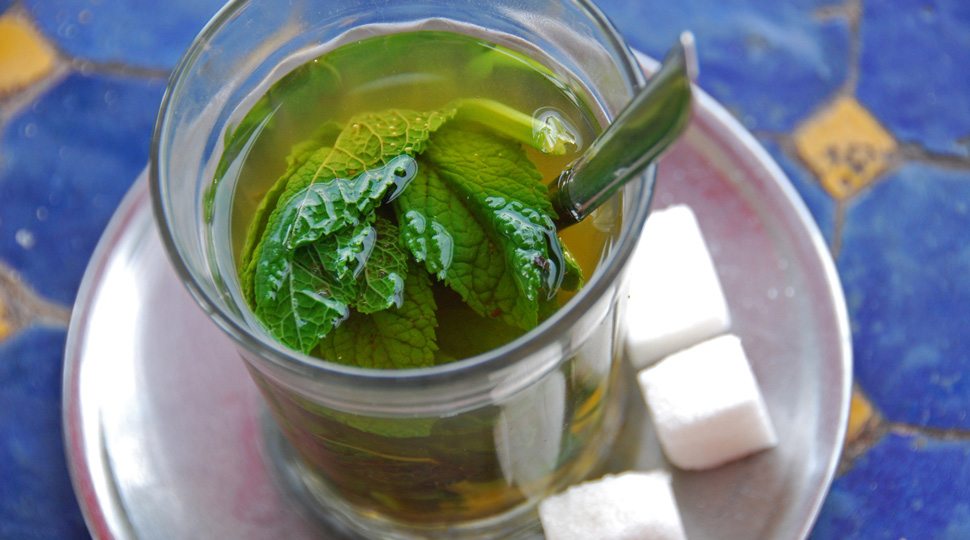
Mug of mint tea

MINT TEA

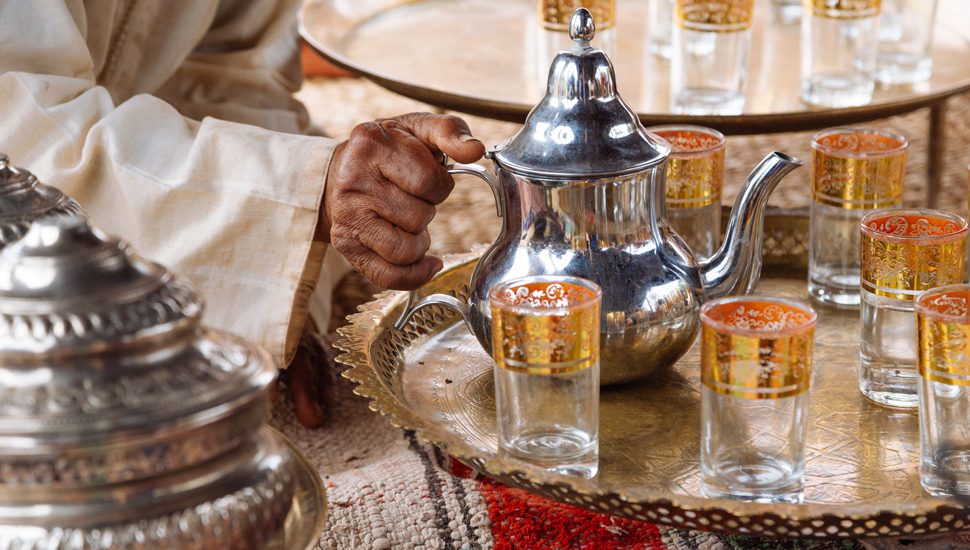
Whether at breakfast, lunch, dinner or any point in between, it’s always teatime in Morocco. Mint tea symbolizes Moroccan hospitality: Chinese gunpowder green tea, fresh spearmint leaves and plenty of sugar. It’s poured from a height of at least 30 centimetres (12 inches) to create a frothy head. For an elevated take on the local ritual, reserve a table at Mint in Four Seasons Hotel Casablanca on a weekend afternoon. To accompany fine loose-leaf varieties from Maison Wright Tea, a Moroccan family business, a buffet of traditional Moroccan sweets sits alongside French pastries created by Executive Pastry Chef Thierry Metee.

Four Seasons Hotel Casablanca


Handful of fruits and nuts

FRUITS AND NUTS

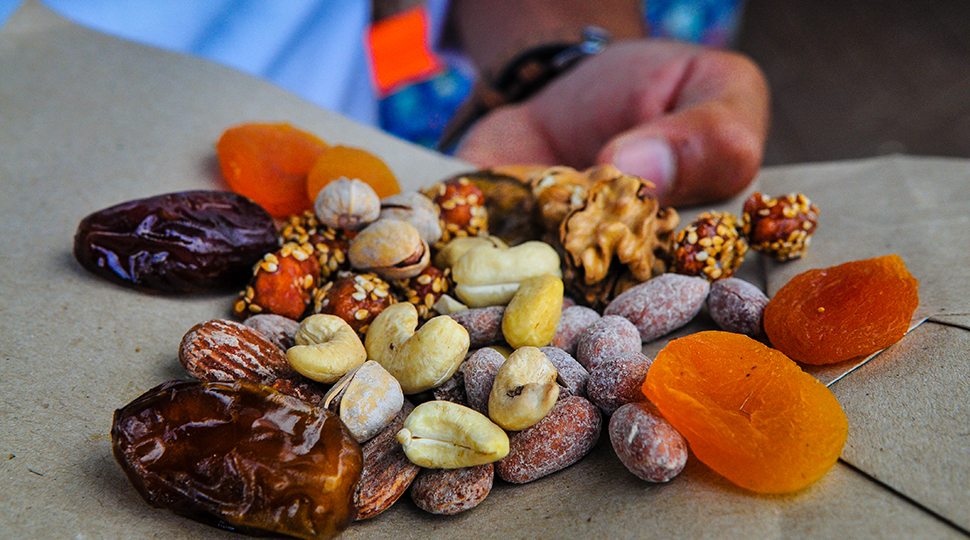
Visit any souk in Morocco and you’re bound to see countless stalls overflowing with fruits and nuts. Freshly squeezed juices, especially orange, are popular, and so are dates, traditionally used to break the Ramadan fast – Morocco boasts more than 100 types. You’ll also find almonds, walnuts, pistachios and pine nuts roasted and salted, dipped in honey and rolled in sesame seeds, or stuffed into dates.


A tagine

TAGINE

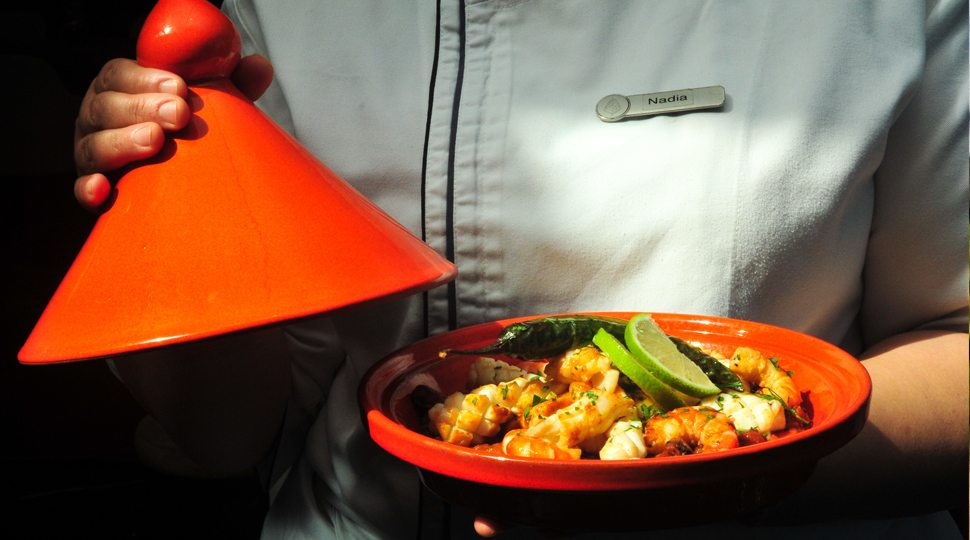
Many popular tagines – whether the word refers to the shallow dish with its conical lid or the food cooked in it – contain lamb, chicken and vegetables as their main ingredients. At Four Seasons Hotel Casablanca, however, Chef Nadia Chahid creates her signature tagine with seafood from Morocco’s Atlantic waters. Green peas, carrots, tomatoes, garlic, paprika, cumin, harissa, lemon juice and coriander simmer inside the vessel before she tops them with grilled squid, prawns, mussels, fish and a hot pepper. In the morning, the hard-working earthenware tagine slowly cooks eggs, tomatoes, onion, peppers and spices such as paprika and cumin for a kind of Moroccan shakshouka.


Freshly shucked oyster

MEATS AND FISH

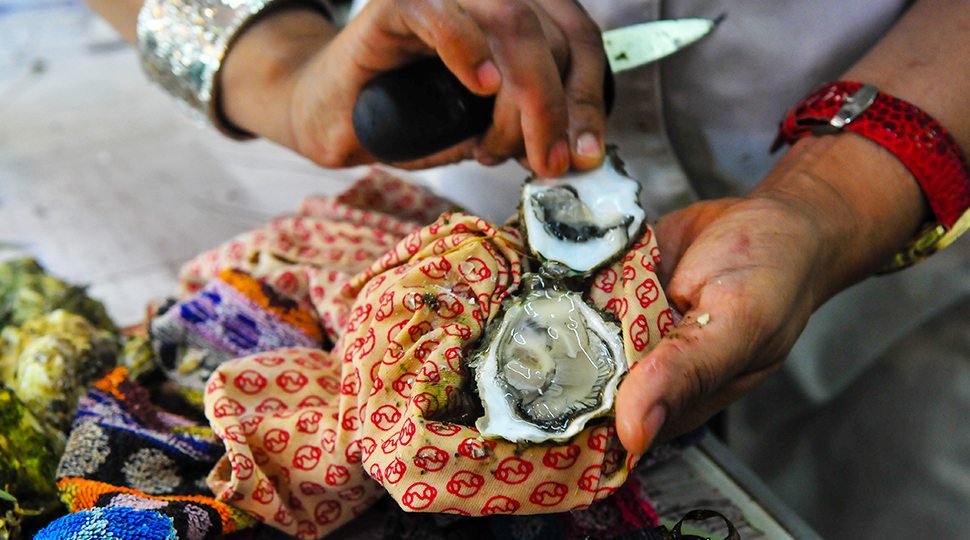
Whole roasted lamb, or mechoui, cooks in pits in Marrakech’s medina, but Executive Chef Guillaume Blanchard of Four Seasons Casablanca has other quarry in mind. “Being at the doorstep of the Atlantic, we’re lucky to have a great variety of fresh fish,” Blanchard says. “Nothing gives me greater joy than a morning meeting with my favourite fisherman, Khalil, to handpick his best catch of the day.”

Kefta, made from ground beef or lamb, turns up on skewers, as the meatballs in a tagine, or in hamburger-type patties. And then there are the snails – small and white, unlike the French escargot. They’re cooked in broth, ladled into a bowl and eaten with a toothpick.


Display of pastries

PASTRIES

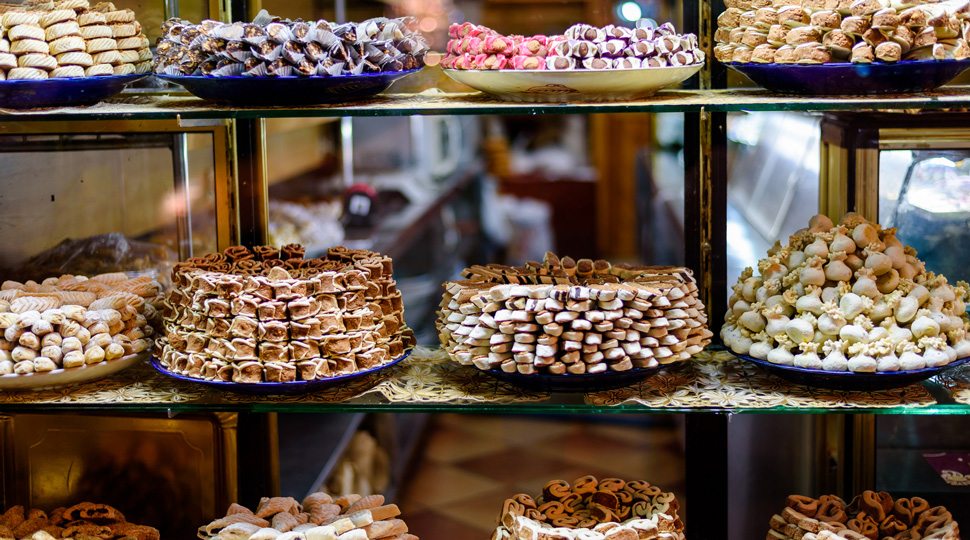
Along with mint tea, it’s customary to have plenty of Moroccan pastries on hand in case unexpected guests arrive. Sweets in Morocco are typically dense and made using almonds, orange blossom and rose waters, honey and sesame seeds. In the Habous quarter of Casablanca, Pâtisserie Bennis has been making Moroccan treats by hand for three generations. On any given day, there are at least 35 types of delectables to choose from, including ghoribas (cookies), akda aux amande (almond macaroons), almond briouats (puff pastry) and cornes el ghazal, filled with ground almonds, orange blossom water and cinnamon. In the Marrakech Medina, sample a seemingly endless selection from vendors, particularly the honey-soaked chebakia.

Your Journey Begins Here

Where will your next culinary adventure take you?

Explore