Athens Now

Nowhere do I feel more inspired and energized than in the great city of Athens. As an Australian of Greek descent, I’ve been coming here my whole life. I’ve always had a strong spiritual connection to Greece, but it was a visit to Athens five years ago, when I was living between Limassol and Detroit, that really drew me in. I moved to London, and my frequent visits to Athens soon became extended stays.

And then more: Drawn by the ubiquitous signs of a cultural revival, I’ve been living and breathing Athens for three years now. New residential developments, marinas full of super-yachts and increased flights into the Greek capital are clear signs of an upswing – but the real foundation of this evolution is the people of Athens themselves.

“The energy of the mind,” Aristotle said, “is the essence of life.” As I’ve been eagerly observing the progress and transformation of this vibrant metropolis, its citizens have never looked more ambitious. They’ve reimagined their city beyond its ruins and ancient history, and it’s time for the rest of the world to get acquainted with the modern side of Athens.
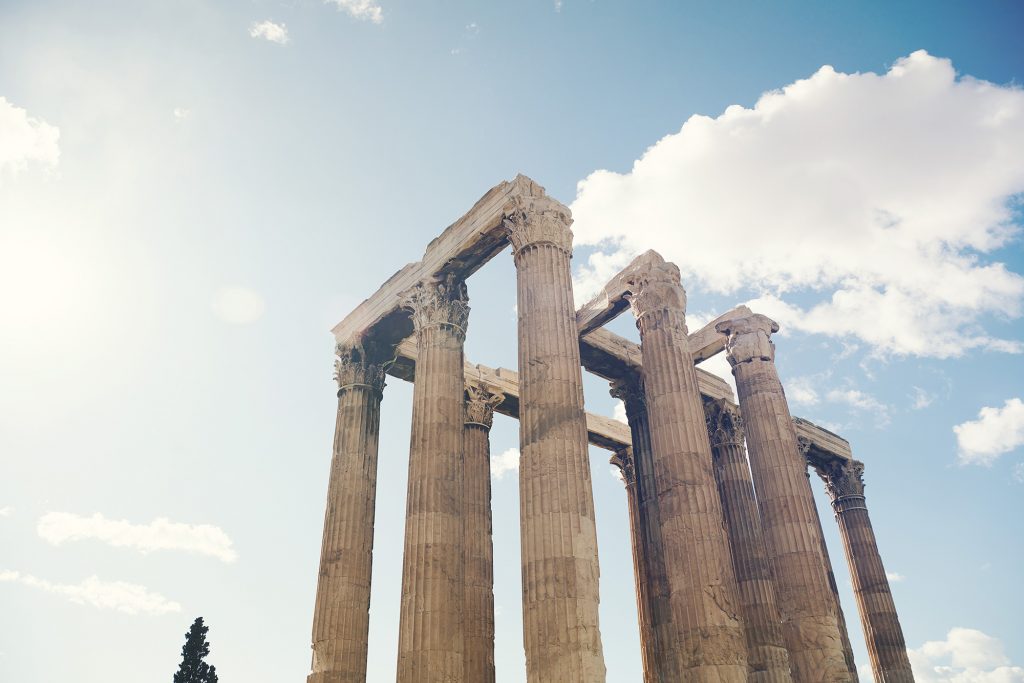

Temple of Olympian Zeus

The Temple of Olympian Zeus

GREEK REVIVAL

The eclectic and dynamic nature of today’s Athens stretches from the city centre to its sun-kissed coastline and Blue Flag beaches – a designation indicating the city’s commitment to people and the environment. First-time visitors will rush to the Parthenon, and so they should. The sacred temple within the ancient citadel of the Acropolis has defined Athens for thousands of years; it stands over the birthplace of much of Western philosophy.

Even though I’ve been coming to Greece all my life and now call it home, I still climb the Acropolis regularly and leave filled with wonder and pride. I’ve looked out on Athens from the belvedere platform countless times. From this perch, the conspicuous charms of the city present themselves – old and new worlds woven together by majestic avenues and the legacies of people who, through the ages, have left their stamp on this spectacular view. I look over to the colossal columns of the Temple of Olympian Zeus, completed by Roman emperor Hadrian in the second century AD, to the Hellenic Parliament, built less than 200 years ago when Greece won its independence and Athens became the capital. The building, a symbol of modern Athens and new beginnings, overlooks Syntagma Square, where politics and progress meet.

The labyrinthine streets around the Acropolis are evidence of the city’s new state of mind. In the lively hub of Psyri, colourful street murals and hip stores selling vintage records or handmade Greek sandals intermingle with new outlets such as a luxurious hammam that speaks to Athens’ Ottoman past.


Syntagma Square in Athens

Syntagma Square

In Syntagma, between the embassies and privately run museums housed in neoclassical mansions, a grid of hidden lanes and back streets is home to a wealth of specialty stores and a dynamic food-and-drink scene where traditional and contemporary ideals coexist. Mornings on Voulis Street see queues of people at Ariston bakery waiting to buy hot kourou pies – delectable, half-moon-shaped pastries filled with feta – a local favourite since 1910.

Later, over at Sushimou, people without reservations are turned away from the 12-seat restaurant run by Greek sushi master Antonis Drakoularakos, recently listed among the top 100 chefs in the world. When the former physicist decided to change course, his love of food took him to Japan. He returned with the skills of a true itamae (trained head sushi chef), reworking Greek fish recipes into Japanese masterpieces and fusion dishes that change according to the day’s fresh catch.


Heteroclito wine bar

Heteroclito wine bar

Heteroclito, just off the iconic Mitropoleos – the street named after Athens’ largest church and its centre for orthodoxy – is one of the city’s thriving wine bars offering native varieties like Malagousia or Savatiano, little known outside Greece but delicious enough to propel you to the nearby wineries for a visit. Kolokotroni Street rules the after-dark scene, with the best and buzziest bars serving up signature cocktails.


National Museum of Contemporary Art in Athens

National Museum of Contemporary Art

SENSING CHANGE

Walking around the city, especially when I return home from my frequent travels, I can still sense the rawness of Athens, a place on the cusp of change, of something significant. The ancient city’s refrains of revival and rebirth seem to be finding new voice yet again.

In 2009, the Gagosian Gallery empire chose Syntagma as the location for a satellite exhibition space, placing Athens among its other European outposts: Paris, London, Rome and Geneva. Locals – like George Vamvakidis and Stathis Panagoulis – have been a primary driving force in the city’s contemporary art scene. The duo’s gallery, The Breeder, has provided a platform for emerging Greek artists for the past 16 years. Since the turmoil of the Greek financial crisis, The Breeder has focused on providing international visibility for many of its artists. “The gallery took on the task of dynamically promoting a dialogue – political, social and creative – between Athens and the rest of the world,” Panagoulis says.

The conspicuous charms of Athens present themselves – old and new worlds woven together by majestic avenues and the legacies of people who, through the ages, have left their stamp on this spectacular view.

Their gallery space was one of the first to move into the almost abandoned Metaxourgeio district in 2008, now a dynamic art precinct. “As Athens is rapidly becoming a hub for artists, curators and creative people from all around the world, the Greek art scene has truly become international,” Vamvakidis says.

An ever-expanding cultural calendar keeps residents and visitors creatively engaged in the evolution of the city. In what some see as a sign of change, the government’s Central Archaeological Council gave permission for a U.S. rock band, the Foo Fighters, to perform and film last summer inside the Odeon of Herodes Atticus. This stage, nearly two millennia old, had historically been reserved for operas and ancient dramas.

Traditional shows and venues continue to draw actors, audiences and visionaries who infuse them with new life. In summer, the Odeon’s stage comes alive with theatre and music during the Athens & Epidaurus Festival, which has held performances at venues around the city for more than 60 years. Vangelis Theodoropoulos, its artistic director, is pushing its boundaries with innovative ideas and a mandate to welcome international audiences; this year will include a concert by Sting. And at the Ancient Theatre of Epidaurus, Theodoropoulos will stage a theatre program of ancient Greek works carefully curated to examine current social issues.


The Panathenaic Stadium

The Panathenaic Stadium

STRENGTH IN COMMUNITY

Beneficence is an integral part of Athens’ history and continues to propel the city forward. The Panathenaic Stadium was rebuilt thanks to the generosity of Georgios Averoff, a wealthy Greek merchant from Egypt looking to ensure the legacy of Athens as a modern city. He funded the completion of the stadium to guarantee it would be ready in time for the first modern Olympic Games in 1896. Fast-forward a century or so to 2010, when the Onassis Foundation unveiled its avant-garde Onassis Cultural Centre with the mission of making modern cultural expression accessible to all. With multiple performance spaces and an exhibition hall, it showcases leading Greek artists like theatre director Dimitris Karantzas and choreographer Christos Papadopoulos, along with international stars.


National Museum of Contemporary Art

National Museum of Contemporary Art

Last year, for its first public showing, the National Museum of Contemporary Art hosted the 100-day Documenta 14 exhibition series, founded in Germany and held every five years. Housed in a former brewery, the museum continues to run temporary avant-garde exhibitions and will officially open later this year. The renovated building includes a library, project room, space for educational programs, café, restaurant and media lounge.


Stavros Niarchos Foundation Cultural Center

The Panoramic Steps at the Stavros Niarchos Foundation Cultural Center

One of the most ambitious cultural and architectural feats in modern Athens was the opening of the Stavros Niarchos Foundation Cultural Center (SNFCC). The Foundation donated the EUR 620 million development to the Greek state in 2017; it houses both the Greek National Opera and the National Library of Greece. At the Faliro Bay, where the city meets the sea, the SNFCC is an ideal starting point for further exploration along the Athens Riviera that stretches 50 kilometres (31 miles) to Cape Sounion.


The Stavros Niarchos Foundation Cultural Center

A view from the Stavros Niarchos Foundation Cultural Center’s Lighthouse

An elegant example of 21st-century architecture by renowned Italian architect Renzo Piano, the glass and concrete SNFCC building rises out of a hill that grants 360-degree vistas of the Athens skyline from its Lighthouse. The beauty of Piano’s design lies in its connections to the culture: An agora, that large gathering space so vital to ancient Greek society, features in front of the building as part of the surrounding Stavros Niarchos Park, along with a 400-metre (quarter-mile) canal reminiscent of the Phalerum, an ancient port that thrived here.
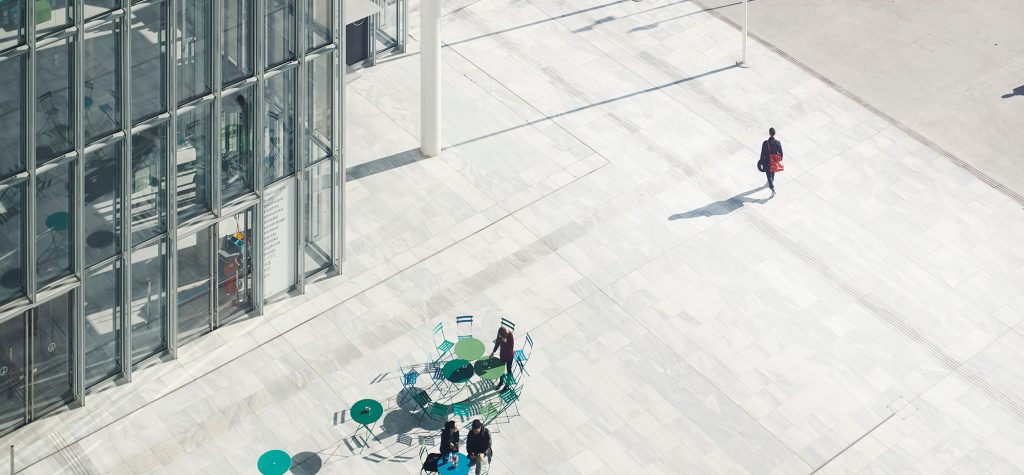

Stavros Niarchos Foundation Cultural Center

Stavros Niarchos Foundation Cultural Center

Piano’s understanding of Athens conveys the broader cultural appreciation for and rediscovery of the city’s centrality. He has said that the beauty of Athens lies in its values of wisdom and knowledge, in civilization and humanity. Indeed, those are the values that continue to push the city forward.


Greek guard

An Evzone sentry guards the Tomb of the Unknown Soldier

On a Sunday morning, I take my usual spot opposite the French Embassy for the parade of the Greek Presidential Guards. They march towards me along the grand, wide boulevard of Vasilissis Sofias, under a perfectly clear sky, snapping their tsarouchia – the traditional shoes with pom-pom toes – together in perfect harmony. It’s a symbol of Athens’ progress: This ancient city is marching ahead. It’s a place better than it was yesterday and a city still in the process of becoming, where the old and new meet and move forward as one.

Photography by Dana Niebert
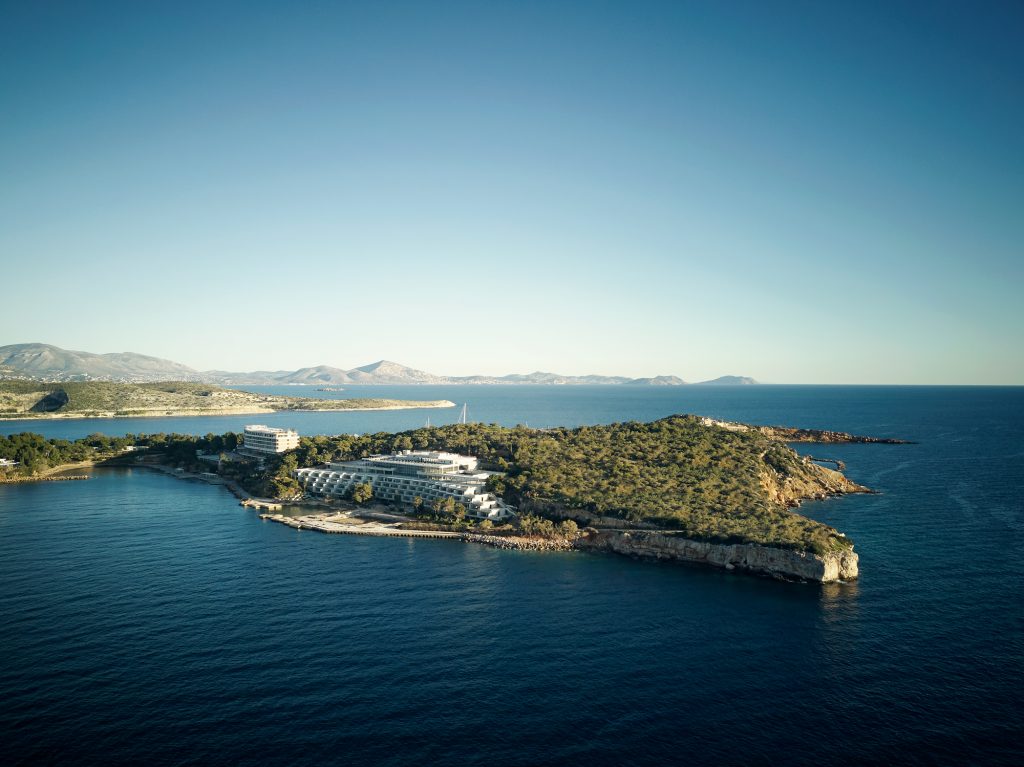

Four Seasons Astir Palace Hotel Athens

A New Aegean Jewel: Four Seasons Astir Palace Hotel Athens

When Four Seasons Astir Palace Hotel Athens, currently in development, opens on a pine-clad peninsula in the Aegean Sea, Sam Ioannidis will be at the helm. After two decades with Four Seasons – starting in the food-and-beverage world in Toronto, rising through the ranks to become general manager of Four Seasons Hotel Baku and later opening Four Seasons Hotel Abu Dhabi at Al Maryah Island – he’s returning to his Greek roots. Here, he shares his perspective on the Hotel’s role in the city’s reboot.


20180119 Dna5034

General Manager Sam Ioannidis of Four Seasons Astir Palace Hotel Athens

You grew up partly in Greece, but you’ve lived in North America, Europe and the Middle East. How does it feel to return now?

You can leave your home, but you can never leave your roots. From Day One it has felt like home – the rich culture and history, the sounds and smells are all so familiar. To be a Greek and open the first Four Seasons here? I wake up each day and pinch myself.

What is your perspective on how Athens is evolving? What’s most exciting?

There is a great deal of excitement in the air for a more prosperous time returning – a lot of interest and desire to invest. There is a resurgence and an energy; you can feel it. World-class restaurants and boutiques abound. Athens offers so much to experience. We are thrilled to be part of the renewal.

How is the Hotel part of Athens’ evolution?

Astir Palace has a legendary history that we will preserve and evolve for a modern era. Our focus is to support Athens as a destination, as well as local suppliers and artisans. By employing about 650 people, we’re providing a boost to the local economy and spending power, supporting Athens’ forward momentum.

You can leave your home, but you can never leave your roots. To be a Greek and open the first Four Seasons here? I wake up each day and pinch myself. – Sam Ioannidis

What makes the Hotel the perfect base for exploring Athens?

The location is absolutely breathtaking. We’re surrounded by turquoise waters, with views of cliffside villages. We are only 20 to 30 minutes from central Athens, the Acropolis and the airport. Guests can stay on site and enjoy the beaches, rocky shoals and vistas, or go exploring to visit local shops and attractions.

What activities do you recommend for getting a taste of the local culture?

I think I’ve gained a few kilograms since I have arrived, as I have been enjoying the local restaurants and pastry shops! There are many to choose from: seaside shops and cafés where you can sit and admire the views. Venturing into Athens, you can dine with amazing views of the Acropolis.

What are some must-visit landmarks or sights near the Hotel?

Along the coast, there are incredible views of distant islands and the Mediterranean. And there are authentic little fishing villages – great spots to enjoy freshly grilled fish and Greek coffee. We have the temple of Apollo next to the property, and one of my favourites is Vouliagmeni Lake, surrounded by magnificent cliffs.

What activities do you recommend in the city of Athens?

The city is full of adventures. Most of the main attractions – the Acropolis, the Panathenaic Stadium and the Temple of Olympian Zeus – are in the middle of the city, near the Hellenic Parliament, where you can see the changing of the guard, and the Acropolis Museum, an architectural marvel itself.

What’s something about Athens that not many people know?

The hidden gems in every city are special, and Athens is full of them. You can walk from one block to another and the mood and feel changes – from high-end fashion strips to graffiti-filled hipster scenes. Greeks are quite the athletes, too, so there are a lot of world-class sports events to watch and to participate in.

What aspect of the Hotel are you most excited about, personally?

I am happy to bring authentic Greek artisan products into the fabric of the Hotel. I want to make fellow Greeks proud of our heritage and foods; we bring in as much as we can from local farmers and wineries. But mostly, I’m excited to show guests authentic Greek charm and hospitality.

Brickell to Beach: Fall Fashion Inspired
by Miami


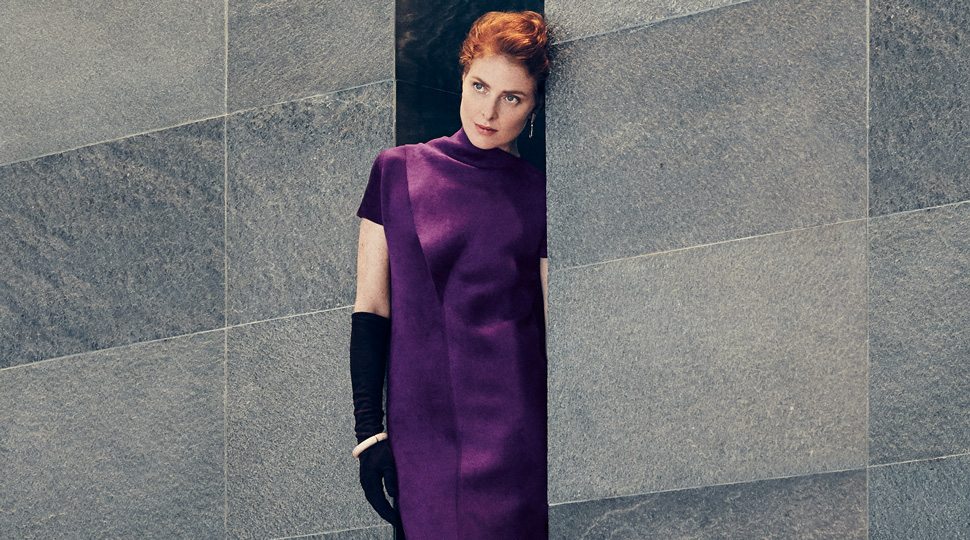
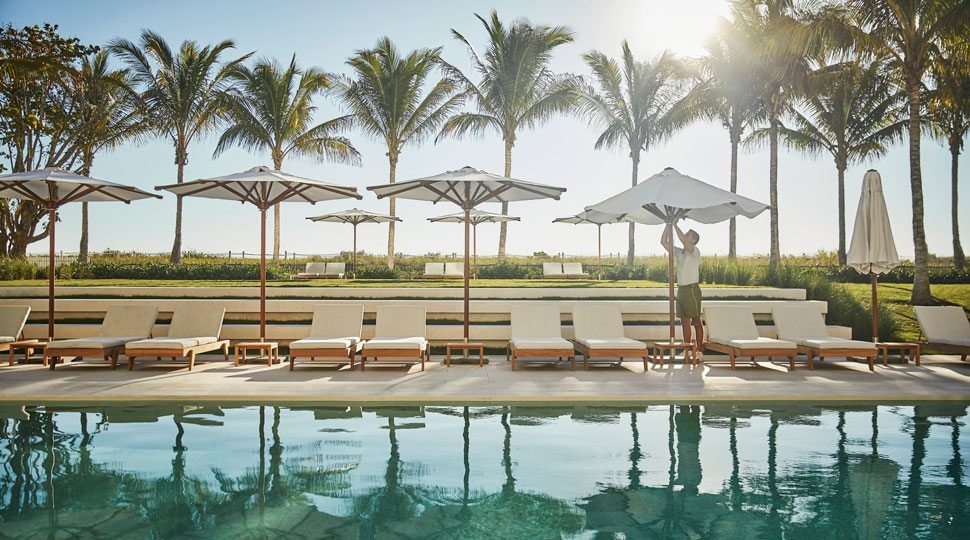
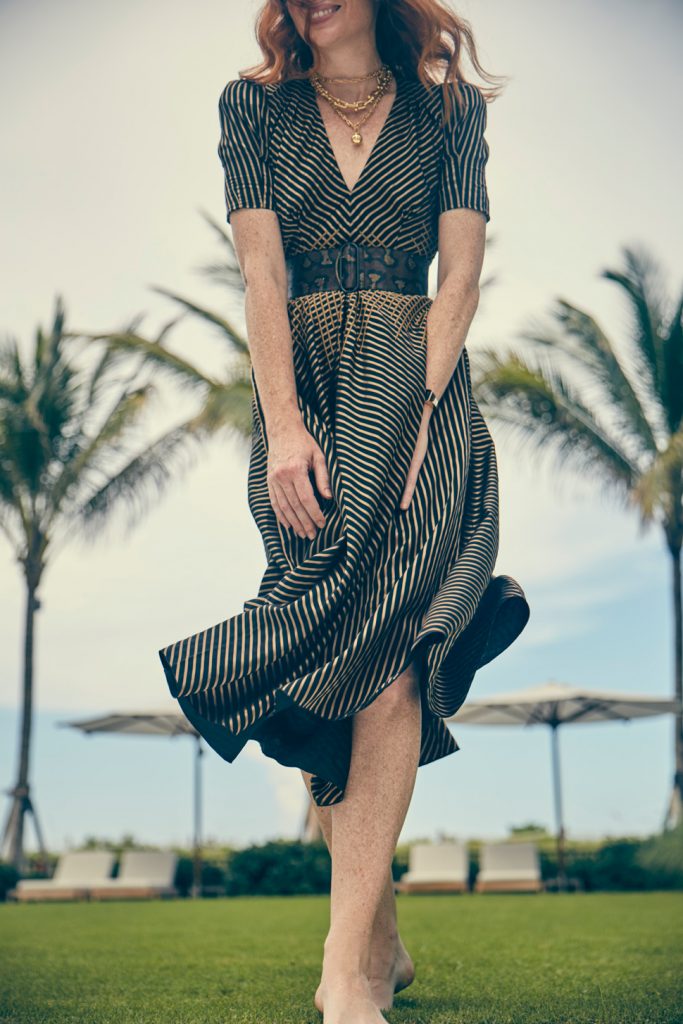
Miami is a town that proudly celebrates its past and present, and often combines the two — stroll along Ocean Drive and you’ll find cutting-edge restaurants and contemporary boutiques housed in Art Deco marvels. This season, we celebrate the city’s dichotomy with new pieces inspired by the glamour of the 1930s. Our backdrops: the modern art and décor at Four Seasons Hotel Miami in the heart of downtown, and Surfside’s Four Seasons Hotel at The Surf Club, the storied venue where Sinatra and Churchill once sought the limelight and the sunlight.

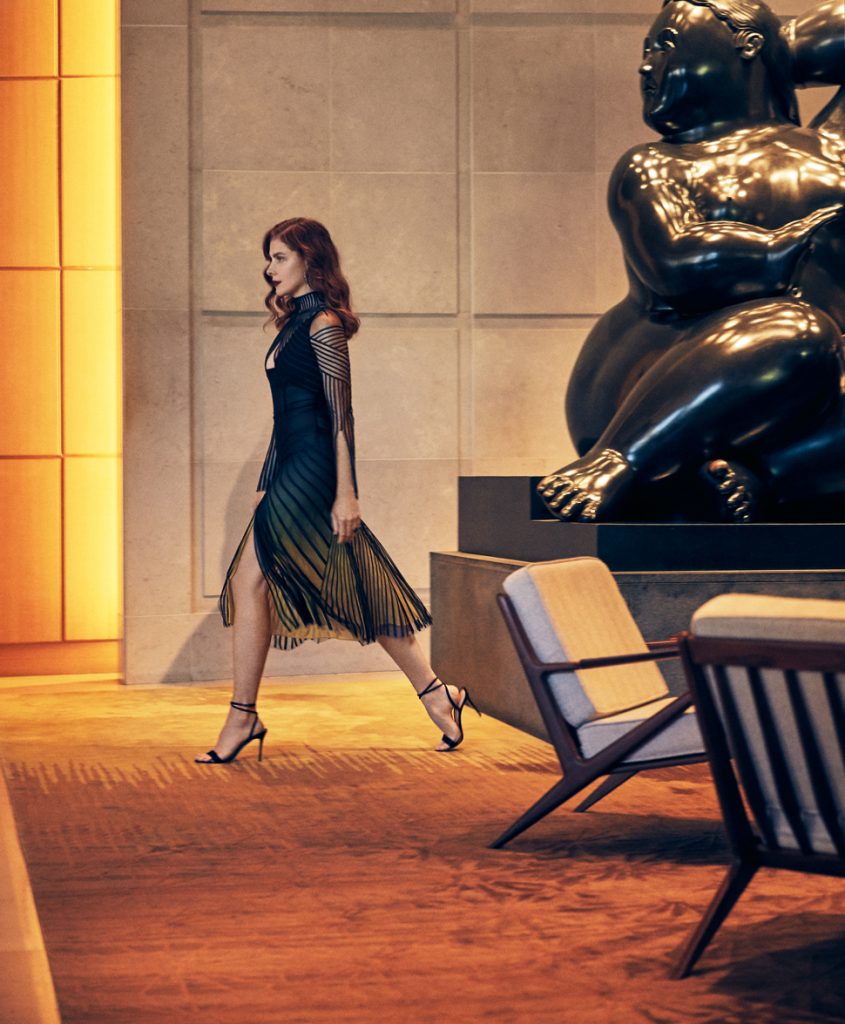
Four Seasons Hotel Miami


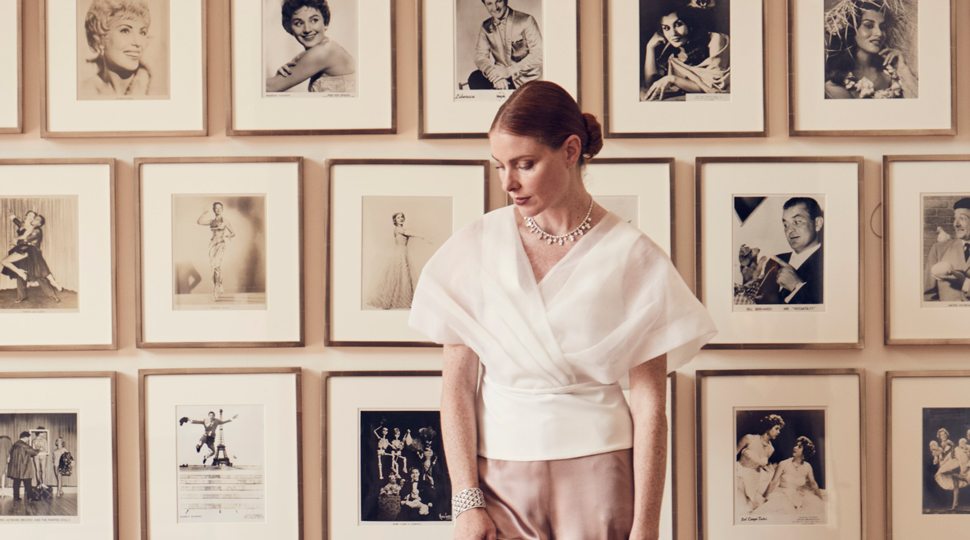
Woman walking through a hotel lobby

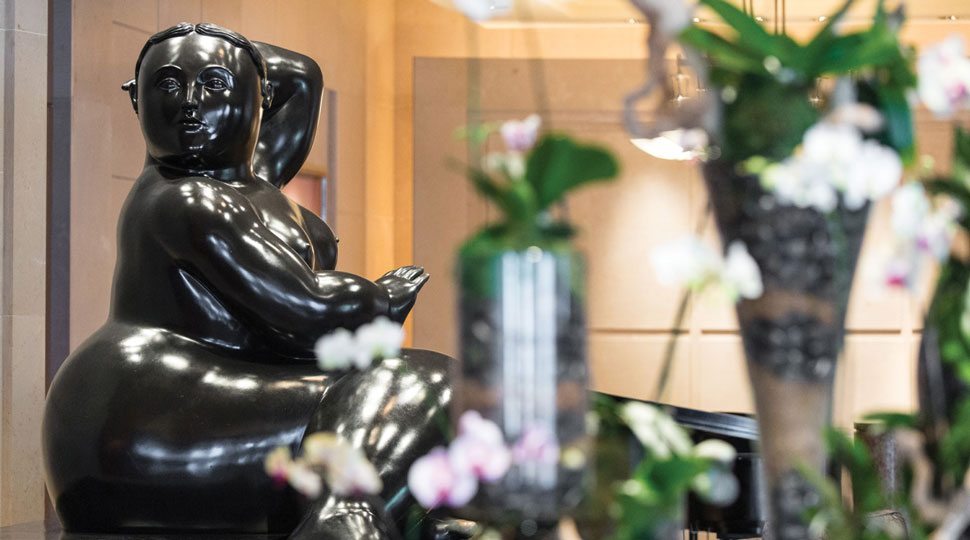
The Hotel’s extensive art collection highlights Miami’s rich blend of cultures. The most iconic pieces: three bronze sculptures by Colombian artist Fernando Botero.

Four Seasons Hotel Miami

Four Seasons Hotel at The Surf Club


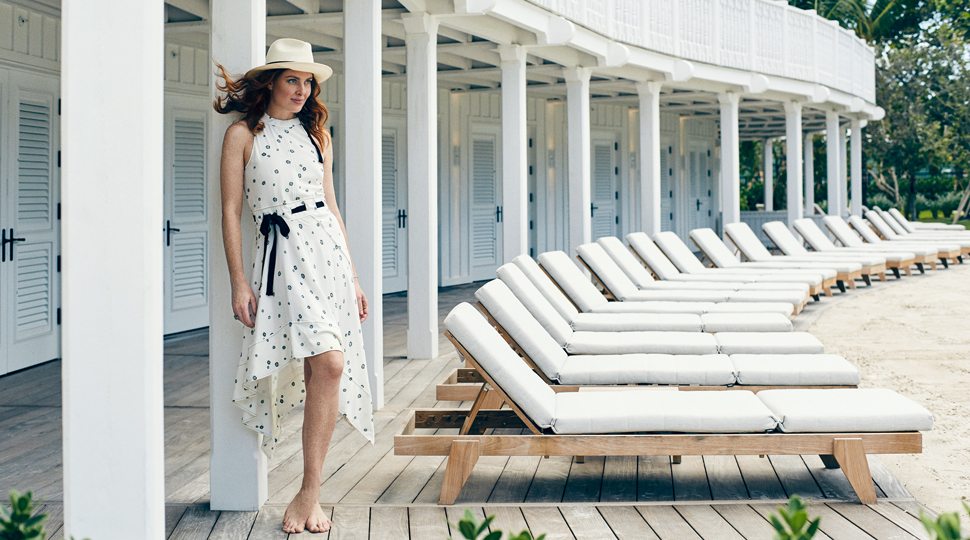
Woman in white polka dot dress and white fedora leans against a large Cabana

The Hotel’s Cabana Row was Winston Churchill’s favourite spot to paint seascapes and sip cocktails. Read more about the Surf Club’s legendary past here.

Four Seasons Hotel at The Surf Club

Digital Operator: Christopher Morel

Lighting Assistant: Nicolas Stipcianos

Stylist: Cannon

Market Assistant: Alexandra Lynn

Stylist Assistant: Kelley Harris

Model: Taylor Foster at Front Management

YOUR JOURNEY BEGINS HERE

From Brickell to the beach, Miami is yours to explore.

Concierge

6 Rooms, Pools and Lobbies
You Have to See to Believe

If you’ve seen one Four Seasons hotel or resort, you haven’t seen them all. Each of our more than 100 properties reflects its own sense of place, innovation and style.

Through our international collection of awe-inspiring lobbies, dynamic restaurants and bars, re-energizing fitness and spa facilities, impressive event spaces, and perfectly appointed rooms, Four Seasons delights with design.

Here, marvel at some of our creative spaces, then get a behind-the-scenes look at the design process.

Kuw 207 970x540

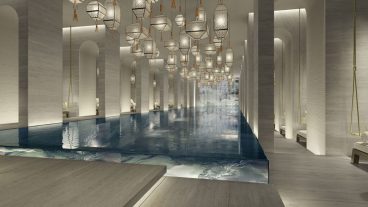
A pool and spa that reflect tranquillity

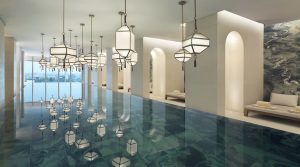
At Four Seasons Hotel Kuwait at Burj Alshaya, the design for the pool, spa and fitness section was driven by the theme of peacefulness mixed with a specific sense of place. The glowing lanterns create a warm reflection in the pool (recently named the best indoor swimming pool in the Middle East by Prix Villageiture), and archways and alcoves create semiprivate, intimate lounging areas for guests.

“The fitness areas emphasize light, air and volume,” says Didier Jardin, General Manager at the Hotel. “In spas, dimmer lighting and quiet spaces are really conducive to relaxation.”

The grotto oasis aspect of this design by Yabu Pushelberg evokes a calming and inviting aura. “The Hotel was designed with a refined, well-travelled and culturally informed guest in mind and has a distinct connection to place in its design elements,” says co-founder Glenn Pushelberg.

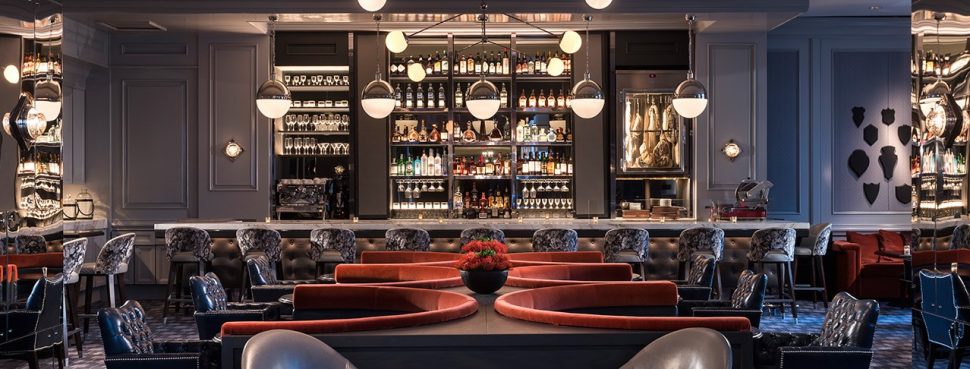
Celebrating eccentricity at the bar

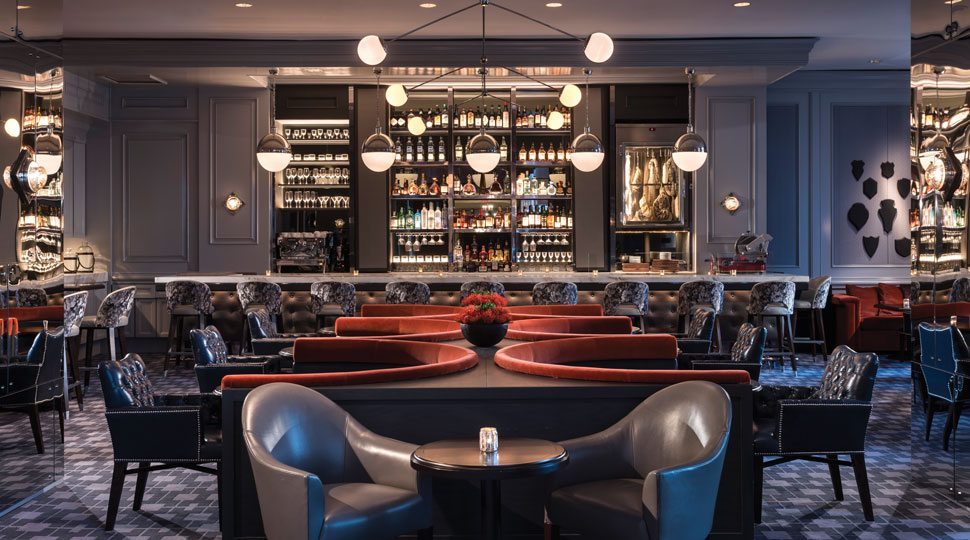
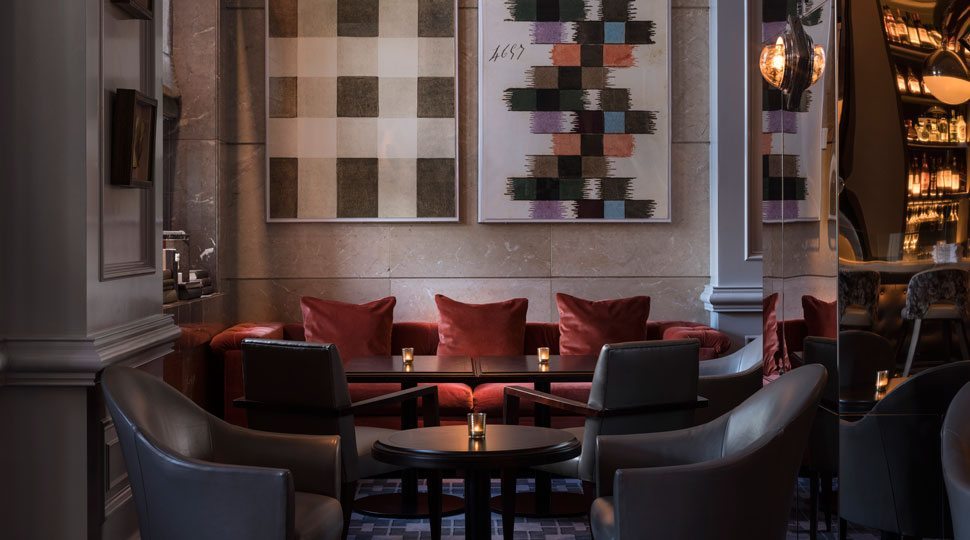
It was the independent child prodigy Margot Tenenbaum, from the 2001 U.S. film The Royal Tenenbaums, who inspired the renovated bar at Four Seasons Hotel Atlanta. Bar Margot celebrates interesting people, individualism and eccentricity.

“The way you make a place ‘happening’ is with a strong sense of narrative and of place,” says Will Meyer, partner of Meyer Davis, which co-led the 2015 renovation.

Those familiar with the film will instantly feel transported into the world of Margot Tenenbaum upon entering the restaurant and bar. Throughout the velvety-rich space, tokens from the cult classic film adorn the walls, window ledges and bookshelves.

The Hotel completed a dramatic transformation of its meeting and event space this year. In collaboration with Hirsch-Bedner Associates, the total 17,436 square feet (1,620 square metres) has been revitalized to fuse the Hotel’s majestic opulence with the latest technology.

Dining under glass


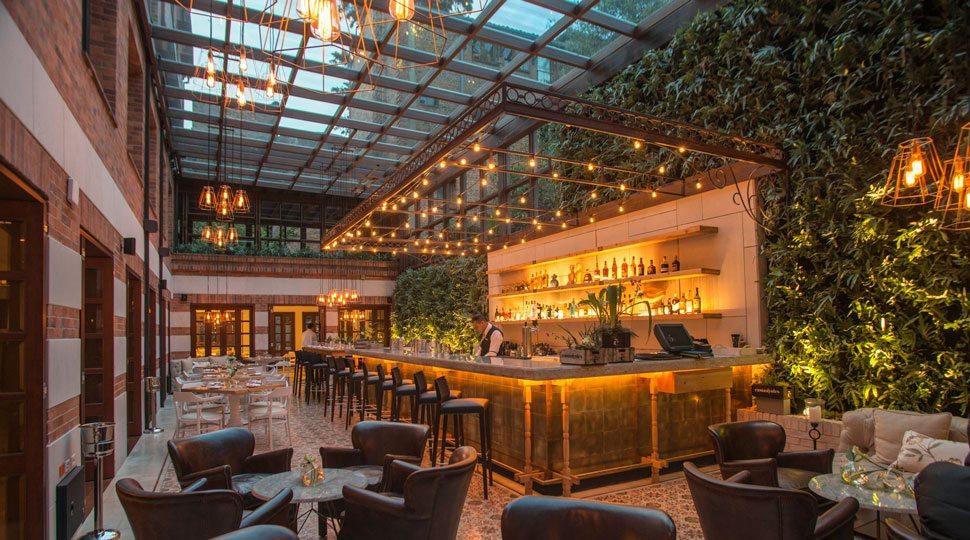
Castanyoles restaurant in Four Seasons Hotel Bogotá Casa Medina

The barrier between indoors and outdoors blurs in this restaurant and tapas bar, where a lush atrium courtyard and a retractable glass ceiling can swiftly create al fresco dining.

Neighbourhood chic meets rustic nature in the design of Castanyoles, at Four Seasons Hotel Bogotá Casa Medina. The Spanish restaurant and tapas bar, designed by local Saul Sasson, integrates warm colours, Spanish tiles and modern furnishings underneath a stunning glass atrium roof.

The restaurant – named for the traditional handheld percussion instruments also known as castanets – was designed to reflect the way people dine today.

“Castanyoles is the ideal spot to share a Spanish bite or a handcrafted cocktail,” says Mark Bingle, General Manager of the Hotel. “We have an amazing space that allows for indoor dining with open-air elements, enhancing the elegant atmosphere.”

Seaside sanctuaries

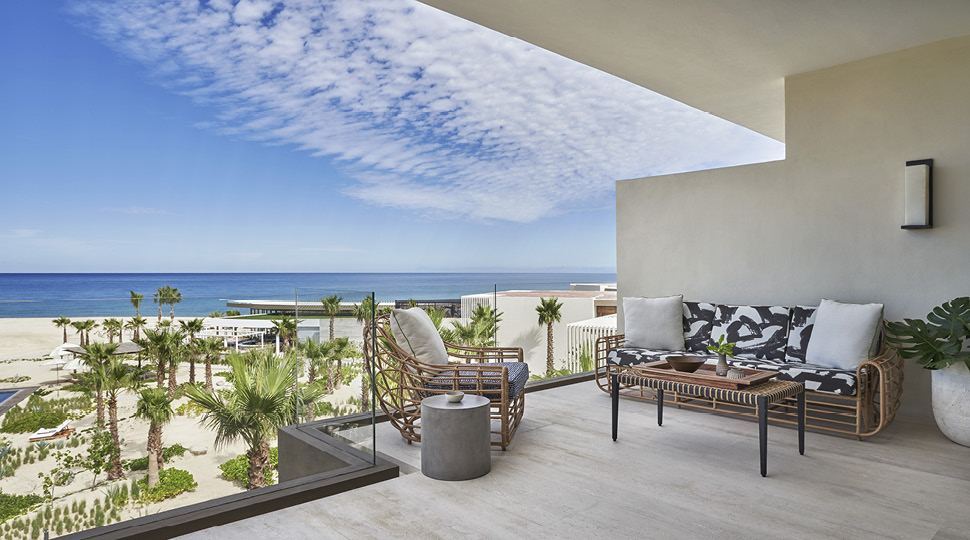
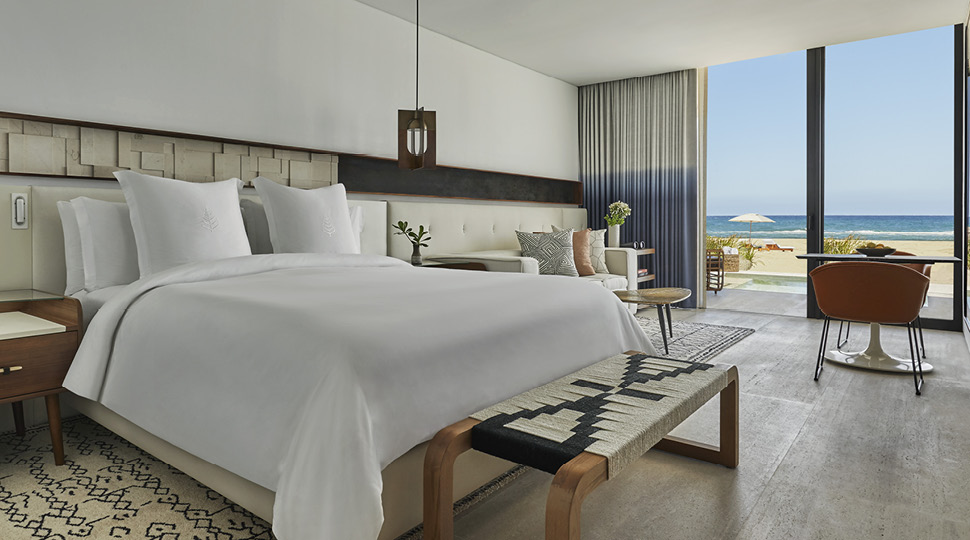
At Four Seasons Resort Los Cabos at Costa Palmas, it was the nearby ocean that fuelled the design team’s creation of livable luxury. The guest rooms incorporate oversized relaxation areas that seamlessly flow onto outdoor ocean terraces.

“We call our guest rooms ‘sanctuaries,’” says Borja Manchado, General Manager at the Resort. “It’s about welcoming guests and giving them the best night’s rest they’ve ever had.”

TAL Studio designed the guest rooms. “Four Seasons guests value artistry, craft, authenticity, cultural context and sincere hospitality that is truly anticipatory of their needs, and these values inform our design,” says studio founder Todd-Avery Lenahan.

Modernizing history in the lobby


Processed With Vsco With A4 Preset

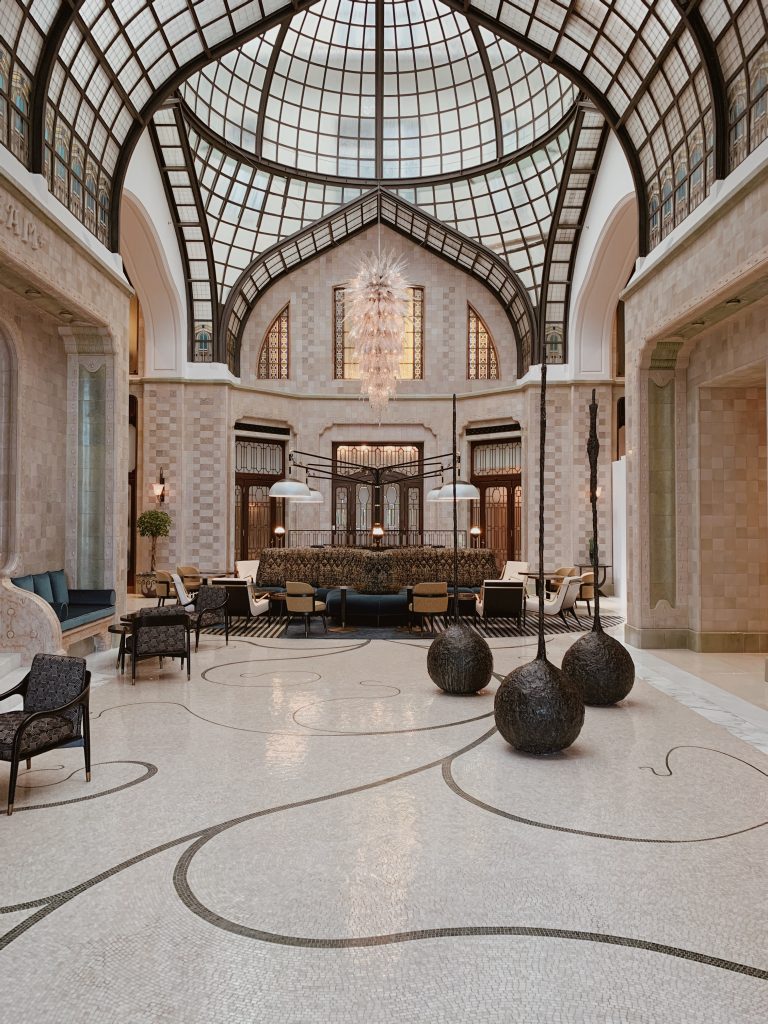
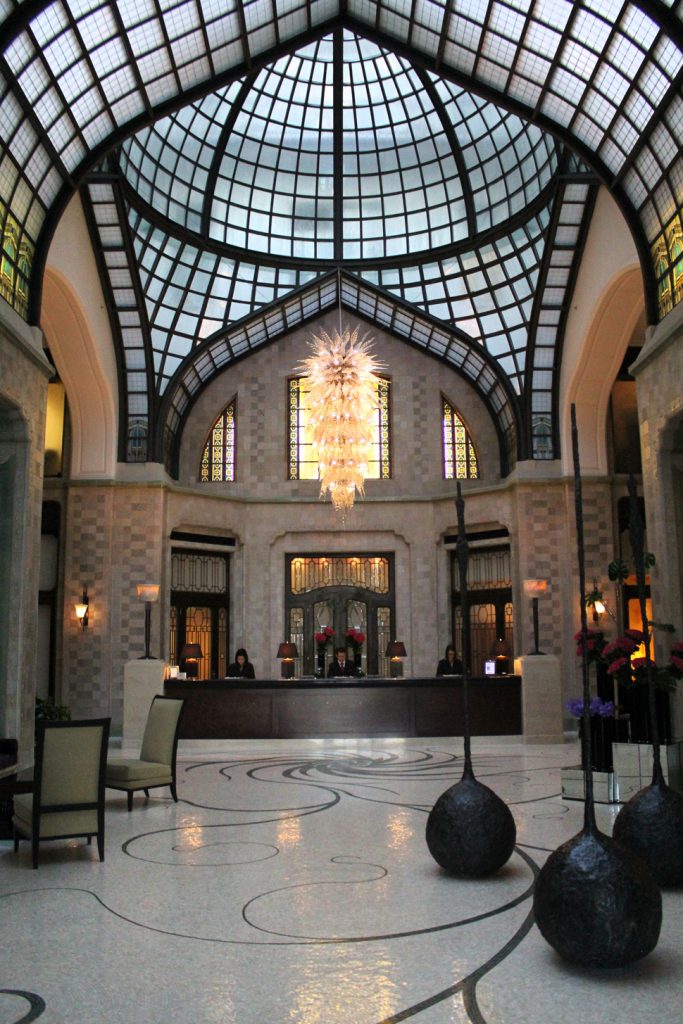
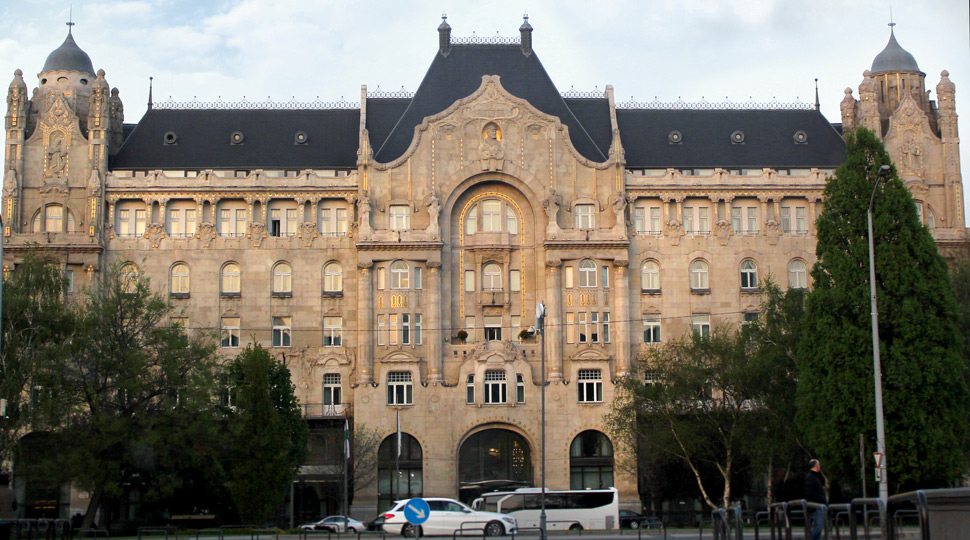
The lobby at Four Seasons Hotel Gresham Palace Budapest was imagined by Richmond Intl., and features this often photographed chandelier.

Long ago, the entrance of Four Seasons Hotel Gresham Palace Budapest included a horse-and-carriage drop-off. During renovations, the design team, led by Richmond Intl., enclosed the drop-off in a labour of love to expand the lobby.

Now, guests can spend the afternoon sipping craft cocktails and savouring an exciting blend of Asian and Hungarian cuisines at MÚZSA, the Hotel’s newest lounge. A raised piano platform adds a touch of theatre in the bar area, in contrast to the more intimate lobby.

Meeting rooms that drive productivity


A conference room in the Four Seasons Hotel Seoul

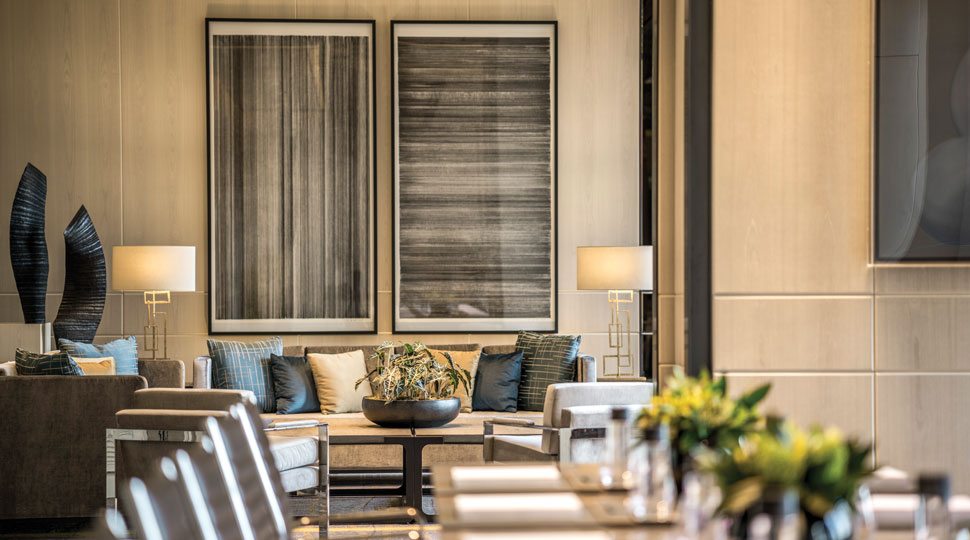
Designed by LTW Designworks, the meeting spaces at Four Seasons Hotel Seoul channel the prestige of Four Seasons coupled with a sense of place.

Given the purpose of a meeting room, it’s important that the design motivates and invigorates. At Four Seasons Hotel Seoul, LTW Designworks followed through.

The meeting and event spaces are designed to encourage productivity and pleasure; the cosy sitting area and plush sofas evoke a residential feeling.

“Korean architecture is always conscious of the delicate relationship between a place and its environment, and strives for a harmonious interplay,” says Su Seam Teo, an LTW partner.

Your Journey Begins Here

What incredible space will you discover next?

10 Buildings That Define the City of London

Why are 10 million visitors from around the world drawn each year to the City of London? The compact area around Four Seasons Hotel London at Tower Bridge offers unmatched access to the past, present and future of England.

Over two millennia, innumerable important buildings were erected that tell the evolving, three-dimensional story of London.

The City of London is London in miniature, but also on its grandest scale. Within the streets and alleyways of the Square Mile, as it’s often called, lie many of London’s most intriguing and historic buildings.

The City today encompasses much the same area and shape as the city the Romans founded after their conquest of Britain in AD 43. The River Thames – wider and shallower then – was narrow enough here to bridge, but deep enough to allow ships to come and go from the coast, making it the perfect spot for a trading post. Londinium, as the Roman city was named, rose along the river’s northern banks; it was a commercial and connected city from day one.

Over two millennia, innumerable important buildings were erected: public spaces, places of worship, grand private houses, banks, offices. Here are 10 of the best, whose stones – and glass and steel – tell the evolving, three-dimensional story of London.

Roman Amphitheatre | AD 70

Where it began


Old outline of a Roman ampitheater

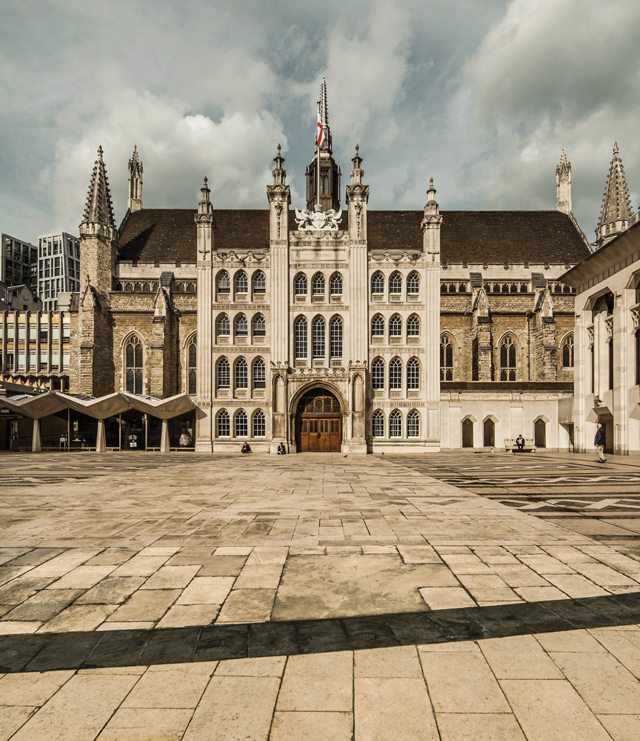
Guildhall Yard was built on the site of the Roman city’s amphitheatre. Today, a subterranean display gives an evocative impression of the amphitheatre’s scale, and its outlines are traced above ground in the paving of Guildhall Yard. 

The City of London stands directly above the site of Londinium, and many Roman structures have been unearthed – some more recently than others. The site of the city’s amphitheatre was unknown until 1988, when excavations for the new Guildhall Art Gallery uncovered two sections of curved stone wall, 6 metres below Guildhall Yard. Investigation revealed that the amphitheatre was originally built in AD 70, and that it was extended in the second century to seat around 6,000 spectators, who would have watched gladiatorial contests and other public events there.

Tower of London | 1100

Power and might


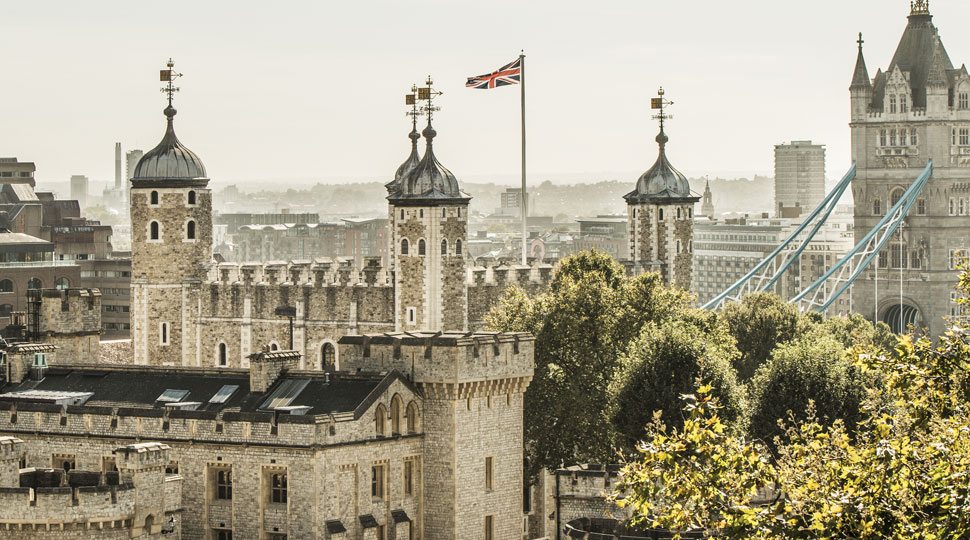
Tower of London

Begun in 1066 and completed in 1100, the Tower of London served as an assertion of Norman might and protection over the city.

After the Romans retreated in the early 400s, the City seems to have been largely abandoned. Though King Alfred initiated repair of the Roman walls in 886, it wasn’t until Britain was conquered by the Normans in 1066 that the City regained its importance, signified by the construction of the central castle keep of the tower of London.

A royal residence and military stronghold, the keep is still the heart of the Tower of London. And though much of it was restored in the 1800s, the chapel of St John on the first floor remains the finest example in the country of Anglo-Norman architecture at its purest and most powerful.

St Bartholomew the Great | 1123

Divine inspiration


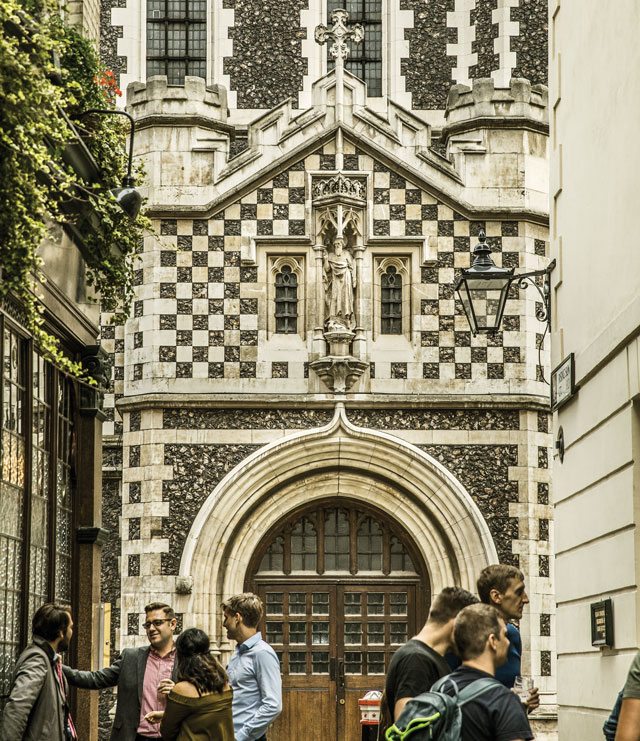
St Bartholomew the Great

St Bartholomew the Great is all that is left of the much larger 12th-century church.

The City today may be synonymous with banks, but in the Middle Ages it was dominated by religious institutions, such as the Augustinian priory and hospital of St Bartholomew. The hospital, known simply as Barts, was founded in 1123 by one of King Henry I’s courtiers and still exists on its original site.

Across the road, St Bartholomew the Great is all that remains of a once much larger church. Its interior – which you may recognize from the film Four Weddings and a Funeral – is wonderfully atmospheric, with its original Norman arches and internal oriel window. The five pre-Reformation bells in the tower are still rung for some Sunday services – London’s oldest man-made sounds.

The Monument | 1677

Tragedy and renewal


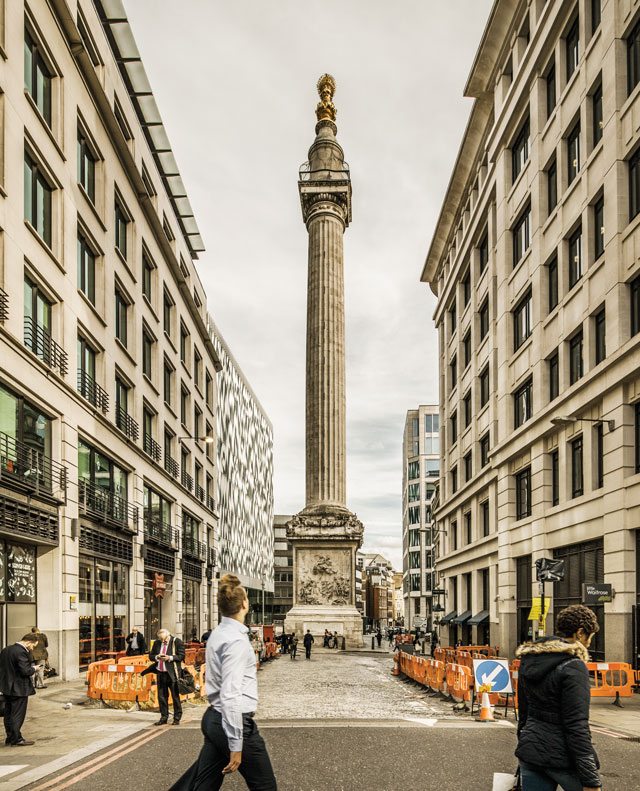
The Monument in London

At the summit of the Monument, which commemorates the Great Fire of London, sits a gilded sculpture of a flaming urn.

The Great Fire of London in 1666 was the largest single catastrophe in the City’s history, but out of the ruins rose many of its finest buildings. Chief among these are the churches rebuilt under the direction of Sir Christopher Wren, who designed St Paul’s Cathedral and the Monument, the 62-metre fluted Doric column that commemorates the Great Fire. Metres from where the conflagration began, it is built of creamy white Portland stone and contains an open spiral staircase with 311 steps that lead to a viewing platform.

Drapers’ Hall | 1772

Economy and social structure


Exterior of Drapers’ Hall in London

Drapers’ Hall is unusual in standing on its own private, gated road, Throgmorton Avenue, built in the 1870s and complete with a quiet garden.

London’s medieval professions were organized into guilds. Though their original trade-union purposes generally have been superseded, a surprising number of guilds have survived, and their guildhalls are among the City’s most rewarding secrets. The Drapers’ Company bought the site of its present hall from Henry VIII in 1543 but rebuilt in 1667 after the Great Fire – though that work has been hidden behind later Georgian- and Victorian-era alterations.

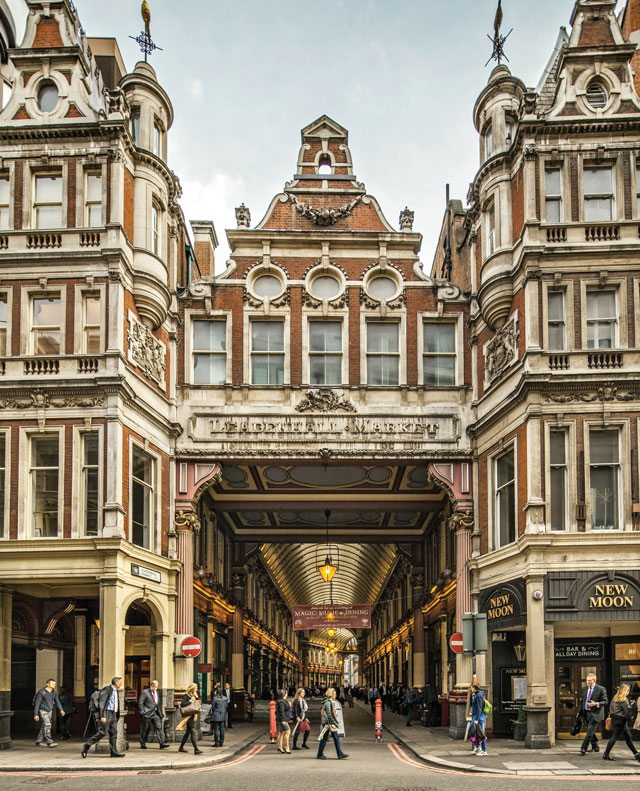
Leadenhall Market | 1881

Public life and commerce


Leadenhall Market in London

An attractive example of Victorian architecture, Leadenhall Market was designed by Sir Horace Jones, whose most recognized work is Tower Bridge.

Tucked behind the futuristic Lloyd’s building, Leadenhall Market is one of London’s most attractive remaining bits of Victoriana. The buildings date from 1881, but there has been a general market on this site since 1445. Leadenhall Market occupies a historic site on the summit of one of the two low hills of Londinium; beneath it lie remains of the Roman forum, including the lower courses of an arch that can be seen in the basement of Nicholson & Griffin’s barbershop on the corner of Gracechurch Street.

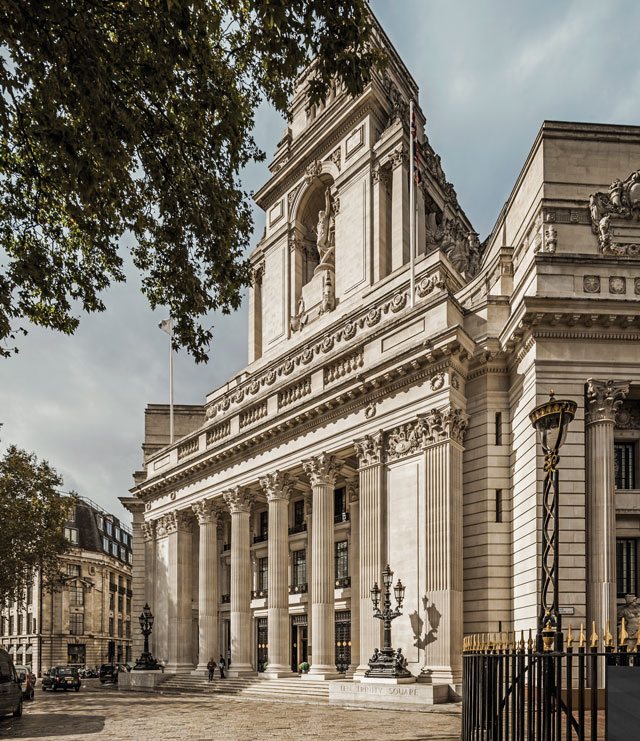
Ten Trinity Square | 1922

Connection to the world


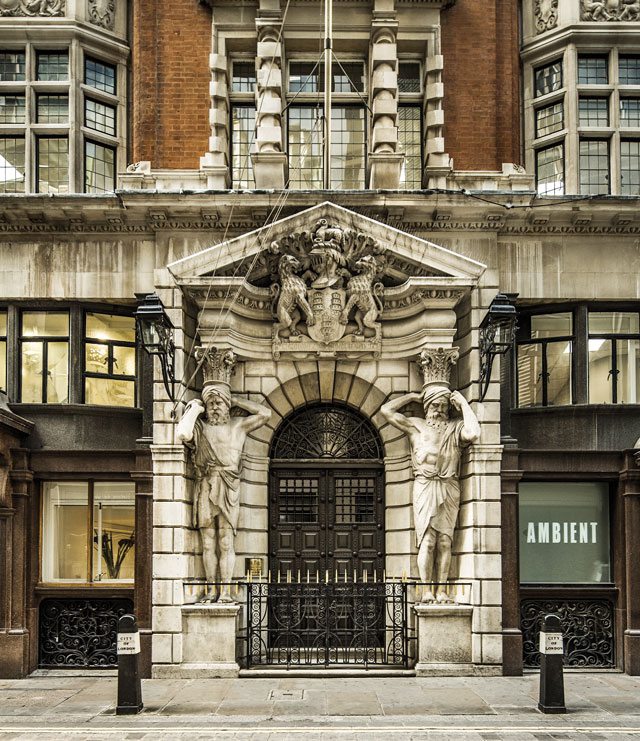
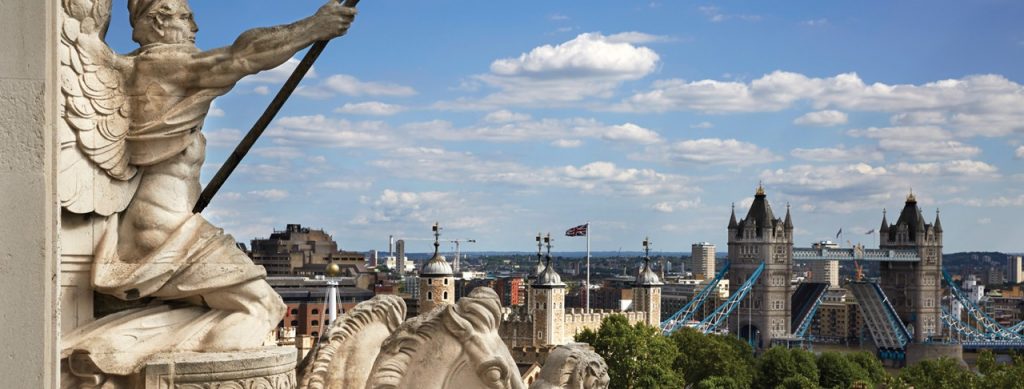
Exterior of Four Seasons Hotel London at Ten Trinity Square

Completed in 1922, the Beaux Arts building that today houses Four Seasons Hotel London at Tower Bridge has been meticulously restored to preserve many design details.

The Port of London Authority was formed in 1909 to run all the docks of London, then the largest seaport in the world, and to be responsible for the River Thames from Teddington to the ocean. Its splendid headquarters – today home to the new Four Seasons Hotel London at Tower Bridge – was designed by Sir Edwin Cooper and built between 1912 and 1922.

A Grade II* landmark on the Statutory List of Buildings of Special Architectural or Historic Interest, the building’s great tower features a statue of Old Father Thames, who points downriver to the source of London’s trade. The reception of the first general assembly of the United Nations, held in 1946, was hosted here in what is now known as the UN Ballroom, and was attended by (among others) King Faisal of Saudi Arabia and U.S. first lady Eleanor Roosevelt.

Four Seasons Hotel London at Tower Bridge

The Barbican | 1969

Rubble and reinvention


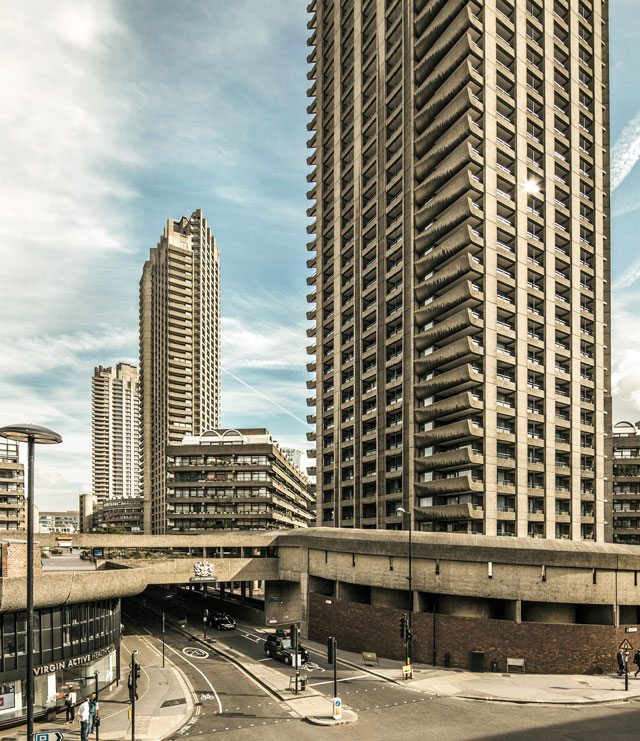
The Barbican in London

The Barbican’s Brutalist concrete style divided critics even before the complex’s completion in 1969.

December 29, 1940, was one of the worst nights of the London Blitz. In 1958, the City Corporation bought 35 acres that had been destroyed that night, and commissioned Chamberlin, Powell and Bon to design a massive complex: more than 2,000 apartments in residential blocks and three 40-storey brutalist-style towers. Though many considered it overbearing, it has acquired fans, as well as a noteworthy performing arts centre – the largest of its kind in Europe – and is now one of London’s most desirable addresses.

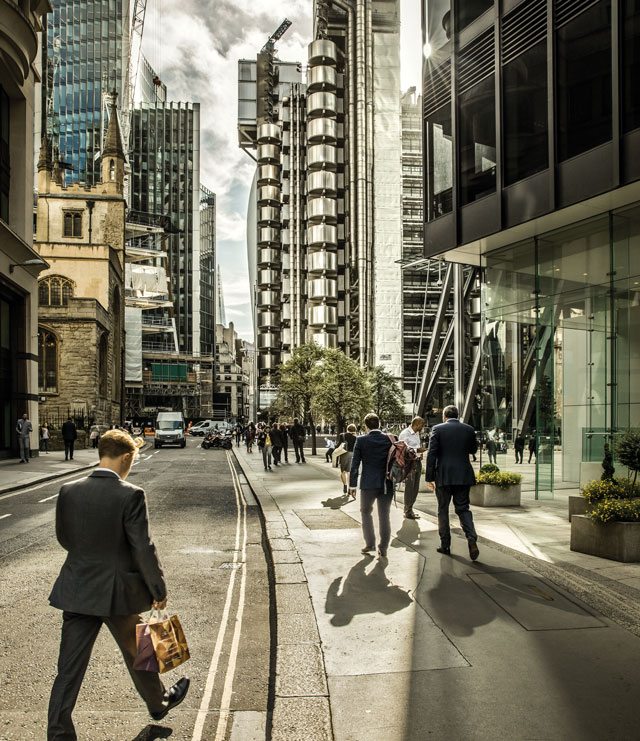
The Lloyd’s Building | 1986

Business and innovation


The Lloyd’s Building in London

The Lloyd’s Building features an “inside-out” design, with building services like plumbing and wiring housed on the exterior.

Starting small at Edward Lloyd’s coffee house in the 1680s, London’s maritime insurance market gradually evolved into the giant Lloyd’s of London. In 1986 it moved into its fourth and largest building, designed by architect Richard Rogers using a modular system for future flexibility. This inside-out approach, with a concrete frame clad in glass and stainless steel, was revolutionary. In 2011, it became the youngest building ever to be given Grade I status, putting it on a list of protected monuments that includes St Paul’s Cathedral.
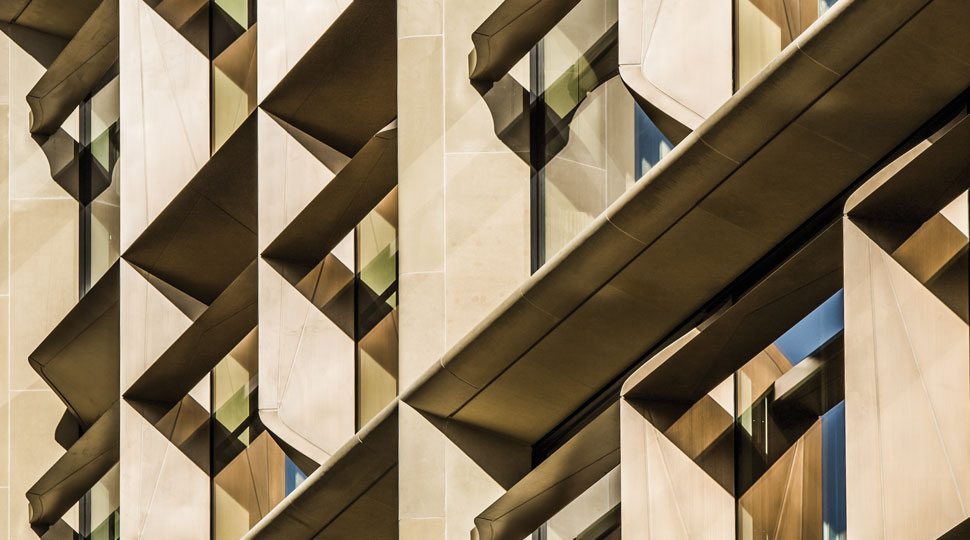
Bloomberg London | 2020

Past and future in harmony


Bloomberg London Architectural Detail

Bloomberg London’s exterior is defined by English sandstone and polished bronze fins, which shade the windows and channel fresh air inside.

Michael Bloomberg’s European headquarters, begun in 2010 and set to open by 2020, will have 4,600 desk spaces and cover 3.2 acres. Designed by Sir Norman Foster + Partners, two 10-storey blocks are separated by an internal street that follows the line of a Roman road. The massive structure is supported by thousands of piles and clad in English sandstone and innovative polished bronze fins.

Underneath lie the remains of a Roman temple, circa AD 240, to be reconstructed in the basement on its original site, putting one of London’s oldest buildings inside one of its newest – and bringing our story almost back to where it began.

YOUR JOURNEY BEGINS HERE

Start planning your historic stroll through the Square Mile.

Statue on building

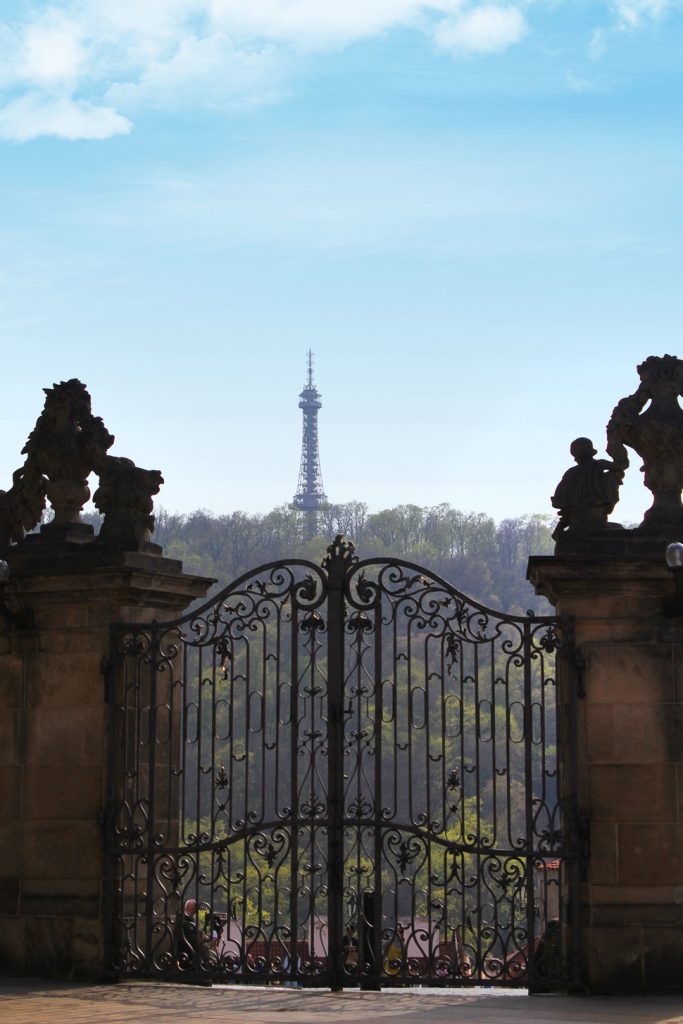
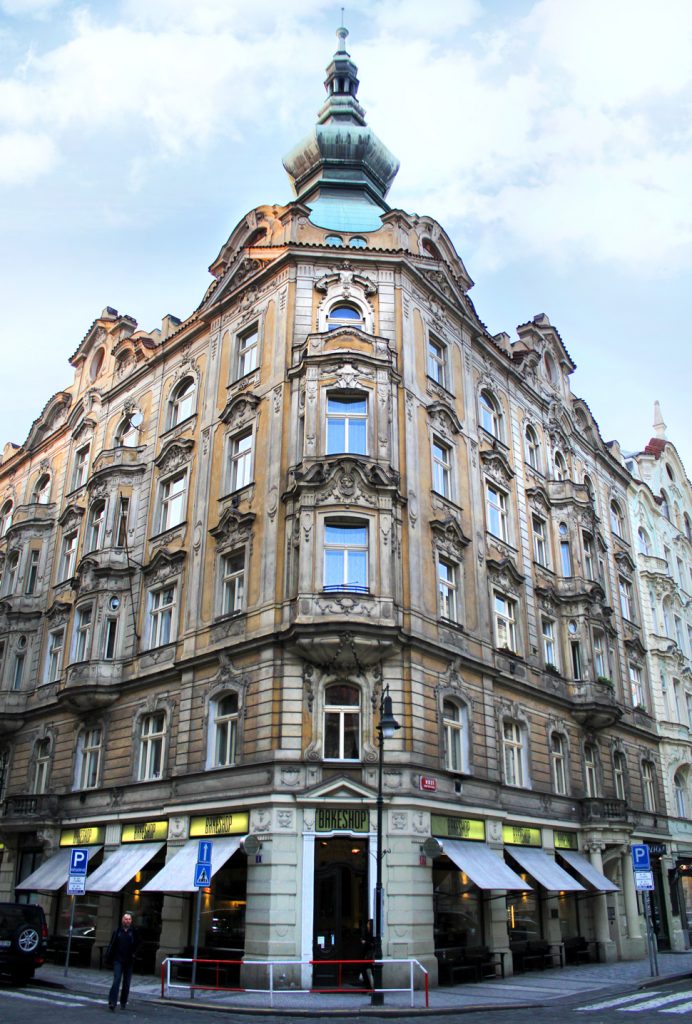
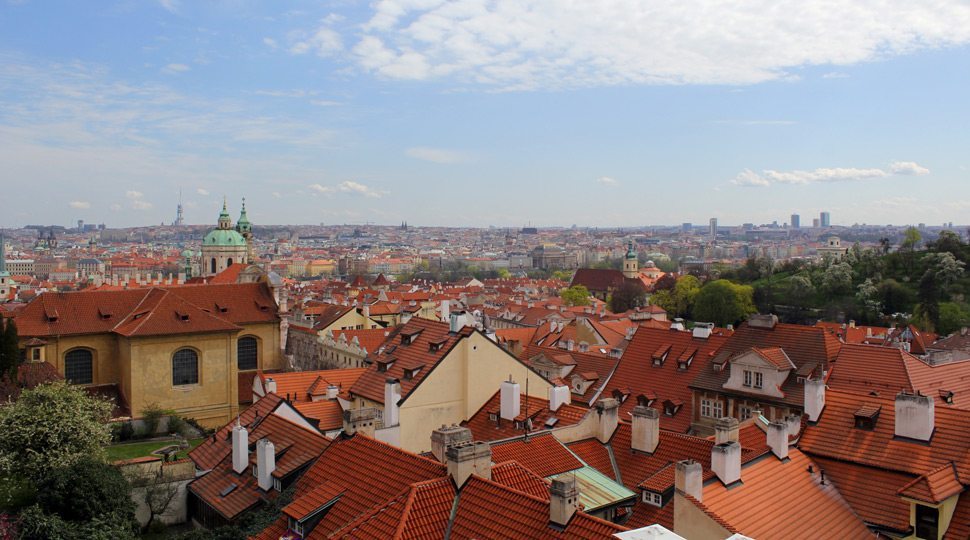
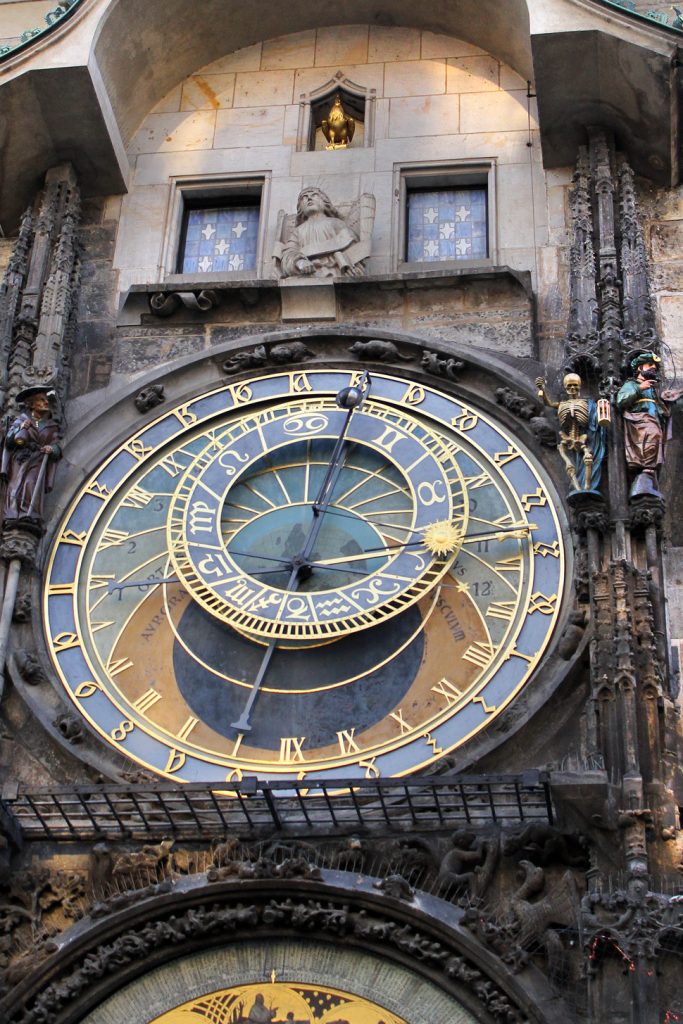
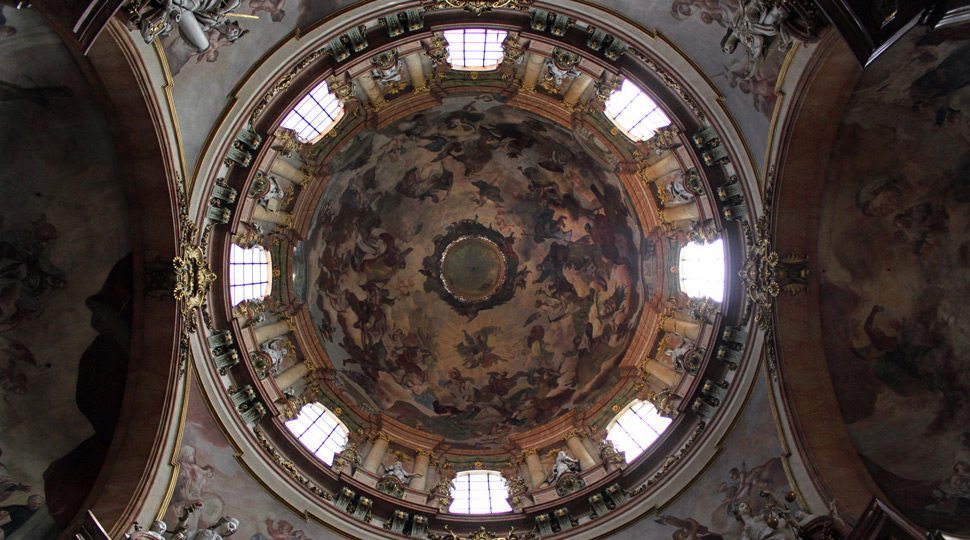
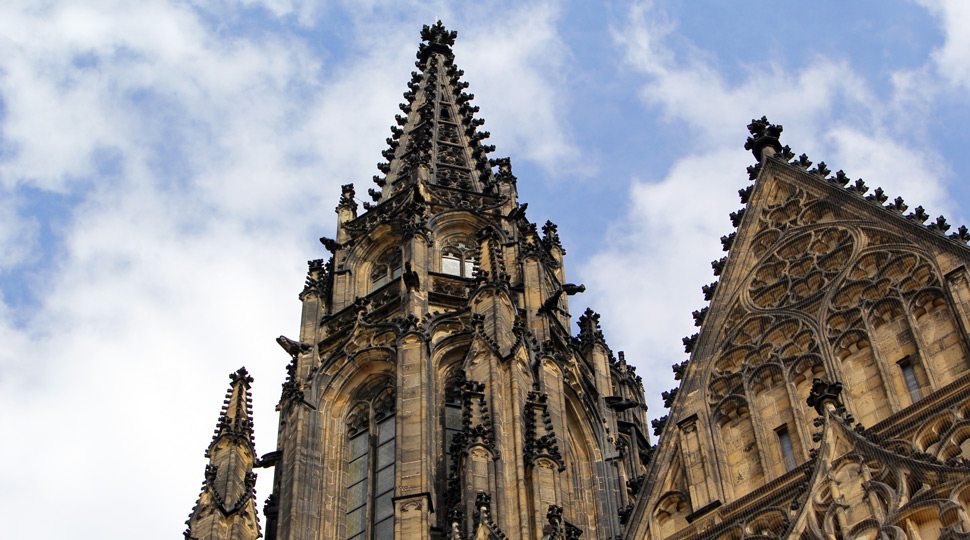
From Prague and Budapest, With Love


Dan Calle has amassed a loyal Instagram following that can’t seem to get enough of the Toronto-based talent’s travel and art snapshots. When he’s not dabbling in industrial design or graphic design projects, Calle enjoys jet-setting the globe with his camera in tow.

“Travel photography is my passion. The more I travel, the more I’m influenced creatively,” he says. “It inspires me to photograph the beauty and diversity of the world.”

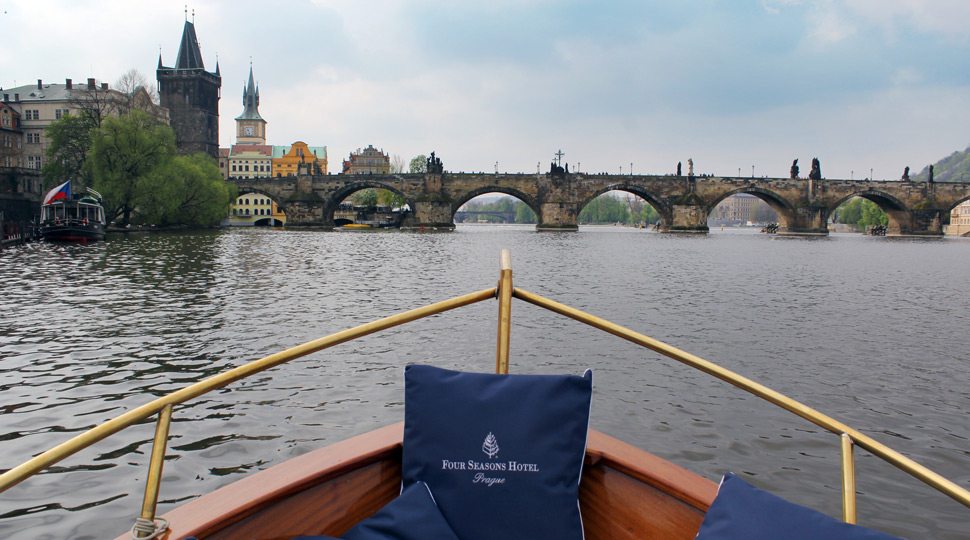
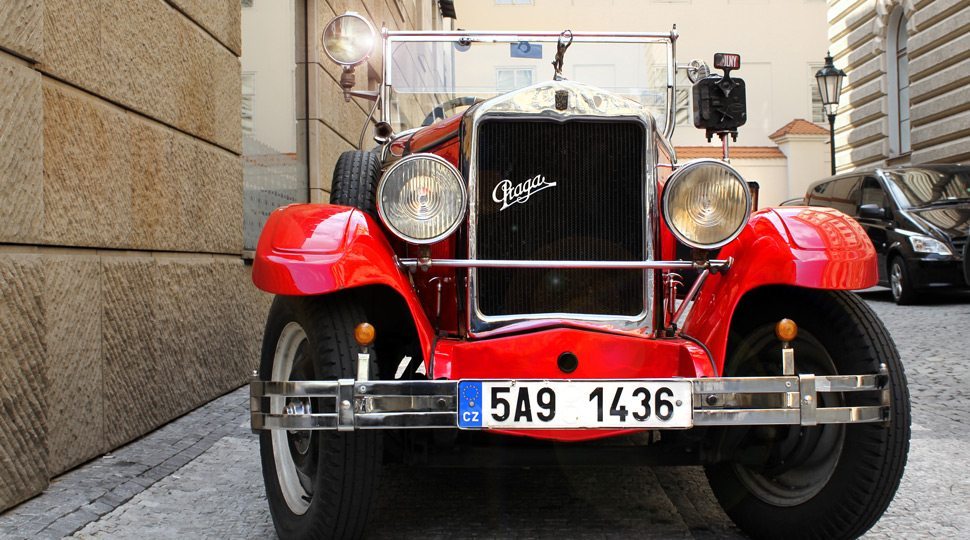
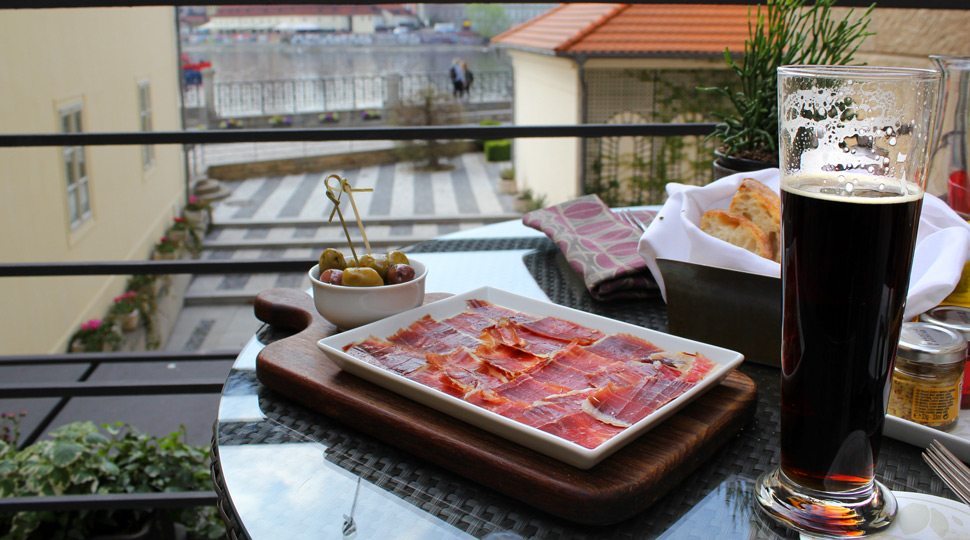
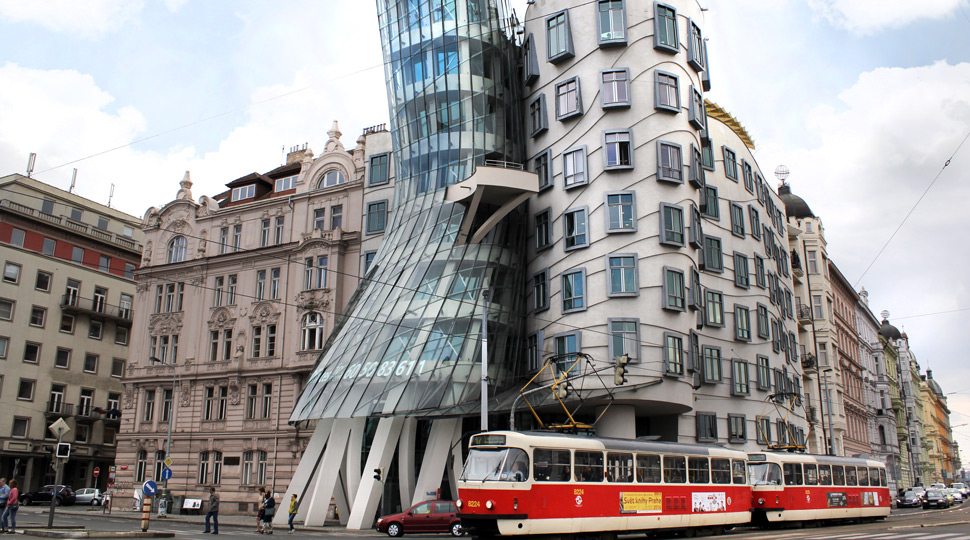
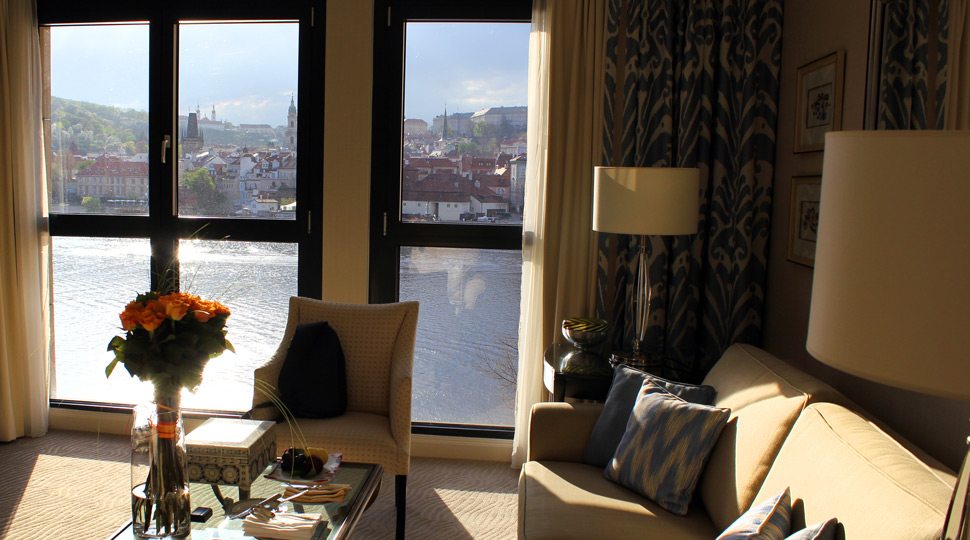
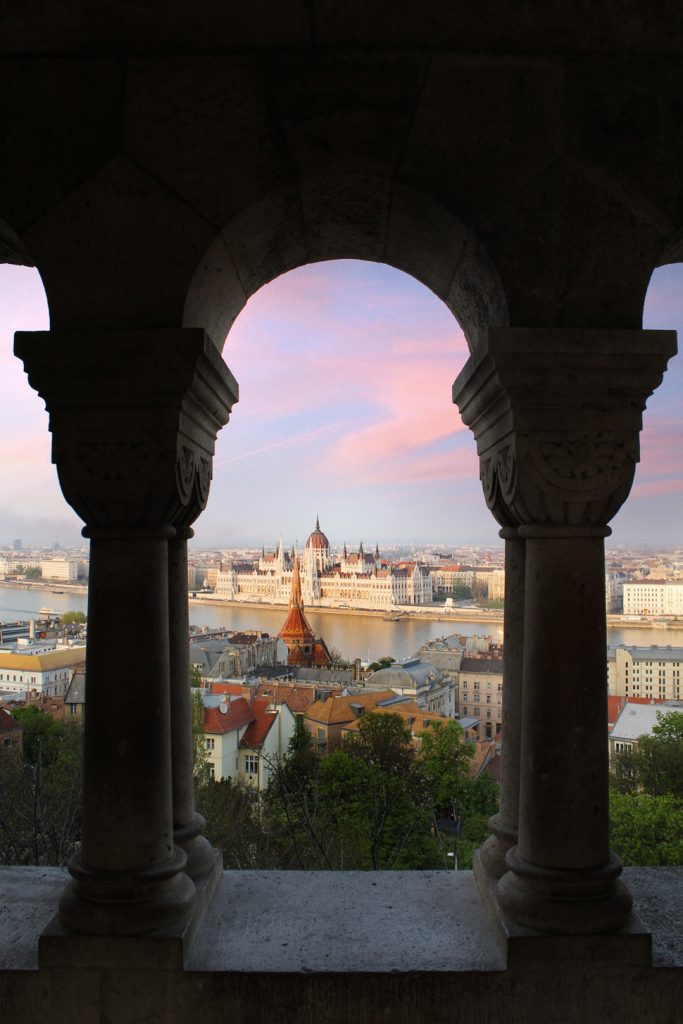
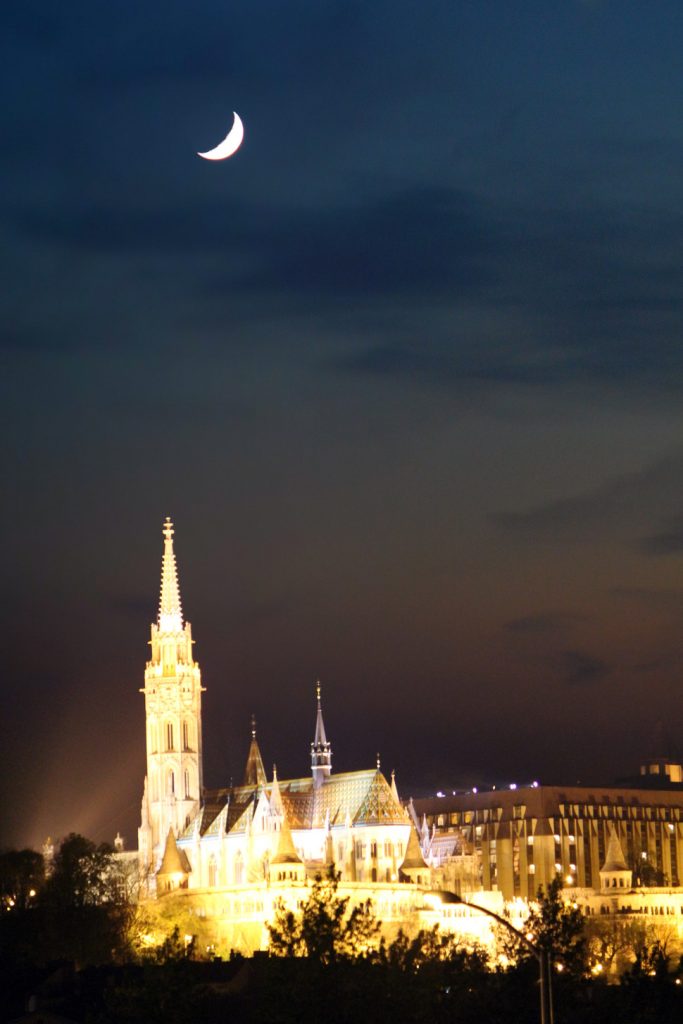
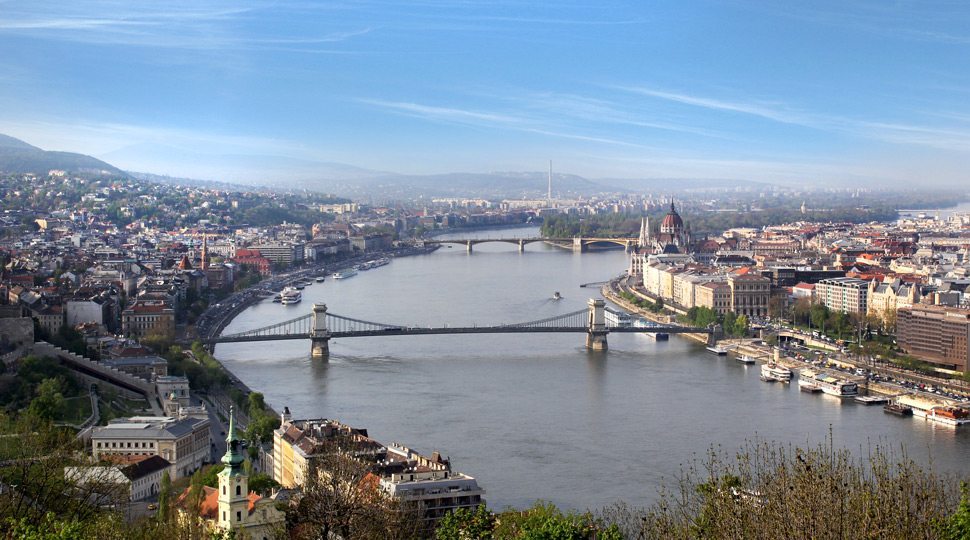
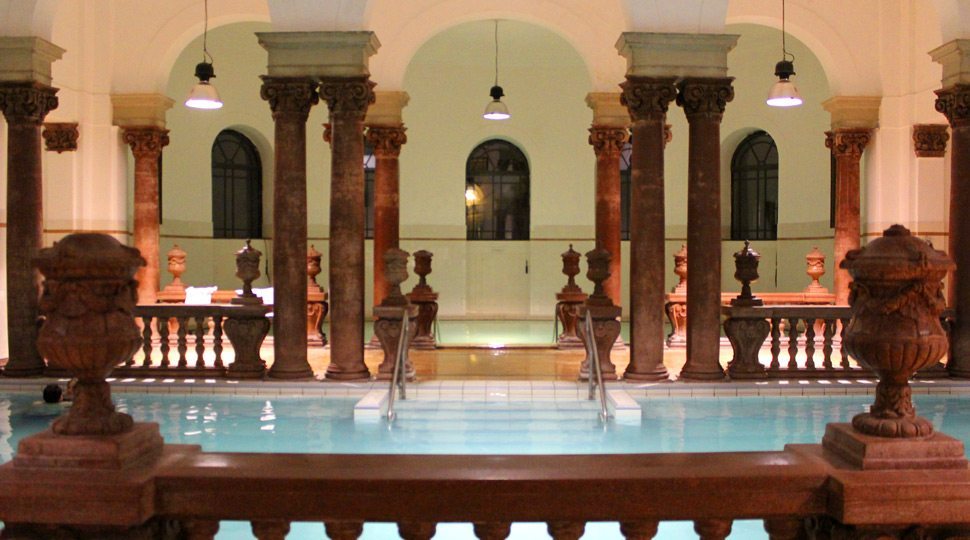
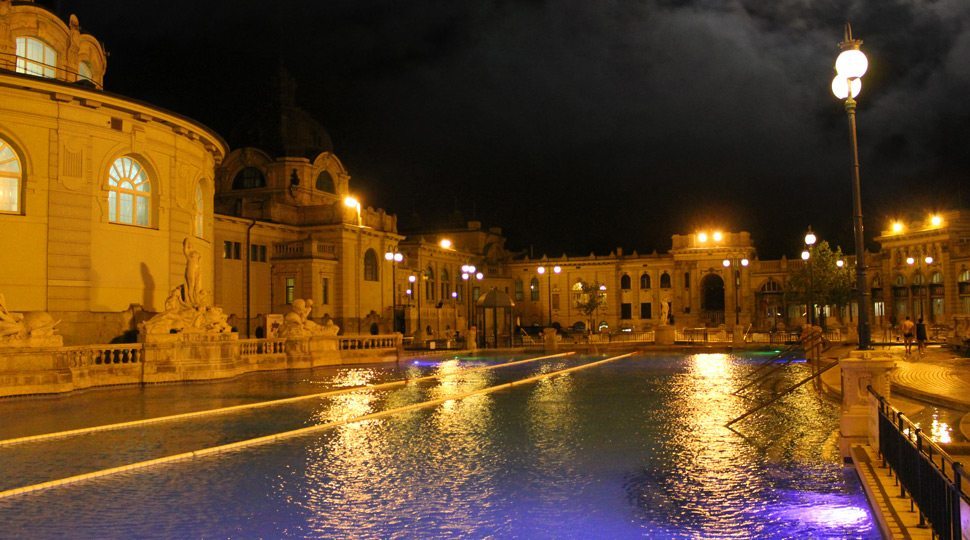
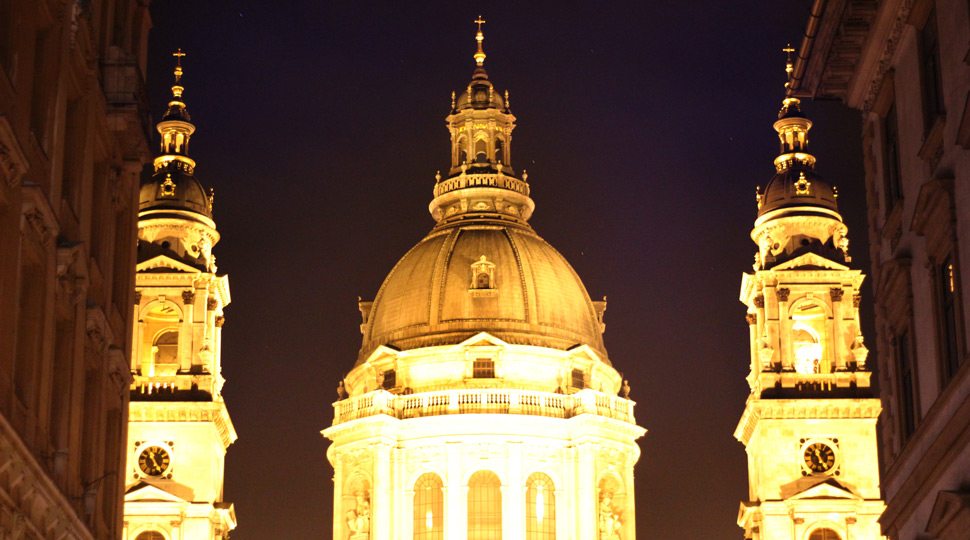
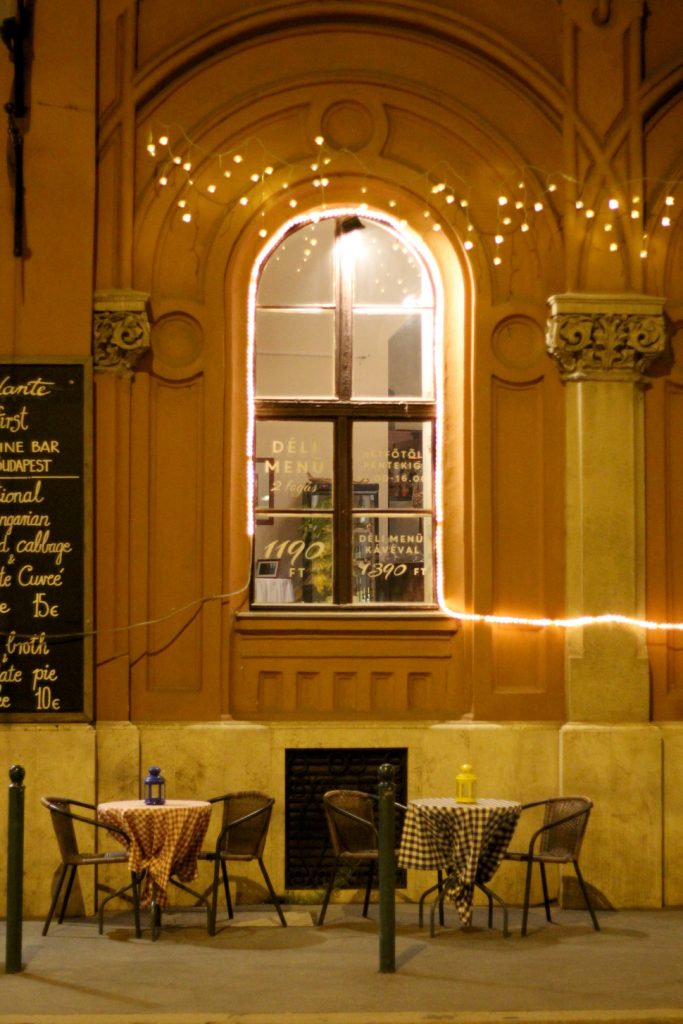
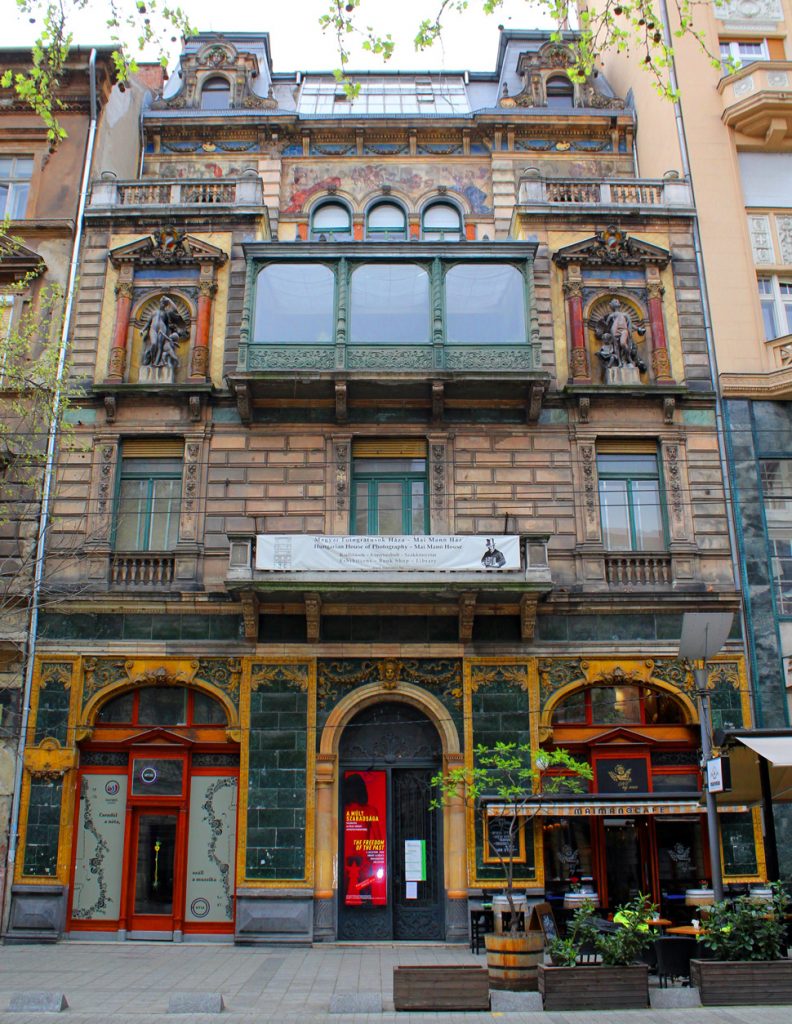
Recently, Calle – one of three winners in the Focus on Four Seasons Instagram contest – and his girlfriend, Mrinali, spent six days enjoying the red-carpet treatment at the historic Four Seasons Hotel Prague and Budapest’s Four Seasons Hotel Gresham Palace Budapest. Now he is back to share his romantic and history-infused vacation images.

“It was my first time in Budapest and Prague,” he says. “I’d always heard great things, so it was what I expected and more. I truly got to see the best parts of the cities in the best way possible.”

Four Seasons Hotel Prague

Four Seasons Hotel Gresham Palace Budapest

Follow the other winners of the Focus on Four Seasons Instagram contest to Hawaii and California.

YOUR JOURNEY BEGINS HERE

Start planning your picture-perfect escape to Budapest and Prague now

City by river