A Guide to Orange Wine


Orange wine

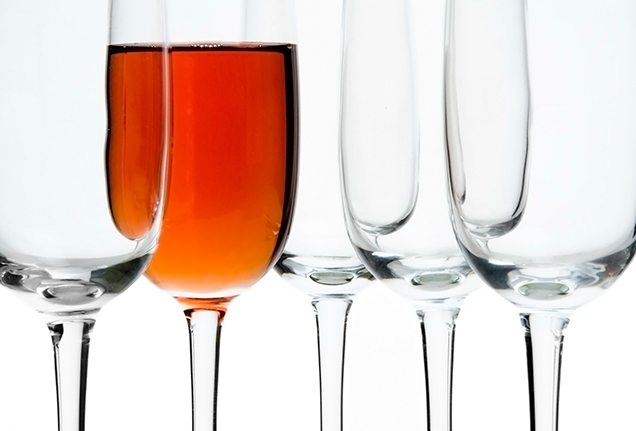
To craft an orange wine, white wine is skin-fermented in a qvevri, or citron-shaped clay vessel, resulting in dried-fruit notes with nutty and caramel aromas.

Aromas of apricot fruit tickle the nose, but a sip reveals heavier tannins, and a rich, almost velvety mouth-feel lingers. Not quite white and not quite red: Viniferous conundrum, thy name is orange.

“Orange wines are the new black,” says Shelley Lindgren, co-owner and wine director of San Francisco Bay–area SPQR and A16 restaurants. “The only problem is that they can be grossly misunderstood. There really is no definitive way to characterize orange wines, because they are essentially a white wine produced with a red-wine sensuality.”

Orange wines are the new black.

The definition of orange wines has been debated frequently at forums like this year’s RAW wine fair in London. Fundamentally, their classification derives not from the type of grape used but from the winemaking process. Orange wines are white wines that are skin-fermented like reds. But unlike red wines, which are fermented for a period of 10 days to one month, orange wines can be fermented from two weeks to seven months.

“Orange wines have the freshness of whites with the structure of reds,” says John Wurdeman, owner of Pheasant’s Tears winery, which has vineyards in the Kakheti and Kartli regions of the country of Georgia. “So they can be compared to both white and red wines, but they are their own genre.”

Georgia is considered the birthplace of orange wine. Referred to as the original winemakers, Georgians have used citron-shaped clay vessels, called qvevri, to make wine since 6000 BC. These vessels were lined with molten beeswax and buried in the ground to stabilize temperatures. Over time, as viniculture spread, qvevris were replaced with barrels, which gave way to stainless steel tanks. The exception: Qvevris are still used to make orange wines.


People who are looking for something new are really surprised by orange wines.

The unusual aging process, which extracts phenols, tannins and antioxidants, produces orange-tinged hues that range from golden honey to deep amber. The colour varies with the type of grapes used (Pinot Gris, Rkatsiteli and Grenache Blanc, to name a few), the length of time spent in skin fermentation, and the method of aging, says Jessica Bell, a certified sommelier and wine educator who has consulted for Georgian wineries. “This is the oldest way of making wine,” Bell says. “But people who are looking for something new are really surprised by orange wines.”

While they’ve always been the wine of choice within Georgia, this method of winemaking didn’t attract much interest elsewhere until Italian winemaker Josko Gravner visited Georgia in the early 1990s. He returned with some qvevris and made Georgian-style orange wines using Friuli grapes, thus drawing more attention worldwide to orange wines.

Besides Italy and Georgia, Slovenia and Croatia also make orange wines, and over the last five years, adventurous winemakers in the United States have gotten in on the action. “People making orange wines, by their nature, are more experimental,” says William Allen, winemaker and owner of Sonoma County’s Two Shepherds winery. Allen himself made orange wine from a blend of Roussanne and Marsanne grapes in 2011. He even makes an orange-style wine from a grey grape called Trousseau Gris—it looks like a rosé but tastes like an orange wine.

In the Willamette Valley of Oregon, Johan Vineyards winemaker Dan Rinke and winery owner Dag Sundby spent the spring of 2007 tasting Italian orange wines like Gravner and Radikon. “We kind of fell in love with them, and we were taken by their uniqueness,” Rinke says. “We make a Pinot Gris, so I suggested trying to do a little something different with it.”

Their trials have resulted in very different types of orange vintages. “The ’09 had a lot of lees in it, and it smelled like pumpkins,” Rinke says. “The ’11 and ’12 vintages have hints of baking-spice aromatics. We’re now starting to do a fraction of it with carbonic maceration [the fermentation of grapes in a sealed vessel full of carbon dioxide], and that tends to bring out more cinnamon and nutmeg notes.”

As a genre, orange wines tend to have dried-fruit notes like apricot and peach, as well as a lot of nuttiness and caramel aromas. “Orange wines are great to use in pairings,” says Emily Larkins, wine director at Craigie on Main restaurant in Cambridge, Massachusetts. “They’re amazing wines to use as a bridge between different elements on the plate.” Larkins says these wines work well with caramelized onions, nuts, cheeses and game birds, thanks to their richness in texture.

That tactile aspect turns some people off. “They’re wines that tend to showcase texture rather than fruit,” says Jared Hooper, LA-based writer turned sommelier. “Those who favour orange wines love the style, but detractors claim the uniqueness of the terroir and the grape is lost—that the elegance of the grape is masked by the winemaking process.”

Orange wine aficionados, however, believe winemakers are just beginning to explore this process, and the wines are cropping up in places such as Chile and New Zealand. “They’re not for someone who orders Sauvignon Blanc every day,” Bell says. “They’re for an adventurous wine drinker, someone who’s open to something new.”

Winemakers to Try

Pheasant’s Tears
Kakheti and Kartli, Georgia
The wines here are all farmed organically and vinified naturally, “with nothing taken away and nothing added,” says winery owner John Wurdeman.

Alaverdi Monastery Cellar
Telavi, Georgia
Orthodox monks continue to use an 11th-century wine cellar and traditional Georgian practices to produce their orange wines.


Complete your Eurasia journey at Four Seasons Hotel Baku

Pyramid Valley Vineyards
North Canterbury, New Zealand
“This biodynamic winery uses something like a qvevri, but they don’t bury it,” says U.S.-based wine importer Chris Terrell.

Gravner
Gorizia, Italy
Josko Gravner’s orange wines are some of the best-known in the world, but he prefers the term “amber,” and he does use sulphites to refine his wines.


Make it a Tuscan wine tasting tour and visit Four Seasons Hotel Firenze

Johan Vineyards
Willamette Valley, Oregon, U.S.
Drueskall, made from Pinot Gris, means “grape skin” in Norwegian. Winery owner Dag Sundby hails from Norway and exports his wines back home.

Two Shepherds
Santa Rosa, California, U.S.
Boutique Sonoma winemaker William Allen calls his skin-fermented wines Centime, after the French word for “cent.” Santé!
Make it a road trip and try the wine at Four Seasons Hotel San Francisco

6 Ways to Drink Tea Around the World

Since it was first cultivated 5,000 years ago in China, tea has become one of the most popular beverages in the world—one with a rich history that spans continents and cultures. Today tea is revered for its pleasing taste and endless varieties, as well as its rejuvenating effects and health benefits.

Whether you prefer green, black, white or oolong—all types of tea that stem from the same plant, Camellia sinensis—tea is an excellent source of both disease-fighting flavonoids and antioxidants that help detoxify damaging free radicals in your body. Strong evidence links regular consumption of tea (two or more cups per day) with a reduced risk of heart disease, lower cholesterol and possibly even prevention of cancer, not to mention its soothing properties.

Not only can sitting down with a cup of tea be relaxing—and good for you—it is also a valued social tradition observed in cultures all over the world. In many places, the ritual of the tea service is as important as the beverage itself. Here are some memorable ways to savour tea at Four Seasons hotels and resorts around the world.

Green tea in Hangzhou

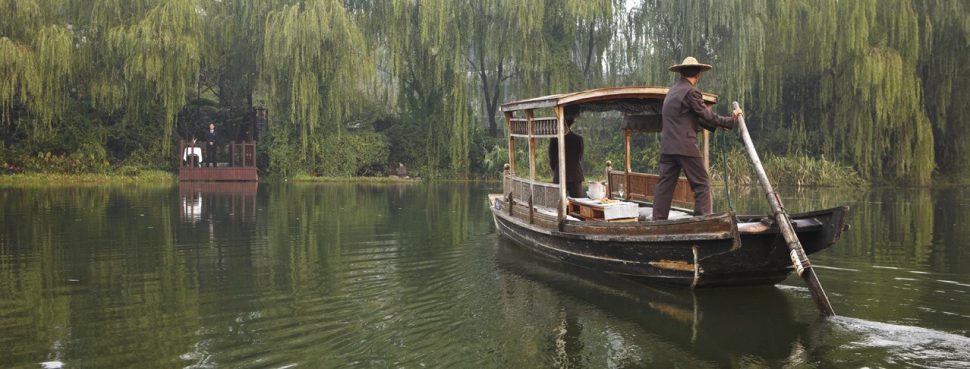
Longjing, or “dragon well” tea, is the world-renowned green tea grown on the hillsides surrounding West Lake and throughout China’s Zhejiang Province. The bright emerald leaves are picked by hand, as they have been for centuries, and dried using a large metal wok in order to stop the fermentation process; this treatment gives the tea its distinct flavour. Enjoy a cup of longjing during the daily traditional tea service at Four Seasons Hotel Hangzhou at West Lake, or head to the Spa for a one-of-a-kind Dragon Well and Jade Spring Ritual. After a bath containing the extract of 60,000 tea leaves, enjoy a body scrub, wrap and massage that all utilise the tea’s restorative properties.

Mint tea in Marrakech

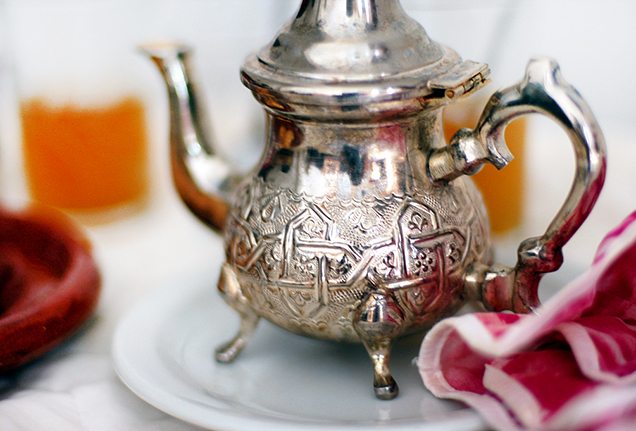
At the Maarifa Cultural Centre at Four Seasons Resort Marrakech, take part in Morocco’s artistic and cultural offerings—including a mint tea ceremony. Throughout the country, the ritual is performed to welcome guests into one’s home; at the Centre, guests are taken through the elaborate ceremony, which involves steeping tea leaves and sugar in boiling water, then serving the tea with handfuls of fresh mint in small glasses. It’s a refreshing and hospitable way to enjoy Morocco’s beloved beverage.

Global offerings in Mumbai

Four Seasons Hotel Mumbai pays homage to local and global tea flavours with a Tea Connoisseur’s Delight menu at the Hotel’s Café Prato. Guests choose from blends sourced from India, such as Kashmiri kahwa from the Himalayan foothills or southern India’s Blue Mountain nilgri. Japanese sencha, African rooibos and herbal infusions fill out the menu.

Sustainable tea in Seattle

Seattle may be known for its outstanding coffee, but discerning tea enthusiasts can now enjoy premium, single-origin whole-leaf tea at Four Seasons Hotel Seattle. Partnering with TeaVert, a Seattle-based company that sources its tea leaves using sustainable cultivation practices, the Hotel is the first to introduce four of the company’s unique tea blends, now available in ART Restaurant. Each tea is presented with a handcrafted single-use tea infuser, made in the U.S. from a fully biodegradable, FSC-certified white birch raw veneer without the use of harmful chemicals.

Tea for two in London

Afternoon tea is a cultural institution in England, and Four Seasons Hotel London at Park Lane is now offering a charming afternoon tea picnic—complete with a wicker basket filled with the proper British sandwiches, cakes and scones wrapped up in vintage tins, plus a half bottle of Bollinger Rosé Champagne. Each basket also includes a tea-brewing egg timer to ensure that the accompanying tea is served precisely to your liking. Enjoy your picnic on Amaranto Restaurant’s lovely landscaped terrace.

Afternoon tea with a twist

In a fun variation on tradition, One-Ninety Bar and Terraza by Javier de las Muelas at Four Seasons Hotel Singapore now offers a Cocktail Afternoon Tea Service, which joins the Classic and Champagne Afternoon Tea offerings on the menu. Choose your drink from the exclusive Diva Cocktail Collection, which features non-alcoholic or low-alcoholic-content beverages infused with ingredients like Darjeeling tea and ginger and named after powerhouse women such as Elizabeth Taylor. When they’re served in glass teapots, accompanied by an assortment of sweet and savoury bites, teatime has never looked (or tasted) better.

Your Journey Begins Here

Select a destination and start exploring

Celebrate at Home With the Help of
Four Seasons Experts

Gathering with loved ones is the best part of the holiday season. If you’re thinking about hosting a holiday party for the first time or if you’re seeking new inspiration for your annual fête, the experts at Four Seasons are here to help. From inventive holiday cocktails and party-planning advice to the recipe for a Michelin-starred dish and the perfect playlist, we’ve compiled a holiday party planning checklist with everything you need for an unforgettable celebration.

Setting the scene: planning a holiday party

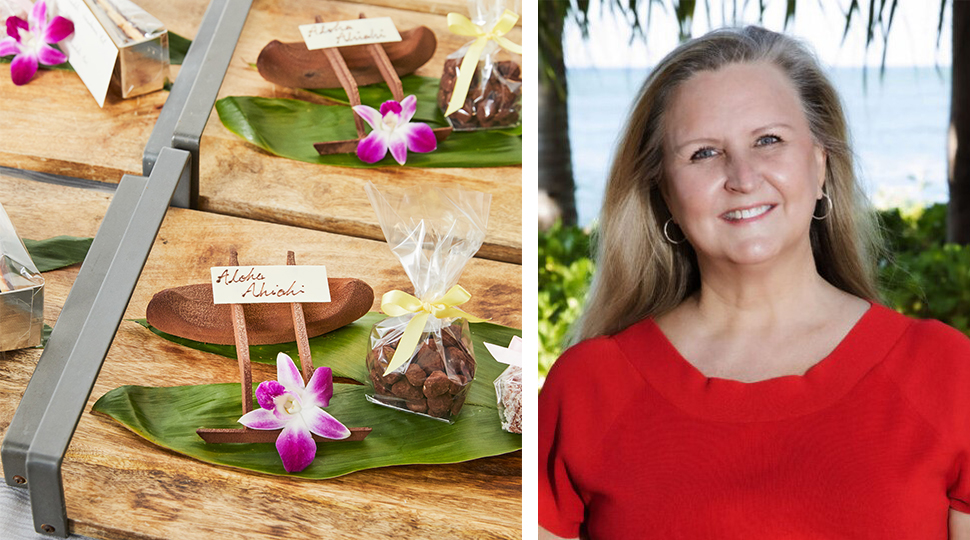
“Holiday parties are a time to come together and reconnect with friends and family, near and from afar,” says JoAnn Freberg, Director of Catering and Conference Services at Four Seasons Resort O‘ahu at Ko Olina. “We share meaningful traditions and family recipes; we celebrate togetherness; and we make memories across generations.”

While in the planning stage, Freberg recommends keeping three words in mind: comfortable, entertained, engaged. This is how you want your guests to feel throughout the event. Plan a menu that includes a variety of traditional favourites, perhaps using family recipes for a personal touch. Small-plate grazing stations are a fun way to share fresh vegetables and fruits, cheeses and charcuterie, or bite-size pastries and treats. Freberg also suggests planning an activity that fosters a sense of belonging and unity, especially if you have new friends or family members joining this year. “And don’t forget the kids,” notes Freberg. Incorporate holiday crafting, storytelling or singing of songs to keep young guests – and their parents – happy and engaged.

Since this is a busy time of year, Freberg highly recommends sending out invitations as soon as you know the date that works for you. The general guideline is to send invitations anywhere from four to eight weeks before the event, but you know your friends and family best, so plan accordingly to increase your chances of better attendance. And if you decide to host your party at a venue as opposed to your home, Freberg has one tried-and-true piece of advice: Book as early as you can.

Ultimately, the goal of a holiday party is to celebrate being together, so no matter where you host, keep formalities to a minimum, greet your guests warmly, cue up the music and let the festive atmosphere you’ve created do the rest.

Setting the mood: the perfect holiday drinks

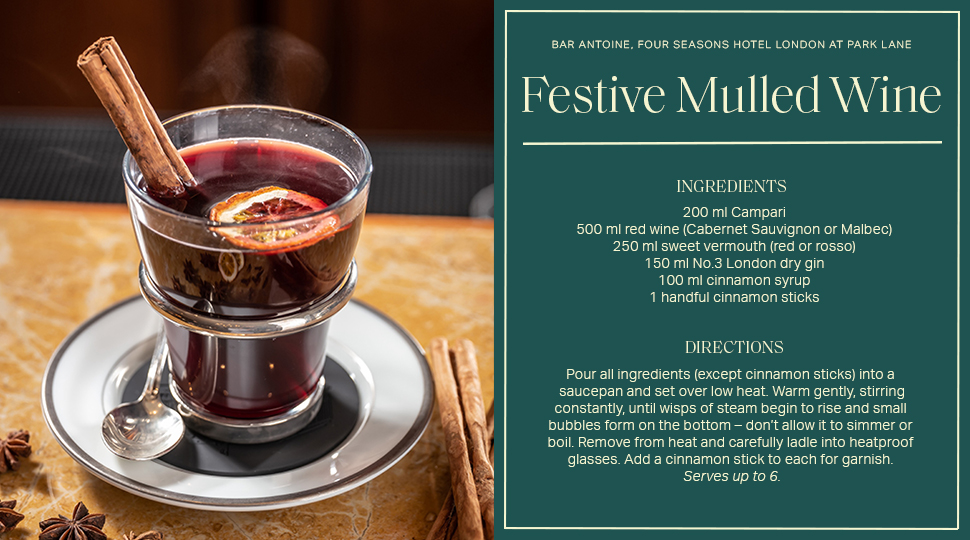
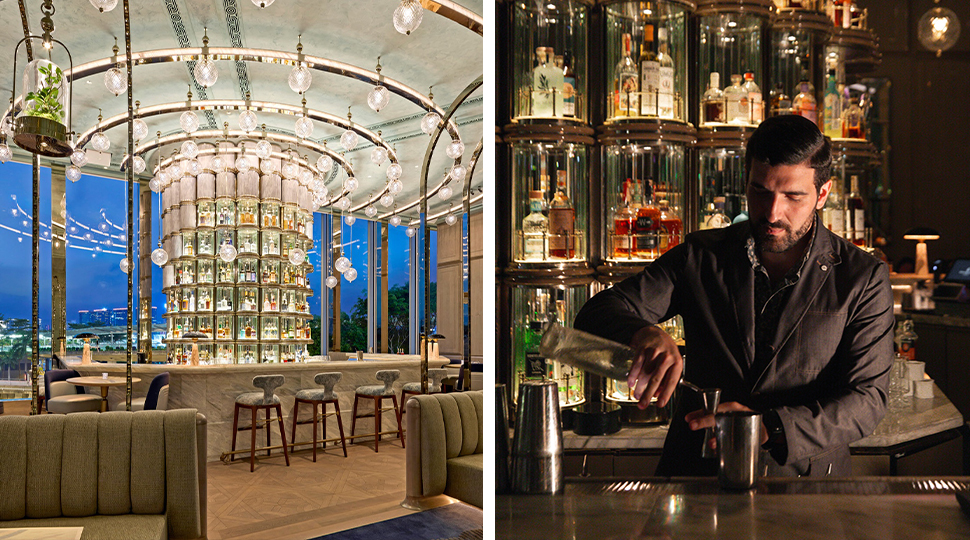
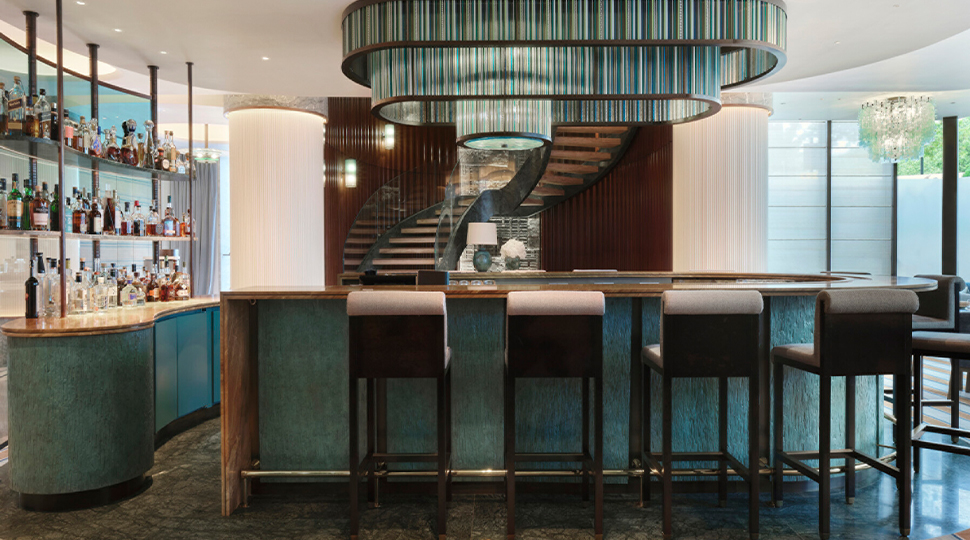
The perfect drink menu can set the tone for your event. Should you go fun and festive? Or elegant and traditional? For Michele Lombardi, Head Mixologist at Bar Antoine at Four Seasons Hotel London at Park Lane, it’s a little of both. “I really like taking a classic cocktail recipe, such as a traditional Negroni cocktail, and heating things up with a festive twist,” he says. For a crowd-pleasing holiday party beverage, Lombardi recommends a twist on traditional mulled wine, adding gin, vermouth and Campari for a little extra kick. “It’s toasty and spiced with a red wine base, cinnamon and all the usual ingredients. This is best made in a batch – enough for a crowd or a couple of rounds.” (See Lombardi’s mulled wine recipe in the image gallery above.)

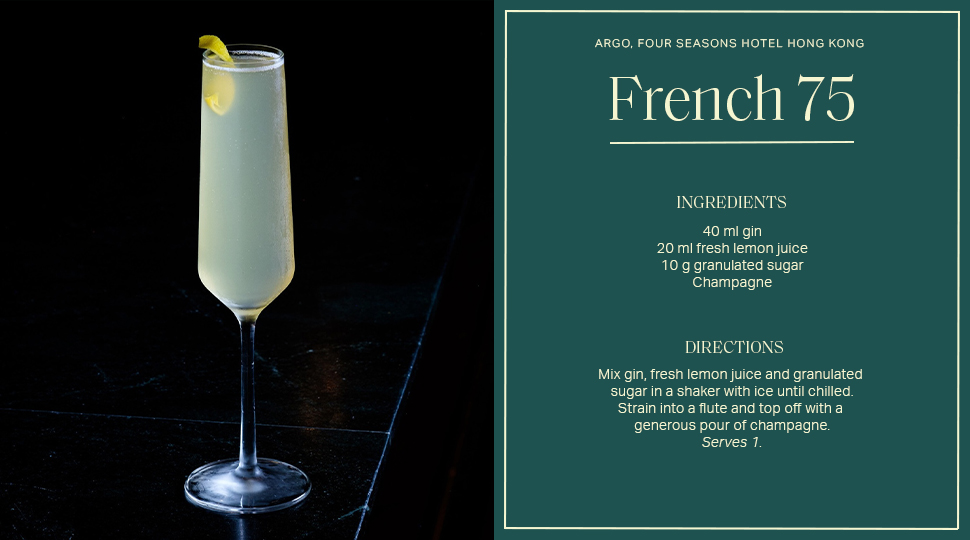
For Federico Balzarini, Beverage Manager at ARGO at Four Seasons Hotel Hong Kong, the name of the game is champagne. “The French 75 is a delightful combination of citrus, gin and champagne. It’s perfect as a pre-dinner drink as well as a palate cleanser,” he says. To make it, mix your favourite gin, fresh lemon juice and some sugar, and then top it off with your favourite champagne. “What’s not to like about it?” (See Balzarini’s French 75 recipe above.)

Come New Year’s Eve, Balzarini loves to celebrate with a glass of Dom Pérignon at ARGO. “There’s something special about the bubbly elegance that captures the festive spirit,” he says. “[I like to open] a bottle to toast to new beginnings!” And he’s right – few drinks immediately say “celebration” quite like a bottle of champagne.

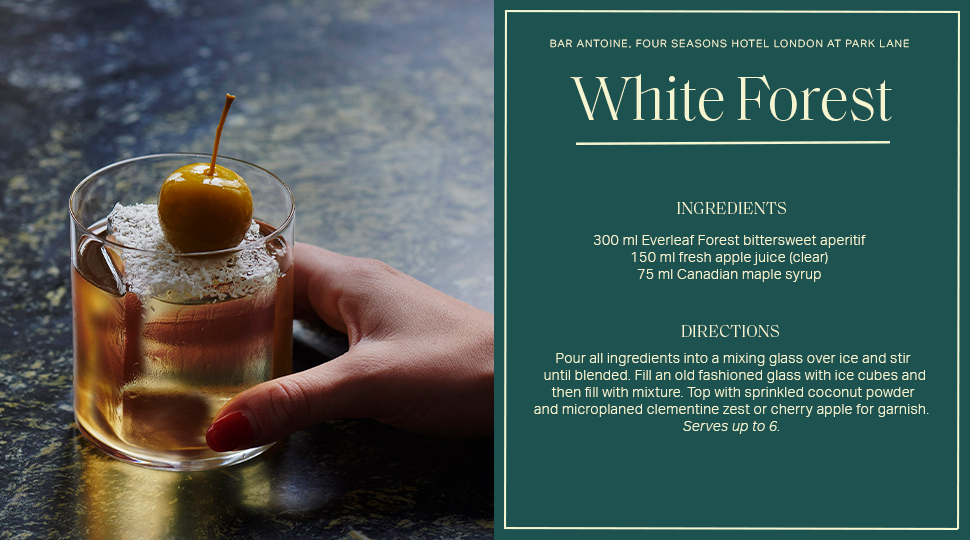
But the best drink menus don’t just include alcohol. “One of the best drinks for the festive season is our White Forest cocktail that we serve at Bar Antoine,” says Lombardi. “It’s a non-alcoholic concoction made of Everleaf Forest non-alcoholic bittersweet aperitif, fresh apple juice, maple syrup, coconut powder and microplaned clementine peel. Served cold or hot, the flavours are bold and give the feeling of enjoying a real cocktail.” (See Lombardi’s White Forest recipe above.)

Setting the menu: the perfect holiday dishes

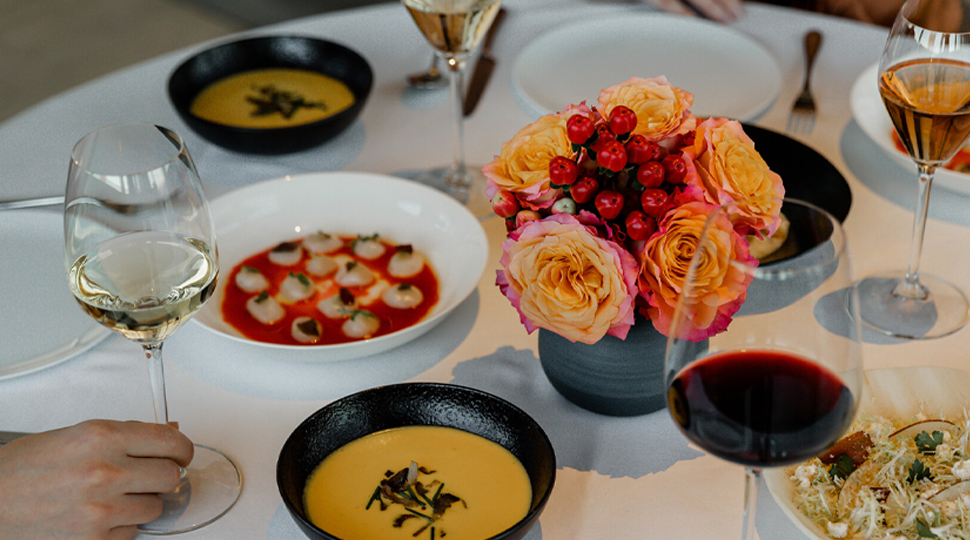
Food has a special way of creating memories, especially when you share it with others. One of Freberg’s top holiday party planning tips includes incorporating traditional dishes with family recipes into your menu. While no two families are exactly alike, the love we pour into the dishes we serve feels universal. This is where your party can really shine, whether it’s through a curated selection of dishes or a hero dish that everyone will remember for years to come.

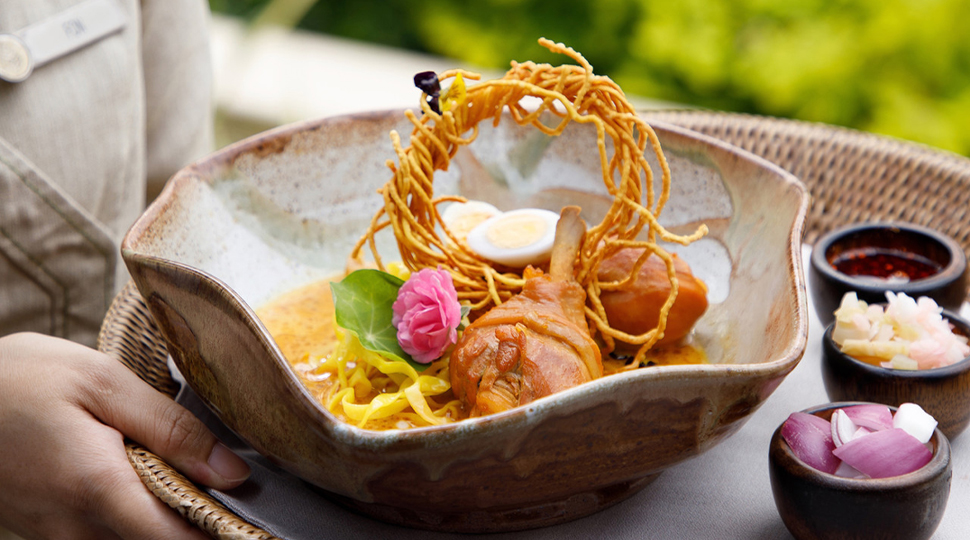
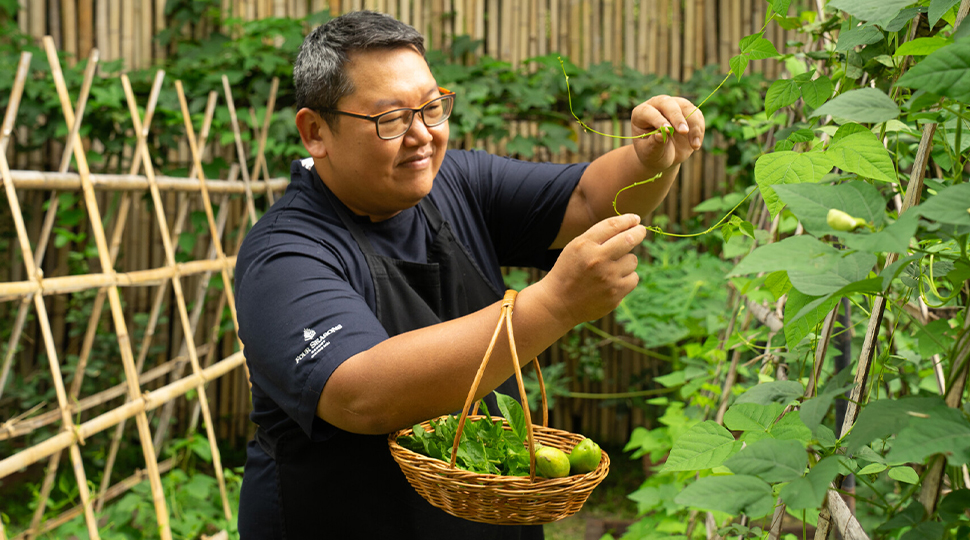
For Chef Suwattana Boonyarattananusorn, Thai Chef Instructor and the key figure behind the success of Rim Tai Kitchen cooking academy at Four Seasons Resort Chiang Mai, that dish is khao soi.

“Khao soi holds a special place in my heart, not just as a dish, but as a symbol of family gatherings and cherished memories,” says Boonyarattananusorn, affectionately known as Chef Tor. This northern Thai classic, with its rich, aromatic curry and crispy egg noodles, has always been a favourite at his family table.

“To me, making khao soi is a labor of love,” he explains. “The complexity of the dish requires time and dedication, from preparing the specific chilli paste to crafting homemade noodles and simmering the perfect soup. It’s a dish that brings the family together, not just at the table but in the kitchen as well. Cooking khao soi becomes an experience where everyone can bond, have fun and laugh, turning the preparation into a cherished family ritual.”

For Chef Tor, khao soi is more than just food; it’s a reminder of home. It’s a dish that sparks conversations and creates connections. Whether he’s sharing it with family or serving it to guests, khao soi is his go-to dish for bringing people closer, making it the perfect choice for any family gathering.

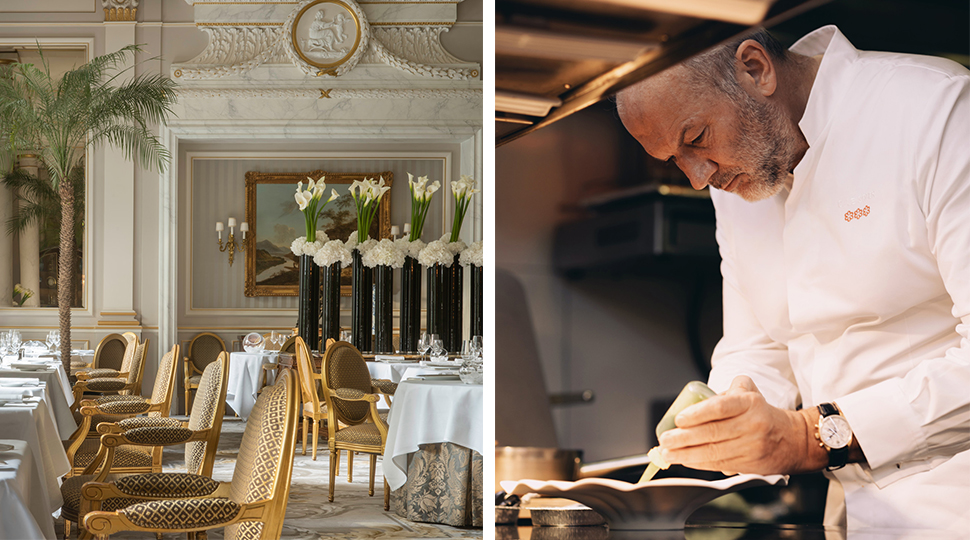
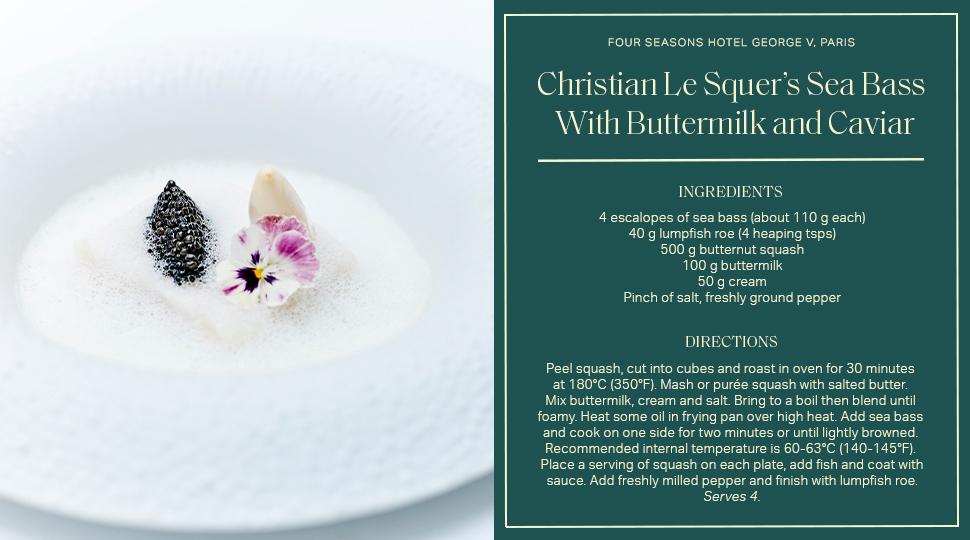
If you don’t have a go-to family dish, why not borrow one from Michelin-distinguished chef Christian Le Squer? His award-winning signature sea bass with buttermilk and caviar is one of the bestsellers at his three-Michelin-starred restaurant Le Cinq at Four Seasons Hotel George V, Paris and will undoubtedly become the centrepiece of your festive dinner. Inspired by Le Squer’s childhood in Brittany, France, this dish is elegant and sophisticated, slightly acidic and salty, and will leave a lasting impression on your guests. (See Le Squer’s sea bass recipe in the image gallery above.)

Setting the table: the perfect holiday décor

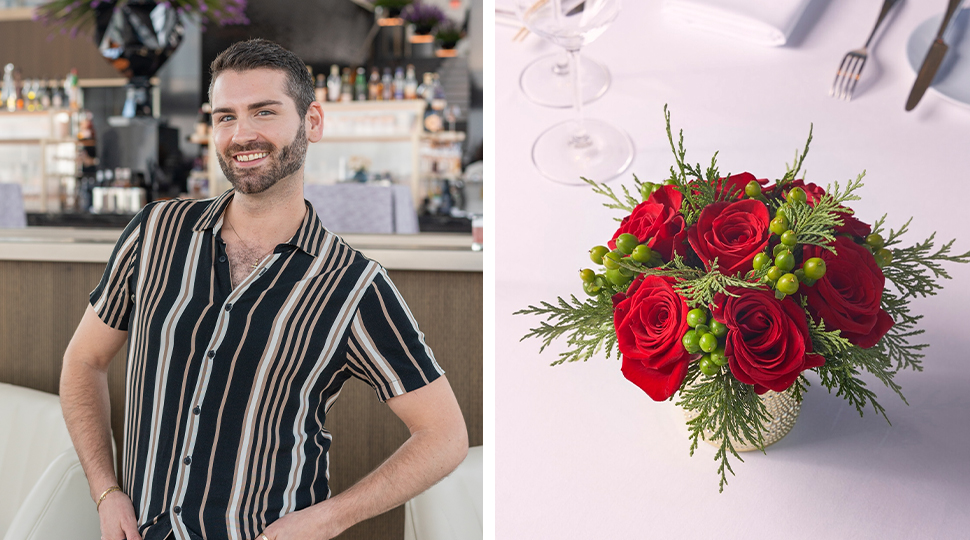
You’ve selected the drinks and the food – now where will you put it all? “Your holiday table setting is where your décor theme takes a personal and more customized turn, allowing you the opportunity to really make your guests feel like they’re immersed in your style and hospitality,” says Corey Rader, Manager of Floral Operations at Four Seasons Hotel Philadelphia at Comcast Center. “I always recommend having a signature bloom at every place setting, whether it is an orchid bloom, a cutting of tallow berry, a sprig of ilex berries or just a clipping of fresh cedar. This simple gesture personalizes the experience for your guests from the moment they take their seats.”

Rader’s go-to holiday bloom for making a big statement, whether on its own or in a grouping, is amaryllis. Amaryllis come in a wide variety of colours, from the traditional red, white, burgundy, and variegated red and white to more contemporary colours like orange, green, pink and salmon. Rader notes that there is an amaryllis out there to fit any holiday décor theme. “Most people are familiar with amaryllis in plant form, but their versatility in design as a cut bloom makes for a showstopper very reminiscent of a lily but without the overpowering scent,” he says.

Another favourite is ranunculus, for its versatility (it pairs well with winter greenery like cedar as well as with other blooms like roses and hydrangeas) and its tendency to look best during the cooler winter and spring months, making December a perfect time to incorporate it into your décor. Rader also says you can’t miss with cymbidium orchids, which can be found in both standard and miniature sizes. Honourable mentions: ilex berry, hypericum berry, antique hydrangea, anemone, peony and tulip.

“I also recommend styling the table with multiple groupings of smaller designs so that you allow for breathing space to accommodate the accumulation of plates and glasses during the meal,” says Rader. “This will also enable you to spread the colour and texture of the florals throughout the table, as opposed to one large design that only pulls focus to the centre.”

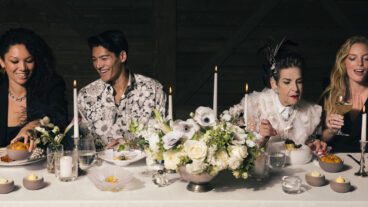
Another key to successful table design and overall décor is lighting. “Lighting will make the difference between a flat, one-dimensional table and an elevated experience,” notes Rader. Striking the right balance is key; too much light and everything is washed out. Not enough light, and all of your hard work is not afforded the opportunity to shine. Candles are a great way not only to show off your style but also to add another layer of lighting to the table, suggests Rader, and with so many candleholder options on the market, selecting the right one has never been easier. Whether you’re adding texture through different linens, combining a variety of blooms, or placing evergreens or magnolia leaves directly on the table, just play with it and see what feels right. This is where you can really have fun and showcase your creativity.

Setting the vibe: the perfect holiday playlist

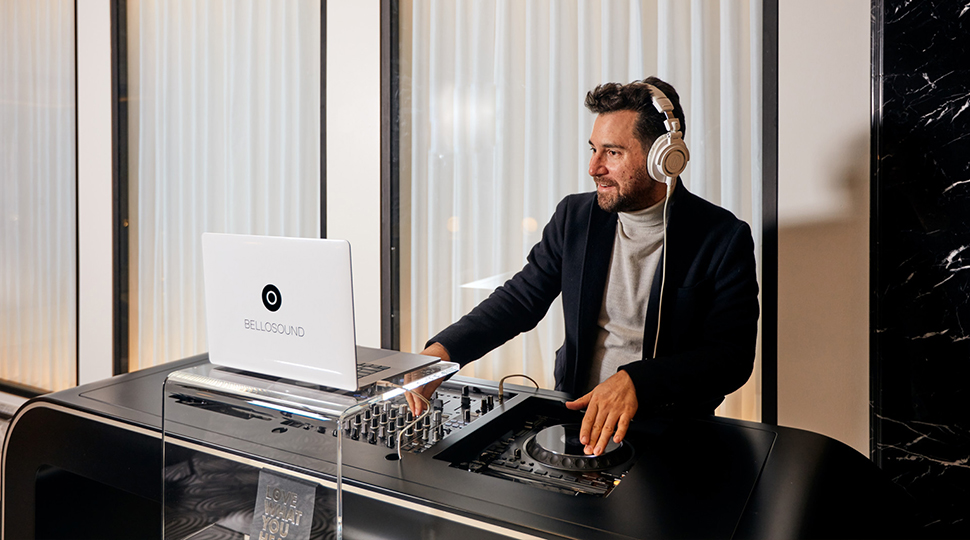
The right playlist can elevate the mood of any party. “The secret to a great holiday playlist is all about timing and flow,” says Daniel Buckman, President of BELLOSOUND and Music Partner of Four Seasons Hotel Houston. “Experience tells me that it’s about mixing the familiar with the unexpected while keeping things cool – but not too cool.”

First, timing. Start with laid-back classics and then gradually build energy. It’s all about reading the room and knowing when to shift gears, says Buckman. Then comes balance; blend traditional holiday tracks with modern hits, world music, or sophisticated jazz and chill electronic music to keep things interesting. Then Buckman recommends including something familiar, but with a twist: “We know people love classics, but by introducing fresh remixes or rare gems, we keep the playlist engaging.” The best playlists cater to diverse tastes, so keep your audience in mind and blend old and new to create an inclusive, dynamic vibe. And finally, avoid overplayed hits. Buckman suggests steering clear of the obvious and focusing on fresh versions and under-the-radar gems to keep it exciting.

So what are some of his favourite holiday songs? “I’ve got a few,” he says. “I love the laid-back vibe of reggae Christmas, like ‘Happy Christmas’ by Toots and the Maytals. Marvin Gaye’s ‘Purple Snowflakes’ is a soulful classic, and Kaskade’s Christmas albums bring that modern, cool vibe. But for the perfect remix, it has to be ‘I’d Like You For Christmas’ by Julie London (Ursula 1000 remix) – smooth, nostalgic, but with a fresh twist. Perfect for setting the mood.”

YOUR JOURNEY BEGINS HERE

How will you spend your holidays?

floral art installation at Four Seasons Hotel George V Paris