Milan’s Global Moment

On the rooftop of La DoubleJ’s new headquarters in Milan’s Navigli district—a buzzy neighbourhood where restaurants spill onto canals—sits an unexpected oasis: a gong temple, complete with workout mats, meditation cushions, and a wall of bronze gongs. The glass-walled room, which overlooks the city’s old terra-​cotta rooftops, is a community space accessible to anyone who signs up for yoga, meditation, and sound baths. “Twenty years ago, nobody would have come to a wellness space on top of my office,” says J.J. Martin, founder of La DoubleJ, the maximalist fashion and homeware brand known for its bold printed dresses and sets.  

When the magazine editor turned designer first moved to Milan from the United States 25 years ago, no one she knew there was doing breathwork, let alone practicing yoga. Now La DoubleJ’s classes are packed. “We’ve got a full house,” she says. This rooftop wellness space captures a new wave rippling through Italy’s second-largest city. The metropolis’s cultural tone is shifting as more foreigners are lured there due to great quality of life, as well as a flat tax system. “Everywhere I go—whether it’s New York, London, Palm Beach—I’m hearing about the mass exodus to Milan for tax purposes,” says Martin, adding that this influx has fueled a surge in local property values and rentals. For high-net-worth individuals, Italy’s offer for new residents to pay a fixed annual levy of €200,000 on all foreign‑sourced income is a huge draw. Money is flooding in. Last year, Milan’s Via Monte Napoleone became the priciest shopping street in the world, overtaking New York City’s Fifth Avenue and boasting a new Tiffany & Co., the brand’s largest European flagship. 
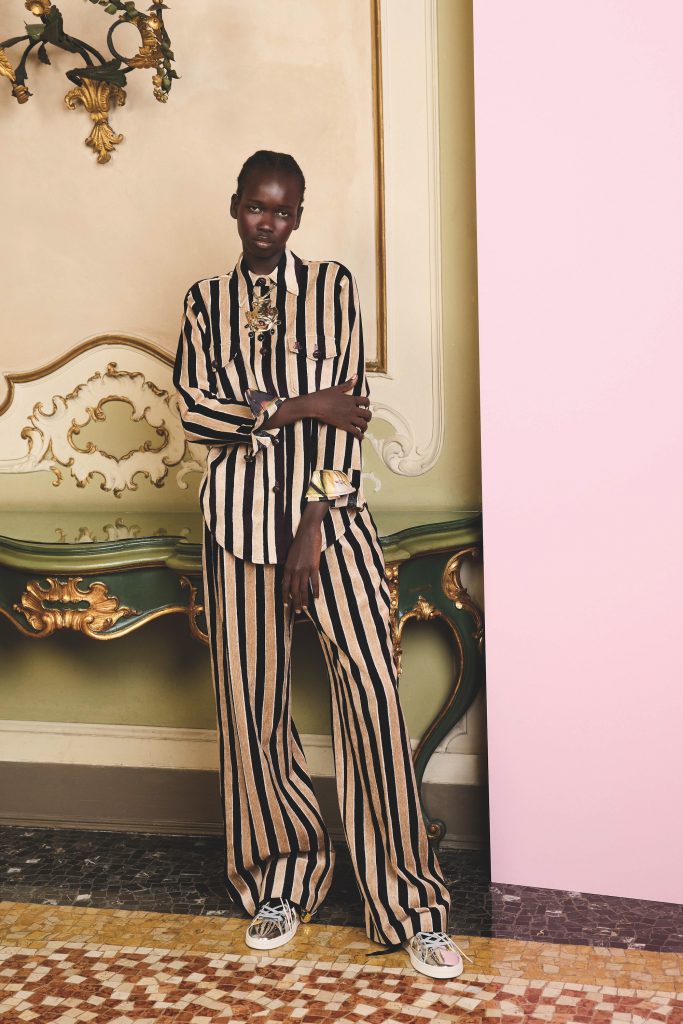
La Double J
La DoubleJ velvet jacquard jacket and pants from the fall 2025 collection, presented at Milan’s Palazzo Visconti in February.  
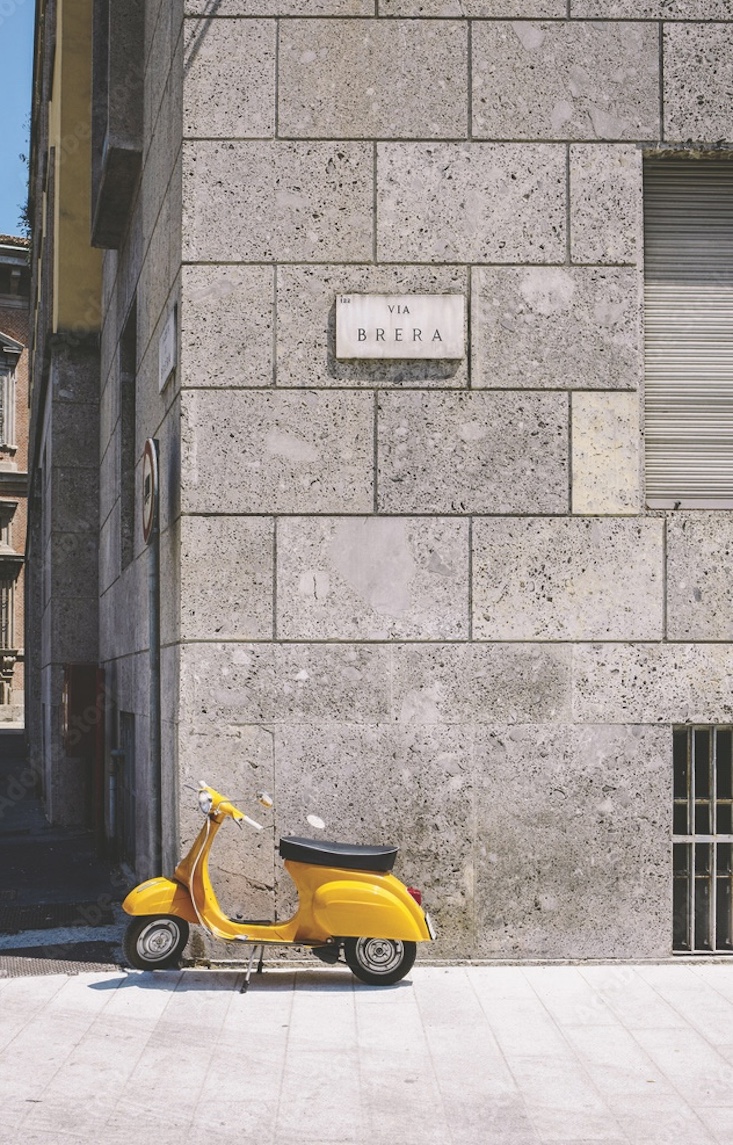
La Brera Milan
Milan’s Brera district. Photograph by Paperclip Images / Stocksy / Adobe Stock.

For many creatives, the attraction lies in the city and culture itself. While celebrated as Italy’s fashion and design capital, Milan has long carried a reputation as the country’s grittier, more industrial city—not as ornate as Florence or as historically cinematic as Rome. Indeed, Milan’s architecture showcases a striking duality—case in point, the Duomo, with its intricate marble façade, and the Galleria Vittorio Emanuele II arcade, with its glass-and-steel canopy, located not far from converted factories and warehouses. Yet its beauty lies precisely in its subtlety. As David Raffoul, the Paris-born, Beirut-raised co‑founder of design studio David/Nicolas, puts it, “The beauty of Milan is that it’s not an obvious city.” 

In Milan, heritage isn’t just preserved; it’s celebrated. “Out of all the European countries, Italy is the one that stays quite [connected] to its heritage,” says the Norwegian art advisor and curator Truls Blaasmo, who moved to Milan four years ago and whose clients include Gucci. “The Italians are so true to their history.” For him, Italy’s legacy of tradition and design made the move irresistible. “What’s key in the history and heritage of the city is manufacturing, whether it’s cars or furniture.” For many designers and artists, proximity to top-tier artisans—both in Milan and close by elsewhere in Italy—is extremely appealing. “In terms of production and artisans, they are the best,” says Raffoul, who made Milan his permanent base in 2020. “You can go to Veneto, anywhere, and you will find great artisans.” 

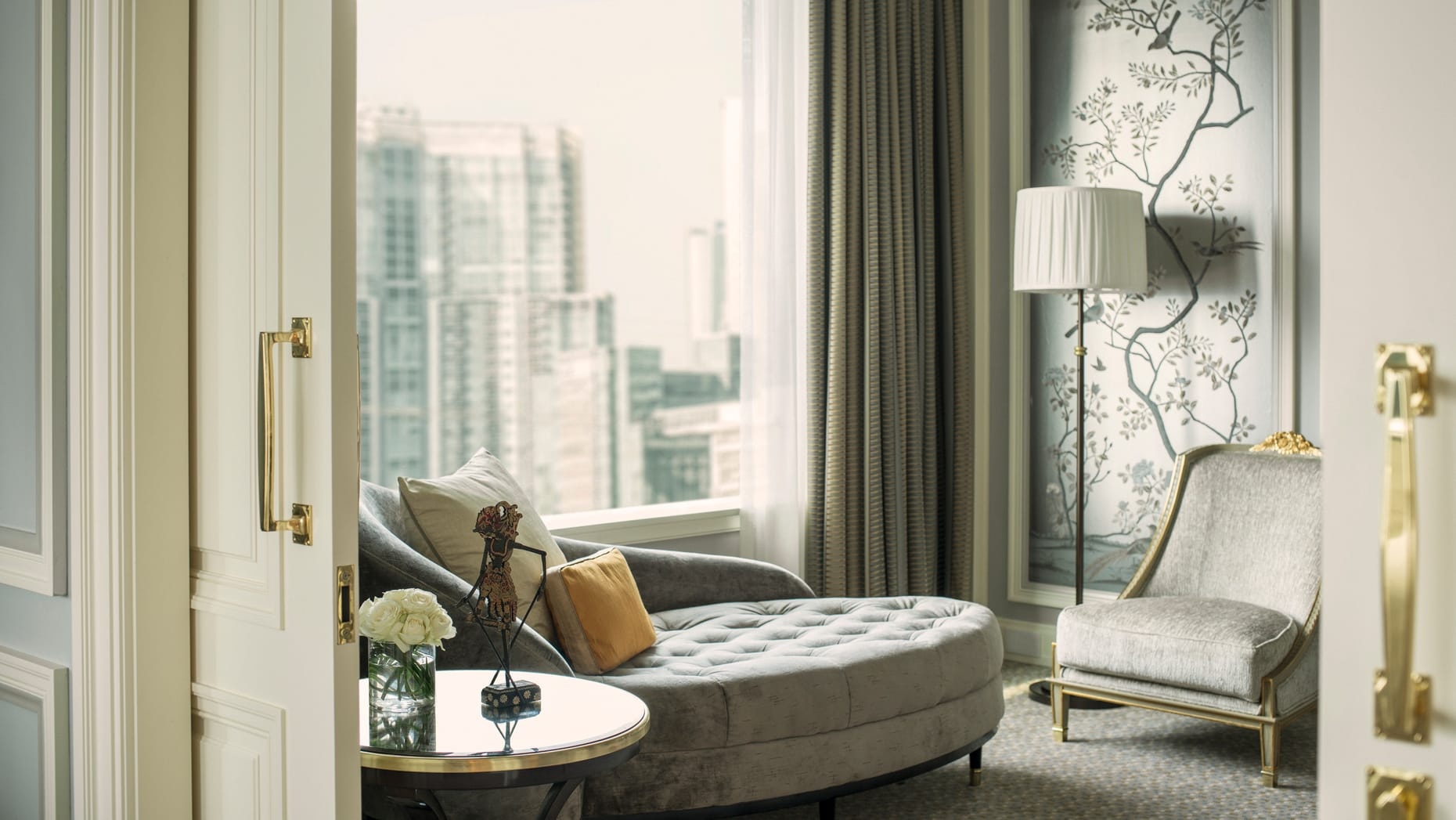
FS Milan
The newly renovated Renaissance Suite, designed by Pierre-Yves Rochon, at Four Seasons Hotel Milan.  

Some 20 percent of Milanese residents today are foreign-born, making the city one of the most diverse hubs in the country.

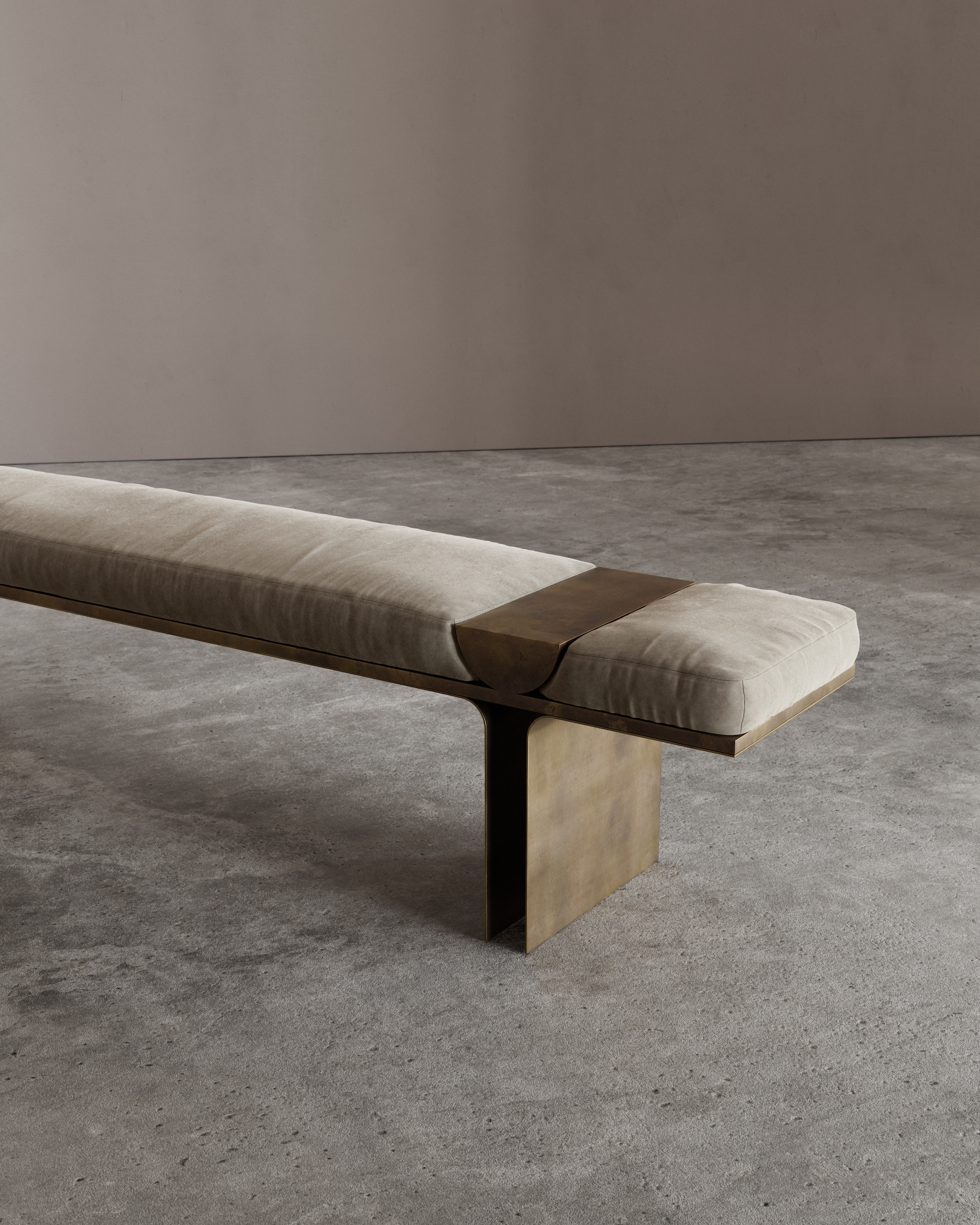
Some 20 percent of Milanese residents today are foreign-born, making the city one of the most diverse hubs in the country. For furniture designers Francis Rudman and Azamit, the married co-founders of Hintsa Rudman, relocating from Montreal to Milan offered an opportunity to start something new. After visiting the city over the years to attend the design fair Salone del Mobile, they finally made the leap two years ago and launched their furniture brand, which uses bronze, brass, and wood to create heritage-​inspired contemporary benches and tables. “It just clicked,” says Azamit. “All the ateliers and manufacturers are so close.” The duo is preparing to debut a collection inspired by their move to Italy. 

Similarly, the U.S.-born clothing designer Brett Johnson, who shows during Milan Fashion Week, has found the city alluring for its artisanal access. “The best trade fairs for fabrics and leathers are in Milan,” says Johnson, who is known for his sharp tailoring. “I discover all the latest offerings there.” Although he splits his time between Milan and Virginia, Johnson maintains a strong presence in the Italian metropolis. He has a showroom on Via Manzoni, near Brera, the upscale neighbourhood that is home to the Brera Academy of Fine Arts and such chic boutiques as the Venetian shoe brand ViBi Venezia and the perfume bar Olfattorio. Other designers who now call Milan their creative base include Japanese-born Satoshi Kuwata, founder of the label Setchu, and Istanbul-​raised Umit Benan, who recently opened his first store on Via Bigli. 

For many, moving to Milan also means enhancing their quality of life. Ambra Medda, co‑founder of Design Miami and the design consultancy AMO, made the move from London to Milan with her husband, designer Edward Barber (of Barber Osgerby), in part to give their children “a slice of Italian culture,” she explains. Although Barber still splits his time between London and Milan, Medda—who was born in Greece and has lived in New York and Miami—wanted her kids to grow up learning Italian. “Living in Italy is so replenishing,” Medda says. Rather than being stuck in a car all day in London, she now bikes or walks through the city with ease. 
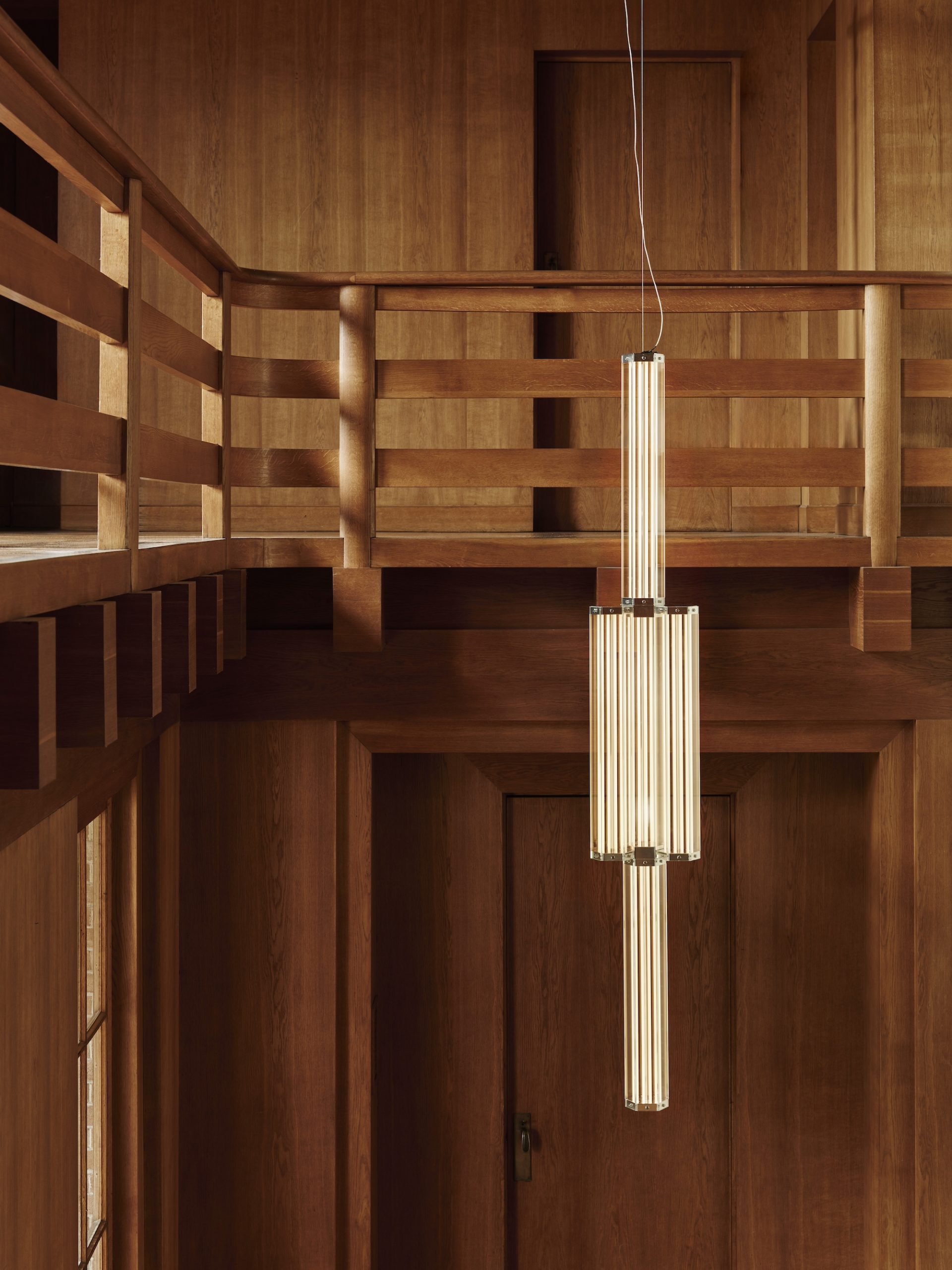
Formafantasma’s SuperWire modular lighting system.
A bench from Hintsa Rudman’s Hiwot collection. 

It’s not just foreigners flocking to Milan; Italian creatives are reclaiming the city, too. Born in southern Italy, fashion designer Francesco Murano first moved to Milan in 2016 to study fashion. “It’s the only metropolitan city in Italy at the moment,” says Murano, who is a finalist for the prestigious LVMH Prize. He launched his brand in 2021 and made his Milan Fashion Week debut in February 2025. In recent years, he has seen more emerging brands rising. “If you want to do this kind of work and be close to trends, you have to stay in Milan.” 

And then there are the Italians returning home. Andrea Trimarchi, co‑founder of the research-focused studio Formafantasma, spent two decades abroad, launching the studio in the Netherlands after studying in Florence, before moving back. “We were missing sun, food, and friends,” he says. At the time he left, Milan’s design scene was tightly controlled by an older generation. “There was no space for the younger generation to flourish,” Trimarchi recalls. Now that’s changing. “A lot of Italian people moved abroad and in the last few years have decided to come back and establish studios similar to ours,” he says, noting that Formafantasma moved its studio into an irresistible warehouse space.  
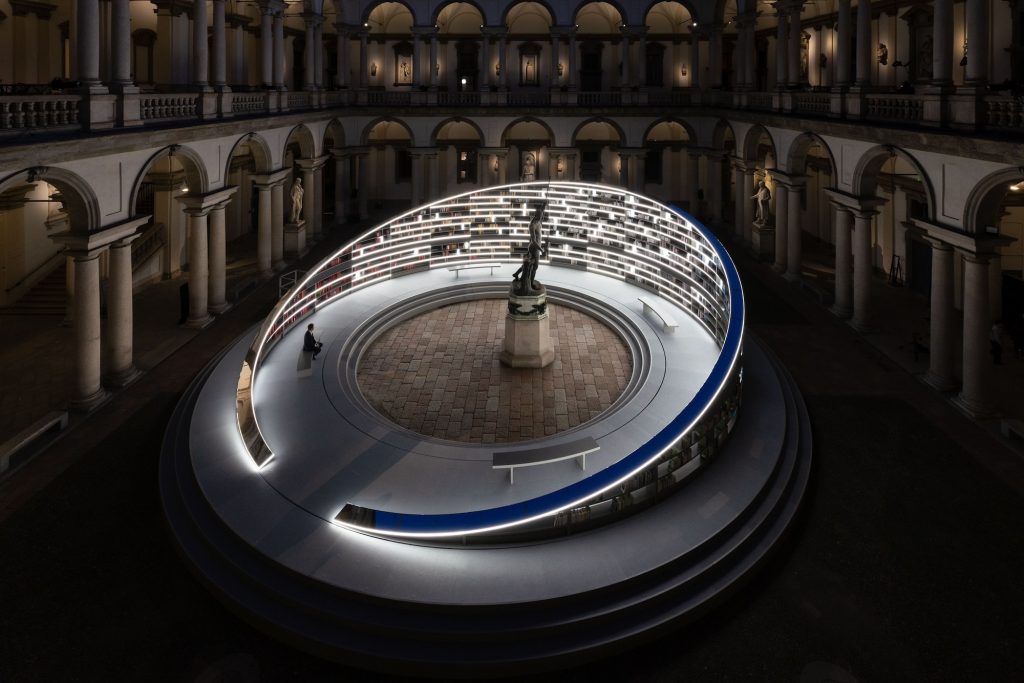
British artist and stage designer Es Devlin’s kinetic installation Library of Light, presented at Pinacoteca di Brera during Salone del Mobile 2025. Photograph by Monica Spezia.

Throughout its history, Milan has been welcoming of immigrants. “It’s always been receptive to foreigners,” says Trimarchi. “It’s the richest region in Italy and biggest producer of design and fashion, so there’s a lot of work there.” Recent years have seen this openness accelerate, spurred by events like Expo 2015 and Salone del Mobile, the annual design fair that has begun attracting major brands, such as Gucci, Prada, and Loewe, presenting immersive installations. Looking ahead, the Milano Cortina Winter Olympics, running February 6 to 22, 2026, will further cement the city’s global influence. Milan, the co-host of the games, will be the site of figure skating, speed skating, hockey, and the opening ceremony. 

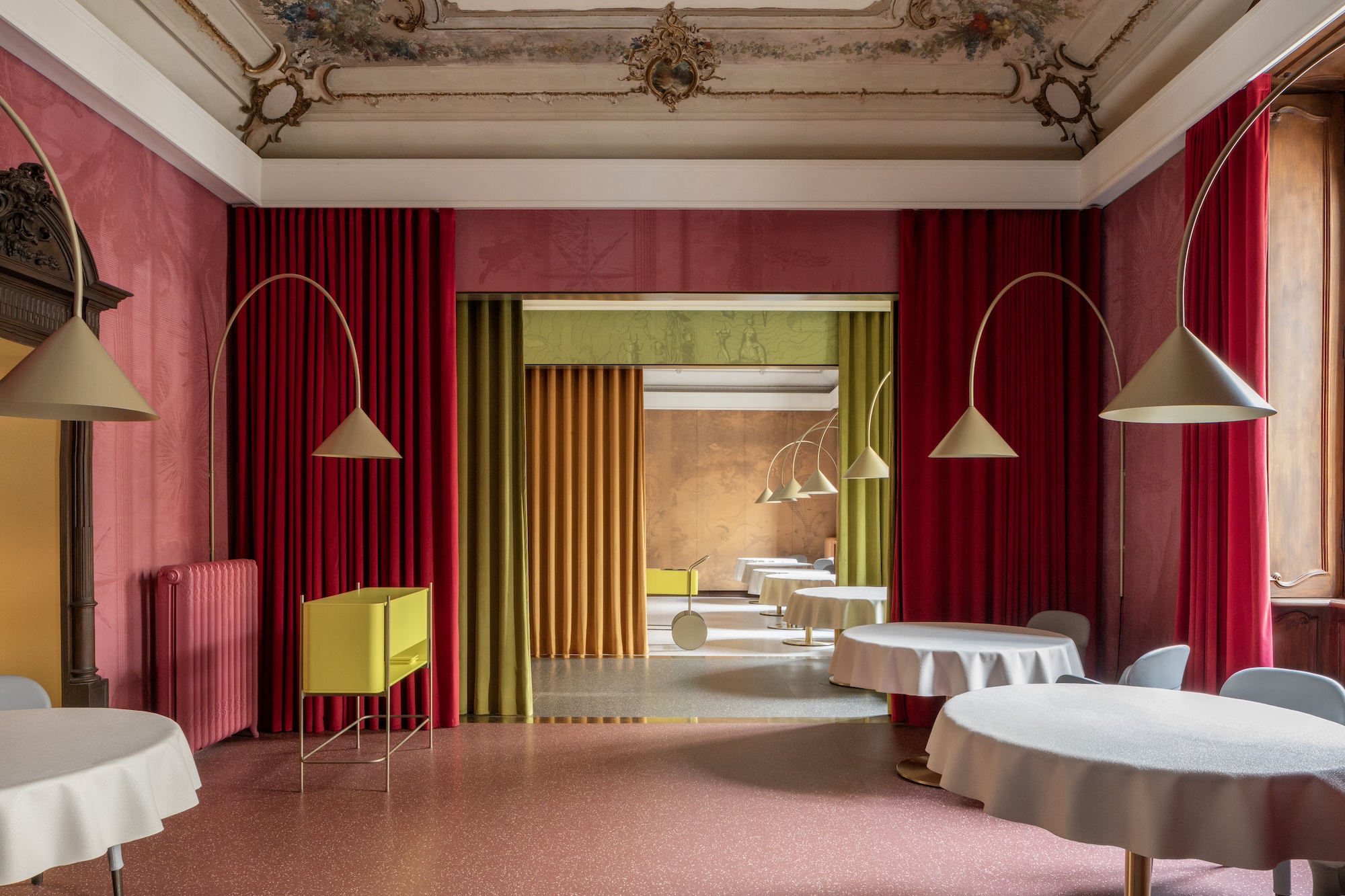
Milan has long had an impressive dining scene and currently boasts 18 Michelin-starred restaurants, such as the avant-garde Contraste (which recently underwent a stunning, multihued redesign) and Enrico Bartolini al Mudec, the city’s sole three-star establishment. Trimarchi notes, though, that the food scene has shifted; it now offers Mexican, Indian, and Japanese cuisines, which was unheard of in the past. “There is a much more diverse culinary environment,” he says. Natural-wine bars, such as Nico and Flor, are crowded with patrons sipping glasses of orange wine. “When I first moved here, there was zero international food. You could only get Italian, and it was either at a restaurant or homemade, no takeout or delivery,” says Martin, adding that there are now “even a few vegan and gluten-free spots.” 

But for all its changes, Milan retains a timeless essence. Step into Marchesi 1824, a historic café where locals enjoy espressos and pastries at the bar, or A Santa Lucia, a no-frills restaurant where the walls are crowded with vintage photographs and tables are dressed in stark white tablecloths. Beloved establishments remain staples. Raffoul swears by the club sandwich at Four Seasons Hotel Milan, where the suites and rooms were recently remade by the illustrious French designer Pierre-Yves Rochon with velvet couches and sienna-hued wall coverings inspired by the cloister’s frescoes.  

And while Martin is pleased that people want to dabble in sound baths, she is also glad that the city is still rooted in its many traditions. That is, after all, part of what drew her to Milan in the first place. “When I first arrived, Milanese fashion was like out of a movie—the women in kitten heels and the men in their Brioni suits,” she says. As globalism has spread, the street style has adapted, but Martin says, “you still have that innate sense of individuality and style that I think is built into the DNA of the Italians.” The city might be transforming, but some things, such as a well-made espresso, remain beautifully the same. “You still can’t get French food here,” she notes. “Some things don’t change.”   
What to Do in Madrid: A Fashion Insider on Where to Eat, Shop, and Be Inspired

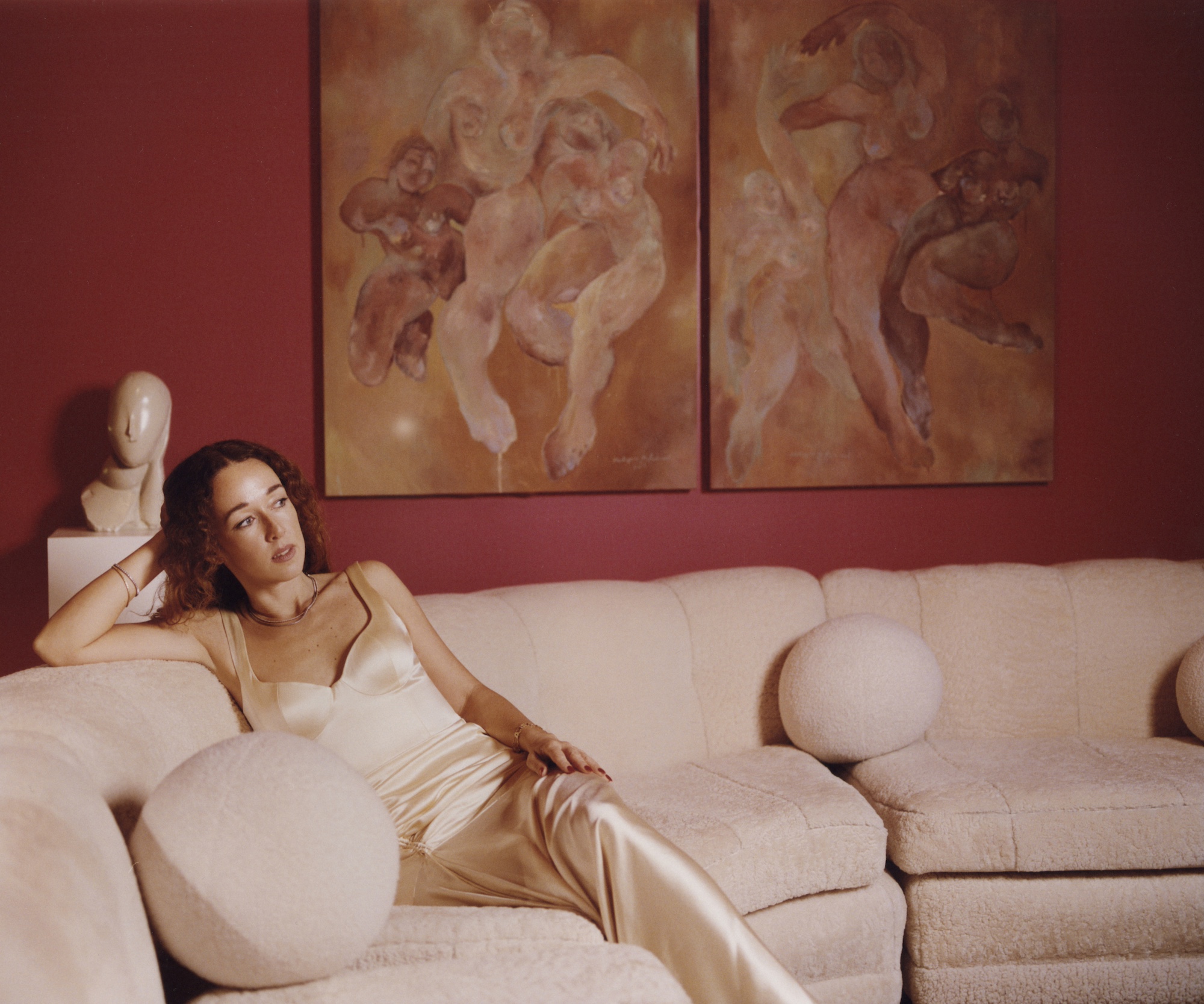
Alejandra Alonso Rojas weaves a global heartbeat into all of her designs. Born in Madrid, she trained at some of the world’s most prestigious design schools, including London’s Central Saint Martins and New York’s Parsons School of Design, before opening her eponymous studio in Manhattan. “The landscapes, culture, and energy of Spain breathe life into my work. Artists like Dalí and Picasso inspire the vibrant colours and emotional depth in my creations,” says Alonso Rojas, who also celebrates the women in her family for instilling in her an appreciation for handcraft, from leather and knitwear to fine Camariñas lace. 

Here, she discusses essential things to do in Madrid, which will always remain a favourite destination.  

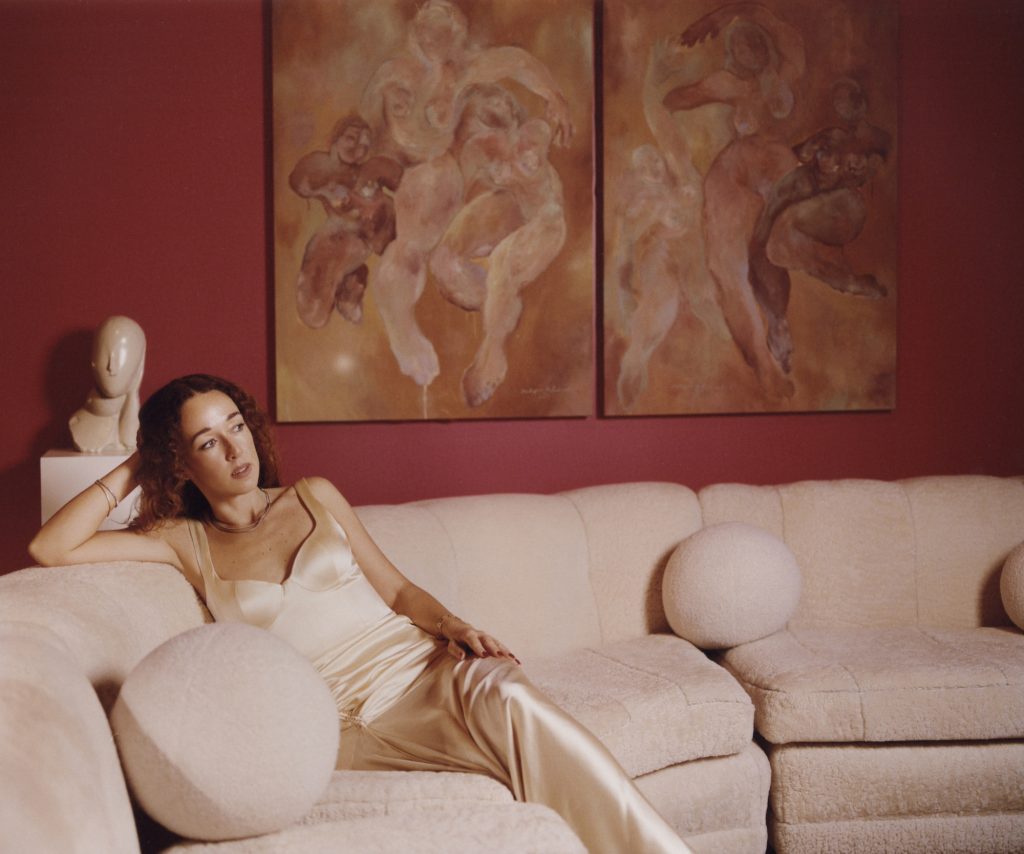
Alejandra Alonso Rojas
“Travel is integral to my design work. It expands my perspectives,” says Alonso Rojas, wearing one of her designs. Photograph by Anastasiia Duvallié.

Shop

Boutique Browsing: “I recommend the Malasaña and Chueca districts for unique boutiques and artisanal shops. The Barrio de Salamanca offers luxury shopping [that] feels more personal compared to typical tourist spots. El Rastro is a very special place where you can find true antique gems.”   

Recharge

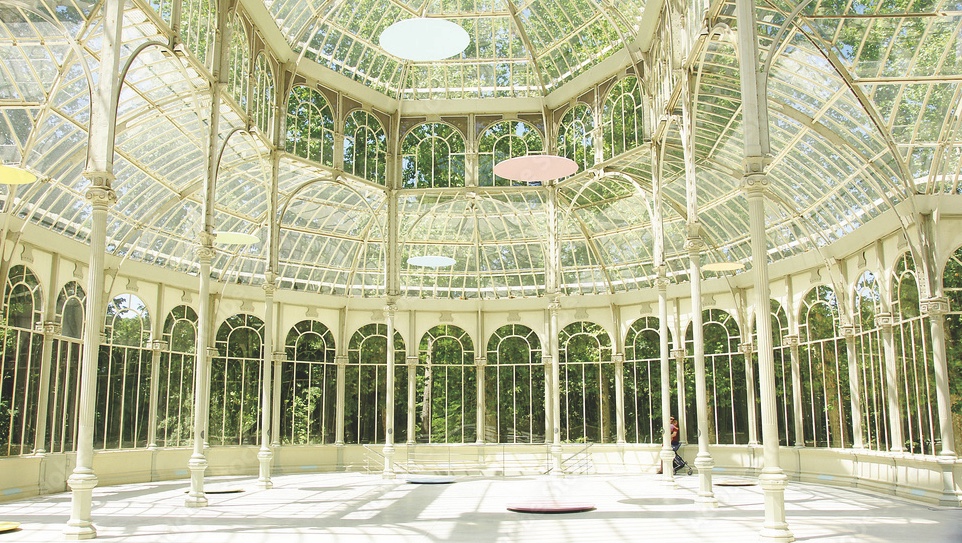
El Retiro Park
Palacio de Cristal conservatory in El Retiro Park. Photograph by Sanguer / Adobe Stock.

El Retiro Park: “Its lush greenery and tranquil atmosphere offer a peaceful retreat from the city bustle, inspiring a sense of calm and reflection. The beauty of nature boosts my creative energy.”  

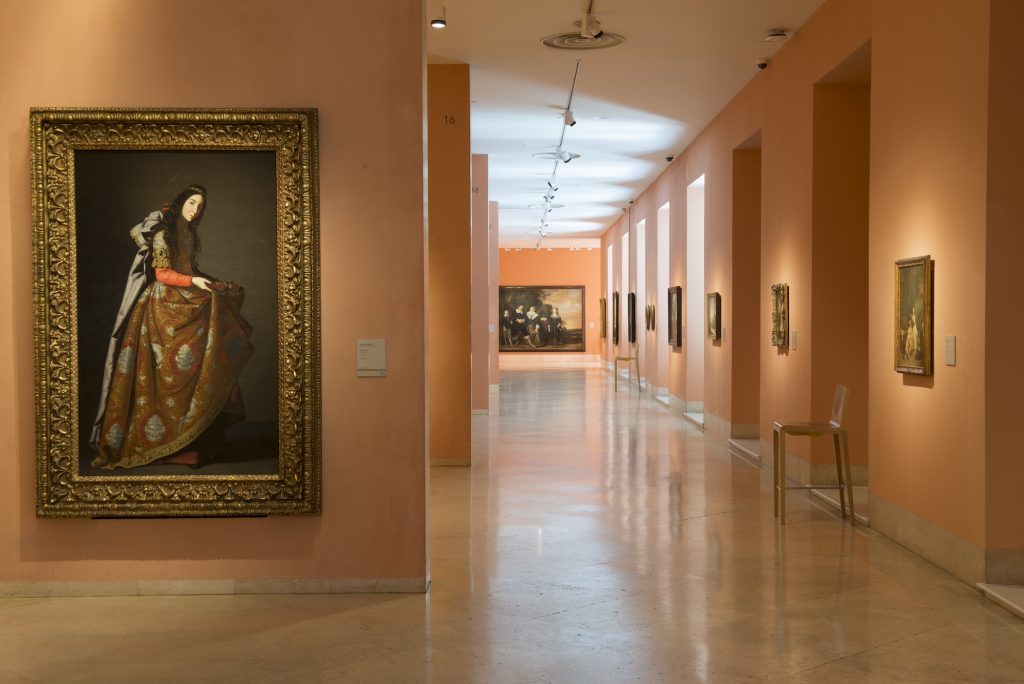
Museo Nacional, Thyssen Bornemisza
Photograph courtesy of Museo Nacional Thyssen-Bornemisza.

Museo Nacional Thyssen-Bornemisza: “[It] features an impressive collection of paintings from the Renaissance to the modern era, showcased in a stylish former palace. Some favourites [of mine] include Self-Portrait Wearing a Hat and Two Chains, one of Rembrandt’s finest self-portraits, and The Annunciation Diptych by Jan van Eyck.” 

Eat and Drink

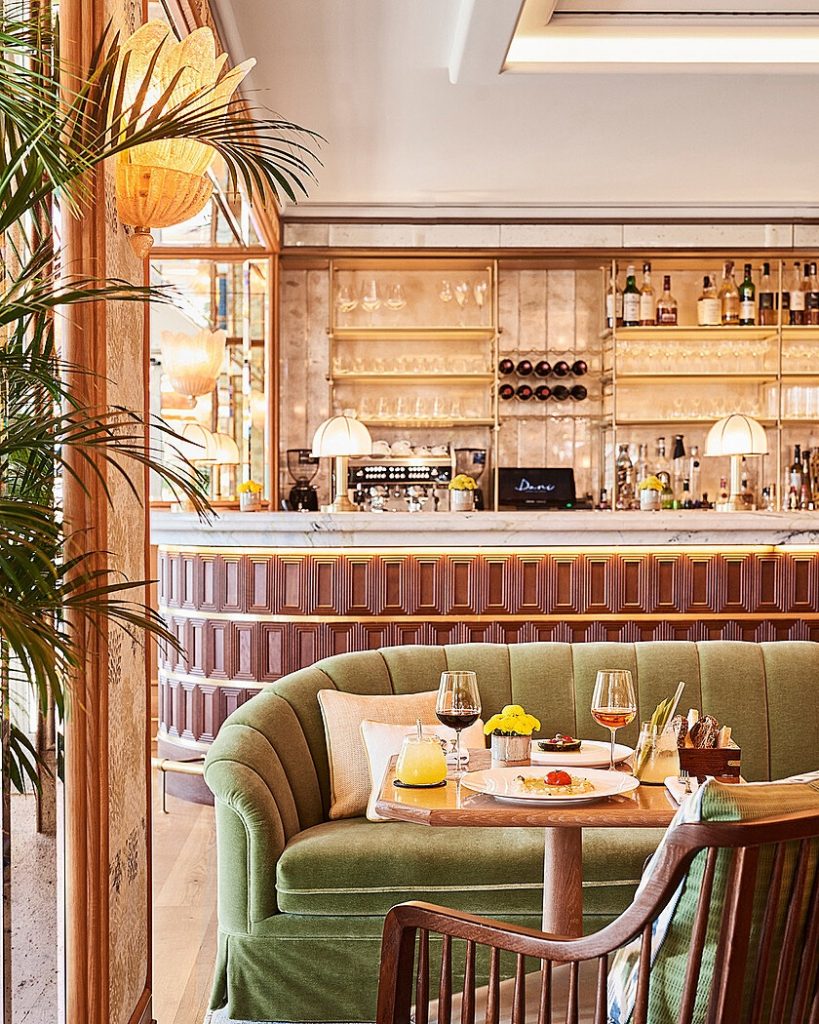
Dani Brasserie
The beguiling interiors of Dani Brasserie.

Dani Brasserie: “At Four Seasons Hotel Madrid, I find Dani Brasserie particularly enchanting. Chef Dani García’s culinary creativity is impressive, providing a unique dining experience that perfectly aligns with the hotel’s luxury. But don’t just stop at Dani Brasserie: I highly recommend saving some time to check out his other restaurant, Leña, which focuses on smoke-infused steaks.”  

Café de Oriente: “The view of the Royal Palace enhances a serene morning coffee. It’s an ideal spot for contemplation and inspiration. Other good [casual] spots around the city are La Cueva de 1900, Toma Café, and Pan de Lujo.” 

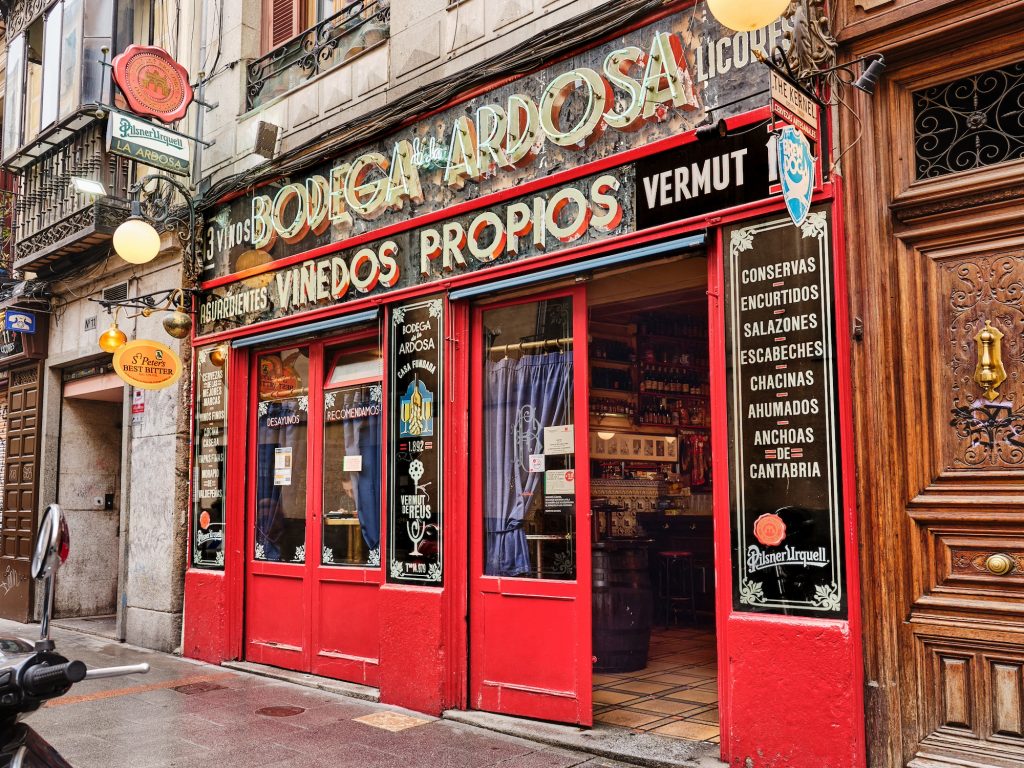
Bodega Ardosa
Bodega de la Ardosa is a classic tapas bar.

Bodega de la Ardosa: “For really good tap vermouth—very typical in Madrid.” 

Chocolatería San Ginés: “Amazing hot chocolate with churros.”  

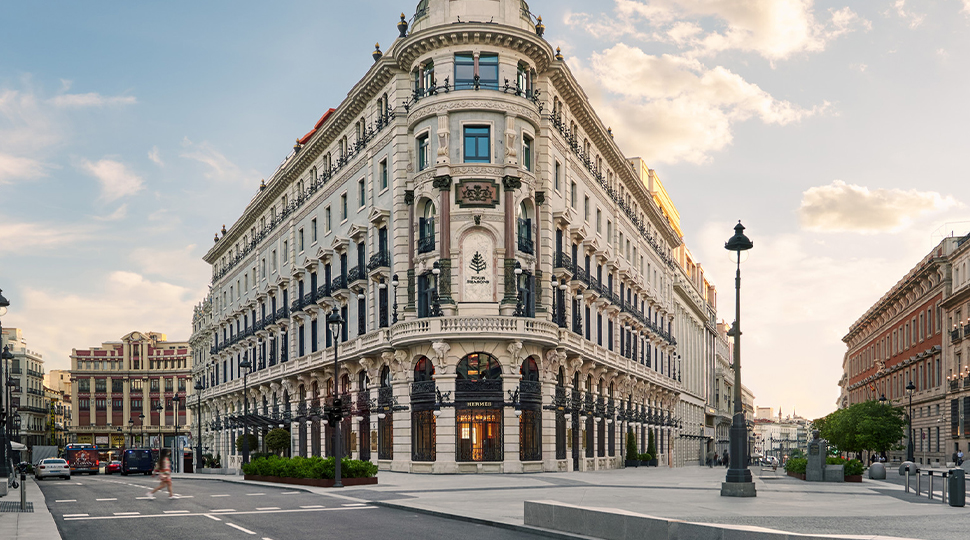
Exterior of flatiron-syle building in Madrid
Four Seasons Hotel Madrid is centrally located in Plaza de Canalejas, where you can spot some other notable landmarks also seen in “Money Heist.”

The More, The Merrier: The Brilliant Allure of Cluster Diamonds  

The best gifts have meaning. And when they also happen to involve diamonds, they’re even better. 

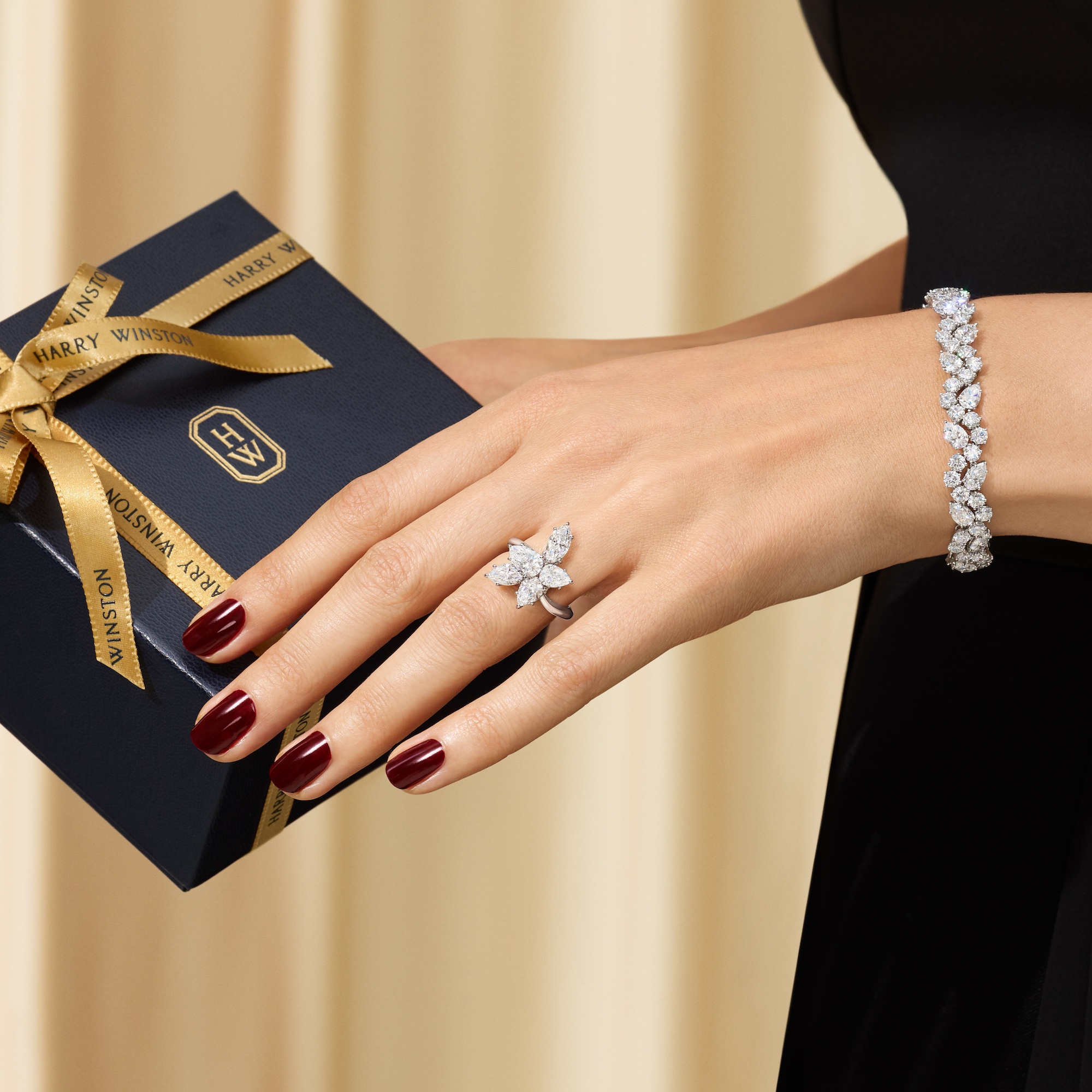
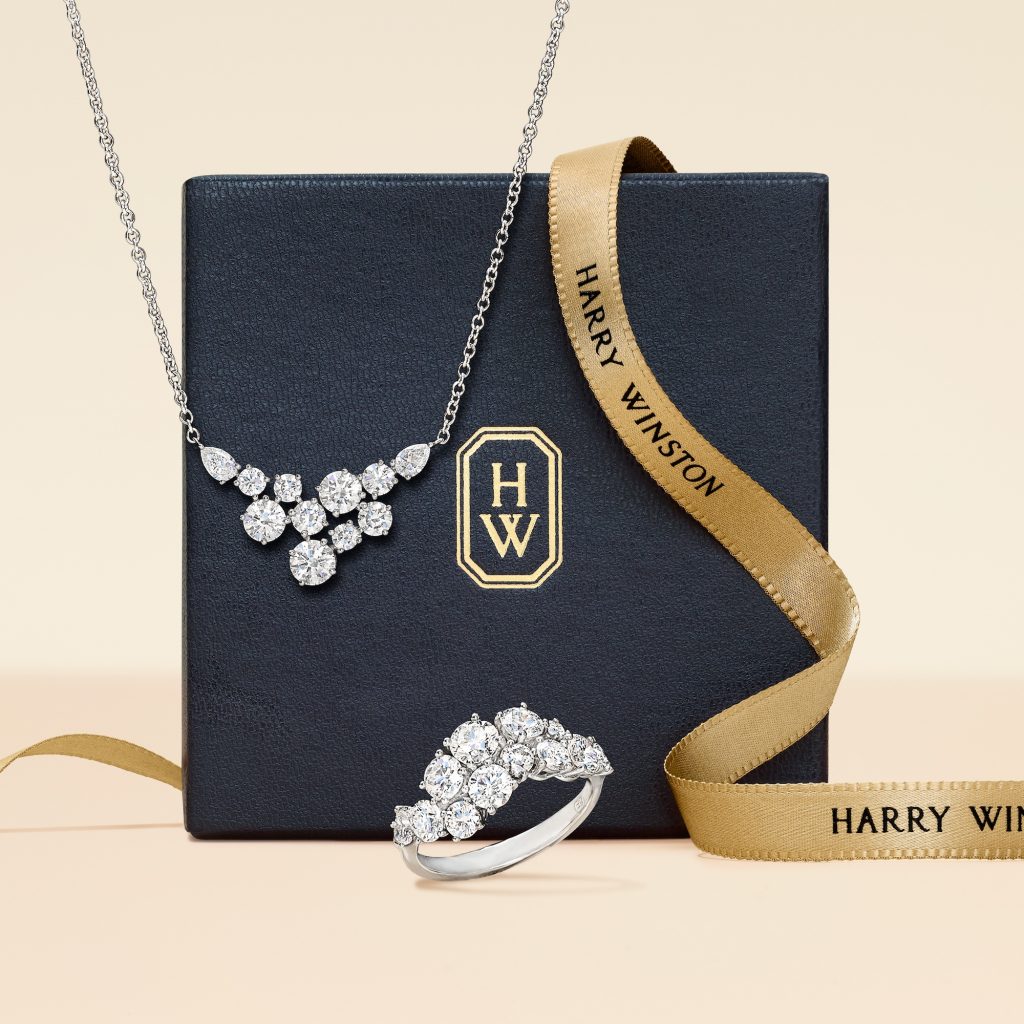
Case in point: jewelry featuring clustered diamonds by Harry Winston. The origin story of this iconic style begins on a chilly December night in the 1940s, when the legendary jeweler spotted snow glimmering on a wreath. Right there, at the front door of his estate, he had an epiphany. Just as the wreath spotlighted the beauty of the holly leaves, not the branches, diamond jewelry should emphasize the gemstones, not the settings. 

Harry Winston Cluster Jewelry
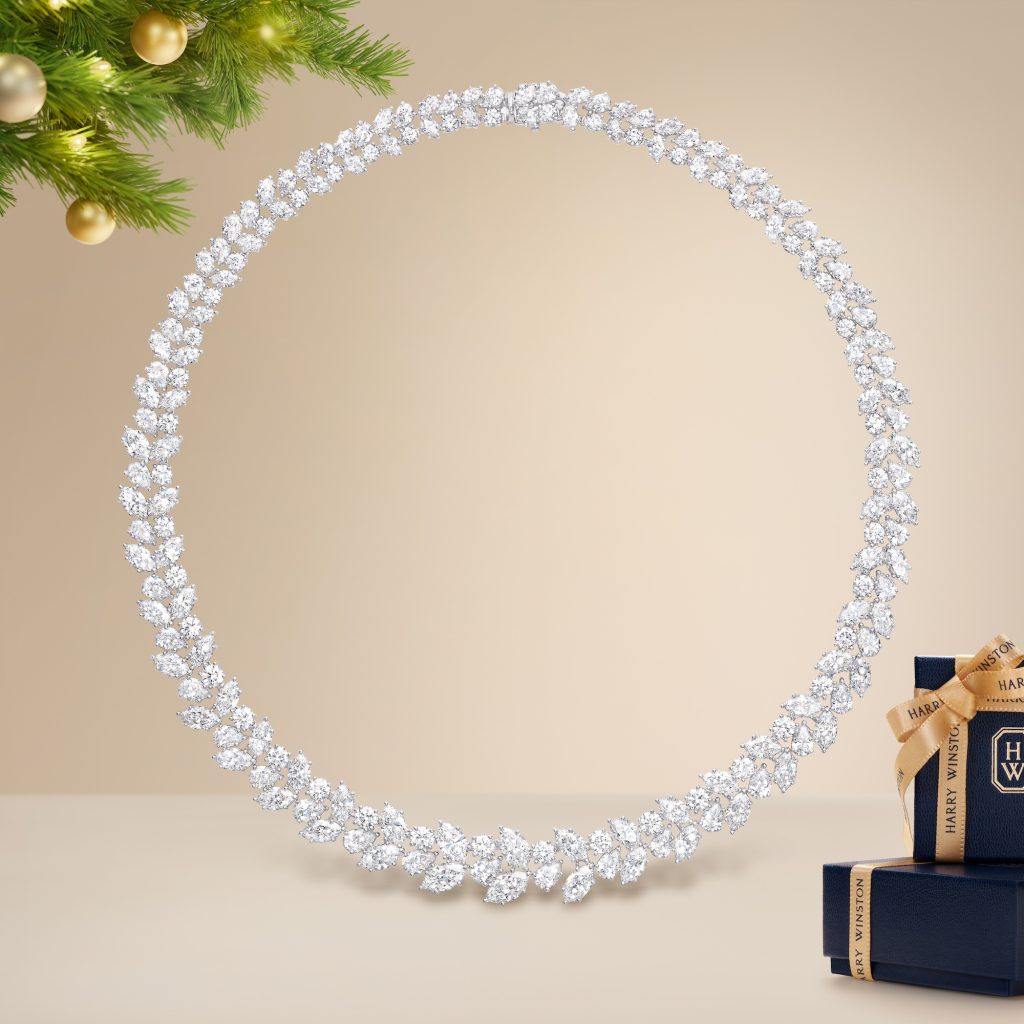
The Winston Diamond Wreath Necklace has 180 marquise, pear-shaped, and round brilliant diamonds.

Winston promptly approached his head designer, Nevdon Koumroyan, with this novel idea—and the Winston Cluster, an enduring classic, was born. The clustering technique groups different cuts of diamonds set at varying angles to create a three-dimensional piece that feels more like poetry than prose, more organic than geometric.  

Harry Winston Cluster Jewelry
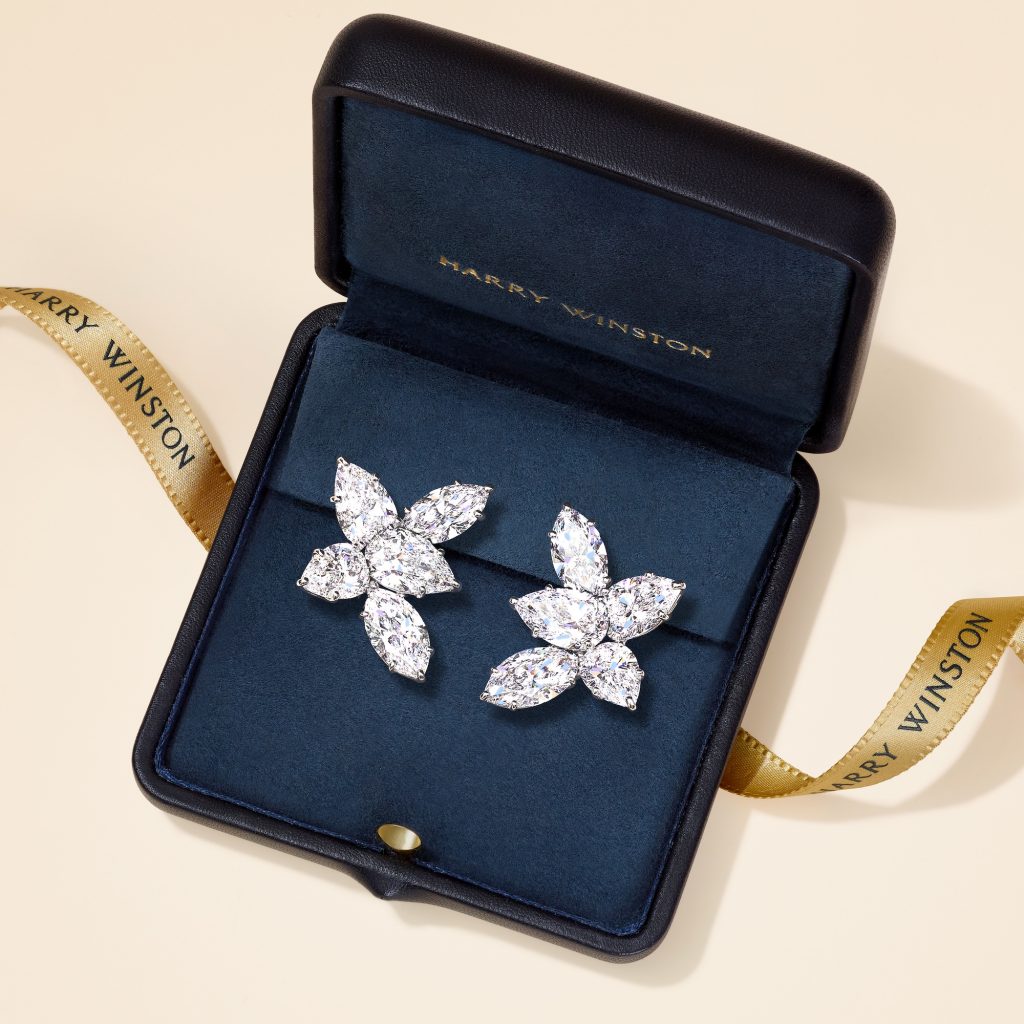
The Winston Cluster Earrings are available in three sizes: small, medium, large (pictured).

The composition would ultimately come to define the Harry Winston look. Today, the Winston Cluster continues to be a sought-after design, appearing on the necks, ears, wrists, and fingers of the world’s most discriminating tastemakers. 

Harry Winston Cluster Jewelry
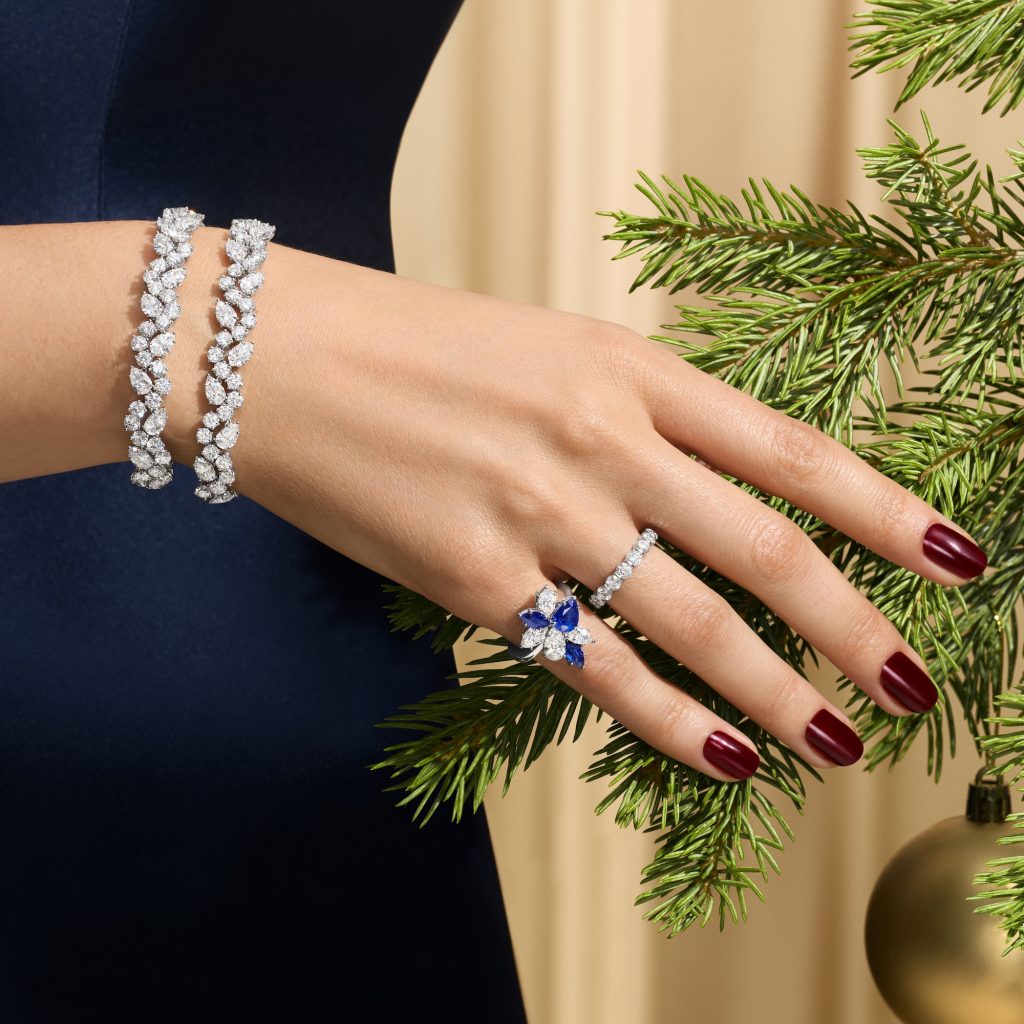
Winston Cluster Bracelets paired with a Winston Cluster Sapphire and Diamond Ring.

This season, consider dazzling that special person in your life with a cluster piece from Harry Winston—and tell them the truth: It was inspired by the spirit of the season. 

Harry Winston Cluster Jewelry
A couple of pieces from its newer Sparkling Cluster collection.

Custom Department: 10 Unique Gift Ideas for the Hard to Shop For

Mention the word bespoke and it may conjure an old-fashioned image of Savile Row’s tailoring ateliers and elegant affairs with formal dress codes. (See our list of the best bespoke tailors in the world here.) Today, though, many brands are adopting a host of custom approaches to help broaden and deepen the calibre of their au courant offerings—see, for example, Frette’s bespoke service to produce customized one-offs among its linens collection or Gabriela Hearst’s just-launched Tailored Bespoke program, where clients can personalize a dozen different men’s and women’s designs. 

In fact, you can upgrade an array of everyday items this way, opting to partner with an artisan to develop, design, and produce something that’s uniquely personalized. We’ve scoured the world for the best in class among those ateliers, to offer the ultimate bespoke gift guide. 

Espresso Machine

Schonknecht Espresso Mmachine

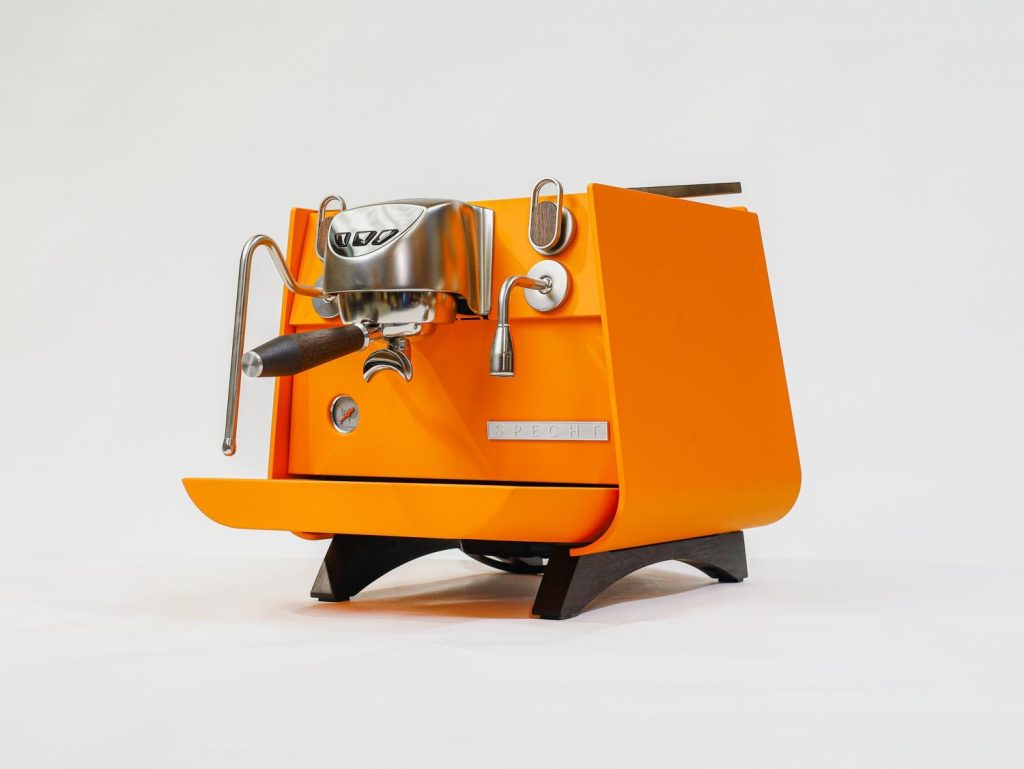
A trained furniture maker, Daniel Schonknecht decided to deploy his design skills 10 years ago to launch Melbourne-based Specht, which produces limited-edition and one-off espresso machines. Now, among a certain cabal of coffee obsessives, he is renowned worldwide—70 percent of his business is international. One client shipped him a hunk of marble from the Netherlands so he could use it in a custom machine that would match a kitchen renovation. Typically, he and his team start with a standard, high-end machine from La Marzocco as a base. “They’re so adaptable; they have an effortless style,” he raves. From there, Specht will produce and add bespoke details, like the paddle of the brew heater or the steam knobs, as well as electroplate metal elements in a custom finish, a process that usually takes around six months. He’s hoping to soon establish his own metal shop where he can start from scratch, even building custom bodies for machines. “These are no different [from] sports cars,” he says. “It’s the same kind of obsession.

Knife

Savernake Knife

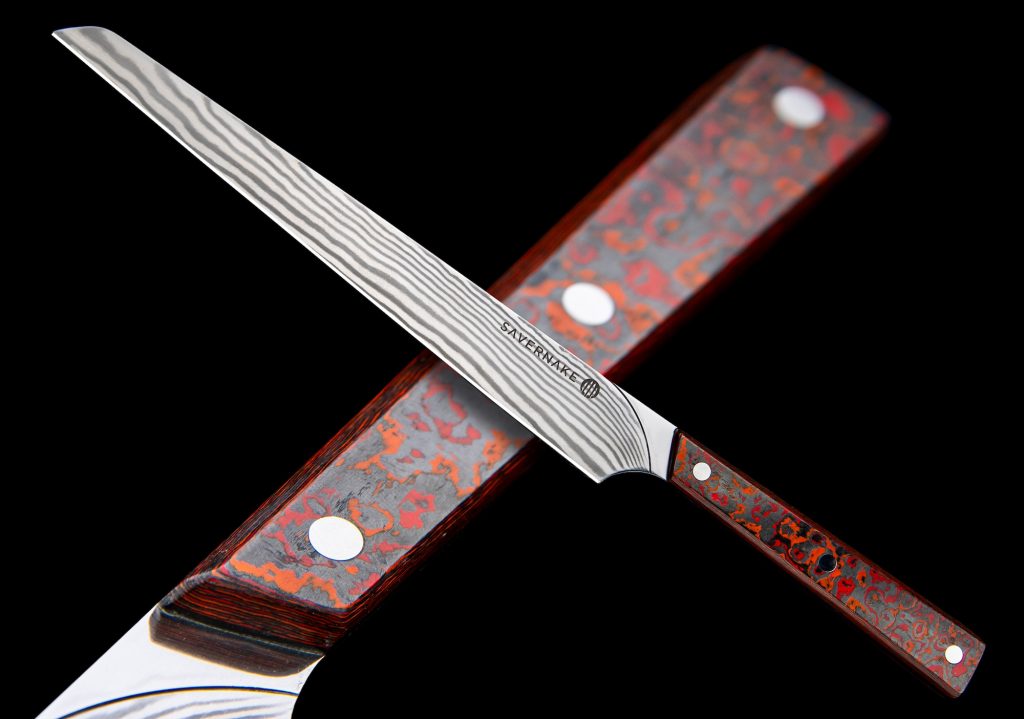
Tom Kerridge. Jamie Oliver. Margot Henderson. They’re all chefs at the cutting edge of cooking thanks to military veteran turned knifemaker Laurie Timpson, the owner of Savernake. Timpson’s signature concave blade knives are made to order in a former sawmill in England’s New Forest, where he lives off-grid with his family.  

Tiles

Delft Tiles

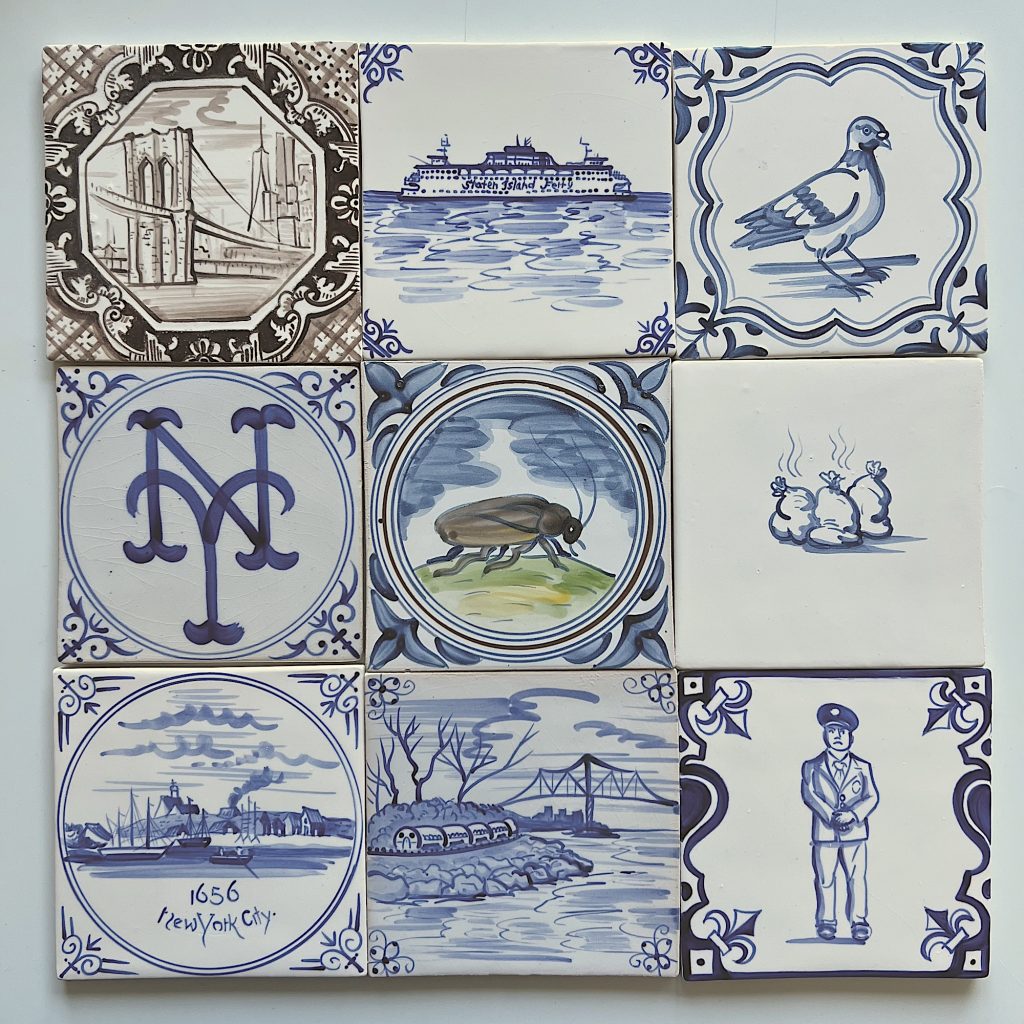
If you fancy a subversively witty design detail, consider a custom Delft tile from Connecticut-based artist Katherine Verdickt, who stumbled into this niche after buying and renovating a Dutch Colonial home. At first glance, her blue-and-white designs seem like any classic Dutch-made tile, but look closer and you’ll find, for example, a pigeon or trash bags depicted in the examples she made for a New York City-centric project.  

Home Fragrance

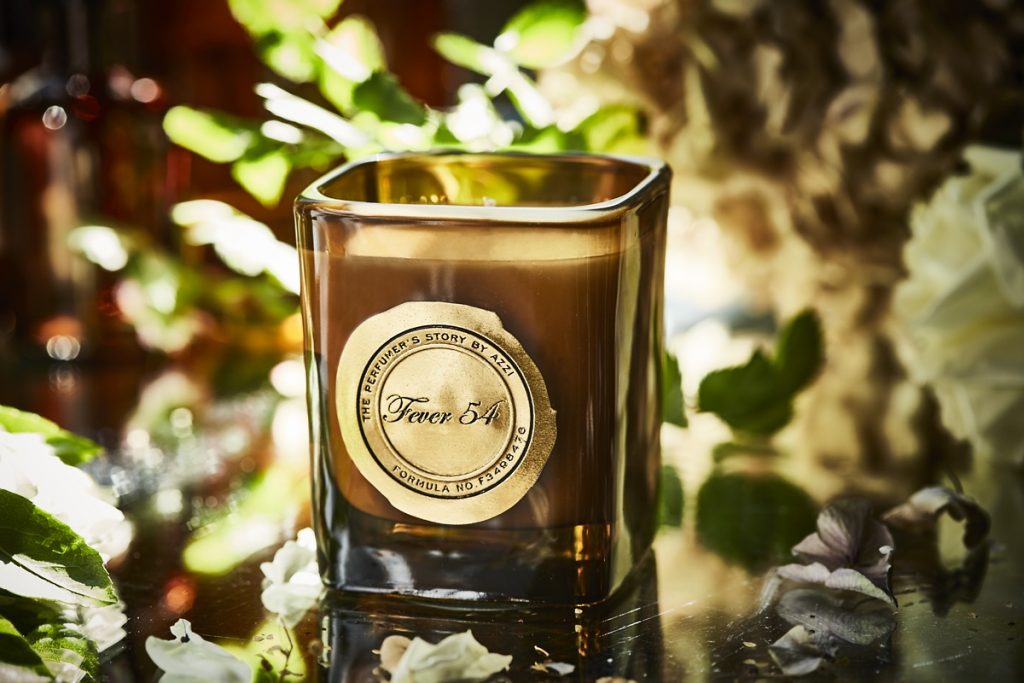
Azzi Glasser Candle

After a Hollywood A-lister relocated to London, perfumer Azzi Glasser helped him feel more at home, suffusing his new, four-floor residence in Britain with the same custom scent that wafts through his house back in America. Known for her perfumes—she has crafted fragrances for Jude Law and Helena Bonham Carter to help them embody characters on-screen—Glasser carved out an additional niche in home fragrance, helping country-hopping clients make their homes smell both distinctive and instantly familiar, wherever they might be. Come to her atelier to do the same, or she’ll happily fly out to work on location. 

Coat of Arms

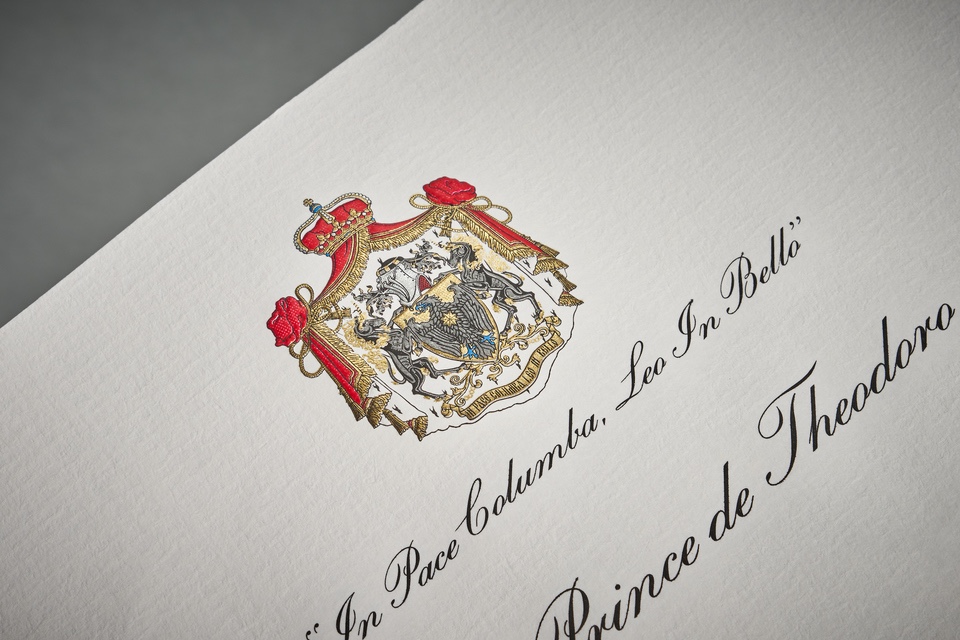
Coat of Arms

The best gift for any Game of Thrones or Harry Potter fanatic? A custom insignia, courtesy of Downey & Co. The London-based specialist printer will task its designers with personalizing that insignia with meaningful details, whether dogs or circuit boards—or even a rocket, as commissioned by Jeff Bezos. Once the artwork and engraving tools are produced, you can stamp that crest on anything, from stationery to the hood of your car. 

Guitar

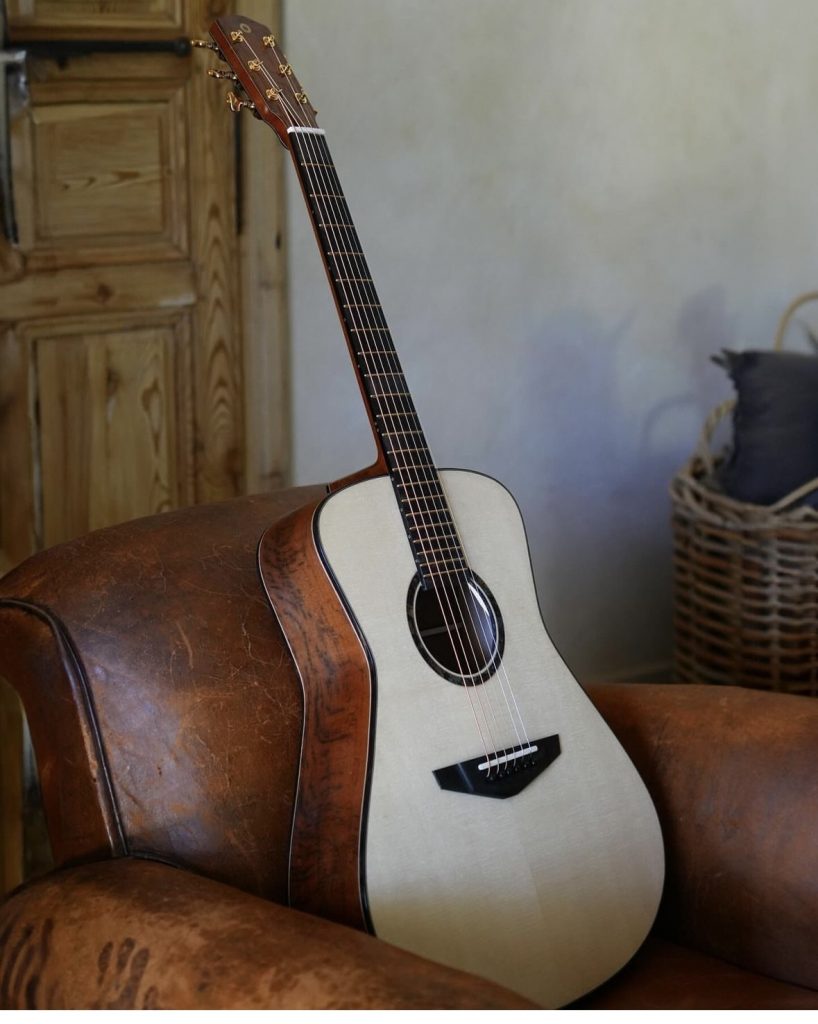
Daisy Tempest Guitar

If you’re keen to score a handmade, custom guitar from London-based luthier Daisy Tempest, join the waiting list now: she can produce around eight such instruments annually, as every guitar requires between 300 and 400 hours of work, which means she’s already booked for the next six years. Her signature is exceptional materials, whether Honduran mahogany or striped Tasmanian tiger myrtle, and each guitar comes with its own storybook, filled with photos she takes as she builds it piece by piece.  

Ornament

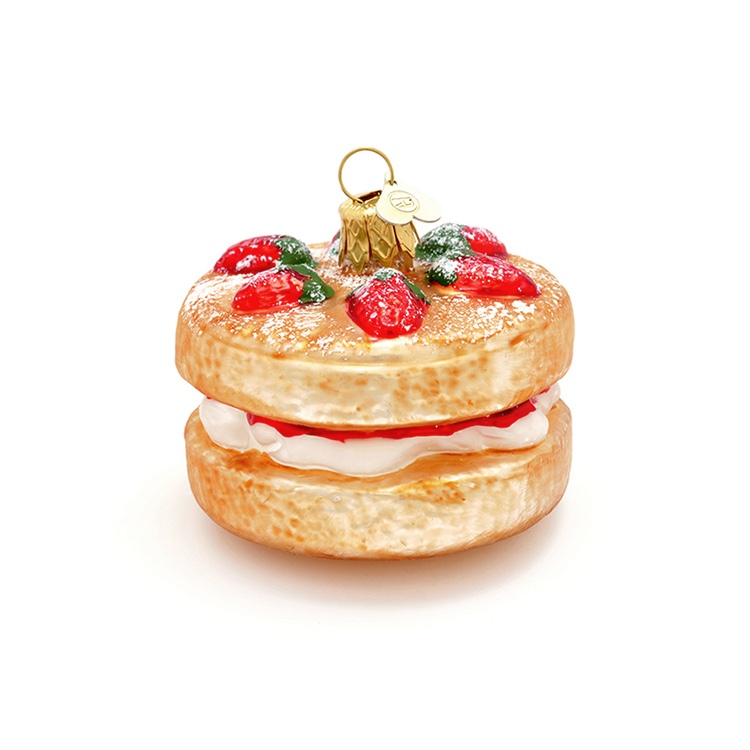
Bombki Ornament

Handmade, mouth-blown glass Christmas ornaments have been a Polish tradition for centuries, so it’s fitting that designer Michael Peterson named his company Bombki, or “ornaments” in Polish. The London-based firm is acclaimed for its intricate and witty designs, each of which is clay-prototyped before being put into production, be it a miniature London taxi or a set of portraits of the wives of Henry VIII. Peterson and his wife, Zaneta, also accept bespoke commissions for such baubles and will apply their whimsical, technical know-how to nearly any challenge. The minimum order is 100, meaning that every tree in each of your homes can have the same ultra-personal décor. 

Perfume

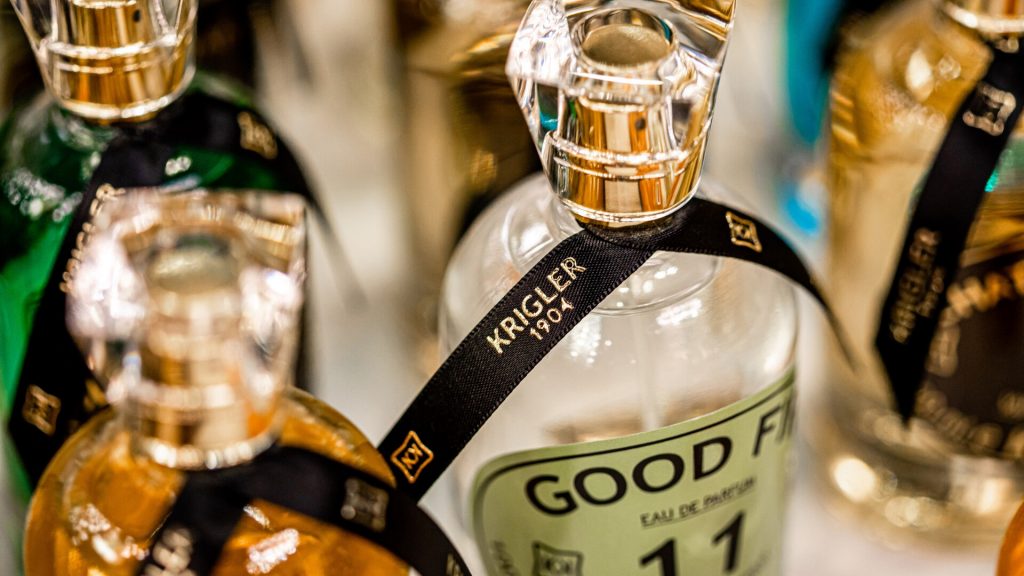
Krigler Perfumes

A bespoke fragrance is discreet, personal, exquisitely crafted over months, and known only to you and those fortunate enough to catch a hint. At Krigler, founded by Albert Krigler in 1904, the process involves a series of consultations (including scent discovery and ingredient selection), plus blending, aging, and specialized packaging. Atelier perfumery services are available at House of Krigler boutiques within Four Seasons properties in Houston; Washington, D.C.; Palm Beach, Florida; Beverly Hills, California; and Saint-Jean-Cap-Ferrat, France. —Elycia Rubin

Watch

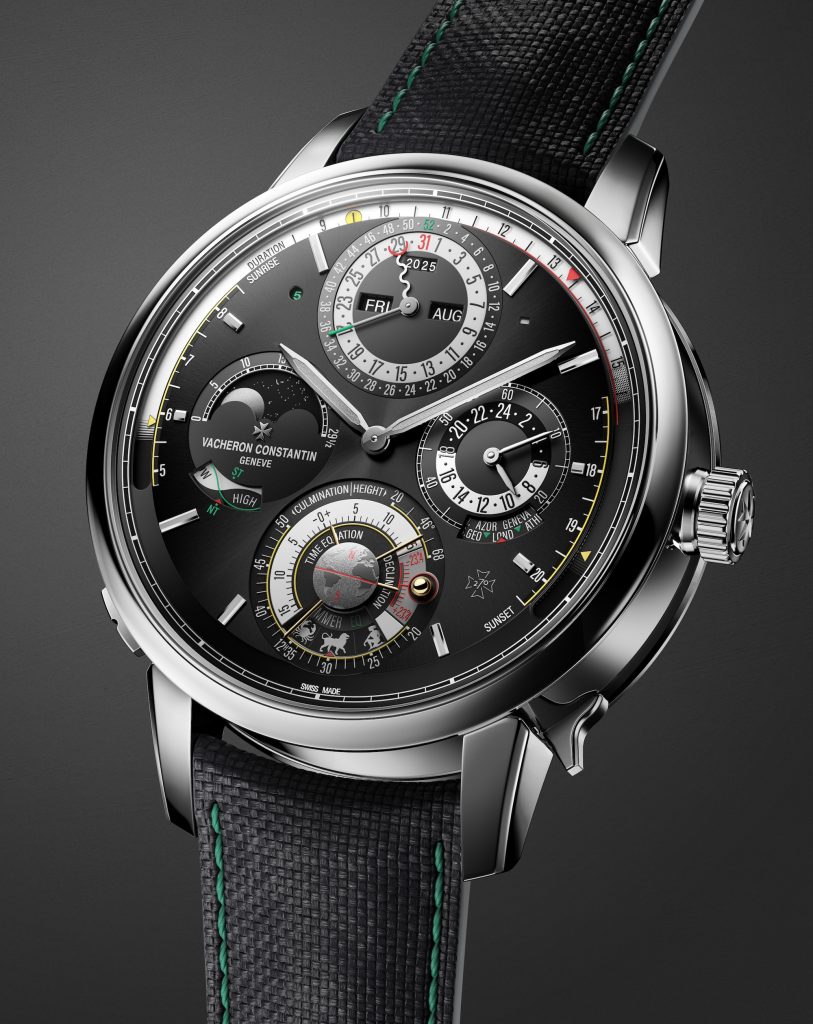
Les Cabinotiers Solaria Watch

At Vacheron Constantin, an entire department, Les Cabinotiers, creates bespoke watches for high-level collectors, as well as record-breaking designs like the new Solaria Ultra Grand Complication–La Première (pictured). Revealed in March after eight years of R & D, the timepiece set a record for the most complications, 41, ever featured in a wristwatch. Not a bad way to celebrate the house’s 270th anniversary. —Degen Pener 

Bicycle

Mercian Bike

Britain was once one of the world’s bike-making hubs, thanks to firms like Raleigh, before the industry imploded due to overseas outsourcing. Still, a few holdovers persist, including Derby, England–based Mercian, which started as a bike shop in the 1940s before expanding into manufacturing. It was teetering on insolvency last year before four avid cyclists rescued it and rebooted the company for a contemporary audience. Come to them for a custom-fit frame, engineered to offer minimum impact on your body and maximum comfort, plus details like name engravings. The only thing they can’t do is improve how you look in skintight Day-Glo Lycra.  

What to Do in Jakarta: A Furniture Designer Gives a Tour of His Hometown

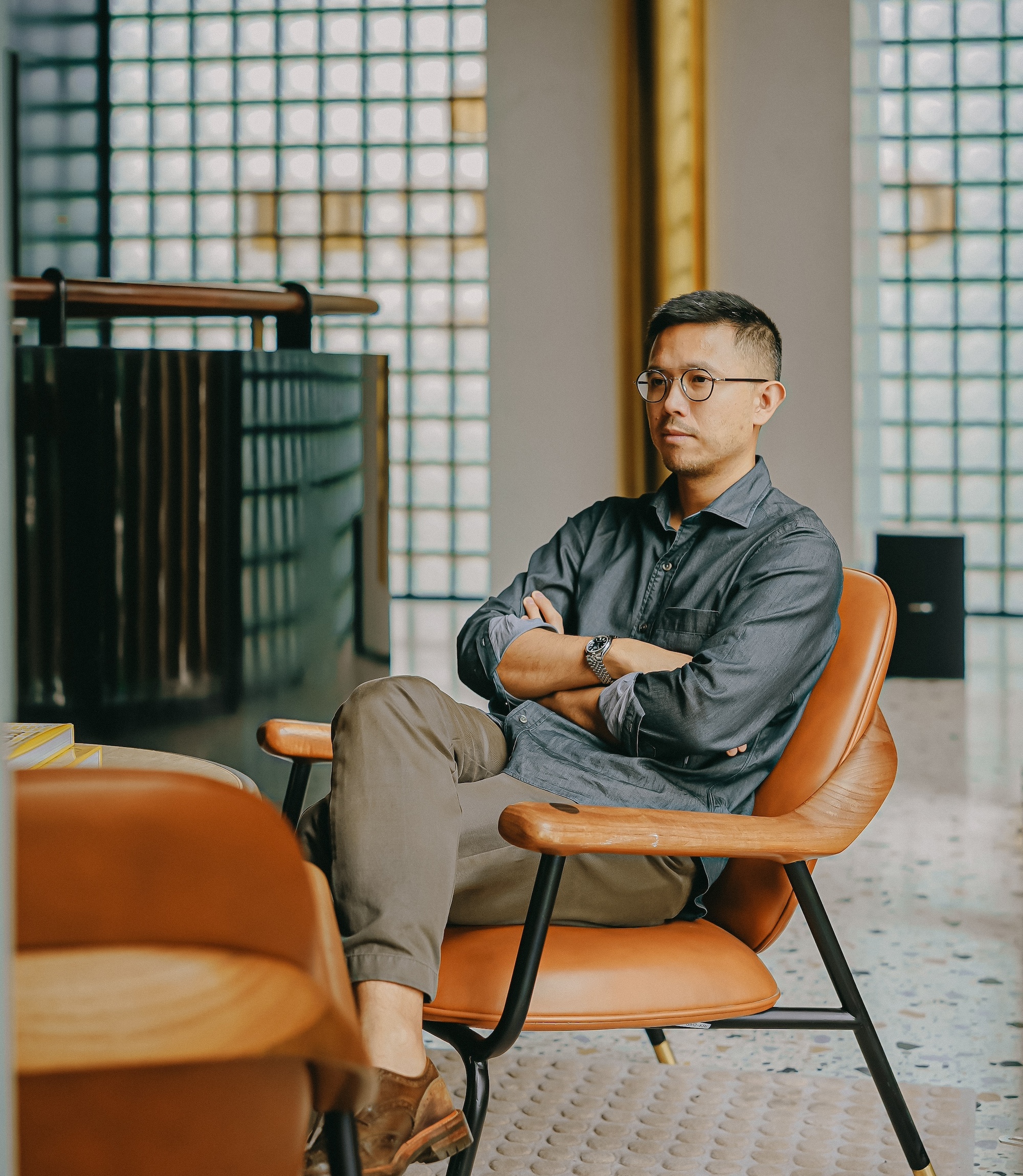
Alvin Tjitrowirjo creates poetic beauty out of the underappreciated. Since opening his studio AlvinT in 2006, the Jakarta-based designer has distinguished himself by his sculptural, refined furniture made of rattan. Derived from various species of quickly growing climbing palms, rattan has long been deeply associated with Indonesian culture. Tjitrowirjo’s mission is to elevate and prize this sustainable material amid the daily onslaught of cheap, modern consumerism. “It’s not just about making beautiful products; it’s about developing a new type of awareness of rattan as a valuable heritage material,” says Tjitrowirjo, who works with several communities of rattan weavers and farmers across Indonesia. We asked him to share his insider guide to his hometown.

Shop

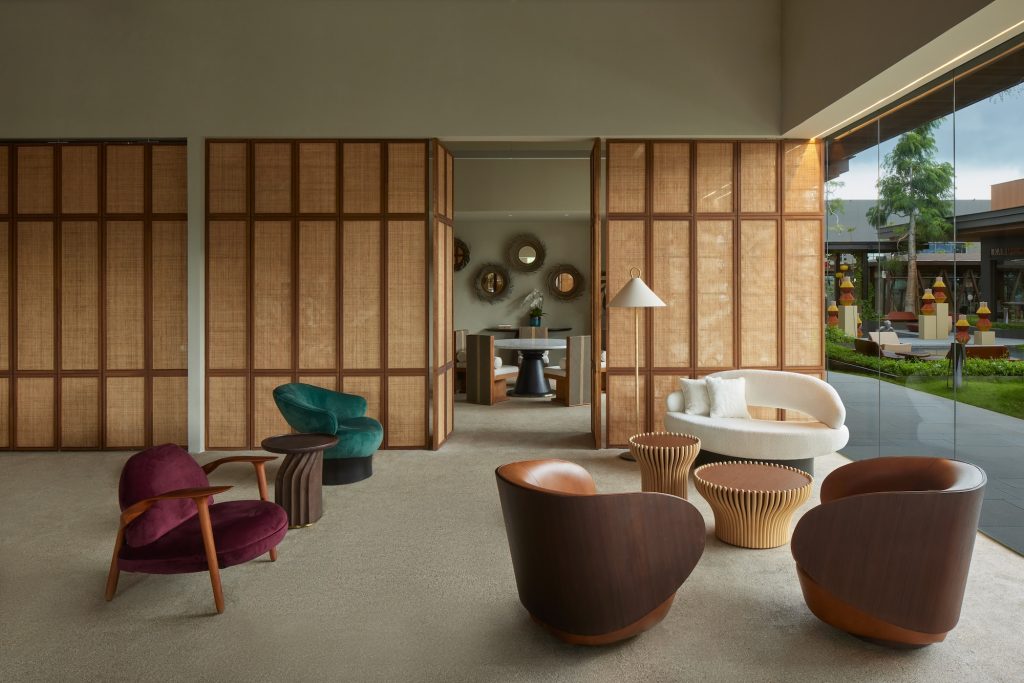
AlvinT Gallery, Photograph by Martin Westlake
AlvinT. Photograph by Martin Westlake.

Indonesia Design District: “We recently opened a gallery [here]. There are about 100 tenants—furniture, lighting, everything for the home centralized in one curated complex.” 

Archie in Jakarta
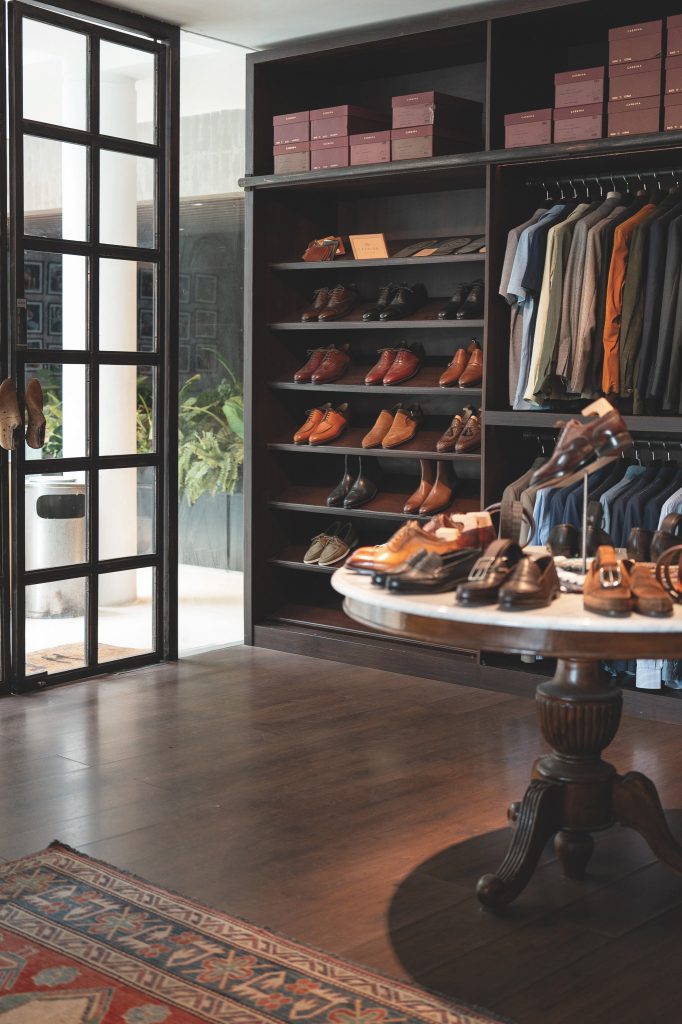
In addition to a great selection of men’s shoes, Archie offers custom tailoring.

Archie: “[The menswear store] is cool for their collection of Alden [shoes]. I’m a big fan.” 

Sejauh Mata Memandang: “I like this [lifestyle brand] for their level of creativity in exploring batik, as well as their activism toward protecting the planet. They also now make denim out of recycled used denim.”  

Do

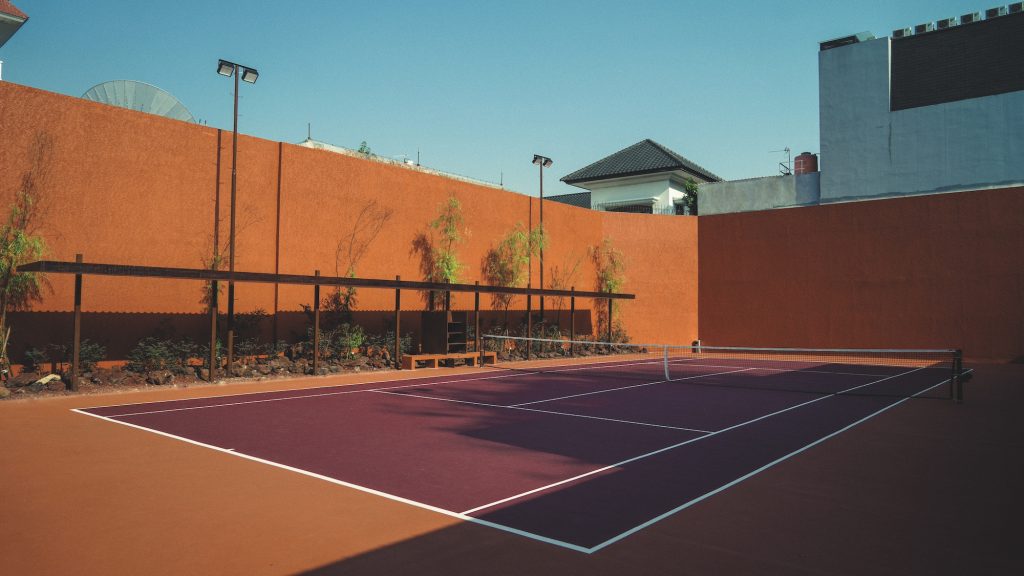
Common Grounds, Terra Menteng Tennis Club

Terra Menteng Tennis Club: Common Grounds, “one of the pioneers of specialty coffee in Jakarta since 2015,” recently opened up a cafe-cum-tennis-club. “My favourite beans are Aceh Gayo, which balance between burnt chocolate and nutty with a slight bright citrus.” 

Kota Tua: “Built by the Dutch, Old Town is filled with canals and squares and surrounded by charming colonial buildings. The northern part is filled with old mom-and-pop shops.” 

Eat

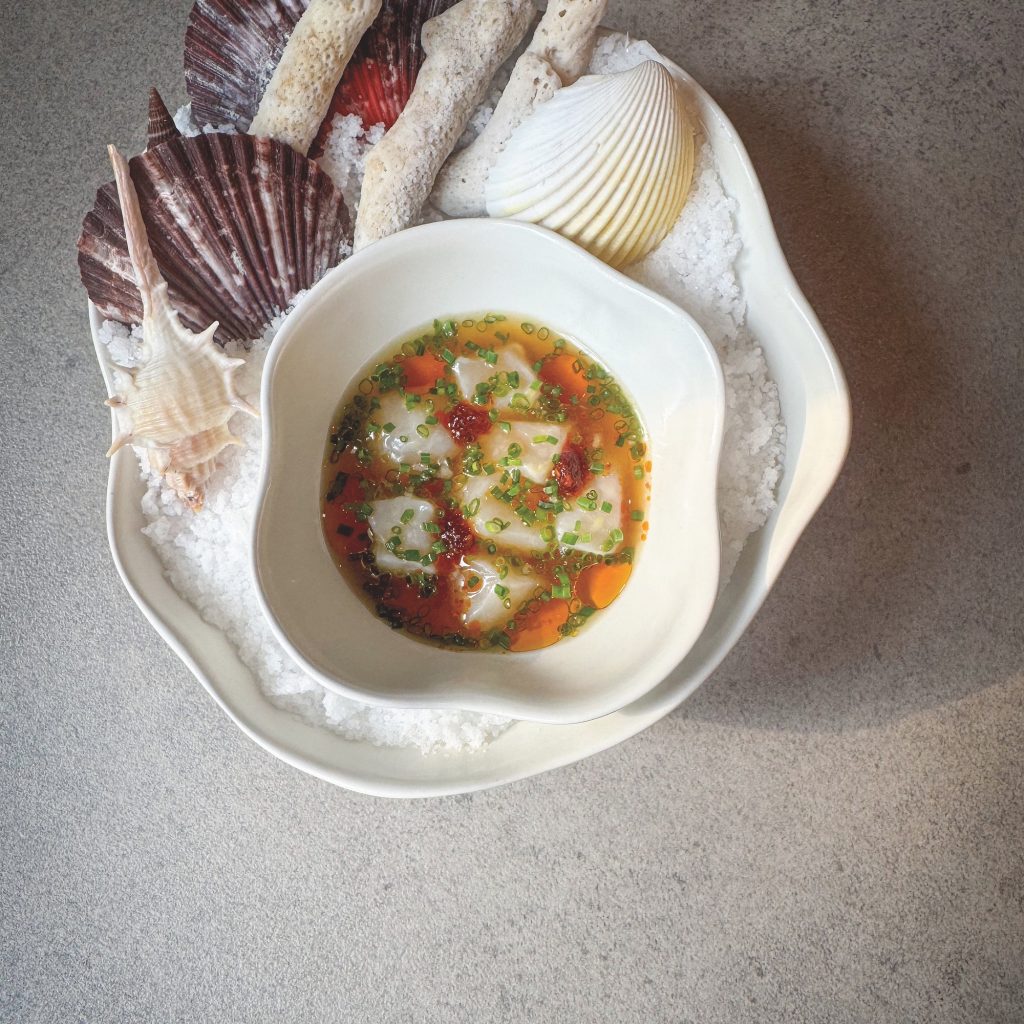
Scallop Pindang in Preserved Chili at August
Marinated Yamanaka scallops at August.

August: “One of the forerunners of bringing Indonesian cuisine to the next level—with a little bit of a French twist. They have [the dish] Foie PB&J, and their lamb loin is delicious.” 

Pierre: “Located in Jakarta’s central business district, this French restaurant by the Union Group has an excellent quality of food and a classical European interior that won’t go out of style. The lounge bar is a nice place to get a good dose of socializing.” 

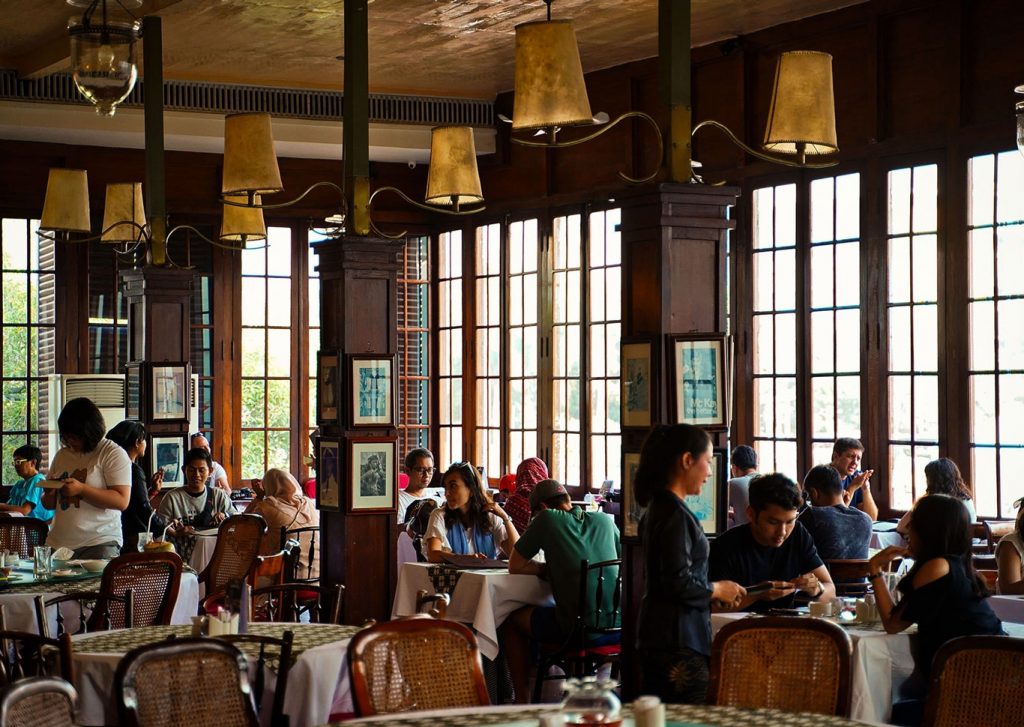
Cafe Batavia
Café Batavia is one of the oldest restaurants in Indonesia.

Café Batavia: “It used to be an office of the Dutch East India Company. I love how they have kept the original teak bar and floors. I always go for a window table to witness the chaotic and dynamic movement of people in [Old Town’s] Fatahillah Square.” 

Bakmi Pulau Laki: “One of my favourite noodle [shops] is located in a neighbourhood where all the street names are names of islands in Indonesia. It’s a place to go for lovely, fresh handmade noodles with minced pork and chicken and fresh pork wontons.” 

Drink

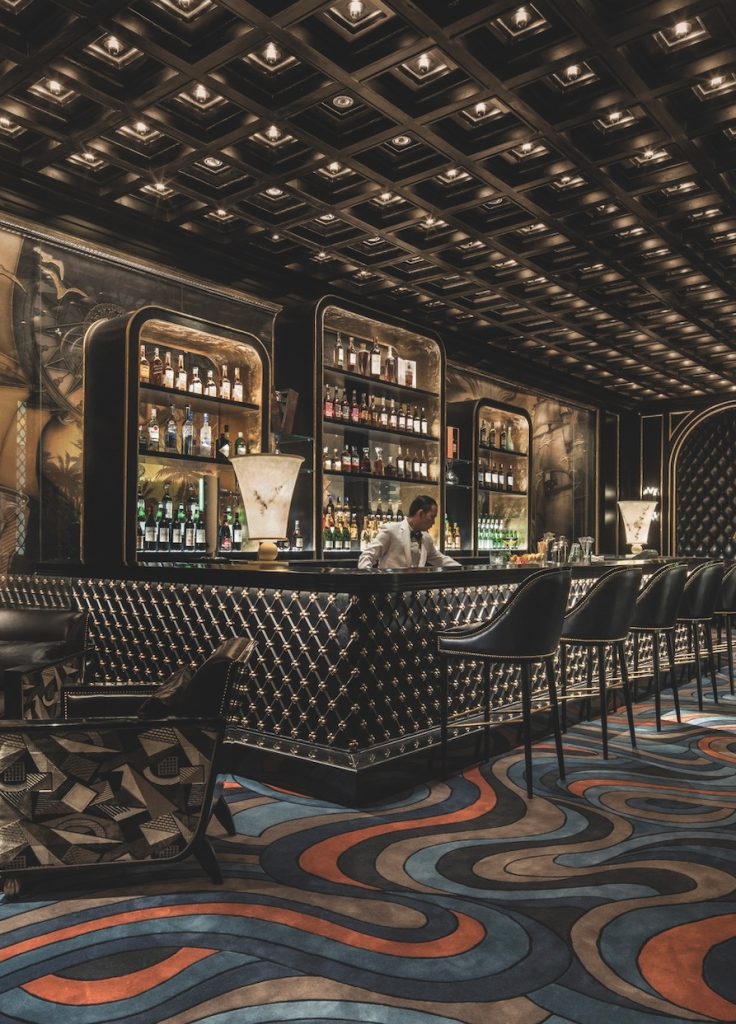
Four Seasons Jakarta, Nautilus Bar

Nautilus Bar at Four Seasons Hotel Jakarta: “The moody interior, combined with the grand piano, is a good [respite] from the hustle and bustle of Jakarta.”