Milan’s Global Moment

On the rooftop of La DoubleJ’s new headquarters in Milan’s Navigli district—a buzzy neighbourhood where restaurants spill onto canals—sits an unexpected oasis: a gong temple, complete with workout mats, meditation cushions, and a wall of bronze gongs. The glass-walled room, which overlooks the city’s old terra-​cotta rooftops, is a community space accessible to anyone who signs up for yoga, meditation, and sound baths. “Twenty years ago, nobody would have come to a wellness space on top of my office,” says J.J. Martin, founder of La DoubleJ, the maximalist fashion and homeware brand known for its bold printed dresses and sets.  

When the magazine editor turned designer first moved to Milan from the United States 25 years ago, no one she knew there was doing breathwork, let alone practicing yoga. Now La DoubleJ’s classes are packed. “We’ve got a full house,” she says. This rooftop wellness space captures a new wave rippling through Italy’s second-largest city. The metropolis’s cultural tone is shifting as more foreigners are lured there due to great quality of life, as well as a flat tax system. “Everywhere I go—whether it’s New York, London, Palm Beach—I’m hearing about the mass exodus to Milan for tax purposes,” says Martin, adding that this influx has fueled a surge in local property values and rentals. For high-net-worth individuals, Italy’s offer for new residents to pay a fixed annual levy of €200,000 on all foreign‑sourced income is a huge draw. Money is flooding in. Last year, Milan’s Via Monte Napoleone became the priciest shopping street in the world, overtaking New York City’s Fifth Avenue and boasting a new Tiffany & Co., the brand’s largest European flagship. 
La Double J
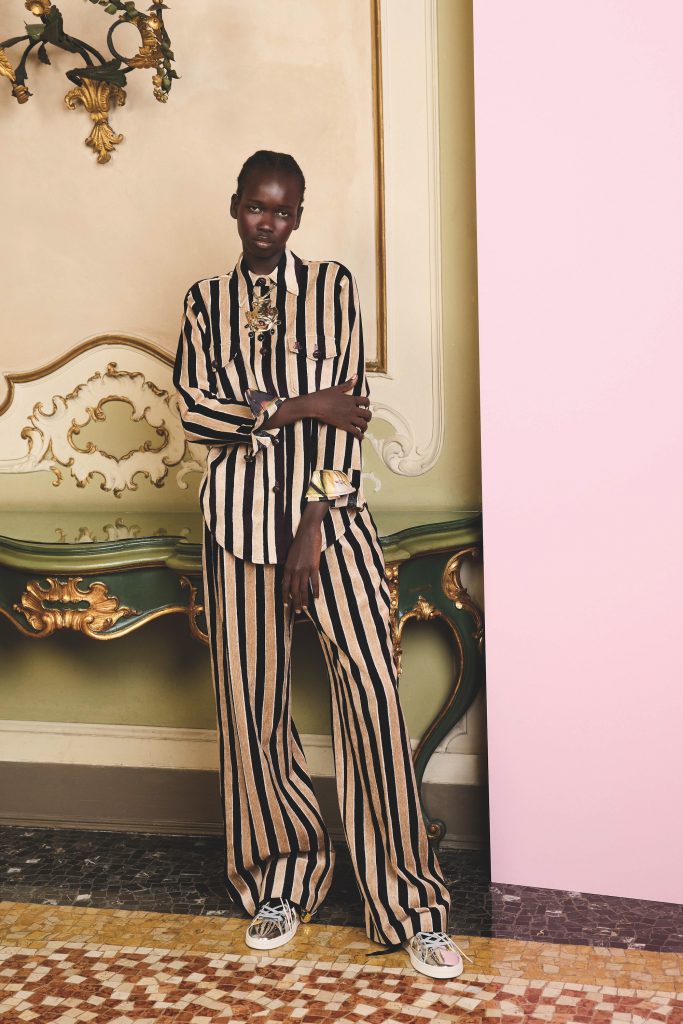
La DoubleJ velvet jacquard jacket and pants from the fall 2025 collection, presented at Milan’s Palazzo Visconti in February.  
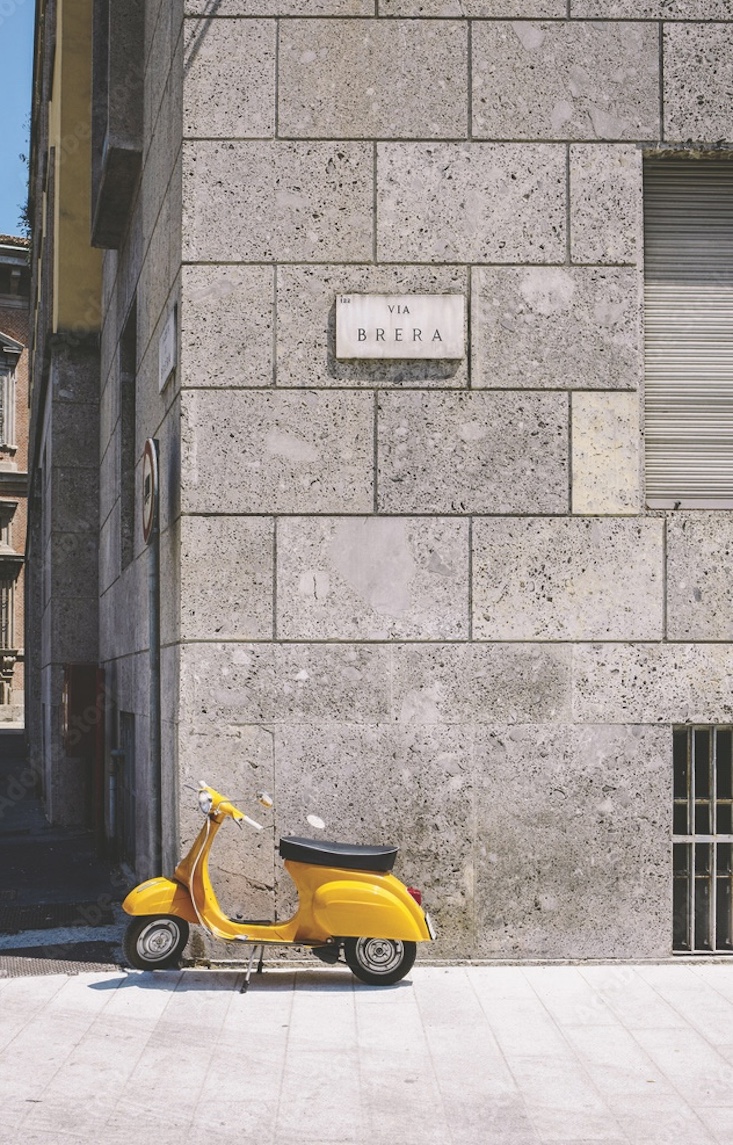
La Brera Milan
Milan’s Brera district. Photograph by Paperclip Images / Stocksy / Adobe Stock.

For many creatives, the attraction lies in the city and culture itself. While celebrated as Italy’s fashion and design capital, Milan has long carried a reputation as the country’s grittier, more industrial city—not as ornate as Florence or as historically cinematic as Rome. Indeed, Milan’s architecture showcases a striking duality—case in point, the Duomo, with its intricate marble façade, and the Galleria Vittorio Emanuele II arcade, with its glass-and-steel canopy, located not far from converted factories and warehouses. Yet its beauty lies precisely in its subtlety. As David Raffoul, the Paris-born, Beirut-raised co‑founder of design studio David/Nicolas, puts it, “The beauty of Milan is that it’s not an obvious city.” 

In Milan, heritage isn’t just preserved; it’s celebrated. “Out of all the European countries, Italy is the one that stays quite [connected] to its heritage,” says the Norwegian art advisor and curator Truls Blaasmo, who moved to Milan four years ago and whose clients include Gucci. “The Italians are so true to their history.” For him, Italy’s legacy of tradition and design made the move irresistible. “What’s key in the history and heritage of the city is manufacturing, whether it’s cars or furniture.” For many designers and artists, proximity to top-tier artisans—both in Milan and close by elsewhere in Italy—is extremely appealing. “In terms of production and artisans, they are the best,” says Raffoul, who made Milan his permanent base in 2020. “You can go to Veneto, anywhere, and you will find great artisans.” 

FS Milan
The newly renovated Renaissance Suite, designed by Pierre-Yves Rochon, at Four Seasons Hotel Milan.  

Some 20 percent of Milanese residents today are foreign-born, making the city one of the most diverse hubs in the country.

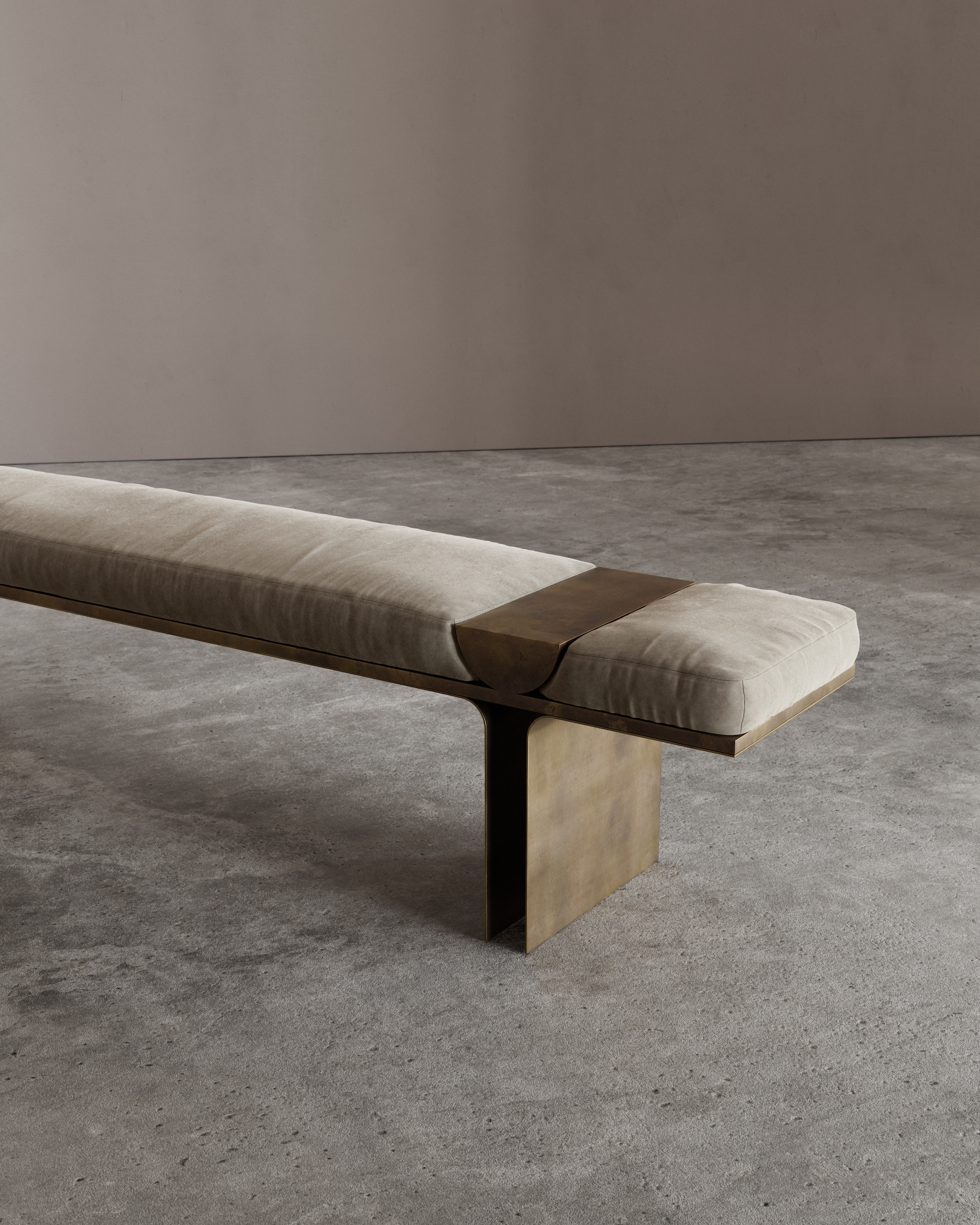
Some 20 percent of Milanese residents today are foreign-born, making the city one of the most diverse hubs in the country. For furniture designers Francis Rudman and Azamit, the married co-founders of Hintsa Rudman, relocating from Montreal to Milan offered an opportunity to start something new. After visiting the city over the years to attend the design fair Salone del Mobile, they finally made the leap two years ago and launched their furniture brand, which uses bronze, brass, and wood to create heritage-​inspired contemporary benches and tables. “It just clicked,” says Azamit. “All the ateliers and manufacturers are so close.” The duo is preparing to debut a collection inspired by their move to Italy. 

Similarly, the U.S.-born clothing designer Brett Johnson, who shows during Milan Fashion Week, has found the city alluring for its artisanal access. “The best trade fairs for fabrics and leathers are in Milan,” says Johnson, who is known for his sharp tailoring. “I discover all the latest offerings there.” Although he splits his time between Milan and Virginia, Johnson maintains a strong presence in the Italian metropolis. He has a showroom on Via Manzoni, near Brera, the upscale neighbourhood that is home to the Brera Academy of Fine Arts and such chic boutiques as the Venetian shoe brand ViBi Venezia and the perfume bar Olfattorio. Other designers who now call Milan their creative base include Japanese-born Satoshi Kuwata, founder of the label Setchu, and Istanbul-​raised Umit Benan, who recently opened his first store on Via Bigli. 

For many, moving to Milan also means enhancing their quality of life. Ambra Medda, co‑founder of Design Miami and the design consultancy AMO, made the move from London to Milan with her husband, designer Edward Barber (of Barber Osgerby), in part to give their children “a slice of Italian culture,” she explains. Although Barber still splits his time between London and Milan, Medda—who was born in Greece and has lived in New York and Miami—wanted her kids to grow up learning Italian. “Living in Italy is so replenishing,” Medda says. Rather than being stuck in a car all day in London, she now bikes or walks through the city with ease. 
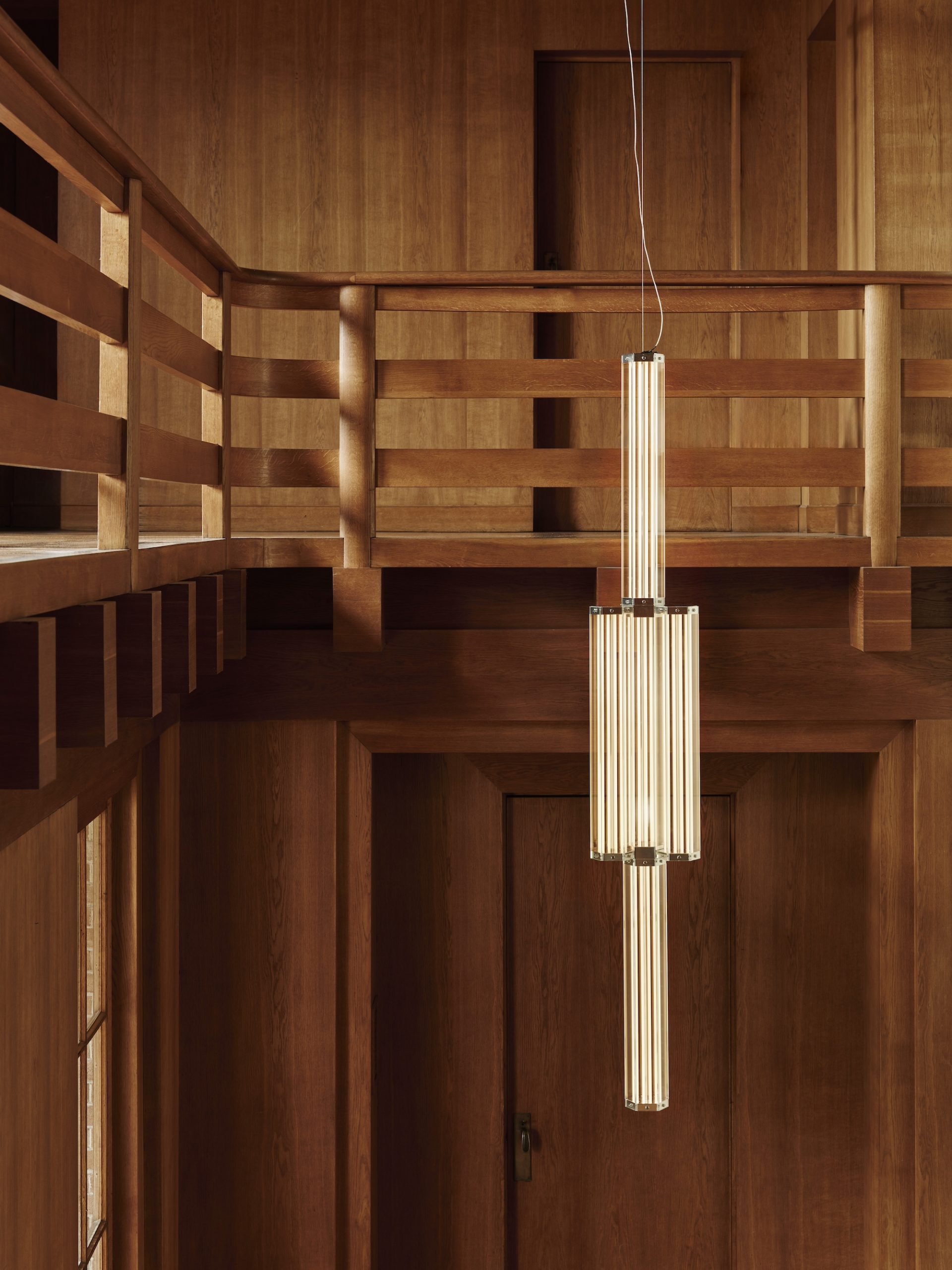
Formafantasma’s SuperWire modular lighting system.
A bench from Hintsa Rudman’s Hiwot collection. 

It’s not just foreigners flocking to Milan; Italian creatives are reclaiming the city, too. Born in southern Italy, fashion designer Francesco Murano first moved to Milan in 2016 to study fashion. “It’s the only metropolitan city in Italy at the moment,” says Murano, who is a finalist for the prestigious LVMH Prize. He launched his brand in 2021 and made his Milan Fashion Week debut in February 2025. In recent years, he has seen more emerging brands rising. “If you want to do this kind of work and be close to trends, you have to stay in Milan.” 

And then there are the Italians returning home. Andrea Trimarchi, co‑founder of the research-focused studio Formafantasma, spent two decades abroad, launching the studio in the Netherlands after studying in Florence, before moving back. “We were missing sun, food, and friends,” he says. At the time he left, Milan’s design scene was tightly controlled by an older generation. “There was no space for the younger generation to flourish,” Trimarchi recalls. Now that’s changing. “A lot of Italian people moved abroad and in the last few years have decided to come back and establish studios similar to ours,” he says, noting that Formafantasma moved its studio into an irresistible warehouse space.  
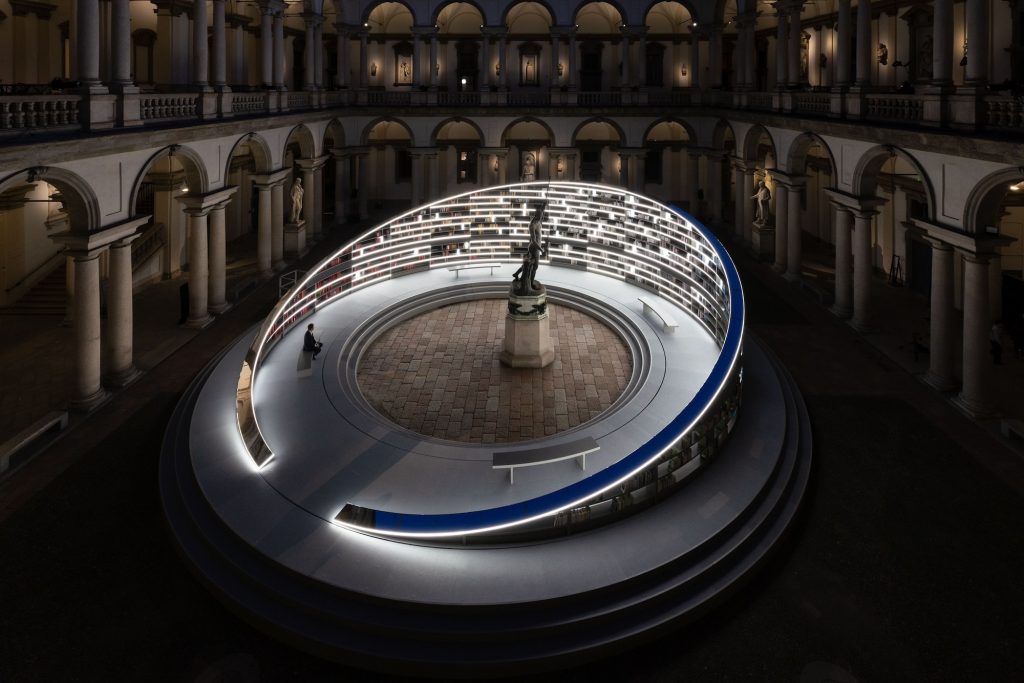
British artist and stage designer Es Devlin’s kinetic installation Library of Light, presented at Pinacoteca di Brera during Salone del Mobile 2025. Photograph by Monica Spezia.

Throughout its history, Milan has been welcoming of immigrants. “It’s always been receptive to foreigners,” says Trimarchi. “It’s the richest region in Italy and biggest producer of design and fashion, so there’s a lot of work there.” Recent years have seen this openness accelerate, spurred by events like Expo 2015 and Salone del Mobile, the annual design fair that has begun attracting major brands, such as Gucci, Prada, and Loewe, presenting immersive installations. Looking ahead, the Milano Cortina Winter Olympics, running February 6 to 22, 2026, will further cement the city’s global influence. Milan, the co-host of the games, will be the site of figure skating, speed skating, hockey, and the opening ceremony. 

Milan has long had an impressive dining scene and currently boasts 18 Michelin-starred restaurants, such as the avant-garde Contraste (which recently underwent a stunning, multihued redesign) and Enrico Bartolini al Mudec, the city’s sole three-star establishment. Trimarchi notes, though, that the food scene has shifted; it now offers Mexican, Indian, and Japanese cuisines, which was unheard of in the past. “There is a much more diverse culinary environment,” he says. Natural-wine bars, such as Nico and Flor, are crowded with patrons sipping glasses of orange wine. “When I first moved here, there was zero international food. You could only get Italian, and it was either at a restaurant or homemade, no takeout or delivery,” says Martin, adding that there are now “even a few vegan and gluten-free spots.” 

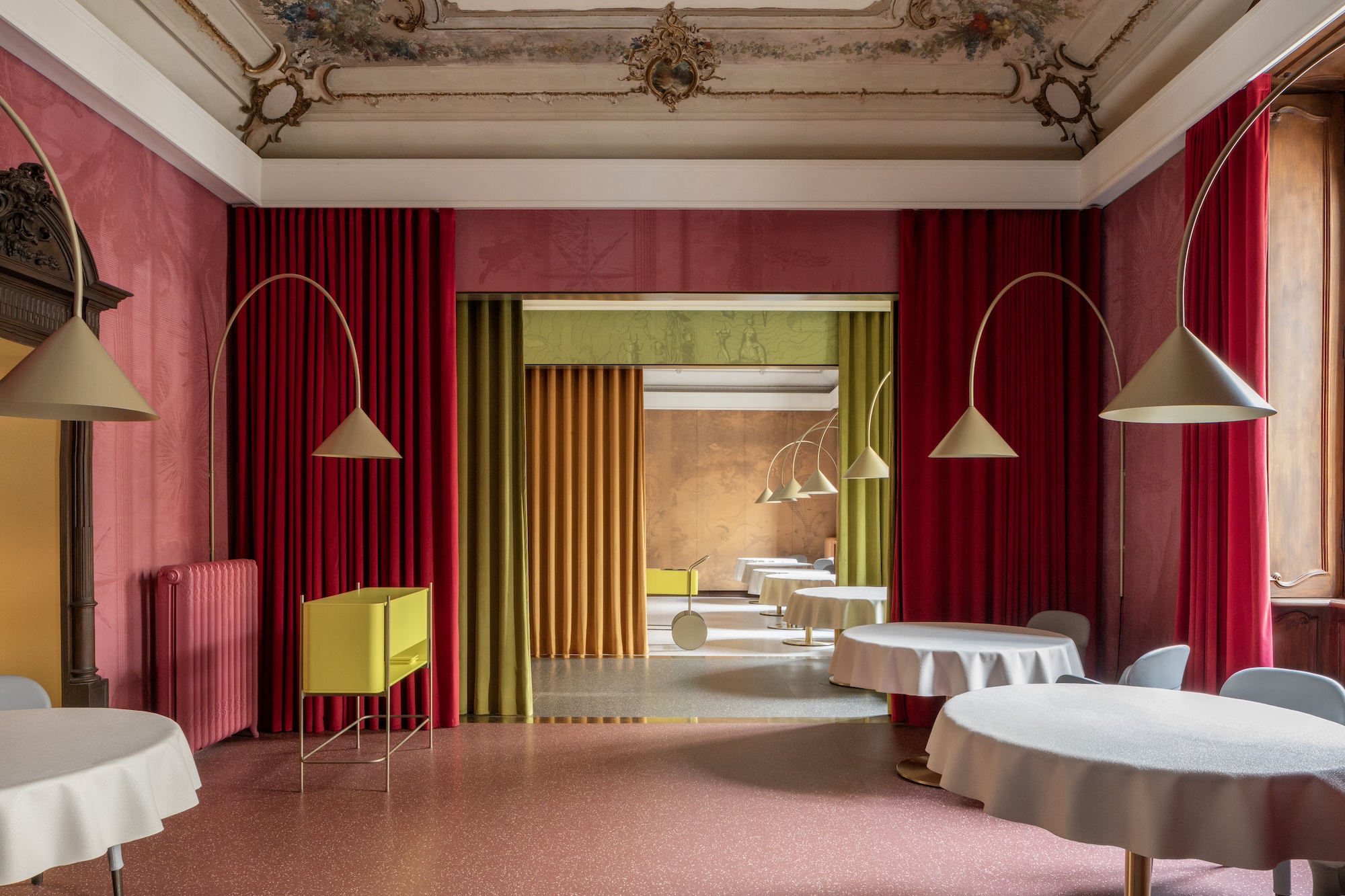
But for all its changes, Milan retains a timeless essence. Step into Marchesi 1824, a historic café where locals enjoy espressos and pastries at the bar, or A Santa Lucia, a no-frills restaurant where the walls are crowded with vintage photographs and tables are dressed in stark white tablecloths. Beloved establishments remain staples. Raffoul swears by the club sandwich at Four Seasons Hotel Milan, where the suites and rooms were recently remade by the illustrious French designer Pierre-Yves Rochon with velvet couches and sienna-hued wall coverings inspired by the cloister’s frescoes.  

And while Martin is pleased that people want to dabble in sound baths, she is also glad that the city is still rooted in its many traditions. That is, after all, part of what drew her to Milan in the first place. “When I first arrived, Milanese fashion was like out of a movie—the women in kitten heels and the men in their Brioni suits,” she says. As globalism has spread, the street style has adapted, but Martin says, “you still have that innate sense of individuality and style that I think is built into the DNA of the Italians.” The city might be transforming, but some things, such as a well-made espresso, remain beautifully the same. “You still can’t get French food here,” she notes. “Some things don’t change.”   

Travel Trends: 5 Hot Destinations for 2026

The travel industry pros are starting to make their predictions for the year ahead, and, as expected, we’re seeing a wide range of opinions. European destinations are on the rise. So are African safaris. Interest in luxury tours by train is ticking up. Likewise for luxury yacht cruises (in 2026, the highly anticipated Four Seasons Yachts launches). Ahead-of-the-curve jet-setters will be flocking to Svalbard, Norway. Or maybe it’s New Zealand.  

The one trend that the experts seem to agree on? Increasingly, travellers are yearning for experiences—trips that have visitors meeting locals, learning new skills, and soaking up new cultures. With that in mind, we’ve rounded up five classic, and increasingly popular, destinations that have a lot more to offer than just lounging by the pool (though, that’s also a welcome option, of course). 

Lisbon 

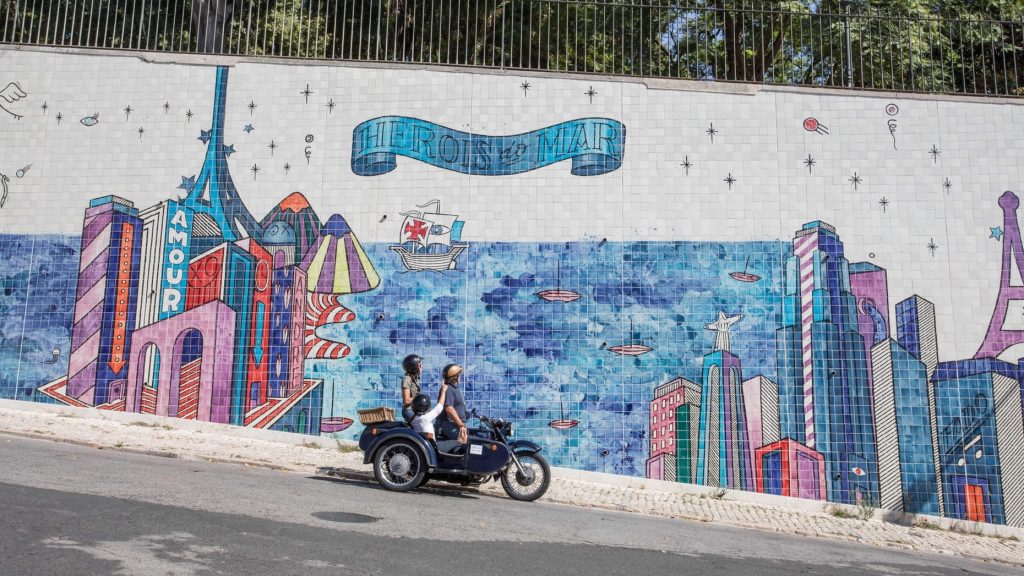
Four Seasons Lisbon Sidecar
Four Seasons Hotel Ritz Lisbon offers a Sidecar Tour through the city’s narrow streets.

If you feel like everyone you know has been posting vacation photos from Portugal as of late, it’s not your imagination. According to USA Today, Booking.com data showed higher year-over-year flight searches for Portugal across every month in 2025. Roughly the size of Maine, the country has something for everyone: beaches, mountains, wineries, and eminently walkable cities. 

The most popular destination in Portugal is arguably Lisbon, a city steeped in history (it’s older than Rome!) and bathed in sunlight (it’s one of the sunniest places in southern Europe). There’s no shortage of cultural sightseeing to be had here, but the capital city is not just for history buffs and architecture enthusiasts.  

Those who enjoy staying active on vacations, take note: the EDP Lisbon Half Marathon is slated for March 8, 2026, and the EDP Lisbon Marathon, billed as “probably the most beautiful in the world,” will be held in October. Another event to bookmark for next year: the Lisbon Tango Festival in June, which offers five days of tango dancing, including performances, classes, and dance parties. 

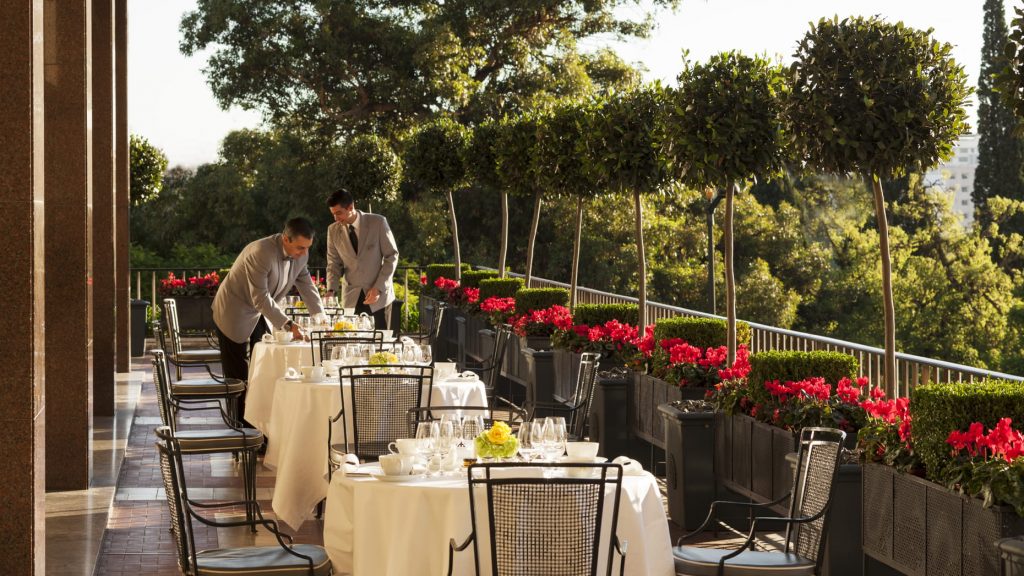
Four Seasons Lisbon Varanda Restaurant
The Varanda Restaurant at Four Seasons Hotel Ritz Lisbon.

STAY AT: Four Seasons Hotel Ritz Lisbon. Centrally located and packed with amenities (including a rooftop outdoor running track), the hotel is a plush home base for exploring both the city and the surrounding vineyards and villages.  

SIGN UP FOR: a Sidecar Tour and see Lisbon up close and personal from a vintage motorcycle driven by a private tour guide. Or consider the Sintra and Cascais Tour, a daylong excursion that hits the historical palaces at the UNESCO World Heritage site of Sintra, as well as the seaside resort town of Cascais. 

Hoi An 

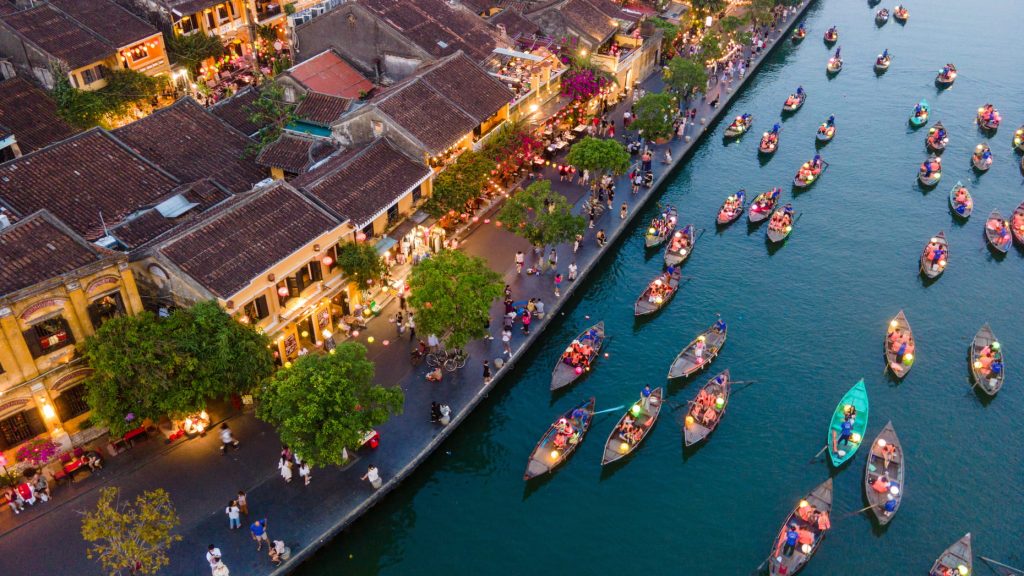
Hoi An Ancient Town
Hoi An’s Ancient Town.

Another country enjoying a steep rise in tourism: Vietnam. According to Bloomberg, it’s now the third most popular tourist destination in Southeast Asia (behind Thailand and Malaysia). Long, narrow, and S-shaped, the country is bordered by China to the north, Cambodia and Laos to the west, and the South China Sea to the east; driving the length of it takes at least a week. Our recommendation: Head to Hoi An, the “city of lanterns” on the central coast, where you’ll be able to sample a little of everything—quiet countryside, the meandering Thu Bon River, and a picturesque beach, to boot. 

Hoi An is famous for its Ancient Town, a UNESCO World Heritage site, where visitors will encounter a unique blend of centuries-old Chinese, Japanese, and French architecture set along the Thu Bon River. On the 14th of every month (when the moon is full), the neighbourhood turns off its electric streetlights in favour of colourful lanterns, creating a jaw-droppingly beautiful nightscape. For a dose of good luck, send a floating candlelit lantern down the river.  

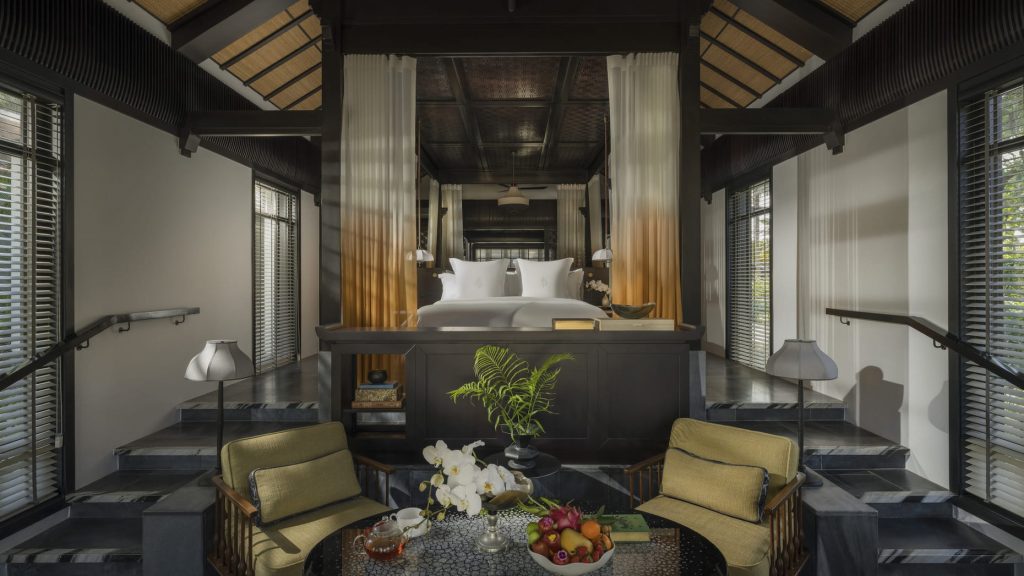
Four Seasons Hoi An
A recently renovated villa at Four Seasons The Nam Hai.

STAY AT: Four Seasons Resort The Nam Hai, Hoi An, Vietnam. The quiet beachfront property is an ideal location from which to explore nearby landmarks (including three UNESCO World Heritage sites). 

SIGN UP FOR: one (or all) of the many cool cultural immersion options offered by the resort. Our pick: The Wet Rice Farm Culture experience, in which guests bike to nearby rice paddies, enjoy tea with a farmer, learn rice cultivation, and end with a meal with the farmer’s family. (And don’t forget to take advantage of the complimentary Vietnamese Coffee Tasting on Wednesdays at 2:30 p.m.) 

Tokyo 

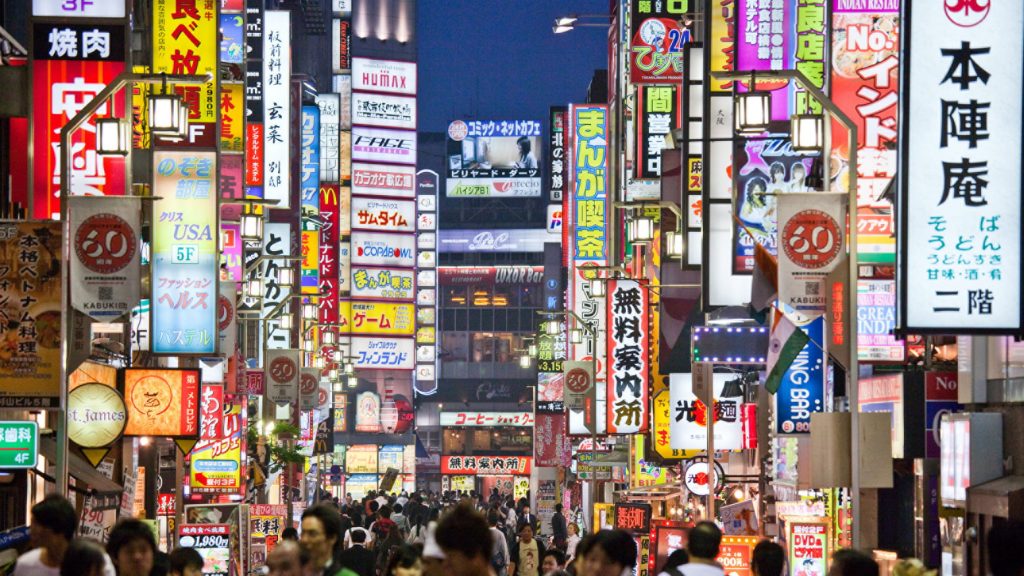
Tokyo
The neon lightscape in Tokyo is unparalleled.

Japan shares the top spot with Vietnam for the highest tourism growth rate in the first half of 2025 (a whopping 21 percent increase in international travellers compared to the previous year, according to the World Tourism Barometer, published by UN Tourism). And the most visited destination in Japan? Tokyo, of course.  

Often cited as the most populous city in the world, Tokyo is nothing if not bustling. Visitors won’t lack for things to do in this metropolis that exquisitely mixes the futuristic with the ancient. Whatever you’re interested in, there’s probably a market, festival, or celebration devoted to it. A few particularly unique events to bookmark for your trip to Tokyo in 2026: the January, May, and September Grand Sumo Tournaments; various cherry blossom festivals in late March to early April; and the Sanno Matsuri, a days-long, mid-June festival, held only on even-numbered years, that showcases traditional Japanese music, dance, and drum performances, prayer ceremonies, and a Shinto ritual parade. 

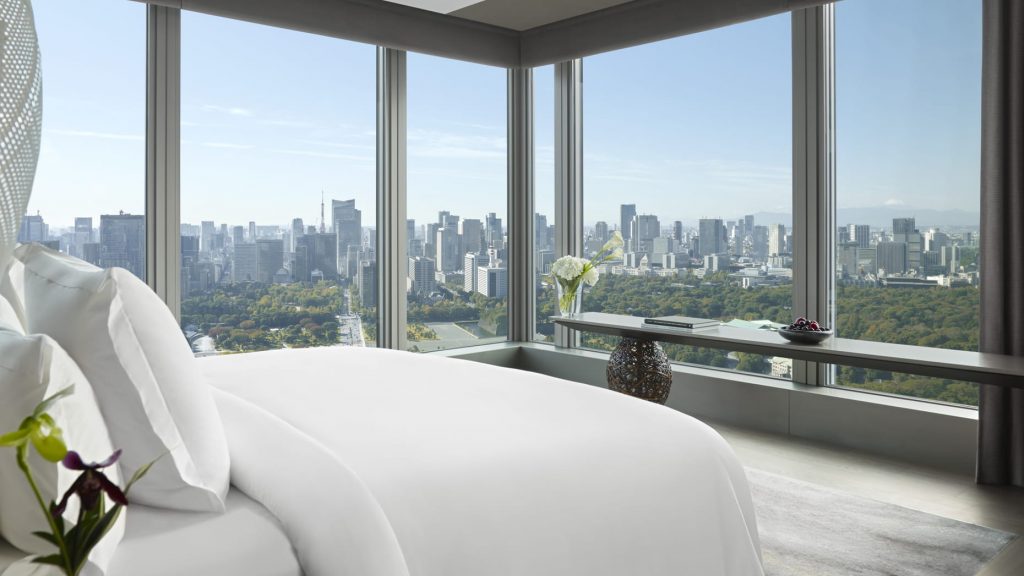
Otemachi Room
All guest rooms at Four Seasons Hotel Tokyo at Otemachi enjoy incredible city views.

STAY AT: Four Seasons Hotel Tokyo at Otemachi. Perched on the top floors of a 39-story high-rise in the financial district, the hotel is located right next to the Imperial Palace. (Reservations at Four Seasons Hotel Tokyo at Marunouchi are currently unavailable, as it is undergoing renovations; it’s set to reopen in the spring of 2026.) 

SIGN UP FOR: the Suibokuga class to try the art of Japanese ink wash painting or the Kodo workshop to learn the art of incense appreciation. First time in Tokyo? Consider joining the hotel’s Tokyo Essentials guided tour of the city’s landmarks and neighbourhoods. 

Milan 

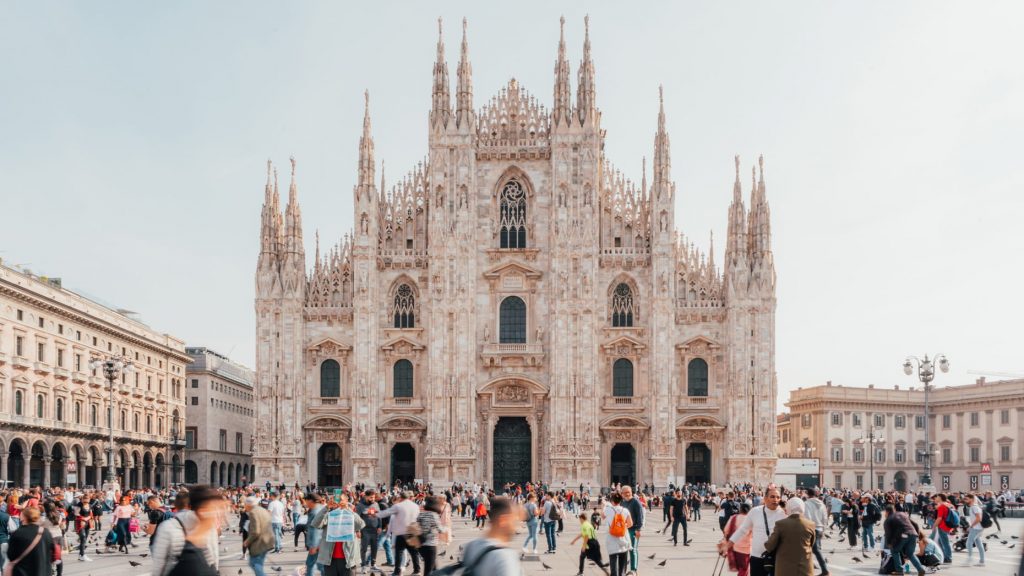
Piazza del Duomo in Milan
The Piazza del Duomo in Milan.

The Milano Cortina 2026 Winter Olympics will be held at multiple locations in Northern Italy in February, including Milan—which means that all eyes will soon be trained on the unofficial design and fashion capital of the world. This is good news for anyone hoping to visit Milan next year, as it will be dressed to the nines and more than ready to play host. 

Other much-anticipated events include Design Week in April (composed of the renowned furniture fair Salon Internazionale del Mobile and Fuorisalone, a series of design-focused exhibitions and happenings throughout the city) and the thrilling Italian Grand Prix in Monza, in September. But you don’t need a tentpole event to visit—with its alluring triumvirate of fashion, food, and frescoes, Milan is truly wonderful any time of the year.  

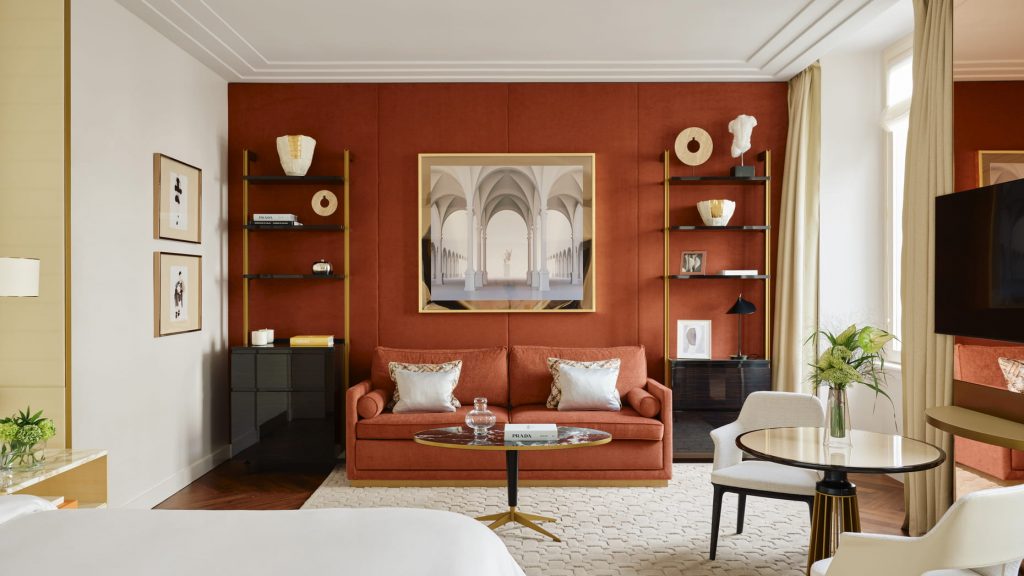
Four Seasons Milan Room
A Premium Room at Four Seasons Hotel Milano.

STAY AT: Four Seasons Hotel Milano. The 15thcentury convent turned luxury hotel is located in the heart of the Fashion District, just steps from the Duomo di Milano, the iconic and intricately designed Gothic cathedral that took nearly 600 years to build. 

SIGN UP FOR: day trips to Lake Como, Courmayeur Mont Blanc, and the Franciacorta vineyards for some Northern Italian fresh air. And if it’s more of Milan you want, you’re in luck—the hotel offers walking tours, after-hour museum visits, private shopping excursions, and more.  

Sydney 

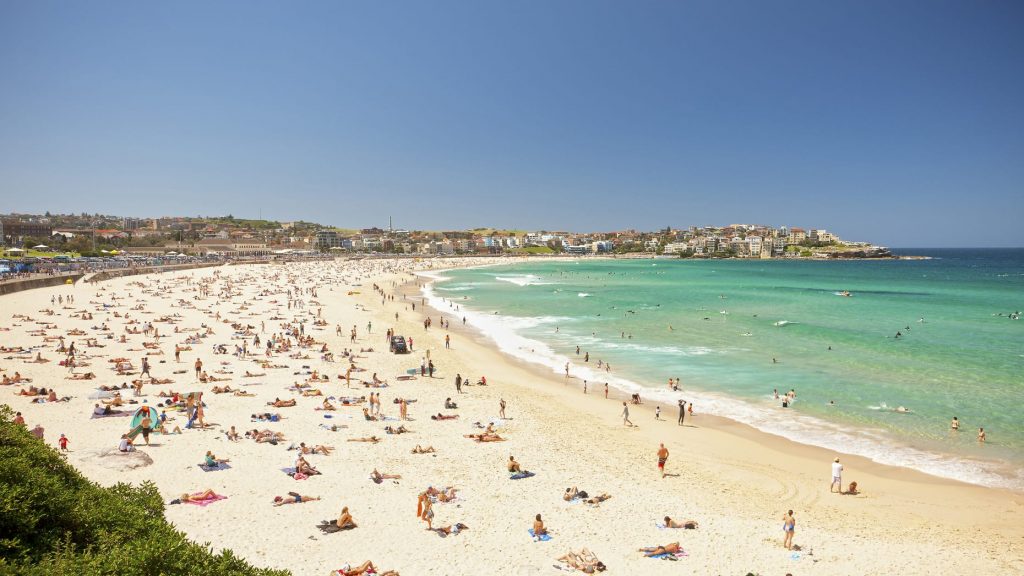
Sydney's Bondi Beach
Sydney’s Bondi Beach.

Condé Nast Traveller UK’s Readers’ Choice Awards named Sydney “Best City in the World” last year, citing the “indoor-outdoor way of life the Aussies embrace so well” as the reason it’s so beloved by visitors. (Where were Paris, Tokyo, and New York, you ask? In the No. 6, No. 12, and No. 20 spots, respectively.)  

The best way to have an authentic Aussie experience: get outside. In Sydney, that means heading to the beach (there are more than 100 to choose from, including famous Bondi Beach, where you can learn to surf), cruising Sydney Harbour (home to two world-renowned feats of engineering, the Sydney Opera House and the Sydney Harbour Bridge), strolling the 74-acre Royal Botanic Gardens of Sydney, or bushwalking nearby Blue Mountains. 

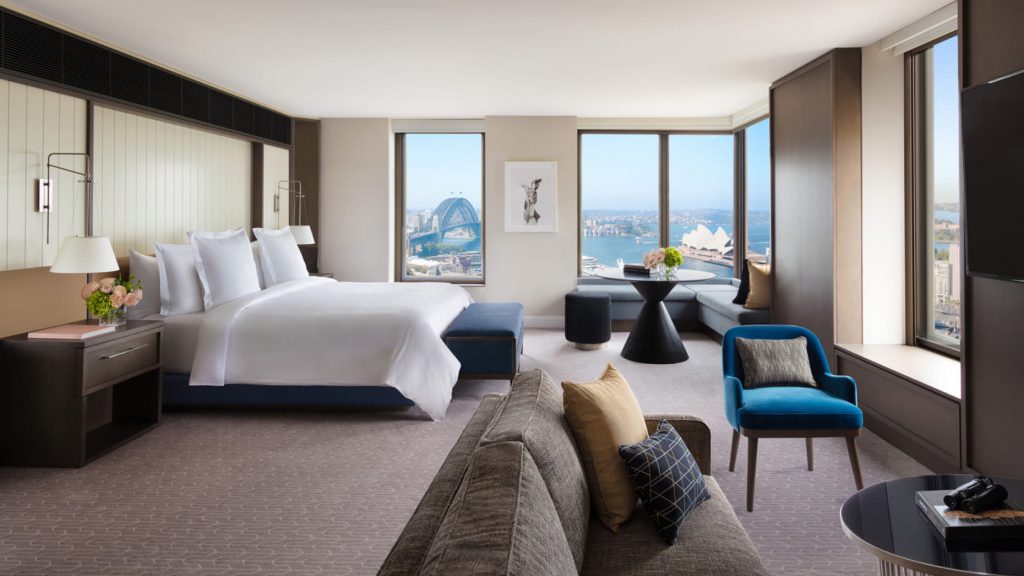
Four Seasons Hotel Sydney Harbour Studio Club Suite
The Sydney Harbour Studio Club Suite at Four Seasons.

STAY AT: Four Seasons Hotel Sydney. The property not only has epic views of Sydney Harbour, but also is just steps from the Rocks, Sydney’s must-visit oldest neighbourhood. 

SIGN UP FOR: the Outback Opal Mine Adventure and tour the region’s oldest opal mines with the stars of the hit reality TV show Outback Opal Hunters. Who knows? You may get lucky and strike opal.