The Heart of Vietnam

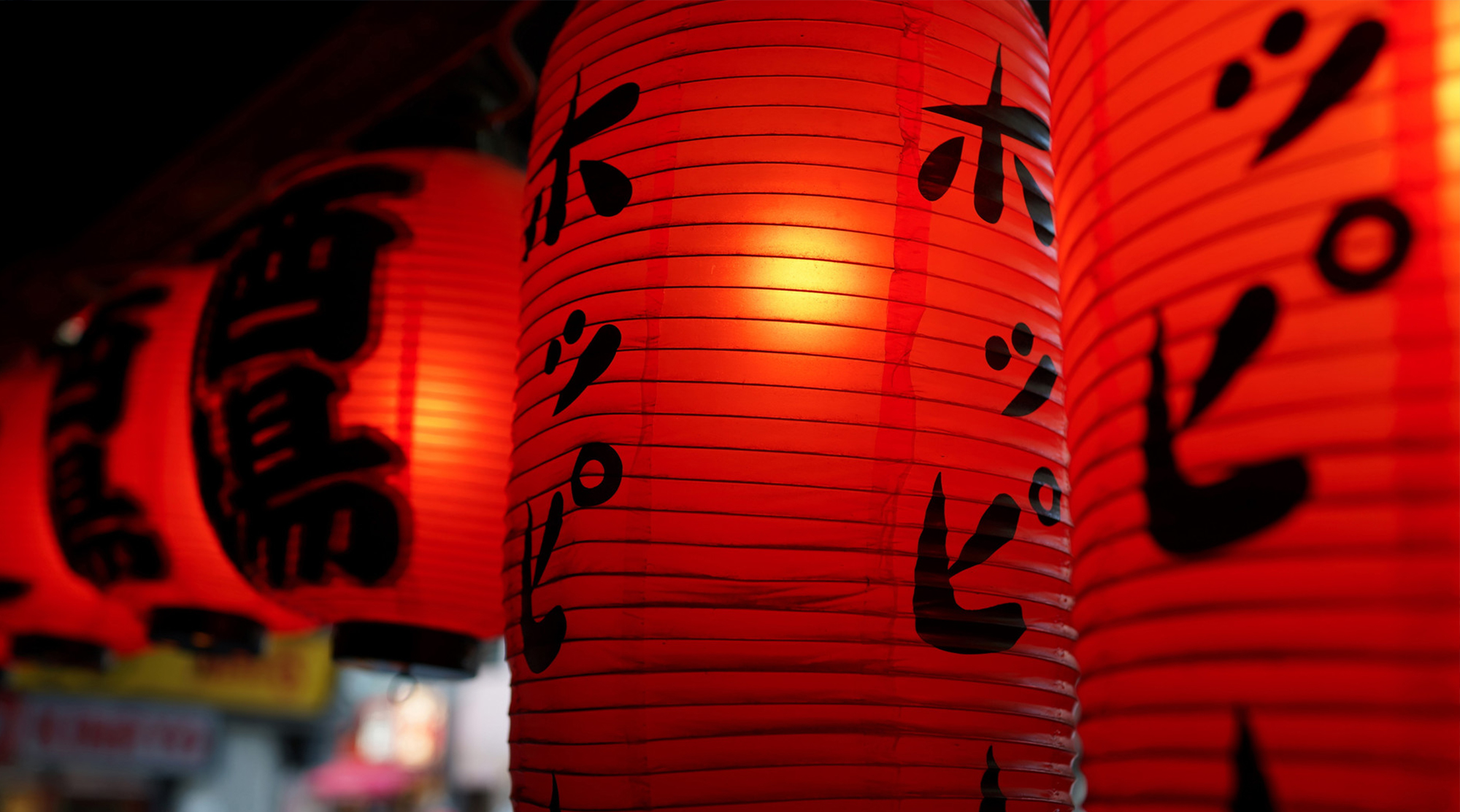
I love wandering Hoi An’s ancient cobbled streets, particularly during the full moon, when strings of lanterns bring the façades of ochre-walled 18th- and 19th-century European, Vietnamese, Chinese and Japanese shophouses alive with light and colour.

Established in the 15th century, this tiny town on Vietnam’s central coast was a busy port until the mouth of the Thu Bon River silted up in the 19th century and all trade moved to Da Nang, 30 kilometres (18 miles) north.

I’m not alone in my love for this town and the central coast. In making Vietnam my home over the past decade, I’ve seen a flurry of energy and investment in this geographic and cultural heartland of the country.

As a result, walking the pedestrianized streets in Hoi An, now a UNESCO World Heritage Site, feels like stepping back in time. Fishing boats bobbing on the canals blur the reflections of tradespeople hurrying home from their woodcarving, tailoring and painting shops for dinner. From cosy bars and restaurants set within timber-frame structures, ambient lamplight and delicious smells attract hungry patrons like moths to a flame.

Discover Hoi An: An awakening in the central coast

I always alight first at Vy’s Market – from the same proprietor as the excellent Mermaid and Cargo Club restaurants – and watch the cooks work elbow to elbow, preparing local street food specialties such as banh bao vac, or “white rose” dumplings (steamed, petal-shaped dumplings of rice flour with a filling of spiced pork or shrimp).

For more contemporary fare, I’ll swing by Chef Tran Duc’s Asian fusion eatery Mango Rooms, one of Hoi An’s longest-running and best-known spots, and order spicy Super Fly Shrimp and gingery red snapper. I’ll also make a point of visiting the chef’s newer outlets: Mango Mango, on the opposite bank of the Thu Bon River, and traditional homestyle eatery Mai Fish.

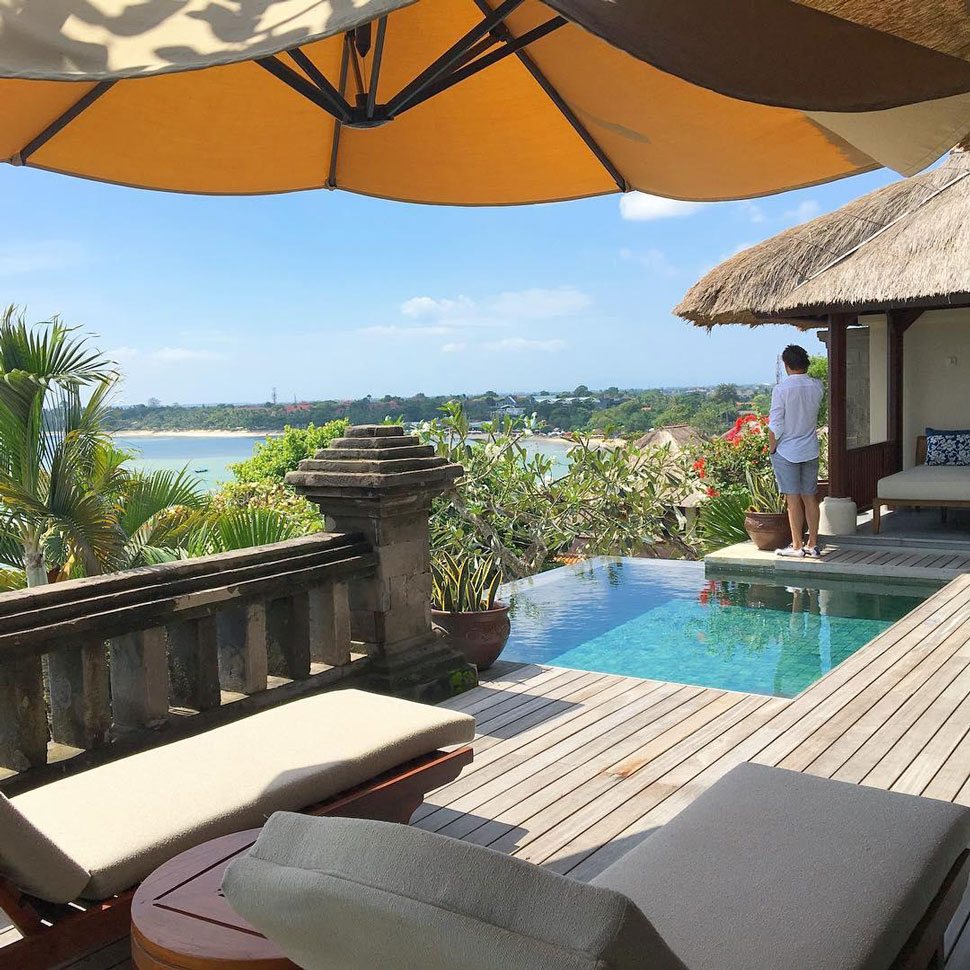
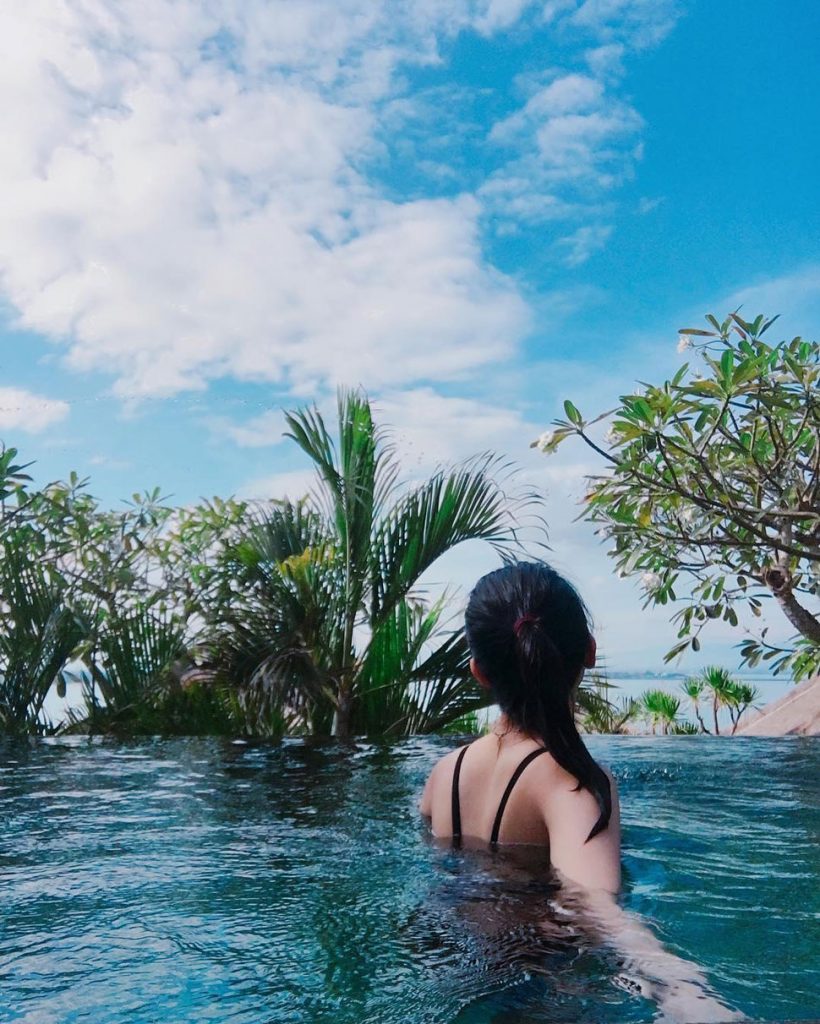
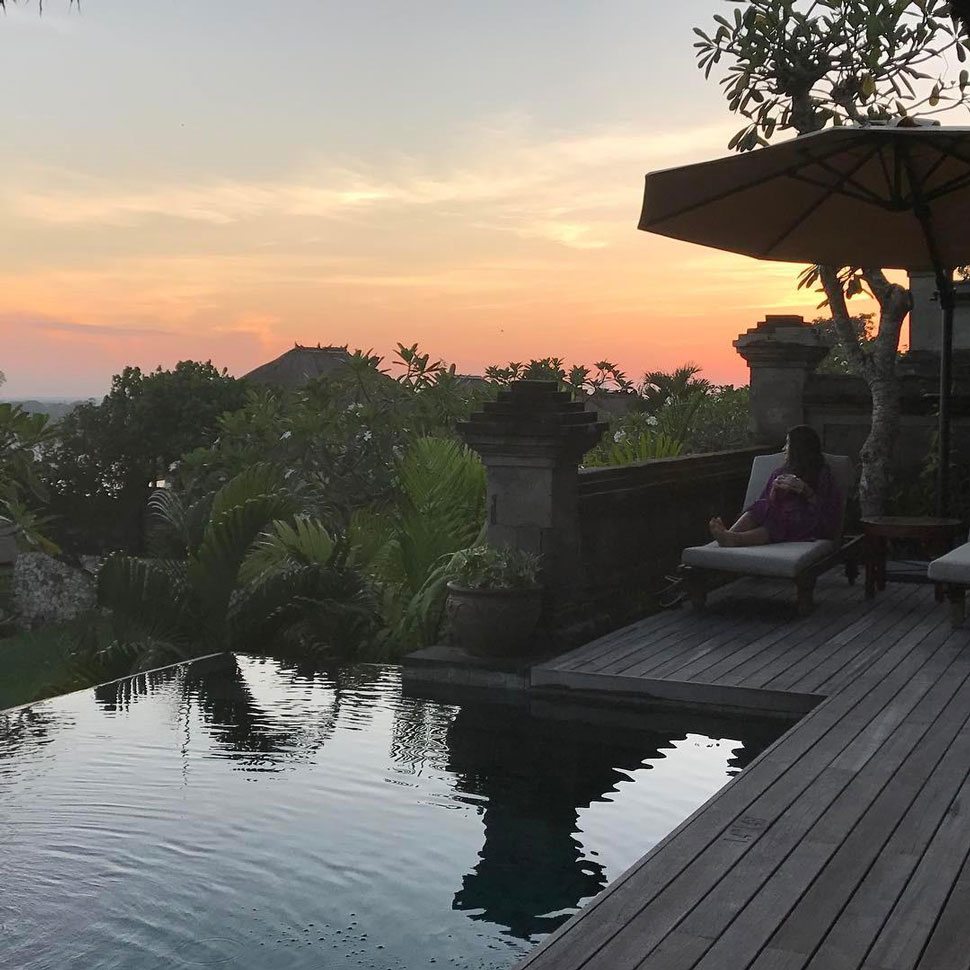
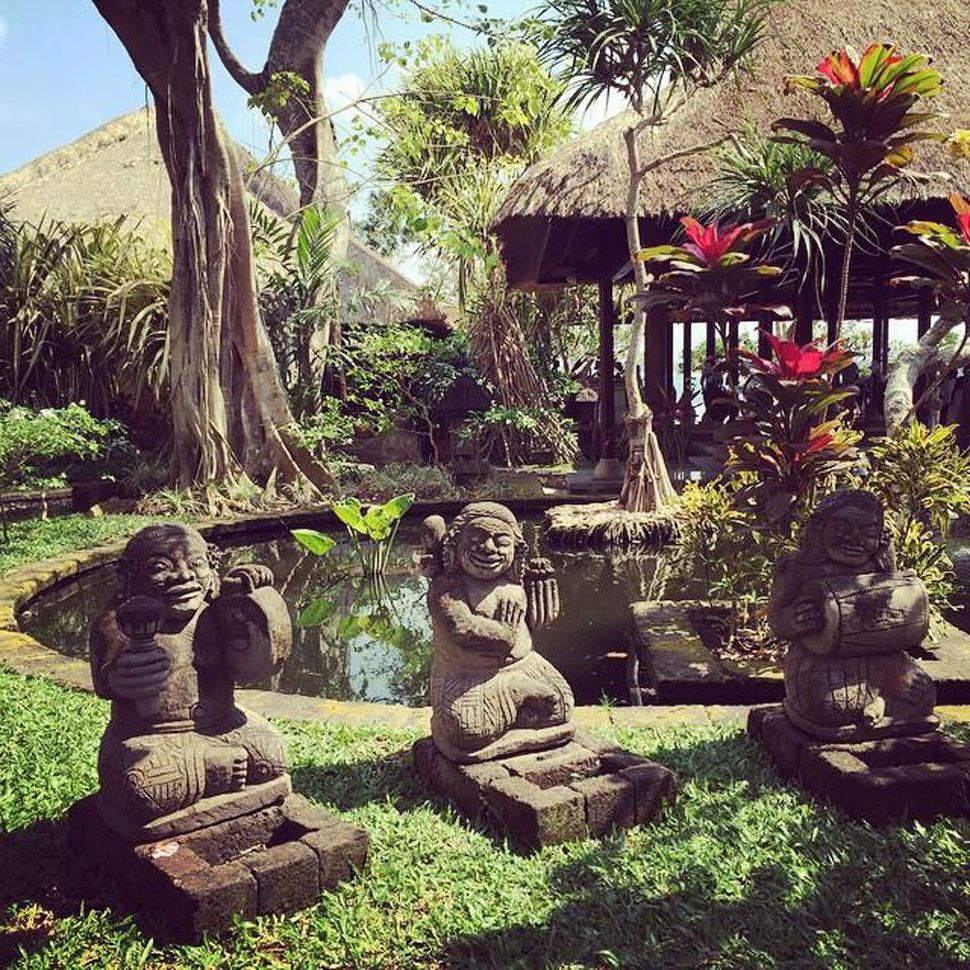
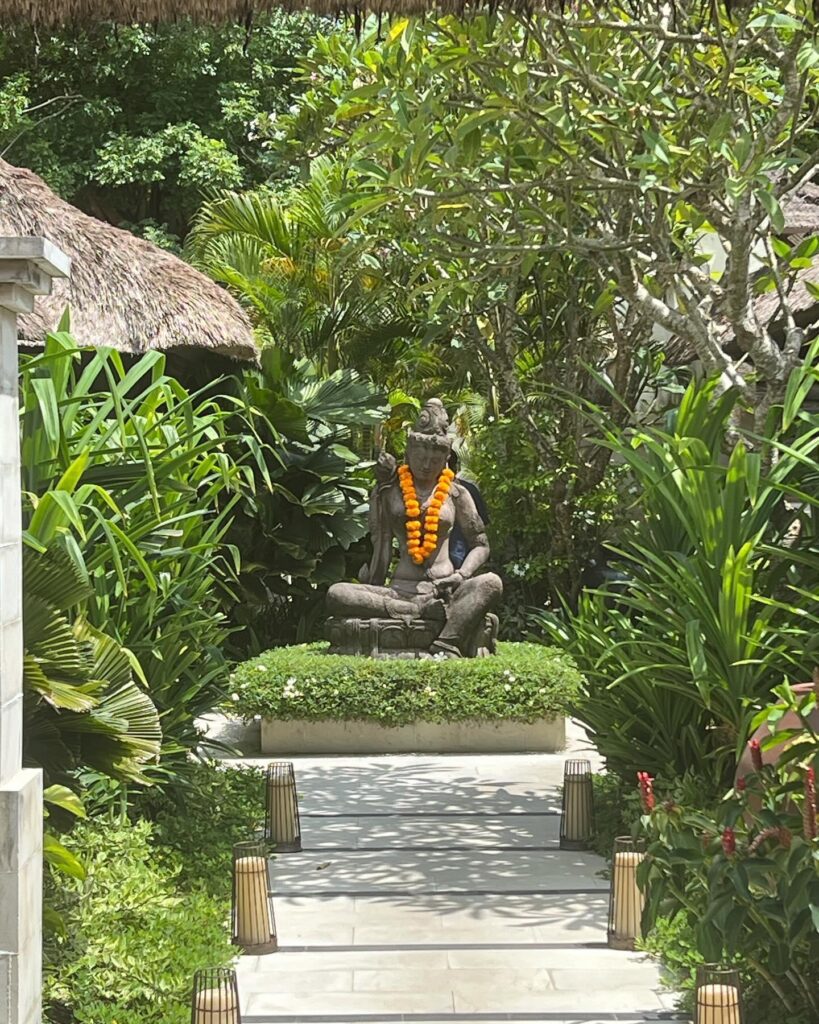
Four Seasons Resort The Nam Hai

I’m not alone in my love for this town and the central coast area that surrounds it. While making Vietnam my home over the past decade, I’ve seen a flurry of energy and investment in this geographic and cultural heartland of the country. The fact that Hoi An’s modern-day entrepreneurs can open one shop or eatery after another is evidence of the overall upward trajectory of this region. Nearby Da Nang, now Vietnam’s third-largest urban area, is the poster city for the country’s growth.

Da Nang’s pro-development government has put in place a well-planned infrastructure that includes an expanded and still-expanding airport, currently receiving direct flights weekly from Korea, Japan, Bangkok, Singapore and Hong Kong. Property moguls are touting Da Nang and its surrounds as the next Phuket or Bali; hospitality consultancy firm Horwath HTL has dubbed the region the “next great beach destination in Asia.”

While its beaches are picture-postcard perfect, what gives the central coast an edge is its position as gateway to three UNESCO World Heritage Sites.

The beaches that stretch from Da Nang to Hoi An are among the world’s most beautiful. Some are justifiably quite popular, but I can always find a quiet spot somewhere along the 900-metre (half-mile) My Khe beach. When I want company, I visit one of the beachfront grill shacks or backpacker bars on lively An Bang or Cua Dai, both easily accessible from Hoi An’s downtown by bicycle or xe om (motorbike taxi).

Yet it’s not throngs of visitors or new development but a wealth of natural and cultural treasures that characterizes the central coast. While these beaches are picture-postcard perfect, what gives this region an edge over other gorgeous Southeast Asian destinations is its position as a gateway to three UNESCO World Heritage Sites.

Where the past meets the future

Back in Hoi An, more historical and cultural riches await in the UNESCO-listed Old Town. Its museums, historic family homes, temples and venues for traditional performances are accessible via books of entrance tickets.

Marking one edge of Old Town, the iconic covered Japanese Bridge, constructed by Japanese merchants at the end of the 16th century to connect their quarter with the Chinese neighbourhood on the other side of the river, is the only known bridge attached to a Buddhist pagoda.

Two-storey family home Tan Ky House incorporates Chinese and Japanese architectural styles – walls inlaid with mother-of-pearl, wooden frames carved with dragons, crossed weapons, and elaborate fruits and leaves.

Once I’ve had my fill of official monuments, I’ll continue touring the town. Many traditional shophouses have been reinvigorated as intriguing galleries, chic boutiques, and stylish places to drink and dine.

In Hoi An’s Old Town, unassuming tailoring shops create bespoke suits for a snip of the prices on Savile Row, with long-running spots claiming visiting celebs among their clients.

If I don’t buy something tailored, I usually fall in love with a contemporary dress or top in cotton or silk at Oche boutique or O-Collective. For a mid-shopping pick-me-up, I’ll pop into one of the town’s ever-growing complement of coffee shops or cocktail spots.

Every time I’m in Hoi An, I feel a deeper appreciation for the region’s appeal through the centuries, attracting kings, emperors, colonial administrators and prosperous merchants – and now, a new generation of globetrotters in search of the heart of Vietnam.

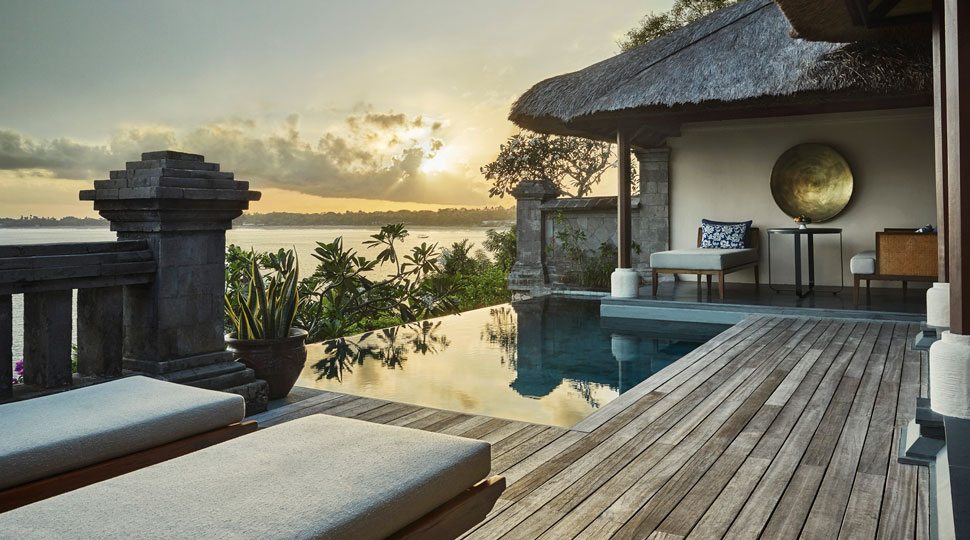
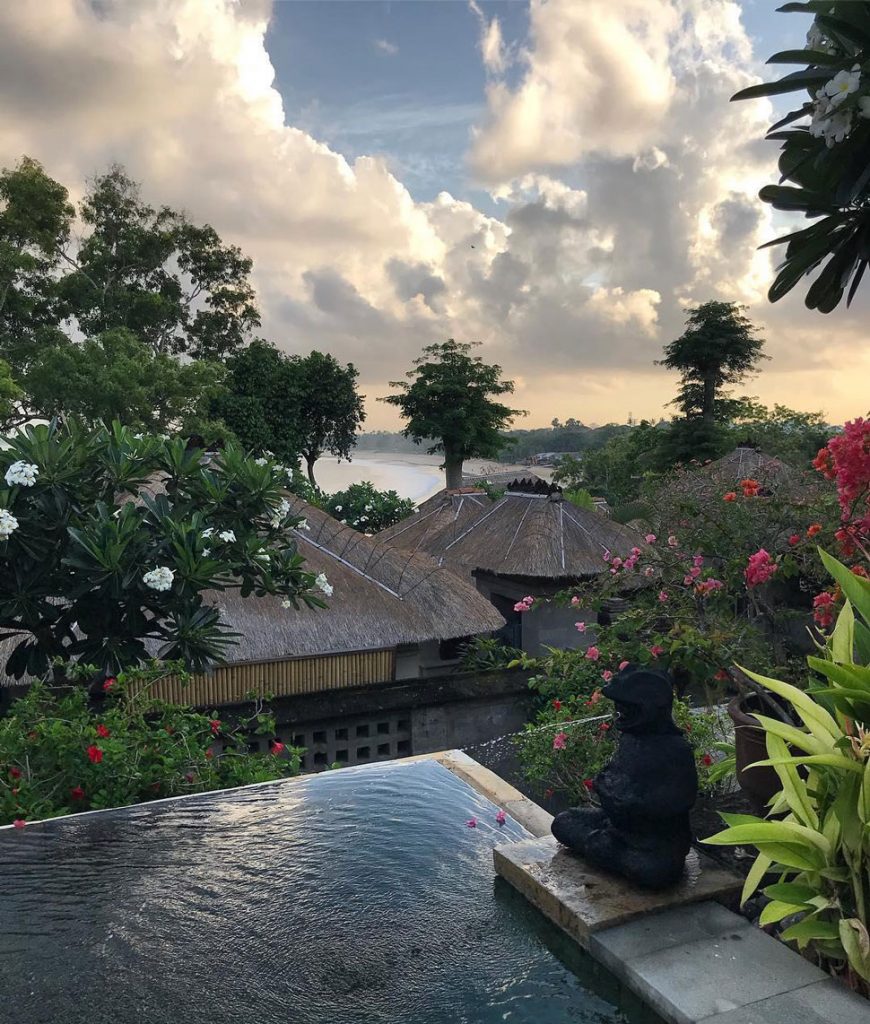
Welcome to Four Seasons Resort The Nam Hai, Hoi An

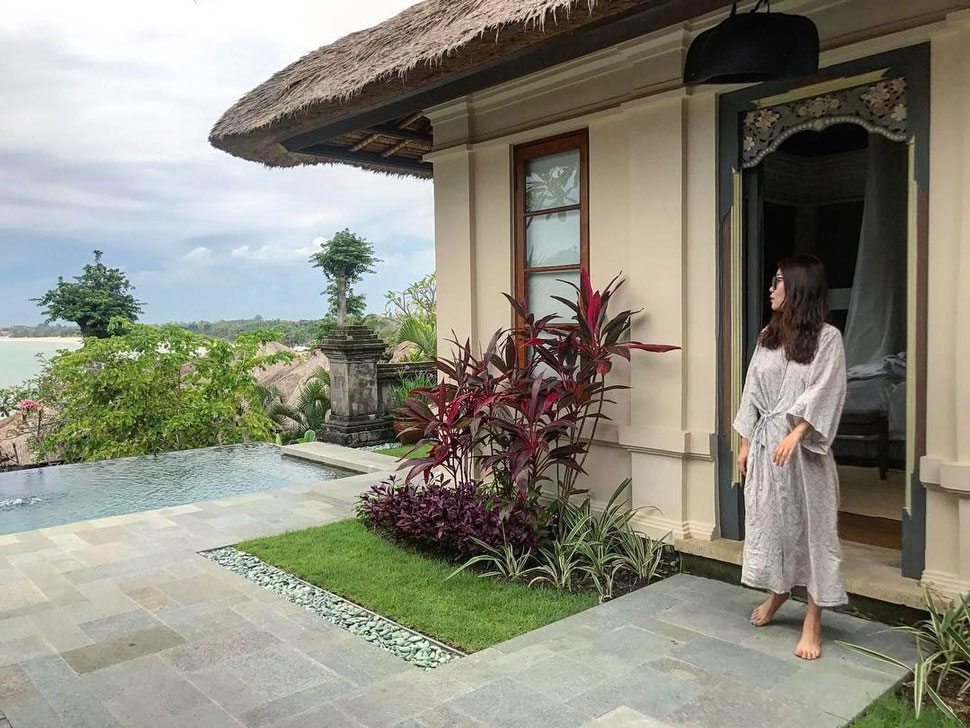
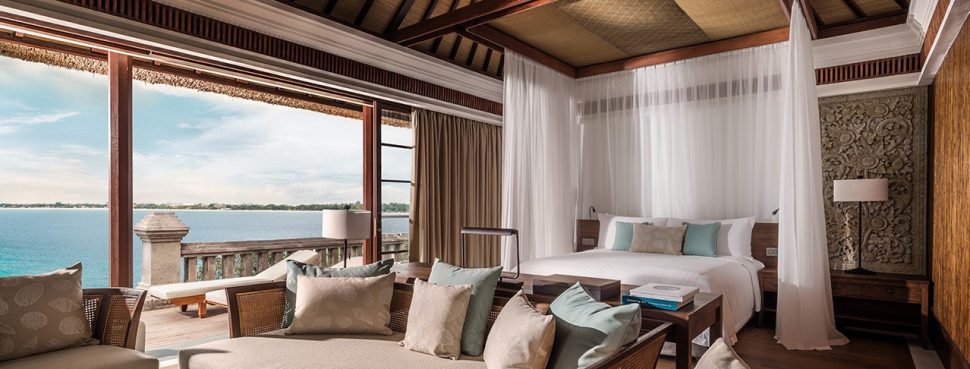
Architect Reda Amalou envisioned each room at Four Seasons Resort The Nam Hai, Hoi An, Vietnam, as an exquisite modern interpretation of the traditional Vietnamese nha ruong, or “house of panels,” bringing together classic elements of Vietnamese design with modern touches in keeping with the principles of phong thuy (Vietnamese feng shui).

Open-plan, colonnaded interiors support roofs of handcrafted terracotta tiles. A central platform inspired by the Vietnamese phan – a multipurpose stage where the family greets visitors, eats meals and sleeps – makes room for a desk, a sunken bath, a flat-screen TV and a soft king-size bed. The horseshoe arrangement of villas gives every guest an ocean view.

Four Seasons Resort The Nam Hai

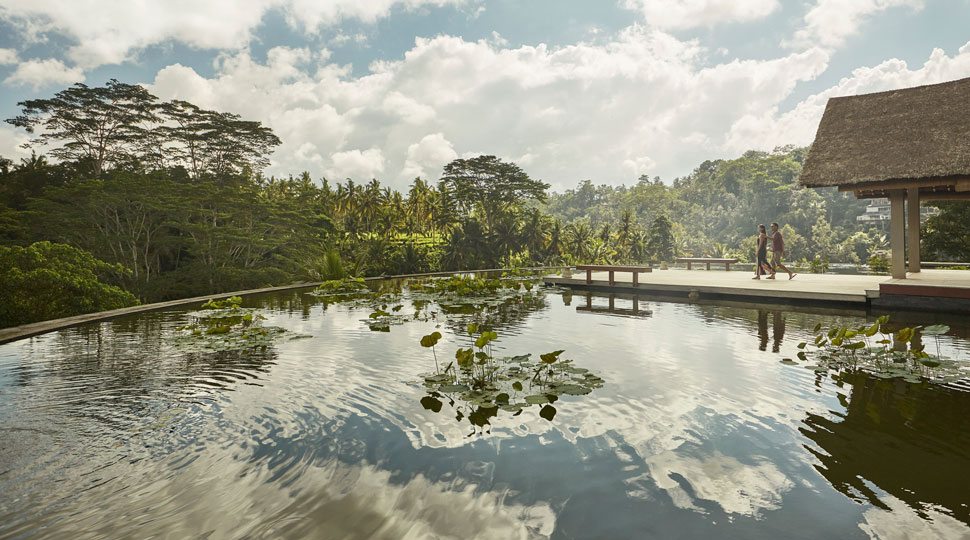
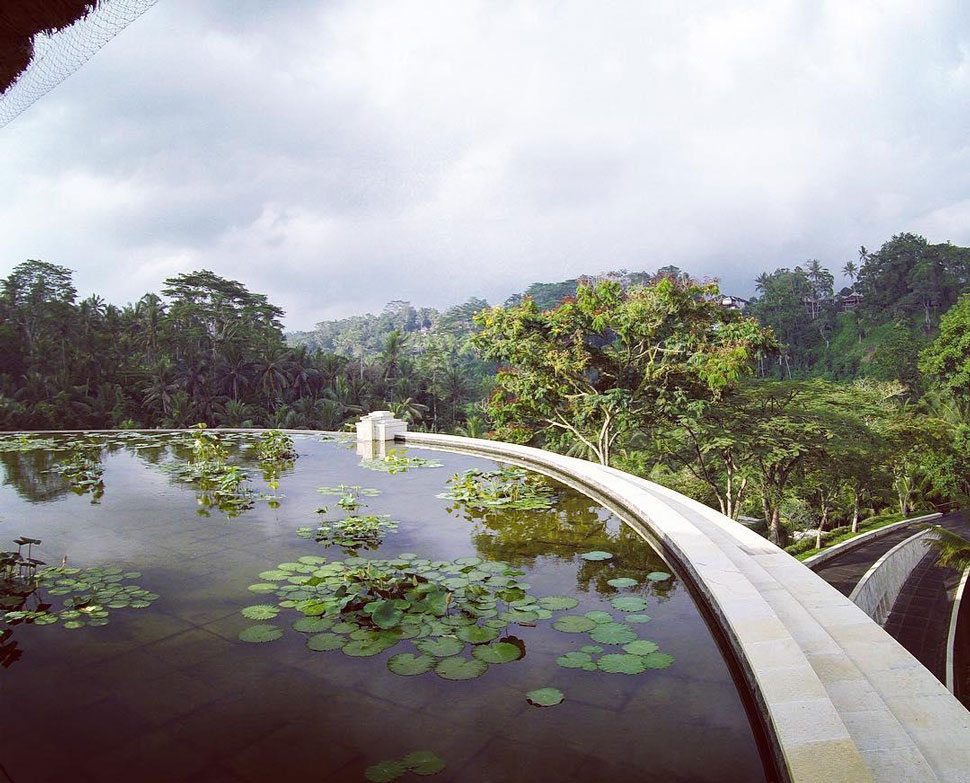
Equally stunning is the sight of three central pools at different levels, framed by swaying palms with the open ocean beyond.

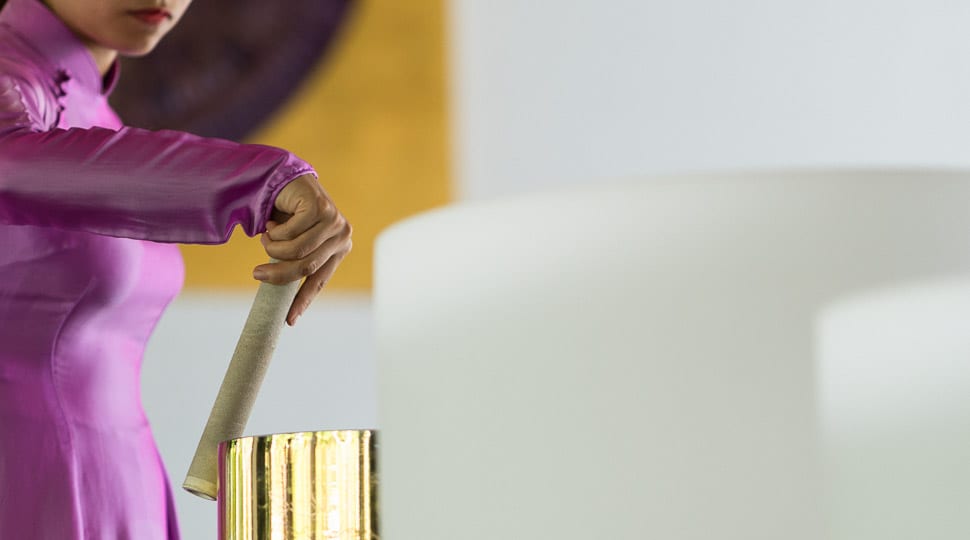
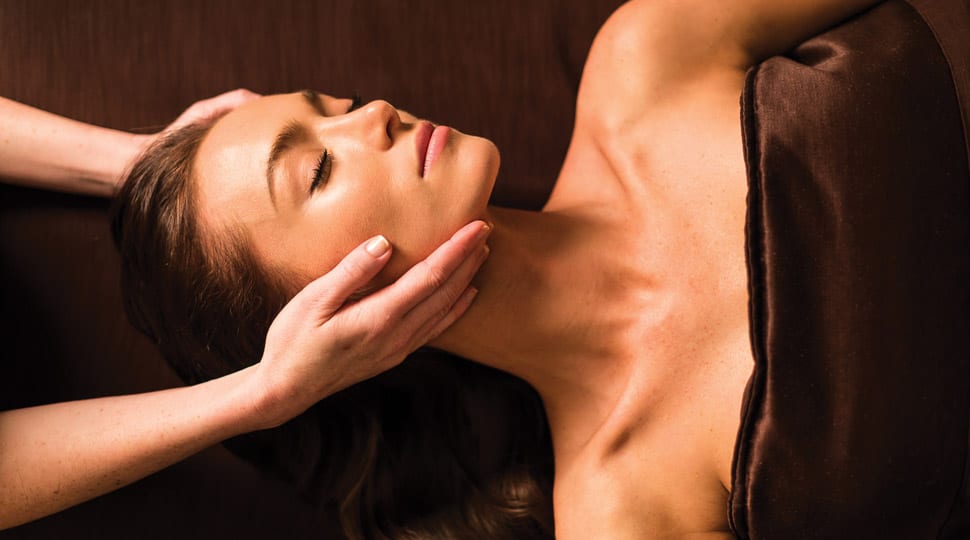
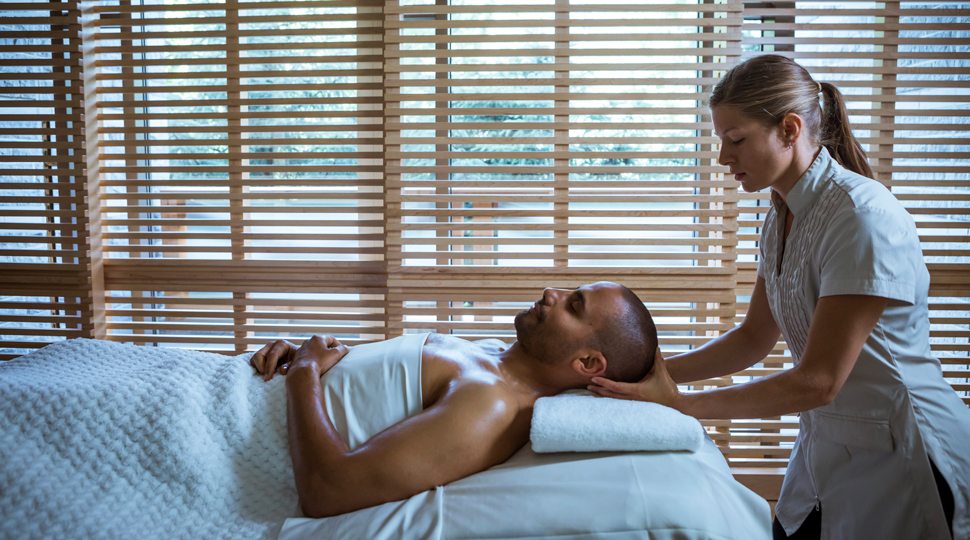
Gain new understanding of the subtleties and nuances of Vietnamese cuisine at the on-site Nam Hai Cooking Academy, led by Chef Tran Van Sen. The Academy offers single-day and week-long courses, and leads guests on a different culinary adventure each day, from visiting local markets to preparing imperial specialties such as Hue lemongrass skewers and stuffed banh khoai pancakes. Between beach visits and cooking classes, recharge at The Heart of the Earth Spa, with treatments informed by Buddhist monk Thich Nhat Hanh’s Zen teachings.

Your Journey Begins Here

Rediscover Vietnam’s rich history and observe its undeniable future

Explore

7 Pieces of Art You Didn’t Know to Look For

The Mona Lisa, Starry Night, Dalí’s Persistence of Memory – we all need to see these show-stoppers, but visitors can forget that they’re in a museum full of equally beautiful, intriguing artworks. Because of their more famous neighbours hanging nearby, these 7 paintings and art installations are some of the most undeservedly overlooked masterworks in the world.

London: Saint Margaret of Antioch


Francisco de Zurbaran’s Saint Margaret of Antioch. On Display at the National Gallery

Encounter St Margaret’s direct gaze, but take a moment to admire the painter’s attention to detail and the menace of the dragon beneath her feet.

You’re in London, at the National Gallery, and your first port of call – naturally – will be Van Gogh’s iconic Sunflowers, hanging in Room 43. But for one of the gallery’s curators, Francesca Whitlum-Cooper, it’s Francisco de Zurbaran’s Saint Margaret of Antioch (in Gallery 30) that shouldn’t be missed.

“Every time I look at Zurbaran’s picture of Saint Margaret,” Whitlum-Cooper says, “I fall in love with the bright red of her skirt, her beautifully painted alforjas, or saddlebags, the amazing geometric swirls of her straw hat – it’s a surprise every time to look down at her feet and remember that there’s a menacing dragon prowling around them.”

“To me, there’s something very modern and powerful about Saint Margaret’s direct gaze,” the curator continues, “so cool and calm, so confident in her faith, the dragon’s presence doesn’t bother her in the least.”

Four Seasons Hotel London at Park Lane

Paris: Death of the Virgin

While the notorious crowd swarms around Leonardo’s most famous work, the Mona Lisa, at the Louvre, slip away to see Caravaggio’s Death of the Virgin (1606). This Italian baroque masterpiece shows the Virgin Mary’s mortal body as you’ve never seen it depicted before. The painting is so intense that it was rejected by the monks at the church it was intended for, Santa Maria della Scala in Rome.

Four Seasons Hotel George V, Paris

Los Angeles: Portrait of a Girl/Still Life With Fan


Max Pechstein's Portrait of a Girl/Still Life With Fan on display at the Los Angeles Country Museum of Art

Highlighting the dark, oppressive environment of Europe’s post-war period, Portrait of a Girl/Still Life With Fan served as the beginning of a breakthrough for artists Wassily Kandinsky and Emil Nolde in art’s contemporary period.

When you go to LA’s most famous art museum, Los Angeles Country Museum of Art, chances are you’ll flock to see Diego Rivera’s Día des Flores (Flower Day), 1925. It’s one of his most iconic depictions of the indigenous peoples of Mexico, and the first major Rivera painting to enter a public art collection in the U.S. But as you meander through the collections, be sure not to overlook the paintings of German expressionist Max Pechstein.

Although he’s not as well known as his contemporaries Wassily Kandinsky and Emil Nolde, he played an important part in the breakthrough of the style. Pechstein survived the turmoil of the 20th century – and was incredibly skilled at translating this onto the canvas. His painting Portrait of a Girl/Still Life With Fan, painted in 1919–20, captures the dark, meditative atmosphere of the post-war period in Europe.

Four Seasons Hotel Los Angeles at Beverly Hills

Seoul: Matrilineal Society in Asia – China #4

You can find the work of American greats, such as Andy Warhol and Jeff Koons, at the Seoul Museum of Art. But it would be a shame to miss the emerging Korean artists that the museum nurtures and showcases. Admire Bek Ji Soon’s photographic portraits of women from across South East Asia, particularly her photograph Matrilineal Society in Asia – China #4, in which a young girl in traditional clothes – confident and joyful in her gaze – sits front and centre. It’s a unique way to get acquainted with the city’s locals and learn more about the culture.

Four Seasons Hotel Seoul

New York: One: Number 31, 1950


Jackson Pollock’s One: Number 31, 1950. On Display at the Museum of Modern Art.

One of the “drip” paintings Pollock created by pouring and drizzling paint from above, One: Number 31, 1950, highlights the artist’s technical expertise.

If you’d rather avoid the masses crowded around Starry Night, another of MoMA’s must-see paintings is on the same floor. Jackson Pollock’s One: Number 31, 1950 is an iconic piece of American abstract expressionism that is often overlooked since it doesn’t really “look like” anything in the conventional sense. But what you’re really seeing in this painting is Pollock’s dramatic, dynamic movements, throwing paint (and himself) around. It can’t be missed.

Four Seasons Hotel New York Downtown

Mumbai: Maratha Lady

While visiting Mumbai’s renowned colonial-era Dr Bhau Daji Lad Museum, it would be difficult to miss Rao Bahadur MV Dhurandhar’s Court Scene, an early 20th-century watercolour. Bahadur was known for capturing the busy scenes and colourful characters of early 20th-century Mumbai, then known as Bombay, and this is a perfect example.

But another of his works, Maratha Lady from 1916, should not be overlooked. Rather than depicting a busy scene, here Bahadur focuses on one strong woman looking straight at the viewer, with a rural scene in the background. At the same time, the soft fabric of her sari shows her softer side, in sync with the rolling hills behind her.

Four Seasons Hotel Mumbai

Chicago: The White Place in the Sun


Georgia O’Keeffe’s The White Place in the Sun (1943). On display at the Art institute of Chicago.

At the Art Institute of Chicago, steal away to find O’Keeffe’s White Place in the Sun, which brings to life the smooth and stunning rock formations of New Mexico.

The Art Institute of Chicago is home to Edward Hopper’s Nighthawks (1942), one of the best-known artworks to emerge from 20th-century America, so it’s no surprise that it draws a lot of visitors. While you wait for the crowd to thin out, make your way to AIC’s Gallery 265 and see Georgia O’Keeffe’s The White Place in the Sun (1943). This shows you a completely different side of the U.S. – the sparse desert and smooth yet striking rock formations of the White Place near Abiquiu in New Mexico. The geological formation in the White Place had been smoothed and whittled by water and wind over centuries, until it eventually resembled spires and cliffs, and O’Keeffe contrasts its undulating shapes with the bright blue sky.

Your Journey Begins Here

Select a city and start planning your next artful escape.

5 Sounds That Tell Kyoto’s Story

From the steady dripping of raindrops in the rainy season, to the cicada in the summer heat, to the gurgling of spring streams from melting snow, Kyoto is filled with nature. Thanks to its history that dates back to AD 794, a discerning listener can also hear sounds that transcend the urban roar of modern times: Zen monks on their begging round, the clatter of looms in the weaving district, temple bells that boom at end of day, and these five unique sounds that encapsulate the city’s rich heritage.

A purifying echo

Japanese gardens boast few ornaments. A stone lantern or water basin is typical. More rare is the suikinkutsu, which adds an acoustic dimension. You place your ear against a bamboo pipe protruding from the ground, and for a moment you hear nothing but a profound silence. All of a sudden a harp-like sound reverberates as a drop of water falls onto water inside a pot buried underground. As the sound merges back into nothingness, a sense of calm succeeds it. Just as the stone basin holds water for physical cleansing, the sound of the suikinkutsu purifies the soul. It’s Japanese aesthetics at its most delicate, found only at a few temples, such as Enko-ji.

 Image courtesy Hugo Kempeneer, a Kyoto based photographer. www.kyotodreamtrips.com

The whisking of ancient tea

The tea ceremony originated in China but took its present Japanese form under the influence of Zen in a ritual based on mindfulness. All is still, save for the graceful movement of the tea master, who mixes the ingredients with a bamboo whisk. Guests sit motionless on bent legs as the kettle builds up steam. The bitterness of the taste is offset by the accompaniments, a small sugary sweet and a cake typically made of red-bean paste. These reflect the season, as do the calligraphy, decoration and utensils used in the ceremony.

Enjoy a cup of Japanese tea, or take a tea ceremony lesson at Shakusui-tei, the tea house at Four Seasons Hotel Kyoto.

The rattle of gods

Videography courtesy Pond5/Christopher Bertucio

Kyoto is a city of never-ending festivals, supreme among which is the Gion Matsuri. It lasts the whole of July, and the high point is a grand parade of 32 floats. The religious heart of the festival involves three portable shrines containing the kami (gods), which are borne aloft to their “resting place” to preside over proceedings. The men who carry the heavy wooden palanquins shake them for the enjoyment of the kami, and the carriers encourage themselves with traditional calls and liberal amounts of sake, “drink of the gods.”

The creak of prosperity

Photography courtesy Pond5

Amid the abundance of nature in Kyoto’s river basin, bamboo groves stand out for their beauty. The grove in the Arashiyama district is particularly cherished for its vista of tall trunks and filtered sunlight. The wind rustling through the leaves makes a “zawa zawa” sound, while the creaking and groaning of the slender stems speak of the tree’s famed flexibility. With its ability to thrive in harsh conditions, bamboo not only serves as a symbol of prosperity, often featured on kimono, but also furnishes material for such local crafts as basketry, fencing and matting.

The strum of the geisha

Photography courtesy Pond5

Nothing encapsulates Kyoto like the figure of the geisha. The kimono, hairstyle, accessories and comportment are fashioned by centuries of refinement. The rigorous training includes dance and music, with particular attention to the kouta (little song), the lyrics of which concern drinking, transience and lost love. The songs are played on the three-stringed shamisen, which originated in China and was introduced to geisha in the 18th century. They can spend years mastering it.

Performances are exclusive and can be even more difficult for outsiders to gain access, however, they can be arranged. Talk to your Concierge at Four Seasons Hotel Kyoto or arrange your own here.

Your Journey Begins Here

Venture to this ancient city and hear its heritage for yourself.

Kyoto lanterns

Explore

6 Rooms, Pools and Lobbies
You Have to See to Believe

If you’ve seen one Four Seasons hotel or resort, you haven’t seen them all. Each of our more than 100 properties reflects its own sense of place, innovation and style.

Through our international collection of awe-inspiring lobbies, dynamic restaurants and bars, re-energizing fitness and spa facilities, impressive event spaces, and perfectly appointed rooms, Four Seasons delights with design.

Here, marvel at some of our creative spaces, then get a behind-the-scenes look at the design process.

Kuw 207 970x540

A pool and spa that reflect tranquillity

At Four Seasons Hotel Kuwait at Burj Alshaya, the design for the pool, spa and fitness section was driven by the theme of peacefulness mixed with a specific sense of place. The glowing lanterns create a warm reflection in the pool (recently named the best indoor swimming pool in the Middle East by Prix Villageiture), and archways and alcoves create semiprivate, intimate lounging areas for guests.

“The fitness areas emphasize light, air and volume,” says Didier Jardin, General Manager at the Hotel. “In spas, dimmer lighting and quiet spaces are really conducive to relaxation.”

The grotto oasis aspect of this design by Yabu Pushelberg evokes a calming and inviting aura. “The Hotel was designed with a refined, well-travelled and culturally informed guest in mind and has a distinct connection to place in its design elements,” says co-founder Glenn Pushelberg.

Celebrating eccentricity at the bar

It was the independent child prodigy Margot Tenenbaum, from the 2001 U.S. film The Royal Tenenbaums, who inspired the renovated bar at Four Seasons Hotel Atlanta. Bar Margot celebrates interesting people, individualism and eccentricity.

“The way you make a place ‘happening’ is with a strong sense of narrative and of place,” says Will Meyer, partner of Meyer Davis, which co-led the 2015 renovation.

Those familiar with the film will instantly feel transported into the world of Margot Tenenbaum upon entering the restaurant and bar. Throughout the velvety-rich space, tokens from the cult classic film adorn the walls, window ledges and bookshelves.

The Hotel completed a dramatic transformation of its meeting and event space this year. In collaboration with Hirsch-Bedner Associates, the total 17,436 square feet (1,620 square metres) has been revitalized to fuse the Hotel’s majestic opulence with the latest technology.

Dining under glass


Castanyoles restaurant in Four Seasons Hotel Bogotá Casa Medina

The barrier between indoors and outdoors blurs in this restaurant and tapas bar, where a lush atrium courtyard and a retractable glass ceiling can swiftly create al fresco dining.

Neighbourhood chic meets rustic nature in the design of Castanyoles, at Four Seasons Hotel Bogotá Casa Medina. The Spanish restaurant and tapas bar, designed by local Saul Sasson, integrates warm colours, Spanish tiles and modern furnishings underneath a stunning glass atrium roof.

The restaurant – named for the traditional handheld percussion instruments also known as castanets – was designed to reflect the way people dine today.

“Castanyoles is the ideal spot to share a Spanish bite or a handcrafted cocktail,” says Mark Bingle, General Manager of the Hotel. “We have an amazing space that allows for indoor dining with open-air elements, enhancing the elegant atmosphere.”

Seaside sanctuaries

At Four Seasons Resort Los Cabos at Costa Palmas, it was the nearby ocean that fuelled the design team’s creation of livable luxury. The guest rooms incorporate oversized relaxation areas that seamlessly flow onto outdoor ocean terraces.

We call our guest rooms ‘sanctuaries,’” says Borja Manchado, General Manager at the Resort. “It’s about welcoming guests and giving them the best night’s rest they’ve ever had.

TAL Studio designed the guest rooms. “Four Seasons guests value artistry, craft, authenticity, cultural context and sincere hospitality that is truly anticipatory of their needs, and these values inform our design,” says studio founder Todd-Avery Lenahan.

Modernizing history in the lobby


Processed With Vsco With A4 Preset

The lobby at Four Seasons Hotel Gresham Palace Budapest was imagined by Richmond Intl., and features this often photographed chandelier.

Long ago, the entrance of Four Seasons Hotel Gresham Palace Budapest included a horse-and-carriage drop-off. During renovations, the design team, led by Richmond Intl., enclosed the drop-off in a labour of love to expand the lobby.

Now, guests can spend the afternoon sipping craft cocktails and savouring an exciting blend of Asian and Hungarian cuisines at MÚZSA, the Hotel’s newest lounge. A raised piano platform adds a touch of theatre in the bar area, in contrast to the more intimate lobby.

Meeting rooms that drive productivity


A conference room in the Four Seasons Hotel Seoul

Designed by LTW Designworks, the meeting spaces at Four Seasons Hotel Seoul channel the prestige of Four Seasons coupled with a sense of place.

Given the purpose of a meeting room, it’s important that the design motivates and invigorates. At Four Seasons Hotel Seoul, LTW Designworks followed through.

The meeting and event spaces are designed to encourage productivity and pleasure; the cosy sitting area and plush sofas evoke a residential feeling.

“Korean architecture is always conscious of the delicate relationship between a place and its environment, and strives for a harmonious interplay,” says Su Seam Teo, an LTW partner.

Your Journey Begins Here

What incredible space will you discover next?

10 Animals You Can Meet on Vacation

Animals bring peace, laughter and comfort into our lives, and vacations are no exception. Sometimes the most memorable part of a trip is the local wildlife you encounter, which makes spotting a parrot tucked into a palm tree, or hugging an elephant for the first time, worthy of an Instagram post. Take a look at animals you might encounter on your next getaway, from the gentle giants of Thailand to a playful monkeys in Nevis.

Elephant love in the Golden Triangle

A photo posted by Cook Tirasak (@cookinstagram) on

Thailand is known for its elephants, and Four Seasons Tented Camp Golden Triangle is home to a few of the friendly 4-ton mammals – so guests have the opportunity to walk with, bathe or play with them. Be sure to say hello to Yuki, who loves wandering into neighbouring banana plantations for a treat, or give a bath to Yuki’s best friend, Phuang Phet, who prefers sugar cane. Meet the whole four-legged team here and discover each rescued elephant’s backstory.

Four Seasons Tented Camp Golden Triangle

Meet miniature Dougal in Hampshire

While at Four Seasons Hotel Hampshire, stop by to pet 3-year-old Dougal, the Shetland pony. The Hotel has a top-class Equestrian Centre so guests can take lessons and explore the English countryside on horseback. Treat children ages 7–16 to the Own a Pony experience, in which they learn about riding, grooming and stable management.

Four Seasons Hotel Hampshire

Sea turtle hatchlings in Punta Mita

The beaches of Punta Mita are crowded each summer with thousands of female turtles coming ashore to lay their eggs. In midsummer, visitors can spot an adult olive ridley, green, hawksbill or loggerhead turtle during her maternal migration. In December, guests at Four Seasons Resort Punta Mita can be a part of the baby turtles’ exciting journey to the water during the annual safe release programme.

Four Seasons Resort Punta Mita

Giraffes standing out in the Serengeti

A post shared by Vidya Sagar (@vidya_sagarr) on

=

Marvel at the world’s tallest mammal on the Great Plains of the Serengeti. Though they can run at speeds of up to 35 miles per hour, giraffes spend more of their time grazing on acacia trees to get both food and hydration. For optimal photo opportunities, book a walking safari at Four Seasons Safari Lodge Serengeti. Globetrotter Leah Walker did, and she met zebras, hippos and even a lion.

Four Seasons Safari Lodge Serengeti, Tanzania

Parrots perched in Hawaii

A photo posted by Yev (@yevmonster) on

The Hawaiian Islands are home to an abundance of colourful bird species, including this eye-catching blue and gold macaw, a type of tropical parrot that was spotted at Four Seasons Resort Lanai. A macaw is distinguished by its medial – a facial patch as unique as a fingerprint.

Four Seasons Resort Lanai

Giants of the sea in the Maldives


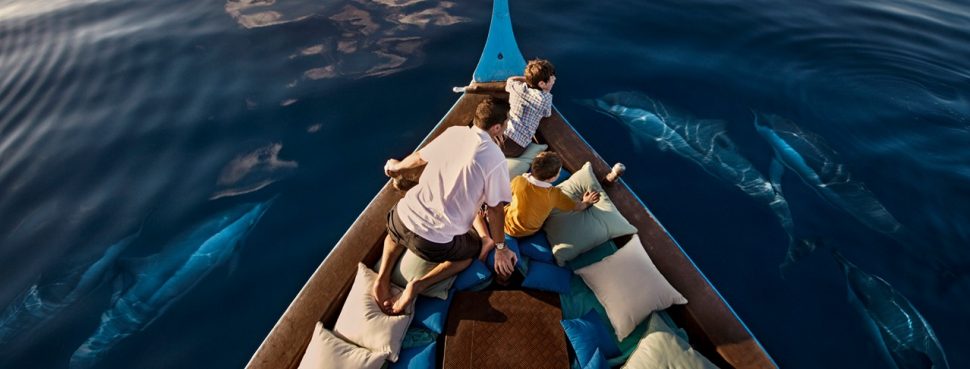
The underwater beauty of the Maldives is almost unmatched. With its plankton-rich waters, Baa Atoll is a favourite destination for many impressive sea creatures, including manta rays. You have a chance to swim with these strange and graceful fish all year round when you visit Four Seasons Resorts Maldives, but the best months for the most mantas are June through September.

Maldives Private Island Voavah at Baa Atoll

Grazing ‘buffalo’ in Jackson Hole

A photo posted by Ryan Sheets (@ryanjonsheets) on

While out in the beautiful mountainous landscape of Jackson Hole, Wyoming, travellers have a high probability of spotting a bison, also known as the American buffalo. The powerful beasts can run up to 35 miles per hour, can jump up to 6 feet in the air, and love gathering around the warm springs and geysers for the steam.

Book a wildlife safari with Four Seasons Resort and Residences Jackson Hole for an exciting four-hour journey. The guides know the best places to spot local wildlife, like bison, moose, bear and elk.

Four Seasons Resort and Residences Jackson Hole

The eagle lands in Langkawi


Malaysia’s Kilim Karst Geoforest Park is rich in biodiversity, and visitors to the nature preserve may glimpse one of the world’s fiercest birds: the eagle. Watch these royal birds of prey soar above you as you venture out by boat from Four Seasons Resort Langkawi.

Four Seasons Resort Langkawi

The world’s largest tortoise in Seychelles

Guests at Four Seasons Resort Seychelles should stop by the Resort’s turtle pen to say hello to Tedwina, the giant tortoise. Her favourite food is mango peel, and she loves interacting with people, especially children.

The Resort team originally named her Ted, thinking she was a male, but quickly changed it. Guests can pet or feed Tedwina, along with Taka, Maka, Cinderella and Socrates. The giant tortoise is the largest of tortoise species in the world.

Four Seasons Resort Seychelles

Green vervet monkeys in Nevis

Sea turtles aren’t the only local residents that Nevis is known for. In fact, there are more monkeys on the island than people, so guests at Four Seasons Resort Nevis are guaranteed to spot at least one of these curious and playful creatures. Families of monkeys frequently appear on the championship 18-hole golf course at the Resort. Sunset tours on golf carts guide guests to some of the best vantage points for Caribbean Sea–gazing, including the place where monkeys congregate on the 15th green.

YOUR JOURNEY BEGINS HERE

Start planning your adventure into the wild.

Close-up image of an outdoor chair.