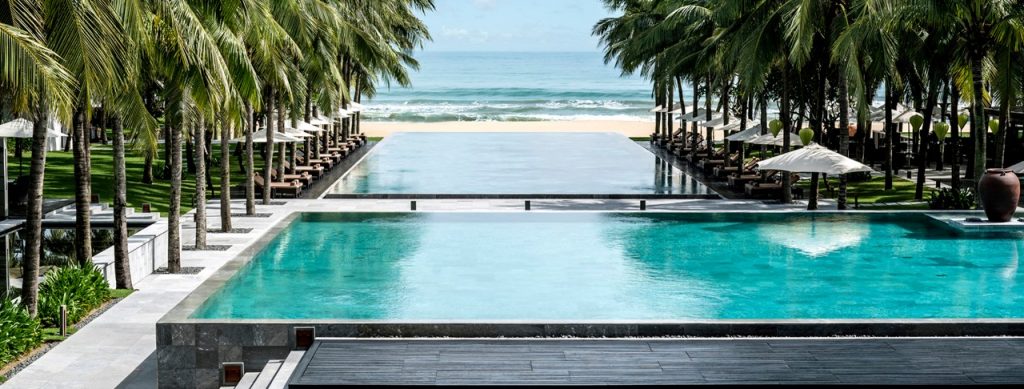
The travel industry pros are starting to make their predictions for the year ahead, and, as expected, we’re seeing a wide range of opinions. European destinations are on the rise. So are African safaris. Interest in luxury tours by train is ticking up. Likewise for luxury yacht cruises (in 2026, the highly anticipated Four Seasons Yachts launches). Ahead-of-the-curve jet-setters will be flocking to Svalbard, Norway. Or maybe it’s New Zealand.
The one trend that the experts seem to agree on? Increasingly, travellers are yearning for experiences—trips that have visitors meeting locals, learning new skills, and soaking up new cultures. With that in mind, we’ve rounded up five classic, and increasingly popular, destinations that have a lot more to offer than just lounging by the pool (though, that’s also a welcome option, of course).
Lisbon
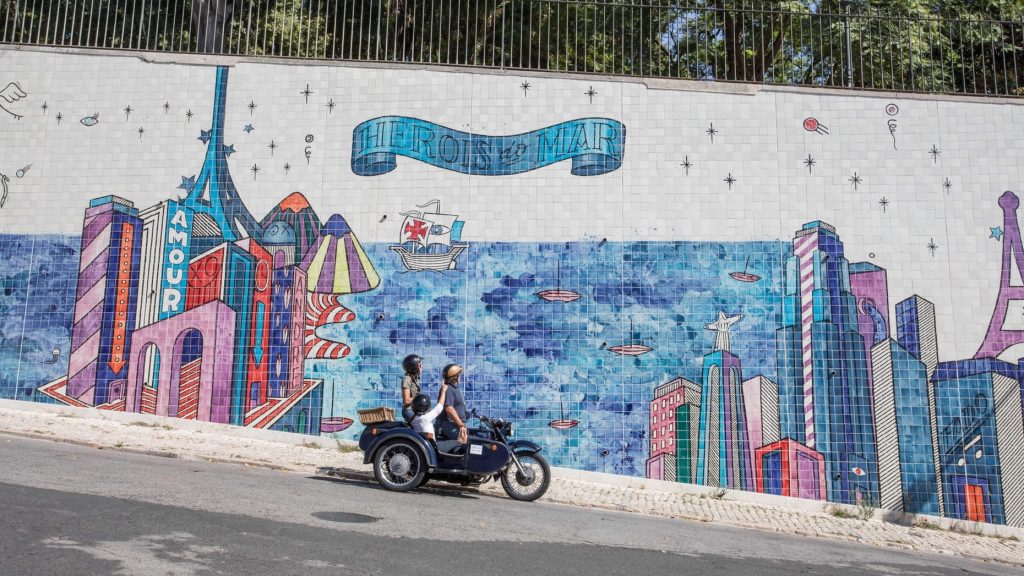
If you feel like everyone you know has been posting vacation photos from Portugal as of late, it’s not your imagination. According to USA Today, Booking.com data showed higher year-over-year flight searches for Portugal across every month in 2025. Roughly the size of Maine, the country has something for everyone: beaches, mountains, wineries, and eminently walkable cities.
The most popular destination in Portugal is arguably Lisbon, a city steeped in history (it’s older than Rome!) and bathed in sunlight (it’s one of the sunniest places in southern Europe). There’s no shortage of cultural sightseeing to be had here, but the capital city is not just for history buffs and architecture enthusiasts.
Those who enjoy staying active on vacations, take note: the EDP Lisbon Half Marathon is slated for March 8, 2026, and the EDP Lisbon Marathon, billed as “probably the most beautiful in the world,” will be held in October. Another event to bookmark for next year: the Lisbon Tango Festival in June, which offers five days of tango dancing, including performances, classes, and dance parties.
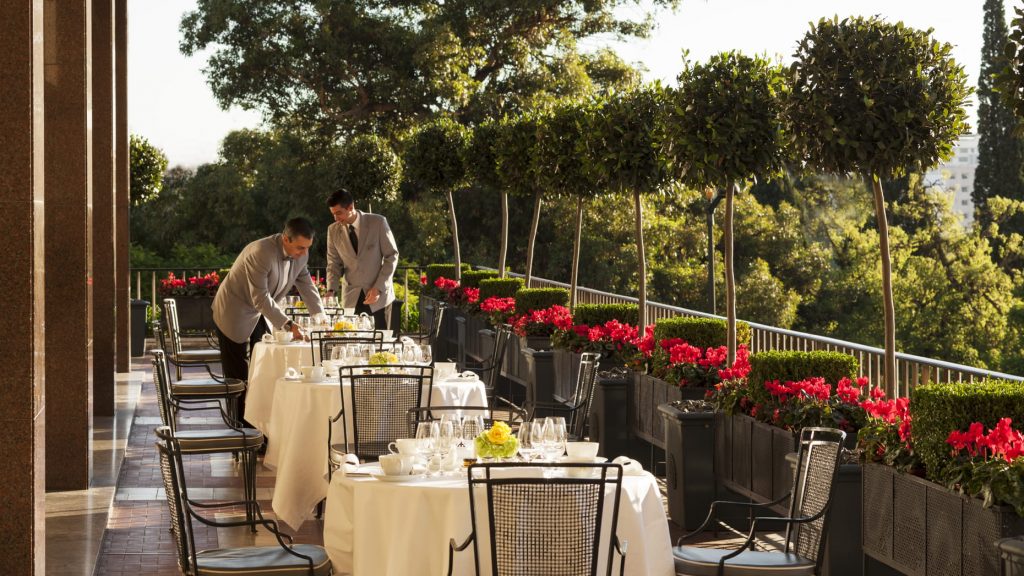
STAY AT: Four Seasons Hotel Ritz Lisbon. Centrally located and packed with amenities (including a rooftop outdoor running track), the hotel is a plush home base for exploring both the city and the surrounding vineyards and villages.
SIGN UP FOR: a Sidecar Tour and see Lisbon up close and personal from a vintage motorcycle driven by a private tour guide. Or consider the Sintra and Cascais Tour, a daylong excursion that hits the historical palaces at the UNESCO World Heritage site of Sintra, as well as the seaside resort town of Cascais.
Hoi An
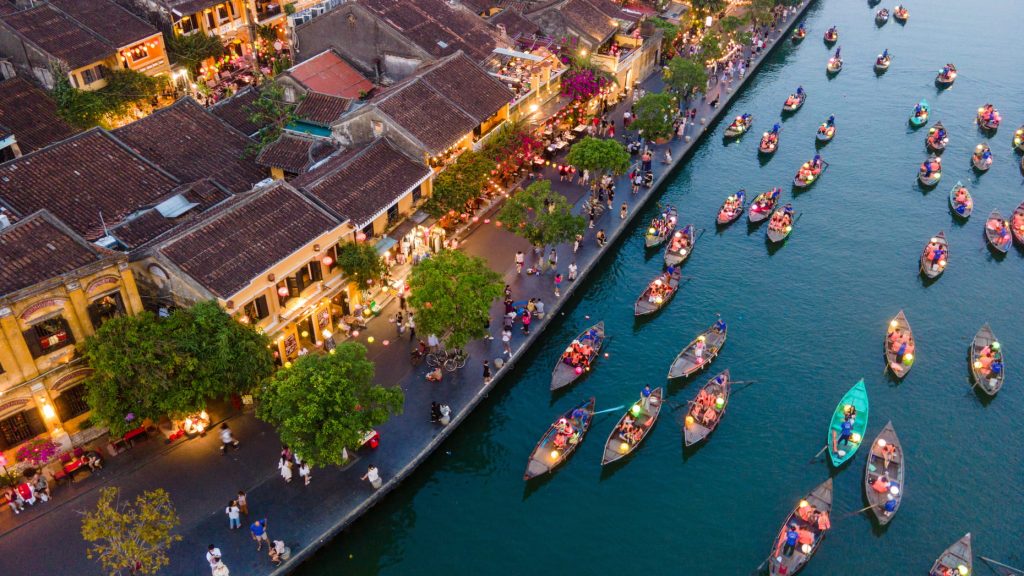
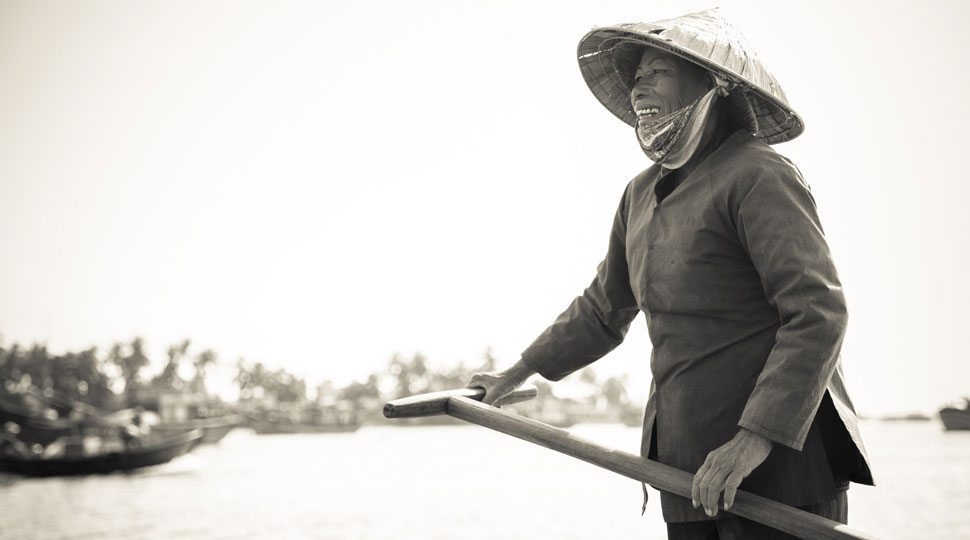
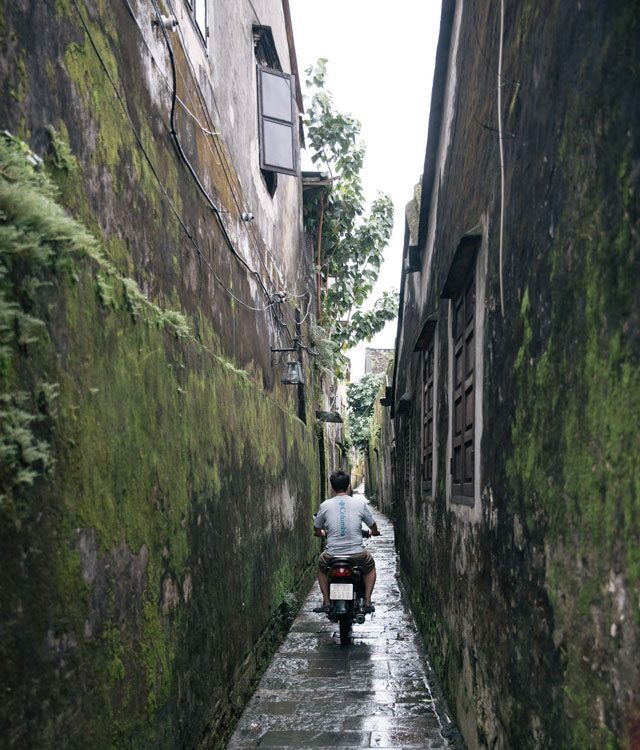
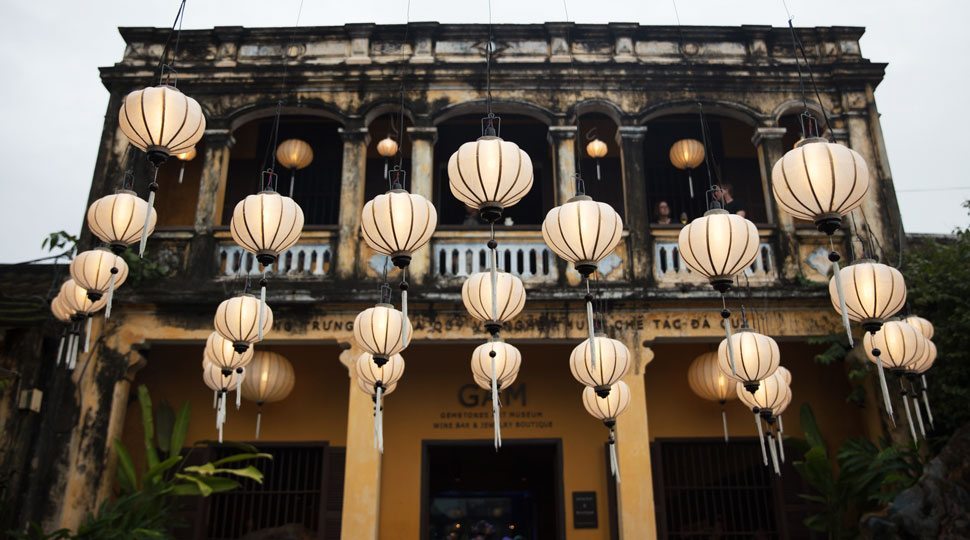
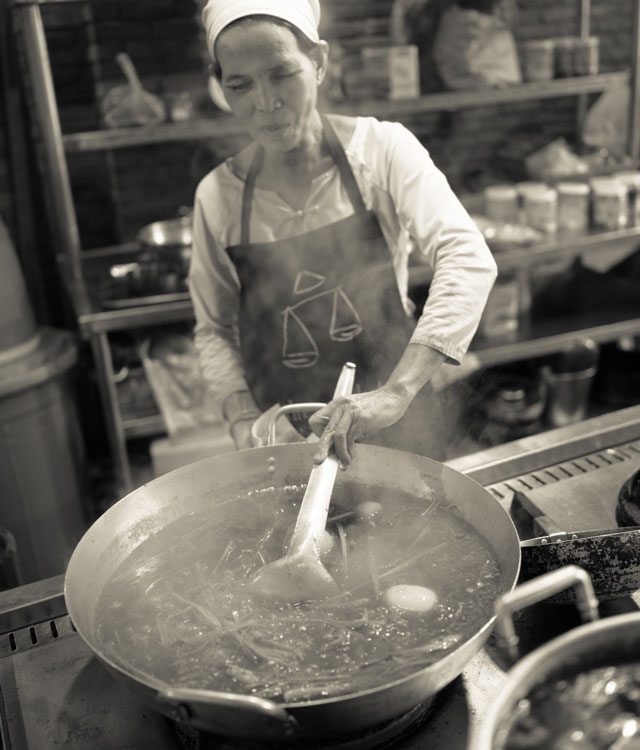
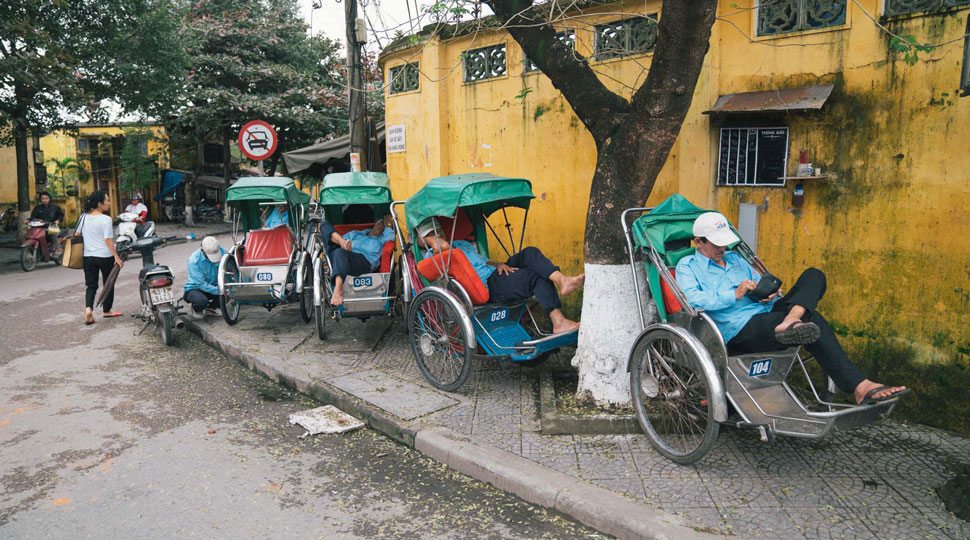
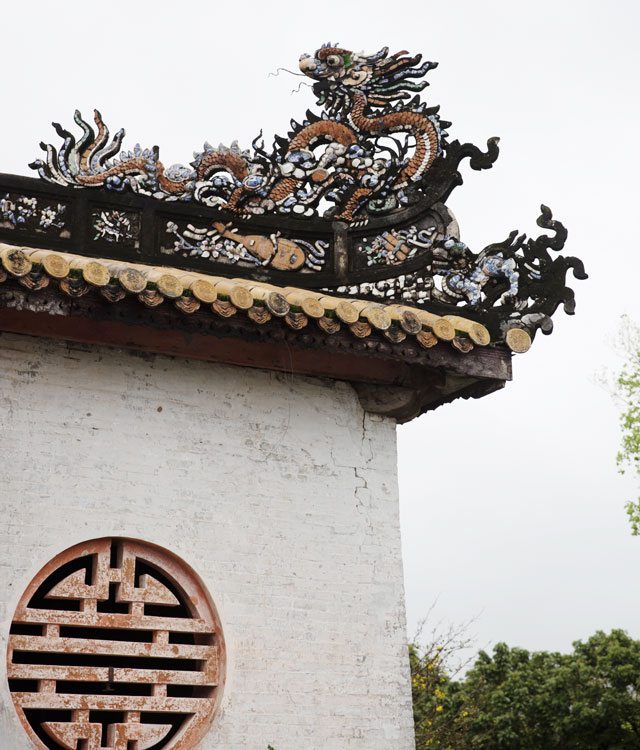
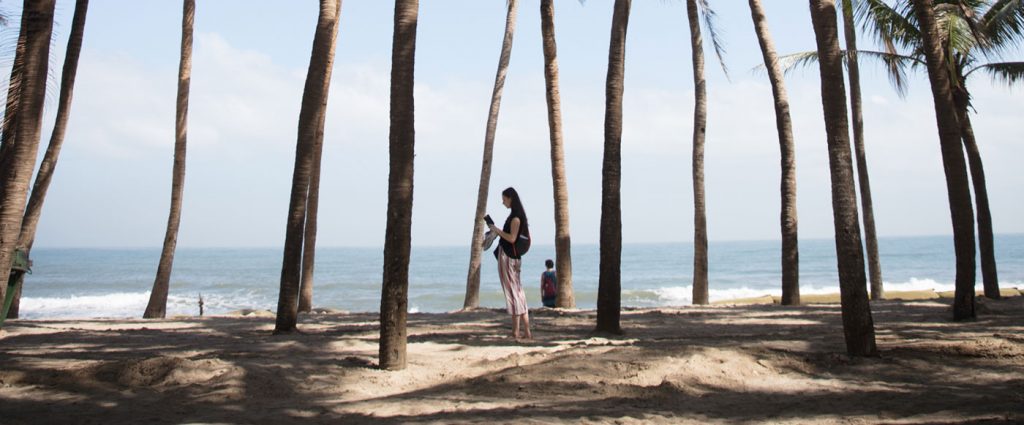
Another country enjoying a steep rise in tourism: Vietnam. According to Bloomberg, it’s now the third most popular tourist destination in Southeast Asia (behind Thailand and Malaysia). Long, narrow, and S-shaped, the country is bordered by China to the north, Cambodia and Laos to the west, and the South China Sea to the east; driving the length of it takes at least a week. Our recommendation: Head to Hoi An, the “city of lanterns” on the central coast, where you’ll be able to sample a little of everything—quiet countryside, the meandering Thu Bon River, and a picturesque beach, to boot.
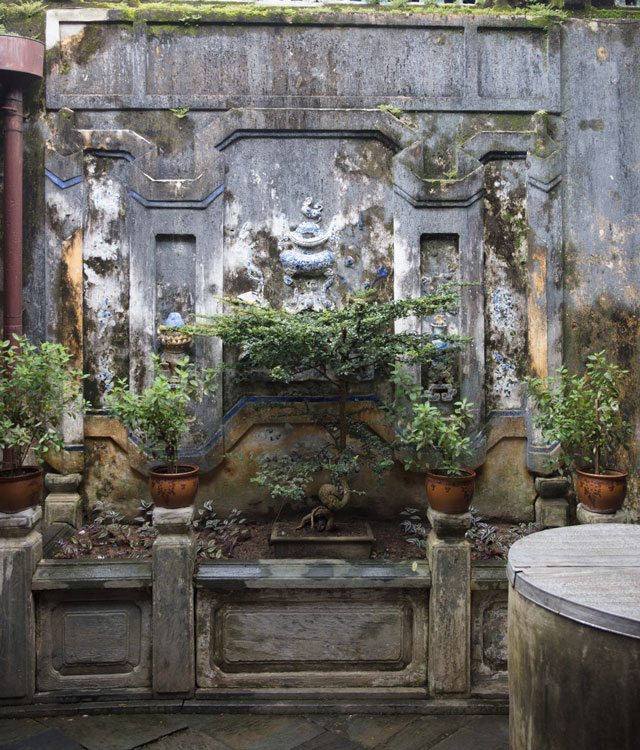
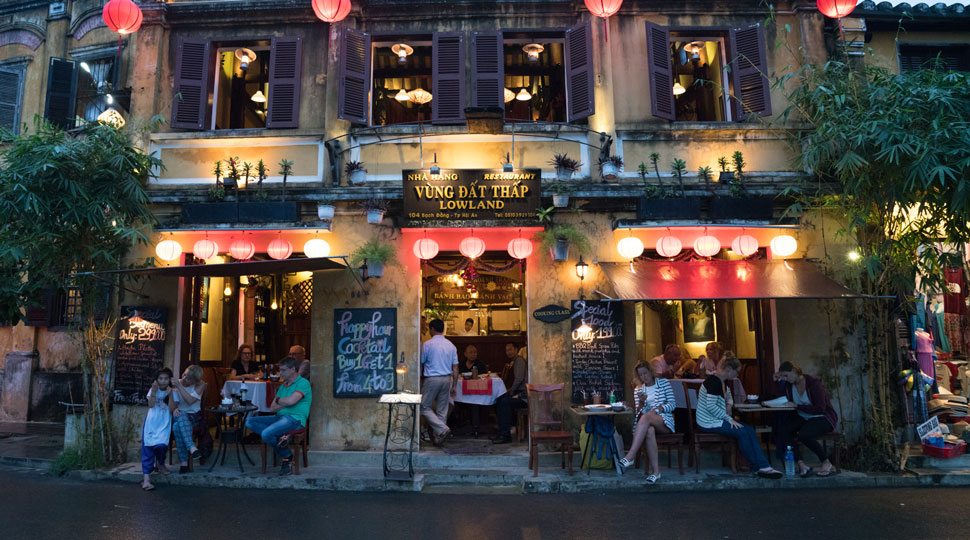
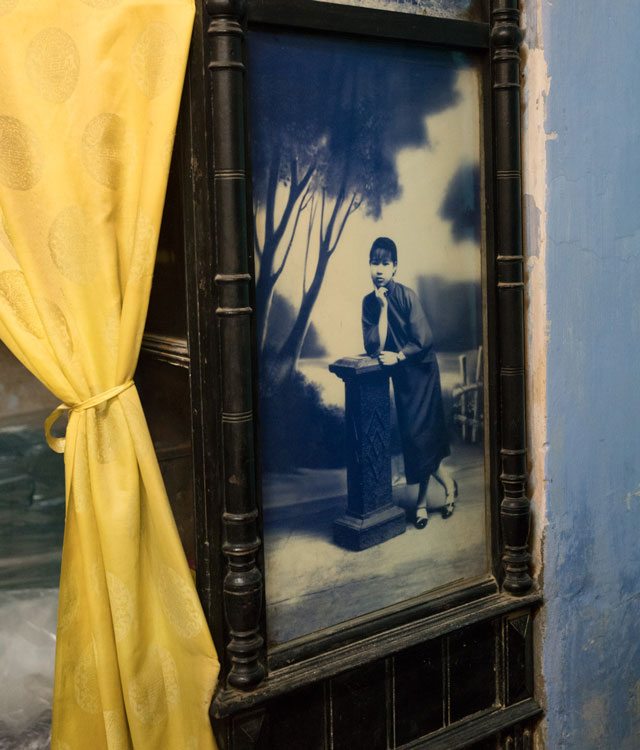
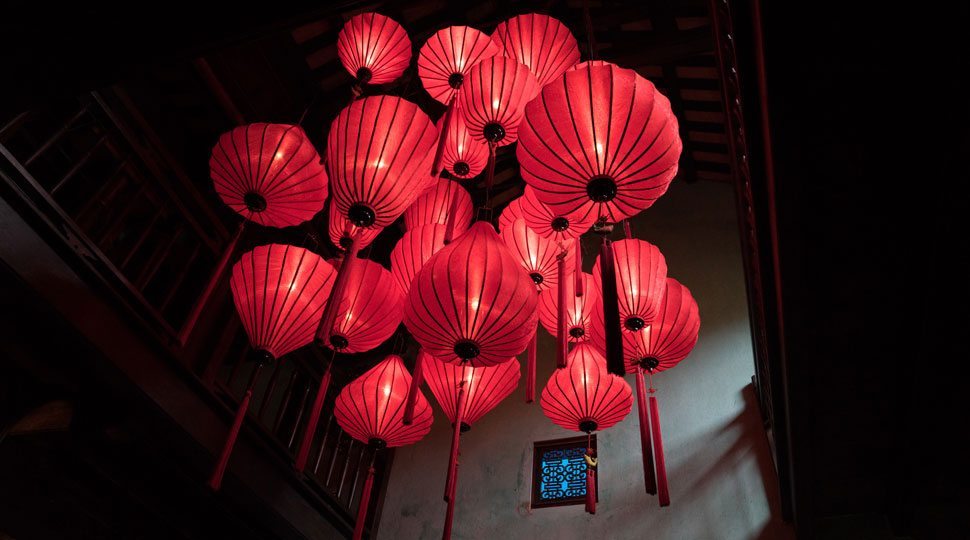
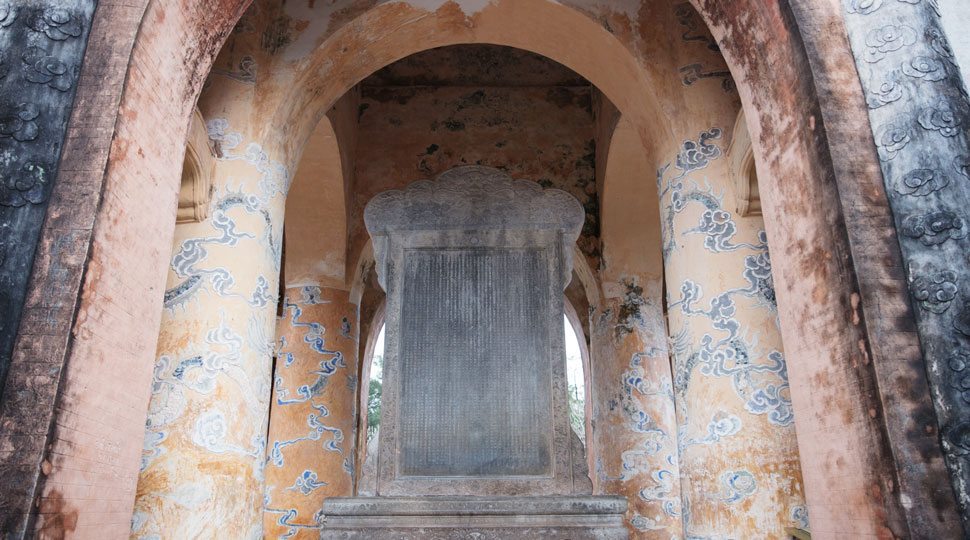
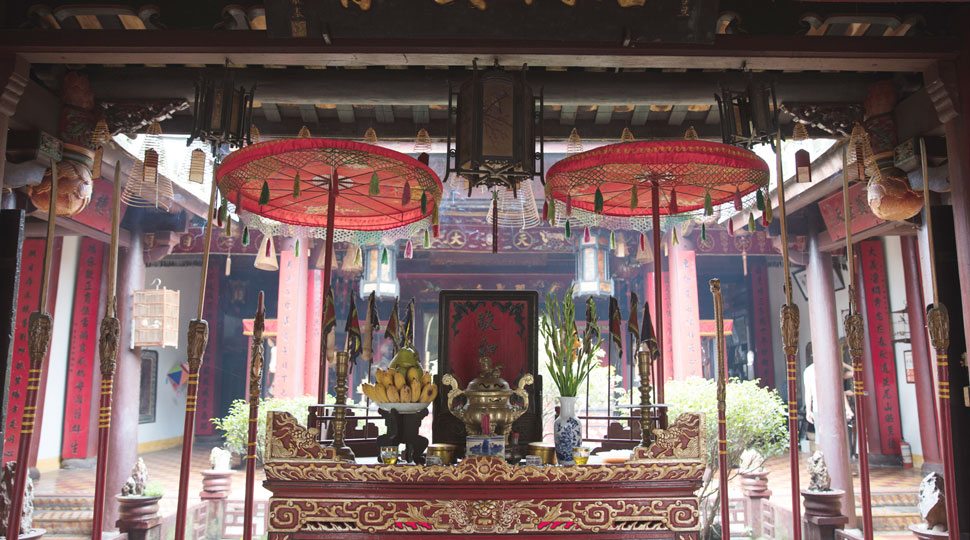
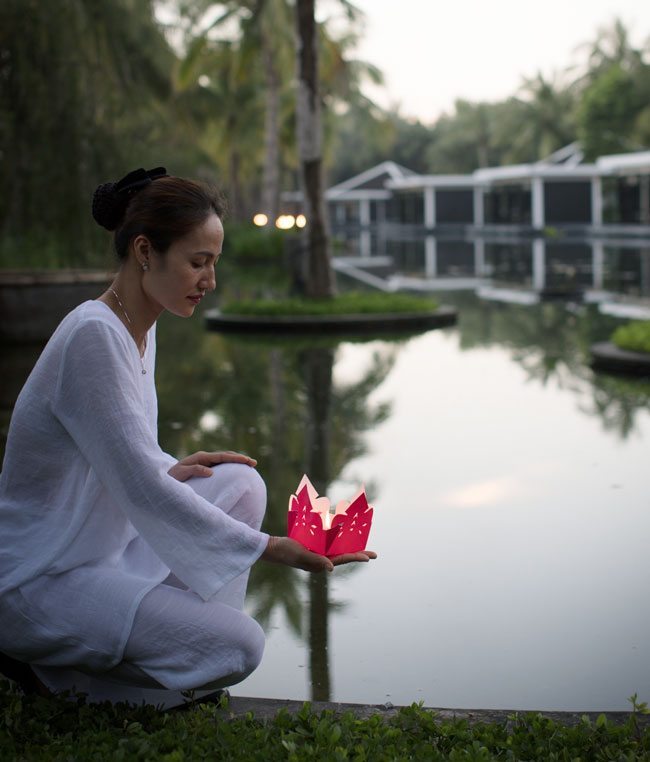
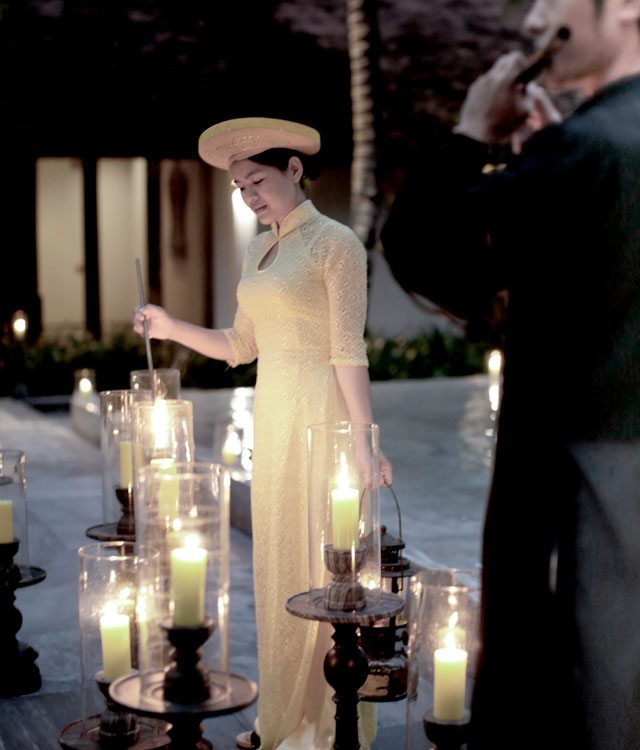
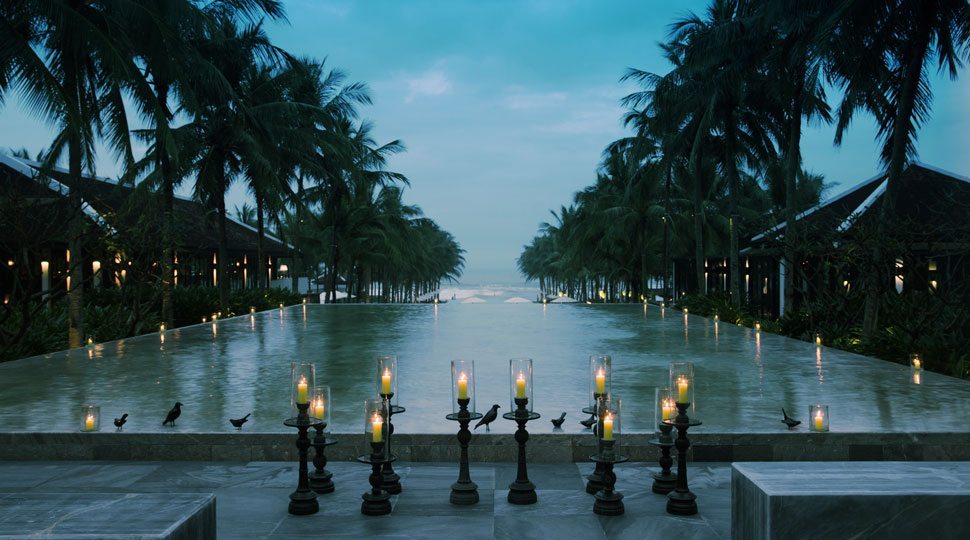
Hoi An is famous for its Ancient Town, a UNESCO World Heritage site, where visitors will encounter a unique blend of centuries-old Chinese, Japanese, and French architecture set along the Thu Bon River. On the 14th of every month (when the moon is full), the neighbourhood turns off its electric streetlights in favour of colourful lanterns, creating a jaw-droppingly beautiful nightscape. For a dose of good luck, send a floating candlelit lantern down the river.
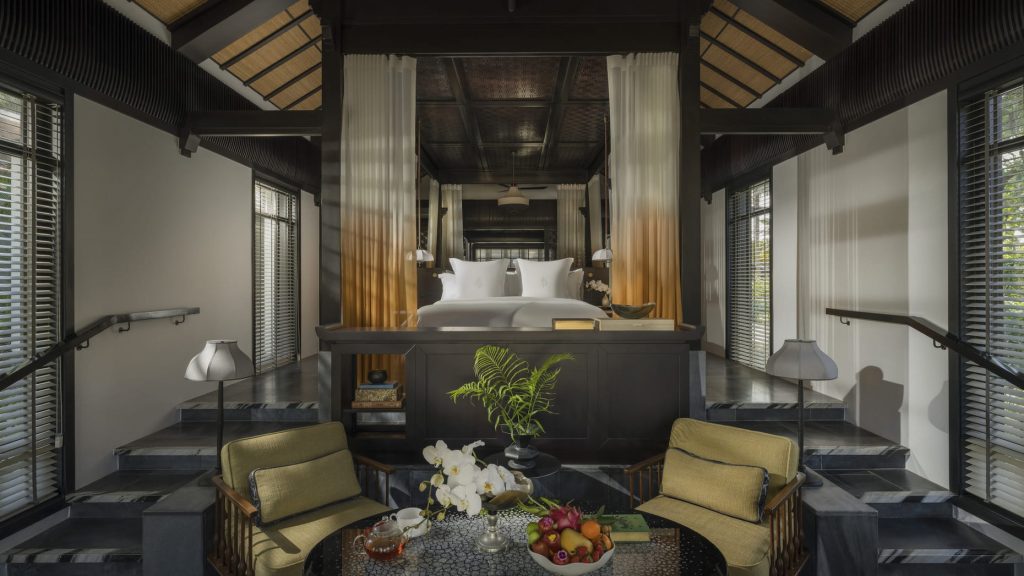
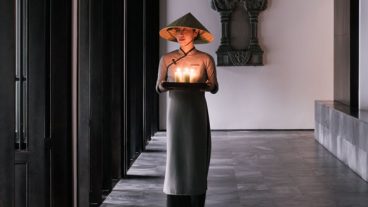
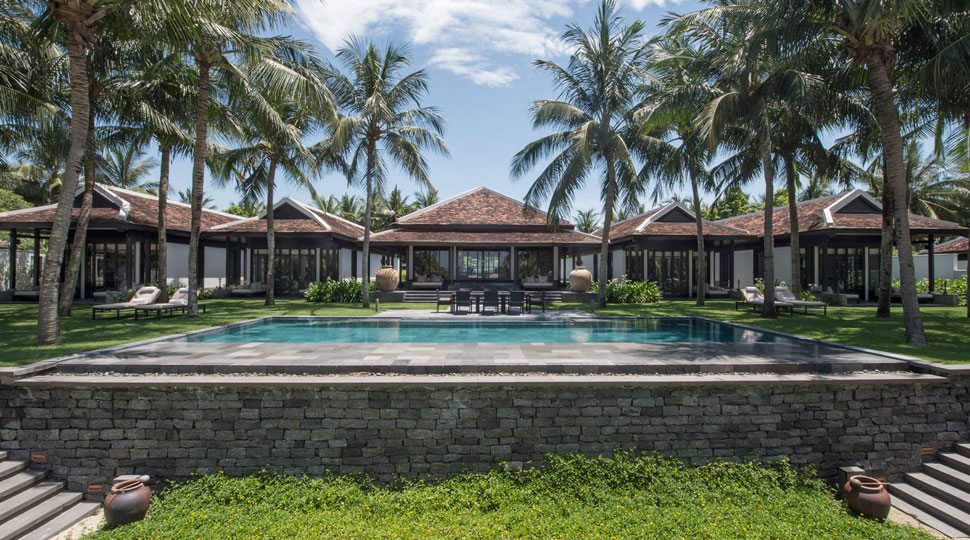
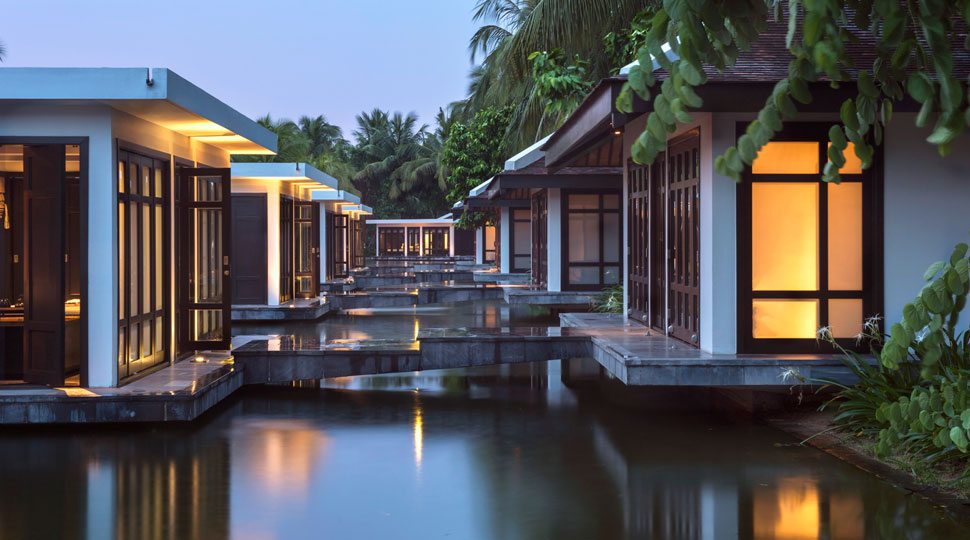
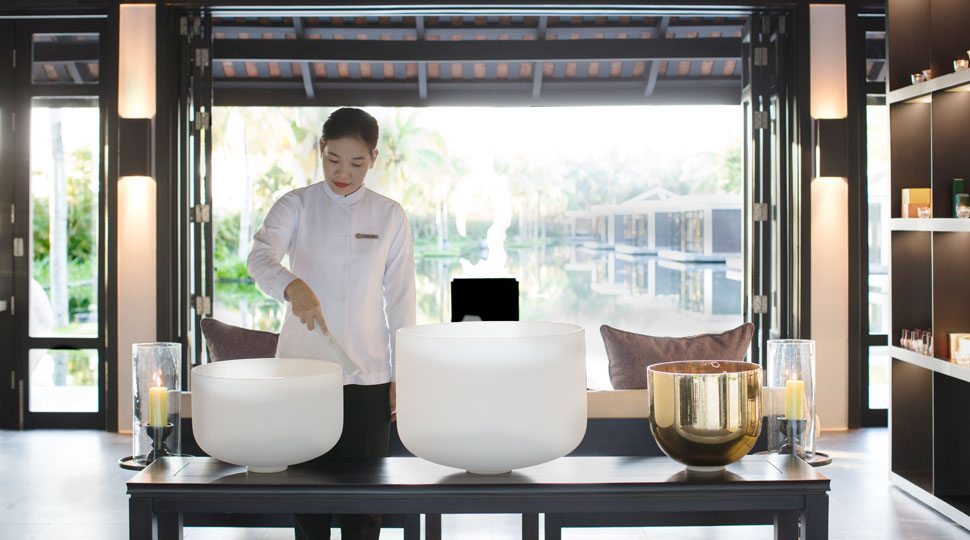
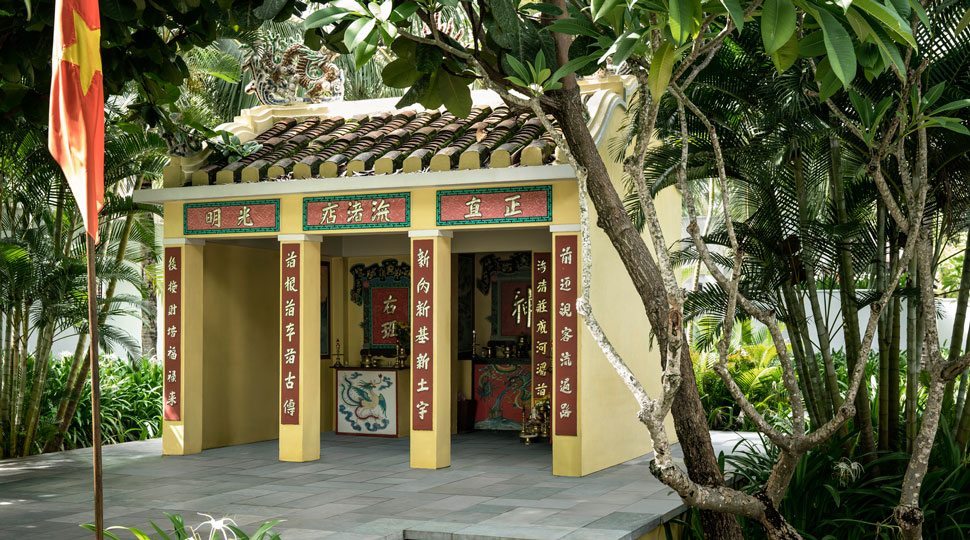
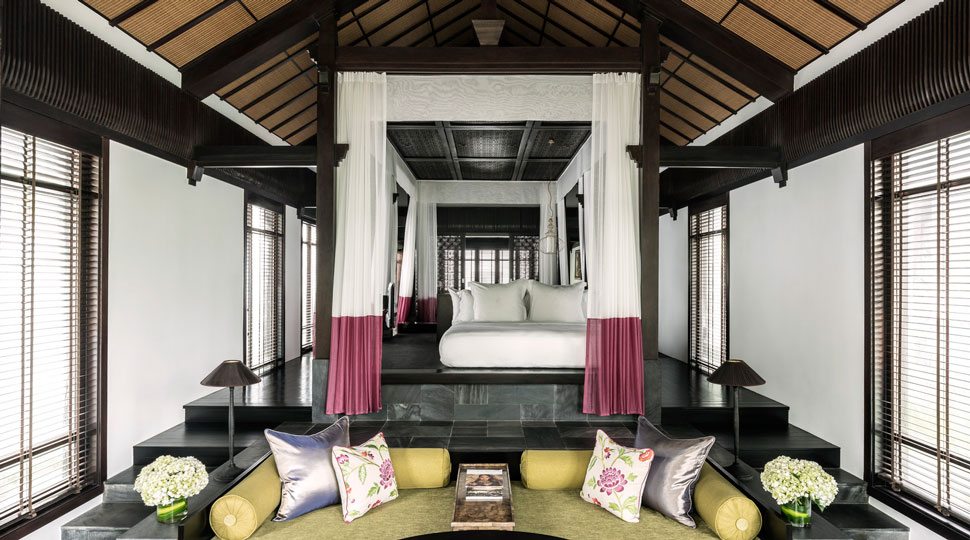
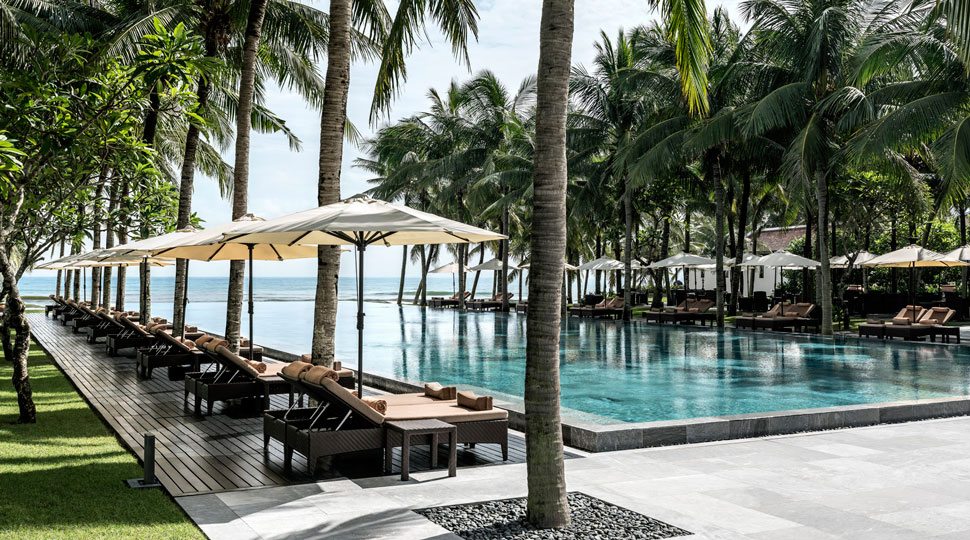
STAY AT: Four Seasons Resort The Nam Hai, Hoi An, Vietnam. The quiet beachfront property is an ideal location from which to explore nearby landmarks (including three UNESCO World Heritage sites).
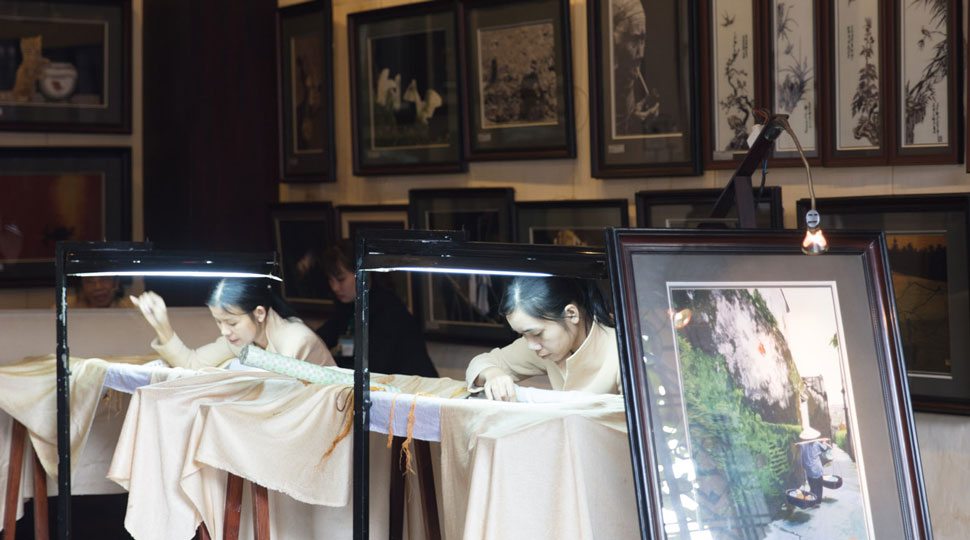
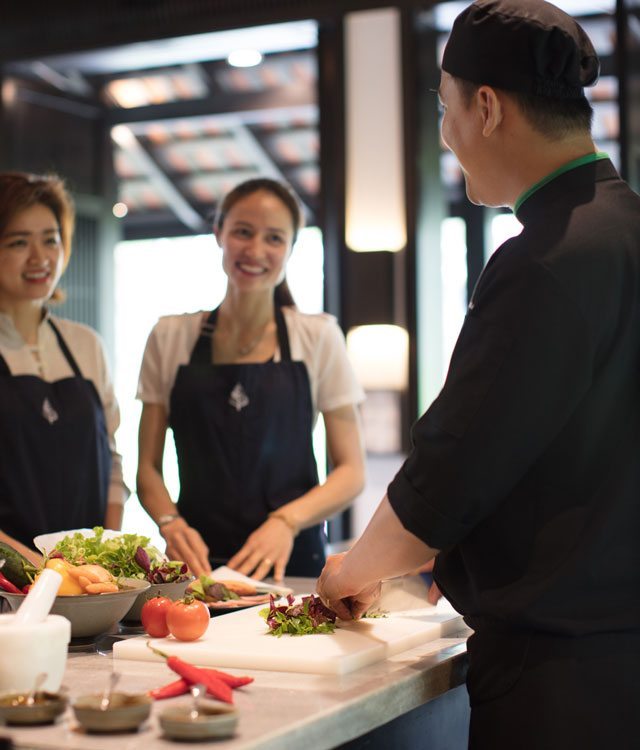
SIGN UP FOR: one (or all) of the many cool cultural immersion options offered by the resort. Our pick: The Wet Rice Farm Culture experience, in which guests bike to nearby rice paddies, enjoy tea with a farmer, learn rice cultivation, and end with a meal with the farmer’s family. (And don’t forget to take advantage of the complimentary Vietnamese Coffee Tasting on Wednesdays at 2:30 p.m.)
Tokyo
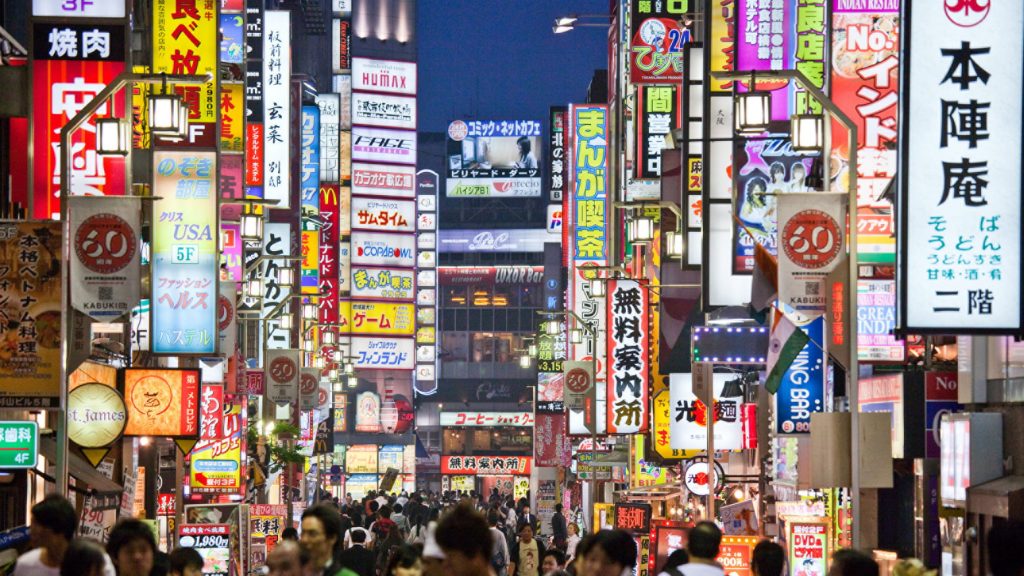
Japan shares the top spot with Vietnam for the highest tourism growth rate in the first half of 2025 (a whopping 21 percent increase in international travellers compared to the previous year, according to the World Tourism Barometer, published by UN Tourism). And the most visited destination in Japan? Tokyo, of course.
Often cited as the most populous city in the world, Tokyo is nothing if not bustling. Visitors won’t lack for things to do in this metropolis that exquisitely mixes the futuristic with the ancient. Whatever you’re interested in, there’s probably a market, festival, or celebration devoted to it. A few particularly unique events to bookmark for your trip to Tokyo in 2026: the January, May, and September Grand Sumo Tournaments; various cherry blossom festivals in late March to early April; and the Sanno Matsuri, a days-long, mid-June festival, held only on even-numbered years, that showcases traditional Japanese music, dance, and drum performances, prayer ceremonies, and a Shinto ritual parade.
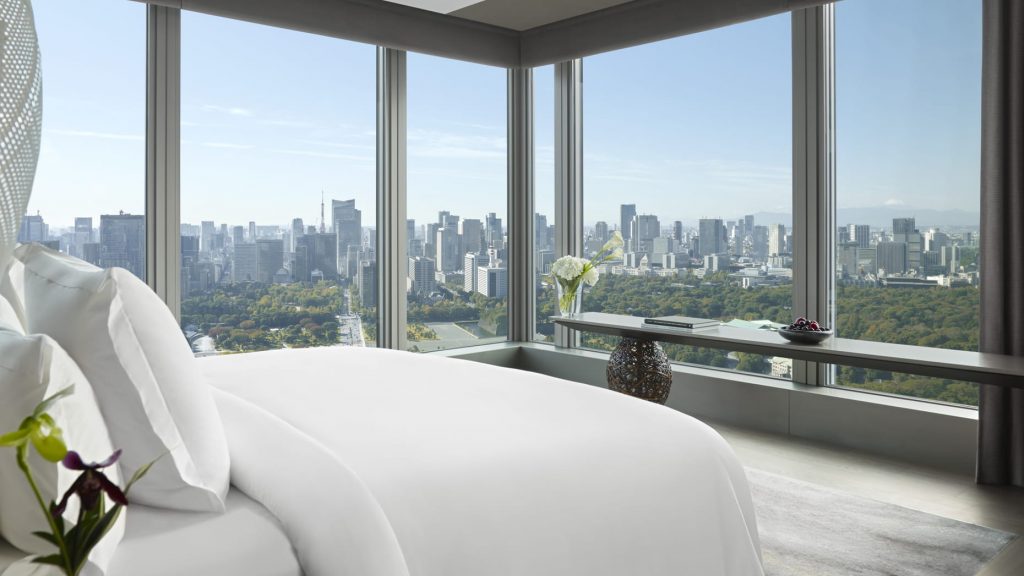
STAY AT: Four Seasons Hotel Tokyo at Otemachi. Perched on the top floors of a 39-story high-rise in the financial district, the hotel is located right next to the Imperial Palace. (Reservations at Four Seasons Hotel Tokyo at Marunouchi are currently unavailable, as it is undergoing renovations; it’s set to reopen in the spring of 2026.)
SIGN UP FOR: the Suibokuga class to try the art of Japanese ink wash painting or the Kodo workshop to learn the art of incense appreciation. First time in Tokyo? Consider joining the hotel’s Tokyo Essentials guided tour of the city’s landmarks and neighbourhoods.
Milan
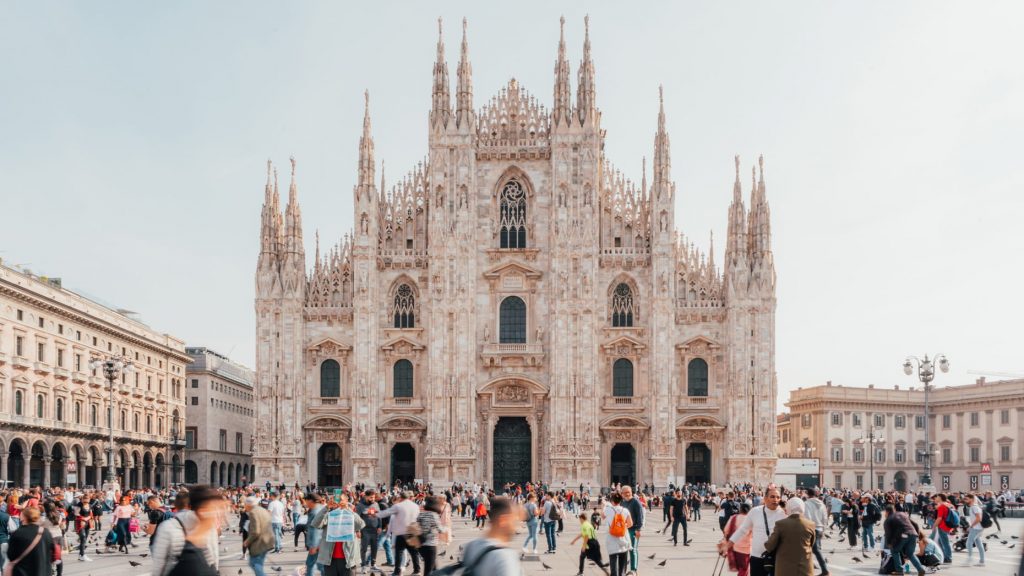
The Milano Cortina 2026 Winter Olympics will be held at multiple locations in Northern Italy in February, including Milan—which means that all eyes will soon be trained on the unofficial design and fashion capital of the world. This is good news for anyone hoping to visit Milan next year, as it will be dressed to the nines and more than ready to play host.
Other much-anticipated events include Design Week in April (composed of the renowned furniture fair Salon Internazionale del Mobile and Fuorisalone, a series of design-focused exhibitions and happenings throughout the city) and the thrilling Italian Grand Prix in Monza, in September. But you don’t need a tentpole event to visit—with its alluring triumvirate of fashion, food, and frescoes, Milan is truly wonderful any time of the year.
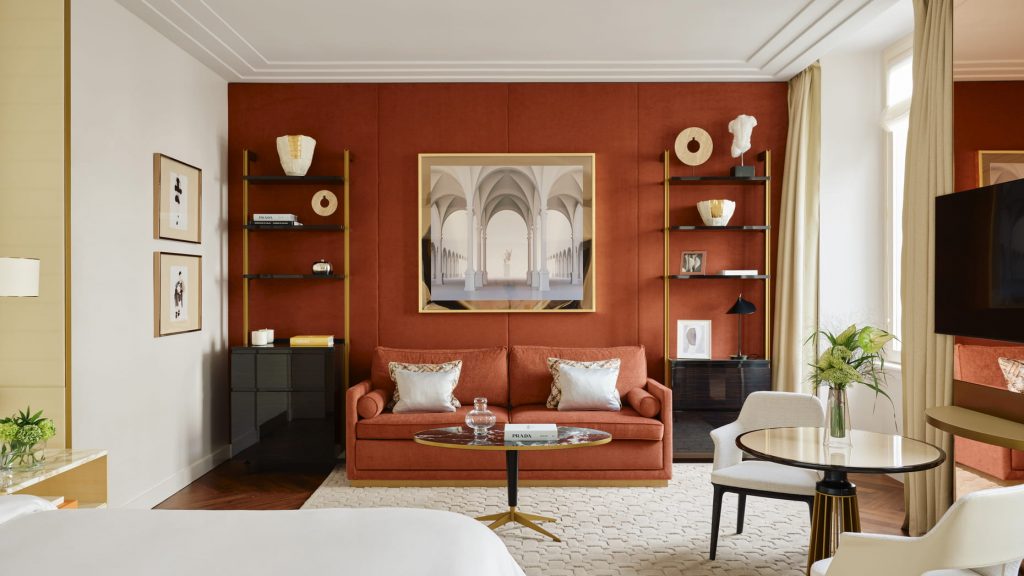
STAY AT: Four Seasons Hotel Milano. The 15th–century convent turned luxury hotel is located in the heart of the Fashion District, just steps from the Duomo di Milano, the iconic and intricately designed Gothic cathedral that took nearly 600 years to build.
SIGN UP FOR: day trips to Lake Como, Courmayeur Mont Blanc, and the Franciacorta vineyards for some Northern Italian fresh air. And if it’s more of Milan you want, you’re in luck—the hotel offers walking tours, after-hour museum visits, private shopping excursions, and more.
Sydney
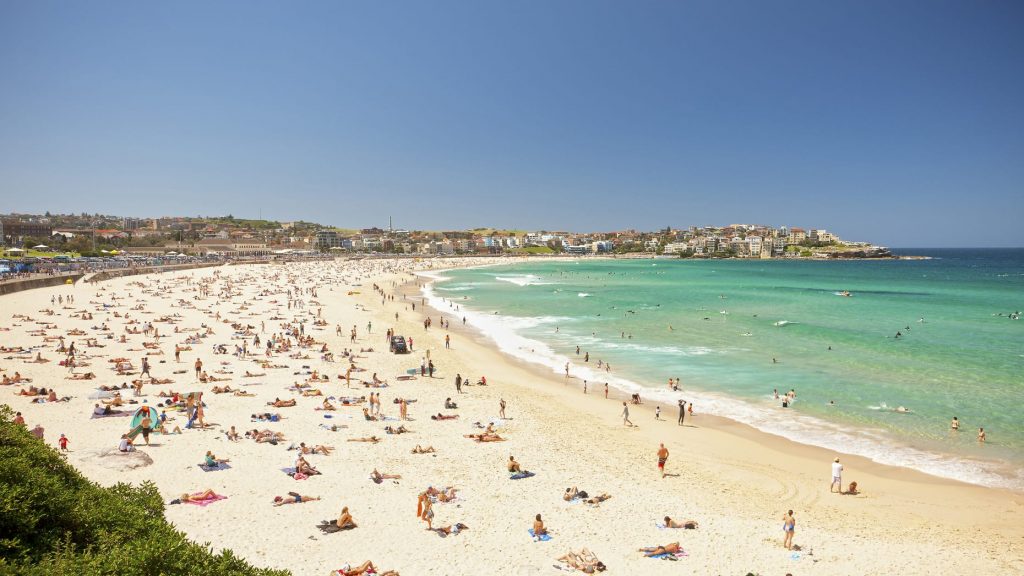
Condé Nast Traveller UK’s Readers’ Choice Awards named Sydney “Best City in the World” last year, citing the “indoor-outdoor way of life the Aussies embrace so well” as the reason it’s so beloved by visitors. (Where were Paris, Tokyo, and New York, you ask? In the No. 6, No. 12, and No. 20 spots, respectively.)
The best way to have an authentic Aussie experience: get outside. In Sydney, that means heading to the beach (there are more than 100 to choose from, including famous Bondi Beach, where you can learn to surf), cruising Sydney Harbour (home to two world-renowned feats of engineering, the Sydney Opera House and the Sydney Harbour Bridge), strolling the 74-acre Royal Botanic Gardens of Sydney, or bushwalking nearby Blue Mountains.
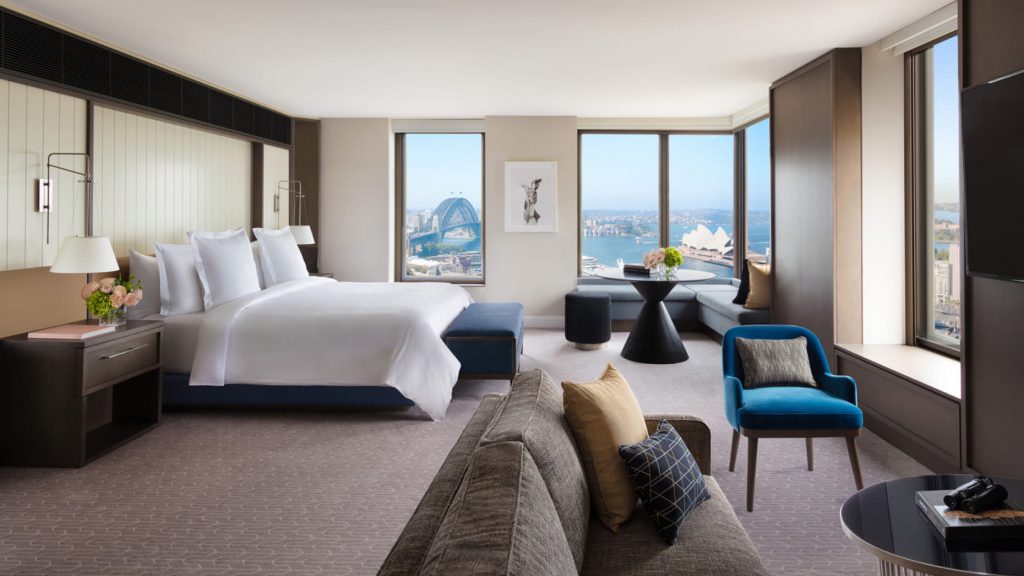
STAY AT: Four Seasons Hotel Sydney. The property not only has epic views of Sydney Harbour, but also is just steps from the Rocks, Sydney’s must-visit oldest neighbourhood.
SIGN UP FOR: the Outback Opal Mine Adventure and tour the region’s oldest opal mines with the stars of the hit reality TV show Outback Opal Hunters. Who knows? You may get lucky and strike opal.