with Four Seasons
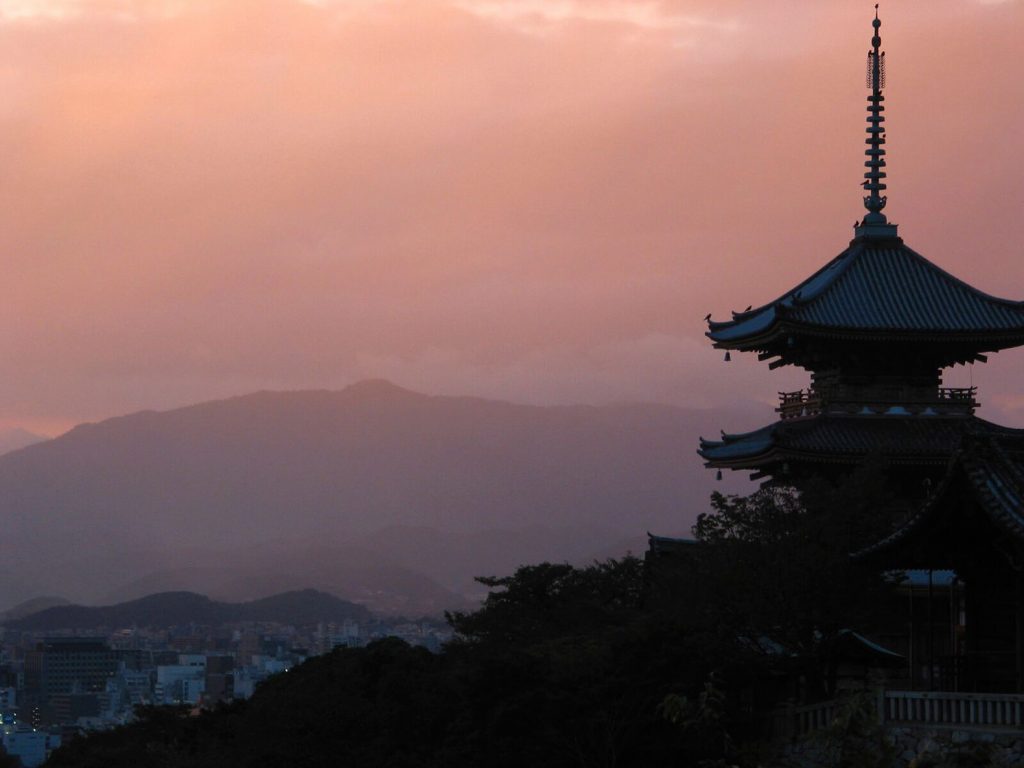
Learn moreKyoto’s Kiyomizu-dera shrine at sunset
Luxury Travel in Japan: A Journey Through Tokyo, Kyoto, and Osaka
The latest multi-destination itinerary from Four Seasons explores Japan, past and present.
Japan is a land of contrasts: subtropical islands and snow-capped mountains, sprawling urban landscapes and ancient forests, a drive to embrace the future and a deep connection to tradition.
The best luxury Japan itineraries lean into the country’s points of duality, giving you the opportunity to experience its multitudes in ways that dive far deeper than your average sightseeing tour. And that’s exactly what the new Japan: The Art of Old & New trip from Four Seasons has in store for travellers.
The nine-day Tokyo, Kyoto, and Osaka itinerary has been handcrafted by local experts to dive deep into the distinct worlds of the country’s most iconic cities. Here, we share a taste of the kind of immersive experiences—and classic Four Seasons hospitality—you’ll encounter as you make your way across the Land of the Rising Sun.
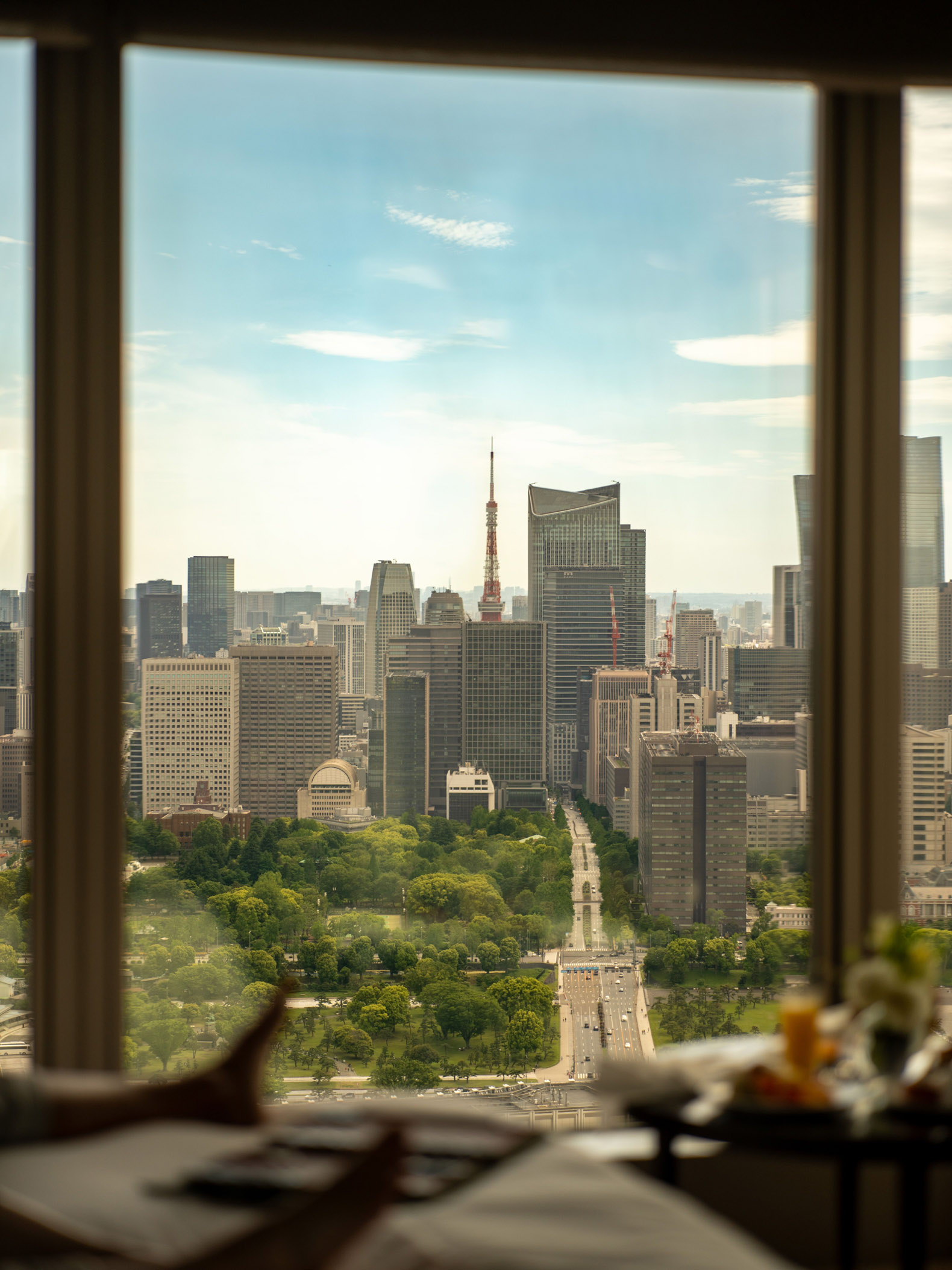
Witnessing Tradition & Innovation in Tokyo
There’s no place in the world where tradition and innovation come together quite like they do in Tokyo. As JK Lee, Chief Concierge at Four Seasons Hotel Tokyo at Otemachi (where guests will be staying in the city), puts it, “While [Tokyo] is often celebrated for its energy and innovation, traditions remain deeply woven into everyday life.” He recommends balancing trips to Shibuya or Shinjuku with early morning visits to Toyosu Fish Market and the sumo stables as “an opportunity to slow down, connect with the local culture in a meaningful way, and [experience] the contrast that makes Tokyo so fascinating.”
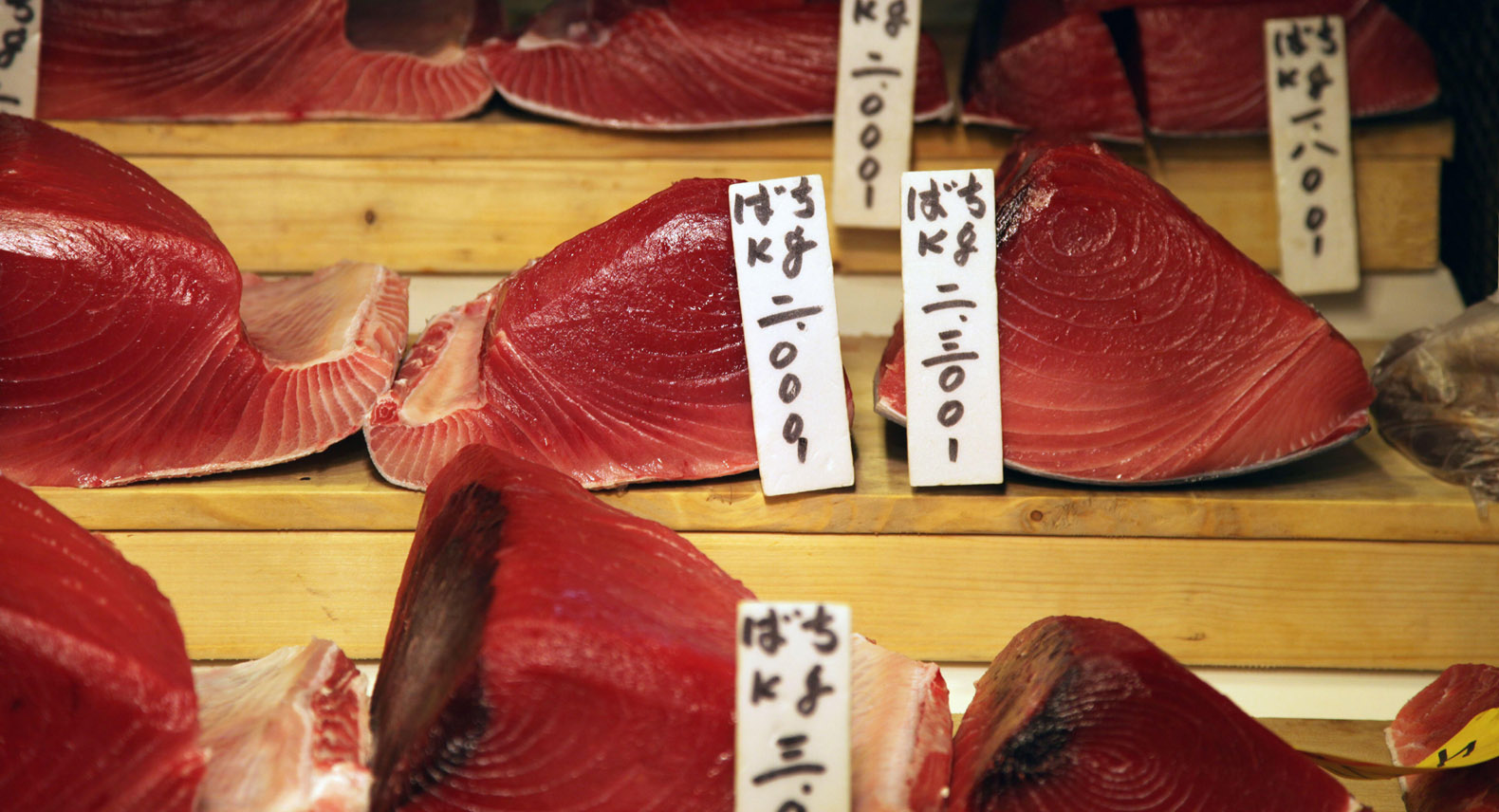
Toyosu Fish Market Tour
While the Toyosu Fish Market itself opened in 2018, replacing the historic Tsukiji market, mornings here carry on a tradition that stretches 400 years back to the Edo period. Then, tuna was sold in the shadow of Edo Castle each morning. Today, the city’s top chefs descend on the floor of the market for the Toyosu tuna auction, jockeying for the day’s best cuts.
Guests of Four Seasons get a front-row seat to the fast-paced auction with a private tour of Toyosu Fish Market—one of the largest fish markets in the world—that is well worth the 4:00 a.m. wake-up call. The experience includes exclusive access to areas of the market few visitors ever see, including 1F: the sanctum within the market where sushi masters make their first and finest selections. While there, they’ll watch as the day’s best tuna is bought, and later, they’ll get to learn the art of sushi making alongside master sushi chefs.

Tokyo Sumo Morning Practice Tour
An invitation to morning practice at one of Tokyo’s premier sumo stables is another experience that connects Four Seasons guests to the city’s history. In the stable, each day unfolds as it has for centuries. The sport was first professionalized by Tokyo’s leaders during the Edo period, when proceeds of tournaments were used to raise funds to construct the shrines and build infrastructure. (Some of which guests will get a closer look at on a private tour of the city following the stable visit.)
The experience is a visceral one: guests take their seats just steps away from the wrestlers to watch as they stretch and warm up and then step into the sacred circular dohyo to practice sparring. Expect the floor to rumble and the walls to shake as wrestlers go head-to-head, practicing traditional throws, falls, and grips in an attempt to push each other from the ring or body slam their opponents to the ground.
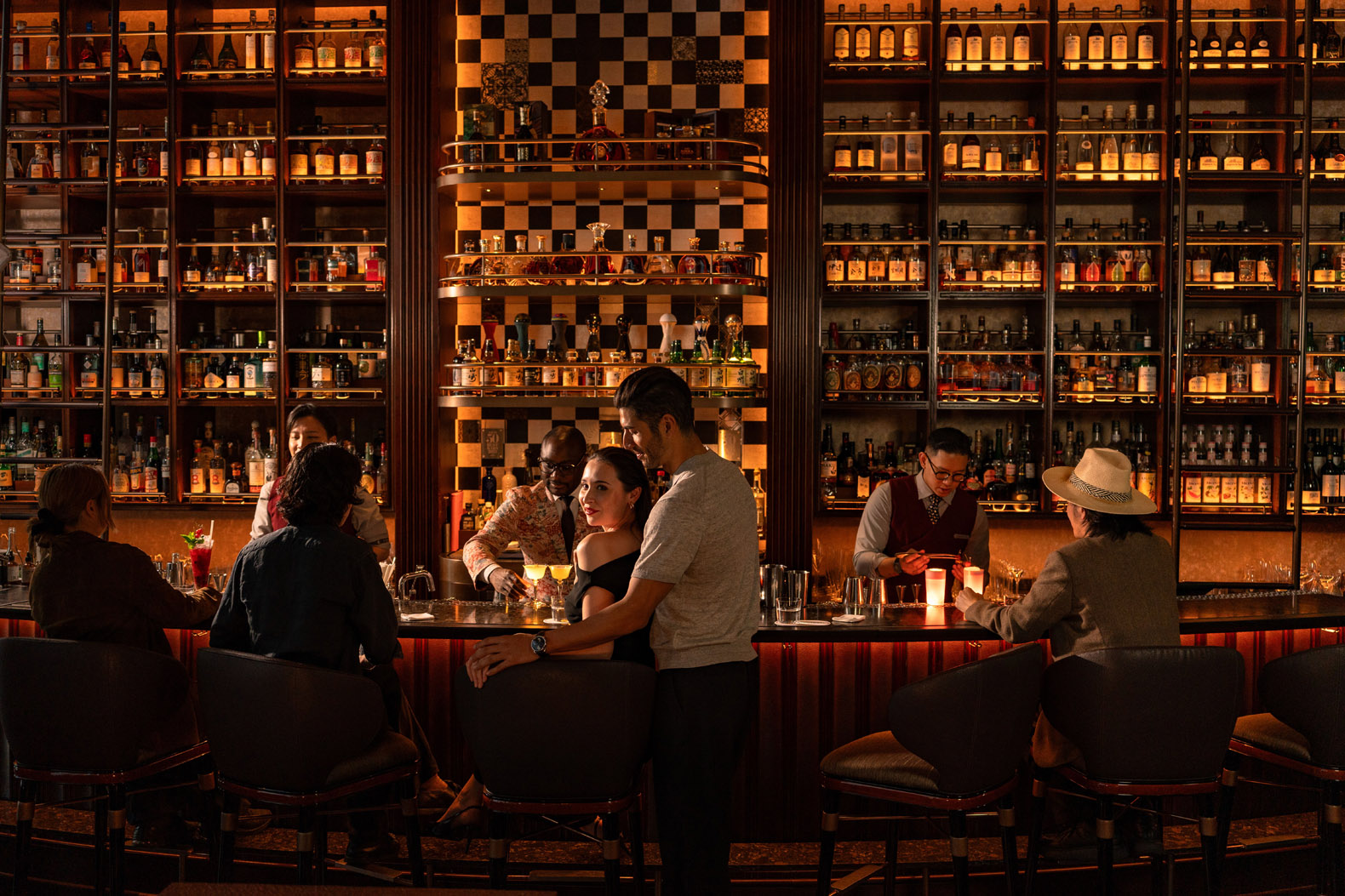
Tokyo Night Tour: Bar Hopping in Golden Gai and Beyond
While the quiet of the morning gives space for Tokyo’s traditions to become more visible, the neon glow of the city at night is when its innovative spirit manifests. Nowhere is that more visible than Shinjuku Golden Gai, the birthplace of Tokyo’s vibrant nightlife scene, where salarymen and counterculture rebels alike belly up to the bar.
Guests of Four Seasons get an inside track to the best of the city’s bars led by the bartenders at VIRTÙ, Four Seasons Hotel Tokyo at Otemachi’s award-winning cocktail bar. At each stop on the bar-hopping tour of Golden Gai and beyond (the destinations on each tour can be tailored to guests’ preferences), they’ll do more than just sip outstanding pours of whiskey and shochu—they’ll get to meet the visionaries shaping the city’s cocktail scene, adapting traditional techniques for the modern palate.
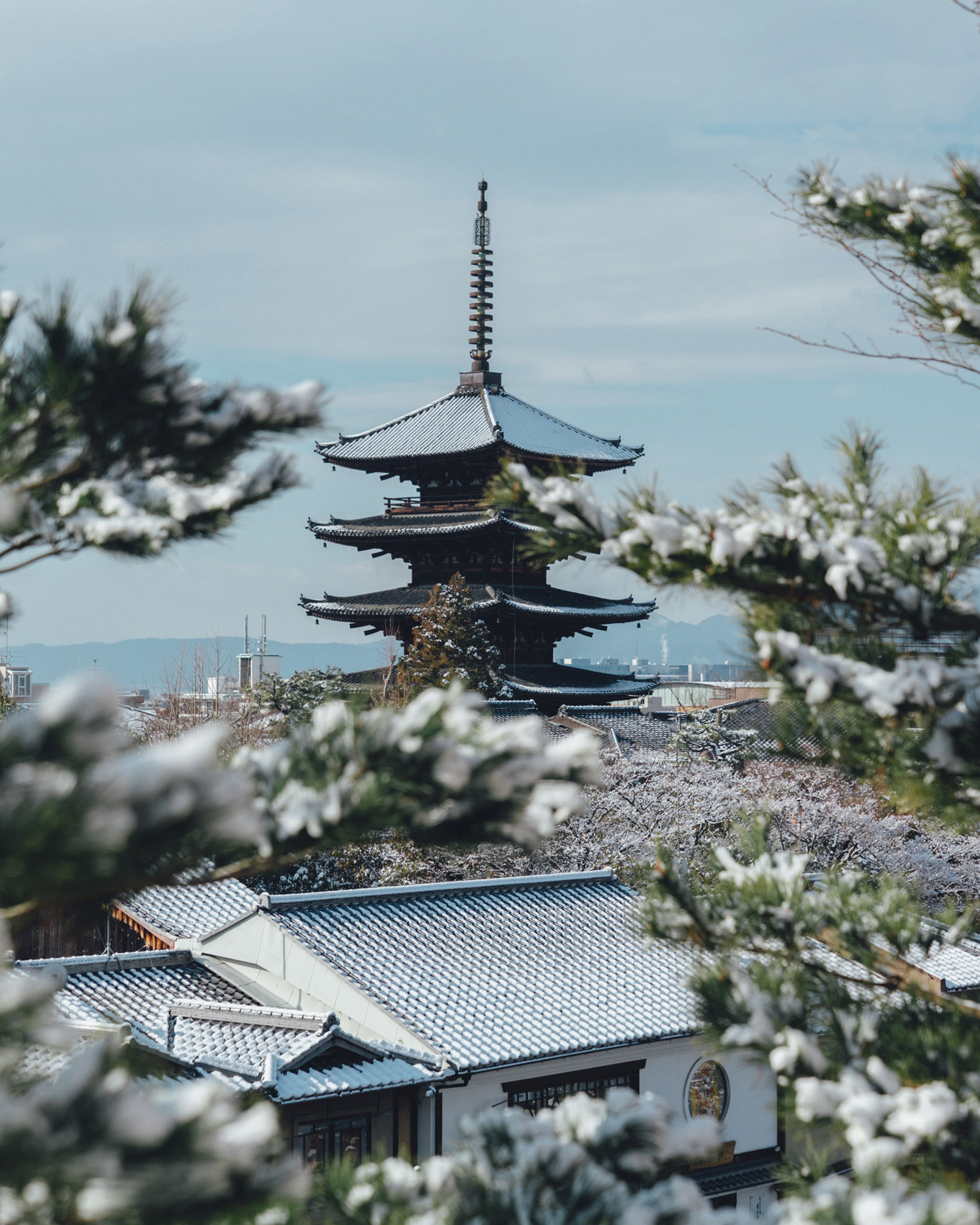
Finding Stillness in Kyoto
Originally called Heian-kyō, which translates to “capital of peace and tranquillity,” Kyoto is an ideal next stop after a fast few days in Tokyo, where the quietude of the city’s shrines and traditions resonate all the more deeply.
Kyoto’s enigmatic peacefulness is easy to tap into for guests of Four Seasons Hotel Kyoto, where the rooms, which blend modern minimalist design and traditional Japanese accents, are centred around Shakusui-en, an 800-year-old pond garden. Tucked into the heart of Higashiyama, the hotel is the perfect place to become immersed in the ancient rituals and deep sense of spirituality that permeate Japan’s ancient capital city.
Forest Bathing at Fushimi Inari
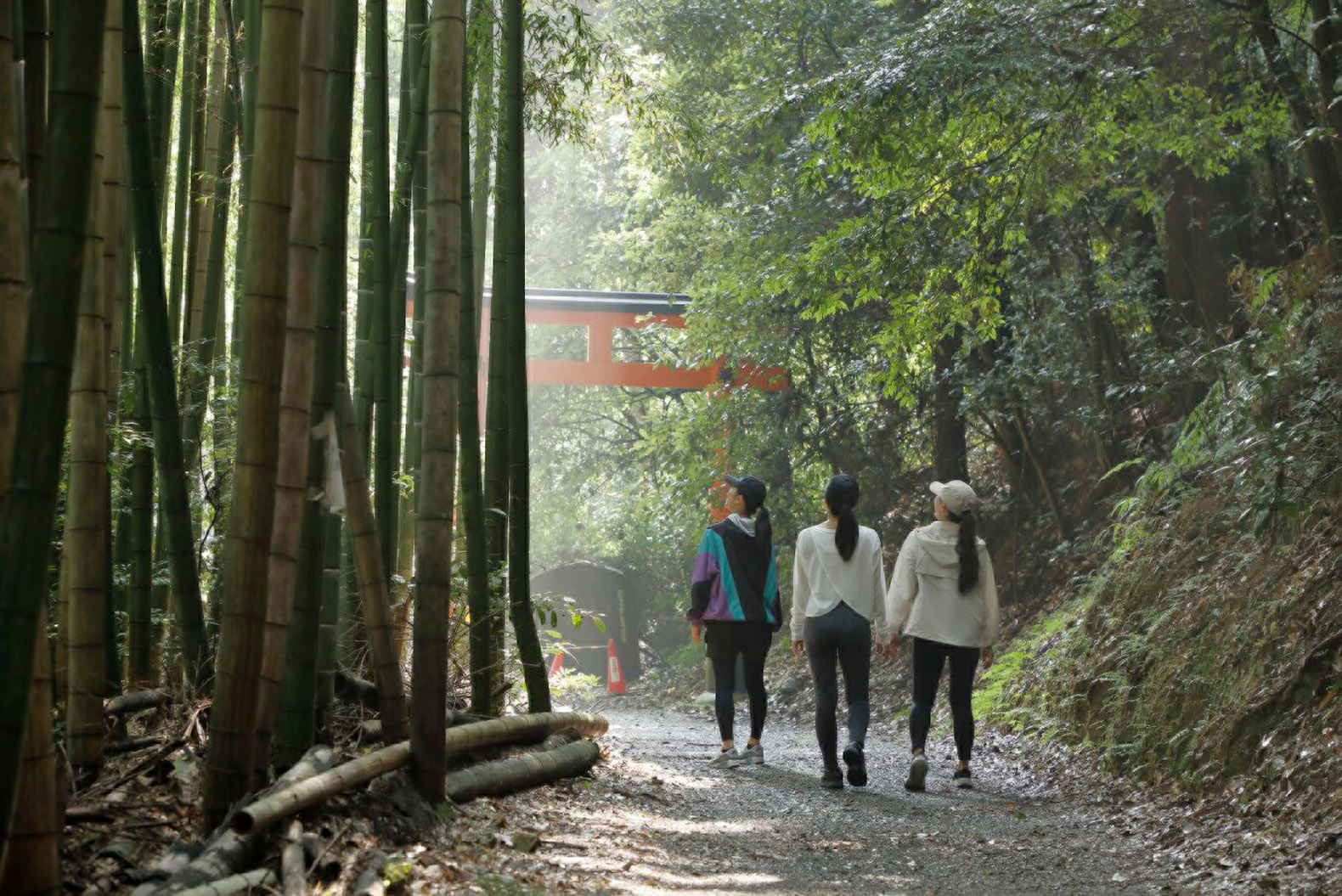
Though it sounds ancient, the practice of shinrin-yoku, or “forest bathing,” is surprisingly modern—it was introduced in the early 1980s by the Japanese government as part of the nation’s public health programming. Informed by Zen traditions, the practice is a simple one: take a few quiet moments of stillness to fully experience the sensory experience of being in the forest. Thought to be an antidote to the stress of city living, forest bathing is routinely used in Japan to help improve sleep, mood, and stress levels.
Forest bathing can happen in any pocket of nature, but Kyoto’s Fushimi Inari shrine complex is an extraordinary place to participate in the practice. Guided by a cultural ambassador, guests of Four Seasons can spend a morning hiking the paths lined by the iconic vermillion torii gates and finding moments of stillness to let the experience of being in the forest wash over them. As one of the ambassadors who leads the experience explains, “Away from the busiest paths, this journey through nature, history, culture, and faith invites [guests] to slow down, reconnect, and experience the shrine in a more peaceful and meaningful way.”
Kyoto Tea Ceremony
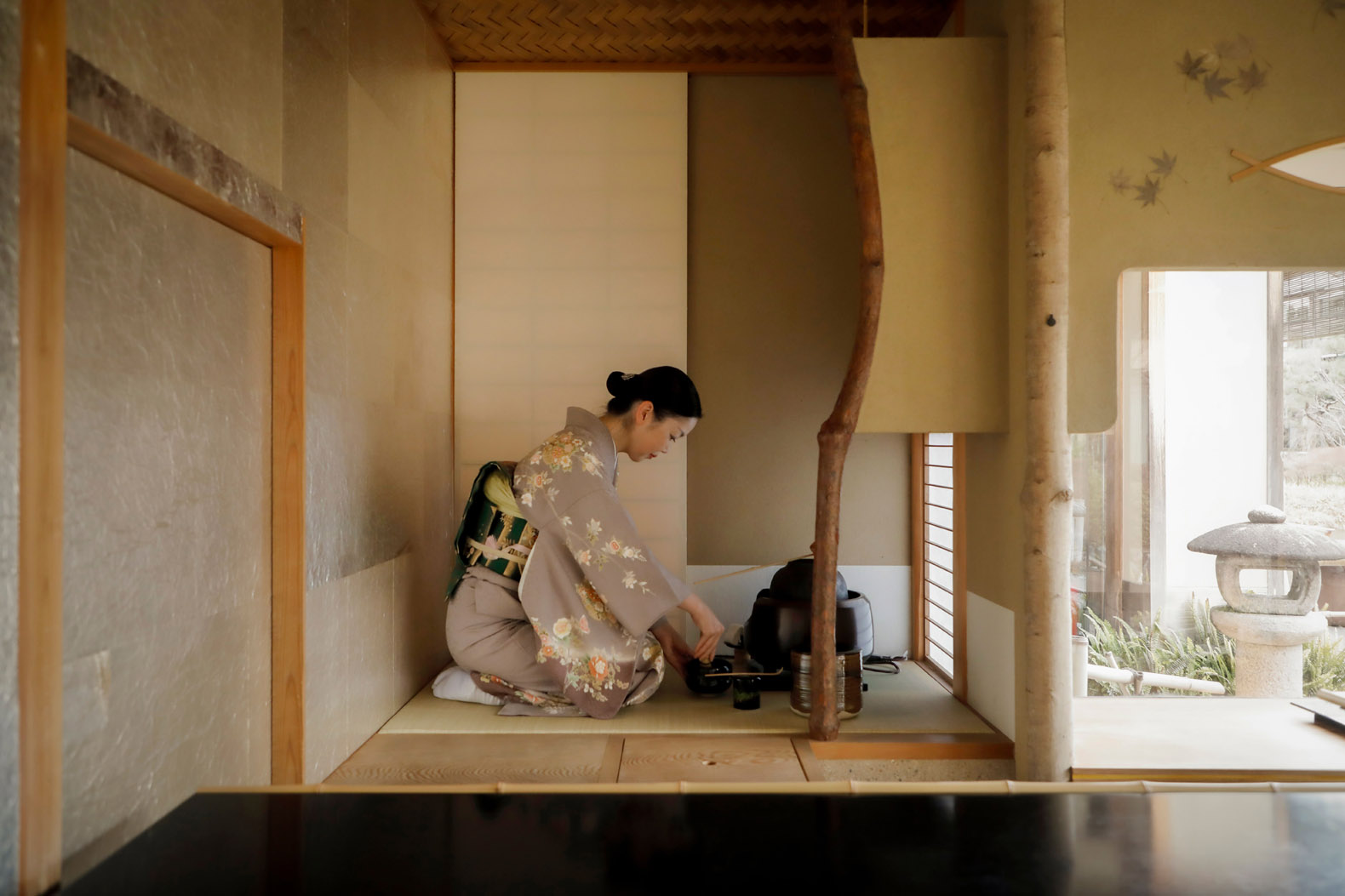
A stay in Kyoto is an exercise in being present, and perhaps no tradition encourages that kind of mindfulness more than a matcha tea ceremony. Guests of Four Seasons can learn the art of traditional matcha preparation alongside the hotel’s resident Tea Master. Held in Four Seasons Hotel Kyoto’s on-property tea house, FUJU, the ceremony guides guests through the carefully choreographed ritual of preparing, serving, and tasting matcha—an art form that takes tea masters years to learn.
The ceremony, which was originally developed by master Sen no Rikyu in the 16th century, has long been a central part of Japanese political and social culture. Today, the careful art of preparing matcha is an opportunity to come together to practice patience, presence, and paying careful attention to the beauty of the smallest details.
A Craft-Driven, Foodie-Fuelled Taste of Osaka
Osaka is the final destination of the Japan: The Art of Old & New itinerary—and is a fitting place for the journey to end. For 1,500 years, Osaka functioned as one of the gateways to Japan, serving as the site of cultural exchange, innovation, and trade that had far-reaching influence on the rest of the country. Today, remnants of the city’s history—which include ruins of Naniwa Palace (one of Japan’s earliest imperial palaces)—sit comfortably alongside ultramodern skyscrapers and a glittering skyline.
A stay at Four Seasons Hotel Osaka puts the city’s past and present on full display. Guests on the Japan: The Art of Old & New trip will stay on the GENSUI floor, where the Tatami Premier Rooms reimagine the traditional ryokan architecture and approach to hospitality for the 21st century. Located in the historic Dojima neighbourhood, just steps from the bustling Osaka Station and Umeda, the hotel is a crossroads of Osaka old and new—and an ideal place to embrace the city’s rich history of craftsmanship and culinary arts.
Kiriko Glass Making
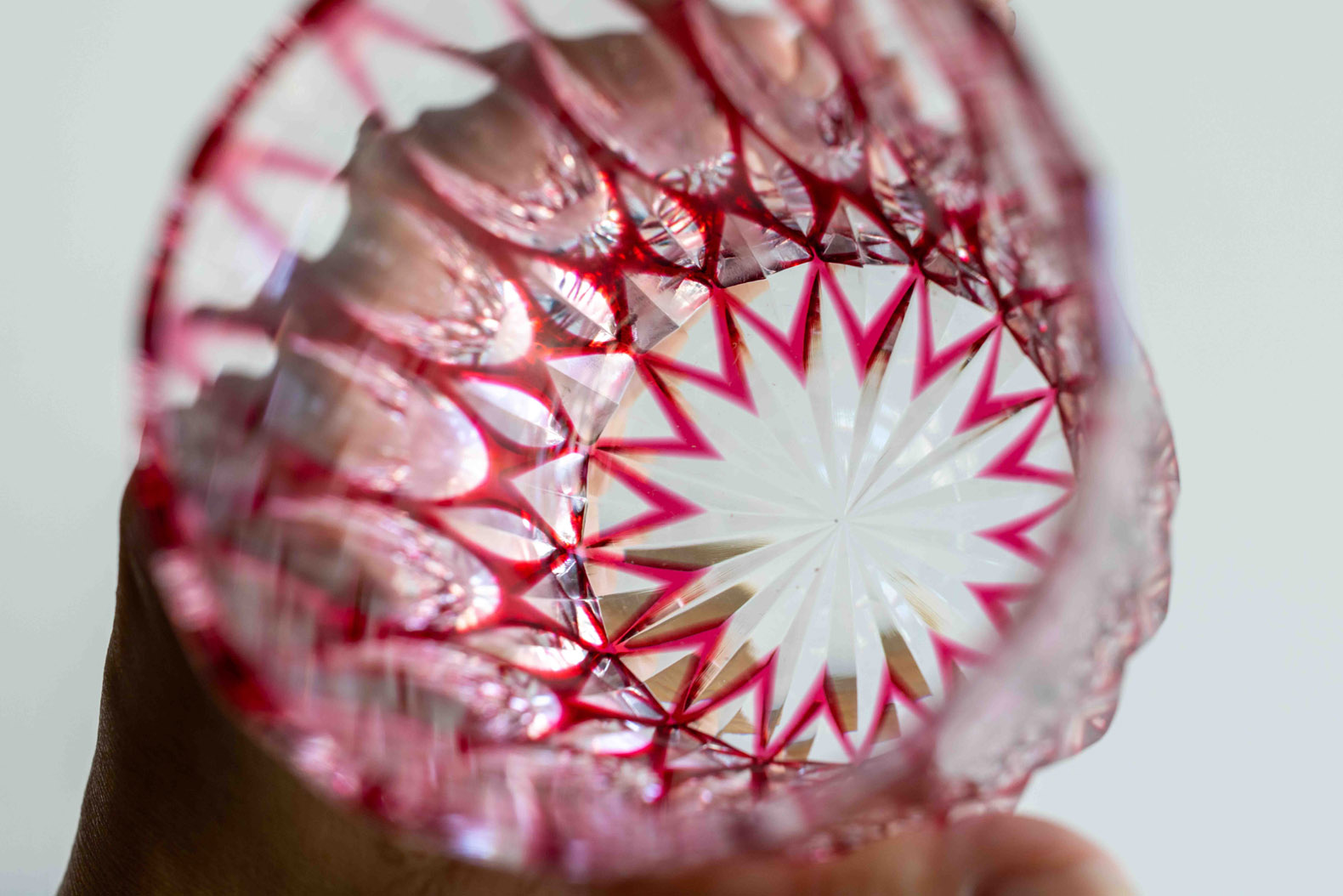
Though Tokyo is more known for glassmaking today, the art of Kiriko glass—in which fluid lines and sweeping patterns are carefully cut into colorful glass—was pioneered in the Osaka’s Temma neighbourhood in the 1700s. (Edo Kiriko, now more common, traces its roots back to Osaka.) While few of the family-owned workshops that once served as the centre of Japan’s glass industry still exist, there are a handful of artisans keeping the tradition—a confluence of European techniques first introduced by Dutch traders in the 1700s and Japanese aesthetic sensibility—alive and well.
Guests of Four Seasons will have the exclusive opportunity to learn the art of Kiriko glassmaking from a master craftsman at Temma Kiriko, a workshop founded in 1933. While there, they’ll watch as artisans blend time-honoured techniques with innovative designs and will collaborate with them on a unique piece of colourful cut glassware to take home as a treasured memento.
Osaka’s Culinary Craft
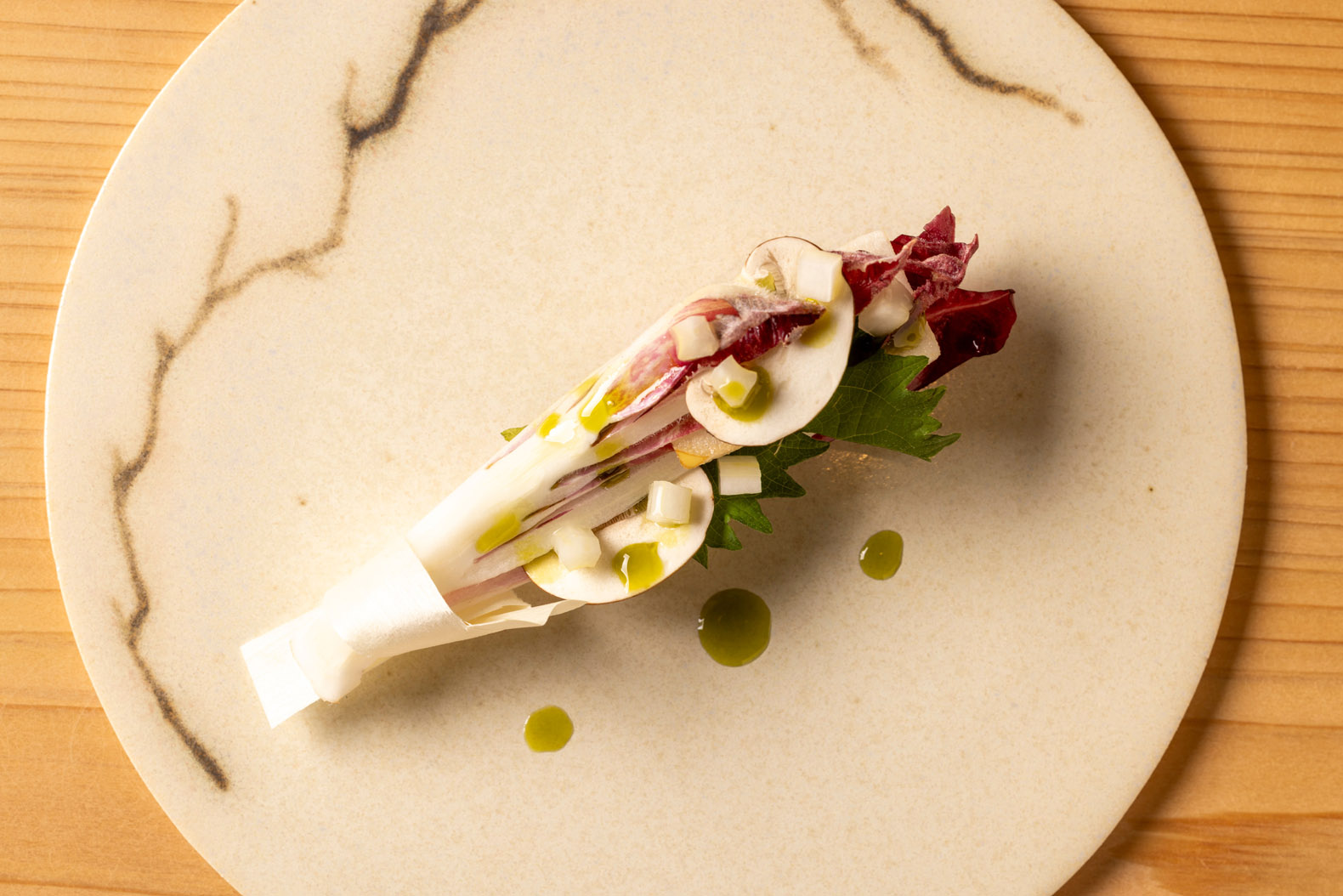
Osaka’s history of craftsmanship extends beyond handmade art and objects and into the city’s culinary legacy. Known as the “kitchen of the nation,” the city has long played a key role in getting rice and other ingredients from farmers to the rest of the country. Today, access to fresh ingredients and melting-pot history still define Osaka’s culinary scene—and the approach to dining at Four Seasons Hotel Osaka.
Inspired by Osaka’s history as a place where cultures come together, Sushi L’Abysse Osaka Yannick Alléno, brings the precision of Edomae sushi to French haute cuisine. The Omakase menu is a collaboration between the Michelin-distinguished chef Yannick Alléno and sushi expert Chef Yasuda Itaru, where the season’s best ingredients are combined into innovative courses that showcase the best of both French and Japanese culinary arts.
If dinner at Sushi L’Abysse Osaka Yannick Alléno is where cultures collide, breakfast at SABO Lounge (exclusively available to GENSUI floor guests) is where the essence of Japanese ingredients is distilled. Starting the morning with a bento-style breakfast is, as SABO Supervisor Aina Ota puts it, “a simple yet meaningful way to experience the flavours of Osaka.” It’s also an excellent way to fuel up for a day spent touring Kuromon Ichiba Market, where Osaka’s reputation as the nation’s kitchen is on full display.
A Journey Through Japan
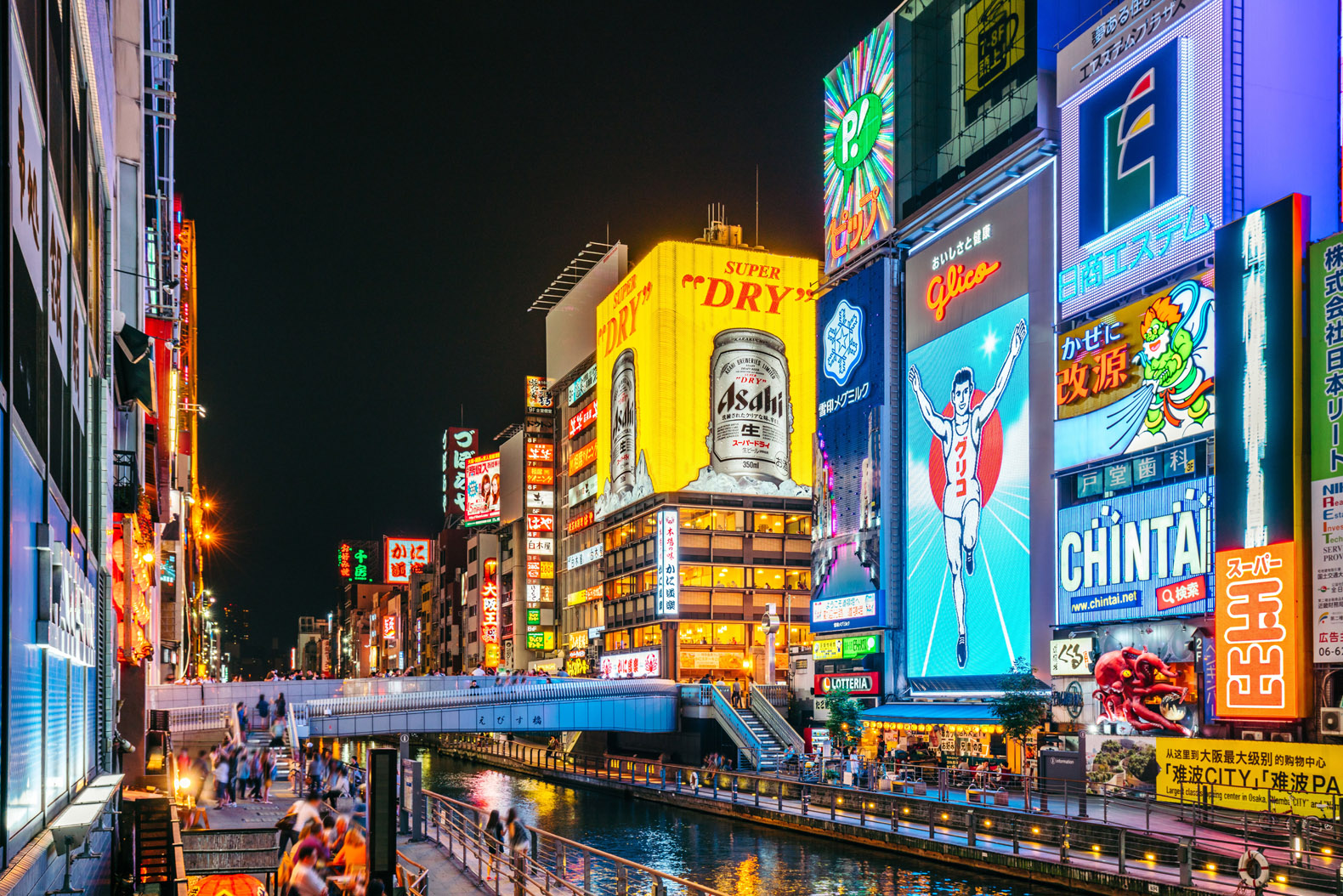
The latest multi-destination itinerary from Four Seasons is more than a whirlwind tour of the country’s most iconic destinations. It’s a ticket to a deeper experience, where Four Seasons’ unparalleled hospitality opens the door to a side of the country few visitors get to experience. From early mornings spent alongside tuna auctioneers and afternoons when savouring a cup of matcha prepared by a tea master is the only thing on the itinerary to evenings spent bathed in the neon glow of Dotonbori, the journey is a curated mix of contrasts unlike any other.
Learn more about the Japan: The Art of Old & New itinerary and book your journey here.
More like this


fashion
Threads of Tokyo: An Inside Guide to The City’s Singular Style Scene
A new generation of Japanese designers is building on a legacy of innovation, craftsmanship, and unconventional proportion.
Budapest dining
A Fashion Designer’s Stylish Guide to Budapest
The stylish founder and creative director of Nanushka reveals highlights of the vibrant Hungarian capital.
Trending
-
Eight Tasting Flights Worth Traveling For
From craft beer to artisanal chocolate, these expertly guided tastings explore the art of flavour.
-
9 Family Vacations Recommended by Moms
Discover tips for family travel in destinations around the world from mothers who know travel, from Orlando to Hong Kong.
-
Rare Trade: Meet 4 People Searching the World for the Exceptional
Discover the rarest of the rare, from elusive ingredients to adventures with icebergs.