with
Learn more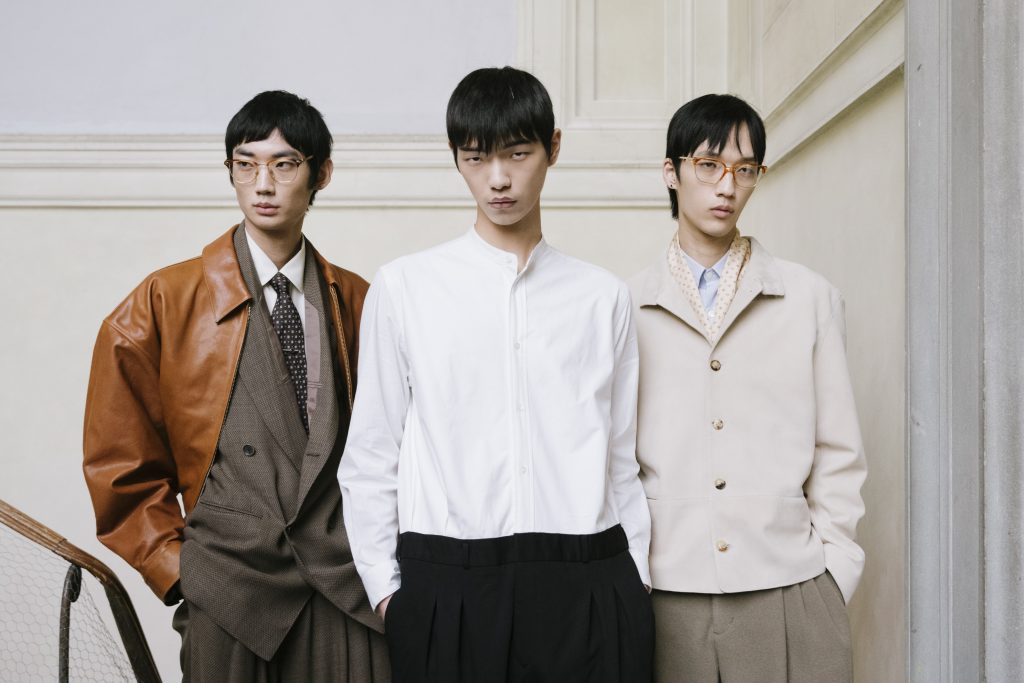
Threads of Tokyo: An Inside Guide to The City’s Singular Style Scene
A new generation of Japanese designers is building on a legacy of innovation, craftsmanship, and unconventional proportion.
Inside a bustling Ginza department store called Hankyu Men’s, less than 24 hours after stepping off a flight from Los Angeles, I stumbled upon the future of Japanese fashion.
The establishment—seven stories tall—is full of vintage clothes, international labels, and some of the most exciting names in Japanese design.
On the store’s fifth floor, that future is represented by Shinya Kozuka, who launched Shinyakozuka just over a decade ago. Lately, the brand is starting to blossom in a big way, thanks to a standout debut showing at Milan Fashion Week in June, plus buzzy collaborations with Converse and Dickies.
Kozuka is part of a wave of inventive designers, including Ryota Iwai of Auralee and Kazuma Shigematsu of A.Presse, who are shaping the next generation of fashion in Japan. Together, they are reason enough to book a flight and experience Tokyo’s style scene firsthand.
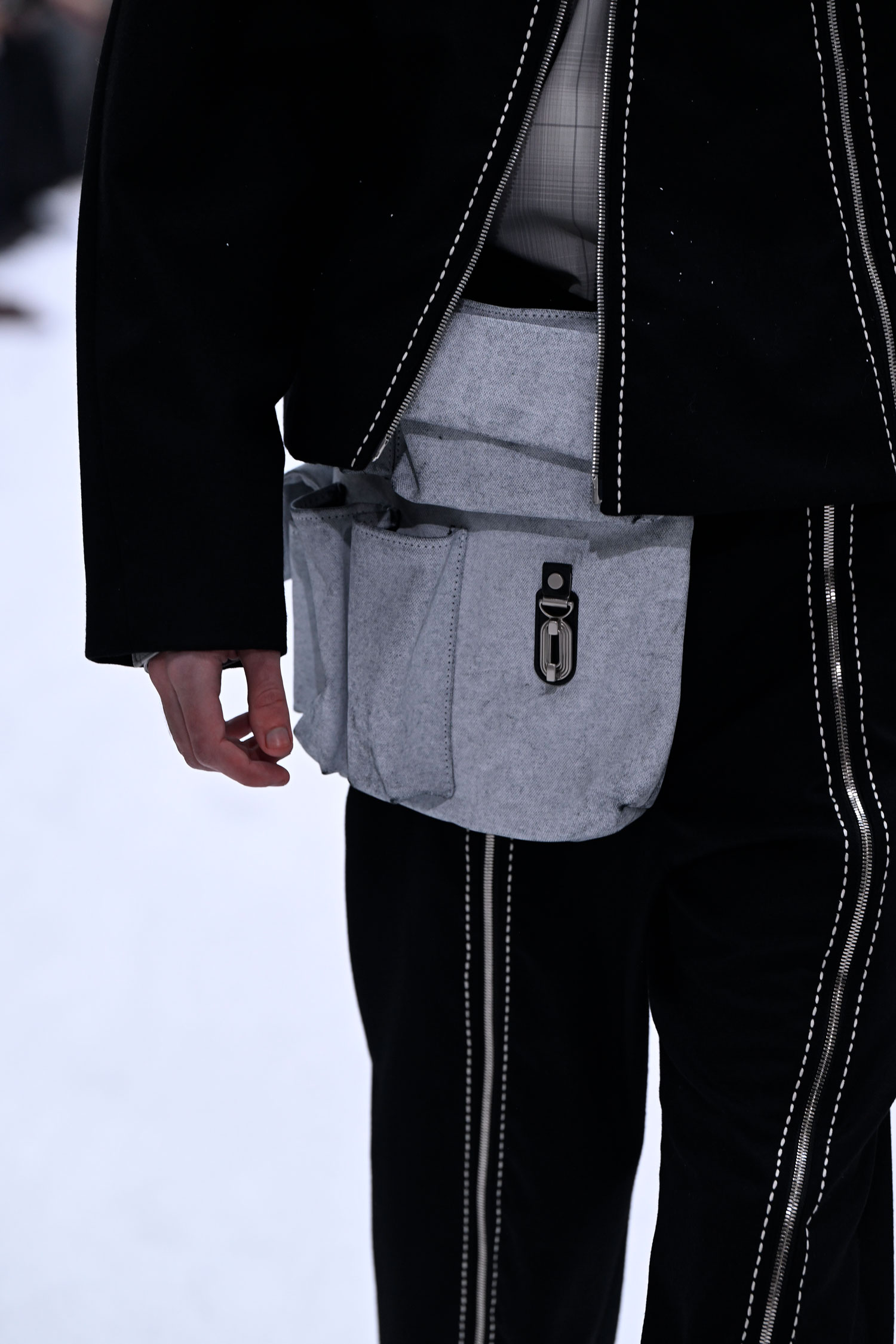
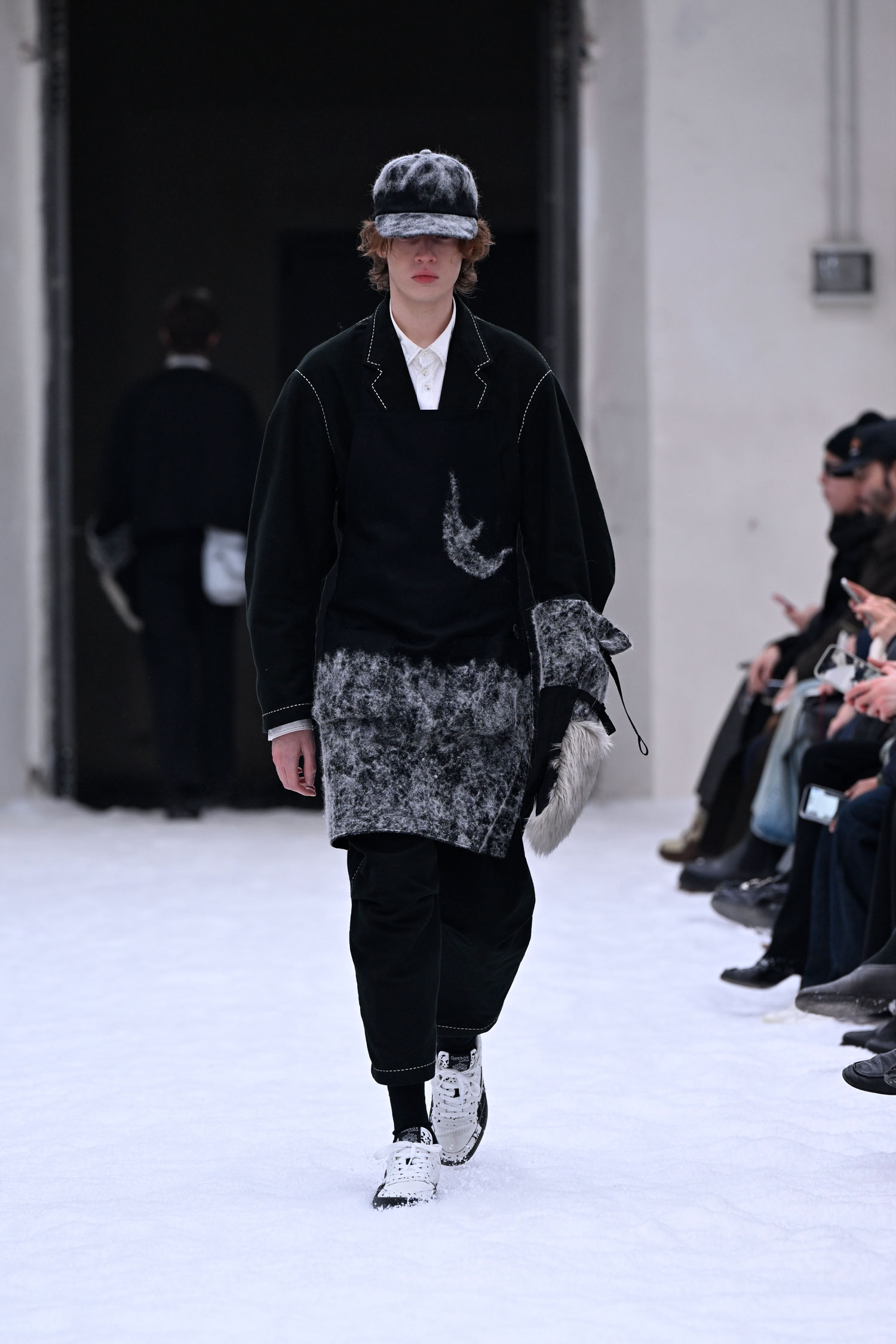
Kozuka’s work feels particularly aligned with Tokyo’s vibrant youth culture. “Spending time with younger generations, I sense that many are beginning to feel exhausted by this constant speed. When I think about what they are searching for to ease that fatigue, I believe the answer is culture,” Kozuka tells Four Seasons magazine. “Fashion is simply one part of that broader cultural landscape. People are no longer connecting only with clothes, but also with the ideas, values, and attitudes behind them.”
Take a stroll through Harajuku, Tokyo’s streetwear epicentre, and the proof is evident. You’ll see countless twentysomething locals dressed in this brand’s image (if not actually in its clothes). Fast fashion is out, and pieces that are stylish, comfortable, and, above all else, considered are in.
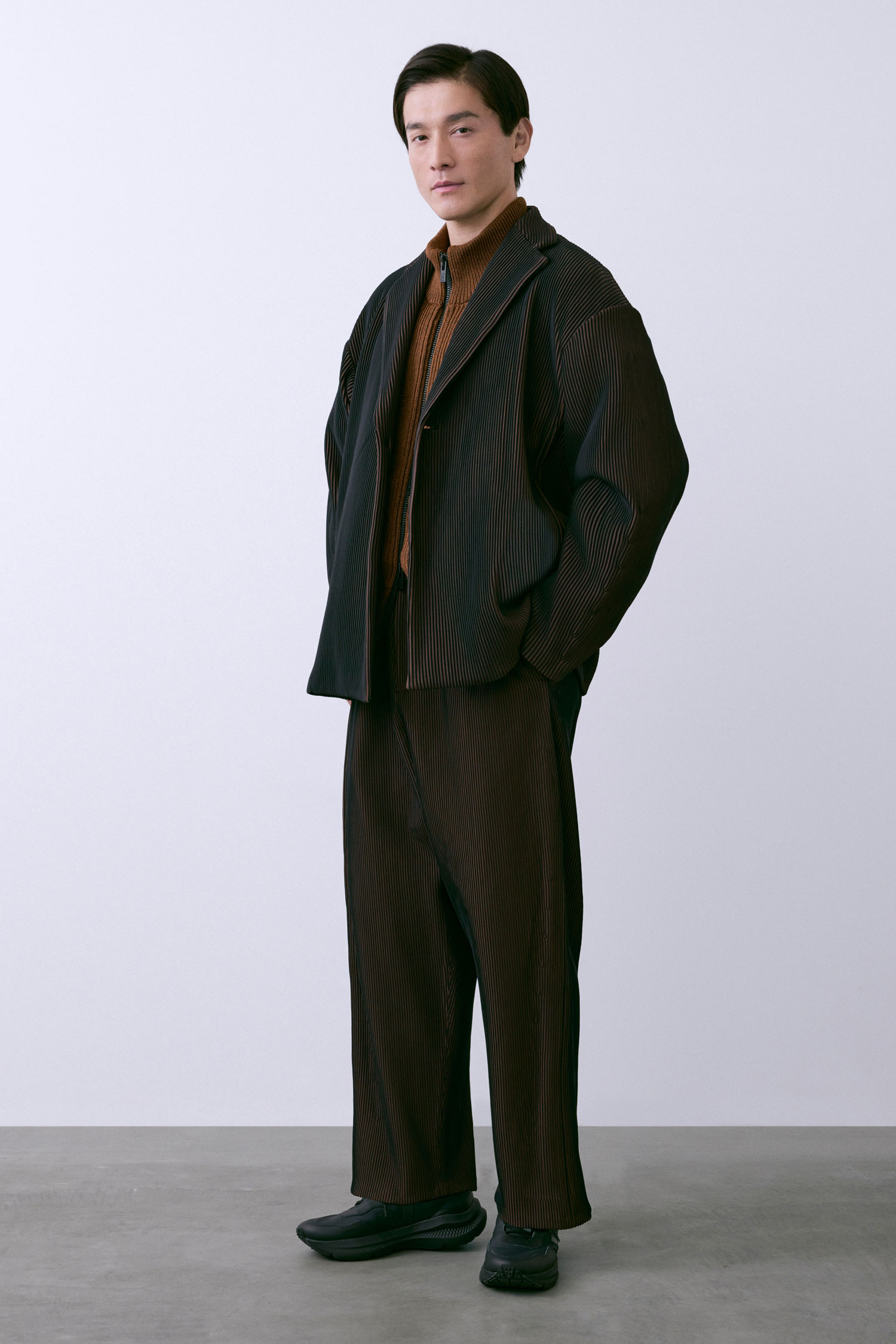
Shinyakozuka embodies this sensibility. Like many designers around the world today, Kozuka places an emphasis on sustainability, incorporating reclaimed fabrics and textiles into his collections. He brings a distinctive sensitivity to proportion and the way fabric moves on the body. Among the standouts in his atelier—a nondescript walk-up near Shibuya Crossing—are an oversize sleeveless tee in ultralight ventilated cotton and pleated shorts that nearly reach the ankle.
“Japanese designers have a unique perspective on menswear,” Japanese American stylist Chloe Takayanagi explains. “Every detail they add is intentional and has thought put into it, and they’re not afraid to play around with proportions.” Takayanagi points out that Japanese designers rarely rely on branding to get attention. “Most of their garments are logo-free, which I think makes them more wearable,” she says.
PAST AND PRESENT
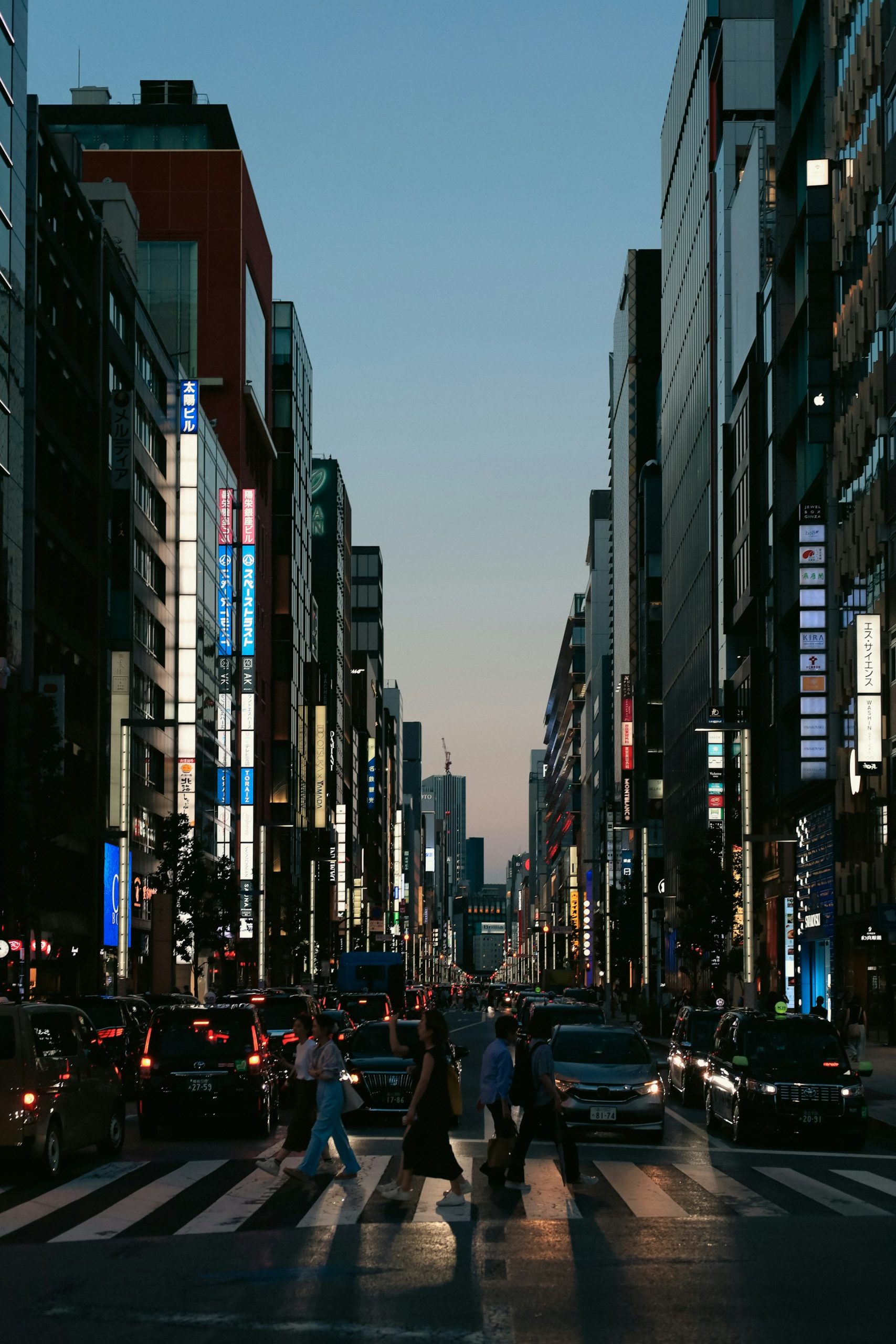
This balance of restraint and innovation in Japanese fashion echoes Tokyo itself. Like the city—with its mix of winding train tracks and postwar brutalist complexes that share space with centuries-old shrines—the modern menswear scene exists with one foot rooted in tradition and the other stepping into the future.
That ethos did not emerge overnight. It was shaped by three of the biggest names to come out of Japanese fashion in the past 50-odd years: Comme des Garçons’ Rei Kawakubo, Issey Miyake, and Yohji Yamamoto. Their groundbreaking creations reimagined the relationship between body and garment, transforming elements such as drape, proportion, and silhouette into artistic expressions. Often identifiable in this approach is ma—the Japanese concept of the space in between—which can be seen in everything from traditional architecture to fashion. “I learned about the space between the body and the fabric from the traditional kimono,” Miyake once observed. “Not the style, but the space.”
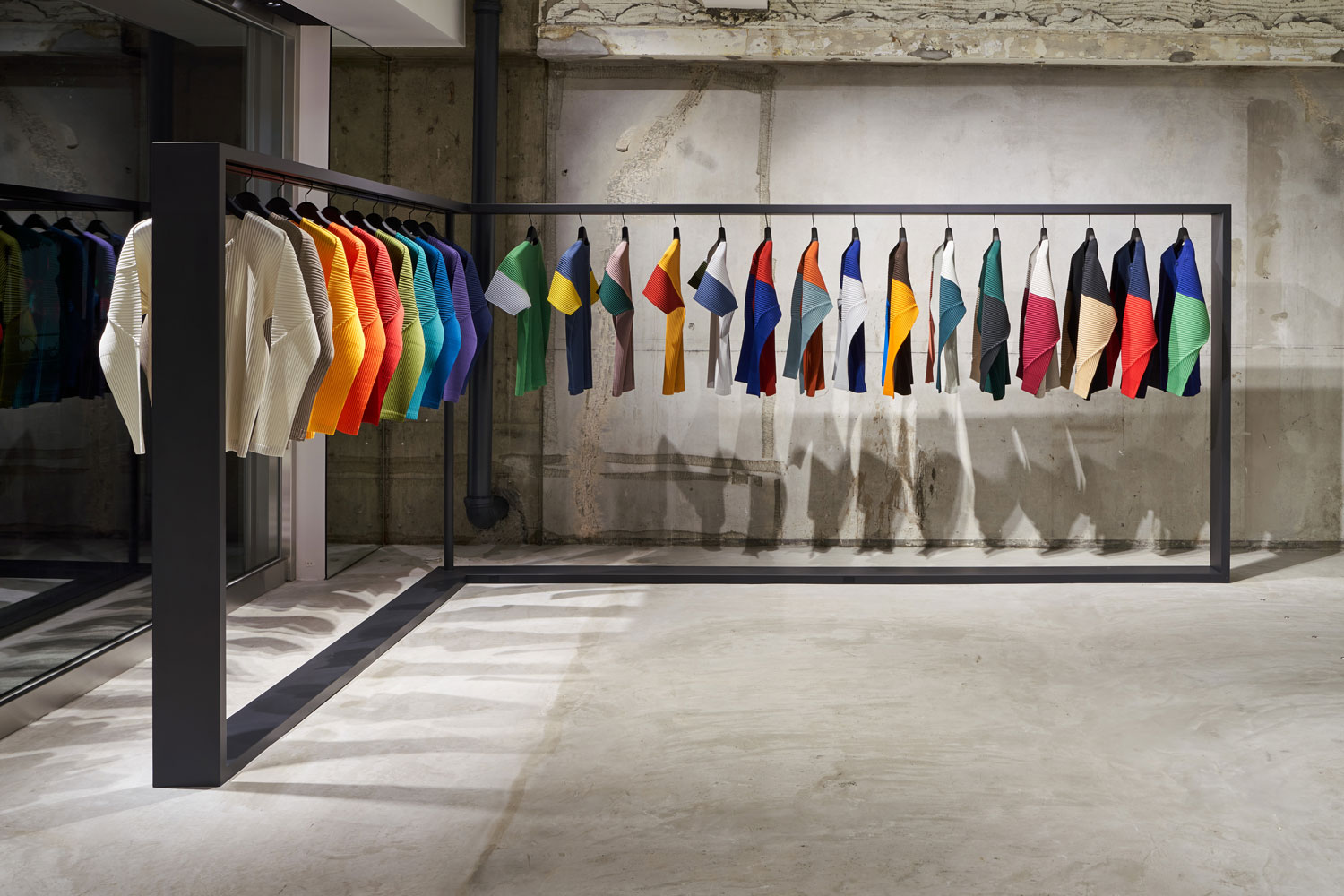
At Hankyu Men’s—a quick drive from Four Seasons Hotel Tokyo at Otemachi and Four Seasons Hotel Tokyo at Marunouchi—it’s worth lingering over how the brands of Miyake and Yamamoto continue to spotlight their founders’ singular visions. Miyake’s Homme Plissé line showcases his signature wafer-thin, sculptural pleating—garments engineered for drape and fluid movement. A couple of floors down, you’ll find the latest collection by Yamamoto, an artist who paints more or less in black, with clothing that experiments with contrasting proportions and unconventional closures and whose influences range from anime and heavy metal to conceptual art and alternative culture.
THE FUTURE IS HERE
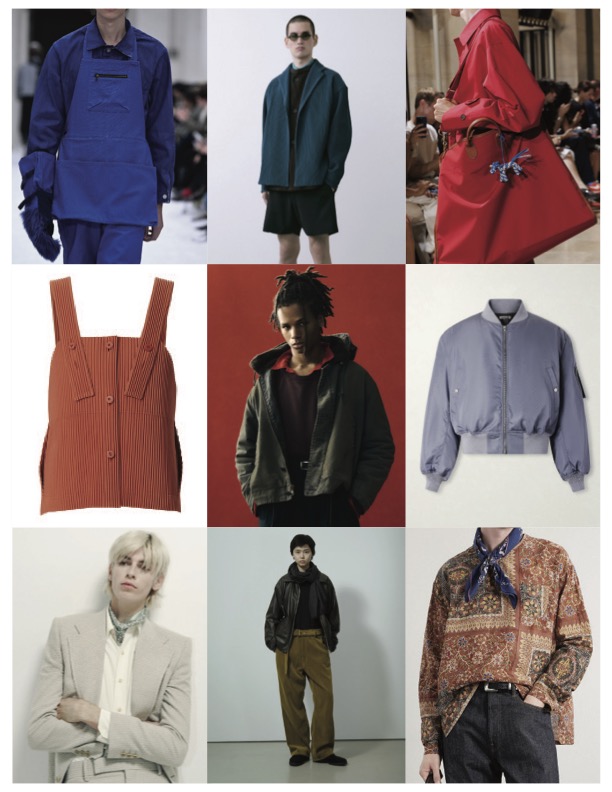
So much of Japanese fashion has for decades been dominated by those three iconic designers whose legacies live on, but the style world is always looking ahead. With a new generation on the rise, there’s a growing list of names that should be consulted by those looking for the best of what’s now and next. These brands offer a fresh vision of what Japanese menswear can be.
If Shinyakozuka taps into the vibrant youth culture of Harajuku, Auralee and A.Presse speak to the vibe of the quieter (but still hip) Shimokitazawa neighbourhood. The darlings of the menswear world in recent years, they’re less concerned with showing you something you’ve never seen before than with showing you the best possible version of something familiar: a dress shirt, a leather jacket, a pair of pleated trousers.
Auralee is the brainchild of Kobe-born Ryota Iwai. The brand has become renowned for its obsessive focus on custom textiles and for ever-so-slightly relaxed silhouettes that are designed to not go out of style. “That’s my mission—that I absolutely have to make something good,” Iwai told Vogue earlier this year. The Auralee flagship store is in Tokyo’s Aoyama neighbourhood, near the famed Nezu Museum.
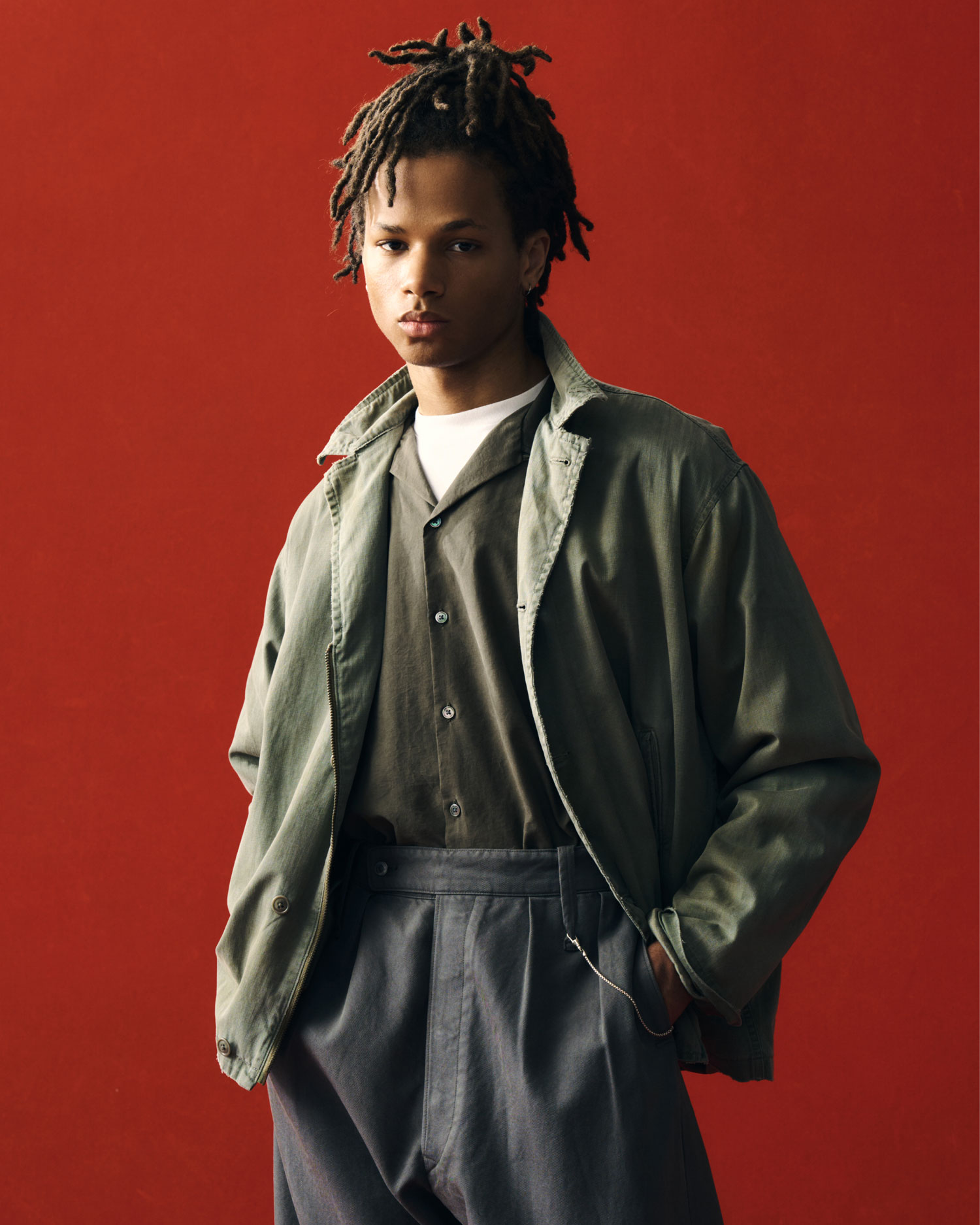
A.Presse, founded by Kazuma Shigematsu, similarly draws on simplicity, elevating classic items while leaning into traditional Americana and workwear influences. A.Presse’s textiles (except for leather) are sourced in Japan, an approach that supports domestic craftsmanship from the earliest stages of garment creation. Finding A.Presse can be tricky—it’s currently available at fewer than 30 retailers worldwide—so if you’re intrigued by the brand’s Spanish-leather trucker jackets and washed-silk bombers, you’d do well to head to the flagship store in Tokyo’s Jingūmae neighbourhood in Shibuya. Be warned: Stock often sells out the day it hits the shelf.
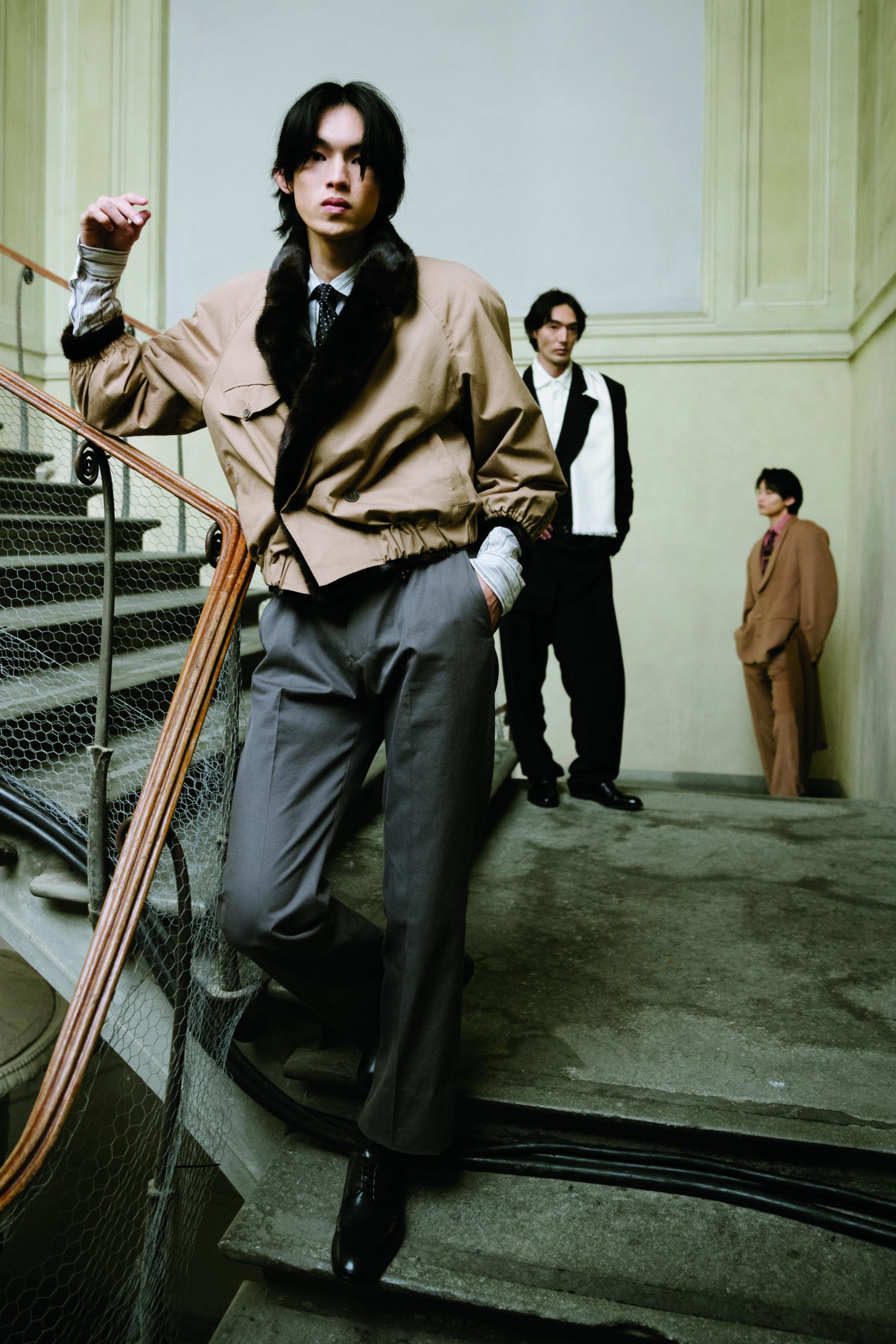
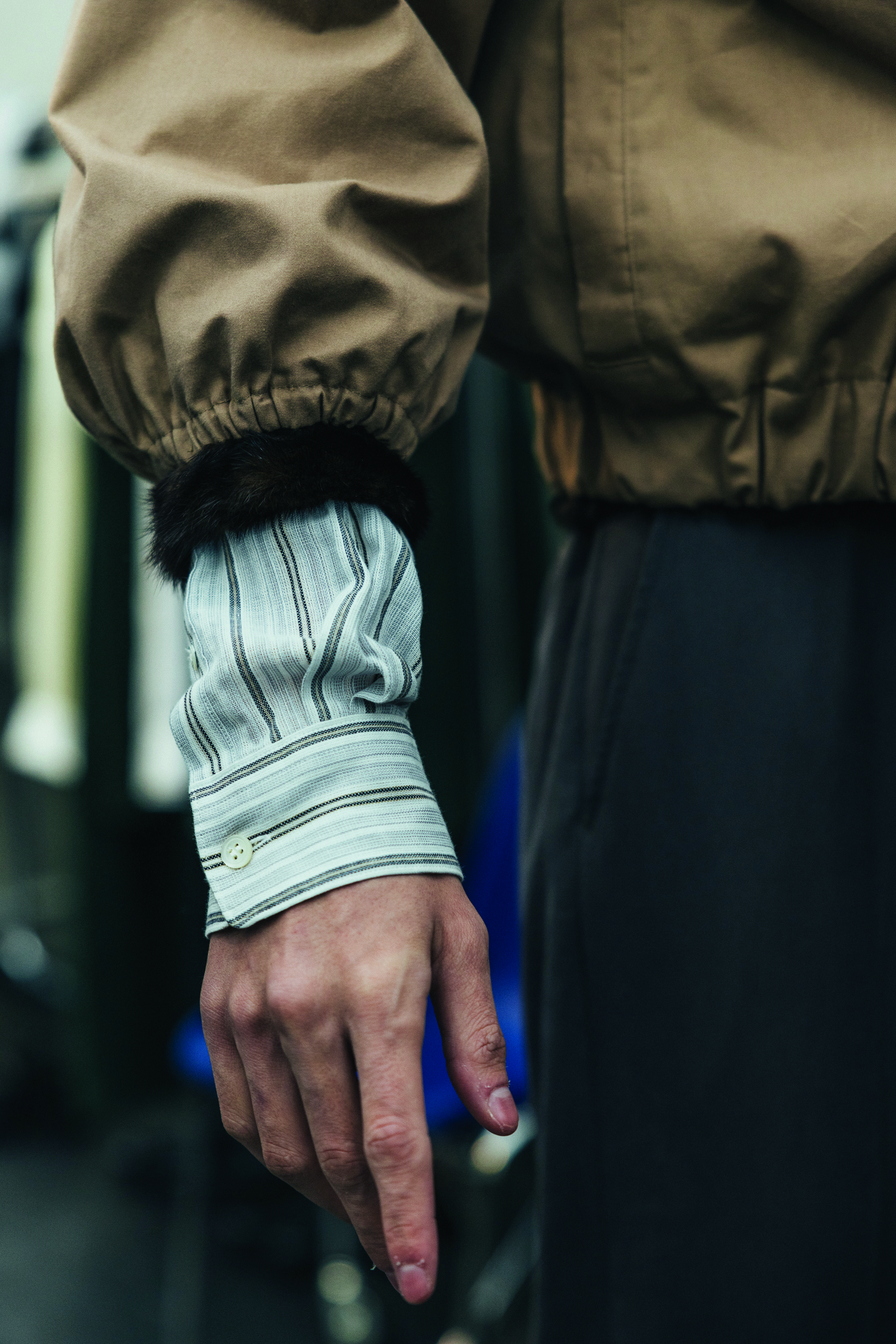
For a looser, relaxed approach to suiting, look to designer Soshi Otsuki’s eponymous brand Soshiotsuki. His lookbooks evoke 1980s Tokyo channeling Giorgio Armani, all slouchy jackets with shoulder pads and wide-legged trousers that subvert the traditional salaryman’s suit. You can find his pieces at the brand’s limited Tokyo stockists, including LHP Harajuku or O in Daikanyama, but be forewarned, they tend to go quickly. “I don’t really think about tailoring as office wear,” Otsuki tells Four Seasons. “By shifting the silhouette or combining familiar elements in unexpected ways, a suit can feel contemporary and expressive while still respecting its history.”
The label Ssstein does with European luxury what other Japanese brands do with Americana, filtering classic tailoring through an ultraprecise lens. Take Ssstein’s immaculate, oversize double-breasted trench coats: They’re proof that you don’t need to head to France to dress like a Parisian; just go to Barneys in Ginza. Meanwhile, Comoli elevates Scandinavian minimalism better than just about anyone. Keijiro Komori’s cult label has remained quietly under the radar since launching in 2011—he didn’t even create an Instagram account until recently—but insiders swear by it. Seek out Tokyo stores such as Beams and Maidens Shop for Komori’s blacked-out essentials, like perfect work trousers and matching zip-up mechanic jackets.
The list is practically endless. Trying to name every great Japanese menswear designer working today—additional standouts include Kyosuke Kunimoto (for precisely tailored suiting) and Yoko Sakamoto (for distinctive essentials in natural-dyed textiles)—is like trying to cap the number of steps you take while exploring the city.
And those who are obsessed with the vintage look but aren’t ready to root through the infinite secondhand racks of Shimokitazawa should keep an eye out for Visvim. Founder Hiroki Nakamura, who has dubbed the brand’s aesthetic “future vintage,” draws inspiration from the past of Americana and workwear (Levi’s 501s, trucker jackets, collegiate zip-up hoodies), re-creating clothes with a luxurious attention to craft, textile, and detail.
Japan’s reverence for heritage craftsmanship is also why the country has become an epicentre for hyper-specialized labels. Founded just over two decades ago, Orslow makes some of the best selvedge denim in the world, while Pagong—a Kyoto-based brand with a store at Tokyo’s Narita airport—offers a luxury take on classic silk aloha shirts. (At Four Seasons Resort Maui at Wailea, the staff at the sushi restaurant KOMO wear shirts by Pagong.) And Matsuda, a Japanese eyewear house founded in 1989, is influenced by old-school yakuza style and Italian gangster movies. Each essentially focuses on one craft, pushing it to the highest expression.
For Yusuke Takahashi, designer of the Tokyo-based brand CFCL (Clothing for Contemporary Life), this single-minded focus is rooted in Japan’s historic Mingei movement, which emerged in the 1920s with a reverence for the functional beauty of everyday objects crafted by local artisans. Takahashi—a former menswear director for Issey Miyake—applies this approach to minimalist knitwear and suits, using sustainable materials like recycled polyester. His clothing (available at the brand’s six stores in Tokyo) channels the Mingei principle of Yo-no-bi, “the idea that beauty comes from the essential,” Takahashi explains. “It’s the beauty of everyday things. So, this is a key word in [my work] . . . that comes from the philosophy of the Japanese traditional design context.”
This legacy explains why designers throughout Tokyo often ask themselves what the point is in bringing something to life if it’s not going to be done well. Throughout Japan, there’s a standard of excellence that is evident across disciplines, not only in fashion but also in areas from fine dining to interior design and even to convenience-store sandwiches. For Tokyo’s new vanguard, fashion isn’t about grand spectacle—it’s about elevating the essential to the level of something exquisite.
More like this

architecture Bangkok
Extraordinary By Design: Architect Jean-Michel Gathy’s Understated Luxury
The architect behind Four Seasons hotels in Tokyo and Bangkok blends grand spaces with uncompromising comforts.
Budapest dining
A Fashion Designer’s Stylish Guide to Budapest
The stylish founder and creative director of Nanushka reveals highlights of the vibrant Hungarian capital.
Trending
-
Eight Tasting Flights Worth Traveling For
From craft beer to artisanal chocolate, these expertly guided tastings explore the art of flavour.
-
9 Family Vacations Recommended by Moms
Discover tips for family travel in destinations around the world from mothers who know travel, from Orlando to Hong Kong.
-
Rare Trade: Meet 4 People Searching the World for the Exceptional
Discover the rarest of the rare, from elusive ingredients to adventures with icebergs.