with
Learn more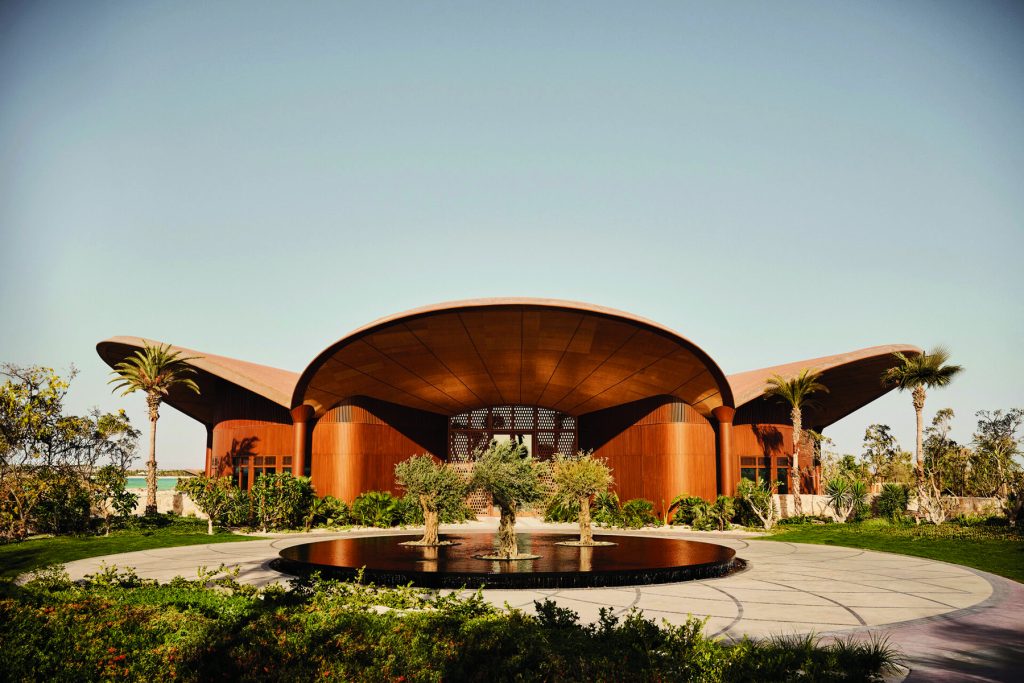
Extraordinary By Design: Architect Gerard Evenden’s Considered Approach
The Foster + Partners architect behind Four Seasons Resort and Residences Red Sea at Shura Island reveals how he designs in dialogue with nature, culture, and place.
From a striking new train station under construction in Florence, Italy, to the new campus for the Ellison Institute of Technology in Oxford, England, Gerard Evenden’s portfolio at Foster + Partners is as structurally wide-ranging as it is geographically diverse.
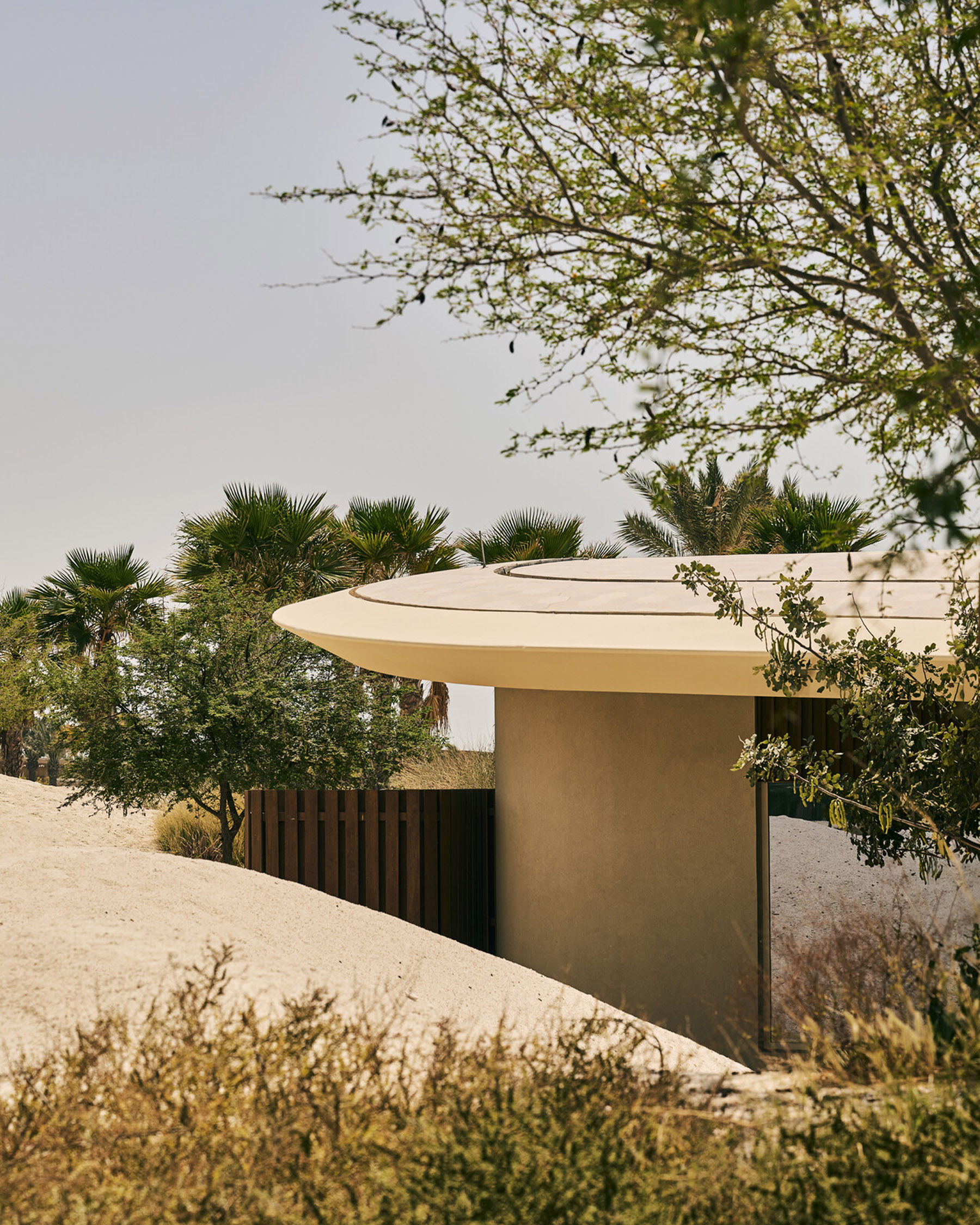
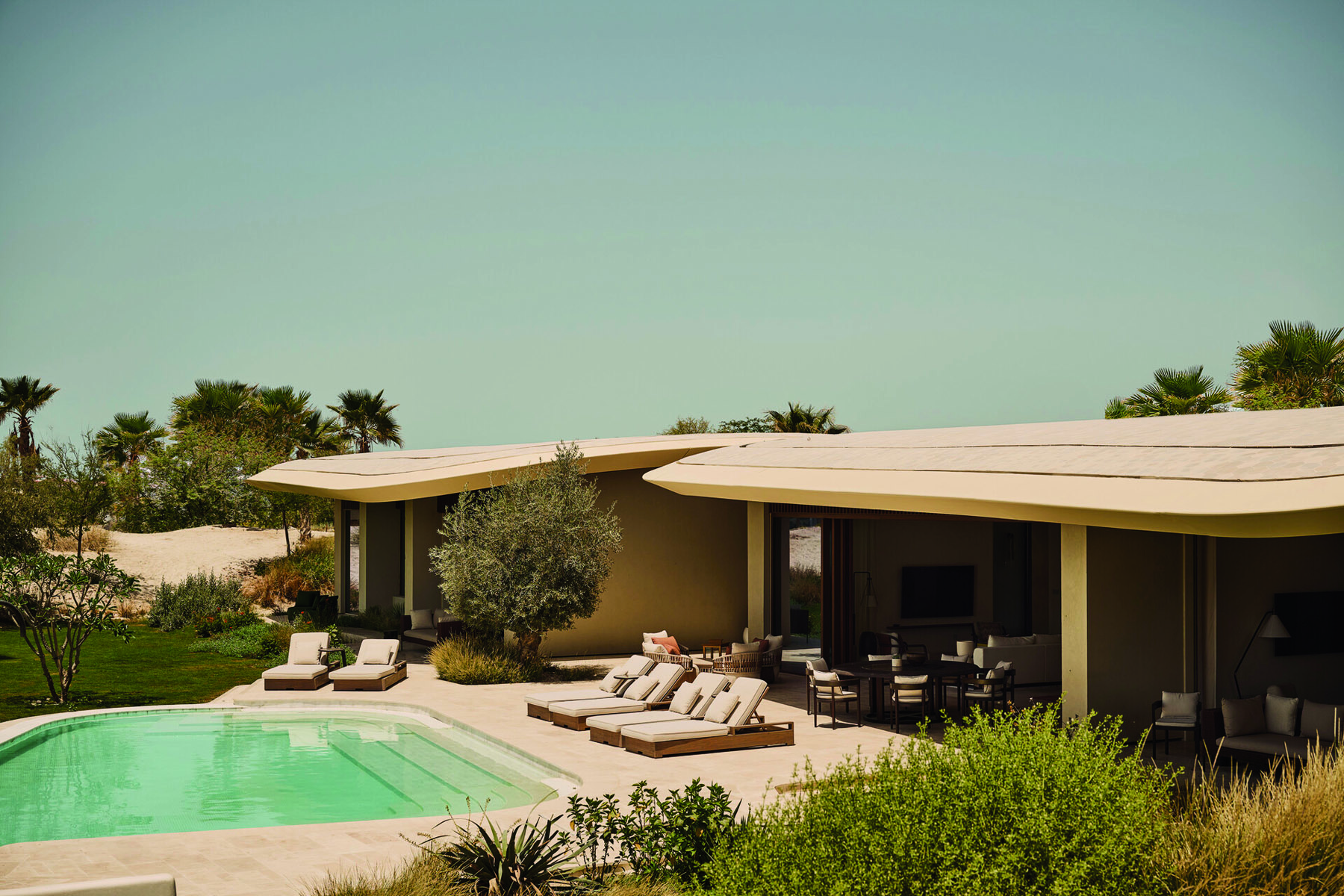
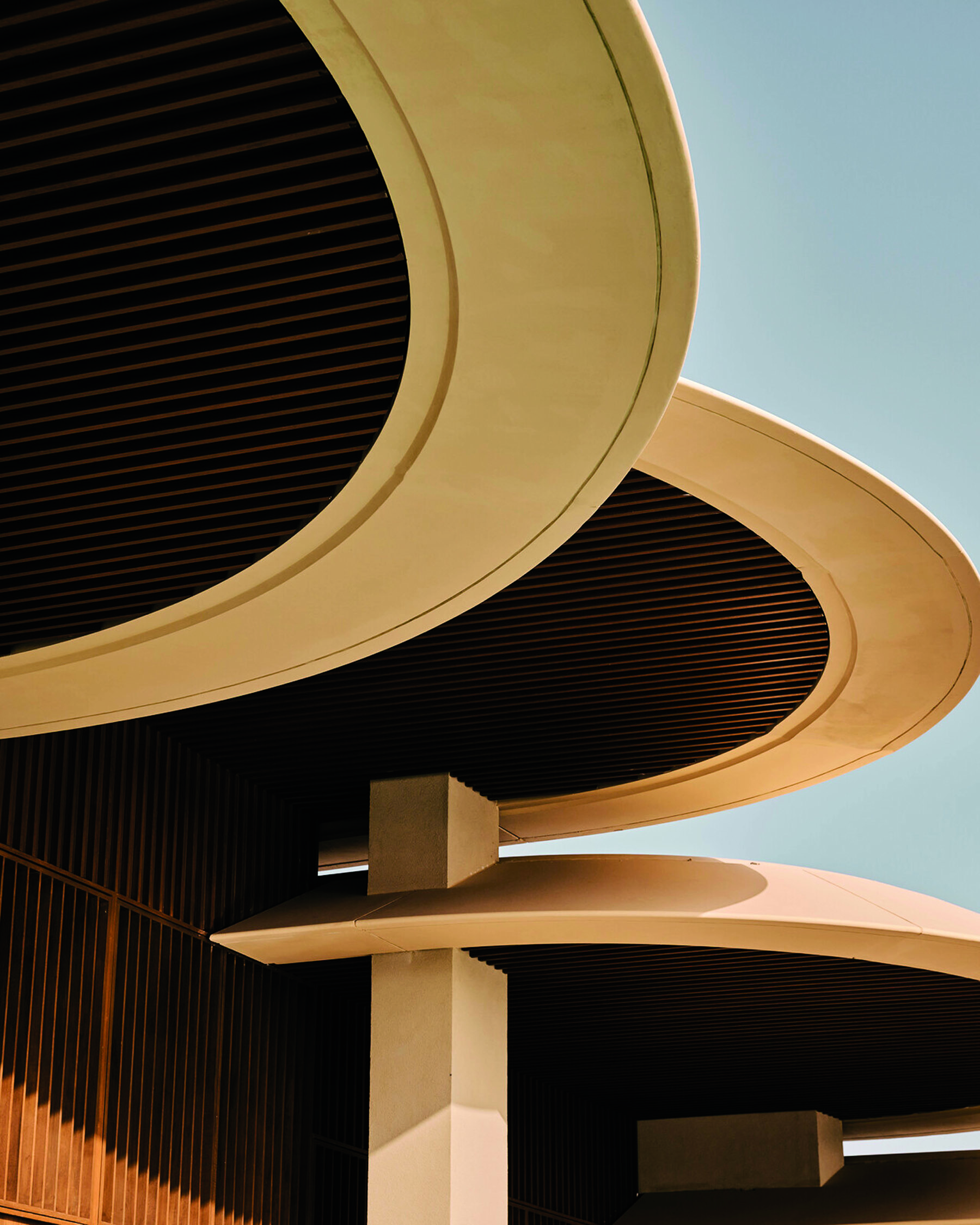
A standout is the architectural design that Evenden, senior executive partner and head of studio, recently led for Four Seasons Resort and Residences Red Sea at Shura Island. Set on a tranquil island off the western coast of Saudi Arabia, near one of the world’s largest barrier reefs, the property—which includes 31 Resort Residences and 75 three- to five-bedroom Private Residence villas with private infinity pools—has all the hallmarks of a Foster + Partners project. Foremost is the firm’s commitment to sustainability. The single-story villa accommodations are arranged around courtyards, providing shading and natural ventilation, while undulating canopies and locally sourced renewable materials add architectural interest.

“The architecture—true ‘homes away from home’—calls for an integrated approach in which every element is considered, from framing views and strengthening connections with nature to the tactile quality of materials and finishes,” Evenden says. “The aim is to create an experience that expresses the essence of culture and setting.”
For more on Evenden’s projects and inspirations, read on.
Takaleel
At Four Seasons Resort and Residences Red Sea at Shura Island, Evenden and his team employed local materials and construction approaches. The building’s walls are made from coral limestone plaster with timber inlays—a traditional, centuries-old Hejazi masonry method known as takaleel. “The colour of the plaster reflects the hues and tones of the site,” explains Evenden. The technique is also a defining feature of the historic Al Balad district in Jeddah, Saudi Arabia.
Coral
Nature informs the architecture of Red Sea at Shura Island, including radiating roof structures and clusters of buildings that seem to have grown organically from the site. “Our design is inspired by the traditional architectural forms of the region and Shura Island’s extraordinary natural landscape, drawing on the diversity and composition of its coral formations.”

Zayed National Museum
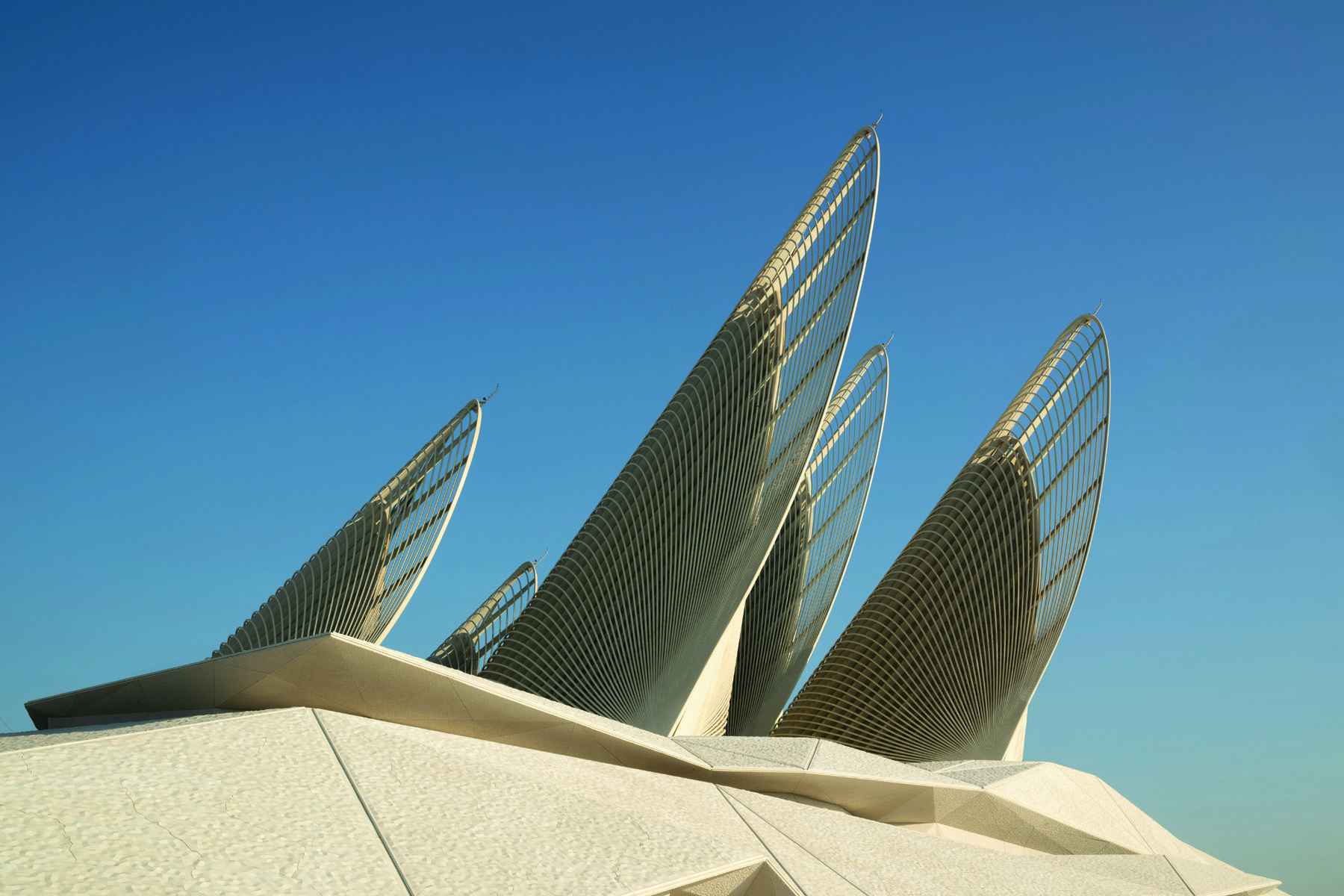
With projects around the globe, Foster + Partners always endeavours to connect a building to its setting and culture. For Abu Dhabi’s new national museum, Evenden and his team conceived five soaring steel towers that evoke the wings of a falcon in flight—a nod to the United Arab Emirates’ national emblem. It’s also a reference to the nation’s founding father, Sheikh Zayed bin Sultan Al Nahyan (who the museum honours), and his passion for falconry. Evenden adds that, “I am proud of how the project has allowed us, as a studio, to realise many of the issues relating to architecture and sustainable design that have been driving the practice since the 1970s. Its distinctive form derives from an environmental and scientific response to Abu Dhabi’s extreme climate. We prioritised passive design strategies such as shading and natural ventilation, which are supplemented by mechanical systems, reflecting a deep understanding of traditional building techniques and environmental conditions.”
House of Wisdom
This library and cultural centre in Sharjah in the United Arab Emirates takes its name from the original House of Wisdom, a scholarly institution founded centuries ago in Baghdad as a gathering place for the exchange of ideas. Evenden and his team created a light-filled rectilinear structure with a cantilevered roof—a project conceived as a “social hub for learning,” rather than as simply a repository for books. Says Evenden, “Light is a key element of the design. In forming our design approach, we studied the local barasti architecture, which inspired the design of the screens that allow dappled light into the interior spaces. This bridged vernacular design with sustainable, energy-saving strategies, where the screens prevent the sun from entering the building in the mornings and evenings.”
More like this
safari
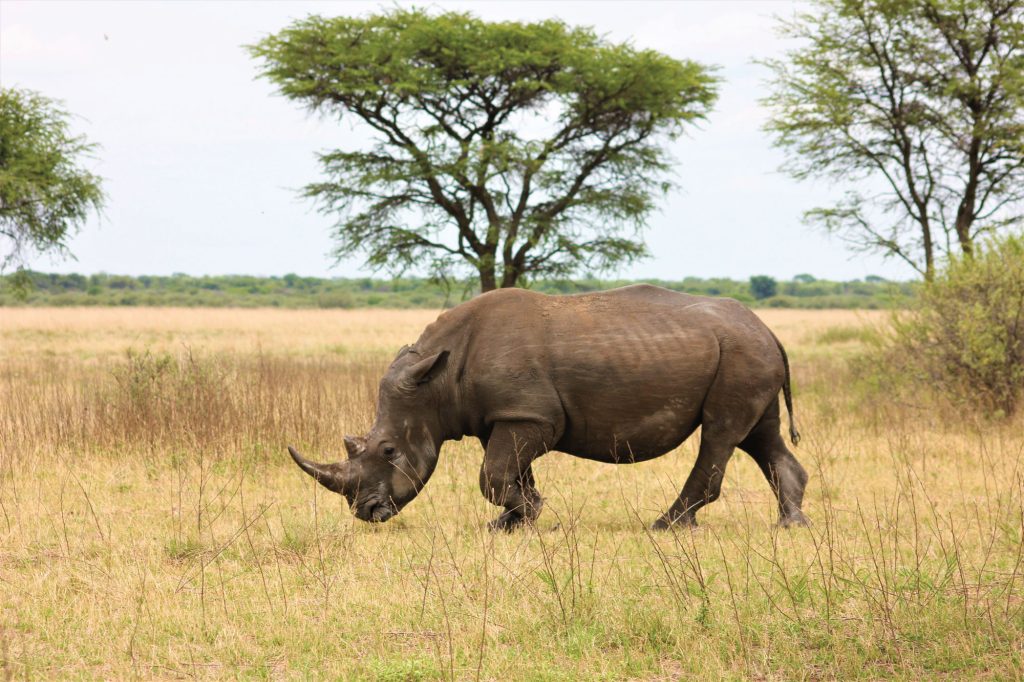
The Serengeti’s Rhino Revival
Tanzania’s endangered black rhinoceroses are making a historic comeback.
art history
An Insider’s Guide to Venice
Diane von Furstenburg, Dries Van Noten, and more share their favourite spots in the city.
Trending
-
The Serengeti’s Rhino Revival
Tanzania’s endangered black rhinoceroses are making a historic comeback.
-
9 Family Vacations Recommended by Moms
Discover tips for family travel in destinations around the world from mothers who know travel, from Orlando to Hong Kong.
-
Rare Trade: Meet 4 People Searching the World for the Exceptional
Discover the rarest of the rare, from elusive ingredients to adventures with icebergs.