with
Learn more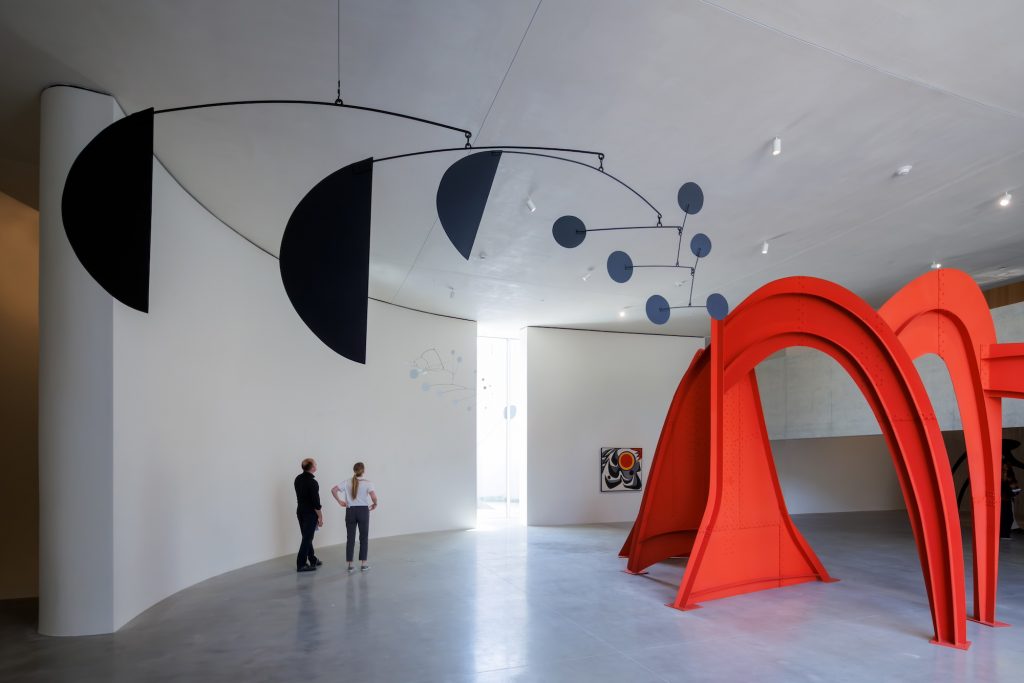
The Philadelphia Story
As the United States celebrates its 250th anniversary, we visit its birthplace—a city rich in history and culture, and fueled by an ambitious food scene.
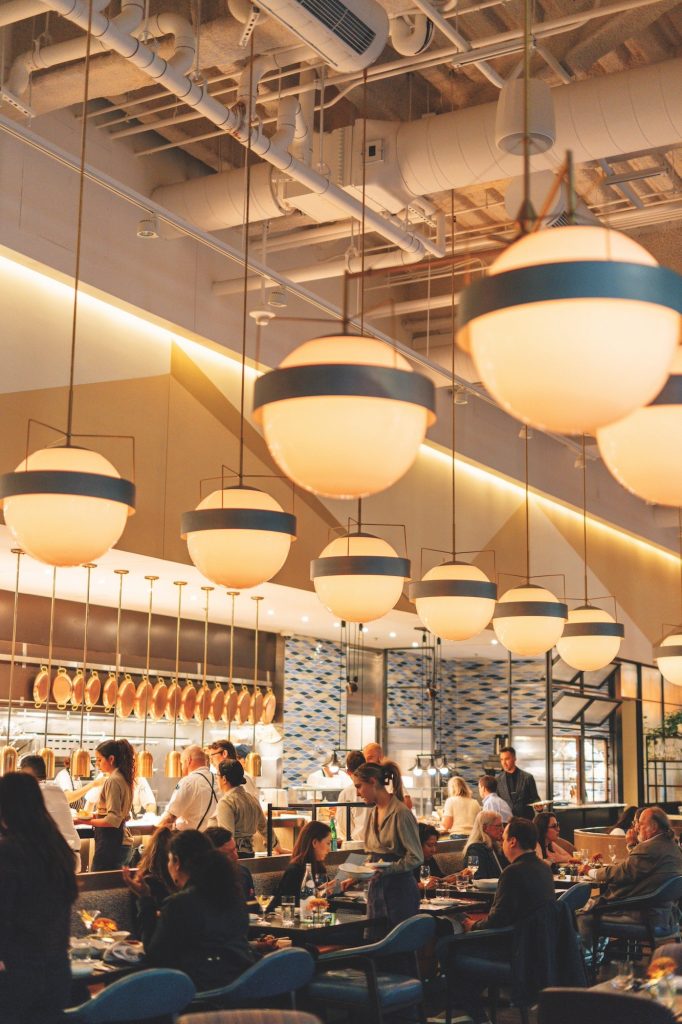
Three illuminated tickers span the lofty ceiling at Vernick Coffee Bar. Given that this lovely café resides at Four Seasons Hotel Philadelphia at Comcast Center and is inside the 60-floor skyscraper that (along with the 58-story tower next door) houses the headquarters of the media and entertainment company, you might assume the scrolls run stock quotes or breaking news or at least a requisite “Go Birds!” Instead, travelling overhead during a recent lunch were quotes and affirmations of questionable wisdom like, “A Relaxed Man Is Not Necessarily a Better Man.” The artist Jenny Holzer penned that pearl. But perhaps she never had the pleasure of Vernick Coffee’s craggy scone cloaked in lemon icing on a lazy weekday afternoon.
I’d stopped by after touring the nearby Calder Gardens, a new indoor-outdoor museum that has more than 20 metal sculptures and delicate mobiles from the third-generation Philadelphia-born sculptor Alexander “Sandy” Calder (1898–1976). He’s artistic royalty in Philly: His grandfather, Alexander Milne Calder, created the William Penn statue that tops City Hall, and his father, Alexander Stirling Calder, worked on the grand Swann Memorial Fountain where generations of kids have splashed among the work’s bronze turtles and frogs. The Calder Gardens, designed by Herzog & de Meuron and Piet Oudolf, and the elder Calders’ works are all located less than a mile from each other, dotted along the Benjamin Franklin Parkway. Modelled after Paris’s Champs-Élysées, the Parkway is Philly’s cultural powerhouse, holding the most Rodins in the United States at the Rodin Museum and the most Renoirs and Cézannes in the world at the Barnes Foundation, both a short walk from Four Seasons Hotel Philadelphia at Comcast Center.
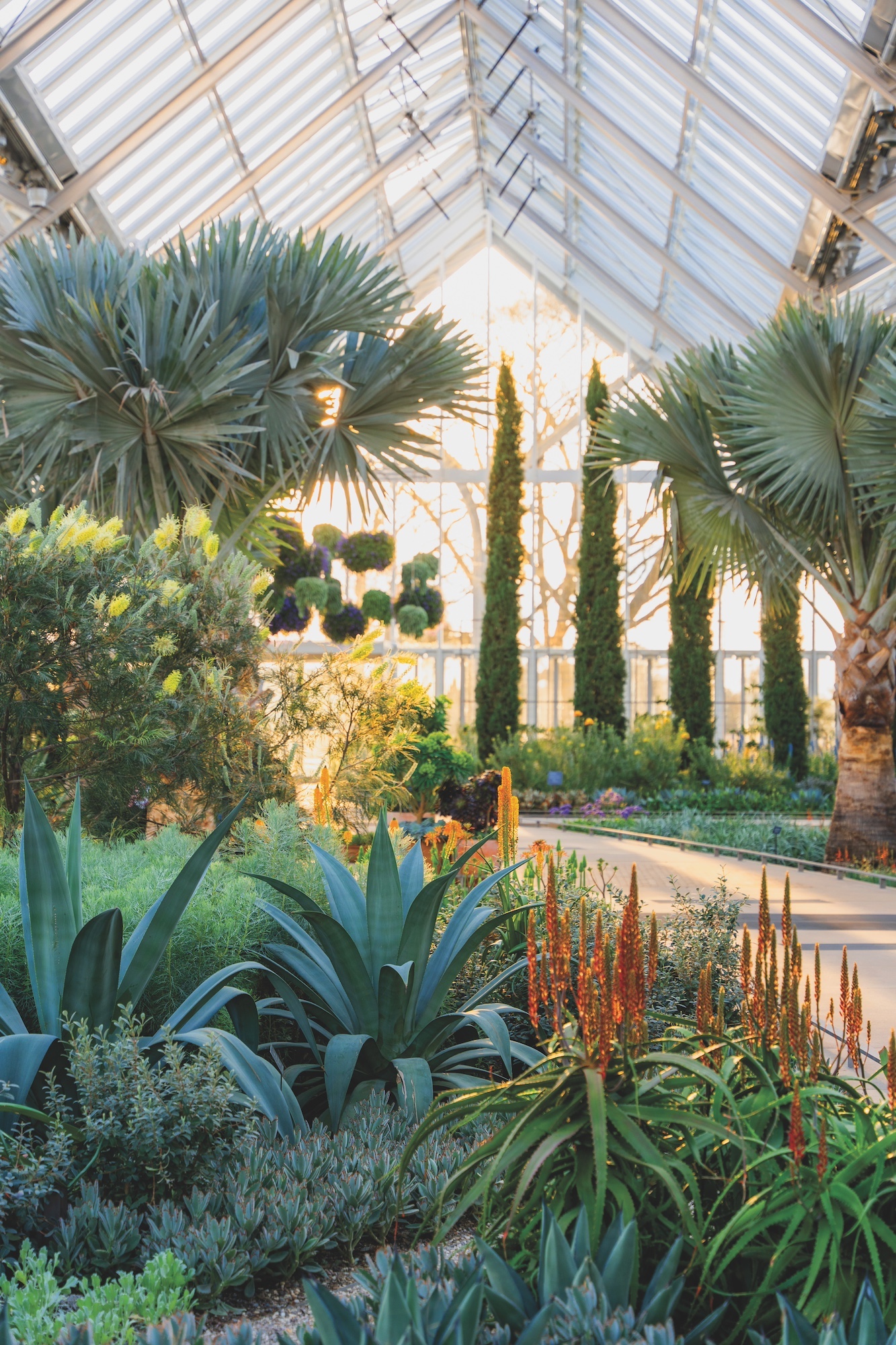
At the Calder Gardens, the collection of works is similarly impressive, as is the architecture. Celestial light wells and papercut-slit windows, set in an undulating landscape, pour sun into an underground den, hollowed out from disused parkland and clad in crusty rock, smooth concrete, and blonde hemlock.
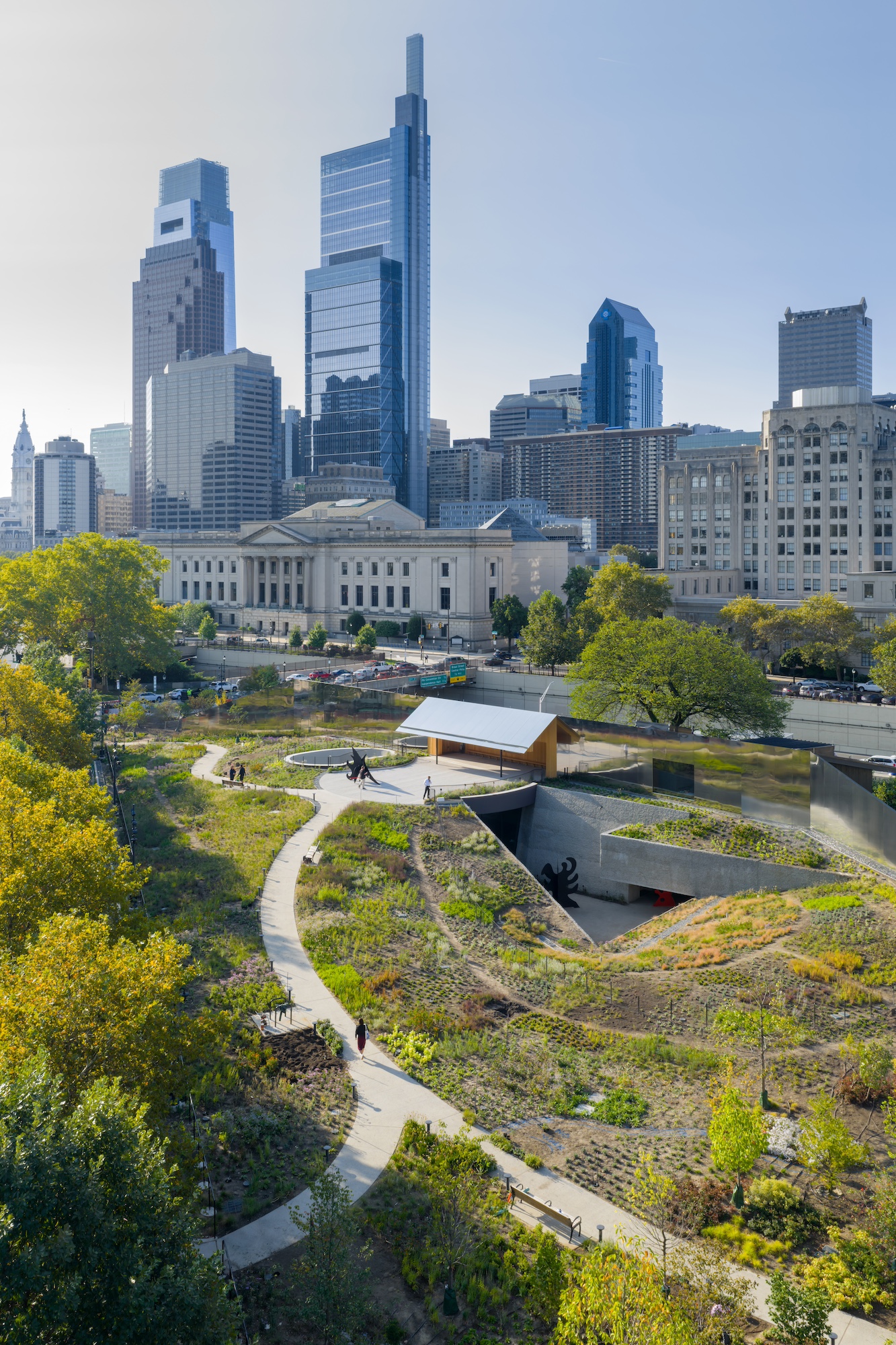
At times narrow and shadowy, then grand and bright, it reminded me of a cenote you walk instead of swim through. The design is a revolution—fitting for Calder, fitting for a city that was the political heart of one of the world’s most famous revolutions. The 250th anniversary this year marks the signing in Philadelphia of the Declaration of Independence and the country’s symbolic birthday.
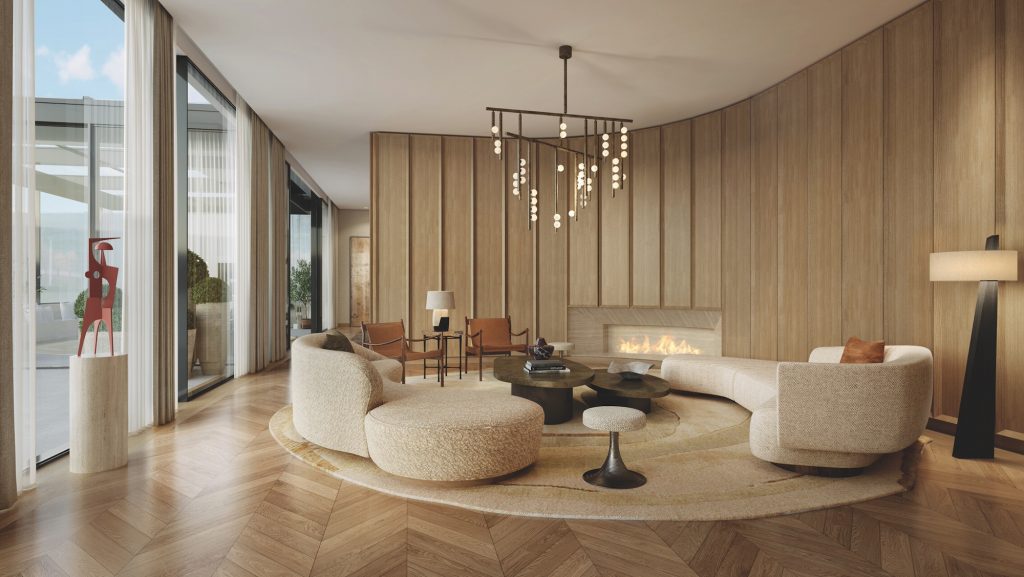
Founded in 1682, Philly has been getting ready for 2026’s anniversary celebration for two years, spending tens of millions of dollars to refresh historic sites like Independence Hall (where the U.S. Constitution was signed in 1787), the Liberty Bell, and Franklin Square, named for Benjamin Franklin, who performed his kite-and-key experiment in 1752. Along with the debut of the Calder Gardens, new galleries have opened at the Museum of the American Revolution and the National Constitution Center. And—cue the Hamilton soundtrack—the long-shuttered First Bank, housed in a dramatic Greek Revival building with a glass-domed rotunda, is reopening a museum dedicated to the early American economy. Four Seasons Hotel Philadelphia at Comcast Center, a peaceful refuge whose glass elevators and wraparound windows make you feel like you’re floating among the clouds, has been getting ready for the 250th, too. Eight luxurious residential-style accommodations compose the airy new Sky Garden floor, furnished with its own wellness salon and Calder-inspired artworks, and the expansive alfresco decks of the Sky Terrace Suite and the Sky Terrace Penthouse (both part of Four Seasons Villa & Residence Rentals Collection) are unrivalled in Philly.
Meanwhile, south of the city, Longwood Gardens, which Pierre S. du Pont founded in 1907, is fresh off a $250 million renovation of its 1,100-plus acres. The new West Conservatory, with its espaliered exotic citrus and bonsai collection, is one reason to make the roughly 40-minute drive. The 1906 restaurant—with its suave horseshoe booths overlooking the Fountain Garden and a menu featuring dishes like agnolotti with Maryland crab—is a reason to stay for dinner. The food is as good as anywhere in the city, and there is so much good right now in the city, restaurant-wise, even a local like me has trouble keeping up.
“Philly is changing and growing fast, so it keeps pushing me,” says chef Greg Vernick (of the eponymous café). When the James Beard Foundation named him the Mid-Atlantic region’s best chef in 2017, tempting expansion offers followed. “They teach you a lot about what kind of chef you want to be and what direction makes the most sense for you, your family, and your team.” Instead, he opened two dining spots, the café and Vernick Fish at Four Seasons Hotel Philadelphia at Comcast Center, along with a nearby wine shop next to his flagship, Vernick Food & Drink, near Rittenhouse Square. Earlier this year, he added an Italian restaurant, Emilia, across town. In Philly, he says, “you feel lucky to be part of a strong community.”
For a long time, that community was all Philadelphians had. Overshadowed by major centres of finance (New York) and power (Washington, D.C.), we had to be our own fans. The “No one likes us—we don’t care” mentality, adopted and voiced by the beloved former Eagles centre Jason Kelce, resonated after the underdog football team won the Super Bowl in 2018. Eight years (and another Super Bowl ring) later, the us-against-the-world battle cry is a little less potent. The world is with us now. Philadelphia will host six matches for the FIFA World Cup this summer, culminating in a knockout on Independence Day. Michelin, which just added Philly to its Northeast Cities Guide, pinned stars on three restaurants and Bib Gourmands on 10 others, including two excellent new-school cheesesteak joints, Angelo’s and Del Rossi’s.
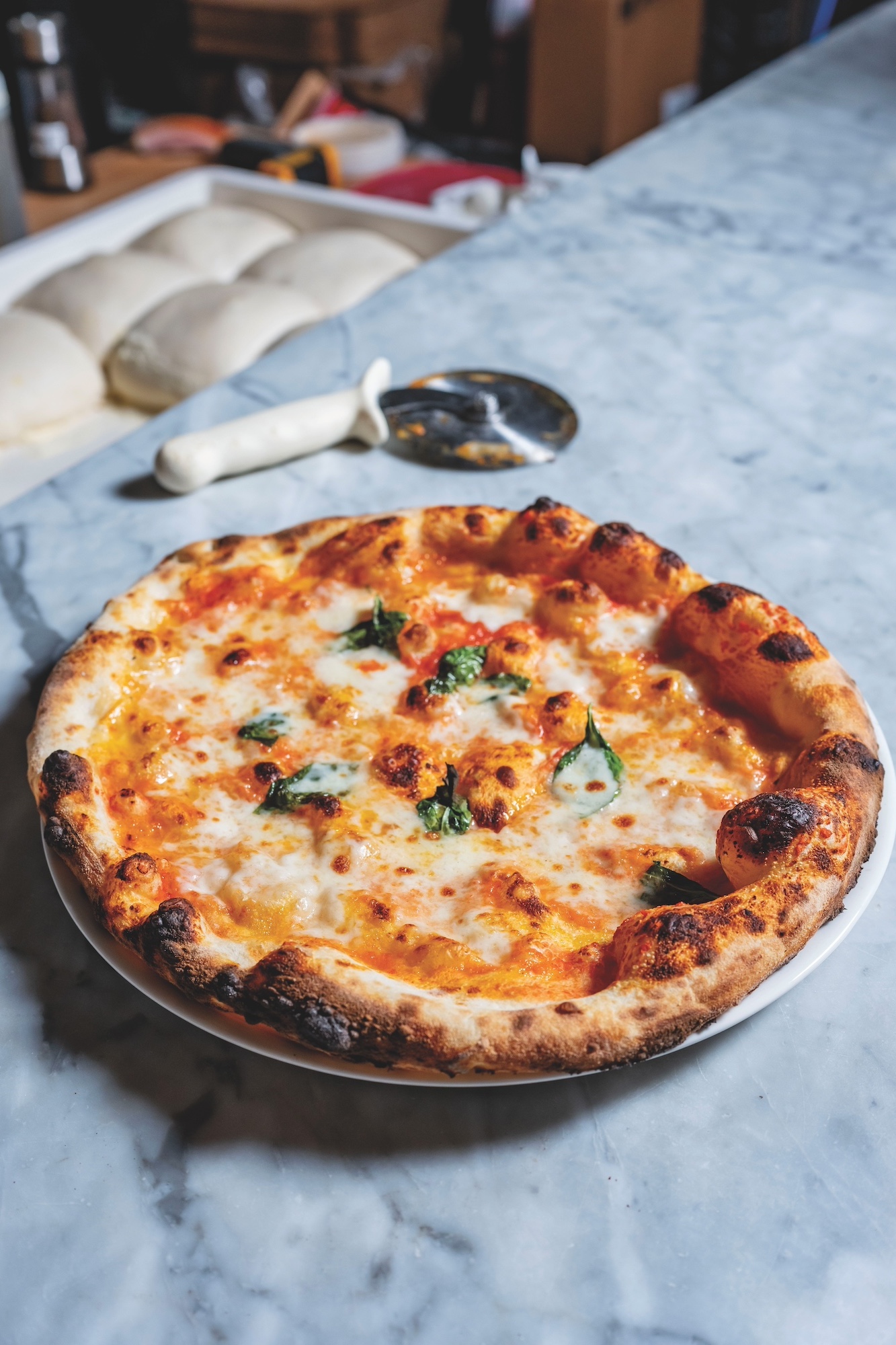
Our chefs take risks and bet on themselves. Viraj Thomas, the city’s it-boy pizzaiolo, opened his own shop, Char, in Olde Kensington, at just 21 years old. Catch him shuffling transcendent, leopard-spotted pies into and out of his wood-burning oven, sporting the big smile illustrative of his scrappy-go-lucky charisma. About a mile away, on North Broad Street, Omar Tate and Cybille St. Aude-Tate run Honeysuckle, one of the most ambitious and significant culinary projects in the country. Each profoundly delicious plate—Mississippi Delta tamales with Wagyu beef cheek; a subversively extravagant take on a Happy Meal starring a burger piled with truffles, caviar, and gold leaf—tells a story about Black foodways, in a gallery-like space on the city’s historic Black commercial corridor.
In South Philly, on East Passyunk Avenue—long a cornerstone of Philadelphia’s Italian-American community—that heritage persists in businesses like Mancuso’s deli and Palizzi Social Club, the century-old hangout whose off-menu chicken cutlet directly inspired a Southeast Asian analogue at Phila and Rachel Lorn’s new Passyunk hot spot, Sao. Anchored by a raw bar where oysters get anointed with kinetic Kampot black-pepper sauce and crudos shimmer with makrut lime, ginger, and chiles, Sao is ostensibly a seafood restaurant, but “the [chicken] cutlet is the one-at-every-table dish,” says Phila, winner of the James Beard Foundation’s Emerging Chef award last year. Crispy, brown, and craggy, it stretches past the edges of its plate, like the foundation of any number of neighbourhood parms, but instead of marinara and mozzarella, Lorn “graffitis” the cutlet with sticky fish-sauce caramel, adds salt pickles and Thai basil, then buries the whole thing in grated Parmigiano. The remix is as outrageous as it sounds.
A few blocks up from Sao, a candy-cane-striped awning marks Red Gravy Goods, the newest in chef Marcie Turney and Valerie Safran’s collection of restaurants and boutiques. Their first in South Philly, it reps the neighbourhood hard with Jalen Hurts sweatshirts and diner-style mugs asserting “South Philly is always a Good Idea.” Says Turney from behind the shop’s custom-hat-patch bar, “We love the old-school nostalgia. People here are proud of where they live.”
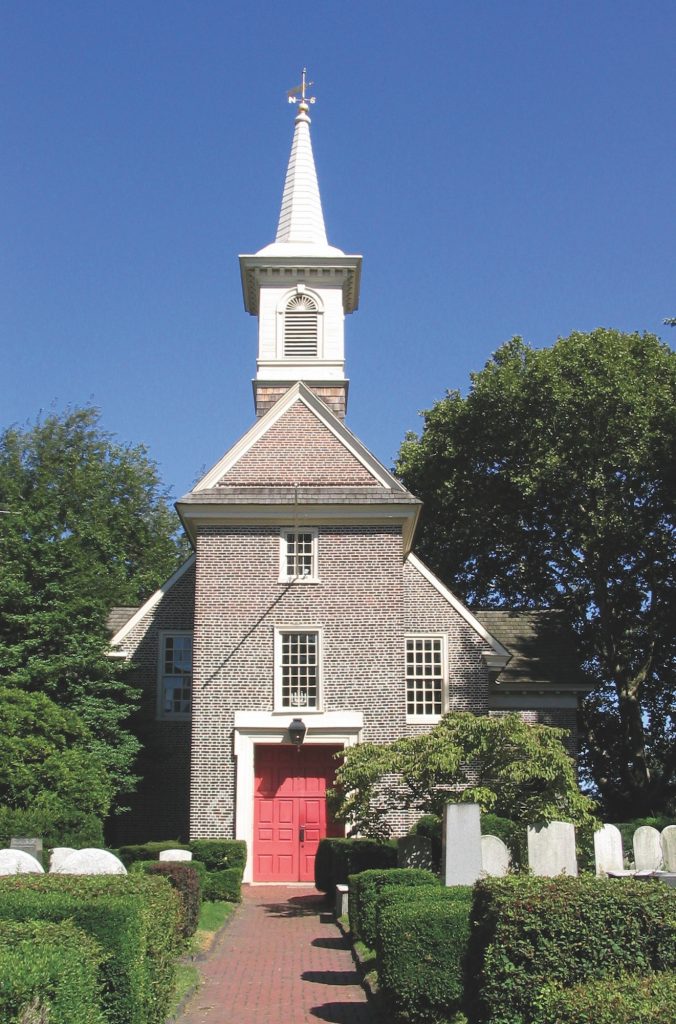
After she pressed soft-pretzel and water-ice patches—representing the essential summer duo—onto a ballcap for me, I popped it on my head and continued along East Passyunk to its terminus in leafy Society Hill. Despite swaths of the neighbourhood being razed by city planner Edmund Bacon (actor Kevin’s father) during 1950s and ’60s urban renewal, it remains one of the most historically significant areas in town. Paved in bumpy cobblestones and lined with red-brick row houses whose sidewalks have cast-iron boot scrapers and hitching posts from the horse-and-carriage days, its sites include Head House Square, home to the long-running Sunday farmers market, the Hill-Physick House, and churches from the 1700s. Gloria Dei (Olde Swedes’) Church, in adjacent Queen Village, is even older, built in 1698 by the Swedish settlers who predated William Penn.
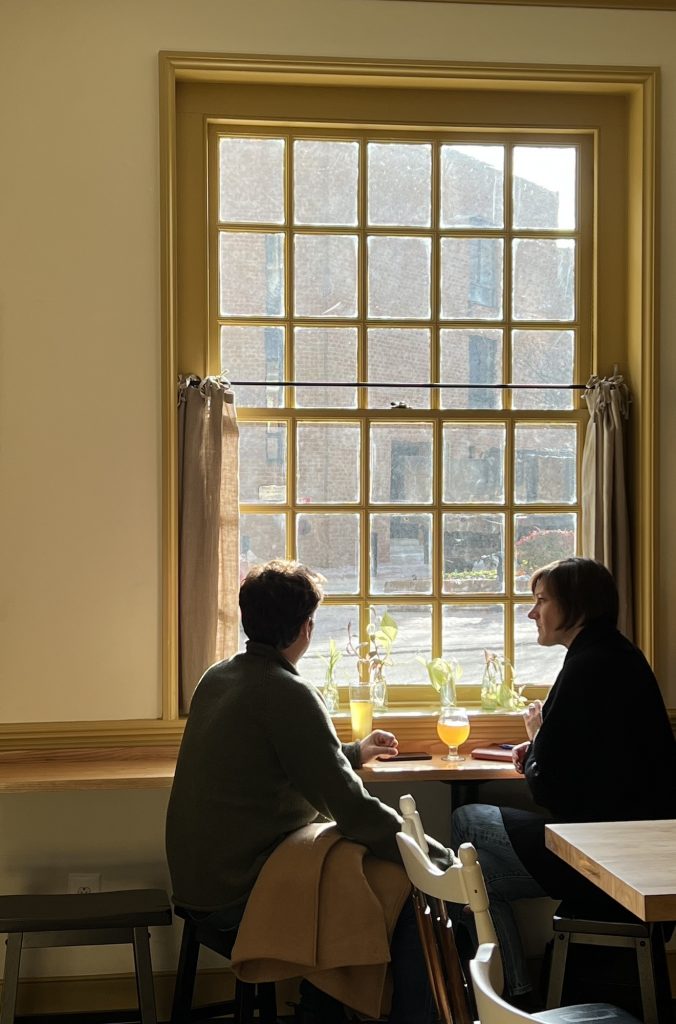
These streets are where the Revolution fomented, in meetinghouses like A Man Full of Trouble, the only remaining pre–Revolutionary War tavern in the city. “At the time, everybody was under the thumb of a king,” the 25-seat tavern’s owner, Dan Wheeler, tells me over a twangy, wild-fermented ale. “We did this incredible thing, and it lit the match for democracy everywhere. The audacity, right?”
The semiretired attorney is referring to the colonists, but the word also applies to him. When he saw A Man Full of Trouble, closed to the public since 1996, go up for sale, he thought, You can’t buy that. He figured it was owned by the National Park Service. It was actually owned by the University of Pennsylvania, which was using the circa-1759 building as off-site student housing. “I bought it right away,” he says. The downstairs bar is run by Succession Fermentory (a brewery in Chester County) and furnished with colonial chairs, mustard wainscoting, and a tiled hearth. Upstairs is Wheeler’s baby, the best secret museum on American history in Philadelphia. He points out a cannon from the Siege of Yorktown and the first British-printed edition of Thomas Paine’s Common Sense. The gaps in the pamphlet’s type are redacted criticisms of King George III. In their spaces, the original owner of the pamphlet defiantly filled the charges back in by hand.
Wheeler self-deprecatingly refers to his collection as “the finest museum you can buy on eBay,” but one item, acquired by auction at Sotheby’s, has his downright reverence: a stack of yellowed papers with time-eaten edges but surprisingly clear ink. “This is the oldest copy of the Constitution you’ve ever seen in your life, printed three days after it was passed,” Wheeler says. “Only a handful of these [exist].”
In 1776, Philly changed the world. The audacity. Wheeler’s words echoed in my head at Vernick Coffee. I ate my scone and drank my latte, and another quote scrolled overhead: “A Solid Home Base Builds a Sense of Self.” That might not play elsewhere, in cities where home represents an anchor. For Philly’s modern revolutionaries, it’s a springboard.
More like this
Four Seasons Yachts
Sea Change
A new era of nautical elegance arrives with the debut of Four Seasons I, the eagerly anticipated yacht whose every suite is oriented toward the endless blue.
hiking outdoors
Sydney, Naturally: 5 Ways to Enjoy the Outdoors in Australia’s Largest City
Here are the top must-visit destinations when exploring in and around Sydney.
Trending
-
Eight Tasting Flights Worth Traveling For
From craft beer to artisanal chocolate, these expertly guided tastings explore the art of flavour.
-
9 Family Vacations Recommended by Moms
Discover tips for family travel in destinations around the world from mothers who know travel, from Orlando to Hong Kong.
-
Rare Trade: Meet 4 People Searching the World for the Exceptional
Discover the rarest of the rare, from elusive ingredients to adventures with icebergs.