The Family Trips You’ll Be Talking About for Years

When you’re travelling with your brood, you’ll need to know about top-notch activities those of all ages can enjoy. These five Four Seasons properties go above and beyond to make young guests and their parents feel like VIPs, whether exploring under-the-radar theme parks in Orlando, Florida, or taking a secret tour of the Crown Jewels in London.
Watch fireworks in Orlando, Florida

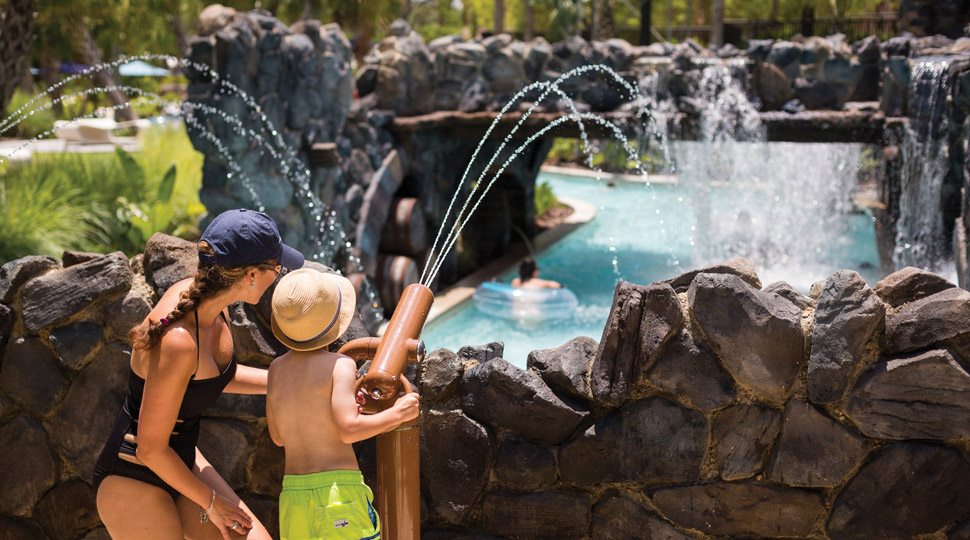
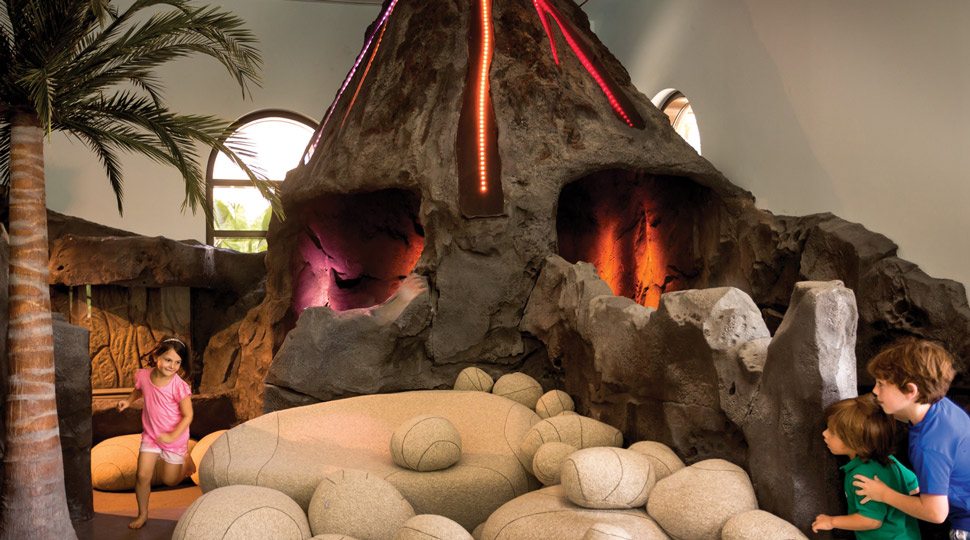
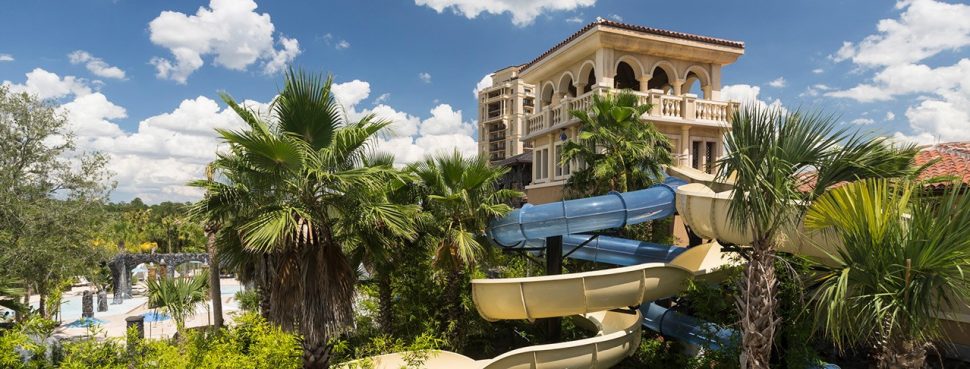
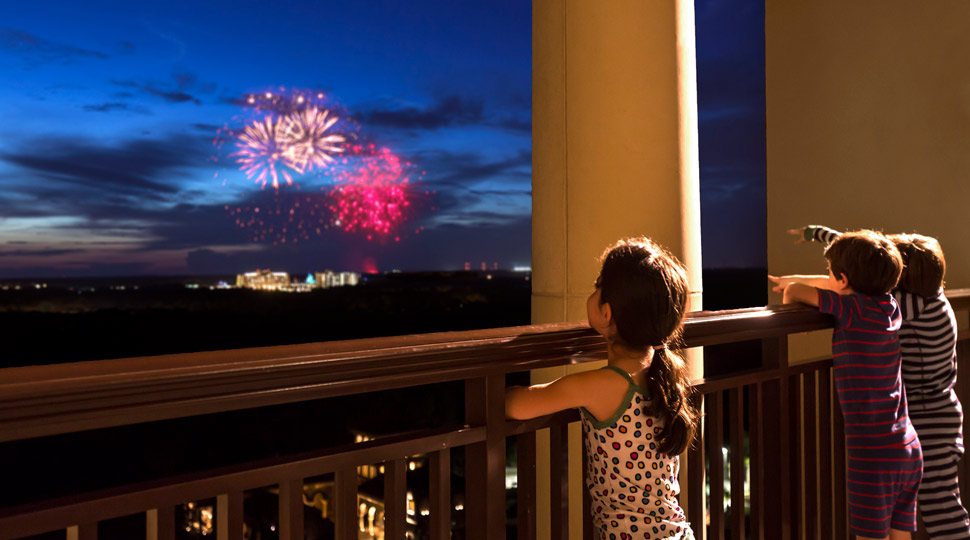
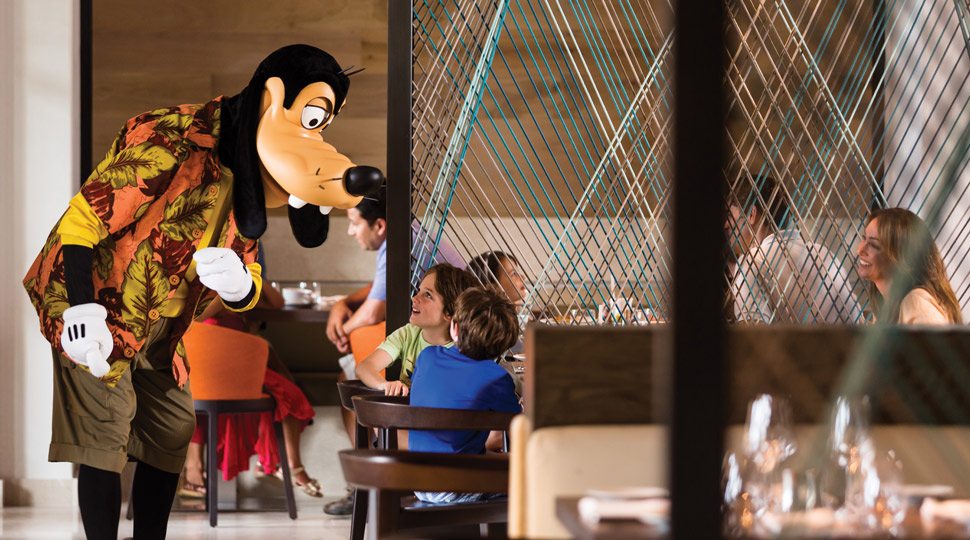
It’s no surprise that Four Seasons Resort Orlando at Walt Disney World® Resort, located in one of the earth’s top destinations for families, is chock-a-block with child-friendly activities. Guests will find a 5-acre waterpark with a lazy river (complete with two curving water slides); sand volleyball and a rock-climbing wall; and Disney character breakfasts, to name a few. Parents can opt to send their little ones to the supervised Kids For All Seasons program so as to spend a few hours at the adults-only pool, and then pick them up for the nightly fireworks – best seen from the rooftop of Capa restaurant (or Park View guest rooms).

And there’s plenty more to see in town. “I-Drive 360, where the new Orlando Eye is located, has great family activities, including Madame Tussauds wax museum and the Sea Life Aquarium,” says concierge team member Alex Lum. “Just a few minutes away from our Resort, guests can experience the magic of the 50th anniversary of Walt Disney World. The Disney theme parks each feature special new activations and entertainment for the celebration. Plus, the complimentary shuttle from our Resort makes it an easy trip.”

Four Seasons Resort Orlando at Walt Disney World® Resort
Go behind the scenes in London

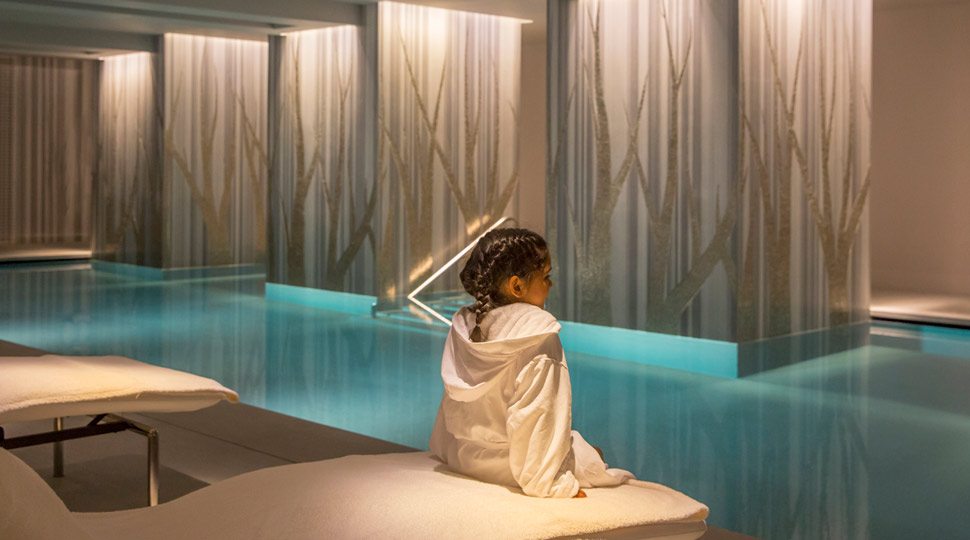
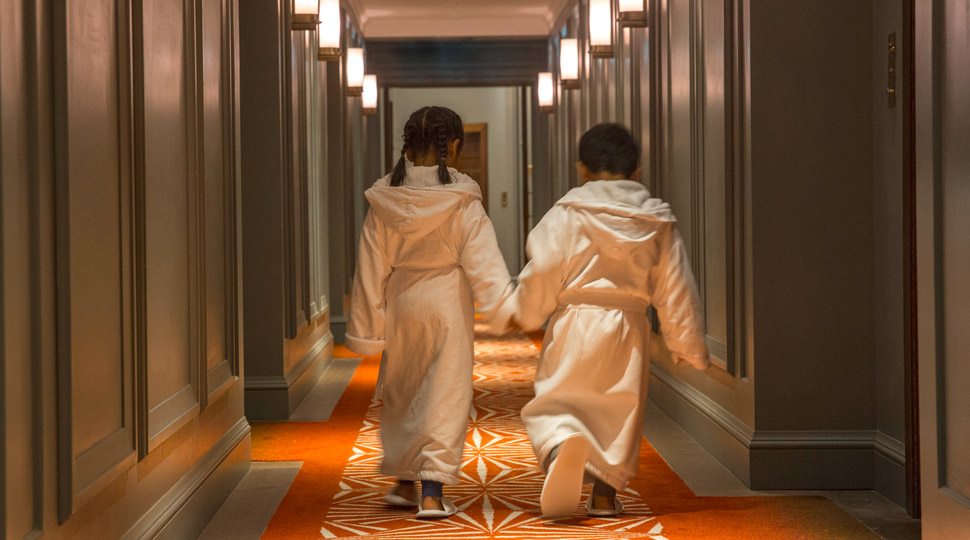
Home of both Mary Poppins and Harry Potter, London is a children’s favourite by association. Parents choose Four Seasons Hotel London at Tower Bridge for its over-the-top children’s amenities – such as miniature dressing gowns, slippers and teddy bears in the rooms – not to mention a perk that’s all too rare in England: a 14-metre pool open to all ages, with adult supervision.

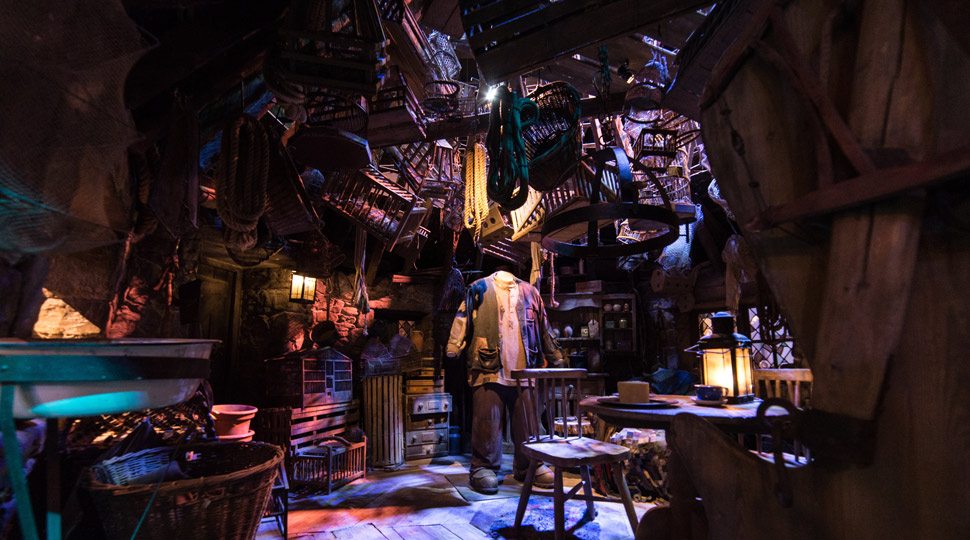
Once you’ve been to “The Making of Harry Potter” to see the sets created for the wildly popular films, Assistant Head Concierge William Sloan recommends that you ask him to arrange a secret tour of a more historic British attraction: The Tower of London. For centuries, only the British monarchy and their close affiliates have had access to the Crown Jewels there: 23,578 gemstones on site, unless they’re in use. “You’ll see places that haven’t been available to the public before,” Sloan says, “and we can even arrange for a Yeoman Warder to meet guests and show traitors to the gate.”

Another fun option, especially for young scallywags: the National Maritime Museum. “Just a two-minute walk from the Hotel to Tower Pier, guests can hop on one of the Thames River Boats and head to explore life on the sea,” Sloan says. Don’t miss the Cutty Sark, where you can “steer” the 1869 ship’s wheel and even climb into a bunk that will make you especially glad you’re staying at Four Seasons.

Four Seasons Hotel London at Tower Bridge

Learn guitar in Austin, Texas

At Four Seasons Hotel Austin, guests of any age can play giant Jenga on the leafy grounds, kayak and stand-up paddleboard at the adjacent Lady Bird Lake, and – every Friday and Saturday night – make s’mores in the glow of lanterns hung from oak trees at the Hotel’s two firepits. But the highlight for music lovers is the Taylor Guitars Concierge program: You can borrow either a Baby Taylor or a 214 DLX guitar for four-hour jam sessions, or book a lesson with a pro.

“If they’re brand new to guitar, most guests who take a lesson begin with a few basic chords,” says Concierge Cabe Thornton, a staffer at Four Seasons Hotel Austin since 2012. “After some practice, they’ll move on to easy pop tunes that most people know, like ‘Sweet Home Alabama’ or ‘Bad Moon Rising.’ You can leave having memorized at least a few chords – enough to impress friends back home.” Stay tuned for another amenity at this property: an Airstream playhouse, coming later in 2018.

Four Seasons Hotel Austin

Take a bike safari in Mauritius

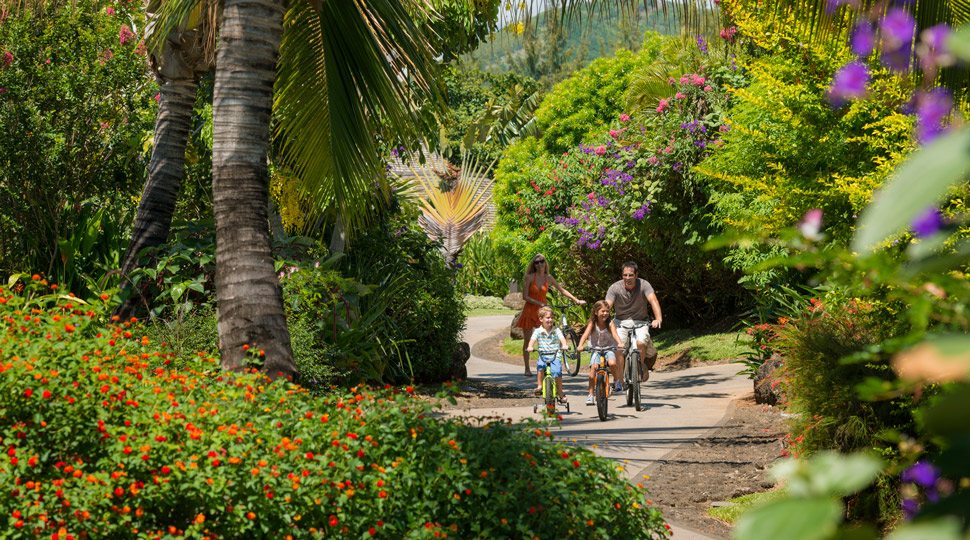
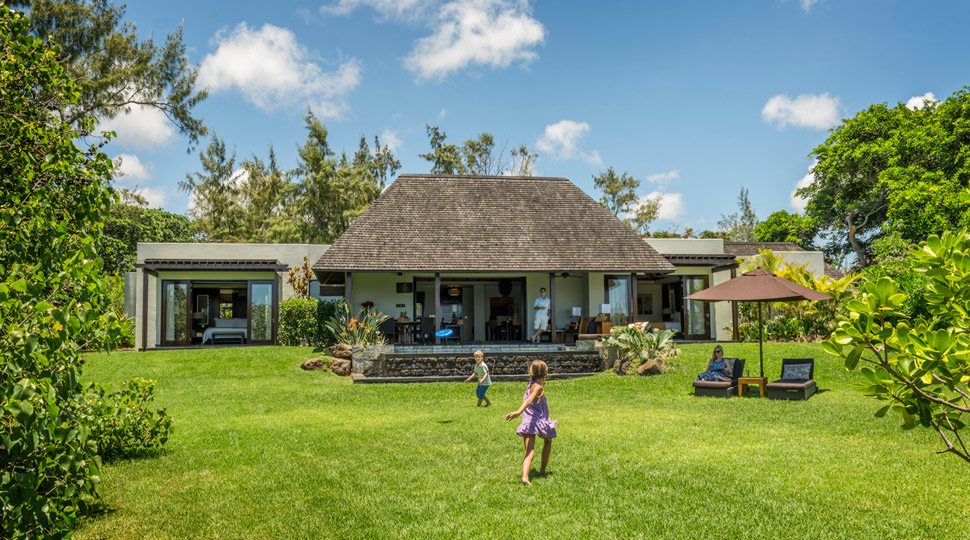
If at first Mauritius, an island off the coast of Madagascar, seems a bit far to take the kids, consider the perks at the 64-acre Four Seasons Resort Mauritius at Anahita. Beyond the tropical climate, the resort boasts features families won’t believe. In the thatched-roof Hobbit Village, children can bake pizza in a miniature kitchen; the whole family can take a quad bike safari through nearby Casela Nature Parks, where you’ll spot zebras, wild boar and ostriches; and teens can learn to spin records with resident DJ Ashley Gai in Karokan, the young adult centre.

But one of the most beloved activities has to be catching (and releasing) fiddler crabs, ghost crabs and mud crabs at sunset on the Resort’s beach. “Growing up in Mauritius, crab hunting is something you’d often see families doing over the weekend,” says Kids Club staffer Sophie Beaublanc. “The kids love searching for them in the evening; it’s a great activity for parents to join in with.”

Four Seasons Private Residences Mauritius at Anahita

Zip-line in Whistler, British Columbia

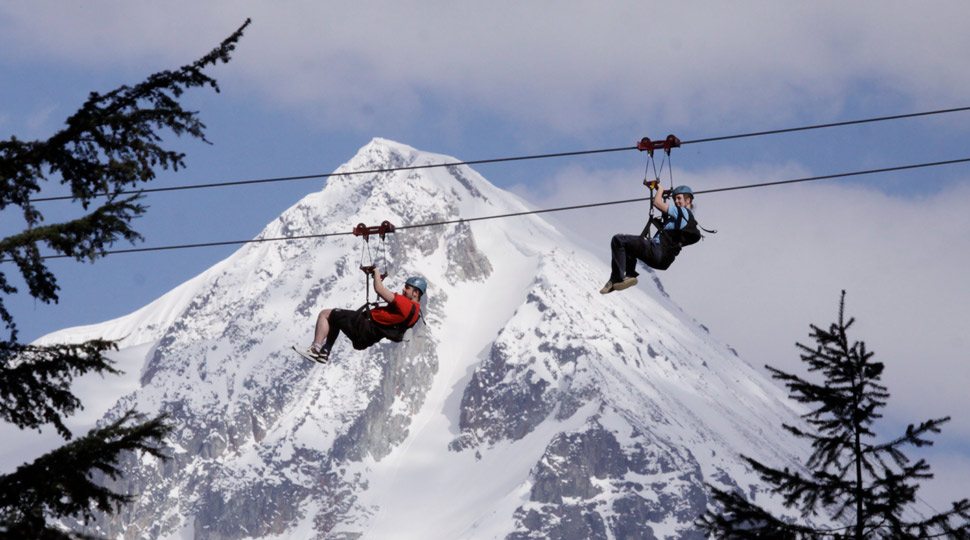
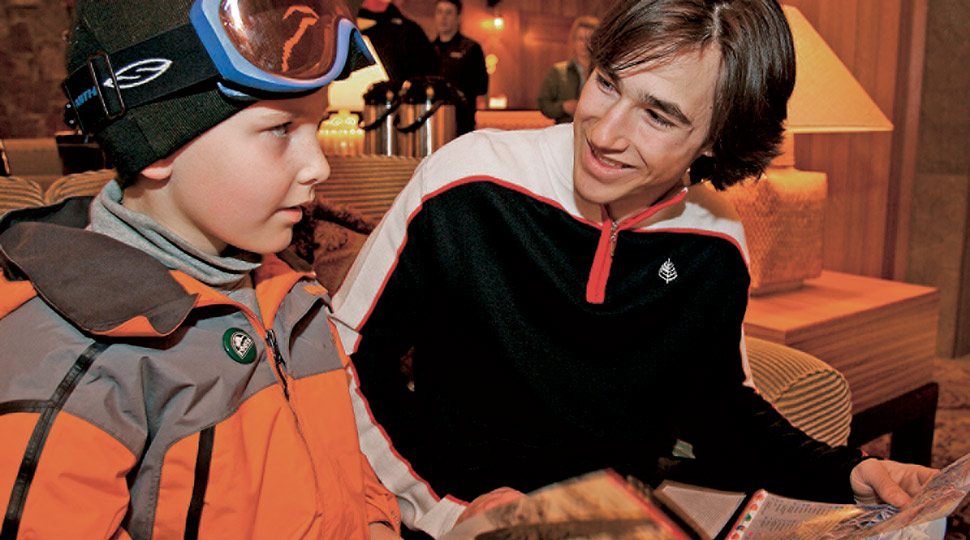
With Alaskan malamute Maola on staff for welcome cuddles, and Ski Concierges waiting with hot cocoa and house-made chocolate chip cookies, what else could wee guests of Four Seasons Resort and Residences Whistler ask for? A lot, apparently – and their wishes would be granted. Families adore the on-site mini golf (not to mention lessons at Nicklaus North and Whistler golf club), the giant Connect Four set and nearby zip-lining courses. “The more kid-friendly option is offered by The Adventure Group and features a seat-like harness on a mountain-to-mountain ride,” says Kate Colley, a representative of the Resort. “Guests can even ride them side by side, two at a time.” Double the fun.

Four Seasons Resort and Residences Whistler

YOUR JOURNEY BEGINS HERE

Where will you and yours go next?

Palm trees and building

Our People Share Their Passions

The allure of craftsmanship is timeless – but why? Mass production may have benefits such as consistency and reduced expenses, but there’s immeasurable value in a handmade product, a bespoke service, or the kind of knowledge that can come only from years of hands-on experience. That value holds true across time and across borders. UNESCO’s Living Human Treasures program, for example, honours exemplary bearers of living heritage, from oral traditions to social practices to traditional craftsmanship – heritage that “provides communities, groups and individuals with a sense of identity and continuity.”

That’s what makes a craft special: There’s a person behind it who cares deeply about what they’re creating and about sharing its significance with others. Artisanship is a window into another person’s joy, and often leads to interactions that add richness to our lives. The chefs, artists, mixologists, scientists and cultural experts of Four Seasons Hotels and Resorts know this, and warmly welcome guests to savour the sights, sounds, tastes and textures that they’ve spent years mastering. Their passions offer insights into their communities, enhancing guests’ travel experiences and creating impressions that will long outlast any standard souvenir.


Mica Rousseau

Mica Rousseau

Fifty Mils Head Mixologist

Four Seasons Hotel Mexico City

How and when were you first inspired by mixology?
It was destiny. I used to play with syrups at my grandma’s house in France, mixing flavours into water.

What has been one of your more memorable creations?
When the parents of a frequent client visited from Venezuela, I created a cocktail inspired by the mother: ancho chile liqueur for her strength, rum for her sweetness, and cinnamon and saffron syrup for grandmotherly warmth. After I delivered it to her she cried, hugged me and said it was the most valuable gift and she could taste that it came from the heart.

Four Seasons Hotel Mexico City


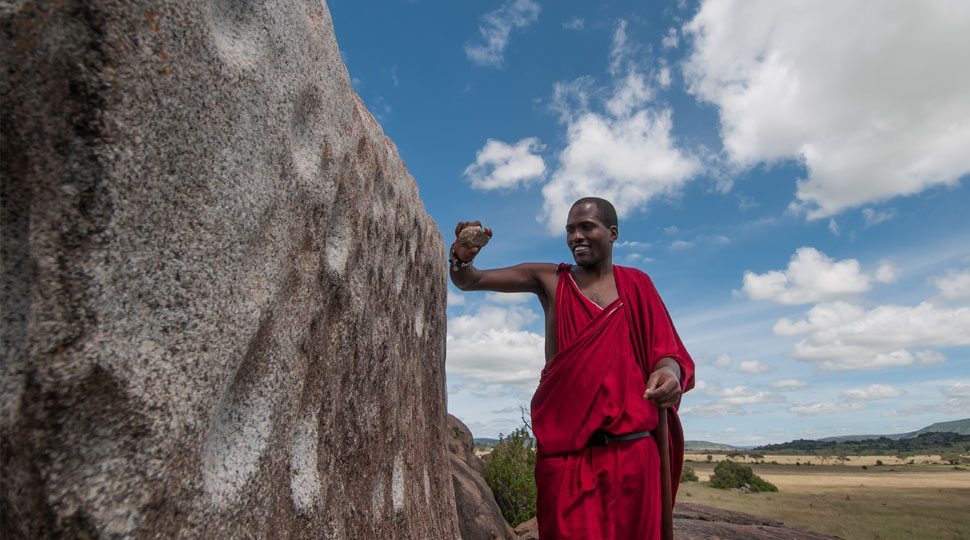
Kinama Marite

Kinama Marite

Discovery Centre Guide

Four Seasons Safari Lodge Serengeti

What do you love to share with visitors about local traditions and nature?
Being a Masai and growing up in a traditional village, or boma, I have always lived in harmony within the rich ecosystem here. My culture teaches the beauty of nature: that the trees, mountains, rivers, lakes and wildlife rejuvenate the body and improve one’s mood and creativity.

What other cultural education projects have you worked on?
I’ve assisted researchers with archaeological digs at Olduvai Gorge, and recently contributed to an episode on the Masai for BBC’s History of Africa.

Four Seasons Safari Lodge Serengeti, Tanzania


Anne Sophie

Anne-Sophie Pic

Chef at La Dame de Pic London

Four Seasons Hotel London at Tower Bridge

Is there anything about your approach to food that surprises guests?
The intensity of some of the flavours I use can be surprising. I often focus on a specific ingredient, like coffee, for the bitterness it brings to a dish, and guests may not expect that.

How do guests influence your cooking?
A famous French philosopher told me there was a dish in my restaurant he didn’t understand—he thought it was missing something. Although I was upset to hear it, I agreed with him. I spent hours reworking the dish, and now it’s a guest favourite.

Four Seasons Hotel London at Tower Bridge

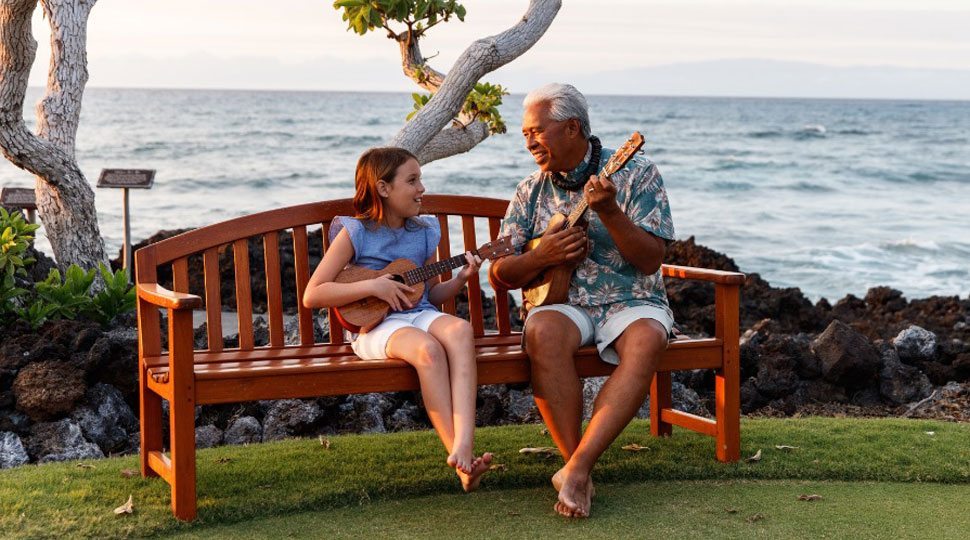
Playing an Ukulele

“Uncle” Earl Kamakaonaona Regidor

Ka‘upulehu Cultural Centre Manager

Four Seasons Resort Hualalai

When were you first inspired to share your knowledge?
When I was in the military, I met a lot of people from different places who wanted to learn about Hawaii in depth. It started there, and I wanted to continue sharing the culture.

What do you personally love about Hawaiian culture?
The aloha says it all: a is for akahai, kindness expressed with tenderness; l is for lokahi, unity expressed by harmony; o, ‘olu‘olu, agreeableness expressed by pleasantness; h, ha‘aha‘a, humility expressed through modesty; and a, ahonui, patience expressed by perseverance. That’s aloha.

Four Seasons Resort Hualalai


Woodmaker

Ketut Puja

Master Woodcarver

Four Seasons Resort Bali at Jimbaran Bay

What do you love about the art of carving?
Carving is part of Bali’s culture. Most of our inspiration comes from our folk stories, and no two pieces are the same because they come from the imagination of the artist. The beauty lies in the intricate details of each piece.

What is the most important idea you want guests to take away from their lesson in woodcarving?
Be courageous. Woodcarving is not rocket science, yet most people are afraid to try. There is no wrong or right, and a mistake can always be fixed. Just like other things in life, we simply have to take a risk.

Four Seasons Resort Bali at Jimbaran Bay


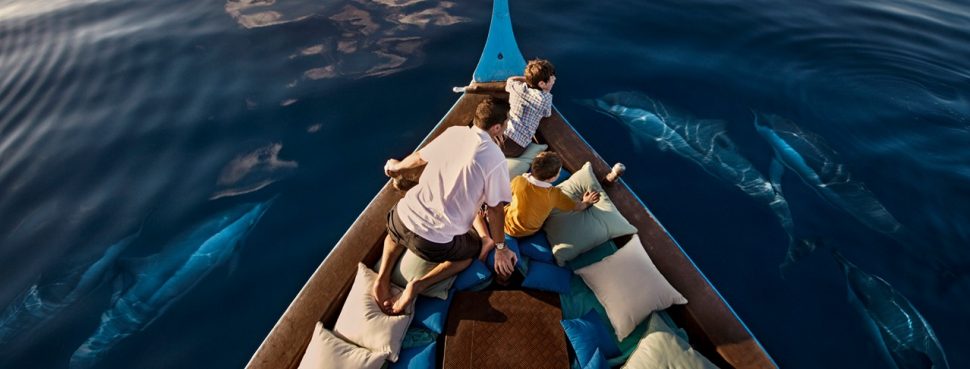
Setting a Turtle Free

Sophie Doell

Marine Biologist

Four Seasons Resort Maldives at Kuda Huraa

What drives you to share your passion with guests?
By teaching visitors more about the ocean and the diversity of its marine life – from its microscopic plankton to its largest residents, such as the whale shark – I want to create a lasting bond between our guests and our marine environment.

What is the key thing you want guests to experience?
I’d like them to see the natural beauty of the underwater world, and I’d like to wake people’s interest in and their awareness of the importance of the ocean, its coral reefs and its inhabitants – and inspire them to help us preserve it.

YOUR JOURNEY BEGINS HERE

Start planning your next adventure.

Four Seasons Resort Maldives at Kuda Huraa

10 Buildings That Define the City of London

Why are 10 million visitors from around the world drawn each year to the City of London? The compact area around Four Seasons Hotel London at Tower Bridge offers unmatched access to the past, present and future of England.

Over two millennia, innumerable important buildings were erected that tell the evolving, three-dimensional story of London.

The City of London is London in miniature, but also on its grandest scale. Within the streets and alleyways of the Square Mile, as it’s often called, lie many of London’s most intriguing and historic buildings.

The City today encompasses much the same area and shape as the city the Romans founded after their conquest of Britain in AD 43. The River Thames – wider and shallower then – was narrow enough here to bridge, but deep enough to allow ships to come and go from the coast, making it the perfect spot for a trading post. Londinium, as the Roman city was named, rose along the river’s northern banks; it was a commercial and connected city from day one.

Over two millennia, innumerable important buildings were erected: public spaces, places of worship, grand private houses, banks, offices. Here are 10 of the best, whose stones – and glass and steel – tell the evolving, three-dimensional story of London.

Roman Amphitheatre | AD 70

Where it began


Old outline of a Roman ampitheater

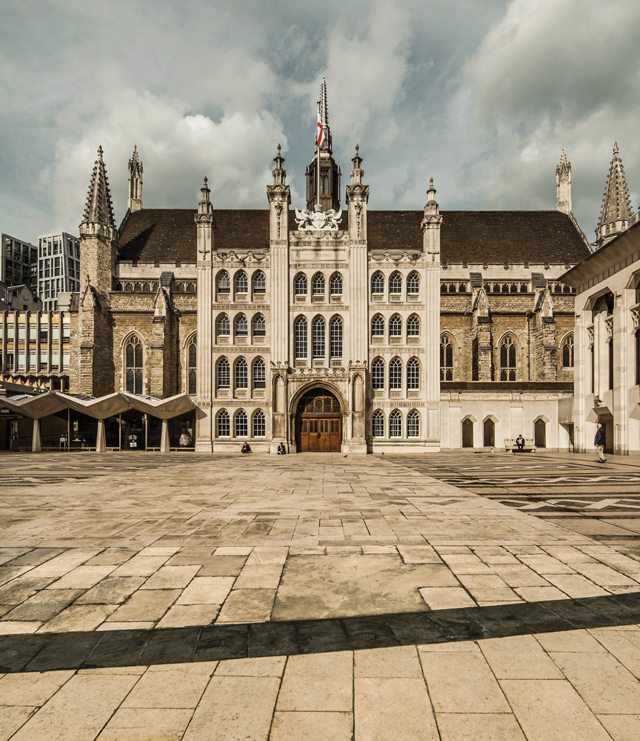
Guildhall Yard was built on the site of the Roman city’s amphitheatre. Today, a subterranean display gives an evocative impression of the amphitheatre’s scale, and its outlines are traced above ground in the paving of Guildhall Yard. 

The City of London stands directly above the site of Londinium, and many Roman structures have been unearthed – some more recently than others. The site of the city’s amphitheatre was unknown until 1988, when excavations for the new Guildhall Art Gallery uncovered two sections of curved stone wall, 6 metres below Guildhall Yard. Investigation revealed that the amphitheatre was originally built in AD 70, and that it was extended in the second century to seat around 6,000 spectators, who would have watched gladiatorial contests and other public events there.

Tower of London | 1100

Power and might


Tower of London

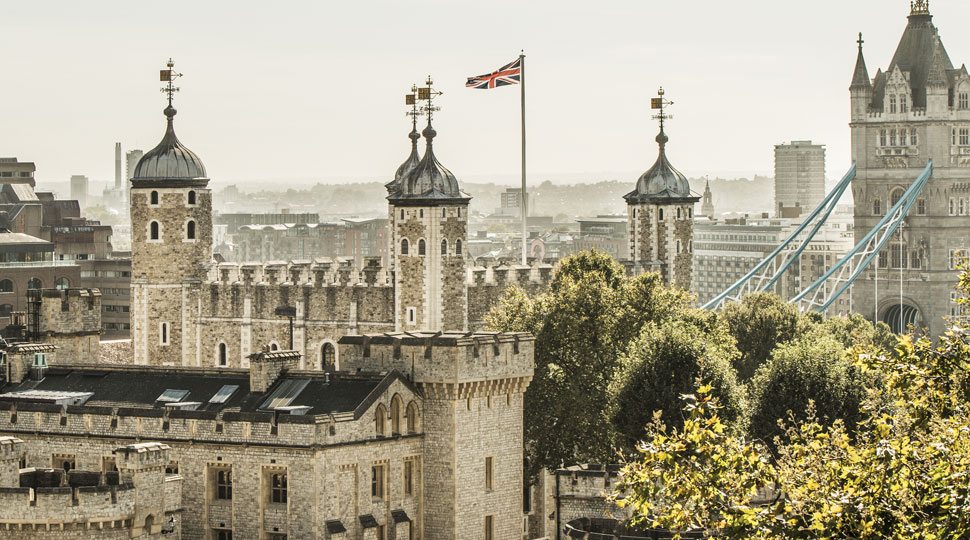
Begun in 1066 and completed in 1100, the Tower of London served as an assertion of Norman might and protection over the city.

After the Romans retreated in the early 400s, the City seems to have been largely abandoned. Though King Alfred initiated repair of the Roman walls in 886, it wasn’t until Britain was conquered by the Normans in 1066 that the City regained its importance, signified by the construction of the central castle keep of the tower of London.

A royal residence and military stronghold, the keep is still the heart of the Tower of London. And though much of it was restored in the 1800s, the chapel of St John on the first floor remains the finest example in the country of Anglo-Norman architecture at its purest and most powerful.

St Bartholomew the Great | 1123

Divine inspiration


St Bartholomew the Great

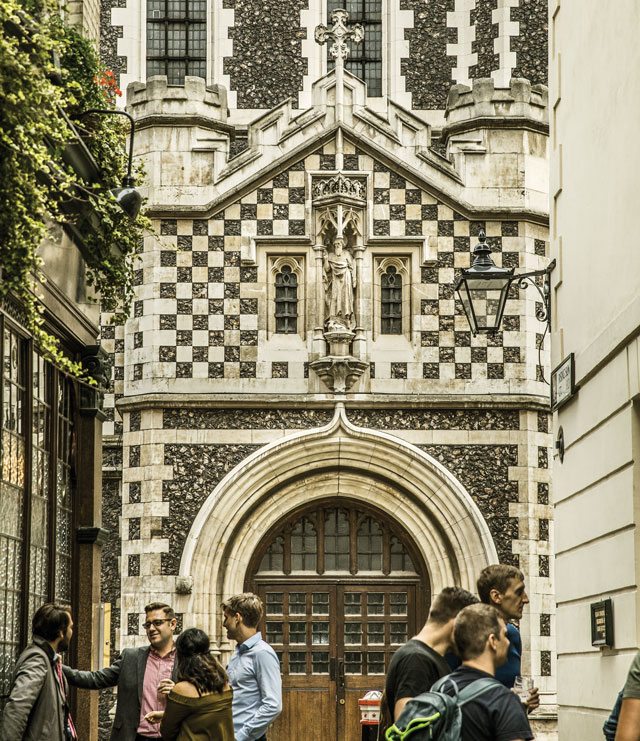
St Bartholomew the Great is all that is left of the much larger 12th-century church.

The City today may be synonymous with banks, but in the Middle Ages it was dominated by religious institutions, such as the Augustinian priory and hospital of St Bartholomew. The hospital, known simply as Barts, was founded in 1123 by one of King Henry I’s courtiers and still exists on its original site.

Across the road, St Bartholomew the Great is all that remains of a once much larger church. Its interior – which you may recognize from the film Four Weddings and a Funeral – is wonderfully atmospheric, with its original Norman arches and internal oriel window. The five pre-Reformation bells in the tower are still rung for some Sunday services – London’s oldest man-made sounds.

The Monument | 1677

Tragedy and renewal


The Monument in London

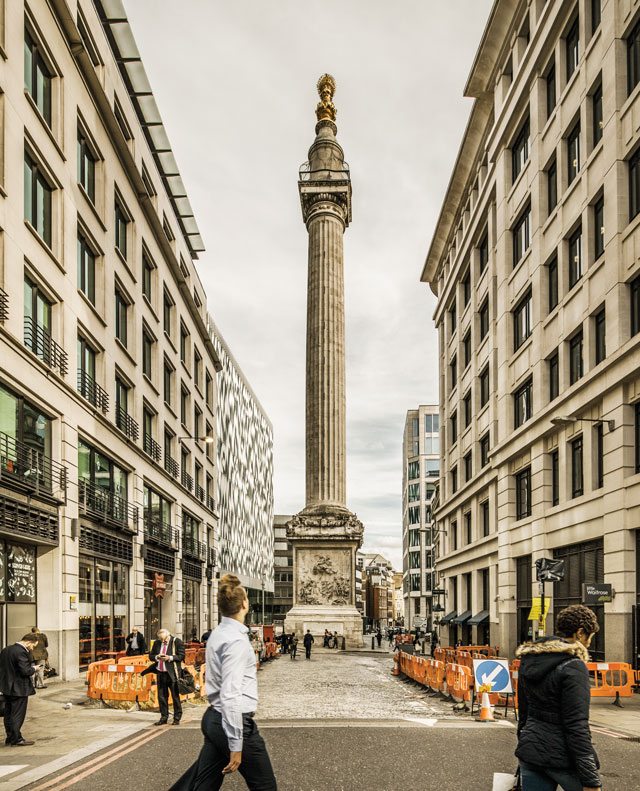
At the summit of the Monument, which commemorates the Great Fire of London, sits a gilded sculpture of a flaming urn.

The Great Fire of London in 1666 was the largest single catastrophe in the City’s history, but out of the ruins rose many of its finest buildings. Chief among these are the churches rebuilt under the direction of Sir Christopher Wren, who designed St Paul’s Cathedral and the Monument, the 62-metre fluted Doric column that commemorates the Great Fire. Metres from where the conflagration began, it is built of creamy white Portland stone and contains an open spiral staircase with 311 steps that lead to a viewing platform.

Drapers’ Hall | 1772

Economy and social structure


Exterior of Drapers’ Hall in London

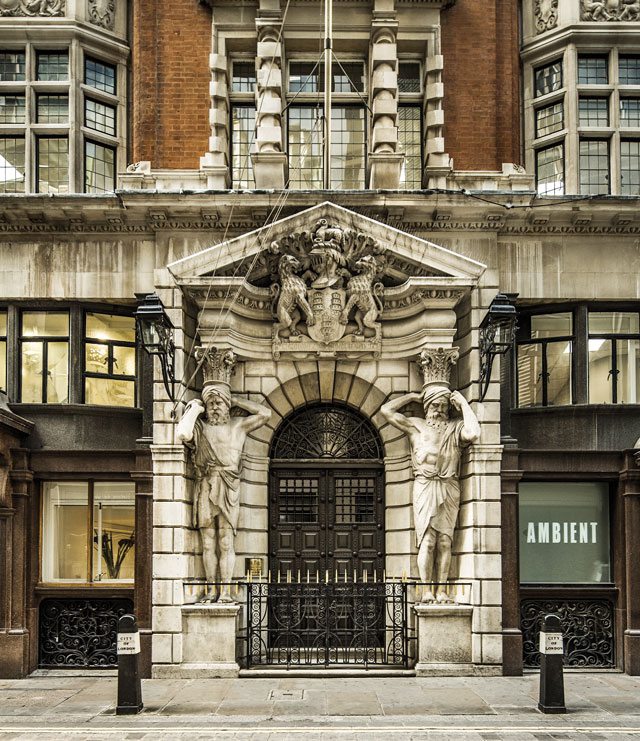
Drapers’ Hall is unusual in standing on its own private, gated road, Throgmorton Avenue, built in the 1870s and complete with a quiet garden.

London’s medieval professions were organized into guilds. Though their original trade-union purposes generally have been superseded, a surprising number of guilds have survived, and their guildhalls are among the City’s most rewarding secrets. The Drapers’ Company bought the site of its present hall from Henry VIII in 1543 but rebuilt in 1667 after the Great Fire – though that work has been hidden behind later Georgian- and Victorian-era alterations.

Leadenhall Market | 1881

Public life and commerce


Leadenhall Market in London

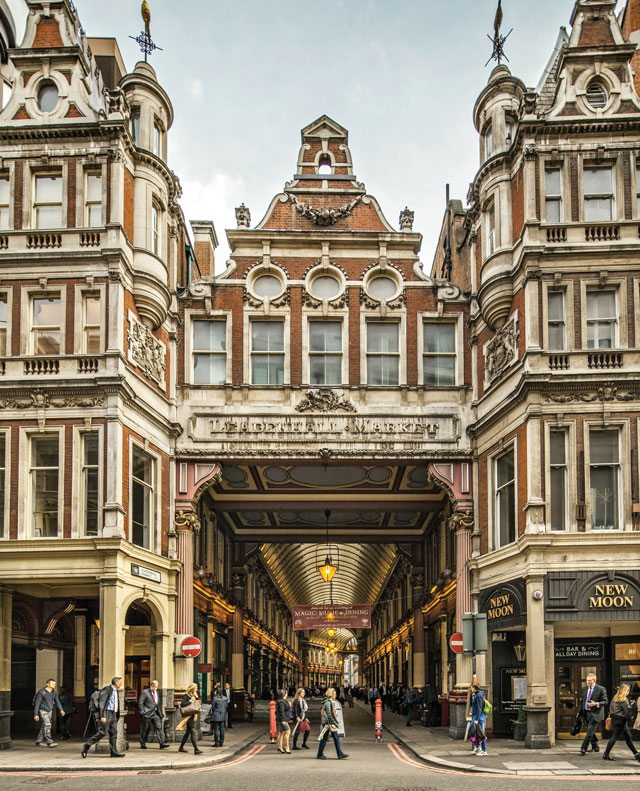
An attractive example of Victorian architecture, Leadenhall Market was designed by Sir Horace Jones, whose most recognized work is Tower Bridge.

Tucked behind the futuristic Lloyd’s building, Leadenhall Market is one of London’s most attractive remaining bits of Victoriana. The buildings date from 1881, but there has been a general market on this site since 1445. Leadenhall Market occupies a historic site on the summit of one of the two low hills of Londinium; beneath it lie remains of the Roman forum, including the lower courses of an arch that can be seen in the basement of Nicholson & Griffin’s barbershop on the corner of Gracechurch Street.

Ten Trinity Square | 1922

Connection to the world


Exterior of Four Seasons Hotel London at Ten Trinity Square

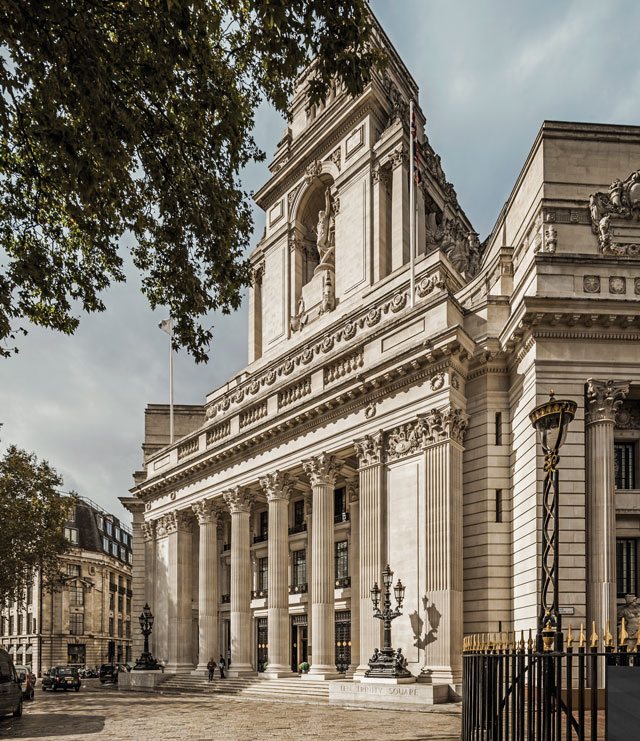
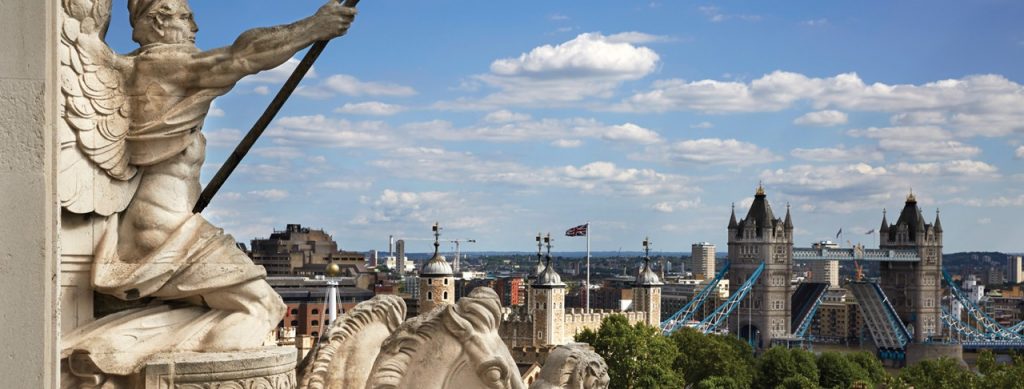
Completed in 1922, the Beaux Arts building that today houses Four Seasons Hotel London at Tower Bridge has been meticulously restored to preserve many design details.

The Port of London Authority was formed in 1909 to run all the docks of London, then the largest seaport in the world, and to be responsible for the River Thames from Teddington to the ocean. Its splendid headquarters – today home to the new Four Seasons Hotel London at Tower Bridge – was designed by Sir Edwin Cooper and built between 1912 and 1922.

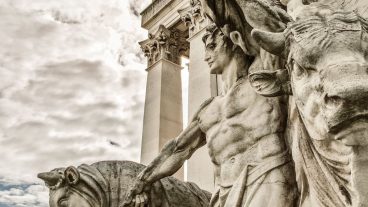
A Grade II* landmark on the Statutory List of Buildings of Special Architectural or Historic Interest, the building’s great tower features a statue of Old Father Thames, who points downriver to the source of London’s trade. The reception of the first general assembly of the United Nations, held in 1946, was hosted here in what is now known as the UN Ballroom, and was attended by (among others) King Faisal of Saudi Arabia and U.S. first lady Eleanor Roosevelt.

Four Seasons Hotel London at Tower Bridge

The Barbican | 1969

Rubble and reinvention


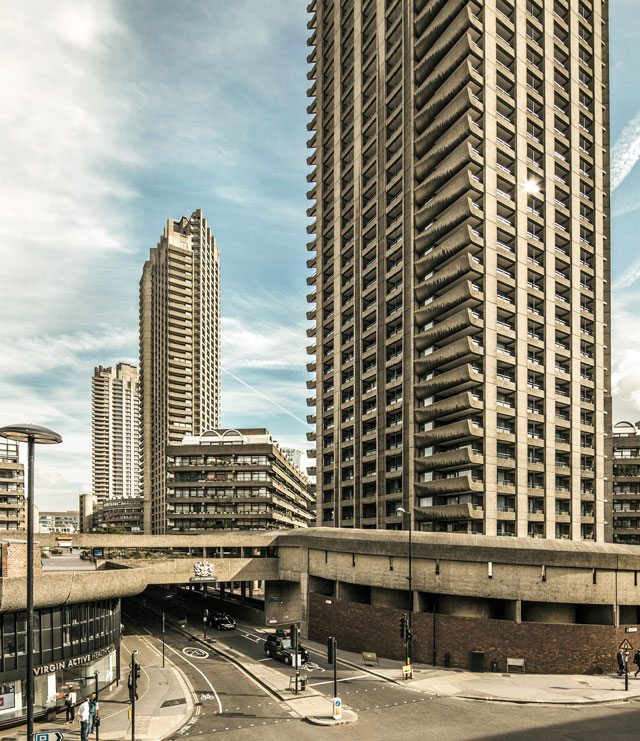
The Barbican in London

The Barbican’s Brutalist concrete style divided critics even before the complex’s completion in 1969.

December 29, 1940, was one of the worst nights of the London Blitz. In 1958, the City Corporation bought 35 acres that had been destroyed that night, and commissioned Chamberlin, Powell and Bon to design a massive complex: more than 2,000 apartments in residential blocks and three 40-storey brutalist-style towers. Though many considered it overbearing, it has acquired fans, as well as a noteworthy performing arts centre – the largest of its kind in Europe – and is now one of London’s most desirable addresses.

The Lloyd’s Building | 1986

Business and innovation


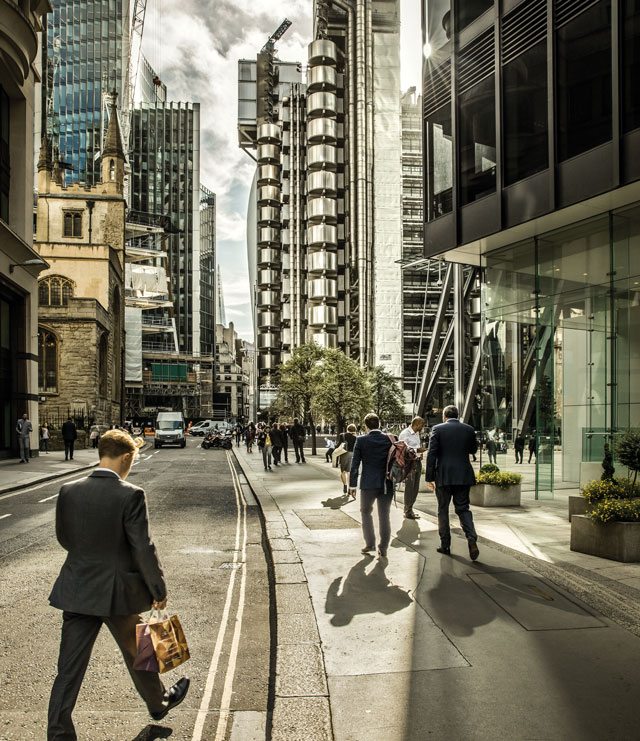
The Lloyd’s Building in London

The Lloyd’s Building features an “inside-out” design, with building services like plumbing and wiring housed on the exterior.

Starting small at Edward Lloyd’s coffee house in the 1680s, London’s maritime insurance market gradually evolved into the giant Lloyd’s of London. In 1986 it moved into its fourth and largest building, designed by architect Richard Rogers using a modular system for future flexibility. This inside-out approach, with a concrete frame clad in glass and stainless steel, was revolutionary. In 2011, it became the youngest building ever to be given Grade I status, putting it on a list of protected monuments that includes St Paul’s Cathedral.

Bloomberg London | 2020

Past and future in harmony


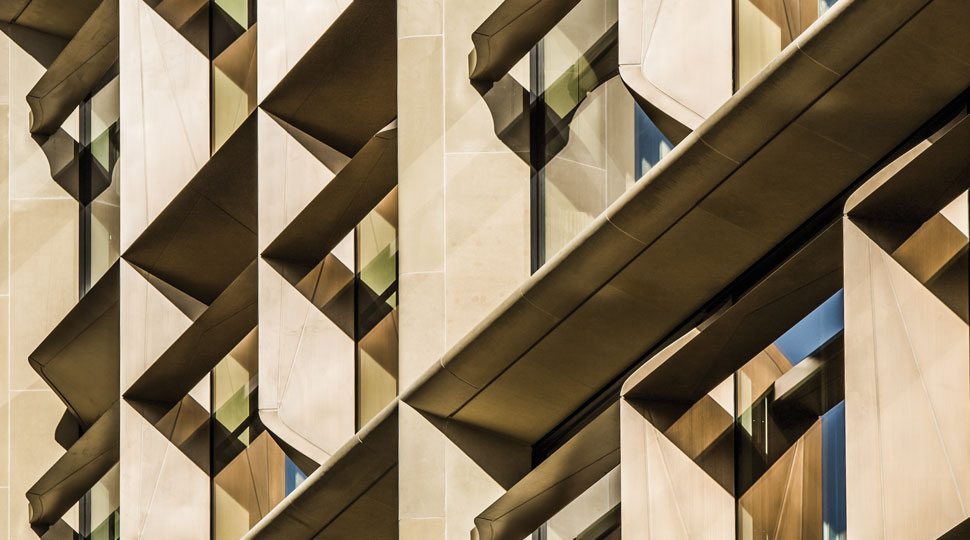
Bloomberg London Architectural Detail

Bloomberg London’s exterior is defined by English sandstone and polished bronze fins, which shade the windows and channel fresh air inside.

Michael Bloomberg’s European headquarters, begun in 2010 and set to open by 2020, will have 4,600 desk spaces and cover 3.2 acres. Designed by Sir Norman Foster + Partners, two 10-storey blocks are separated by an internal street that follows the line of a Roman road. The massive structure is supported by thousands of piles and clad in English sandstone and innovative polished bronze fins.

Underneath lie the remains of a Roman temple, circa AD 240, to be reconstructed in the basement on its original site, putting one of London’s oldest buildings inside one of its newest – and bringing our story almost back to where it began.

YOUR JOURNEY BEGINS HERE

Start planning your historic stroll through the Square Mile.

Statue on building