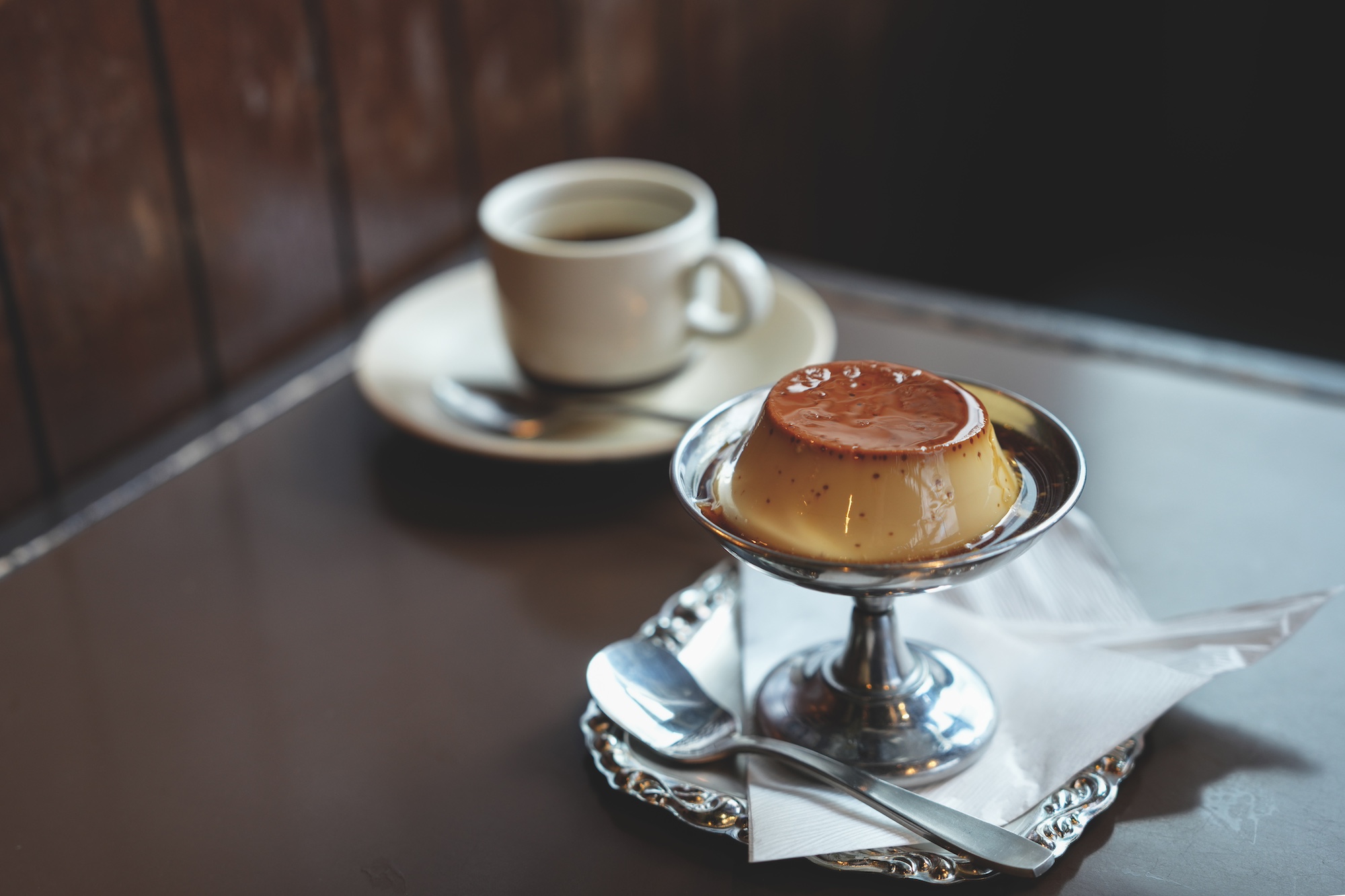
Matcha is having its moment, with the appetite for the beverage having grown exponentially outside Japan in recent years. Travellers looking for matcha and a meaningful, meditative cultural practice are able to immerse themselves through the art of chado (Japanese tea ceremony), deepening their appreciation through an experience that engages the senses on both a physical and a spiritual level. However, for visitors to Japan who don’t find the flavour of matcha to be quite their cup of tea, Japanese coffee culture might suit the palate. Inspired by 19th-century Western literary salons, retro-style cafés or kissatens invite quiet contemplation through attentive service and nostalgia-inducing Shōwa-era aesthetics often soundtracked by either classical music (meikyoku kissa) or jazz (jazz kissa). Almost always independently owned and operated, kissatens are the result of thoughtful and careful curation.
Here are five kissatens, each with its own distinctive vibe, to check out the next time you’re in Japan.
Elevated Elegance
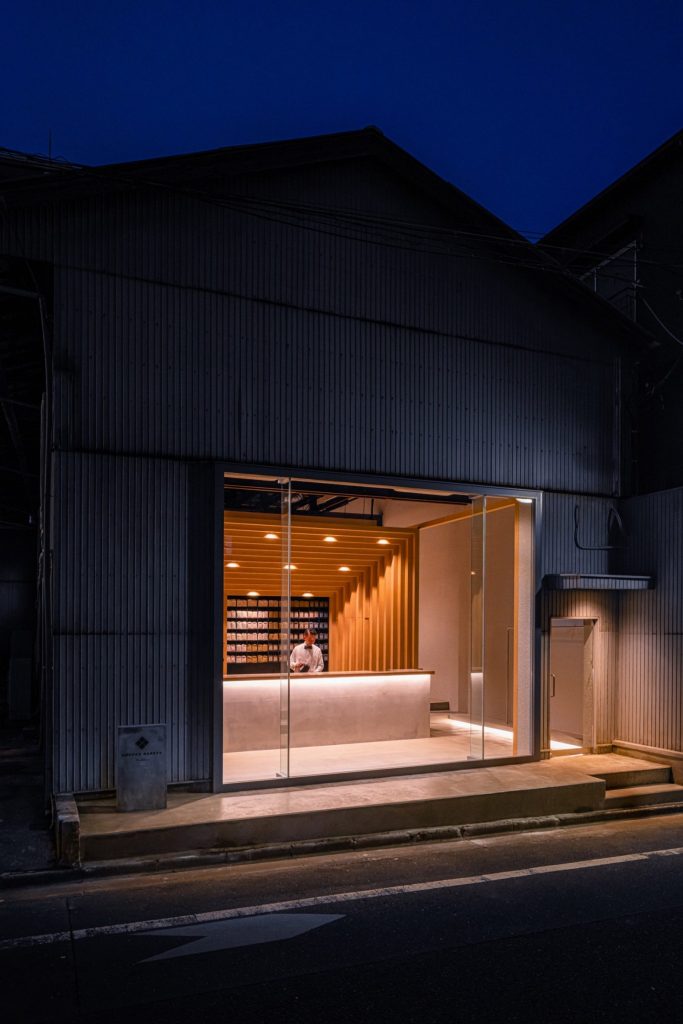
Koffee Mameya Kakeru (Tokyo): Reservations are required for this truly unique coffee establishment, more akin to an omakase tasting menu. Located a 10- to 15-minute drive from Four Seasons Hotel Tokyo at Marunouchi and Four Seasons Hotel Tokyo at Otemachi, it’s housed in a former warehouse and has recently hosted events with coffee growers from Brazil, Panama, and Santa Barbara, California.
Vintage Appeal
Monozuki (Tokyo): Time travel feels possible at Monozuki (founded in 1975), with its antique clocks that add to the mid-century charm of the venue, which focuses on black coffee. Just how old-school is it? Monozuki has no website or Instagram account. You can find it in real life at 3 Chome-12-10 Nishiogikita, Suginami City, Tokyo.
Hip and Moody
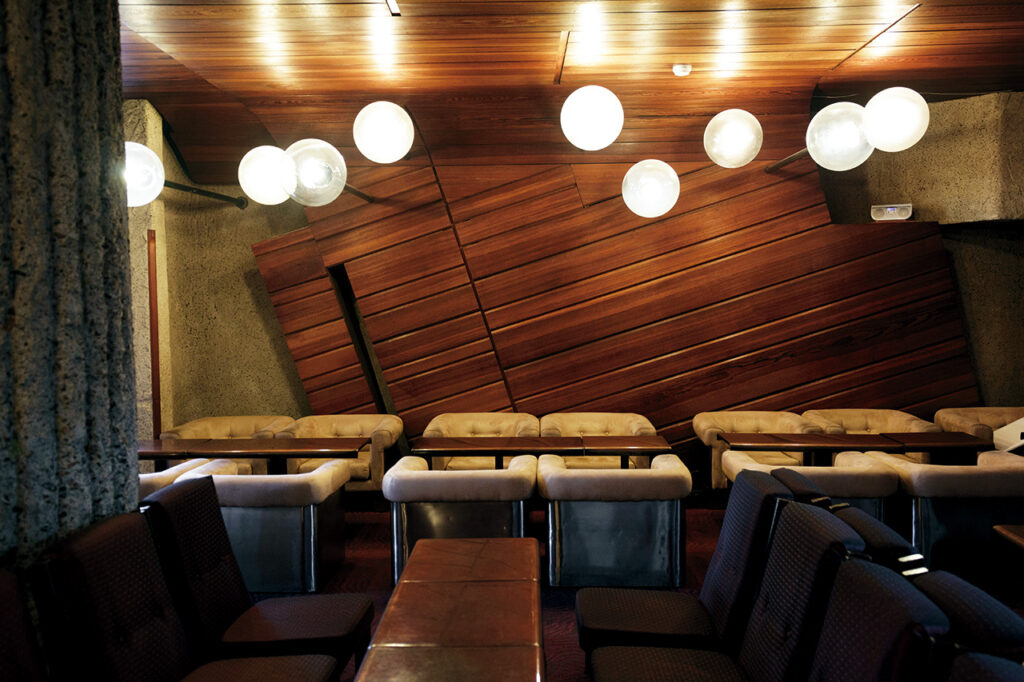
Gion Ishi Kissaten (Kyoto): Escape the crowds at Yasaka Shrine and enjoy a cup inside a distinctive Brutalist building that is also home to a jewelry, fossil, and mineral store (five minutes by car from Four Seasons Hotel Kyoto). The spot’s 1970s-style decor features impressive cypress-wood wall panelling.
Considered Design
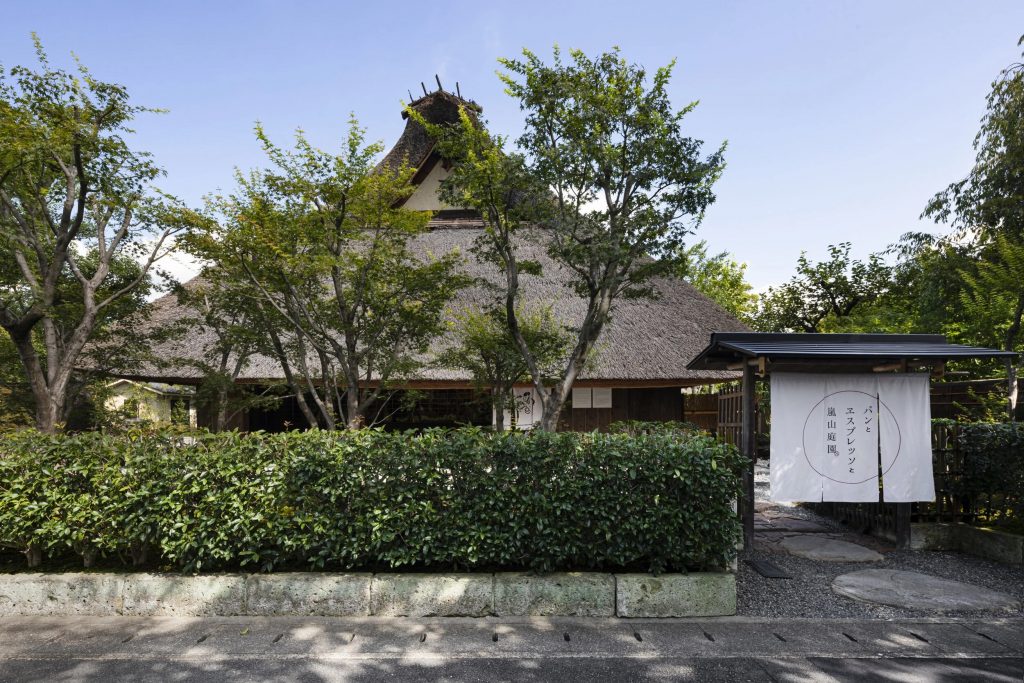
Bread, Espresso & Arashiyama Garden (Kyoto): A 210-year-old thatched-roof home takes on a new life (with coffee beans roasted on-site) through the vision skillfully executed by the Kimoto Yosuke Architectural Design Room, which was shortlisted for the Sky Design Awards for its work. Patrons can choose from sitting Japanese style (shoes off, at low tables on the floor) or in the Western fashion, both with views of the stunning garden. Can’t make it to Kyoto? The cafe just opened its first U.S. outpost, in Redondo Beach, California.
Diner-Chic Charm
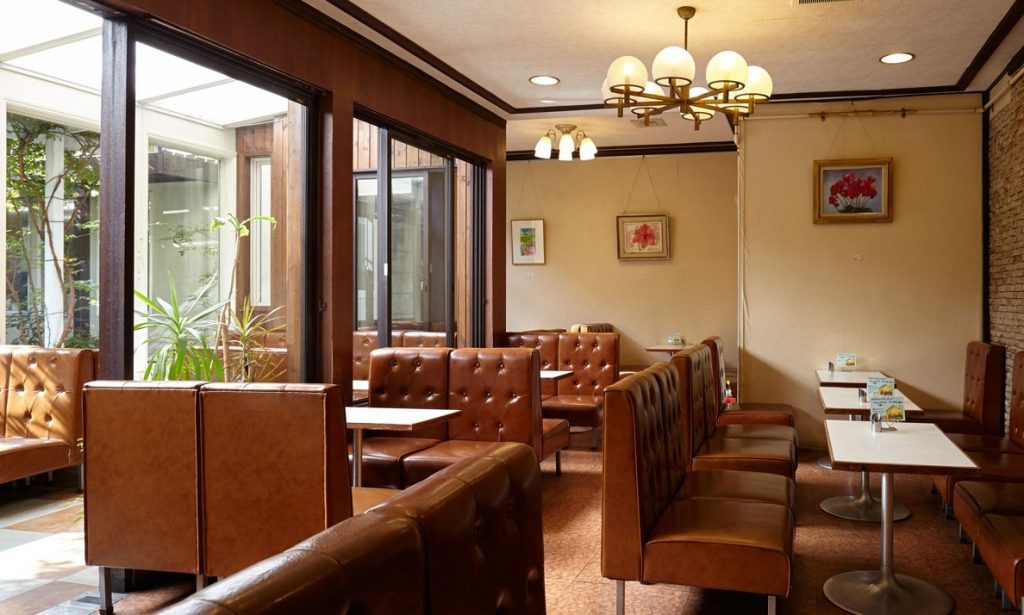
Iwata Coffee (Kamakura): A popular day trip from Tokyo, coastal Kamakura is home to Iwata Coffee, established in 1945. This café on Komachi Street has a long literary history (and was even visited by John Lennon and Yoko Ono). It specializes in “nel drip” coffee, a brewing method invented in Japan that brings out the flavour of the beans by filtering it through cotton flannel (or “nel”) for a mellow finish.