with
Learn more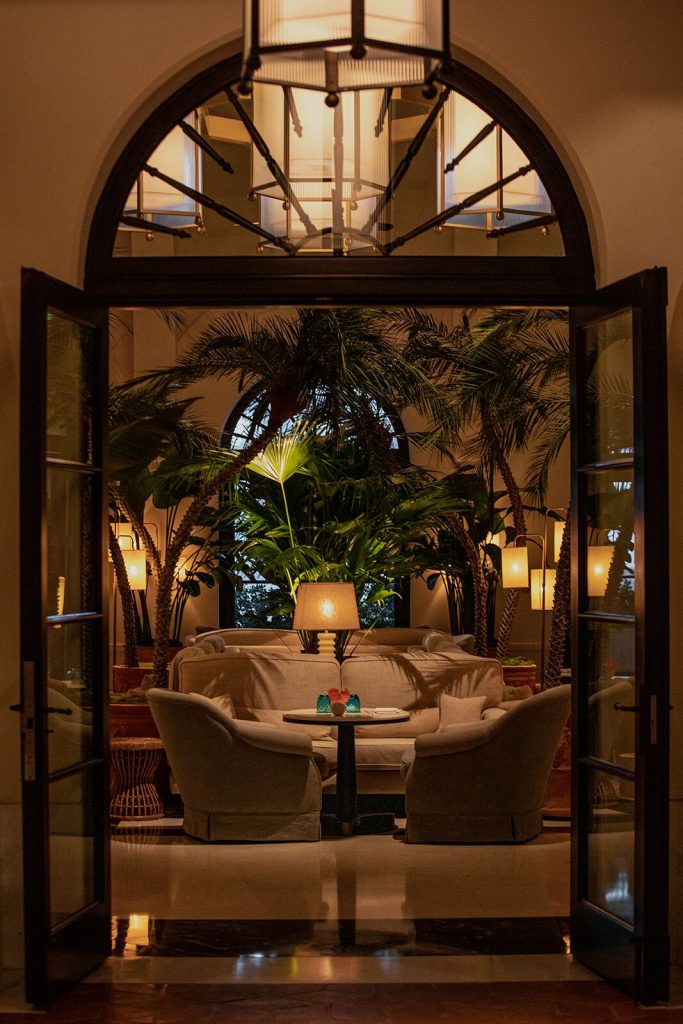
Extraordinary By Design: Architect Joseph Dirand’s Creative Universe
The stylish architect behind the reimagined Surf Club opens up about what inspires him and his next Four Seasons project, in Gstaad.
Joseph Dirand’s style mixes architectural minimalism with luxe materials and dramatic lighting, from his Belle Epoque–inspired interiors for the Parisian hot spot Le Grand Café to his design of boutiques for Balmain and Givenchy. That same sensibility informs the French architect and interior designer’s work for Four Seasons.
Over more than a decade, Joseph Dirand Architecture has renovated a pair of properties with little in common: a 1930s beach club in greater Miami and a Swiss mountain retreat in Gstaad. This is by design. “I love that maximum contrast,” Dirand says. “There is a sense of discovery, and a feeling that I’m not repeating myself.” He looks for hotels that feel rooted to their location, where he can let culture and history shape the architecture and design.
That approach defines his best-known work for the brand, Four Seasons Hotel at The Surf Club, in Surfside, Florida, where his Art Deco–meets–mid-century interiors, completed in 2017, perform a high-wire design act, bridging the Mediterranean Revival architecture of the historic clubhouse with the crisp form of Richard Meier’s contemporary tower in glass, concrete, and steel. He has since designed interiors for Four Seasons Seaway at The Surf Club, his first residential project, and a beach villa at The Surf Club.
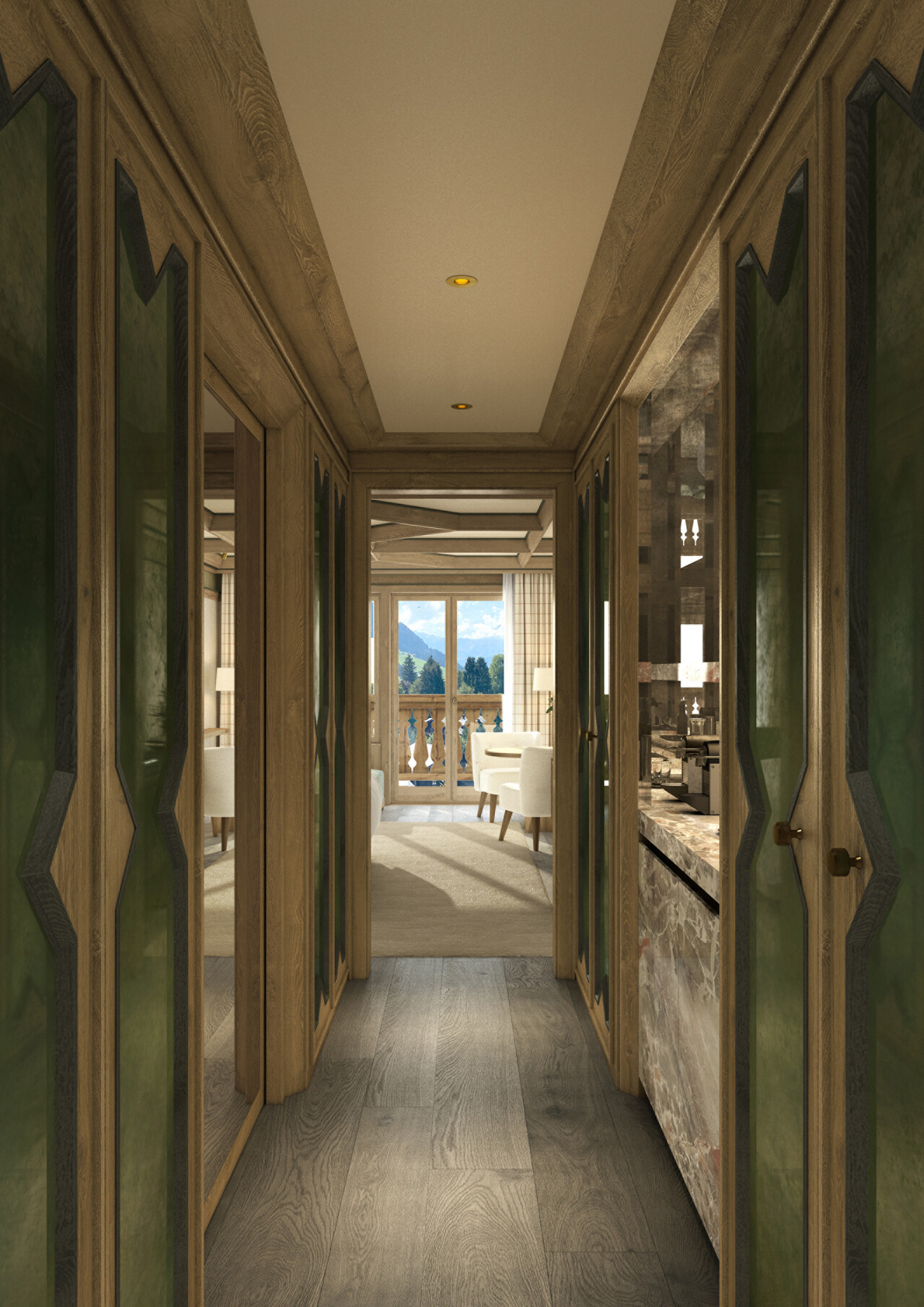
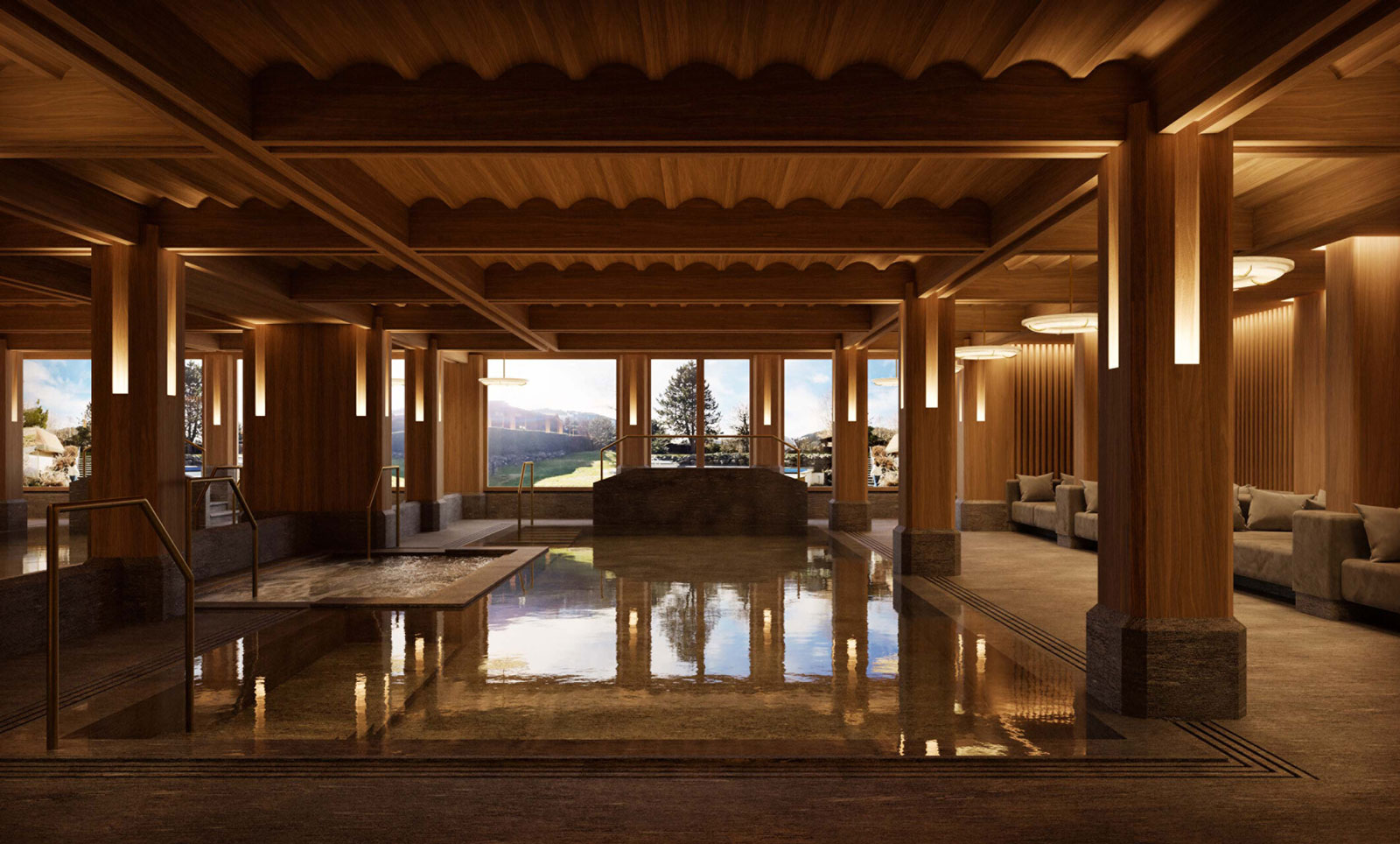
Next year, Dirand’s interiors for a Swiss ski enclave’s grande dame, originally opened in 1910, will make their debut. The Park Gstaad, A Four Seasons Hotel, will offer 75 guest rooms and suites; a collection of sophisticated, chalet-inspired Private Residences; indoor and outdoor pools; and a Clinique La Prairie spa.
Dirand recounts in the following passages some of the influences and elements that coalesce into his signature style.
Addison Mizner
Before designing The Surf Club interiors, Dirand toured Mediterranean Revival structures in Boca Raton and Palm Beach, Florida, including houses by Mizner, one of the era’s leading architects. Studying them helped shape Dirand’s goal: translating that period’s glamour so that it feels up-to-date. “I wanted to take that inspiration and turn it into something that would appeal to a younger crowd—playful and sexy.”
Terra-cotta Tile
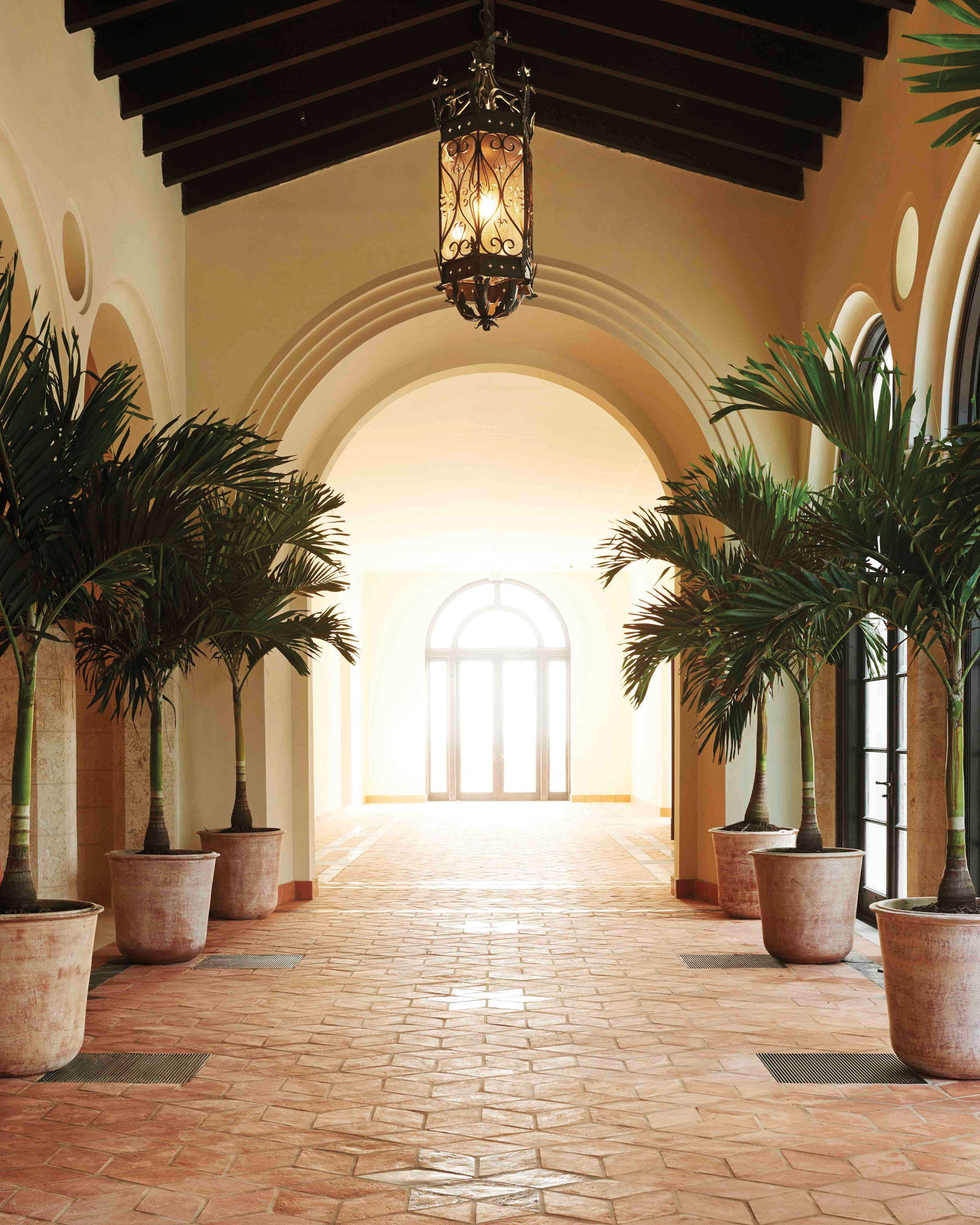
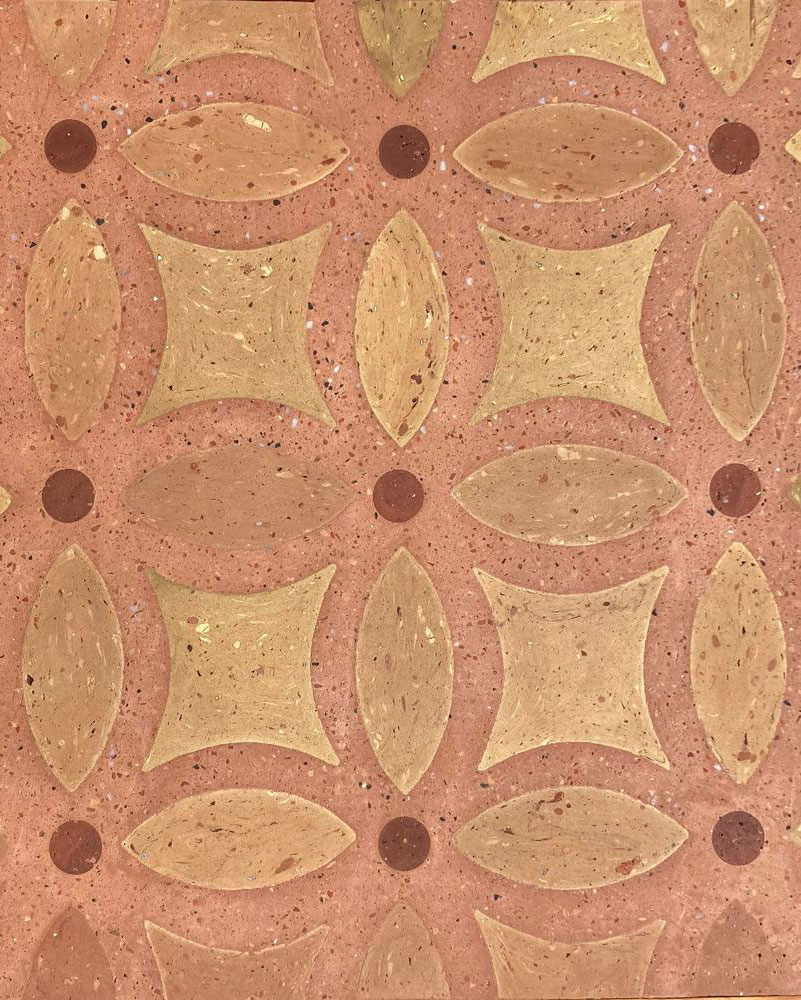
For The Surf Club’s public spaces, Dirand had the property’s 1930s terra-cotta tile reproduced, sourcing it from the Italian company Antica Fornace Carraro. “They are still doing it the same way they used to, everything by hand and dried in the sun,” he says. “The charm is in the imperfections. That kind of craftmanship is a big part of what I do.”
Ateliers Saint-Jacques & Fonderie de Coubertin
Dirand enlisted the French workshop—whose projects have included the restoration of the original gilded royal gate at Versailles—to produce The Surf Club’s Champagne Bar, which is made from lava stone with a fluted surface in green enamel and topped with a white crackle-glazed surface resembling porcelain. “They are the absolute master of craftmanship.”
Saarinen Executive Side Chair
A fan of the 1960s classic chair by Eero Saarinen for Knoll, Dirand is drawn to its wooden legs and what he calls its “tropical and organic” shape. “It’s an extremely comfortable chair.”
Pompeii
For a current project—a house in Capri—Dirand has been collecting books on Pompeii, studying how objects from jewellery to door frames to tiles were composed and coloured. It’s part of what he describes as a “research ritual” for each new project: a “deep source hunt” for the culture and history that make a design feel true to its place.
John Pawson
Dirand cites the British minimalist architect—whose projects have ranged from the Design Museum in London to the bronze-and-granite Lake Crossing bridge at Kew Gardens—as a foundational influence from his student years. “The radicalism of his work was at the time something very important to me,” he says. Though still inspired by Pawson’s work, Dirand finds new visual ideas everywhere, especially during his travels. “I’m trying to be more open.”
Le Grand Café
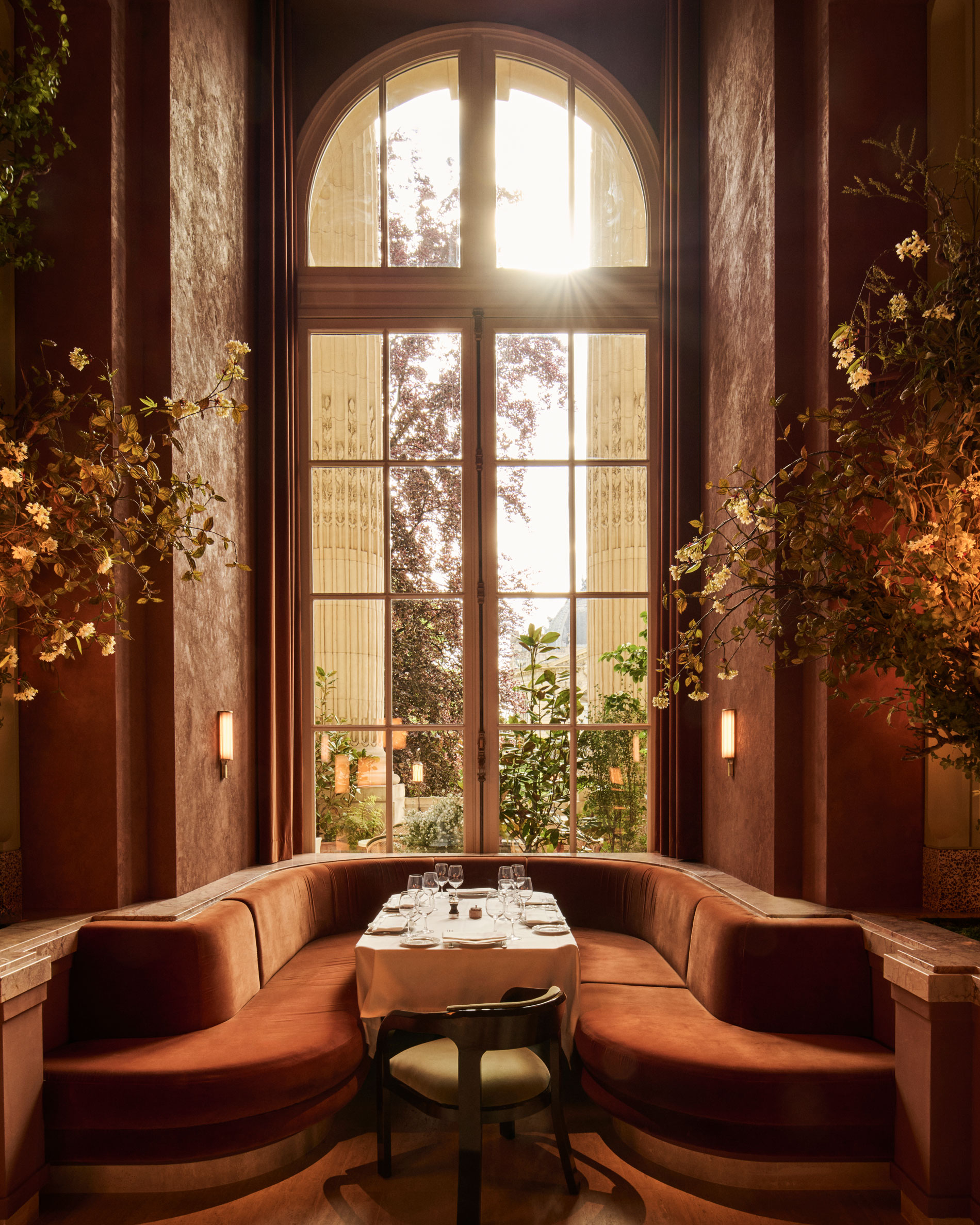
In 2025, Dirand’s design for the new restaurant inside the Grand Palais (the Beaux Arts monument near Paris’s Champs-Élysées) made its debut. His glammed-up version of a traditional French brasserie—velvet banquettes, wood paneling, and patinated mirrors together with tables surrounded by flowering plants on an outdoor colonnade—quickly became one of the city’s hottest destinations. The space, which dates to 1900, has 60-foot ceilings and massive volumes that in some other hands would have felt cavernous. Dirand made it cozy. “I always try to fill the emptiness,” he says.
Chalets
“Gstaad is a ski resort, but it’s also known for sophistication,” notes Dirand. “A lot of the private chalets there are beautiful, large, and refined in the detail. There’s a classic feeling, mixed with a mountain destination, and that is something I was excited to play with at The Park Gstaad.”
More like this


fashion
Threads of Tokyo: An Inside Guide to The City’s Singular Style Scene
A new generation of Japanese designers is building on a legacy of innovation, craftsmanship, and unconventional proportion.

dining
Eight Tasting Flights Worth Traveling For
From craft beer to artisanal chocolate, these expertly guided tastings explore the art of flavour.
Trending
-
Stepping Out in Style: Three Independent Shoemakers to Know
In Mallorca, Paris, and London, these under-the-radar shoemakers are honouring the art of handmade footwear.
-
9 Family Vacations Recommended by Moms
Discover tips for family travel in destinations around the world from mothers who know travel, from Orlando to Hong Kong.
-
Rare Trade: Meet 4 People Searching the World for the Exceptional
Discover the rarest of the rare, from elusive ingredients to adventures with icebergs.