The Ultimate California Road Trip

There is a life-size cottage dangling precariously over the edge of the rooftop of Jacobs Hall at the University of California San Diego, and it’s driving me crazy that I can’t get a closer look. It’s my own fault. The viewing hours for South Korean installation artist Do Ho Suh’s Fallen Star are on Tuesday and Thursday, and because I am in San Diego on a weekend, I have to settle for an exterior view of this unusual piece of public art.
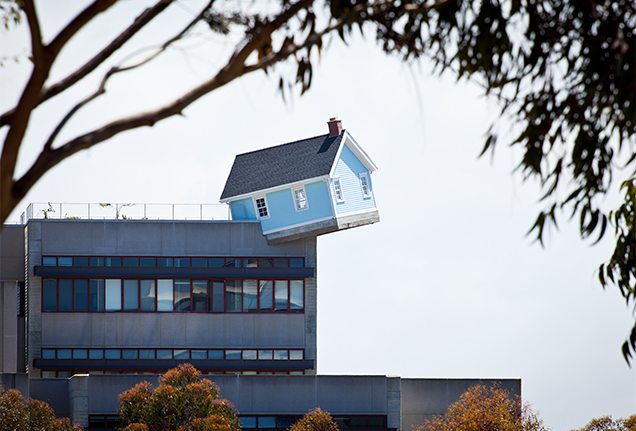

Do Ho Suh's Fallen Star in San Diego

Do Ho Suh’s Fallen Star (2012) is part of the Stuart Collection at the University of California at San Diego. It challenges viewers to reflect on the idea of cultural displacement and their surroundings.

San Diego is my first stop on a sun-drenched California road trip, one that has been made all the better with the keys to a silver Ford Mustang, which over the next few days will take me all the way from right here in California’s southernmost city to San Francisco.

San Diego

This city is on the move. While residents remain fixated on a Southern California lifestyle unruffled by smog and congestion, San Diego’s downtown brims with cutting-edge food and nightlife. Petco Park, home to the San Diego Padres, has transformed the once sleepy East Village into a jumble of residential high-rises, and the charming neighbourhoods surrounding Balboa Park are abuzz with activity.

In Mission Hills, for example, I discover The Patio on Goldfinch, an elegant, open-air gem where friends and I toast one another with Goldfinch Mules, made with house-infused pineapple-and-vanilla-bean tequila, while sharing sashimi-grade ahi poke tacos and scallop crudo decorated with sliced kumquat. Afterwards, we duck into nearby Cinema Under the Stars, where the weatherproof retractable dome ensures the comfort of film lovers year round as they swoon over classic films like Casablanca and Gentlemen Prefer Blondes.


Salt roasted beet bruschetta at The Patio on Goldfinch

The Patio on Goldfinch serves dishes—such as Salt Roasted Beet Bruschetta, with cambozla blue cheese and rocket arugula—that create memorable dining experiences.

Huntington Beach


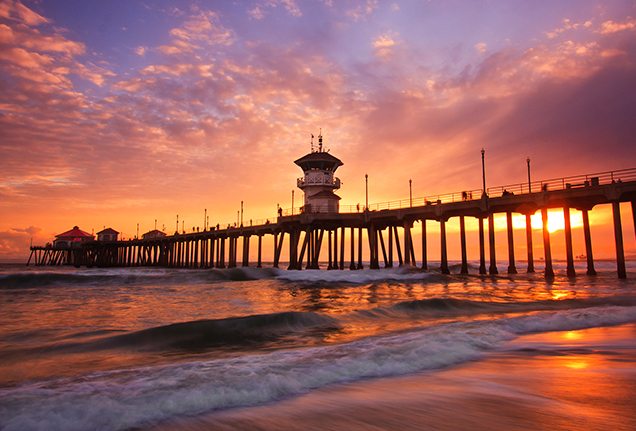
Huntington Beach Pier in California.

Known as a west coast surf mecca, Huntington Beach draws in visitors with the ideal waves and picturesque views along its famous pier.

As I inch suburb to suburb through Orange County, I’m listening to Lana Del Rey’s “West Coast” on repeat. Along the way, I stop at the spindly and picturesque Huntington Beach Pier, where cocksure surfers suit up and millennials play volleyball. Amid double strollers and amateur shutterbugs, I stop mid-pier to inhale the salty air.

Los Angeles

The City of Angels beckons to me with its tangle of strip malls, clogged freeways and a populace constantly in search of reinvention. However, none of this is on display in exquisite Rancho Palos Verdes, where twisty, scenic byways offer moments of tranquillity en route to LA. It’s here that I discover Wayfarer’s Chapel, a glass church that was designed by Frank Lloyd Wright’s son Lloyd Wright. It is an architectural jaw-dropper of unusual angles and geometric shapes. Alas, if I tiptoe any closer I’ll officially be crashing the wedding that is in process.


Lloyd Wright's Wayfarer’s Chapel

Tucked in a grove of redwood trees, Wayfarer’s Chapel was designed by Lloyd Wright and is a favourite for local weddings.

A mile west of downtown LA, I find another kind of respite at Wi Spa, a traditional Korean-style bathhouse where the lead guitarist of a certain legendary rock band and I are both taking a steam. In addition to its nirvana-inducing saunas, showers, nap rooms, and hot and cold tubs, family-friendly Wi also offers co-ed minerals saunas, an on-site deli, a fitness centre, and full-service massage, skin care and nail treatment.

Dinner brings me and a friend to Night Market + Song, a nondescript storefront in Silverlake that dishes out stellar Northern Thai street food dishes like fatty pig neck and Isaan-style catfish larb. Most dishes tingle with intense flavour and heat.

Santa Barbara

As Los Angeles fades away in my rear-view mirror the next morning, I decide my drive to San Francisco will bypass the spine-tingling twists and turns of Pacific Coast Highway in favour of the faster, but no less scenic, Highway 101. The first stop is languid Santa Barbara, where the bahn mi sandwich I order at the Lilliputian eatery Blue Owl provides the requisite fuel for the journey ahead.

The small Santa Ynez Valley city of Solvang proves an amusing diversion. Known as “Little Denmark,” the town is close to the edge of taking itself too seriously with its reliance on windmills, thatched roofs and gingerbread architecture, but it’s a worthwhile place to spend a few hours. Solvang is only a stone’s throw from kooky OstrichLand USA, a working farm that allows visitors to feed the big birds, whose necks look like palm trees swaying in the breeze and who happily snatch every bit of seed from your hands.


OstrichLand USA in Santa Barbara

Experience life on a working farm at OstrichLand USA by taking a guided tour of the property and feeding the ostriches and emus that call it home.

Palo Alto

Home to Stanford University, leafy Palo Alto has a studious vibe. My favourite attraction in the area is about 10 miles (16 kilometres) up the highway from campus. FiLoLi Gardens is an early 20th-century country estate with gardens stretching over 654 acres (265 hectares). The home itself is filled with English antiquities, but there really is no finer way to pass a few hours than to stroll the perfectly landscaped grounds.


Tulips in FiLoLi gardens

Stroll through beautiful blooms on FiLoLi’s 654 acre historic estate in Palo Alto. The property’s house and formal gardens were constructed in the early 20th century.

San Francisco

By sunset, the City by the Bay is within my grasp. I’m booked for a reunion with friends at Soma Streat Food Park, where I find the city’s nascent tech crowd swaddled in hoodies and noshing from delicious food trucks as the wind kicks up. There is stand-up comedy happening tonight, which is a nice touch. Another San Francisco treat new to me is Urban Putt, an indoor mini-golf course in the Mission where each hole offers players a dizzying Rube Goldberg machine for the ball. (Goldberg was born in San Francisco.) It’s a blast.


Indoor mini-golf at Urban Putt in San Francisco.

Stop in for fun at San Francisco’s Urban Putt—an indoor mini-golf course that will bring out the kid in everyone.

My journey comes to its conclusion literally at land’s end. During my last night in town, I find myself at Marla Bakery in the Outer Richmond, a gusty oceanfront neighbourhood that touches the mighty Pacific.


Marla Bakery in San Francisco

At Marla Bakery, snag a coveted seat at Sunday Supper and taste dishes passed down through generations of family cooks.

Every Sunday night, the restaurant is open only to the few who have secured a reservation in advance. They are seated at a single, communal table and treated to a five-course farm-to-table dinner that tonight is inspired by a rabbit’s last meal. Tonight over dinner, I share with friends my many adventures that have taken me from the Golden State’s southernmost city to its most famous peninsula—a trip that has perfectly captured the romance of the road.

Your Journey Begins Here

Select a destination and start exploring

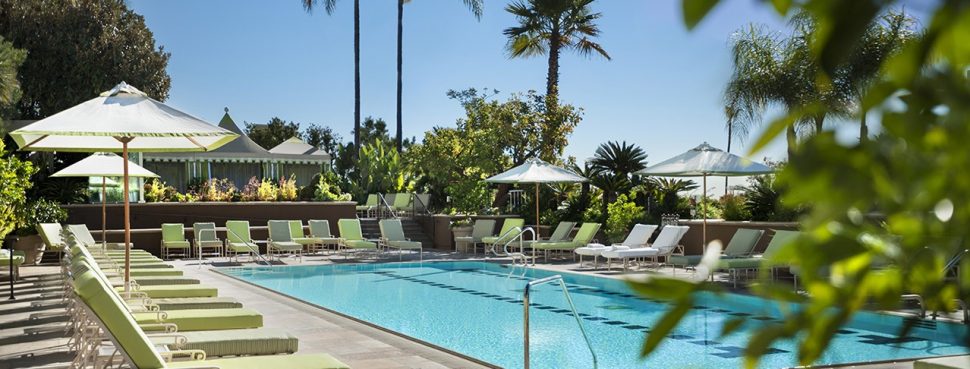
pool at Four Seasons Hotel Los Angeles at Beverly Hills

A Guide to Orange Wine


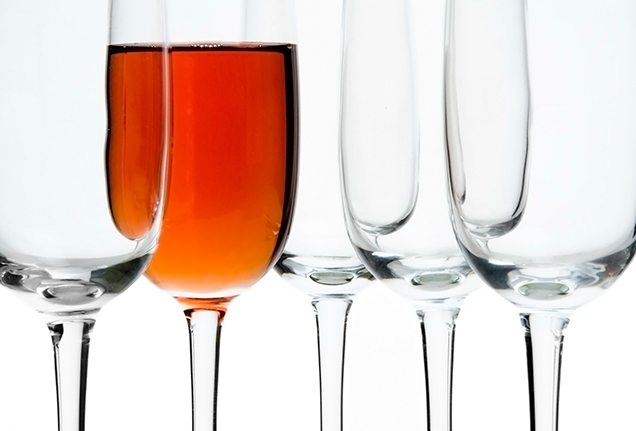
Orange wine

To craft an orange wine, white wine is skin-fermented in a qvevri, or citron-shaped clay vessel, resulting in dried-fruit notes with nutty and caramel aromas.

Aromas of apricot fruit tickle the nose, but a sip reveals heavier tannins, and a rich, almost velvety mouth-feel lingers. Not quite white and not quite red: Viniferous conundrum, thy name is orange.

“Orange wines are the new black,” says Shelley Lindgren, co-owner and wine director of San Francisco Bay–area SPQR and A16 restaurants. “The only problem is that they can be grossly misunderstood. There really is no definitive way to characterize orange wines, because they are essentially a white wine produced with a red-wine sensuality.”

Orange wines are the new black.

The definition of orange wines has been debated frequently at forums like this year’s RAW wine fair in London. Fundamentally, their classification derives not from the type of grape used but from the winemaking process. Orange wines are white wines that are skin-fermented like reds. But unlike red wines, which are fermented for a period of 10 days to one month, orange wines can be fermented from two weeks to seven months.

“Orange wines have the freshness of whites with the structure of reds,” says John Wurdeman, owner of Pheasant’s Tears winery, which has vineyards in the Kakheti and Kartli regions of the country of Georgia. “So they can be compared to both white and red wines, but they are their own genre.”

Georgia is considered the birthplace of orange wine. Referred to as the original winemakers, Georgians have used citron-shaped clay vessels, called qvevri, to make wine since 6000 BC. These vessels were lined with molten beeswax and buried in the ground to stabilize temperatures. Over time, as viniculture spread, qvevris were replaced with barrels, which gave way to stainless steel tanks. The exception: Qvevris are still used to make orange wines.


People who are looking for something new are really surprised by orange wines.

The unusual aging process, which extracts phenols, tannins and antioxidants, produces orange-tinged hues that range from golden honey to deep amber. The colour varies with the type of grapes used (Pinot Gris, Rkatsiteli and Grenache Blanc, to name a few), the length of time spent in skin fermentation, and the method of aging, says Jessica Bell, a certified sommelier and wine educator who has consulted for Georgian wineries. “This is the oldest way of making wine,” Bell says. “But people who are looking for something new are really surprised by orange wines.”

While they’ve always been the wine of choice within Georgia, this method of winemaking didn’t attract much interest elsewhere until Italian winemaker Josko Gravner visited Georgia in the early 1990s. He returned with some qvevris and made Georgian-style orange wines using Friuli grapes, thus drawing more attention worldwide to orange wines.

Besides Italy and Georgia, Slovenia and Croatia also make orange wines, and over the last five years, adventurous winemakers in the United States have gotten in on the action. “People making orange wines, by their nature, are more experimental,” says William Allen, winemaker and owner of Sonoma County’s Two Shepherds winery. Allen himself made orange wine from a blend of Roussanne and Marsanne grapes in 2011. He even makes an orange-style wine from a grey grape called Trousseau Gris—it looks like a rosé but tastes like an orange wine.

In the Willamette Valley of Oregon, Johan Vineyards winemaker Dan Rinke and winery owner Dag Sundby spent the spring of 2007 tasting Italian orange wines like Gravner and Radikon. “We kind of fell in love with them, and we were taken by their uniqueness,” Rinke says. “We make a Pinot Gris, so I suggested trying to do a little something different with it.”

Their trials have resulted in very different types of orange vintages. “The ’09 had a lot of lees in it, and it smelled like pumpkins,” Rinke says. “The ’11 and ’12 vintages have hints of baking-spice aromatics. We’re now starting to do a fraction of it with carbonic maceration [the fermentation of grapes in a sealed vessel full of carbon dioxide], and that tends to bring out more cinnamon and nutmeg notes.”

As a genre, orange wines tend to have dried-fruit notes like apricot and peach, as well as a lot of nuttiness and caramel aromas. “Orange wines are great to use in pairings,” says Emily Larkins, wine director at Craigie on Main restaurant in Cambridge, Massachusetts. “They’re amazing wines to use as a bridge between different elements on the plate.” Larkins says these wines work well with caramelized onions, nuts, cheeses and game birds, thanks to their richness in texture.

That tactile aspect turns some people off. “They’re wines that tend to showcase texture rather than fruit,” says Jared Hooper, LA-based writer turned sommelier. “Those who favour orange wines love the style, but detractors claim the uniqueness of the terroir and the grape is lost—that the elegance of the grape is masked by the winemaking process.”

Orange wine aficionados, however, believe winemakers are just beginning to explore this process, and the wines are cropping up in places such as Chile and New Zealand. “They’re not for someone who orders Sauvignon Blanc every day,” Bell says. “They’re for an adventurous wine drinker, someone who’s open to something new.”

Winemakers to Try

Pheasant’s Tears
Kakheti and Kartli, Georgia
The wines here are all farmed organically and vinified naturally, “with nothing taken away and nothing added,” says winery owner John Wurdeman.

Alaverdi Monastery Cellar
Telavi, Georgia
Orthodox monks continue to use an 11th-century wine cellar and traditional Georgian practices to produce their orange wines.


Complete your Eurasia journey at Four Seasons Hotel Baku

Pyramid Valley Vineyards
North Canterbury, New Zealand
“This biodynamic winery uses something like a qvevri, but they don’t bury it,” says U.S.-based wine importer Chris Terrell.

Gravner
Gorizia, Italy
Josko Gravner’s orange wines are some of the best-known in the world, but he prefers the term “amber,” and he does use sulphites to refine his wines.


Make it a Tuscan wine tasting tour and visit Four Seasons Hotel Firenze

Johan Vineyards
Willamette Valley, Oregon, U.S.
Drueskall, made from Pinot Gris, means “grape skin” in Norwegian. Winery owner Dag Sundby hails from Norway and exports his wines back home.

Two Shepherds
Santa Rosa, California, U.S.
Boutique Sonoma winemaker William Allen calls his skin-fermented wines Centime, after the French word for “cent.” Santé!

Make it a road trip and try the wine at Four Seasons Hotel San Francisco

Where is the World’s Best Surfing Destination?

Trying to determine the world’s best surf spots is akin to asking a child what his or her favourite ice cream flavour is, often resulting in a resounding “All of them!” Those who love riding the waves can easily find hundreds of great places around the globe to do so. And each region has a prime season, so intrepid surfers must keep on the move to find the “endless wave.”

See our picks below for the best places to hang ten, and then share your own in the comments section below.

North Shore, Oahu, Hawaii


Best surfing spots: North Shore in Oahu, Hawaii

Oahu’s North Shore also ranks among the premier surf destinations in the world, thanks to 7 miles (11 kilometres) of pristine beach and astonishingly diverse conditions.

This has long been considered one of the best surfing destinations in the United States, and it’s high time to dismiss the qualifier. Oahu’s North Shore also ranks among the premier surf destinations in the world, thanks to 7 miles (11 kilometres) of pristine beach and astonishingly diverse conditions. The island’s swells both delight and challenge year round, though the time between November and February is big-wave season. Ehukai Beach (home of the Banzai Pipeline), Waimea Bay and the fabled Sunset Beach should be on any serious surfer’s bucket list.

Huntington Beach, California


Best surfing spots: Huntington Beach pier, California

Huntington Beach in California draws millions of visitors each year thanks to its challenging swells, which are easy to catch off the city’s famous pier.

There’s a reason this coastal town is known as “Surf City.” The 3.5-mile (5.6-kilometre) stretch of shoreline draws millions of visitors each year with its challenging swells, which are easy to catch off the city’s famous pier. Visit in the warmer months for sunny California weather and to see some of the sport’s top contenders (think Kelly Slater) compete at the U.S. Open of Surfing.

Uluwatu, Bali


Best suring spots: Uluwatu, Bali

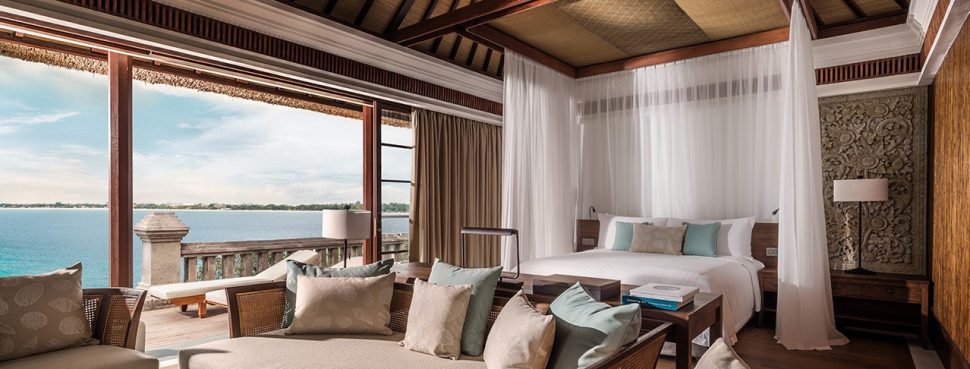
Bali’s enticing Uluwatu waves have earned a reputation for scolding the uninitiated and rewarding the accomplished.

Some surfers have a tendency to exaggerate their accomplishments and abilities. This Indonesian jewel is not the place to do either, unless you’re ready for a healthy serving of humble pie. Bali’s enticing Uluwatu waves have earned a reputation for scolding the uninitiated and rewarding the accomplished. If you find you’ve bitten off too much, chill on the beautiful beaches until the surf calms down, or visit the nearby Uluwatu Temple, a historic site with a magnificent cliff-top location.

Tamarindo, Costa Rica


Best surf spots: Tamarindo Beach, Costa Rica

Variety is king at Tamarindo Beach in Costa Rica, where experts and neophytes alike will find consistently splendid weather, warm waters and alluring waves.

Diehard surfers in the know have heard of this Central American shoreline, sandwiched between two national parks, where the Tamarindo River meets the Pacific Ocean. Variety is king at Tamarindo Beach in Costa Rica, where experts and neophytes alike will find consistently splendid weather, warm waters and alluring waves. The beach, popularized by the surf film The Endless Summer II, draws throngs of surfers with its daring breaks at Playa Grande, Ollie’s Point and Witch’s Rock. Mid-December to April is peak season, but outstanding swells can be had through July.

Gold Coast, Australia


Best surf spots: Surfers Paradise beach in Gold Coast, Australia

Surfers Paradise beach in Queensland deserves a “truth in advertising” award for its moniker and exceptional variety (as well as its nightlife).

This gem Down Under offers 70 kilometres (40 miles) of inviting beaches and mighty impressive wave sets throughout the year. Surfers Paradise beach in Queensland deserves a “truth in advertising” award for its moniker and exceptional variety (as well as its nightlife). The shark nets installed along the Gold Coast might alarm first-time visitors, but they also offer peace of mind. Cyclone season, which lasts from November to April, boasts the best waves, while the three months before and after have the best weather.

Jeffreys Bay, South Africa


Best surfing spots: Jeffreys Bay in South Africa

Referred to as “J-Bay,” Jeffreys Bay offers some of the world’s most challenging waves, especially from May to September.

Referred to as “J-Bay,” Jeffreys Bay offers some of the world’s most challenging waves, especially from May to September. J-Bay’s roaring walls, which can easily reach 3.6 metres (12 feet), are a true test for all skill levels, and a variety of breaks—formed by curving reefs and jagged outcrops—make each ride an adventure. Locals flock to Boneyards for a challenge, but the waves at Point promise a longer ride.

Rio de Janeiro, Brazil


Best surf spots: Barra da Tijuca in Rio de Janeiro, Brazil

Brazil’s vibrant former capital boasts an abundance of superb surf spots against a backdrop of resplendent white sand, year-round sunshine and 24-hour parties.

For a surf destination that has it all, head to Rio de Janeiro. Brazil’s vibrant former capital boasts an abundance of superb surf spots against a backdrop of resplendent white sand, year-round sunshine and 24-hour parties. Barra da Tijuca’s famously consistent swells have attracted many top competitions, and it’s rumoured that surfing in Brazil began at Praia da Arpoador’s famous left-hand break. You’ll also find numerous surf camps in Rio, as well as the prestigious ASP World Tour, which the city began hosting in 2011.

Lima, Peru


Best surf spots: La Herradura in Lima, Peru

The best swells hit Lima’s shores from May to August.

There’s no better place to test the Pacific waters than this 250-kilometre (155-mile) stretch along the coast of Peru. The best swells hit Lima’s shores from May to August. La Herradura and Punta Hermosa, a quieter spot, draw riders in with unexplored beaches, and keep them there with exceptional surfing created by uneven reefs in the pristine water.