HOURS
- 24 hours
The Living Garden
Growing with Nature
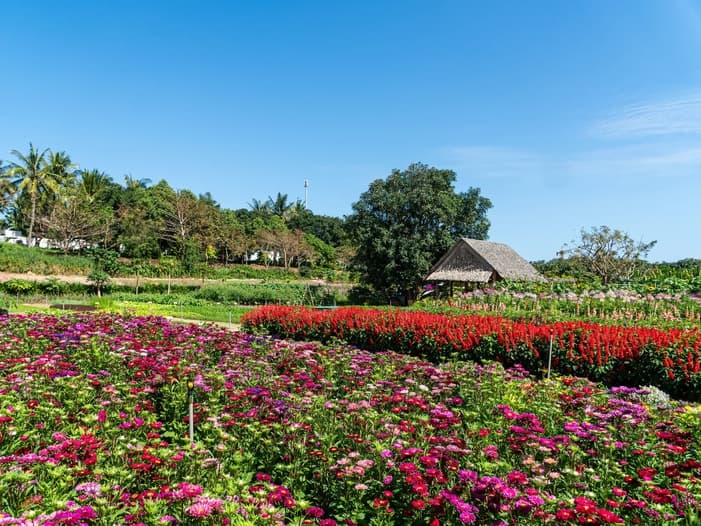
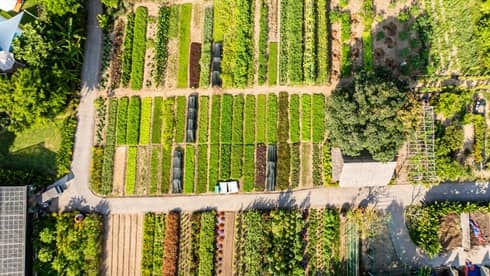
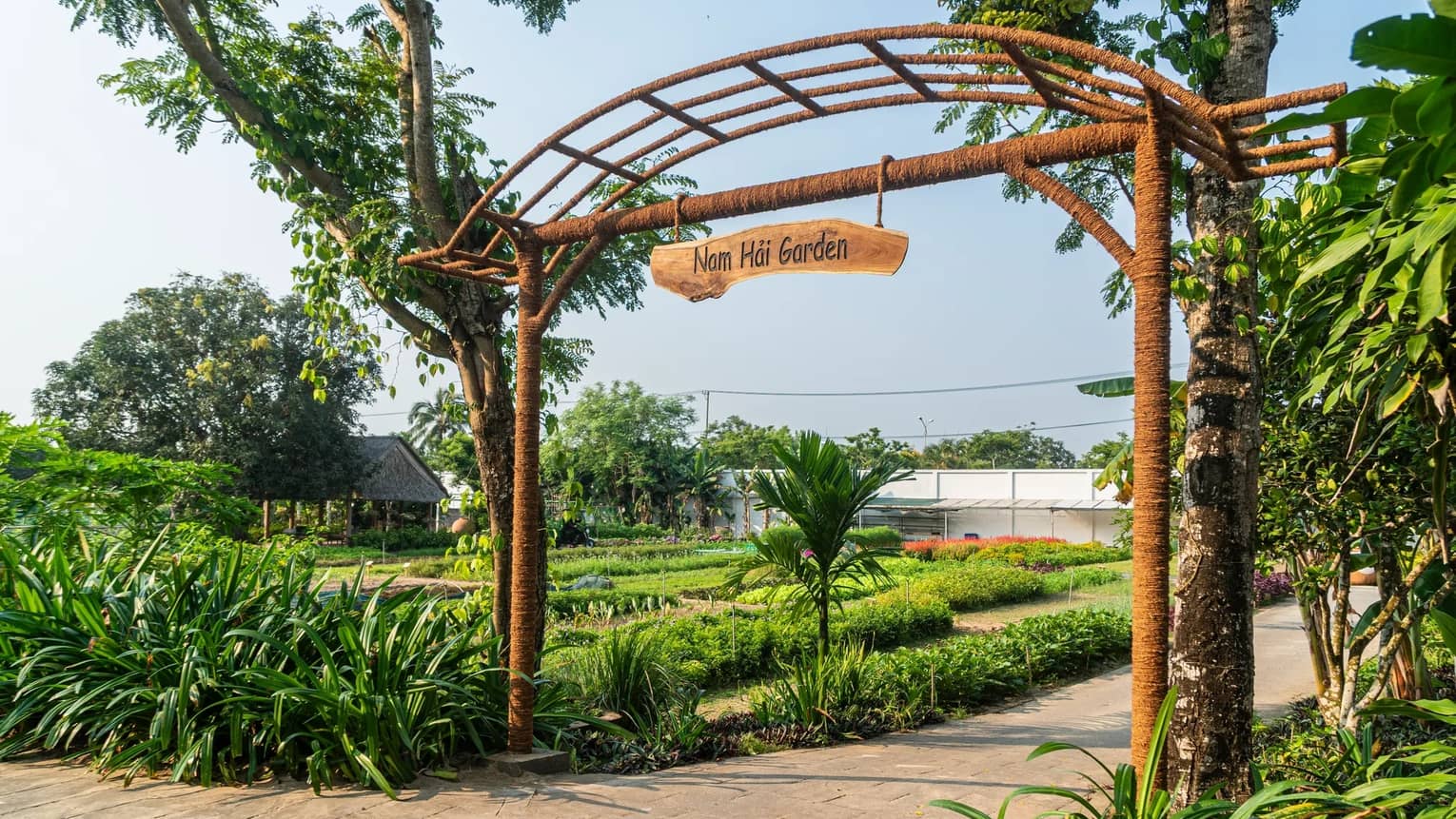
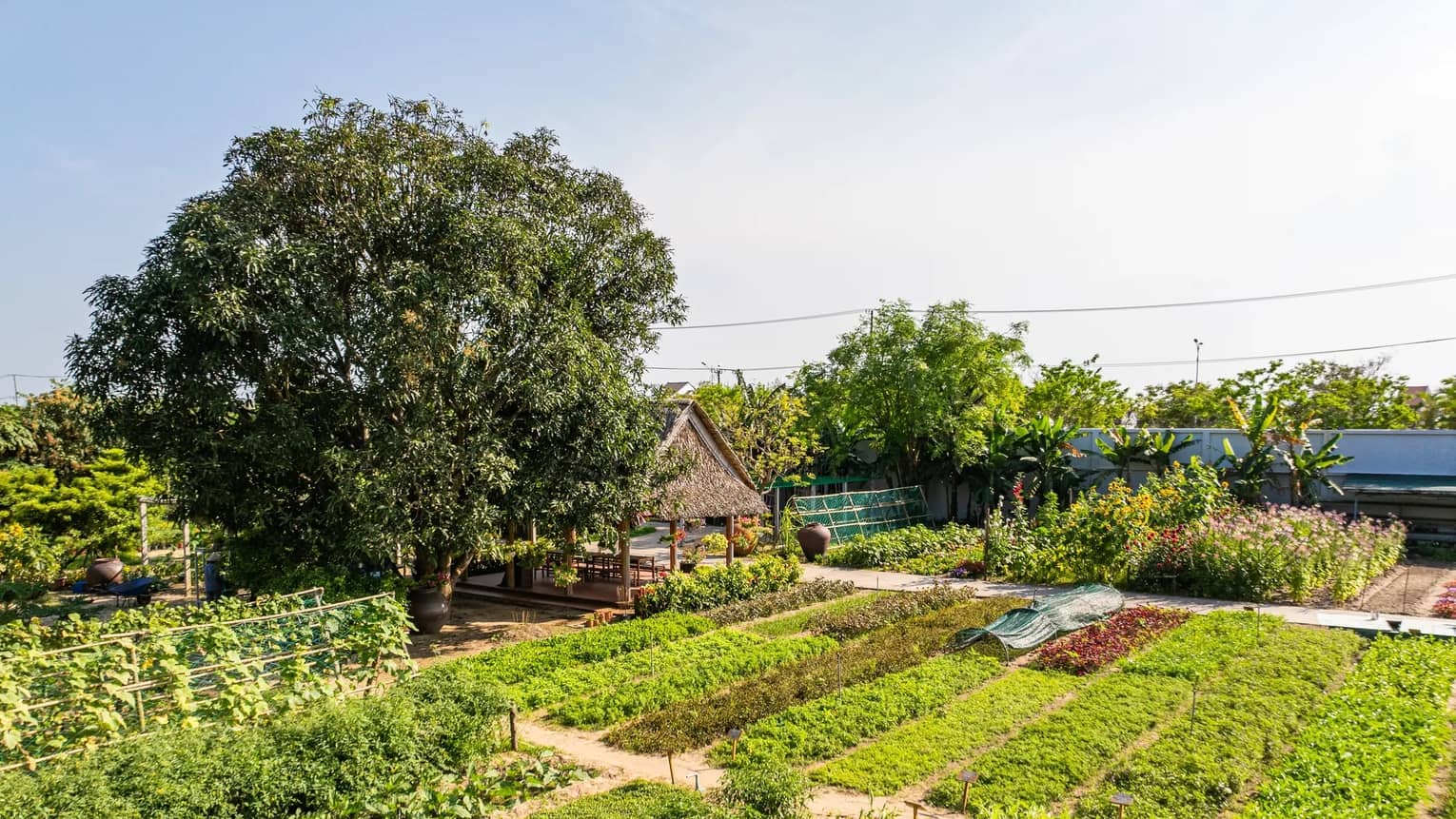
Spanning approximately 2 hectares (5 acres), our garden landscape encompasses the herb and vegetable garden, flower gardens, fruit orchard, Orchid House, nursery and composting area. Seasonal planting, climate-adapted species and regenerative practices support biodiversity, while traditional thatched-roof huts and rural landscaping reflect the agricultural character of central Vietnam.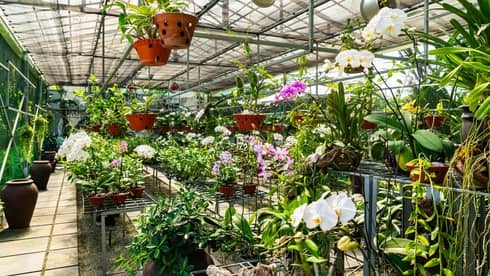
Orchids in Bloom
Inside the Orchid House, vibrant blooms are cultivated year-round for floral displays across our Resort. By growing our orchids on site, we reduce our reliance on externally sourced flowers while bringing the changing beauty of the garden indoors.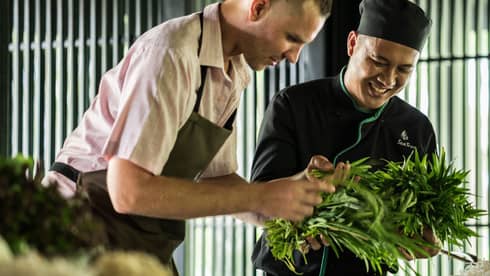 Explore Cooking Academy
Take Part in Our Cooking Academy
Harvest fresh herbs and vegetables from more than 40 seasonal varieties grown in our garden, then join our chefs at the Cooking Academy to transform your harvest into Vietnamese dishes. Hands-on classes explore the distinct ingredients, techniques and culinary traditions of Hoi An, Hue and Hanoi.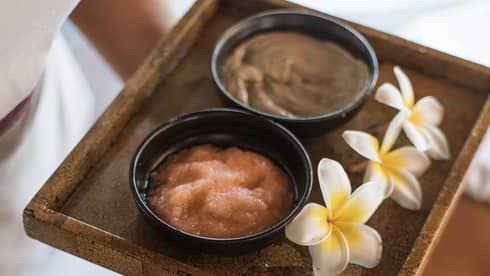 Visit The Spa
Spa Rituals with Garden-Grown Ingredients
Freshly harvested lemongrass, lemon, mint and ginger from our garden are used in botanical preparations at The Heart of the Earth Spa, including body scrubs and masks. Grown just steps from the Spa, these ingredients create a direct connection between the landscape and our approach to well-being.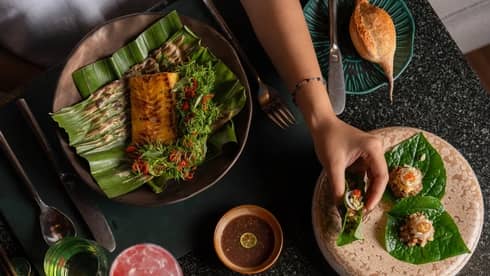
From Garden to Table
Basil, sweet potato greens, Malabar spinach and lemongrass grow alongside sugarcane, papaya, butterfly pea and other seasonal produce. These ingredients are used in everything from seasonal creations to refreshing cocktails and culinary experiences.
Meet the Team
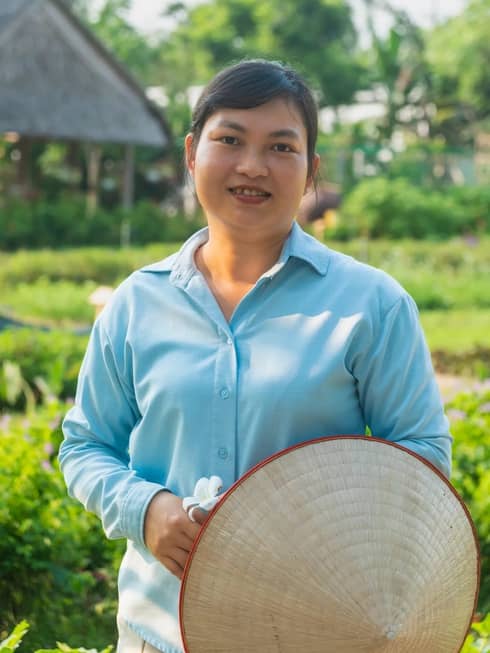
Ry Nguyen
Landscaping ManagerNature in Balance
 Regenerative Gardening
Healthy soil is the foundation of every harvest. Crop rotation, seasonal planting and climate-adapted species help our garden flourish naturally, while biological pest management reduces reliance on chemical solutions and supports pollinators and beneficial insects. Together, these practices nurture an ecosystem designed to grow stronger over time.
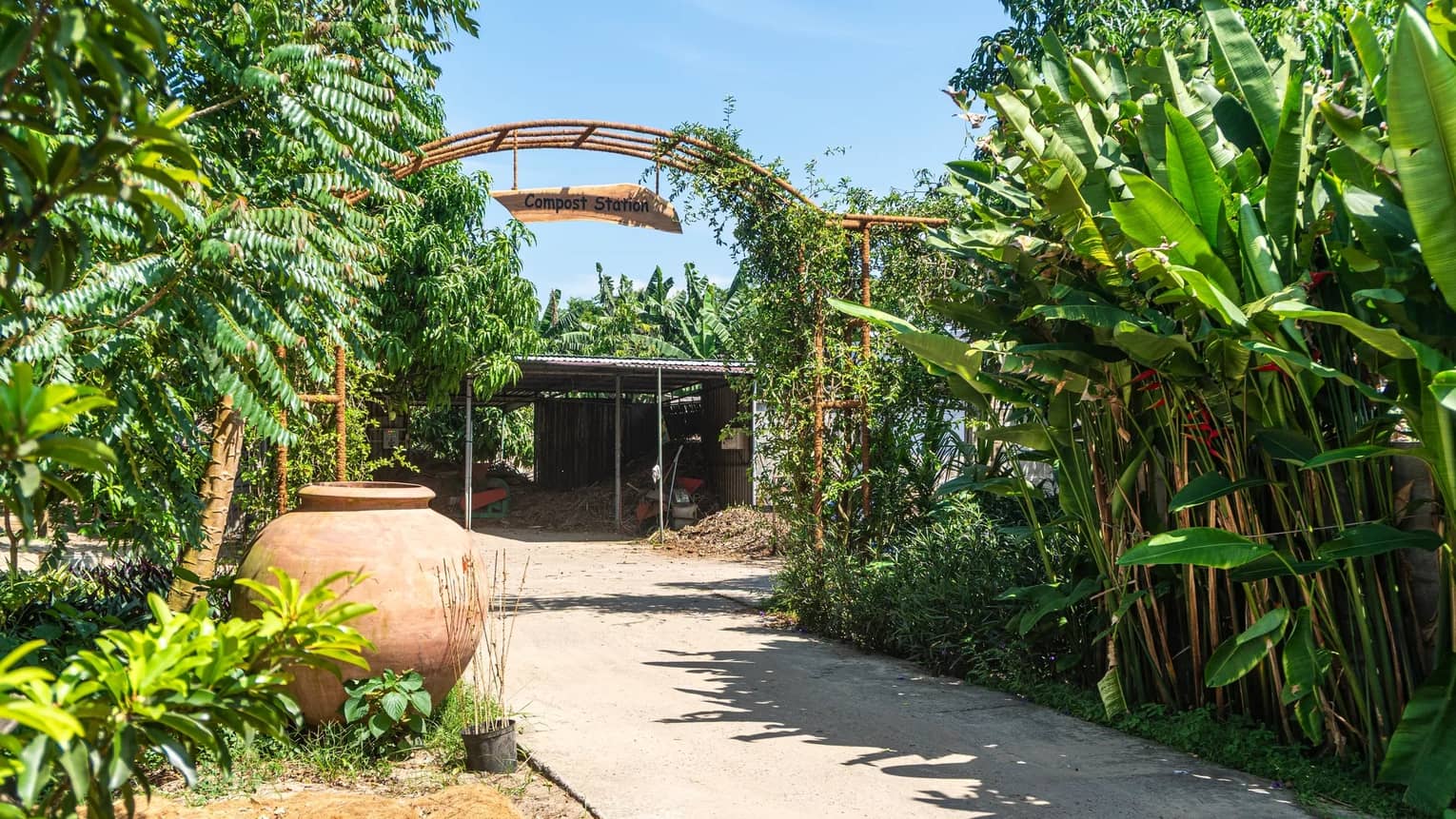 Closed-Loop Composting
Fallen leaves, kitchen scraps and coconut husks collected across our Resort are transformed into nutrient-rich compost. Each year, more than 1,000 tons of organic waste are diverted from disposal and returned to the gardens as compost, enriching the soil and completing a cycle where one season’s harvest helps nourish the next.
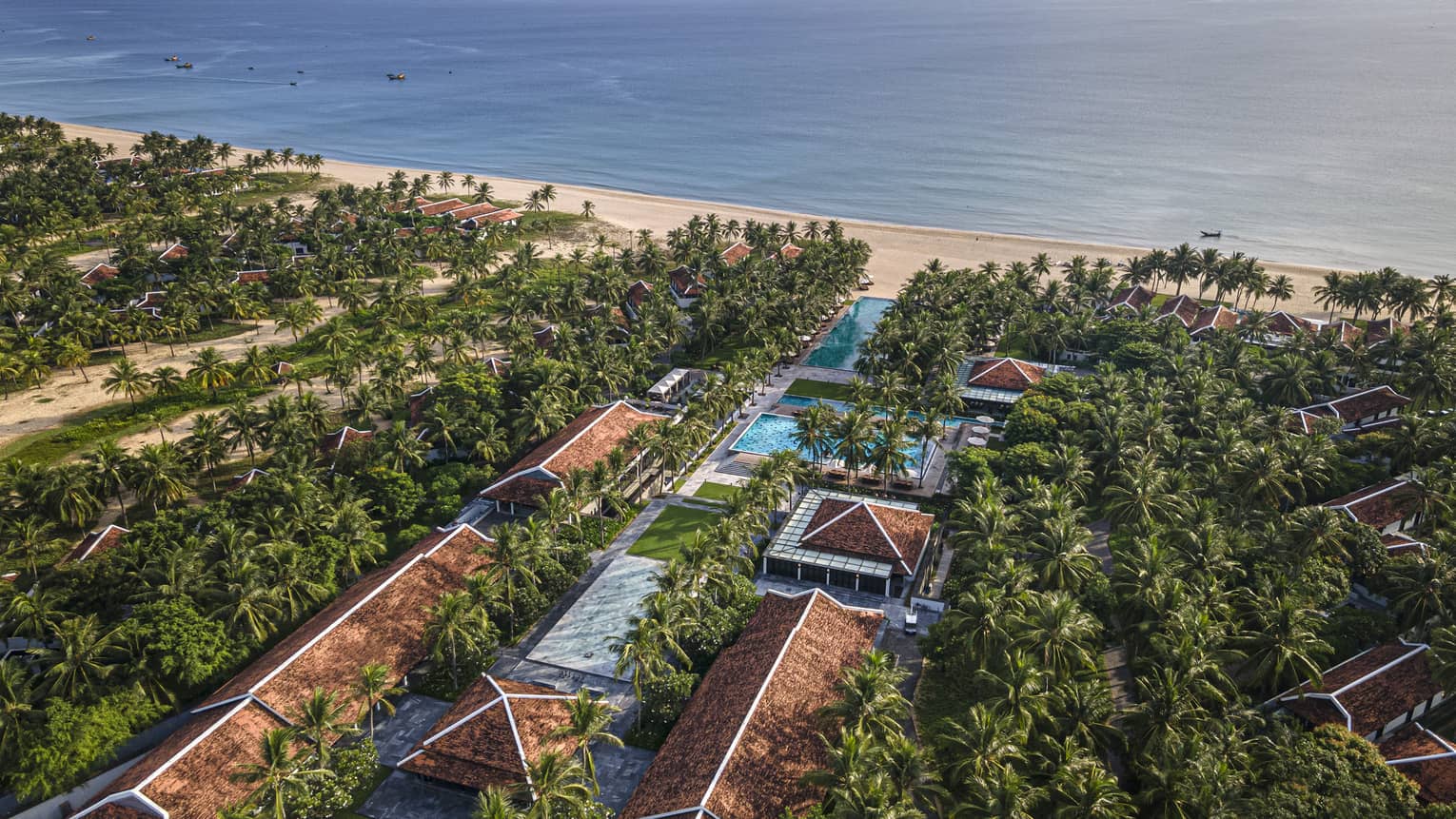 A Biodiverse Landscape
Nearly 80% of our 35-hectare (86-acre) Resort is devoted to gardens and green spaces. Plants native to, or closely associated with, the region grow alongside fruit trees, herbs and flowering species to create diverse habitats for pollinators and beneficial insects while preserving the natural character of the landscape.
 Using Water Wisely
Efficient irrigation helps reduce water usage across our Resort and is complemented by a wastewater treatment system designed to strengthen water management.
 Learning Together
Our garden is a place for learning as well as growing. Through guided walks, planting sessions and cooking classes, discover the principles behind our approach to cultivation and sustainability.
Explore Four Seasons For Good
Stingless Bee Sanctuary
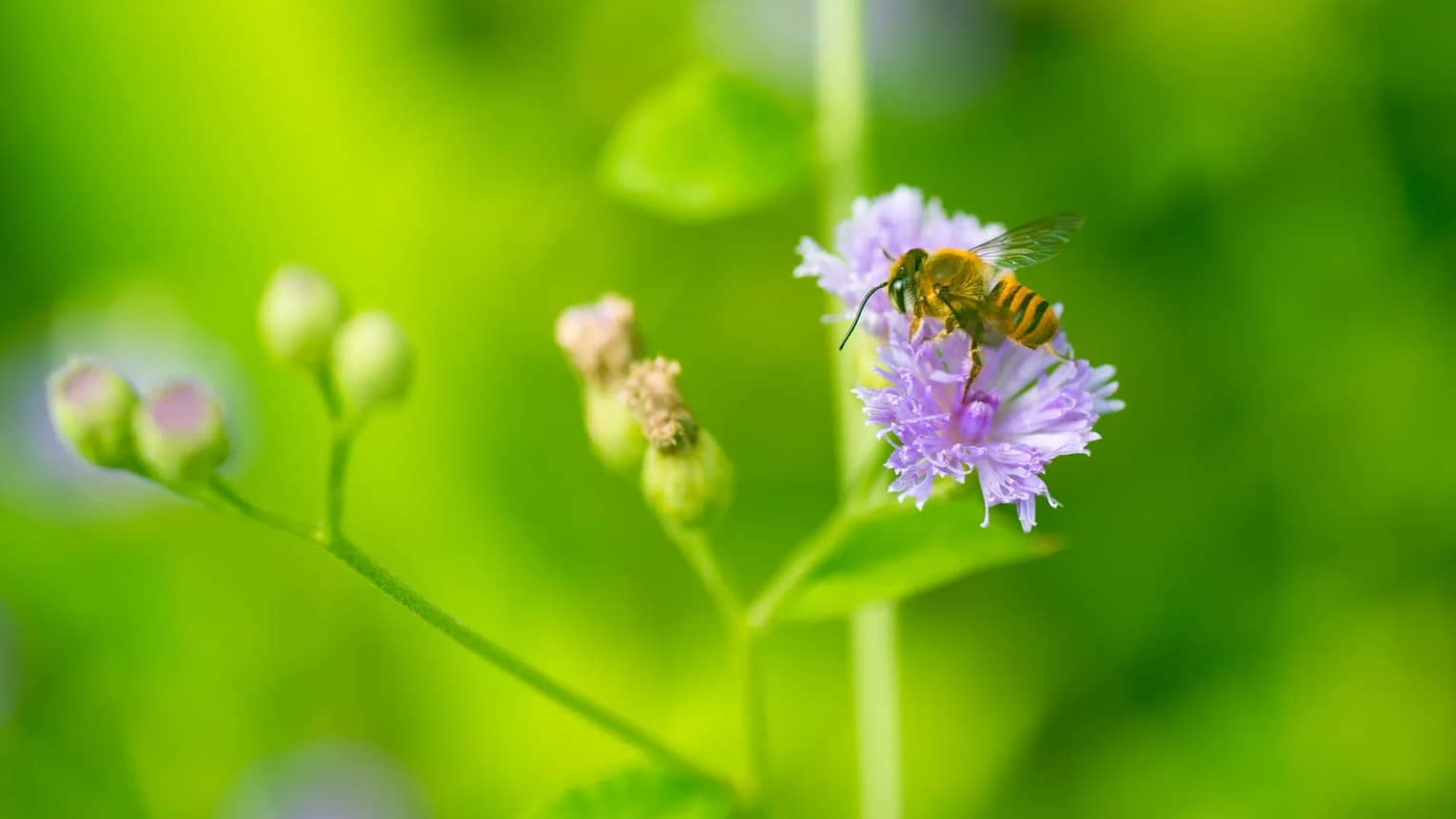
- Tiny Guardians of Our Garden
- Tucked beneath the shade of The Nam Hai’s mango grove, the Stingless Bee Sanctuary offers a closer look at some of nature’s smallest yet most important pollinators. Home to Tetragonula fuscobalteata, a native stingless bee species found in central Vietnam, the sanctuary is carefully tended by our landscape team, providing a sheltered habitat for these remarkable insects.
- Why Pollinators Matter
- Barely 3 millimetres (0.04 inches) long, these bees play a meaningful role in the natural world. As they travel between flowering plants in search of food, they help transfer pollen, supporting the reproduction of many plants and contributing to the interconnected ecosystems that sustain a diverse and thriving landscape.
- A Living Ecosystem
- Through attentive landscape stewardship and a growing understanding of native pollinators, this initiative reflects our appreciation for the delicate relationships that sustain the natural environment. Set within a landscape of tropical gardens, fruit trees and flowering plants, the sanctuary allows you to observe and discover the quieter rhythms of nature.
FAQ
The garden is cultivated year-round, with each season bringing its own selection of herbs, vegetables, fruits and edible flowers. Typically, February to June offers an especially abundant time to visit, when the garden is at its most vibrant and a wide variety of produce is being cultivated and harvested. Throughout the year, our planting evolves with the seasons to ensure produce is grown at its freshest.
Yes, you’re welcome to explore the garden at your leisure. Organized experiences, including our Cooking Academy and seasonal planting activities, are booked separately and may carry an additional charge. For a more personal experience, guided tours with our landscaping manager can be arranged, offering the opportunity to learn more about our seasonal planting, cultivation practices and the produce grown on site.
Yes. Young guests can join our Young Guardians of the Earth program for hands-on gardening and composting activities. They’ll learn how organic waste is transformed into compost and discover the plants that grow across our Resort. Children can also use fresh ingredients from our garden in Junior Cooking Academy experiences.
Yes. Our herb and vegetable garden is cultivated using organic and regenerative practices, including crop rotation, seasonal planting, natural composting and biological pest management. These methods help maintain healthy soil, support biodiversity and reduce reliance on chemical solutions.
Hoi An’s hot, humid coastal climate, distinct dry and rainy seasons and sandy soil support a diverse range of plants, from coconut palms and mango trees to basil, sweet potato greens and lemongrass. These conditions also contribute to the distinctive flavours and aromas of produce grown in the region.