with
Learn more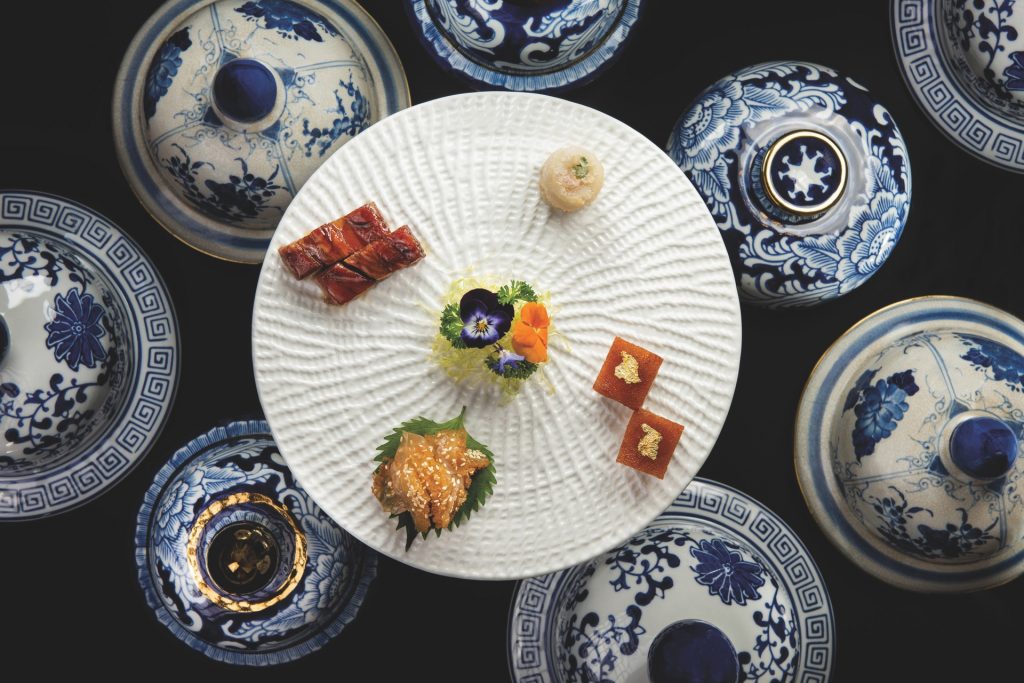
The Cantonese Connection
Acclaimed food writer and cook Fuchsia Dunlop explores how southern China’s once underestimated cuisine has taken its rightful place in the global spotlight.
It was the first day of our Cantonese food adventures, and my Hong Kong Chinese friends had arranged a lunch in the Nan Yuan (“South Garden” in English), one of the grand old restaurants of Guangzhou, China. We wandered through the colonnaded gardens and halls resplendent in stained glass of many colours to our private dining room, where the feast began beneath a glittering chandelier.
The menu was like a roll call of classic Cantonese cooking. We began with a warming soup brewed from pork stomach and kudzu root (an ingredient in traditional Chinese medicine) that was satiny on the tongue, before the waiter brought in a whole roast goose that had been chopped and then reassembled on the plate, its tender flesh crowned with dark amber skin that was meltingly crisp. Soon, there was sticky, wobbly fish maw, one of the dried seafood delicacies so adored in this region; a whole steamed grouper with glistening flesh; chicken and abalone stewed in a clay pot; stir-fried greens; and, to finish, sticky rice balls stuffed with bird’s nest (a delicacy made from the saliva of swiftlets) in a red bean soup that just murmured of sweetness.
Cantonese is one of the world’s most familiar cuisines, yet also one of its least understood. It was the Chinese food first encountered by foreigners in modern times, in the trading enclaves of Macau and Canton (now Guangzhou). It was here, in Guangzhou, that chefs are said to have invented—to suit the tastes of visiting foreigners—the boneless sweet-and-sour pork dish that would become a staple of international Chinese menus. Later, emigrants from the Cantonese-speaking south of China would voyage to America to work the mines and build the railroads, carrying with them the flavours of their homeland.
Cantonese immigrants opened restaurants across America and in many other countries and invented what much of the world would come to know as Chinese food. It was a formula rooted in Cantonese tradition but heavily adapted to Western palates: tasty, inexpensive, and devoid of awkward bones and wobbly textures. Instead of steamed fish, vibrant vegetables, and gentle soups, there were fried noodles and boneless meats. This hybrid cuisine was to become wildly popular but also the victim of its own success. Outside of China, Chinese cooking, so diverse and complex, was rarely considered to be sophisticated. Instead, it was branded as cheap, lowbrow, and unhealthy.
It’s one of the great ironies of history that China’s great gastronomic culture, along with one of its most esteemed regional traditions, should be so underestimated. Within China, Cantonese is regarded as one of the country’s Four Great Cuisines, along with those of Sichuan, Shandong, and the Jiangnan region around Shanghai. Although you wouldn’t guess it from the deep-fried tidbits and sweet-sour flavours that characterize Chinese food abroad, Cantonese cooks are renowned for their insistence on fresh ingredients, their light touch with seasonings, and their precise command of heat and timing.
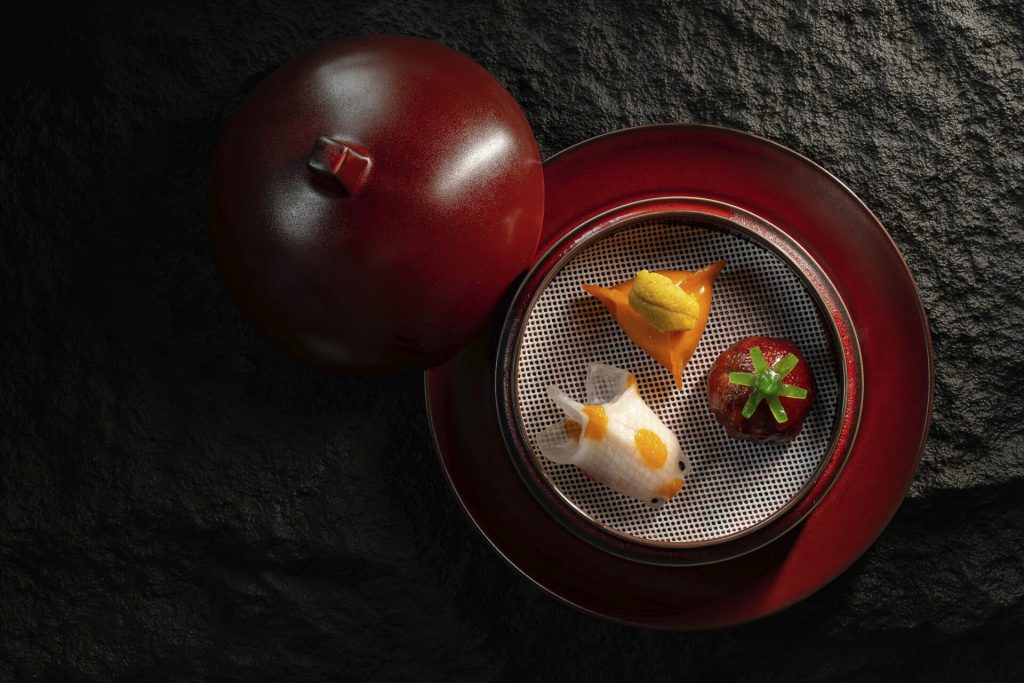
“Cantonese food is all about the essential tastes of ingredients,” says chef Yongsheng Li of the Michelin-starred Yu Yue Heen restaurant at Four Seasons Hotel Guangzhou. “With a fine steamed fish, we might season it with nothing but oil and salt because we don’t want to cover up its natural flavour. And we insist on eating foods in their proper seasons: lamb in winter, for example, toon shoots [from the Chinese mahogany tree] and other sprouting vegetables in spring.” Soups, made with ingredients designed to maintain health in every season, have a particularly important role in local meals.
One of the most representative local dishes, says Li, is white cut chicken. “The key to this dish is to choose the right breed and age of chicken and cook it within hours of slaughter,” he says. Like many Cantonese dishes, it appears plain but is technically complex: the bird must be poached at a carefully controlled temperature, like an artisanal sous vide, resulting in taut skin and flesh that is brisk but juicy, with a little pinkness in the bones.
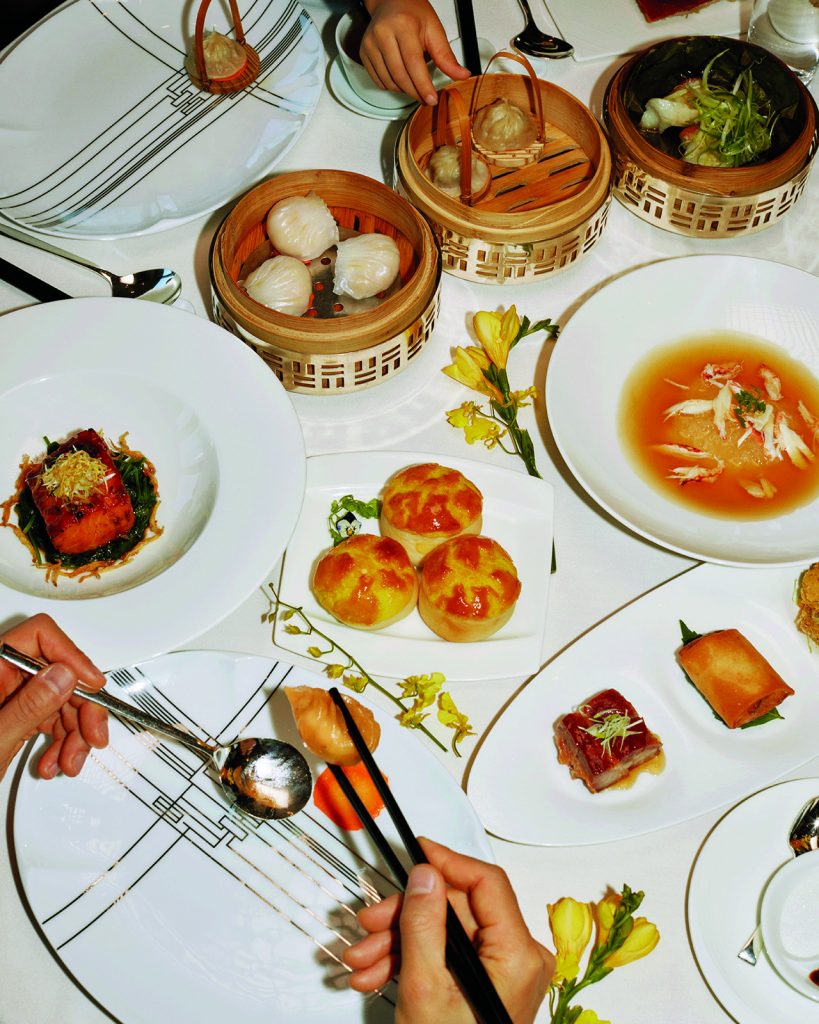
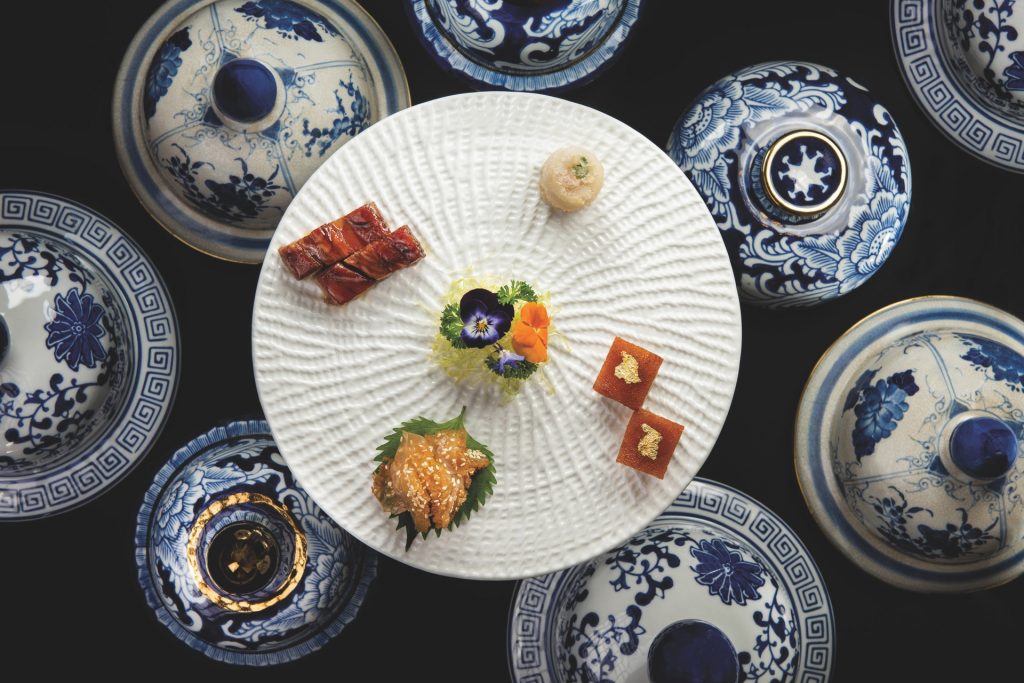
The flavours of Cantonese cuisine are more discreet than, say, the fire and spice of Sichuan. Ginger, spring onions, and aged tangerine peel are favoured seasonings, along with soy sauce and black fermented soybeans. Certain cooking methods and culinary creations are regarded as quintessentially Cantonese: the delicate steaming of seafood; fastidious roasting techniques that give pork and poultry tempting aromas and crisp textures; translucent shrimp dumplings and a whole gamut of delicate dim sum. There are flash stir-fries imbued with wok hei (“the breath of the wok”); nourishing desserts that often take the form of soups; and hearty claypot dishes. Cantonese eaters take particular delight in the textures of their foods, which is why they enjoy so many ingredients that can perplex foreigners, like slippery-crunchy jellyfish.
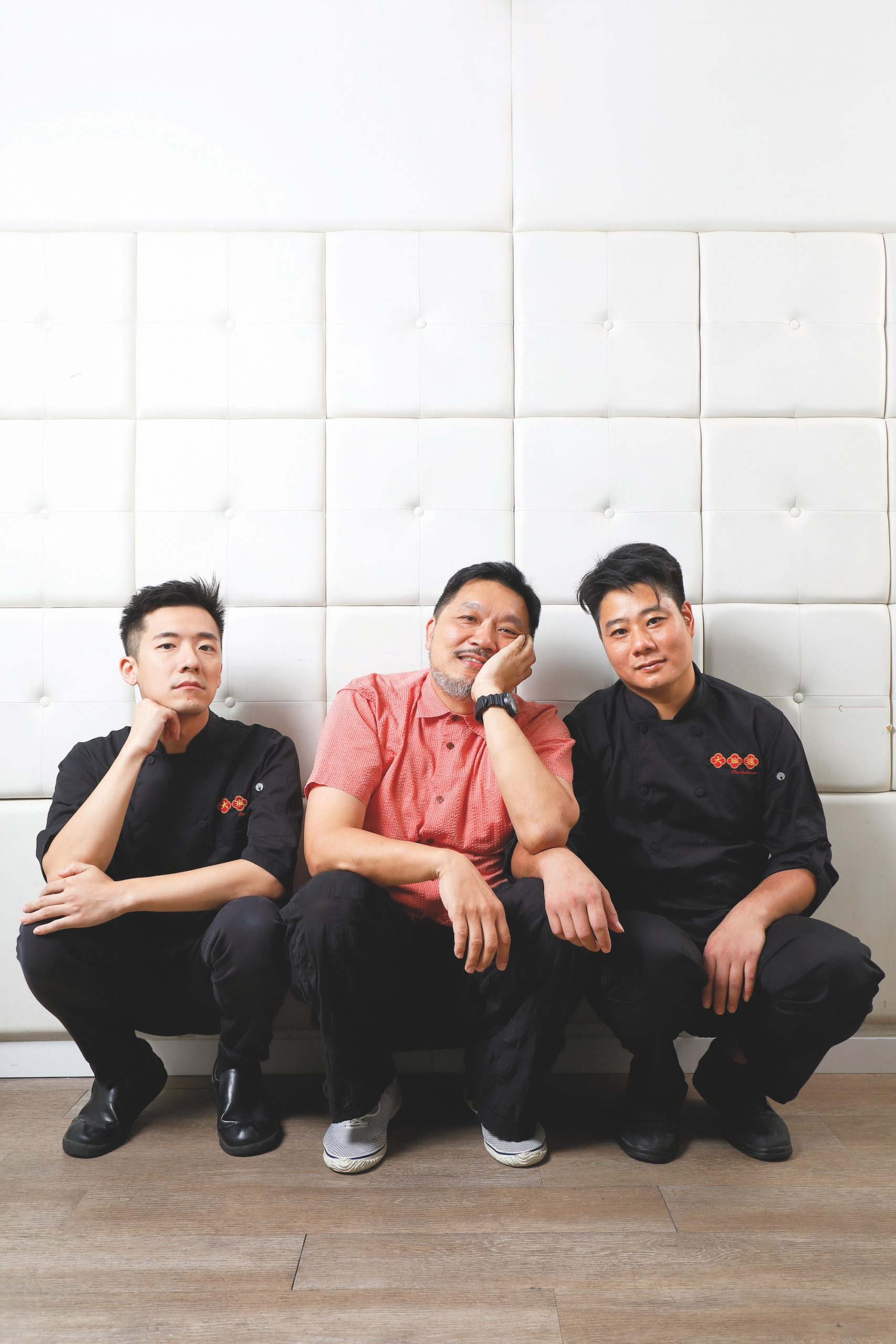
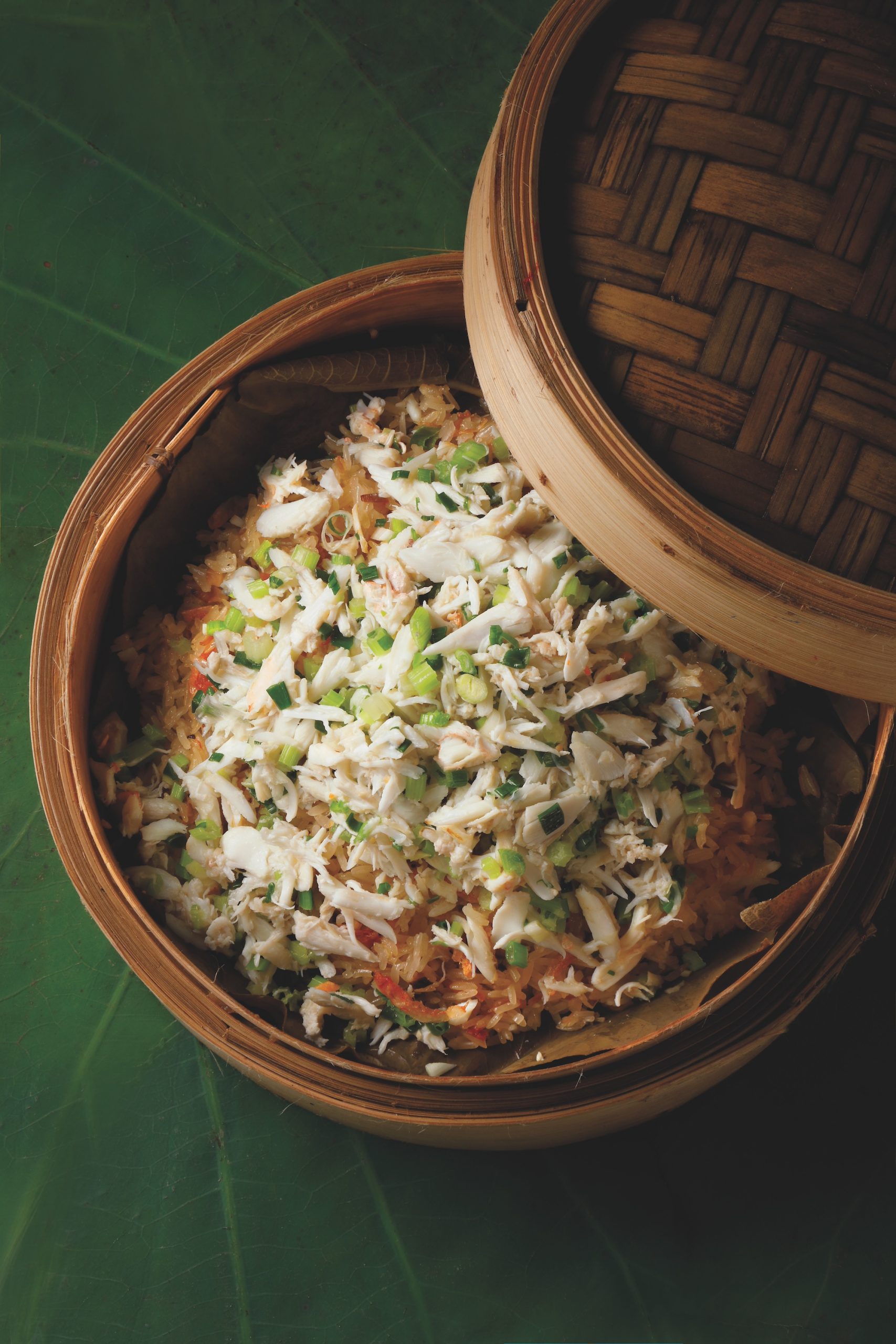
Cantonese food itself is diverse and wide-ranging. In Guangzhou, you could spend days exploring dim sum alone, popping into a tiny café that serves fresh cheung fun (noodle rolls made with steamed sheets of rice pasta) or brunching on dozens of dumplings in the gorgeous Tao Tao Ju restaurant in the heart of the old town. You might lap up some turtle broth from a blue-and-white china pot at Dayang, a hole-in-the-wall conspicuous for its towers of steamers, each layer filled with pots of a different kind of soup. At the other end of the social scale, you could spend a fortune on abalone and other prized delicacies. (And if you’d like a taste of the origins of Westernized Chinese food, you could go to the Guangzhou Restaurant for what they call their “nostalgic” sweet-and-sour pork with chunks of pineapple.)
Any local gourmet can tell you that Cantonese isn’t even a single cuisine. It encompasses not just the rich gastronomic traditions of Guangzhou, the provincial capital, but also the distinctive foods of Shunde, known for its unusual dairy foods made from buffalo milk, and of the Chiu Chow region in the east, with its extravagant seafood, hearty peasant stews, and desserts such as sweet, lardy taro porridge. Another element is the rustic tradition of the Hakka people, whose classic dishes include stuffed tofu and pork belly steamed with salty vegetable preserves. And in Hong Kong, with its wealth and cosmopolitanism, Cantonese food mixes with the flavours of the world.
For many years, Chinese food of any kind was neglected by the international arbiters of taste. Until the end of the 20th century, China itself was largely off the international travel map, and most Chinese restaurants abroad were of the cheap-and-cheerful variety.
“Foreigners misunderstand Cantonese cuisine because they only encounter the basic stuff and never have the chance to taste more elevated versions,” says veteran Hong Kong food writer and restaurateur Lau Kin-wai. “Most Chinese restaurants abroad just serve Chinese food as it exists in foreigners’ imaginations.”
Over the last couple of decades, the outside world has begun to wake up to the possibilities of Chinese food. Increased travel and emigration by people from many parts of China (not just from the Cantonese south) have spurred the development of a more authentic Chinese dining scene in Western cities. Sichuan cuisine has exploded in global popularity, shattering the idea of Chinese as a monolithic food culture, while the flavours of northern Xi’an, spicy Hunan, and the Shanghai region have also begun to attract attention. And China’s rise in wealth and power on the international stage is inevitably starting to raise the status of Chinese food and culture more generally.
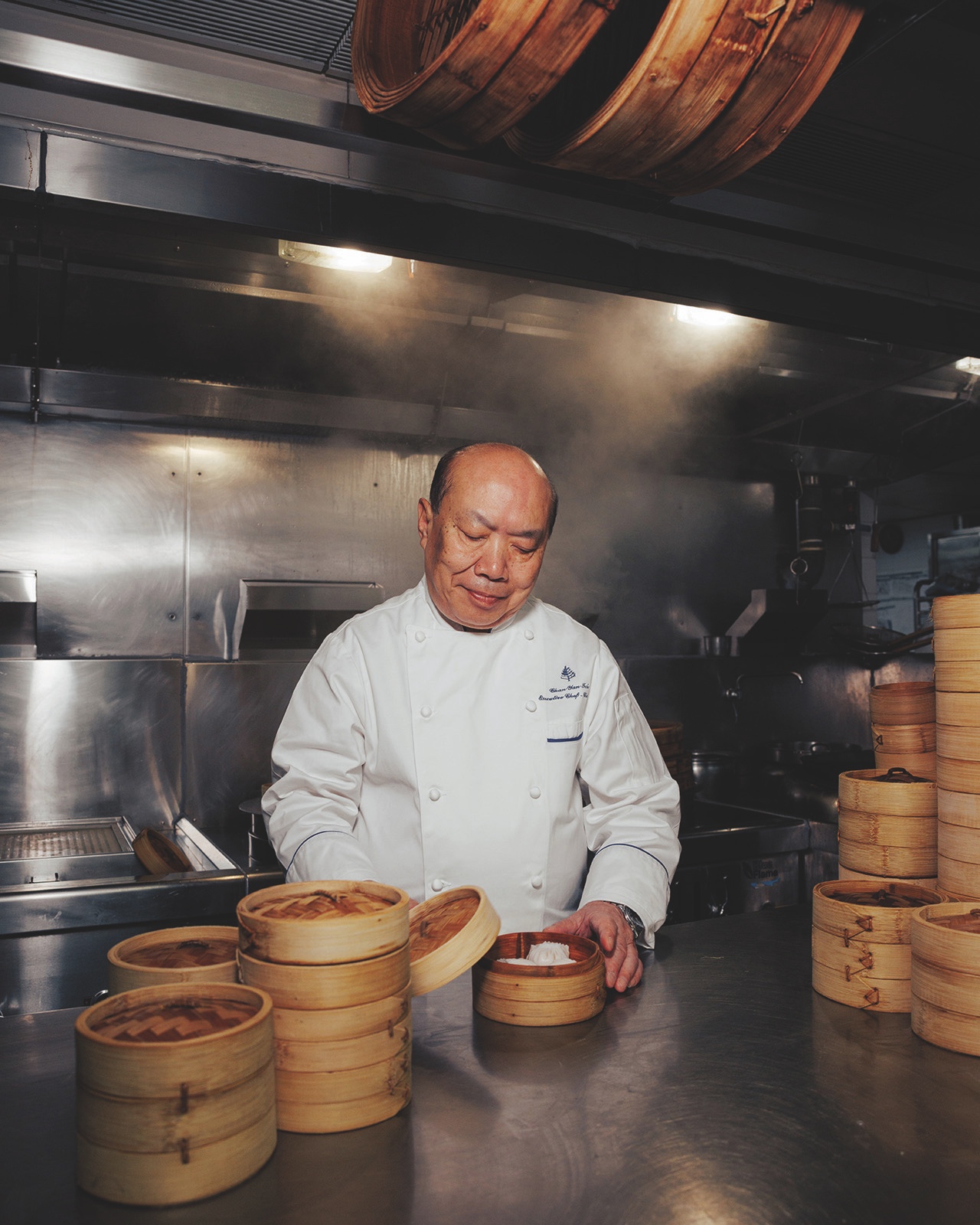
In 2009, Michelin for the first time awarded three stars to a Chinese restaurant, Lung King Heen at Four Seasons Hotel Hong Kong, which was then, as now, under the stewardship of veteran chef Chan Yan Tak. It was a belated acknowledgment that Chinese food could be both fine and expensive, and a seismic moment for a restaurant specializing in classic Cantonese cuisine. “I was taken aback, but also honoured by the recognition,” says Tak. The restaurant’s specialities include Superior Pottage, a rich, nutritious soup that distills the flavour essences of lean pork, Yunnan ham, and fine local chickens. This local delicacy is light-years away from the kind of food served in American Chinese diners.
The same year, 2009, another Cantonese restaurant, the Chairman, opened in a quiet backstreet in Hong Kong and began to make waves. While living in Australia, its owner, Danny Yip, had been infuriated with the lowly reputation of Chinese food. After returning to his native Hong Kong, he decided to take a fresh look at traditional Cantonese food and produce “a fine version of home cooking.” He and his team applied themselves to reinventing humble dishes, like congee and claypot rice, using premium ingredients and spending months developing individual recipes, such as their now-classic steamed flowery crab with Shaoxing wine. In 2021, the Chairman was the first Chinese restaurant to top the annual list of Asia’s 50 Best Restaurants.
The spotlight brought by these international accolades has opened the door to greater global recognition of Chinese cuisine. It has also helped to give other Cantonese chefs the confidence to take a fresh look at their traditions. After all, Cantonese food is in many ways perfectly suited to contemporary tastes and trends, with its emphasis on lightness and balance and its attention to fine, seasonal ingredients.
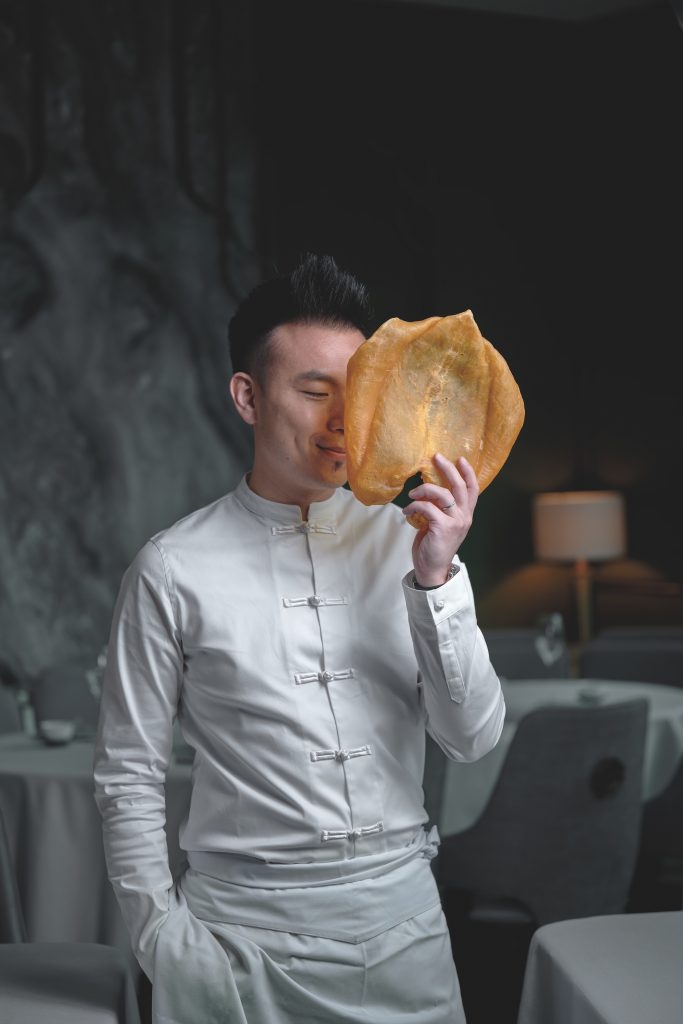
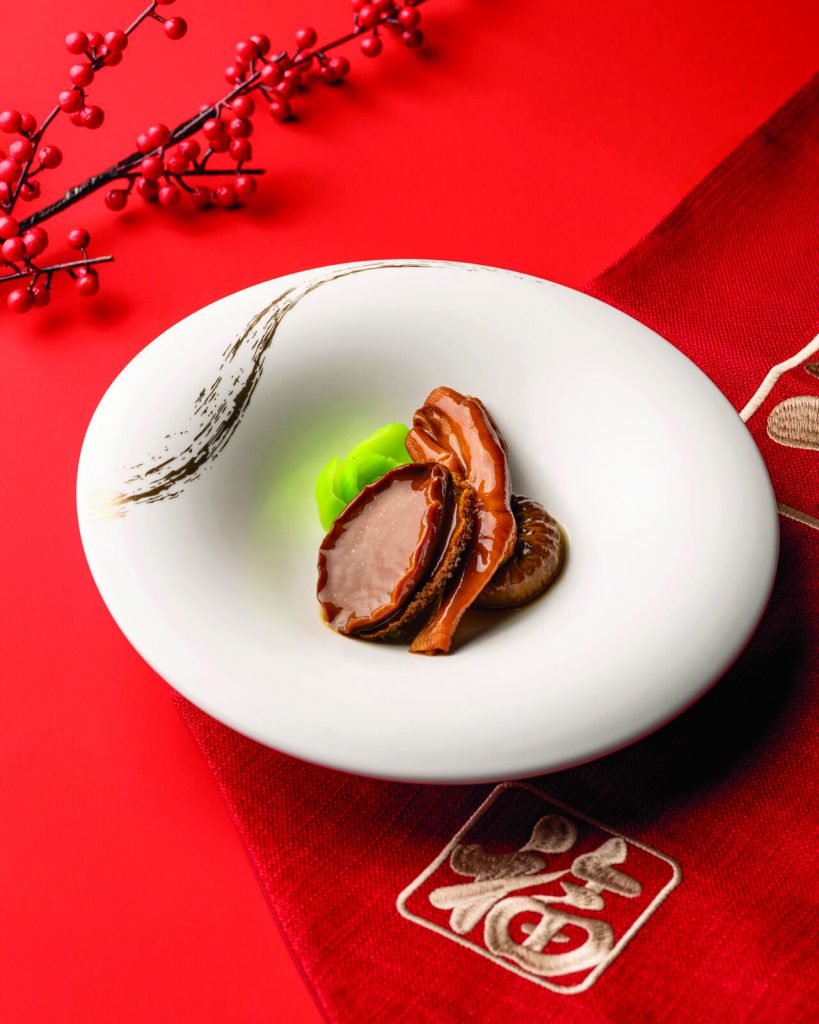
One chef who is helping to reshape perceptions of Chinese food is Vicky Cheng. Although Hong Kong born, he grew up in Canada, where his ambition was to become a famous French-trained chef because, he says, “I always believed French cuisine was the epitome of fine dining.” After years spent working in French kitchens, he realized, he says, that there was an essential contradiction in his life, because “I was craving Asian food every day.” So, he returned to Hong Kong for exposure to Asian flavours. His first restaurant, VEA, presented a fusion of his French and Chinese influences, and then in 2021, he opened Wing, a new kind of Chinese restaurant.
“In the beginning, I knew nothing about Cantonese food because all my training had been French,” he says. He applied himself to studying the local culinary arts through a process of trial and error: in particular, he wanted to master dried seafood delicacies, such as sea cucumber and fish maw. “I knew I would combine French technique with local ingredients and felt that if I was going to tackle a fine dining approach, I needed to conquer these important delicacies, the Chinese equivalents of French caviar and truffles.” Now, he says, he cooks in a “boundaryless” way, without the baggage of traditional rules.
Affluent Hong Kong Cantonese may be the world’s most discerning diners, well versed in both Chinese and international cuisines, and Cheng’s novel approach faced a certain amount of initial skepticism. A few years in, he has converted many of his critics, while his eclectic cooking seems perfectly suited to a culinary region that has long been China’s window onto the world. In 2025, Wing is in third position on the Asia’s 50 Best list.
“We are just so happy that we are now on the international map, bringing the attention of the international crowd to Chinese food,” says Cheng. “And I hope this recognition on the world stage is just the beginning, not just for myself but for Chinese cuisine.”
More like this

bars bogota
Zero Proof, Full Flavour
Across the globe, inspired tastes—not alcohol—are driving a reimagining of what it means to drink well.
China Chinese cuisine
The Cantonese Connection
Acclaimed food writer and cook Fuchsia Dunlop explores how southern China’s once underestimated cuisine has taken its rightful place in the global spotlight.
Trending
-
Japan’s Kissaten Coffee Culture
Matcha may be Japan's most popular caffeinated export, but the country's kissaten coffee experiences offer an appealing alternative.
-
Bring The Four Seasons
Experience HomeRest peacefully on the world’s most comfortable mattress.
-
Opinion: In Defence of Luck
In the success equation, luck plays an important role.