with
Learn more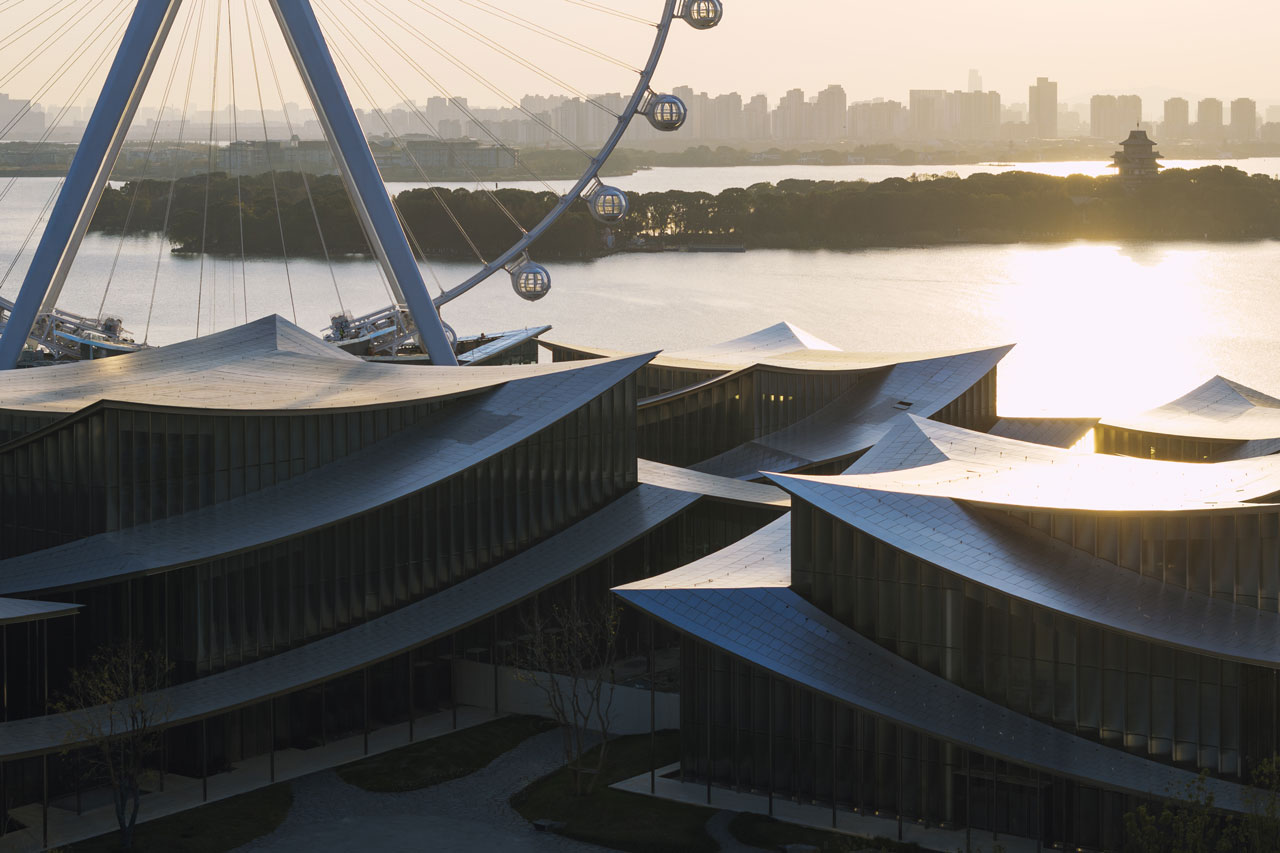
Suzhou Museum of Contemporary Art
A Scholar-Chef’s Guide to Suzhou, China
The poetic executive chef of Chinese restaurant Jin Jing Ge shares his go-tos in the City of Gardens.
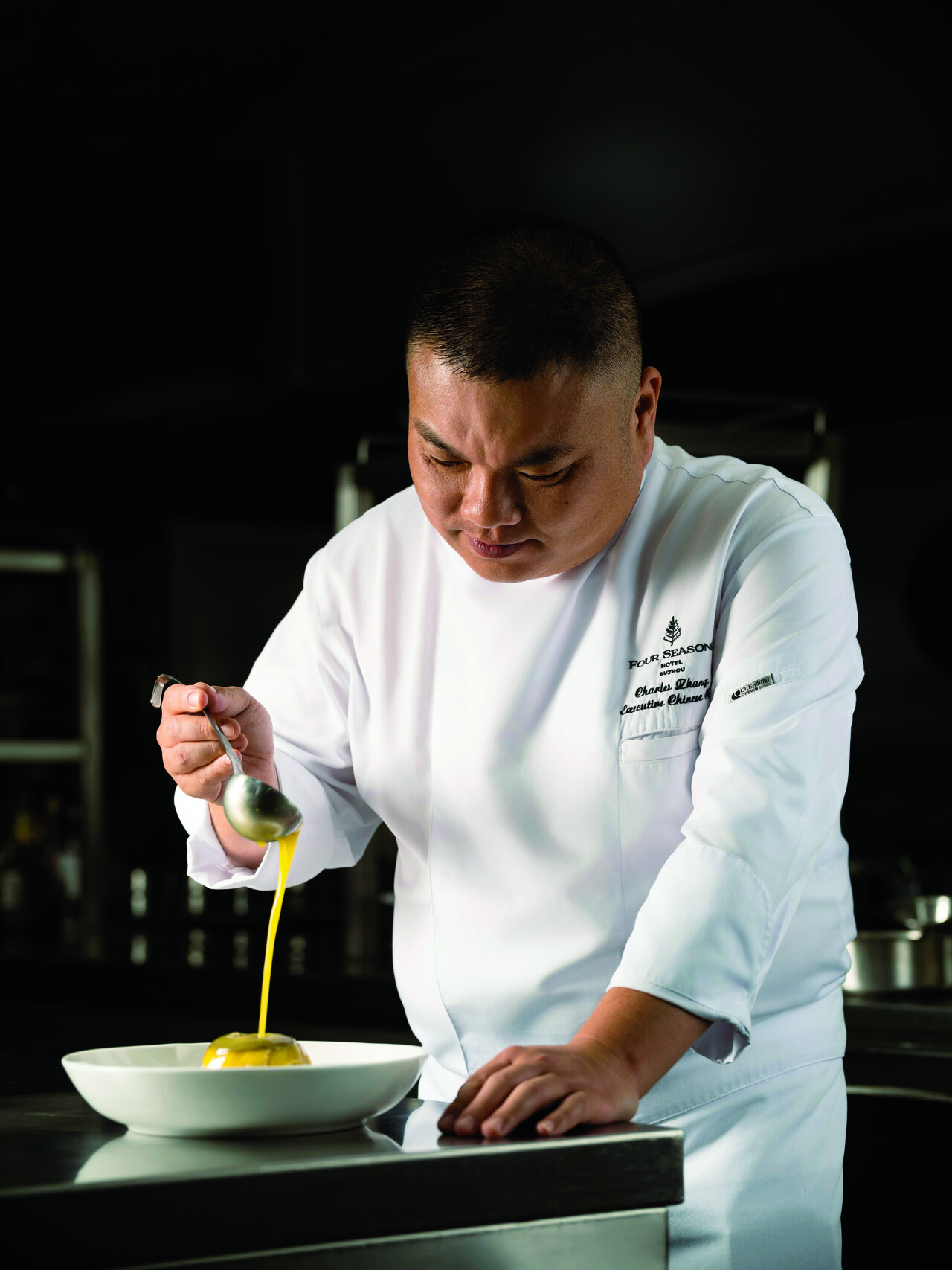
Charles Zhang is continuing a culinary legacy that stretches back generations. Born in Shanghai’s Sanlin neighbourhood, he apprenticed under master Li Mingfu, inheriting the traditions of Li Borong, a legend of Shanghai cuisine. After 12 years refining Jiangnan cuisine (known for its delicate flavours) at Four Seasons Hotel Hangzhou at West Lake, he now leads Jin Jing Ge, a Michelin-recognized restaurant at Four Seasons Hotel Suzhou, set on a private island in Jinji Lake. To understand his cooking, you have to understand where he finds his foundations. He studies classical texts like those of the Qing dynasty gastronome and poet Mei Yuan, reviving centuries-old recipes. One such revival is his steamed duck with fish maw, dried scallops, and shepherd’s purse, inspired by the Duck Hutu recipe from Yuan’s Suiyuan Shidan cookbook. He also regularly walks the narrow lanes of local markets and visits village farmers. Here, the scholar-chef shares the places that nourish his cooking and his soul in the historic city famed for its enchanting canals.
First-Broth Noodles
“Suzhou’s food culture is not found in glossy guidebooks. It lives in the early morning rituals of tou tang mian, the ‘first broth’ noodles made with the day’s freshest broth, and in the markets where grandmothers still haggle over seasonal greens. Tongdexing on Shiquan Street is my summer choice for tou tang mian. Their white broth carries a hint of fermented rice, light and faintly sweet, and the pork belly melts. Gu Su Qiao on Guanqian Street serves a darker, richer broth perfect for winter.”
Local Markets
“Suzhou’s food culture lives in its markets. Shuangta Market is where grandmothers select vegetables, and the soft Suzhou dialect floats through the air. Nearby, Rishengxing makes [glutinous rice] cakes that have been a local staple for decades. Fengmen Hengjie [Street] is rawer, more unfiltered—the place where the city comes to eat.”
Lake Farms
“To understand Suzhou’s cuisine and unique ingredients, you must visit the farms. In Xishan, I go for fox nuts. Around Xiaoxia Bay, the water is good, and the fox nuts have a texture you find nowhere else. No brand, no packaging. Just farmers sitting by the lake, shelling nuts by hand. Stop and talk with them; that is the real taste.”
Historic Towns of Luzhi and Lili
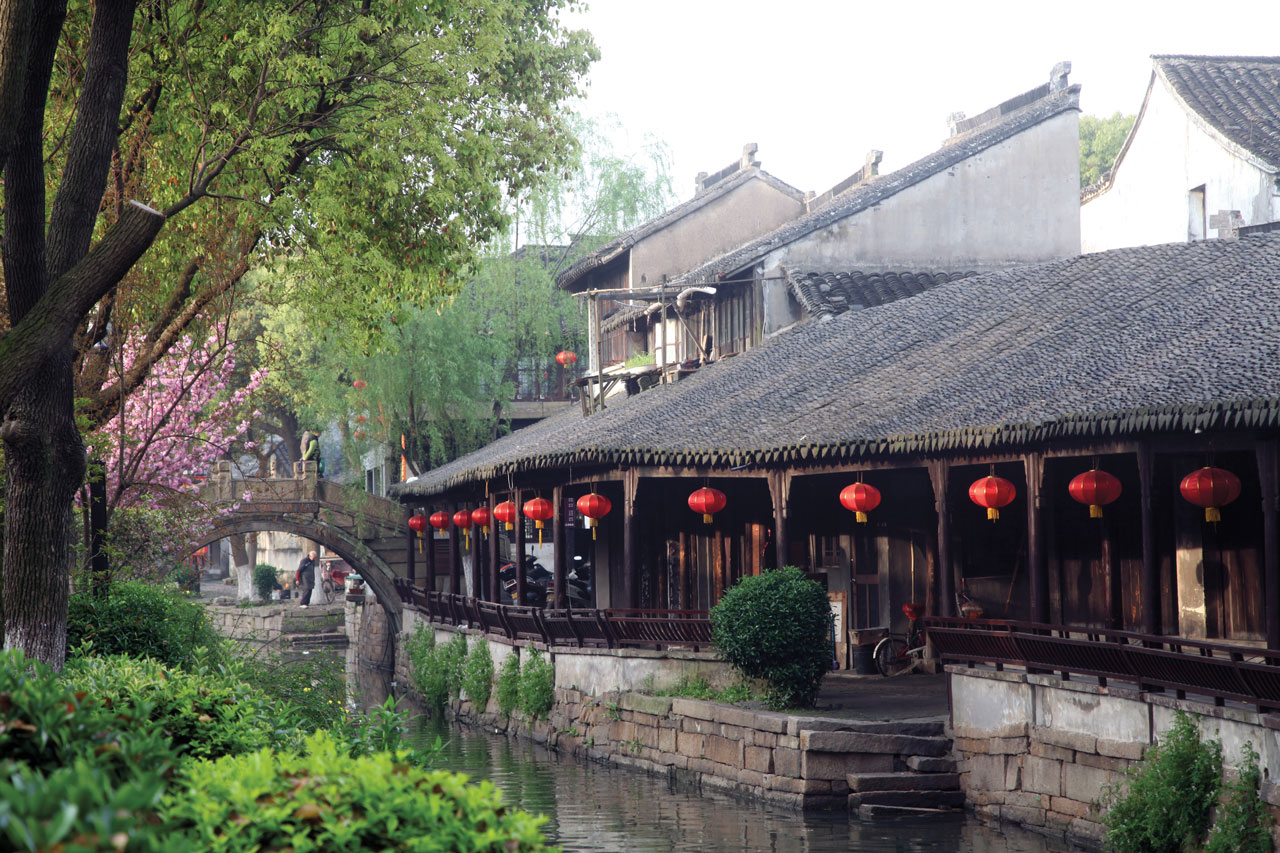
“I am drawn to places where you can see the craft of preservation. In Luzhi, it is the pickles and sauces; in Lili, the cured meats. Watching how time and patience transform ingredients, that is where profound flavour is born. Luzhi’s pickles are sharp, crisp, a legacy of centuries. Lili’s cured duck and pork, dried under sun and stars, carry a depth no shortcut can replicate.”
Xin Ju Feng
“This restaurant has been serving Suzhou since 1904. Their braised eel with hot oil arrives at the table with a dramatic sizzle, the oil poured just before serving, the eel tender, the sauce savoury with a subtle sweetness, infused with wok hei [breath of a wok].”
Pipa Yu Teahouse
“This teahouse [offering traditional Pingtan musical performances] is where I send anyone who wants to hear Suzhou’s soul. Sit by the canal with a pot of Biluochun tea; let the storytelling wash over you.”
Jin Jing Ge at Four Seasons Hotel Suzhou
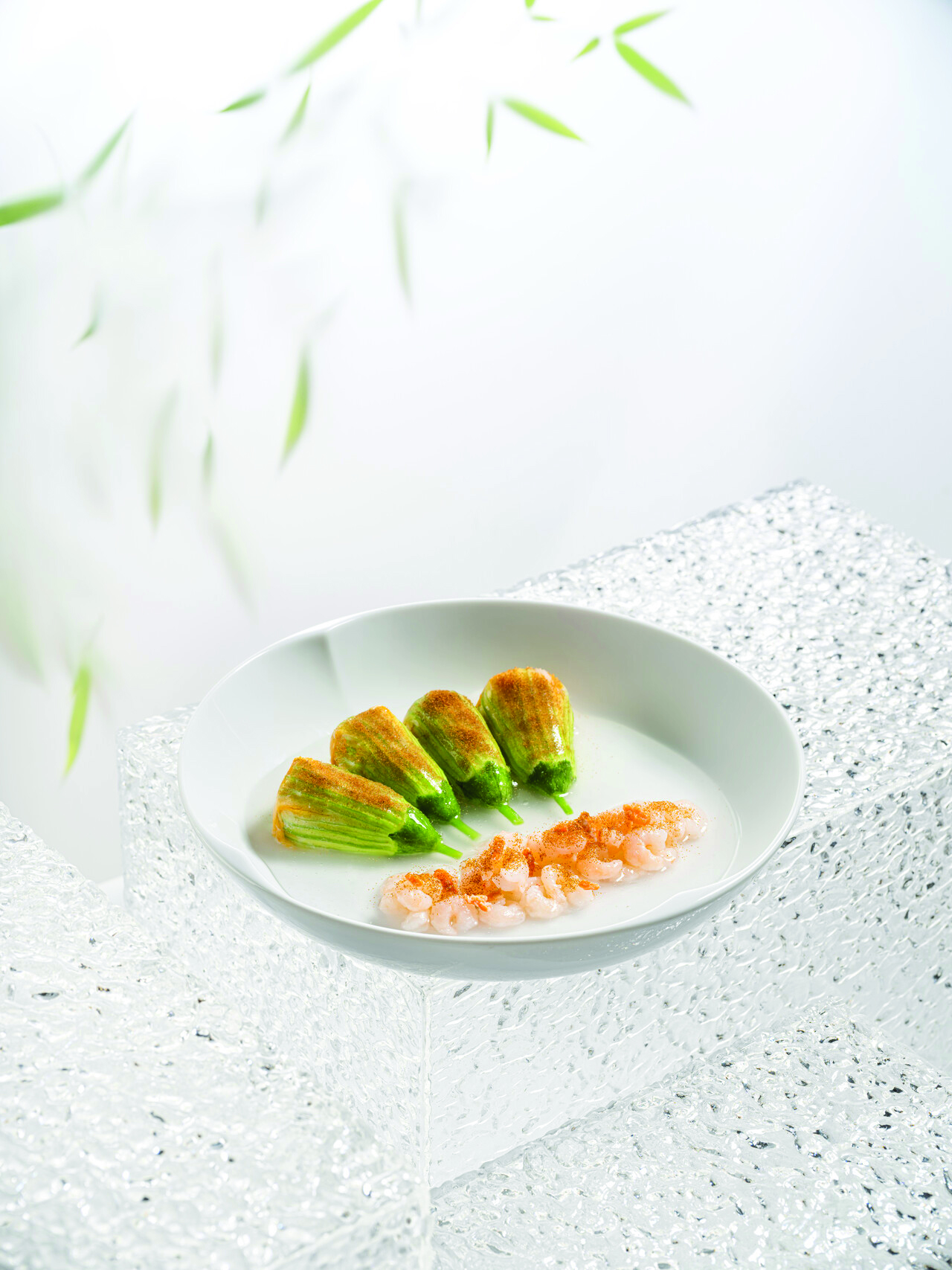
“I recommend Jin Jing Ge not because it is mine, but because the room itself teaches you something about Suzhou. The celadon screens, the way light filters through like rain mist—dining here feels like walking through a garden. From the windows, Jinji Lake stretches to the modern skyline beyond.”
Kunqu and Tea
“Among the hotel’s experiences, I really enjoy the Kunqu opera performances [on public holidays and Saturdays] paired with a tea tasting. Kunqu is the mother of Chinese operas, born here in Suzhou. Its elegance, poetic language, and deliberate movements are pure Suzhou.”
Suzhou Museum of Contemporary Art
“The new museum, designed by BIG, is a bold international statement, yet it sits respectfully by the water, engaging with Suzhou’s classical identity.”
More like this
wine
A Napa Winemaking Family Looks Beyond the Valley
The Caymus founding family are uncovering new pockets of California suited to the wine's signature style.
art dining
Canvases & Cuisines: Seven L.A. Restaurants Where Art Is on the Menu
Discover vibrant art while enjoying exceptional dining at these seven Los Angeles restaurants.
Trending
-
Stepping Out in Style: Three Independent Shoemakers to Know
In Mallorca, Paris, and London, these under-the-radar shoemakers are honouring the art of handmade footwear.
-
9 Family Vacations Recommended by Moms
Discover tips for family travel in destinations around the world from mothers who know travel, from Orlando to Hong Kong.
-
Rare Trade: Meet 4 People Searching the World for the Exceptional
Discover the rarest of the rare, from elusive ingredients to adventures with icebergs.