with
Learn more
The Art of Rest: How to Achieve Deep Sleep Every Night
All you want for the holidays is…a good night’s rest? Here’s how to get it.
As the days shorten and the holiday season invites a rare pause, we enter the season of restoration. This time can be a natural window to reclaim the rest our bodies crave but rarely receive. During the winter months, nature recalibrates through stillness, and humans are biologically wired to do the same—but we must first purposefully flick a physiological switch from drive to restore.
Small, intelligent shifts can activate the parasympathetic nervous system (PSNS)—our body’s built-in “rest and repair” mode—and set the stage for the kind of sleep that influences several aspects of our life, such as the balance of hunger hormones, cognitive cleaning, and mood stabilization.
Below, I share science-backed techniques and foundational practices to help you access deep sleep this season, so you can move through the holidays not just rested but renewed.
What Is Deep Sleep?

But first, what is deep sleep? And why is it so important?
Deep sleep, also known as slow-wave sleep, is the most restorative phase of the night, when the body performs its most powerful repair work. Adults should spend 10 to 20 percent of total sleep time in this phase (roughly 40 to 110 minutes).
During the slow-wave phase, a lot happens:
- Growth hormone surges, accelerating tissue repair, speeding athletic recovery, and influencing longevity genes.
- The brain consolidates memory and rewires neural connections, imprinting new information to retain in the brain.
- Amyloid plaques linked to cognitive decline are cleared, flushing out the buildup of toxins and metabolic waste. This process is known as glymphatic drainage, and it happens almost exclusively during sleep.
So how do you ensure you get enough deep sleep every night? Too often we move a million miles a minute during the day, rarely slowing down come evening—and then we expect to fall right asleep. Transitioning into restorative sleep requires a physiological pivot from alertness to rest.
Here are holistic methods and tech-driven solutions that specifically activate the PSNS that manages the body’s “rest and repair” functions. You can practice them at home or hotel and choose one or all of them. I suggest finding the method that you enjoy the most and focusing on it.
Foundational Rituals
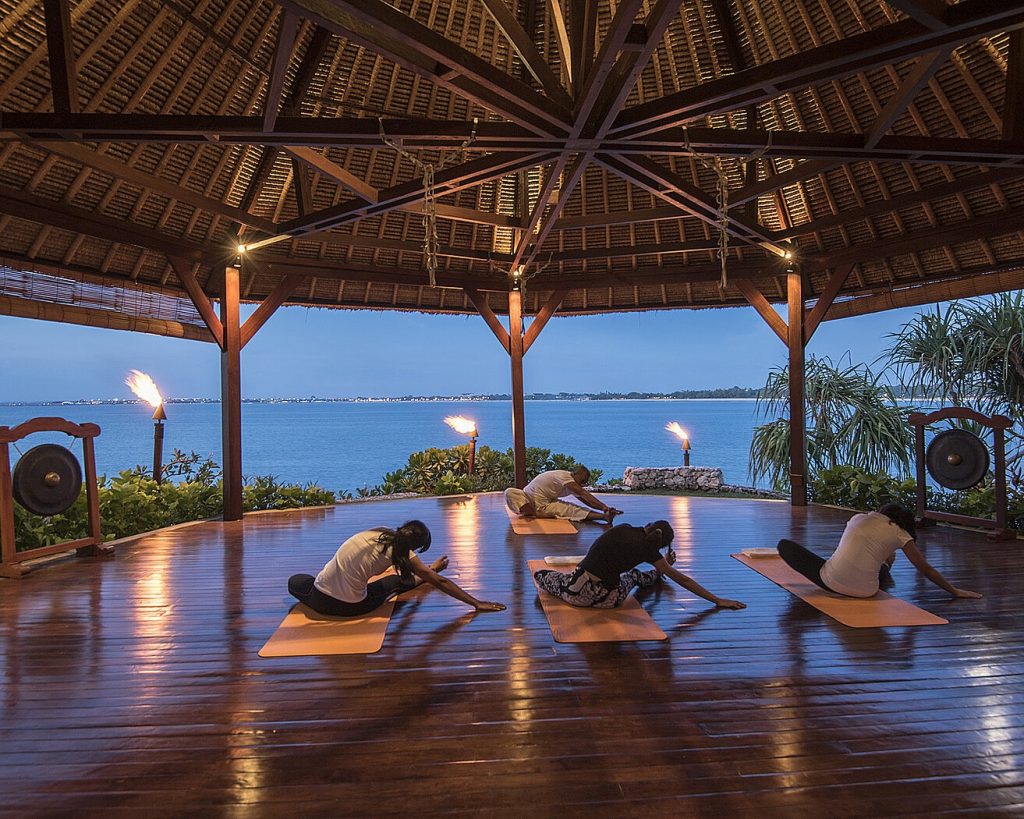
Breathwork (5 minutes):
- How It Works: Think of breathwork like a glass of Bordeaux—it offers an immediate feeling of calm (and joy!). Lie down in a comfortable space. Close your eyes and switch to nose breathing. Just this simple change can have a detoxifying effect on the body (mouth breathing increases stress hormones). Begin a simple 4-7-8 breath technique: Inhale for a four count, hold breath for a seven count, exhale for an eight count. Set a timer for five minutes or enjoy for as long as you’d like.
- Why It Works: This rhythm slows heart rate, shifts autonomic balance toward PSNS dominance, and lowers blood pressure, creating a physiological “safe” signal for sleep.
Gentle Yoga (10 minutes):
- How It Works: A few gentle yoga postures not only ease tension in the body but also influence the mind. Join me in a guided restorative yoga class here.
- Why It Works: Gentle yoga and somatic movement have been shown to increase endogenous melatonin levels, reduce hyper
–activity, and improve subjective sleep quality. Consistent practice can lead to positive changes in brain structure, such as increased gray matter, that help combat age-related cognitive decline.
Mindful Journaling or Gratitude Practice (2 minutes):
- How It Works: Treat yourself to a beautiful journal. Before bed, take two minutes to write down anything you are proud of or grateful for from the day, and let go of what no longer serves. Sample prompts: What are three things I am grateful for? What are today’s wins? Can I release anything negative from today that will not serve me tomorrow?
- Why It Works: A study in the Journal of Psychosomatic Research showed that reinforcing positive traits and consistently expressing gratitude influenced the relaxation mechanisms prior to bedtime and were linked to better sleep quality and longer sleep duration.
Sleep Biohacks
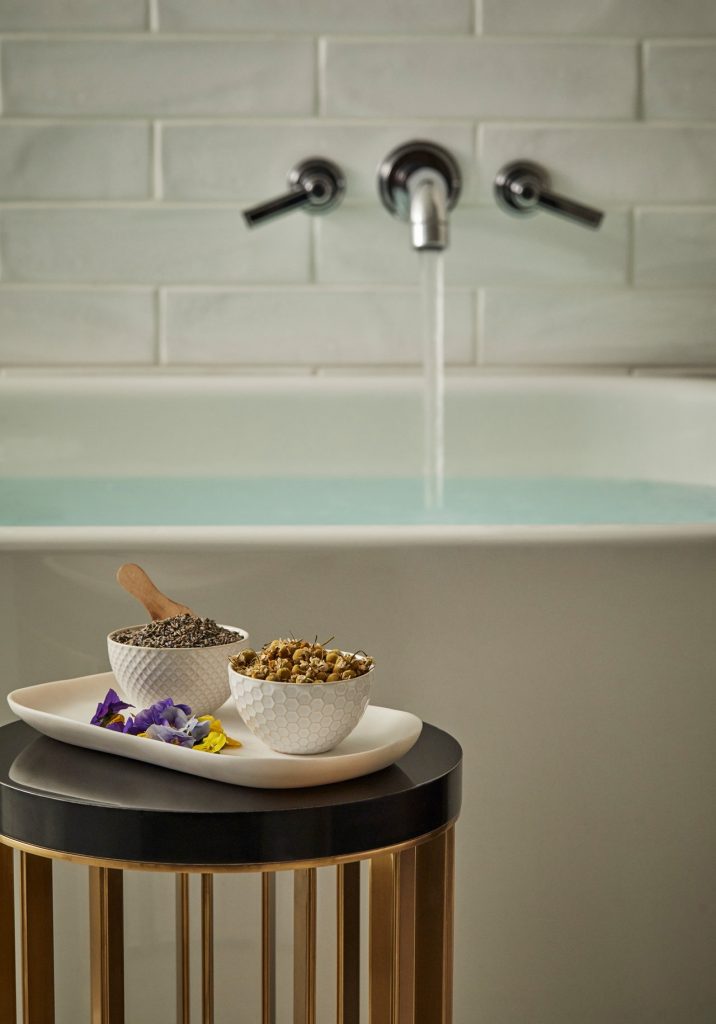
Cold-to-Warm Contrast Shower (2 minutes):
- How It Works: Adding cold water to a nightly shower may sound miserable, but I promise it is worth it for a good night’s sleep. Alternate between 30 seconds cold and one minute warm
,; finish with 30 seconds cold. - Why It Works: A brief cold exposure followed by warm water stimulates the vagus nerve and enhances PSNS activation. You can think of the vagus nerve as the ultimate rest regulator. Vagal activation increases GABA and norepinephrine—neurochemicals tied to mental calmness. This shift quiets the brain’s overactivity and makes it easier to unwind and fall asleep.
Brain Wave Entrainment:
- How It Works: This is my favourite strategy, since it requires nothing but to lie down and listen to music! Lie in a comfortable position, tap Do Not Disturb on your phone and pull up a Binaural Beats Sleep playlist on Spotify or Apple Music. Simply close your eyes and listen for a few minutes or as long as you’d like.
- Why It Works: Binaural beats using frequencies that differ by 4–8 Hz can help nudge the brain toward the theta range, which is associated with deep relaxation and meditative states. This is the important phase when the body transitions from wakefulness into rest. Controlled studies show that auditory beat stimulation can increase time spent in slow-wave sleep and enhance next-day cognitive performance.
Environmental Cues
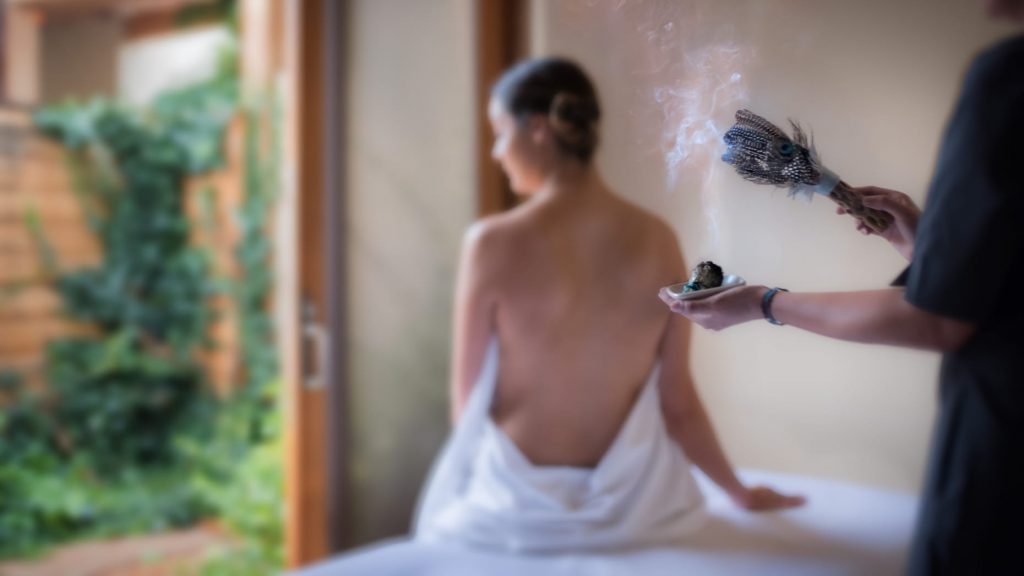
Relaxing Light:
- How It Works: Witnessing a sunset brings a sense of calm and contentment. By integrating intentional lighting into home and travel spaces, we mimic the effects of experiences in nature. Transition to warm amber lighting an hour before bed. Also be aware of the ambient light emanating from televisions and clocks. It can be very helpful to cover these to create a completely dark room.
- Why It Works: Warm light improves sleep because it reduces melatonin suppression, allowing your body’s natural sleep hormone to rise at the right time. Evening exposure to blue-rich light (bright screens and overhead lighting) signals to the brain that it’s still daytime, disrupting our circadian rhythm and delaying the onset of sleep.
Natural Sounds:
- How It Works: Like watching a sunset, hearing nature sounds inspires a shift in focus from modern challenges to a state of reprieve. We can replicate this experience in our home or hotel. Curate soundscapes of ocean waves, rainfall, or soft binaural tones prior to sleep. This sets the stage for a calming space.
- Why It Works: Listening to soothing sounds before or during sleep helps activate the PSNS. A meta-analysis found that acoustic stimulation (like auditory tones or sounds) can significantly increase slow-wave sleep, which is the deep-sleep stage most tied to recovery and memory consolidation.
Scent Infusion:
- How It Works: I love to travel with aromatherapy. A few minutes before bed, I will use it on my palms and spray a calming mist on my pillow. Scents such as lavender, vetiver, and bergamot lower anxiety and heart rate variability.
- Why It Works: Lavender’s primary aromatic compounds (linalool and linalyl acetate) interact with receptors in the olfactory system that signal the brain to shift into a calmer, parasympathetic state. This lowers heart rate and blood pressure—two key prerequisites for entering deep sleep.
Cool Temperature:
- How It Works: At night, our body temperature has to drop by two degrees from daytime temperatures to be able to experience deep sleep. Prior to bed, set the thermostat between 67 and 70 degrees.
- Why It Works: In several controlled lab studies, participants’ lowered core body temperature resulted in longer durations of slow-wave sleep.
I have learned that sleep is a strategic investment, a currency of performance, mood, and longevity. We can embrace this restorative time of year and use the darker days as a signal that it is time for gentle rest.
Nora Tobin is a leading authority in high-performance wellness, delivering customized programs to executive teams, professional athletes, and celebrity clientele. She is the CEO of Nora’s Naturals and a certified integrative health coach. As a Four Seasons Hotels and Resorts visiting practitioner, she offers customized retreats and leadership off-sites.
More like this


beaches costa rica
What to Do in Guanacaste, Costa Rica: A Concierge’s Outdoorsy Guide
Dylan Vasquez Mora shares where to go to discover the area’s natural wonders.

golf
Course Correction: The Link Between Wellness and a Better Golf Game
How to harness your inner calm for optimal performance on the links.
Trending
-
The NordicTrack Ultra 1: Where Performance Meets Elegance
When every inch of your space is designed with luxury in mind, shouldn’t your gym also reflect form and function?
-
Bring The Four Seasons
Experience HomeRest peacefully on the world’s most comfortable mattress.
-
Opinion: In Defence of Luck
In the success equation, luck plays an important role.