with Caymus Vineyards
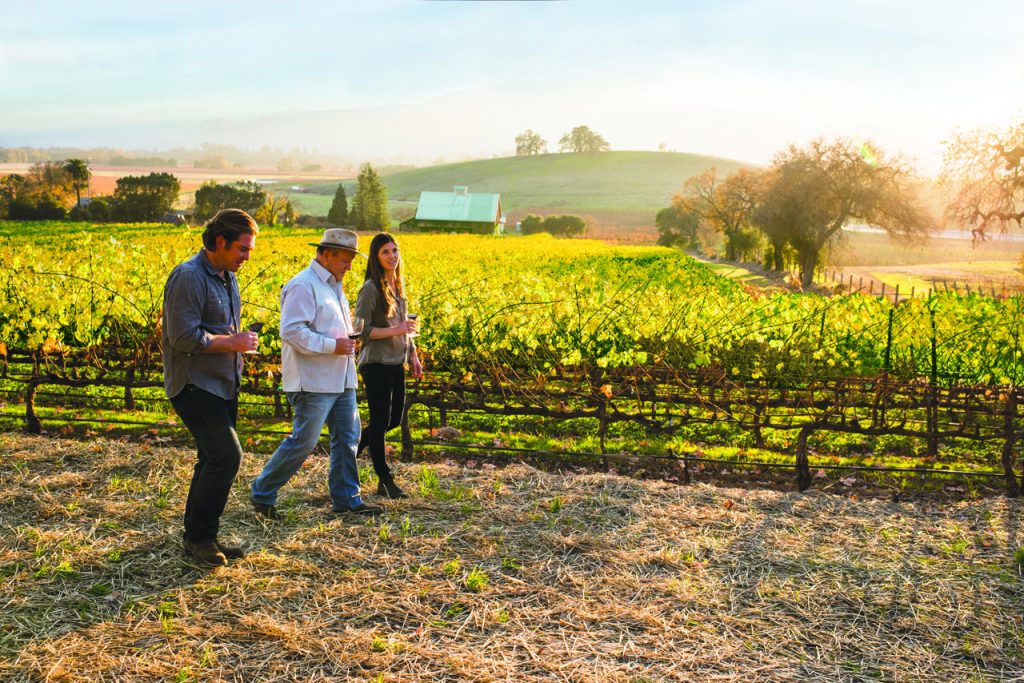
Learn moreThe Wagners of Caymus walking a vineyard in Napa Valley
A Napa Winemaking Family Looks Beyond the Valley
The Caymus founding family are uncovering new pockets of California suited to the wine’s signature style.
Bottles of nail polish spread across the table at Caymus Vineyards, their colours mixed and tested as Chuck Wagner, his son Charlie, and daughter Jenny work out ideas for a wine label. This is how the Wagner family has always done business: together, around a table or amongst the vines, with their hands in the work. At Caymus, family, business, and land have always been closely connected—and that connection shapes the wines the Wagners make.
The Wagner family’s farming roots in Napa Valley date back to the 1850s, well before wine became the center of Napa’s identity. Chuck grew up on a 70-acre farm in Rutherford, during a time when the valley looked very different from the rolling vineyards visitors know today. “Prunes were the number one product for the county,” he recalls of his childhood in the 1960s. Chuck and his parents had a hand in changing all of that. In 1972, they founded Caymus Vineyards (when he was just 19)—becoming one of the about 15 wineries operating in the valley at the time. In the decades since, he watched Napa grow from a largely agricultural community into one of the world’s best-known wine regions.
He’s also spent more than 50 years learning what makes its vineyards capable of producing outstanding Cabernet Sauvignon: climate, soil, sun exposure, and the way a vine responds to its surroundings. Once Chuck understood those conditions, his next instinct was to question where else they might exist. His answer lies in Caymus California Cabernet Sauvignon, first released with the 2021 vintage.
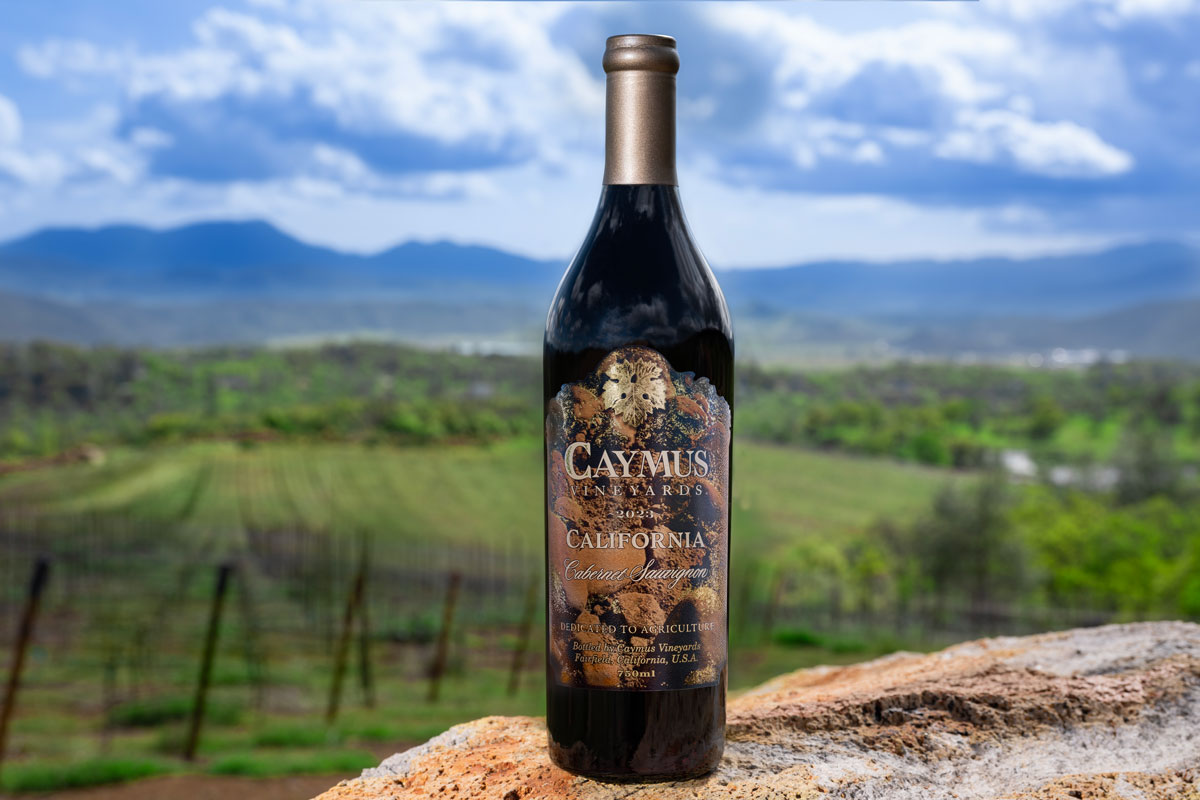
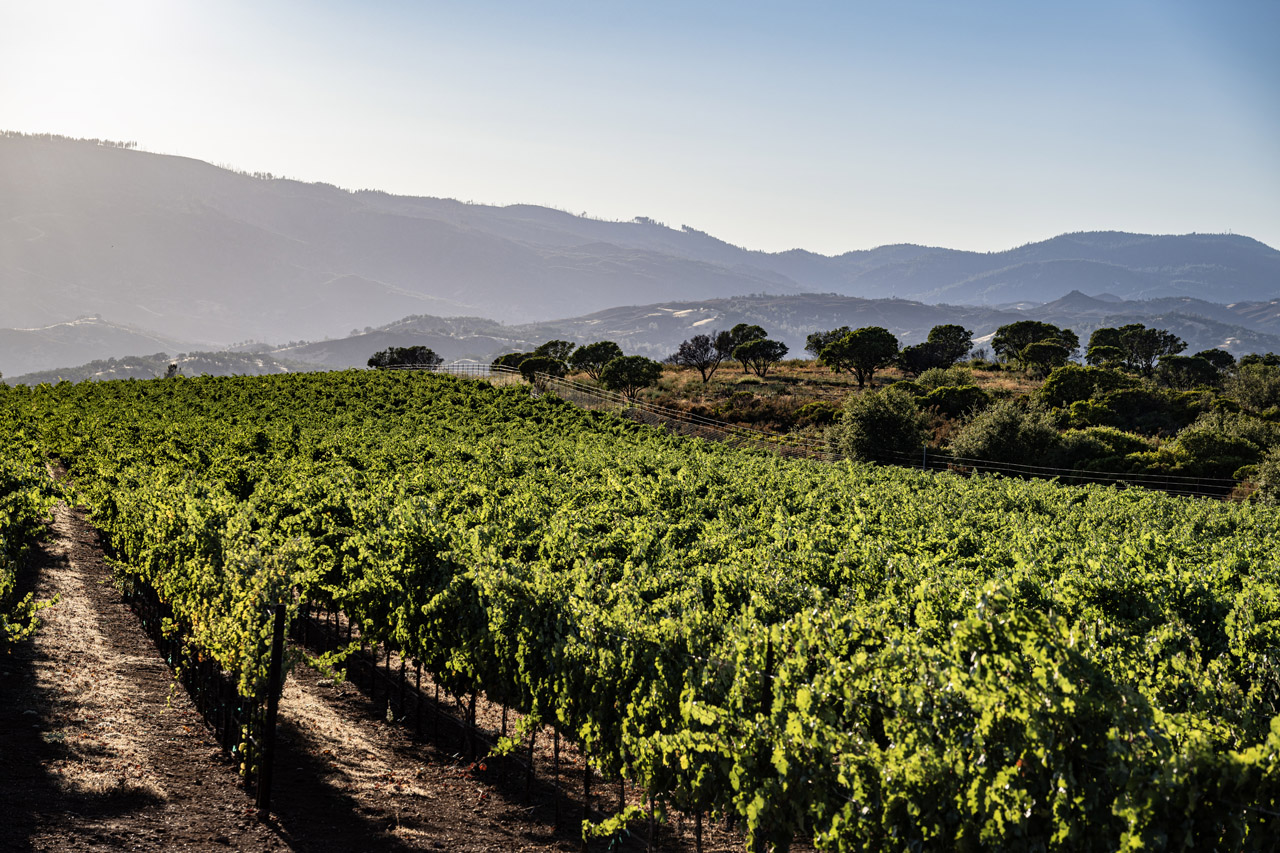
The idea to explore Cabernet’s potential beyond Napa Valley traces back even further, to a conversation Chuck had at 16, when a family friend asked him why Napa was so special. He responded with the two things that have guided him ever since: climate and soil. Decades of farming and winemaking across California convinced the Wagners that similar conditions can produce similarly excellent wine: warm days, cool nights, sloped ground with southern exposure, and stony soil that forces vines to work for their fruit. The result is small berries, deep colour, and concentrated flavor.
Those conditions continue to be the foundation for the Wagner family’s flagship wine—Caymus Cabernet from Napa Valley. But they have now found similar conditions well beyond Napa in places like Paicines in San Benito County, Lake County, and Lodi—regions that have received far less attention for fine Cabernet. Napa itself was once just as obscure, and it’s only natural for one of its founding winemaking families to have a hand in raising the profile of California’s next great wine regions.
Expanding beyond Napa isn’t simply about finding new places to make Cabernet. It’s also about investing in growers and communities Chuck, Charlie, and Jenny believe deserve more recognition. The Wagners see an opportunity to help growers in these places produce better fruit while bringing greater attention to regions that have long sat outside California’s best-known wine story. To that end, they work directly with growers, sharing farming practices and paying a premium for quality grapes in regions that have historically received modest prices for their fruit.
Charlie and Jenny Wagner, both accomplished winemakers, are full partners in shaping the family’s growing portfolio. What matters most to the family is offering consumers wine that they enjoy, vintage after vintage. Caymus’s six-person team tastes through nearly 100 fermentation lots each vintage, and do so deliberately blind to where any given lot was grown. “That reveals the quality that we like, the [characteristics] we look for in a wine,” Chuck says.
This signature style, first developed with Caymus Cabernet from Napa Valley, now extends to Caymus California Cab. At the winery, guests are often given both wines blind, and their preference is usually split about 50-50. Chuck describes that a Caymus wine offers “an invitation to it,” something that smells like what you’d want to put in your mouth. “On the palate, it should never make you wince; it should build toward a smile.” Chuck says late-season picking, later than most producers, helps soften the tannins. The result, in his words, is a wine that’s “round, luxurious, flavorful, and long.” Since roughly 1978, Caymus has aged its Cabernet exclusively in French oak, which Chuck credits for its lush, vanilla-tinged fruit and lingering finish.
For the Wagners, good wine has always been about more than what’s in the glass. Chuck still recalls something his father used to say: with one bottle of wine, four strangers can become friends. Caymus California Cabernet carries that idea into a new generation and beyond Napa, connecting the Wagners with growers in places that have spent years outside the spotlight.
For a family that has spent more than a century farming California, the search for the very best of the state’s bounty continues. There is always another hillside, another valley, another place worth understanding.
More like this

award-winning dining Caribbean
The Evolving Soul of Creole
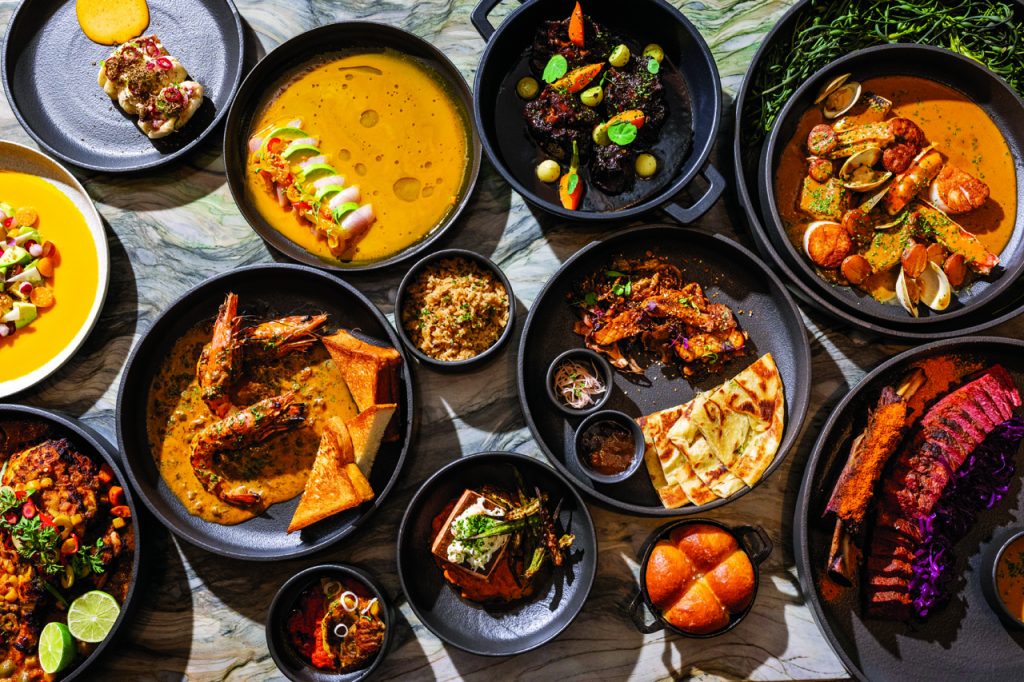
A creative collision of African, Indigenous, and European flavours and techniques, this shape-shifting cuisine finds new recognition on the global stage as it continues to reinvent itself.

bars restaurants
San Francisco, Like a Local
The director of residences at Four Seasons 706 Mission reveals the places that make the city feel like home.
Trending
-
Canvases & Cuisines: Seven L.A. Restaurants Where Art Is on the Menu
Discover vibrant art while enjoying exceptional dining at these seven Los Angeles restaurants.
-
9 Family Vacations Recommended by Moms
Discover tips for family travel in destinations around the world from mothers who know travel, from Orlando to Hong Kong.
-
Rare Trade: Meet 4 People Searching the World for the Exceptional
Discover the rarest of the rare, from elusive ingredients to adventures with icebergs.