Tips From Expert Travel Photographers

Globetrotting photographer Robb Gordon is often asked what kind of camera he owns. “Nobody asks a writer what kind of pen he uses,” says Gordon. “I don’t really care about the camera. I care about the image.” Photographer Martin Morrell echoes Gordon’s sentiment: “One doesn’t need an expensive camera in order to capture moments that please—[they] can be shot on a smartphone.”

Instagram’s global network of more than 400 million users proves every day that anyone with a smartphone can capture and share beautiful photographs from around the world.

To assist travellers during the Focus on Four Seasons Instagram contest, we called in some of the most talented travel photographers in the business to share tips and techniques for taking the perfect photo.

Take advantage of Mother Nature’s lighting at sunrise and sunset

Photographers live for what’s known as the golden hour—those short windows of time after sunrise or before sunset when the light gives anything you point your camera at a rich, golden glow.

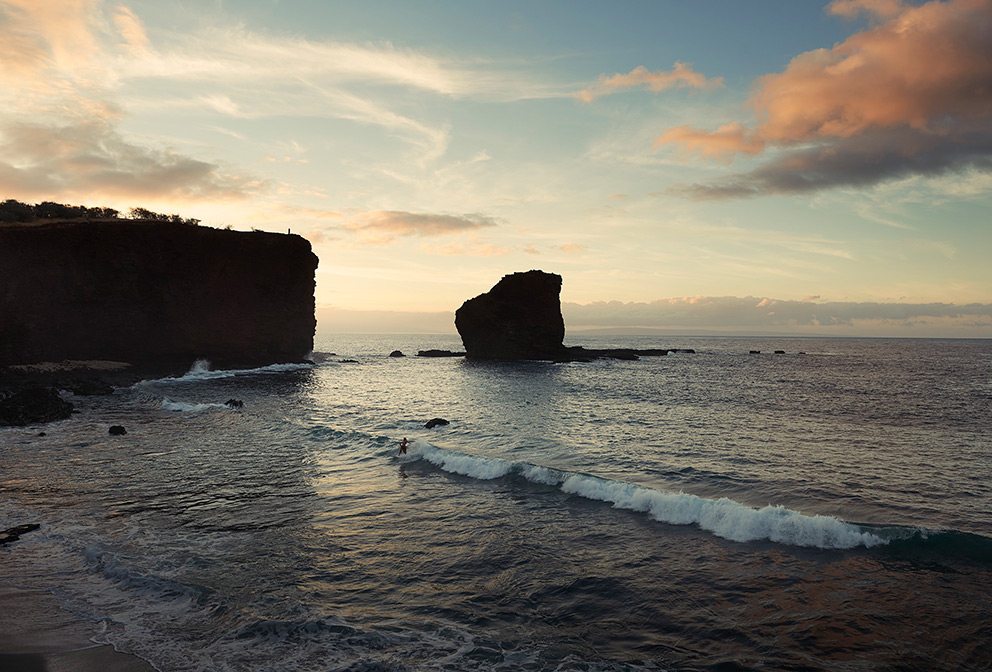
“Whenever I can, I shoot during these times for the softest tones and most dramatic lighting,” says Dana Neibert, who is known for his environmental and landscape photography like the shot of Lanai, pictured above. “It’s so easy to make a nice image at those times.”
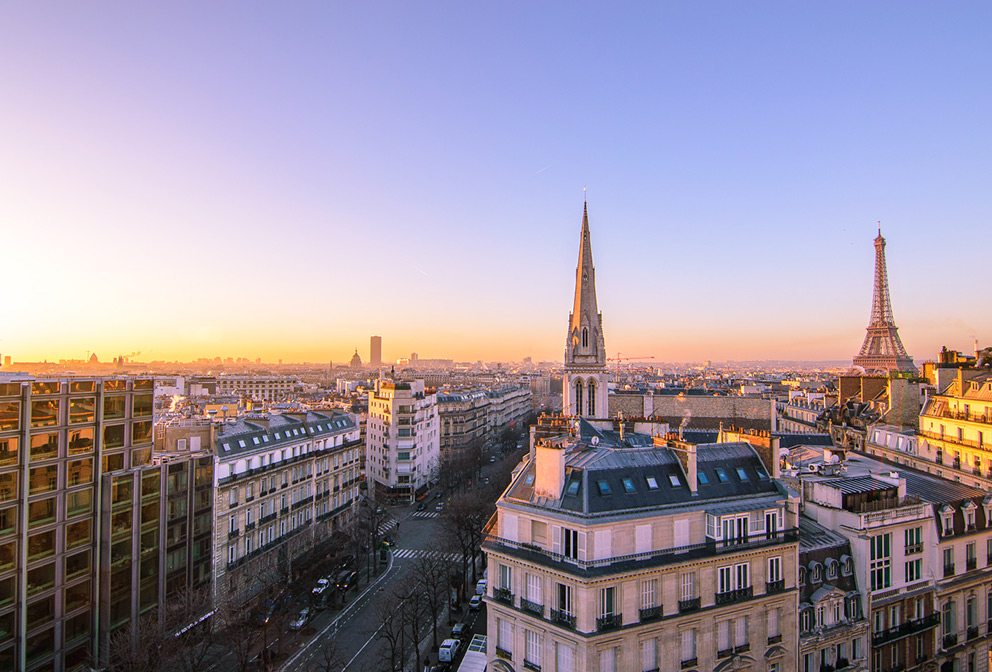

Photography tips and tricks: Shooting sunrise in Paris

The gilt morning light shining on Paris’ iconic Haussmannian buildings nearly steals the show from the Eiffel Tower in this photo, taken by Lesley Murphy from the Penthouse suite at Four Seasons Hotel George V, Paris.

Lesley Murphy, photographer and travel blogger at The Road Les Traveled, agrees that lighting can make or break a photo. “I shot this during sunrise in Paris from the Penthouse at Four Seasons Hotel George V, Paris,” she says. “Needless to say, it was worth the 6:00 am wake-up call. I wanted to make sure it had the best lighting.”

Murphy adds that a remote-control shutter release, tripod and wide-angle lens are helpful when shooting with a DSLR during this golden hour. “But even if you’re taking photos with an iPhone,” she says, “having something in the foreground will help bring out the various shades of the sunlight.”

Four Seasons Hotel George V, Paris
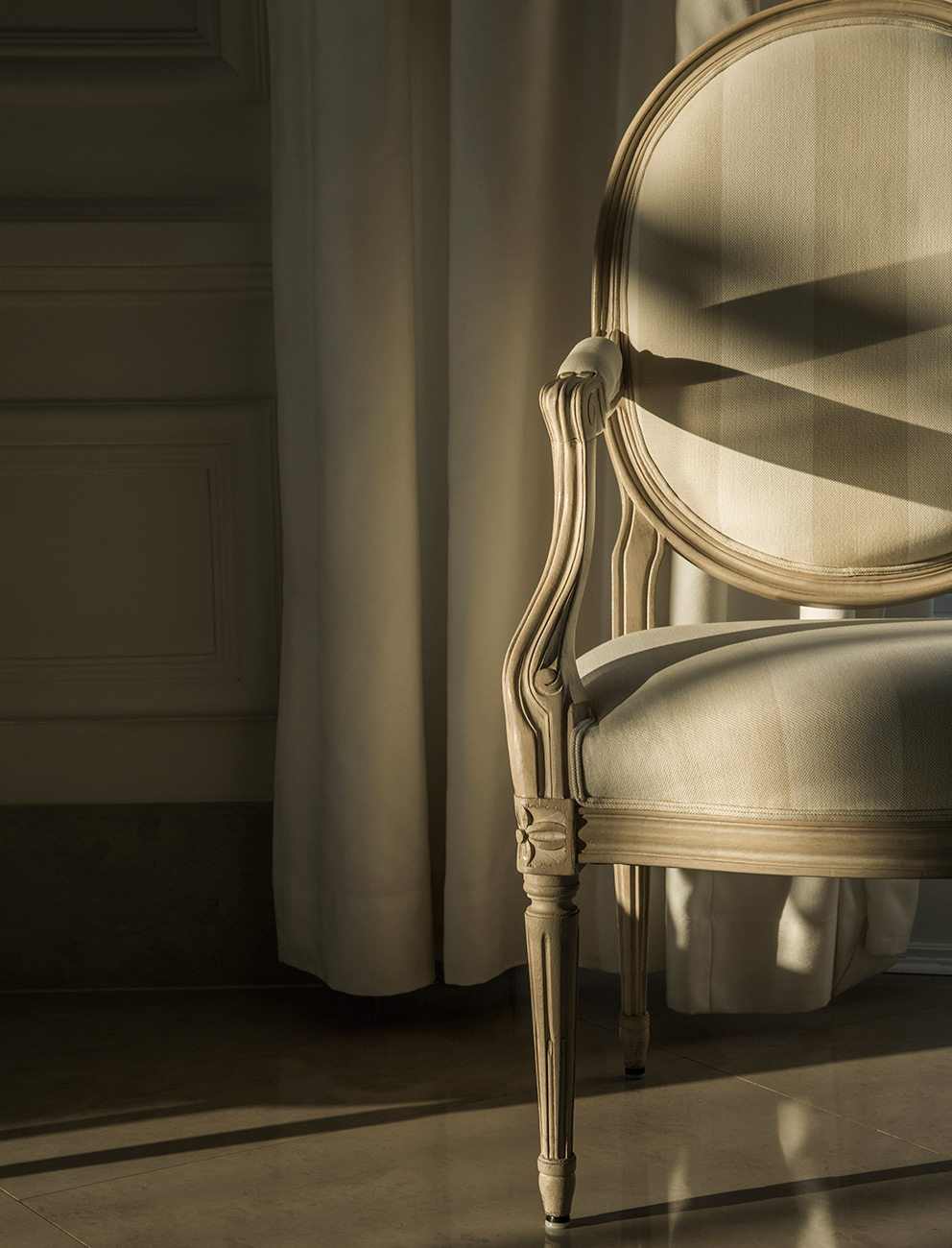

Photography tips and tricks: Shooting interiors at sunrise

At 7:00 am, the French Riviera light created the perfect shadow for Martin Morrell, instilling energy into this portrait of a classic French chair.

Photographer Martin Morrell gives the early-morning French Riviera light (and resulting dramatic shadow) the credit for adding such energy to this photo captured inside Grand-Hôtel du Cap-Ferrat, A Four Seasons Hotel. “It’s the old adage of dawn and dusk for capturing great light and shadows, when the sun is lower and closer to the horizon.”

When shooting interiors, Morrell recommends including a human element or a small detail to bring the photo to life. “Being observant is key, as well as learning how to inject life into situations.”

Grand-Hotel du Cap-Ferrat, A Four Seasons Hotel

Utilise reflections to transform typical photos
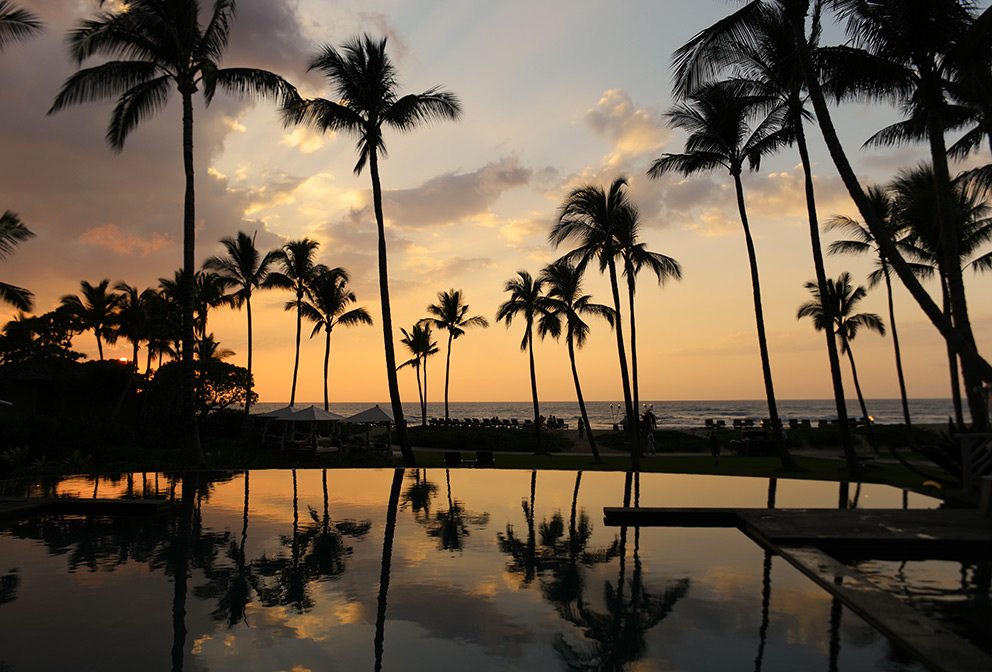

Photography tips and tricks: Capturing sunset reflection on the water

The Palm Grove Pool at Four Seasons Resort Hualalai provided a brilliant reflection for Kirsten Alana’s snapshot of the Hawaiian sunset.

Photographer Kirsten Alana, the eye behind the travel photography blog Aviators and a Camera, also finds herself looking for different ways to capture “cliché” shots. “During sunset at Four Seasons Resort Hualalai, most people went to the beach to capture the moment,” she says. “Instead, I headed to the Resort’s pool so that I could use its large reflective surface as a giant mirror, doubling the impact. The pool gave a water effect, but was smoother and reflective.”

To recreate this photo, Alana suggests focusing on and exposing for the reflection rather than the reflected object, since the light between the two can vary greatly.

Four Seasons Resort Hualalai

Focus on what’s most important
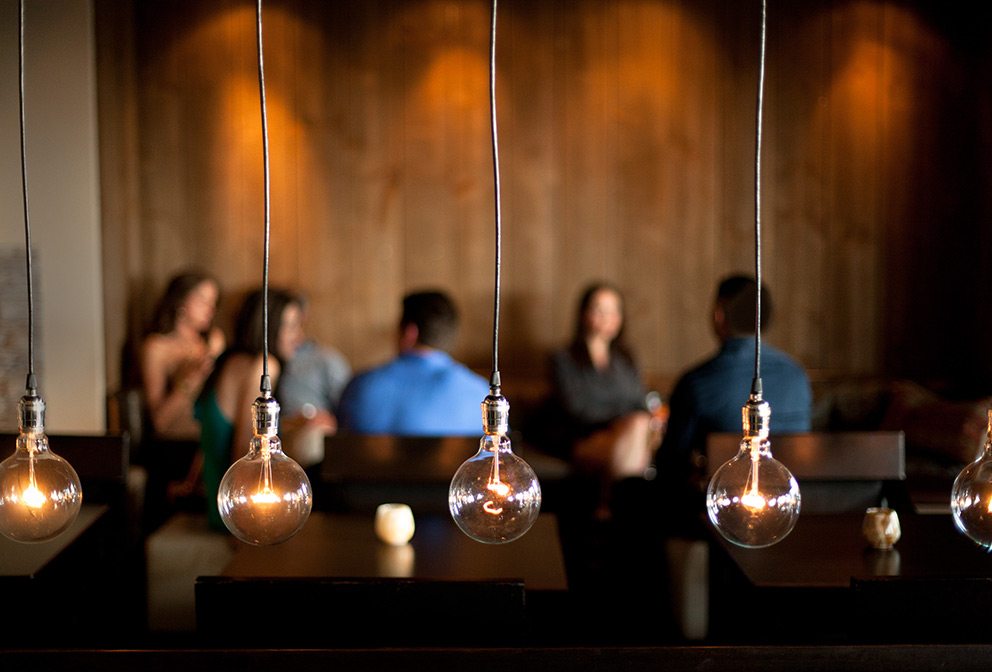

Photography tips and tricks: How to focus

While photographing The Bar at Four Seasons Resort Rancho Encantado Santa Fe, Don Riddle uses a shallow depth of field to highlight a design detail while still conveying the mood of the entire place.

Photographer Don Riddle has spent the last 15 years travelling the globe with camera in hand. To add interest to otherwise simple snapshots, he suggests playing with depth of field. “This technique is useful to soften the other elements in the scene,” instructs Riddle, “and bring the focus to the subject you want the viewers to see.”

To achieve this effect, Riddle shoots in aperture priority mode or in manual mode with the aperture setting at the smallest f-number. This style of photo can also be achieved, although it’s more difficult, on a smartphone. “Focusing on something very close to the camera will cause the background to go out of focus. Touching the focus option on your smartphone will force the camera to focus on the subject in the foreground. The closer you are to the subject, the more out of focus the background will be.”

Four Seasons Resort Rancho Encantado Santa Fe

See the world in 360 degrees
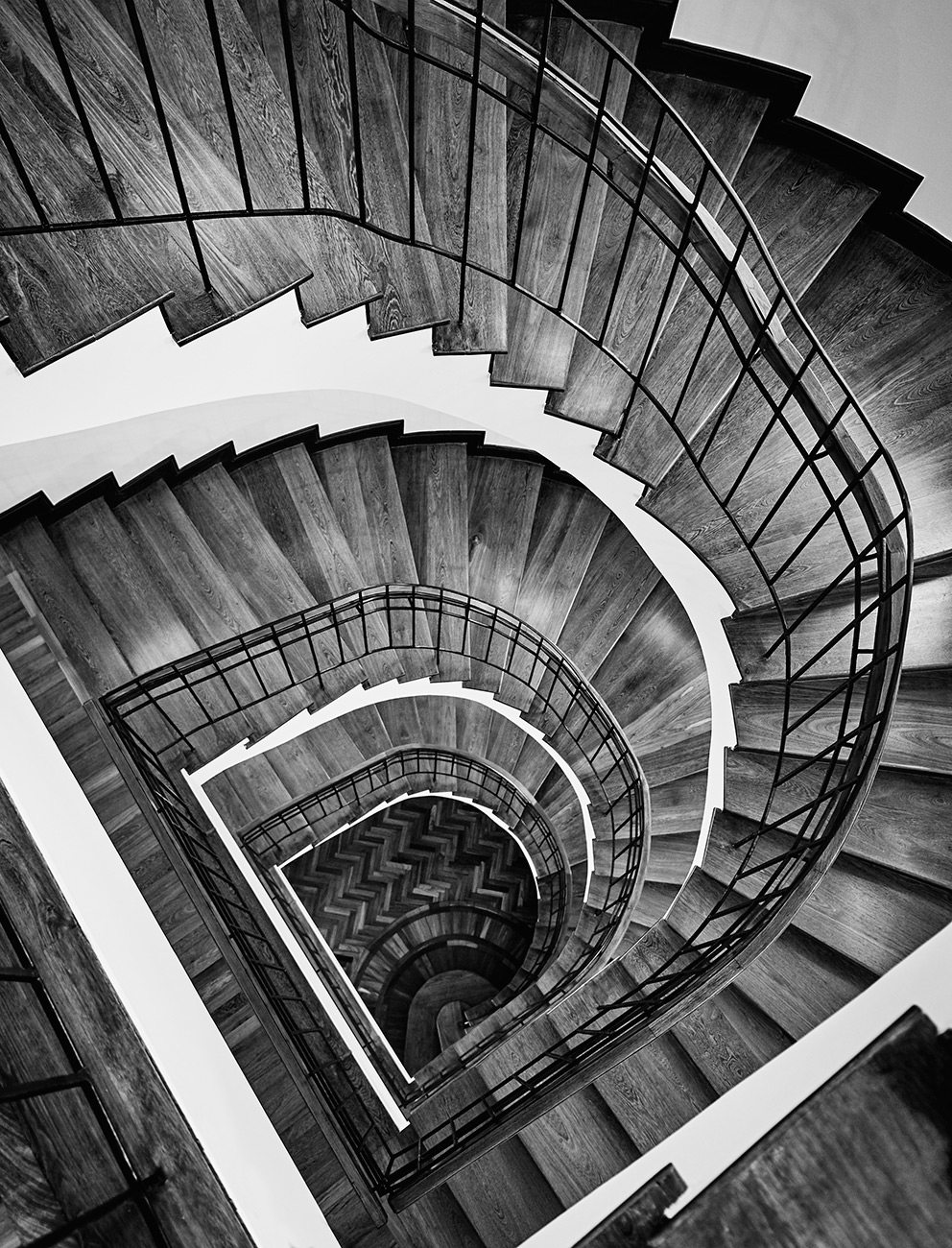

Photography tips and tricks: Shooting at all angles

Christian Horan was walking through the new Four Seasons Hotel Casa Medina Bogotá when he uncovered this dramatic angle on the Hotel’s spiral staircase.

As a cultural and international travel photographer, Christian Horan is always searching for perspectives that might be missed by the untrained eye. “A mentor taught me to always push myself to look further than the obvious angle,” he says. “I continually remind myself to look around when I’m discovering a new location or building.”

Horan captured this dramatic portrait of the spiral staircase at Four Seasons Hotel Casa Medina Bogotá from above, an angle that brings excitement to the shot. “Keep your mind open and eyes open wider,” he urges. “There’s always a new and different perspective to capturing a scene.”

Four Seasons Hotel Casa Medina Bogota
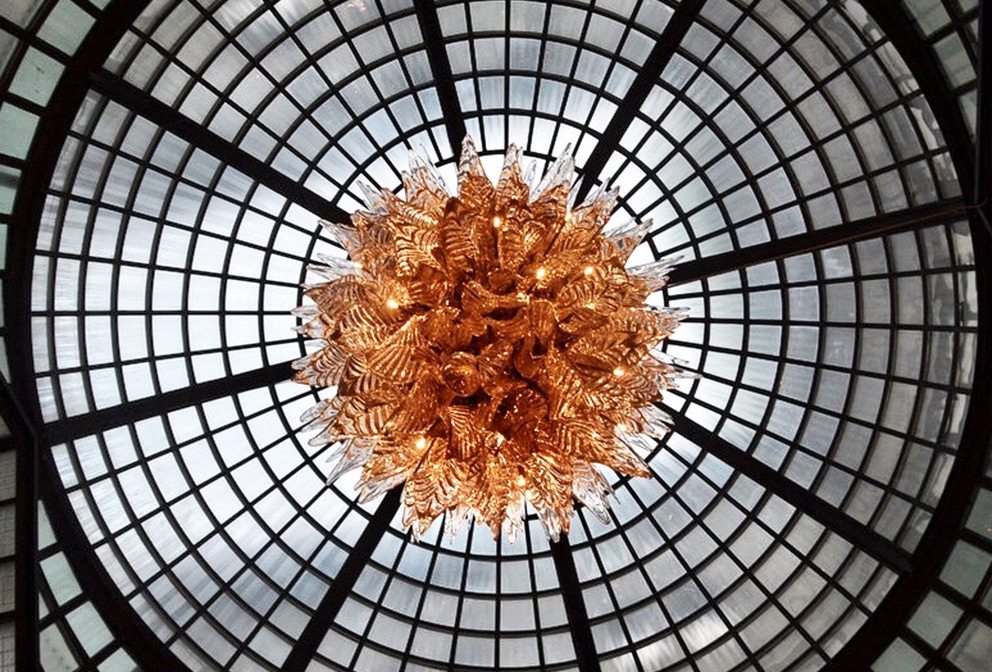

Photography tips and tricks: Shoot at all angles

While waiting in the lobby of Four Seasons Hotel Gresham Palace Budapest, photographer Matt Long looked up and discovered the Art Nouveau ceiling and chandelier.

Photographer and founder of the blog Landlopers, Matt Long also urges us to explore the world from every angle: “You’d be surprised at the moments you’ll discover if you just take the time to truly look all around.”

It was while waiting for his partner in the lobby at Four Seasons Hotel Gresham Palace Budapest that Long glanced up to discover the glass ceiling and chandelier that would become the subjects of this stunning shot. “Don’t forget to look up and behind you. There really are some different perspectives to be found.”

Four Seasons Hotel Gresham Palace Budapest
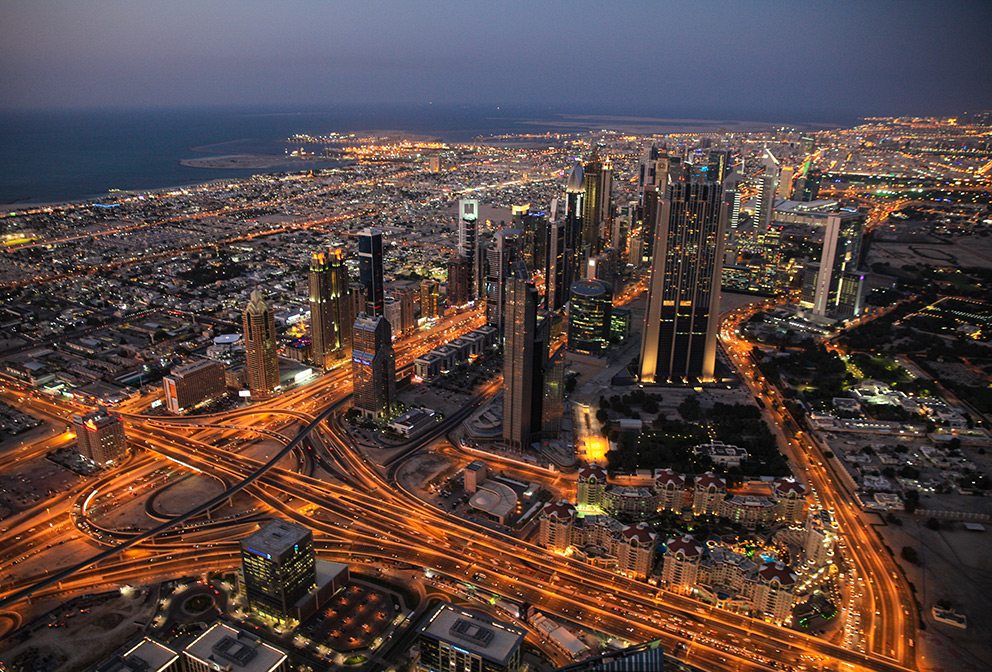

Photography tips and tricks: Aerial night shot of cityscape

Sean and Jennifer Nguyen captured Dubai’s city lights coming to life from the 124th floor observation deck of the Burj Khalifa, the world’s tallest building.

Sean and Jennifer Nguyen are the husband-and-wife duo behind the popular Instagram handle Kobechanel, a photographic chronicle of the couple’s travels around the world. A quick scroll through their stream reveals that the Nguyens have a penchant for shooting above destinations using a wide-angle lens, as evidenced by this night-time view of Dubai.

“Taking in the vastness of this desert city is best seen from as high above as possible,” says Sean. “Especially at sunset, seeing the transition of the city from sun-baked to moonlit is remarkable.” To create a night-time aerial photo with this same sense of motion, the Nguyens recommend using a tripod and long exposures.

Four Seasons Hotel Dubai International Financial Centre

Find details that bring local culture to life
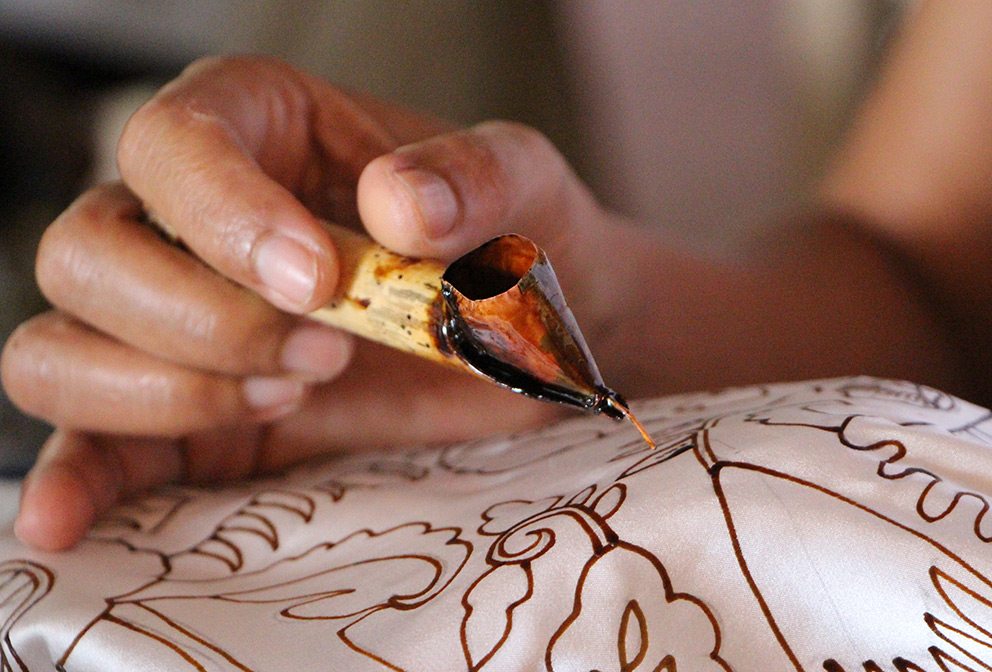

Photography tips and techniques: Shooting details

Focusing on this artisan’s hand allowed Rachelle Lucas to capture the intricate batik technique that’s so cherished within Balinese culture.

Capturing local culture beats at the heart of Rachelle Lucas’ culinary and travel blog, The Travel Bite. But as a photographer, she is always pushing herself to go beyond portraits of locals and shine a light on the details that speak to the subject’s unique way of life. “If you enjoy getting shots of people and culture,” she says, “get a different angle and physically move your body to make the photos more interesting.”

While touring the Batik Popiler II Factory in Bali’s Tohpati village, for example, Lucas focused on a woman’s hand rather than the larger picture to illustrate the skill required by the complex batik technique. “It’s a lengthy process of drawing, dying the fabric and then removing the wax. It made me appreciate the designs much more, and is something that a wide shot couldn’t capture.”

Four Seasons Resort Bali at Sayan

YOUR JOURNEY BEGINS HERE

Select a destination and start exploring
Concierge

Trending Now: Modern Salons from London to Dubai


Exchanging ideas at Salon London

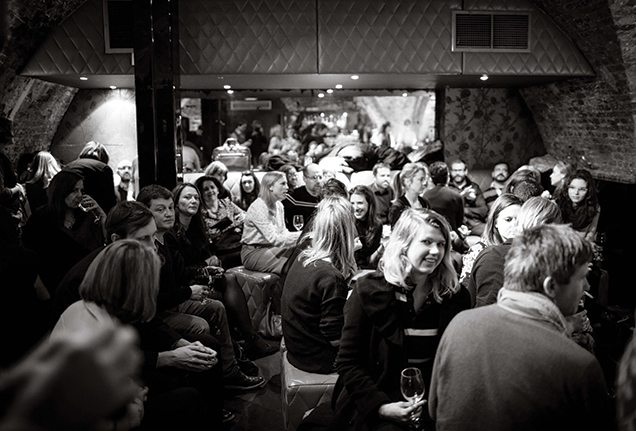
A modern iteration of the traditional literary salon, Salon London organises monthly gatherings showcasing experts in the worlds of science, the arts and psychology.

In the fall of 2003, California teacher Toby Brothers moved to Paris for her husband’s job. For her, the romance of the move, the thoughts of idling away days along the Seine, were soon overshadowed by the realities of integrating herself into a new culture, learning a new language and settling into a new city. One evening, a chance encounter at a cocktail party led to an in-depth discussion of her passion for teaching and a favourite book—Beloved, by Toni Morrison—prompting a new idea. What do you do, as a literature teacher, to embrace your new environment in one of the world’s most cultured cities? Why, you set up a literary salon. This is Paris, after all.

Hotbeds of creativity and progressive ideas, salons are synonymous with the French Enlightenment. The salonnières most associated with the early days are women such as the colourful Madame Geoffrin, who ran arguably Paris’ most famous salon in the mid-18th century, hosting writers and artists. Women led many of the early salons in Europe, creating an important outlet for voices that otherwise might not have been heard. And women are often the catalysts in the current movement.

Today salons have had a renaissance, perhaps as a pushback against the decline of face-to-face human contact in our digital age. From poetry brunches to multimedia presentations in art galleries to scientific discussions in converted warehouses, these gatherings point to the universal need for personal interaction and mental exercise. They allow people to come together to increase their knowledge and hone their tastes through conversation and the exchange of ideas. Their mission is to allow debate, to stoke passion and to inspire.

“Part of my inspiration was Natalie Clifford Barney,” Brothers tells me, “another American expat who ran what was dubbed ‘the liveliest salon in Paris’ in the first half of the 1900s.” Brothers set up her own salon in Paris before moving again, this time to London. Now, her London Literary Salon is based in her living room, where patrons tackle such weighty authors as Joyce, Proust and Faulkner.

Salons are for the free exchange of any type of stories or ideas.

So, I tell myself, a salon is basically a book club. But I quickly learn that I’m oversimplifying: “We use the literature as a launch pad for deeper discussion,” Brothers explains. “It’s a means to an end rather than the end in itself. The literature is a road map to the bigger questions.”

My first lesson is learned: Salons are for the free exchange of any type of stories or ideas. Some salons marry a literary theme with a broader sense of culture or art. Inspired by an invitation to read from her then-in-progress novel at a SoHo art gallery, New York–based writer Vica Miller set up a multimedia salon in 2009. Her idea was to emulate the salons of 1920s Paris salonnière Gertrude Stein, with writers reading from new work amid contemporary art. “The multimedia component is important to me, as I love such synergies,” Miller says. “People connect on a different level because hearing a good story read aloud against a backdrop of amazing art is a transcendent experience.”

Other salons are completely removed from literature. I recently attended an event at Shoreditch House, a members’ club in a converted warehouse, organised by Salon London. The word “literary” doesn’t feature in its objectives of “Science, Art, Psychology.” Co-founder Helen Bagnall says, “People come from all disciplines and want community and intelligent entertainment.” So what’s up for discussion?

“In some ways, we’re what television should deliver,” Bagnall says. “If a salon works, the audience will hear something they’ve never heard before, pick up a new skill, and go away wanting to find out more.”

By the time the salon starts, some 50 people fill the room, with stools taken from the bar next door and standing room only. The Shoreditch House library seems more like a Lothario’s living room: huge velvet sofas, deep leather armchairs and faded Persian rugs. A zinc-topped table to one side forms the centrepiece of a makeshift but elaborate bar. David Nutt, a professor of neuropsychopharmacology, speaks on what medicines do to the brain. The subject: “The Truth About Drugs.” In the spirit of the salon, he sits, speaking in a conversational manner, inviting comments and questions. While it wasn’t a subject I would have expected for a salon, it was an insightful, witty, often challenging and thoroughly engaging affair, imbued with human interaction, laughter and the frisson of participation. I left energised, enlightened and intellectually stimulated. And I’d learned another lesson: Salons aren’t just a lot of people attending a reading or lecture. Even though modern salons may not be held in private sitting rooms and may be guided by a lecturer, the key is casual interaction and the exchange and growth of ideas.

London salons have become the vogue in recent years, and not simply for emerging writers. At the top of the list, playwright and journalist Damian Barr leads monthly events where established authors read from upcoming works and pitch ideas. The gatherings have gained such repute that they are now attended by the glitterati as well as the literati. Past sessions have featured the likes of David Nicholls, John Waters and Bret Easton Ellis. Barr has taken his literary salon abroad, too, holding events destinations like Istanbul. Which leads me to my next realisation: Modern salons aren’t held only in Paris, London or New York. (In fact, salons first developed in the Middle East.)


The trendy thing to do after iftar, the breaking of the fast, is to head out to various cafés for literary salons and open-mic reading nights.

The movement is gathering fresh momentum globally. Salons in the 21st century cross borders, languages and even the digital wall. In Dubai, amid a thriving arts and culture scene in the UAE, American expat, blogger and writer Danna Lorch has observed bibliophiles setting up their own discussion groups through Twitter and local literary festivals. “During Ramadan,” Lorch says, “the trendy thing to do after iftar, the breaking of the fast, is to head out to various cafés for literary salons and open-mic reading nights.” Here, the salon culture leans more towards poetry. It’s a tradition in the Middle East that dates back to the Middle Ages, with its recent incumbents led, in part, by Sheikh Mohammed bin Rashid Al Maktoum and his son, published poets who write in both English and Arabic.

Punch and The Poeticians, both run by poets, lead the new salon wave in Dubai. Punch is a short way of saying “poetry bunch.” Lebanese poet Zeina Hashem Beck organises the monthly event at BookMunch, a Dubai literary café. The Poeticians, founded in 2007 and also active in Amman and Beirut, is “an elastic entity welcoming anyone willing to share bits of their linguistic light with us in English, Arabic or French.” Both groups rely on Facebook for communication. So my next lesson, and perhaps the most surprising, is that yes, salons are about personal, often face-to-face, communication, but they aren’t forums for Luddites. Even if they develop as a reaction against the impersonal qualities of digital culture, today’s salons don’t distance themselves from the digital arena, but embrace it. Digital tools are encouraging salons to form and to grow: connecting people, distributing content, even offering salon events as podcasts.

Of all the salons around the world today, perhaps the Sunday Salon is the ultimate example of how salons are proliferating and reinventing themselves. Started in New York in 2002 by Alaskan Nita Noveno, the salon runs monthly events at Jimmy’s No. 43, a bar and restaurant in the East Village. Like many other salons, it was designed to encourage new writing and allow emerging writers to find an audience. It wasn’t long, though, before a counterpart group was set up in Chicago—and another in Nairobi. Thanks to Noveno’s use of the internet to encourage others to create similar groups, Salon Nairobi emerged in 2007 out of a partnership between Noveno and June Wanjiru Wainaina, founder of Kwani? Readings. Salon Nairobi has grown into quite the literary machine, publishing and distributing content, running festivals, offering tutelage, and making global connections.

This leads me to the most important thing I’ve learned about modern salons: In contrast to the aristocratic leanings of earlier salons, today’s groups depend on the principle of equality—of all opinions being valuable and up for discussion rather than attack. This latter point is something that’s often a lot easier to adhere to in face-to-face conversation; think of how much more tempting it is to dismiss an idea in, say, an online comments forum.

Literary salons have emerged for all manner of skill levels. Many offer a nurturing environment that novice writers may not find elsewhere. New York’s Pen Parentis, for writers who are parents, takes place in a hotel bar—with literary ambitions fuelled, presumably, by a much-needed cocktail. The Franklin Park reading series, held at the eponymous Brooklyn beer garden, features “emerging and established fiction writers, memoirists, poets and story-tellers,” highlighting “local talent and authors from around the world.” Lit at Lark showcases local authors in Brooklyn’s Lark café.

The environment may have changed, but the reasons for salons remain the same. “People get inspired,” says multimedia salon founder Miller. “Afterwards, writers have told me, they’ve gone back to their own writing desks to finish manuscripts in progress. Many have said they felt enchanted by the nurturing and creative atmosphere. New friendships are forged as people connect and have conversations on a deeper level, and a couple of writers secured an agent and a publishing deal after reading at the salon.”

The salonnière Madame Geoffrin would be proud.

YOUR JOURNEY BEGINS HERE

Select a destination and start exploring
New York City skyline